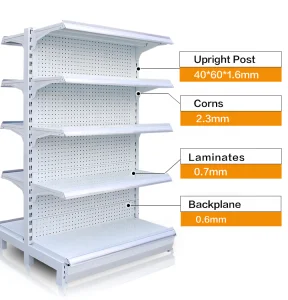
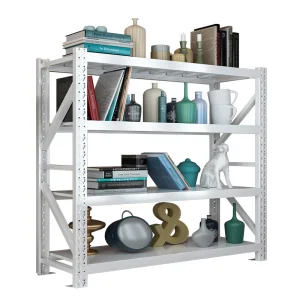
Highly dynamic storage fixtures designed to minimize transit times and optimize floor operations across Chubu's local logistics terminals.
Analyzing Chubu's Transition to High-Density, Earthquake-Resistant Storage Architecture.
The Greater Nagoya Area, encompassing the heart of Aichi Prefecture, represents the pinnacle of Japanese heavy industry and manufacturing. As the home base for Toyota Motor Corporation, aerospace leaders, and high-tech electronics manufacturers, the region processes massive volumes of physical inventory every day. The modern Nagoya logistics network is under unprecedented pressure to optimize cubic capacity while satisfying stringent structural resilience criteria, specifically related to the Tokai earthquake risks.
Global supply chain paradigms dictate that manufacturing plants, logistics hubs, and distribution operations can no longer operate with inefficient storage systems. Standard industrial shelves are transitioning toward automated storage and retrieval systems (ASRS) and high-density structural pallet racking. In collaboration with local distribution centers at Nagoya Port, modern suppliers are delivering custom-engineered structures that increase space utilization by up to 65% while reducing structural overhead. Our strategic insight details the integration of structural integrity, engineering compliance, and raw material efficiency to serve this highly sophisticated demographic.
A world-class manufacturing facility delivering high-grade storage racks directly to global markets under stringent quality assurance regimes.
Established in 2016, Ningbo Shibang Storage Rack Co., Ltd. has developed into a formidable manufacturer of heavy-duty industrial storage racks and retail shelving systems. We utilize deep mechanical engineering expertise and robust steel raw material supply chains to offer unmatched cost-efficiencies to overseas buyers, particularly across Japan, North America, and Western Europe. Our raw material is sourced directly from major domestic steel mills, allowing us to guarantee physical composition and mechanical properties.
Our quality assurance is comprehensive. Our team of 35 QA/QC inspectors oversees every step of fabrication, deploying Ultrasonic Testing (UT) for weld seams, load-bearing stress analysis, coating thickness verification, and raw material tensile testing. This structural security is crucial for clients in Nagoya, where warehouses require seismically engineered structures that prevent product collapses and maintain corporate business continuity.
Aligning international material handling standards with local requirements in the Aichi industrial region.
Nagoya’s manufacturing engine relies on Just-in-Time (JIT) processes. Warehouses feeding production lines must maintain highly organized and rapidly accessible storage. Modern pallet racks must support quick loading and unloading cycles, ensuring that forklift operators can scan, locate, and move pallets with minimal path deviation. Custom rack sizing, vertical adjustability, and integrated barcode labeling tracks are vital features we incorporate to match these demands.
Racking systems in Japan are classified as non-structural building components but are subject to strict seismic load criteria under the Building Standard Act. The connections between the column uprights and the horizontal beams must feature locking pins that prevent dislodgement during vertical acceleration. Additionally, extra-large steel footplates and chemical anchor bolts are required to secure the racking legs to the concrete slab, dispersing the dynamic force evenly across the warehouse floor.
Purchasing directly from Ningbo, China, provides distinct strategic advantages. Ningbo houses one of the world's most advanced steel fabrication and roll-forming industrial clusters. By operating a modern 32,000 m² facility close to Ningbo Port, we bypass intermediate trade fees and transport costs. The resulting savings are passed directly to our clients in Nagoya, offering competitive landing costs even when factoring in international sea freight.
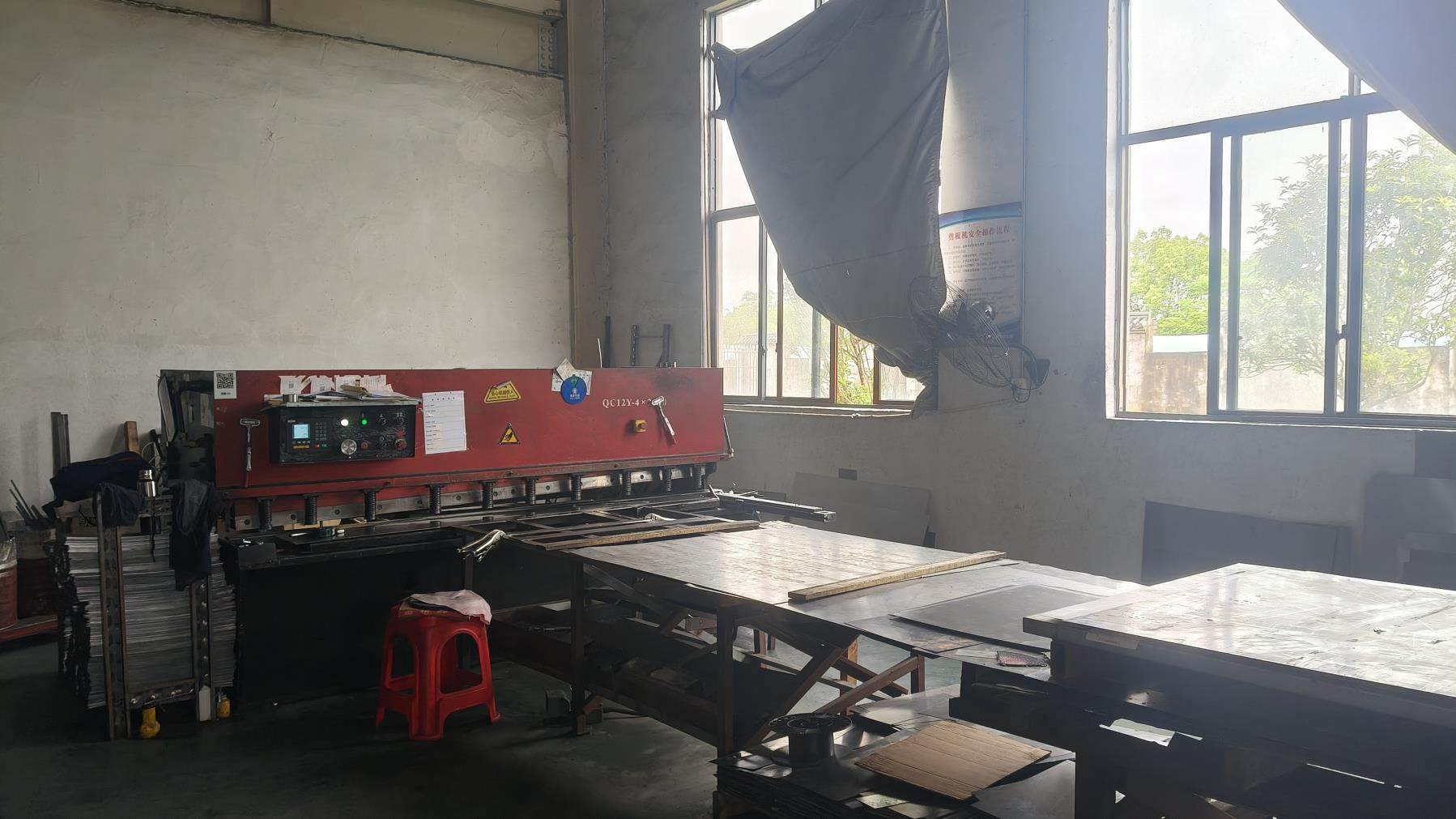
Step-by-step transparency of our production line, showcasing automated machinery and structural quality controls.
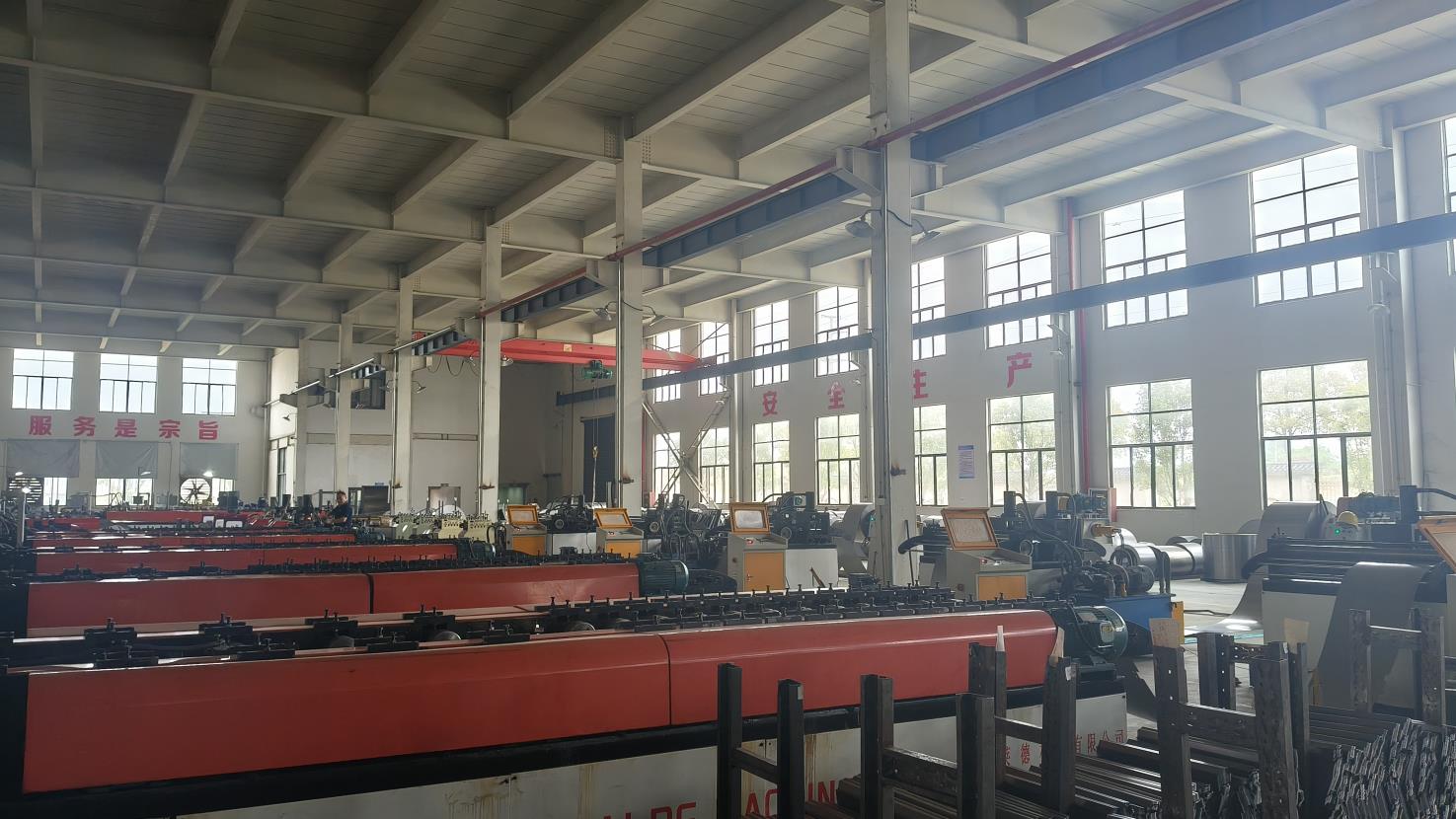
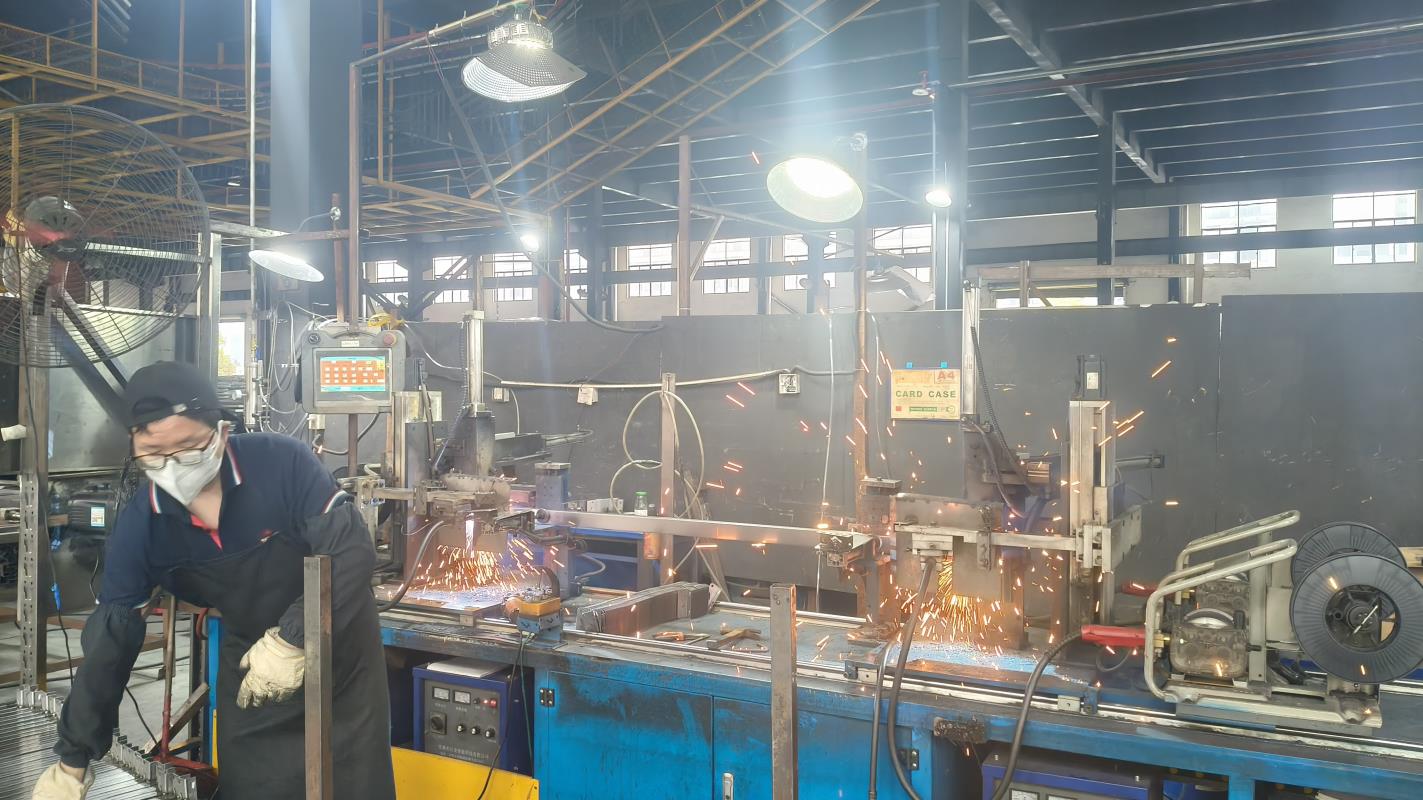
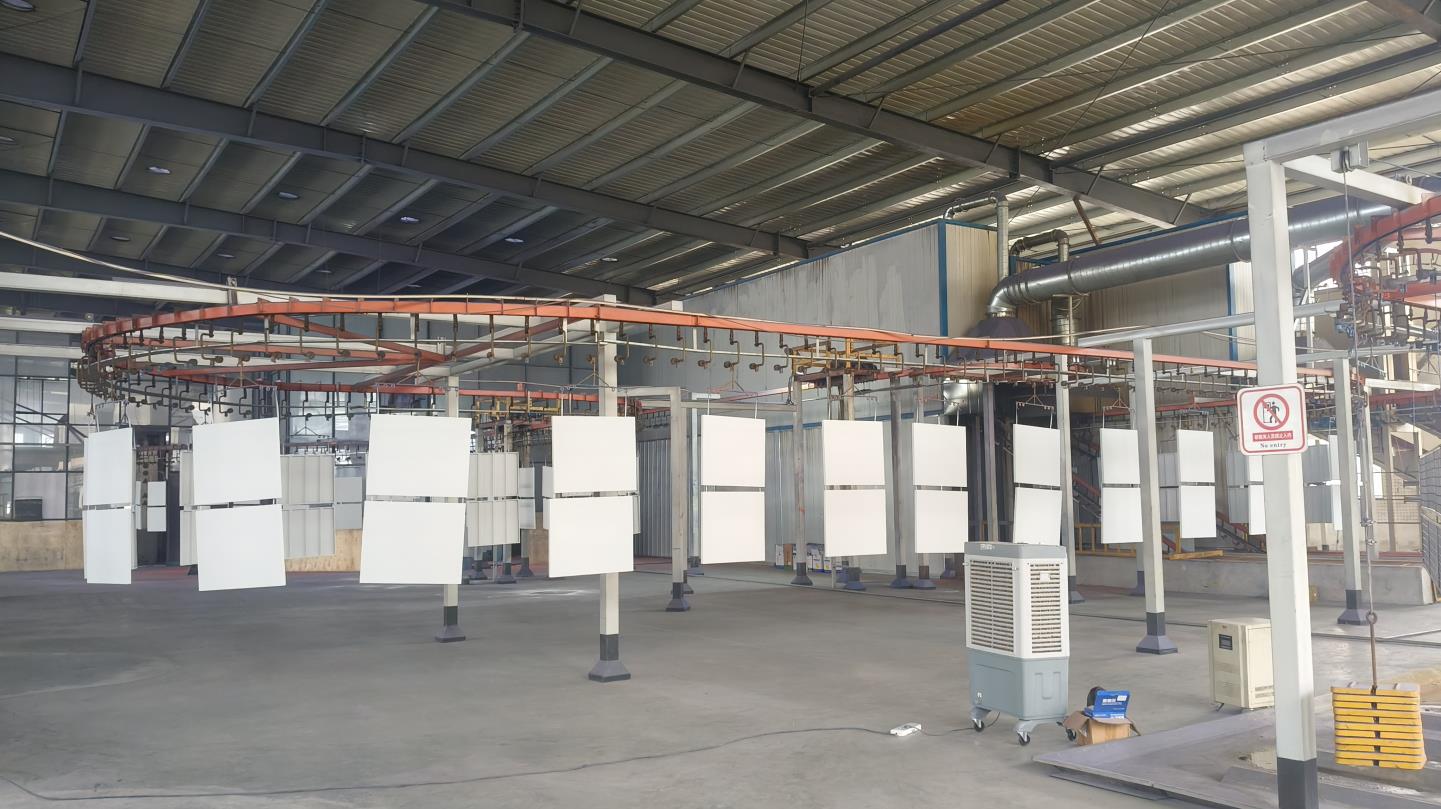
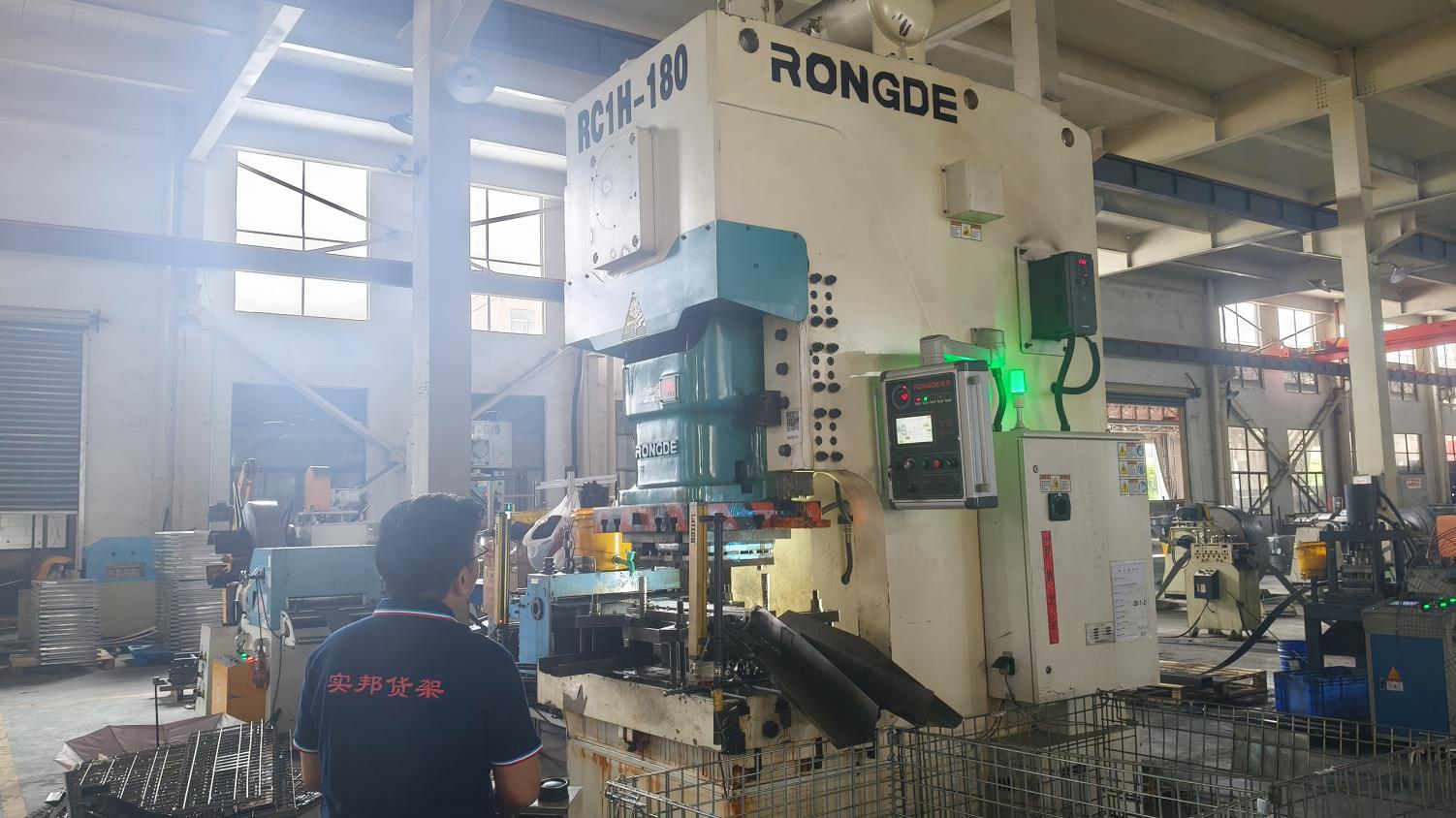
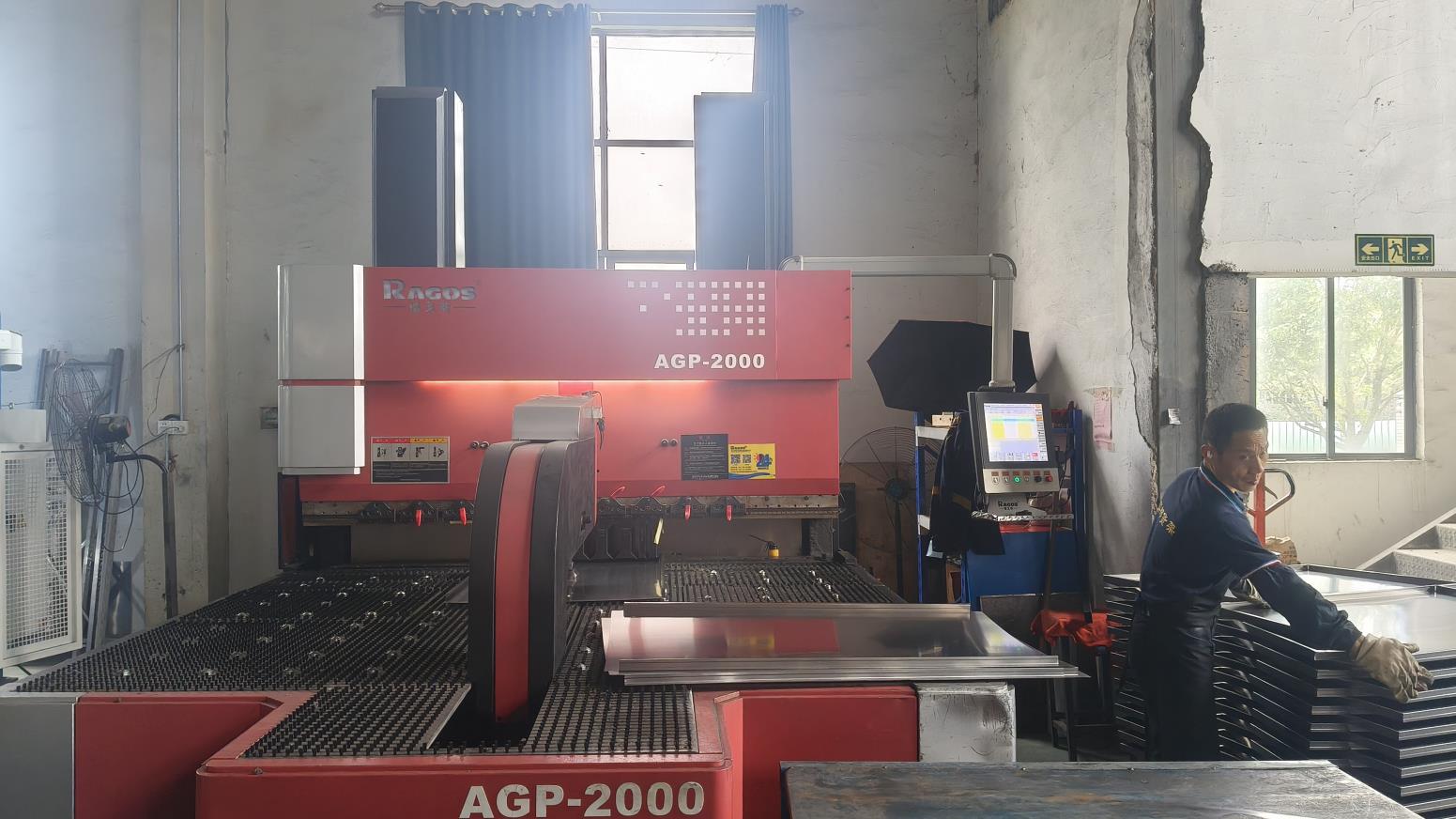
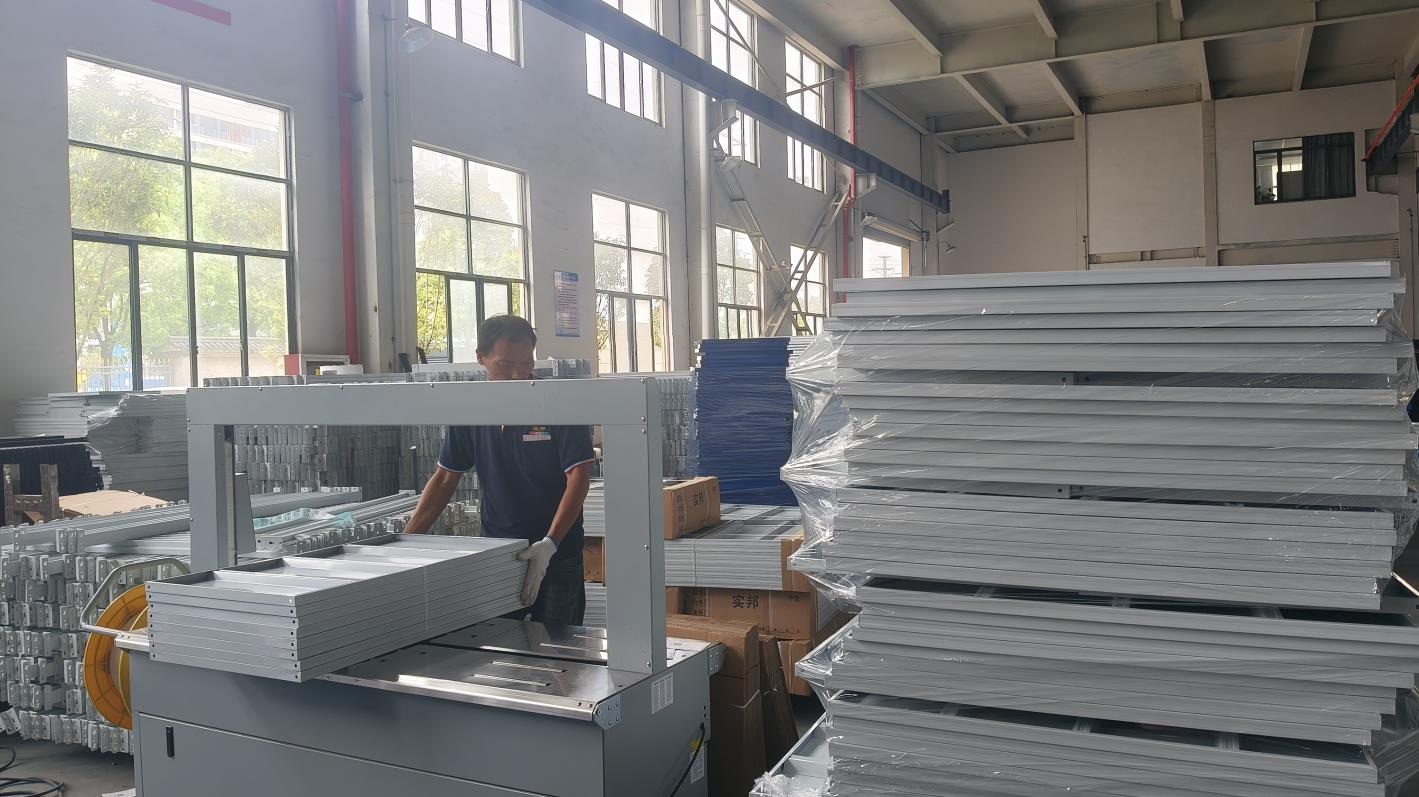
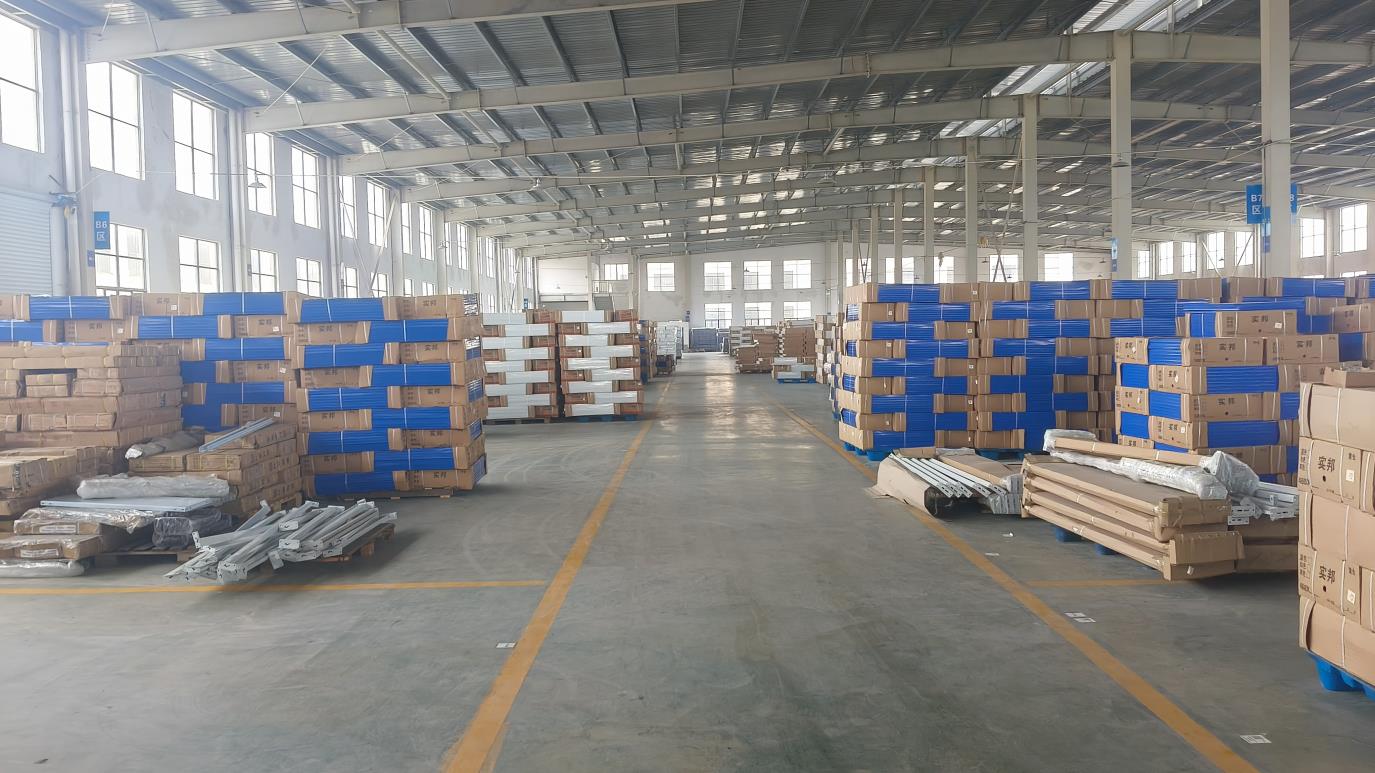
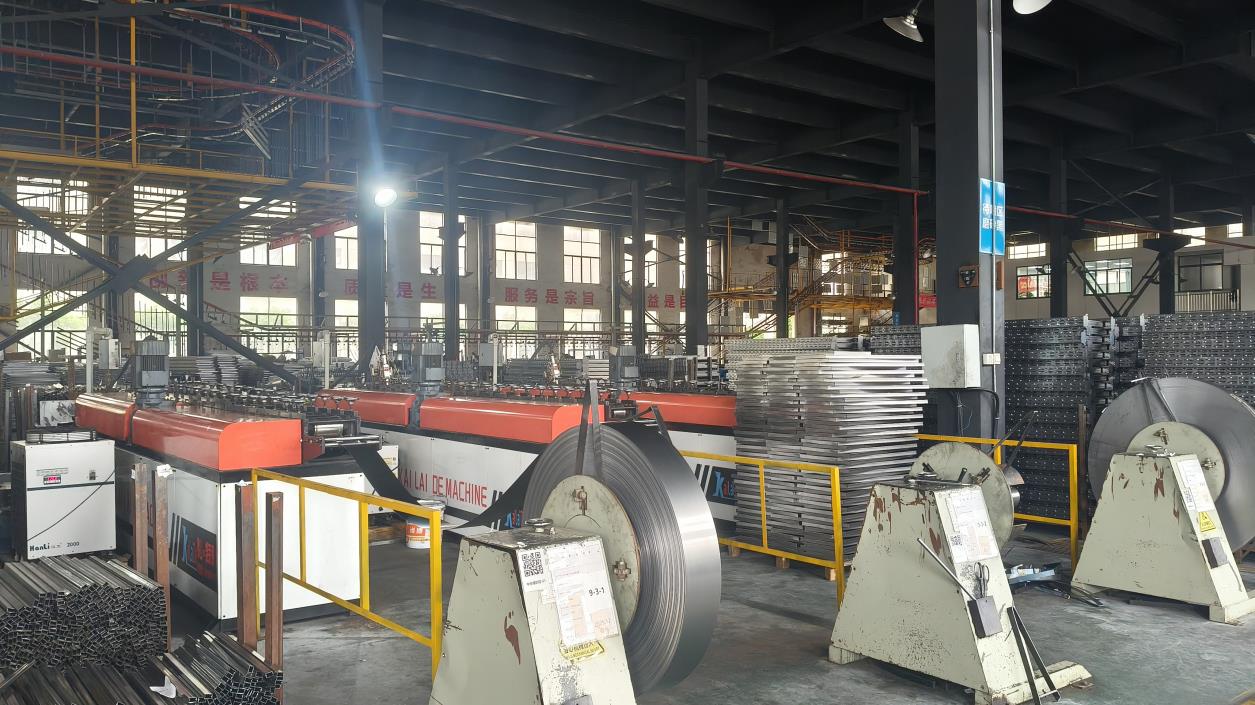
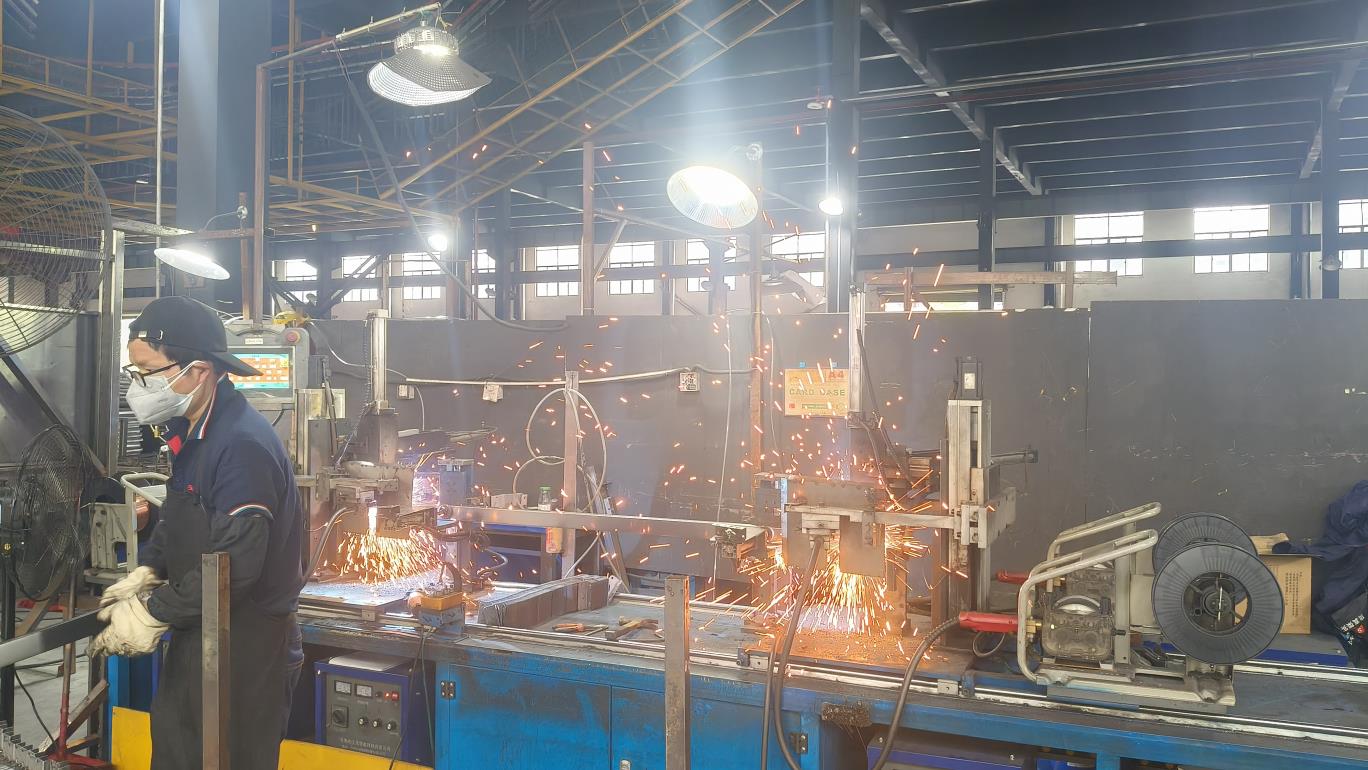
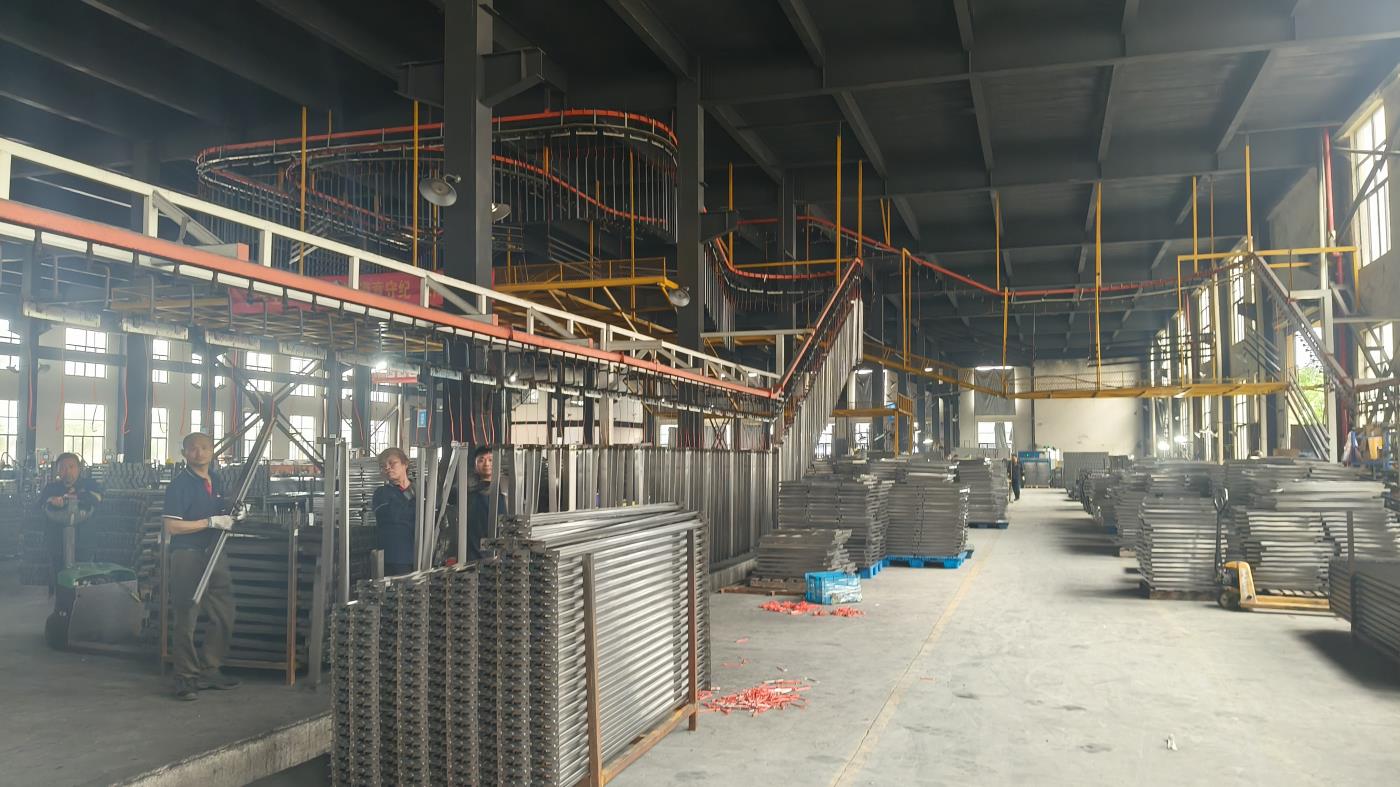
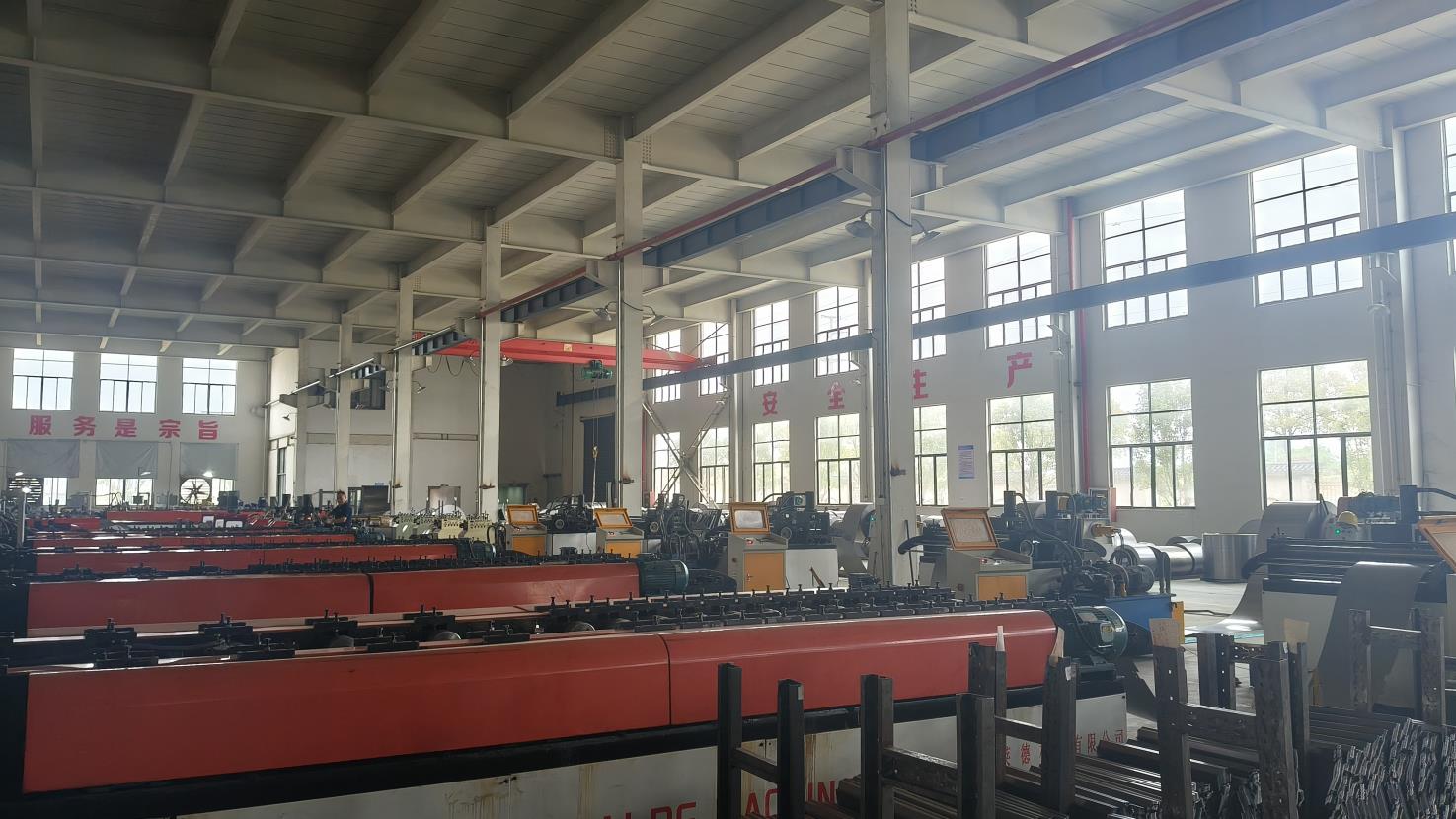
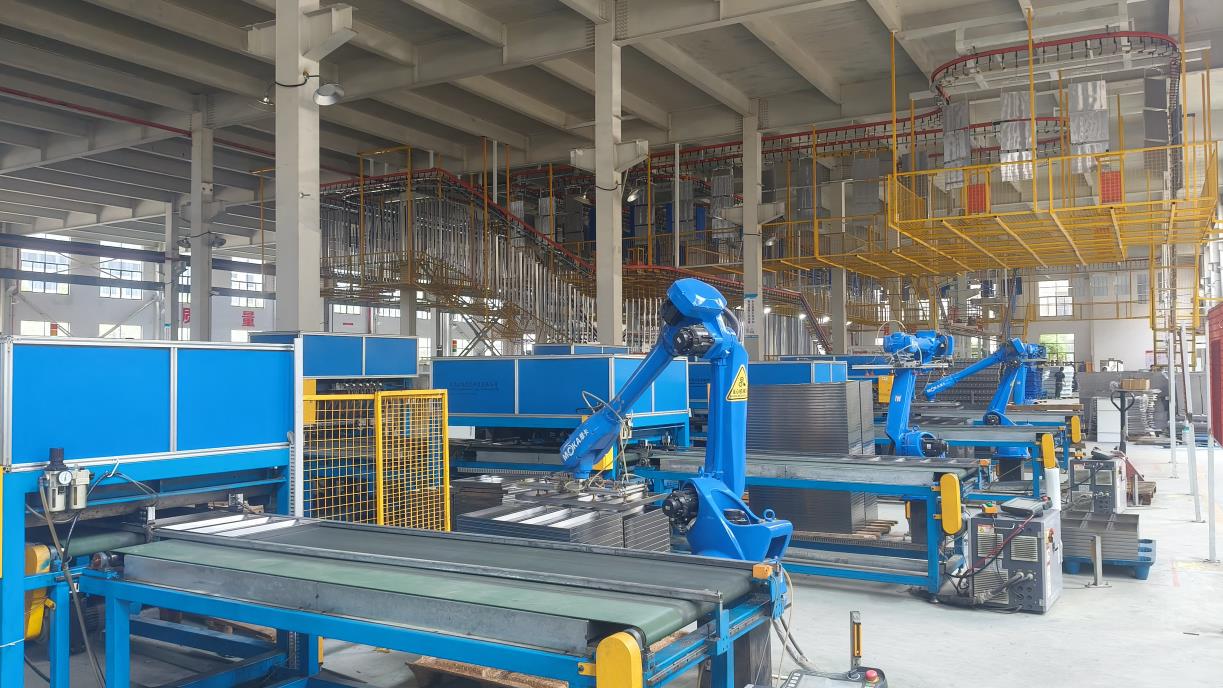
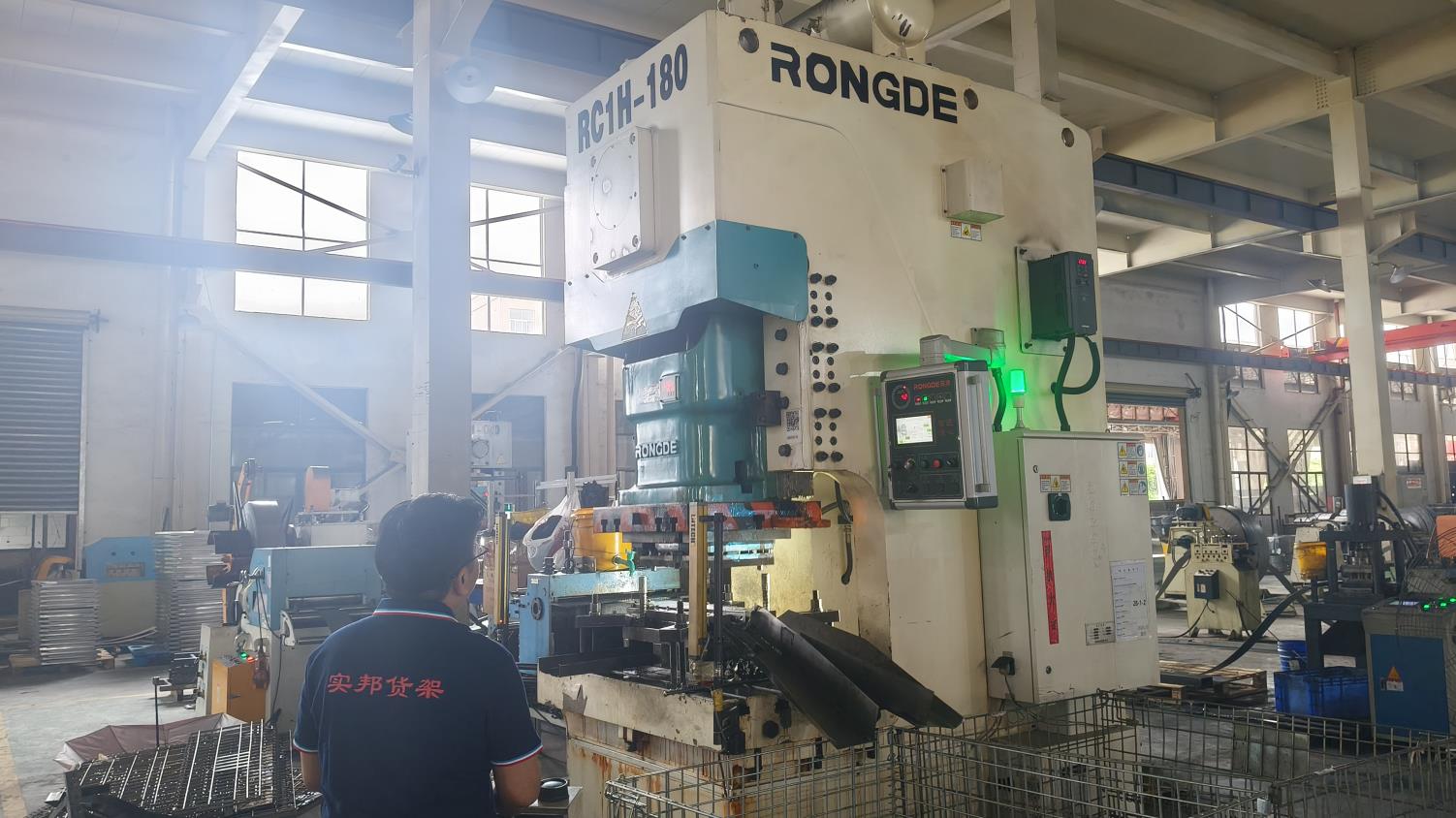
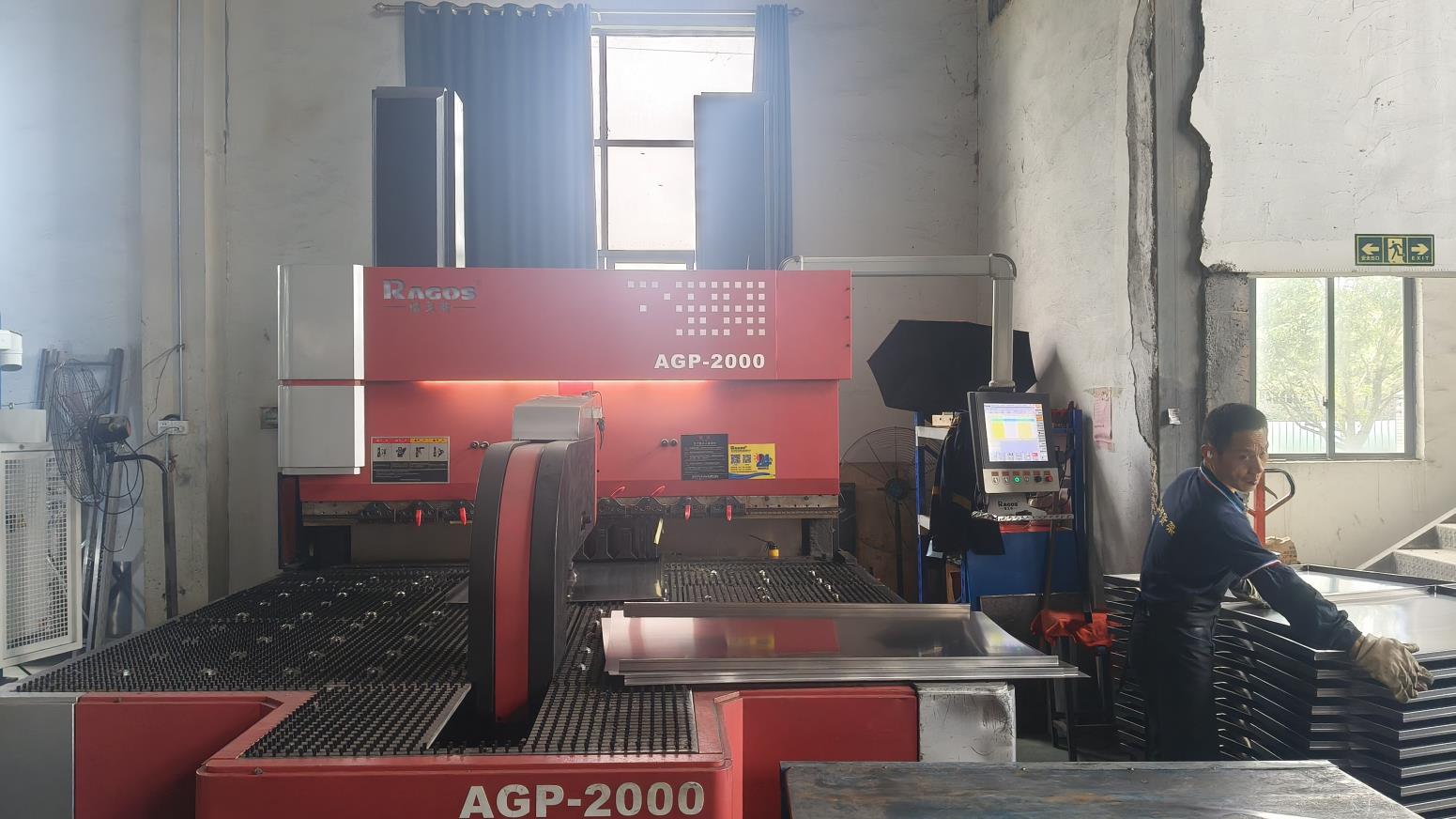
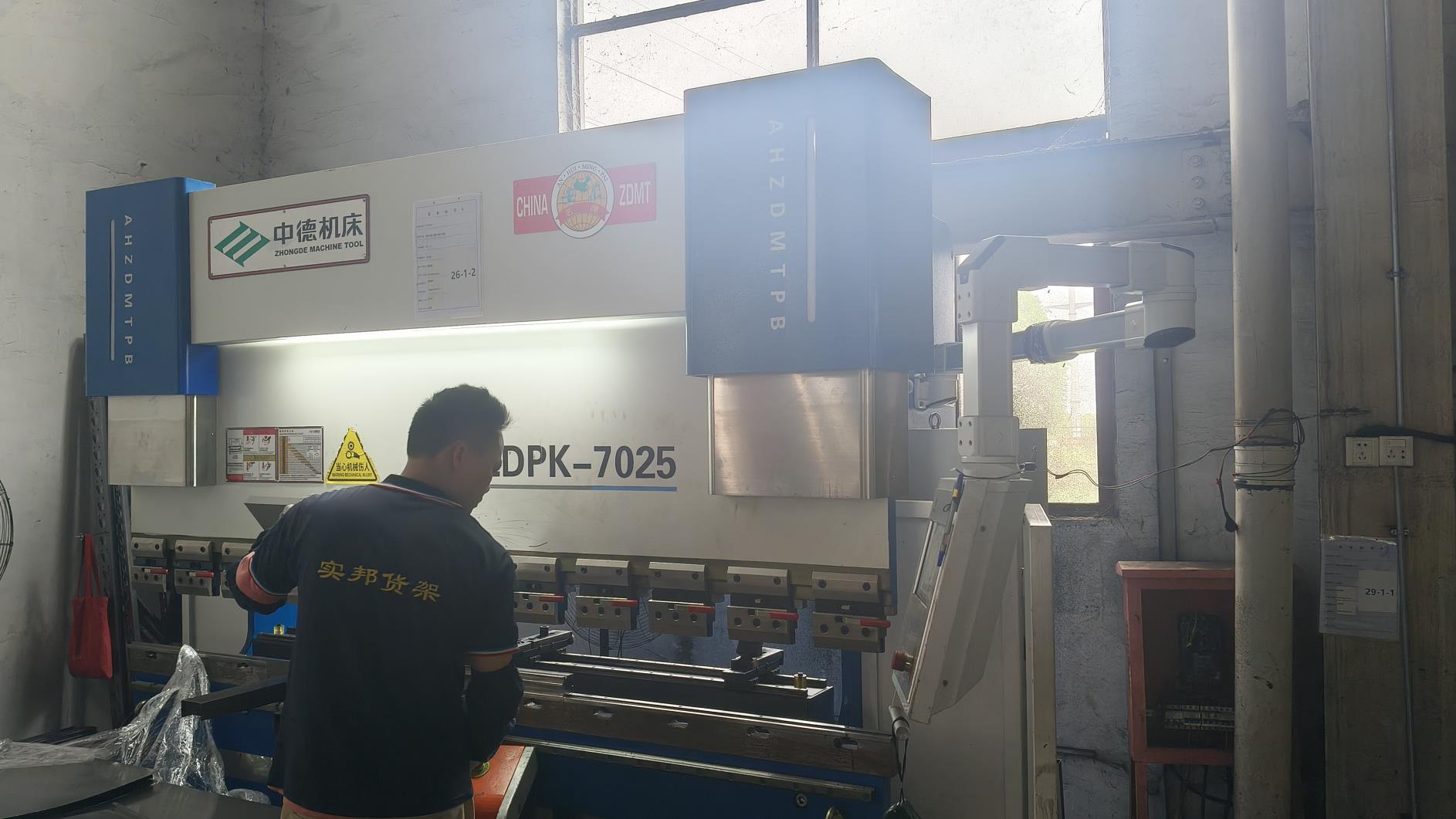
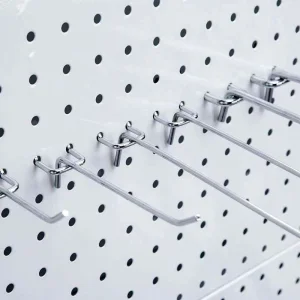
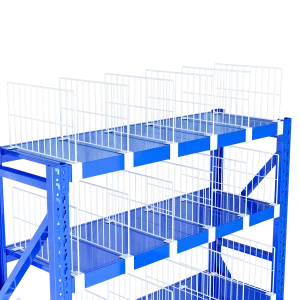
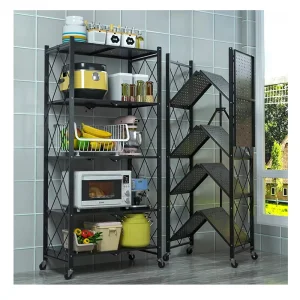
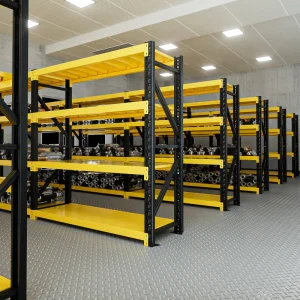
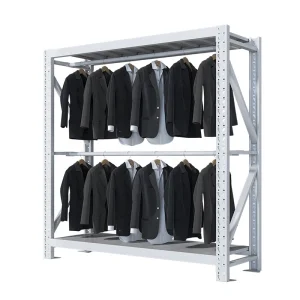
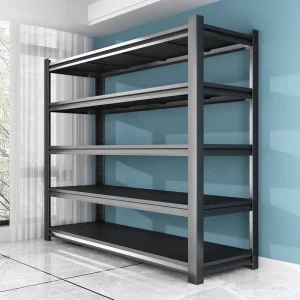
Explore our full range of customizable shelving systems, designed for loads ranging from 100kg up to multi-ton pallet storage.
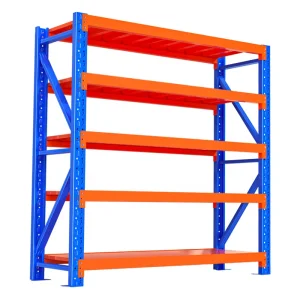
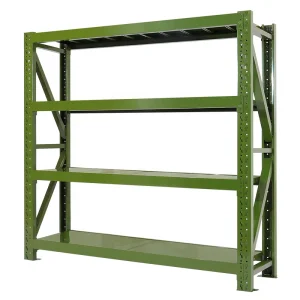
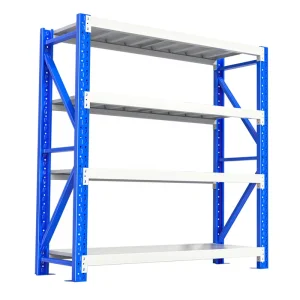
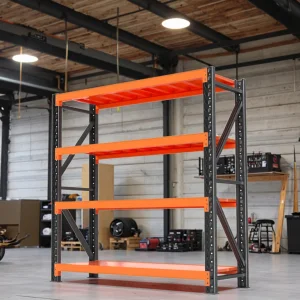
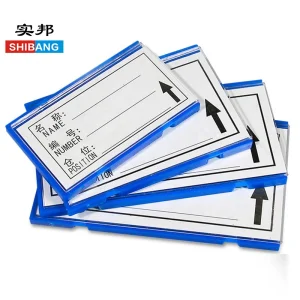
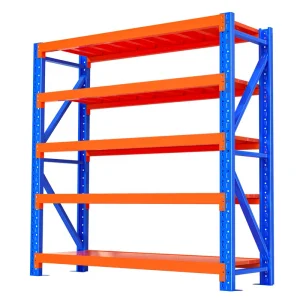
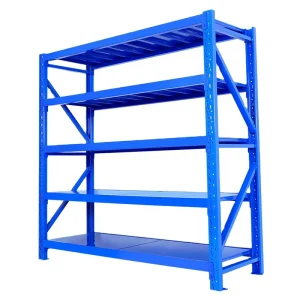
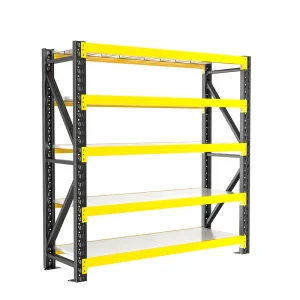
Key considerations for supply chain directors managing capital expenditures in logistics and warehousing fixtures.
Purchasing heavy-duty storage racks internationally involves critical decisions regarding raw materials, quality control, shipping logistics, and structural safety. For warehouse developments in Nagoya, these decisions must align with regional safety requirements and space limitations.
Raw Material Integrity: Industrial racking durability starts with the selection of raw steel. High-quality manufacturers use premium Q235B or Q355B structural steel, processed through advanced roll-forming equipment to guarantee consistent gauge thickness and load capacity. Variations in steel quality can cause deflection under heavy pallet loads, leading to long-term wear and potential safety hazards. Buyers should request Mill Test Certificates (MTC) to verify chemical composition and yield strength before placing large-scale orders.
Surface Treatment and Wear Resistance: High-humidity environments, like those in coastal Nagoya, require robust surface protection. Electrostatic powder coating provides superior rust resistance compared to liquid paint. The process involves pre-treating the raw steel with an acid wash and iron phosphating to ensure strong powder adhesion. The components are then cured at high temperatures to form a durable, impact-resistant finish that protects against forklift bumps and daily wear.
Shipping and Transport Optimization: Efficient packaging is essential to keep shipping costs manageable. Racks should be packed in compact, nested bundles secured with heavy-duty steel strapping and corner protectors. This prevents component damage during sea transit and maximizes container utilization, helping to lower overall landing costs. Collaborating with shipping agents experienced in routes between Ningbo and Nagoya Port ensures smooth customs clearance and timely delivery.
Answering the most critical technical, commercial, and logistical questions regarding industrial racking imports.
We design our racks using structural calculations that factor in localized seismic acceleration rates. For Japanese projects, we increase horizontal and diagonal upright bracing, utilize wider and thicker floor plates (typically 6-8mm thickness), and recommend heavy-duty M12 anchor bolts. This ensures structural stability and reduces sway during seismic events.
Production takes 20 to 25 days depending on total tonnage and customization requirements. Shipping from Ningbo Port to Nagoya Port is highly efficient, with a direct transit time of 4 to 6 days. Our logistics team handles export documentation to support smooth customs clearance in Japan.
Yes, our engineering department provides custom layout designs based on your warehouse layout, forklift turning radius, and specific pallet sizes. We provide detailed CAD drawings and load capacity charts before manufacturing starts.
We employ a multi-layered quality control protocol. Standard checks include Ultrasonic Testing (UT) of weld seams to identify internal voids or cracks, and load-stress testing of sample beams to ensure they meet specified weight limits before moving to final production.
Our powder coatings use lead-free, non-toxic formulations that are fully compliant with RoHS and REACH standards. We apply the coatings in a dust-free, automated spray chamber followed by high-temperature curing, ensuring a uniform finish that resists scratching, chipping, and chemical exposure.
 Shibang Rack