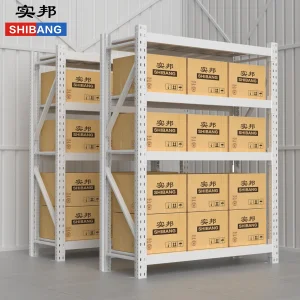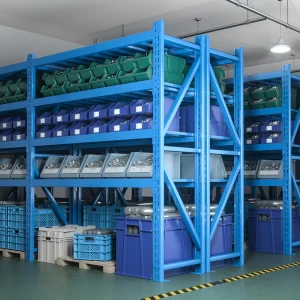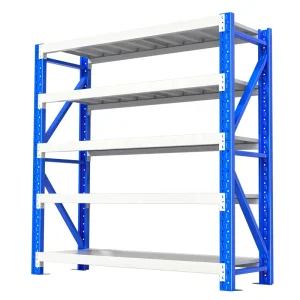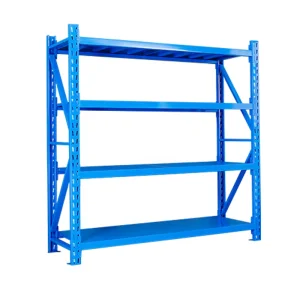
Founded in 2016, we integrate strategic R&D with massive industrial fabrication capabilities, providing safety-tested, heavy-duty racking configurations for global enterprise logistics.
In the globalized industrial landscape, warehouse optimization is no longer just a facility concern; it has transitioned into a key component of high-efficiency supply chains. Industrial storage systems form the physical foundation of global retail distribution, Third-Party Logistics (3PL), e-commerce fulfillment centers, and heavy manufacturing lines. Selecting a tier-one heavy duty rack factory requires evaluating structural safety standards, steel grade compositions, precise load cell calculations, and manufacturing scale.
Ningbo Shibang Storage Rack Co., Ltd. stands at the forefront of this manufacturing domain. Established in 2016 and backed by 12 years of industry experience along with 8 years of direct export expertise, our operations are optimized to handle highly customized structural projects for global clients. With a modern 32,000 m² manufacturing plant, we deliver robust heavy-duty steel shelving and automated racking systems engineered to meet international safety criteria.
Ningbo Shibang operates with a robust supply chain network of over 850 vendors. Supported by an in-house R&D team of 22 structural and mechanical engineers, we facilitate complex OEM/ODM projects. In the past fiscal year alone, we developed 140 new products and optimized components, addressing modern requirements such as seismic stability, custom loading profiles, and anti-corrosive coatings.
The demand for industrial storage structures is shifting from traditional configurations toward specialized high-density setups. The rapid growth of online logistics demands faster cycles, driving warehouse setups to maximize cubic space utilization rather than just square footage. Key developments in heavy-duty rack manufacturing globally include:
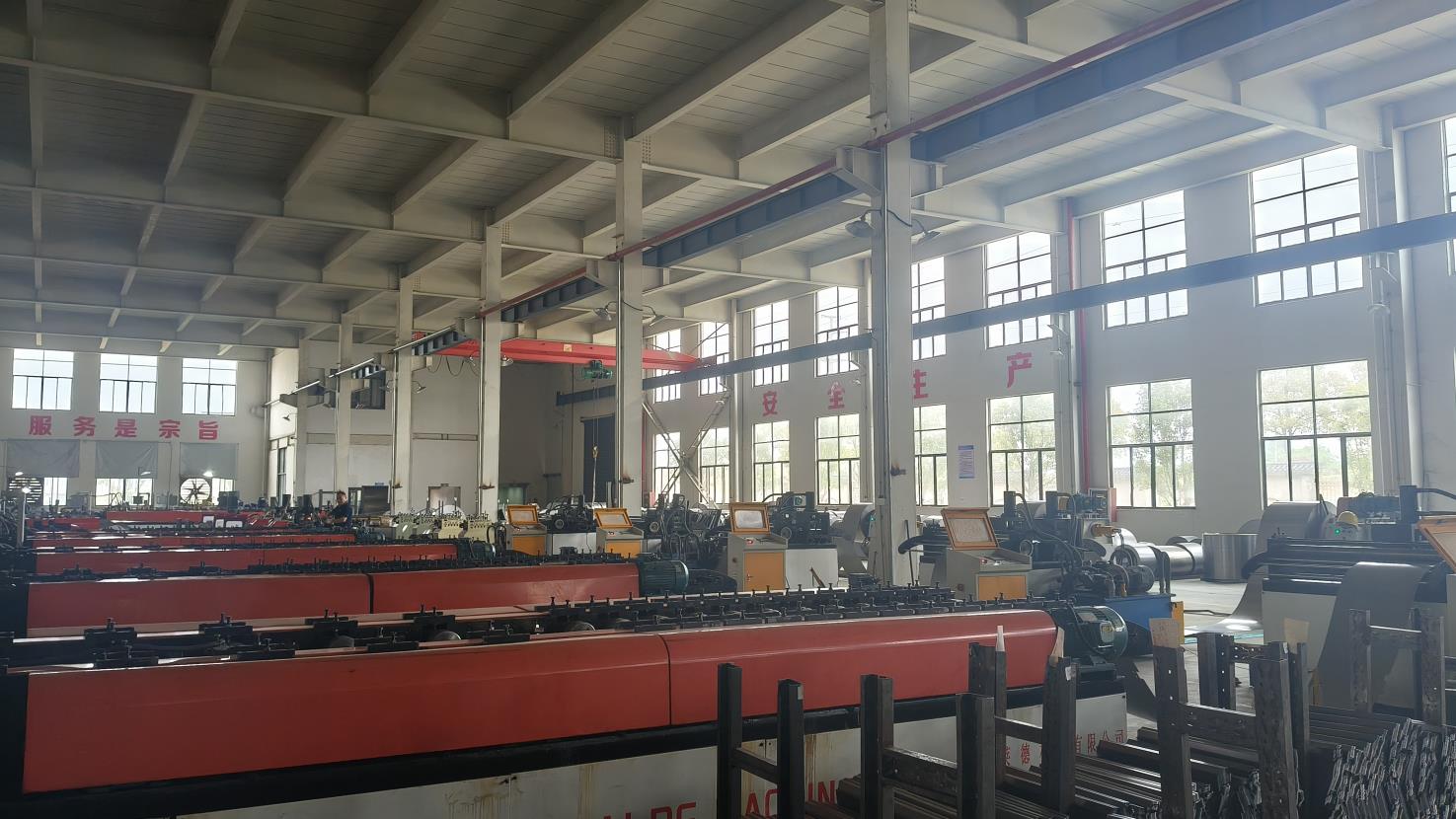
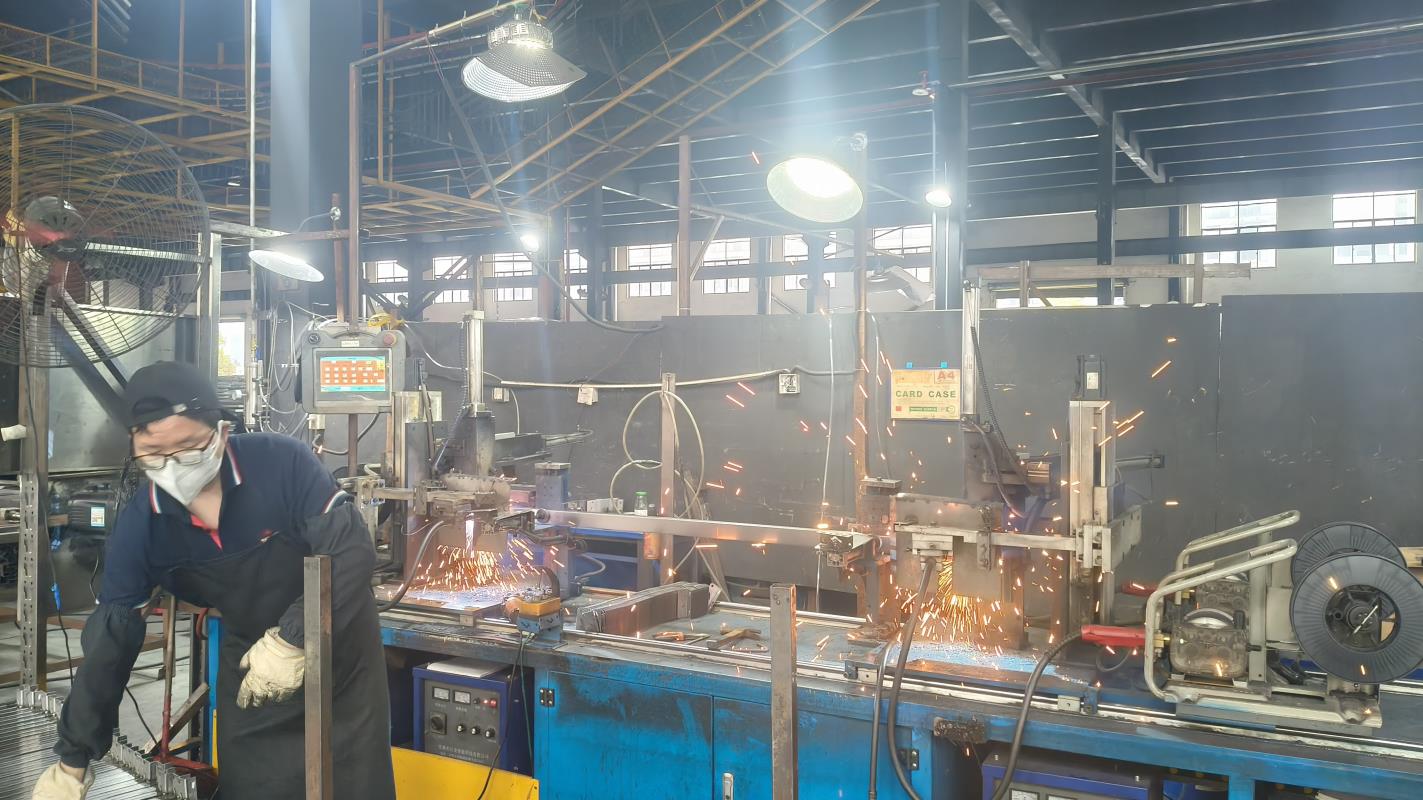
Take a look inside Ningbo Shibang's manufacturing facility. Our heavy-duty racking components undergo a controlled fabrication line—from high-tonnage forming and robotic welding to automated electrostatic powder coating and secure packing.
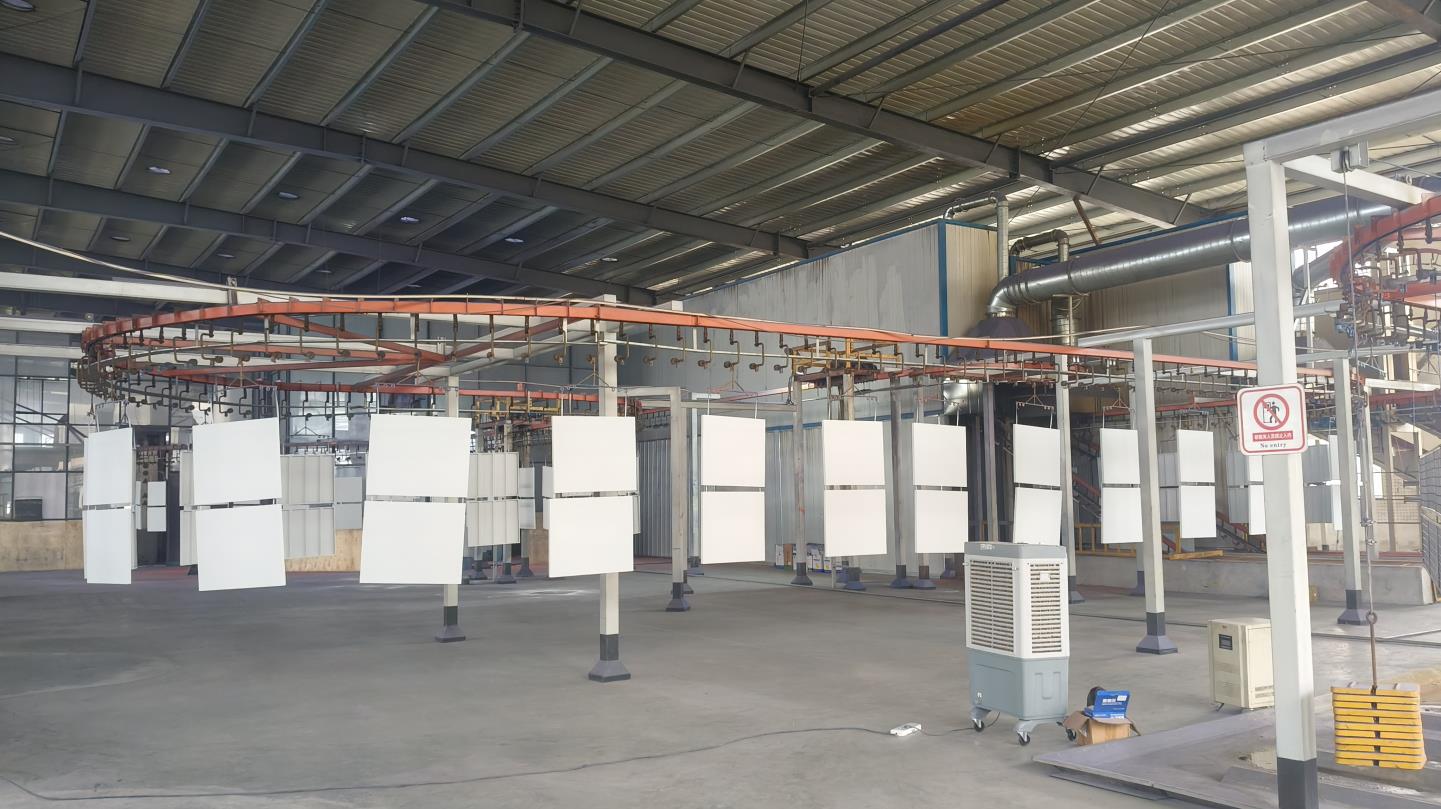
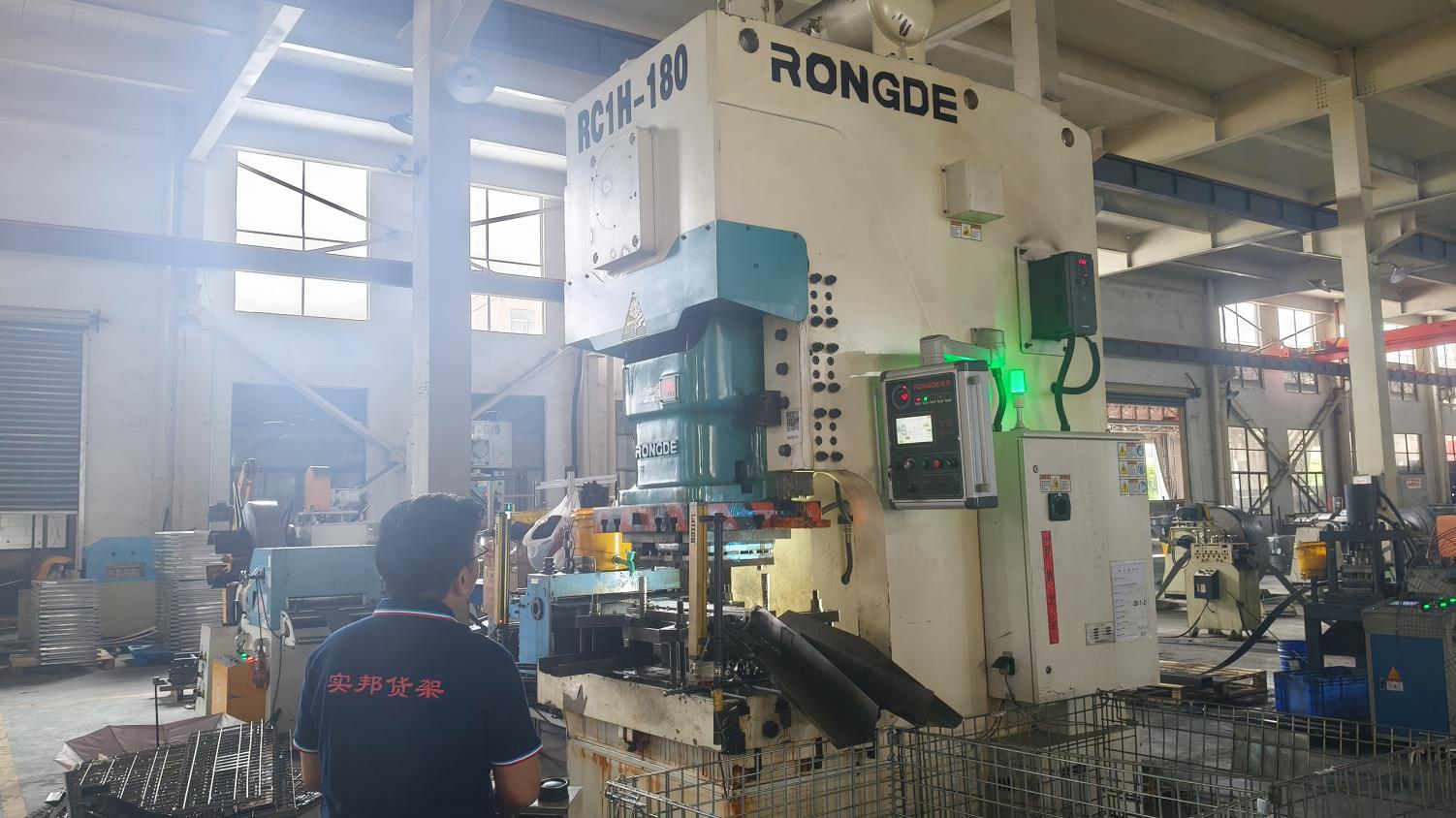
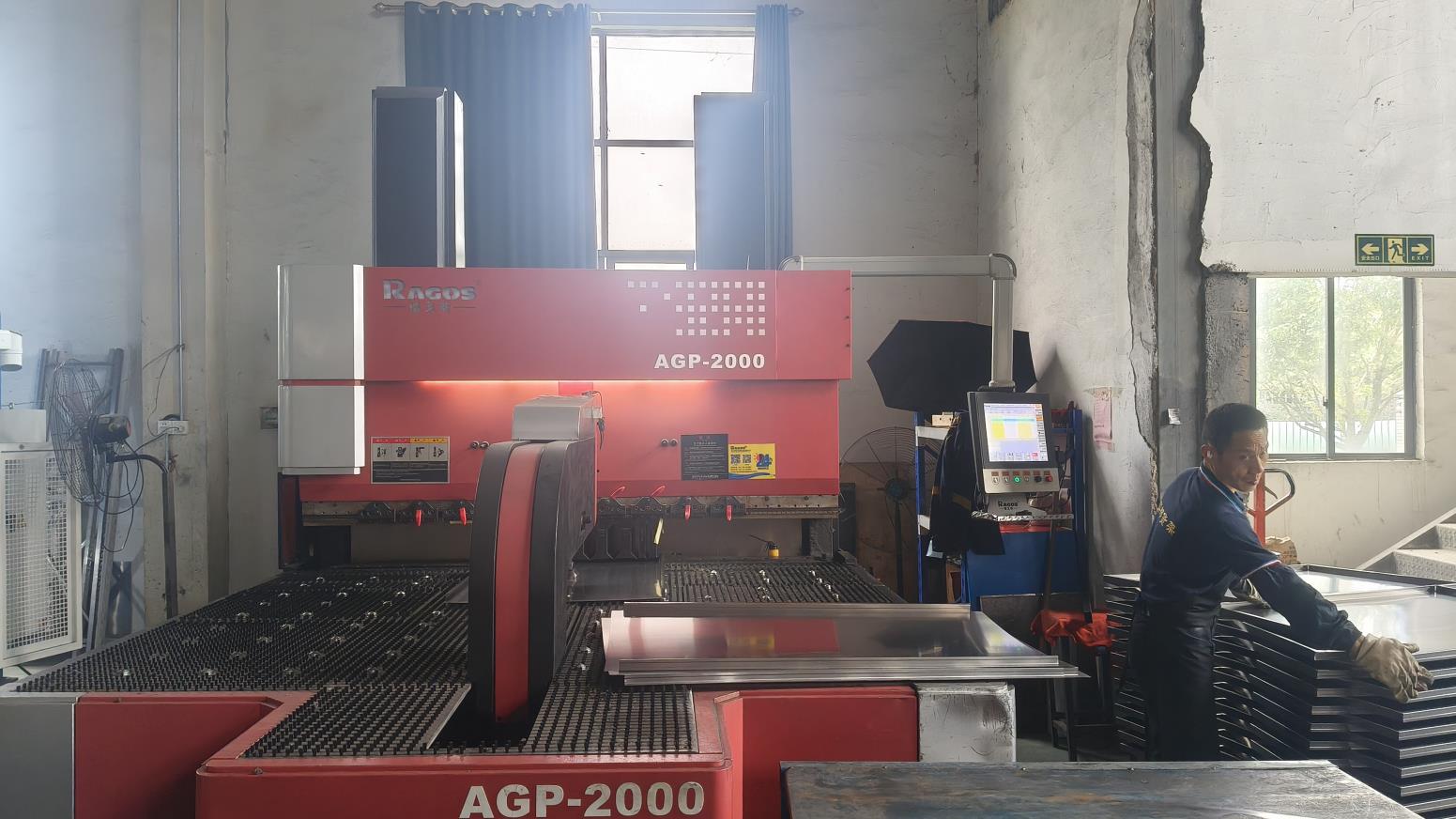
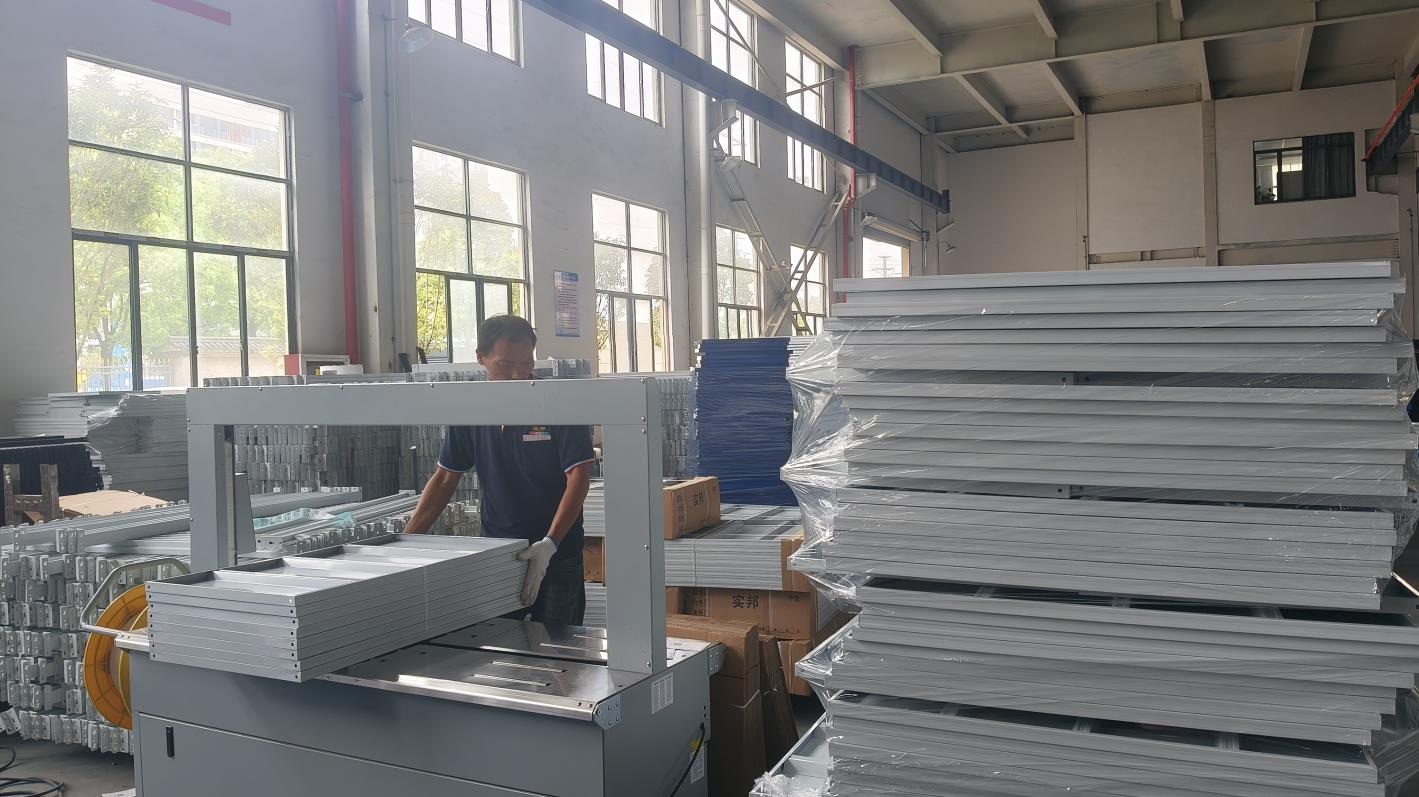
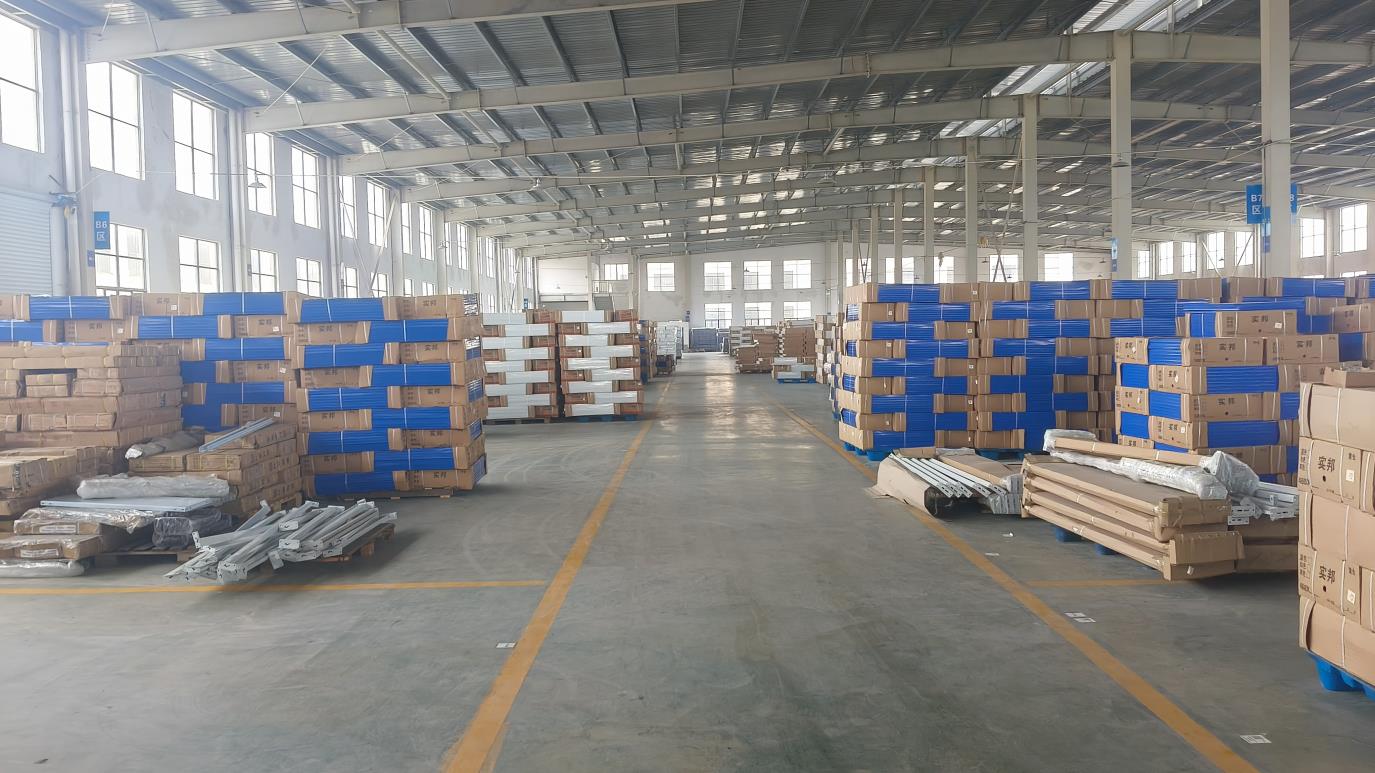
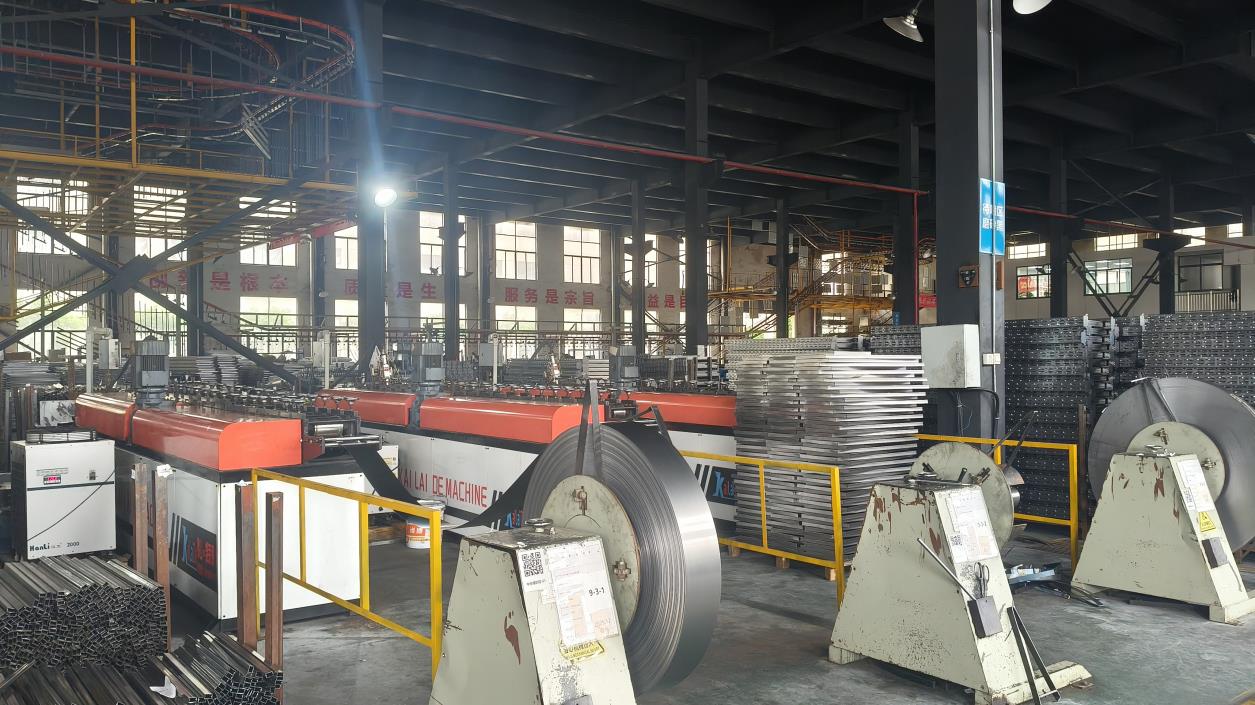
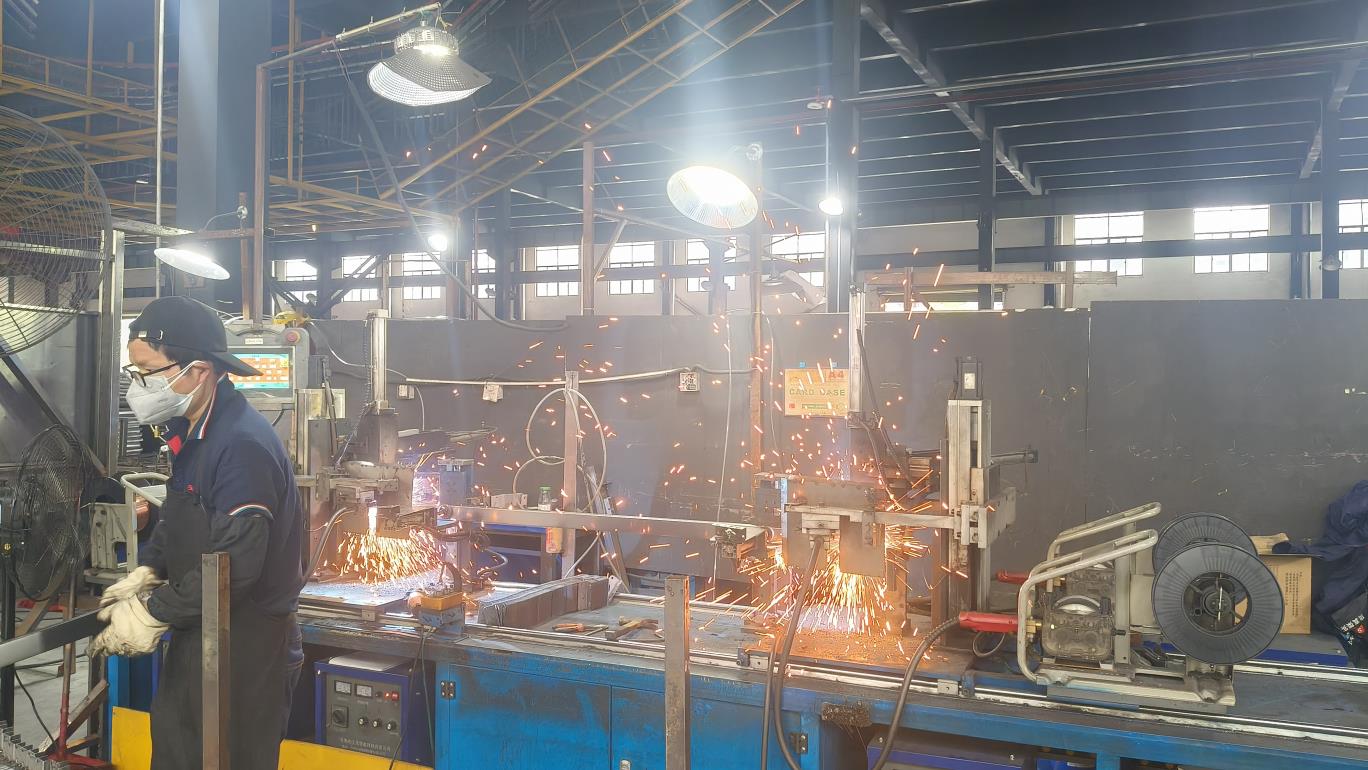
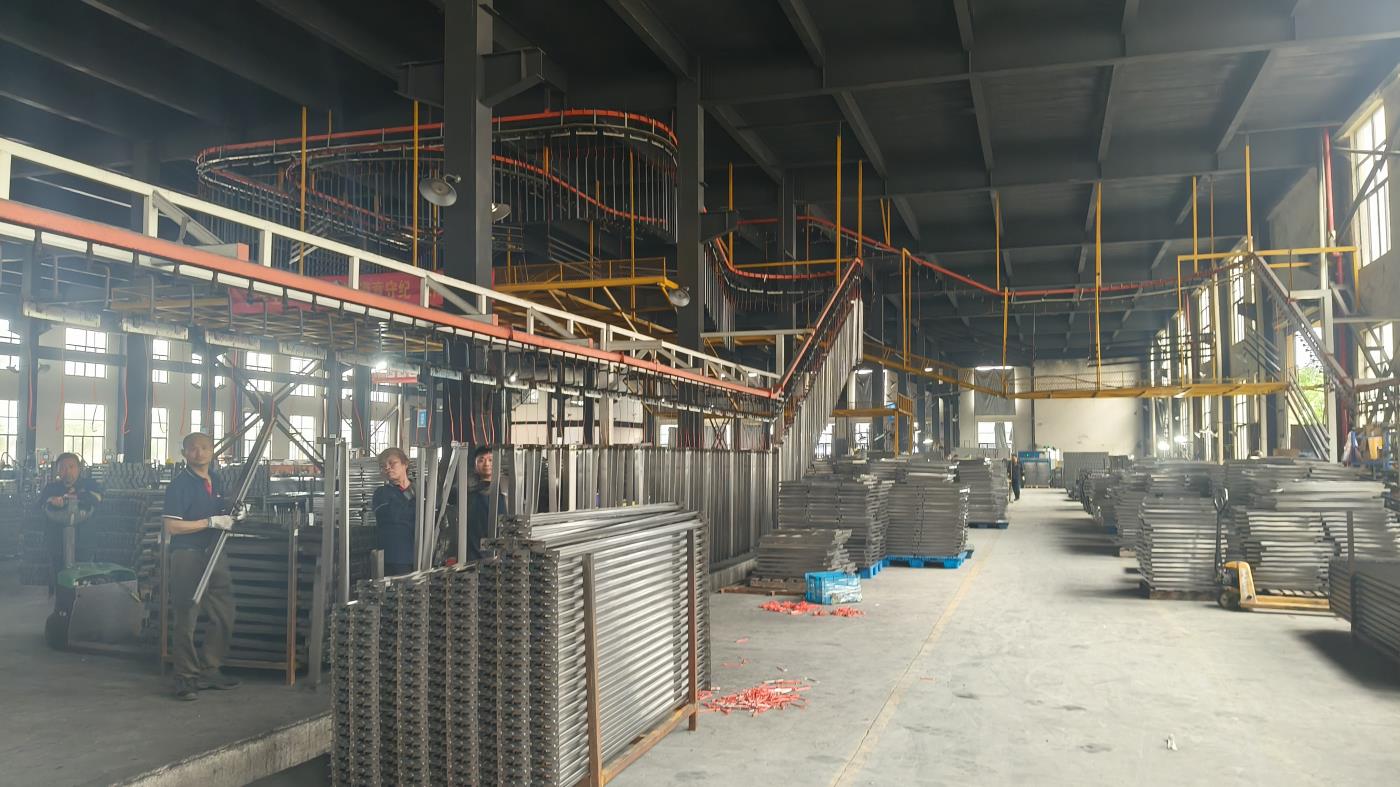
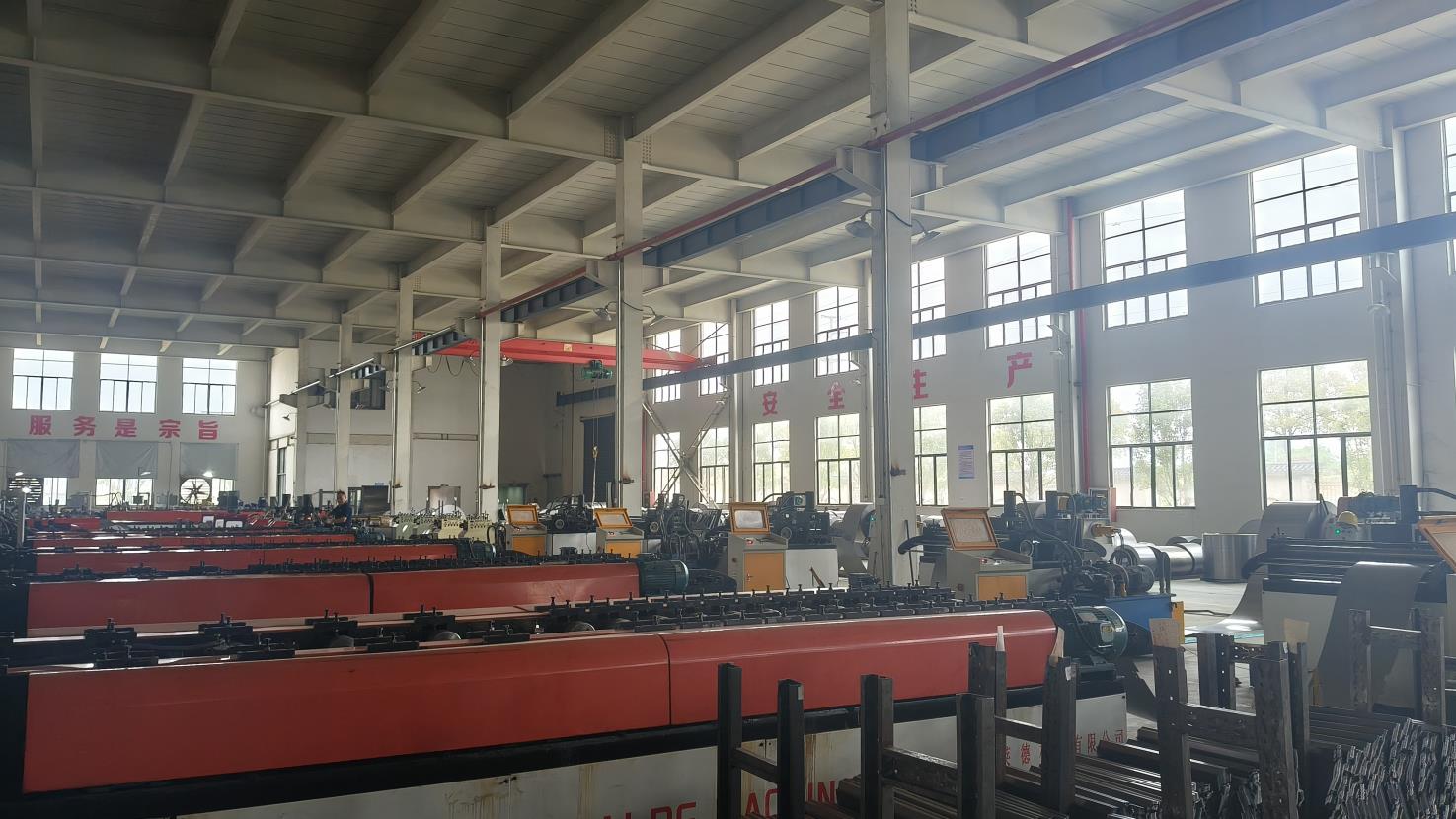
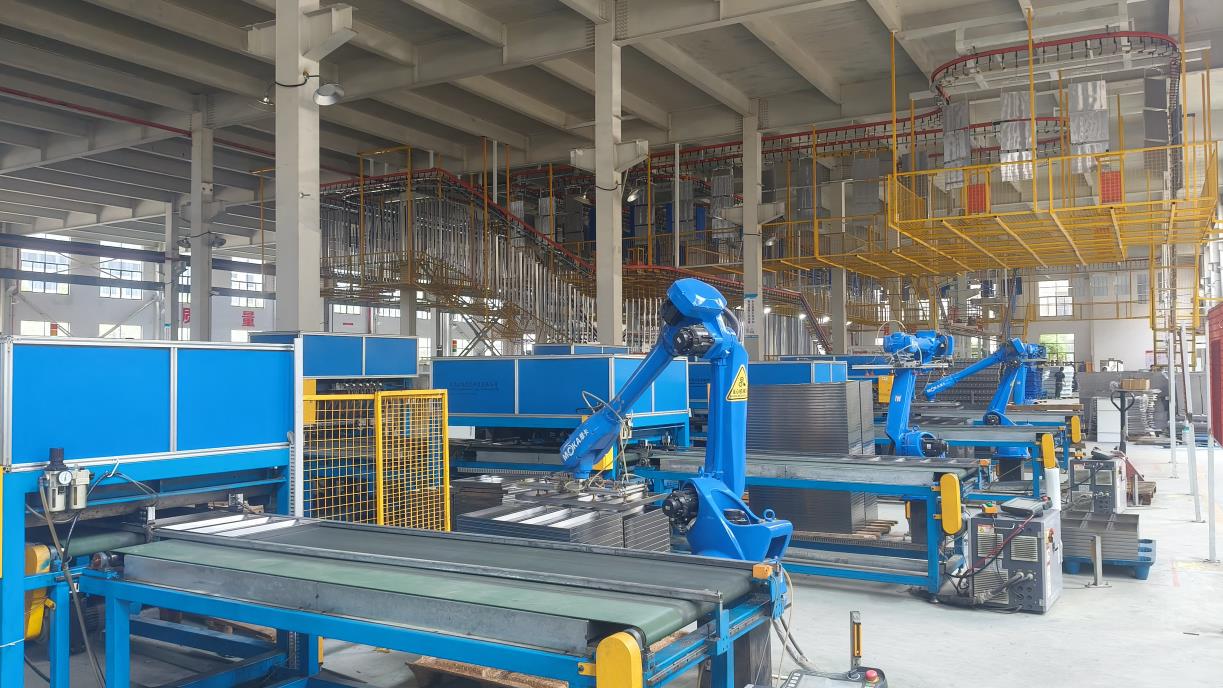
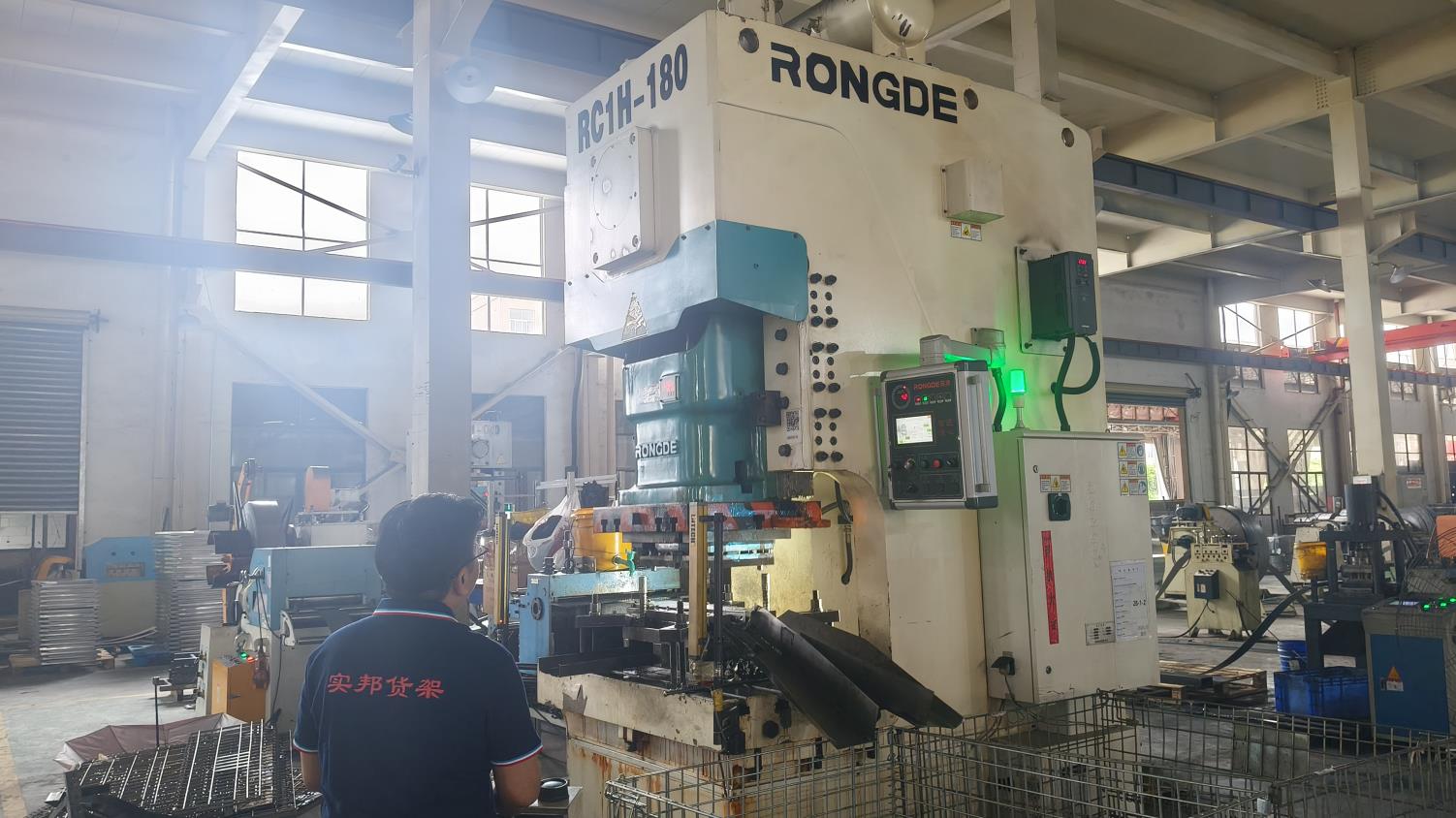
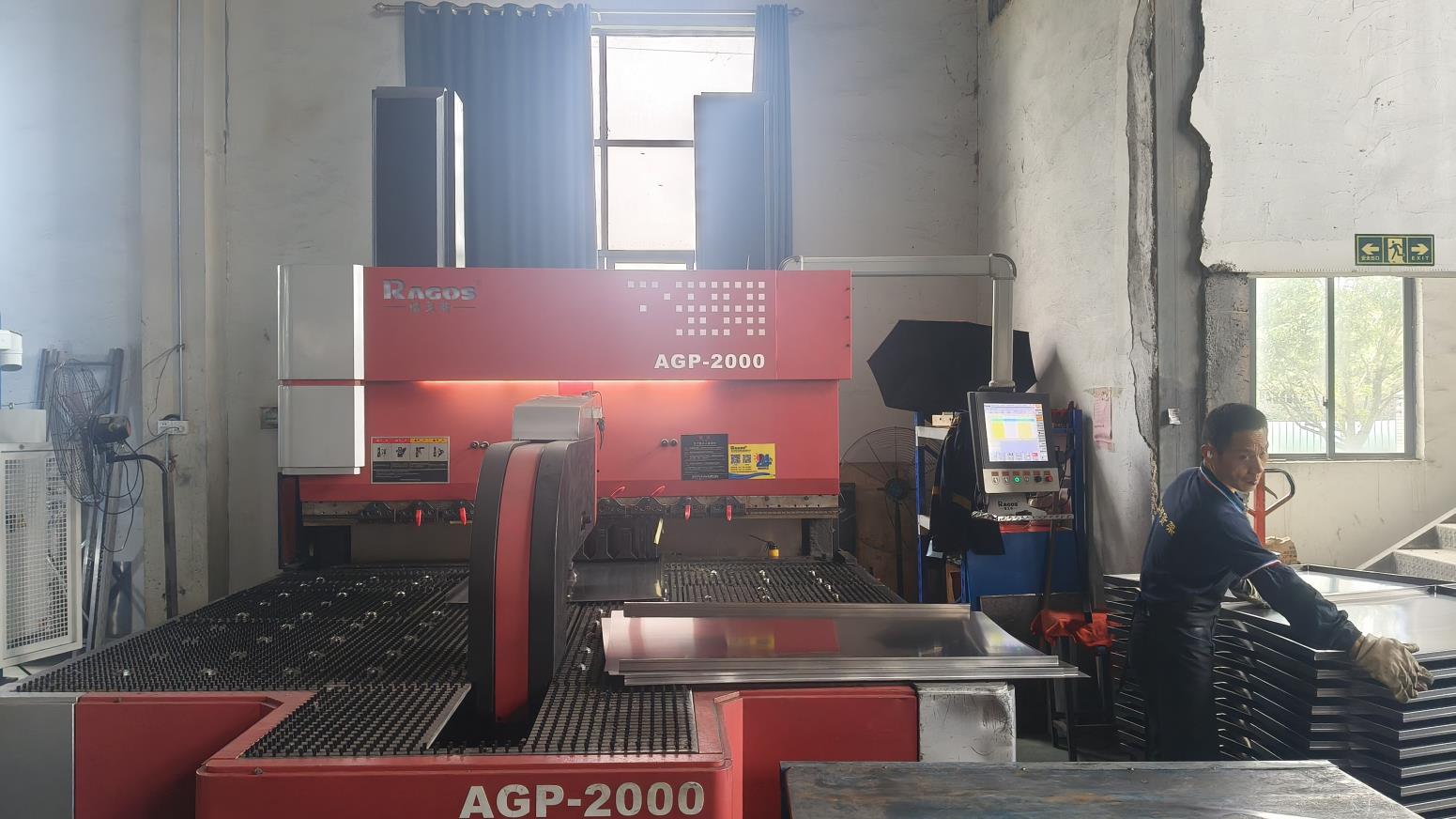
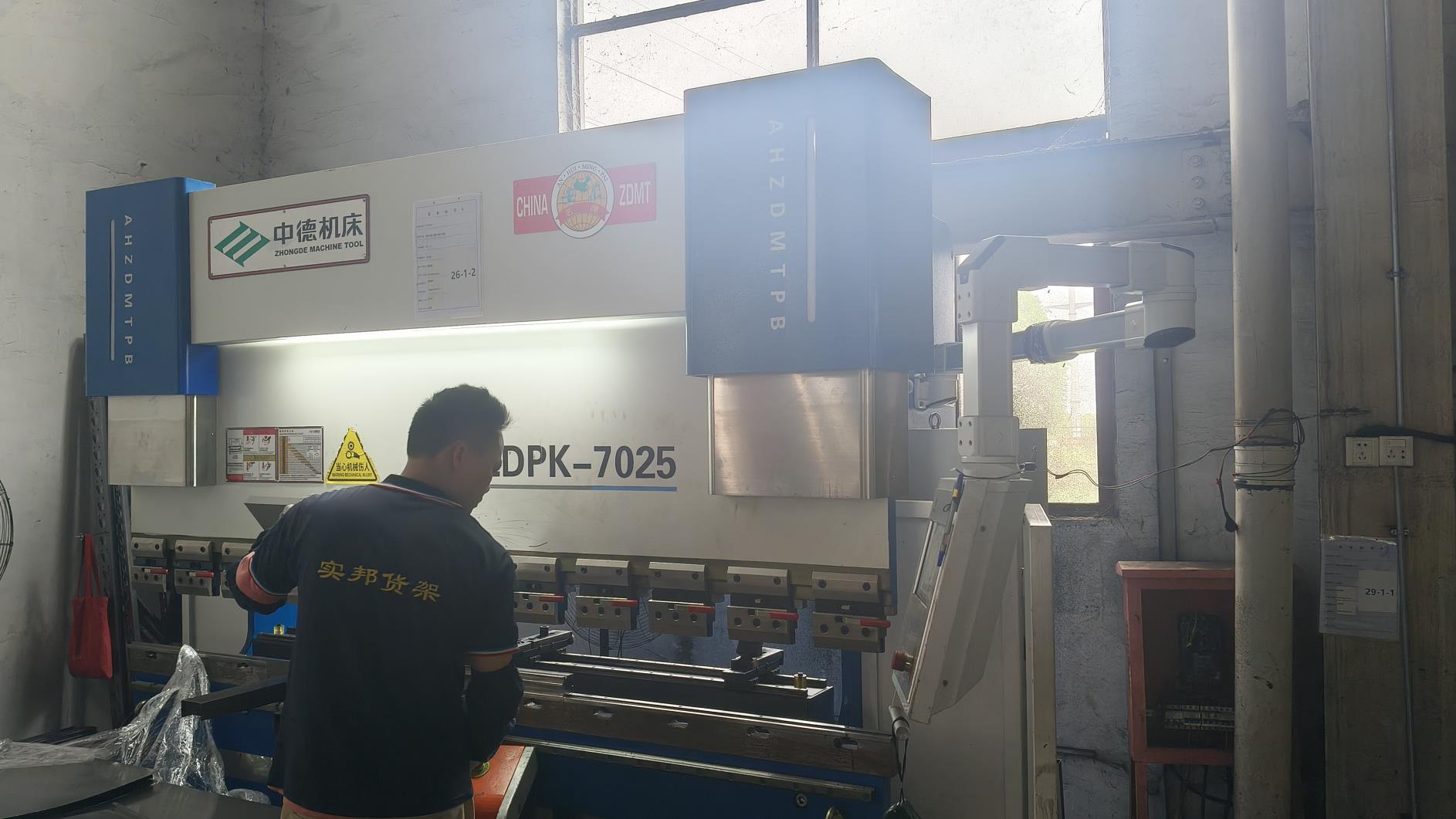
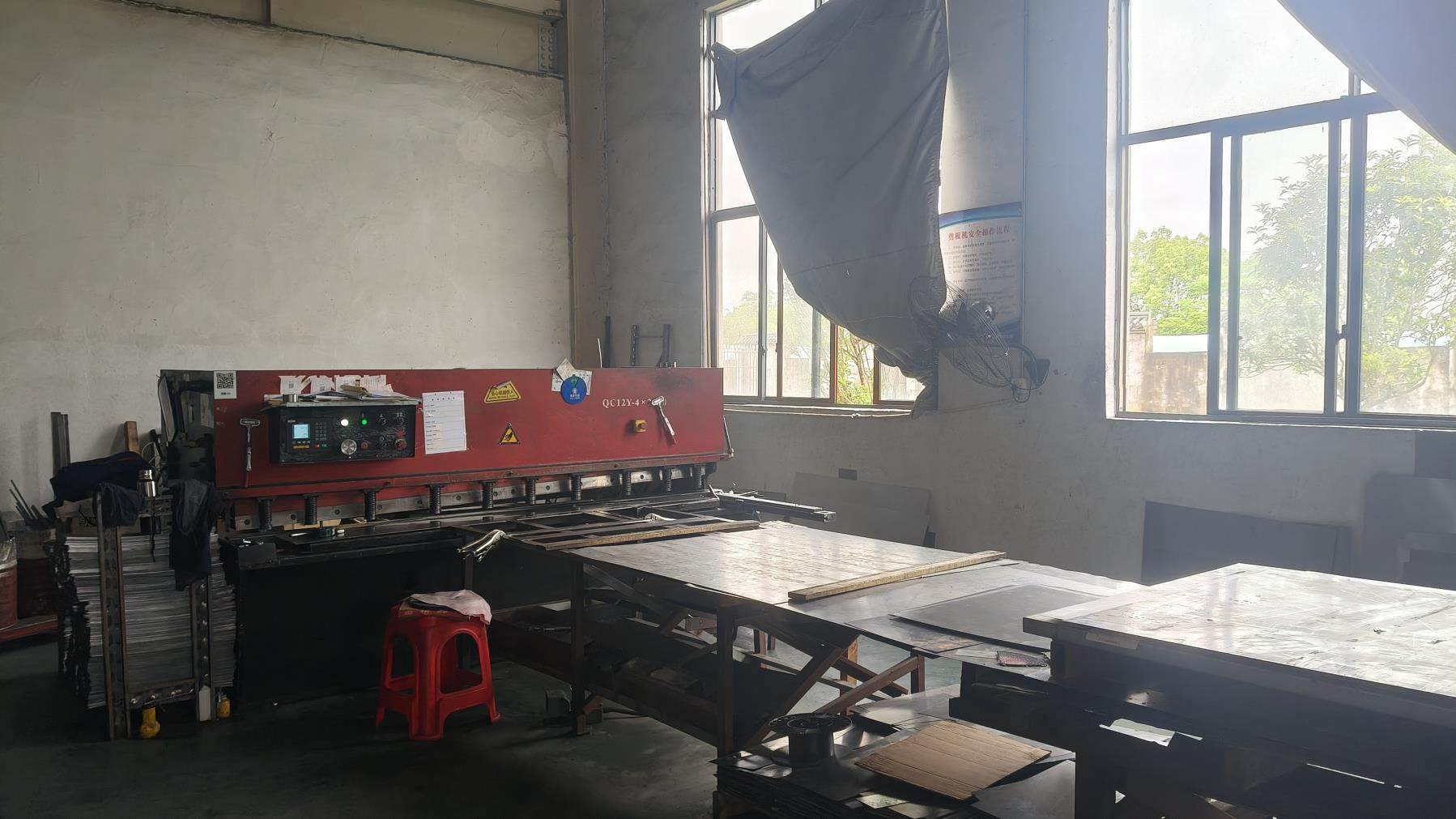
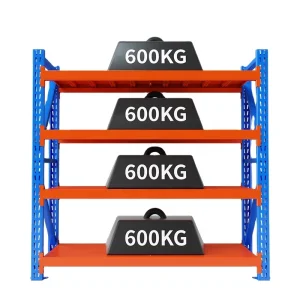
At Ningbo Shibang, structural integrity is defined by rigorous testing and quality protocols. Every heavy-duty storage shelf is designed to handle its rated capacity. Our QC department, consisting of 35 dedicated inspectors, oversees a multi-stage testing process.
We source high-grade structural steel from domestic mills. The primary steel grades used include Q235B and Q345B. These materials provide a balanced ratio of tensile strength to ductility, ensuring that critical components like uprights and box beams can withstand stress without structural failure.
Every production lot undergoes rigorous mechanical evaluations, including:
Our in-house R&D team customizes structures to client specifications. This includes customized upright frames, seismically engineered footplates, and multi-tier configurations to match specific regional building codes and material handling requirements.
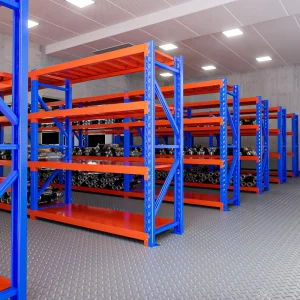
Customized racking configurations designed to meet specific industry requirements and throughput needs.
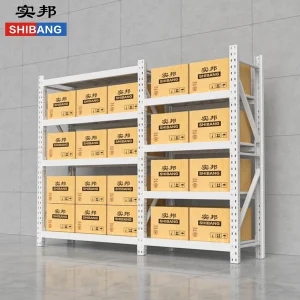
Features modular configurations with selective pallet racks to manage varying inventory types. Provides direct access to every pallet position for rapid inventory turns and SKU changes.
Engineered to precise mechanical tolerances, integrating pallet-flow lanes and robotic shuttle interfaces. Minimizes structural deflection to maintain smooth high-speed automation workflows.
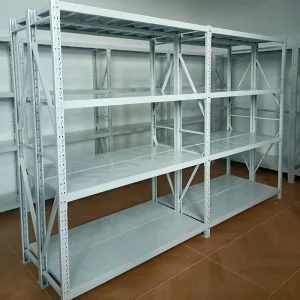
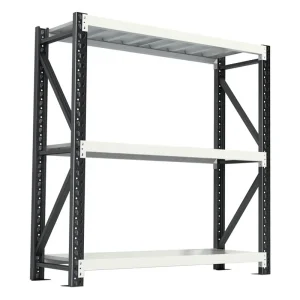
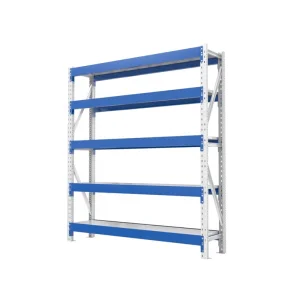
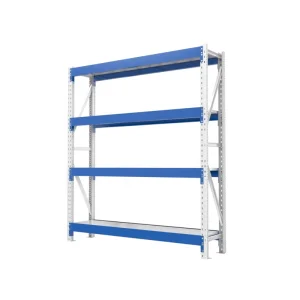
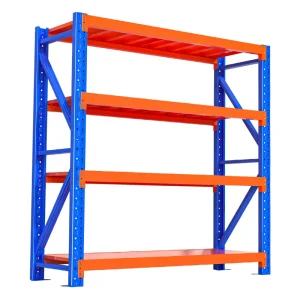
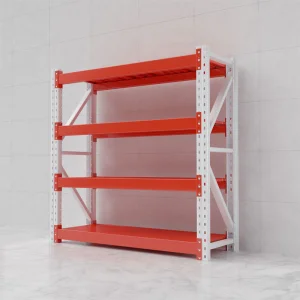
Heavy-duty shelving designed for raw materials, industrial dies, tooling, and finished machinery parts. Rated for high capacities ranging from 1,000kg to over 3,000kg per level.
Industrial storage systems are shifting toward smart, integrated warehouse ecosystems. Ningbo Shibang is aligning its manufacturing capabilities with these developments to support automated and data-driven supply chains.
Racking systems are increasingly serving as the core structure for automated shuttles, cranes, and automated guided vehicles (AGVs). Modern setups require tight manufacturing tolerances, as minor structural misalignments can disrupt sensor paths and automated travel. Our manufacturing line uses CNC punching and roll-forming equipment to maintain precise dimensional consistency.
Industrial operations are placing greater focus on carbon footprint reduction. We employ energy-efficient curing ovens and powder recycling systems in our painting lines to minimize waste. Our thermosetting epoxy-polyester coatings are VOC-free, ensuring compliance with global environmental standards.
The future of warehouse safety includes real-time structural health monitoring. By integrating strain gauges and IoT sensors directly into critical upright frames and beam joints, operations can monitor load variations and detect dynamic overload events. This data helps schedule preventive maintenance and address potential structural fatigue before it becomes a safety issue.
Engineering insights and purchasing recommendations from our technical specialists.
 Shibang Rack