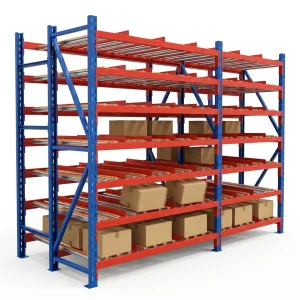
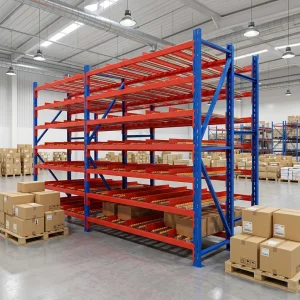
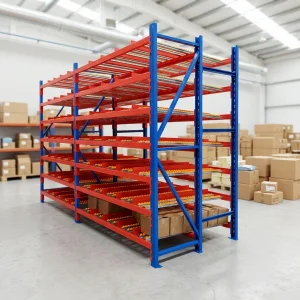
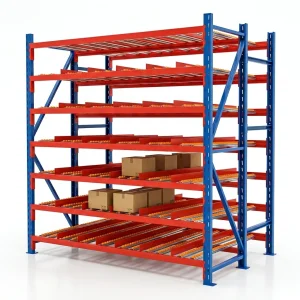
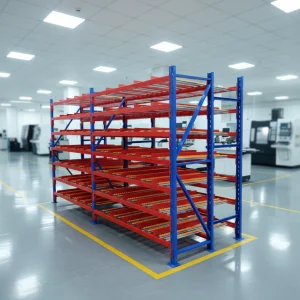
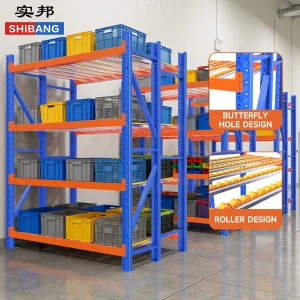
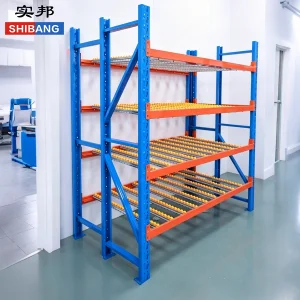
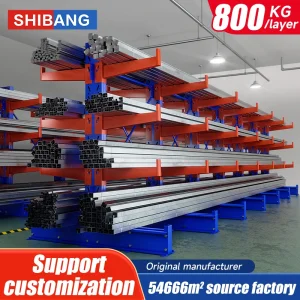
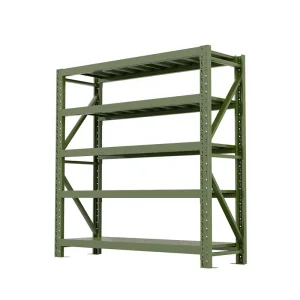
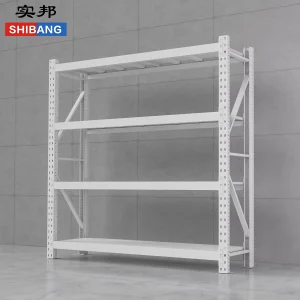
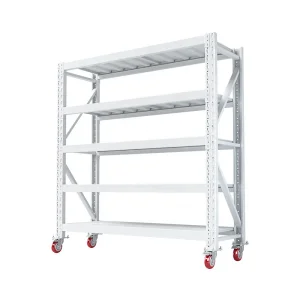
Engineered for high-volume order picking, optimized space utilization, and seamless FIFO inventory control.
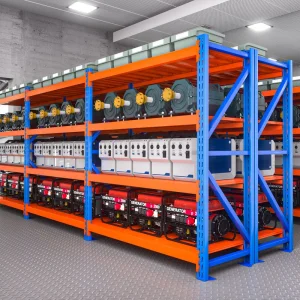
Modern distribution facilities operate under intense pressure to improve picking speeds and optimize storage footprints. Carton flow racking systems—often integrated directly into selective pallet rack structures—represent a highly efficient solution that harnesses gravity to automate product positioning.
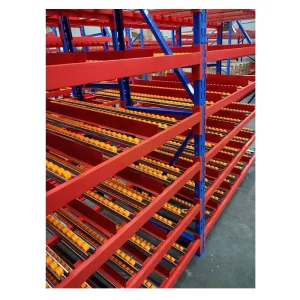
Structurally, these systems operate via slightly inclined wheel beds or roller lanes (typically pitched between 2 to 5 degrees) installed within pallet rack bays. When a carton, plastic tote, or bin is retrieved from the picking face, the next unit automatically rolls forward to take its place. This creates a highly responsive, continuous-feed First-In, First-Out (FIFO) material handling loop.
By keeping loading lanes segregated from picking lanes, travel times are slashed by up to 75% compared to traditional static shelving. Furthermore, the structural integration of dynamic carton flow within heavy-duty pallet racks leverages vertical overhead storage space for bulk pallets while allocating lower, accessible tiers to fast-paced picking workflows.
Determine the optimal roller track configurations, materials, and load profiles for your industrial warehousing requirements.
| Racking Spec Type | Material Composition | Load Capacity (per level) | Optimized Track Type | Primary Industrial Use Cases |
|---|---|---|---|---|
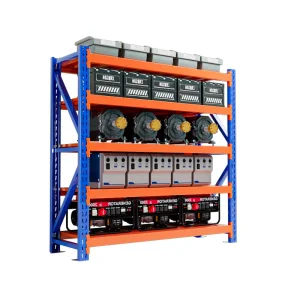
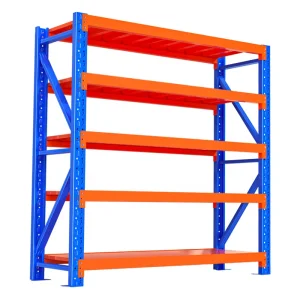
| Industrial Carton Flow Rack | Durable Cold Rolled Steel & Polyethylene | 100kg - 300kg | Plastic Roller Rail Lanes | E-commerce Fulfilment, High-density picking |
| Q235B Selective Flow Rack | Heavy-Duty Q235B Steel Profiles | 300kg - 800kg | Full-Width Steel Rollers | Automotive Parts Kitting, Manufacturing Lines |
| Heavy Duty Gravity Roller System | High-Strength Structural Channel Steel | 600kg - 1000kg | Split-Roller Bed Assemblies | Beverage Distribution, Cold Storage Facilities |
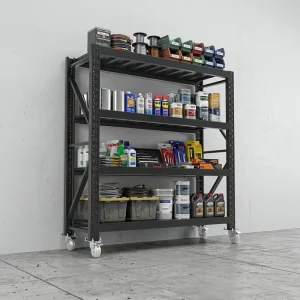
| Adjustable Boltless Storage Shelves | Lightweight Carbon Steel Sheets | 100kg - 250kg | Multi-Directional Wheel Beds | Retail Backrooms, Pharmaceutical Logistics |
The rise of global distribution and micro-fulfillment centers requires automated, space-saving storage. Carton flow racks provide a mechanical solution to optimize labor and maximize SKU density.
Global standards demand absolute compliance. Structural integrity must withstand high dynamic stress, seismic vibrations, and repetitive forklift impacts, necessitating advanced testing protocols.
Modern operations require highly adaptable layouts. Standardized shelf depths are giving way to configurable flow lanes with snap-in dividers, adjustable roller profiles, and varying load limits.
Established in 2016, Ningbo Shibang Storage Rack Co., Ltd. is a leading enterprise specializing in the design, manufacture, and global distribution of heavy-duty industrial warehouse racking systems.
Spanning a modern manufacturing facility of 32,000 m², our company has accumulated 12 years of industry experience and 8 years of direct export expertise, serving global clients with total annual export revenue reaching $18 million.
We believe quality and structural integrity are the foundations of efficient warehouse storage. Supported by a dedicated quality control team of 35 QA/QC inspectors, we implement rigorous multi-stage quality assurance processes, including Ultrasonic Testing (UT) for weld seams, load-bearing stress analysis, coating thickness verification, and raw material tensile testing.
Operating with a robust international trade setup, our primary markets cover North America, Western Europe, Southeast Asia, and Australia. To maintain efficient production cycles and reliable raw material supply, we partner with over 850 supply chain vendors. Our diverse client portfolio spans 3PL logistics providers, automated distribution centers, retail mega-warehouses, and heavy manufacturing facilities.
Innovation drives our growth. Our in-house R&D department boasts 22 experienced structural and mechanical engineers. Through strong technical capability and advanced OEM/ODM versatility, we offer extensive customization options, including tailored load capacities, custom powder-coating colors, seismically engineered beam profiles, and modular height configurations.
Demonstrating our commitment to evolving market needs, we launched 140 new products and optimized structural components over the past year alone.
A closer look inside our automated production bays, featuring advanced profiling, metal forming, and surface coating technologies.
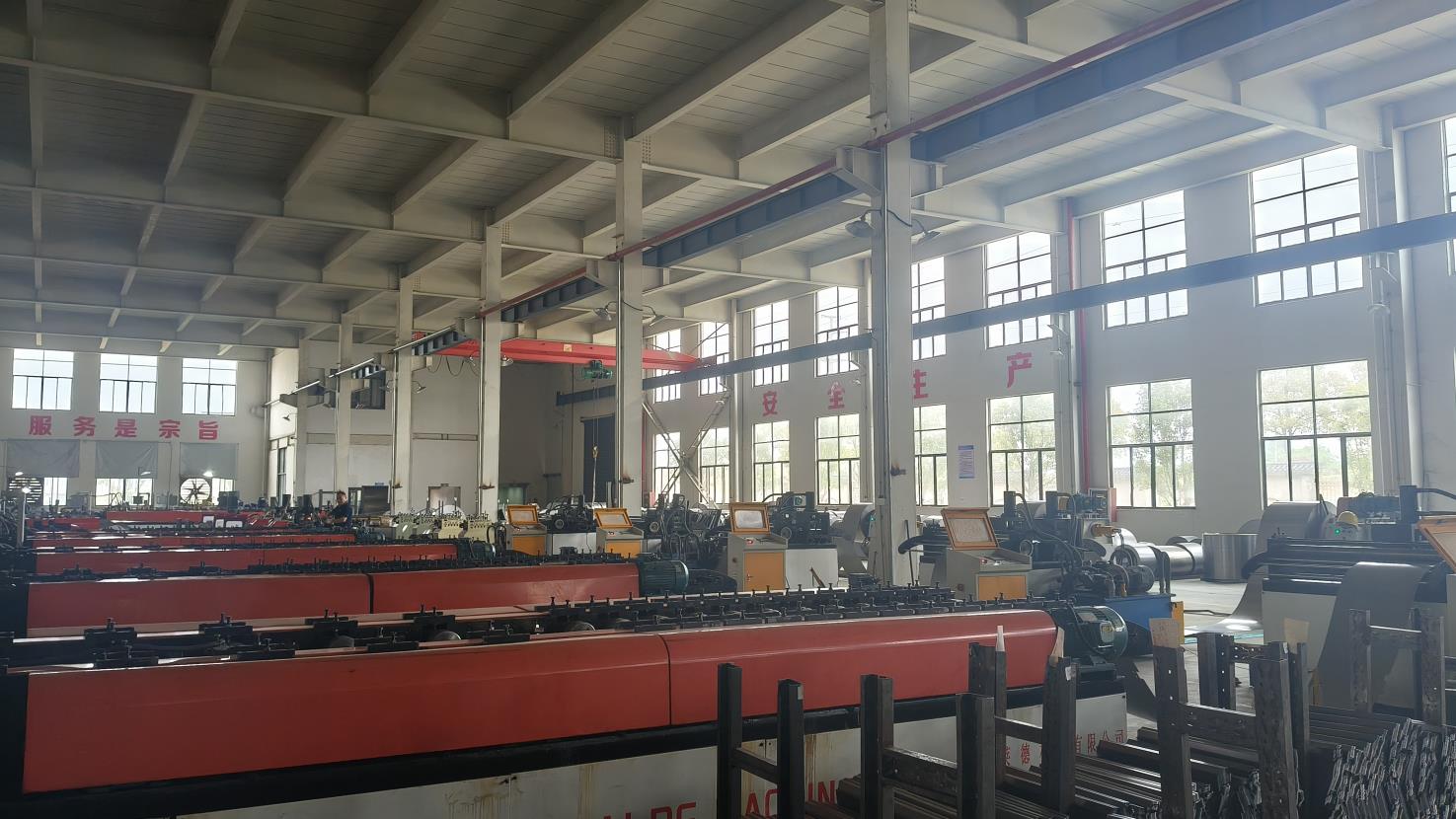
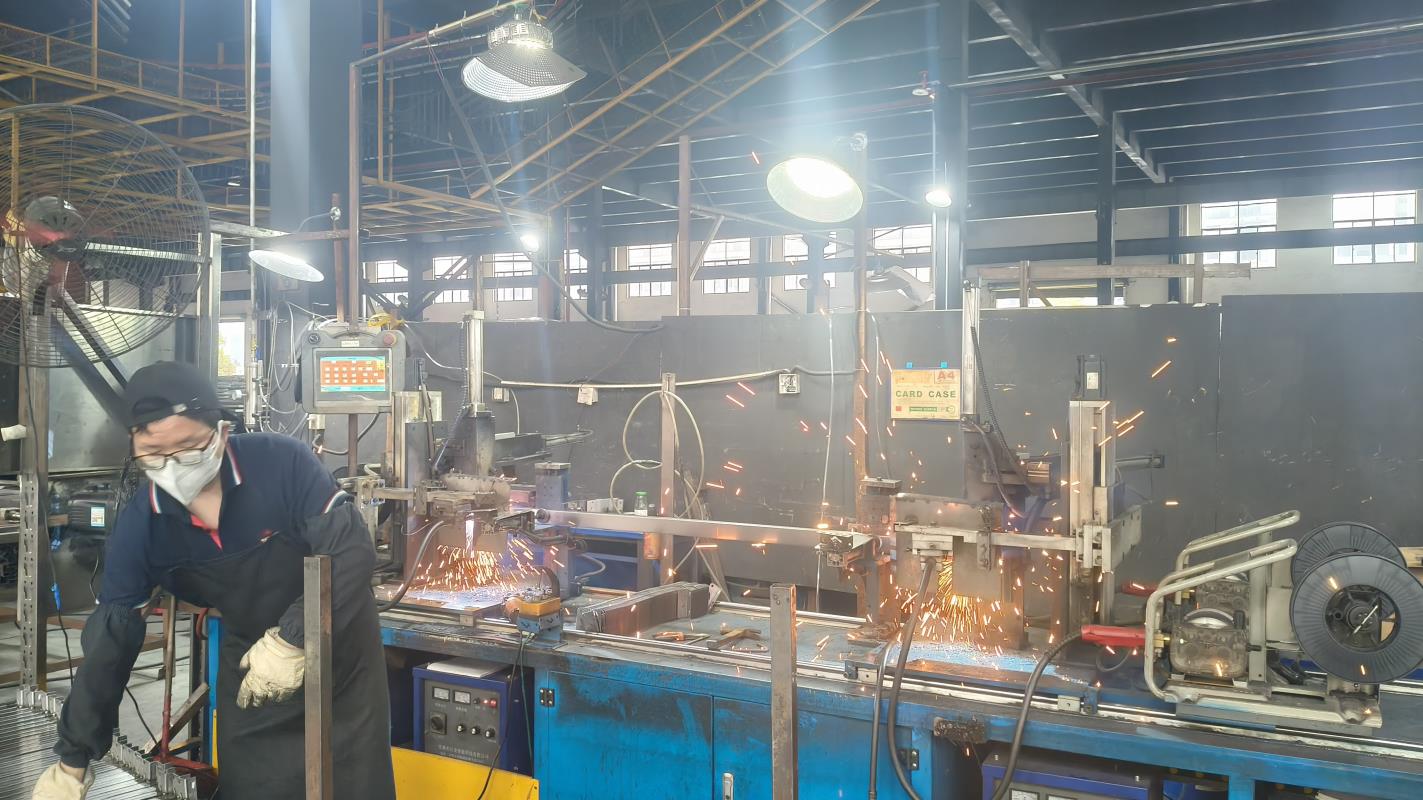
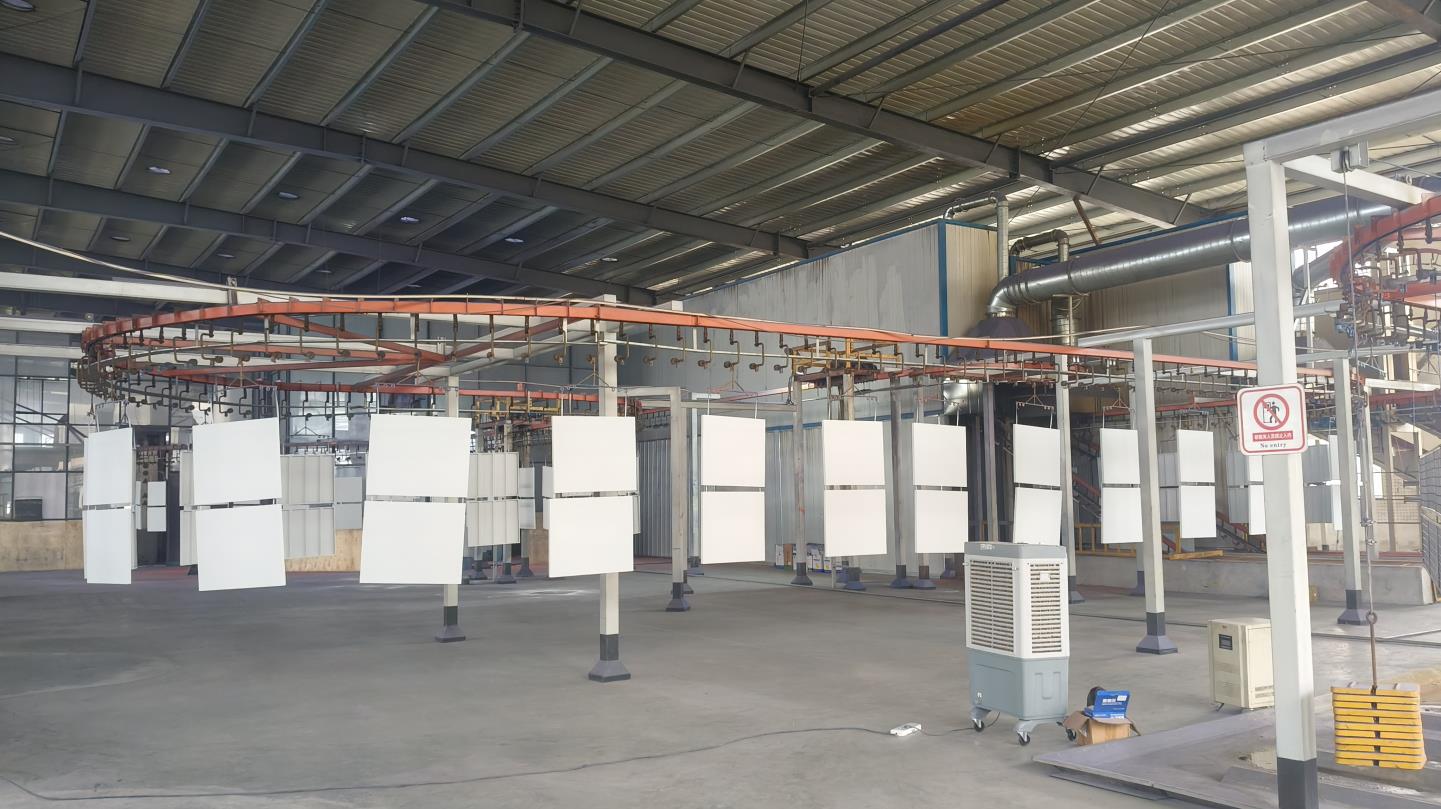
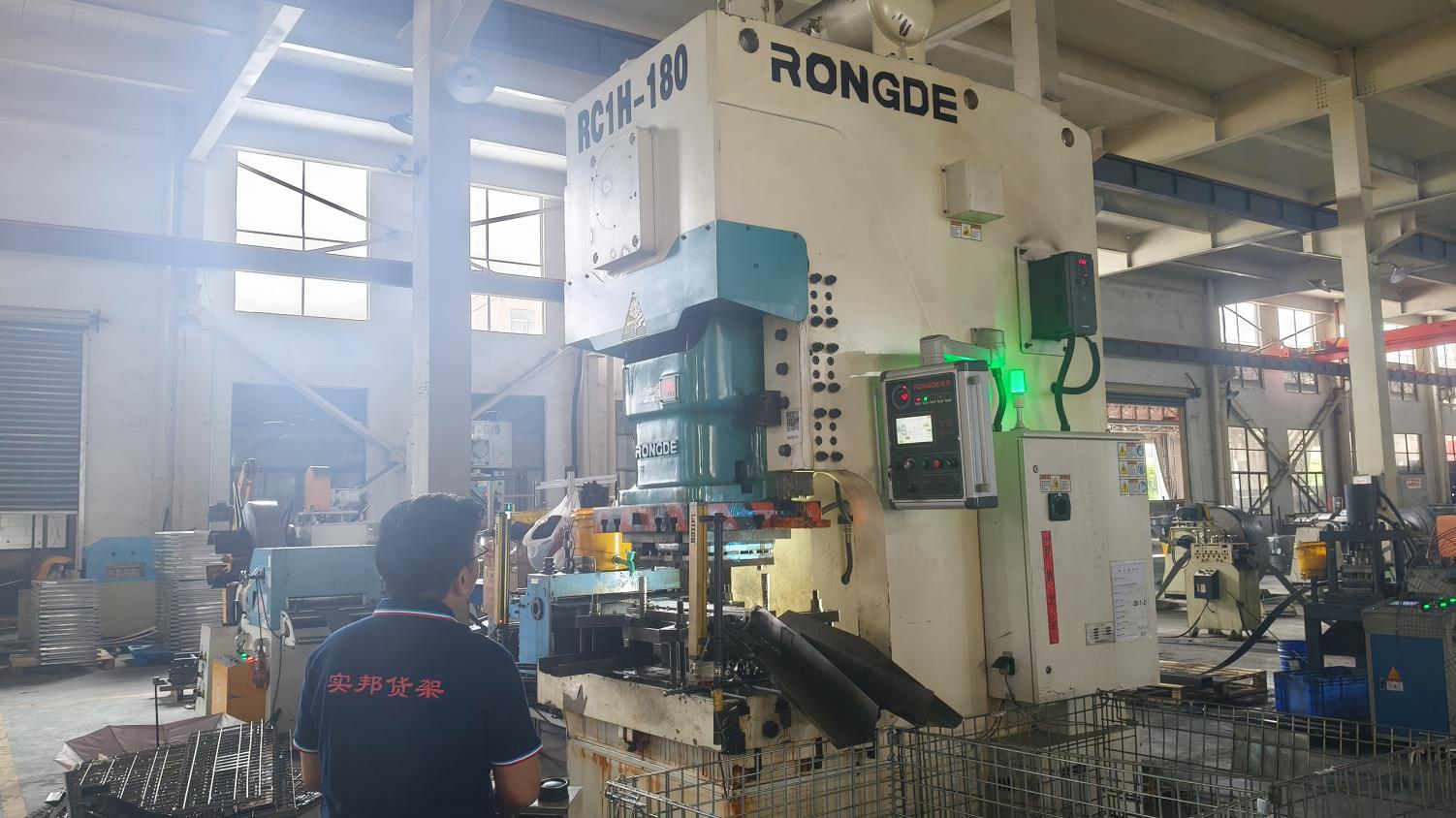
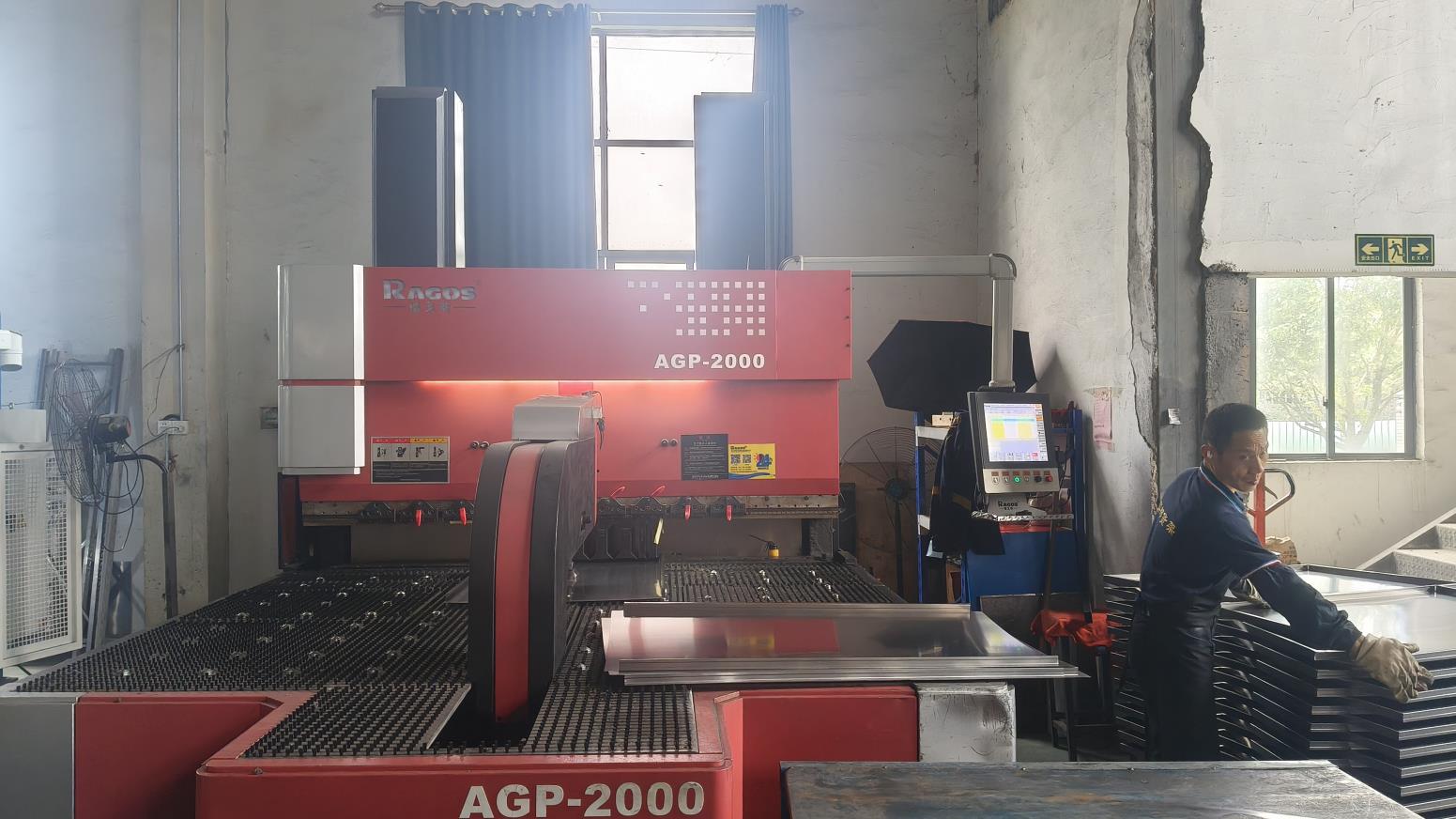
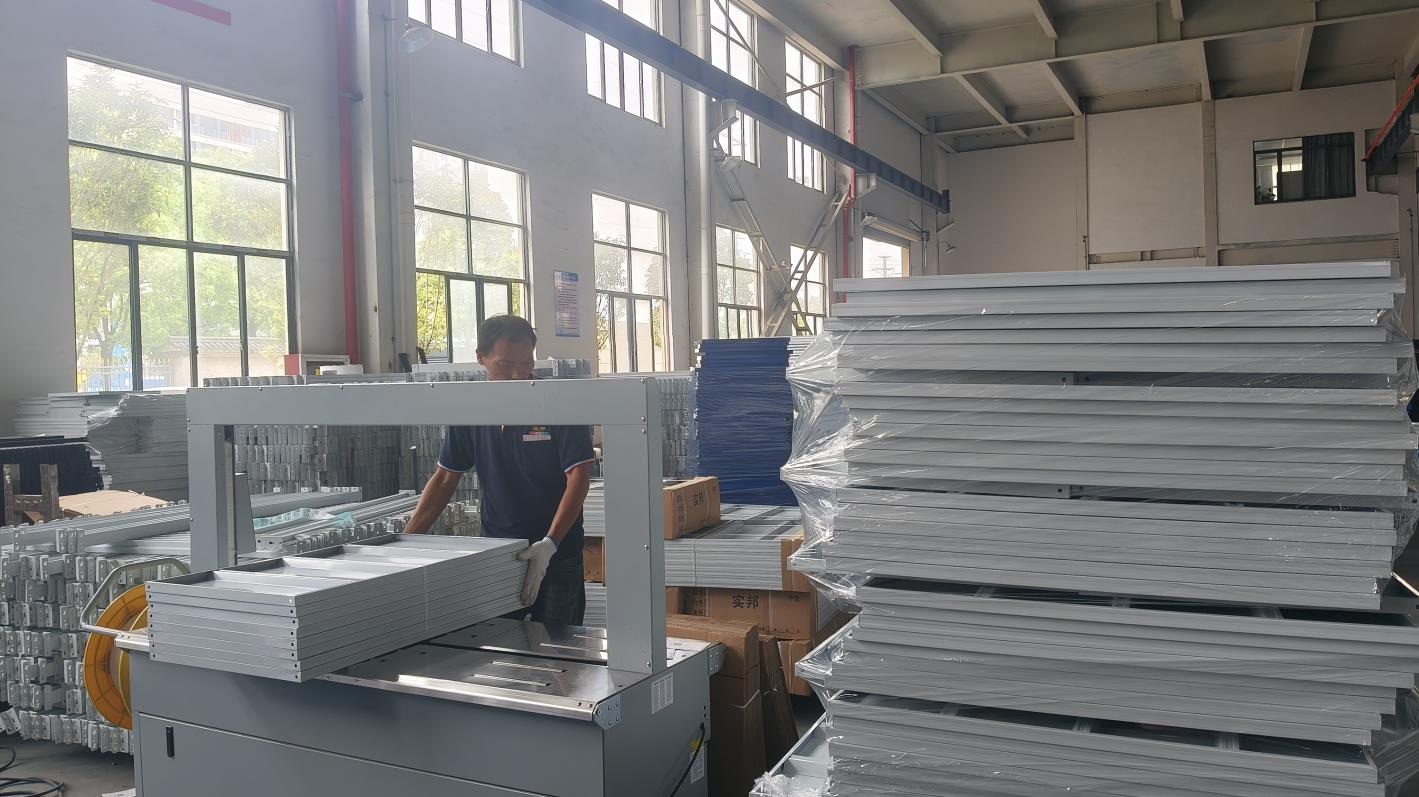
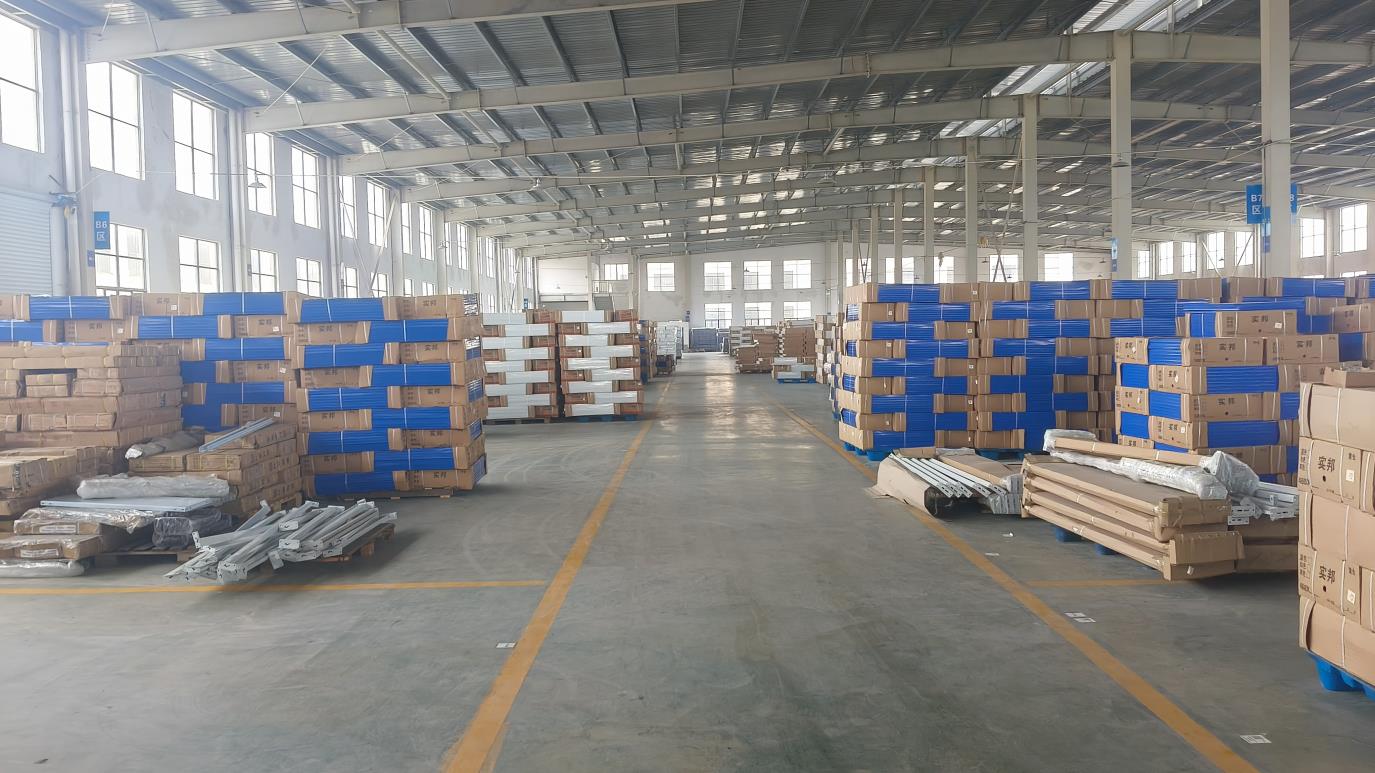
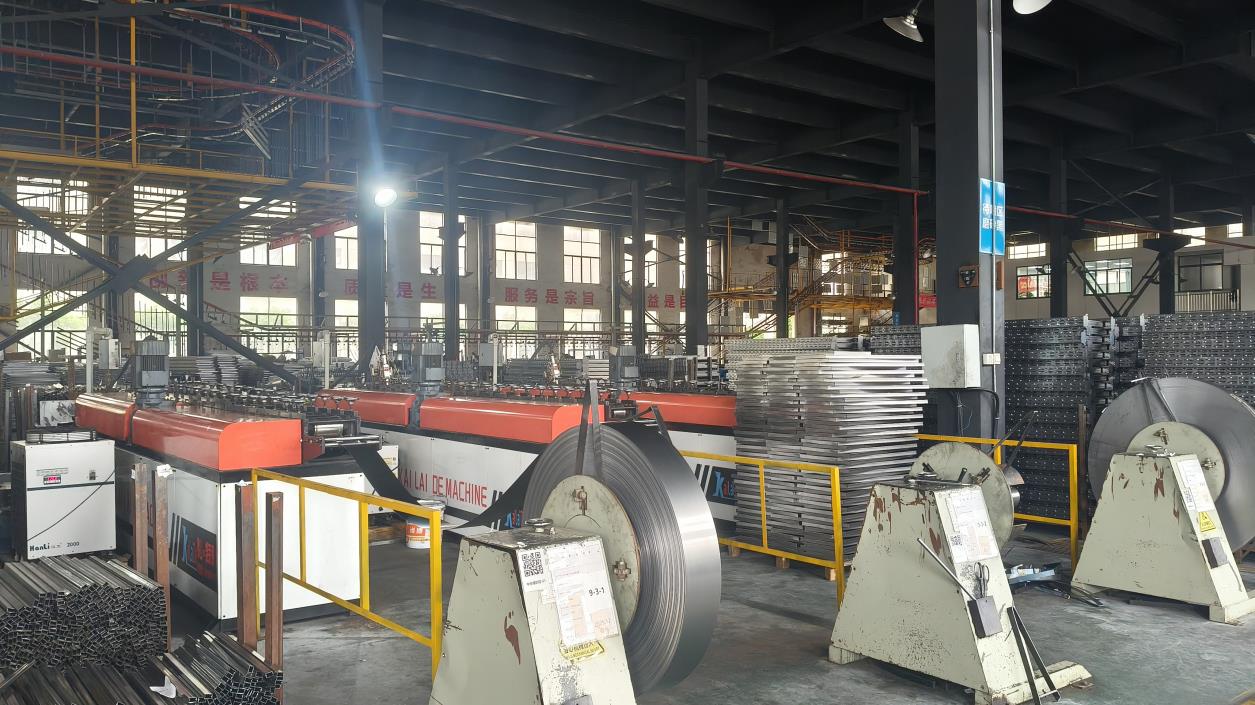
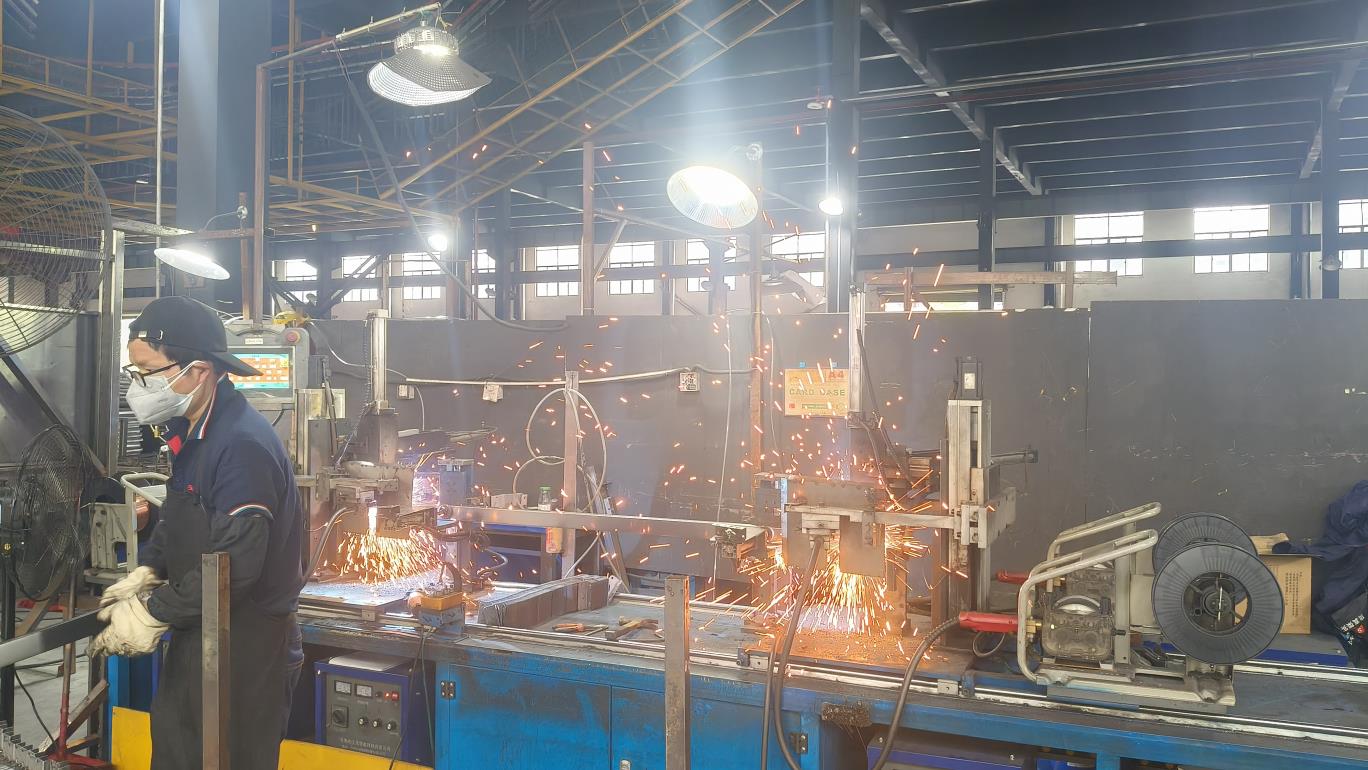
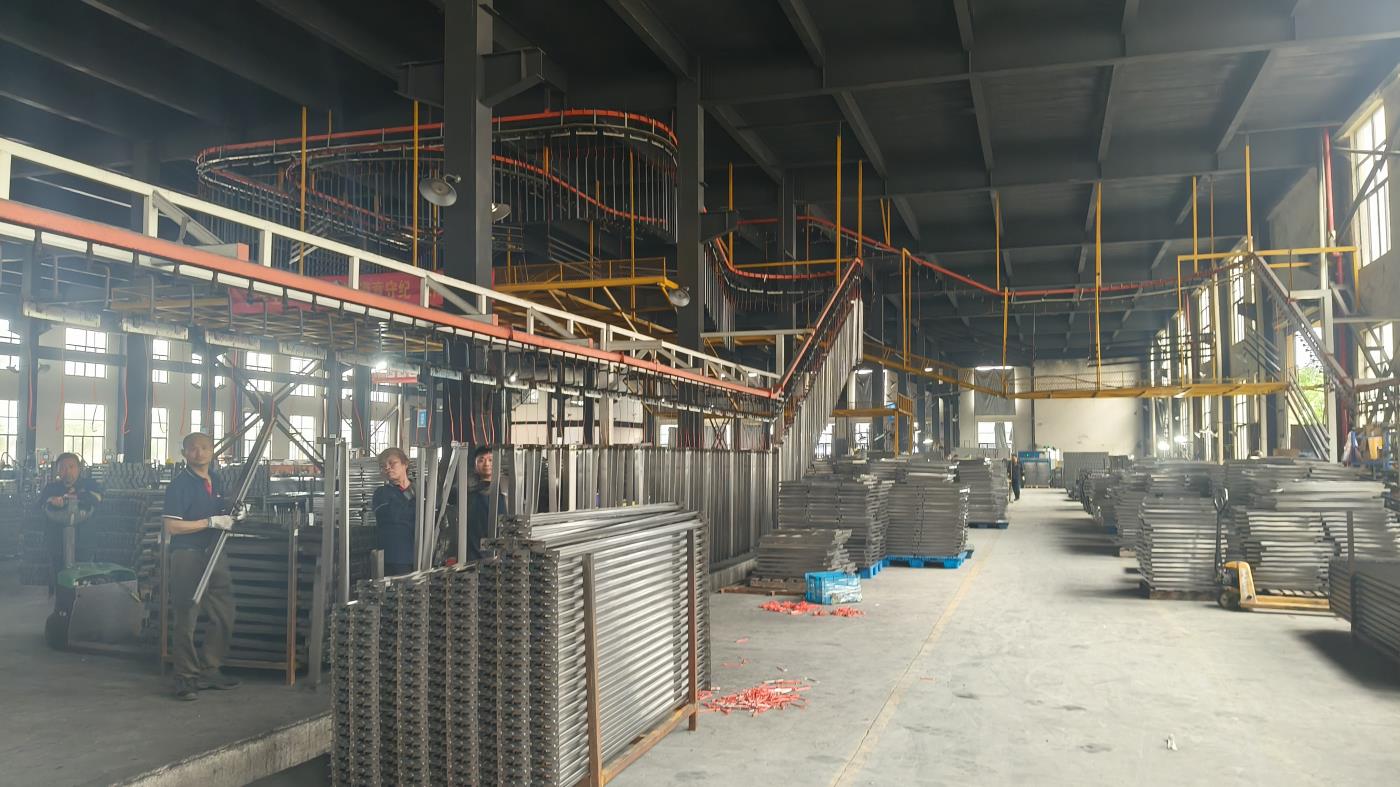
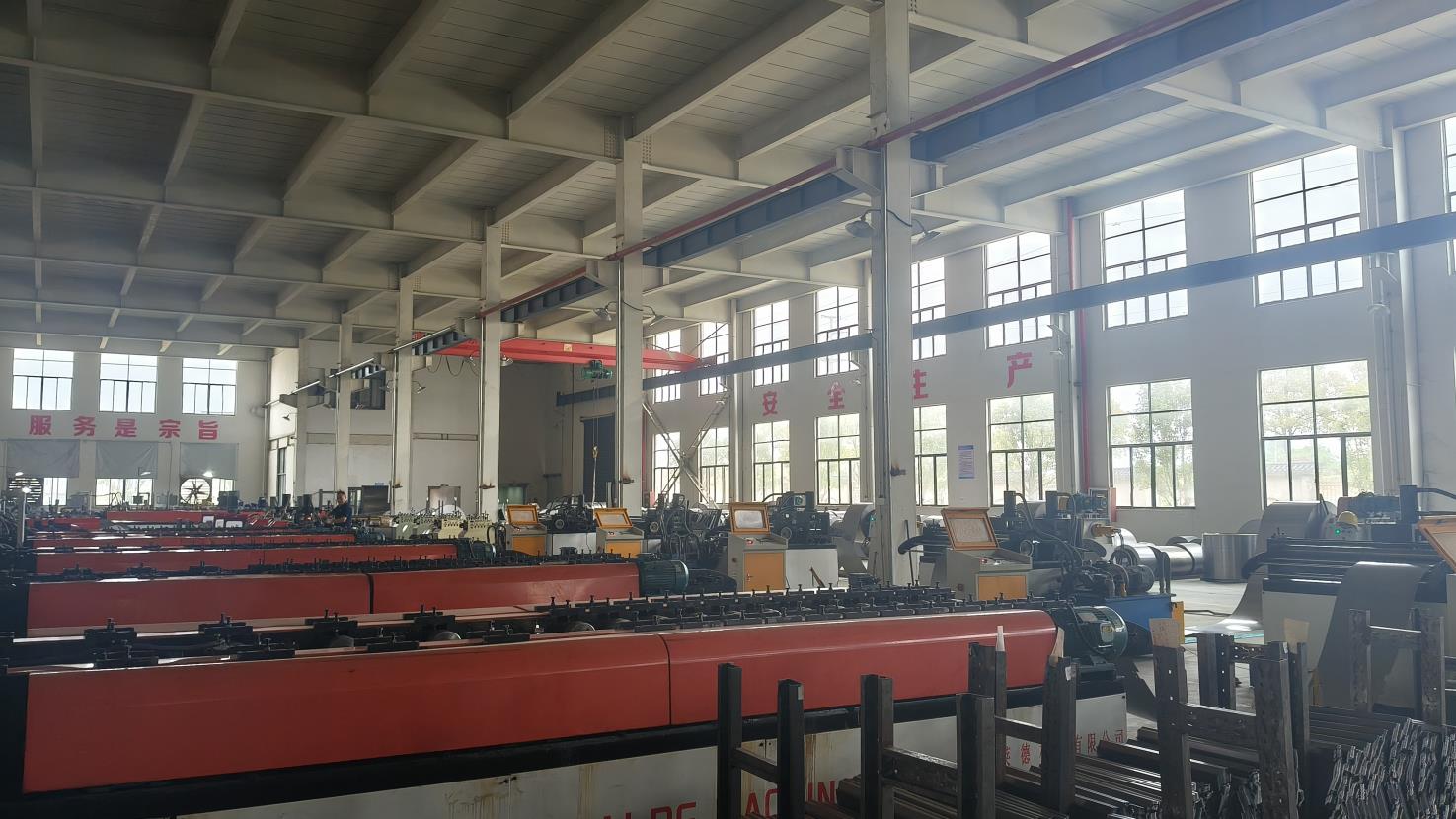
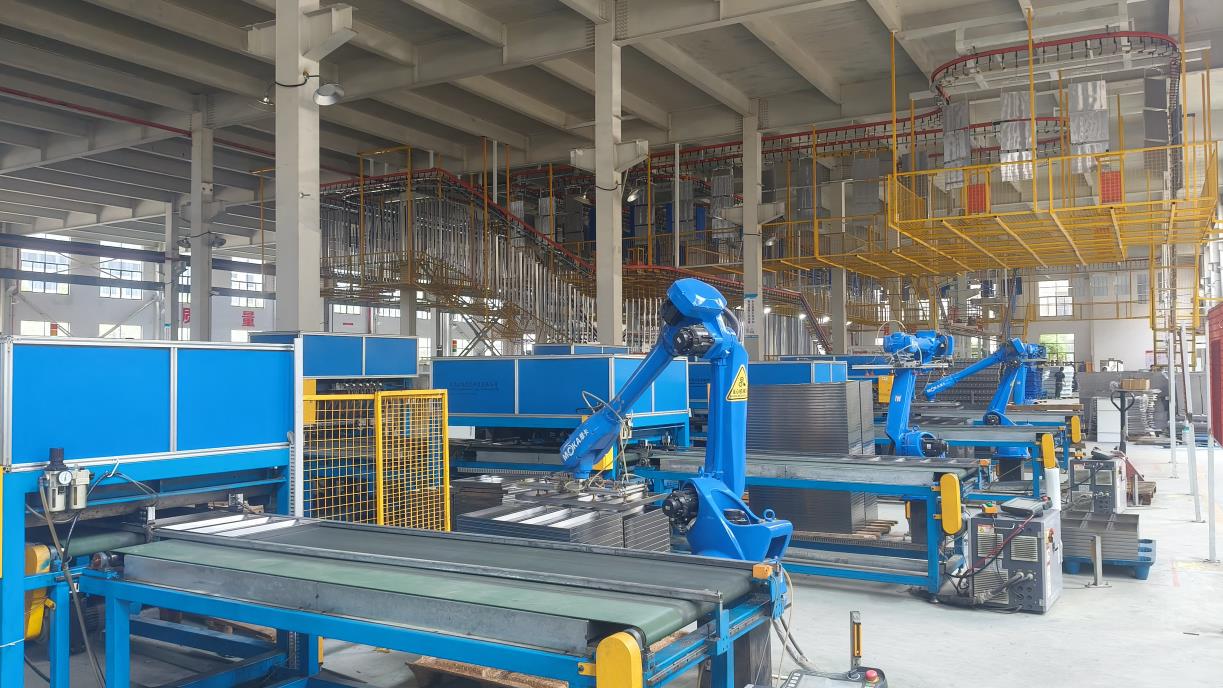
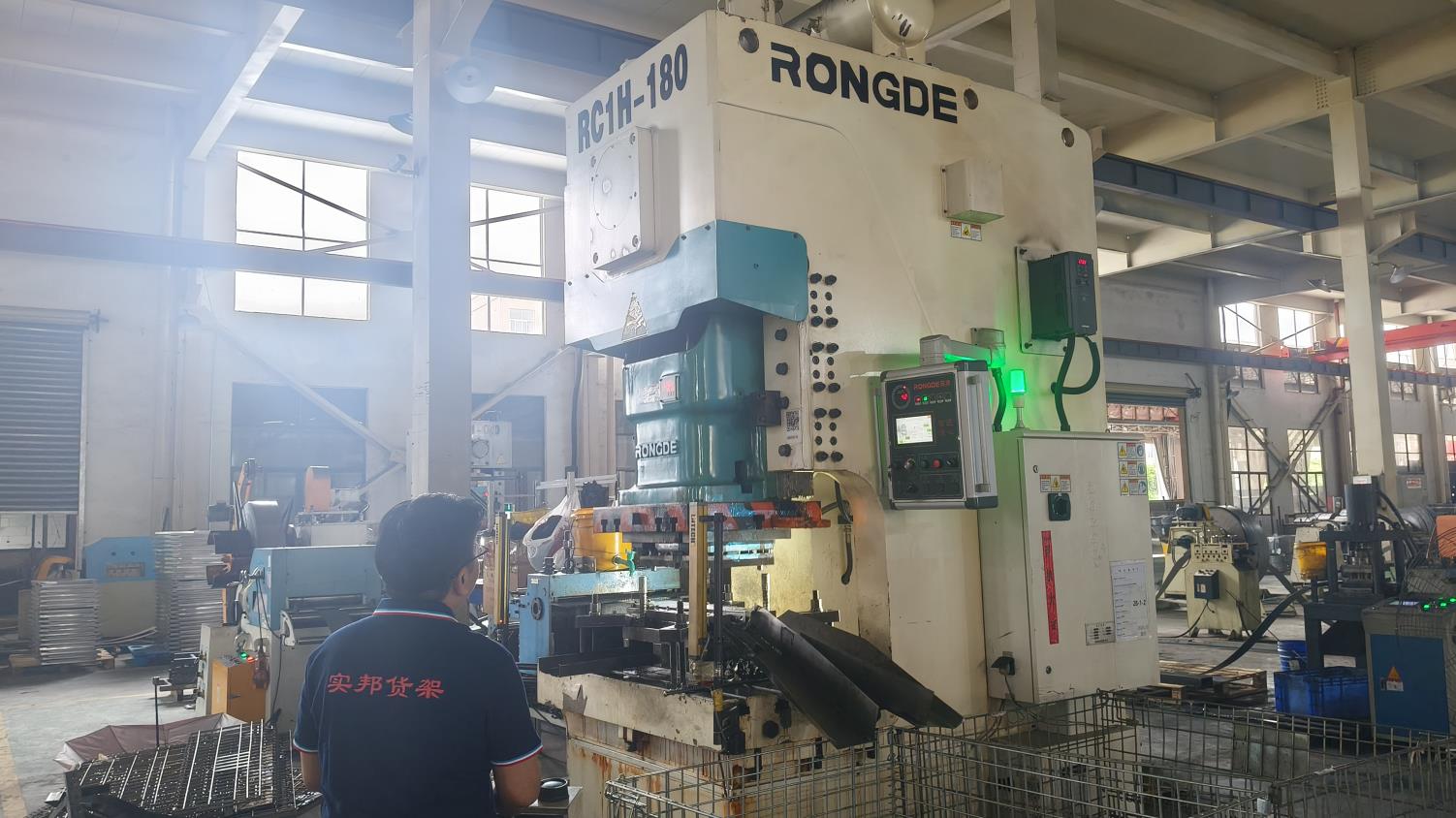
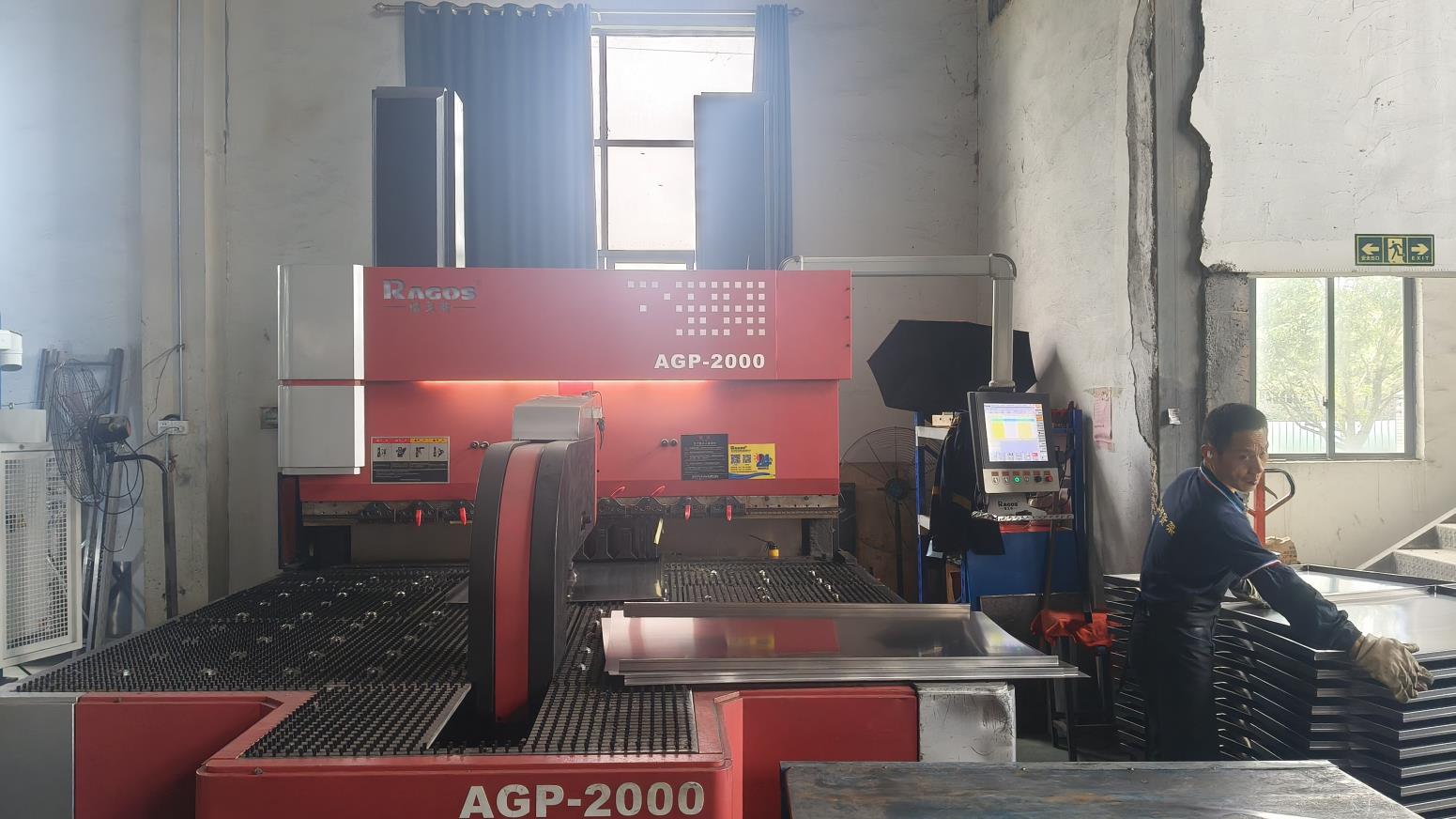
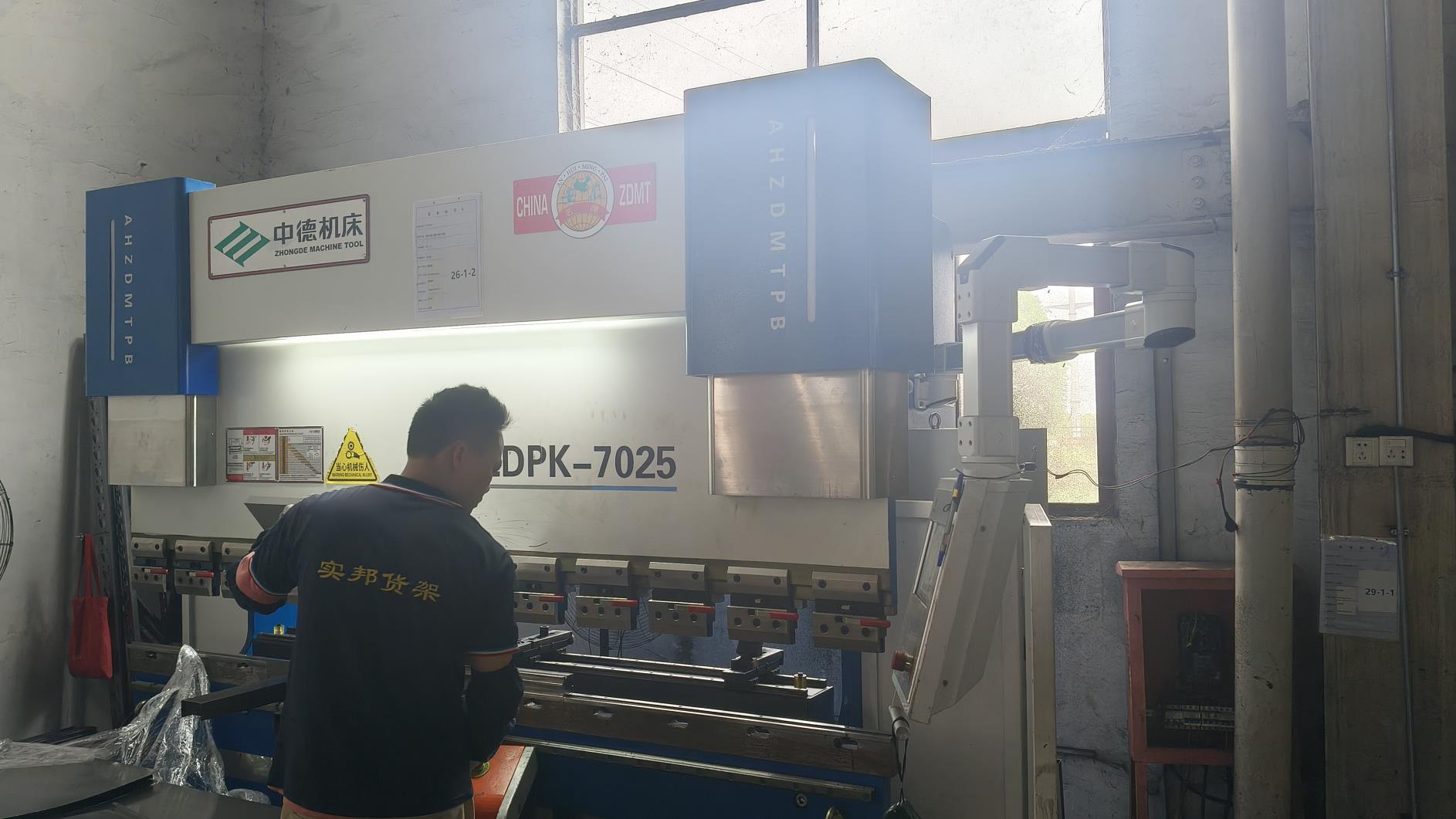
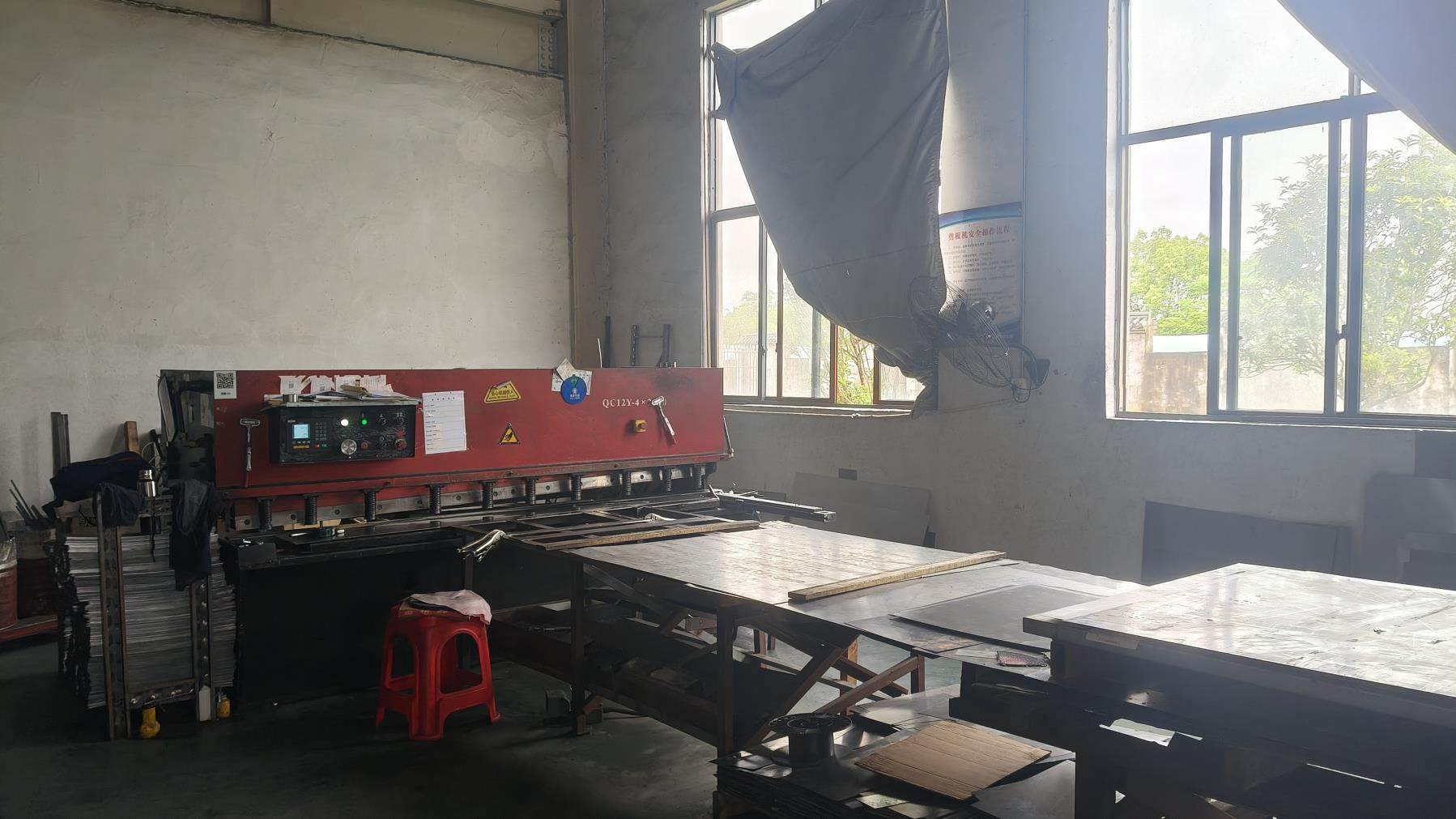
Designing structures to meet regional seismic safety parameters and heavy-industry distribution standards.
Every racking design must pass localization hurdles to prevent liability risks. In North America, our designs comply with RMI (Rack Manufacturers Institute) standards. In Western Europe, our systems align with EN 15512 and FEM regulations. For Australian deployments, our racks conform to AS4084-2012 guidelines.
Our structural engineers calculate wind load, snow load, and ground acceleration parameters to generate certified blueprints that satisfy safety inspectors and structural compliance laws globally.
Cold Storage & Blast Freezing: Incorporates specialized carbon steels with high low-temperature impact toughness.
Food & Beverage: Utilizes rust-inhibiting finishes that withstand daily chemical washdowns.
Automotive & Assembly: Implements custom roller dimensions to support diverse parts bins and transport totes.
Discover our innovations in structural technology, IoT sensor integration, and eco-friendly manufacturing.
We are developing rollers equipped with internal speed-monitoring sensors. These sensors alert operators to slow-moving SKU zones, helping prevent box jams before they disrupt order picking.
By blending micro-alloying elements into Q235B steel, we aim to improve load-bearing capacities by 20% while reducing profile thickness and lowering overall shipping weight.
Our upcoming product lines feature toolless snap-fit connection systems. These allow warehouse teams to adjust lane configurations in minutes without calling outside maintenance crews.
Direct answers from our senior mechanical and structural engineering team regarding system configuration, maintenance, and calculations.
Lane slope depends on the material, weight, and condition of the cartons. Typically, standard cardboard boxes require a 3% to 4% slope. Heavy plastic bins can operate at 2% to 2.5%, while lighter, soft-bottomed boxes may require up to a 5% slope. We recommend performing product rolling tests prior to installation.
Q235B is a structural carbon steel widely used in heavy upright frames and load-bearing beams due to its cost efficiency and yield strength. Cold-rolled steel undergoes further processing at room temperature, resulting in tighter dimensional tolerances, a smoother surface finish, and increased strength for roller lanes and guides.
Gravity-driven systems require minimal maintenance, but we recommend quarterly checks. Ensure rollers rotate freely, inspect for dust or wrap debris, check safety pins on beams, and verify that lane dividers remain aligned and securely fastened.
Yes, our carton flow tracks are designed for easy integration. They can retroactively mount to standard teardrop or box beams using customized hanger brackets. This allows you to convert the lower levels of selective racks into high-density picking lanes.
Explore our heavy-duty boltless display shelving, cantilever structures, and high-capacity storage racks designed for severe industrial environments.
 Shibang Rack