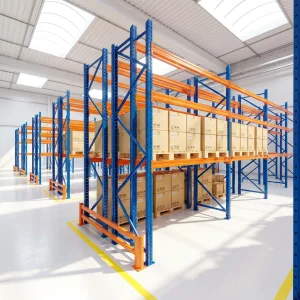
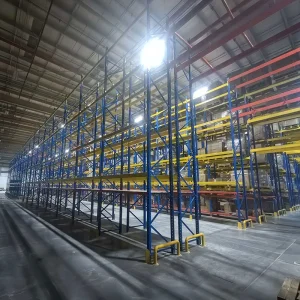
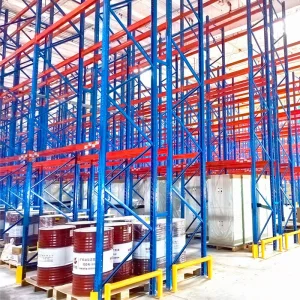
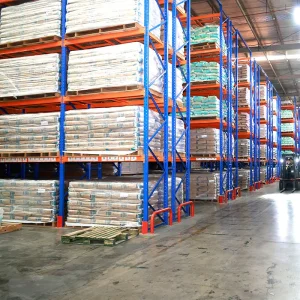
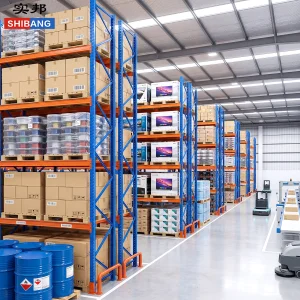
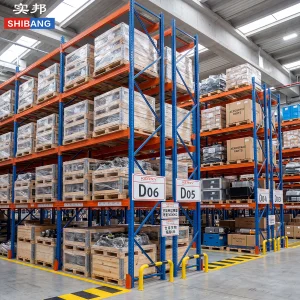
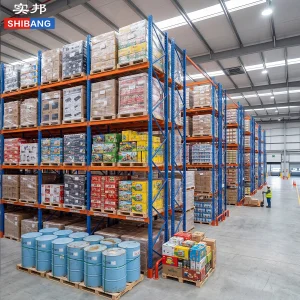
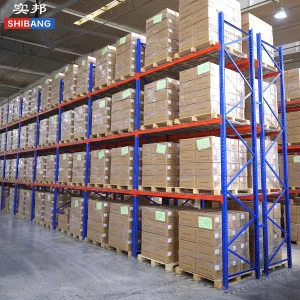
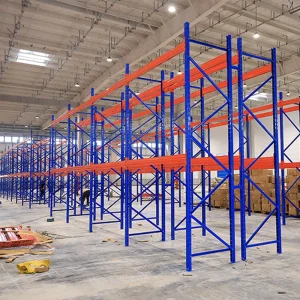
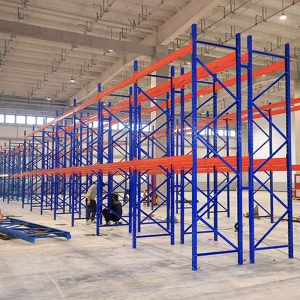
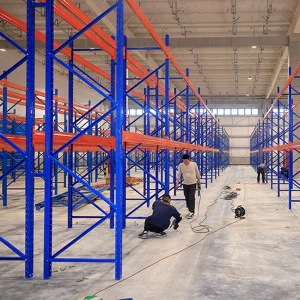
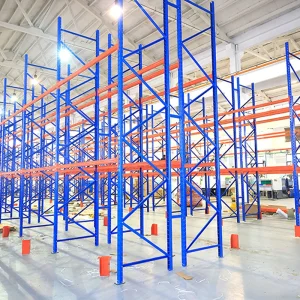
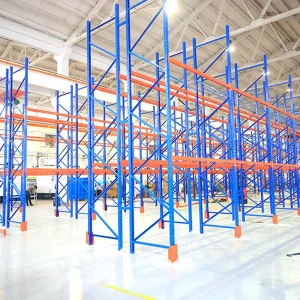
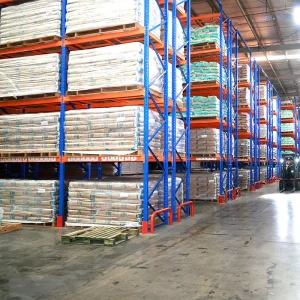
Selective pallet racking stands as the foundational core of global logistics and warehousing industries. By providing 100% immediate accessibility to every single pallet stored, it offers unmatched versatility, rapid SKU rotation, and highly direct warehouse utilization profiles. As logistics operations shift towards highly automated, multi-tier distribution frameworks, understanding the engineering standards, safety coefficients, and technical innovations behind high-caliber manufacturing processes is critical for supply chain operations managers, engineers, and facility designers globally.
SEO Insight & Technical Scope: High-performance warehouses require more than just steel frames; they demand rigorous adherence to RMI standards, precise high-grade cold-rolled steel profiling, and systematic surface treatments to protect capital infrastructure over decades of operation.
The structural integrity of selective pallet racking systems depends fundamentally on the grades of steel selected and the profiles fabricated during production. Quality manufacturers utilize structural carbon steel, typically Q235B or Q355B, which complies with ASTM equivalents (A36 and A572 respectively). These materials offer optimal tensile strength and yield properties required to handle structural loads up to 4500 kg per level, even under demanding cyclic loading schedules.
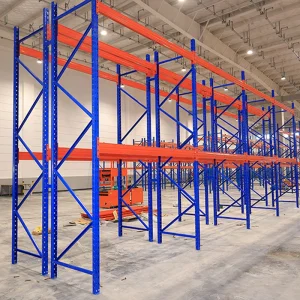
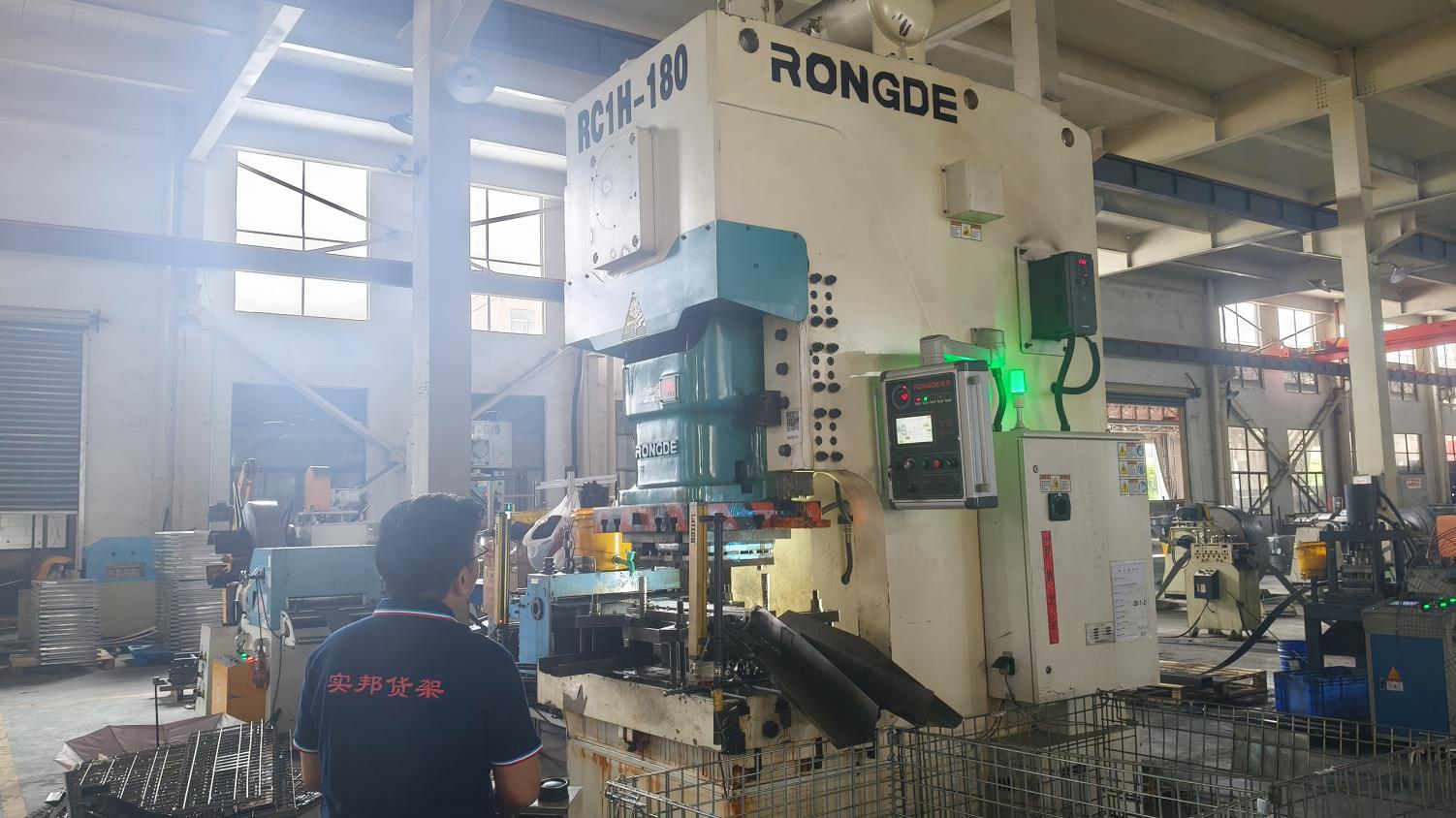
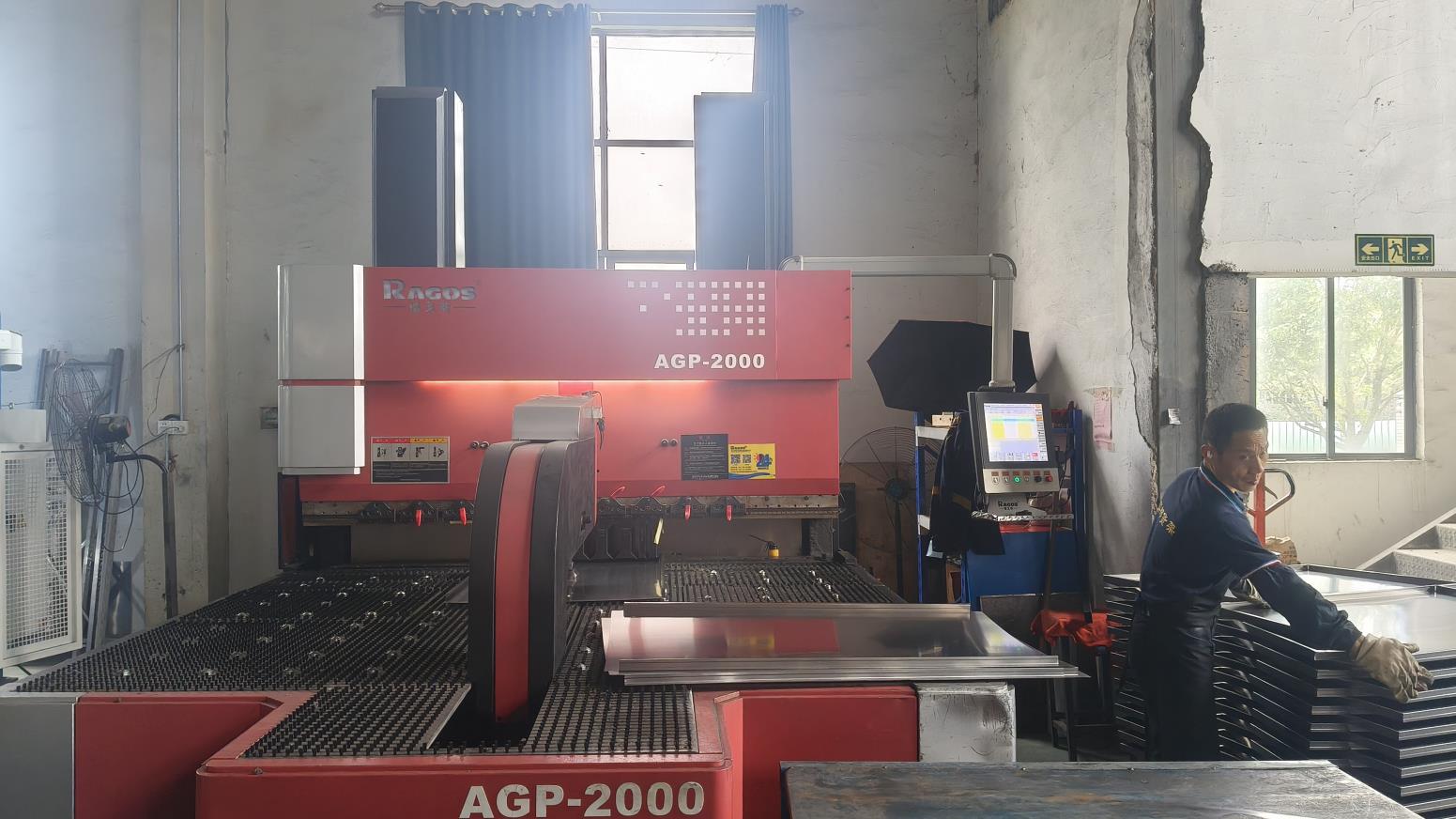
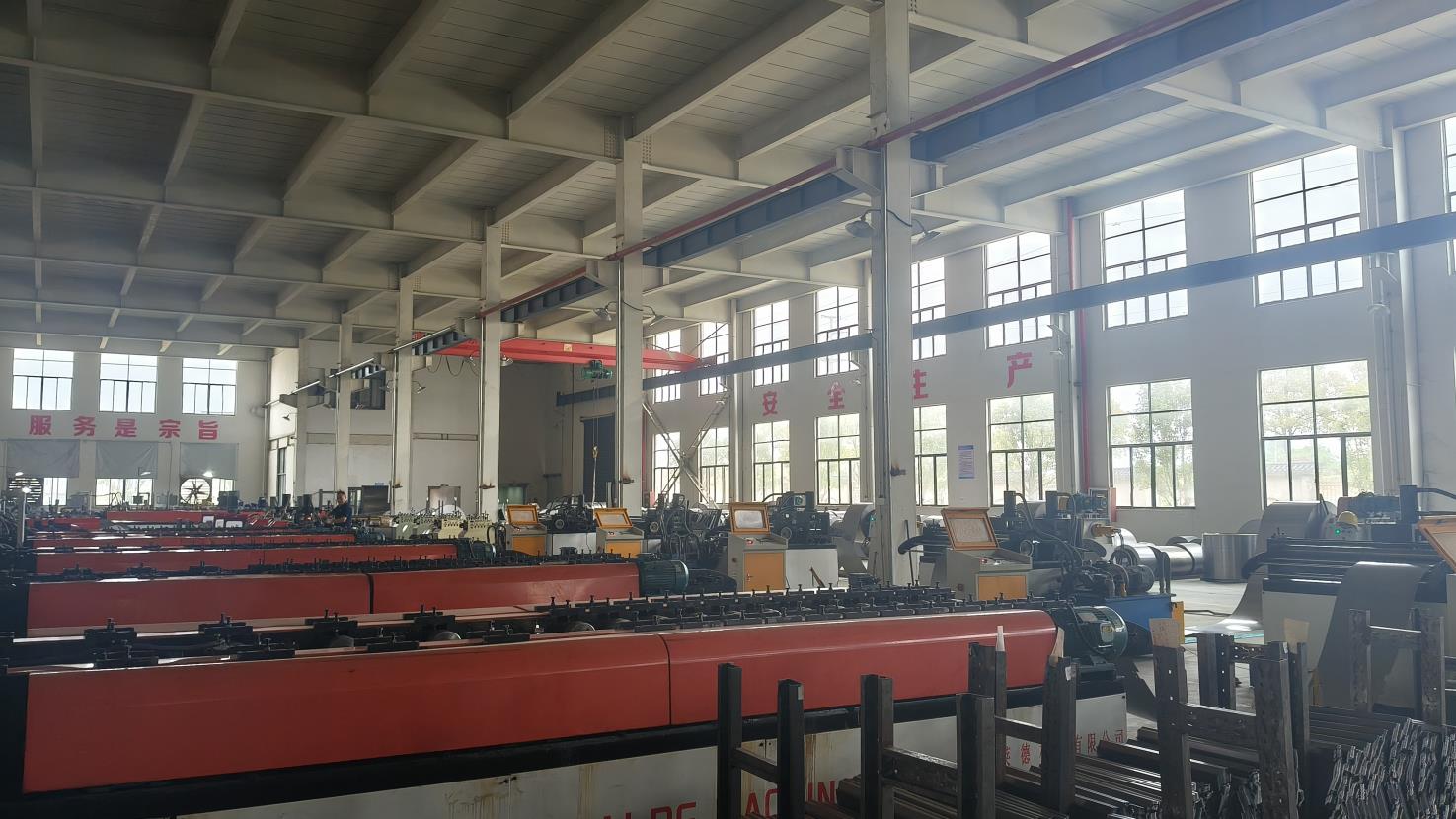
Uprights are roll-formed into complex, multi-bend profiles that maximize structural stiffness while preventing local torsional buckling. Beam configurations—most commonly box beams and step beams—are engineered with multi-claw end connectors that engage securely with the upright columns. This system utilizes physical safety pins to prevent accidental dislodgement from upward forklift movements.
Engineered to handle intensive structural loading conditions with safety factors that exceed RMI guidelines.
Constructed utilizing certified Q235B and Q355B structural steel for maximum structural integrity.
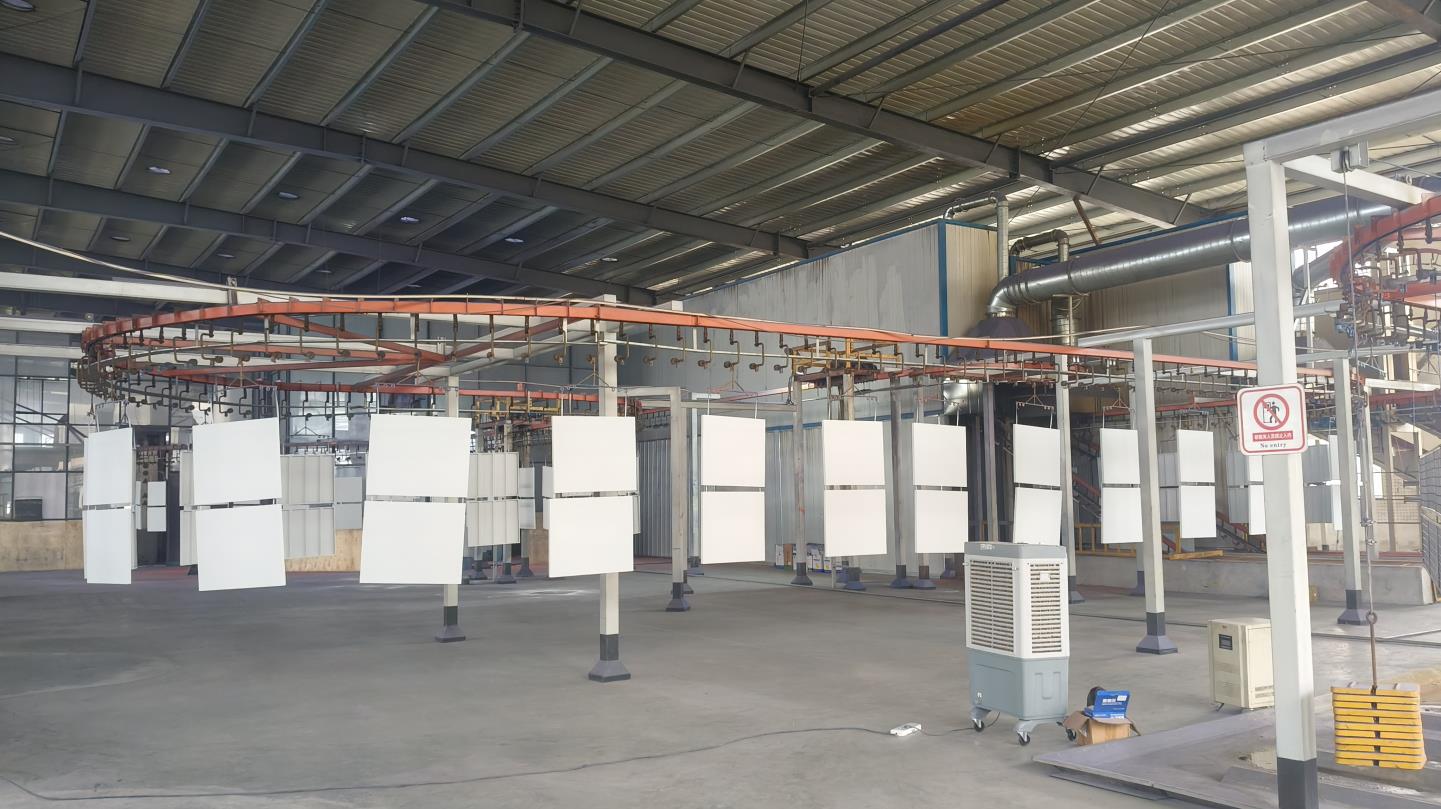
Advanced electrostatic powder coating and hot-dip galvanization ensure long-term durability in varied environments.
Operating a warehouse is inherently safety-critical. Racking systems are permanent structural assets that must withstand mechanical impacts, seismic events, and long-term metal fatigue. Trustworthy manufacturers subject their products to comprehensive testing regimes, including Finite Element Analysis (FEA), physical testing of beam-to-column connections, and destructive testing to determine actual ultimate limits.
Key standards include:
• ANSI/RMI MH16.1: The primary standard for industrial steel storage racks in North America.
• EN 15512 / FEM 10.2.02: The European guidelines governing structural tolerances, deflection, and stability calculations.
• AS 4084: The Australian regulatory framework governing steel storage racking designs.
Established in 2016, Ningbo Shibang Storage Rack Co., Ltd. has developed into a premier global enterprise specializing in the design, engineering, and distribution of heavy-duty industrial storage racks. Over our 12-year trajectory, we have streamlined our production lines to meet the demanding requirements of global 3PL providers, dynamic distribution hubs, automated retail facilities, and heavy industrial manufacturing centers.
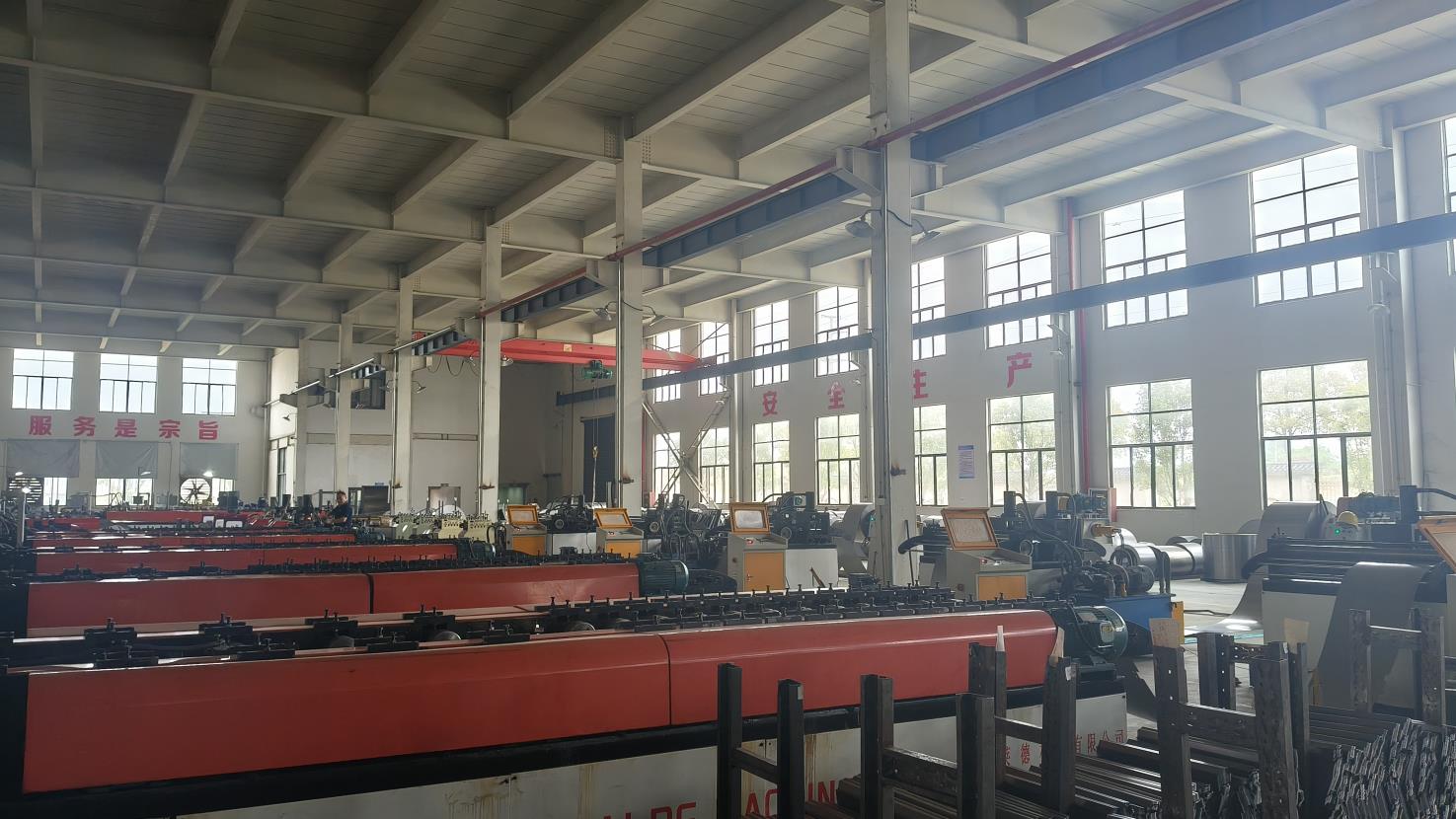
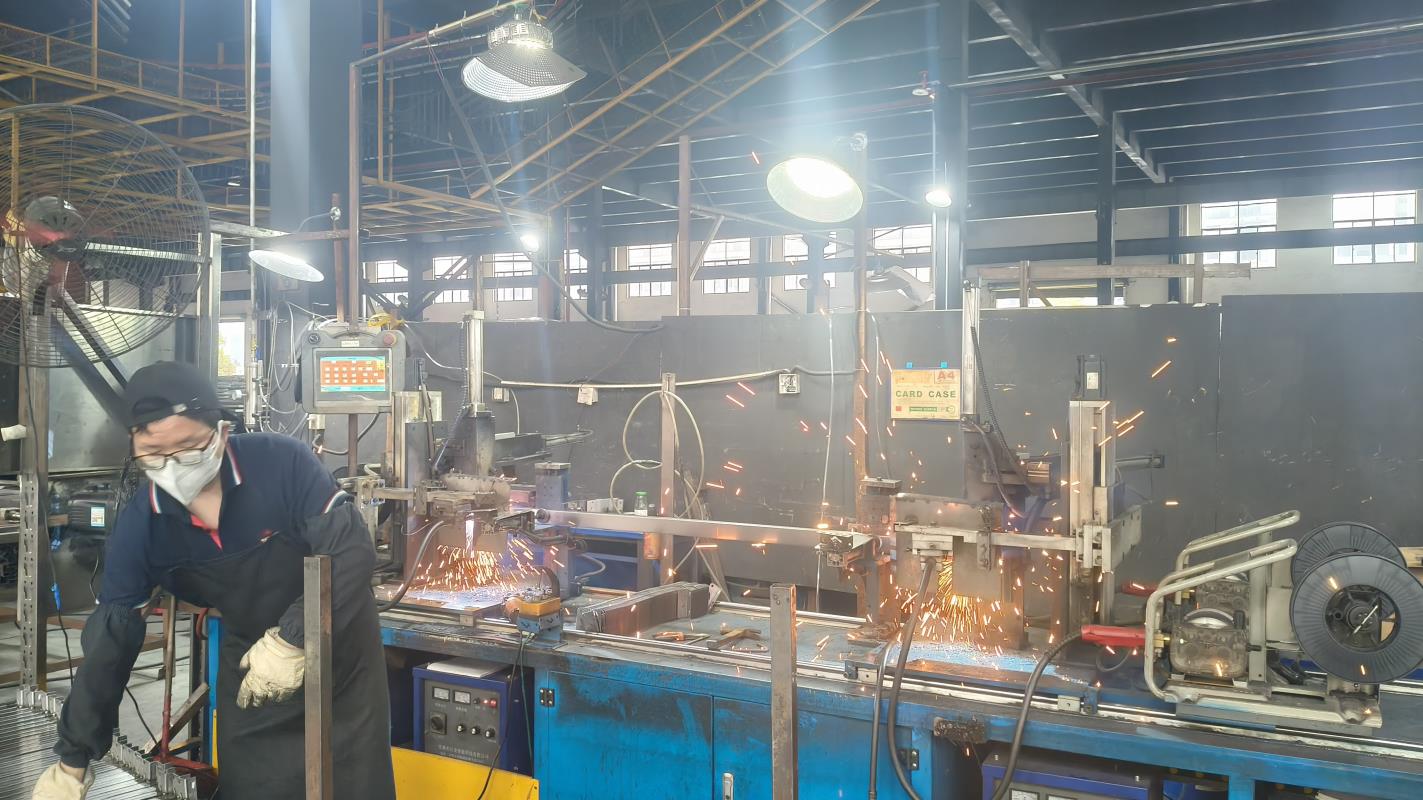
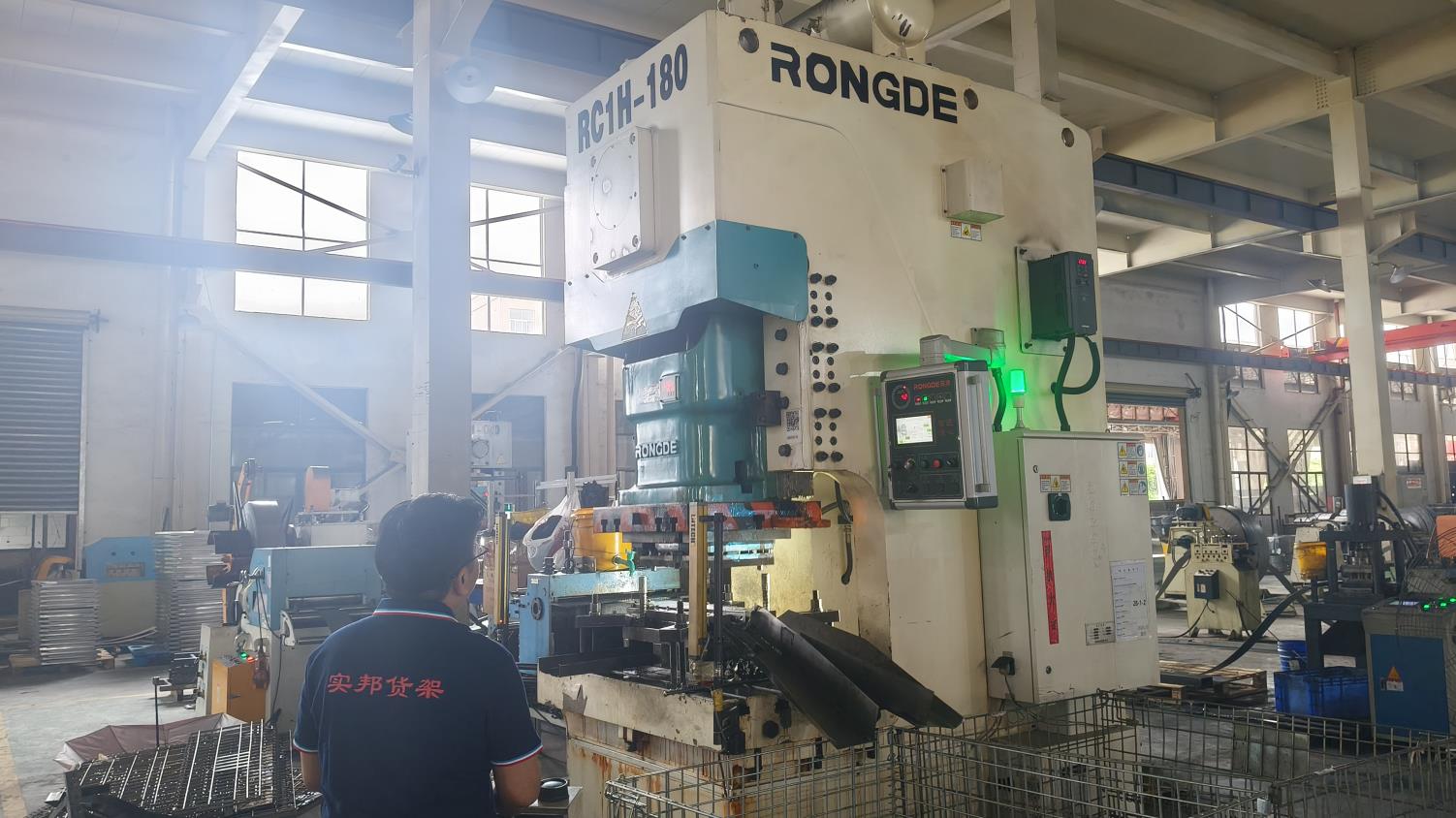
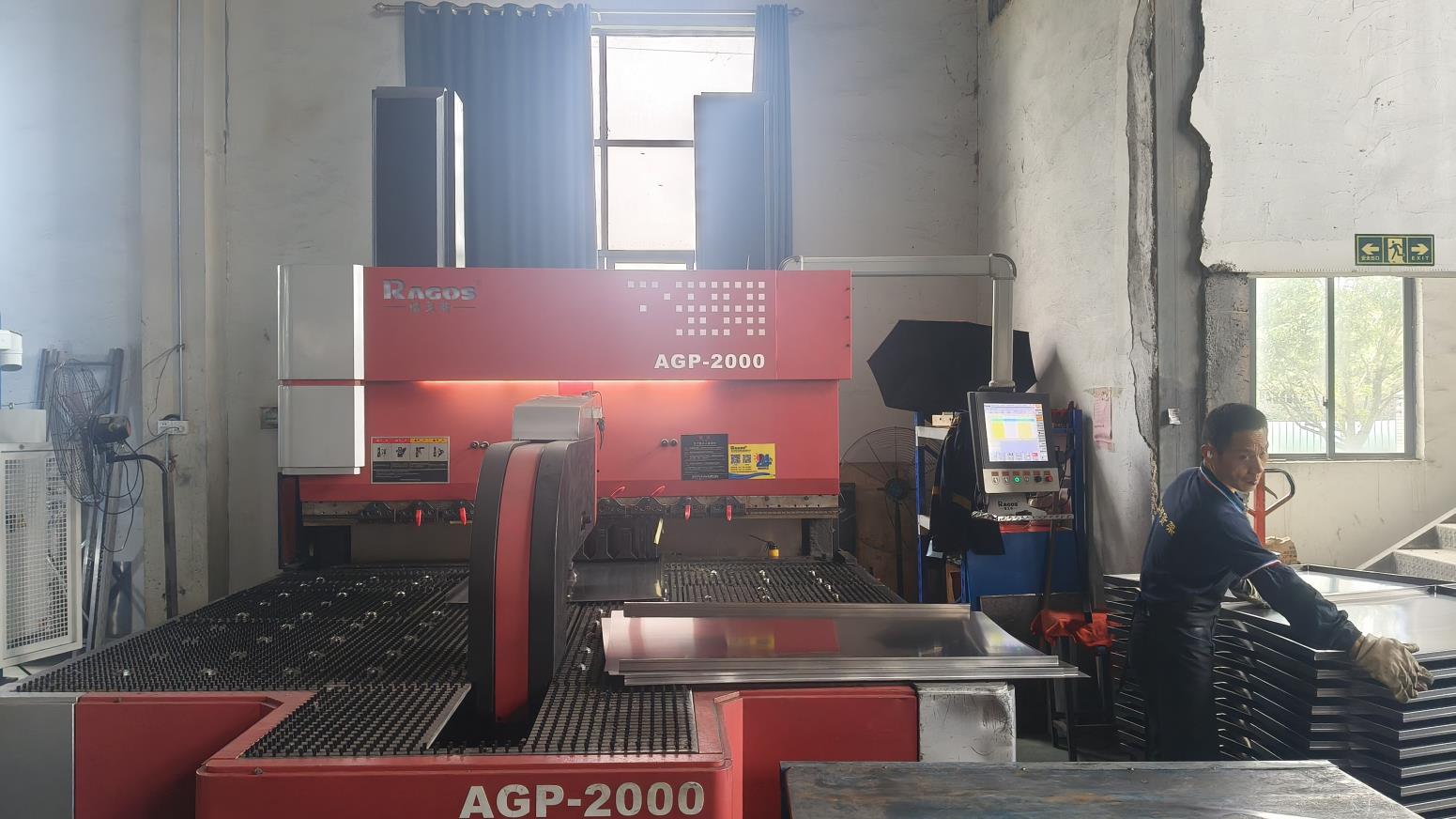
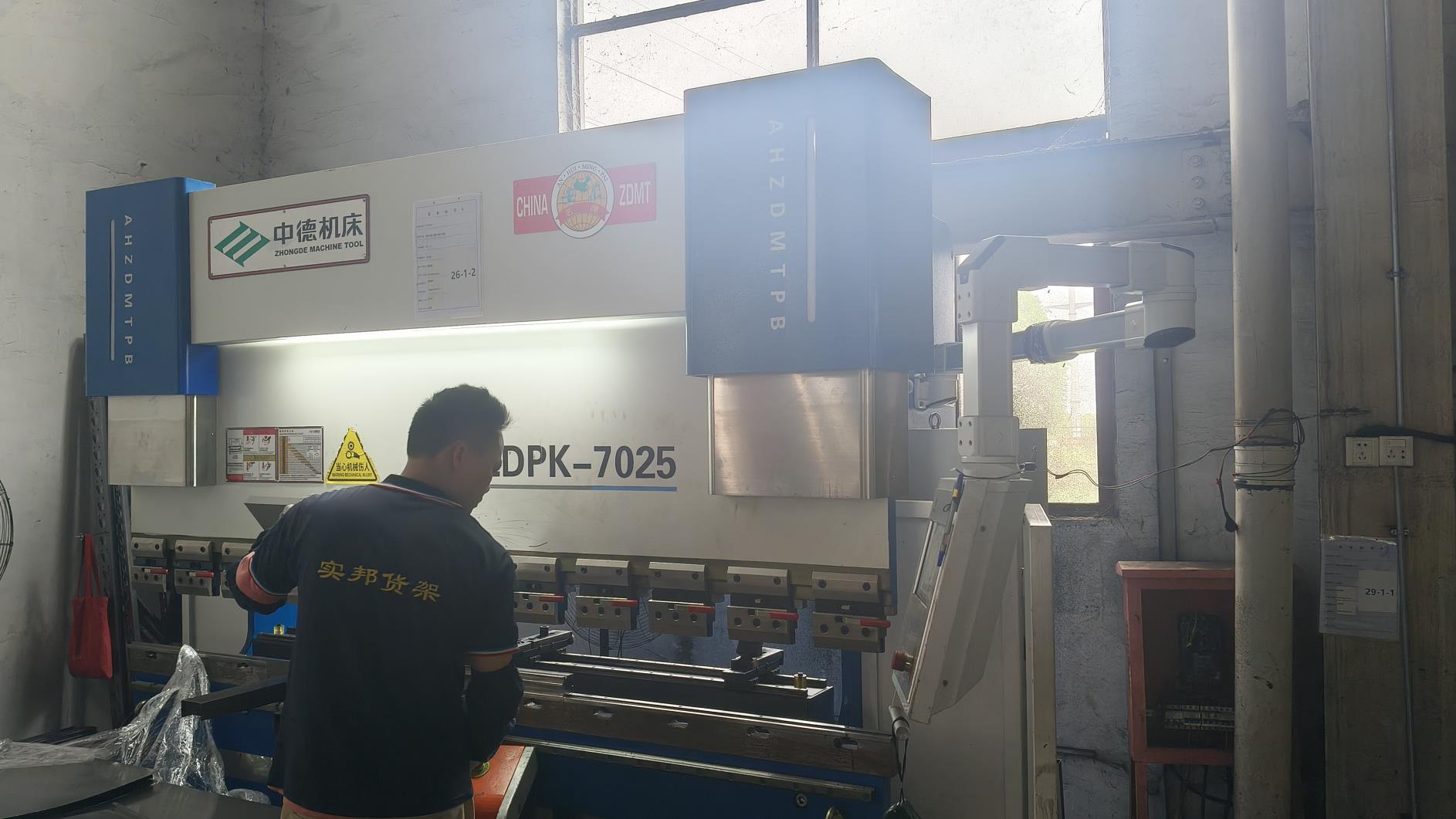
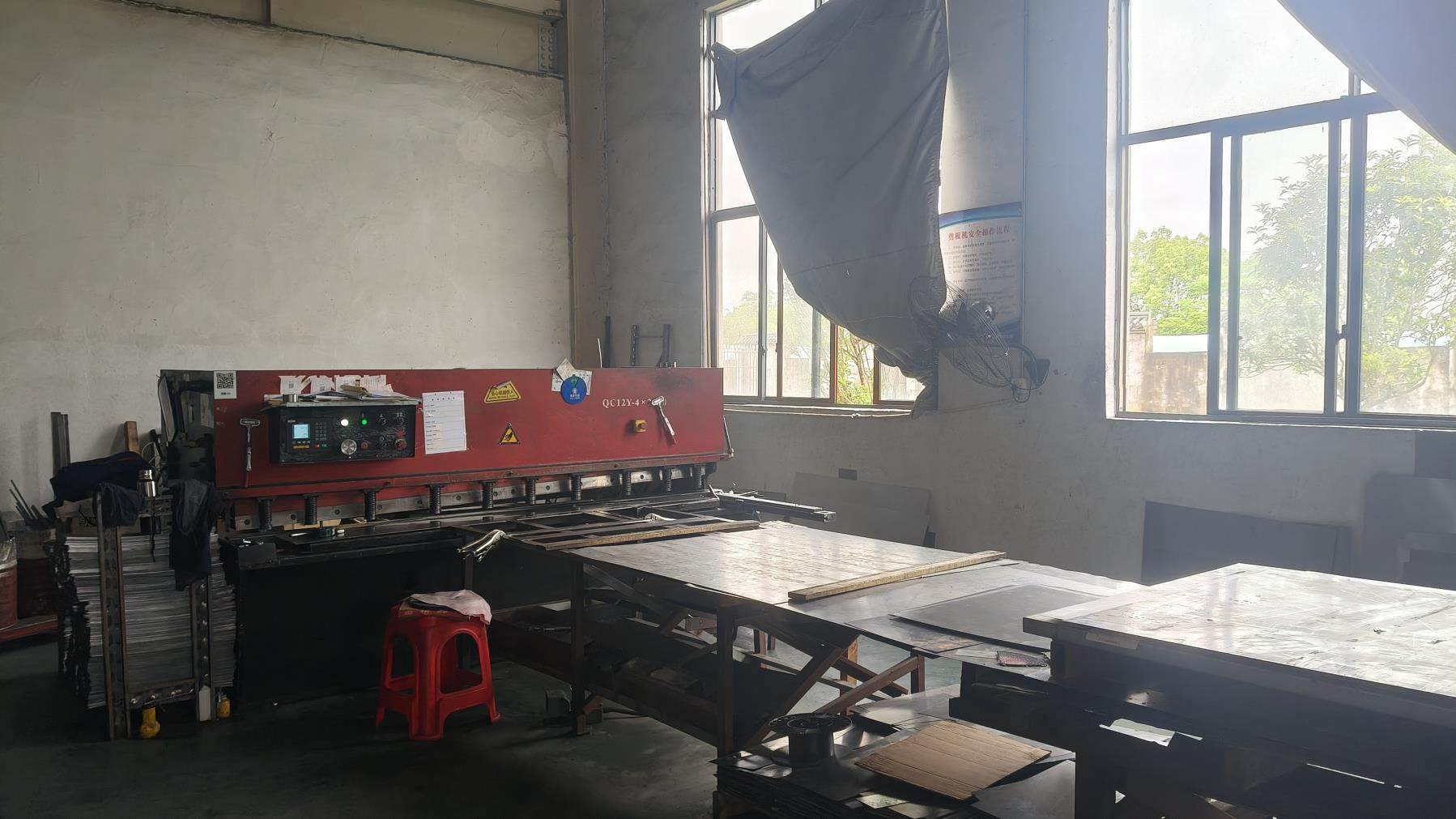
Quality control is embedded into every stage of fabrication. Our 35-person quality team conducts rigorous verification, including Ultrasonic Testing (UT) on key structural welds, raw material tensile testing, coating thickness audits, and structural load testing to ensure zero structural failures in the field.
Operating a global warehouse footprint requires deep knowledge of local compliance frameworks. Pallet rack systems must be engineered differently depending on target locations to account for regional seismic activity and localized legal codes:
1. North American Markets (USA & Canada): Projects here require strict conformance with the RMI (Rack Manufacturers Institute) guidelines. Engineering submittals must include calculations for seismic zones (like California's IBC categories D, E, and F) and specify structural footplates and heavy-duty floor anchoring designed to withstand lateral forces. Additionally, standard pallet sizes (typically 40" x 48" GMA pallets) necessitate precise clear bay spans (usually 96" or 108" wide beams) to maintain legal safety clearances between frames and loads.
2. Western European Markets (Germany, UK, France): Compliance with EN 15512 and the guidelines of FEM (Fédération Européenne de la Manutention) is mandatory. European installations frequently utilize metric sizing conventions and require high-precision upright vertical alignments. High-bay warehouses often integrate rack sprinklers and mesh back-stops to ensure compliance with strict European fire safety regulations.
3. Australian & Oceanian Markets: Racks must comply with the AS 4084-2012 standard. This regulation dictates detailed design parameters for structural deformation, safety factoring, and periodic inspector auditing. Given the extensive use of CHEP pallets in Australia, custom beam configurations are required to ensure optimal pallet overhang limits.
Deciding on a manufacturing source for racking components involves analyzing total cost of ownership, lead-time predictability, and engineering support. Chinese specialized factories offer several distinct advantages:
• Upstream Material Sourcing: Direct proximity to major high-grade steel producers ensures consistent supply. It eliminates raw material shortages, allowing production schedules to remain on track even during global market instability.
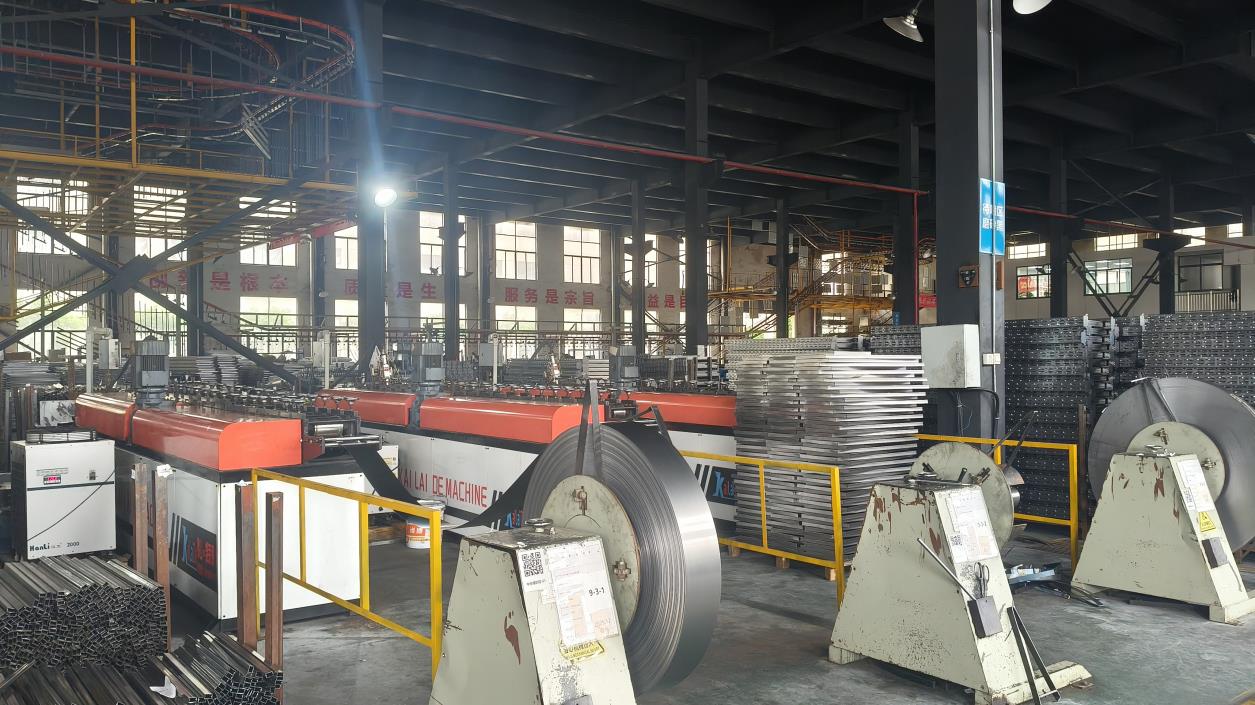
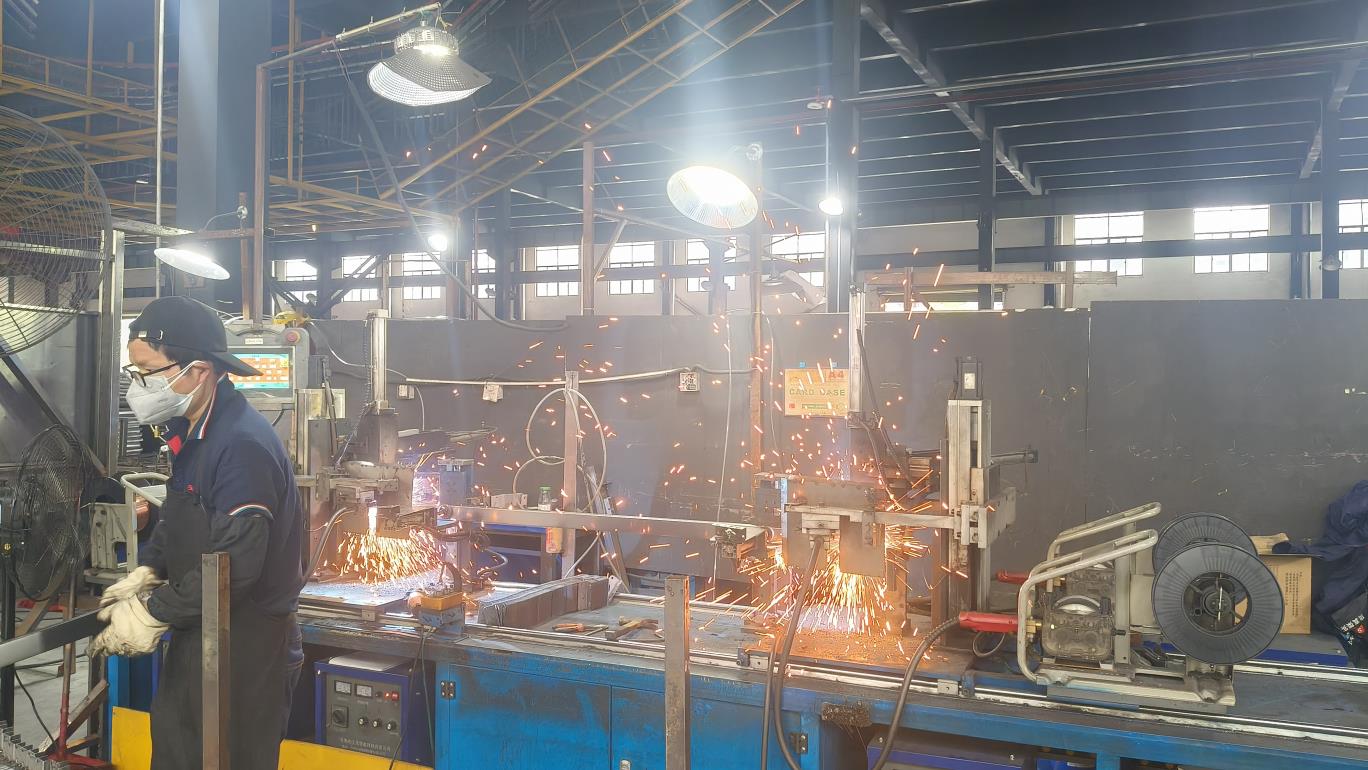
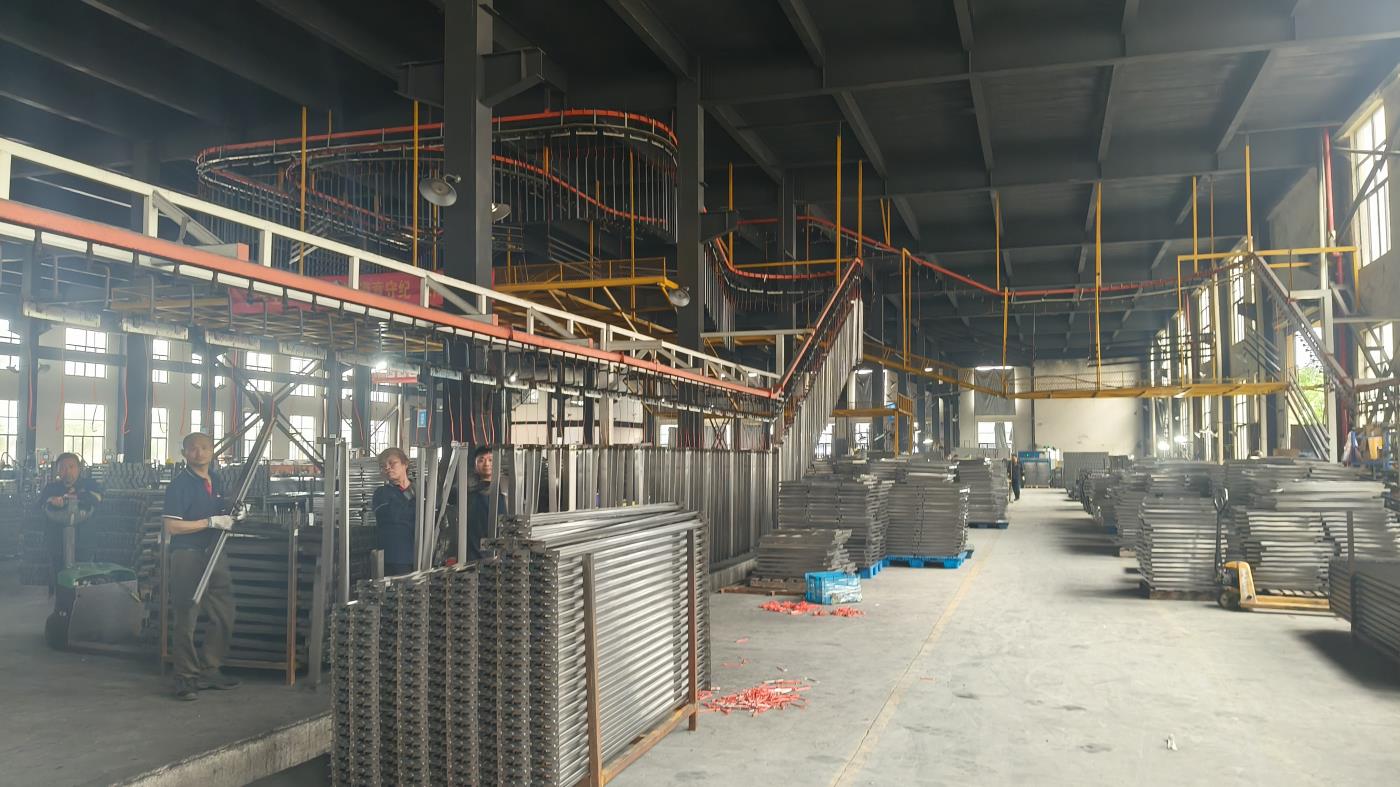
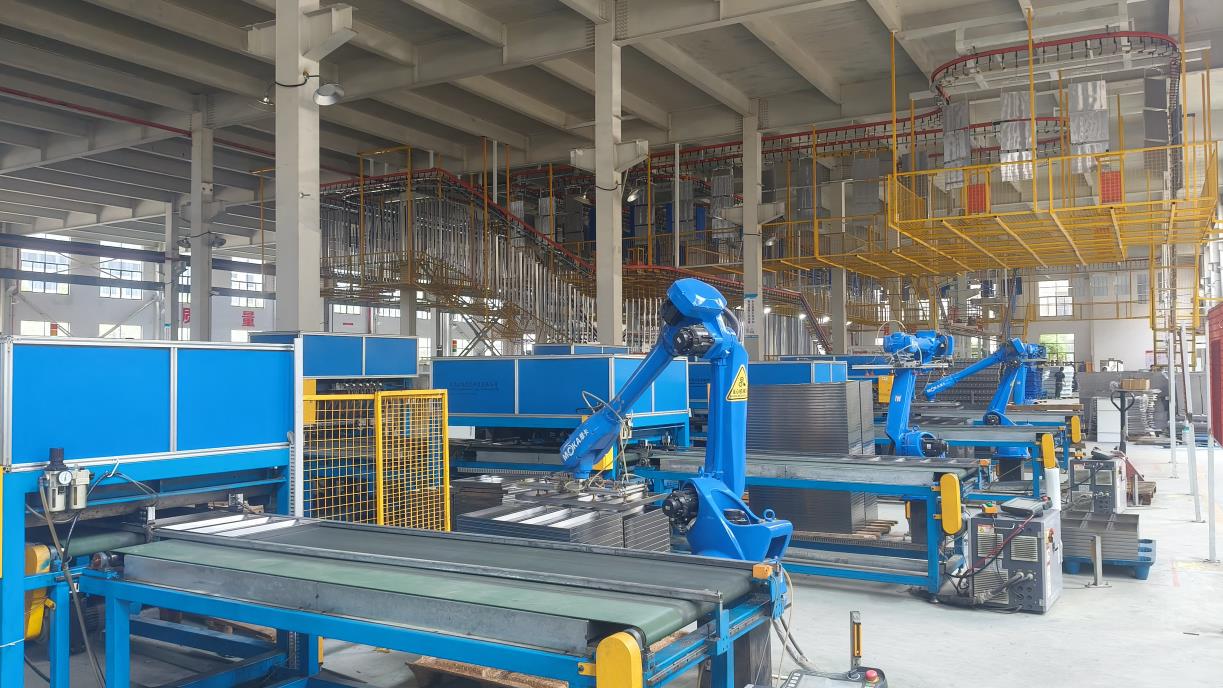
• Advanced Automation Integration: Leveraging robotic welding cells, continuous cold-roll forming mills, and fully automated electrostatic powder-coating lines ensures high production consistency. Tolerances are kept to tight fractions of a millimeter, reducing alignment issues during field installation.
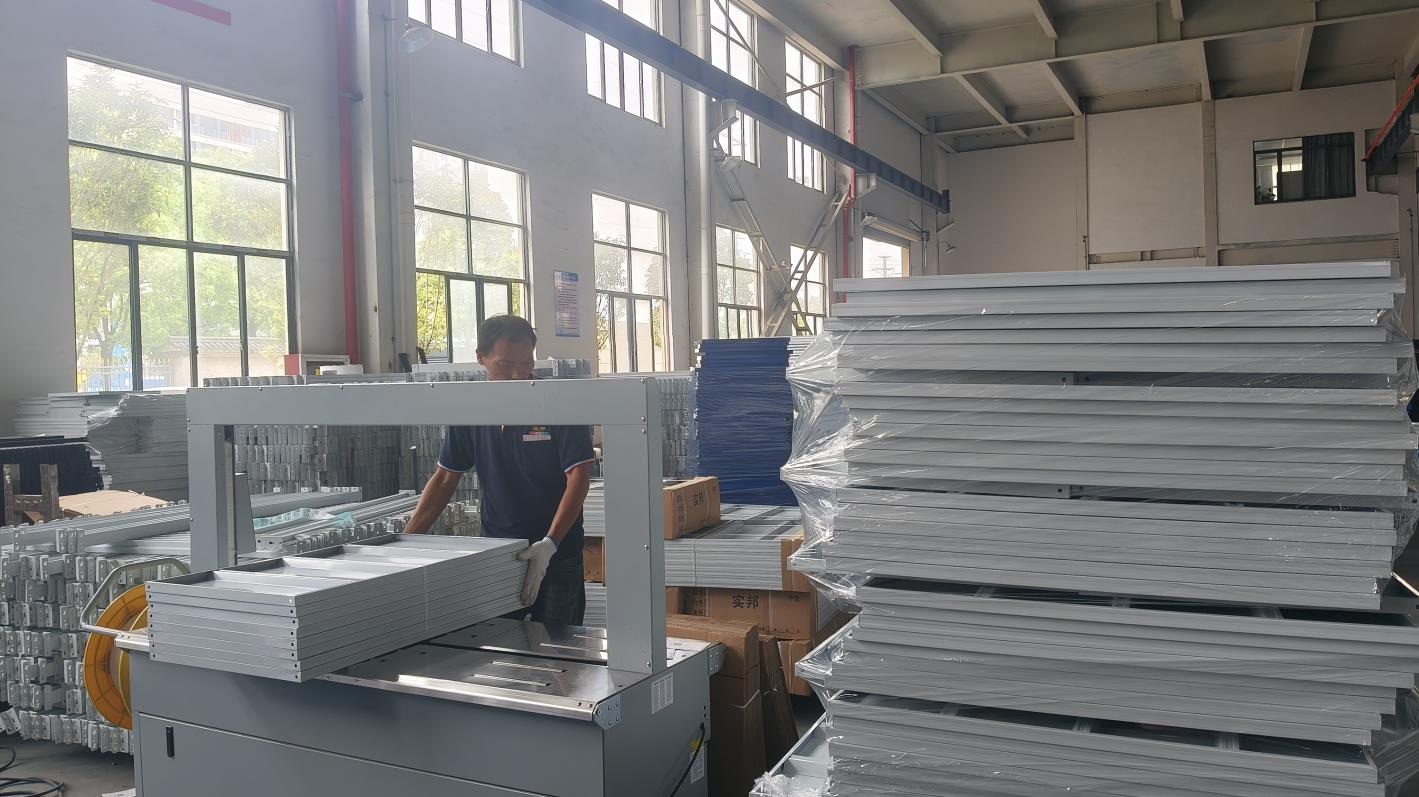
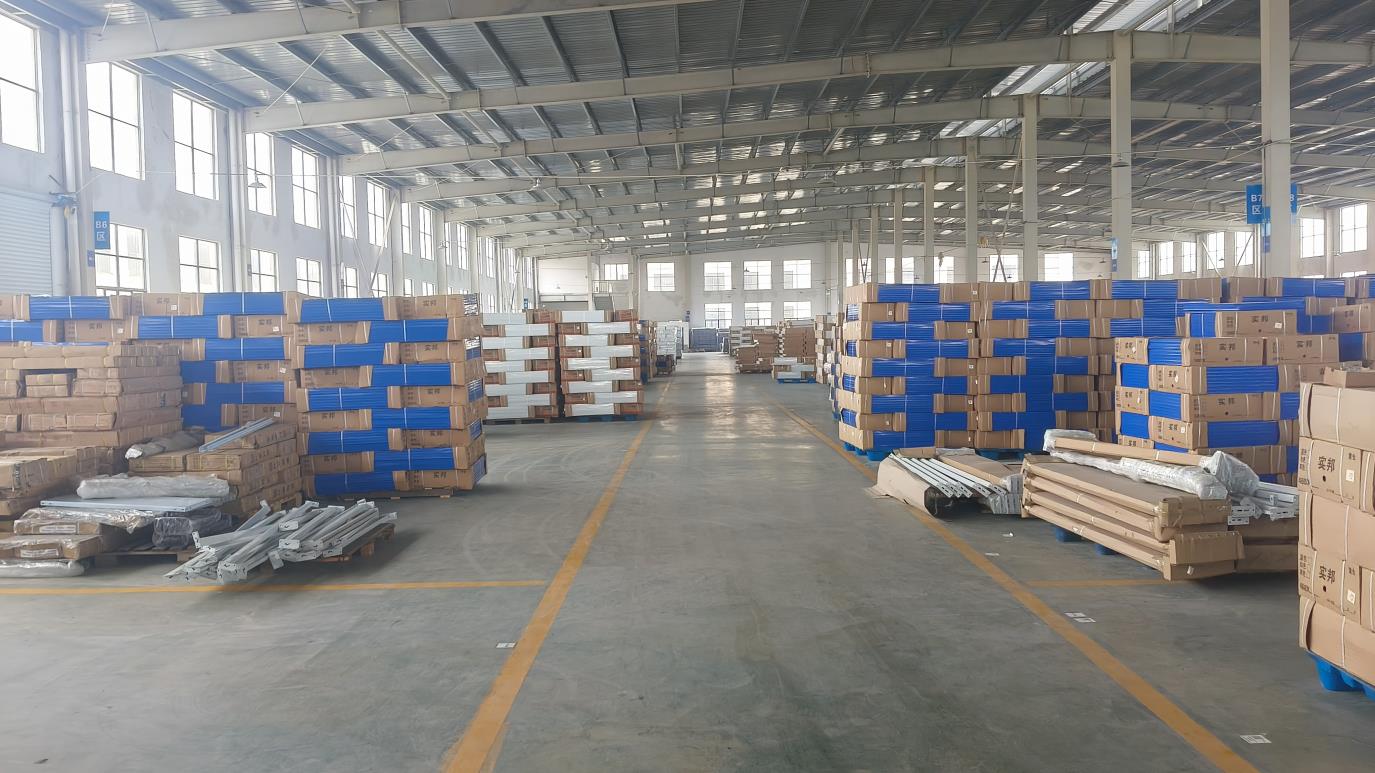
• Freight and Packaging Optimization: Industrial racking is heavy and bulky. Professional factories design custom packaging plans that pack flat profiles, nesting components together inside shipping containers to maximize volume efficiency and lower ocean freight costs per unit.
Racking systems are transitioning from static structural elements into dynamic, connected components within modern smart logistics environments. Key emerging trends include:
AGV and AMR Integration: The rise of autonomous mobile robots and automated guided vehicles requires high-precision rack installation tolerances. The standard structural clearances used in forklift operations are insufficient; robotic systems require millimetric consistency in levelness, alignment, and guide rail placement to prevent errors.
IoT Smart Structural Monitoring: Integrating strain gauges and load sensors directly into racking uprights allows real-time structural health monitoring. This technology provides immediate warning of structural damage from forklift impacts or overload conditions, preventing localized structural failures.
Sustainable Materials: Manufacturers are increasingly utilizing eco-friendly steel and non-hazardous coatings to support corporate green initiatives. Advancements in high-tensile steel allow lighter weight frames to carry the same loads, reducing carbon footprints during material processing, shipping, and installation.
Our heavy-duty selective racking systems are fabricated using high-quality cold-rolled structural steel, primarily Q235B and Q355B. This provides yield strengths ranging between 235 MPa and 355 MPa, ensuring structures meet and exceed international structural load standards.
We maintain a team of 35 QA/QC inspectors who monitor production quality. Our designs undergo Finite Element Analysis (FEA) testing for structural stability, load-bearing capacities, and weld strength. Our testing procedures align with ANSI/RMI MH16.1 and EN 15512 standards.
For standard environments, we apply a high-durability electrostatic powder coating. For cold storage, high humidity, or outdoor applications, we recommend hot-dip galvanized steel to provide long-term protection against corrosion and mechanical wear.
Yes, our R&D engineering team offers custom component design. We work with automated distribution centers to fabricate racking solutions with the tight tolerances required by Automated Guided Vehicles (AGVs) and stacker cranes.
Typical production lead times run between 20 to 30 days depending on project size and customization requirements. Our location near the Port of Ningbo allows us to quickly arrange shipping containers, helping minimize overall transit times for international projects.
 Shibang Rack