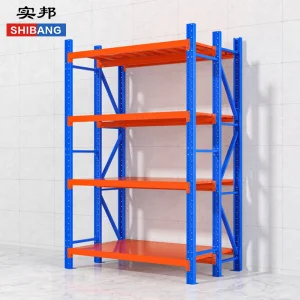
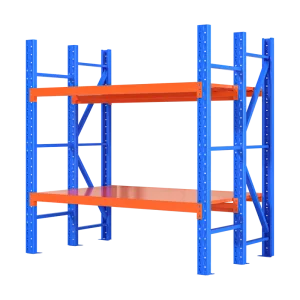
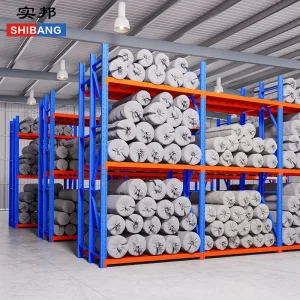
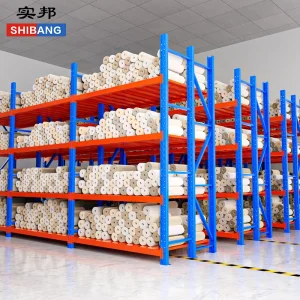
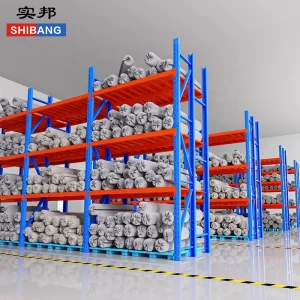
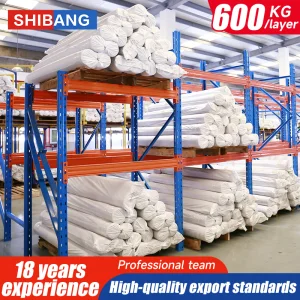
Explore our premium selection of adjustable cold-rolled steel storage systems engineered for safety, versatility, and optimal structural load bearing capacity.
A Whitepaper on Structural Calculations, Material Science, and Optimization for Textile Warehouse Infrastructure.
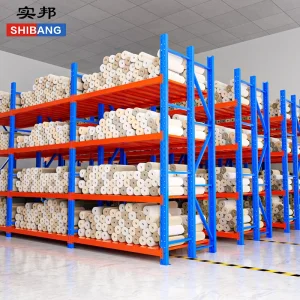
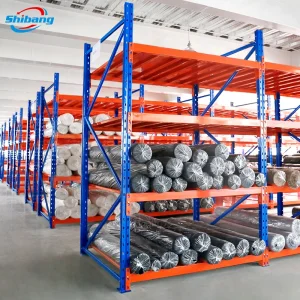
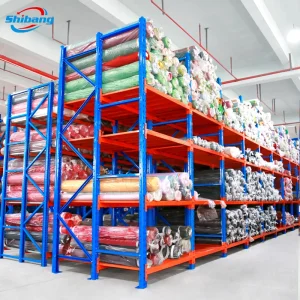
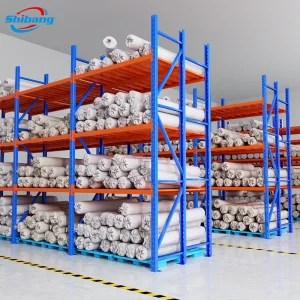
Modern textile logistics and distribution networks handle millions of linear meters of high-value woven, non-woven, and synthetic materials. Unlike standardized boxed cargo, fabric roll storage presents unique mechanical, geometry-driven, and environmental storage challenges. Standard horizontal pallet shelves fall short when accommodating cylindrical loads of varying diameters, heavy unit weights, and materials prone to indentation or deformation. To solve these core supply chain issues, fabric shelves and stacking cradles require dedicated, precision-welded structures capable of supporting static loads from 400kg to well over 1,500kg per layer.
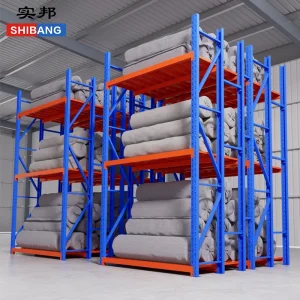
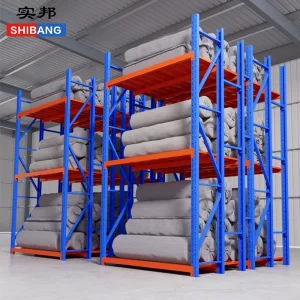
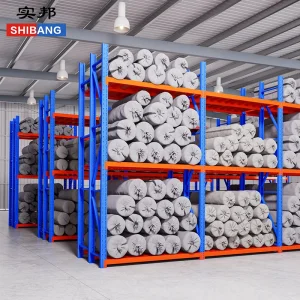
Textile fabrics are wrapped around core tubes, which concentrate all weight on specific load lines rather than distributing it evenly like flat pallets. A dedicated fabric shelf must account for this point-loading effect by integrating either customized cradles, modular dividers, or heavy-duty wire mesh decking. Failing to do so can lead to structural sagging, material displacement, or critical racking failure. Ningbo Shibang Storage Rack Co., Ltd. resolves these paint-points by manufacturing bespoke cold-rolled steel storage systems engineered specifically for fabric roll characteristics.
Established in 2016, Ningbo Shibang Storage Rack Co., Ltd. is a leading enterprise specializing in the design, manufacture, and global distribution of heavy-duty industrial warehouse racking systems. Spanning a modern manufacturing facility of 32,000 m², our company has accumulated 12 years of industry experience and 8 years of direct export expertise, serving global clients with total annual export revenue reaching $18 million.
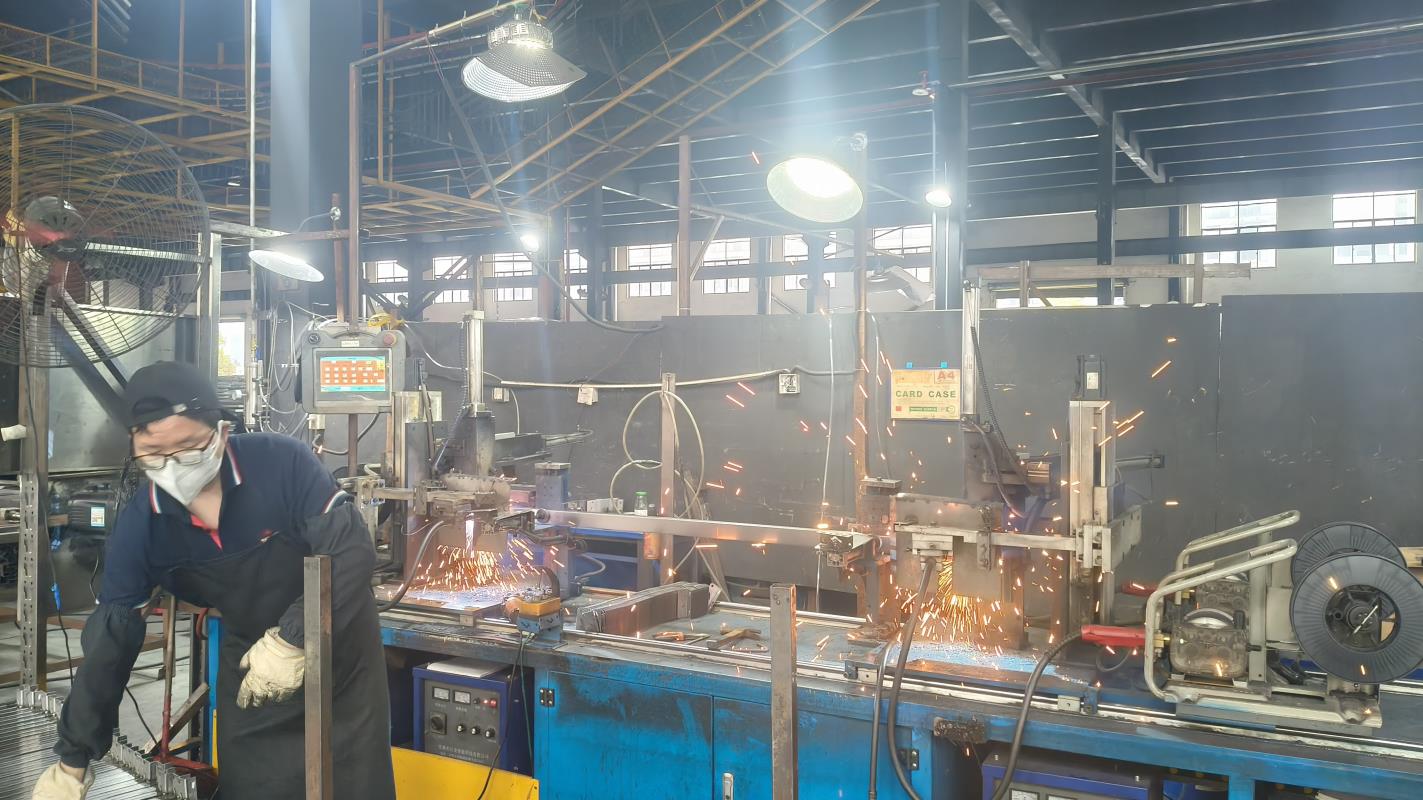
Quality and structural integrity are at the core of our manufacturing philosophy. Backed by a dedicated quality control team of 35 QA/QC inspectors, we implement rigorous multi-stage quality assurance processes, including Ultrasonic Testing (UT) for weld seams, load-bearing stress analysis, coating thickness verification, and raw material tensile testing.
Operating with a robust international trade setup, our primary markets cover North America, Western Europe, Southeast Asia, and Australia. To maintain efficient production cycles and reliable raw material supply, we partner with over 850 supply chain vendors. Our diverse client portfolio spans 3PL logistics providers, automated distribution centers, retail mega-warehouses, and heavy manufacturing facilities.
Innovation drives our growth. Our in-house R&D department boasts 22 experienced structural and mechanical engineers. Through strong technical capability and advanced OEM/ODM versatility, we offer extensive customization options, including tailored load capacities, custom powder-coating colors, seismically engineered beam profiles, and modular height configurations. Demonstrating our commitment to evolving market needs, we launched 140 new products and optimized structural components over the past year alone.
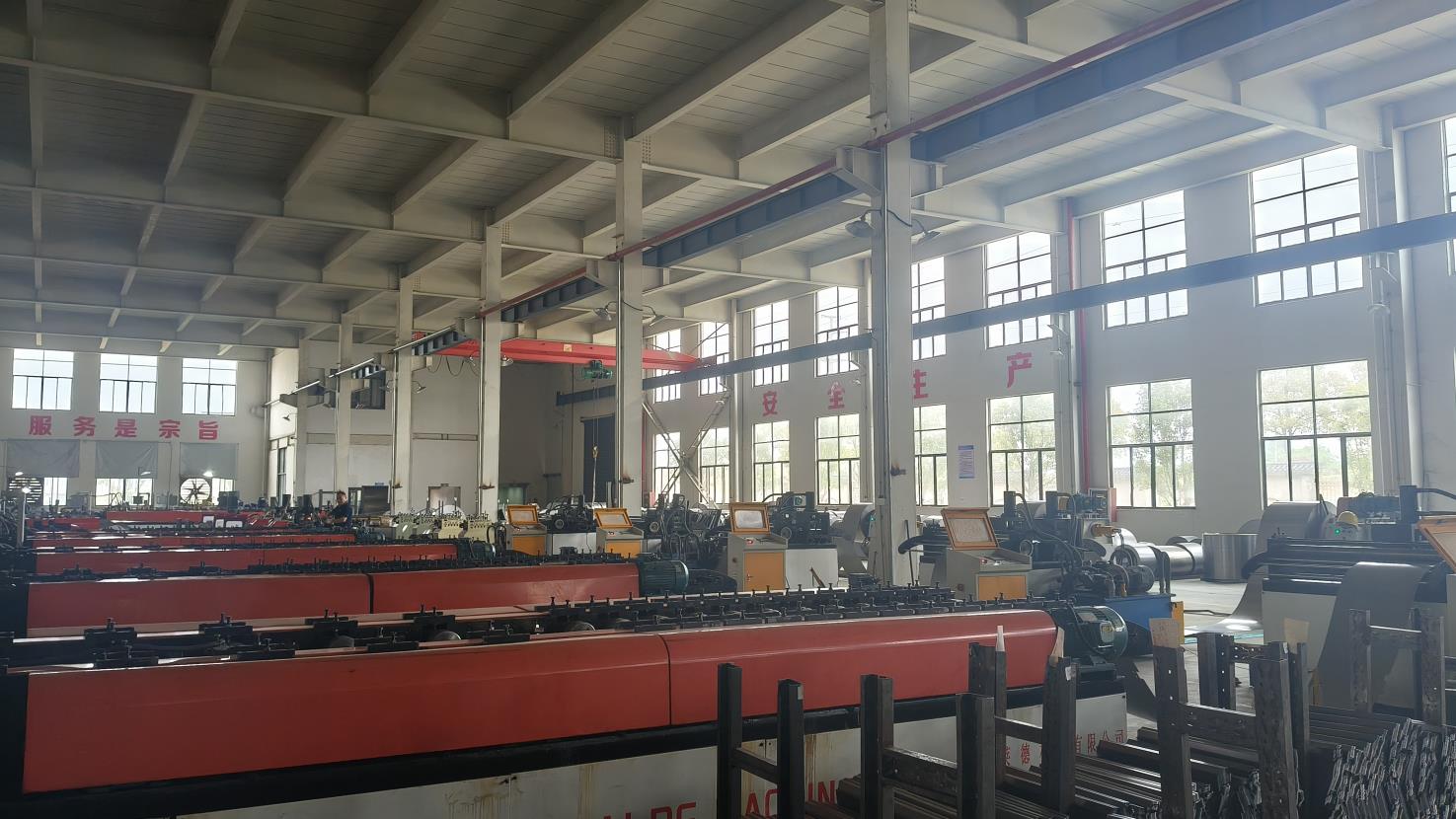
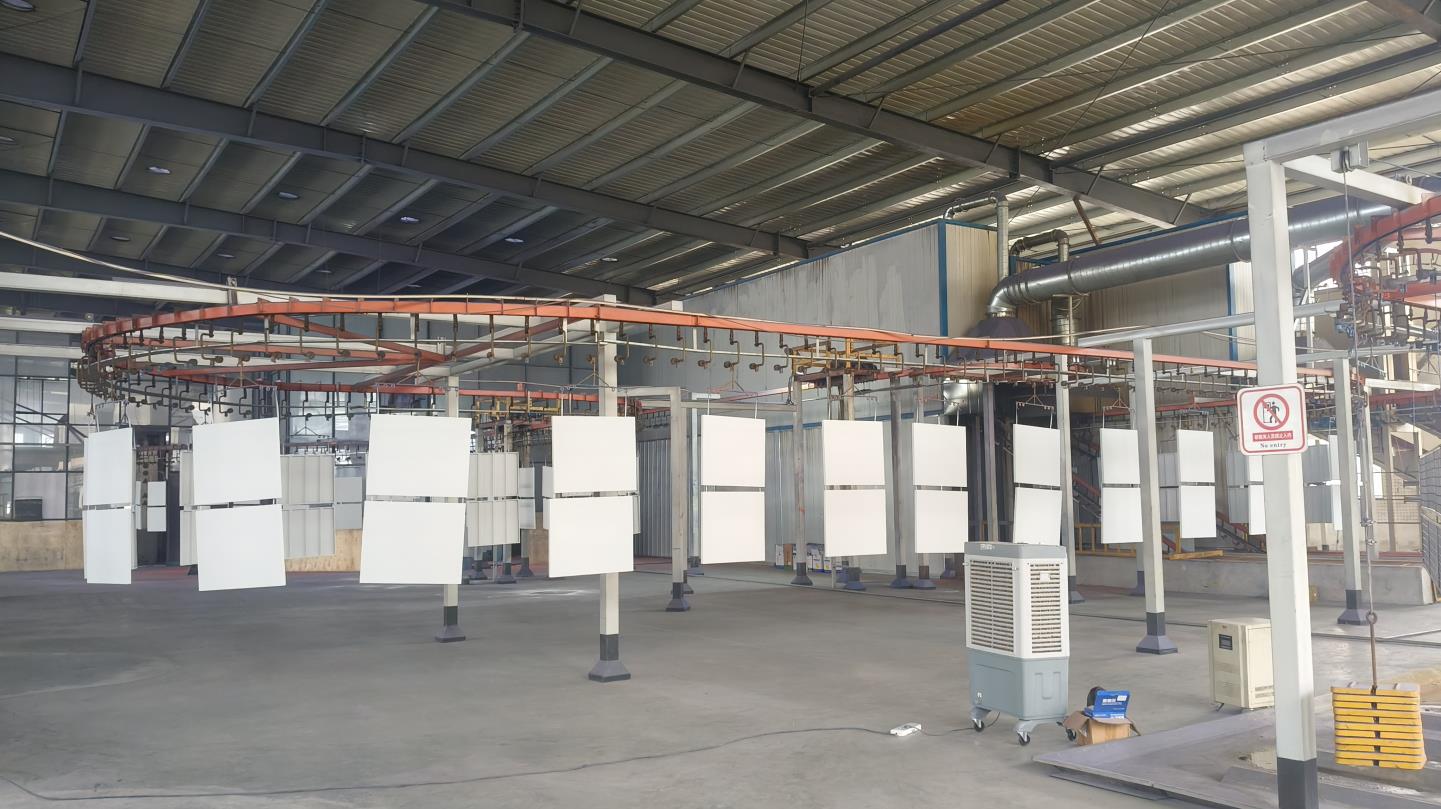
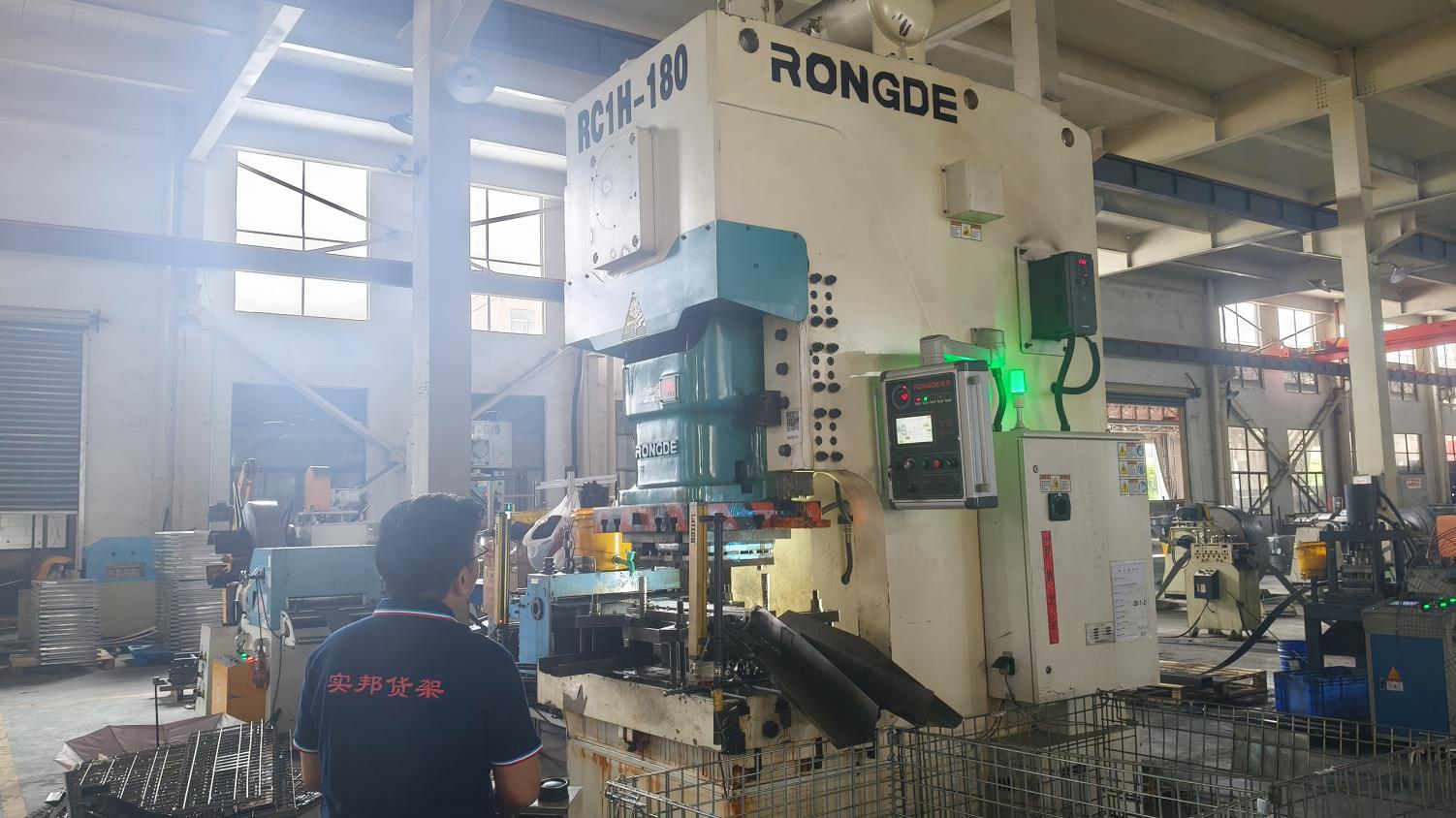
Behind every high-density shelf lies a precision-controlled, highly automated manufacturing ecosystem ensuring zero-defect component structural integrity.
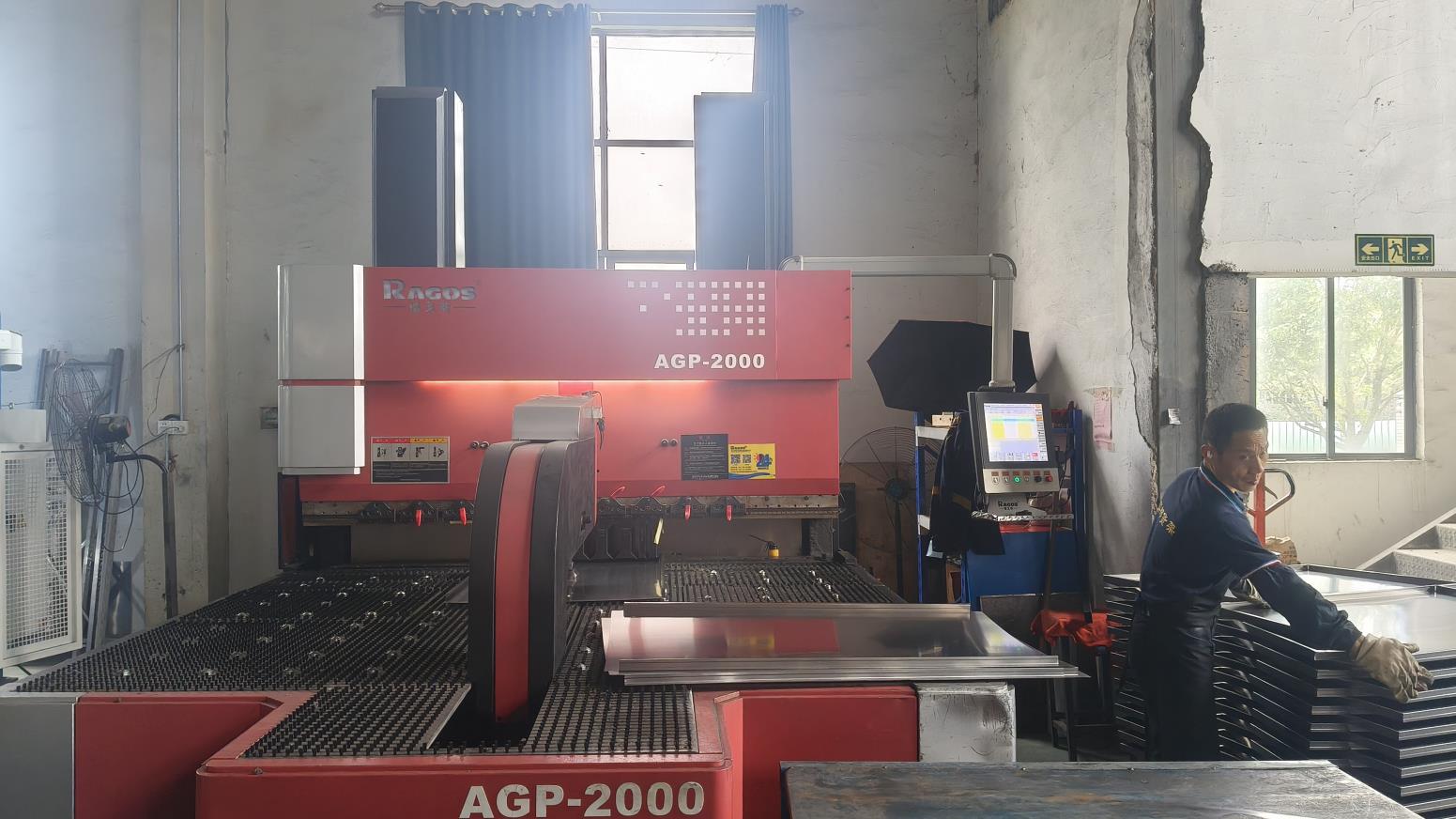
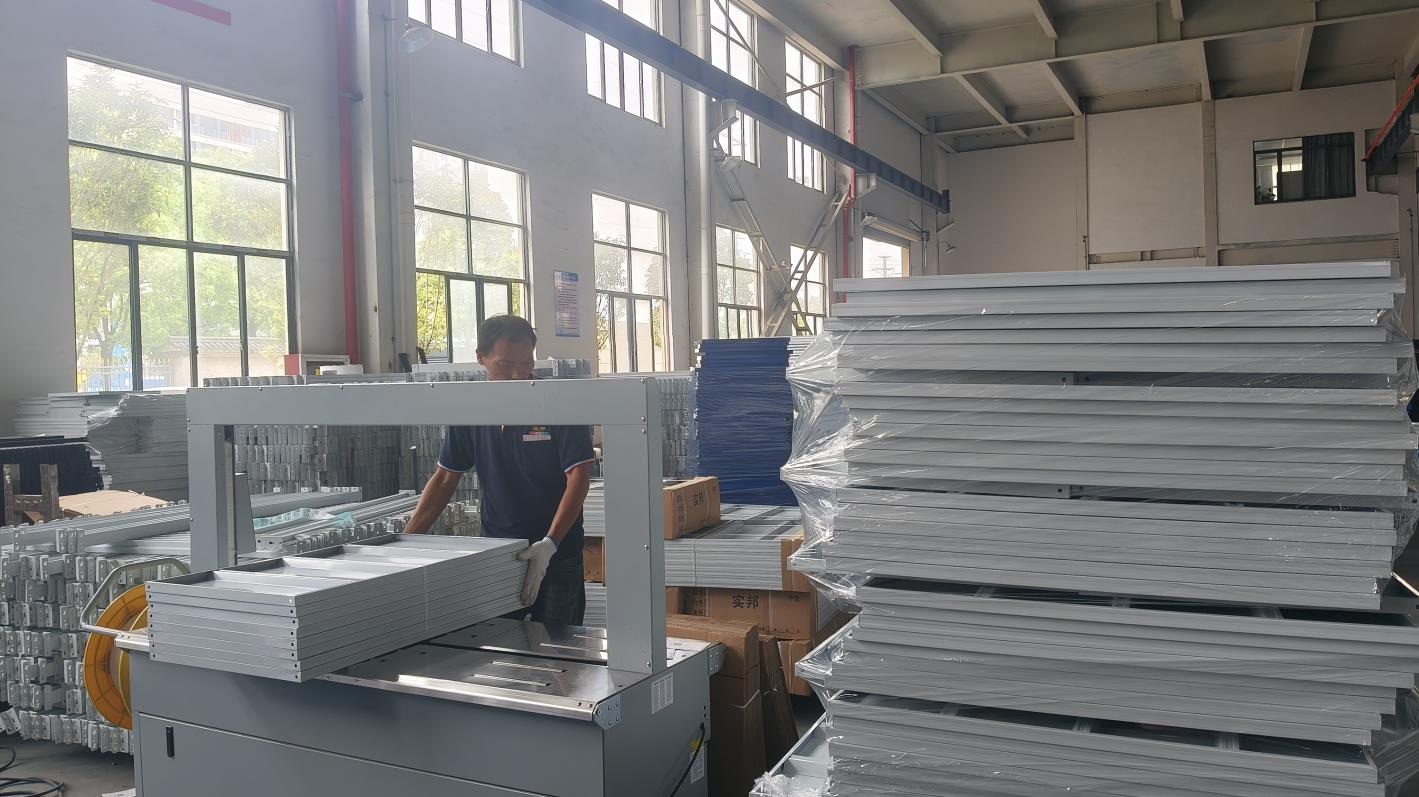
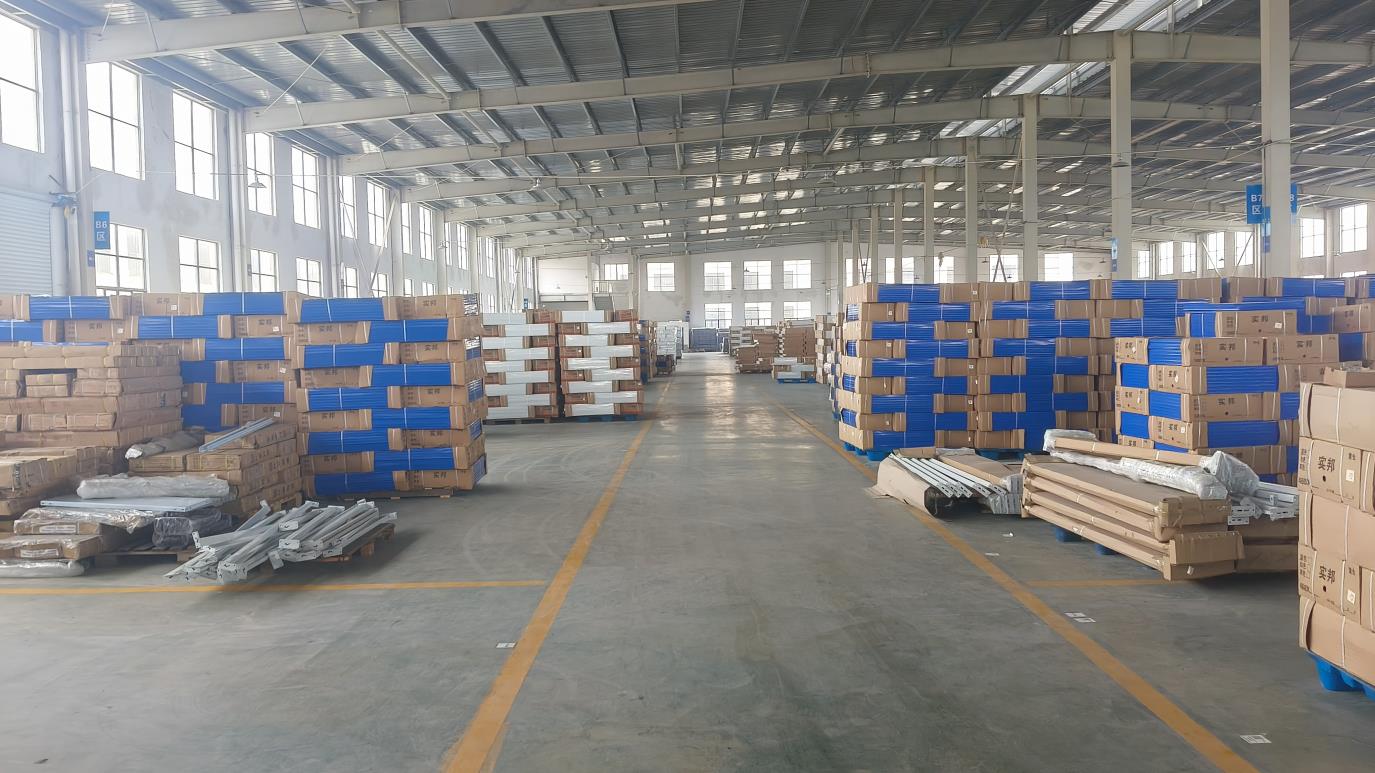
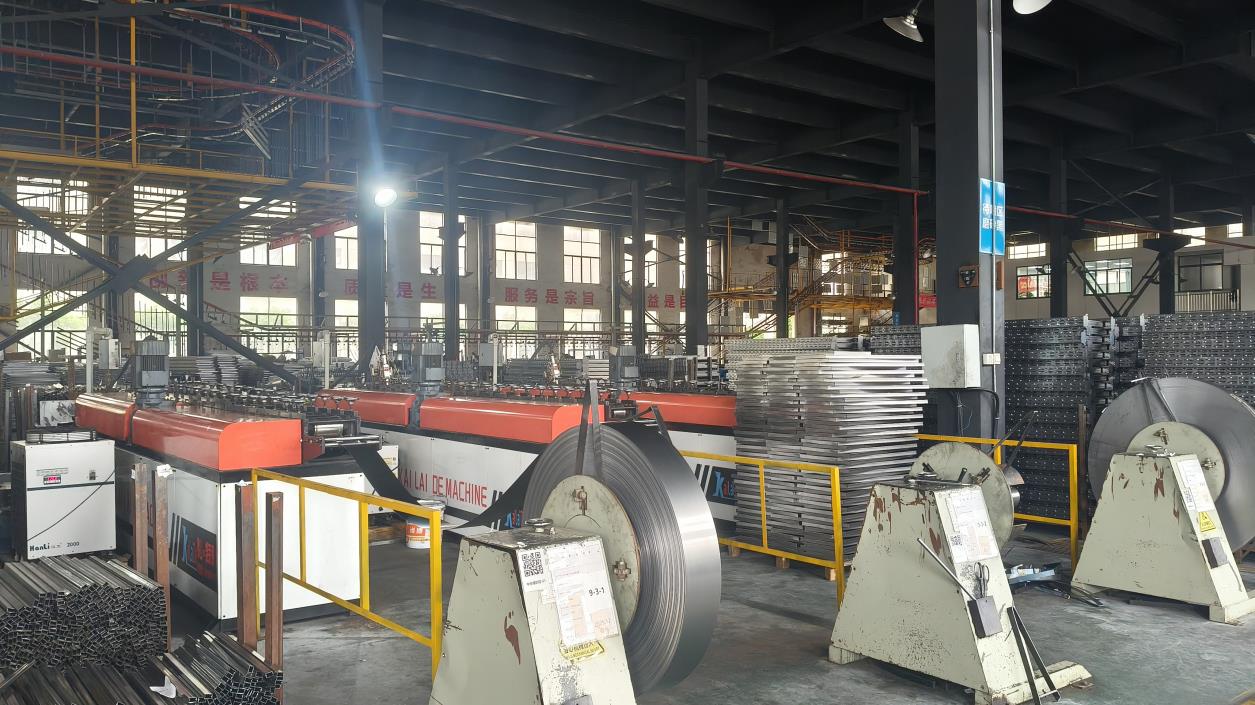
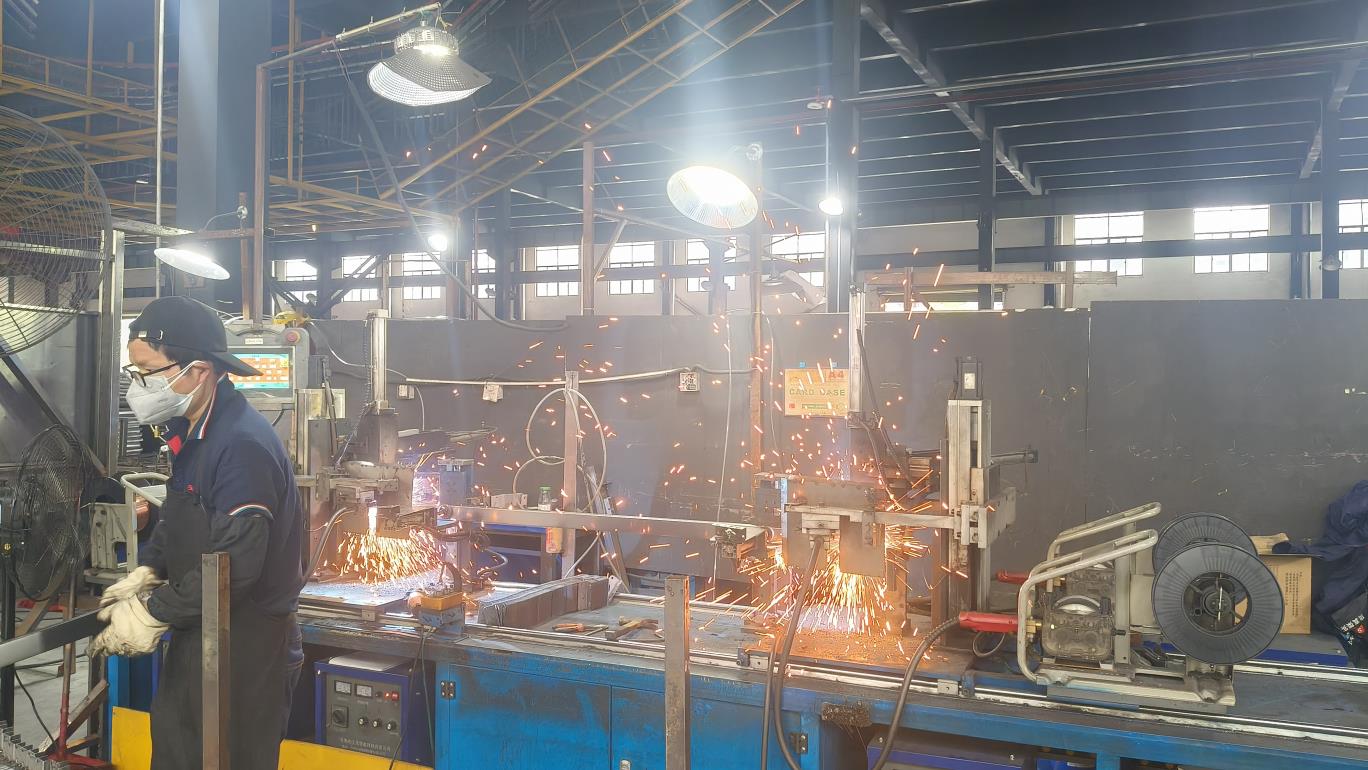
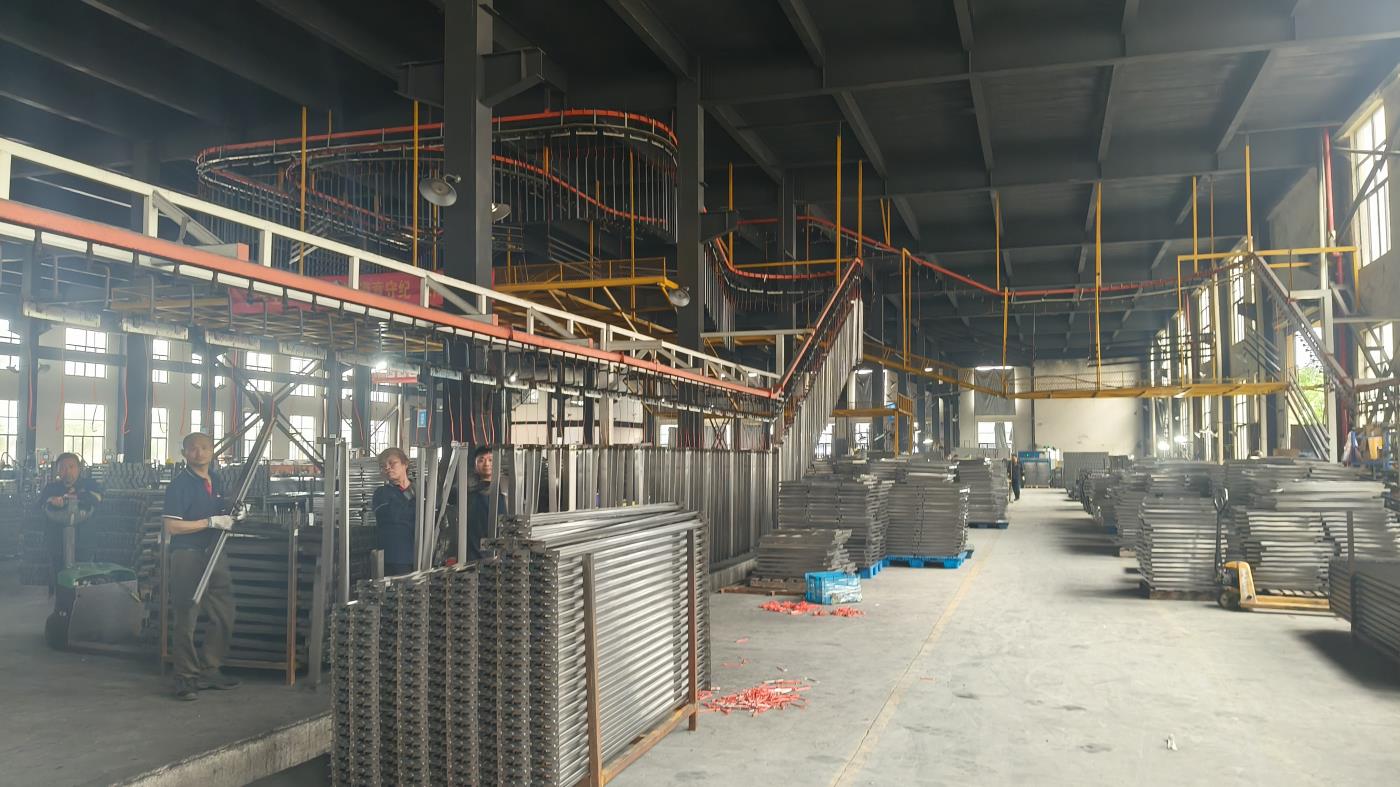
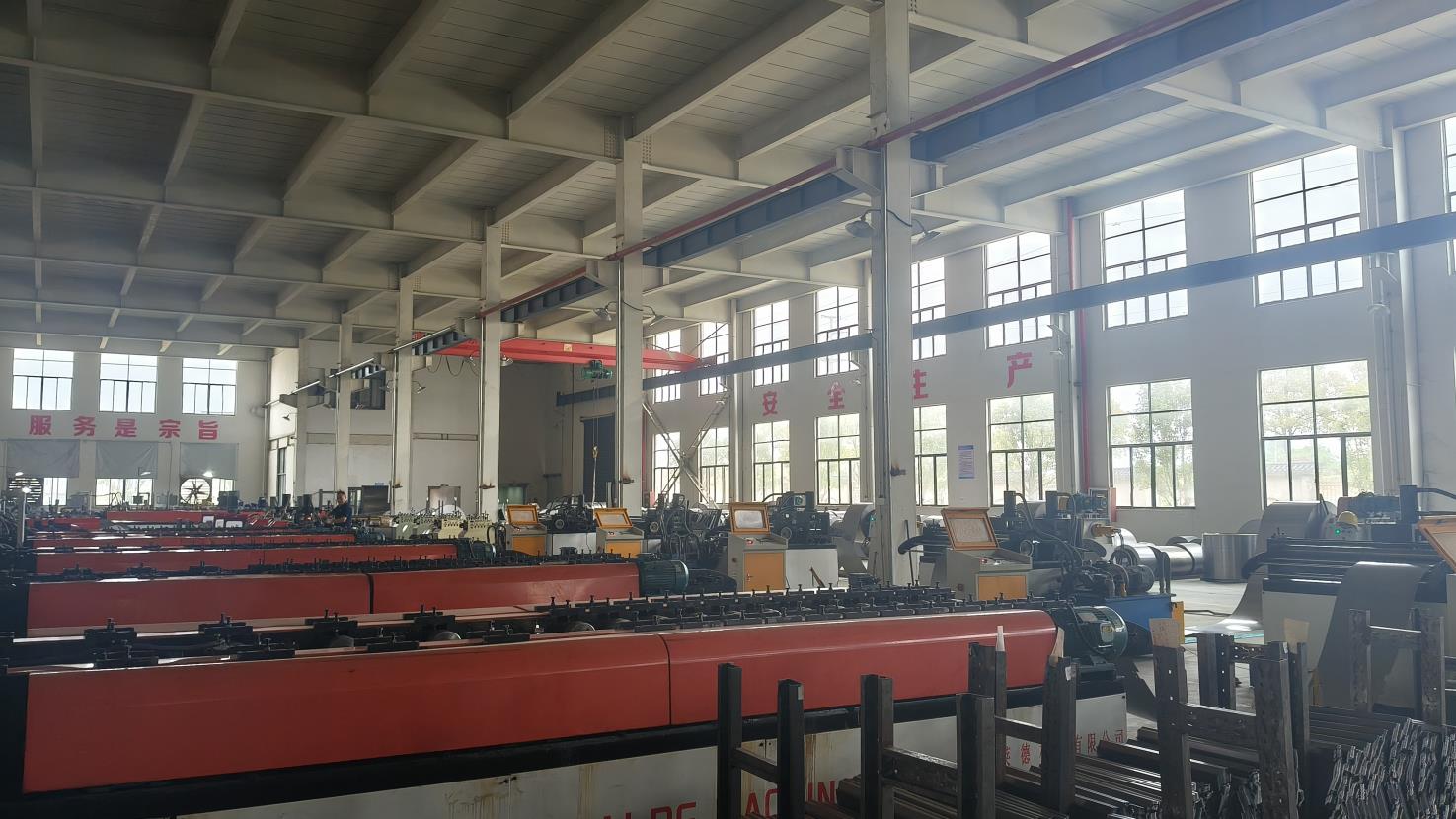
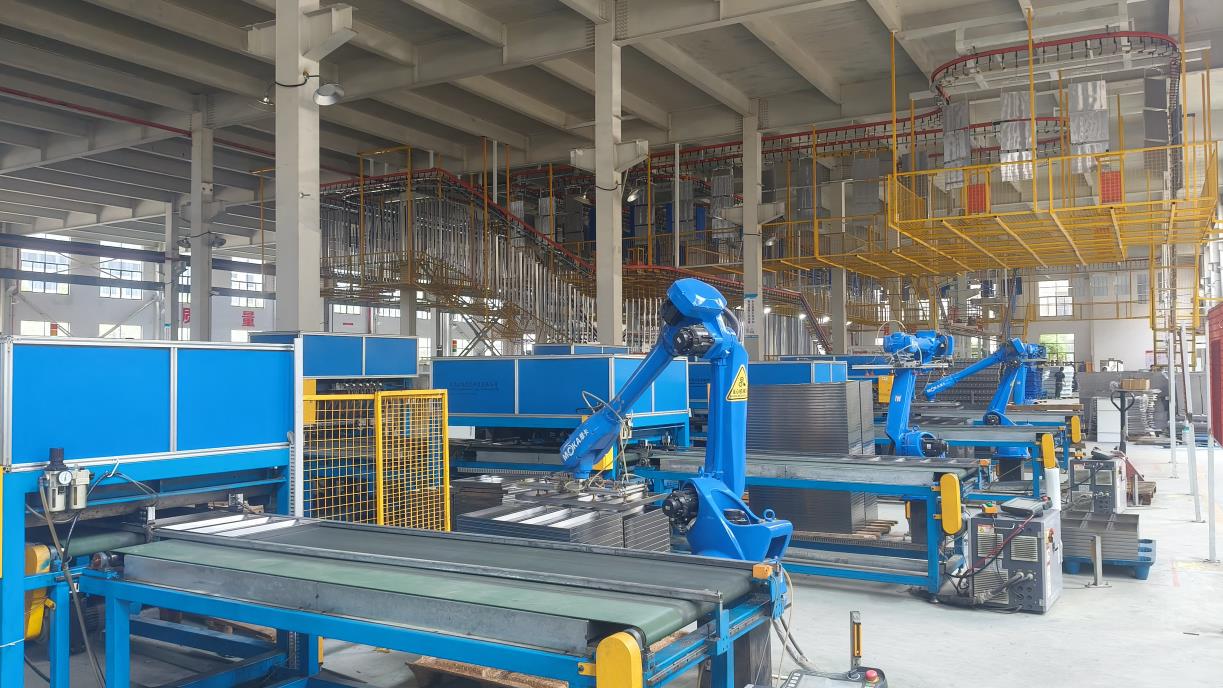
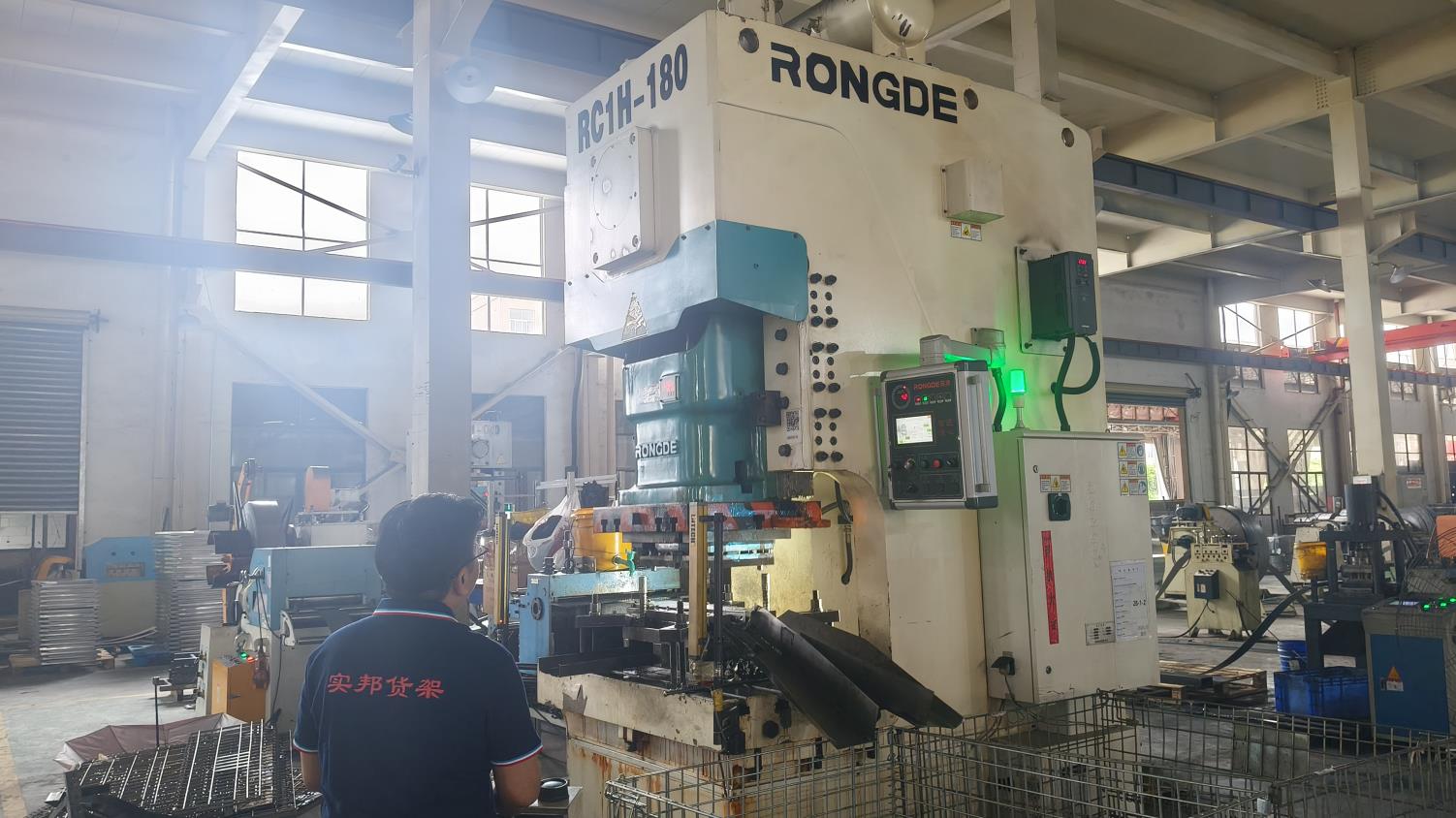
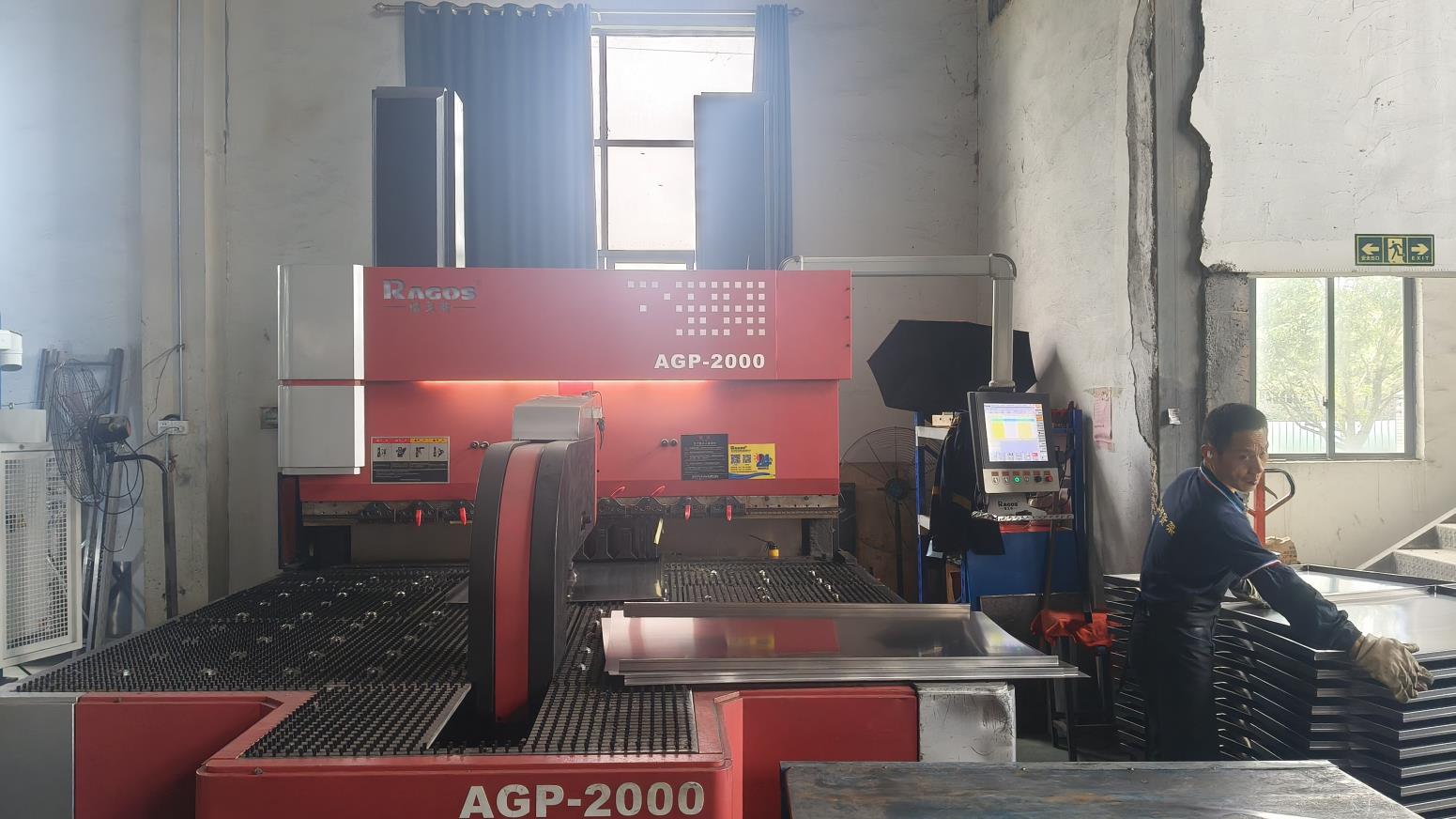
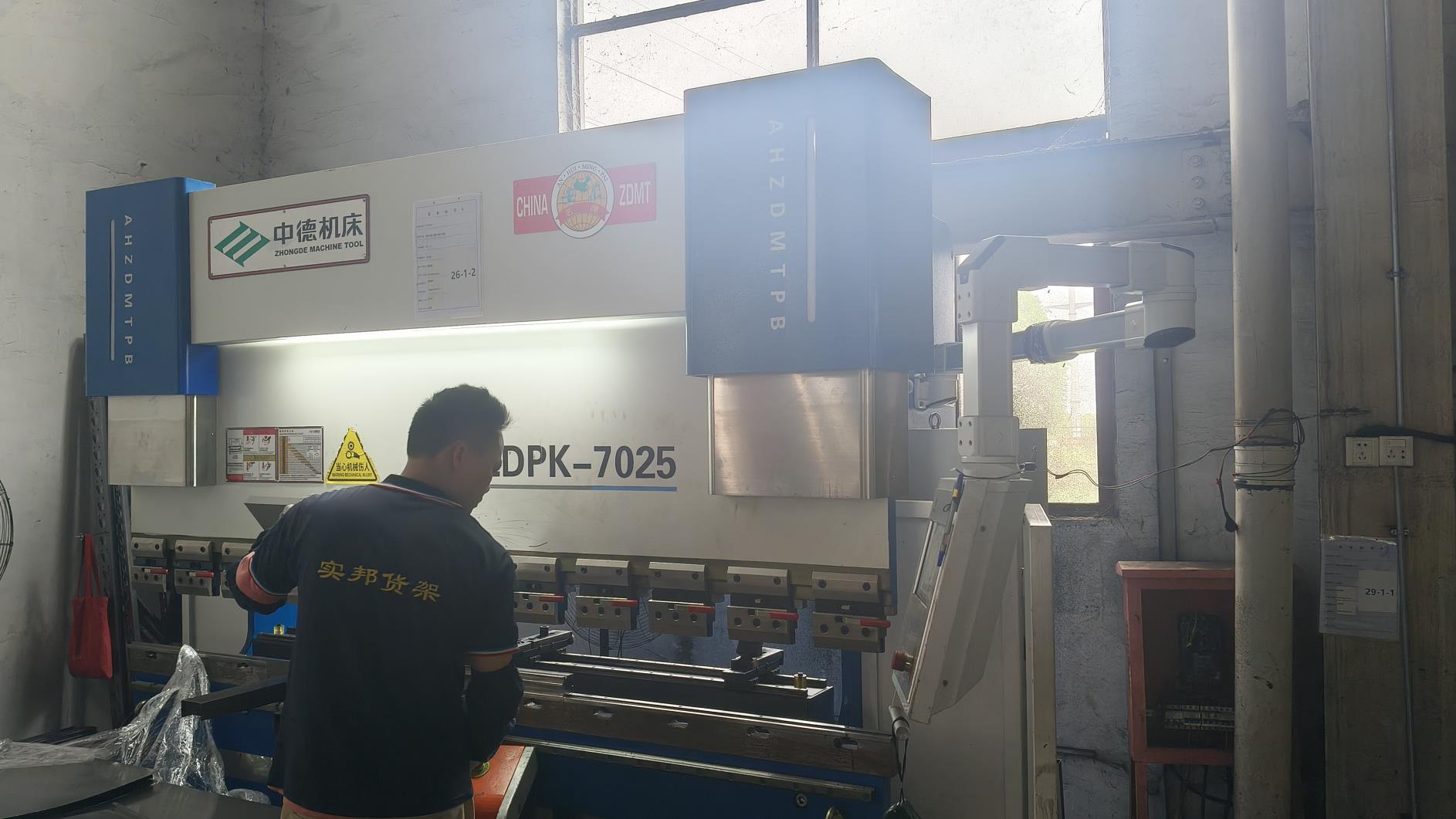
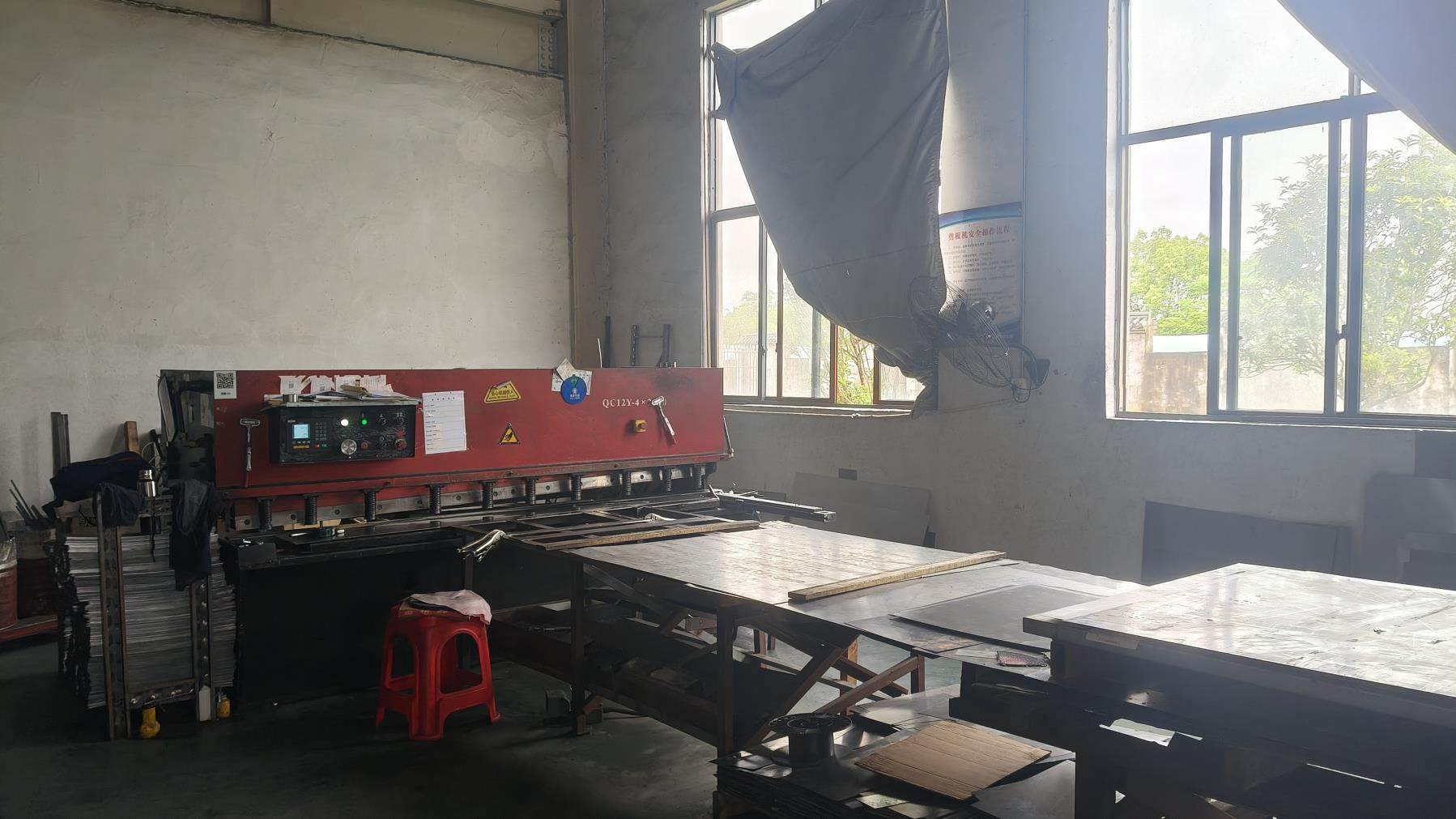
Why global procurement departments choose Ningbo Shibang as their strategic warehouse infrastructure partner.
Decentralizing your supply chain infrastructure requires reliable structural steel partners. By purchasing storage racks directly from our Ningbo-based factory, enterprises enjoy significant structural, financial, and logistical advantages:
Our facility leverages direct access to premium Chinese steel producers, processing premium Q235B and Q345B steel grades. This ensures superior load capacity, durability, and stress tolerance under heavy loads.
Operating a 32,000m² plant equipped with fully automatic forming and robotic bending lines allows us to scale production rapidly. We bypass intermediaries, directly passing material savings to our clients.
Situated near the world’s largest cargo port by tonnage, we streamline international customs, reduce inland logistics expenses, and offer optimal, cost-efficient shipping rates to key global markets.
Furthermore, our raw material supply chain includes partnerships with over 850 vetted sub-vendors, securing cost stability even during periods of global market price volatility. When choosing a Chinese racking partner, Shibang offers direct engineering, structural certifications, and transparent QA/QC processes that stand up to Western safety standards.
Adapting storage infrastructure to complex spatial configurations and regional warehousing standards.
High-density racking configurations must be customized to fit the customer's operational model. Our engineering team designs rack structures according to three major logistics scenarios:
For large-scale yarn and fabric manufacturers, automated storage configurations eliminate manual forklift errors. Our heavy-duty racking columns are built with tolerance margins under ±1.5mm to allow perfect crane alignment. By utilizing precision-punched profiles, automated cranes can swiftly retrieve rolls from heights up to 24 meters, maximizing vertical space while maintaining system reliability.
Third-party logistics (3PL) providers handle dynamic inventory with fluctuating volume levels. Demountable and stackable storage racks allow logistics providers to build temporary high-density storage zones during seasonal peaks and break them down to save floor space when inventory drops. Stackable layouts also protect delicate silk, satin, and engineered textiles from damage by separating individual batches on dedicated cradles.
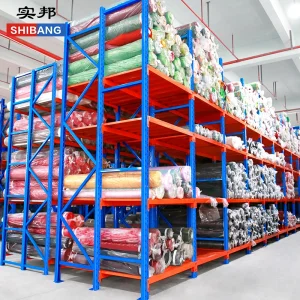
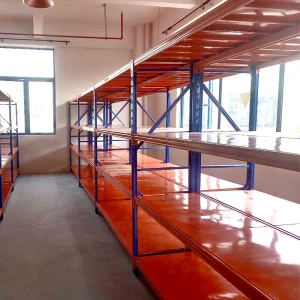
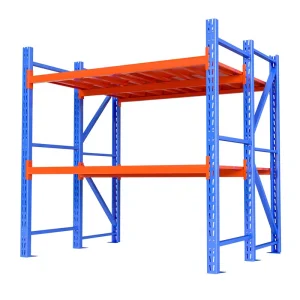
In garment assembly facilities, fabric rolls must remain easily accessible to cutting tables. Selective longspan shelves allow warehouse staff to retrieve individual rolls manually or with a light lift truck without moving surrounding inventory. Features like adjustable beams with 50mm pitch increments give warehouse managers the flexibility to adapt shelf clearances as roll sizes change.
Custom engineering compliance, powder coating specifications, and international standard certification.
Global procurement directors require more than just competitive pricing; they need guaranteed structural safety, compliance with building codes, and long equipment life. Ningbo Shibang addresses these technical purchasing requirements through engineering-driven processes:
For corrosive environments or high-humidity regions, standard paint finishes can chip, leading to metal oxidation and rust. To prevent this, we process our components through a fully automatic powder-coating line using high-adhesion electrostatic polyester coatings. Each component undergoes a multi-stage pre-treatment wash and is cured at 200°C to guarantee impact resistance and long-lasting protection against corrosion.
Analyzing the shift towards green logistics, smart factories, and modular automation.
The global textile and logistics industry is evolving rapidly, driven by sustainability targets and digital integration. As a leading manufacturer, Ningbo Shibang is proactively preparing for these upcoming industrial shifts:
Industrial storage systems are increasingly evaluated based on their carbon footprint. Utilizing recycled structural steel and eco-friendly powder formulations reduces lifecycle emissions. Our manufacturing process minimizes material scrap and uses closed-loop wastewater recovery systems during chemical wash phases, aligning with modern corporate environmental responsibility goals.
Modern warehouse layouts are shifting toward automated inventory tracking. By embedding RFID tags into our heavy-duty steel pallet racks and stackable cradles, businesses can monitor real-time stock levels, locate specific fabric roll batches, and optimize retrieval paths, helping to eliminate human error.
Detailed answers to common engineering, ordering, and installation questions from procurement managers.
Explore our robust stackable, demountable, and heavy-duty steel shelves designed specifically for the textile industry.
 Shibang Rack