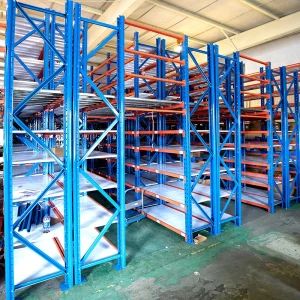
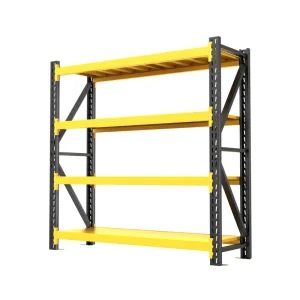
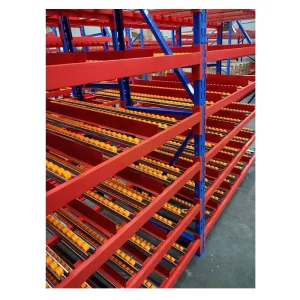
High-grade alloy systems configured for extreme weight distribution, environmental resistance, and strict sanitization guidelines.
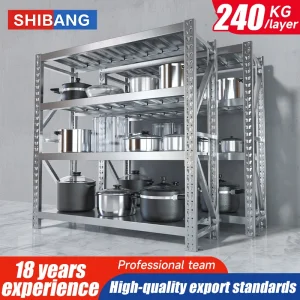
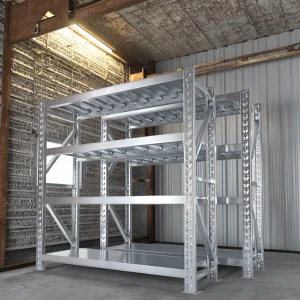
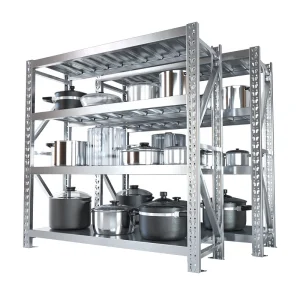
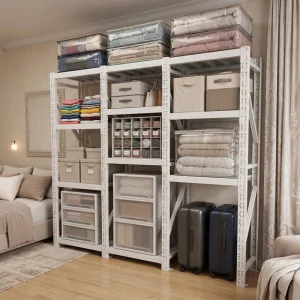
Modern supply chain infrastructures demand clean, non-corrosive, and ultra-durable logistics systems. With the explosive expansion of cold-chain logistics, pharmaceutical manufacturing, bio-tech research, and high-tech cleanrooms, standard carbon-steel racks with basic powder coatings no longer meet the stringent mechanical and hygiene criteria. Global compliance mandates—such as the FDA, HACCP, and ISO cleanroom ratings—require that materials in contact with high-sensitivity inventory are non-porous, corrosion-resistant, and capable of withstanding aggressive sanitary washdowns.
Sectors like pharmaceutical processing and food production face intense audit scrutiny. Stainless steel (AISI 304 and 316) prevents microbial colonisation due to its seamless, ultra-smooth surface, ensuring full compliance with international safety and health regulations.
From deep-freeze cold storage facilities (down to -40°C) to coastal high-salinity distribution centers and chemical cleanrooms, stainless steel racks resist structural embrittlement, stress corrosion cracking, and oxidation over decades of heavy service.
Modern Automated Storage and Retrieval Systems (AS/RS) require structural tolerances under ±1.0mm. Precision-engineered stainless steel uprights, beams, and track profiles ensure that robotic shuttles operate with zero mechanical drift or surface degradation.
Established in 2016, Ningbo Shibang Storage Rack Co., Ltd. is a market-leading enterprise specializing in the design, engineering, manufacture, and global distribution of heavy-duty industrial warehouse racking systems. Spanning a modern manufacturing facility of 32,000 m², our company has accumulated 12 years of industry experience and 8 years of direct export expertise, serving global clients with total annual export revenue reaching $18 million.
Quality and structural integrity are the cores of our manufacturing philosophy. Backed by a dedicated quality control team of 35 QA/QC inspectors, we implement rigorous multi-stage quality assurance processes, including Ultrasonic Testing (UT) for weld seams, load-bearing stress analysis, coating thickness verification, and raw material tensile testing.
Operating with a robust international trade setup, our primary markets cover North America, Western Europe, Southeast Asia, and Australia. To maintain efficient production cycles and reliable raw material supply, we partner with over 850 supply chain vendors. Our diverse client portfolio spans 3PL logistics providers, automated distribution centers, retail mega-warehouses, and heavy manufacturing facilities.
Innovation drives our growth. Our in-house R&D department boasts 22 experienced structural and mechanical engineers. Through strong technical capability and advanced OEM/ODM versatility, we offer extensive customization options, including tailored load capacities, custom powder-coating colors, seismically engineered beam profiles, and modular height configurations. Demonstrating our commitment to evolving market needs, we launched 140 new products and optimized structural components over the past year alone.
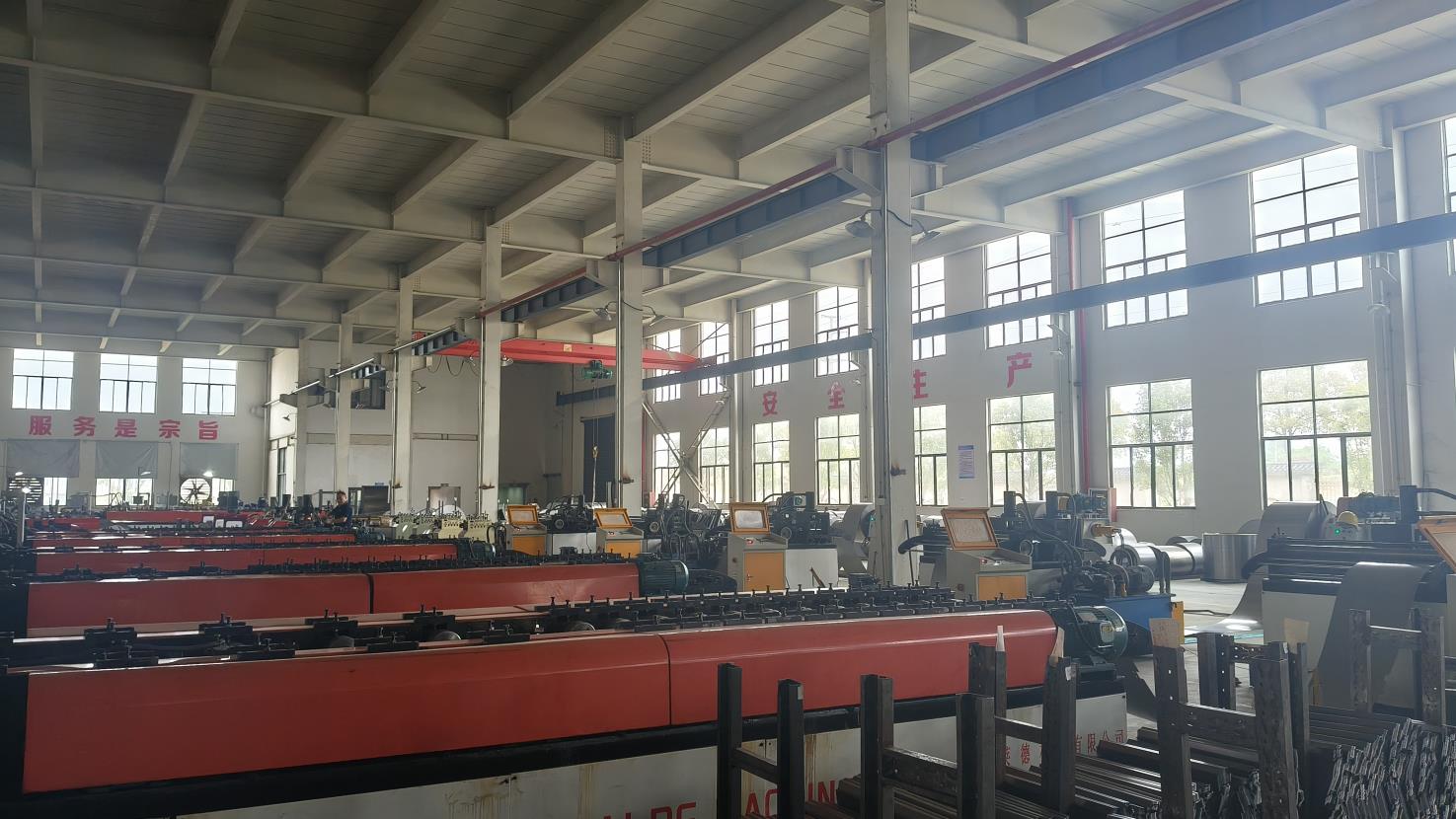
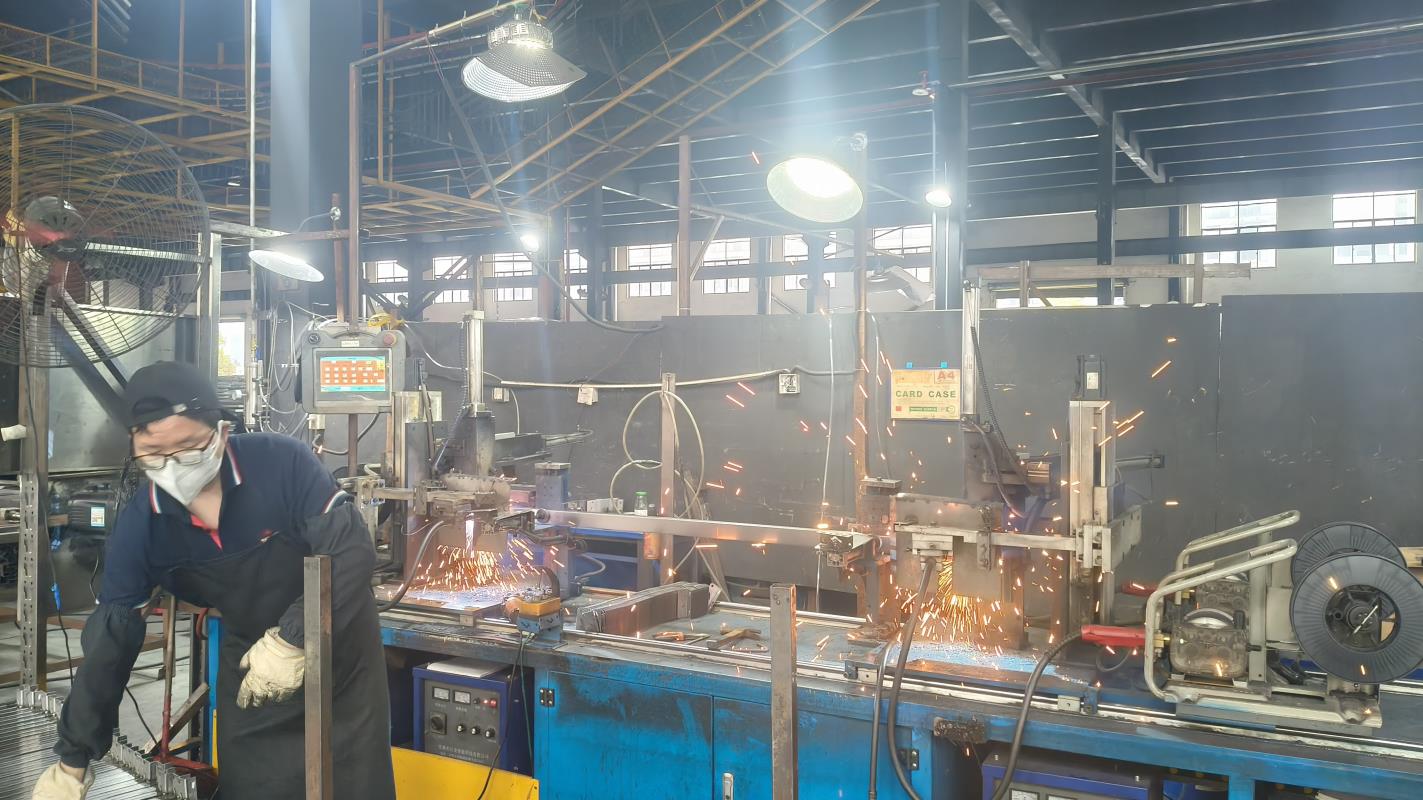
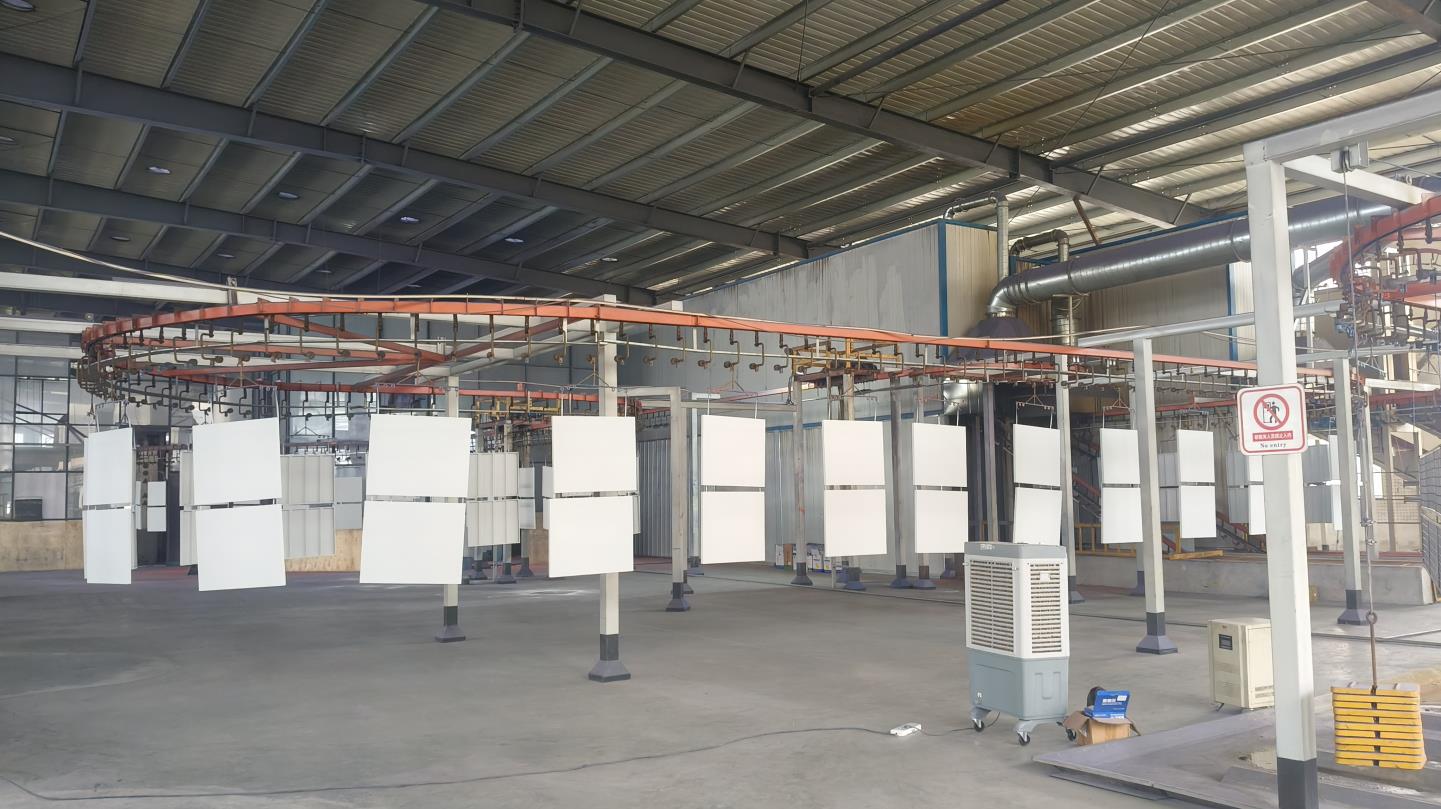
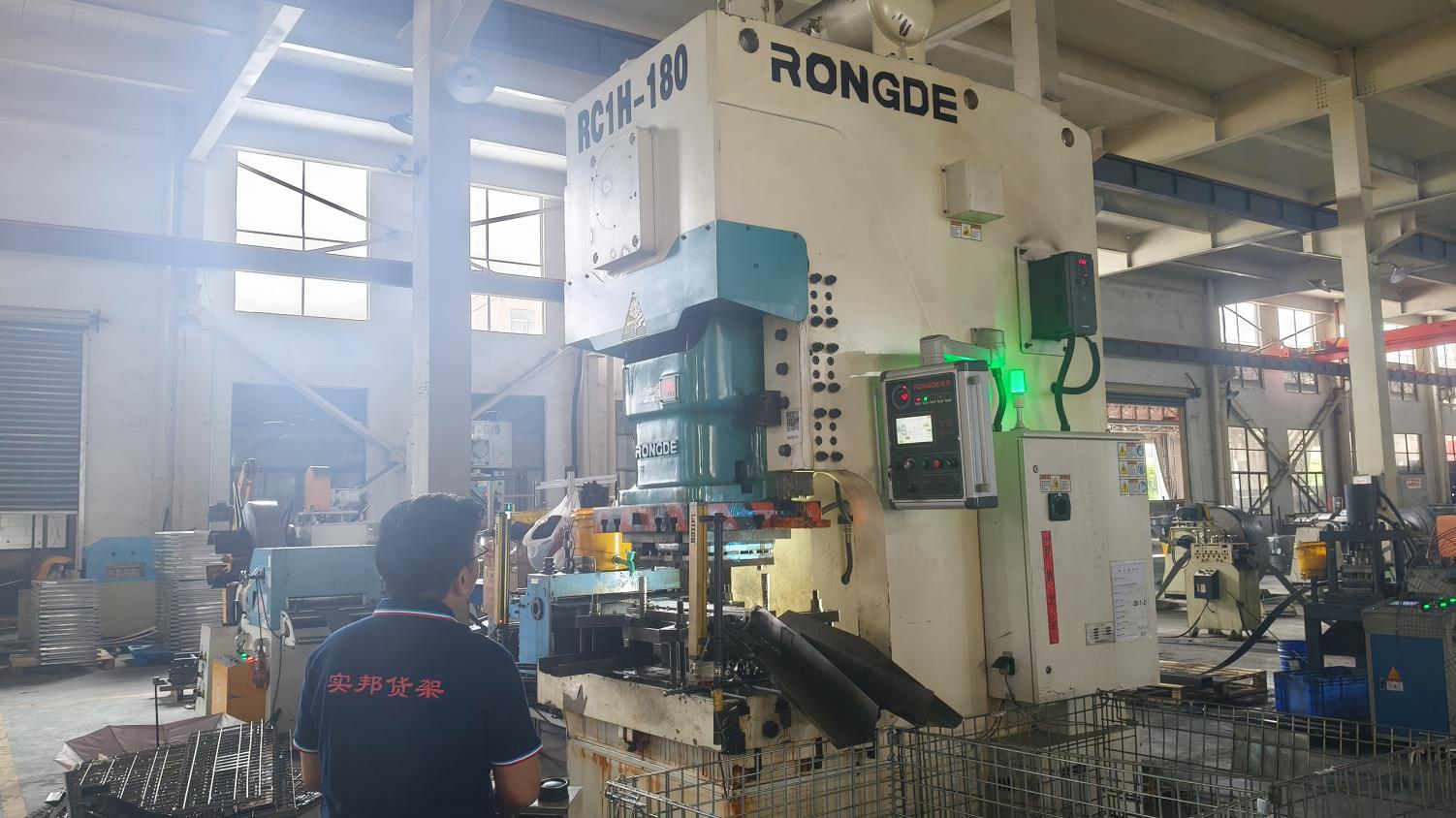
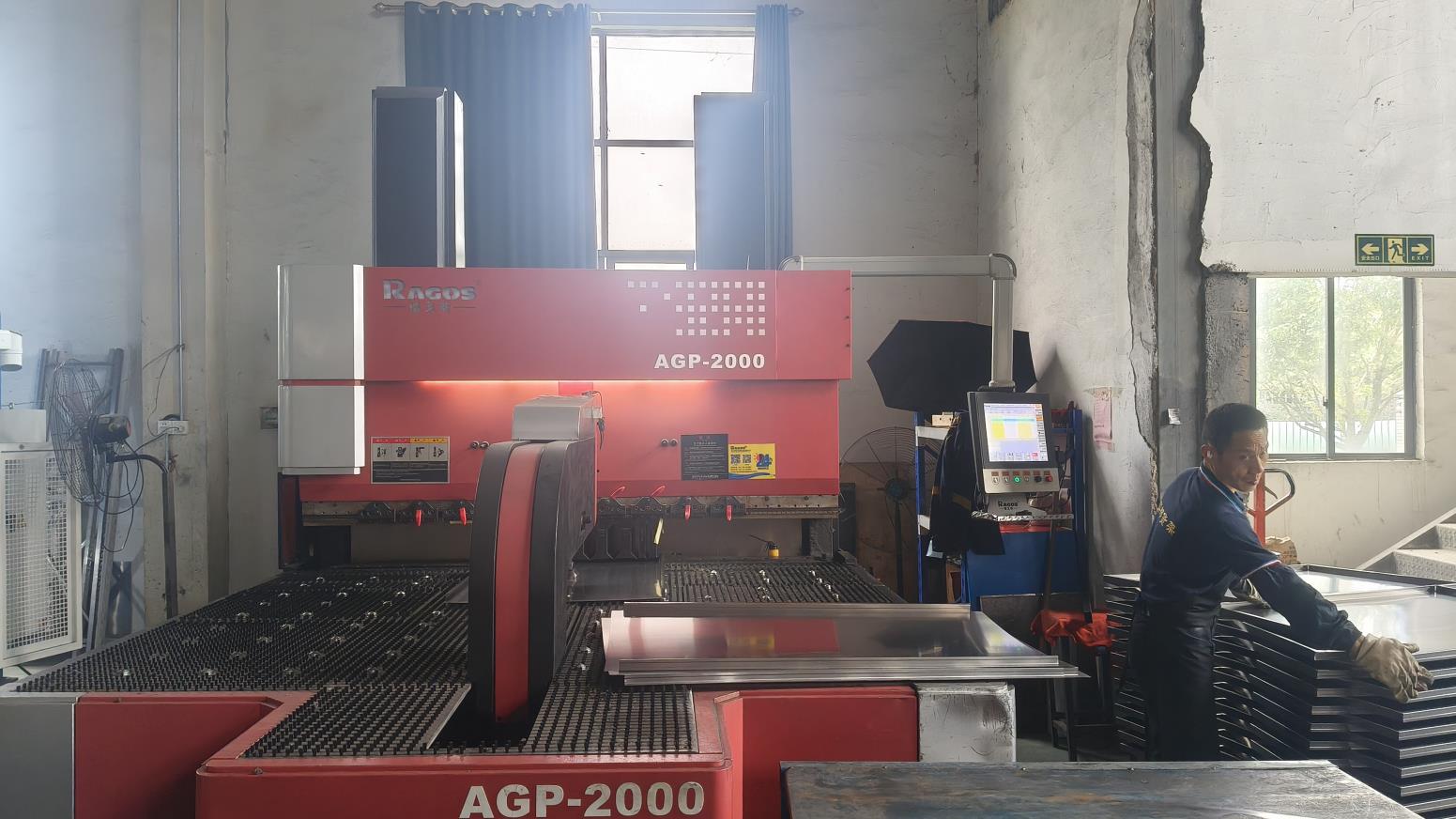
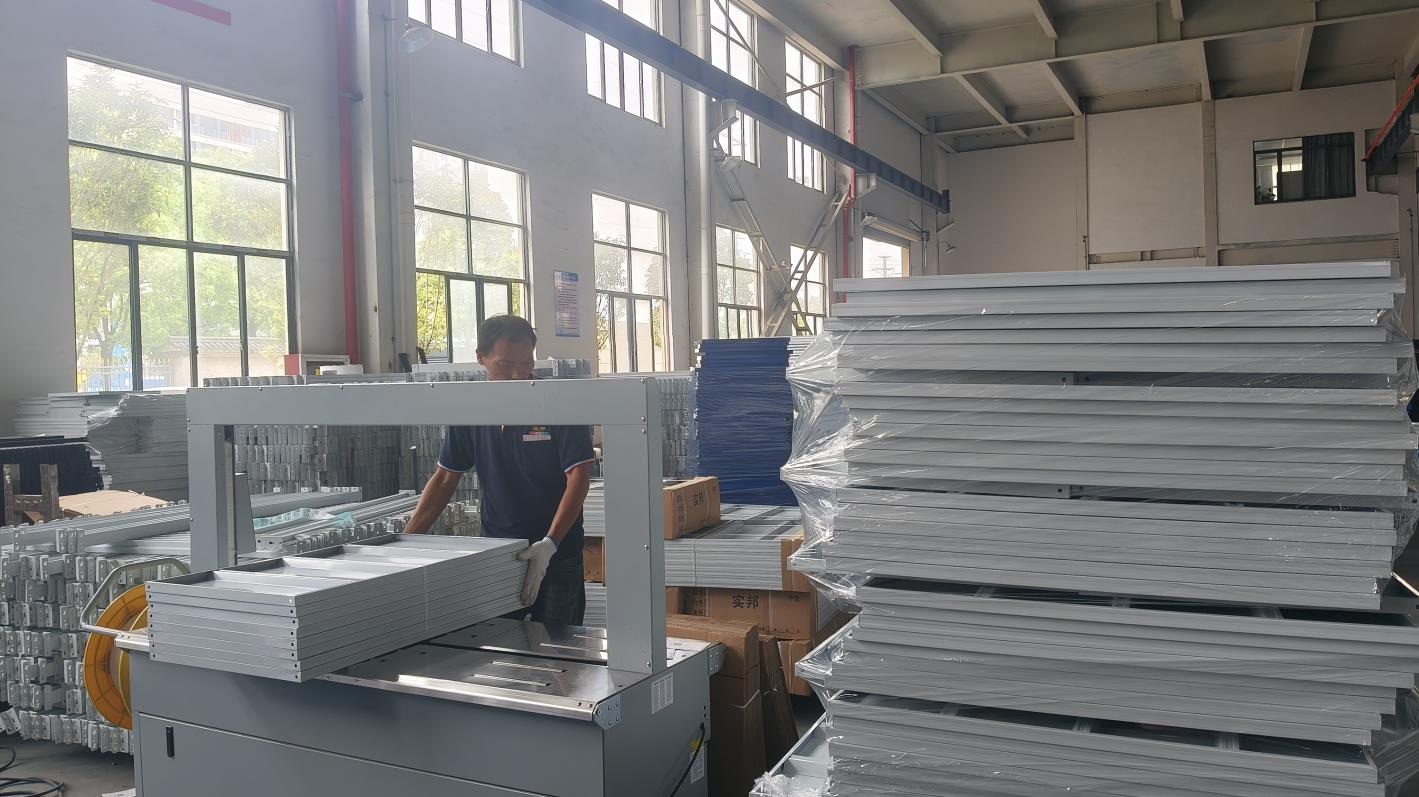
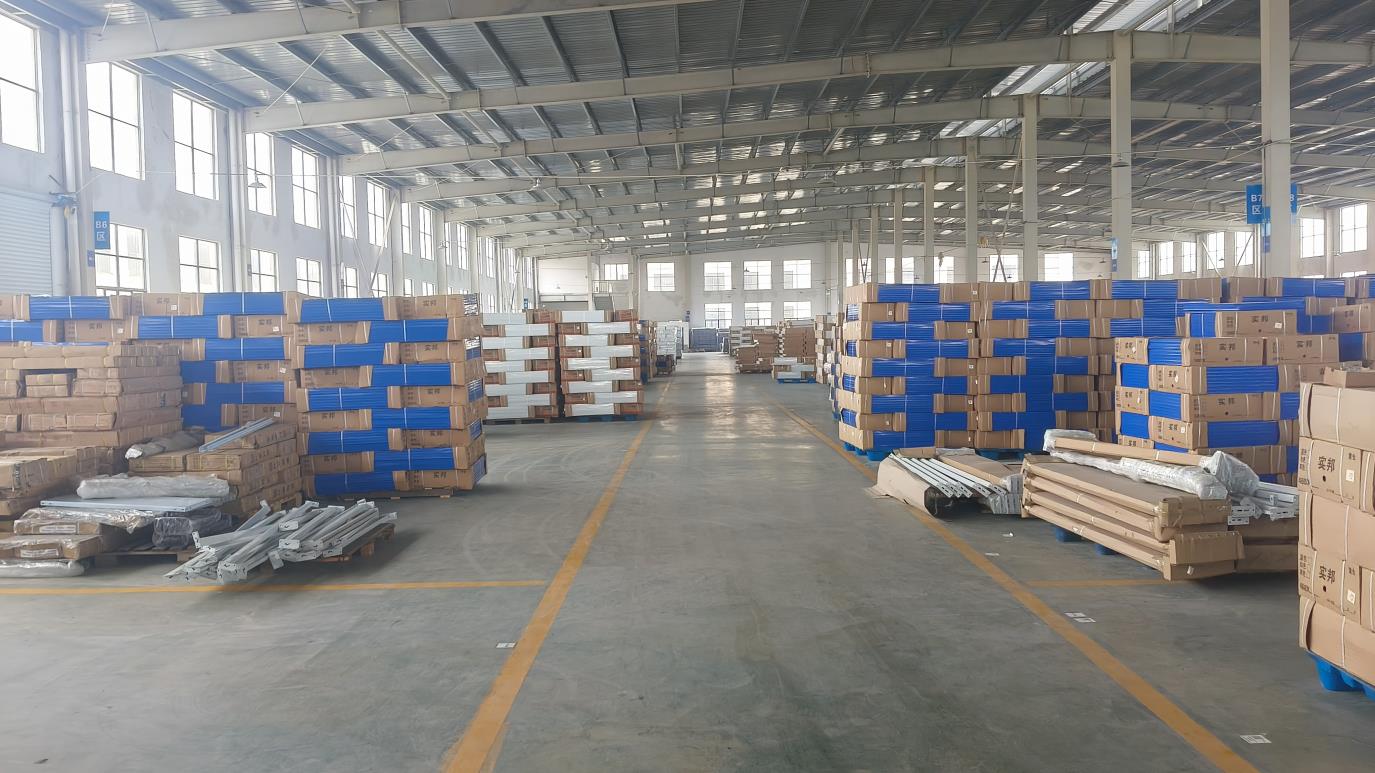
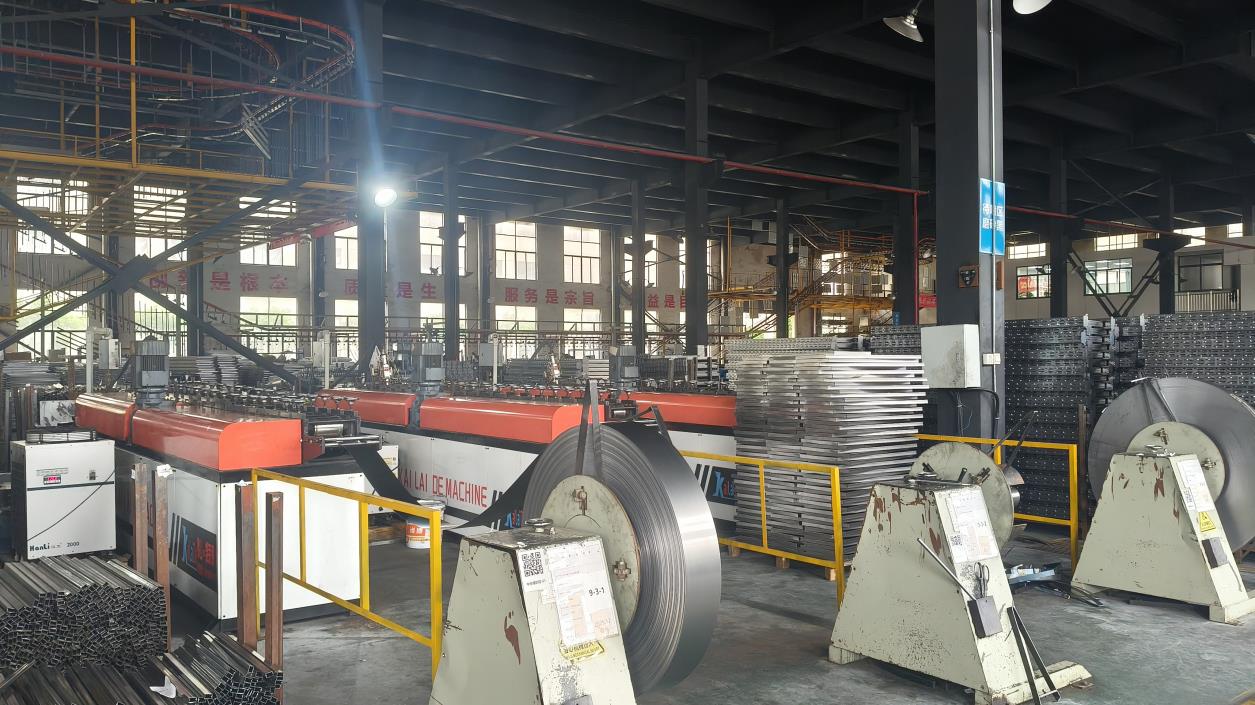
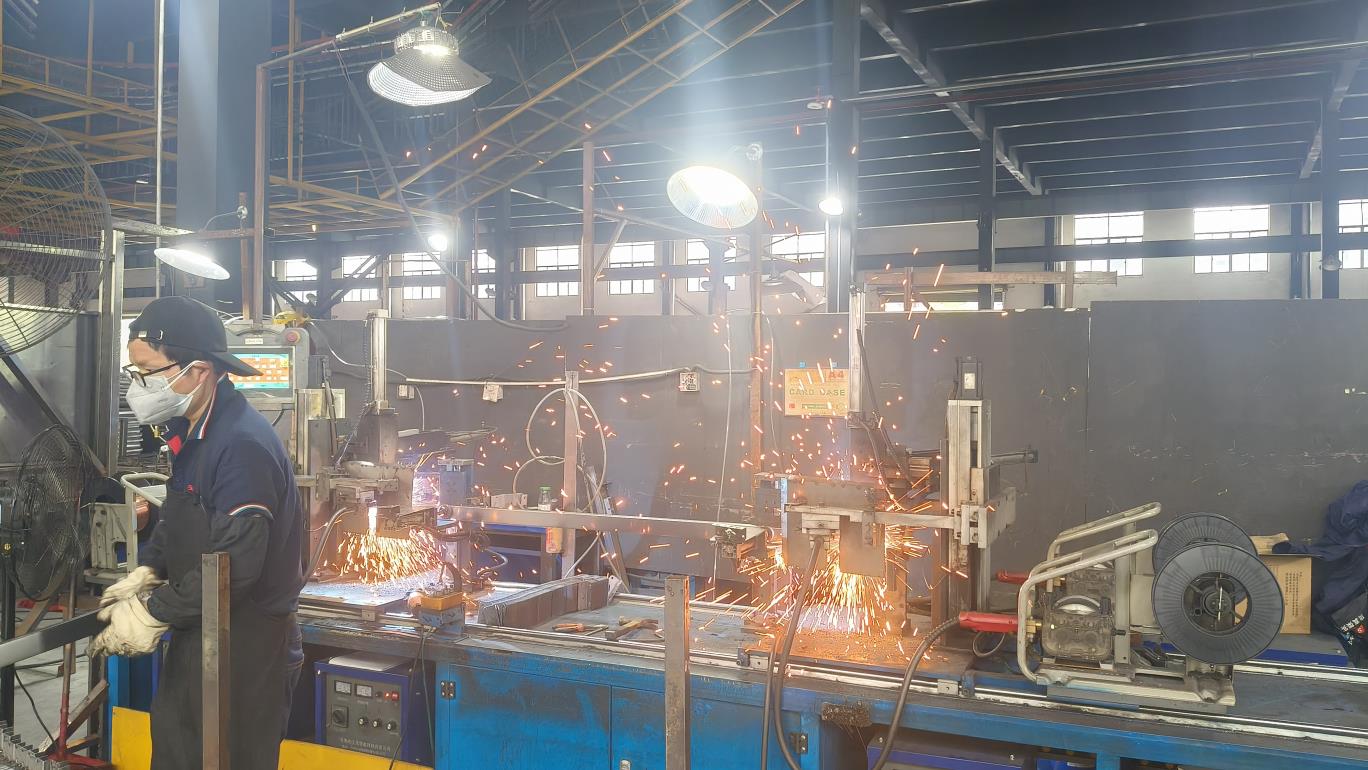
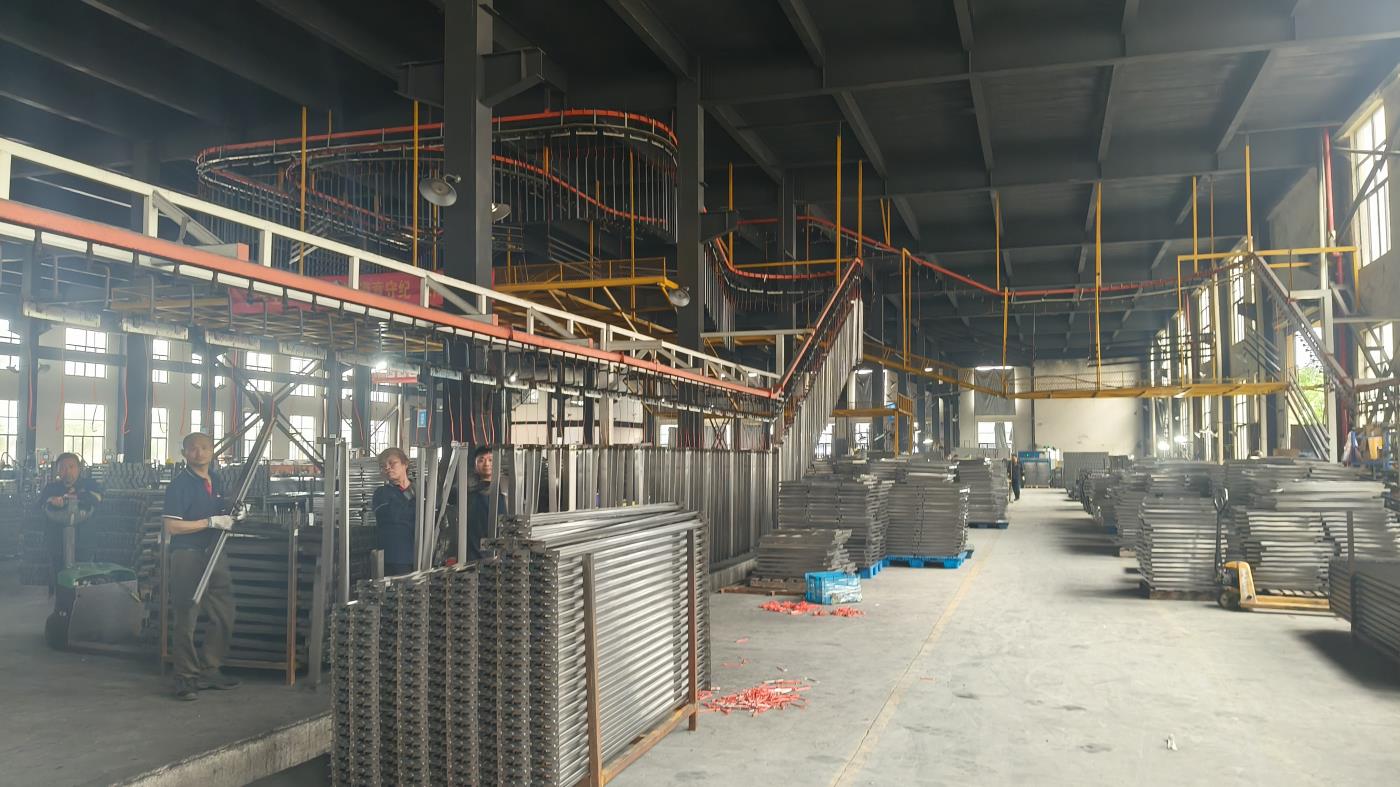
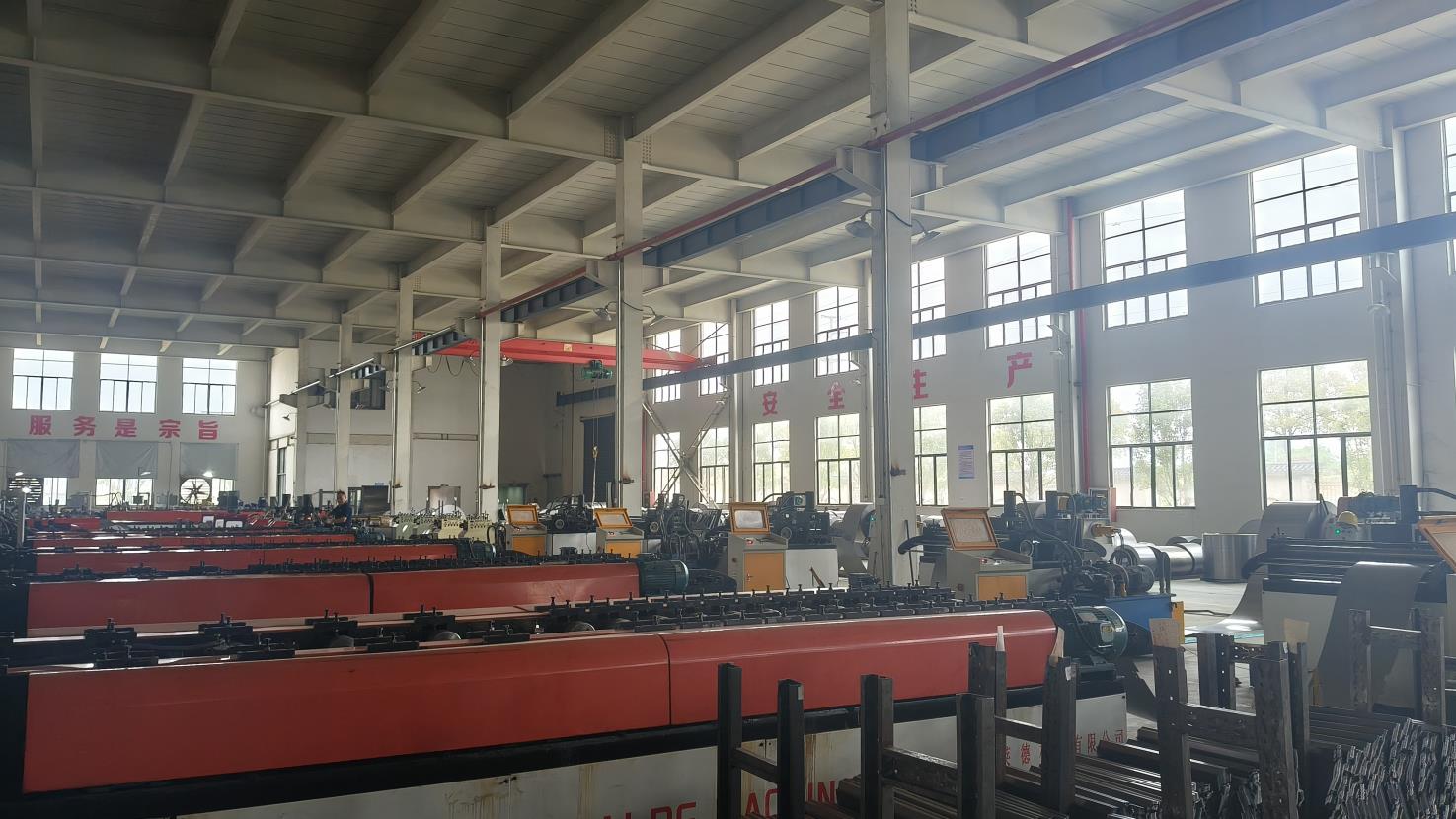
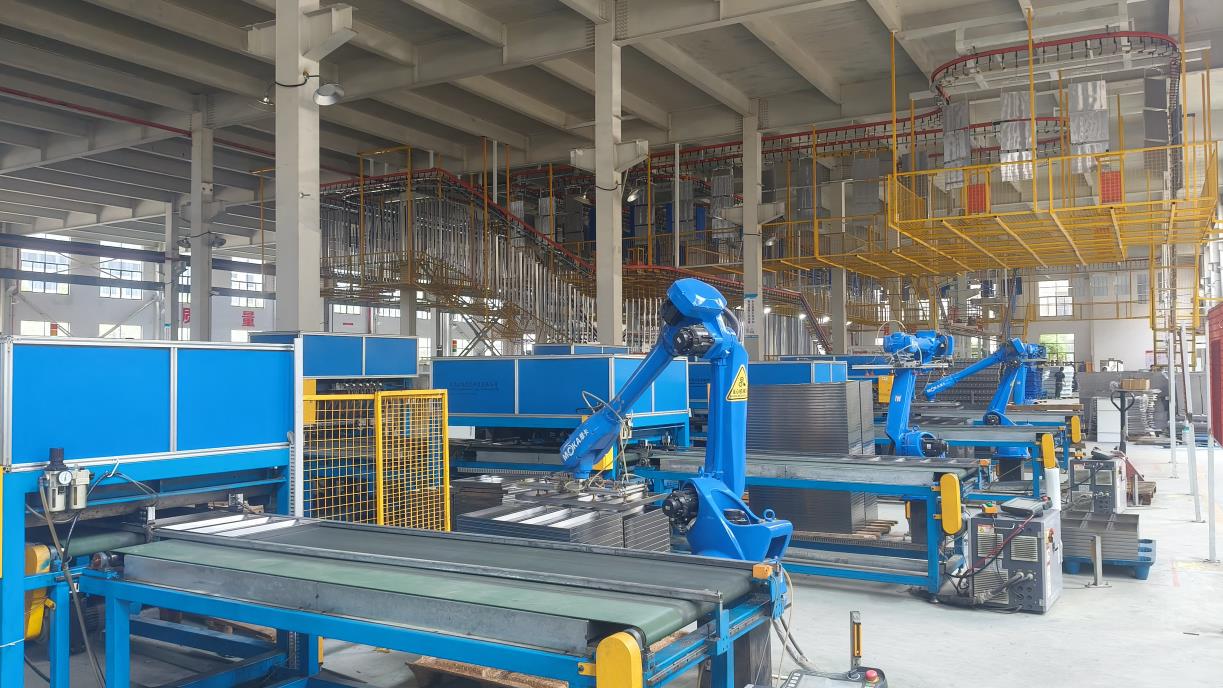
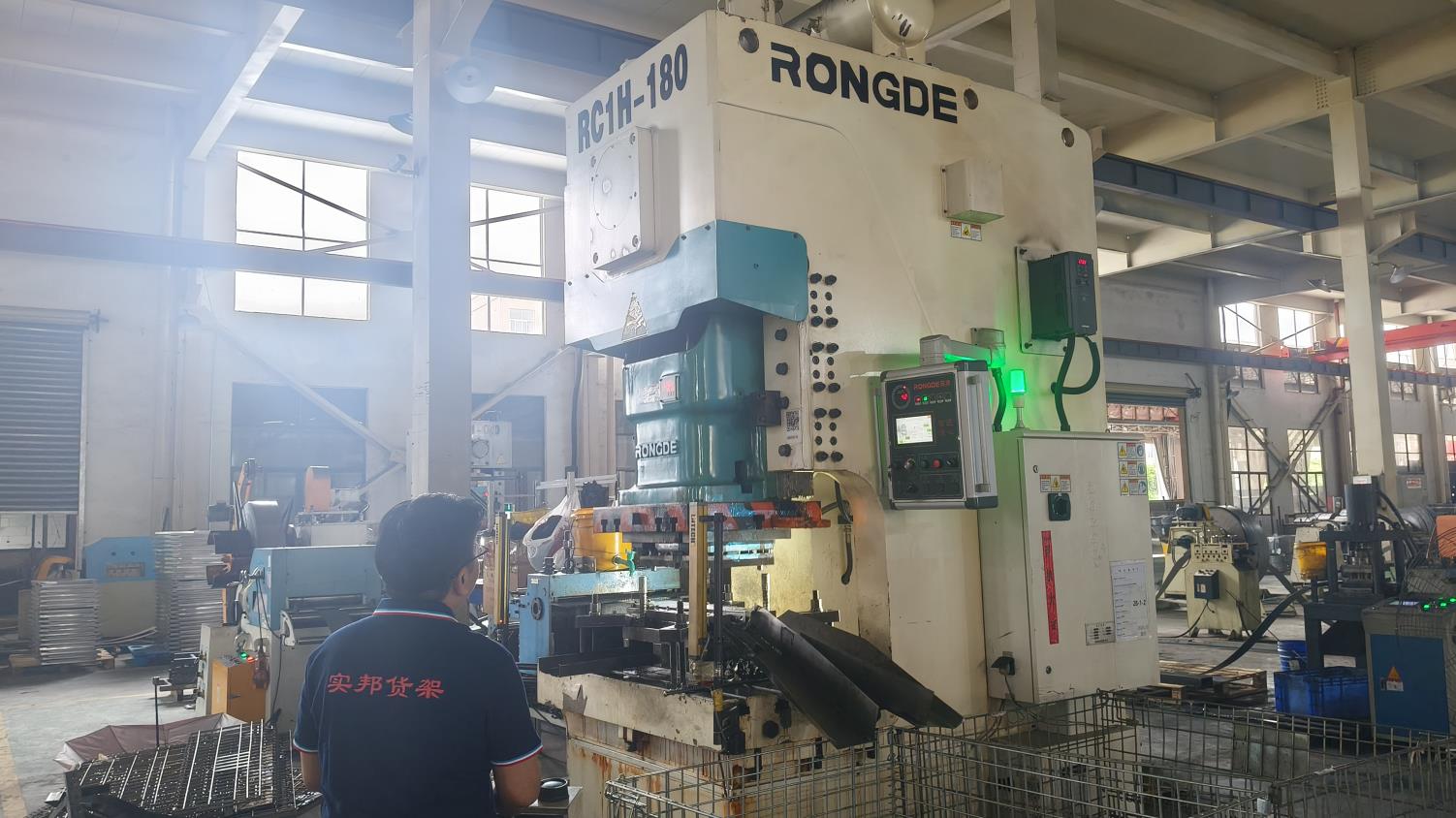
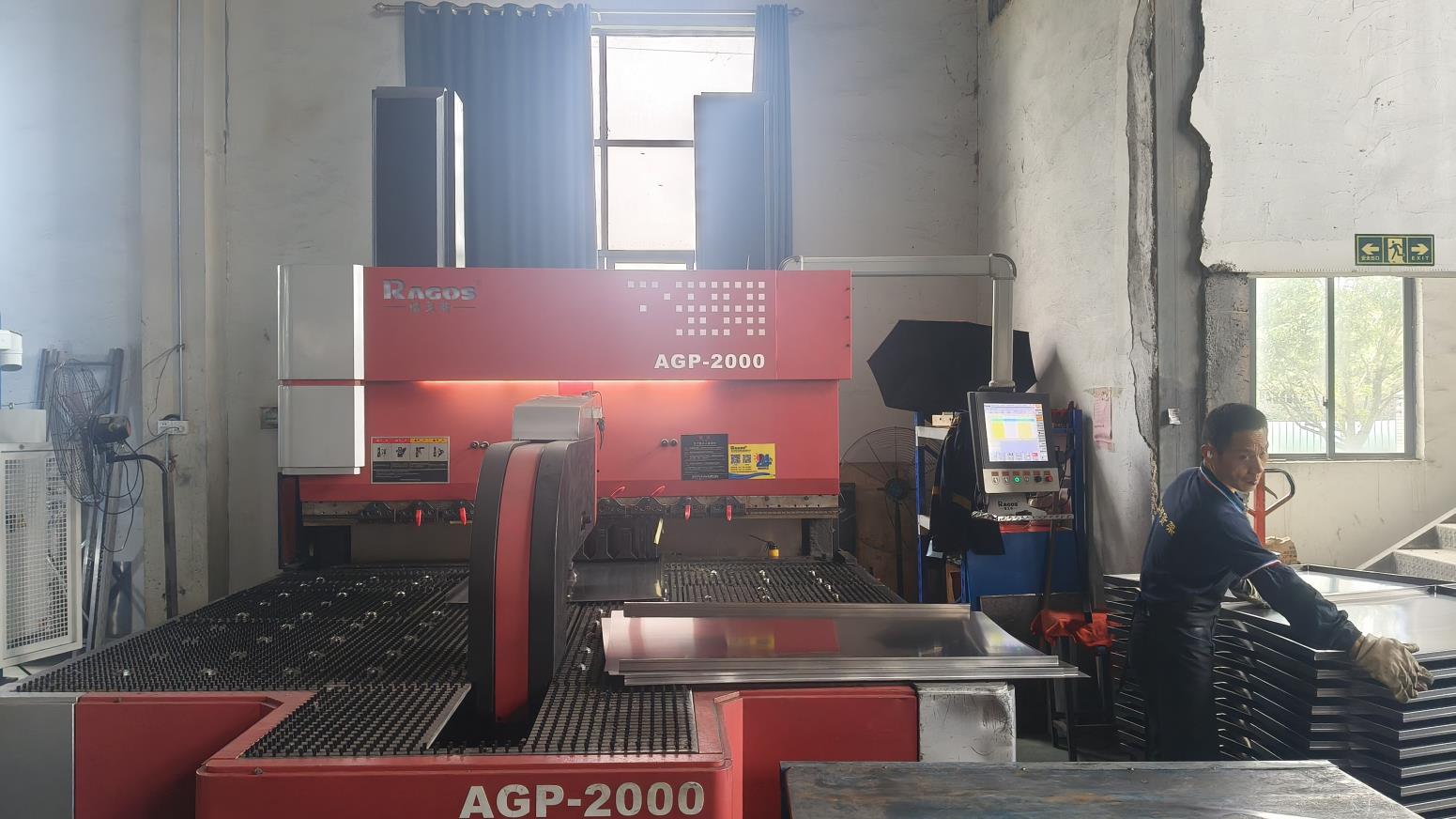
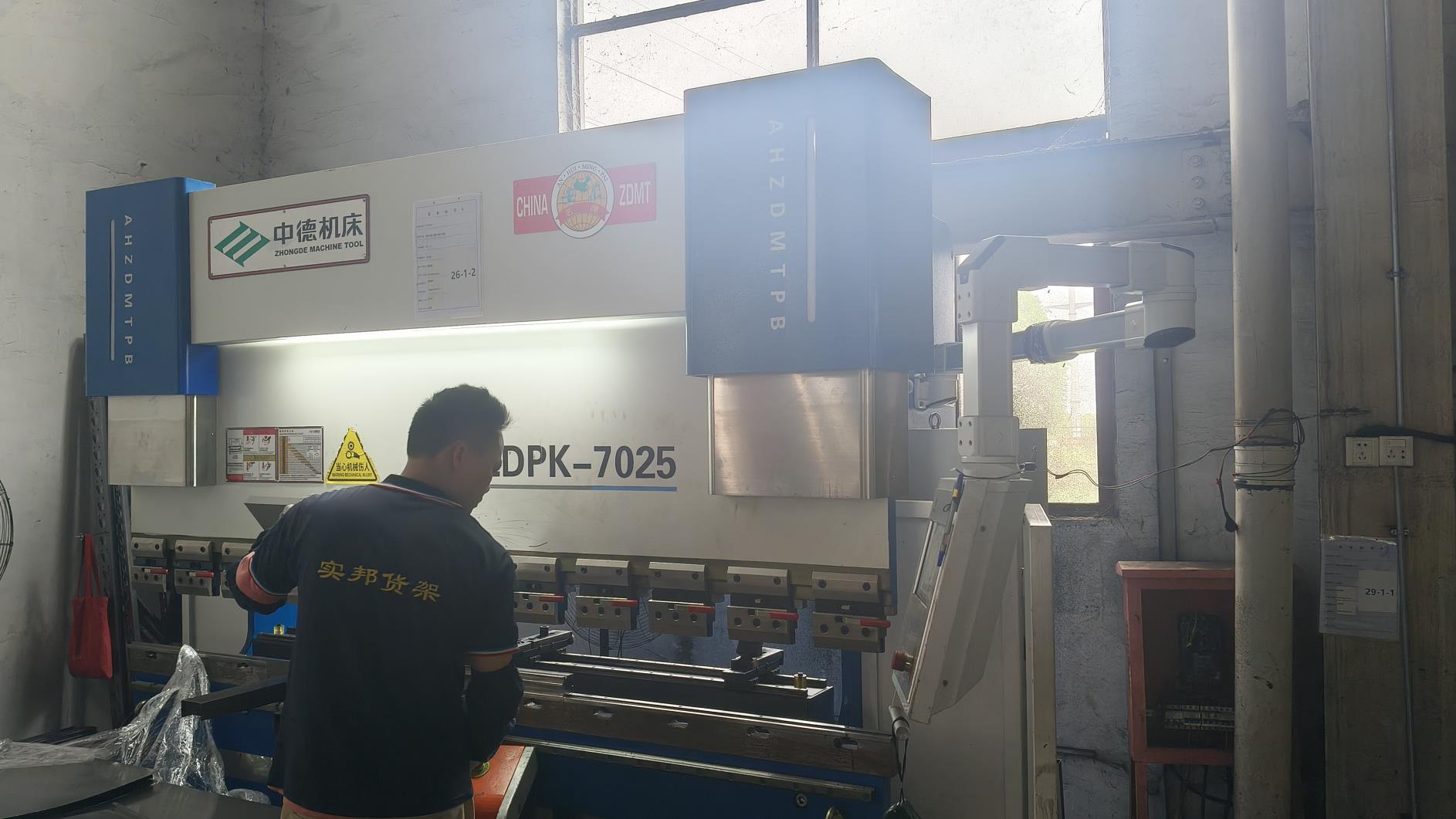
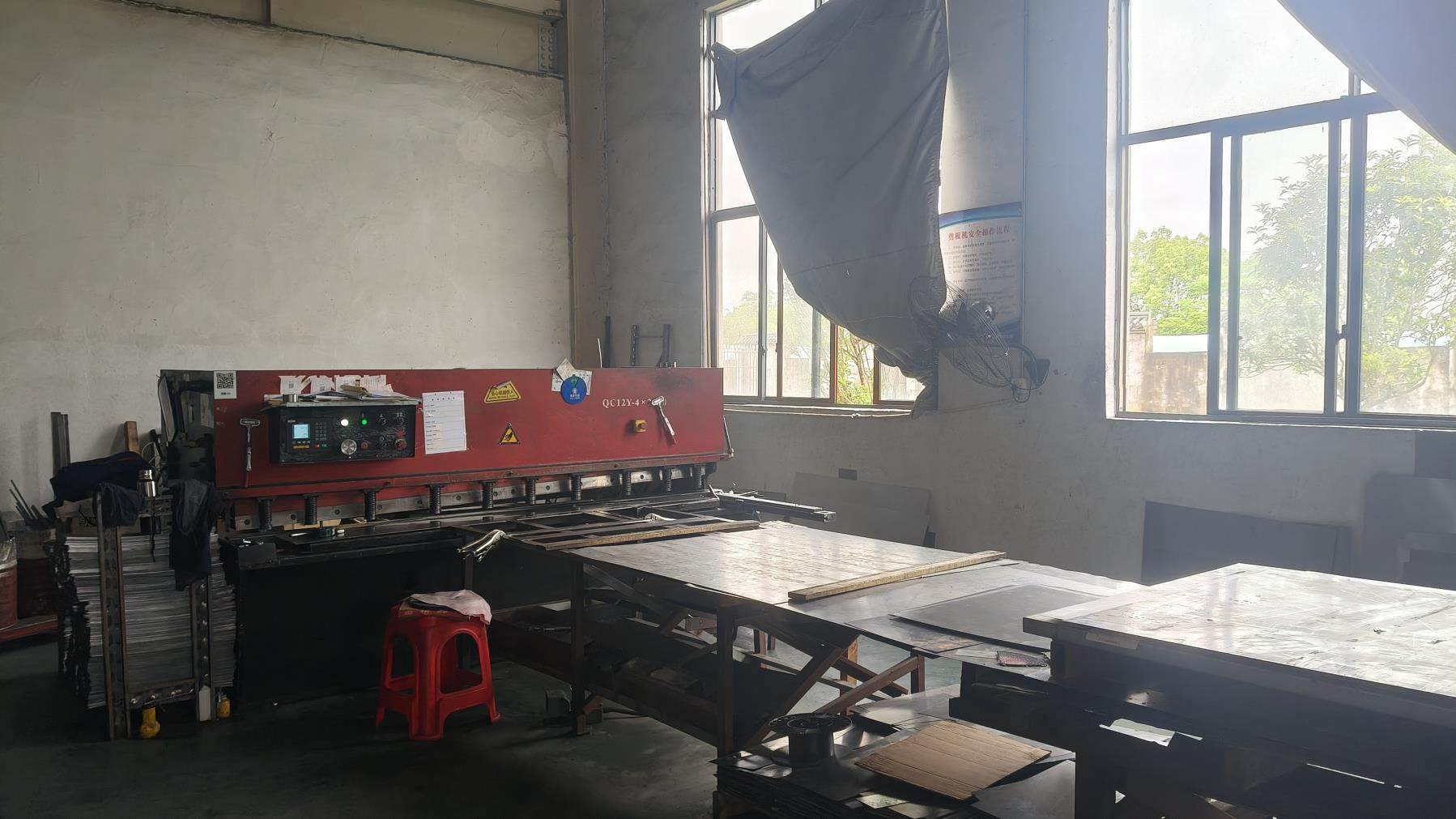
The transition of China’s heavy industry into the **Factory 4.0** standard represents a massive leap in consistency and throughput. By replacing traditional manual operations with fully integrated processing networks, Ningbo Shibang ensures that every single batch of cold-formed profiles, uprights, and support beams complies with structural engineering tolerances down to the sub-millimeter level.
In classical manufacturing, tool wear and manual welding errors lead to deviations in load capacity and alignment. At Ningbo Shibang, our manufacturing floor integrates **robotic welding mechanical arms, fully automatic bending centers, and computer-numerical-controlled (CNC) roll-forming lines**. This machinery minimizes physical interventions, resulting in clean weld lines that undergo zero oxidation, ensuring the passivation layer of stainless steel is fully maintained throughout the cold-forming and mechanical punching phases.
Furthermore, our integrated supply chain with over 850 validated raw material and component vendors allows us to buffer against global logistics volatility. Whether sourcing high-yield AISI 304 coils, food-grade fasteners, or specific chemical coating elements, our deep-reaching supply partnerships keep production lead times stable even under volatile market environments, ensuring client project schedules are met without disruption.
| Feature / Metric | Ningbo Shibang Industry 4.0 Racking | Traditional Manual Manufacturing |
|---|---|---|
| Dimensional Precision Tolerance | ±0.5 mm to ±1.0 mm (CNC Automated) | ±2.0 mm to ±4.0 mm (Manual Measuring) |
| Weld Passivation Integrity | Ultrasonic Testing (UT) & Robotic Shielded Welds | Manual inspection, potential slag inclusion |
| Structural Deflection Standard | Tested to L/240 (Exceeds FEMA specifications) | Basic estimated loading capacities |
| Lead-Time Consistency | 850+ Pre-vetted Raw Material Sourcing Partners | Localized single-vendor supply dependencies |
For engineering departments and international procurement officers, purchasing stainless steel racking systems is not merely a question of unit price; it is a critical calculation of **Total Cost of Ownership (TCO)**, spatial utilization, and risk mitigation. Different environmental conditions dictate specific metal selections and structural engineering styles.
Understanding alloy compositions is vital for structural reliability in harsh environments. **Grade 304 Stainless Steel** (containing 18% chromium and 8% nickel) serves as the industry standard, providing superior resistance to general oxidation and microbial biofilm development. However, in high-chlorinity environments—such as marine ports, seafood processing, coastal warehouses, or chemical storage facilities—**Grade 316 Stainless Steel** (with 2% molybdenum added) is specified to counter localized pitting and crevice corrosion.
Modern distribution warehouses operate taller storage configurations to maximize cubic footprints. When designing racks taller than 6 meters, structural calculation reports must account for wind shear, floor slab capacity, and seismic zones (seismic acceleration factors). Ningbo Shibang’s R&D department utilizes FEA (Finite Element Analysis) to simulate dynamic stresses on custom upright punch patterns and beam connector configurations, ensuring complete safety profiles before structural installation.
Industrial storage systems operate across diverse environmental demands, necessitating distinct design modifications:
Standard carbon steel becomes brittle and susceptible to fracture at freezing temperatures. Our stainless steel racking systems are engineered for sub-zero environments (down to -40°C), retaining structural ductility and preventing micro-cracking during heavy impact events.
Cleanrooms require daily sanitization using harsh agents like vaporized hydrogen peroxide (VHP). The chemically inert oxide layer on 304/316 stainless steel ensures zero off-gassing and resists chemical degradation under extreme cleaning protocols.
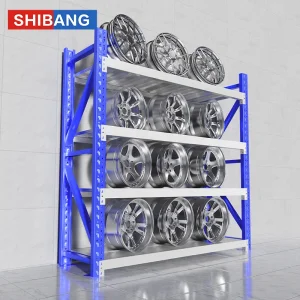
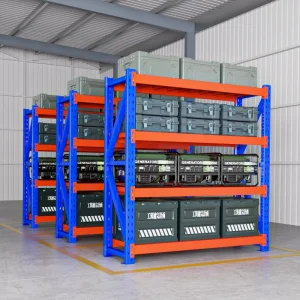
Automotive assembly lines and heavy metal fabricators store high-density components on specialized racks. Using high-yield steel plate profiling and heavy-duty beams, our systems carry weights exceeding 1,500 kg per level without deformation.
Answers to critical questions regarding material selection, structural standards, and shipping optimization from global logistics project managers.
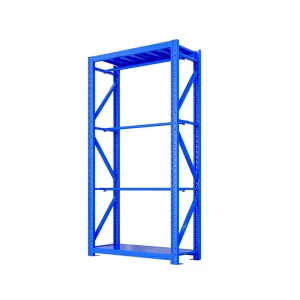
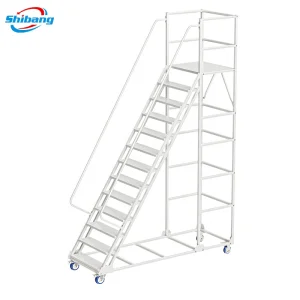
Precision-made structural systems and mobility units engineered for seamless material handling in heavy industrial environments.
 Shibang Rack