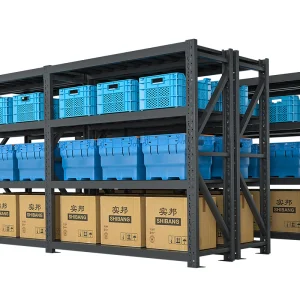
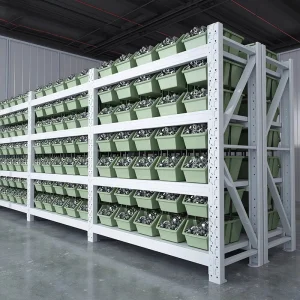
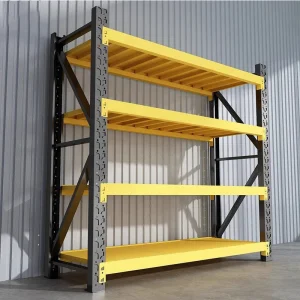
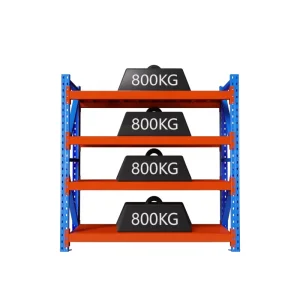
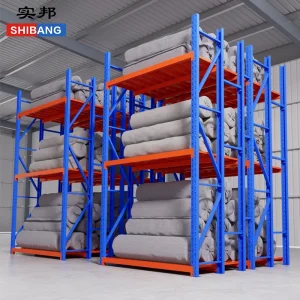
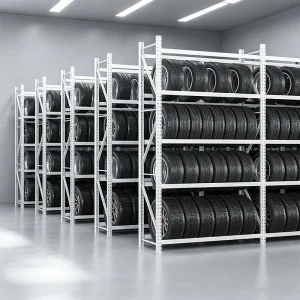
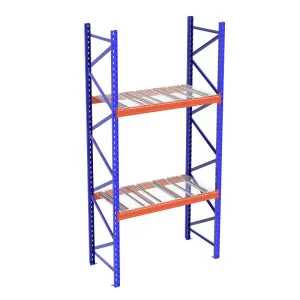
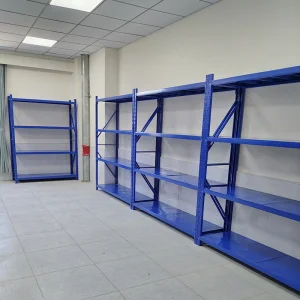
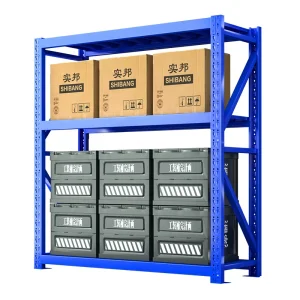
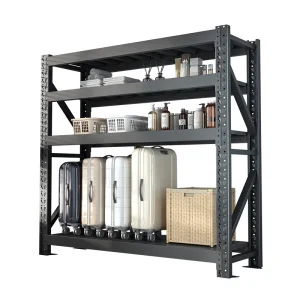
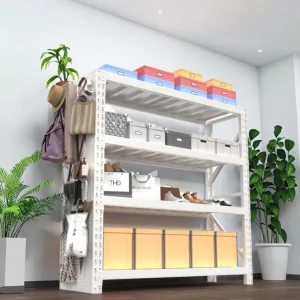
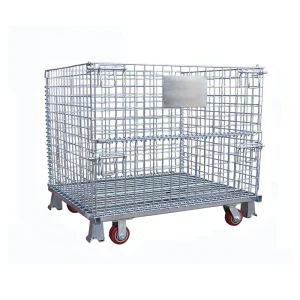
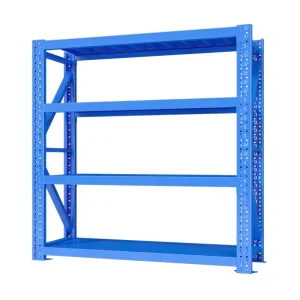
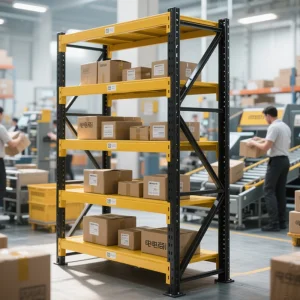
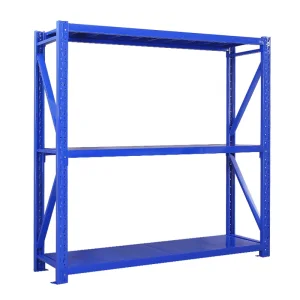
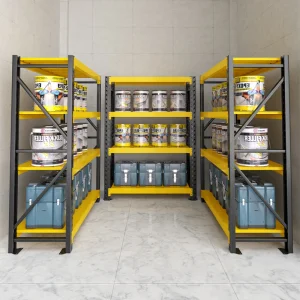
Engineered configurations certified for heavy industrial loads and high-density warehouse storage operations.
Analyzing macro-logistical dynamics and structural engineering methodologies that drive high-density supply chains.
In the contemporary landscape of global logistics, commercial warehousing, and automated distribution centers, volumetric utilization has transitioned from a operational metric to a core driver of financial performance. Escalating industrial land values, coupled with the rapid expansion of e-commerce and cold-chain infrastructure, require enterprises to optimize every cubic meter of storage volume. To remain competitive, organizations are shifting away from traditional low-density layouts in favor of advanced structural configurations that increase capacity without expanding physical building footprints.
As a leading authority in industrial racking systems, Ningbo Shibang Storage Rack Co., Ltd. delivers engineered racking solutions designed for durability and space efficiency. Designing high-density storage requires deep knowledge of mechanical stress, structural engineering, and manufacturing precision. By implementing high-strength structural profiles, optimized beam-to-frame connections, and advanced steel finishes, our systems ensure long-term stability and safety under extreme operational loads. This whitepaper details the engineering, sourcing requirements, and market trends shaping the future of space-saving industrial storage.
A deep dive into our manufacturing infrastructure, supply chain integrity, and technical capabilities.
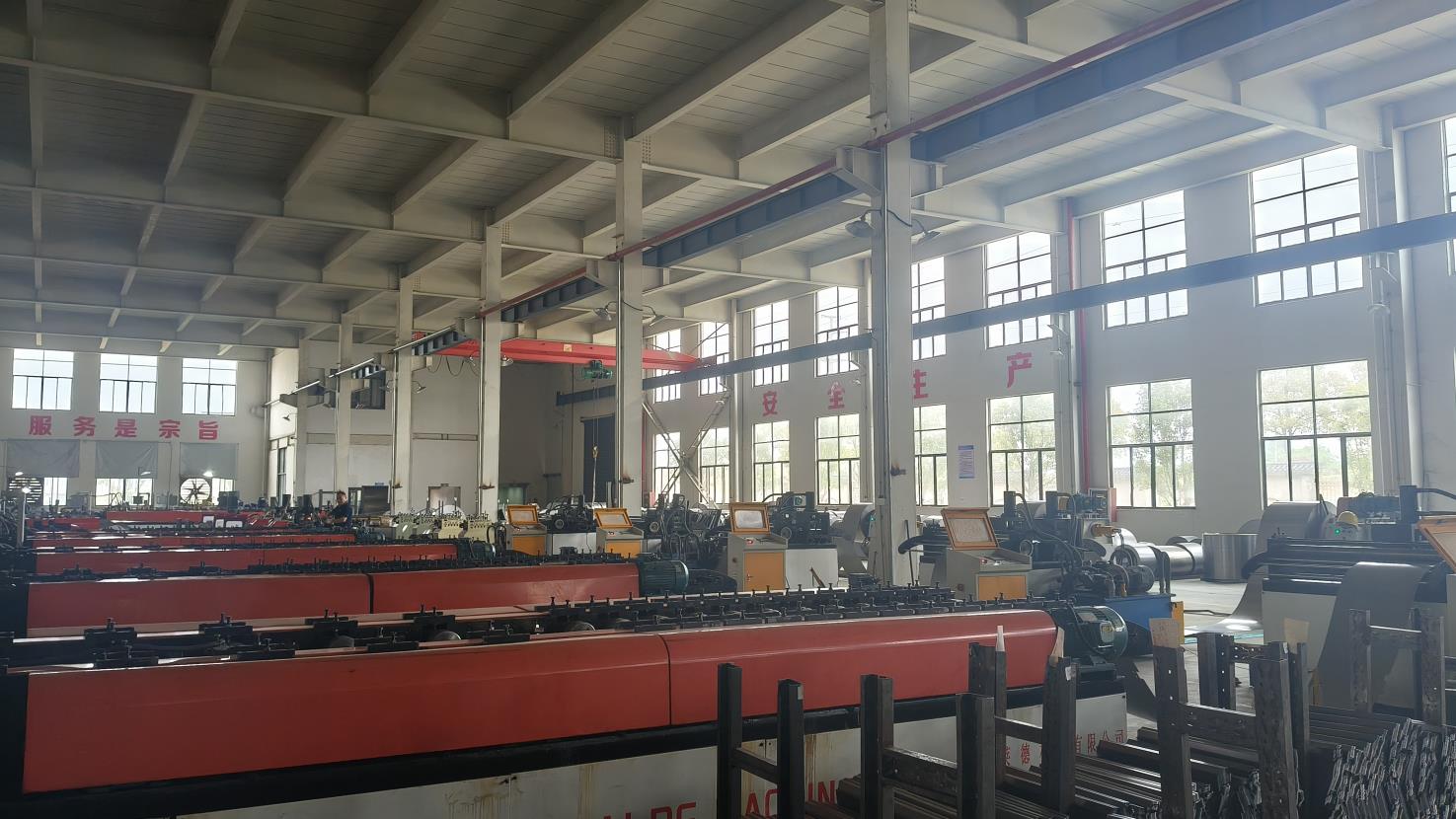
Established in 2016, Ningbo Shibang Storage Rack Co., Ltd. has developed into a major enterprise specializing in the design, manufacture, and global distribution of heavy-duty industrial warehouse racking systems. Spanning a modern manufacturing facility of 32,000 m², our company integrates 12 years of industry experience and 8 years of direct export expertise, serving global clients with total annual export revenue reaching $18 million.
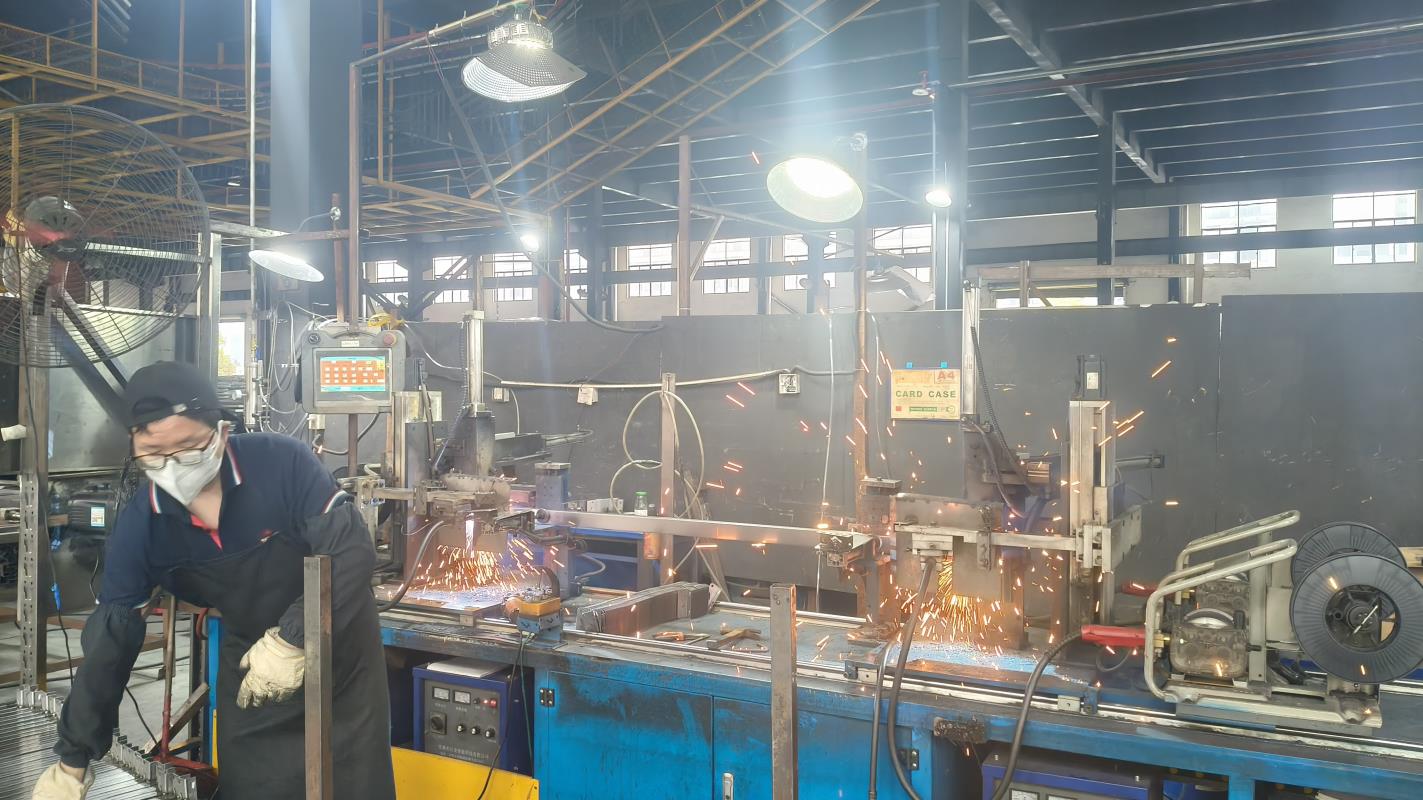
Quality and structural integrity are central to our manufacturing philosophy. Supported by a quality control team of 35 QA/QC inspectors, we implement rigorous multi-stage quality assurance processes, including Ultrasonic Testing (UT) for weld seams, load-bearing stress analysis, coating thickness verification, and raw material tensile testing. This ensures every batch of steel and finished component conforms to high international safety and load-bearing requirements.
Operating with a robust international trade setup, our primary markets cover North America, Western Europe, Southeast Asia, and Australia. To maintain efficient production cycles and reliable raw material supply, we partner with over 850 supply chain vendors. Our diverse client portfolio spans 3PL logistics providers, automated distribution centers, retail mega-warehouses, and heavy manufacturing facilities.
Innovation drives our growth. Our in-house R&D department features 22 experienced structural and mechanical engineers. Through strong technical capability and advanced OEM/ODM versatility, we offer extensive customization options, including tailored load capacities, custom powder-coating colors, seismically engineered beam profiles, and modular height configurations. Demonstrating our commitment to evolving market needs, we launched 140 new products and optimized structural components over the past year alone.
Non-destructive Ultrasonic Testing (UT) ensures complete weld penetration and structural consistency across high-load connection points.
Our engineers adjust steel thickness, height profiles, and bay spacing to meet the demands of specific warehousing environments.
Engineered to resist dynamic seismic loads, our racking designs are built to remain stable in active earthquake zones globally.
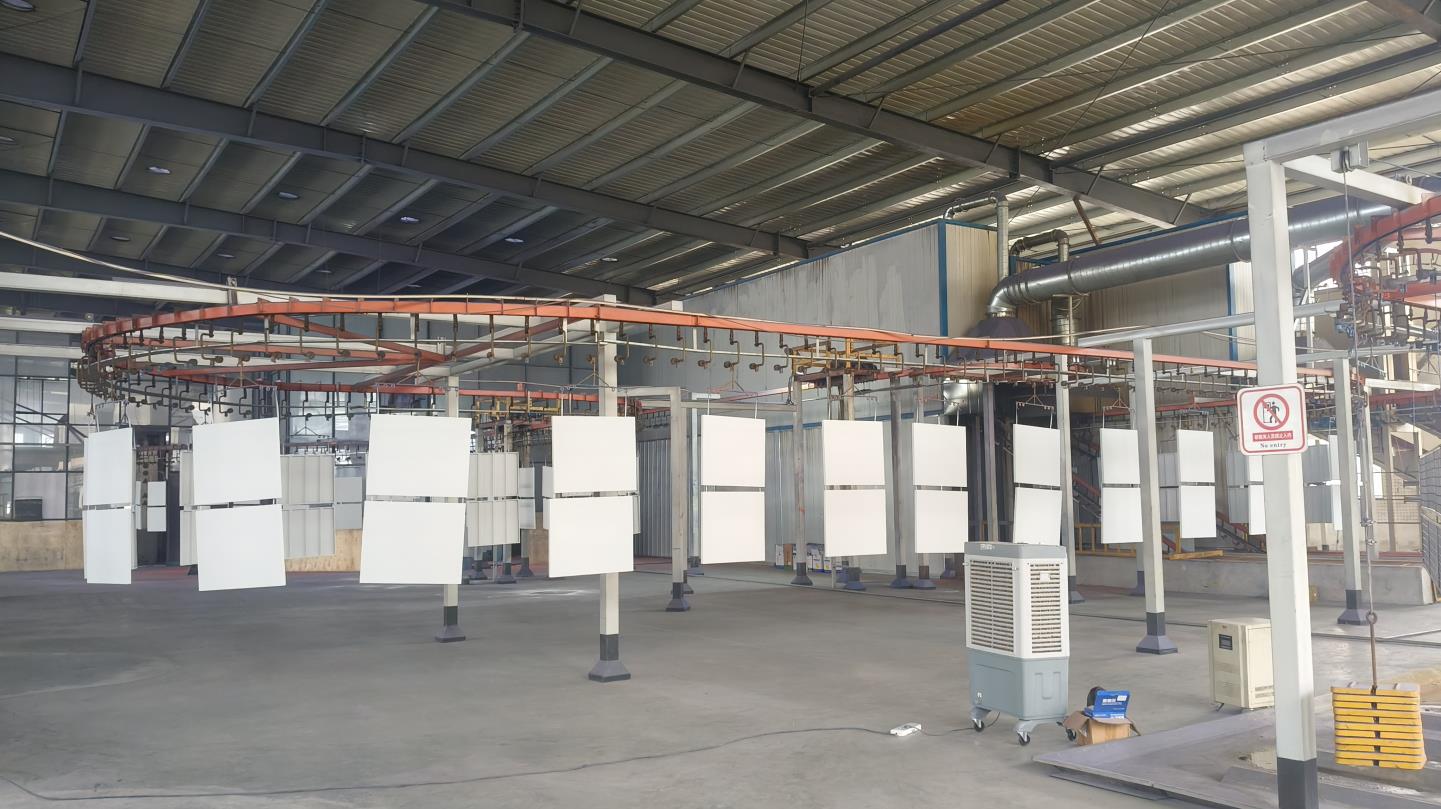
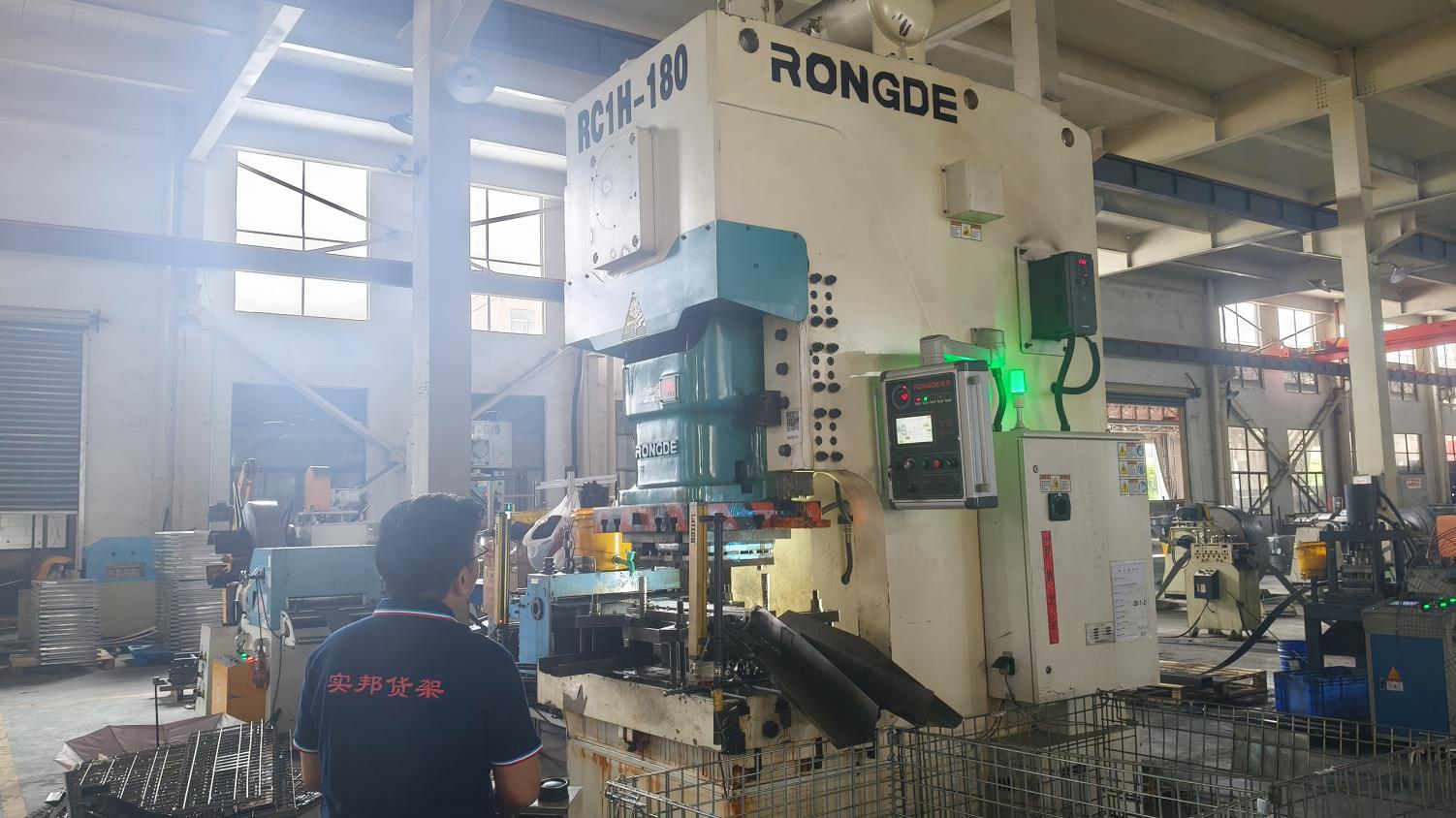
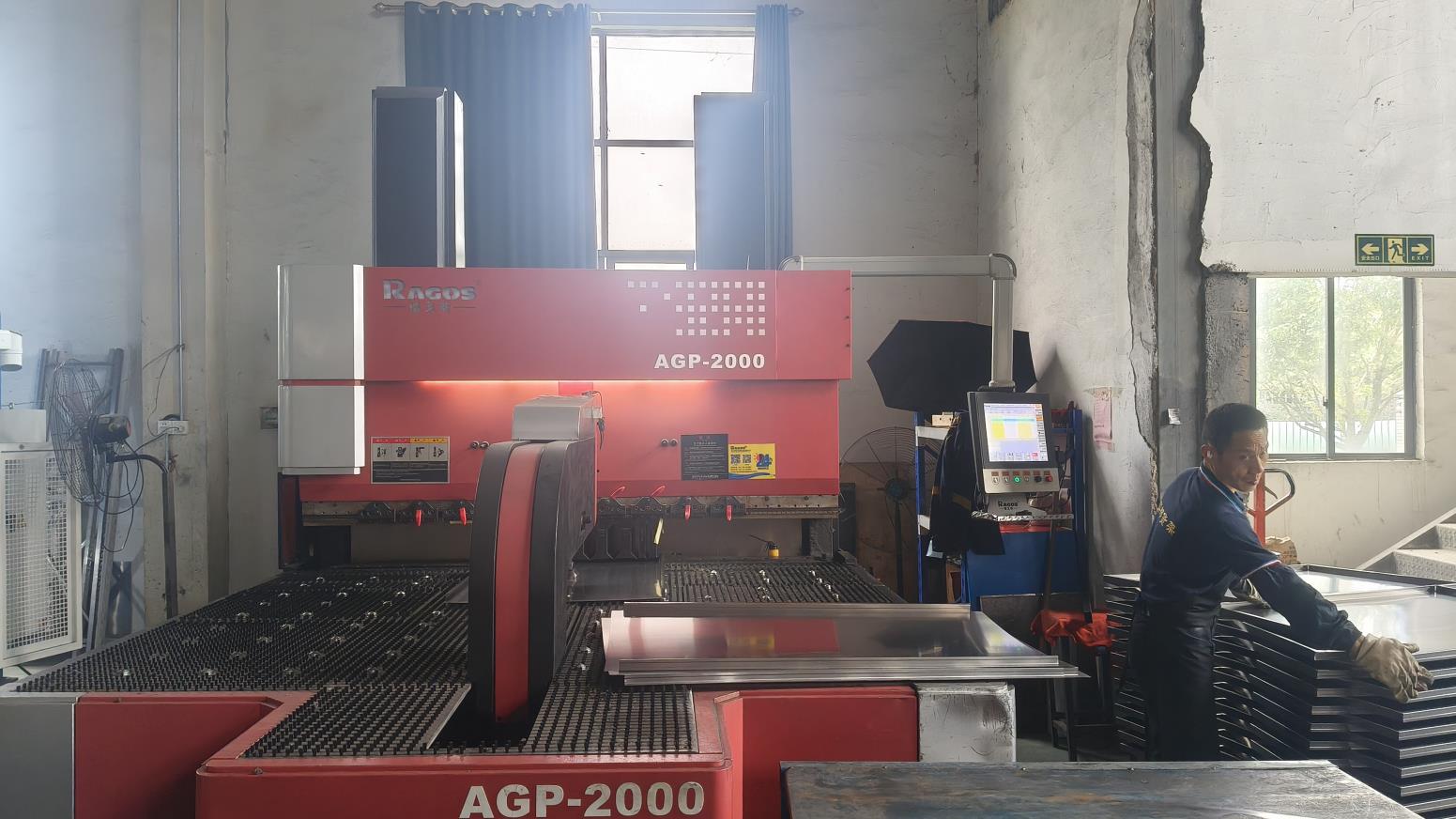
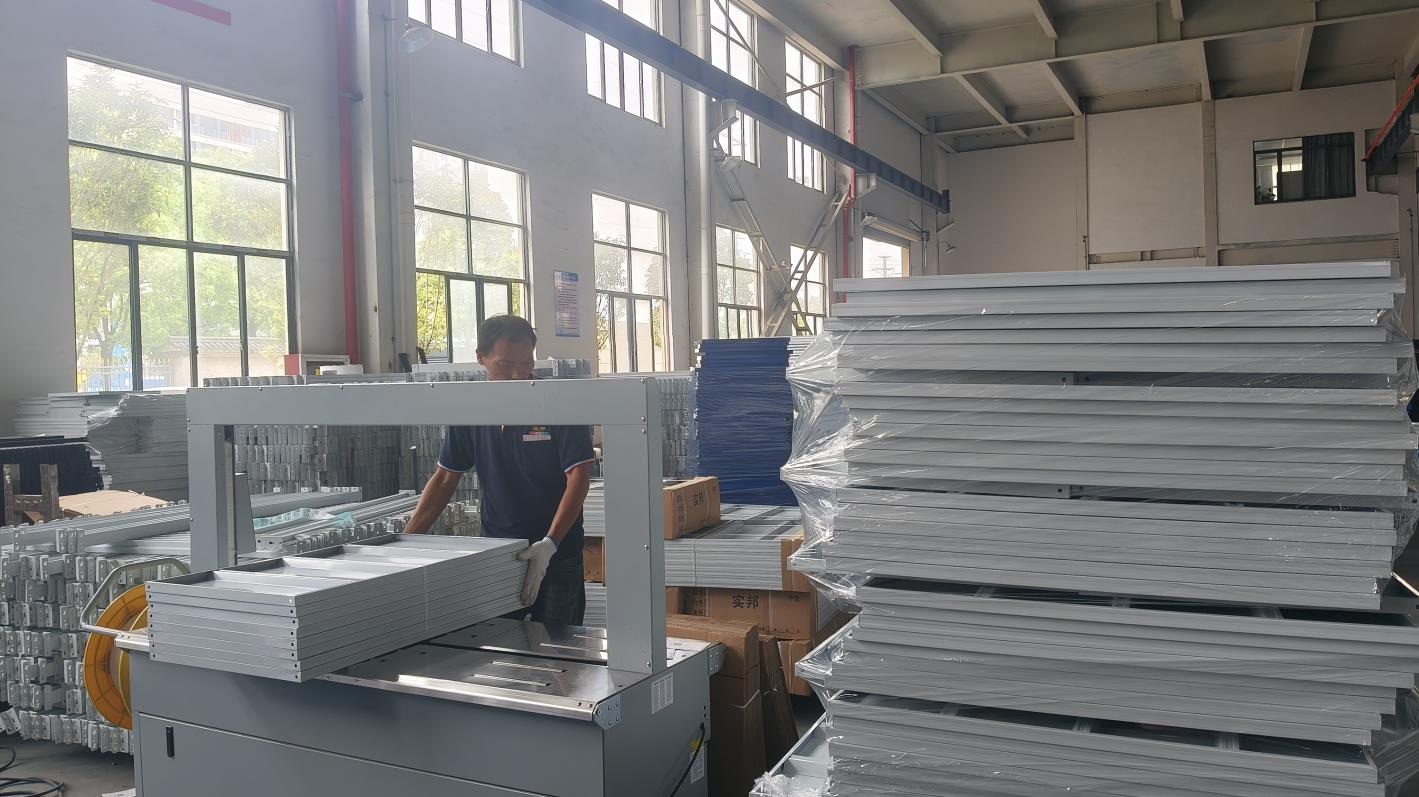
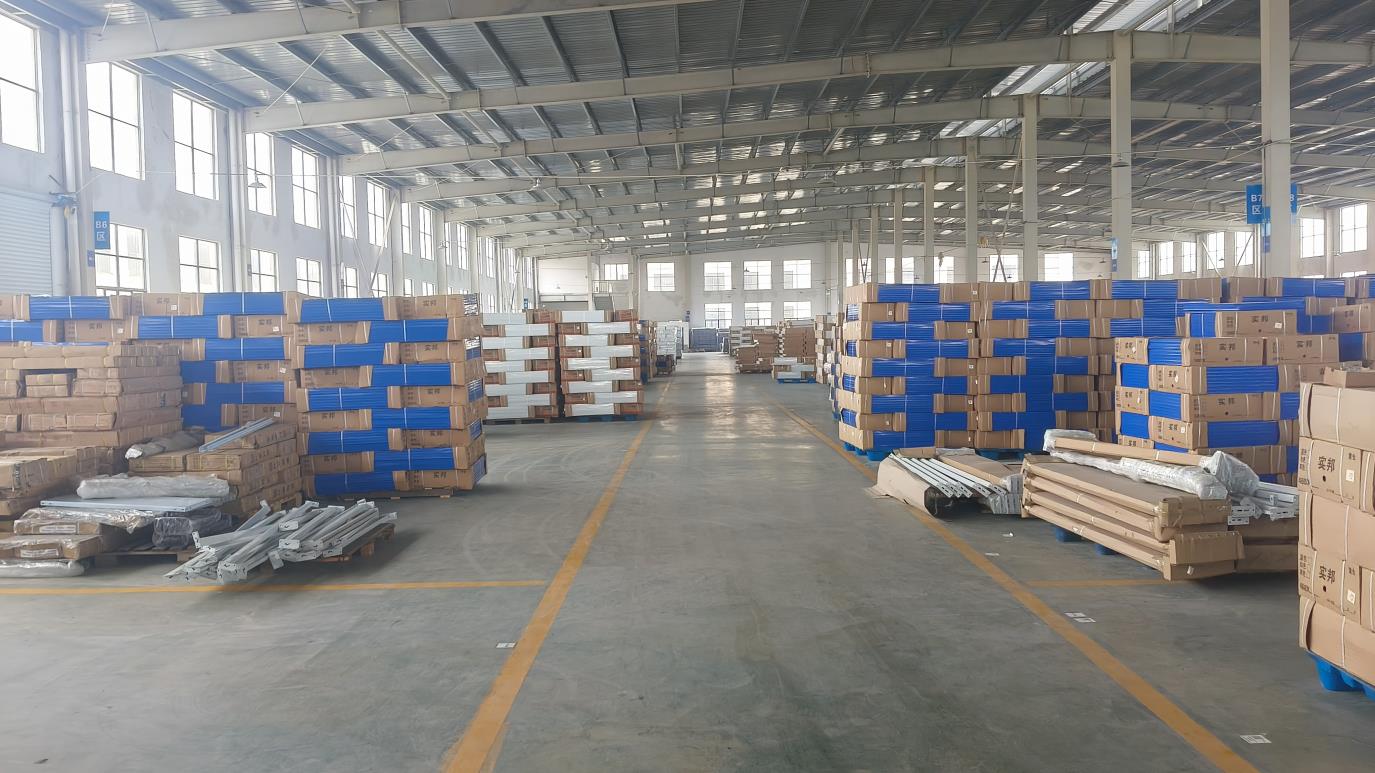
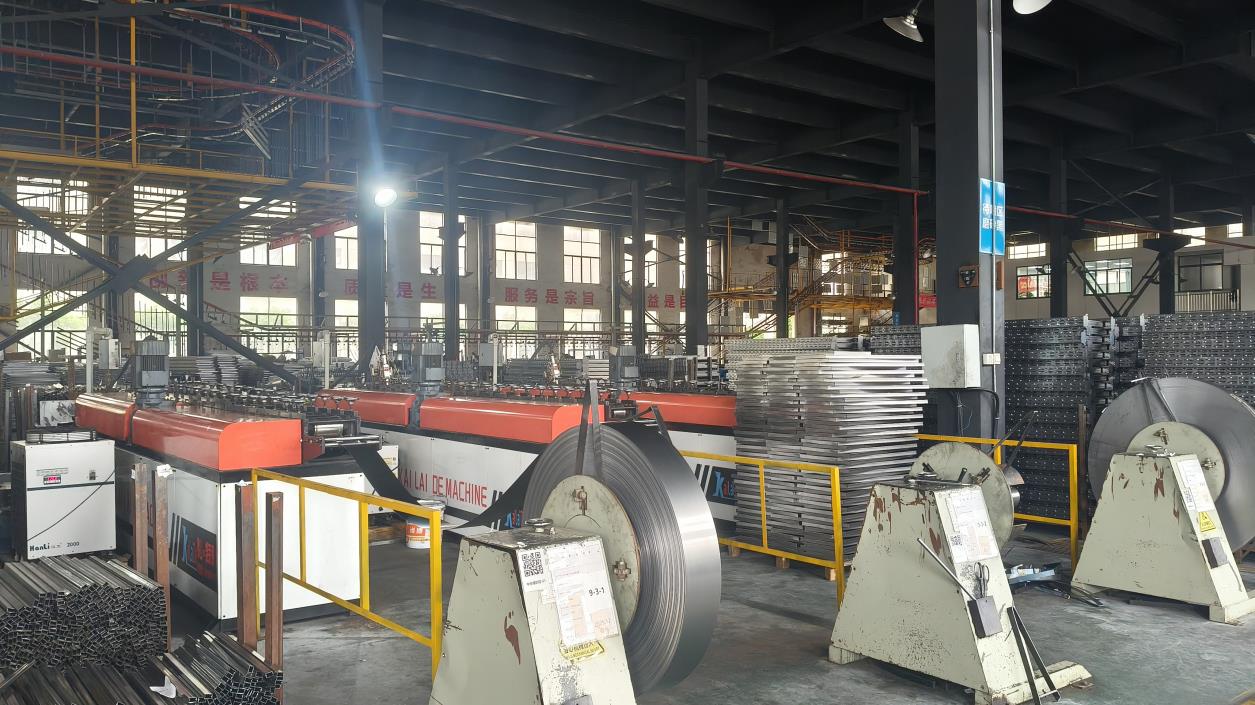
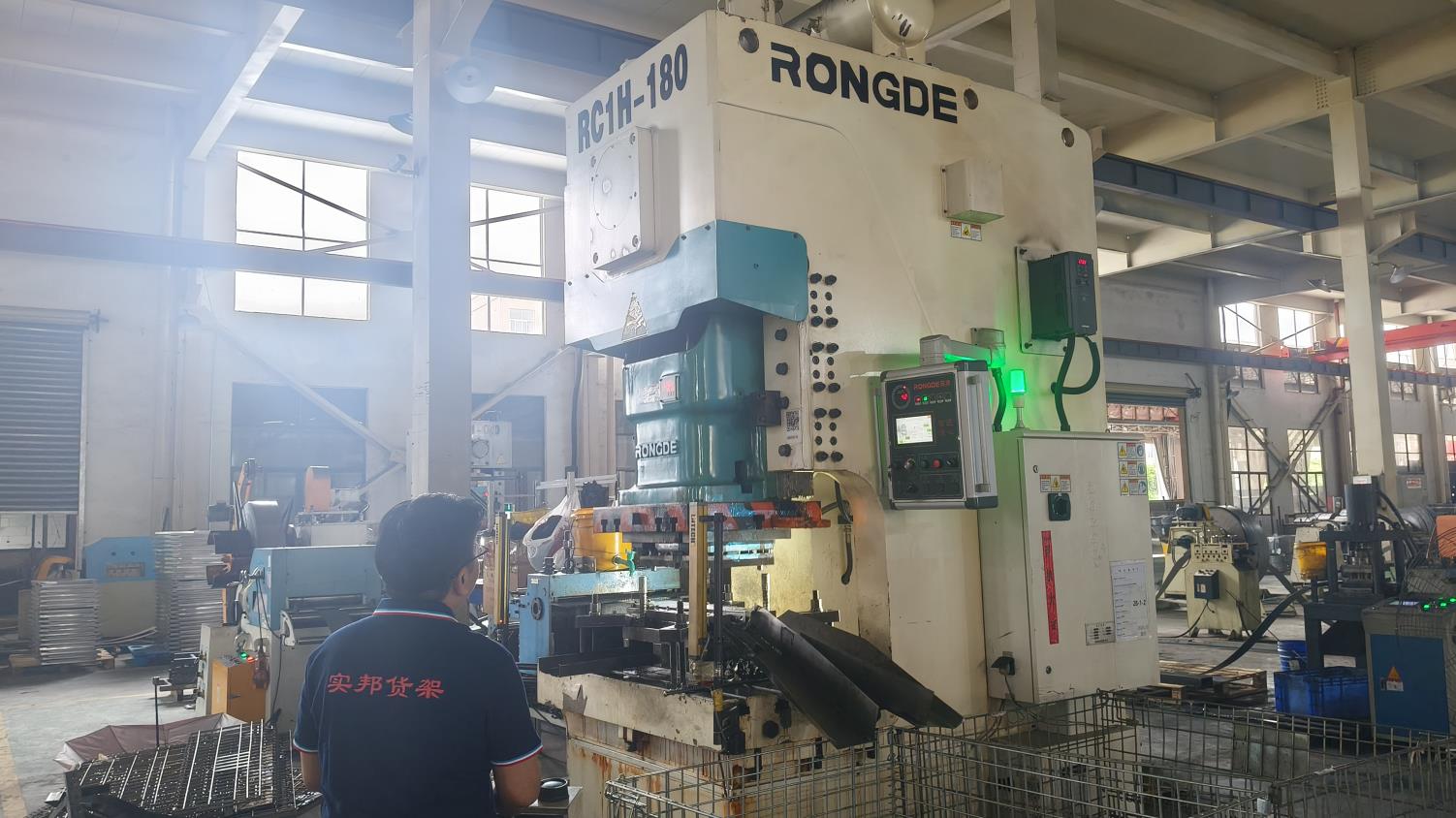
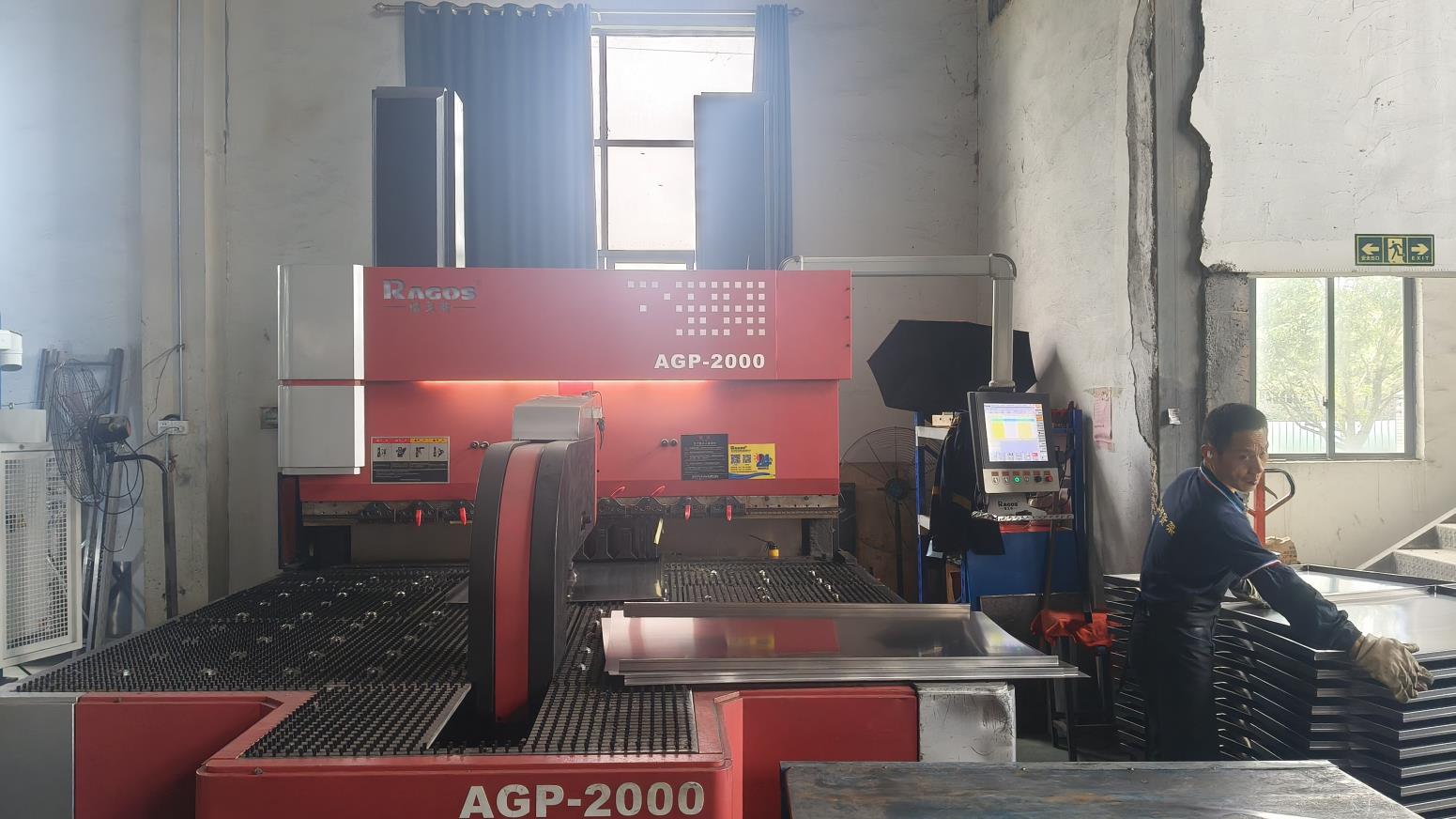
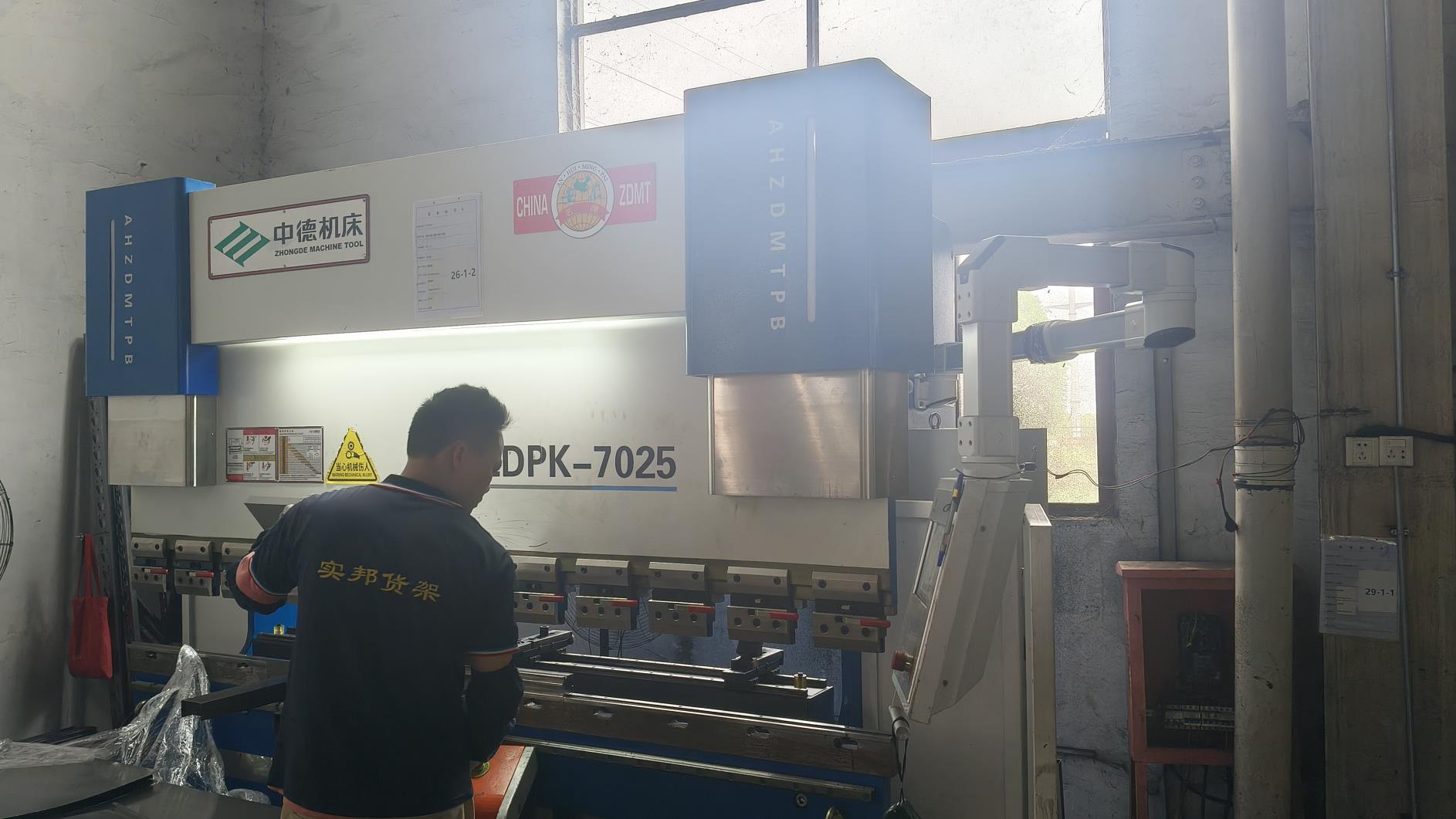
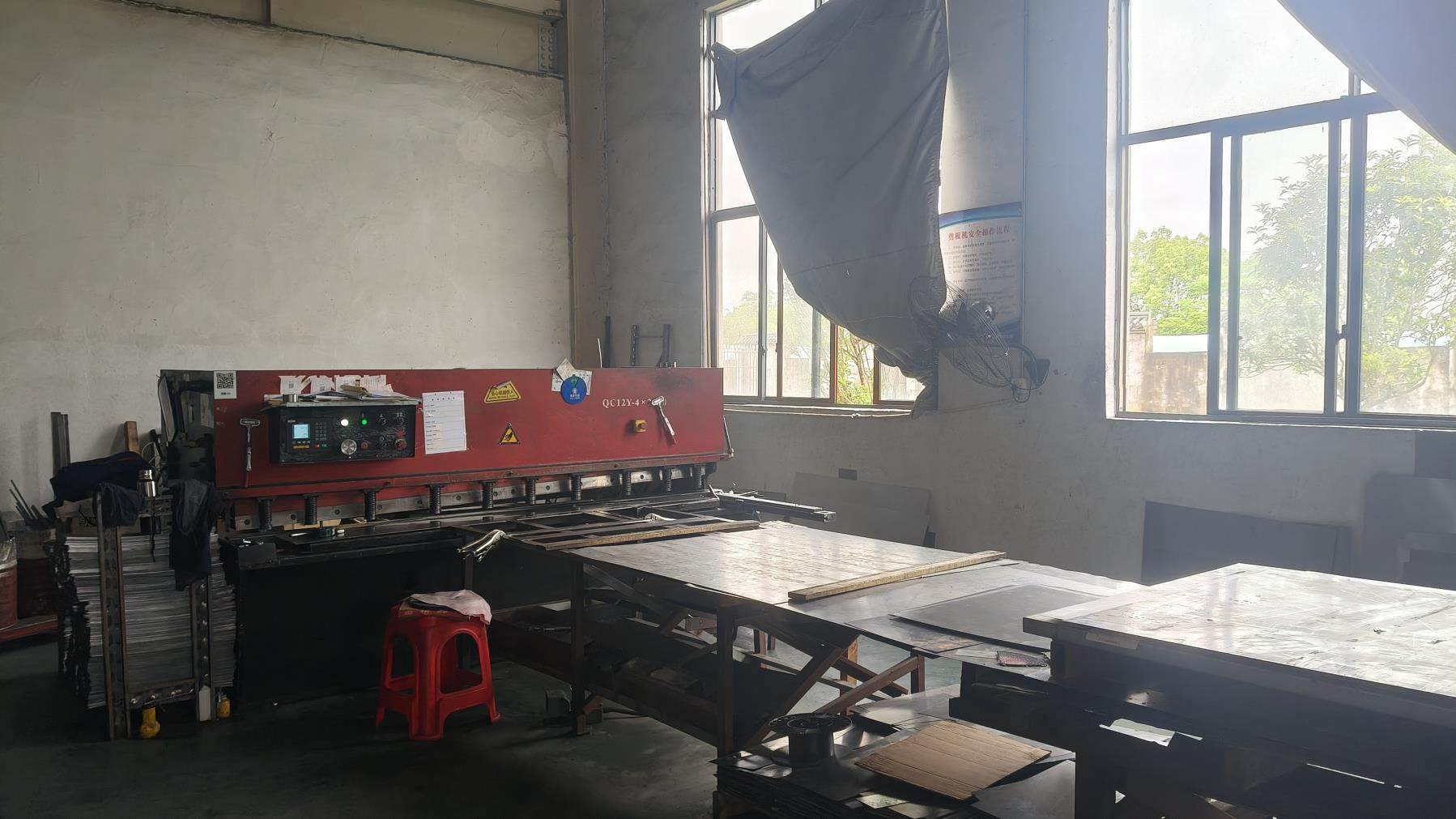
Inside Shibang’s 32,000m² factory floor: High-precision automated forming, bending, and powder-coating systems.
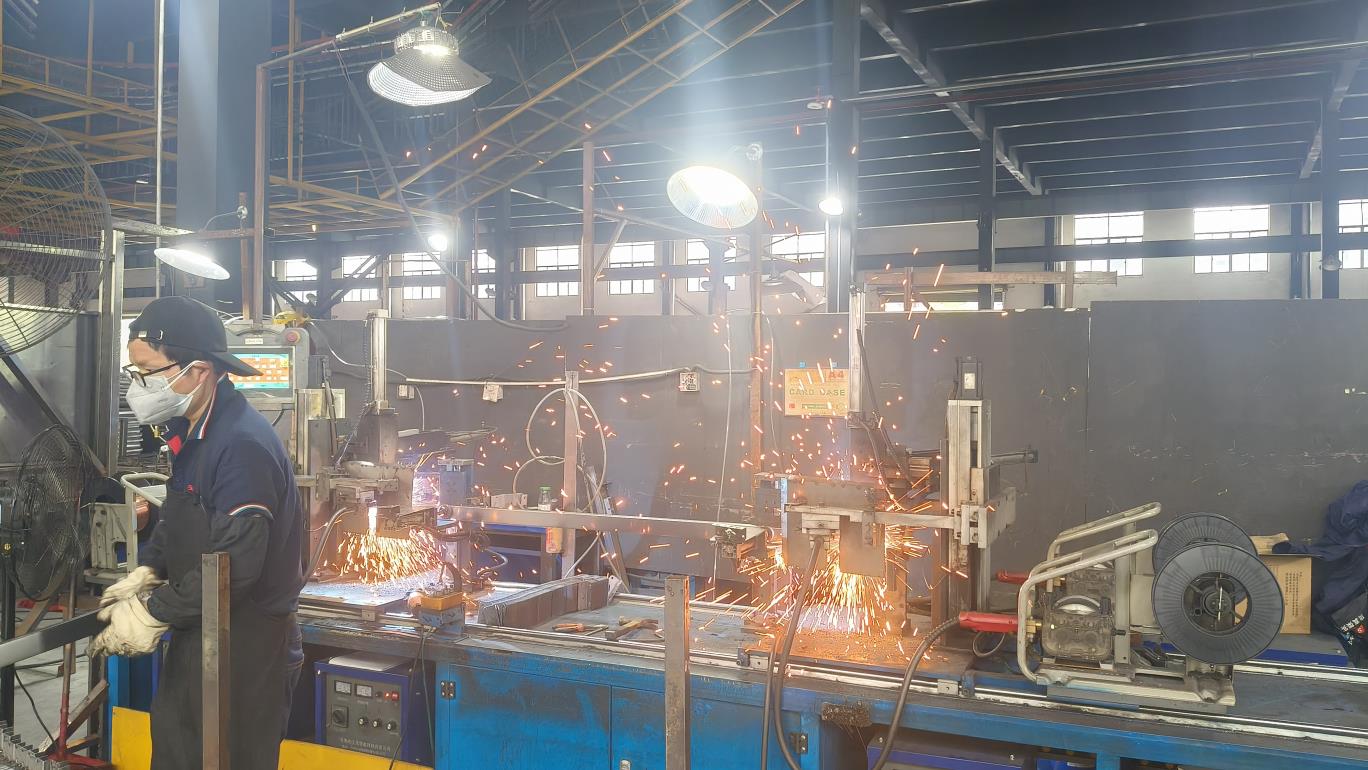
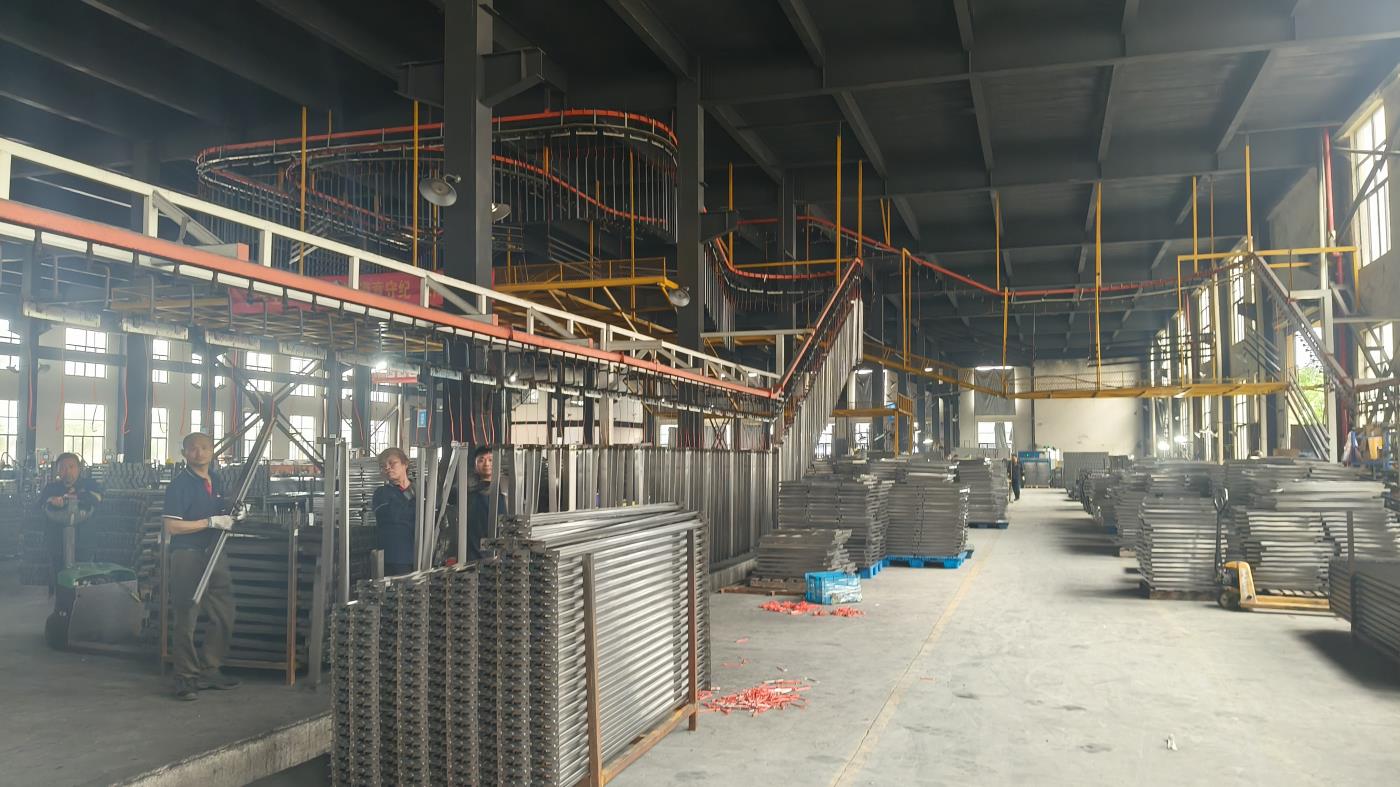
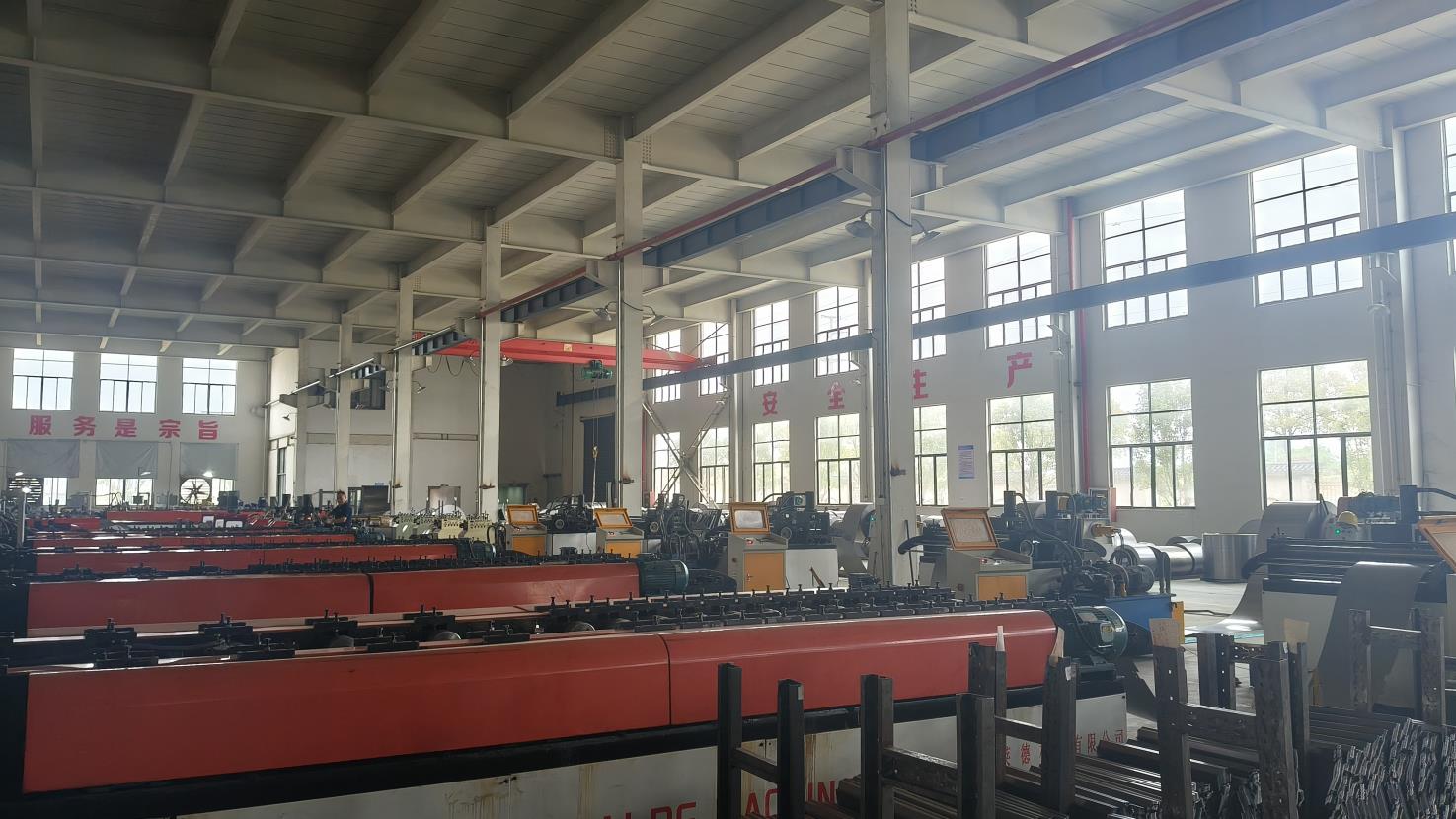
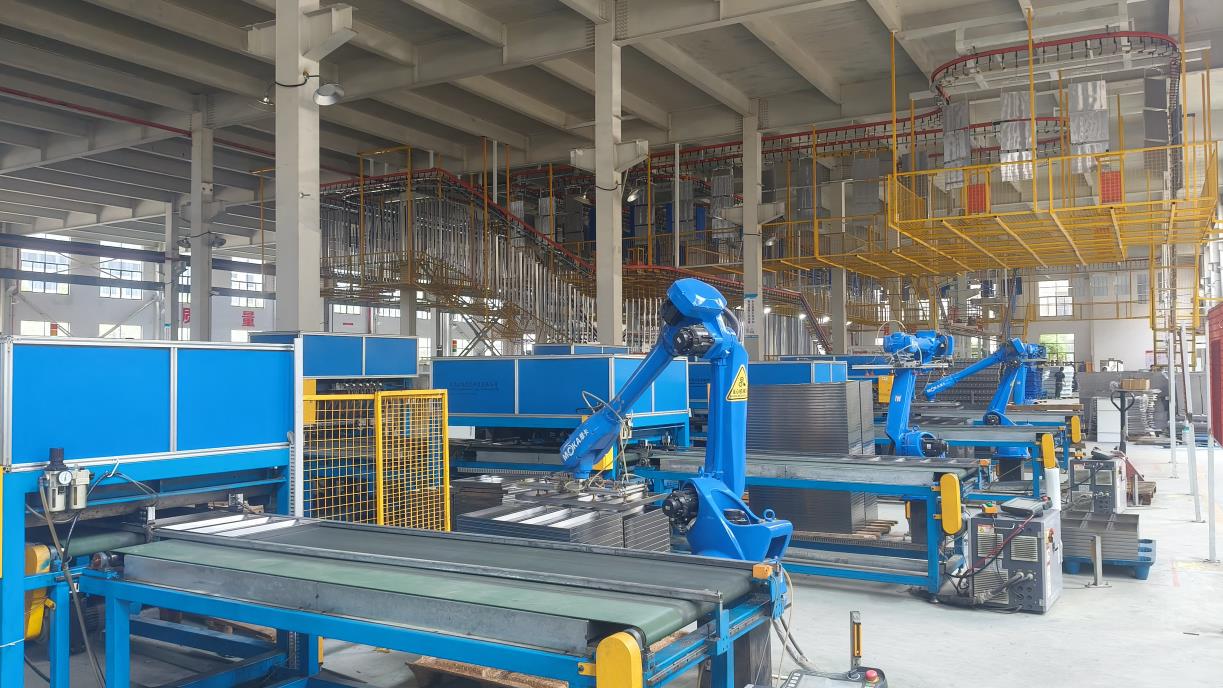
The shift toward cubic-foot optimization, automated integration, and sustainable supply chains.
Modern supply chains face multiple challenges: land is expensive, labor is scarce, and rapid order fulfillment is essential. In response, three distinct trends are reshaping the global storage industry:
Historically, warehouses assessed capacity using square footage. Today, the focus is on cubic volume utilization. Expanding storage vertically is more cost-effective than extending the building footprint. Implementing multi-tier structures, very narrow aisle (VNA) configurations, and high-density pallet systems allows operators to increase storage capacity by up to 60% within the same physical footprint.
Static layouts struggle to adapt to modern product variety. E-commerce and third-party logistics (3PL) providers require modular storage systems that adjust quickly to seasonal changes in SKU sizes. Boltless, adjustable, and hybrid shelving allow operators to reconfigure height intervals rapidly, maintaining space efficiency as inventory profiles shift.
The growth of Automated Storage and Retrieval Systems (ASRS) has changed racking design requirements. Modern racking must meet strict dimensional tolerances to allow automated cranes, AGVs, and shuttles to navigate securely. Materials must withstand continuous dynamic forces, making structural consistency and exact manufacturing tolerances critical.
Essential factors for industrial buyers, procurement officers, and warehouse safety directors.
Procuring warehouse racking involves key safety, operational, and financial considerations. Professional procurement teams evaluate several factors to ensure reliability and lower total cost of ownership:
How Shibang’s R&D department is driving innovation, material efficiency, and structural safety.
Technical answers to help buyers evaluate structural capacities, customizations, and standards compliance.
Flexible, boltless, and heavy-duty designs optimized for manufacturing, logistics, and retail spaces.
 Shibang Rack