High-durability structures engineered to withstand continental thermal fluctuations and severe load conditions across Tashkent, Navoi, and Samarkand logistics nodes.
An in-depth whitepaper on the integration of modern palletization systems within Central Asia's fastest-growing logistics corridor.
As the primary economic crossroads of Central Asia, Uzbekistan is undergoing a monumental infrastructural shift. Driven by initiatives like the Tashkent Logistics Hub expansion, the growth of the Navoi Free Economic Zone (FEZ), and the development of the strategic China-Kyrgyzstan-Uzbekistan (CKU) railway corridor, the demand for standardized, heavy-duty material handling equipment has surged. In modern logistics, the pallet is no longer a simple platform; it is the fundamental component that determines supply chain velocity, safety, and operational capacity.
Historically, wooden pallets dominated local supply chains. However, the arid, continental climate of Uzbekistan—where temperatures fluctuate from over 45°C in the summer to below -20°C in the winter—presents structural challenges for wood, leading to splitting, fungal contamination, and dimensional instability. Modern warehouse operations in Tashkent, Samarkand, and Bukhara are increasingly transitioning to engineering-grade plastic pallets and heavy-duty steel systems. This shift ensures high compatibility with Automated Storage and Retrieval Systems (ASRS) and optimizes bulk product storage for agricultural exports, automotive parts manufacturing, and pharmaceutical distribution networks.
Material science is critical when selecting pallet solutions for Central Asian warehouses. Low-density polymers tend to degrade under extreme heat, while standard plastics become brittle under freezing conditions. Our High-Density Polyethylene (HDPE) pallets are formulated with specialized UV stabilizers and impact-resistant copolymer additives. This chemical optimization guarantees structural integrity from -40°C to +60°C. In cold storage facilities dedicated to exporting fresh fruits, vegetables, and frozen poultry from the Fergana Valley, our HDPE pallets maintain their load capacity without cracking or absorbing moisture, ensuring strict compliance with local SPS (Sanitary and Phytosanitary) standards.
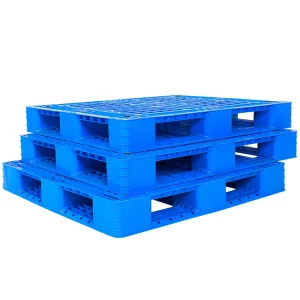
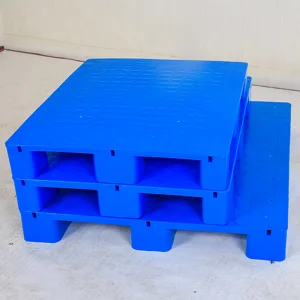
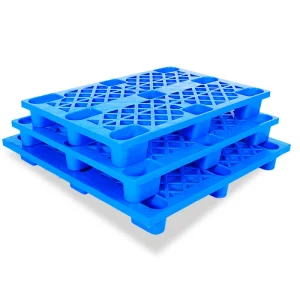
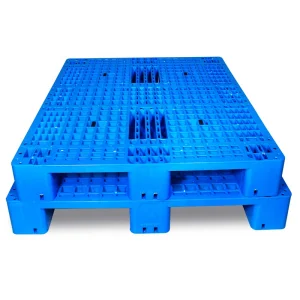
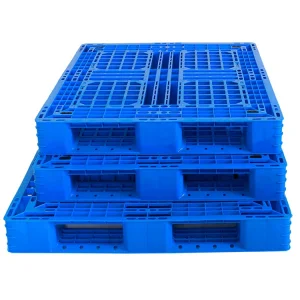
The structural layout of a pallet impacts both its load bearing capabilities and its cleanability. For automated conveyor lines and high-density selective racking systems, three-runner flat deck pallets provide a continuous surface that reduces friction and minimizes point loads. Conversely, grid surface configurations offer lightweight, cost-effective ventilation properties, making them ideal for air cargo processing and general manufacturing warehouse layouts. By understanding specific warehouse racking designs, our structural engineers help Uzbek enterprises choose the correct deck profile to avoid pallet sagging, forklift slippage, and structural failures under heavy static loads.
| Pallet Material Class | Dynamic Load (kg) | Static Load (kg) | Climatic Adaptability | Best Applications in Uzbekistan |
|---|---|---|---|---|
| Virgin HDPE Copolymer | 1,500 - 2,000 | 6,000 | Excellent (-40°C to +60°C) | Pharmaceuticals, Cold Storage, Food Processing |
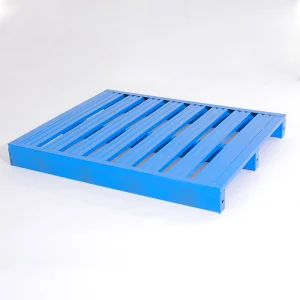
| Q235B Carbon Steel | 2,500 - 3,000 | 10,000 | Superior (No thermal degradation) | Heavy Machinery, Metallurgy, Automotive Parts |
| Recycled Compound Plastic | 1,000 - 1,200 | 4,000 | Moderate (0°C to +40°C) | One-way Export Shipments, Light Manufacturing |
Leveraging 12 years of structural engineering expertise and a robust industrial capacity to supply heavy-duty racking and pallet systems globally.
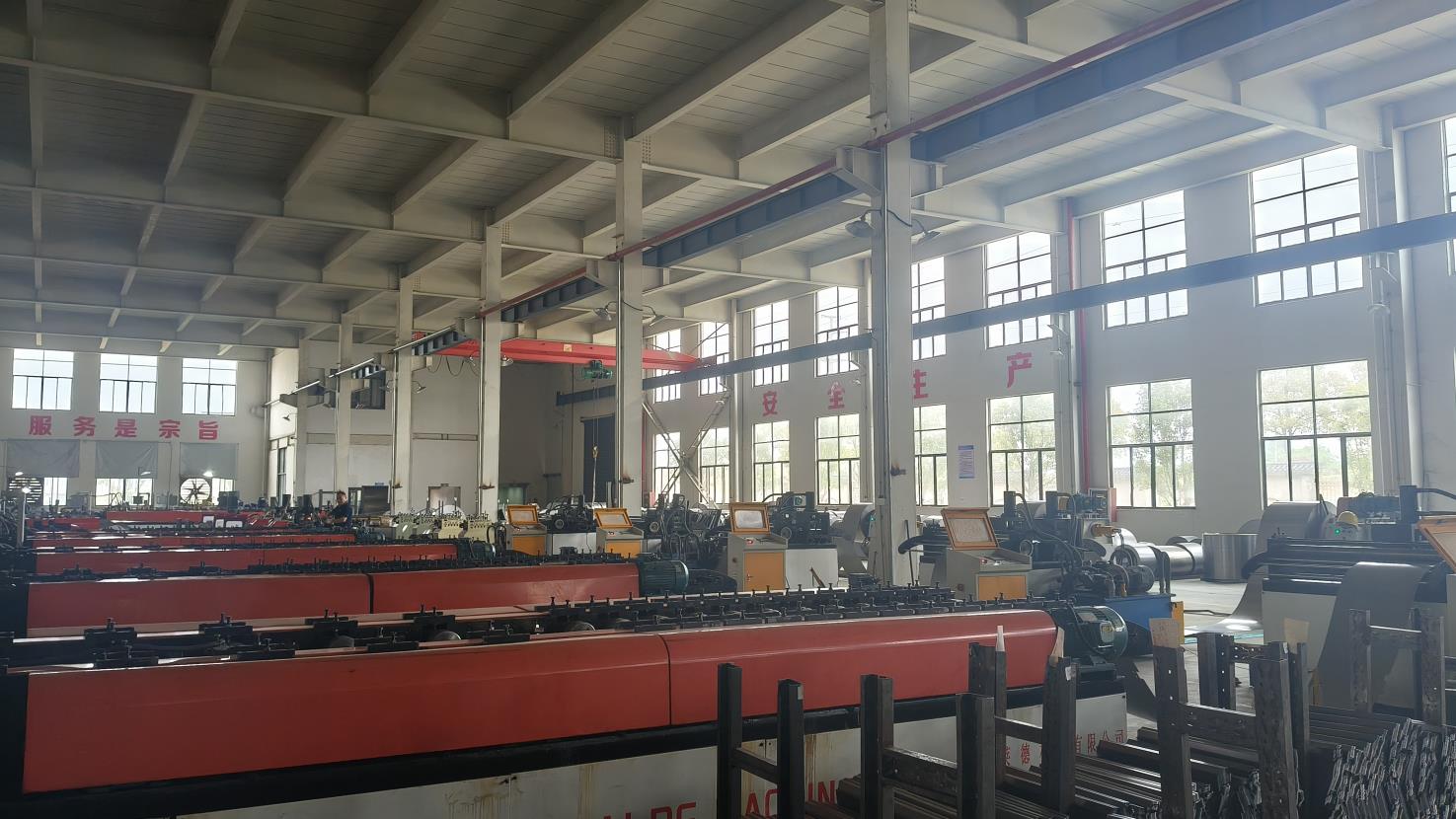
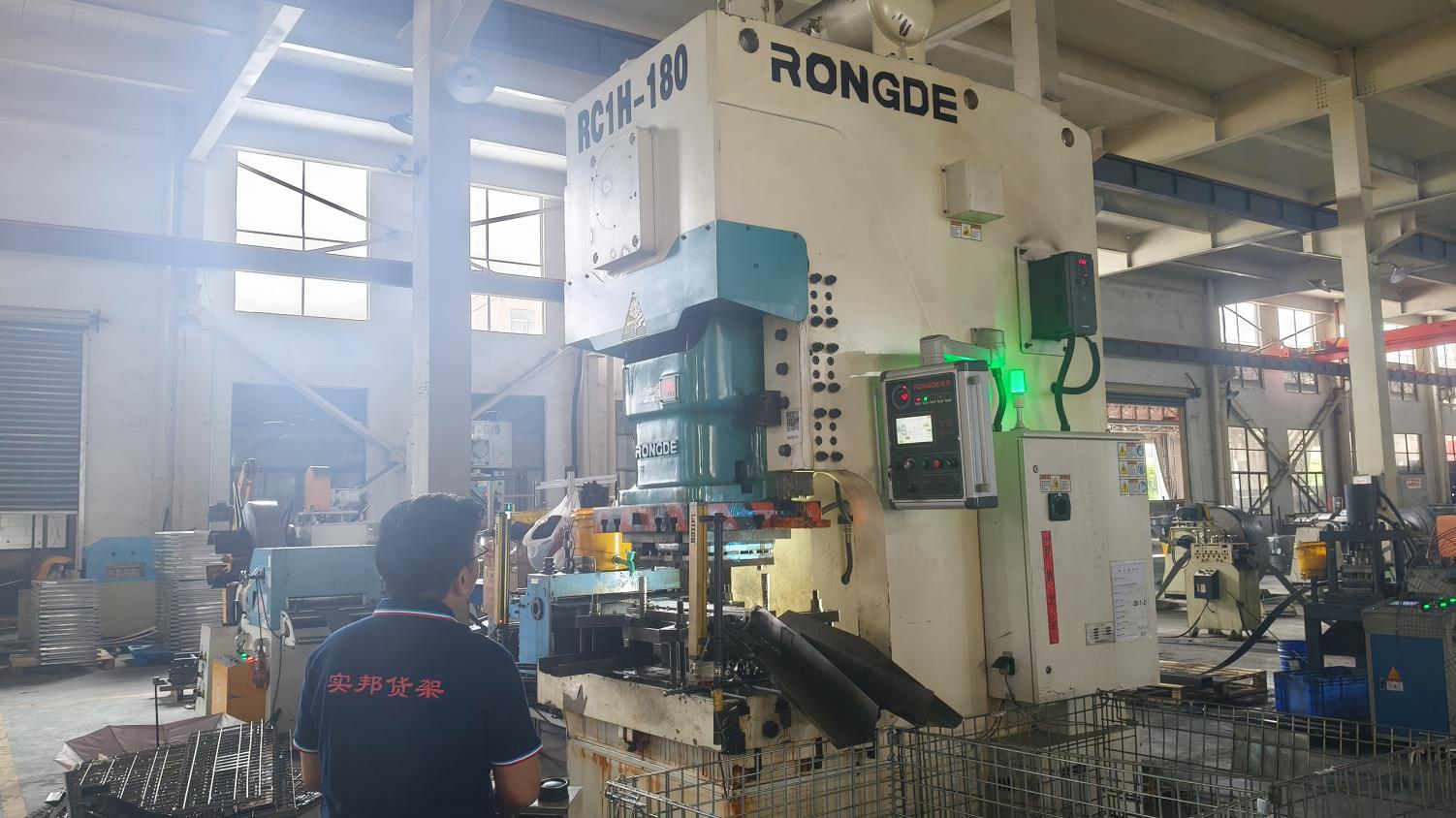
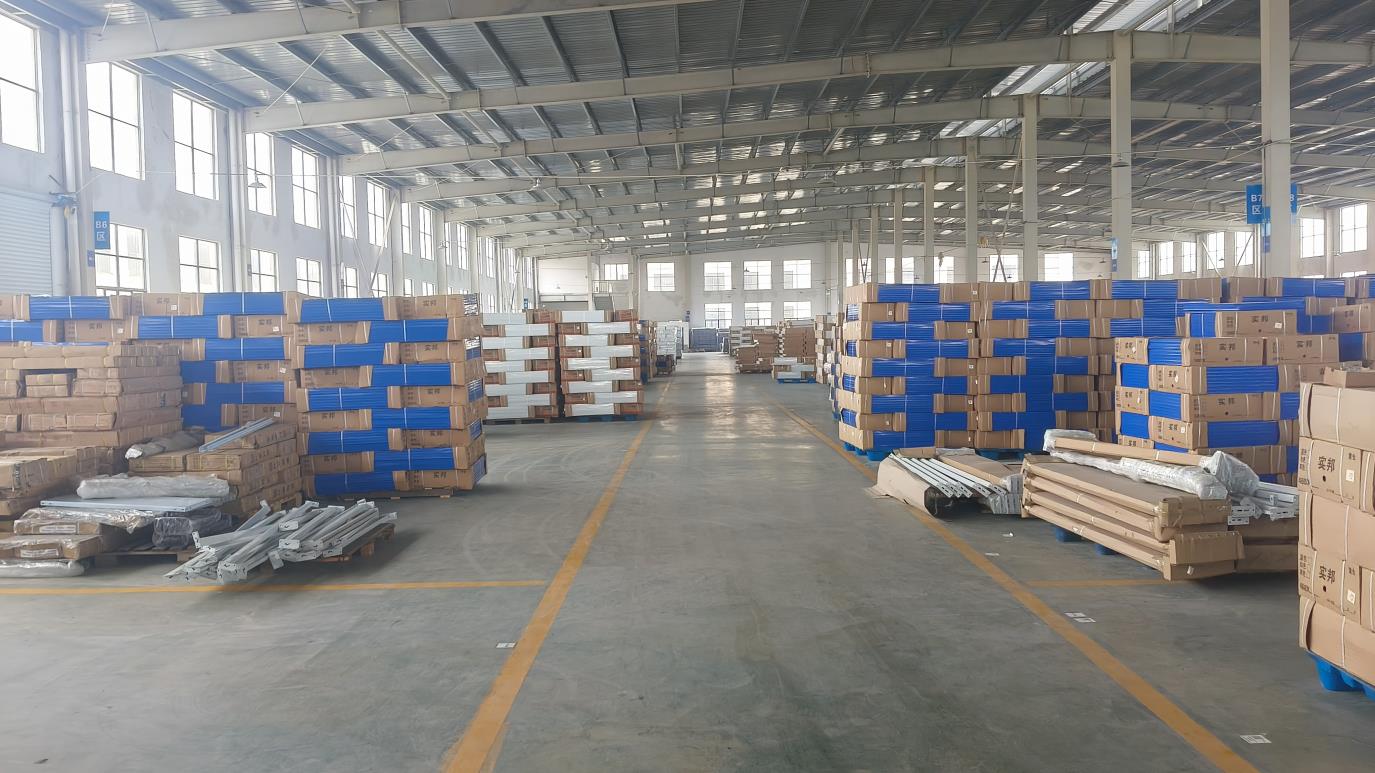
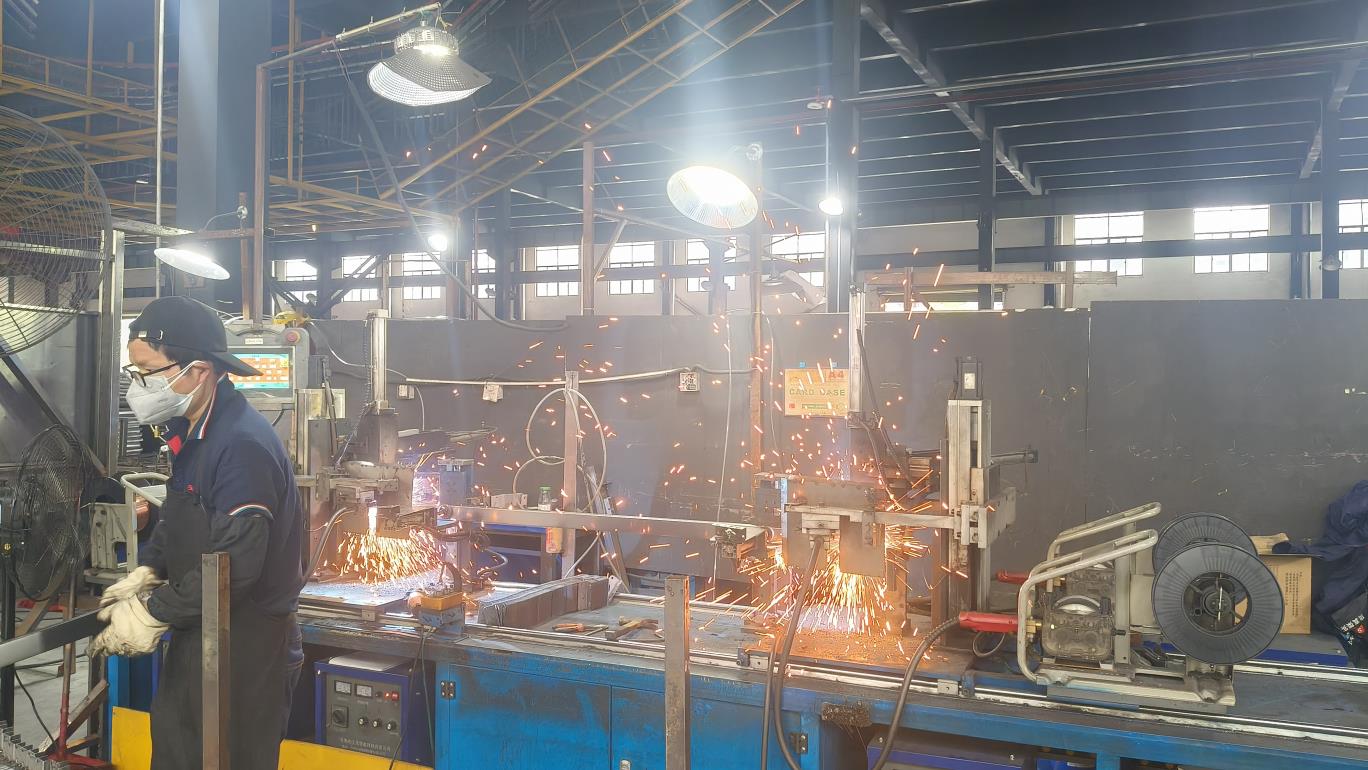
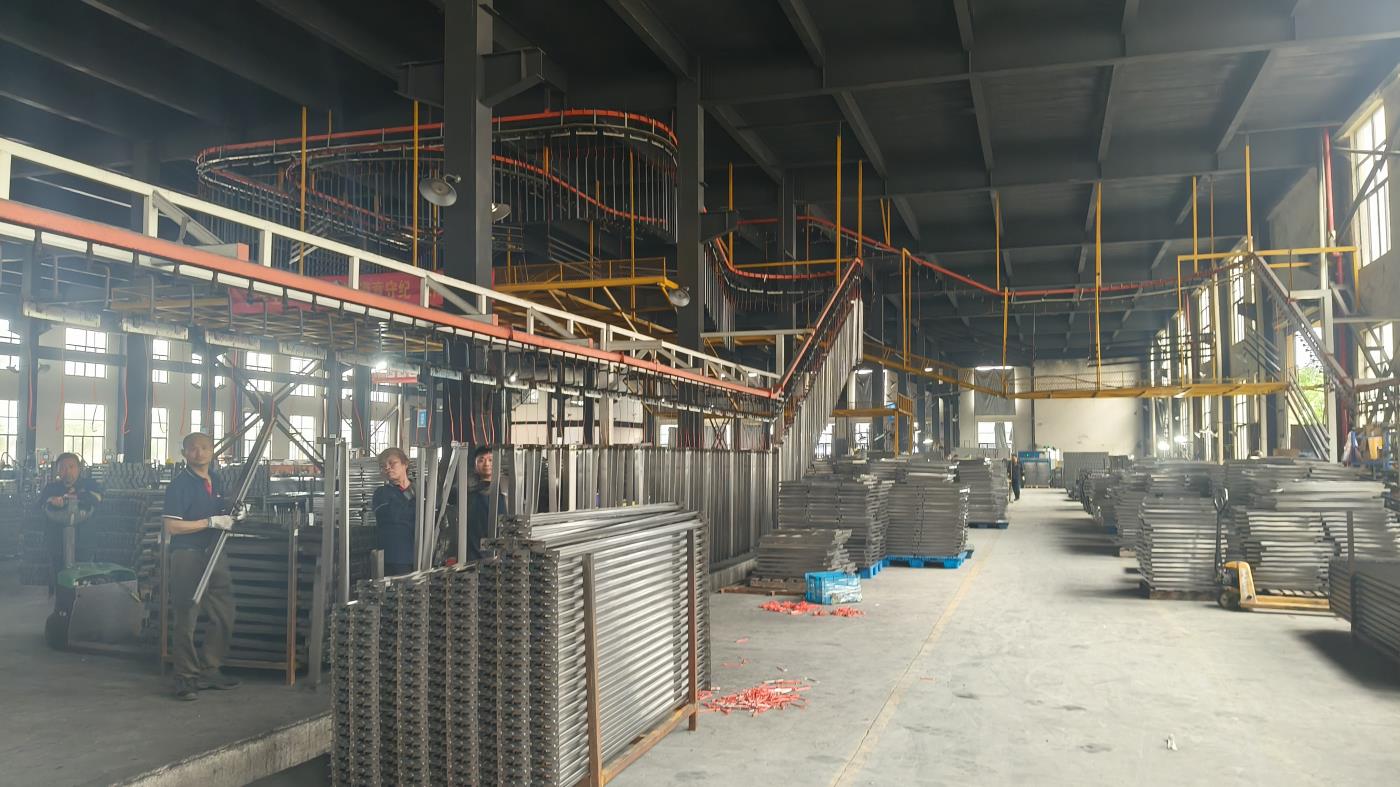
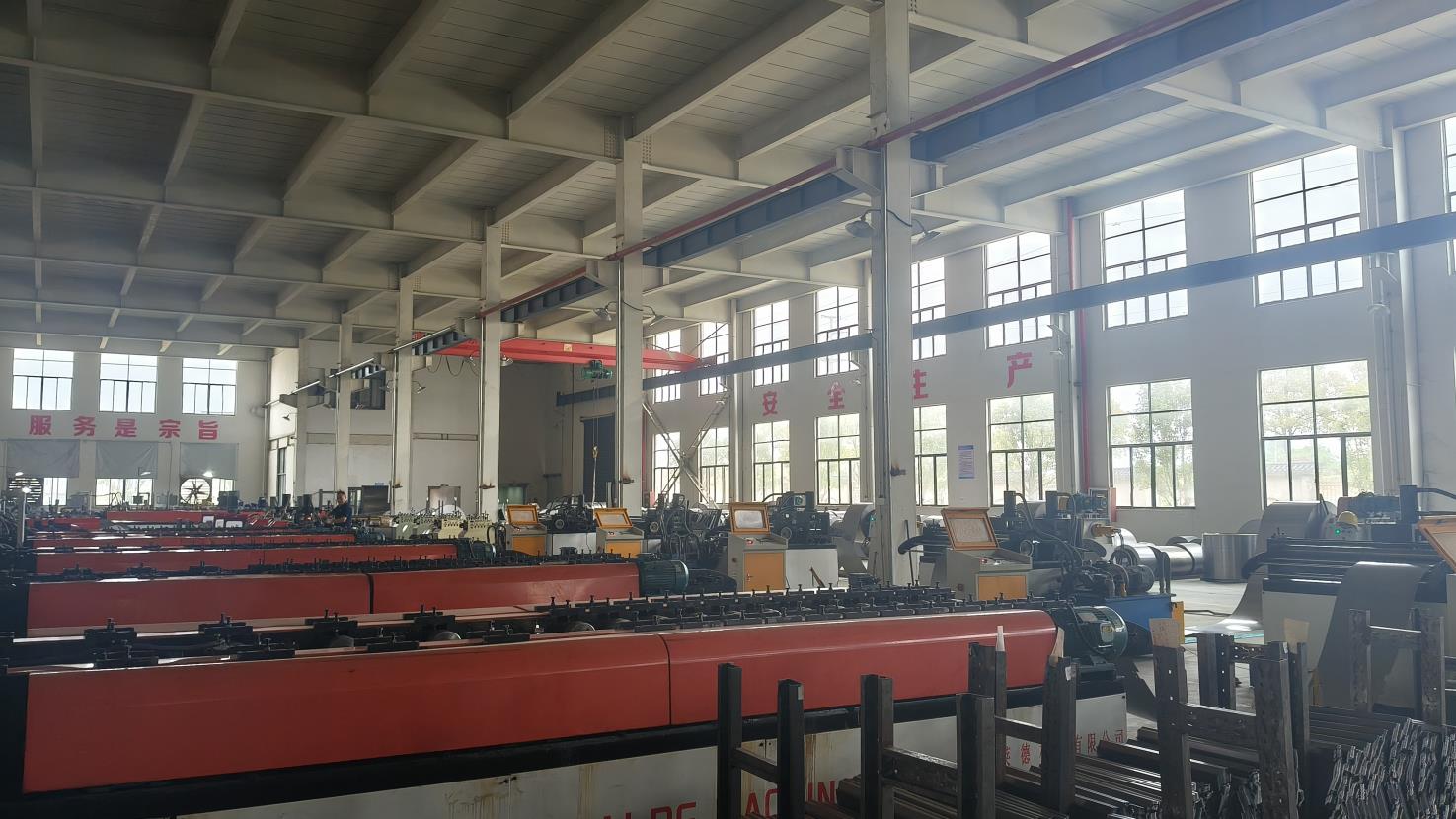
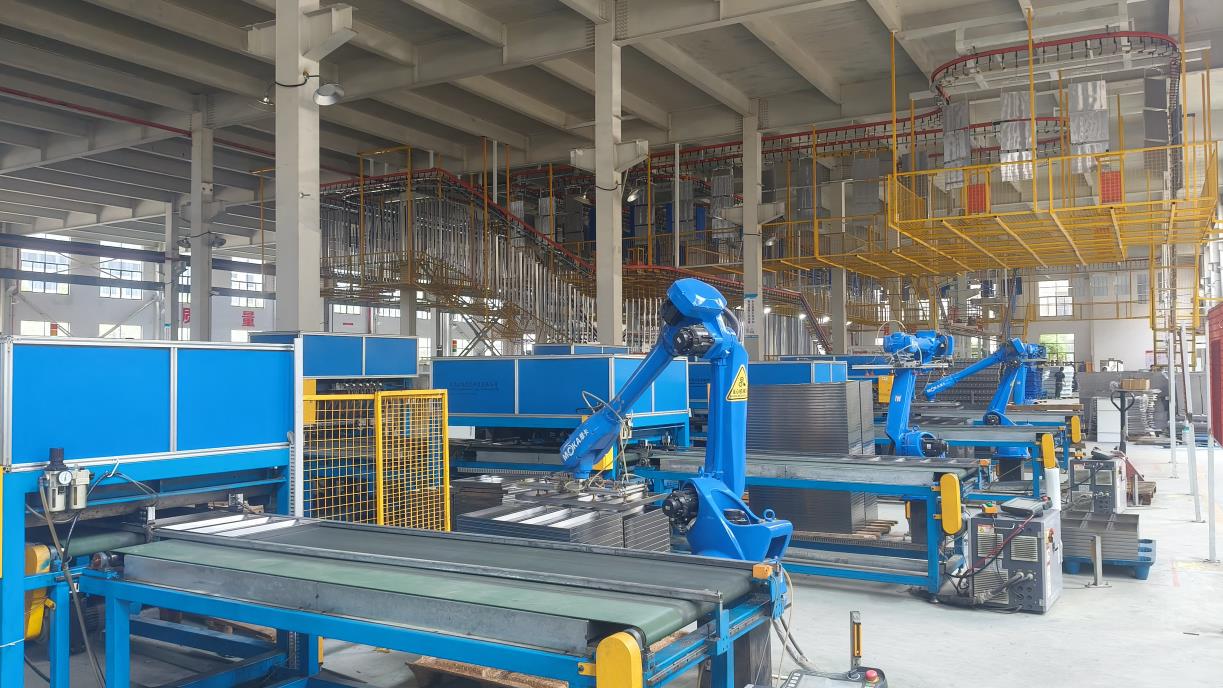
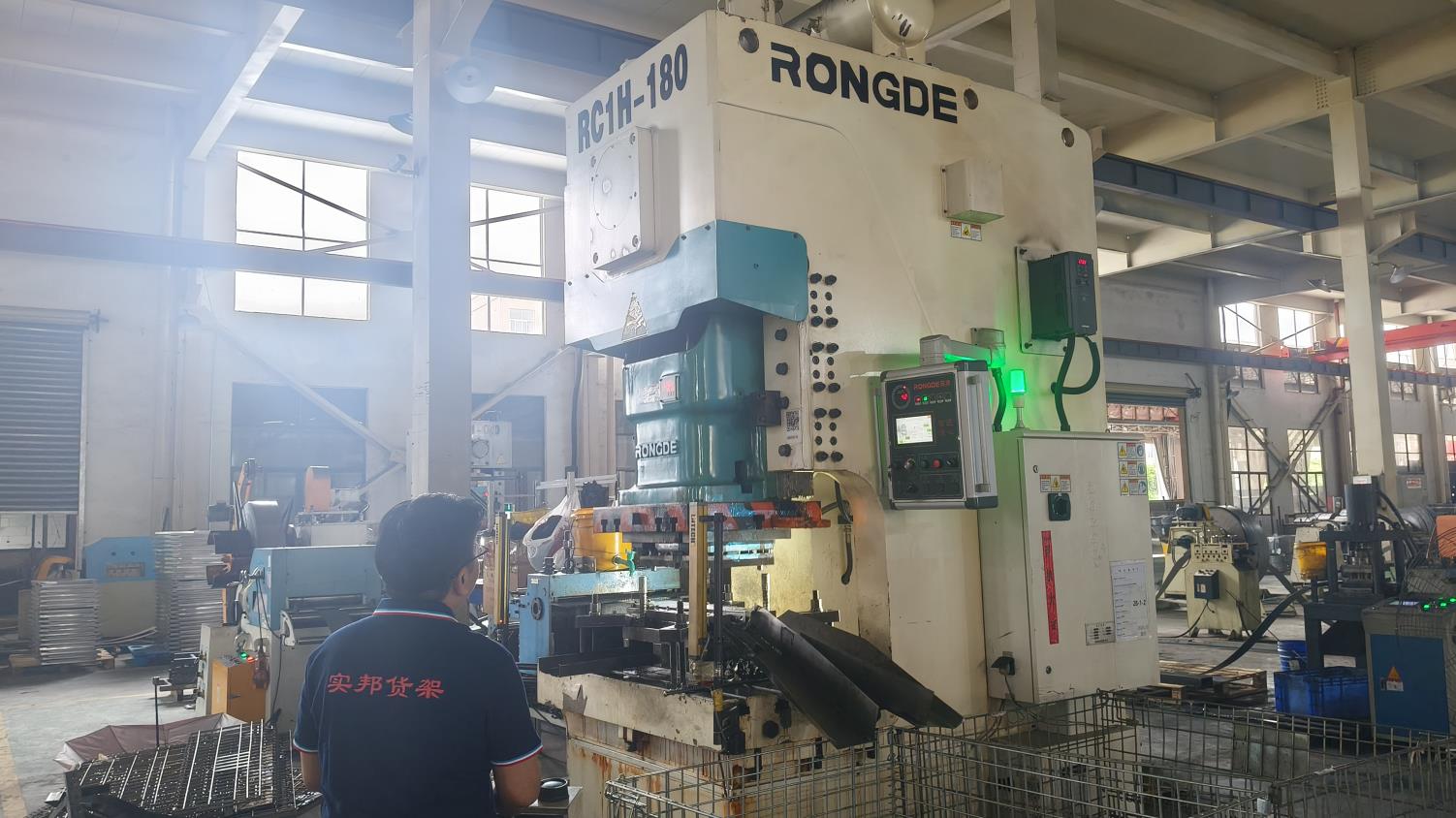
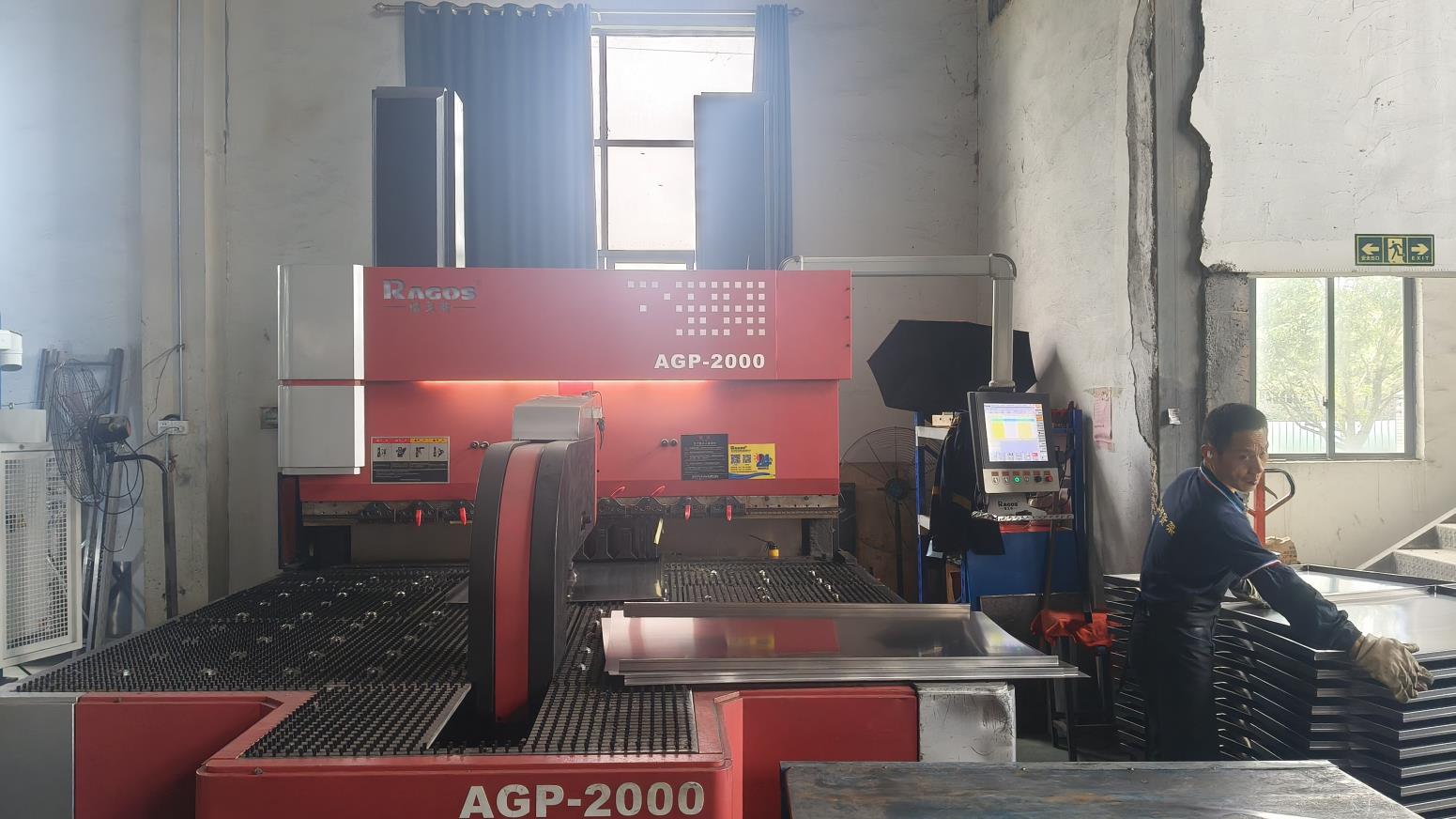
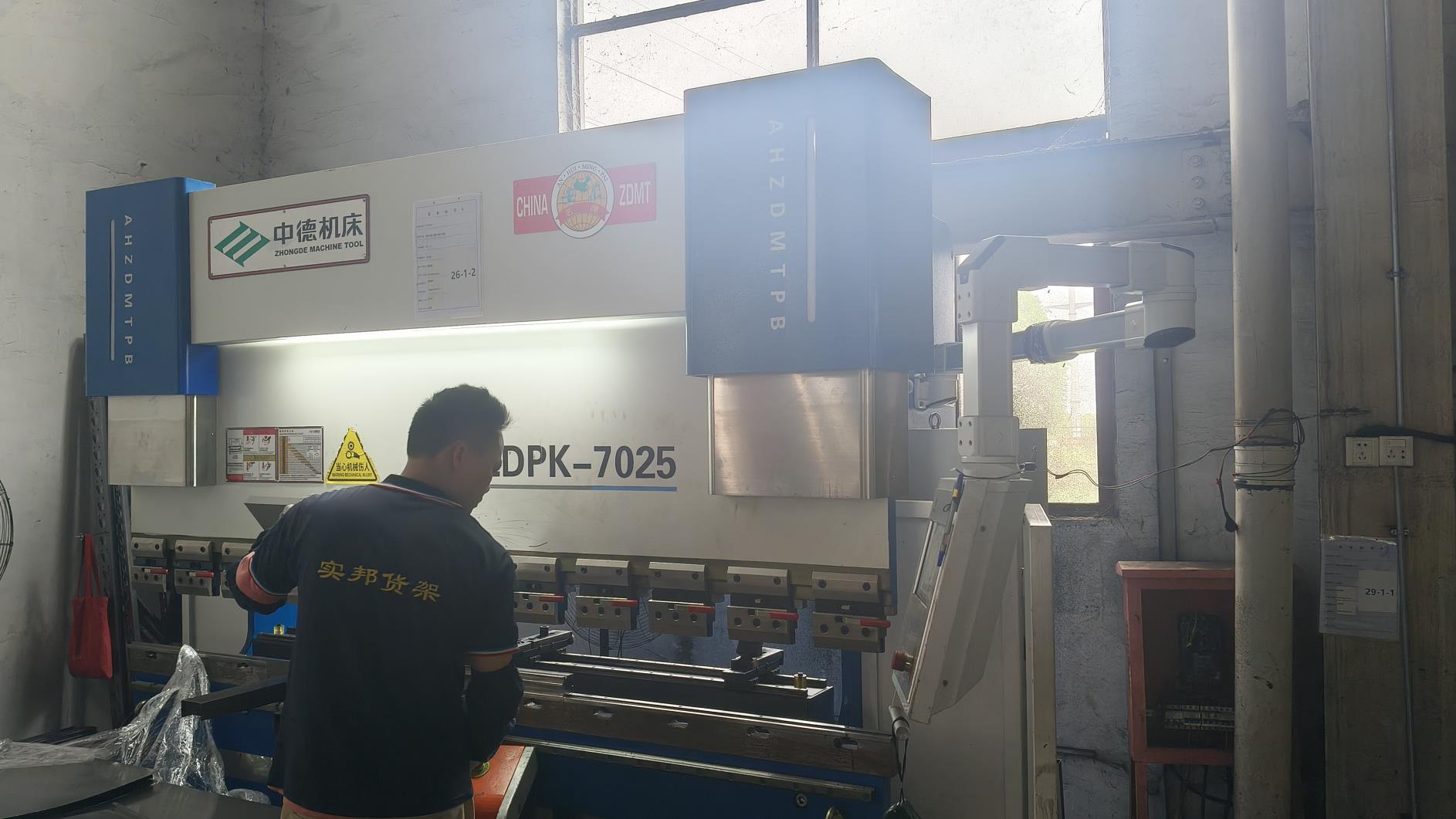
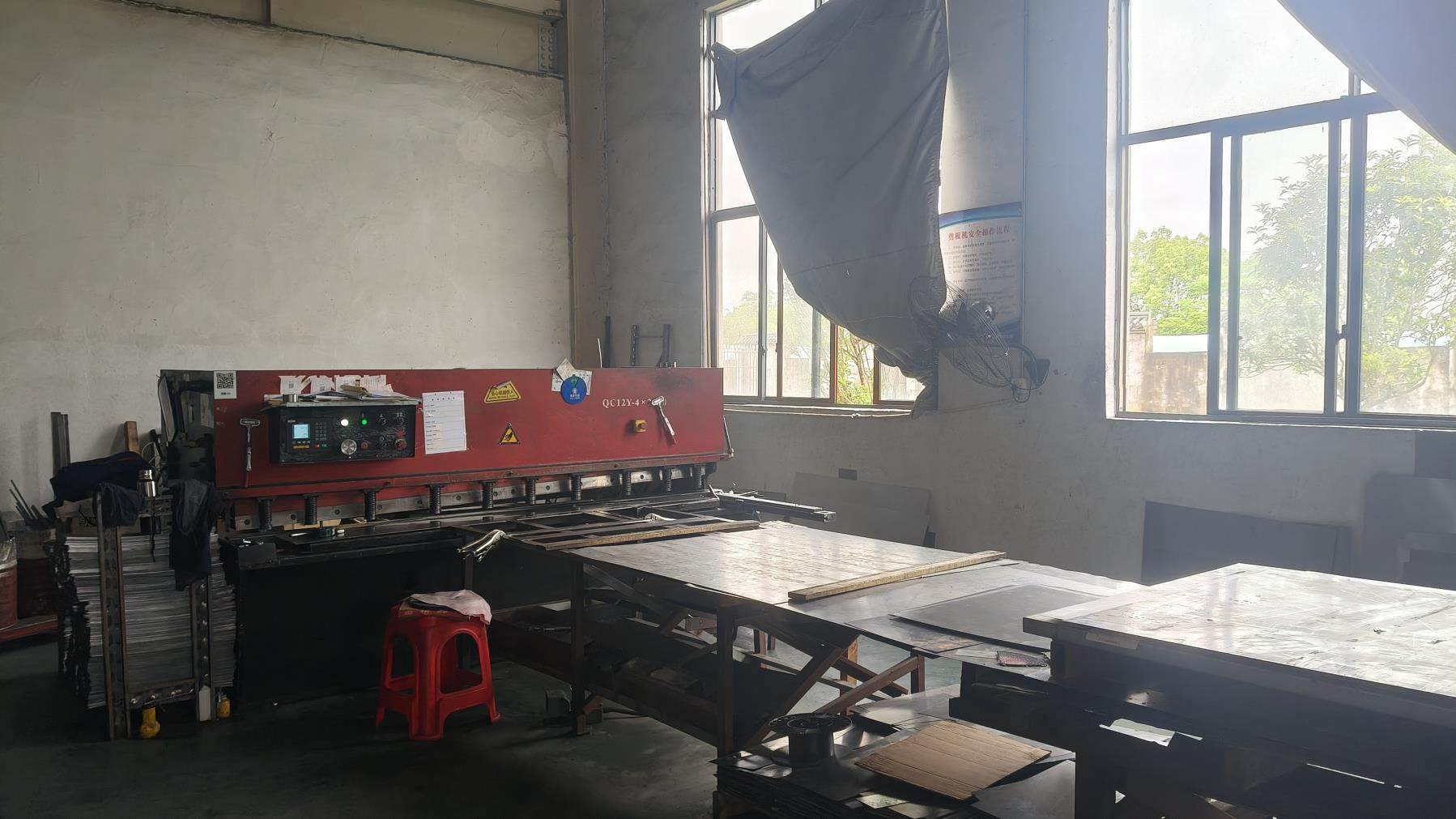
Established in 2016, Ningbo Shibang Storage Rack Co., Ltd. is a leading enterprise specializing in the design, manufacture, and global distribution of heavy-duty industrial warehouse racking systems and pallet solutions. Spanning a modern manufacturing facility of 32,000 m², our company has accumulated 12 years of industry experience and 8 years of direct export expertise, serving global clients with total annual export revenue reaching $18 million.
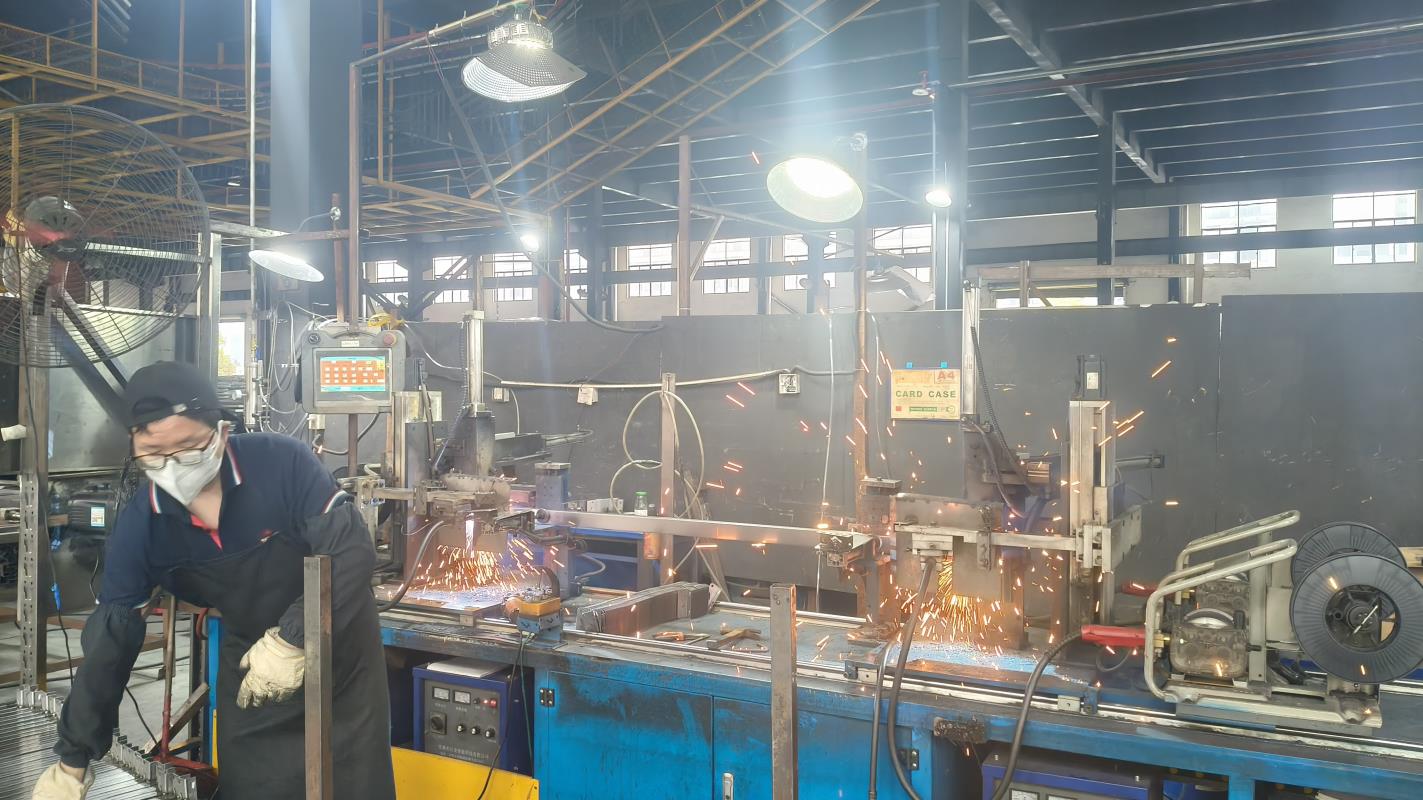
Quality and structural integrity are at the core of our manufacturing philosophy. Backed by a dedicated quality control team of 35 QA/QC inspectors, we implement rigorous multi-stage quality assurance processes, including Ultrasonic Testing (UT) for weld seams, load-bearing stress analysis, coating thickness verification, and raw material tensile testing.
Operating with a robust international trade setup, our primary markets cover North America, Western Europe, Southeast Asia, and Australia. To maintain efficient production cycles and reliable raw material supply, we partner with over 850 supply chain vendors. Our diverse client portfolio spans 3PL logistics providers, automated distribution centers, retail mega-warehouses, and heavy manufacturing facilities.
Innovation drives our growth. Our in-house R&D department boasts 22 experienced structural and mechanical engineers. Through strong technical capability and advanced OEM/ODM versatility, we offer extensive customization options, including tailored load capacities, custom powder-coating colors, seismically engineered beam profiles, and modular height configurations. Demonstrating our commitment to evolving market needs, we launched 140 new products and optimized structural components over the past year alone.
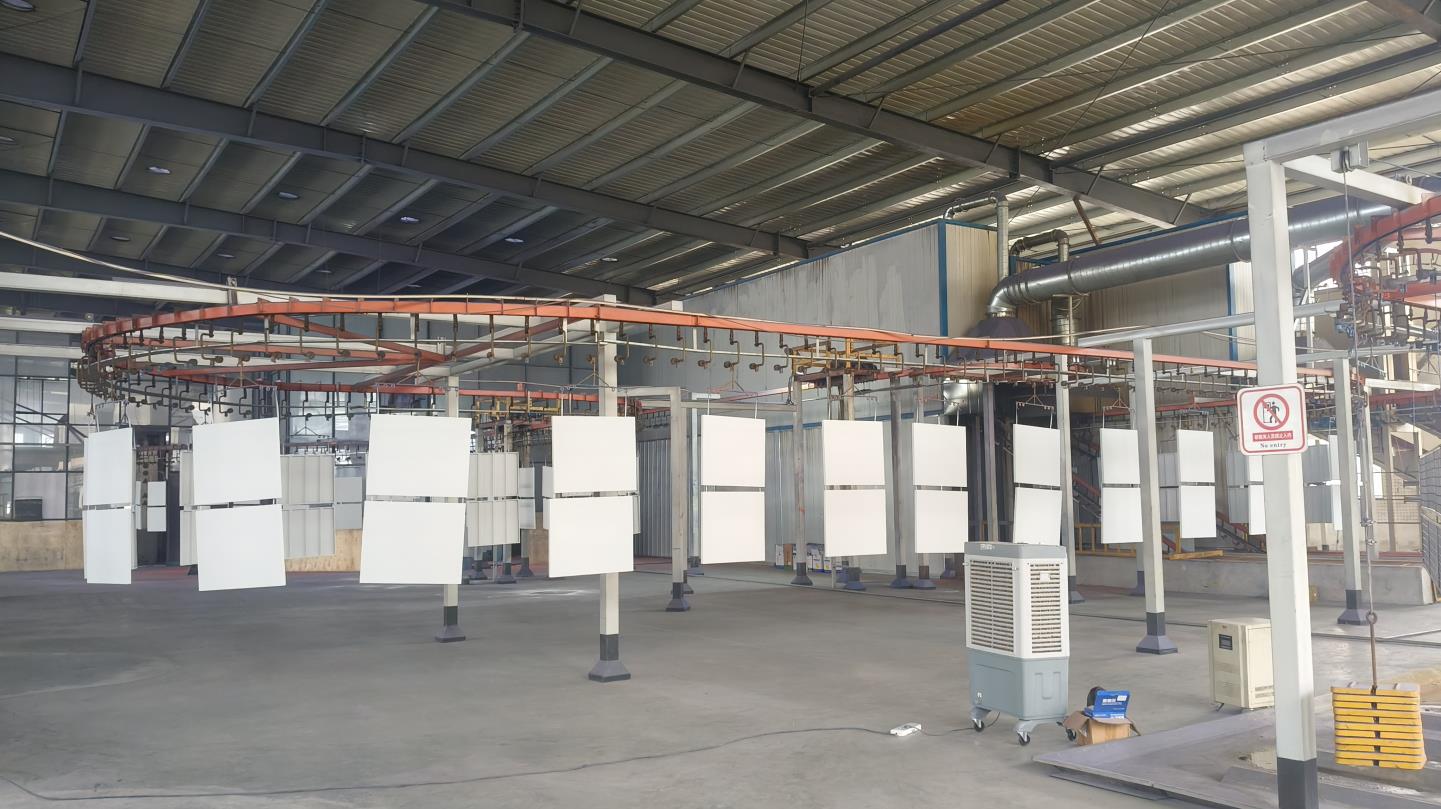
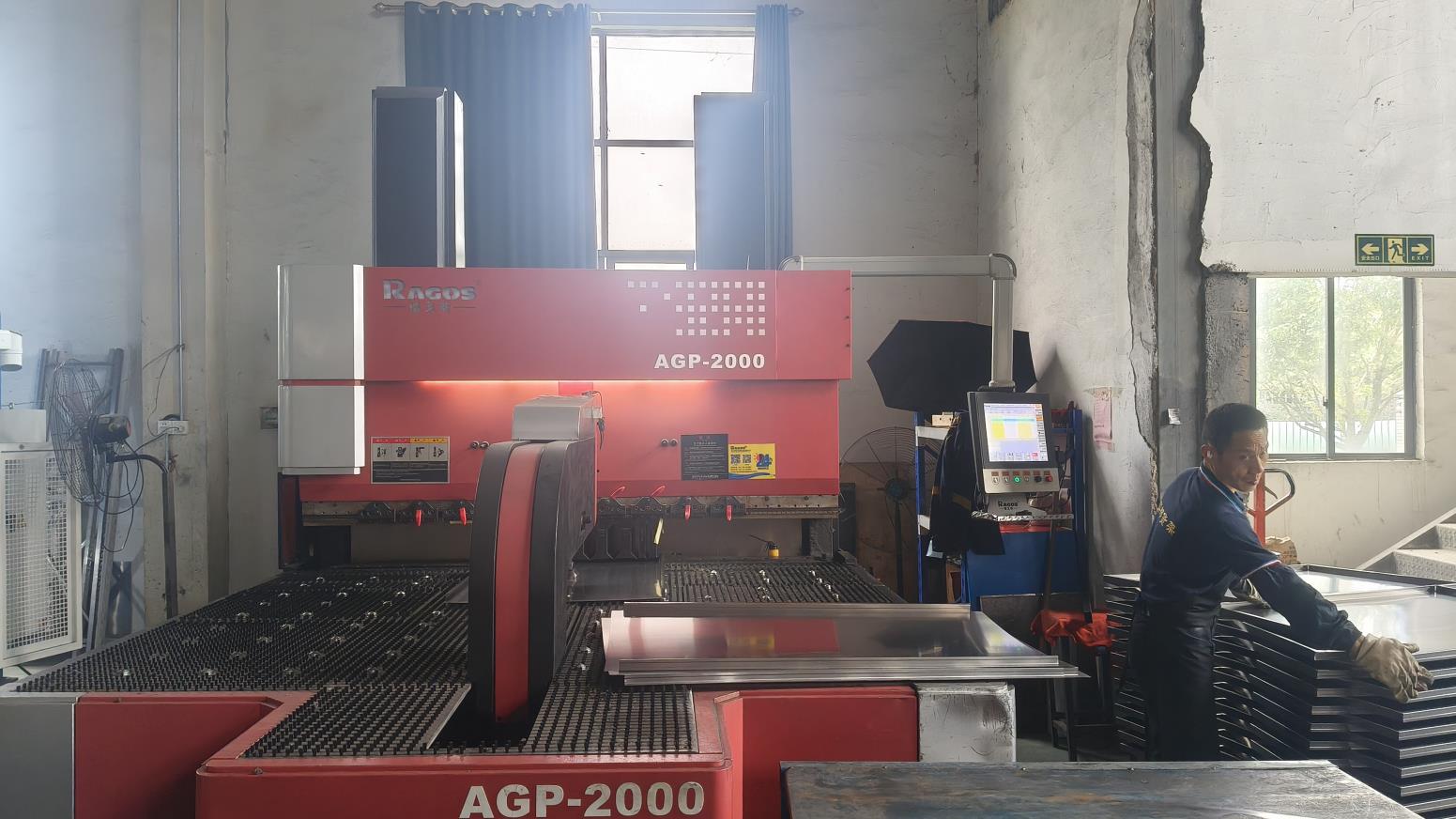
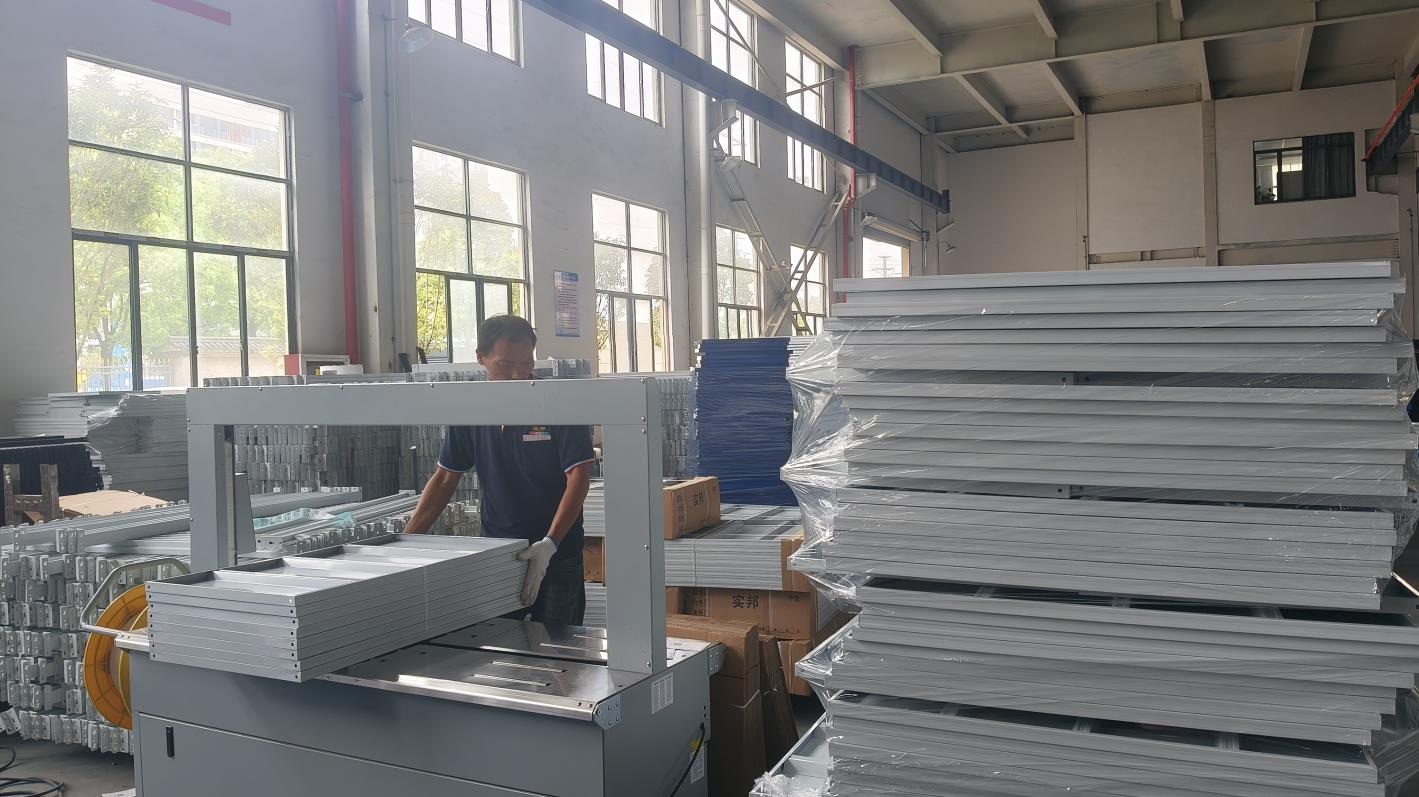
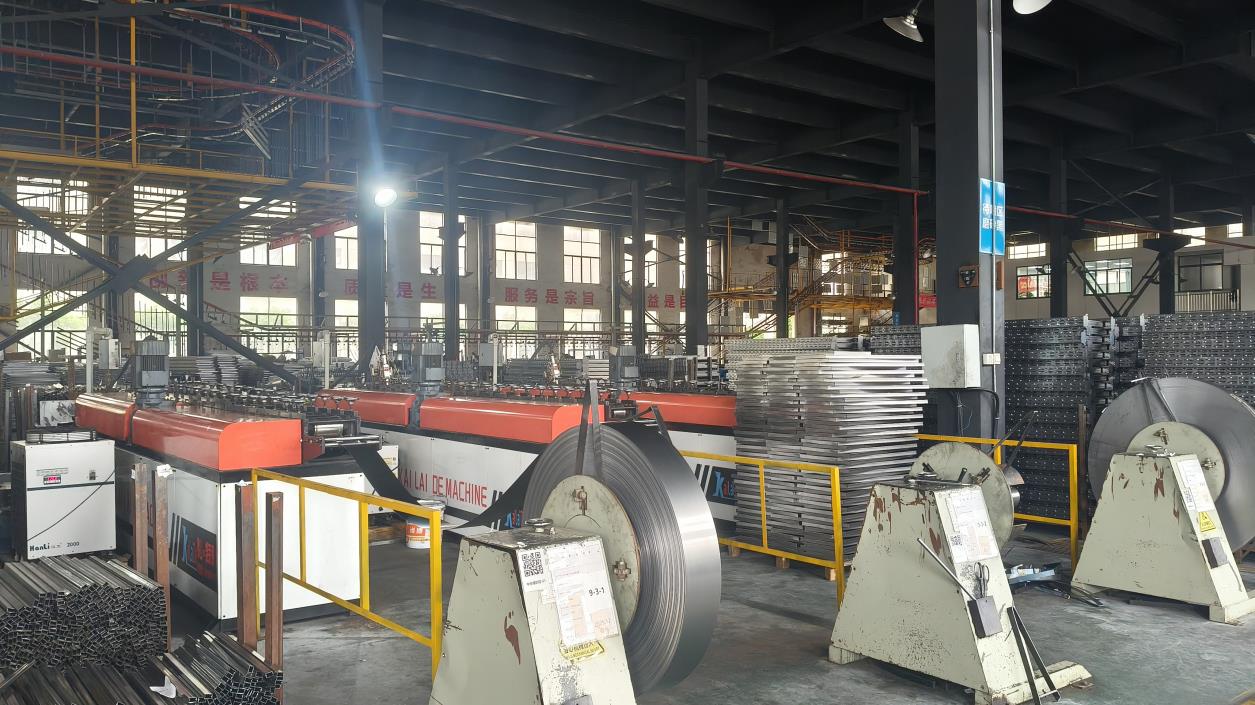
Every step of our process—from cold forming to automated bending and protective coating—is strictly monitored to ensure compliance with CE and ISO standards.
Exploring advancements in sensor-integrated smart pallets, carbon-neutral polymers, and automated racking interfaces.
As logistics operations scale in Uzbekistan, efficiency requires technological integration. The next phase of warehousing evolution relies on real-time data and material handling automation. The shift toward high-performance polymers and steel pallets provides the foundation for several upcoming technological adoptions:
Modern supply chains require end-to-end visibility. By embedding passive RFID chips or active IoT transponders directly into the molded recesses of plastic pallets, businesses in Uzbekistan can automatically track shipments across borders. Whether transit goods pass through Kazakhstan or enter the Khorgos dry port, tracking systems can record thermal history, load stress, and location coordinates. This capability is essential for high-value exports such as agricultural products and textiles bound for the European Union or Chinese markets.
Automated storage and retrieval systems (ASRS) rely on strict tolerances. Standard wooden pallets can vary in height, splinter, or lose structural integrity, leading to automated conveyor jams and downtime. Engineered plastic pallets feature uniform dimensions (with tolerances within ±2mm) and consistent deflection under load, allowing automated shuttles to operate smoothly. This dimensional stability minimizes equipment wear and helps prevent warehouse disruptions.
With global enterprises prioritizing environmental responsibility, supply chains must adapt. Our engineering R&D team is focused on expanding the use of recycled structural polymers without compromising load capacities. By blending virgin HDPE with modified recycled ocean plastics and post-industrial scrap, we produce durable pallets with a reduced carbon footprint. This approach supports ESG goals while offering competitive options for budget-conscious logistics operators.
Tailoring specific pallet and storage rack structures to regional industrial profiles and operational needs.
Designed for fresh agricultural produce, dairy, and pharmaceuticals, these pallets feature food-grade virgin HDPE and vented decks for cold air circulation, preventing bacterial growth and maintaining structural integrity down to -40°C.
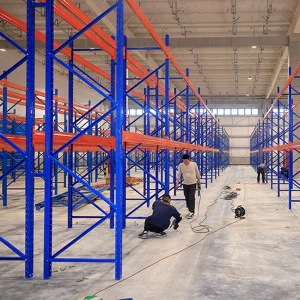
Designed to handle heavy mining components and metal castings, our heavy-duty steel pallets and high-density racking offer static load ratings up to 10 tons. This provides a durable alternative to wood in demanding mineral-processing environments.
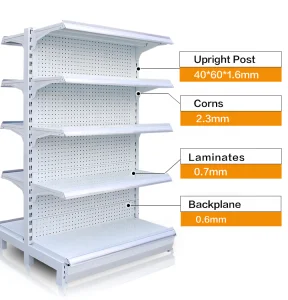
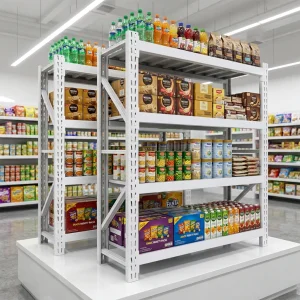
Designed for high-throughput retail logistics, our modular plastic pallets and boltless racking support fast inventory rotation, clean room compliance, and easy maintenance for high-density storage configurations.
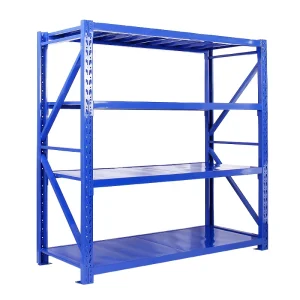
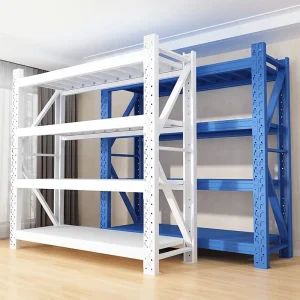
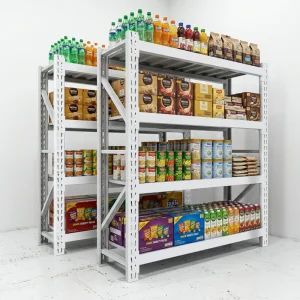
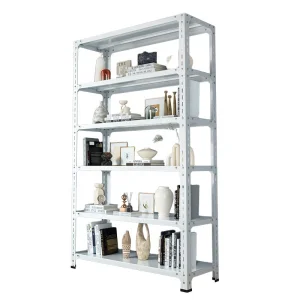
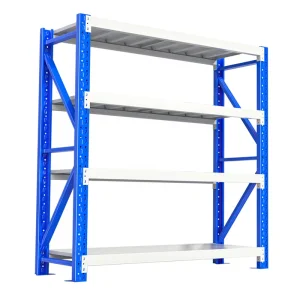
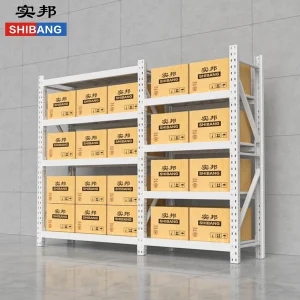
Select from our certified heavy-duty steel and polymer product lines configured for modern industrial storage and international transit.
How our manufacturing capability and logistics integration ensure cost-effective delivery across Central Asian trade routes.
A primary challenge for manufacturing and logistics operations in Tashkent, Samarkand, and the Navoi Free Economic Zone is managing the complexity and cost of overland freight. Traditional shipping methods can introduce delays and unpredictability. Utilizing the China-Kyrgyzstan-Uzbekistan (CKU) highway and rail link, Ningbo Shibang coordinates direct freight logistics to deliver pallet shipments safely and on schedule. Our logistics team handles international customs clearance, transit documentation, and optimized packaging to maximize container load efficiency.
Pallets are bulky, and shipping empty volume can be costly. To maximize space, our design team ensures that all nesting plastic pallets are configured to fit together efficiently during transit. Our 1200x1000mm nesting designs can increase container utilization by up to 35% compared to traditional rigid designs. This allows for more units per container, lowering transport costs per pallet and reducing the landed cost for buyers in Uzbekistan.
Our quality assurance program is built around preventative inspection. Our QC inspectors subject all steel and plastic batches to rigorous testing before manufacturing. For steel racking and steel pallets, we use ultrasonic weld inspections to detect micro-cavities or stress fractures. For polymer formulations, melt-flow index and tensile stress testing verify that each plastic pallet matches our specified dynamic and static load ratings.
Regulatory compliance is a key requirement for international trade. Our industrial racking and pallet systems meet all major international safety certifications, including ISO 9001, CE, and equivalent regional GOST certifications. This alignment simplifies integration with European-designed automated systems and ensures that our products comply with local regulatory frameworks in Uzbekistan.
Technical and logistical insights for procurement managers, logistics heads, and warehouse planners in Uzbekistan.
Our typical production lead time for standard plastic and steel pallets is 15-20 days, depending on order volume. Transit times via rail routes to Tashkent and the Navoi FEZ generally take between 12 and 18 days. Our logistics team manages export customs processing in China to help ensure timely delivery.
Our pallets are manufactured from virgin High-Density Polyethylene (HDPE) or Polypropylene (PP) blended with temperature-resilient additives. This engineering ensures they remain impact-resistant in cold storage down to -40°C and maintain dimensional stability in summer heat up to +60°C.
Yes. Supported by our 22-person in-house engineering team, we offer OEM/ODM services to customize dimensions, load capacities, beam profiles, and color schemes. We can also integrate RFID tracking chips or anti-slip rubber pads directly into the pallet designs.
For automated warehouses and ASRS systems, we recommend our flat three-runner plastic pallets or steel options. These designs provide a uniform, non-slip bottom surface that ensures smooth operation with automated guide paths, conveyors, and shuttle systems.
Get in touch with our engineering team for technical drawings, material certifications, and detailed volume pricing for Uzbekistan.
Send Inquiry Now Shibang Rack