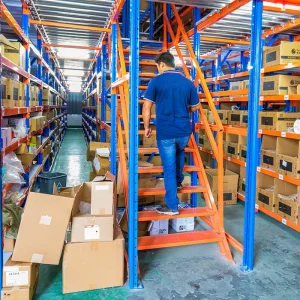
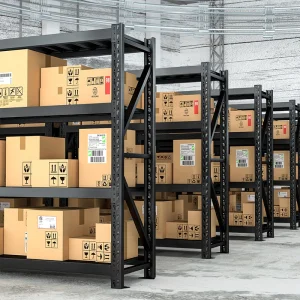
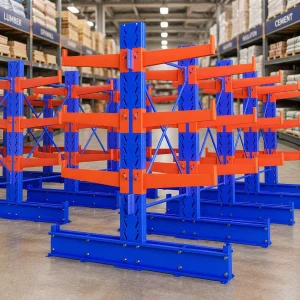
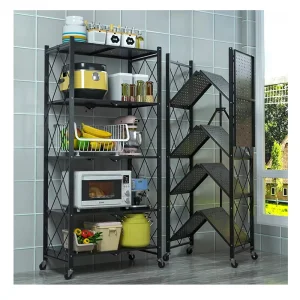
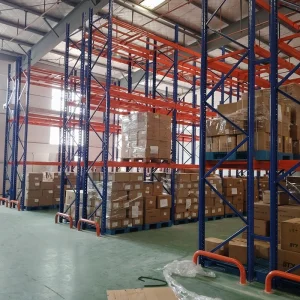
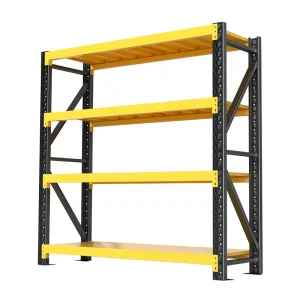
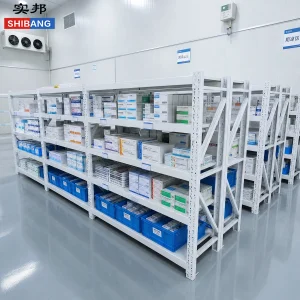
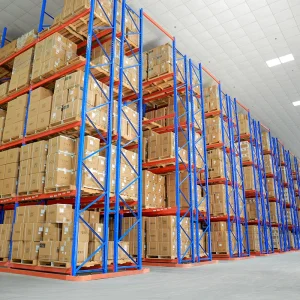
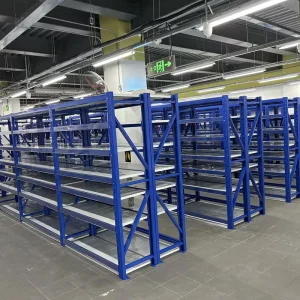
Explore our foundational structural units, built to optimize global warehousing spatial efficiency under certified load distributions.
How Modern Distribution Infrastructures Optimize Unused Overhead Volume for Exponential Return on Spatial Investment.
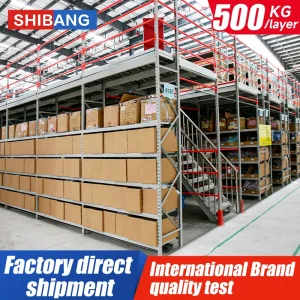
The contemporary global supply chain landscape is defined by skyrocketing real estate valuations, intense urban density, and the relentless rise of high-speed multi-channel fulfillment. In this high-stakes environment, optimizing horizontal warehouse footprints is no longer sufficient. Industrial operators worldwide are pivoting toward the vertical plane, transforming volumetric space into dynamic storage zones through advanced Structural Steel Platforms and heavy-duty mezzanine environments.
Modern steel platforms act as self-supporting systems, engineered to double or triple existing floor capacities without altering the building’s primary structural envelope. These systems are highly modular, serving as structural support frames for complex Automated Storage and Retrieval Systems (AS/RS), AGV runways, order-sorting platforms, and multi-tier office environments. Their deployment mitigates the need for expensive brick-and-mortar expansions, providing a direct, highly predictable path to spatial ROI.
From a technical standpoint, the design requirements for these platforms have scaled dramatically. Today’s industrial platforms must support structural loads ranging from 300kg/m² up to 2000kg/m² or higher, maintaining strict deflection guidelines (such as L/240 or L/300) to ensure structural stability and operator confidence. The integration of structural steel mezzanine platforms within existing seismic regions also demands highly localized, customized engineering configurations to comply with international codes such as AS4084, RMI standards, and the Eurocode 3 framework.
"As supply networks decentralize, the ability to build flexible, high-capacity, multi-level infrastructure within existing footprints stands as the single most cost-effective metric in warehouse design."
Pre-engineered bolt-together systems that easily assemble, disassemble, and expand. Integrates seamlessly with existing racking layouts and facility constraints.
Utilizes Q235B and Q355B cold-rolled and hot-rolled structural steel, precision-engineered to withstand heavy dynamic industrial vehicle traffic and localized pallet stack pressure.
Electrostatic powder coating (average thickness 60-80 microns) providing robust defense against moisture, chemical exposure, and intense mechanical friction.
A Globally Certified Manufacturing Force in Advanced Industrial Storage Systems
Established in 2016, Ningbo Shibang Storage Rack Co., Ltd. has developed into a premier global enterprise specializing in the comprehensive research, design, manufacture, and deployment of heavy-duty warehouse racking systems and custom steel platforms. Our modern production complex spans 32,000 m² of state-of-the-art manufacturing space, housing advanced automated cold-forming production lines, robotic welding stations, and fully continuous electrostatic powder-coating systems.
With 12 years of structural engineering expertise and 8 years of direct international trade operations, we deliver robust solutions across primary markets, including North America, Western Europe, Southeast Asia, and Australia. Our supply chain integrity is guaranteed by strategic alliances with more than 850 verified material and component vendors, ensuring stable pricing and continuous access to high-grade structural alloys.
Our commitment to quality assurance is demonstrated by our dedicated team of 35 QA/QC inspectors. We implement a multi-stage testing framework, conducting Ultrasonic Testing (UT) for weld integrity, load stress simulation, coating thickness verification, and raw material tensile testing to guarantee absolute structural reliability on every export project. Furthermore, our internal R&D team consists of 22 highly specialized structural and mechanical engineers. This team drives our agile OEM/ODM customization capabilities, allowing us to adapt systems to high-seismic configurations, extreme load requirements, and bespoke space envelopes. Over the past year, our team introduced 140 new products and optimized structural components to meet changing international warehouse guidelines.
Step-by-step insight into our vertically integrated manufacturing facility, showing precision processes and advanced technology.
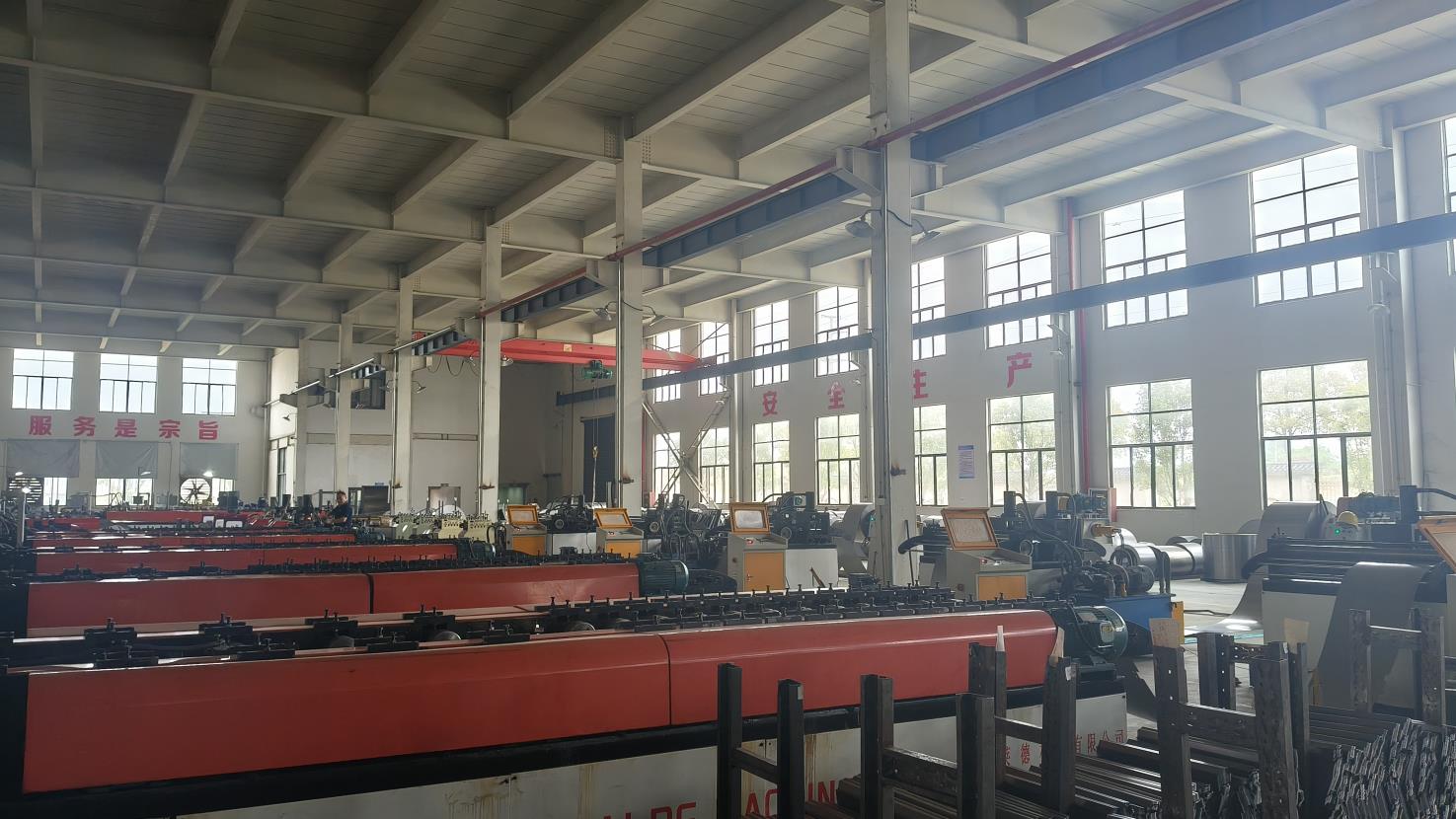
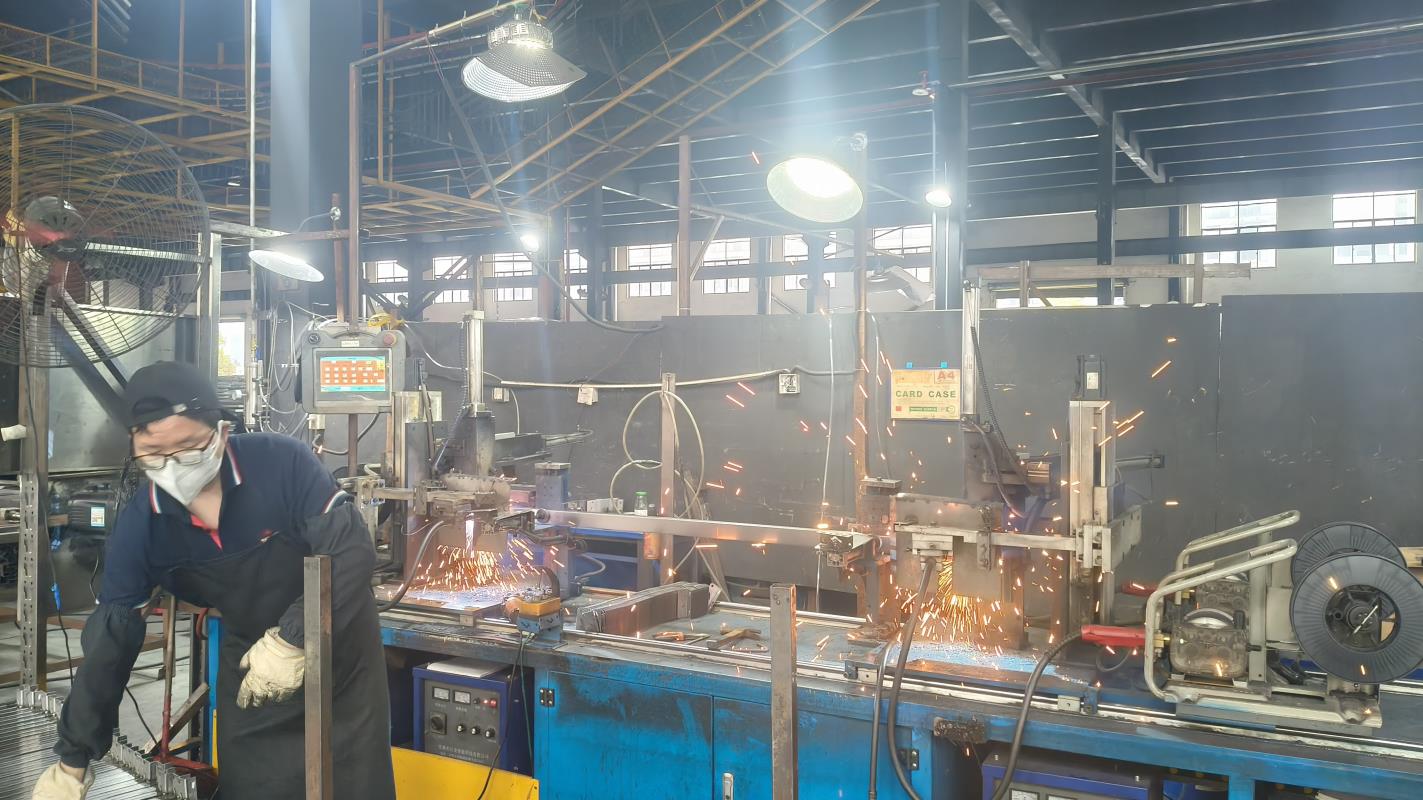
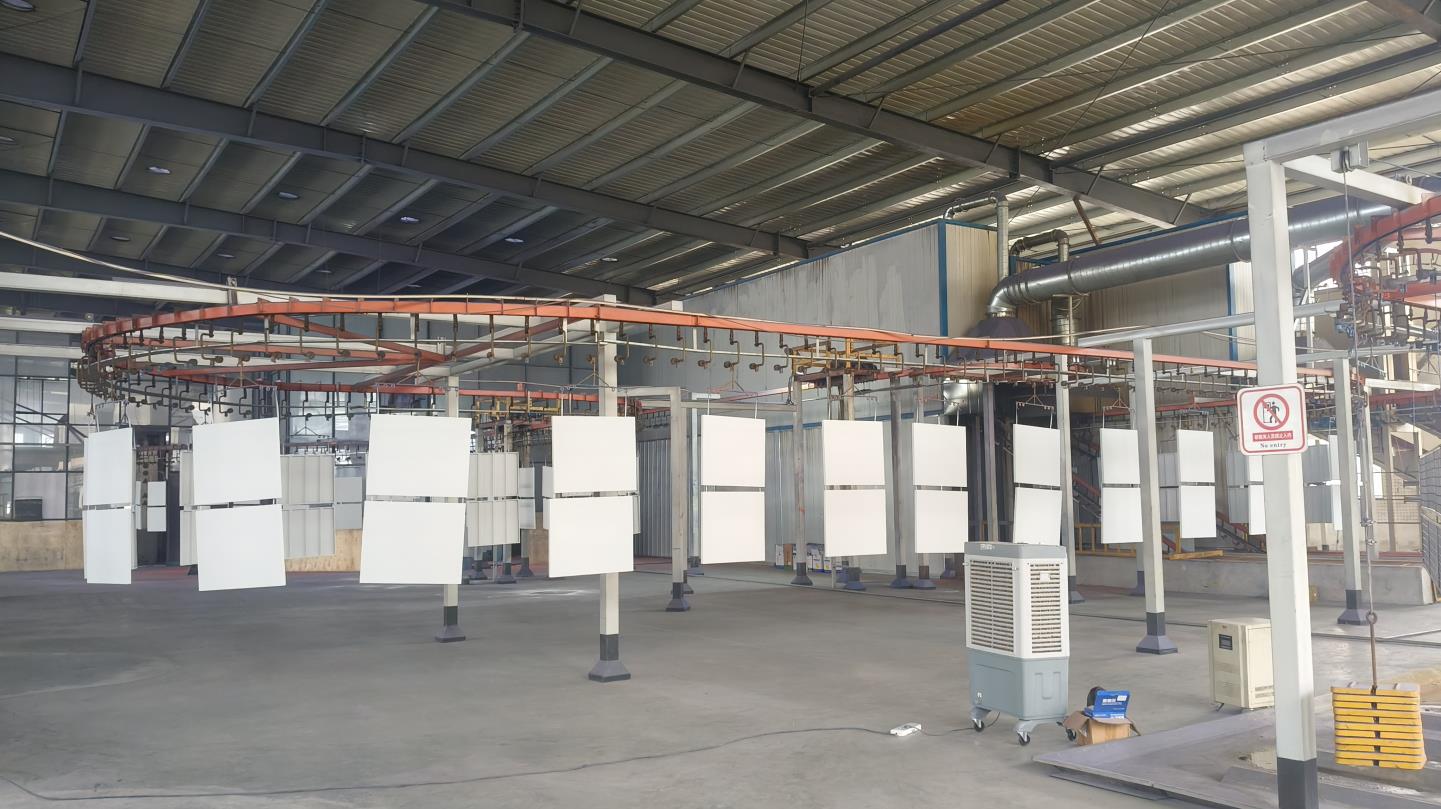
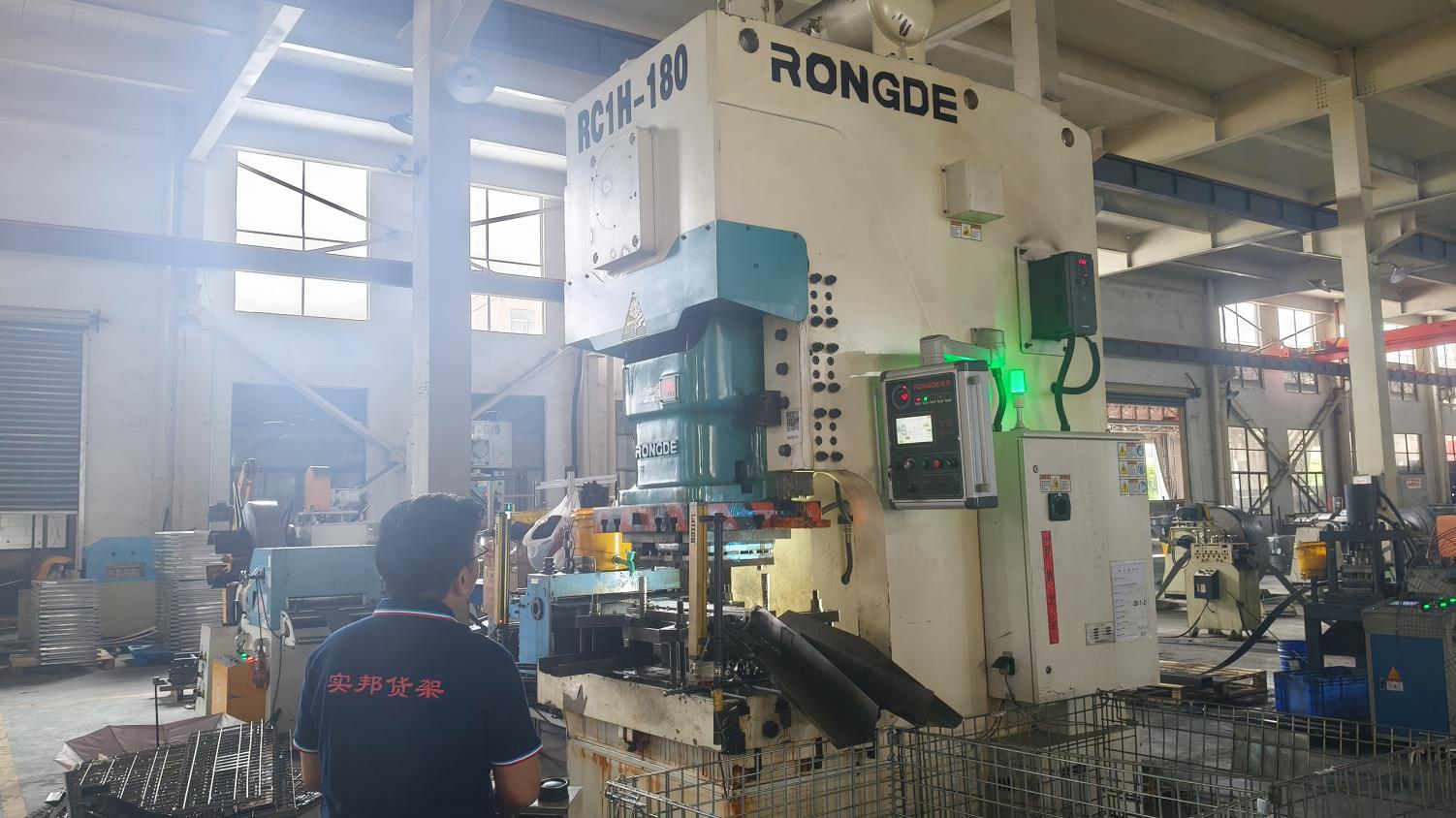
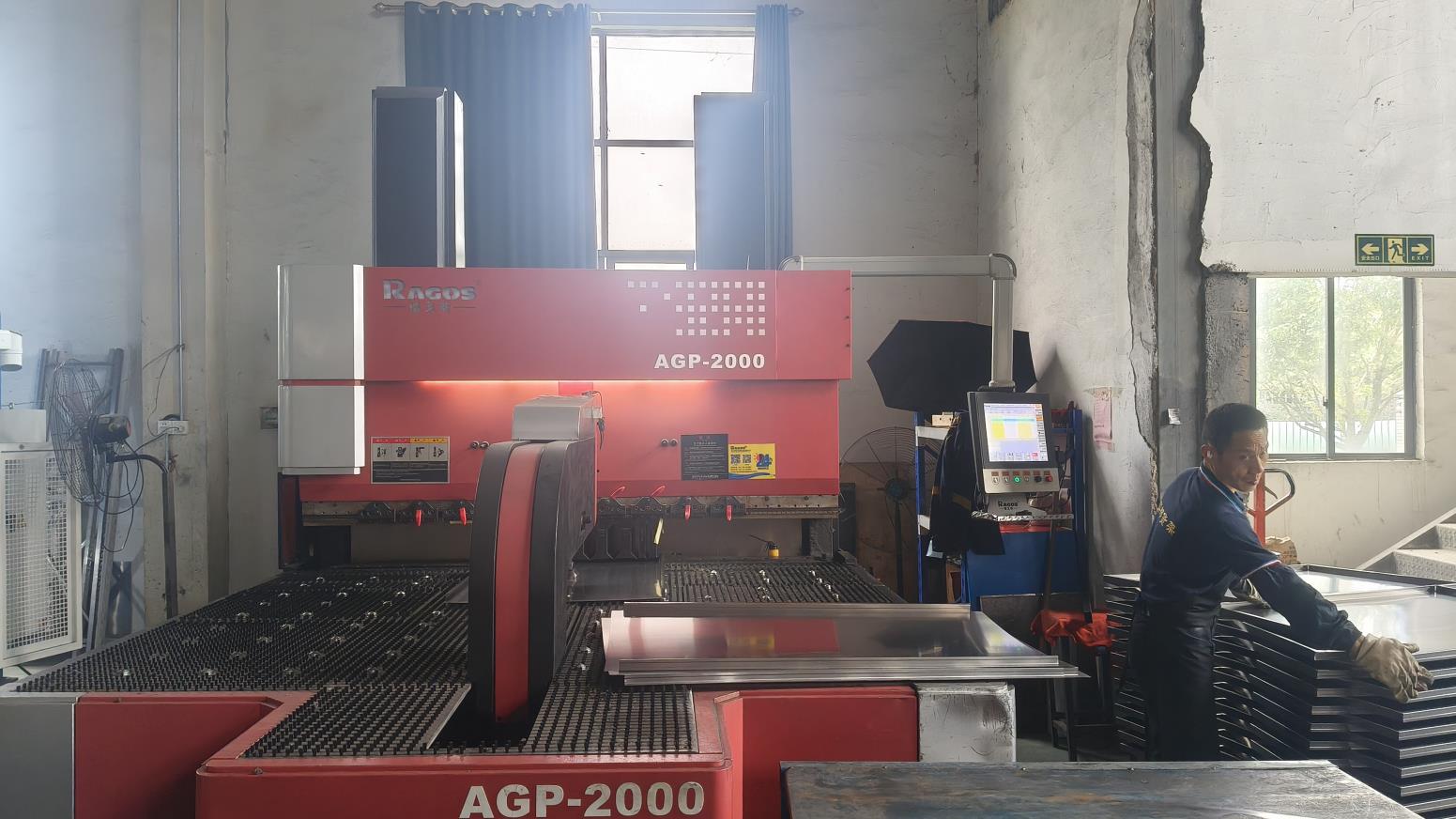
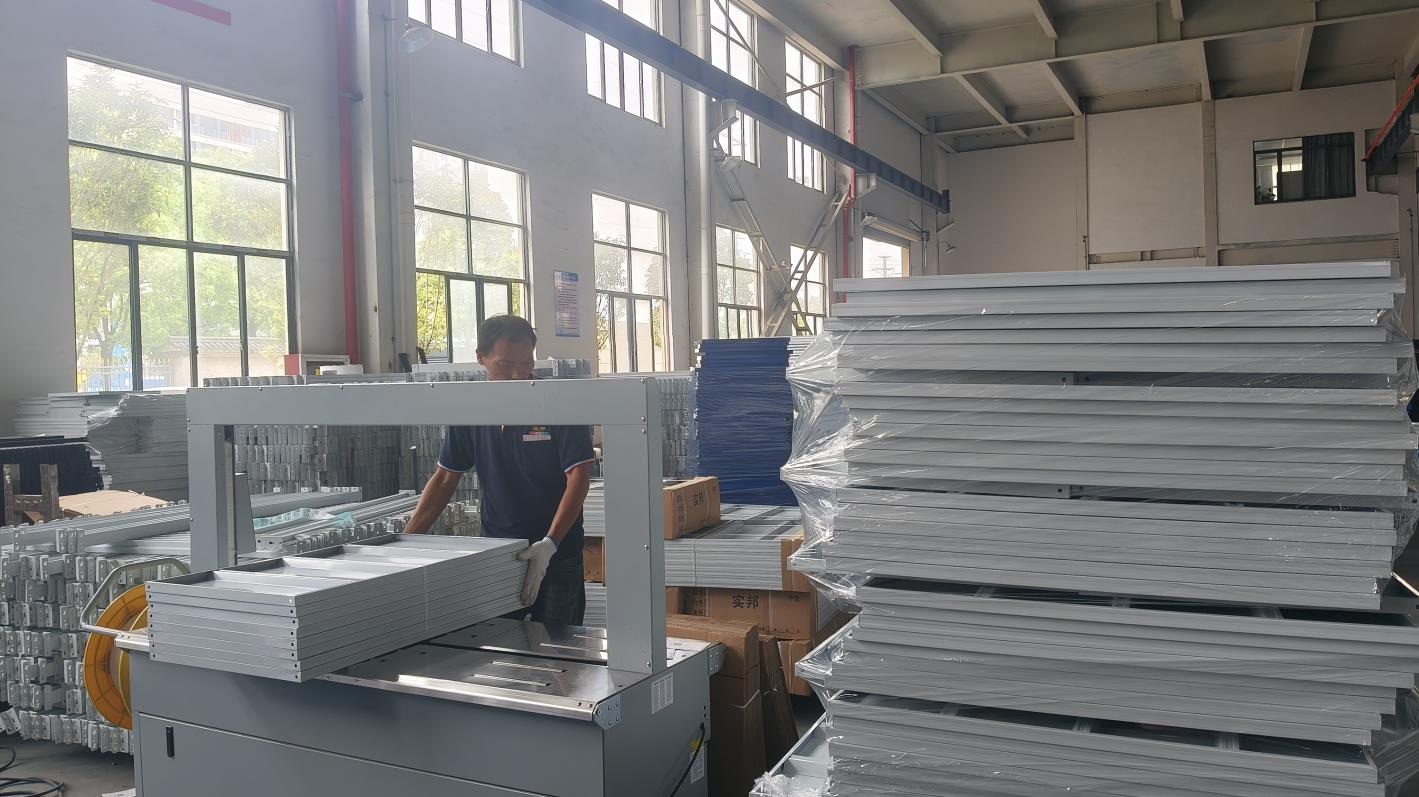
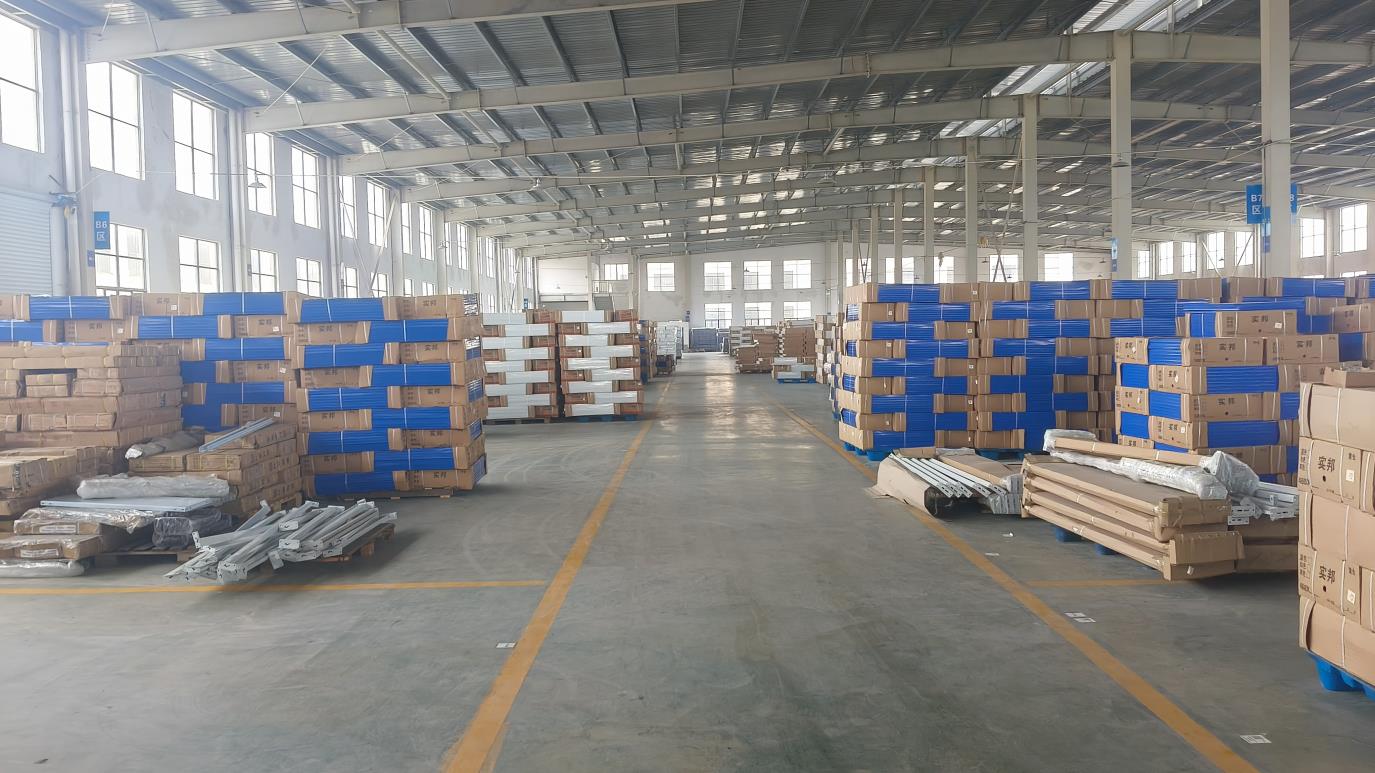
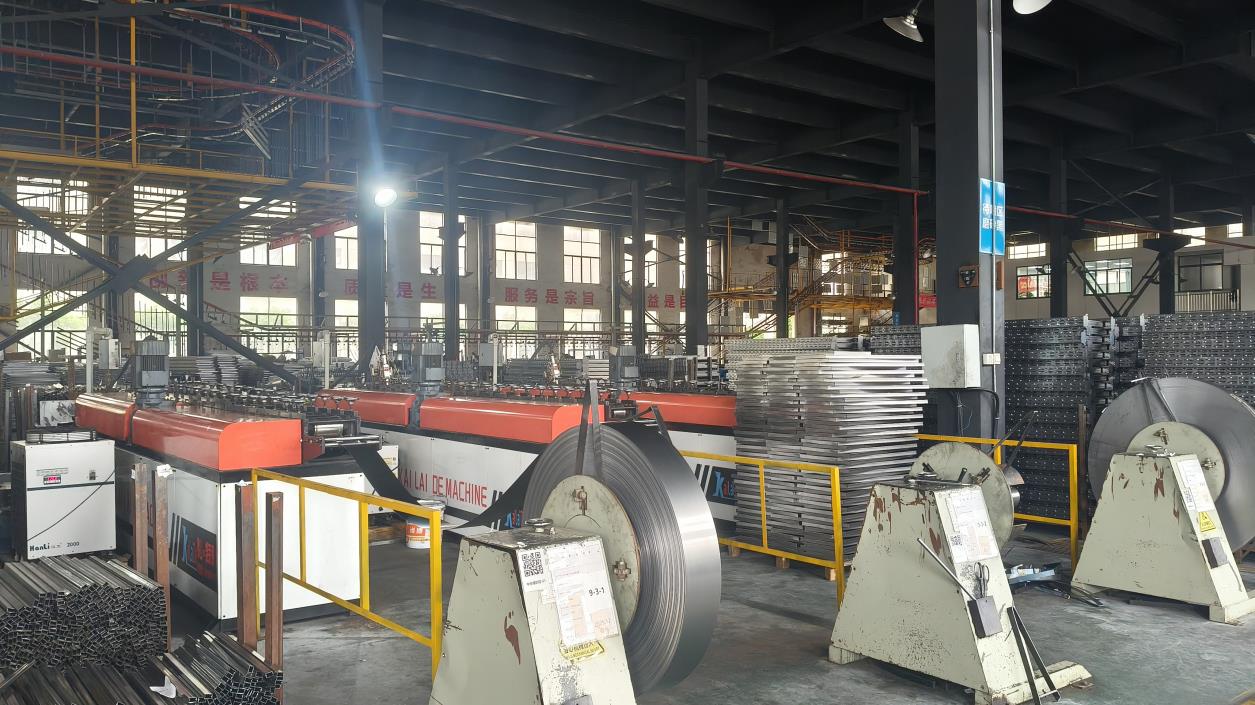
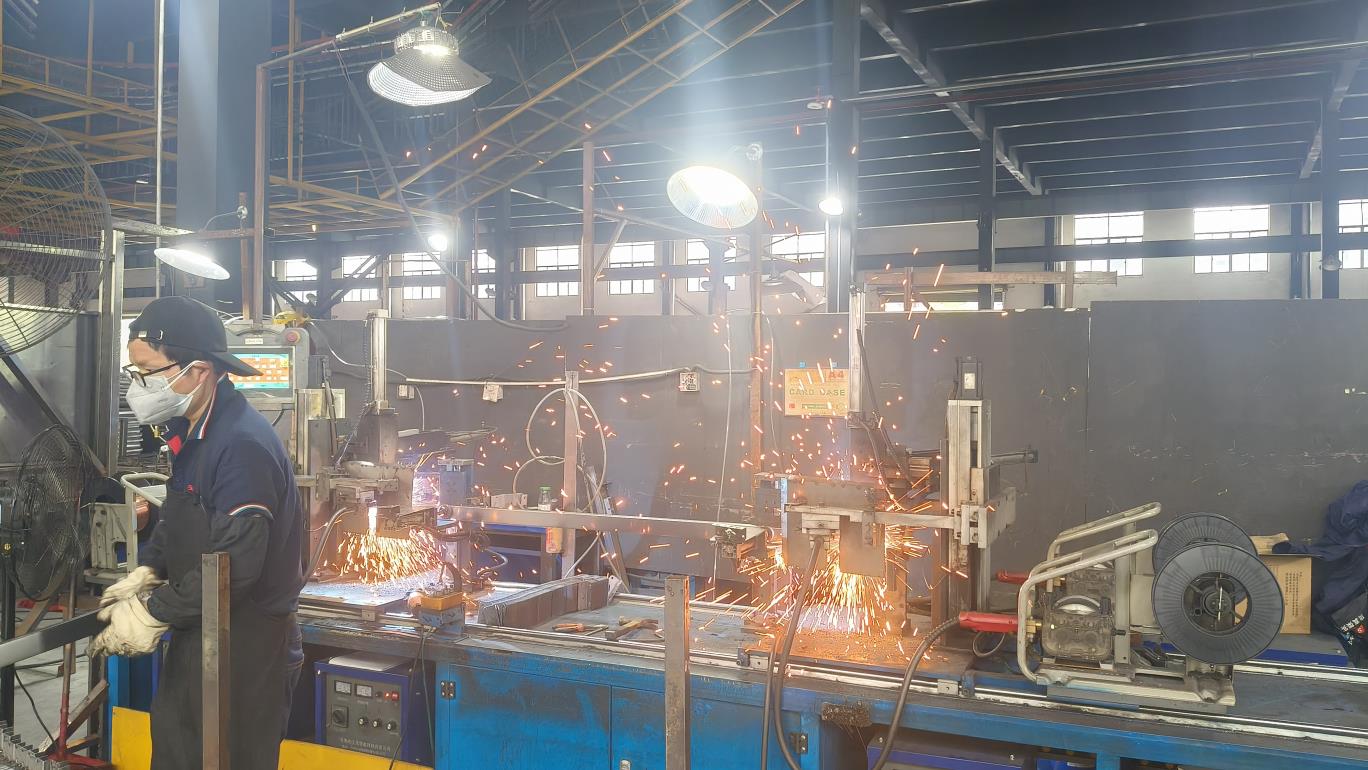
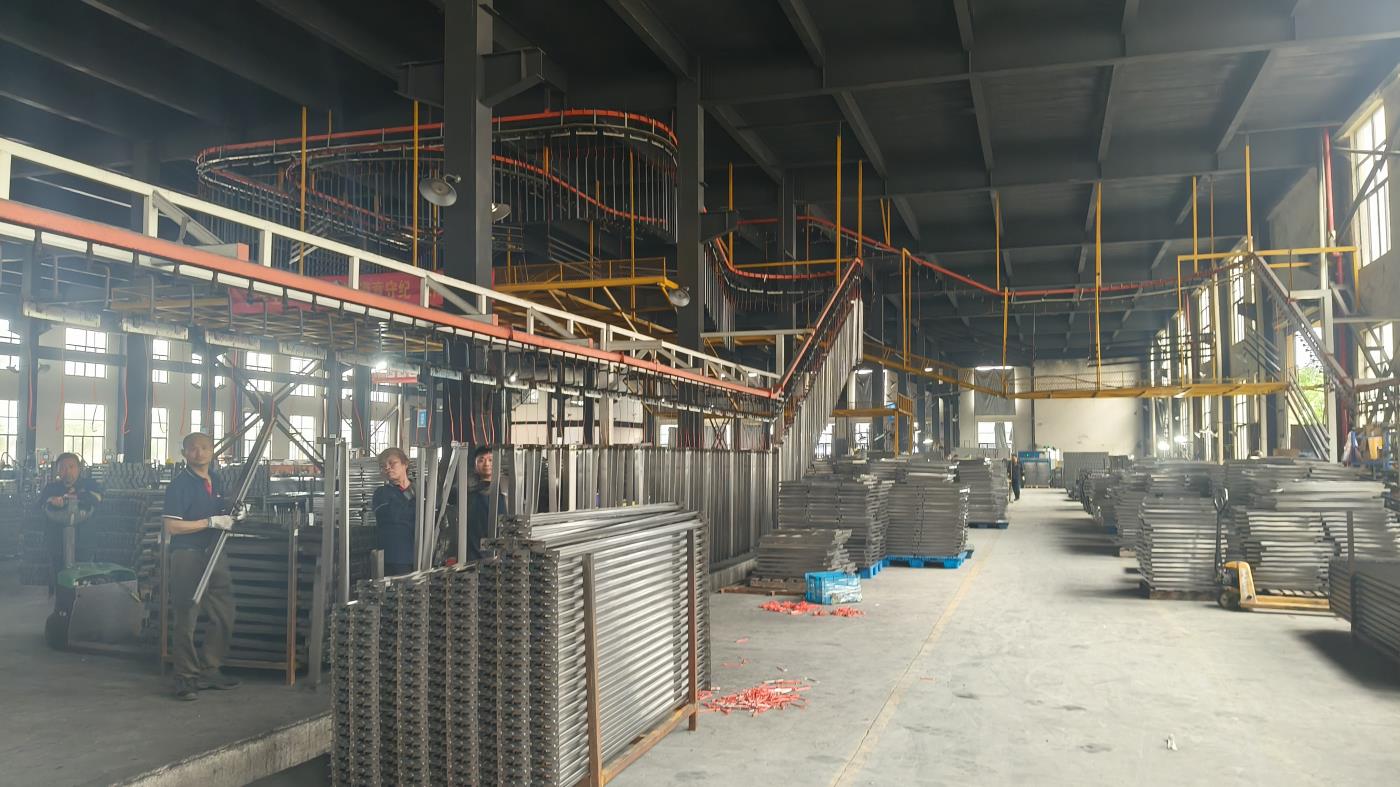
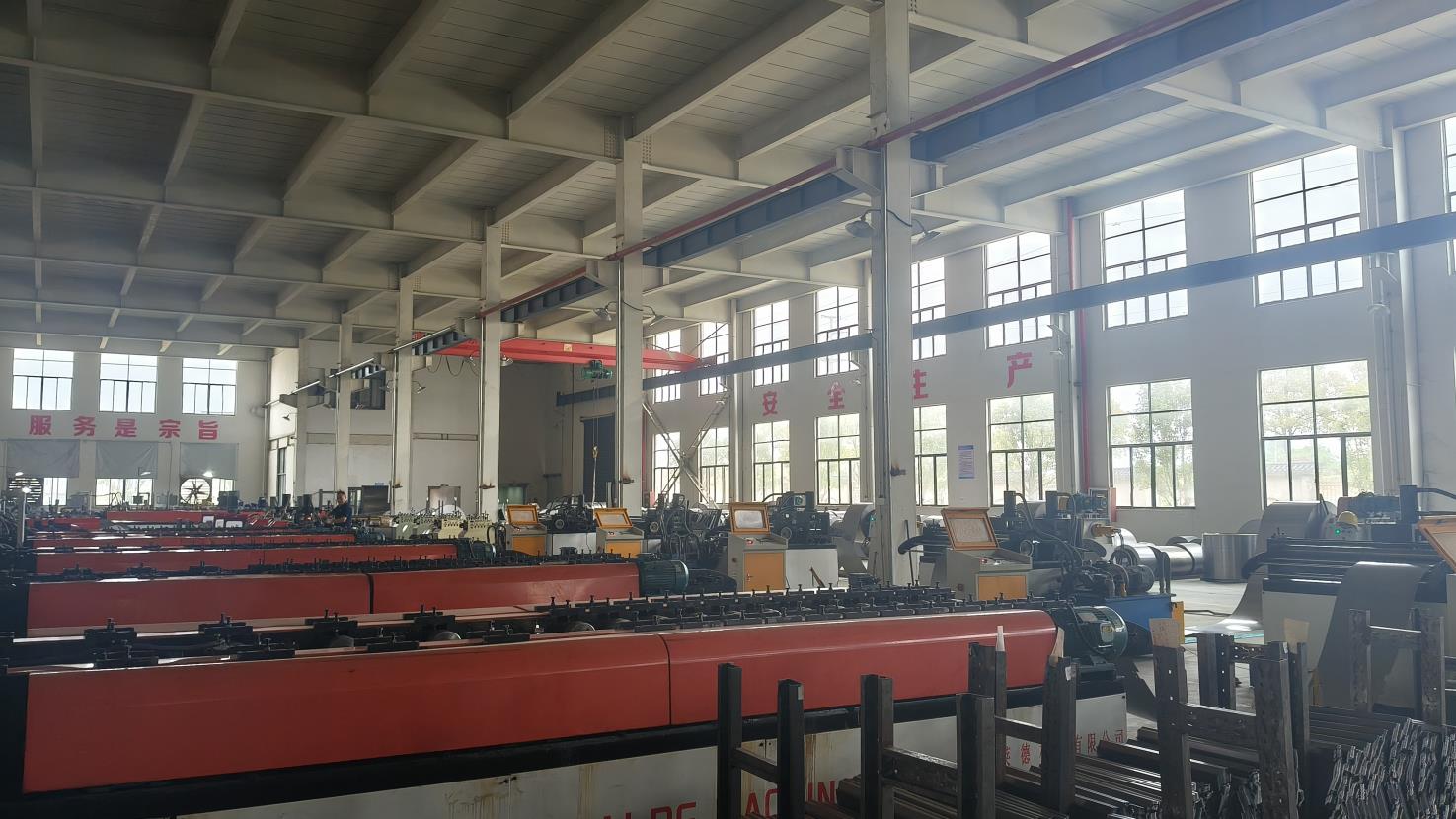
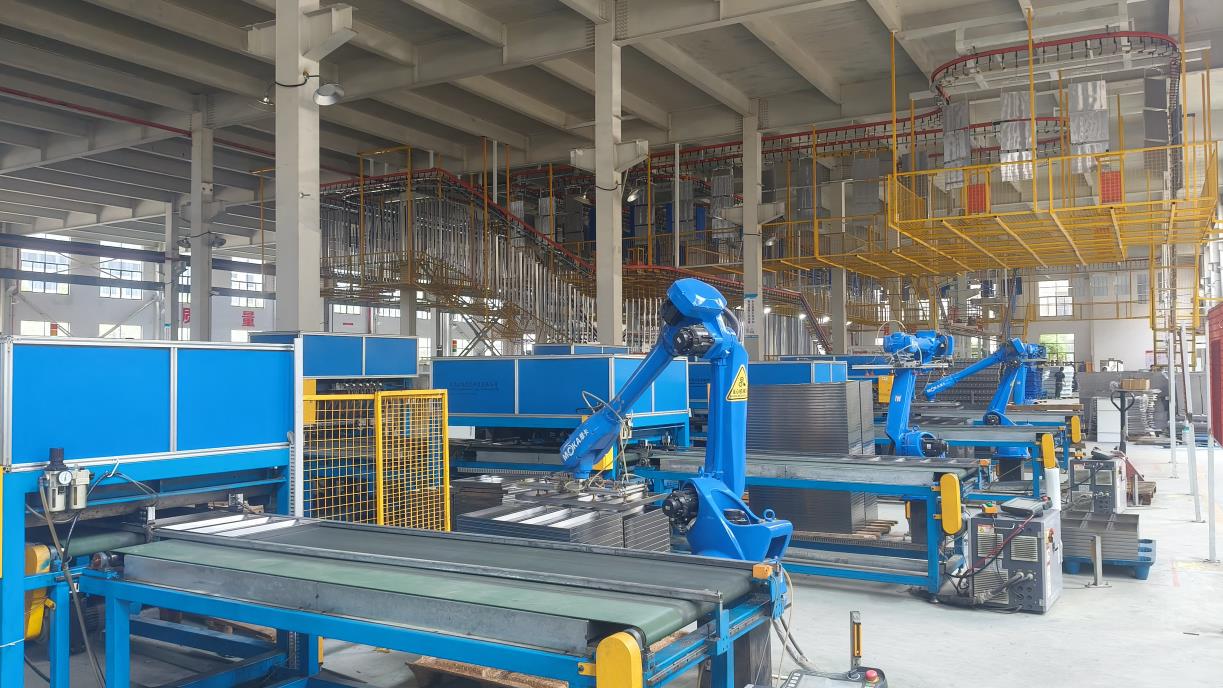
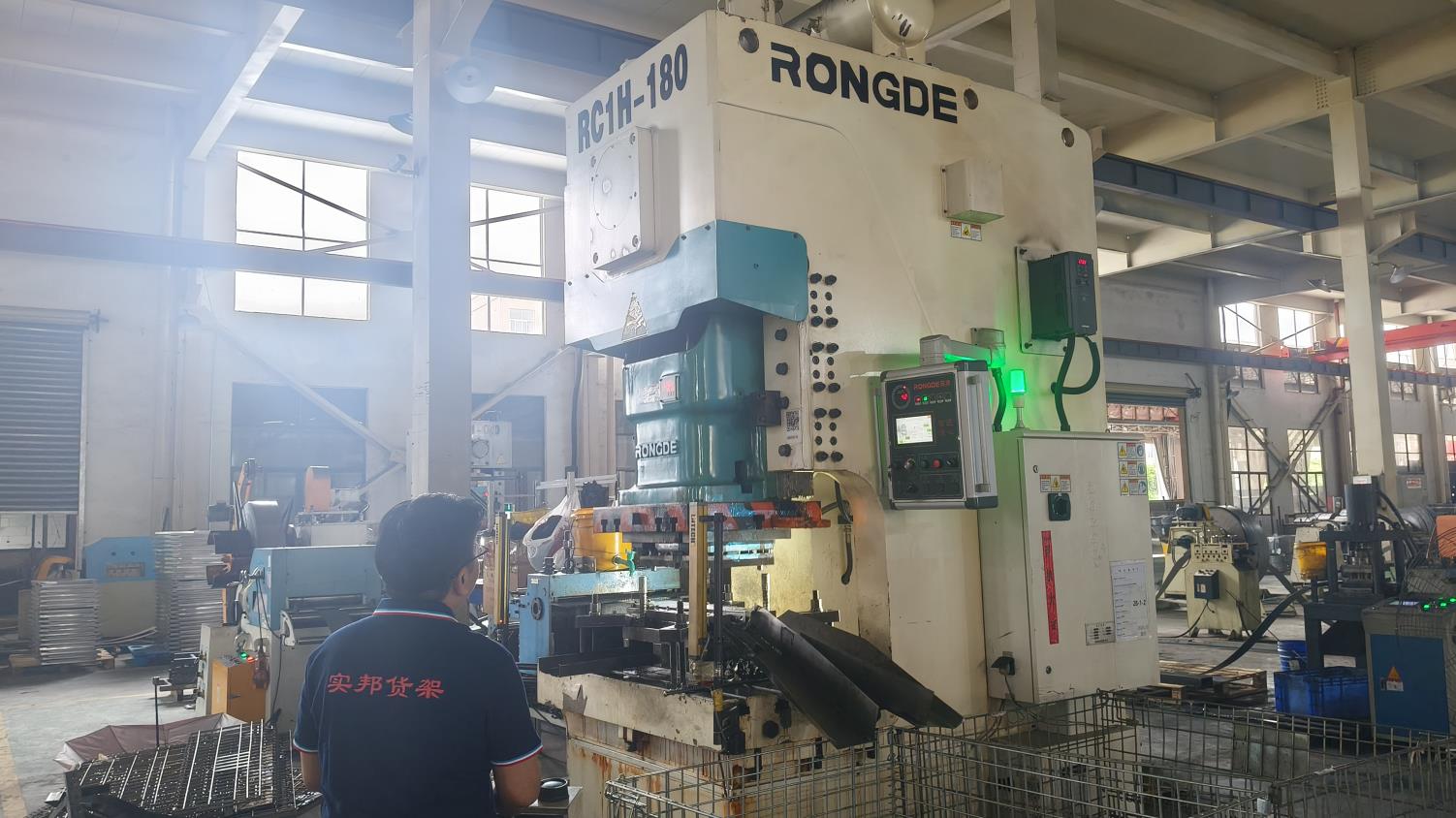
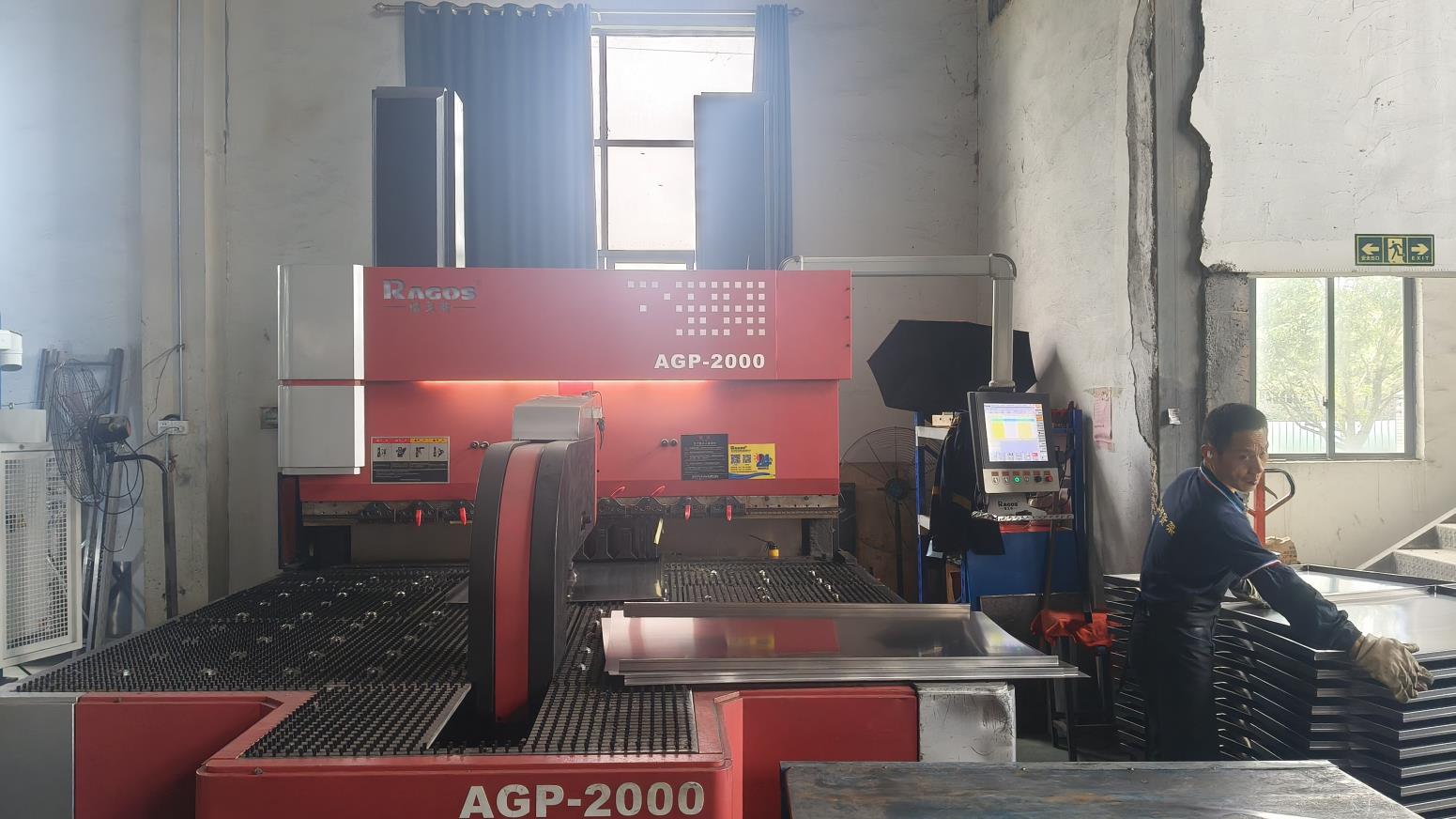
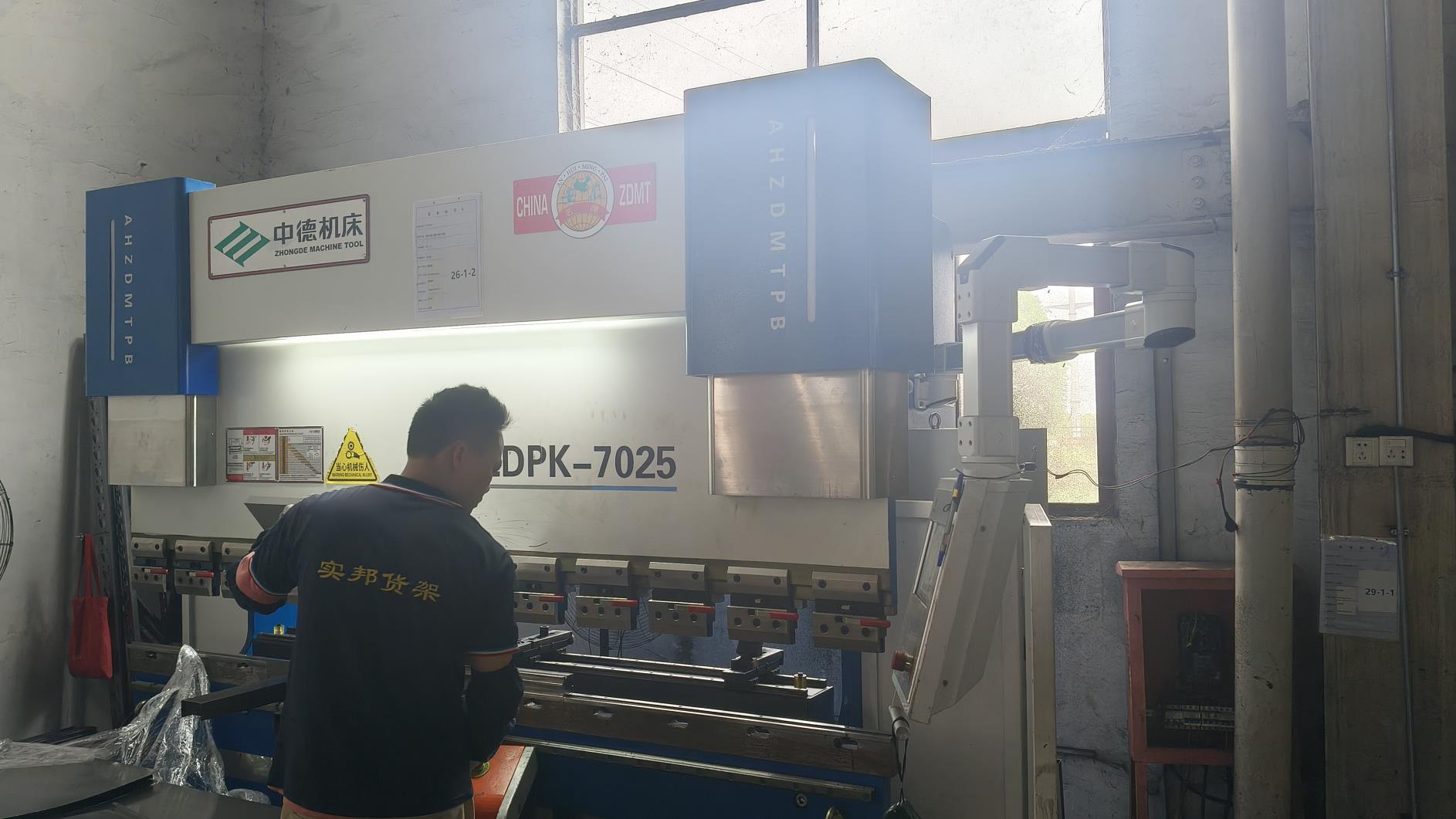
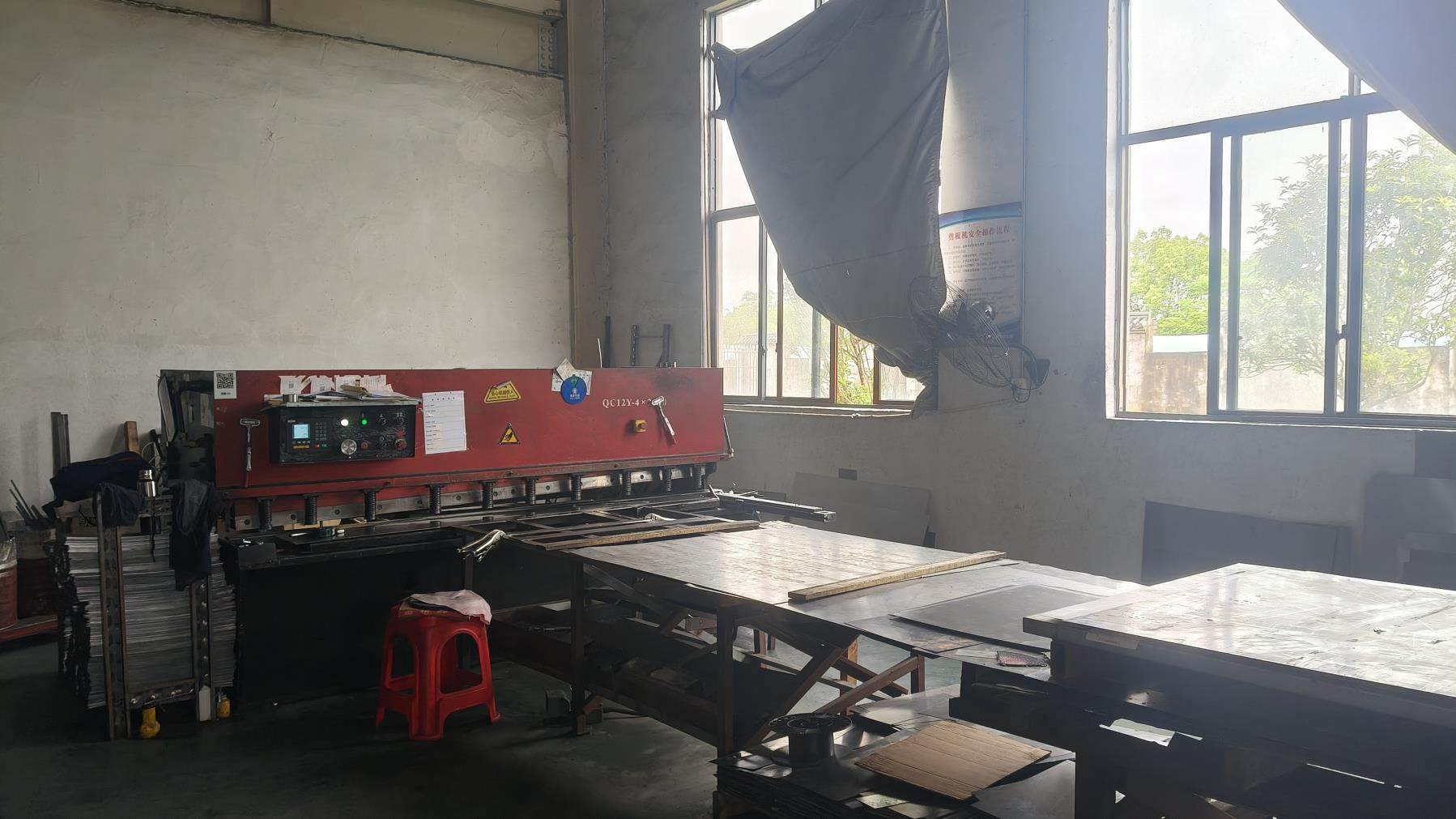
The integration of structural engineering with smart technology to drive next-generation distribution warehouses.
As logistics facilities transition toward higher levels of automation, the structural platforms that support them must evolve. The technical roadmap for industrial steel platforms centers on three key areas: advanced material science, smart system integration, and sustainability. Our current R&D is focused on implementing high-tensile steel micro-alloys, allowing us to reduce total structural weight by 15% while fully maintaining load capacity. This material optimization lowers shipping costs and significantly reduces the carbon footprint associated with steel production.
Moreover, the modern steel platform is no longer just a static structure. The integration of IoT-based structural health monitoring systems is becoming standard practice for high-capacity installations. By placing strain gauges and accelerometers at critical structural points, warehouse operators can track actual deflection, load distribution, and seismic responses in real-time. This predictive maintenance data optimizes facility safety, ensuring operations remain within certified performance boundaries.
Simultaneously, the physical design of platforms is adapting to accommodate Autonomous Mobile Robots (AMRs) and Automated Guided Vehicles (AGVs). These automated vehicles demand incredibly flat flooring surfaces with tight leveling tolerances, high abrasion-resistant coatings, and reliable grounding systems to prevent electrostatic discharge. Our engineering team specializes in calculating dynamic load tolerances to ensure AGV pathways remain stable and safe over years of continuous operation.
"The future of logistics infrastructure lies in the development of adaptive, sensor-integrated, light-gauge structural systems designed to interface seamlessly with robotic fleets."
Tailored structural configurations designed to meet demanding localized challenges across diverse global industries.
High-throughput e-commerce operations require multi-level, light-duty and heavy-duty combined steel mezzanines. These platforms are designed to organize complex conveyor systems, high-speed sorting lanes, and manual pick modules. By utilizing modular column spacing, we maximize clearance levels on the ground floor for forklift traffic, while creating highly efficient pick-and-pack zones on upper levels.
Cold storage space carries high operational costs, making absolute volume optimization essential. Our cold-storage structural steel platforms utilize structural steels specifically tested for low-temperature impact strength, preventing brittle fractures in environments below -30°C. Standard corrosion protection is enhanced with thick hot-dip galvanized finishes to resist continuous condensation cycle wear.
Heavy manufacturing settings subject structural platforms to extreme vibration and concentrated load profiles from assembly equipment and heavy tooling. We design custom heavy-section platforms using hot-rolled structural steel profiles (such as H-beams and I-beams) calculated with robust dynamic safety factors. This approach isolates machine vibration and protects the facility's main floor structure.
Storing bulky automotive parts or sensitive aerospace components requires a combination of high load-bearing capacity and dust-free environments. We provide steel platforms with specialized solid steel plate decking or perforated grating, integrated with anti-fall safety mesh and fire protection access paths to comply with localized occupational health and safety regulations.
Get answers to key technical, engineering, and regulatory questions from our senior structural engineering team.
Explore our heavy-duty warehouse racking, adjustable shelving units, and structural components designed for high-density storage environments.
 Shibang Rack