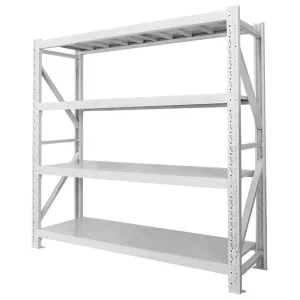
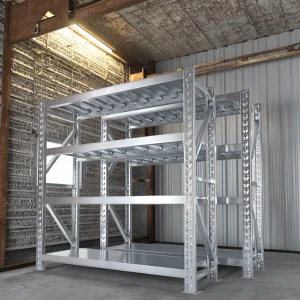
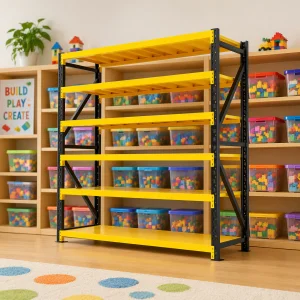
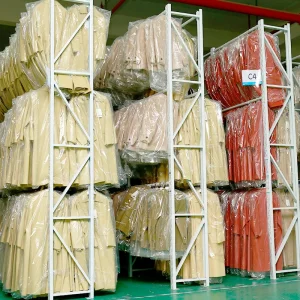
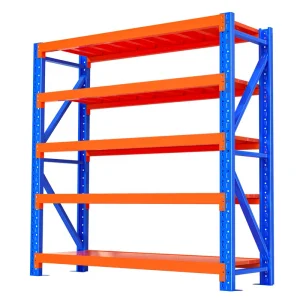
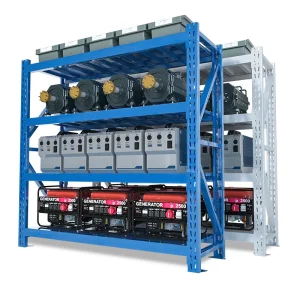
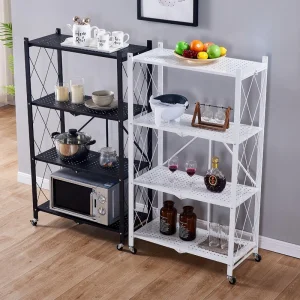
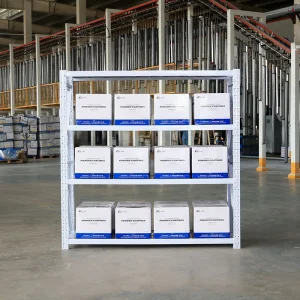
OEM/ODM Heavy Duty Shelving Exporter & Exporters

Structural Engineering, High-Density Storage Optimization & Certified Industrial Racking Solutions for Global Supply Chains

32,000 m²
Manufacturing Facility
12 Years
Industry Expertise
$18M
Annual Export Revenue
35 Specialists
In-House QA/QC Inspectors

About Ningbo Shibang Storage Rack Co., Ltd.

Established in 2016, Ningbo Shibang Storage Rack Co., Ltd. has developed into a premier global enterprise specializing in the design, engineering, and advanced manufacture of heavy-duty industrial warehouse racking and modular shelving systems. With a modern 32,000 m² production hub, our structural design capacities, backed by 12 years of industry experience and 8 years of direct export operations, enable us to supply tier-1 distributors, third-party logistics (3PL) centers, and complex automated warehouses globally.

Quality and structural integrity form the bedrock of our operational ethos. Guided by our dedicated 35 QA/QC inspectors, we enforce multi-phase quality gates. This includes raw material tensile properties analysis, precise weld-seam assessment via Ultrasonic Testing (UT), coating thickness gauge verification, and strict load-bearing stress profile analysis. This rigorous quality engineering minimizes structural fatigue, providing peace of mind under the most demanding warehouse weight distributions.

Operating with a robust international logistics network, our key markets span North America, Western Europe, Southeast Asia, and Australia. We collaborate with over 850 verified supply chain vendors to secure consistent raw material supplies (including premium Q235B and Q345B steel grades). This guarantees stable production lead times, even during volatile commodity cycles, allowing us to serve diverse client portfolios spanning automated distribution centers, retail mega-warehouses, cold storage facilities, and heavy-equipment manufacturing plants.

Our commitment to technical innovation is propelled by our in-house R&D department, featuring 22 structural and mechanical engineers. Leveraging sophisticated finite element modeling (FEM) software, we execute comprehensive custom OEM/ODM development projects. This covers specialized load distributions, seismic-resistant designs tailored to target zip codes, custom-curated chemical powder coat layers, and modular frame options. Demonstrating our design agility, we launched 140 new products and optimized structural components in the past year alone to address shifting international material handling trends.

1. Structural Advantages of Chinese Heavy-Duty Racking Manufacturing

The global dominance of Chinese steel fabrication is not merely a factor of raw volume, but rather the structural synergy of technological ecosystems, supply chain clusters, and advanced metallurgy. Chinese shelving factories, particularly in industrial clusters like Ningbo and Zhejiang, utilize high-grade Q235B and Q345B carbon steel. These materials provide optimal yield strength and ductility, crucial for safety and seismic resilience in industrial structures.

Key technological advantages driving Chinese export efficiency include:

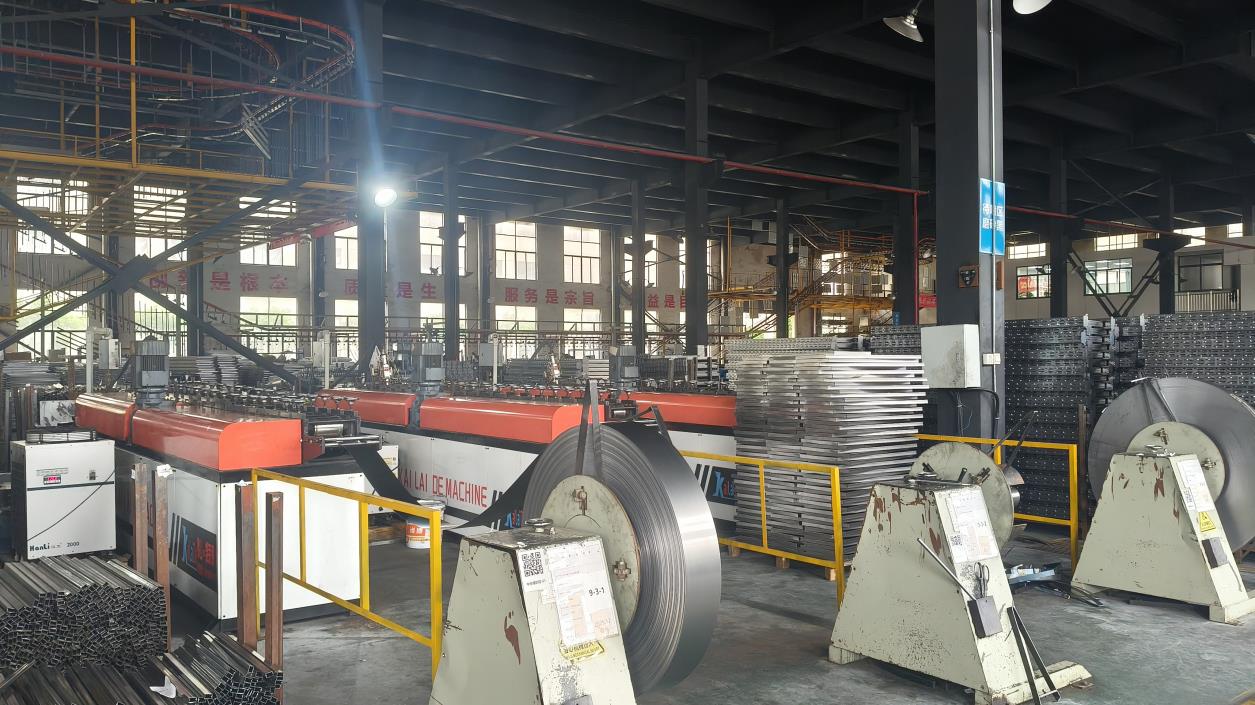
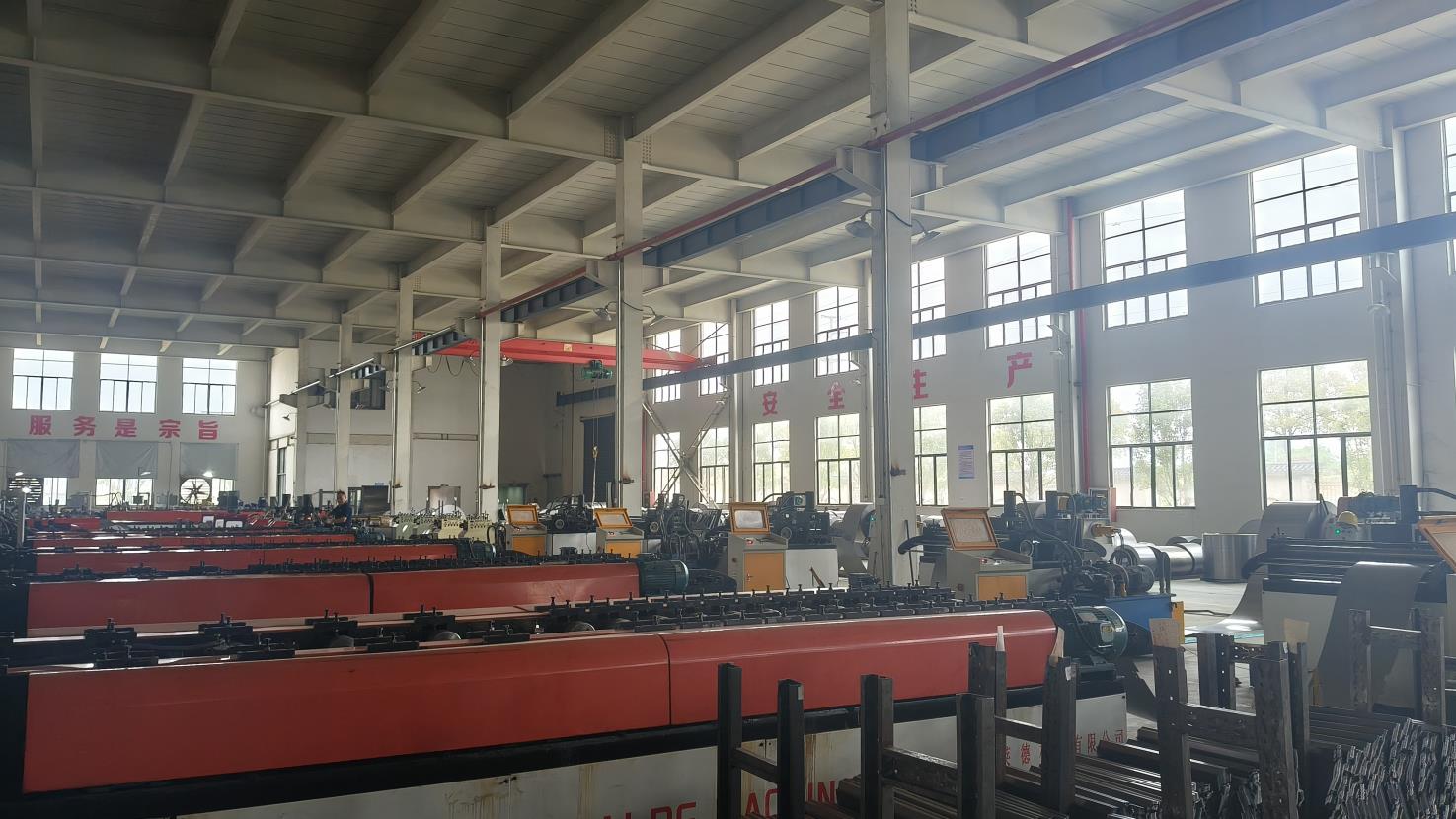
  • Continuous Roll-Forming Lines: Advanced multi-stage profile rolling mills execute highly precise, continuous cross-sectional forming of uprights and beams. This ensures uniform material thickness and minimizes localized buckling vulnerabilities.
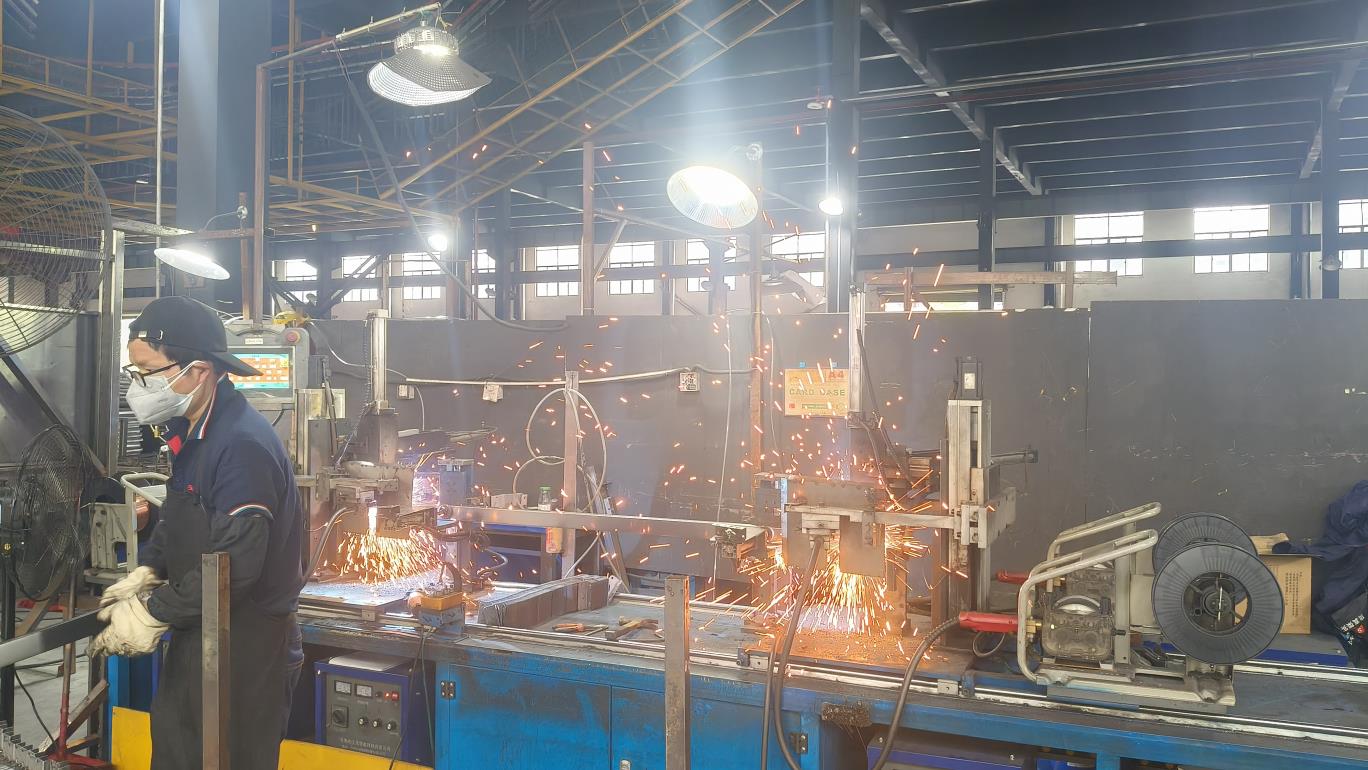
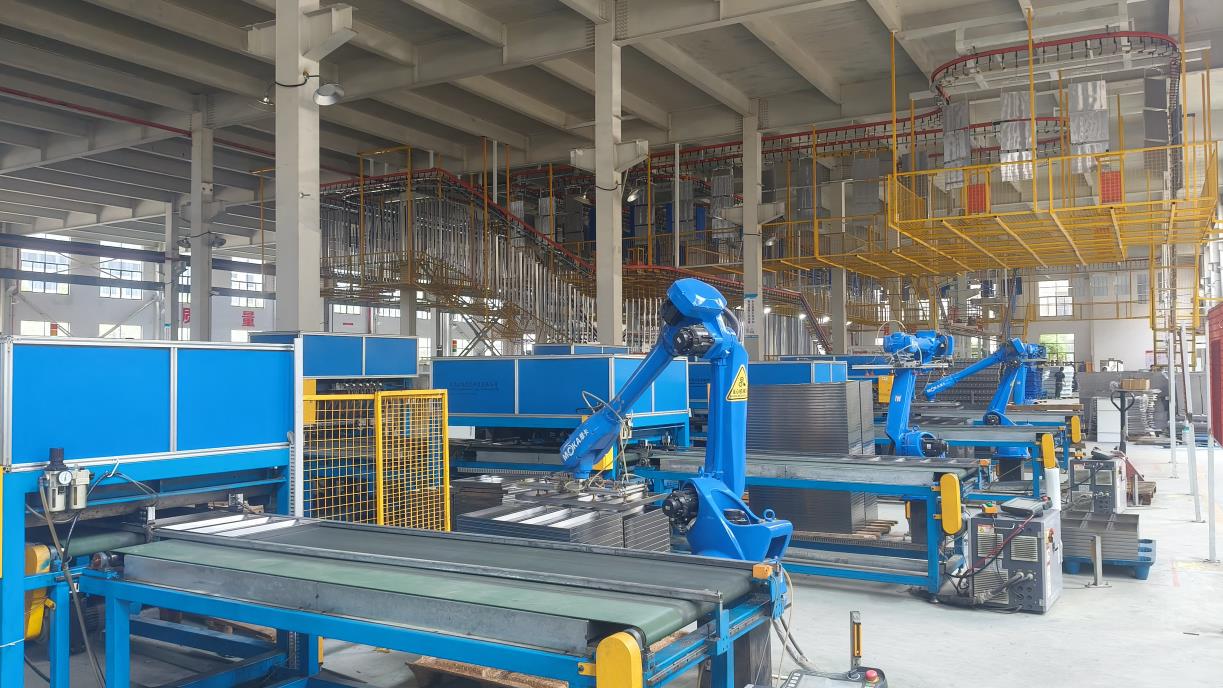
  • Automated Robotic Welding: Mechanical arm welding units execute uniform structural welds with zero thermal deviation. These automated passes prevent microscopic inclusions and guarantee continuous weld penetration along critical load points.
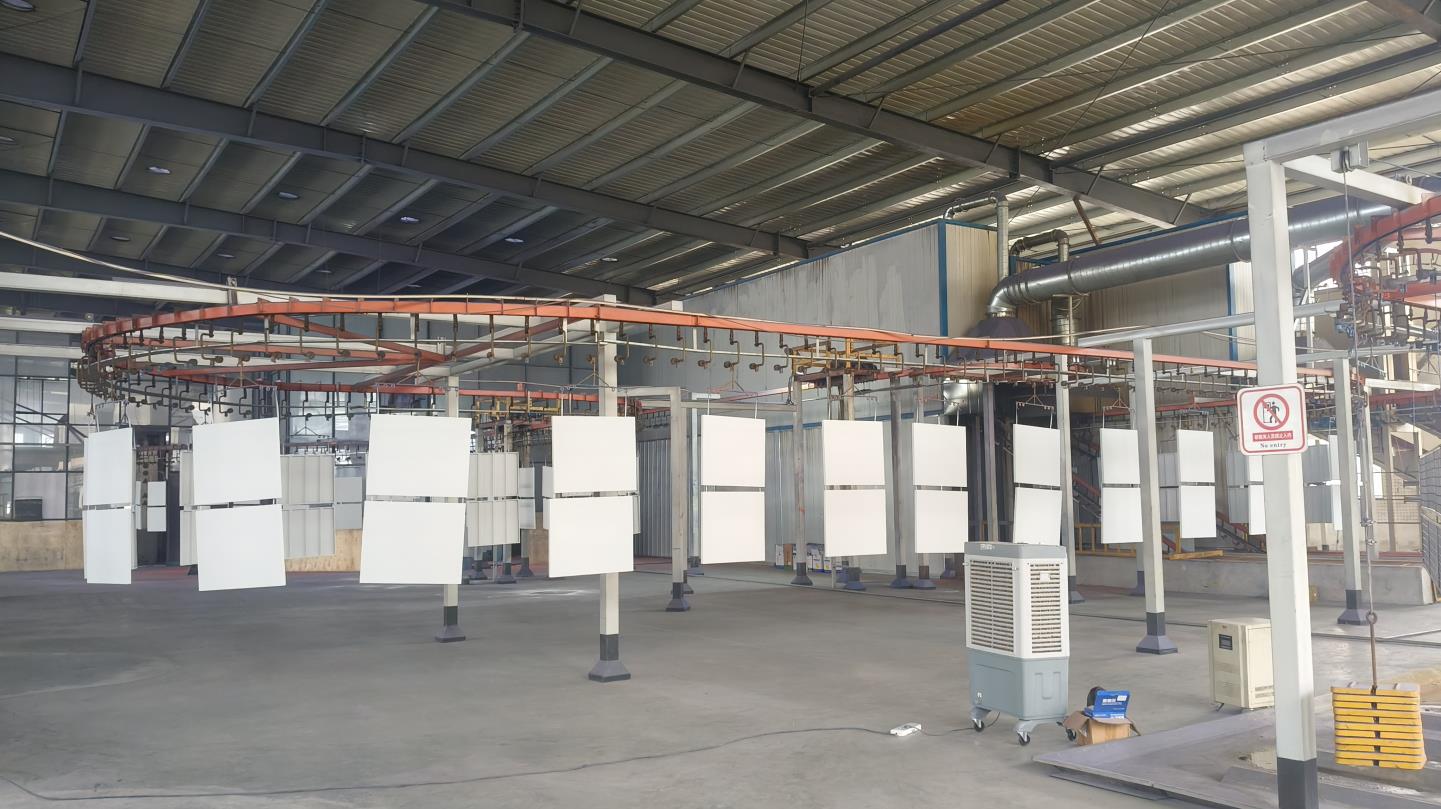
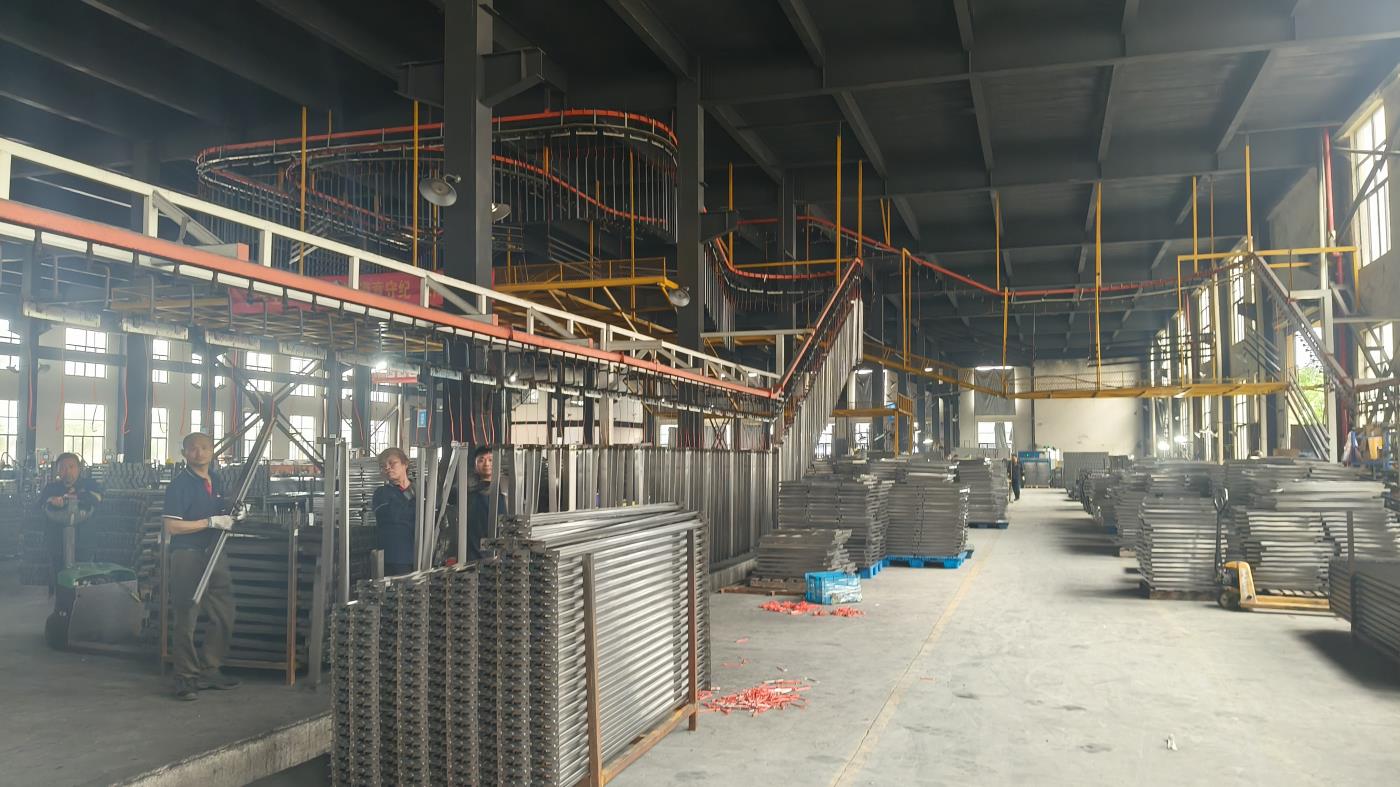
  • Eco-Friendly Electrostatic Powder Coating: Closed-loop pre-treatment washing systems, combined with thermo-setting powder coatings, offer superior corrosion and scratch resistance. This technology is verified to exceed 500-hour salt spray test requirements, perfect for high-humidity warehouse applications.

“By optimizing raw-material sourcing directly with domestic state-owned steel mills, Shibang achieves absolute metallurgical consistency. Every batch of coil is traceable back to its melt-sheet analysis, ensuring total compliance with safety coefficients.”

2. Global Warehouse Racking Trends (2025–2030)

The industrial warehousing sector is undergoing a rapid transition toward high-density automation, structural adaptability, and eco-friendly logistics setups. The classical warehouse rack is evolving from simple static steel structures into integral, high-precision components of Automated Storage and Retrieval Systems (AS/RS). This shift places strict tolerances on deflection and structural verticality, requiring tolerances as precise as 1 in 1000.

Key macro-trends shaping global product development include:

  • AS/RS Integration: Modern racking frames must withstand dynamic forces from automated crane movements, shuttles, and conveyor platforms. Precision manufacturing prevents structural vibration and system interruptions.
  • Green Steel & Lower Carbon Footprints: Multinational corporate procurement offices increasingly demand environmental disclosures. Moving toward eco-friendly recycled steel compositions and low-VOC powder finishes has become standard compliance.
  • Modular & Boltless Architectures: Rapid-deploy, adjustable structures allow logistics facilities to adapt layouts to dynamic SKU profile shifts without requiring hot-work permits or complex structural modifications.

3. Localized Applications & Extreme Environment Engineering

Heavy-duty shelving is not a one-size-fits-all product. Different applications require specific material treatments and design approaches:

Cold Rooms & Deep Freeze

Sub-zero environments require special consideration to prevent steel embrittlement. Shibang utilizes specific low-temperature carbon steel and heavy-gauge hot-dip galvanized finishes to prevent rust and degradation in temperatures down to -30°C.

Heavy Industrial Workshops

Subject to heavy impacts and concentrated loads, these storage units feature protective box-beam designs, heavy upright column protectors, and structural baseplates anchored deep into the warehouse slab.

Commercial & Retail Basements

These layouts balance aesthetics with heavy weight capacity. Boltless and customizable wire-deck shelving units provide quick assembly and meet strict municipal fire codes by enabling water penetration from overhead sprinklers.

4. Macro-Level Industrial Storage Solutions

Modern supply chains require complete racking integration rather than simple standalone shelves. High-capacity projects rely on engineered racking systems configured for specific material handling goals:

  • Drive-In & Drive-Through Systems: Designed to optimize space in high-density facilities, these configurations allow forklifts to enter the racking lanes to deposit and retrieve pallets, utilizing a LIFO (Last-In, First-Out) inventory strategy.
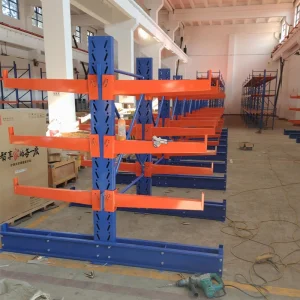
  • Cantilever Storage Systems: Ideal for long or irregular items like steel rebar, lumber, and heavy piping, cantilever systems utilize load-bearing arms anchored to heavy vertical columns, eliminating front-facing obstructions.
  • Multi-Level Mezzanines: These structures double or triple floor space by building upwards. Utilizing heavy cold-formed steel joists and structural columns, mezzanines support workspace above and high-density racking below.

Advanced Manufacturing Facility & Production Lines

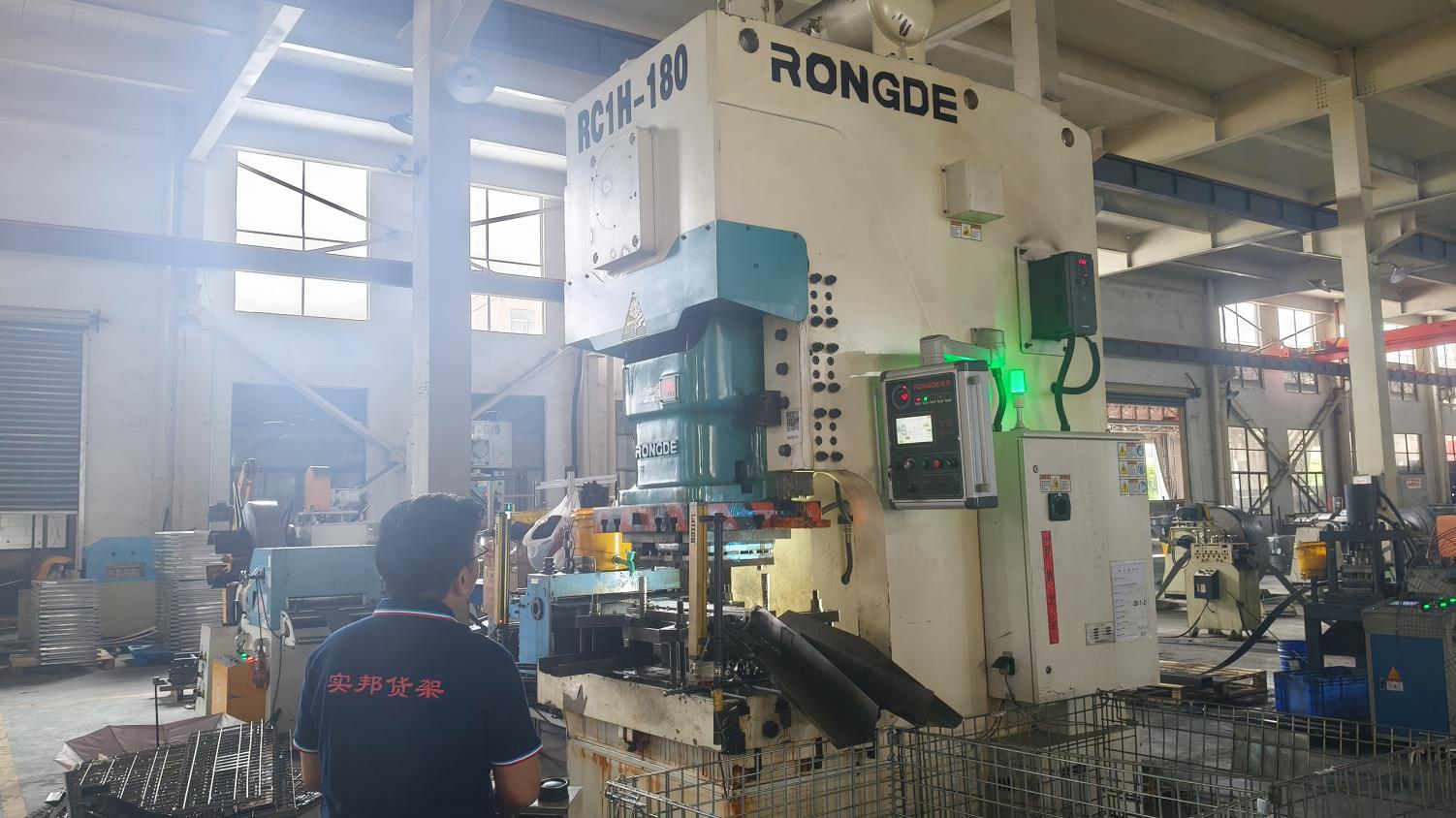
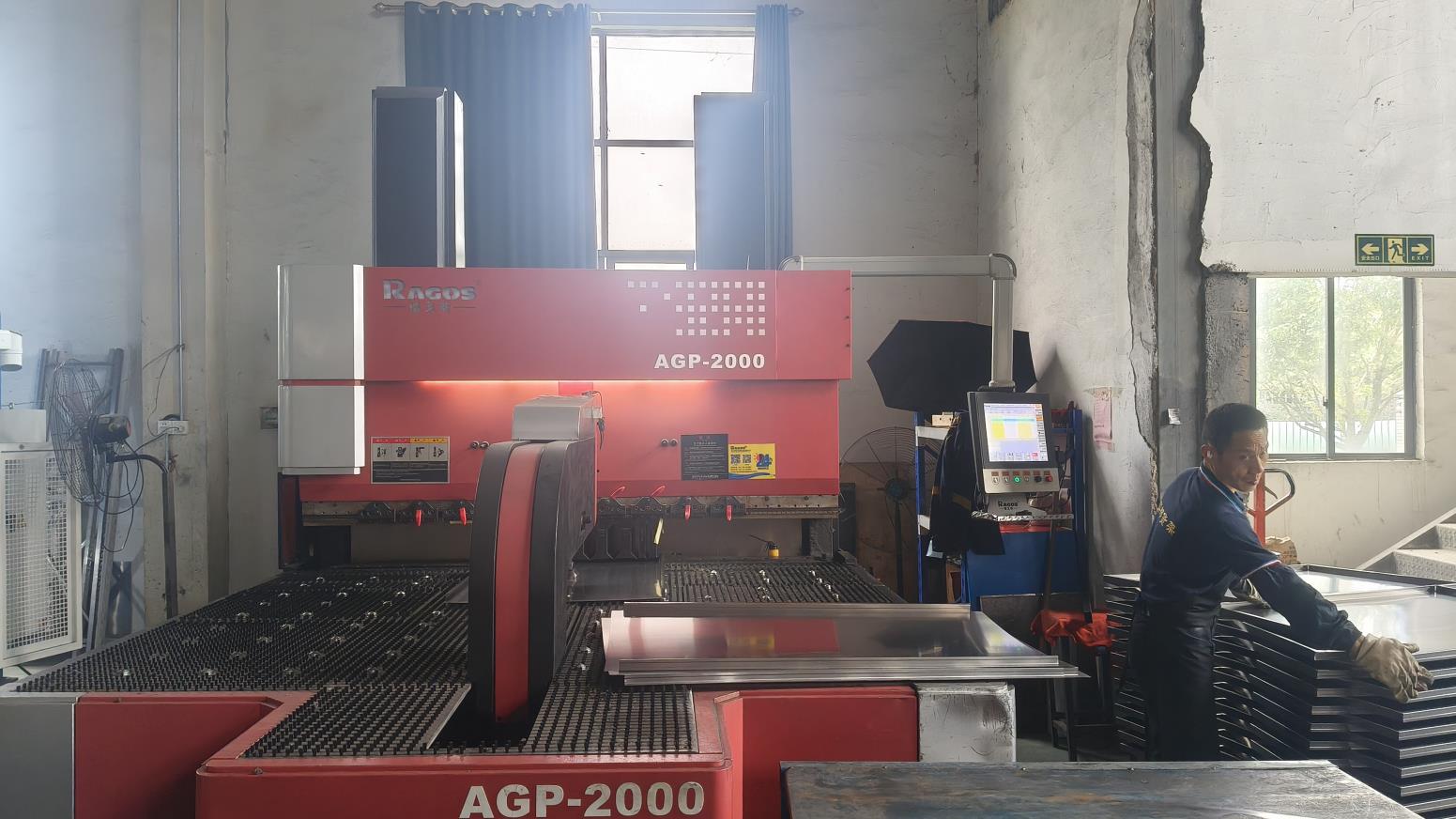
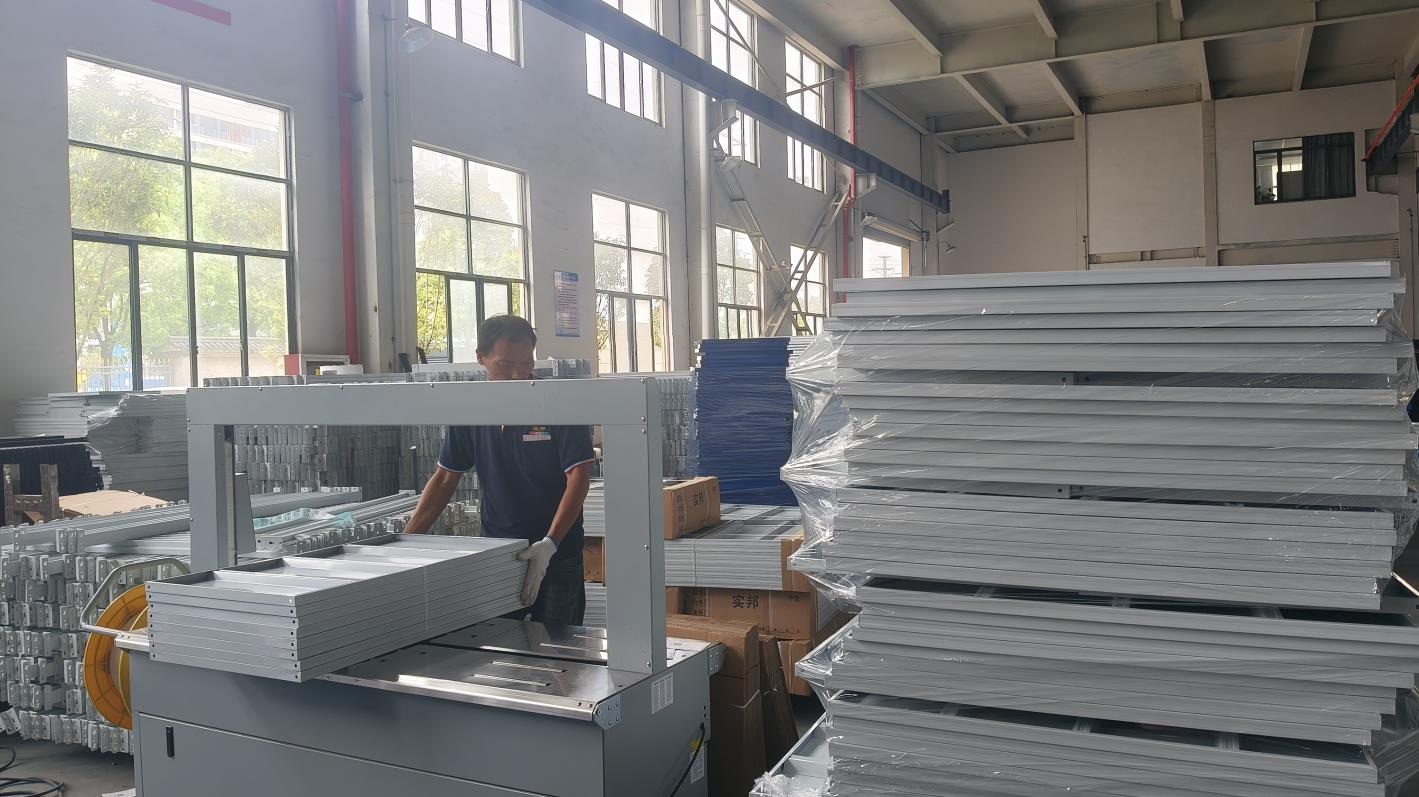
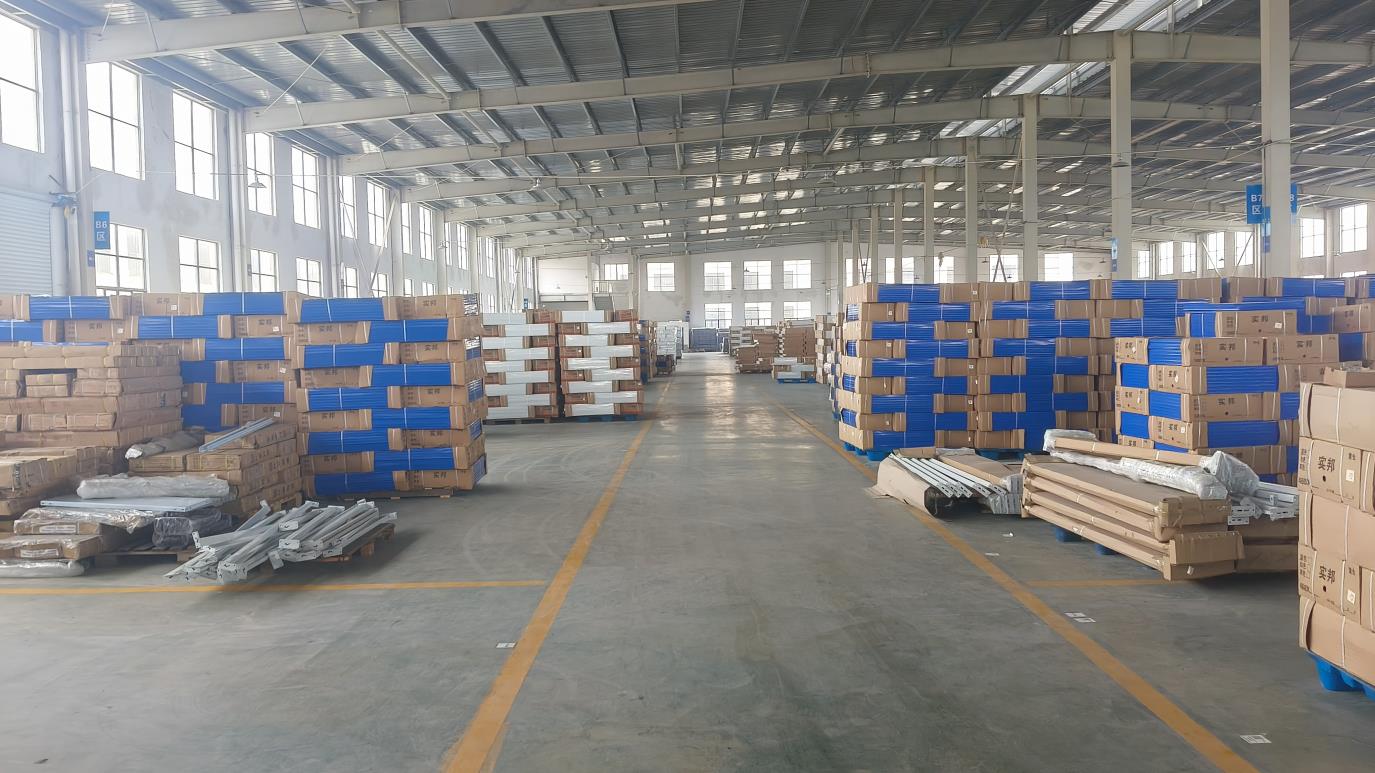
A visual overview of our manufacturing operations, automated machinery, and quality control processes at Ningbo Shibang.
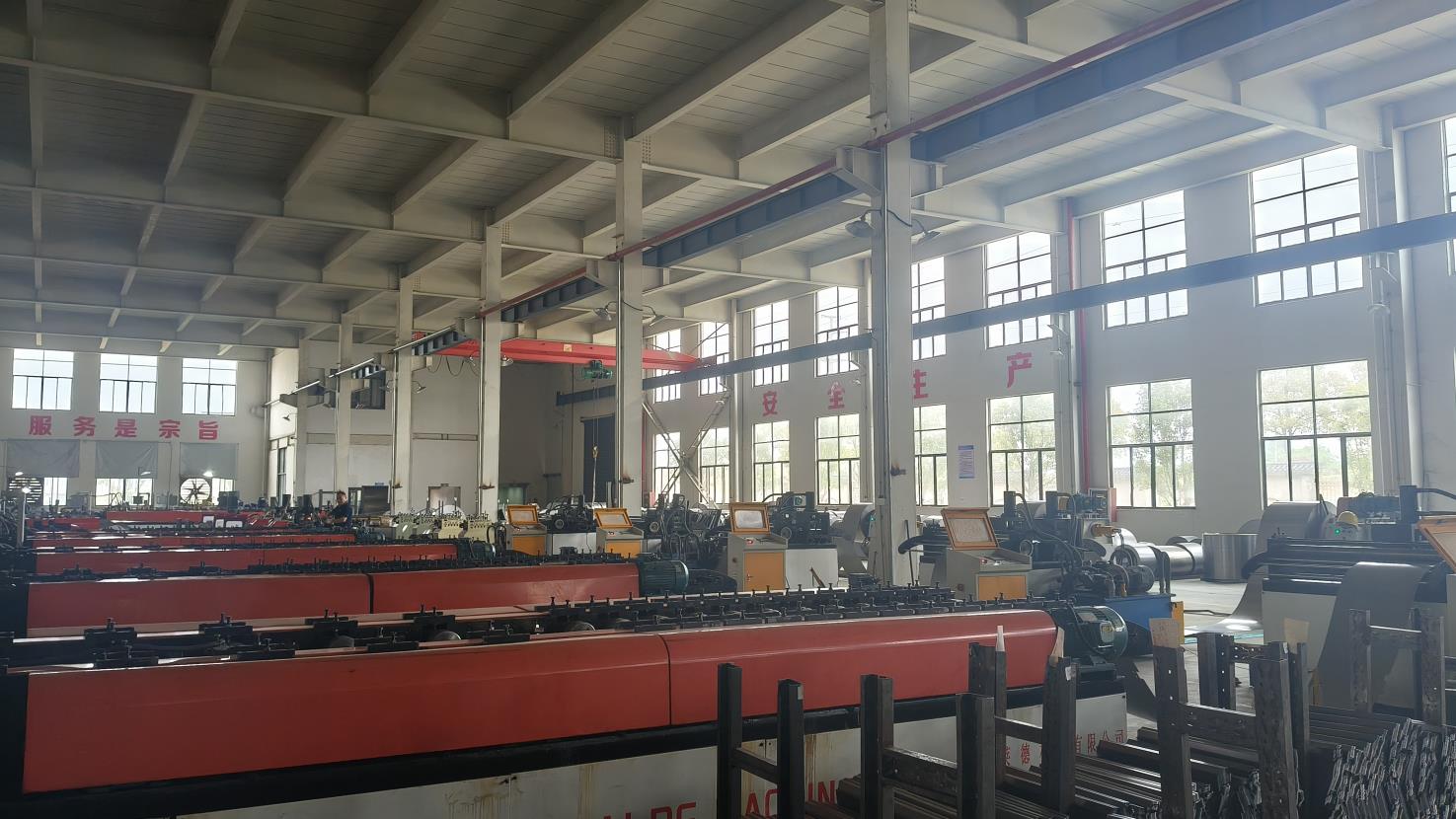
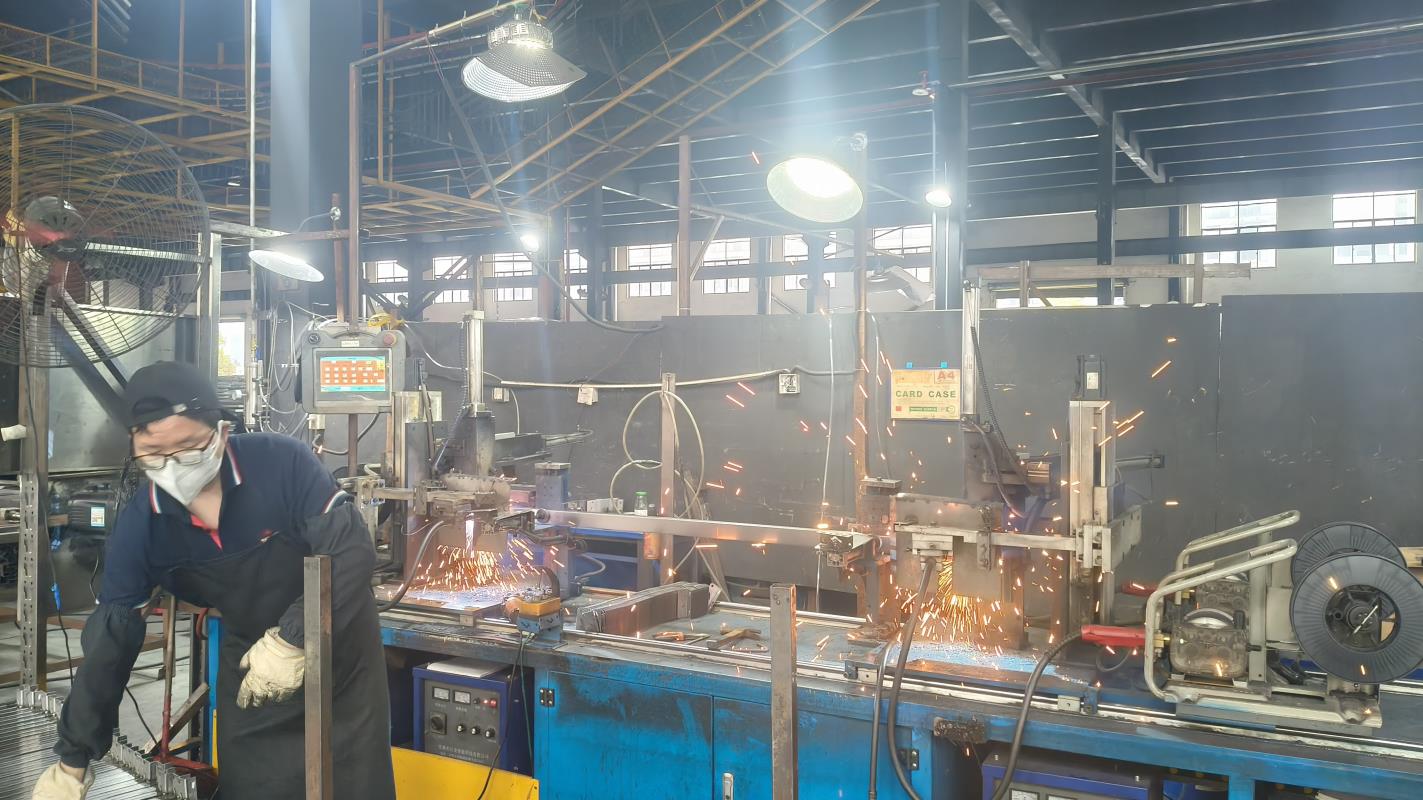
Forming Process
Forming
Bonding Process
Bonding
Spray painting Process
Spray painting
Punching Process
Punching
Bending Process
Bending
Packaging Process
Packaging
Warehouse Storage
Warehouse
Forming machine
Forming machine
Bonding machine
Bonding machine
Spray painting line
Spray painting line
Fully automatic forming machine
Mechanical arm
Mechanical arm
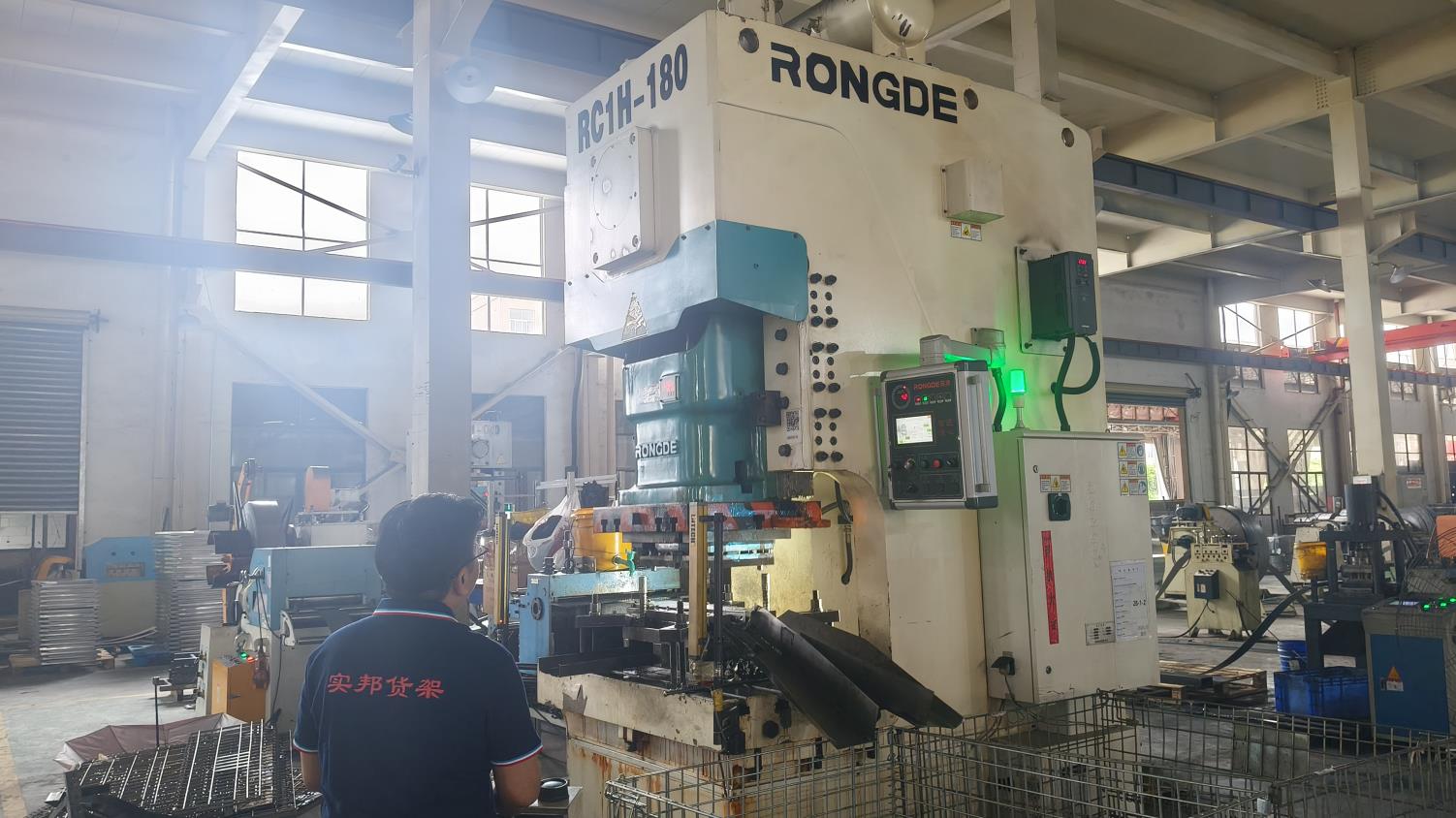
Punching machine
Punching machine
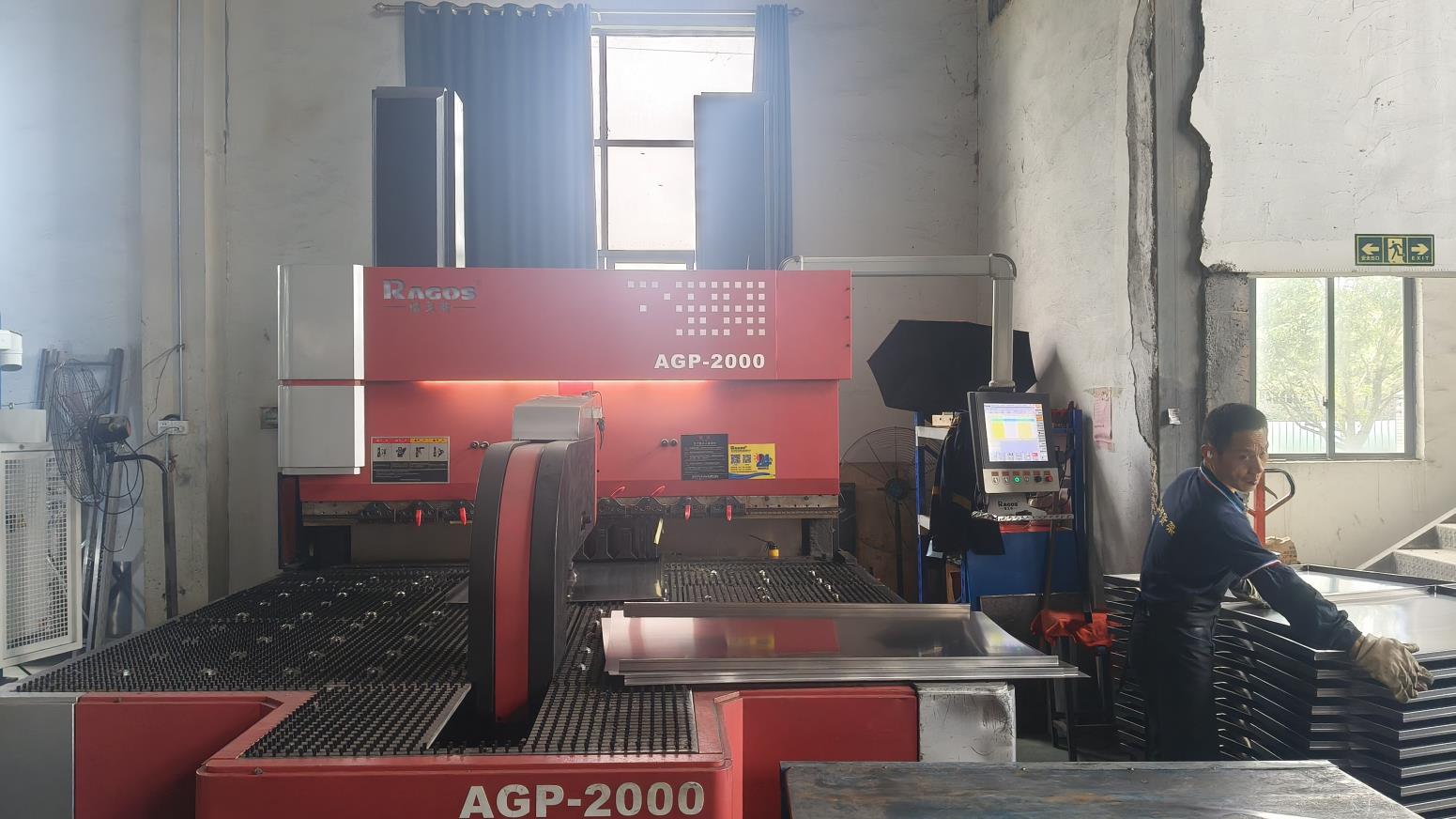
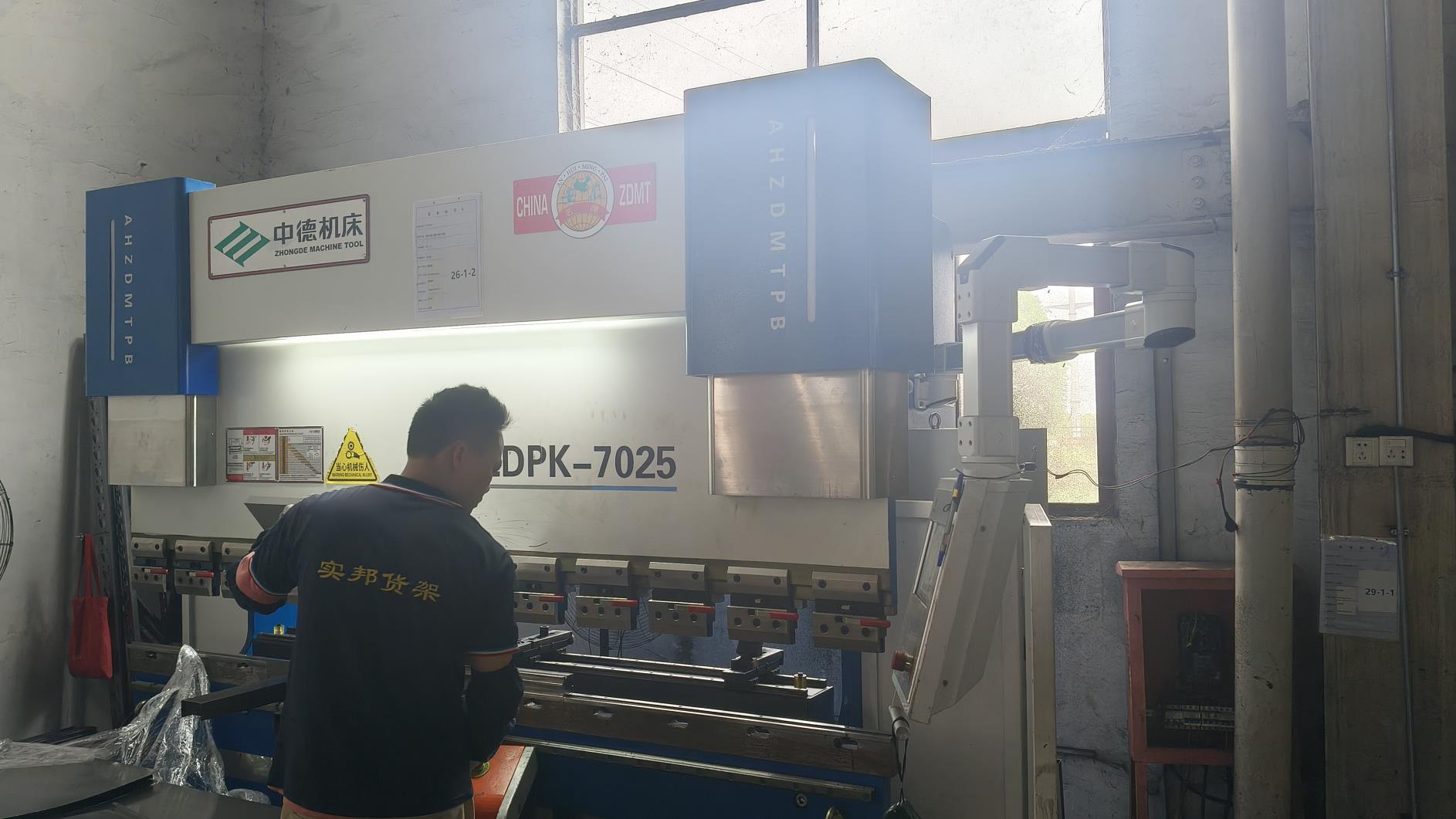
Fully automatic bending machine
Automatic semi-automatic bending machine
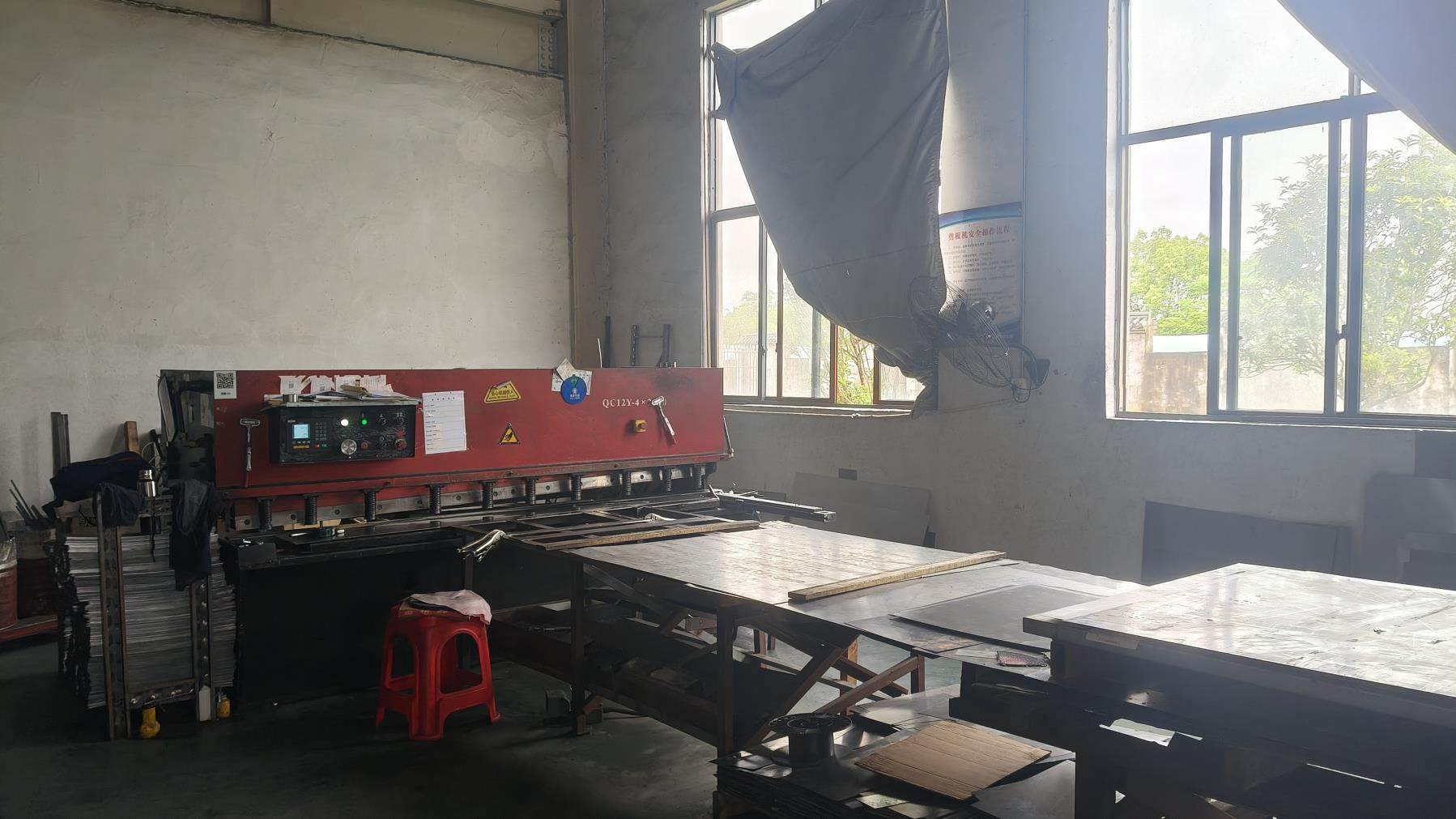
Plate shearing machine

5. Global Compliance & Steel Safety Standards

International procurement managers must evaluate several structural safety parameters when selecting heavy-duty racking suppliers. Designing for static capacity is straightforward, but dynamic factors like seismic activity, product loading, and site configuration require rigorous engineering. Major markets require adherence to specific structural safety codes:

  • United States (RMI - Rack Manufacturers Institute): RMI sets the standard for industrial steel storage racks, specifying clear limits for frame deflection under varying loads. Compliance ensures system integrity under forklift operations.
  • Australia (AS4084-2012): The AS4084 standard outlines testing methods and calculations for steel storage racking, emphasizing safety factors for baseplates, dynamic load distributions, and seismic stability in regions prone to tremors.
  • Europe (EN 15512 / FEM 10.2.02): The European Committee for Standardization specifies detailed testing parameters for adjustable pallet racking, covering beam deflection, frame stability, and connections to ensure safe load limits.

To meet these requirements, Ningbo Shibang subjects its products to comprehensive testing, including: Ultrasonic Testing (UT) of weld seams to identify sub-surface imperfections, tensile strength validation of incoming steel coils, coating thickness checks for corrosion protection, and structural load testing to verify actual capacity limits.

Expert Procurement FAQ

Addressing key technical, safety, and logistical questions for global engineering and procurement professionals.

How is the load-bearing capacity calculated and verified for industrial-grade racking?
Load capacity calculations utilize both analytical modeling (Finite Element Analysis) and destructive load testing, in accordance with RMI and AS4084 standards. The safety factor typically ranges from 1.5 to 1.8, meaning the structural components are engineered to withstand up to 1.8 times the rated uniform load limit. Beams are designed with a deflection limit of L/200 (span divided by 200), ensuring safety under maximum load. We provide testing certificates with each batch to verify physical load limits.
What measures are taken to prevent corrosion in cold room and outdoor storage environments?
For low-temperature or high-moisture environments, we apply hot-dip galvanizing (HDG) or zinc-rich powder primers. The HDG process coats the steel in a layer of zinc alloy, providing barrier protection. For standard freezer storage, we utilize specialty low-temperature steel (which maintains ductility down to -30°C) finished with a high-durability epoxy-polyester powder coat, preventing micro-cracking and moisture ingress.
Can Ningbo Shibang design and manufacture racking to comply with local seismic codes?
Yes. Our in-house engineering team calculates seismic load parameters using local spectral acceleration data. This includes sizing columns, widening baseplates, and adding cross-bracing or heavy anchor bolts to handle ground acceleration forces. We customize upright and beam configurations to meet the seismic codes of your specific region, including North America and Australia.
What are the standard lead times for custom OEM/ODM heavy-duty racking orders?
Lead times depend on the scale and complexity of the project. Typical manufacturing ranges from 25 to 35 days from the approval of technical shop drawings. This timeline covers roll-forming, punching, welding, powder coating, and packing. Standard models may ship faster, while custom configurations requiring custom tooling or hot-dip galvanizing may take longer. We provide regular updates throughout the production cycle.
How does Ningbo Shibang manage quality control across raw materials?
Our quality control process starts with raw materials. We source structural steel coils from reputable steel mills, requiring mill test certificates (MTC) for chemical composition and mechanical properties. Before production begins, we run tensile tests to confirm yield strength. During manufacturing, our QA/QC team monitors dimensions, hole alignment, and coating consistency to maintain strict standards.