Explore our premium industrial racking structures engineered for high load-bearing capacity, anti-corrosion protection, and seismic reliability.
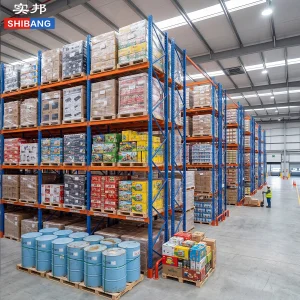
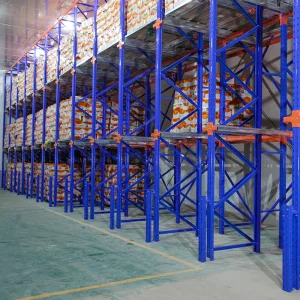
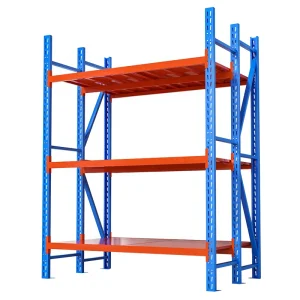
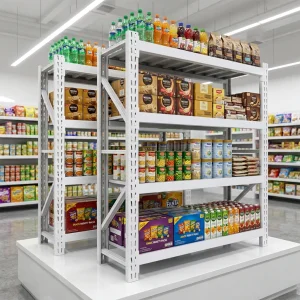
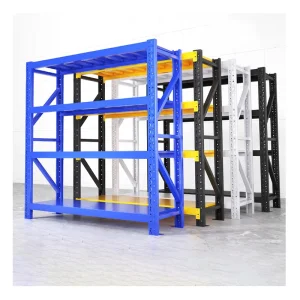
In modern, fast-paced warehouse environments, physical structures are constantly subjected to severe mechanical stresses. Standard static calculations are no longer sufficient when forklifts, automated guided vehicles (AGVs), and heavy pallets interact dynamically with system frames. Impact Racks—specifically engineered to absorb, redirect, or withstand accidental kinetic collisions—represent the front line of safety and longevity in logistics architecture.
As a specialized OEM exporter, our custom structural racking configurations incorporate seismic-resistant designs, column protectors, and high-tensile steel alloys. This minimizes down-time, prevents catastrophic structural collapses, and protects inventory assets worth millions.
Historically, storage solutions were specified solely by flat load charts. Today's global supply chains mandate dynamic resilience.
Established in 2016, Ningbo Shibang Storage Rack Co., Ltd. has developed into a premier global enterprise specializing in the design, engineering, and mass-scale export of heavy-duty industrial storage racks. Over our 12 years of industry experience and 8 years of dedicated direct export operations, we have earned trust across North America, Western Europe, Southeast Asia, and Australia, generating an annual export volume exceeding $18 million.
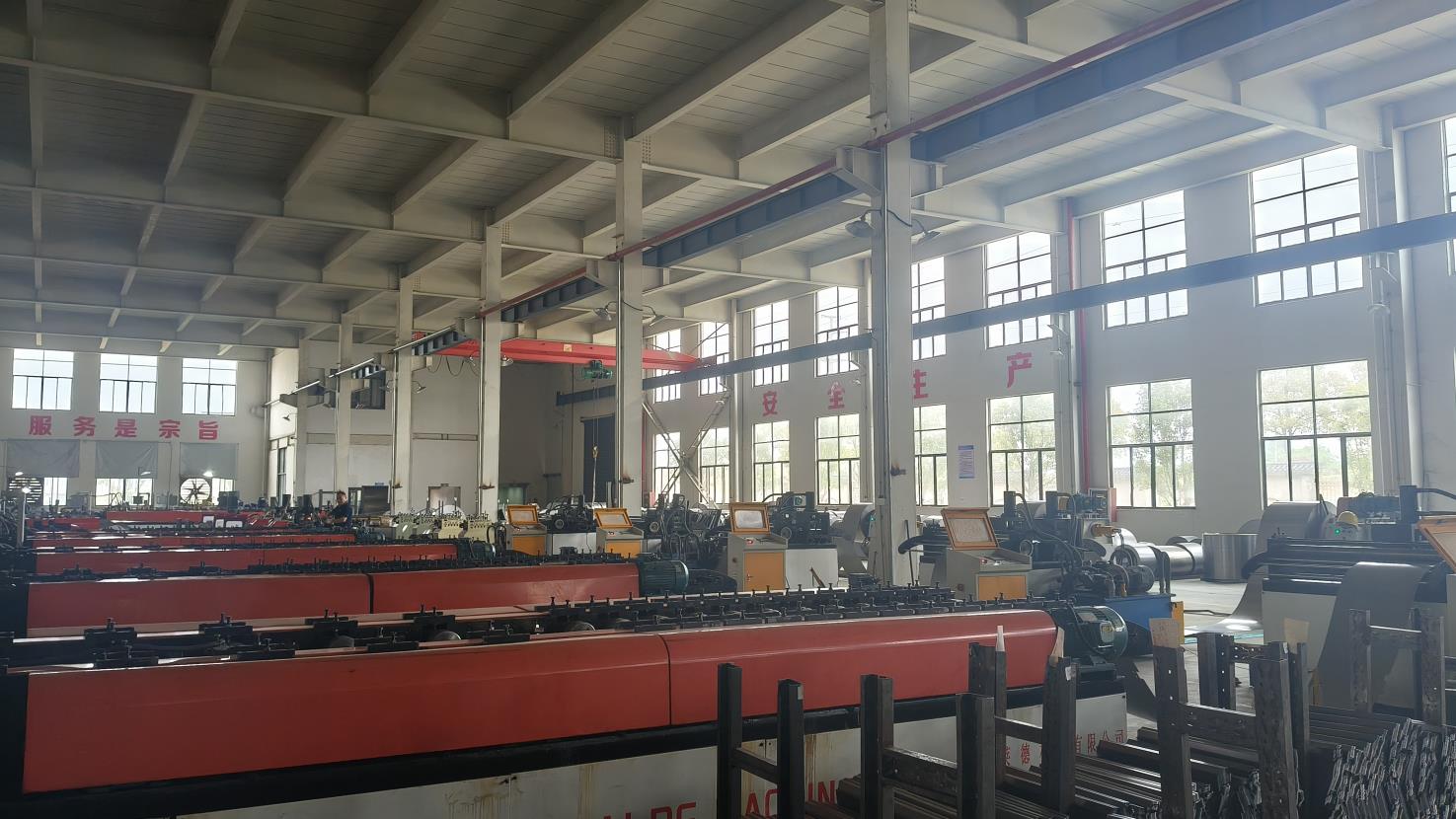
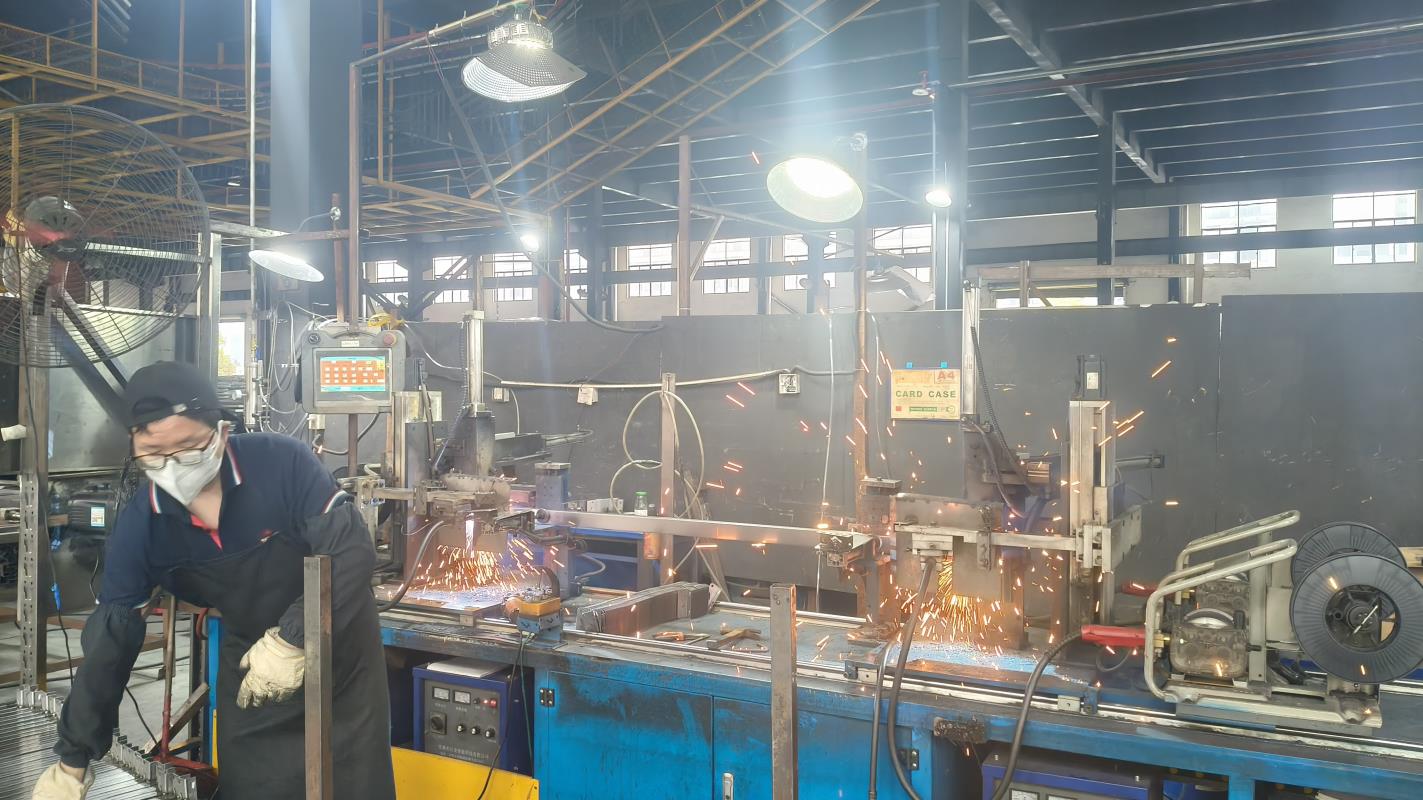
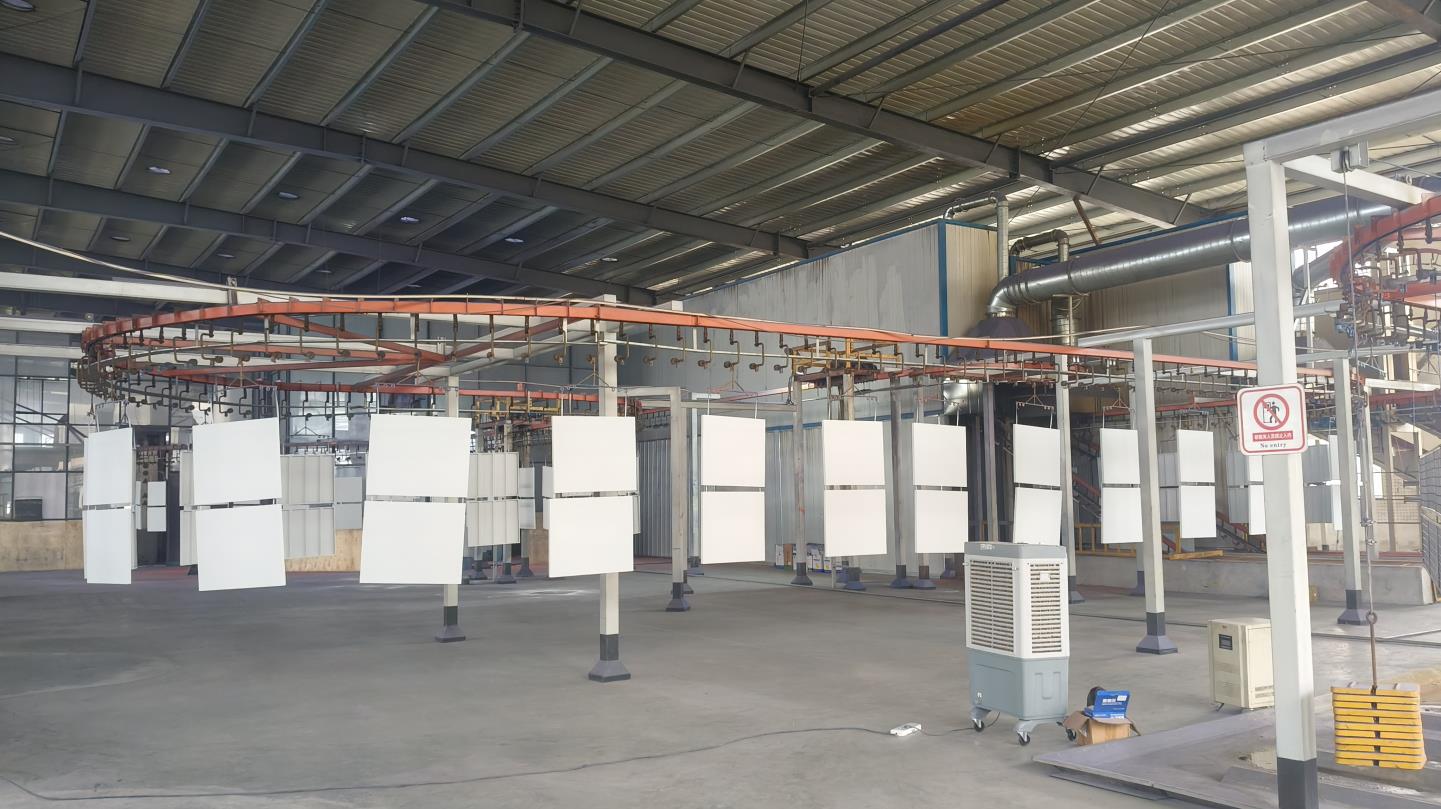
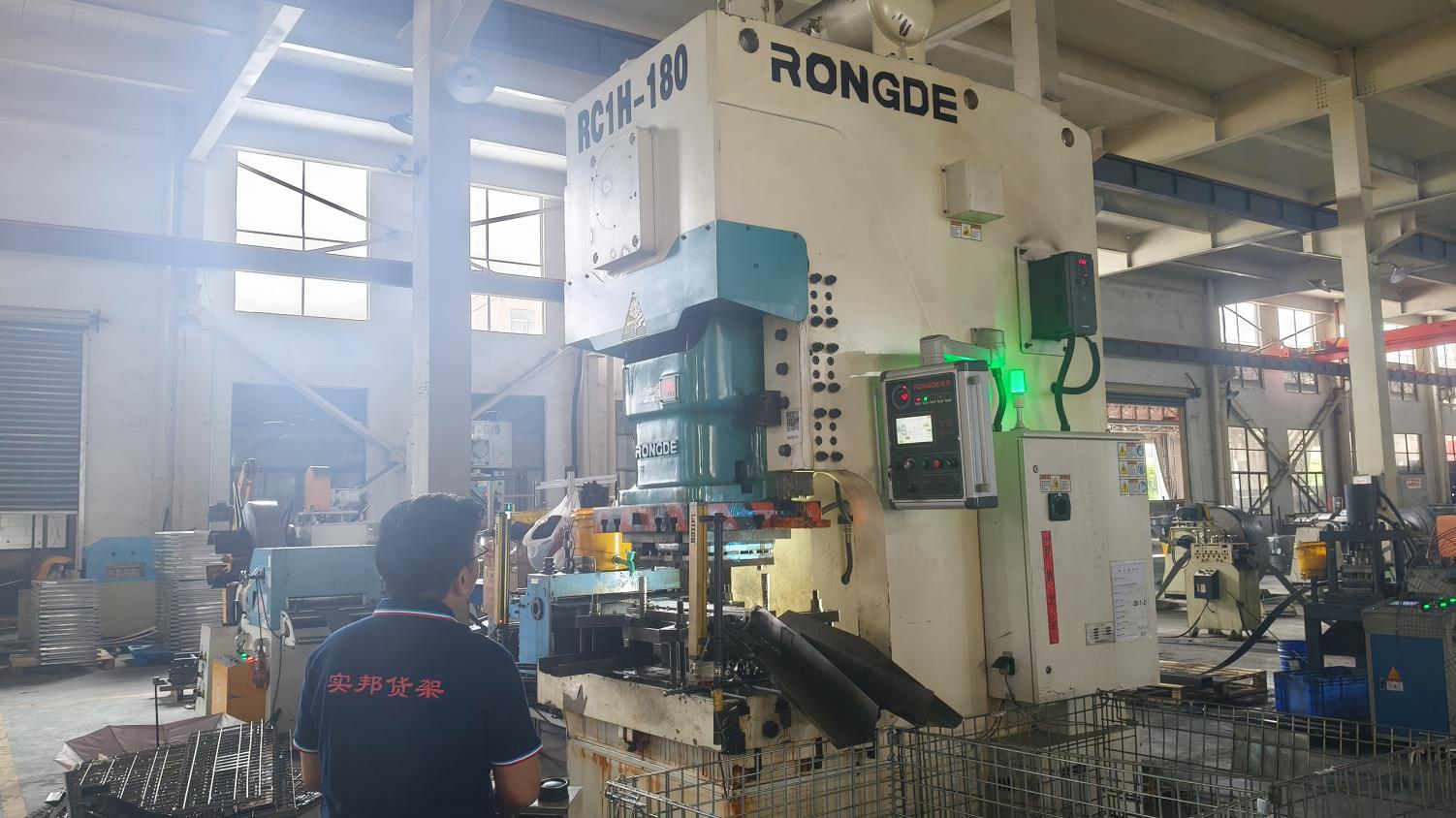
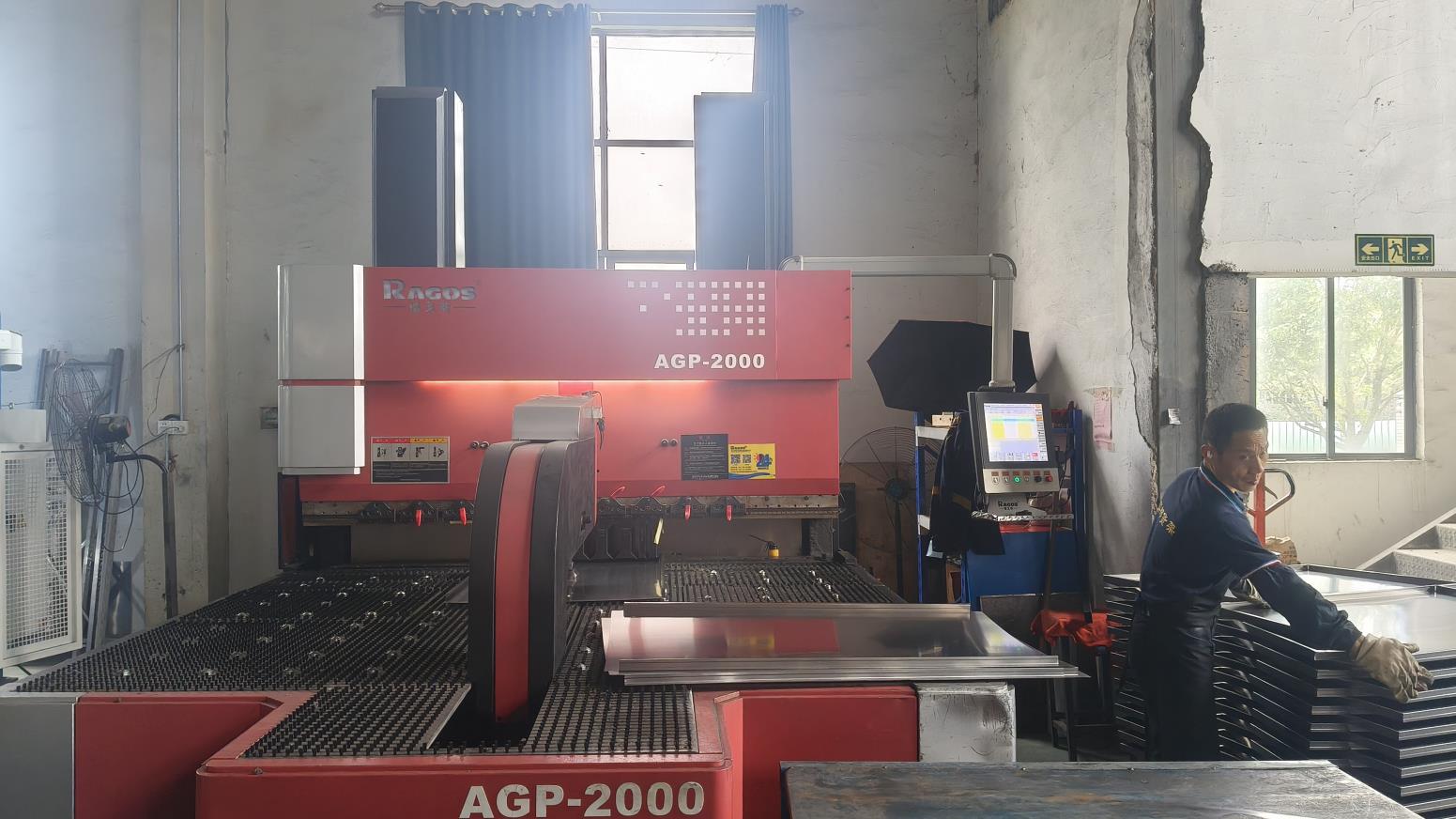
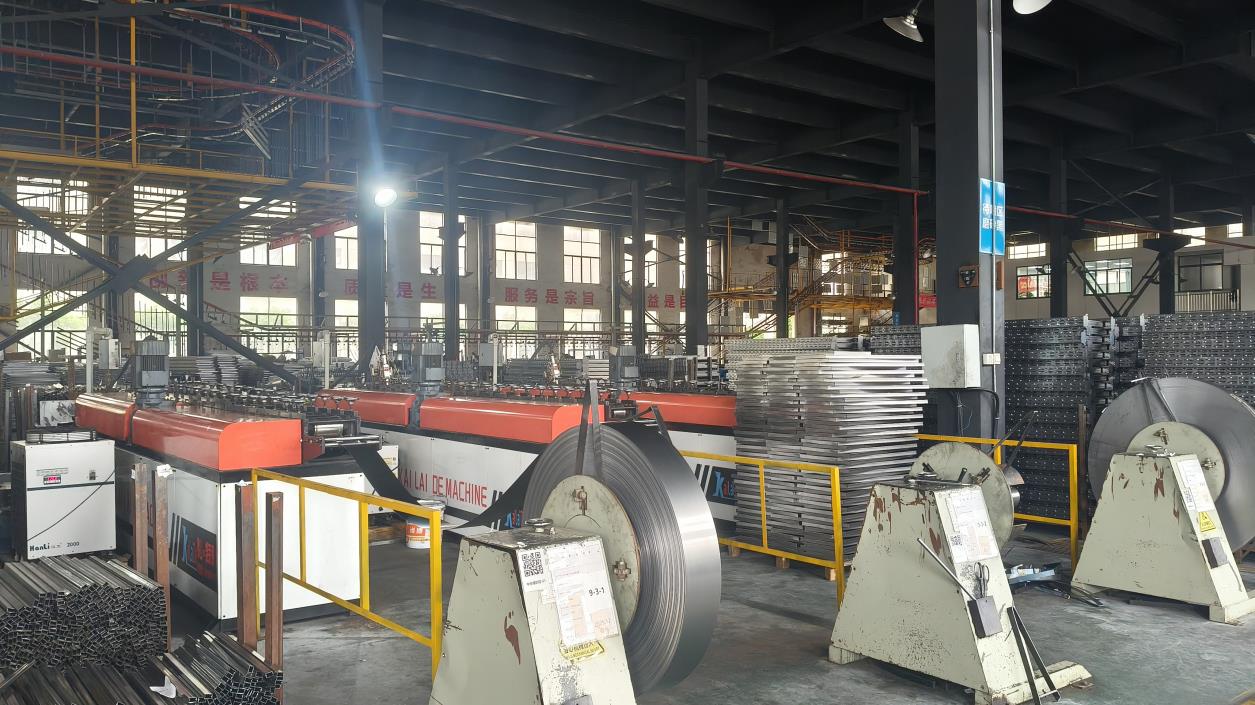
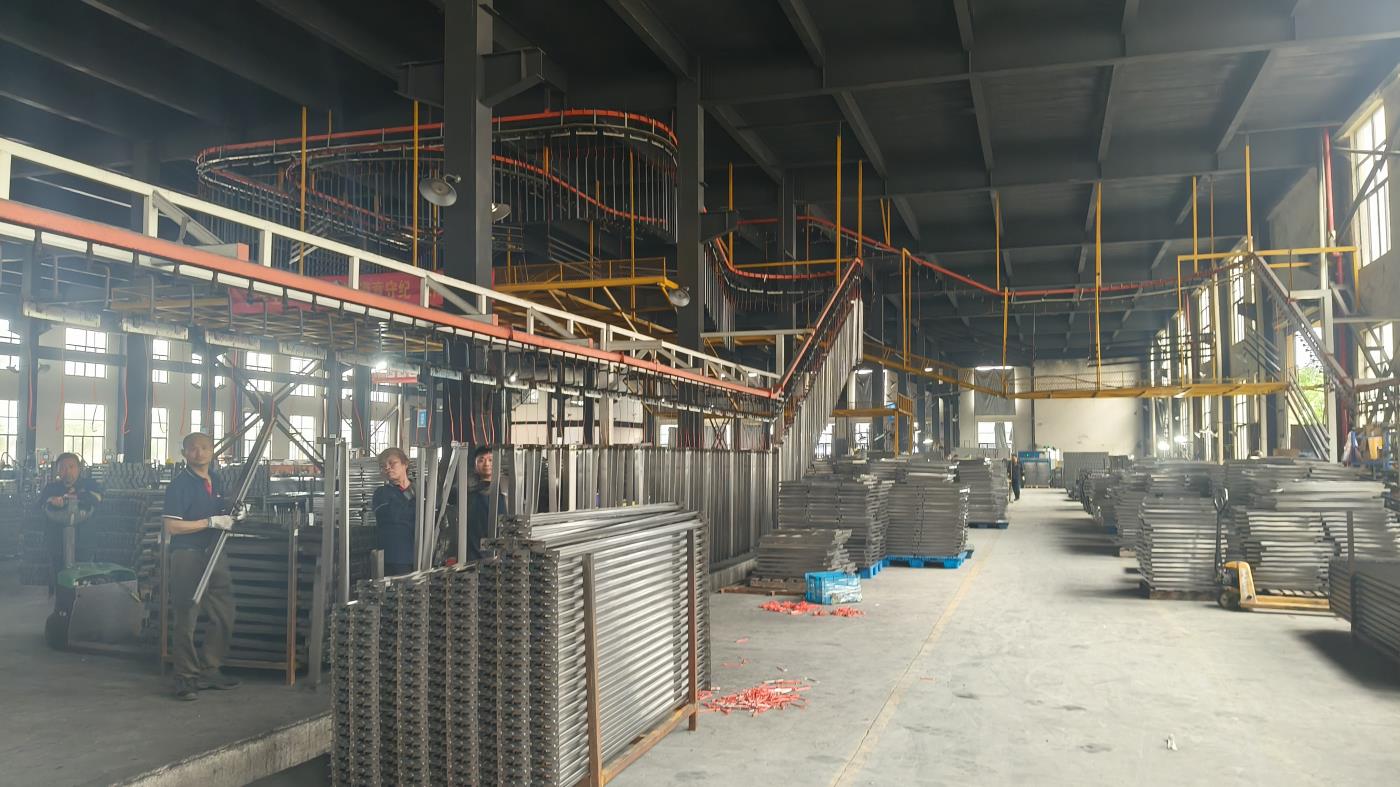
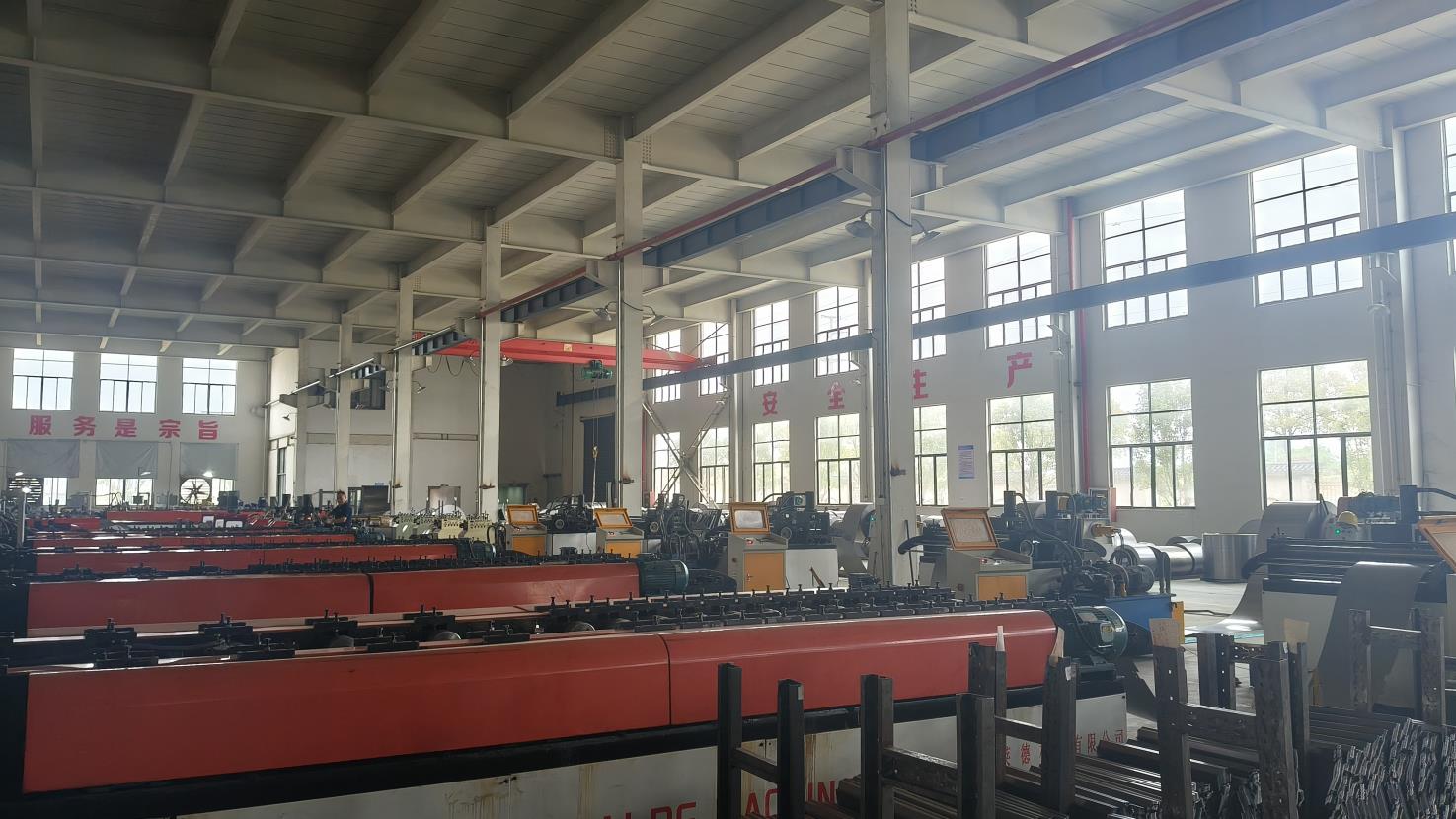
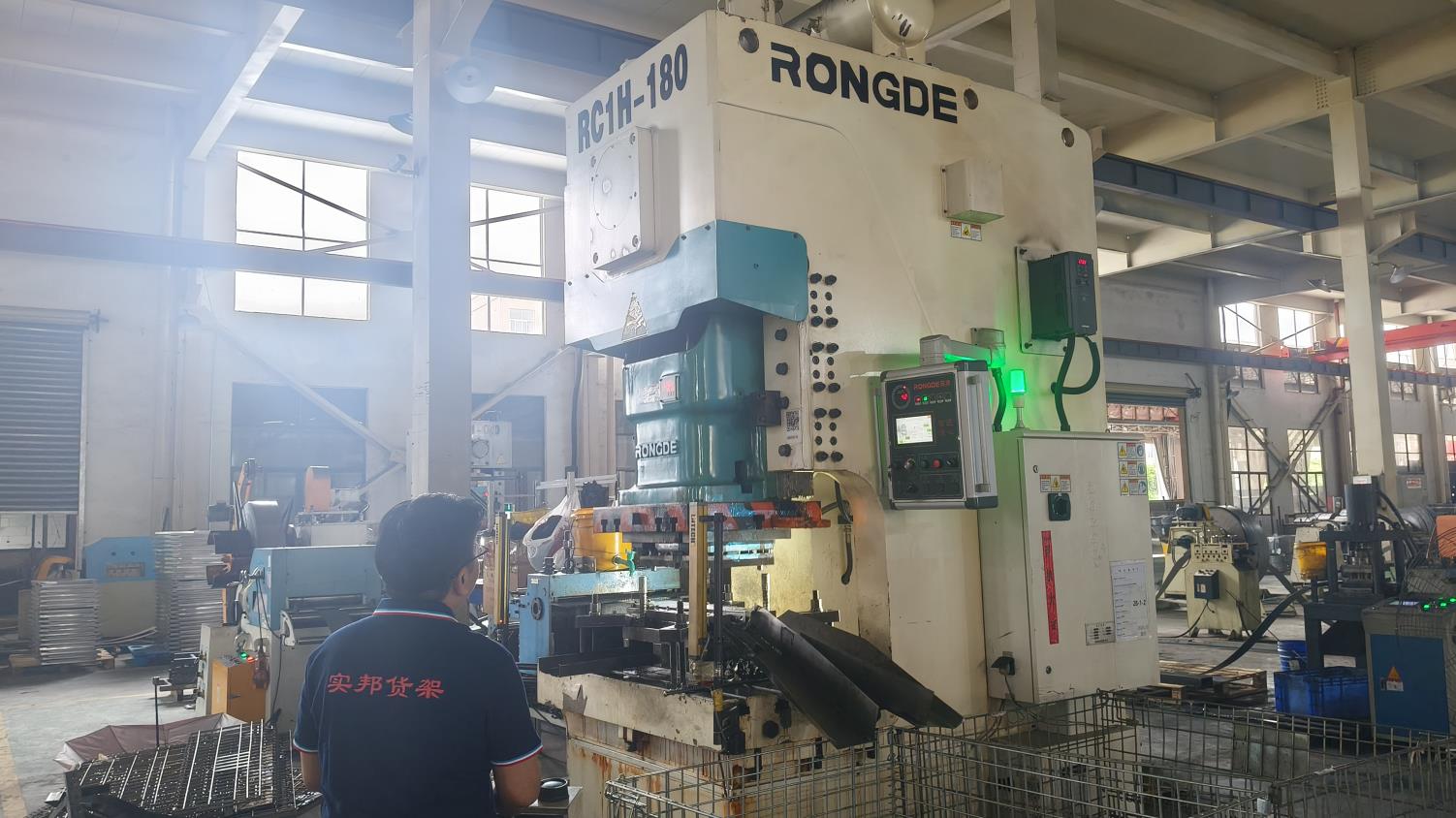
Operating out of our advanced manufacturing plant in Ningbo, our facility utilizes state-of-the-art cold-roll forming, automated structural punching, and electro-static powder coating systems. By managing raw materials from certified steel mills and employing robust Finite Element Method (FEM) software, our 22 structural and mechanical engineers customize load capacities, seismic profiles, and modular height configurations to match precise site constraints.
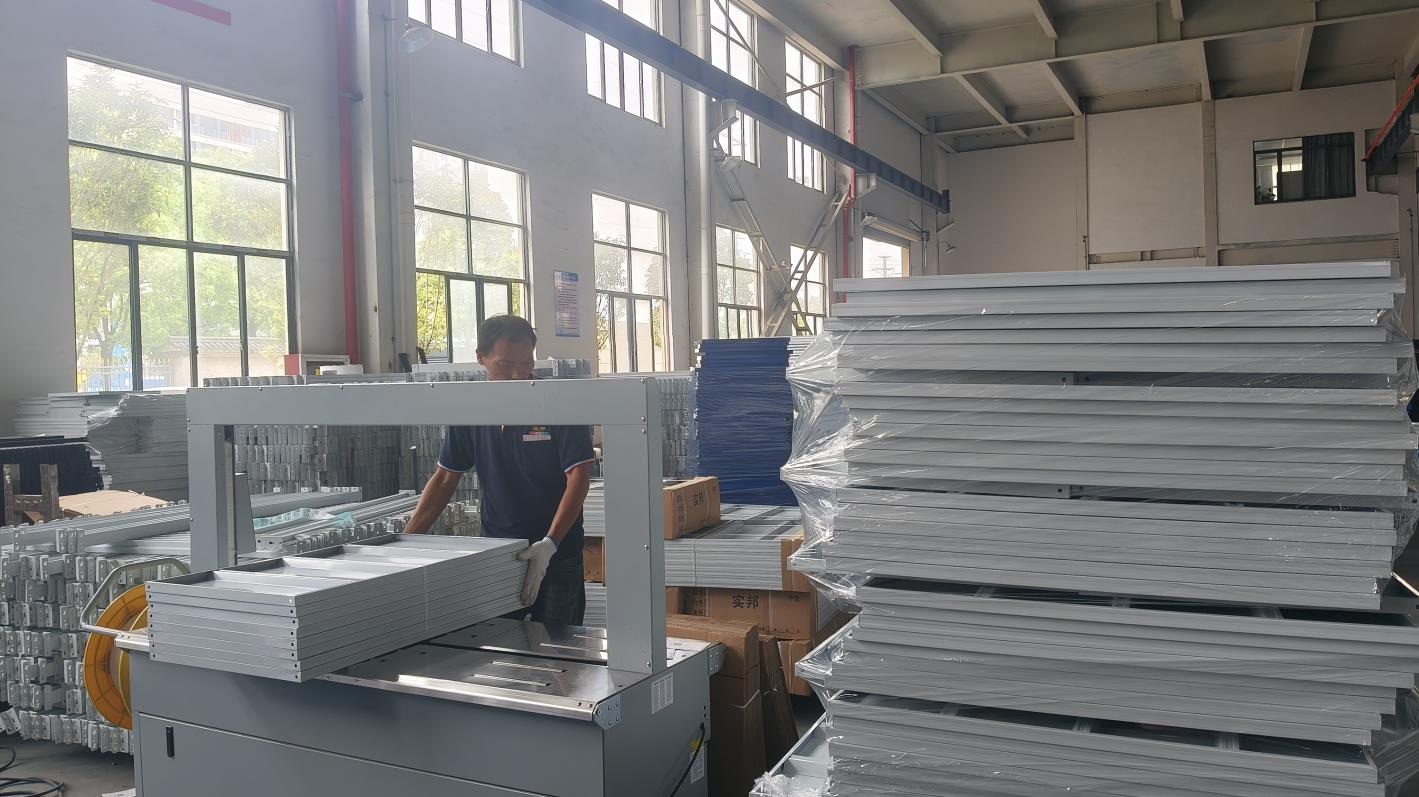
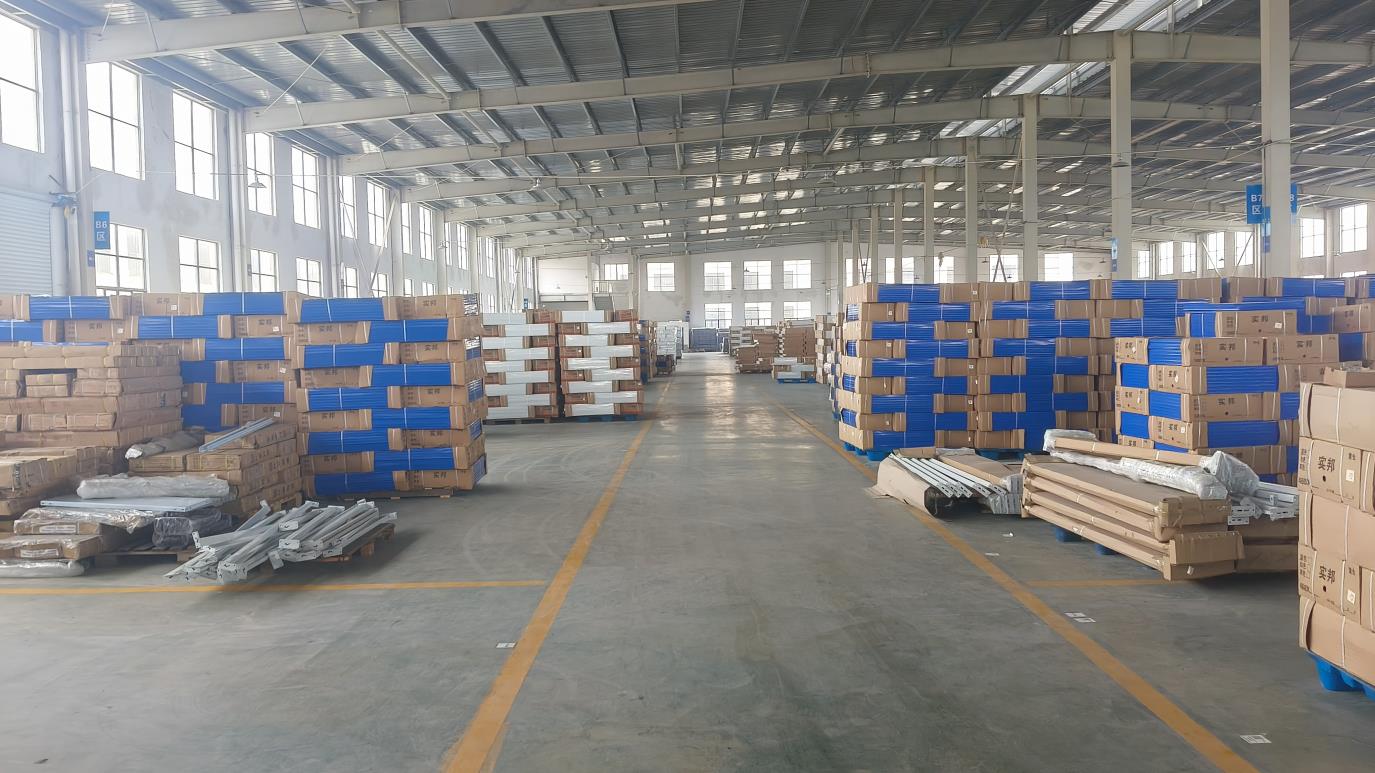
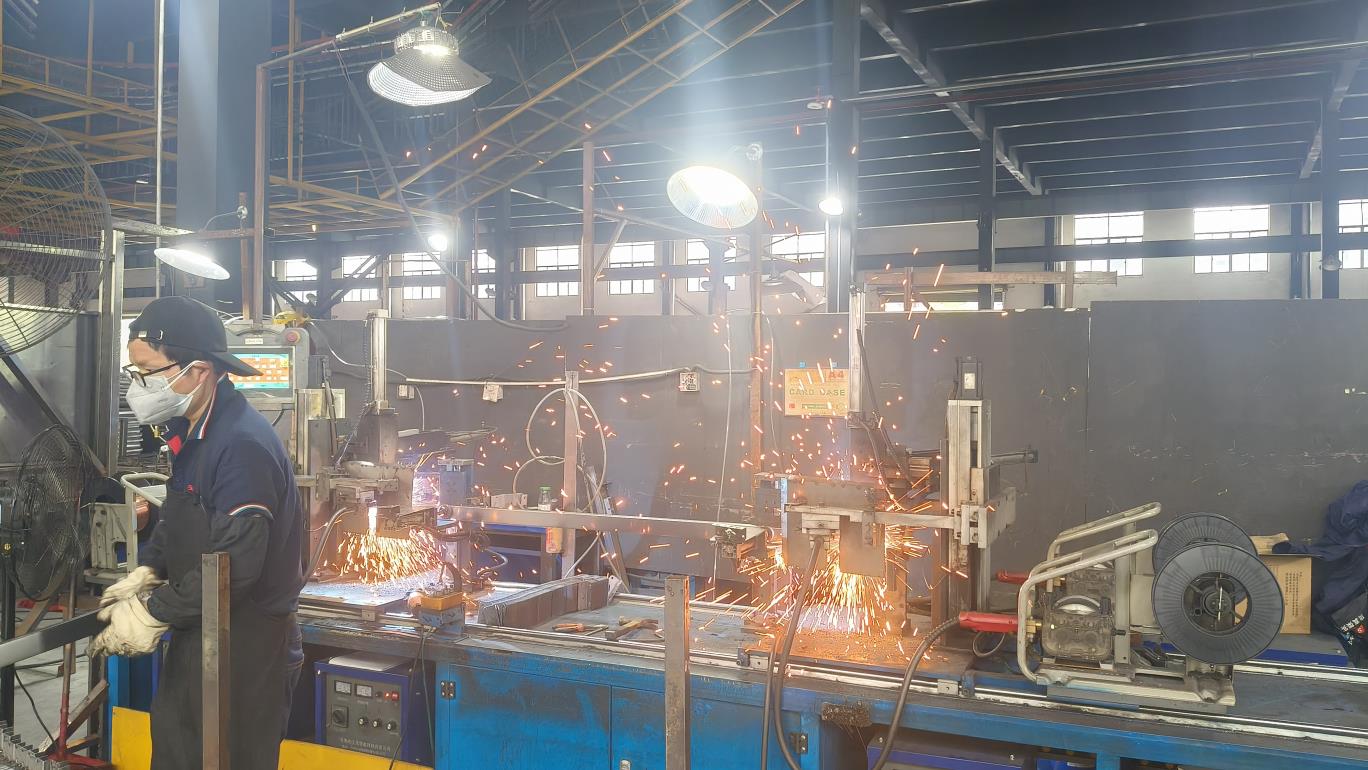
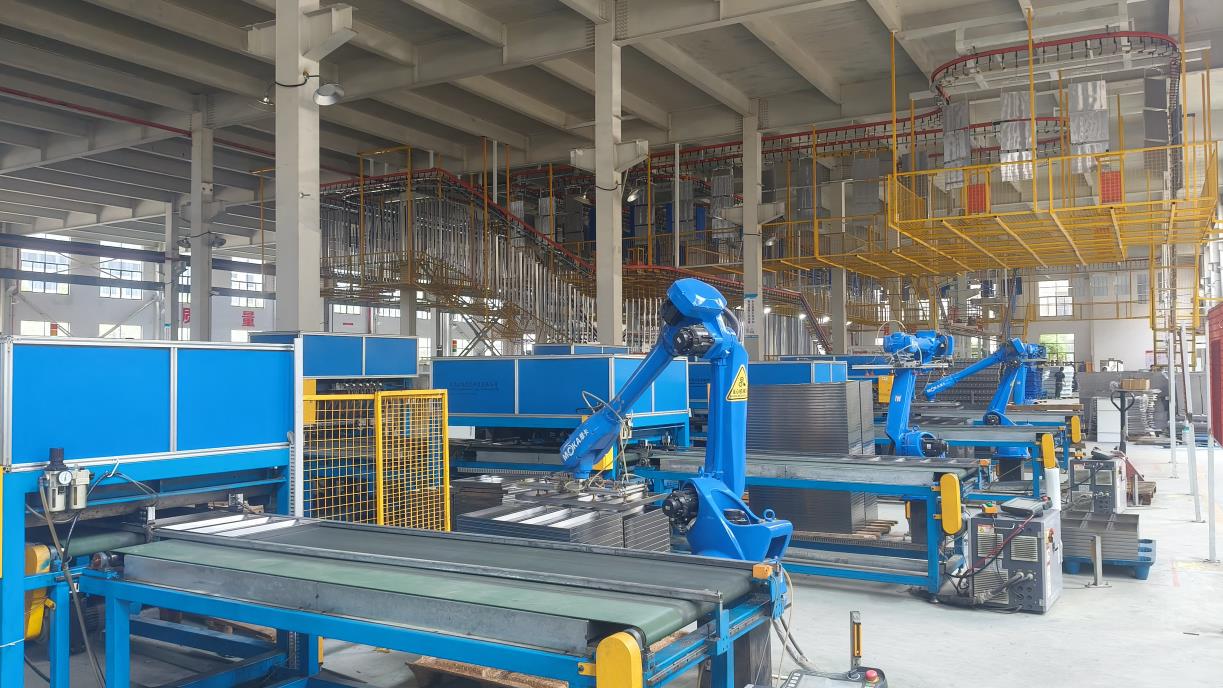
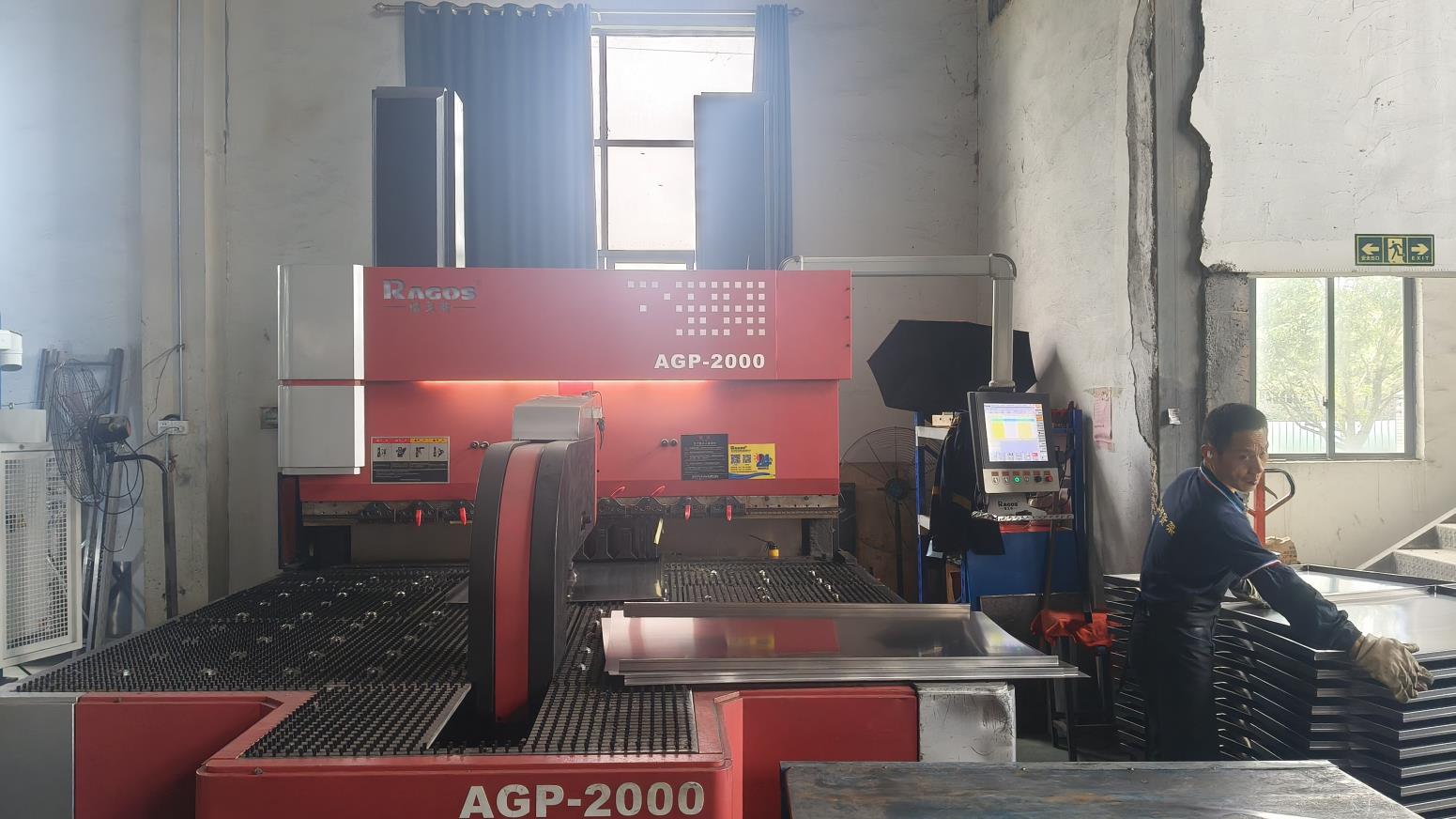
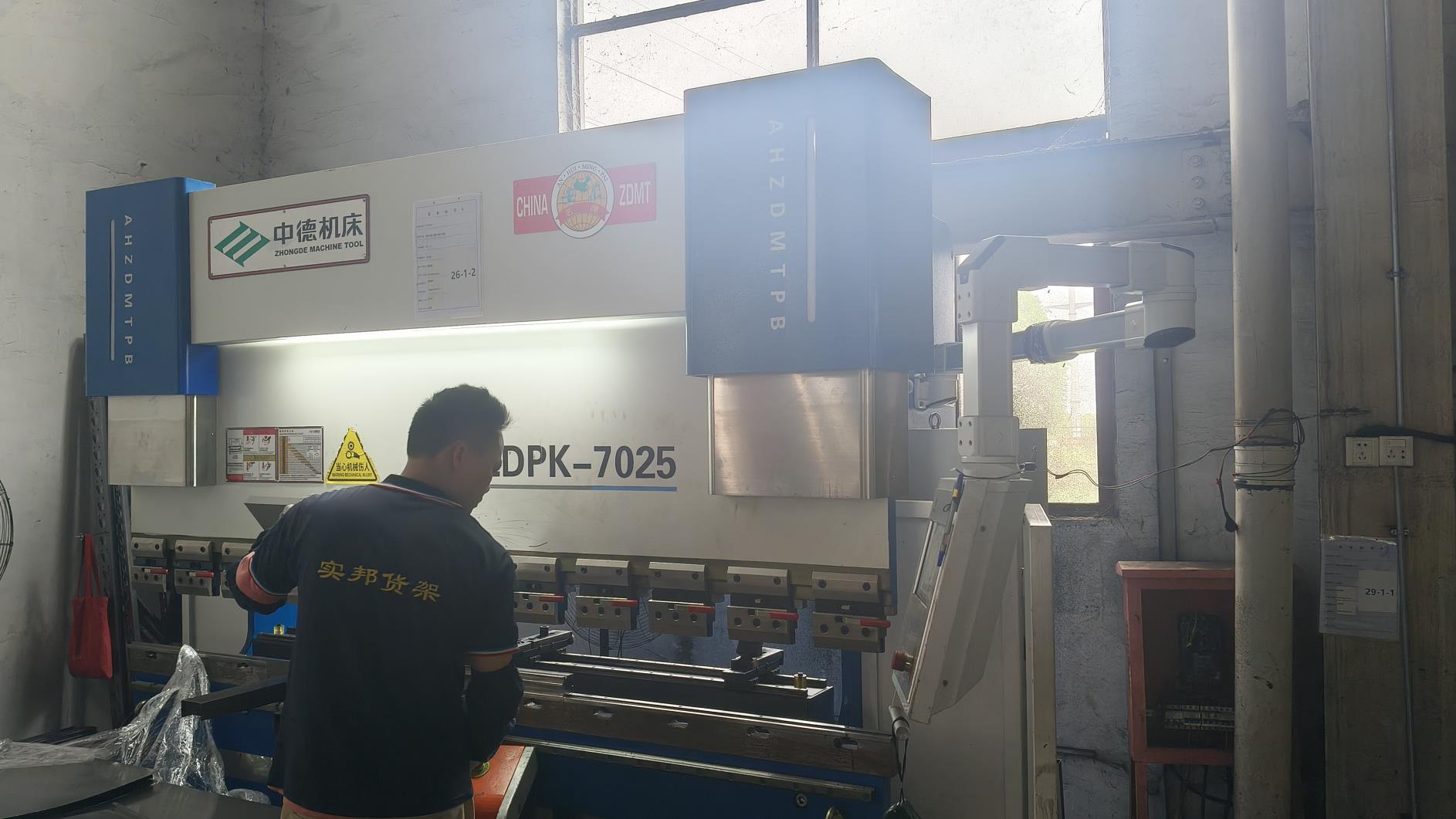
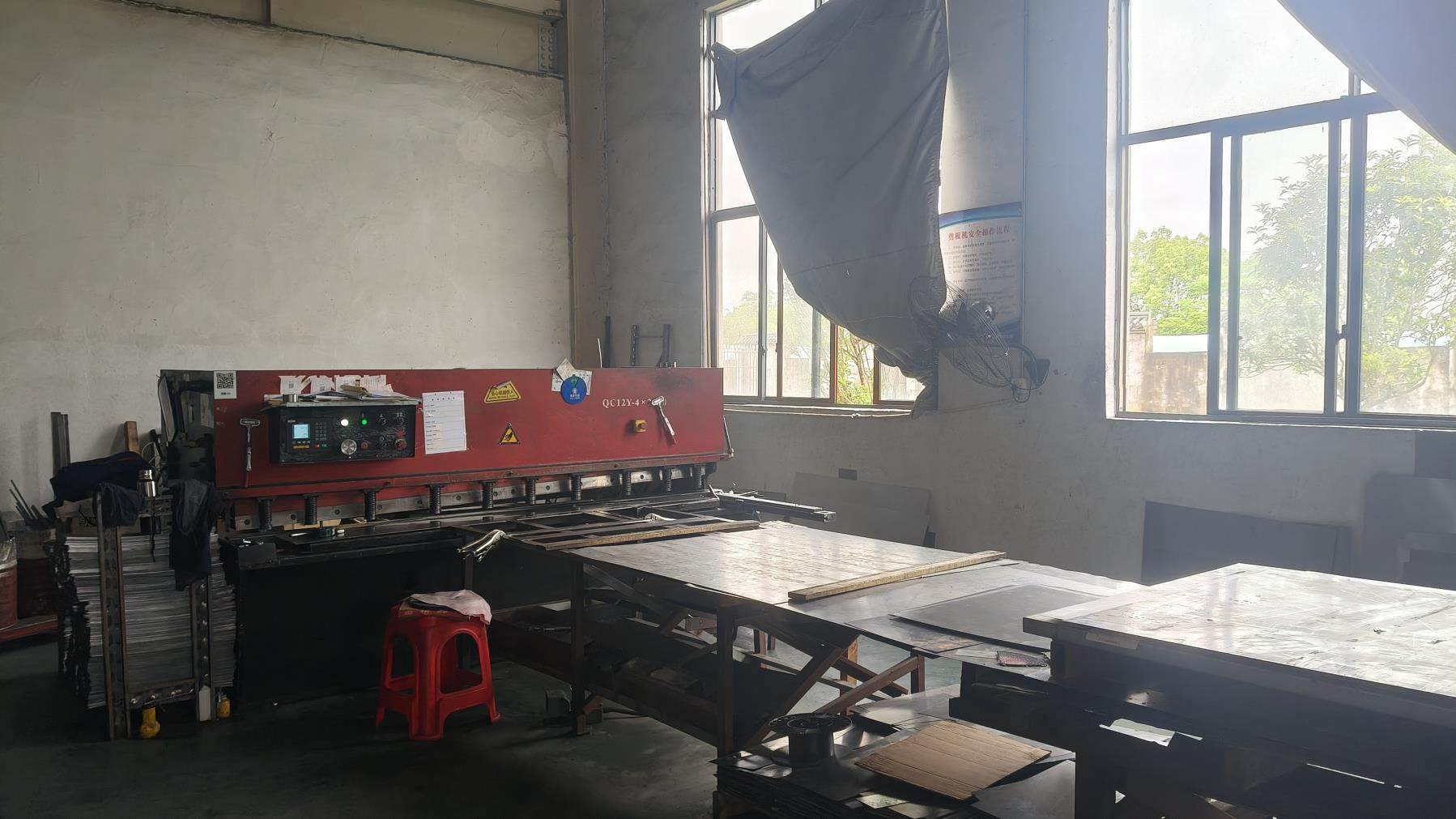
Our factory utilizes advanced machinery and robotic handling to ensure dimensional accuracy, structural consistency, and defect-free welding. Below is an inside look at our 32,000 m² modern facility processing stages:
Enterprise logistics directors, 3PL procurement leads, and warehouse facility operators face similar operational headaches: early structure fatigue, structural damage caused by high-capacity forklifts, and compliance issues with local warehouse regulations. Procurement is shifting away from low-cost, generic steel shelves toward high-performance structural impact racks due to three main drivers:
Structural failures in high-bay pallet racking can lead to massive insurance liabilities, inventory loss, and work safety violations. Impact racks minimize these risks by reinforcing vulnerable structural points.
Standard racks may require frequent repair and column replacement. High-durability structural solutions with integrated deflectors provide a longer service life, making them more cost-effective over time.
Modern Automated Guided Vehicles (AGVs) demand tight tolerances. Any rack deformation can cause automation sensors to trip, shutting down operations. Rigid, impact-resistant frames help maintain system alignment.
Industrial logistics systems are not one-size-fits-all. Different industries deal with specific stresses, load configurations, and environmental factors. Our customized design process addresses these distinct operational challenges:
Sub-zero warehouses cause steel to become brittle. Our cold-room configurations use raw materials engineered for low-temperature environments, combined with corrosion-resistant galvanization, preventing structural fatigue down to -30°C.
High rotation rates require structural components that can withstand frequent forklift handling. Our designs include impact-deflecting baseplates and thicker column profiles in high-traffic zones to prevent damage.
Storing heavy dies, casting units, and metal coils requires high load capacities. We supply heavy-duty storage systems capable of supporting over 3,000 kg per level, utilizing triple-support configurations and custom beam engineering.
Maximizing vertical space requires high-bay racks. Our manufacturing plant builds high-tolerance columns up to 15 meters tall, ensuring straight vertical alignment and easy integration with automated picking equipment.
At Ningbo Shibang, our design process is driven by data. Our engineering department uses structural modeling software to test racking behavior under real-world operational loads. Our manufacturing standards focus on four key areas:
We use high-grade structural steel (typically Q235B and Q355B) from major domestic steel mills. Every delivery undergoes tensile and yield strength verification testing to confirm the raw material meets our structural requirements before production begins.
In earthquake-prone regions, racking systems must absorb seismic energy. We design oversized baseplates, dynamic expansion anchoring, and seismic bracing layouts compliant with international standards, helping prevent structure failure during ground movements.
Corrosion can compromise structural integrity. Our fully automated surface preparation line uses chemical cleaning to remove scale and rust before electrostatic powder coating. This ensures uniform paint coverage and long-term resistance to scratches and moisture.
Before manufacturing custom structural configurations, our R&D team simulates static, dynamic, and impact loads. This structural analysis helps optimize profiles and beam thickness, reducing raw material usage while maintaining required safety factors.
Industrial racking must comply with national and regional safety standards to pass warehouse inspections and secure operating licenses. Ningbo Shibang builds storage systems to meet major global testing codes, helping streamline your local permitting process:
Designed to comply with the Rack Manufacturers Institute (RMI) standards for industrial steel storage racks, ensuring safety in US and Canadian warehouses.
Engineered to meet the FEM 10.2.02 standard, featuring certified structural tolerances, safety margins, and deflection controls required across Western Europe.
Complies with structural testing, upright stiffness, and baseplate anchorage guidelines outlined under Australian standard AS 4084 for steel storage racking.
Ensuring consistent quality requires control over every step of production. Our facility uses a strict QA/QC testing framework managed by 35 quality control inspectors. We source from over 850 certified raw material and component vendors, ensuring production continuity and stable lead times even during global supply shortages.
Ningbo Shibang manages delivery logistics from our factory floor directly to your site port. We handle custom clearance paperwork, ocean container loading configurations, and shipping safety checks.
Our proximity to the Port of Ningbo-Zhoushan—one of the busiest deep-water ports globally—enables efficient container loading and reliable shipping routes to major international hubs.
Here are detailed answers to common technical and commercial questions from procurement directors and structural engineers:
Standard racking systems rely on thin cold-formed profiles designed for vertical gravity loads. Impact racks use thicker steel (typically 1.5mm to 3.0mm+ columns), specialized structural deflecting baseplates, and reinforced lower column assemblies to absorb and redirect side impacts from forklifts.
We use dual-track verification. First, our engineering team runs Finite Element Method (FEM) software simulations to calculate structural limits. Second, our quality control lab conducts physical load tests on random production samples, applying static loads up to 1.5 times the rated capacity to verify safety margins.
We provide full customization, including specialized steel profiles, custom frame heights and depths, specific powder coat colors (RAL match), seismic bracing packages, and customized baseplate sizes to accommodate varying slab thickness and concrete specs.
For low-temperature and cold storage applications, we use hot-dip galvanized finishes or specialized epoxy-powder formulations. Combined with low-temperature steel chemistry, this prevents moisture penetration and cold-induced steel embrittlement.
Standard production runs require 20 to 30 days from layout approval to container loading. Our supply chain partnerships with over 850 vendors allow us to secure raw materials quickly, maintaining reliable lead times even during peak seasons.
Yes. Our industrial designs are engineered in accordance with regional safety standards, including North America's RMI, Europe's EN 15512/FEM codes, and Australia's AS 4084, helping streamline local warehouse safety compliance.
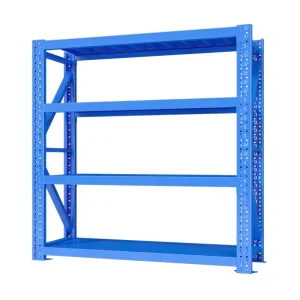
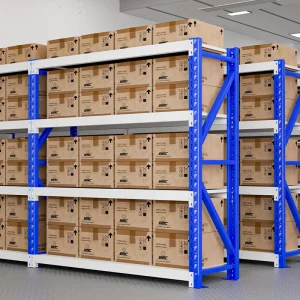
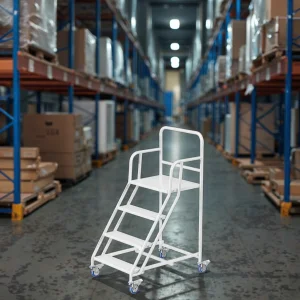
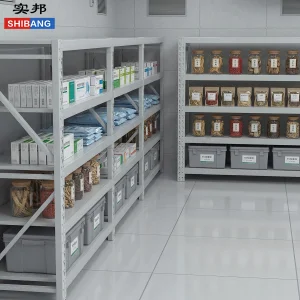
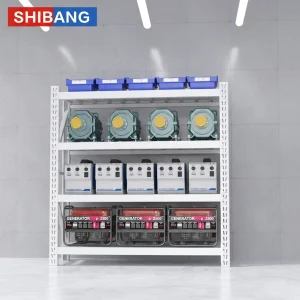
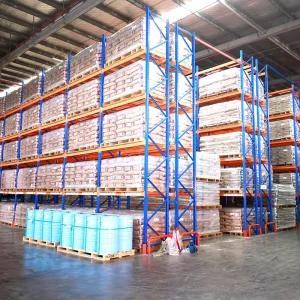
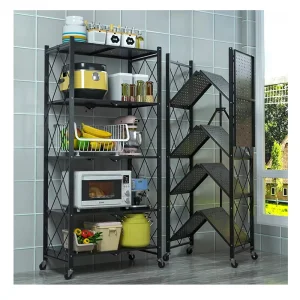
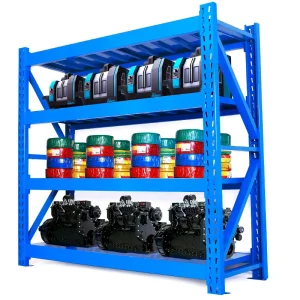
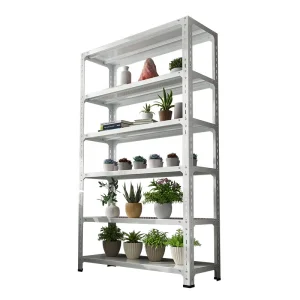
Browse our complete catalog of industrial-grade storage racks, platform ladders, and heavy-duty logistics accessories:
 Shibang Rack