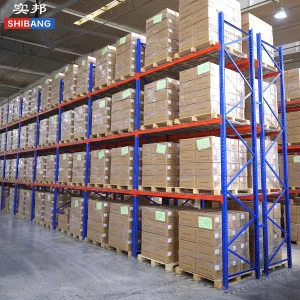
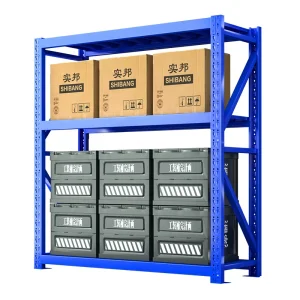
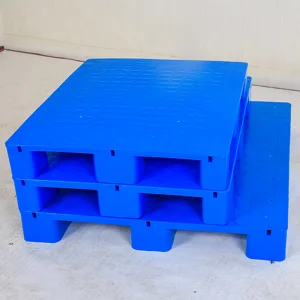
Premium solutions designed for maximum efficiency, seismic stability, and extreme payload capacities.
Navigating structural requirements, efficiency bottlenecks, and modern warehousing initiatives.
In the contemporary landscape of international trade and supply chain management, warehousing and intra-facility logistics represent the crucial foundation of operational efficiency. With global e-commerce volumes reaching unprecedented levels and real estate optimization becoming paramount, the demand for sophisticated, heavy-duty storage configurations has surged dramatically. Industrial storage trolleys, custom shelf assemblies, and heavy-duty steel racking networks are no longer passive equipment elements; they are active, dynamic nodes within automated supply chains.
Across North America, Western Europe, and Asia-Pacific regions, facilities are shifting rapidly toward high-density configurations, requiring equipment that exhibits extreme structural fatigue resistance, seismic compliance, and flexibility. As manufacturers seek to optimize vertical storage boundaries and minimize floor-space footprint, the integration of heavy-duty utility carts, custom mould racks, and dynamic storage solutions becomes essential for handling massive operational throughput.
Strategic Insight: Modern warehouses require structural integrity verified through Finite Element Analysis (FEA) and strict adherence to localized compliance codes such as RMI (Rack Manufacturers Institute) and EN standards to mitigate operational risks and secure business continuity.
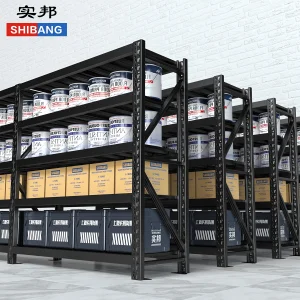
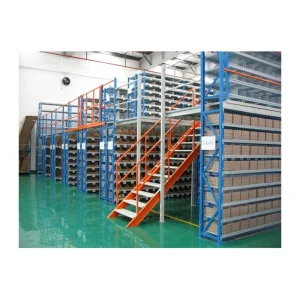
Achieving peak performance within a Distribution Center (DC) depends on the balance between static structures (like selective pallet racking and mezzanine configurations) and mobile handling equipment (including high-load storage trolleys). Custom-engineered mobile carts enable rapid SKU picking, sorting, and quick transport to staging areas. By matching the steel specifications and surface treatments of mobile storage units with static storage zones, facilities ensure consistent weight ratings, wear patterns, and safety metrics across all material handling layers.
A global leader in structural engineering, automated manufacturing, and heavy-duty logistics solutions.
Established in 2016, Ningbo Shibang Storage Rack Co., Ltd. has developed into a premier enterprise specializing in the design, fabrication, and global distribution of heavy-duty industrial warehouse racking systems and storage trolleys. Operating from a modern, state-of-the-art manufacturing facility spanning 32,000 m², our organization brings together 12 years of core industry experience and 8 years of dedicated direct export expertise. Today, we support international clients across critical markets with an annual export revenue exceeding $18 million.
Quality assurance and structural reliability represent the cornerstone of our corporate philosophy. Supported by a robust quality control division featuring 35 QA/QC inspectors, we enforce multi-phase quality verification protocols. This includes Ultrasonic Testing (UT) for structural weld seams, load-bearing stress evaluations under simulated environmental loads, coating thickness verification, and raw steel tensile testing. Our target-market profiles include 3PL logistics networks, automated distribution hubs, retail mega-warehouses, and heavy manufacturing facilities.
Advanced Production Footprint
Industrial Design Experience
Inspectors & Structural Testing
Annual International Export
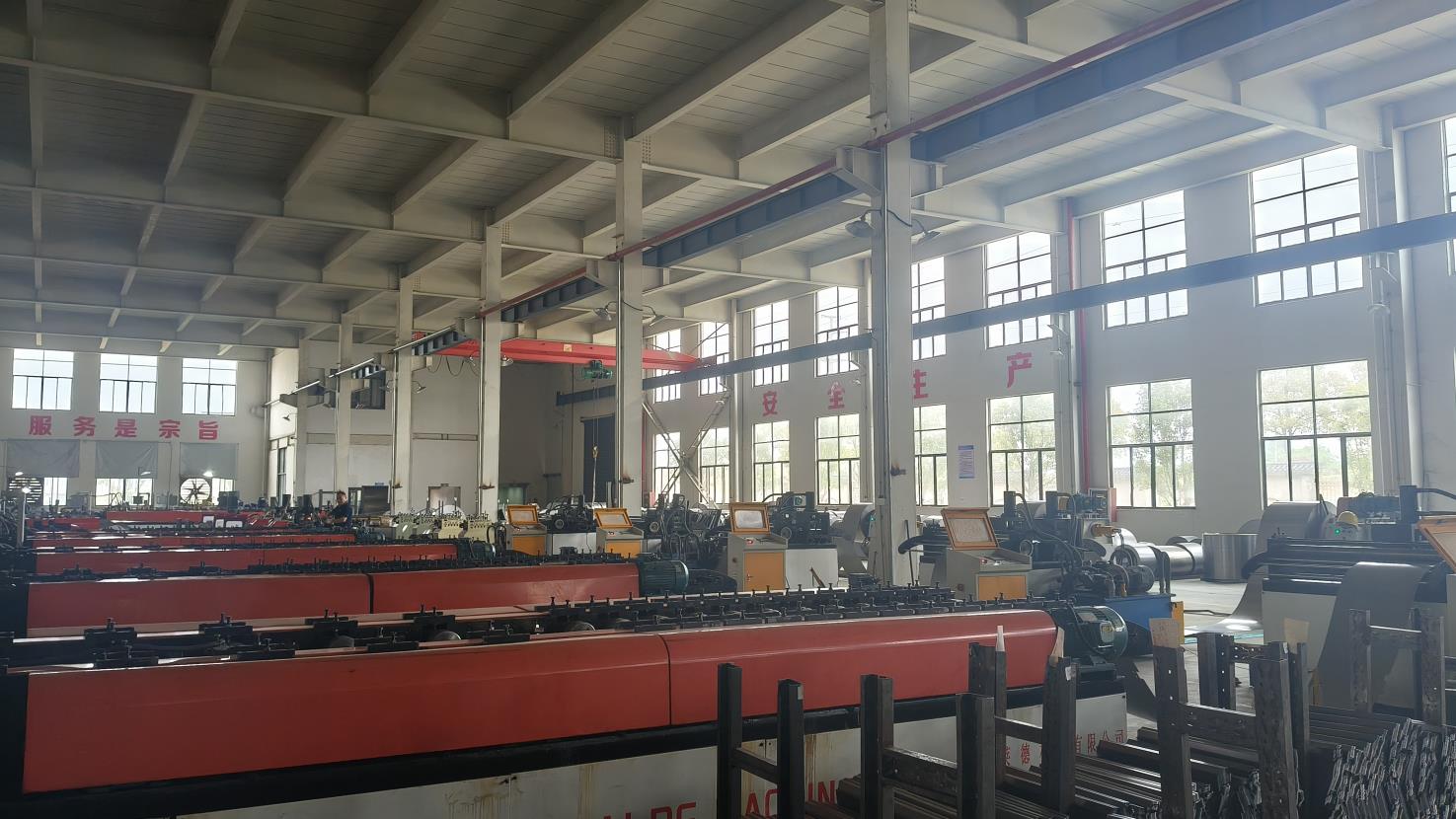
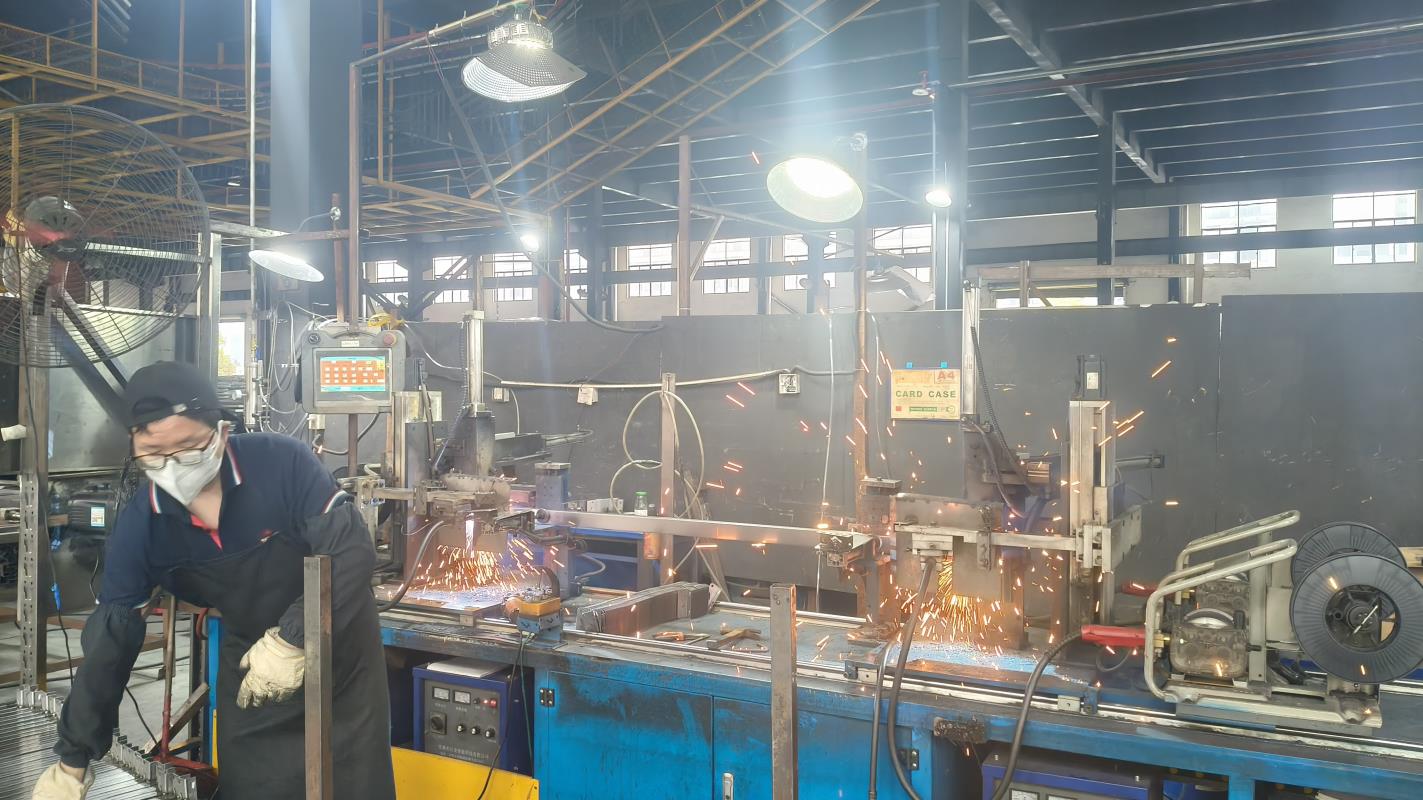
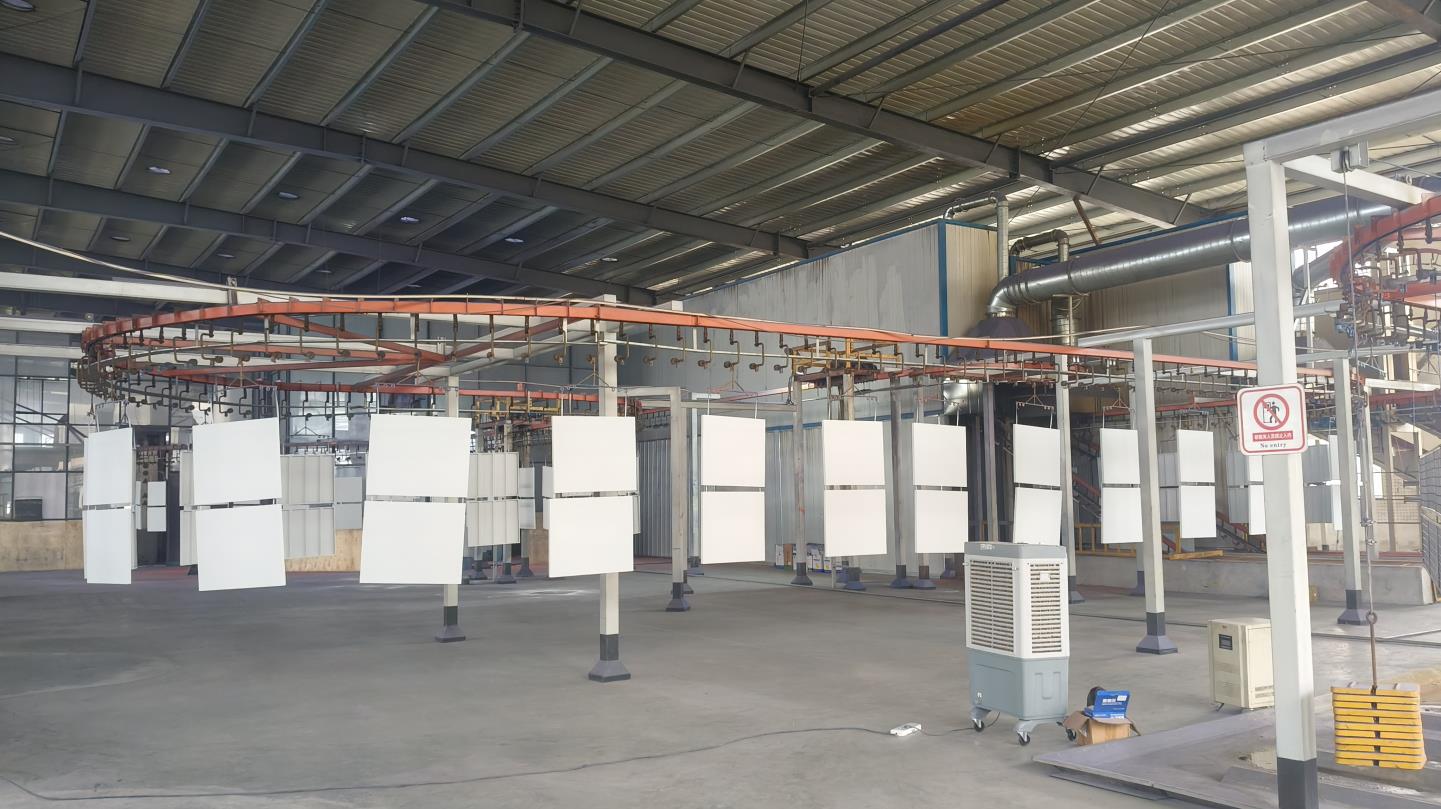
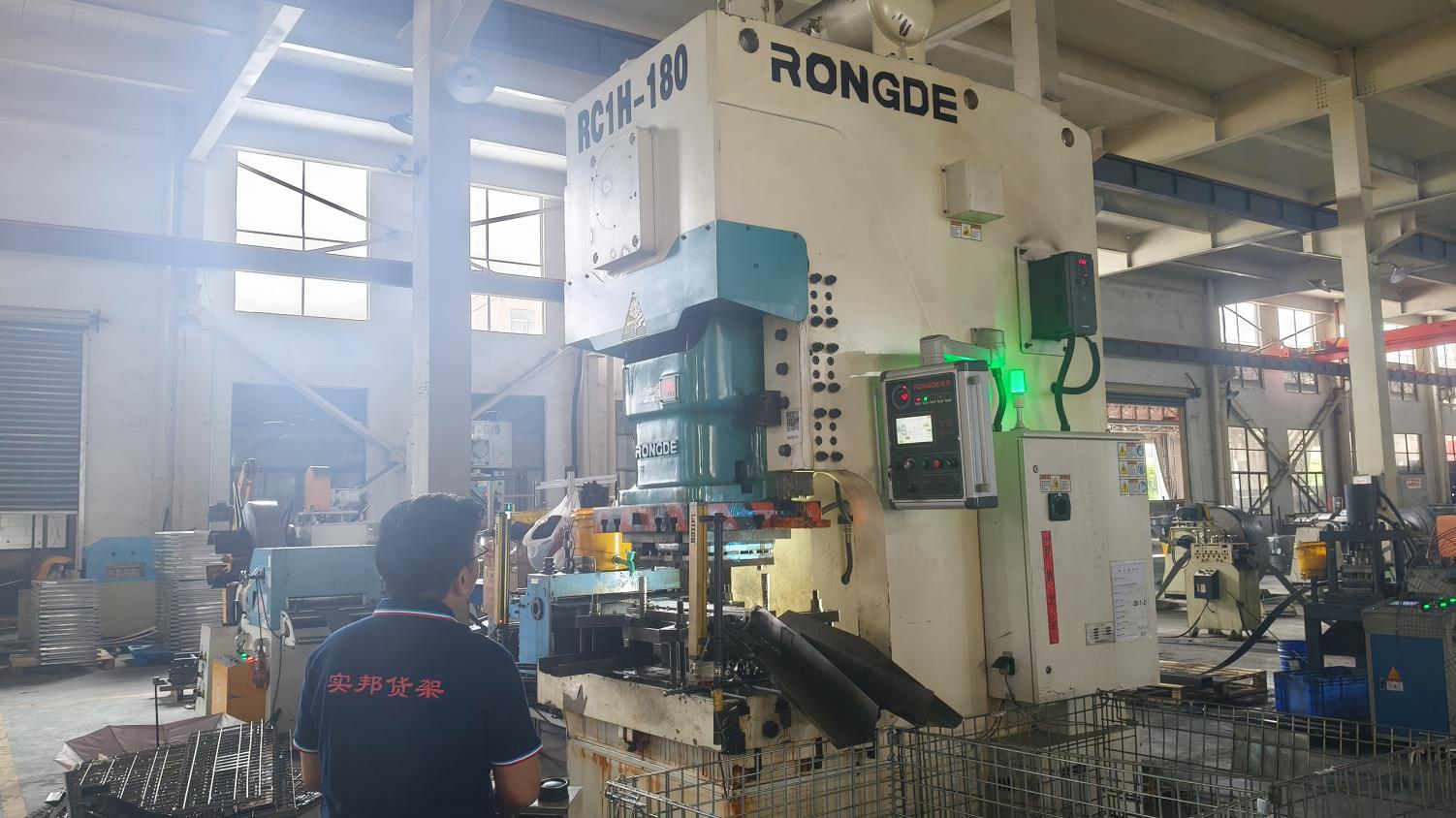
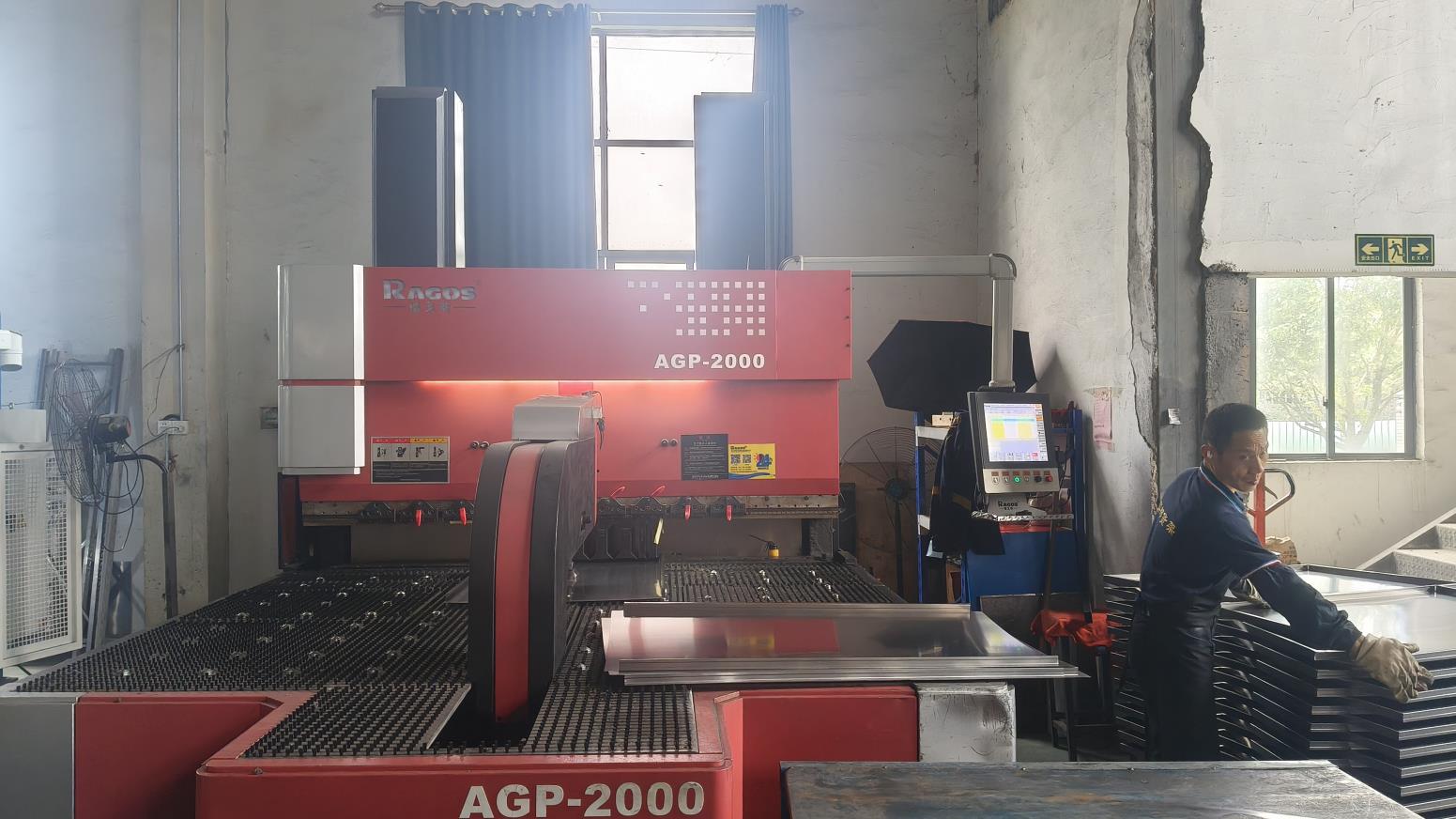
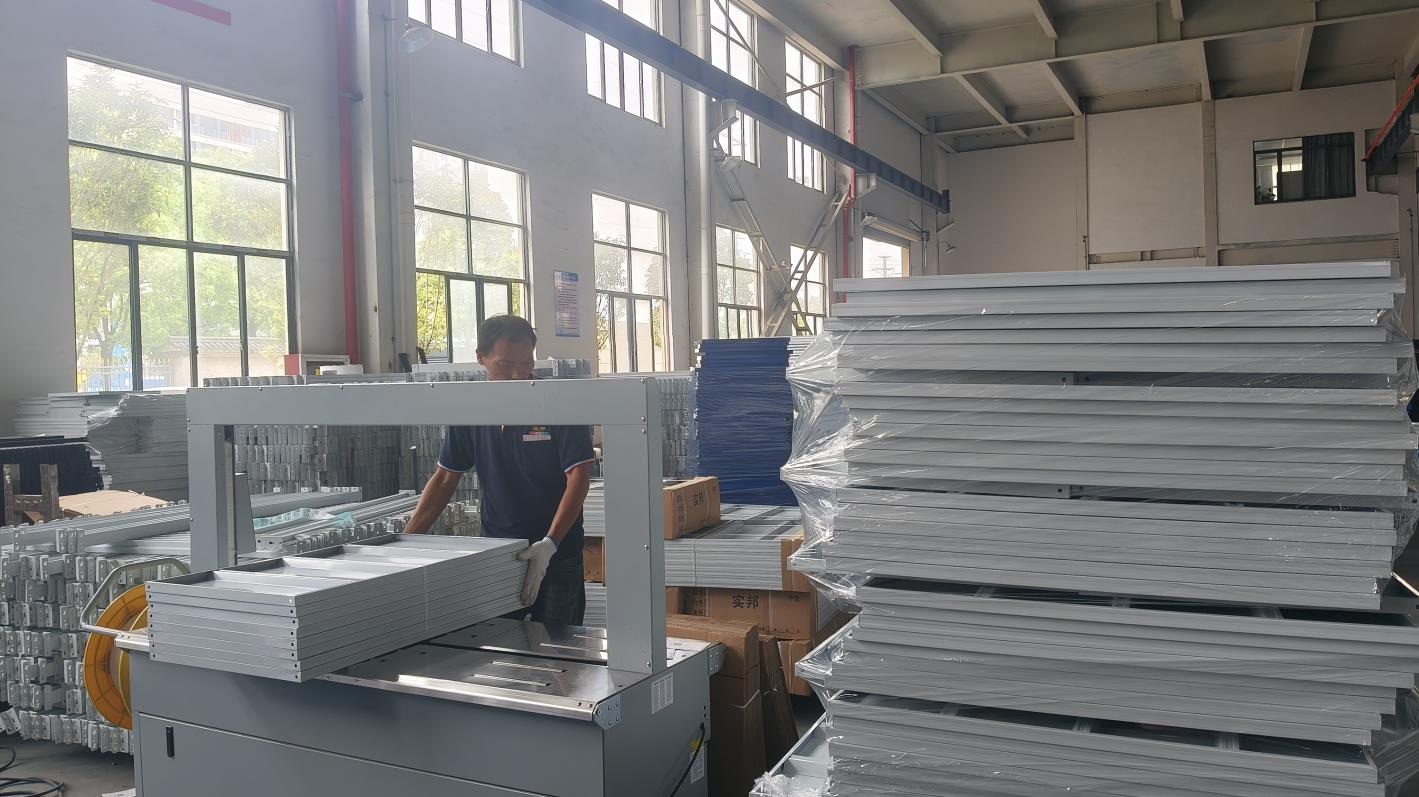
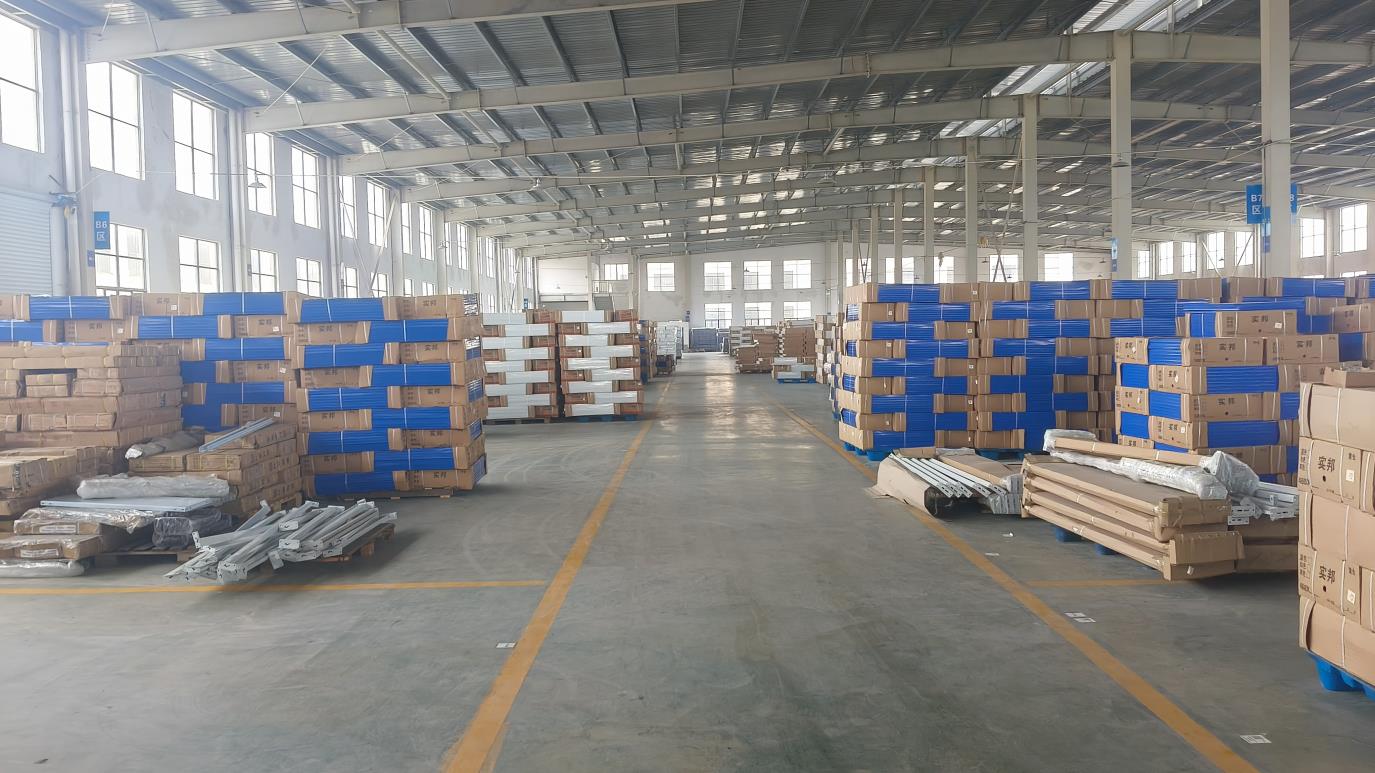
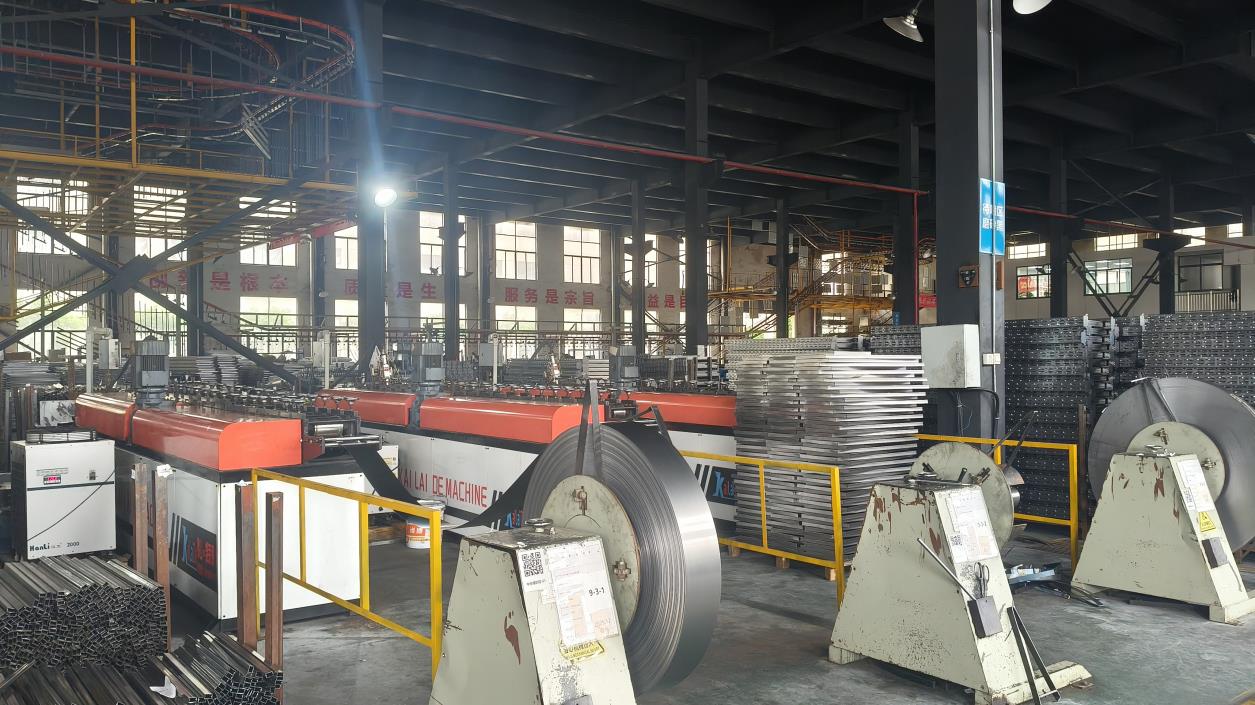
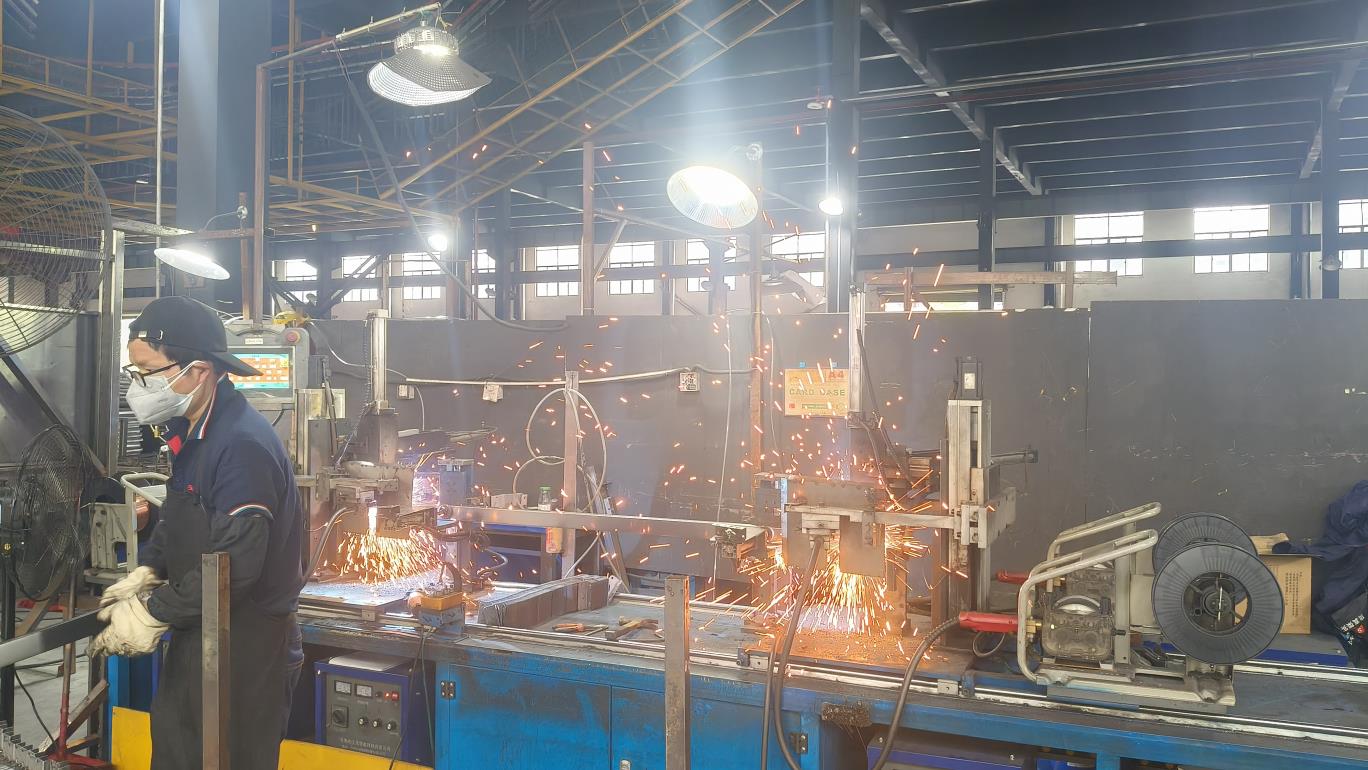
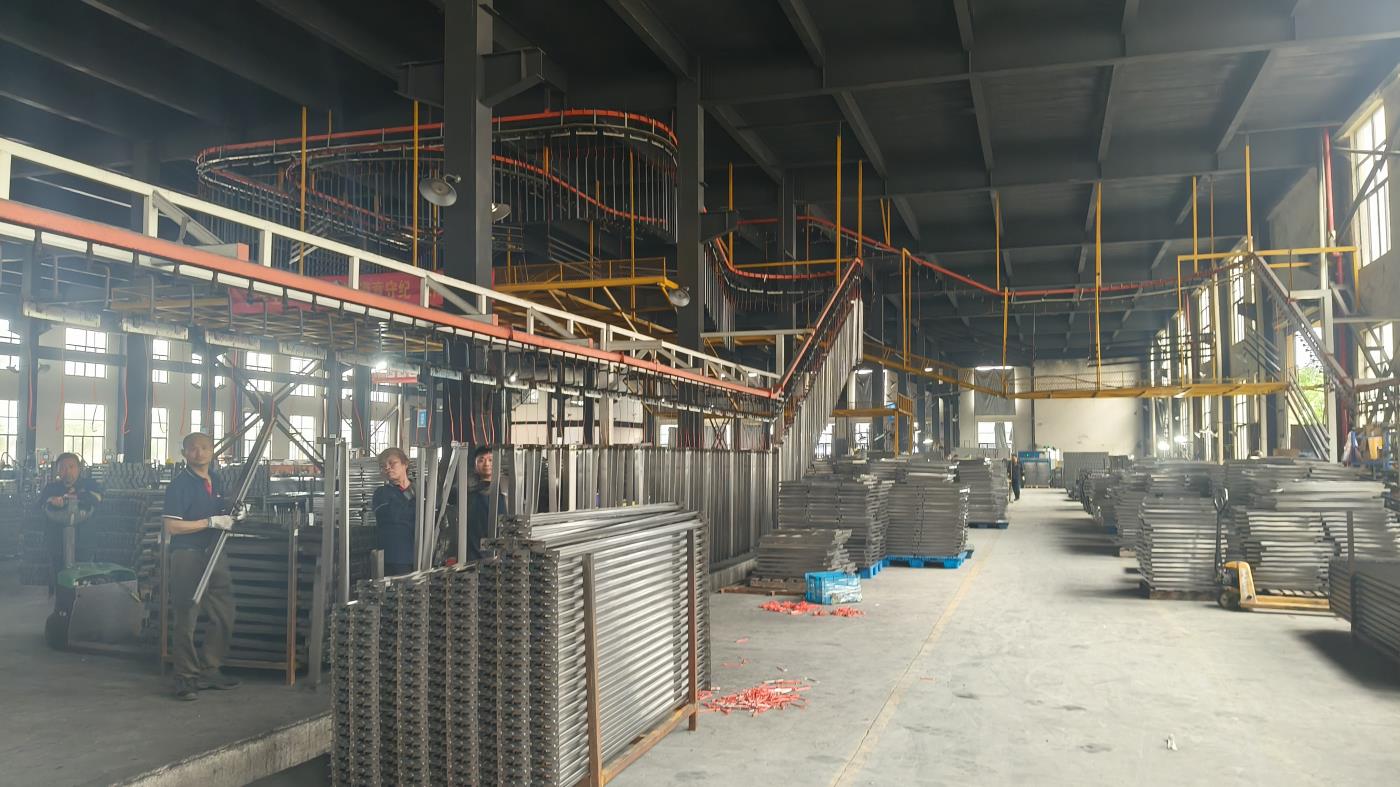
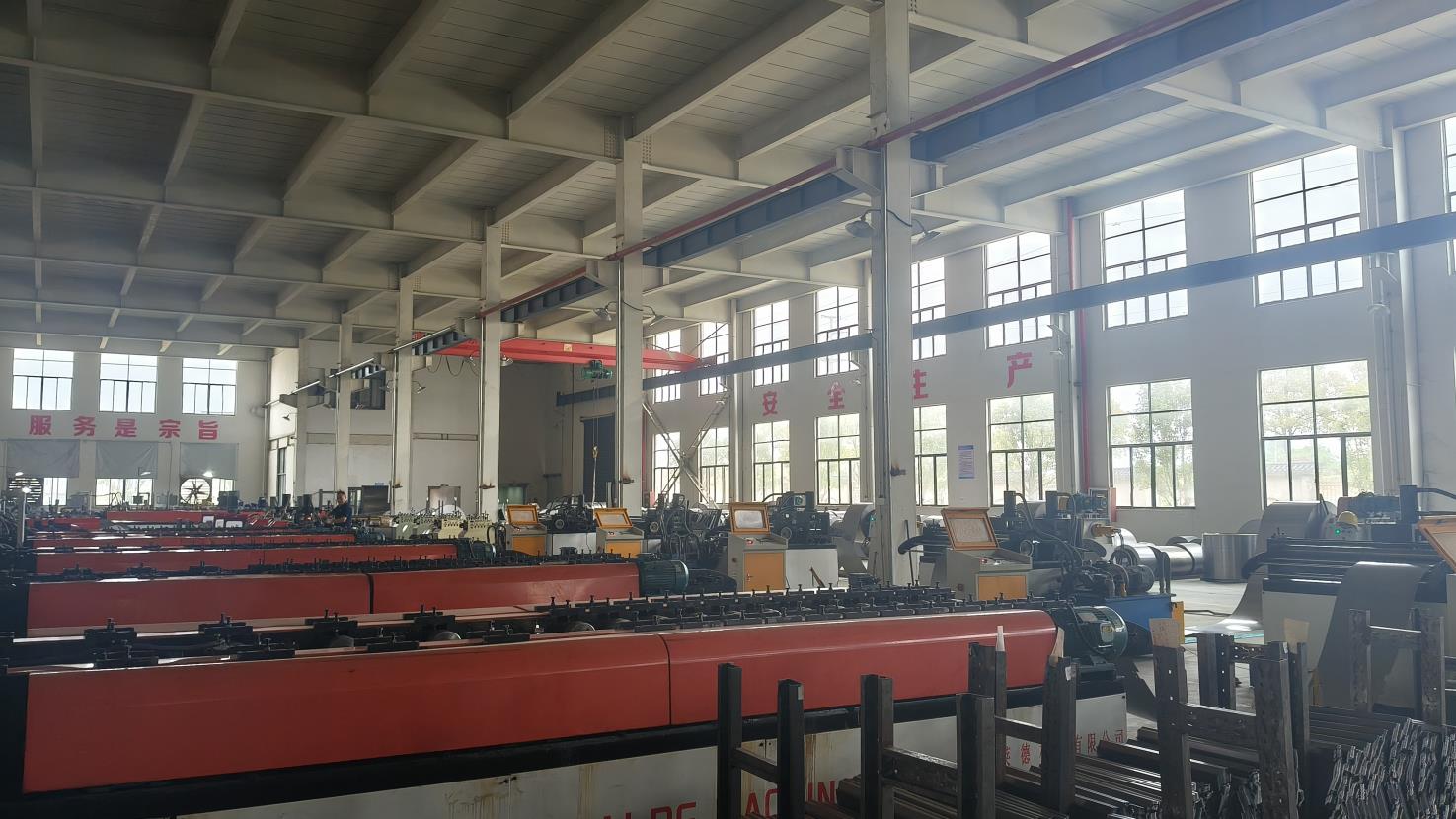
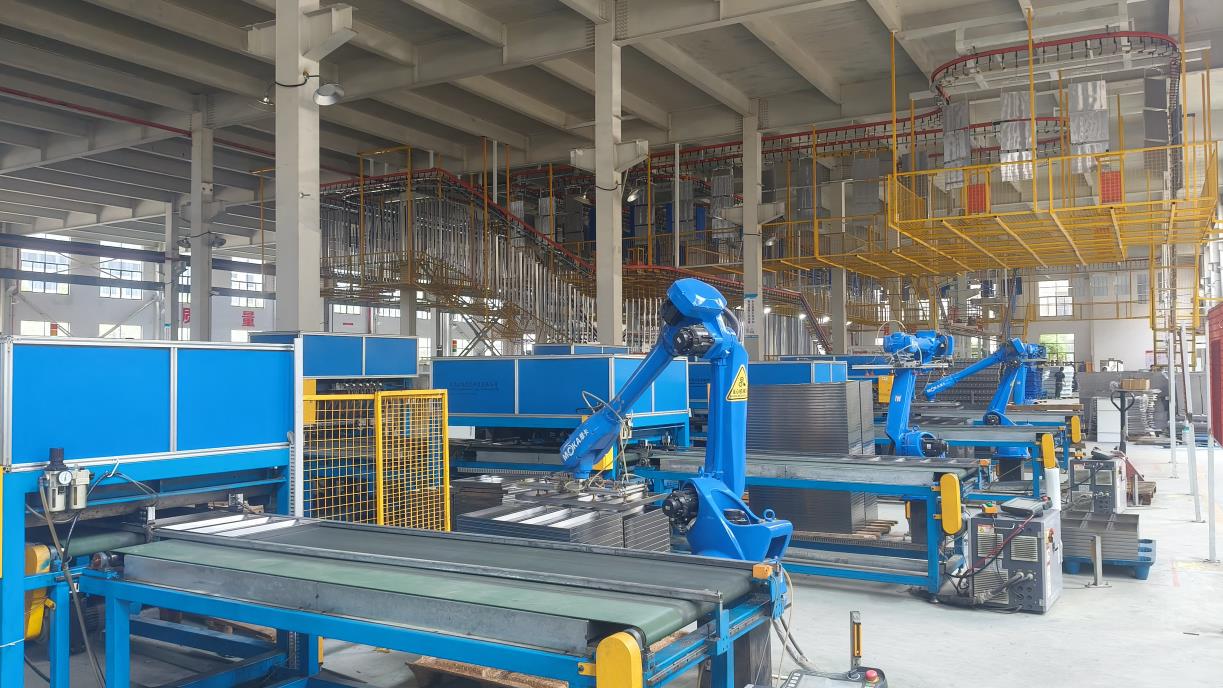
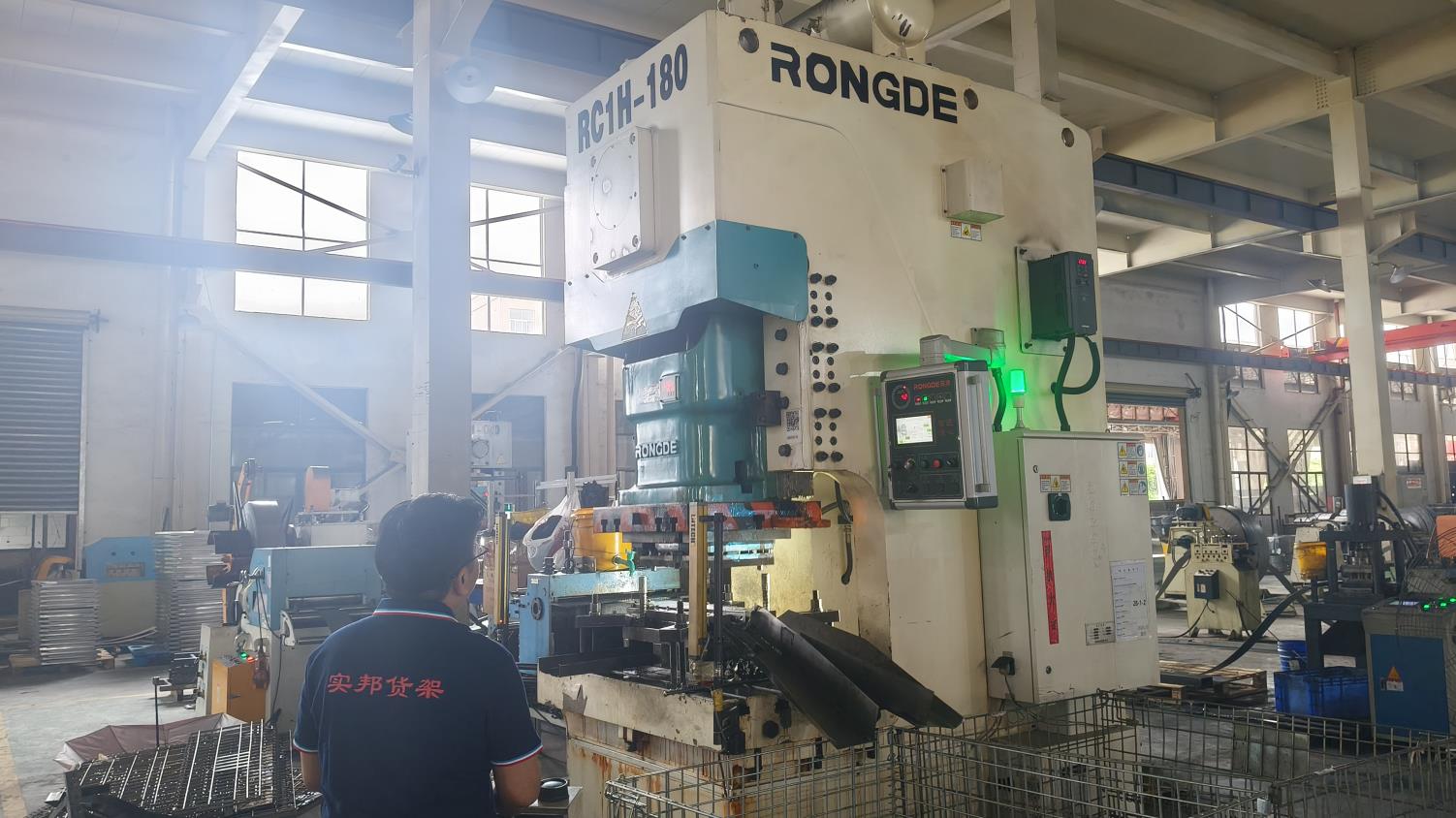
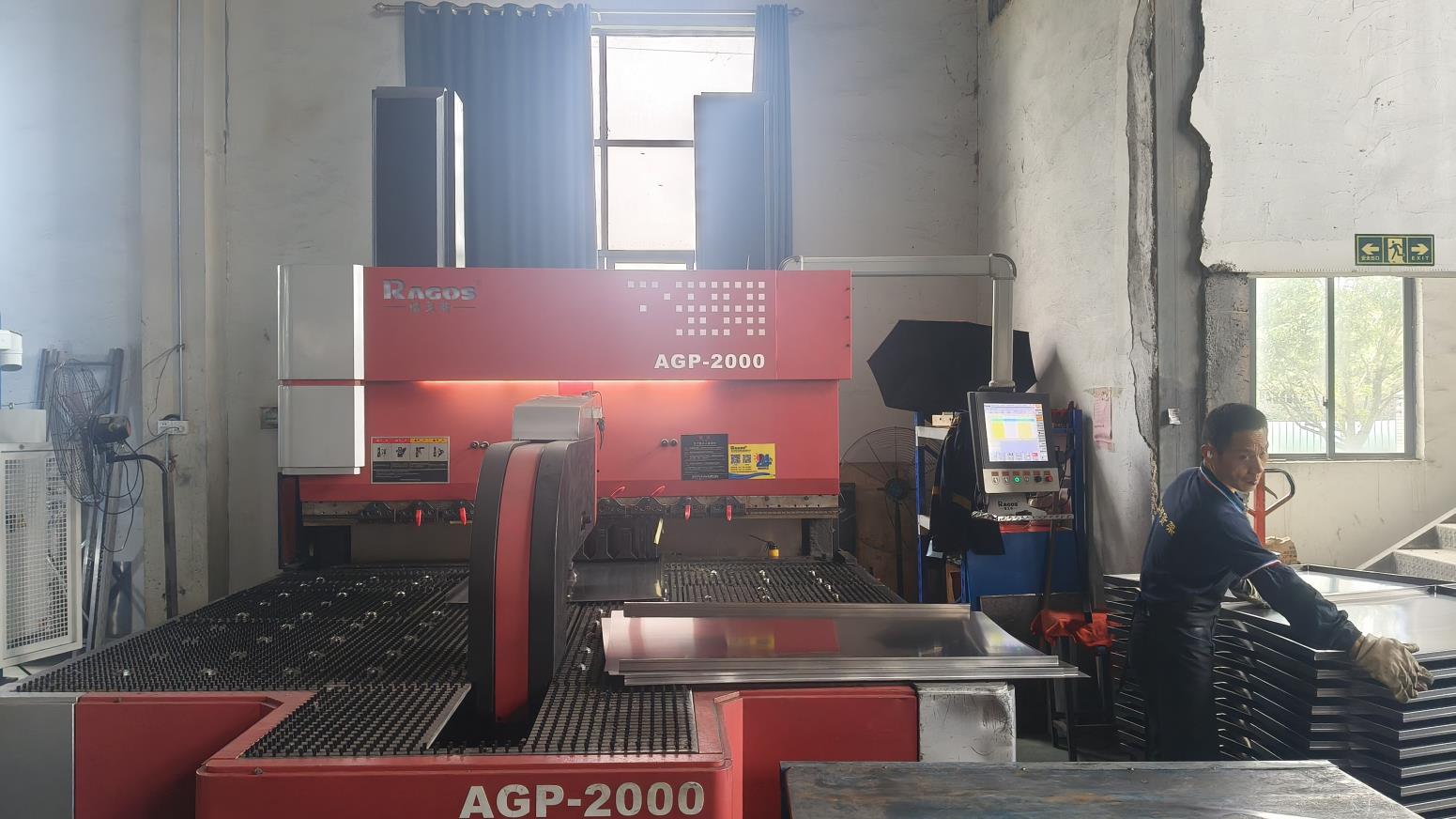
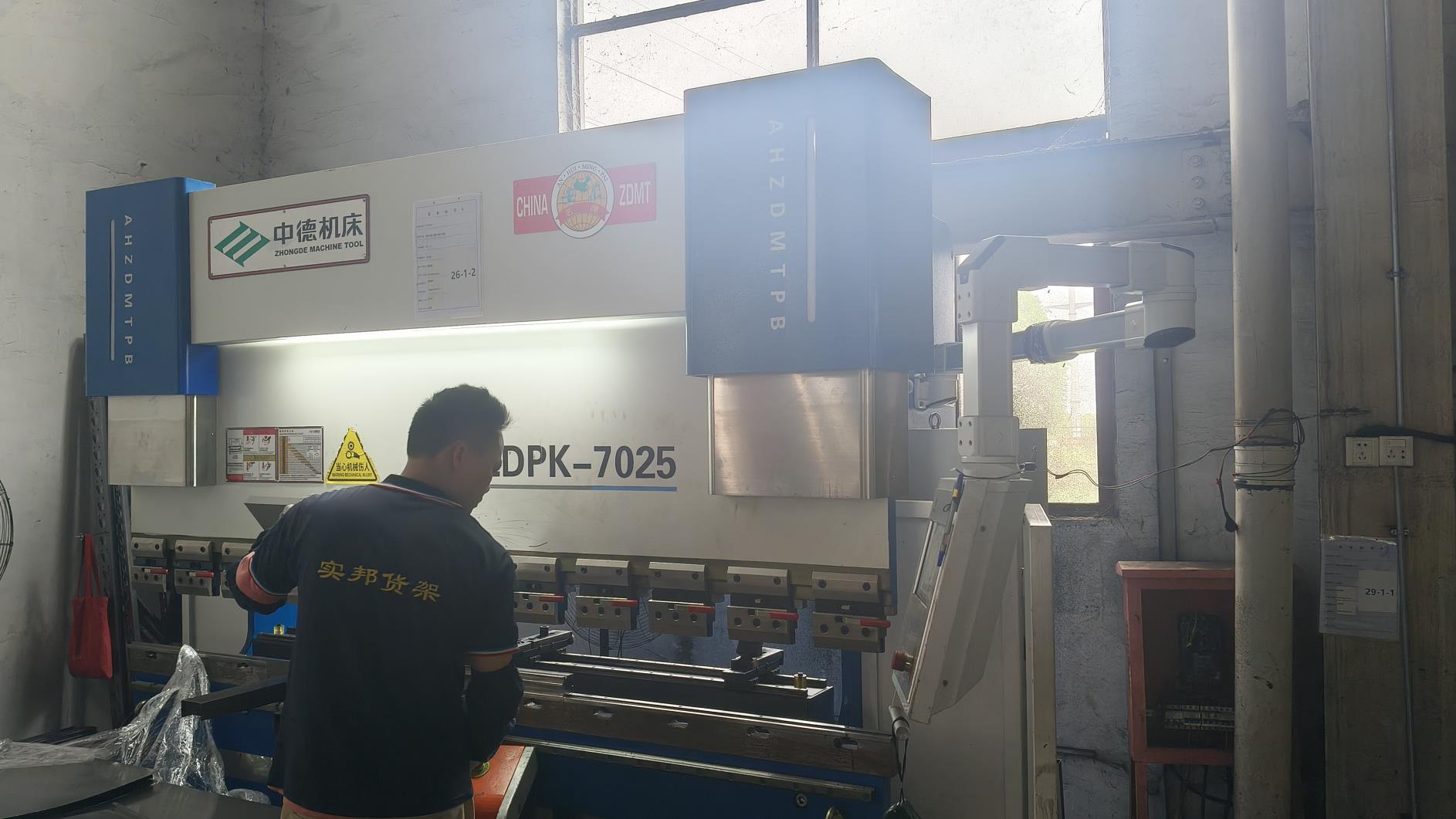
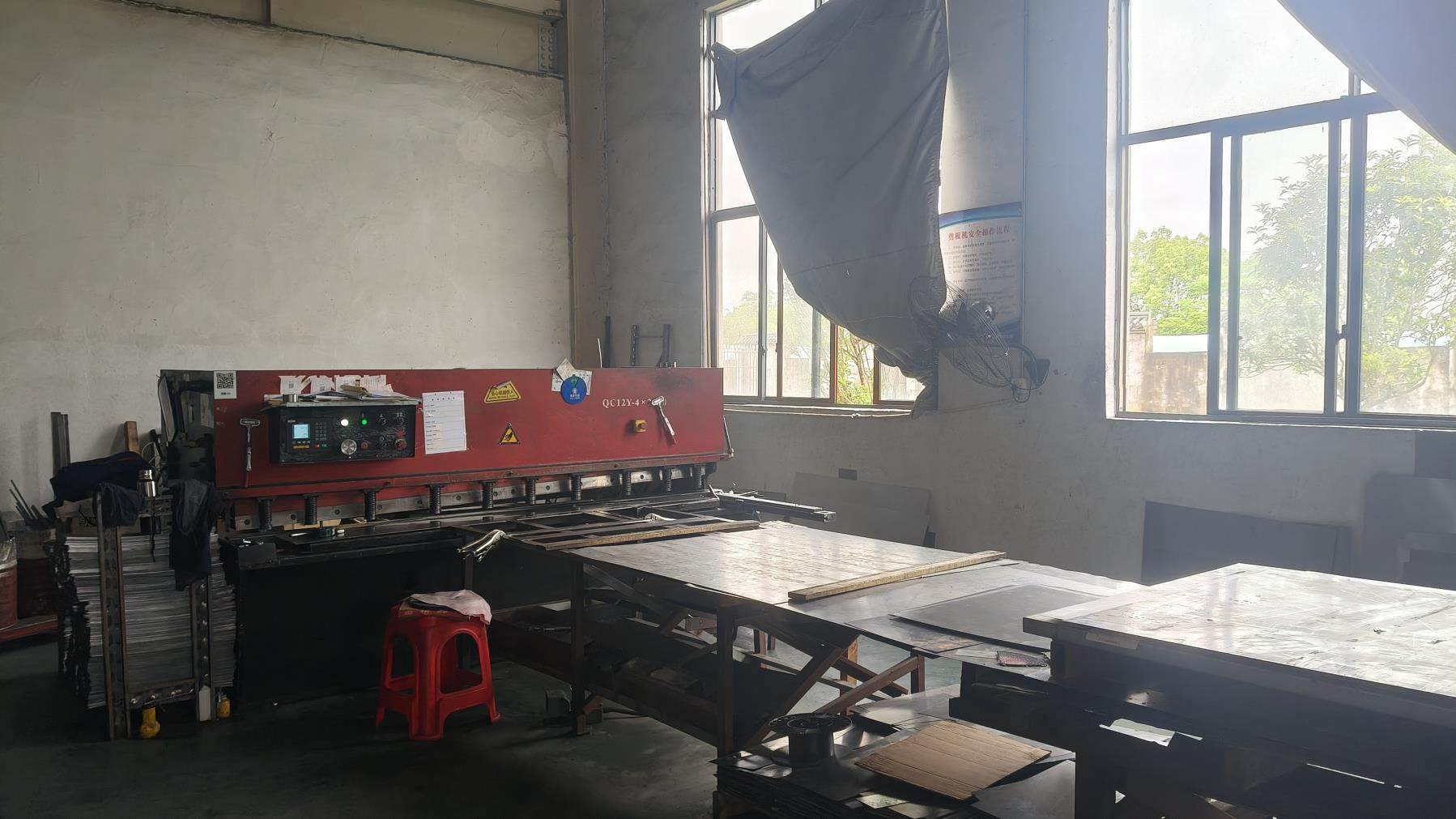
Inside our Ningbo manufacturing plant: precision forming, automated assembly, and high-durability surface treatment.
Understanding why leading enterprise buyers partner with Ningbo suppliers for large-scale operations.
The global materials handling sector has experienced significant volatility, emphasizing the critical importance of supply chain resilience. Ningbo Shibang Storage Rack Co., Ltd. maintains structural cost advantages and delivery continuity through integration within the Ningbo-Zhejiang industrial cluster. This provides immediate access to major deep-water ports and domestic raw steel processing networks.
Our direct partnerships with Tier-1 Chinese steel mills (such as Baosteel and Ansteel) ensure access to certified Q235B and Q355B structural grades. This maintains raw material price stability even during global logistics fluctuations.
Operating fully automatic roll-forming lines, robotic welding arms, and automated dual-chamber powder coating systems reduces labor overhead. This delivers consistent precision across large production runs.
With an active database of over 850 vetted sub-vendors (providing heavy-duty casters, custom fasteners, and industrial plastics), we can source specialty components without assembly-line downtime.
Our proximity to the Port of Ningbo-Zhoushan—the world's largest port by cargo throughput—enables direct shipping lanes to major global markets. This logistical advantage shortens transit times, reduces inland freight costs, and provides flexible container loading arrangements for large overseas projects.
Detailed performance metrics, raw material standards, and structural load calculations.
Our design department uses advanced mechanical engineering simulations to ensure all storage solutions meet international load and safety standards. Below are the key design specifications for our standard and custom racking systems:
| System Type | Standard Material Grade | Safety Factor | Max Payload per Level | Surface Finish Technology |
|---|---|---|---|---|
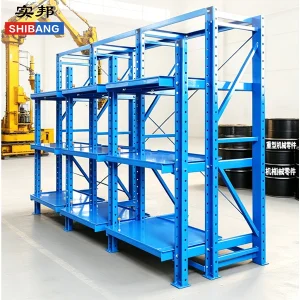
| Heavy-Duty Mould Rack | Q355B Structural Steel | 1.65 (RMI Compliant) | 1,000 - 3,000 kg | Electrostatic Epoxy-Polyester Powder Coating |
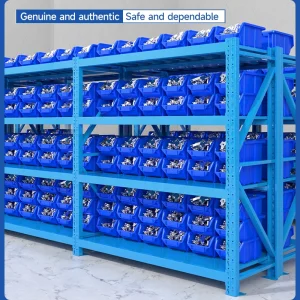
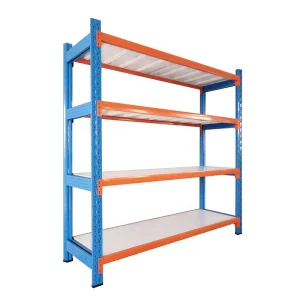
| Medium-Duty Shelving | Q235B Cold-Rolled Steel | 1.5 | 180 - 300 kg | AkzoNobel Anti-Corrosive Powder Coating |
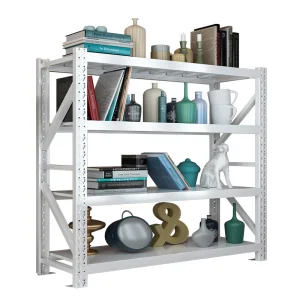
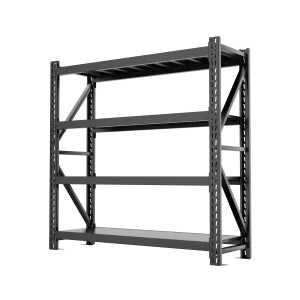
| Boltless Storage Shelf | SPCC High-Tensile Steel | 1.5 | 150 - 250 kg | Rust-Resistant Zinc Passivation / Hybrid Powder |
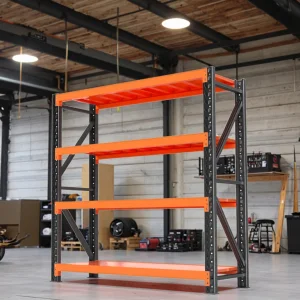
| Selective Pallet Racking | Q355B Grade Structural Steel | 1.8 | 1,000 - 4,000 kg | Weather-Resistant Thermosetting Powder Finish |
The industrial storage sector is evolving toward integration with automated systems. Shibang's R&D team is currently focused on three primary developmental tracks:
Ensuring compliance, safety, and operational reliability across international borders.
Deploying large-scale industrial storage systems requires compliance with region-specific safety and labor regulations. Ningbo Shibang ensures all exports are fully certified and ready for deployment in target regions:
All designs conform to the American National Standards Institute (ANSI) and RMI MH16.1 specifications. Welding processes are certified under the American Welding Society (AWS) D1.1 structural welding code.
Our heavy-duty steel shelving systems carry full CE certification. Engineering layouts follow the EN 15512, EN 15620, and EN 15635 standards governing static steel racking design and maintenance.
Racking arrays exported to Australia are engineered to meet AS 4084-2012 (Steel Storage Racking) specifications, featuring seismic design factors for geographical stability.
To assist global installation teams, Shibang provides detailed structural assembly calculations, component layouts, and video walkthroughs. Our 22-member engineering R&D team is available to review architectural layouts and provide custom modifications for local seismic codes, floor load capacities, and fire safety systems.
Key information for engineering directors, procurement officers, and supply chain managers.
We primary utilize high-strength structural carbon steels Q235B and Q355B (equivalent to ASTM A36 and ASTM A572 Grade 50, respectively). These materials provide high yield strength and elongation, ensuring structural stability under loaded conditions.
Our QA/QC team performs testing at three main stages: raw material validation (tensile testing and dimensional checks), inline monitoring (welding ultrasonic tests and roll-forming tolerances), and post-production verification (powder coating thickness, cross-hatch adhesion, and static load testing).
Yes. Our structural engineers design custom rack frames using localized seismic acceleration parameters (e.g., USGS maps for the US, AS 1170.4 for Australia). We optimize baseplate sizes, anchor configurations, and diagonal bracing profiles to meet seismic requirements.
Standard designs typically ship within 20 to 25 days from order confirmation. Customized products requiring design verification and tooling modifications range from 30 to 45 days, depending on scale and material specifications.
Yes, we provide OEM/ODM services. Over 65% of our annual production involves custom private-label manufacturing, custom paint formulations, custom dimensions, and branded packaging for distribution partners.
Corrosion-protected, adjustable, and space-optimized storage systems engineered for long-term industrial durability.
 Shibang Rack