Engineered to comply with stringent European and Israeli sanitary standards, these configurations provide immediate solutions for high-density storage demands.
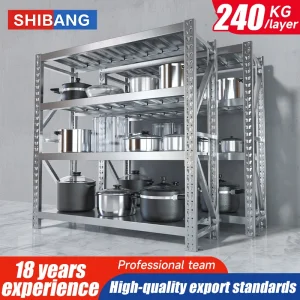
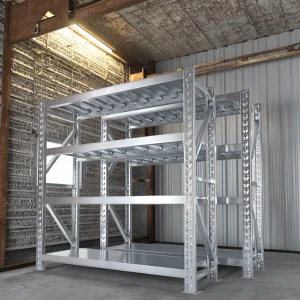
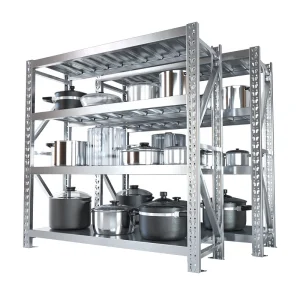
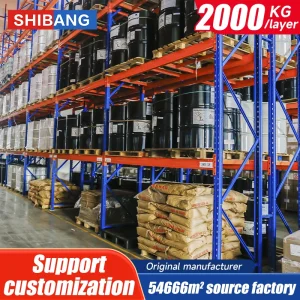
Why specialized micro-climates and advanced supply chains in Tel Aviv, Haifa, and Ashdod require clean, seismically engineered storage systems.
Israel's industrial sector operates at the absolute cutting edge of technological innovation. With massive clusters in biomedical tech (driven by global leaders like Teva Pharmaceutical), semiconductor fabrication (in places like Kiryat Gat), and specialized agricultural exports, standard storage options simply fall short. High-precision industries require materials that guarantee absolute biological neutrality, zero off-gassing, high seismic integrity, and flawless cleanroom performance.
Furthermore, Israel's geographical location creates distinct environmental challenges. The coastal zones around the ports of Haifa and Ashdod exhibit high relative humidity and significant atmospheric salt concentrations, making carbon steel rack variants vulnerable to accelerated galvanic corrosion. Additionally, food production processes throughout the country must align with strict local sanitary regulations and international HACCP guidelines. High-grade AISI 304 and AISI 316 stainless steel shelving systems provide the necessary chemical passivation layer to withstand aggressive sanitizers and prevent structural decay.
How macro trends towards automation, food safety traceability, and micro-fulfillment drive the demand for sterile material handling solutions globally.
Across the globe, supply chain architecture is shifting from manual warehouses to Automated Storage and Retrieval Systems (ASRS). In this automated landscape, structural failure is incredibly costly. Rust, metal flaking, and dust accumulation can cripple automated shuttles, ruin optical sensors, and contaminate consumer goods. Consequently, heavy-duty stainless steel racks have evolved from specialized niche options into mainstream necessities for high-tech distribution centers worldwide.
Unlike epoxy powder-coated mild steel, which can chip under impact and expose the underlying metal to corrosion, stainless steel displays self-healing properties via its chromium oxide passivation film. Global third-party logistics (3PL) providers operating across Europe, North America, and the Middle East are increasingly adopting stainless steel configurations to lower long-term maintenance costs and secure vital international health certifications (such as NSF, FDA, and CE).
Delivering high-capacity, precision-engineered industrial warehouse racking systems since 2016.
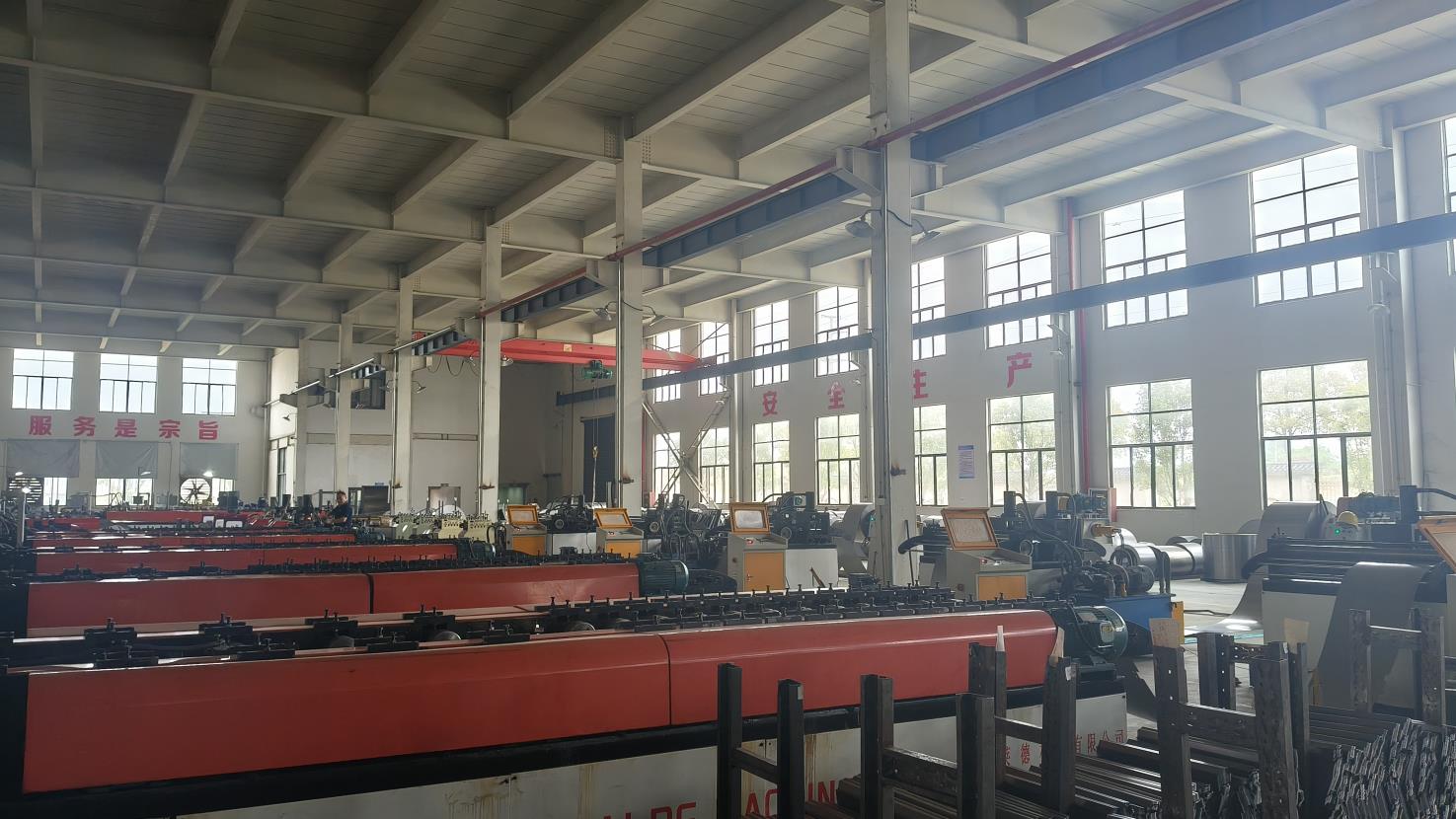
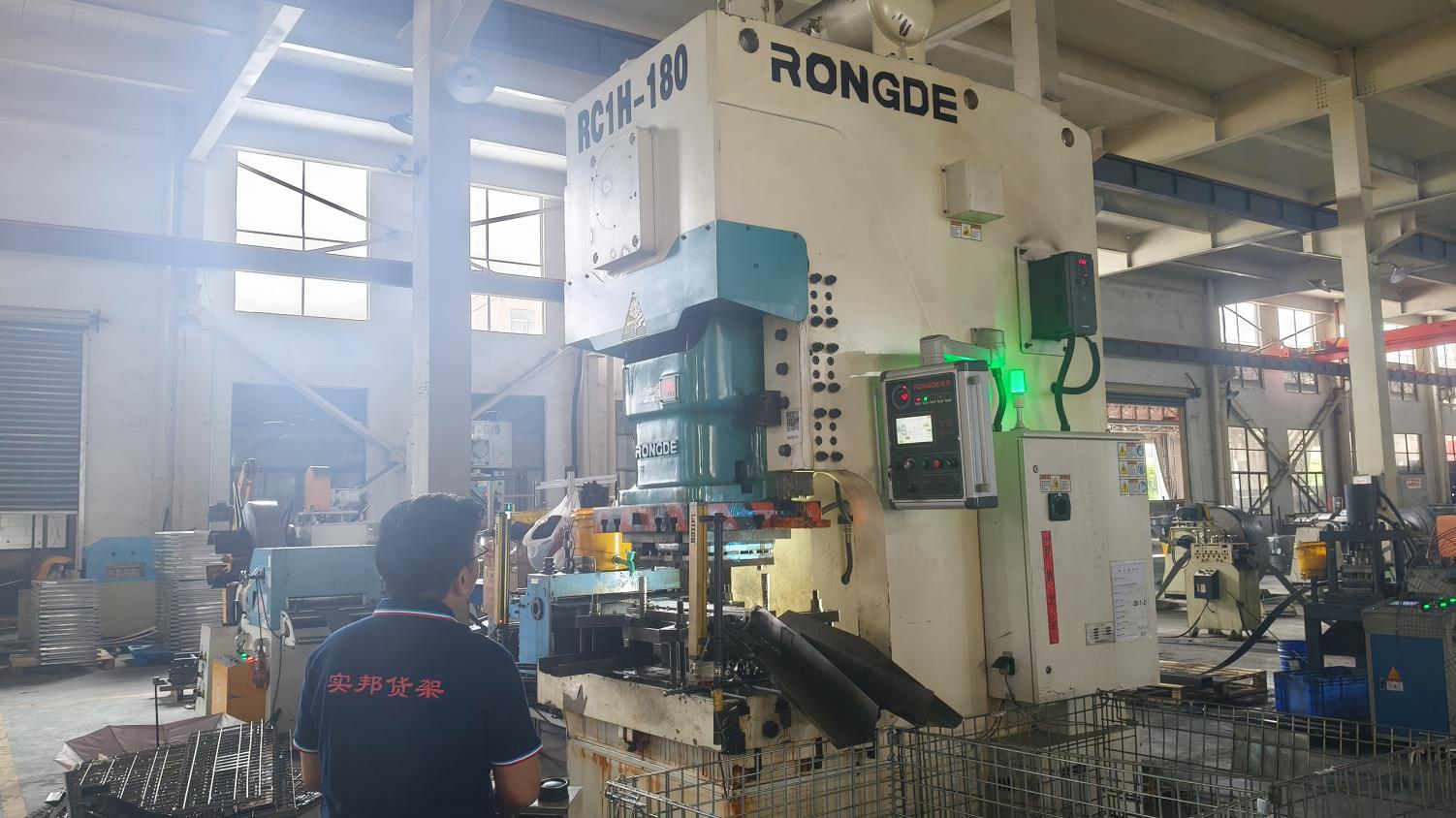
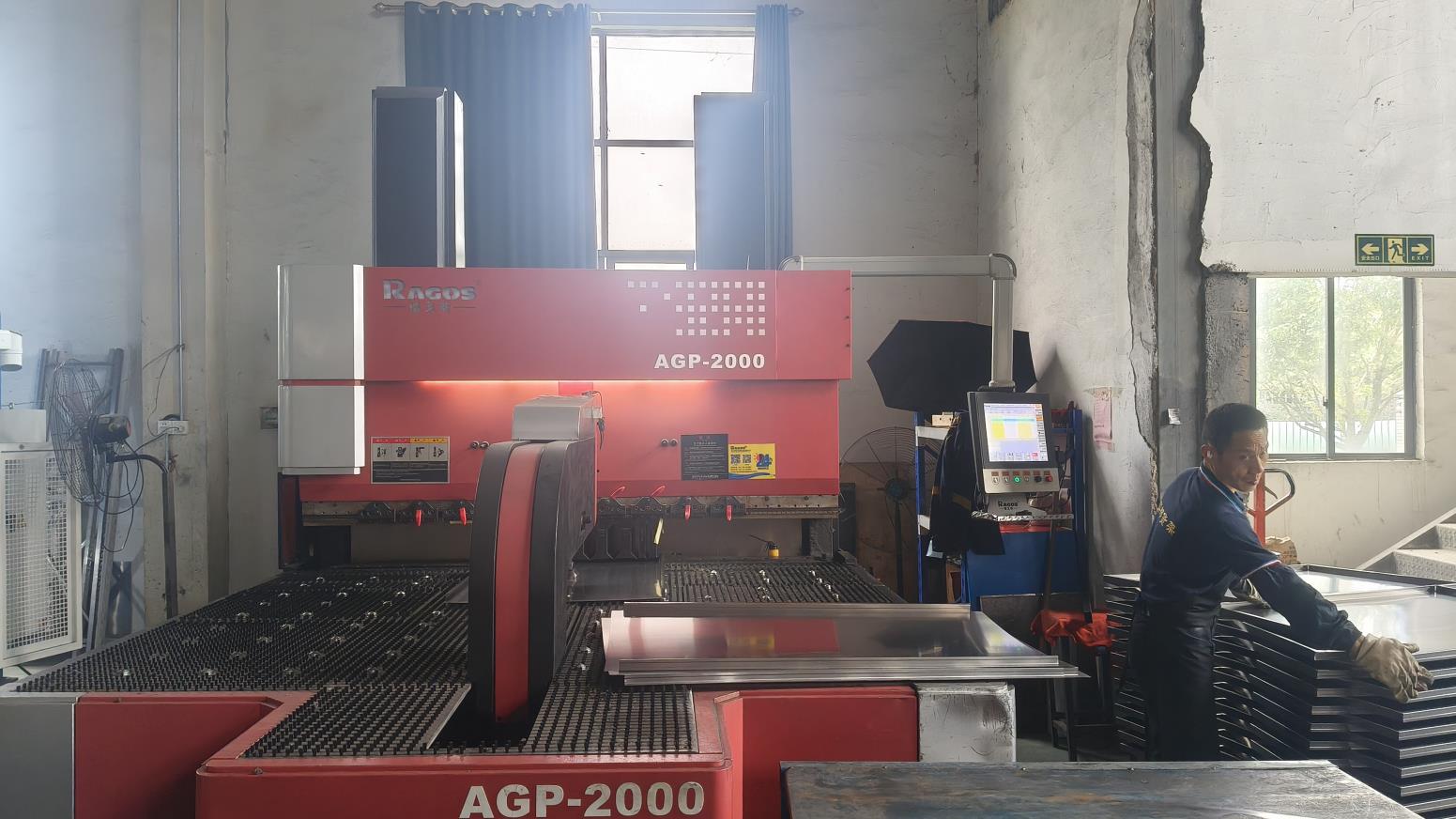
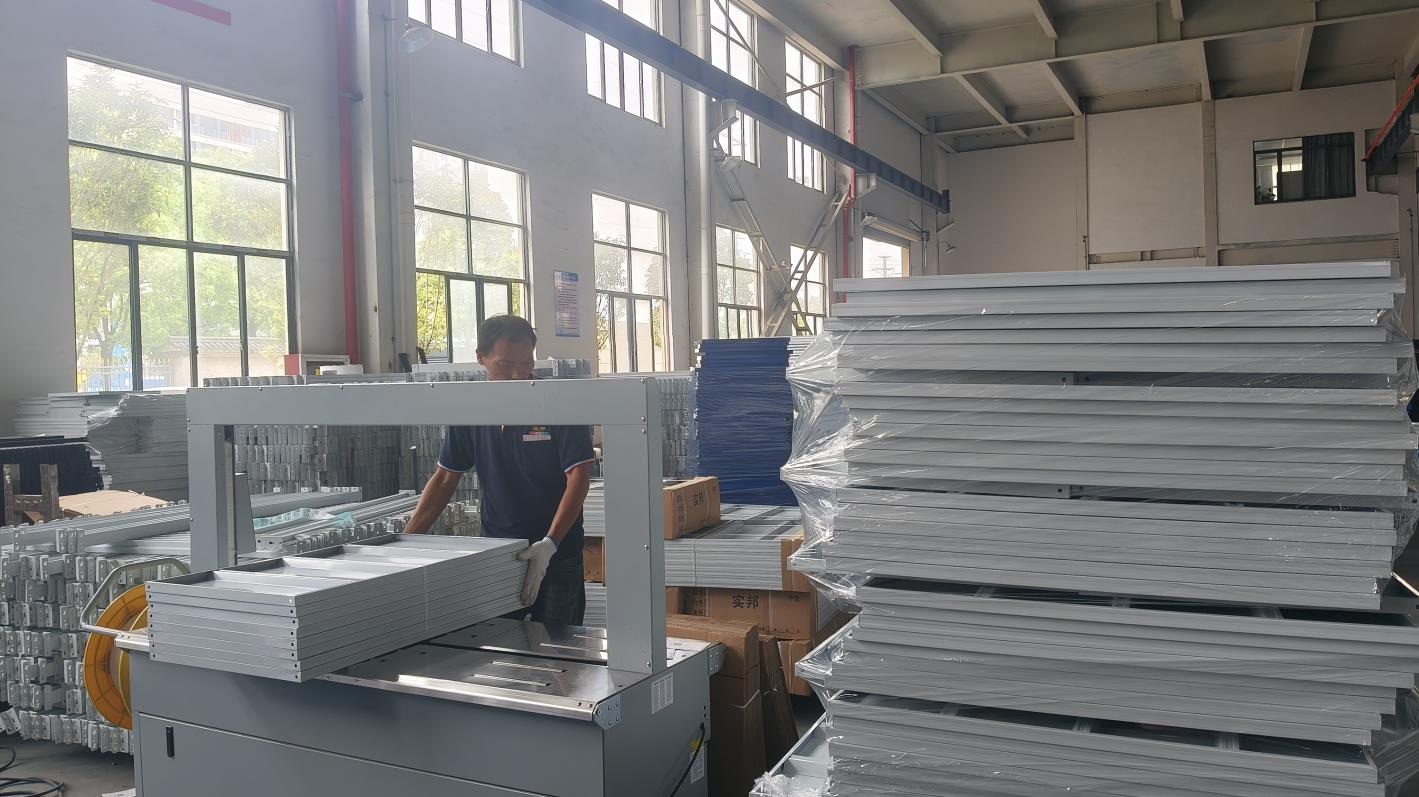
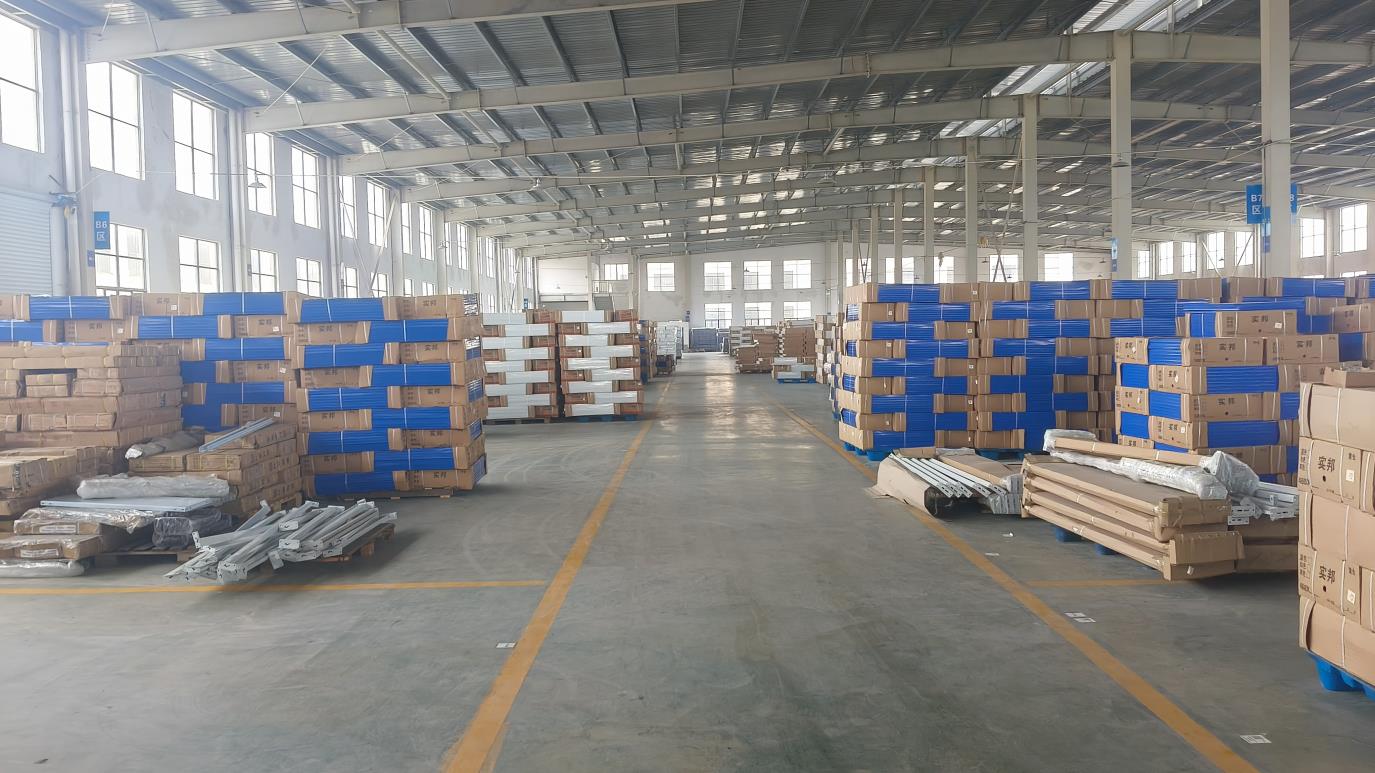
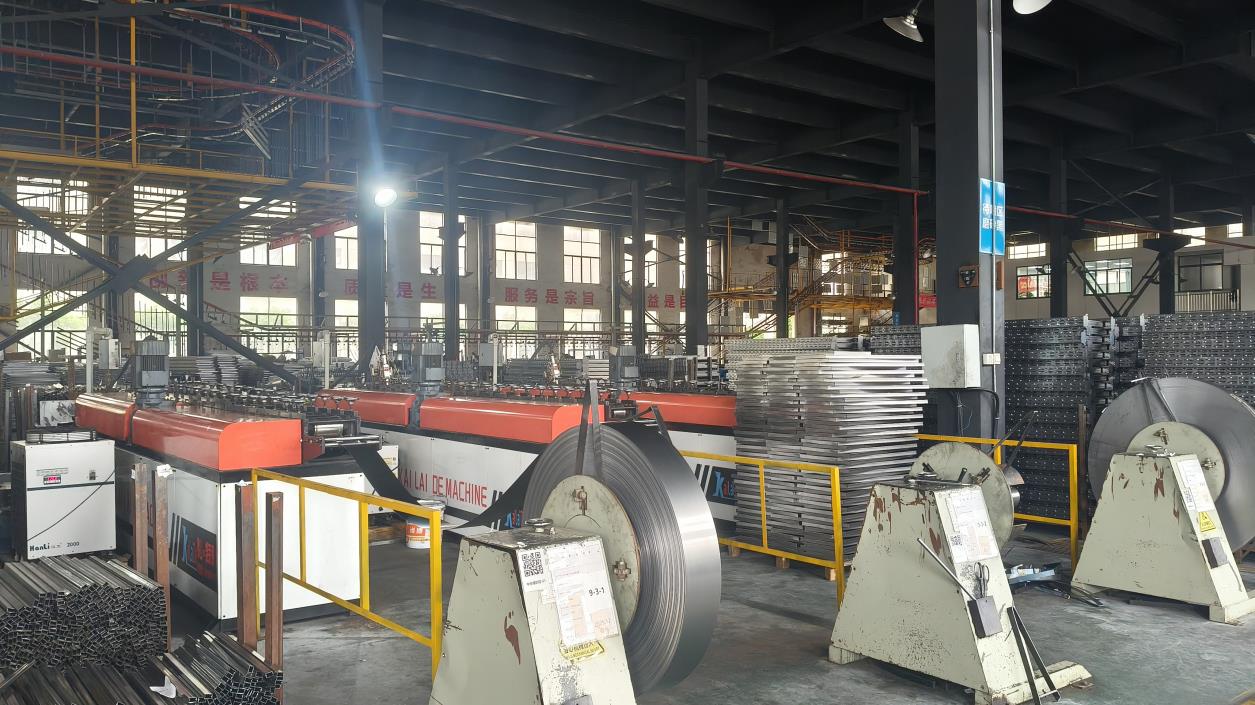
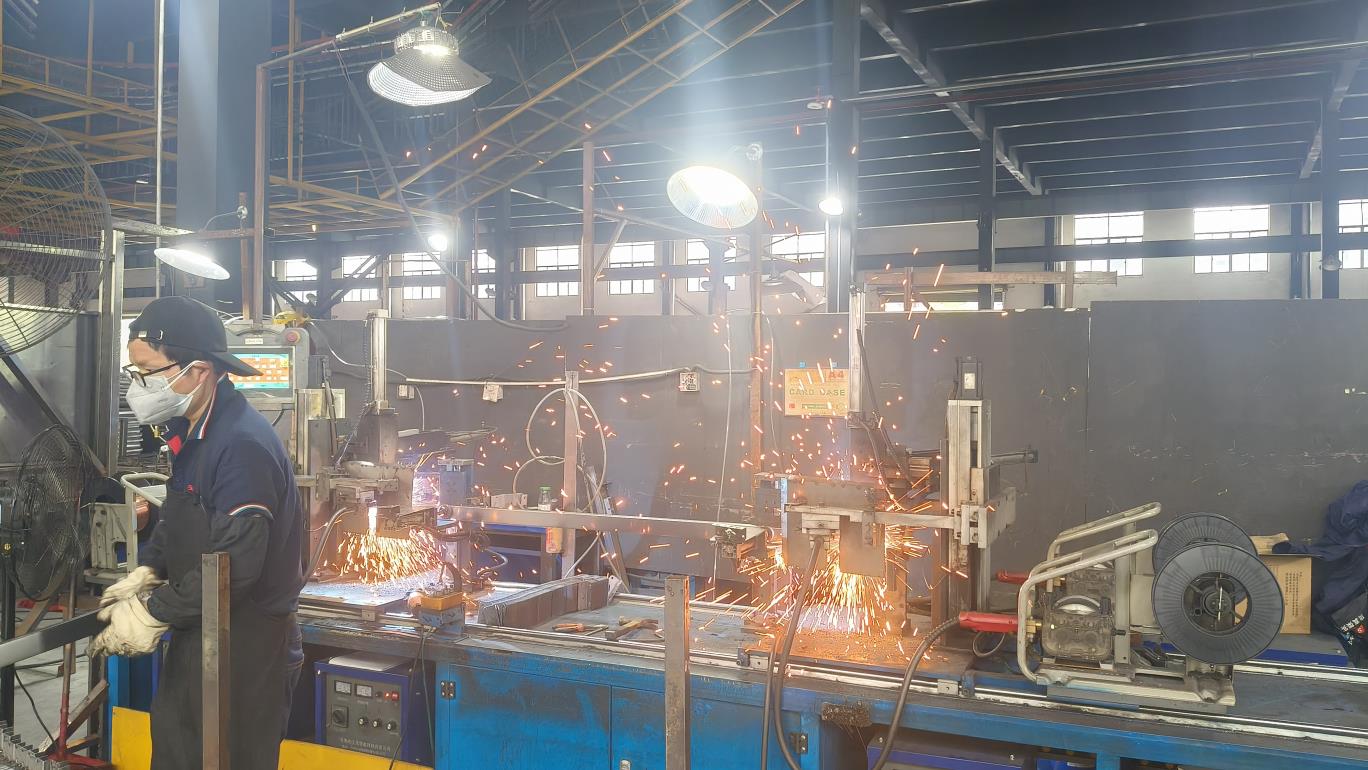
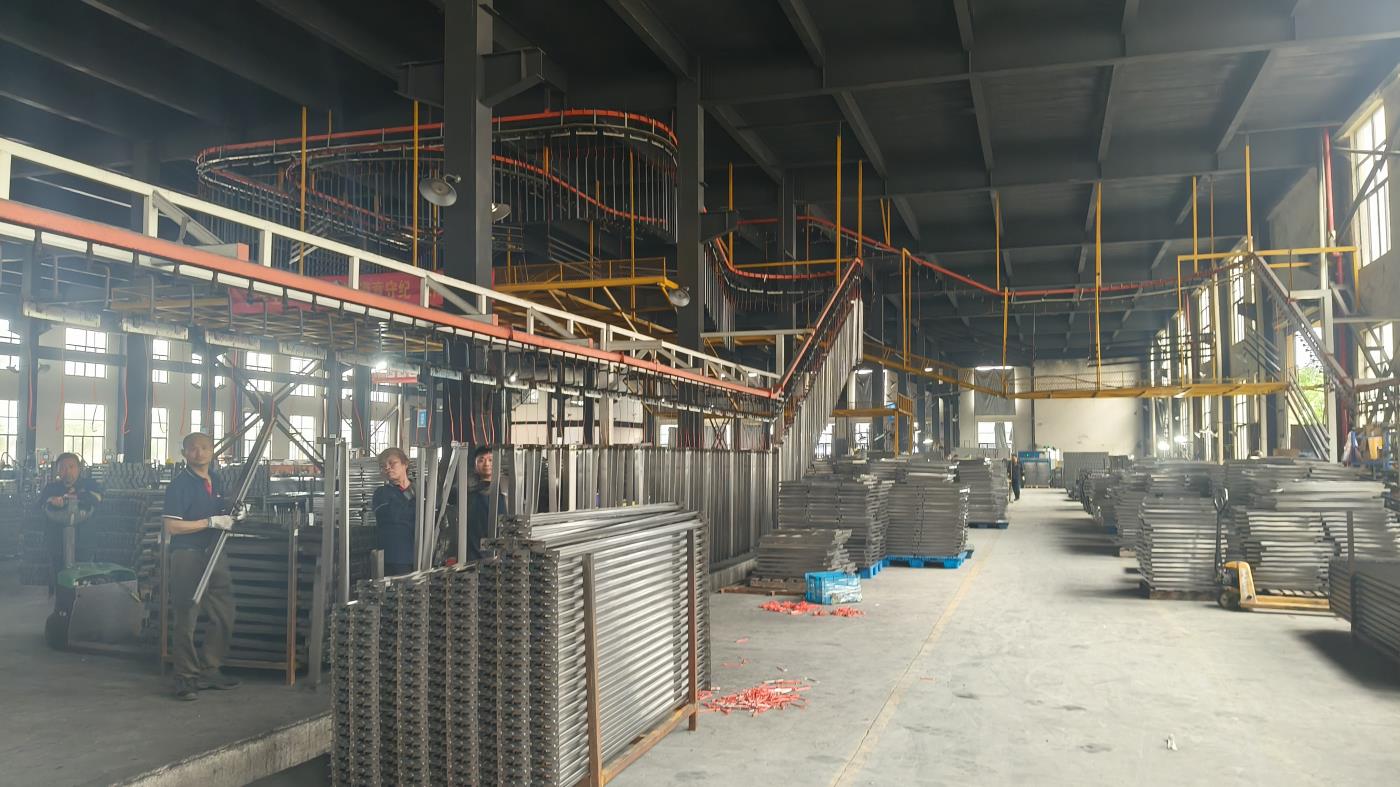
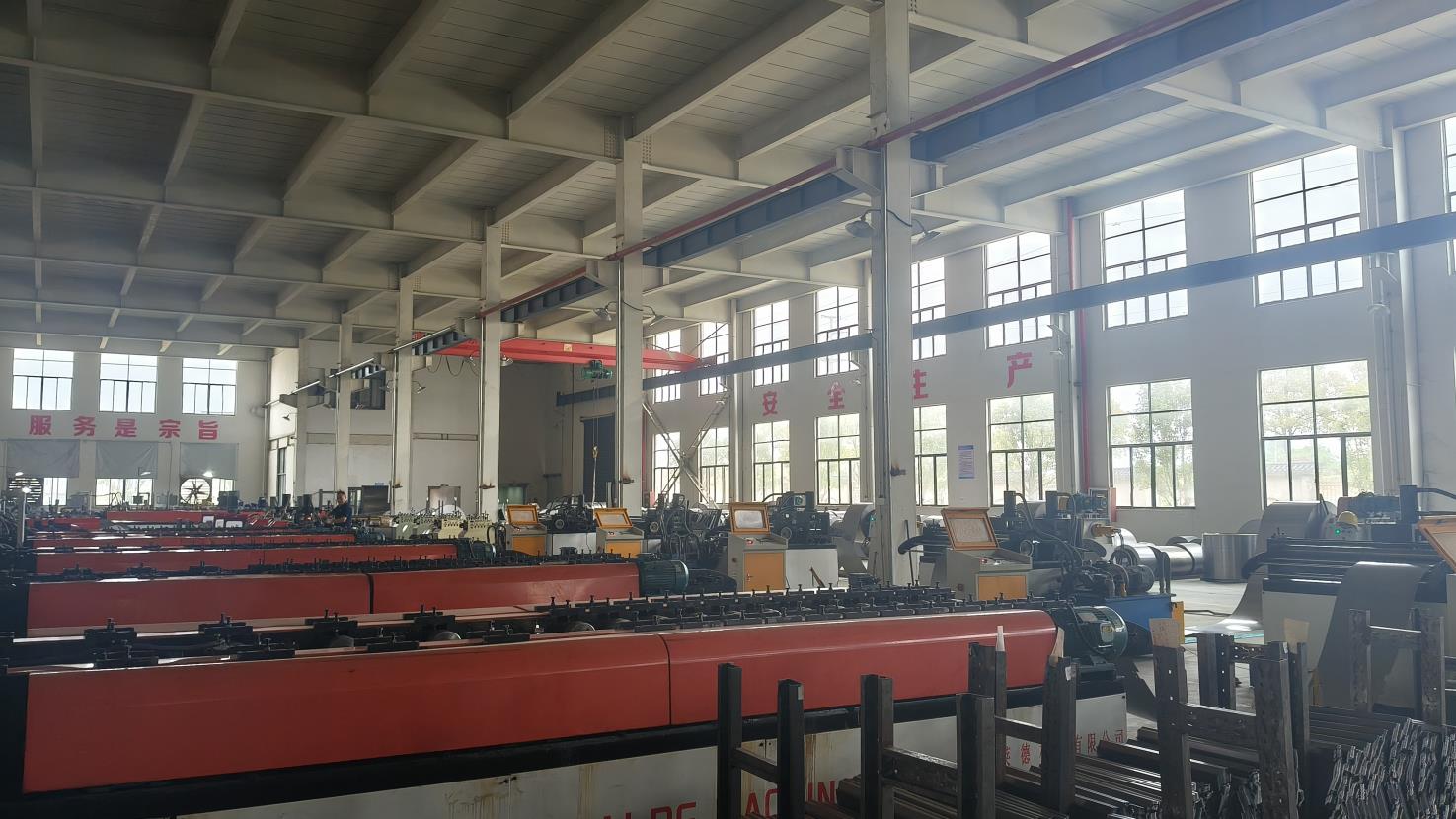
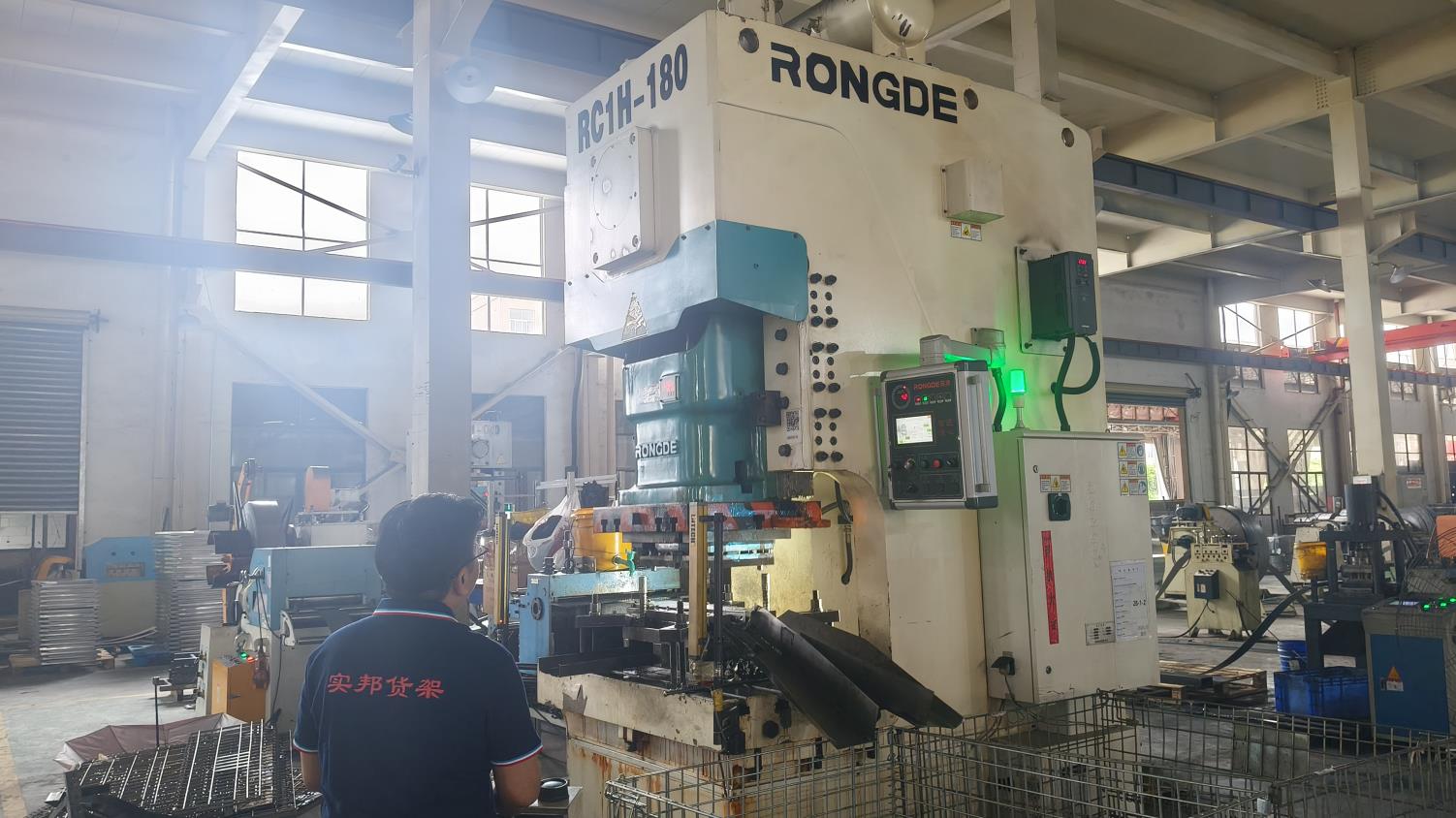
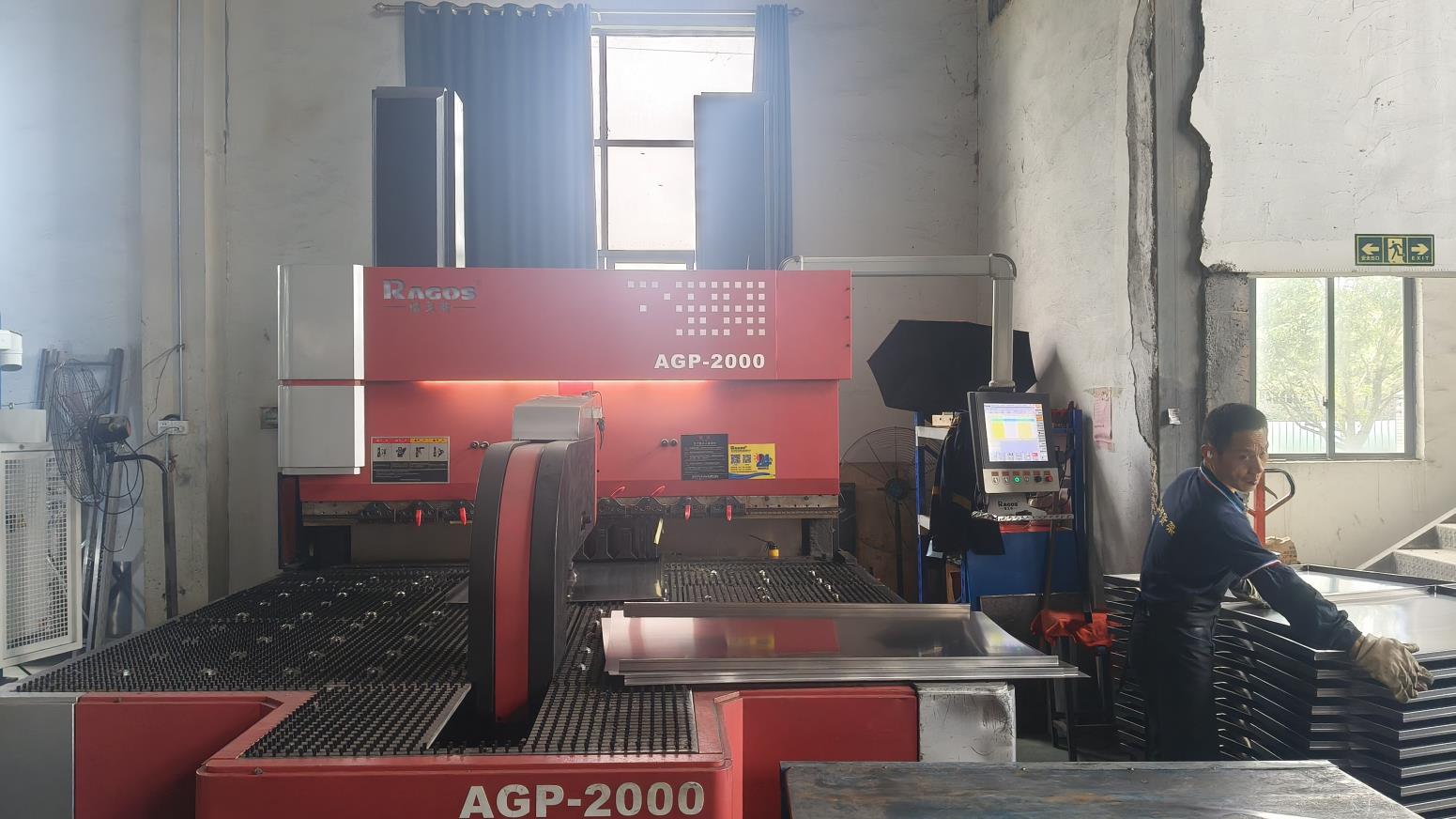
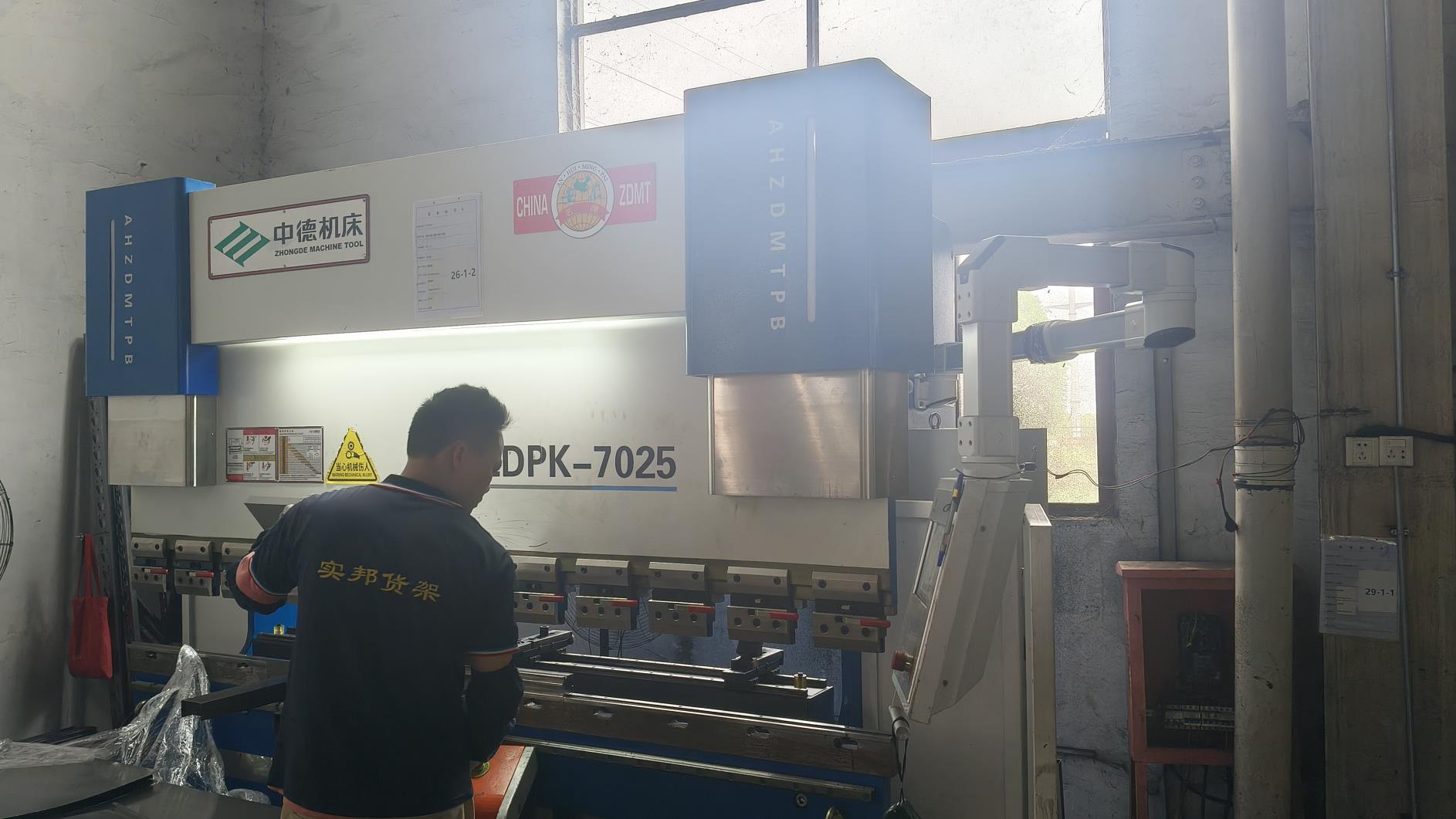
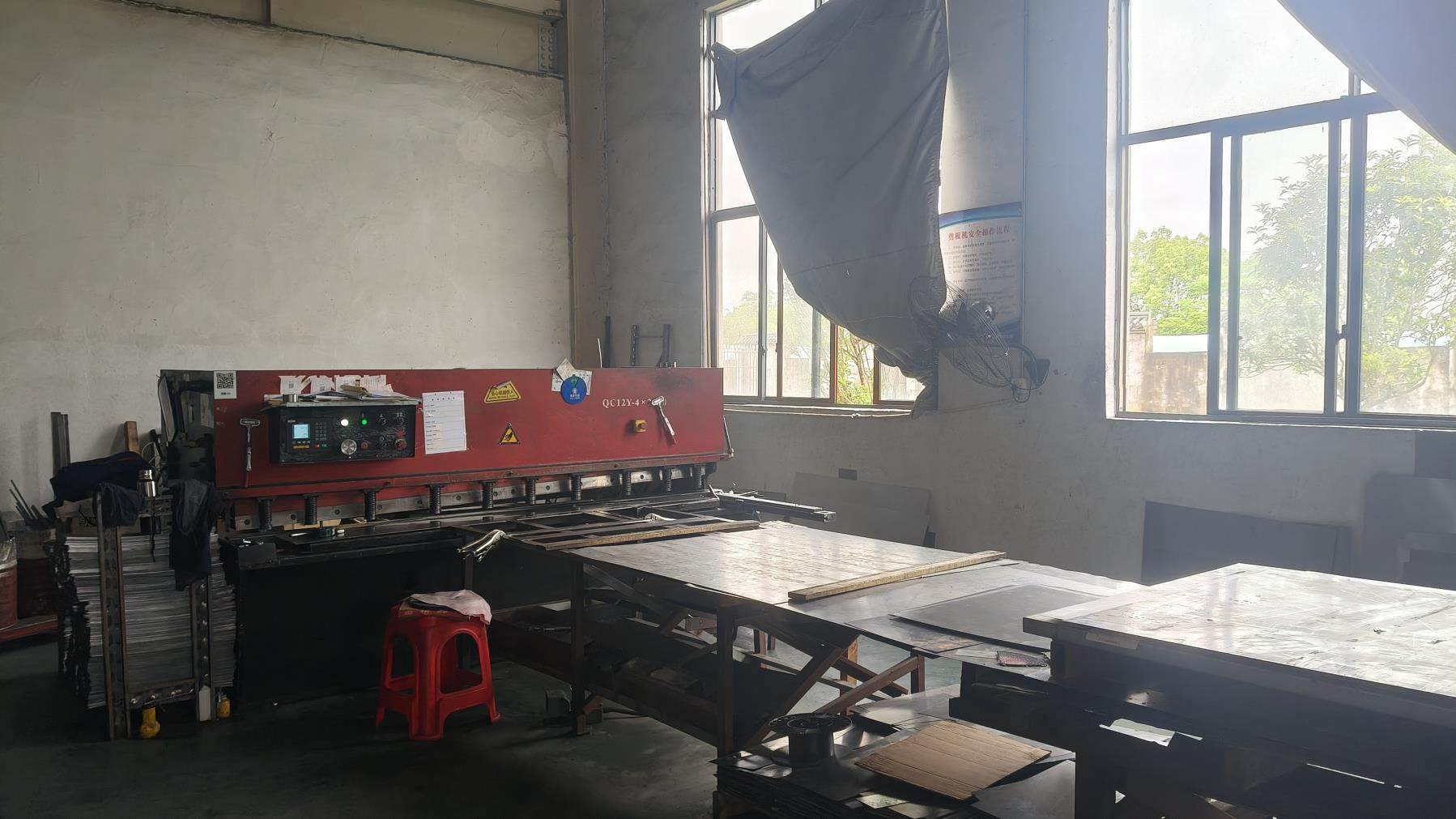
Established in 2016, Ningbo Shibang Storage Rack Co., Ltd. is a leading enterprise specializing in the design, manufacture, and global distribution of heavy-duty industrial warehouse racking systems. Spanning a modern manufacturing facility of 32,000 m², our company has accumulated 12 years of industry experience and 8 years of direct export expertise, serving global clients with total annual export revenue reaching $18 million.
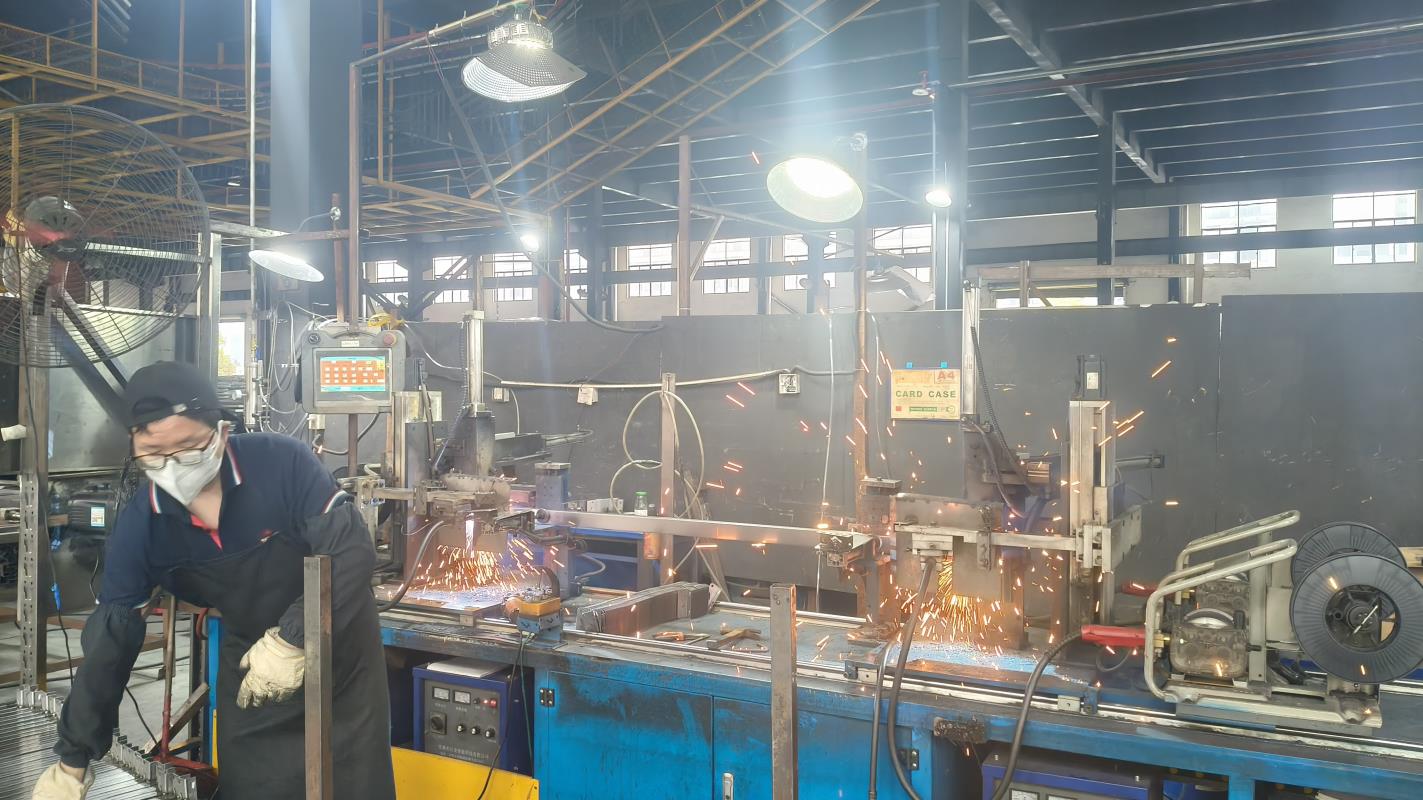
Quality and structural integrity are at the core of our manufacturing philosophy. Backed by a dedicated quality control team of 35 QA/QC inspectors, we implement rigorous multi-stage quality assurance processes, including Ultrasonic Testing (UT) for weld seams, load-bearing stress analysis, coating thickness verification, and raw material tensile testing.
Operating with a robust international trade setup, our primary markets cover North America, Western Europe, Southeast Asia, and Australia. To maintain efficient production cycles and reliable raw material supply, we partner with over 850 supply chain vendors. Our diverse client portfolio spans 3PL logistics providers, automated distribution centers, retail mega-warehouses, and heavy manufacturing facilities.
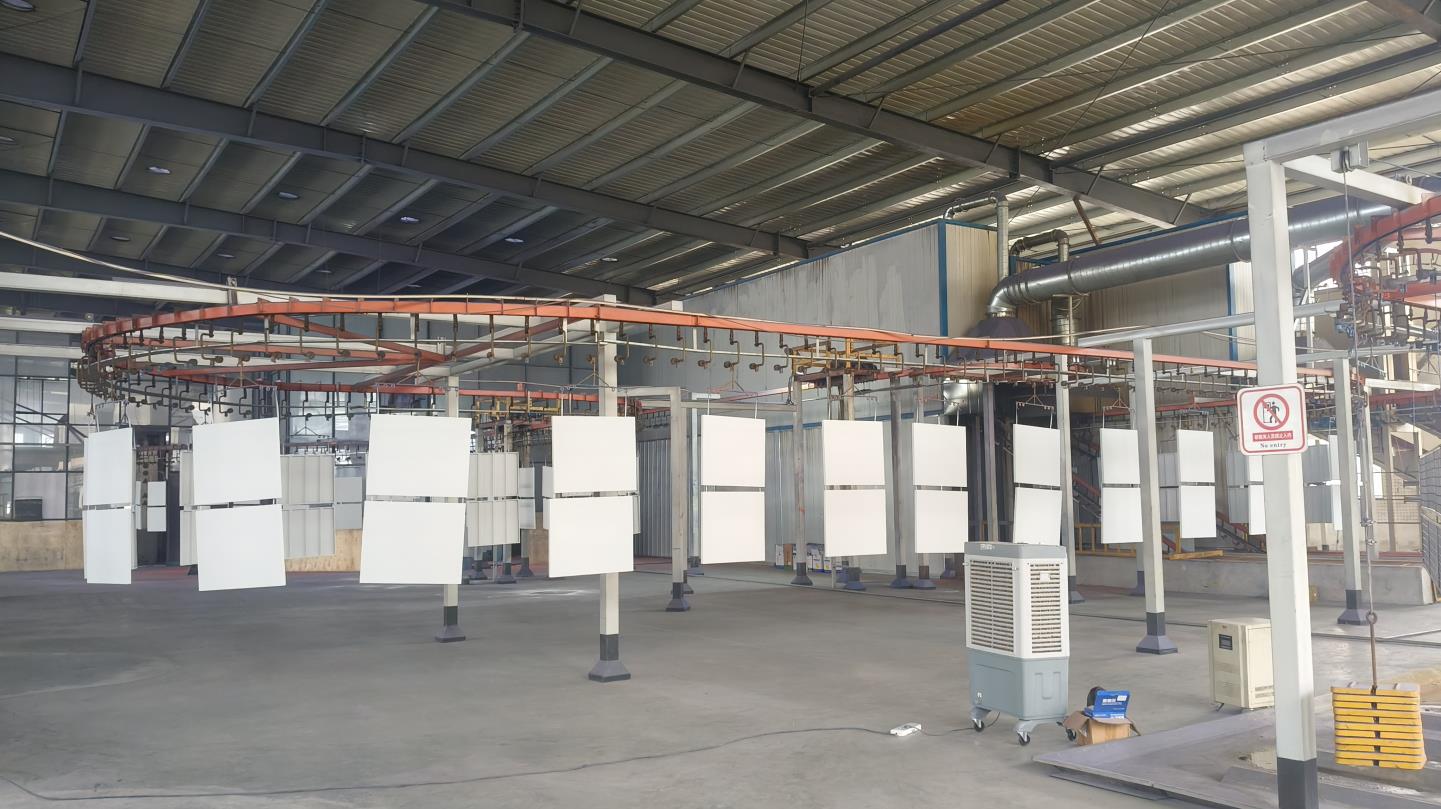
Innovation drives our growth. Our in-house R&D department boasts 22 experienced structural and mechanical engineers. Through strong technical capability and advanced OEM/ODM versatility, we offer extensive customization options, including tailored load capacities, custom powder-coating colors, seismically engineered beam profiles, and modular height configurations. Demonstrating our commitment to evolving market needs, we launched 140 new products and optimized structural components over the past year alone.
Exploring the integration of IoT sensors, electropolishing advances, and automation compatibility for Israel's smart warehouses.
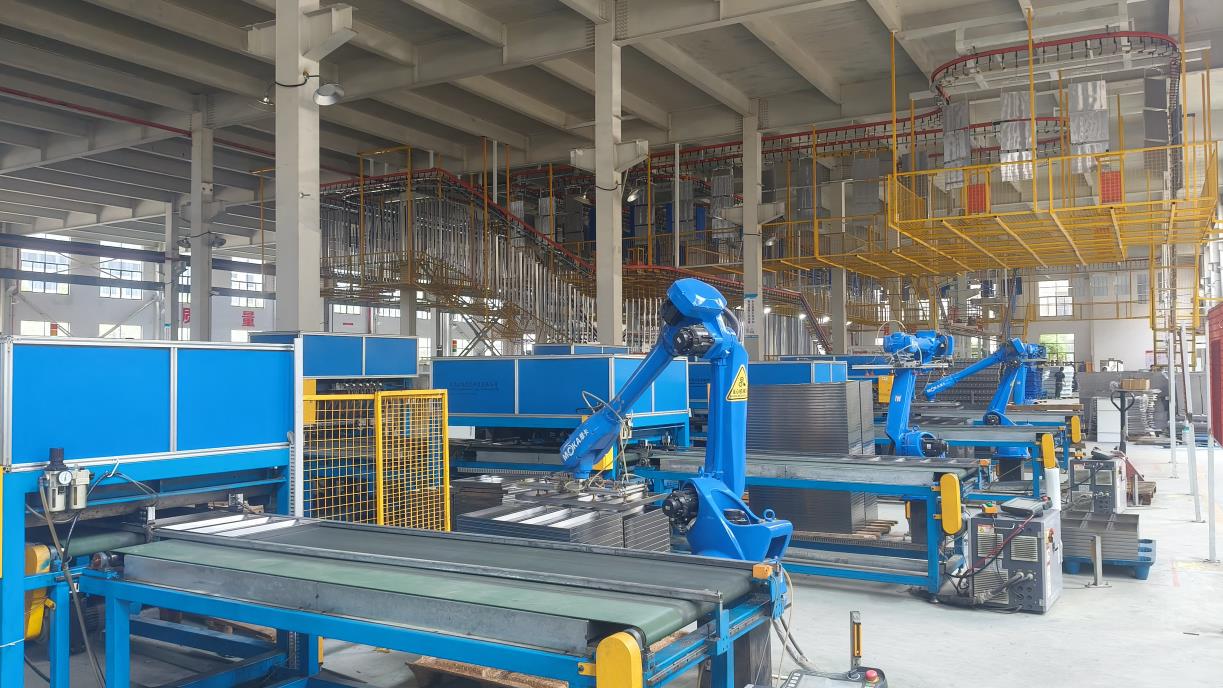
The next generation of high-capacity storage is smart, self-monitoring, and dynamic. At Ningbo Shibang, our R&D department of 22 mechanical and structural engineers is developing future-proof racking solutions that integrate seamlessly with local IoT and automation ecosystems. Over the past year, we have introduced 140 optimized structural designs to support automated warehouses.
Key areas of development include:
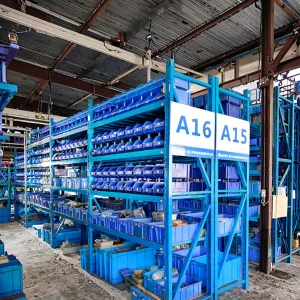
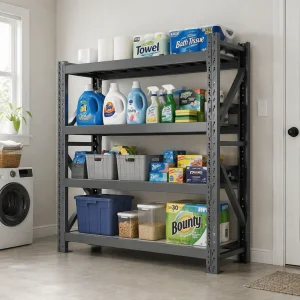
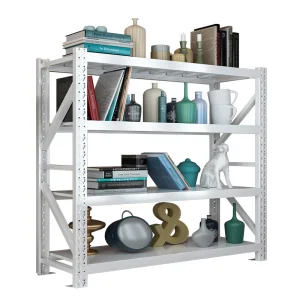
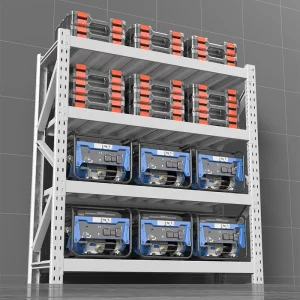
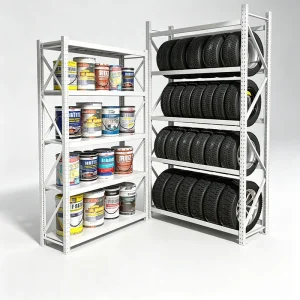
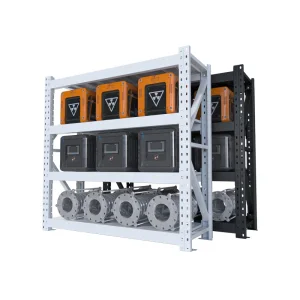
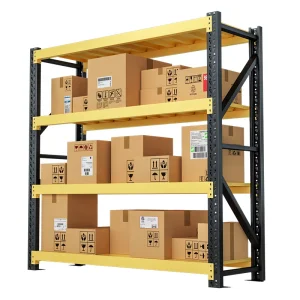
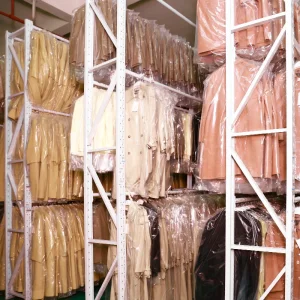
Engineered for warehouse and retail applications requiring heavy load support, robust corrosion protection, and variable height adjustments.
Get answers to critical engineering, seismic design, and logistics questions about exporting high-capacity racking to Israel.
For cleanrooms and standard food processing areas, we recommend AISI 304 stainless steel. It offers excellent sanitation and corrosion resistance under standard washdowns. For high-salinity zones near the Haifa and Ashdod ports, or environments exposed to acids, we recommend marine-grade AISI 316 stainless steel due to its molybdenum content, which prevents localized pitting and crevice corrosion.
We perform custom Finite Element Analysis (FEA) to verify stress points based on local seismic conditions. Our structures use oversized floor plates, thick structural bracing, and heavy-duty mechanical anchors that meet Eurocode 8 and Israeli Standard SI 413 criteria.
Yes. We design custom racking systems with tight tolerances for beam deflection and alignment, ensuring smooth operation with automated shuttles, conveyors, and crane systems. Our engineering team collaborates directly with automation integrators to align mechanical tolerances.
Our team of 35 QA/QC inspectors runs several checks: raw material tensile tests, ultrasonic testing (UT) for weld seams, load stress analysis, and dimensions checks. These tests ensure all racks withstand their rated load capacities and ship without manufacturing defects.
Custom engineering and manufacturing take 25 to 35 days, depending on size. Ocean freight from Ningbo to Ashdod or Haifa ports averages 20 to 30 days. We supply all customs documents, structural analysis reports, and installation guides for a smooth importing process.
 Shibang Rack