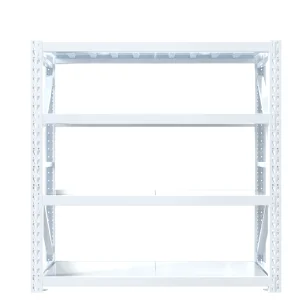
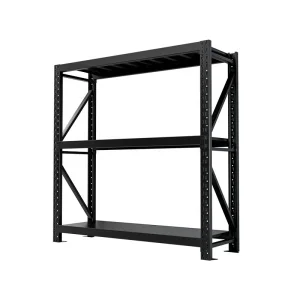
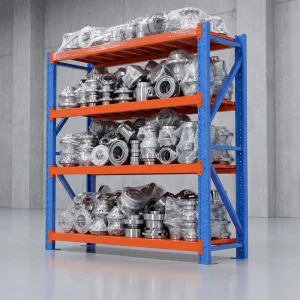
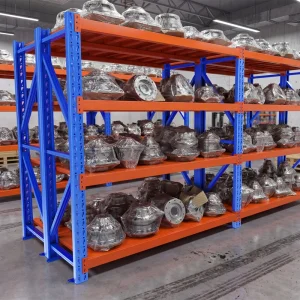
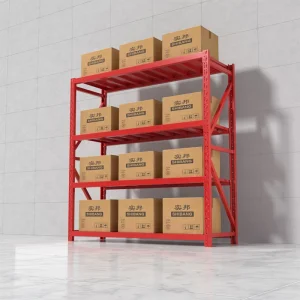
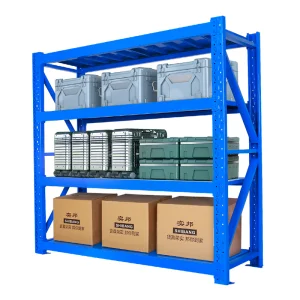
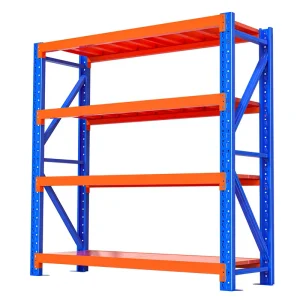
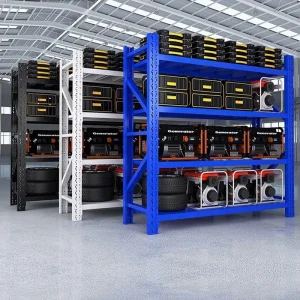
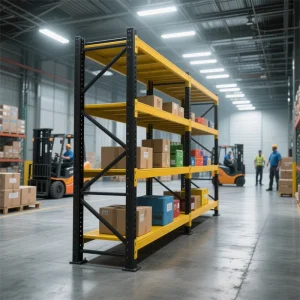
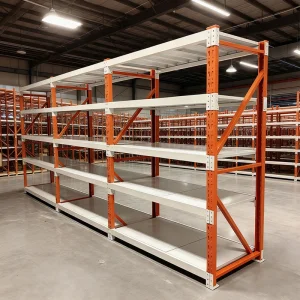
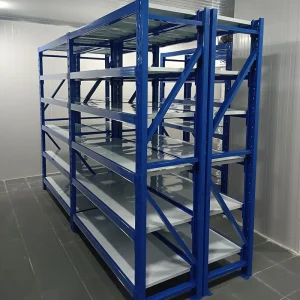
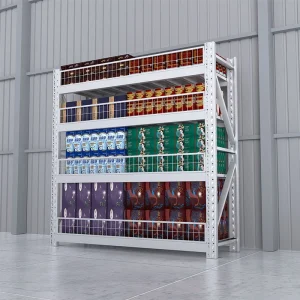
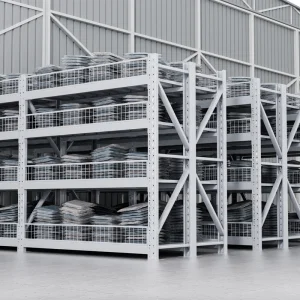
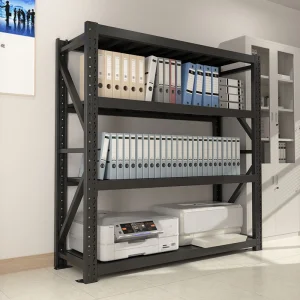
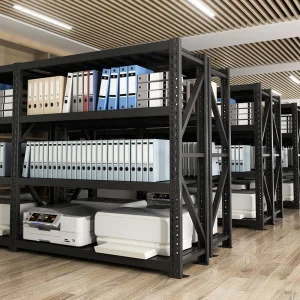
Designed for rapid deployment, optimized shelf-spacing, and robust weight distribution. Direct factory supply.
The logistics and warehousing market in Japan is undergoing an unprecedented structural transition. Due to rapid e-commerce expansion (driven by domestic demands in Tokyo, Osaka, and Nagoya) and acute space constraints, facilities must optimize their vertical cube space. Medium-duty racking systems, capable of handling payloads from 200 kg to 500 kg per layer, have become the backbone of this evolution.
Unlike standard global markets, industrial racks deployed in Japan must strictly comply with rigorous local structural regulations. The Building Standards Act (Kenchiku Kijun-hō) and JIS (Japanese Industrial Standards) require high-level engineering to mitigate risks from horizontal acceleration during seismic events. This means storage systems must feature reinforced baseplates, thick upright profiles, and tight beam-to-frame connector clearances to secure material loads and protect personnel.
Furthermore, Japan's acute labor shortage has pushed operations to implement AGVs (Automated Guided Vehicles) and smart material handling setups. These systems rely on high structural alignment precision. A deflection limit of L/200 under load is no longer just a recommendation; it is an operational necessity to prevent system errors in automated picking environments.
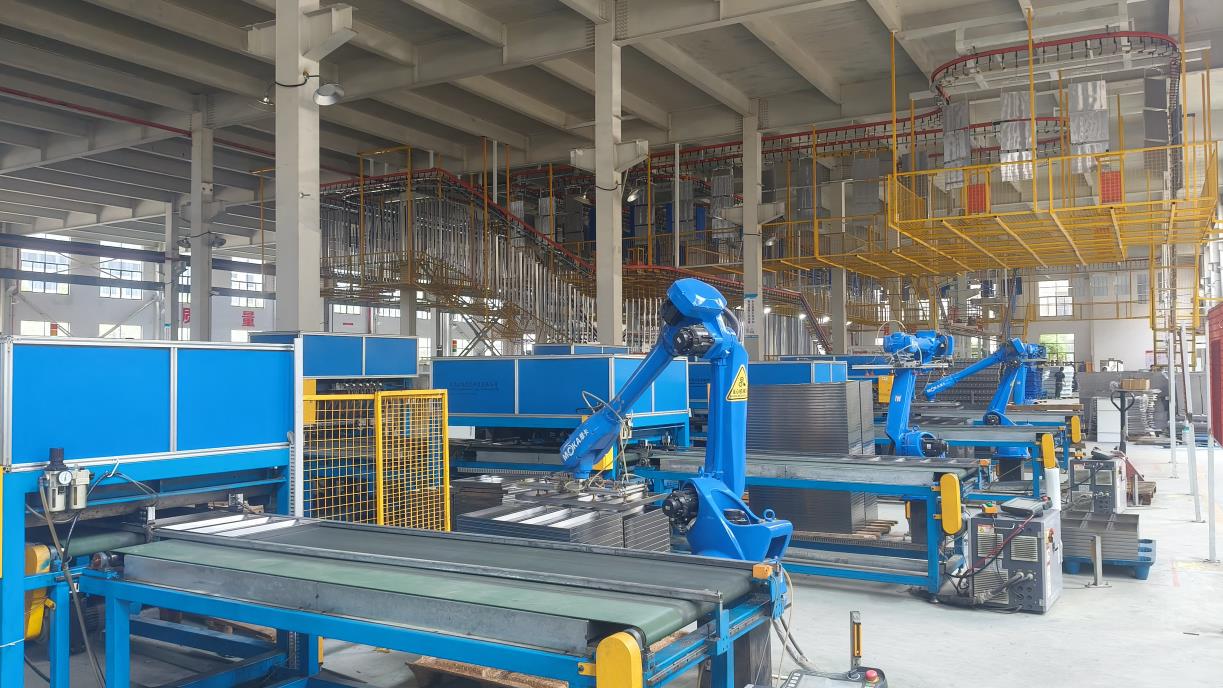
When procurement managers in Japan source industrial storage systems, they often face a compromise between high domestic pricing and uncertain quality from overseas exporters. Ningbo Shibang Storage Rack Co., Ltd. bridges this gap by offering precision-engineered, Japanese-standard compliant racks directly from our automated production lines in Ningbo, China.
Located near Ningbo Port—one of the busiest shipping hubs in the world—we provide direct sea transport to the Ports of Tokyo, Yokohama, Osaka, and Kobe with transit times as short as 4 to 6 days. This geographical proximity, paired with our streamlined raw material sourcing (working with over 850 supply chain vendors), allows us to deliver high-quality storage solutions at a lower total landed cost compared to domestic Japanese manufacturers.
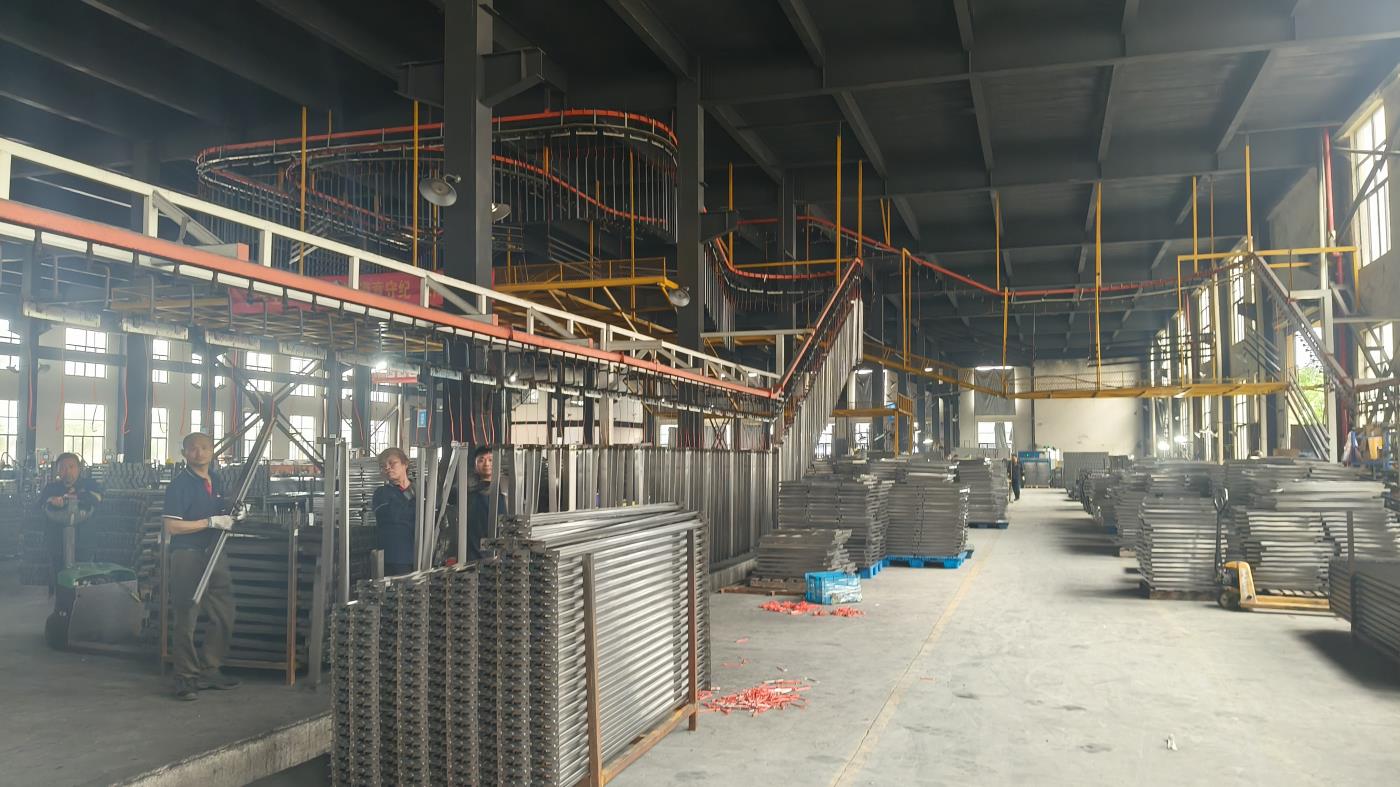
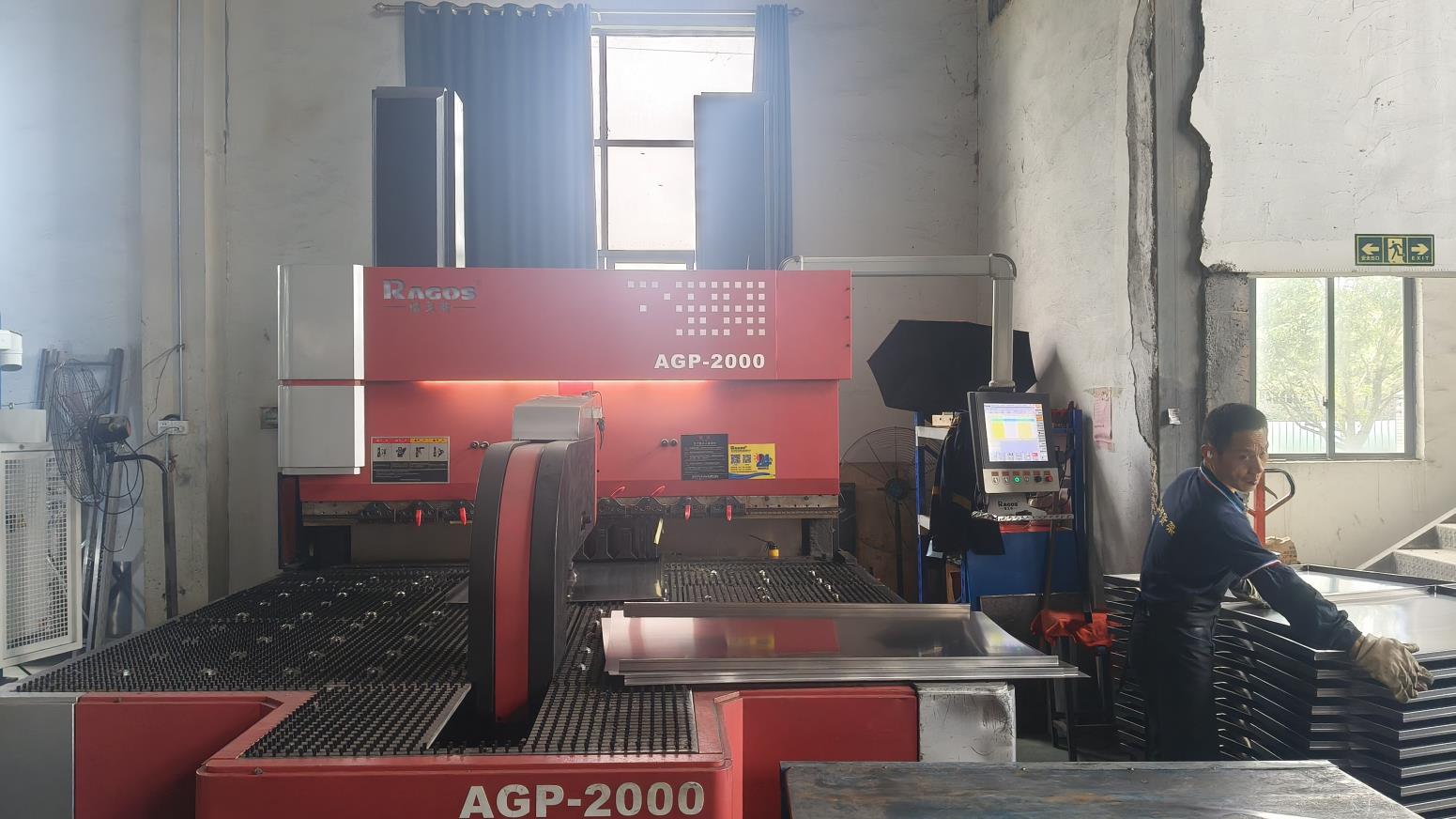
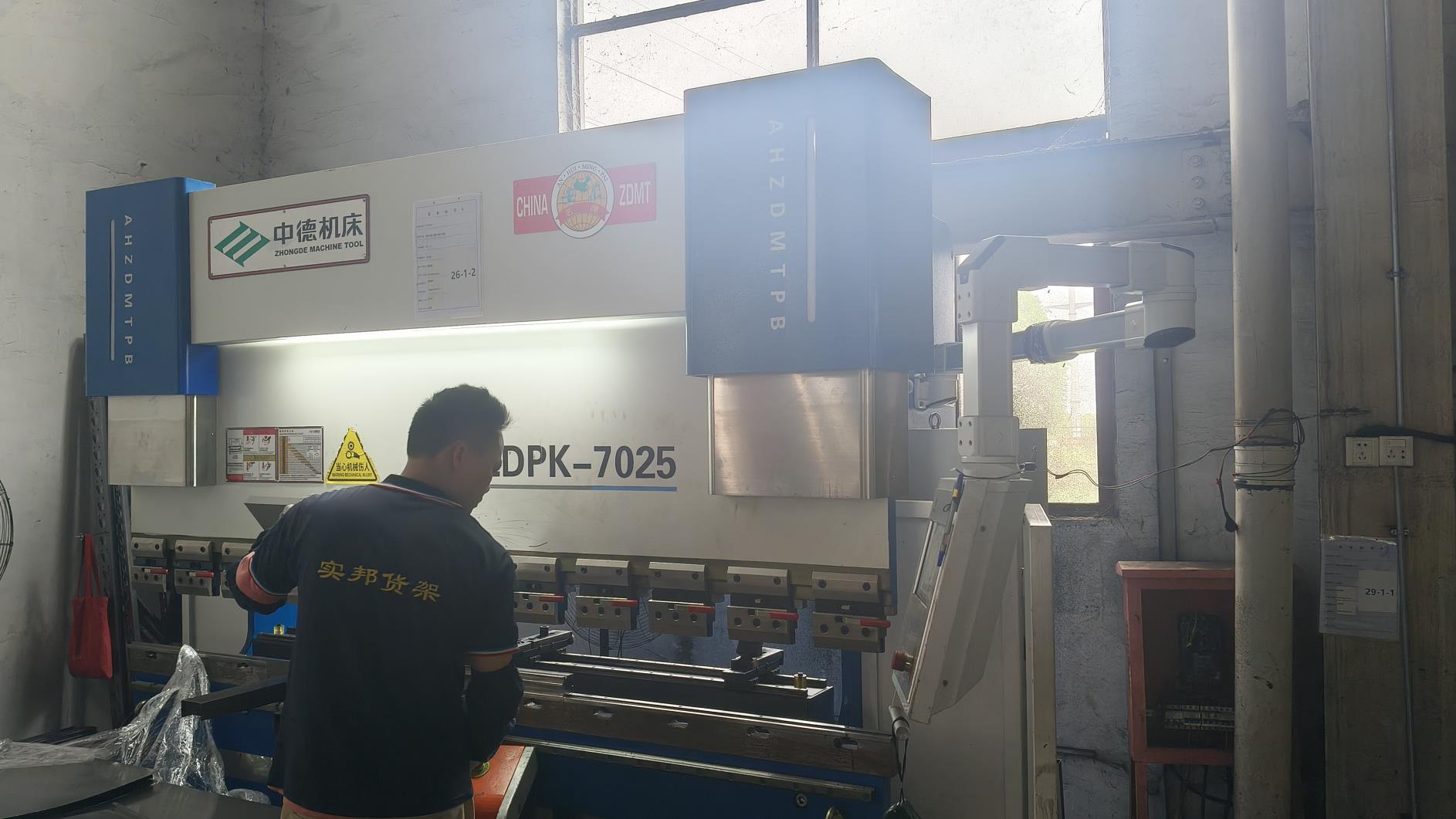
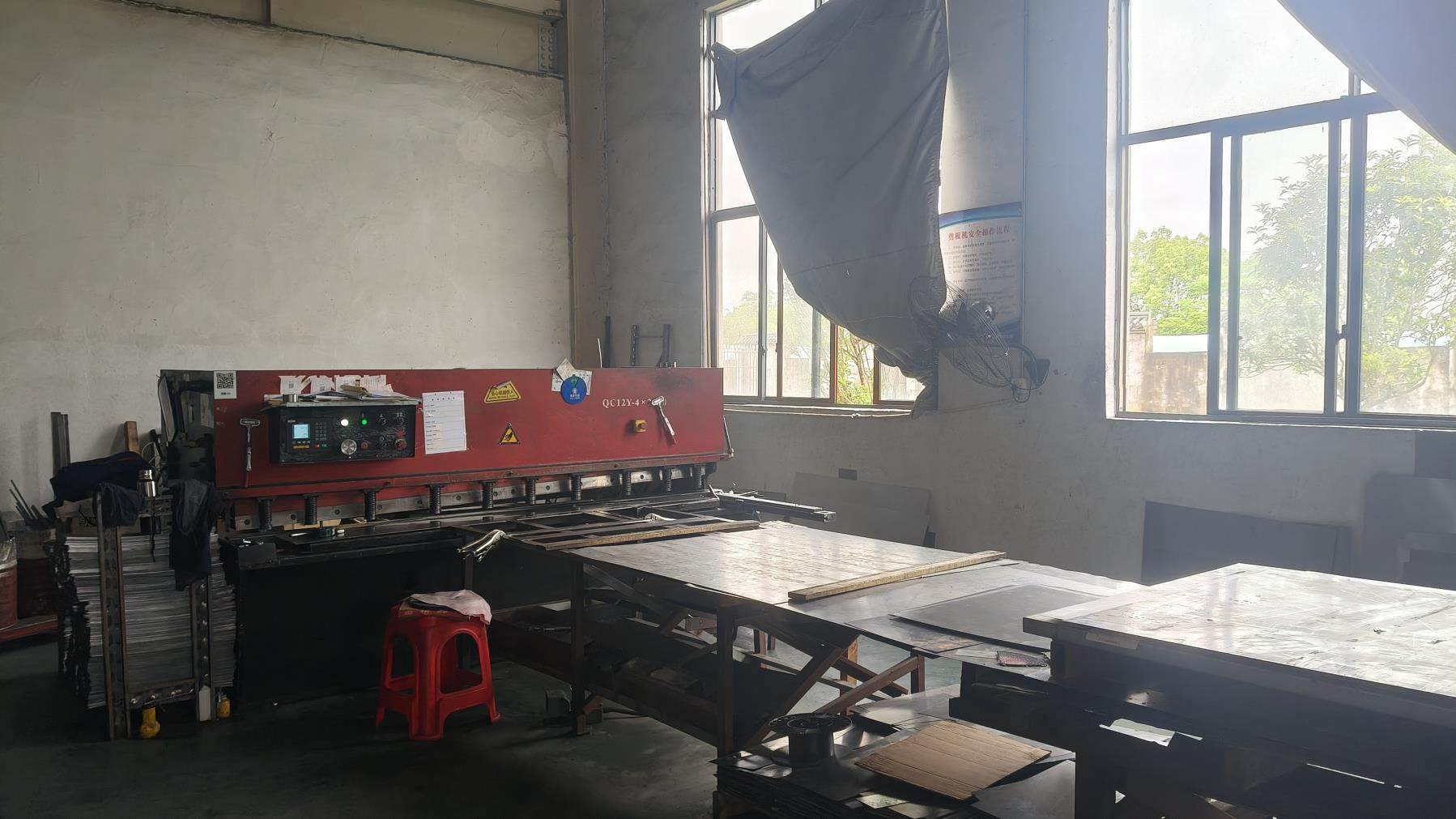
We use premium cold-rolled Q235B structural steel, ensuring high load capacities and uniform material density. Our automated electrostatic powder-coating lines apply a thick, corrosion-resistant finish (60-80 microns) that protects against surface scratches and oxidation, making the racks ideal for high-humidity coastal warehouses in Japan.
Our in-house R&D department features 22 experienced structural and mechanical engineers. Over the past year, we have introduced 140 new products and optimized structural components. We tailor beam shapes, column thicknesses, and baseplate dimensions to meet the seismic acceleration requirements of different Japanese prefectures.
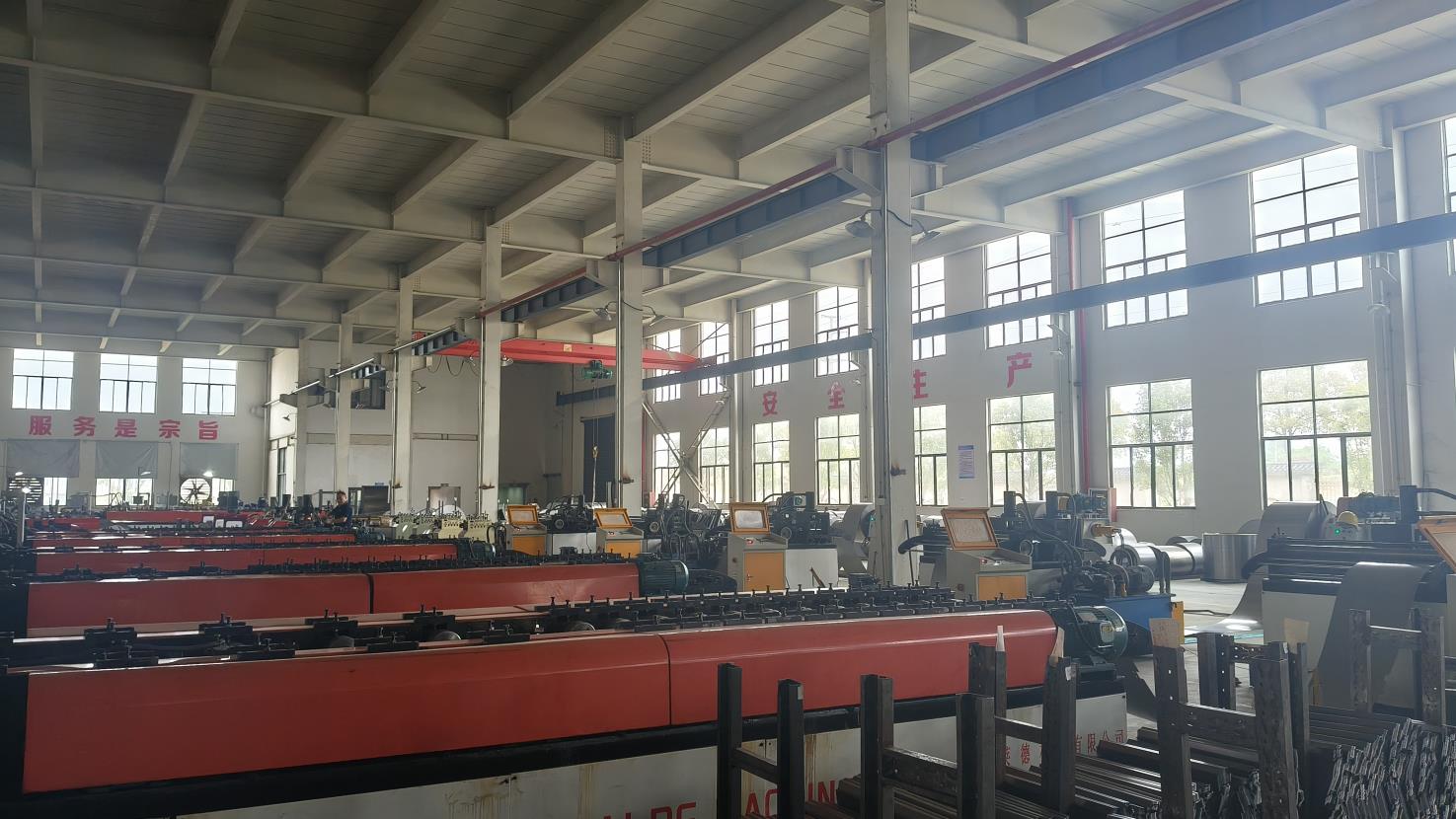
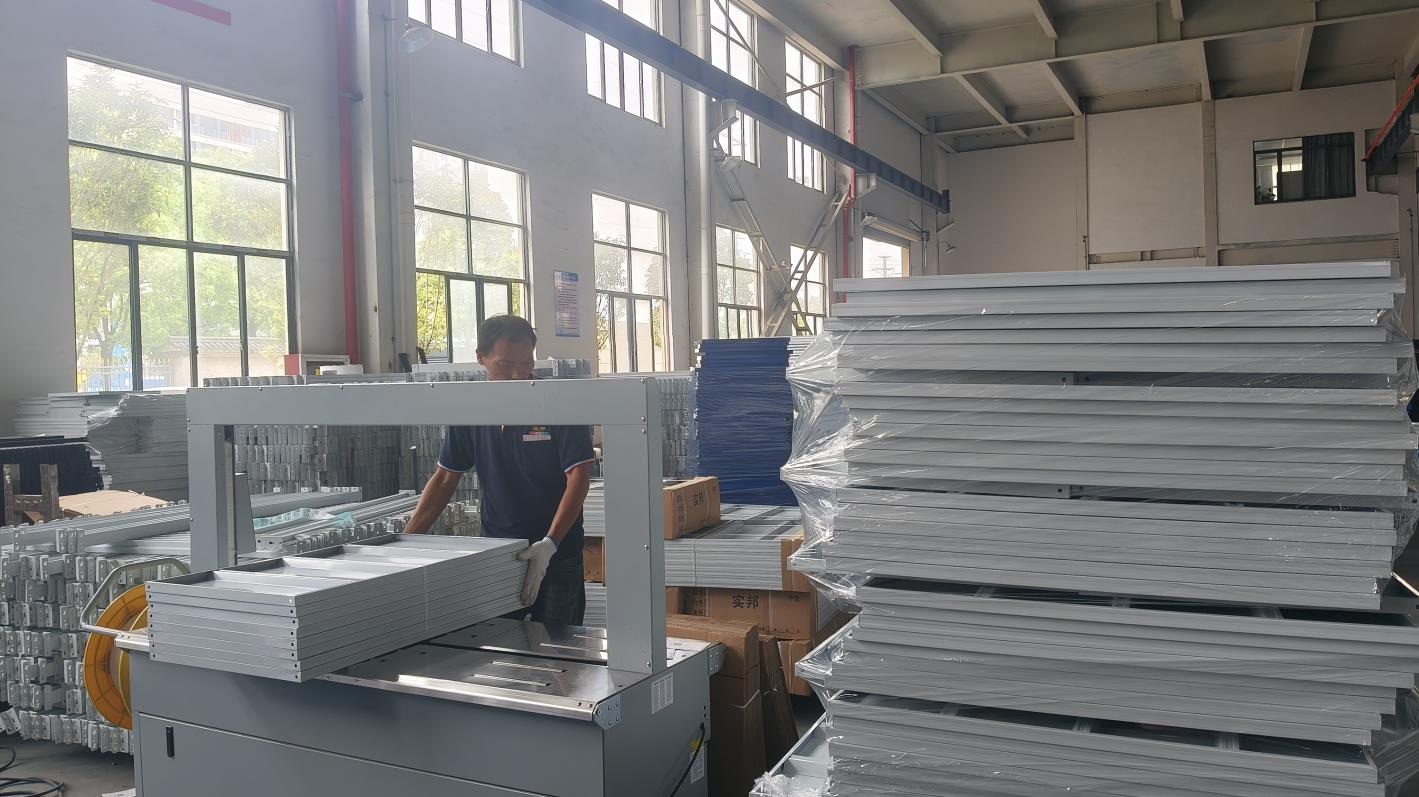
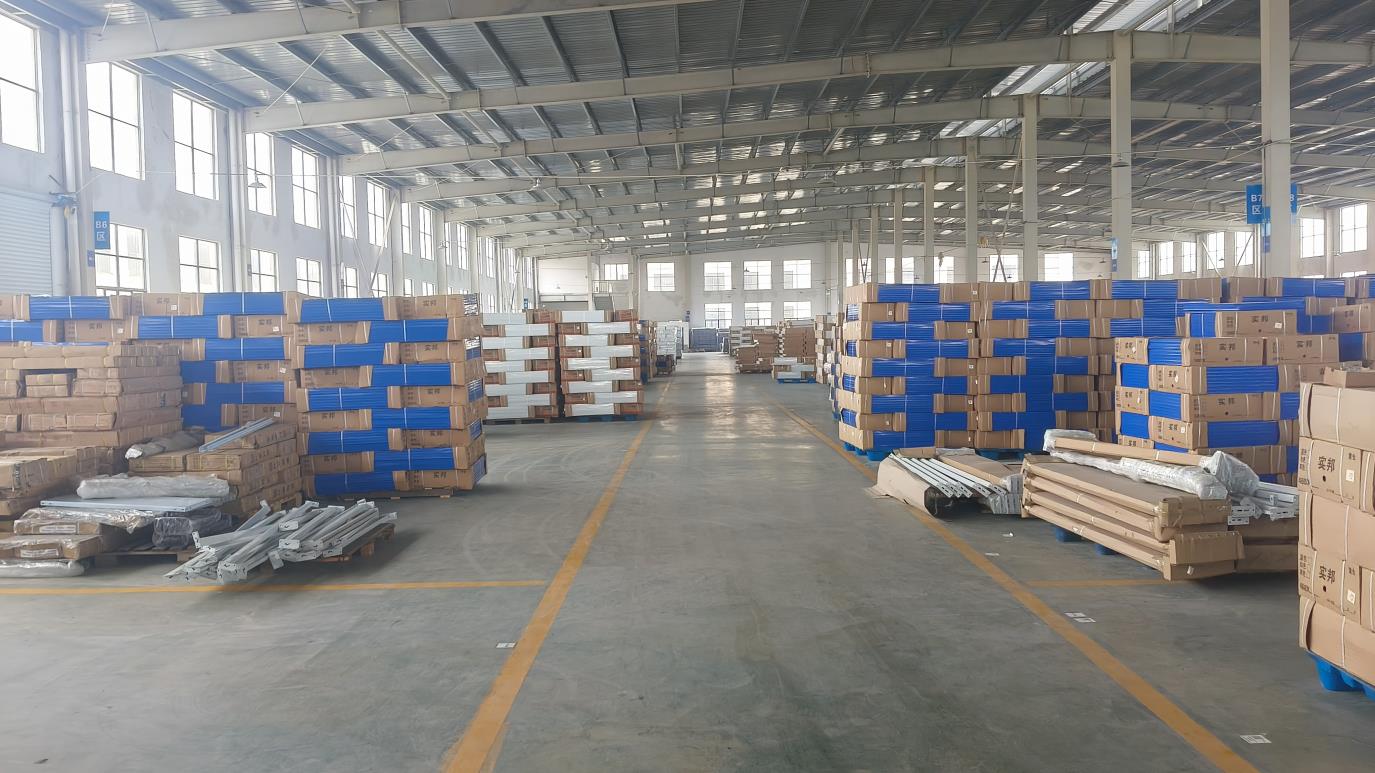
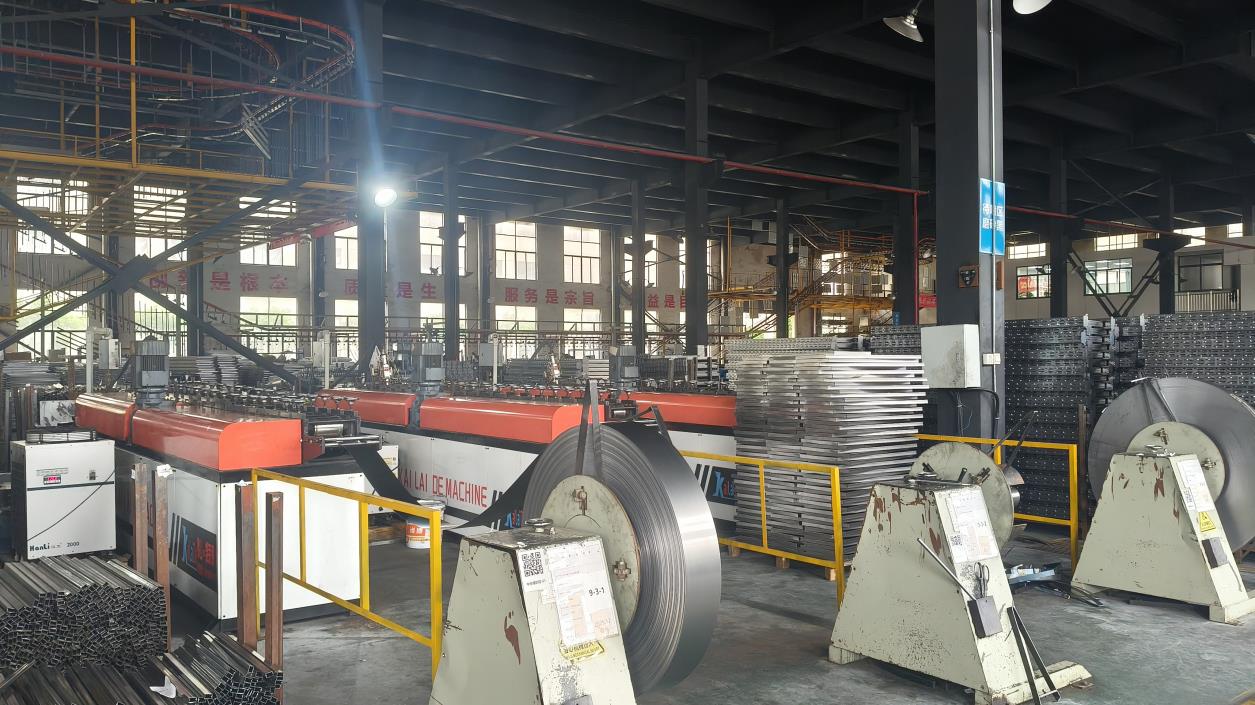
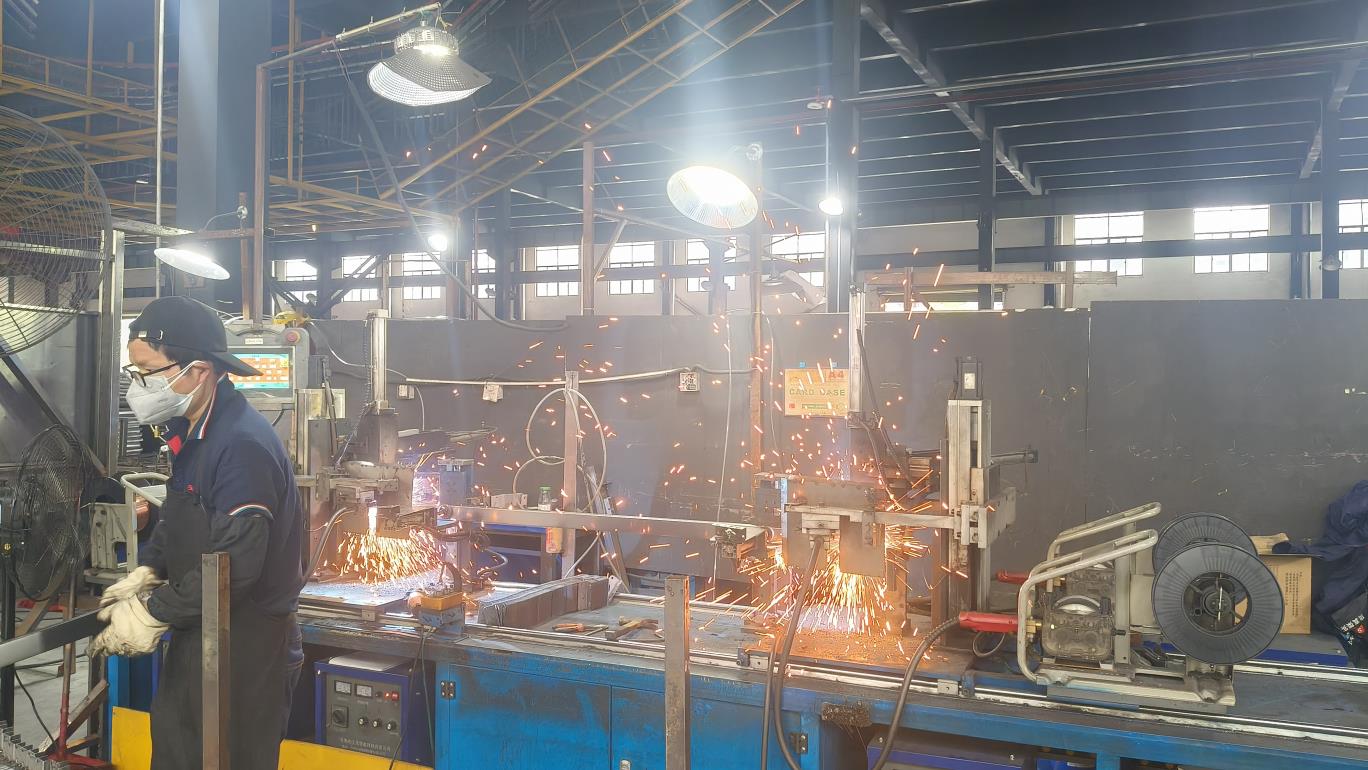
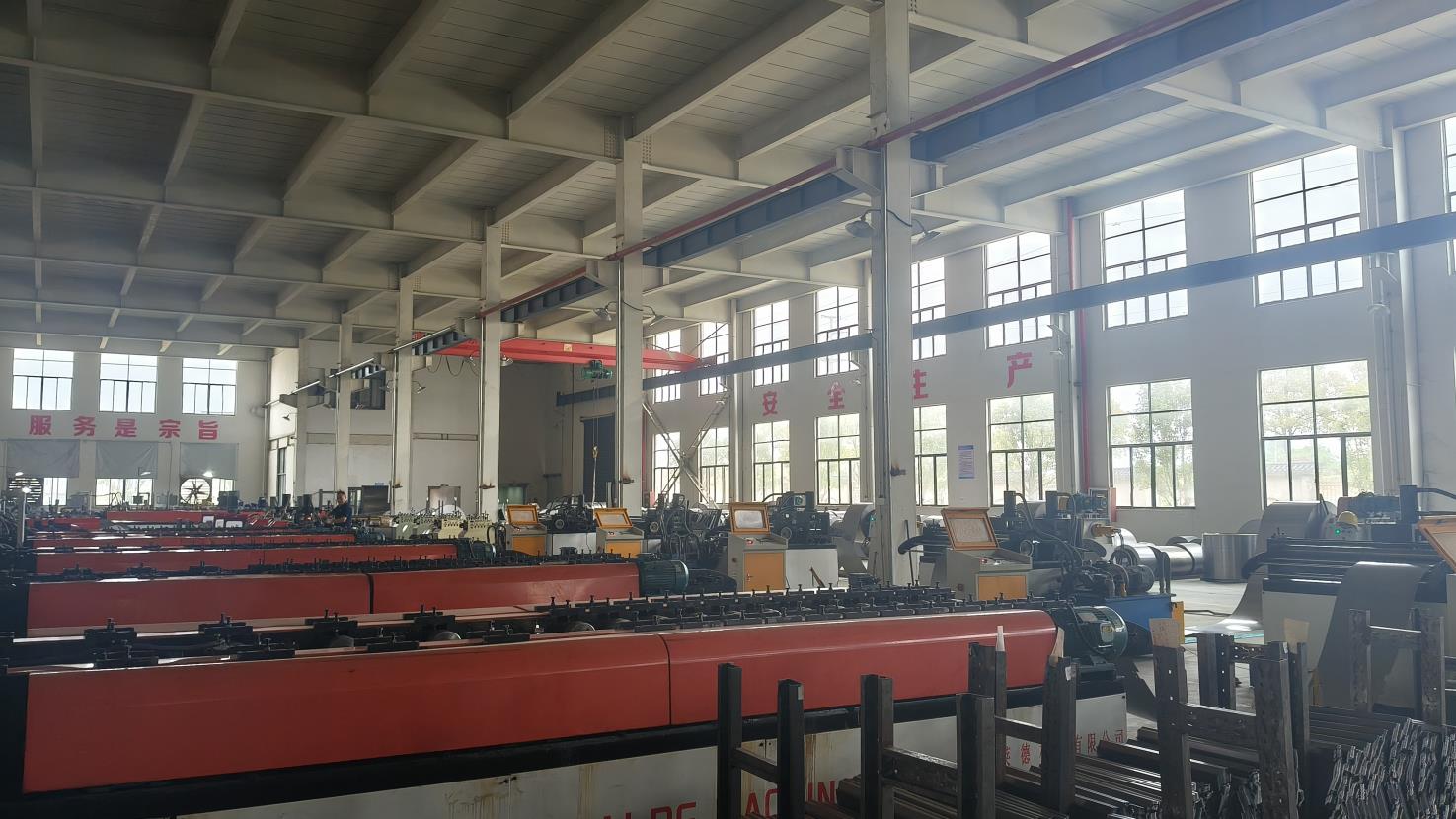
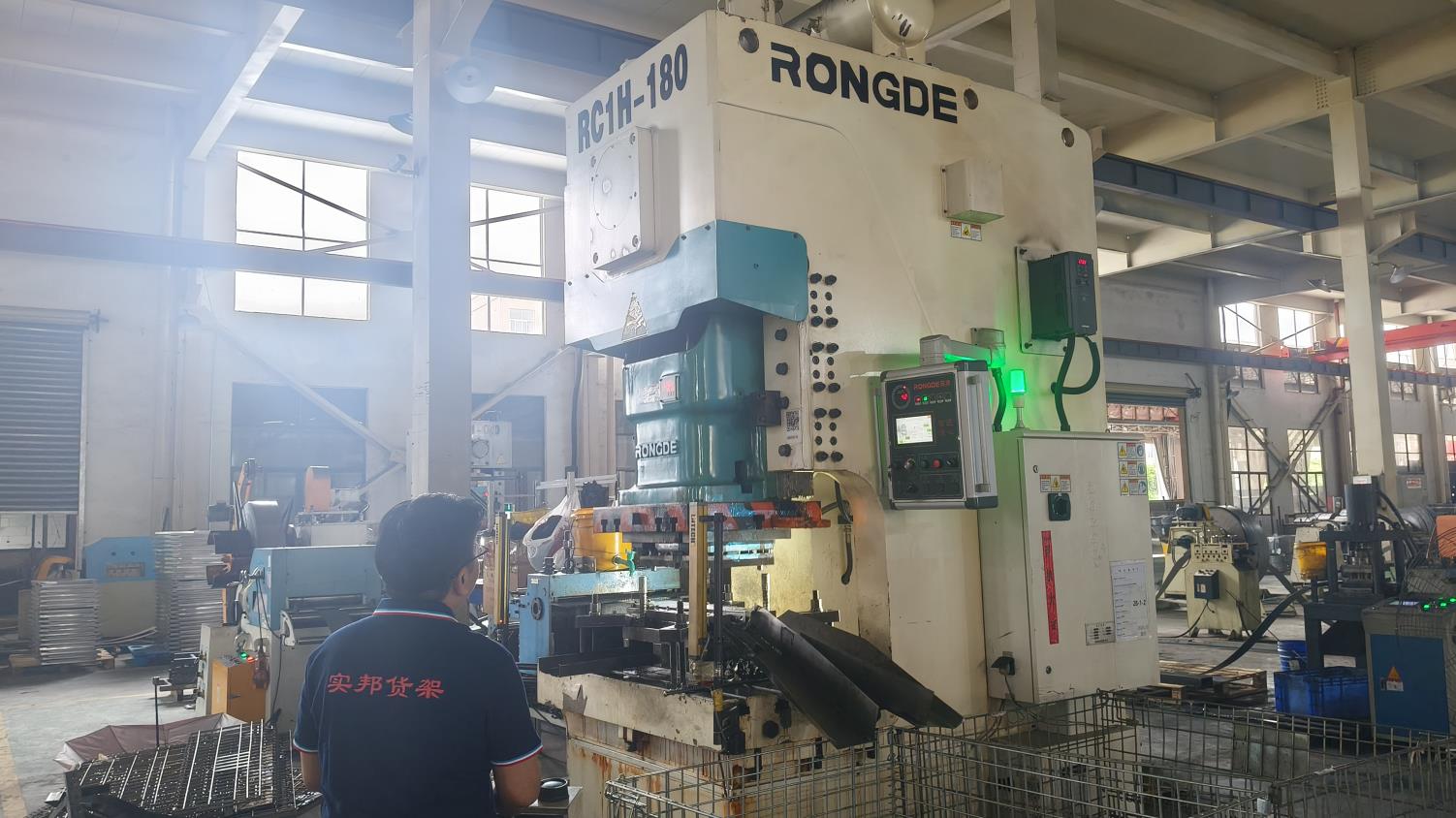
A transparent look inside Ningbo Shibang's 32,000 m² factory. We implement Ultrasonic Testing (UT) for weld seams, load-bearing stress analysis, and raw material tensile testing.
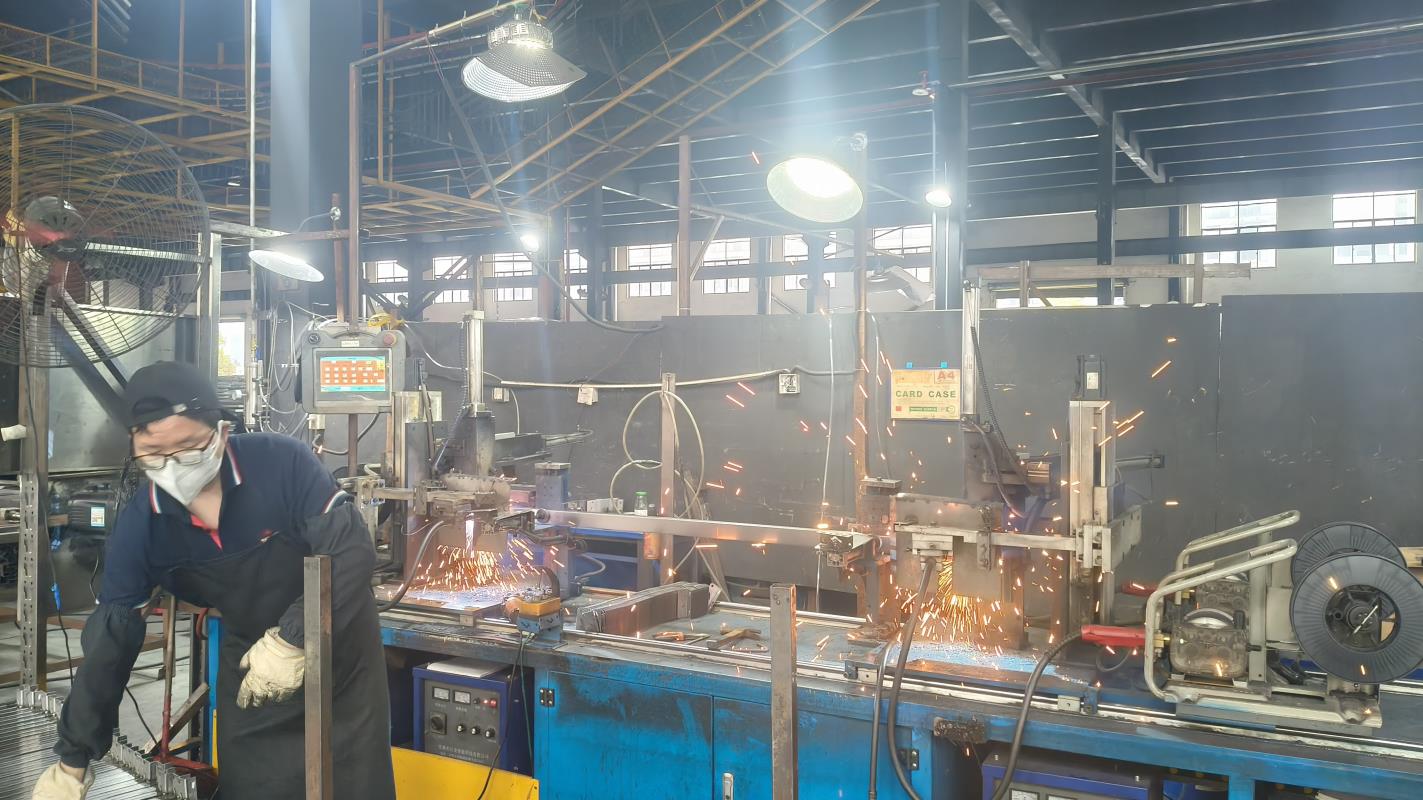
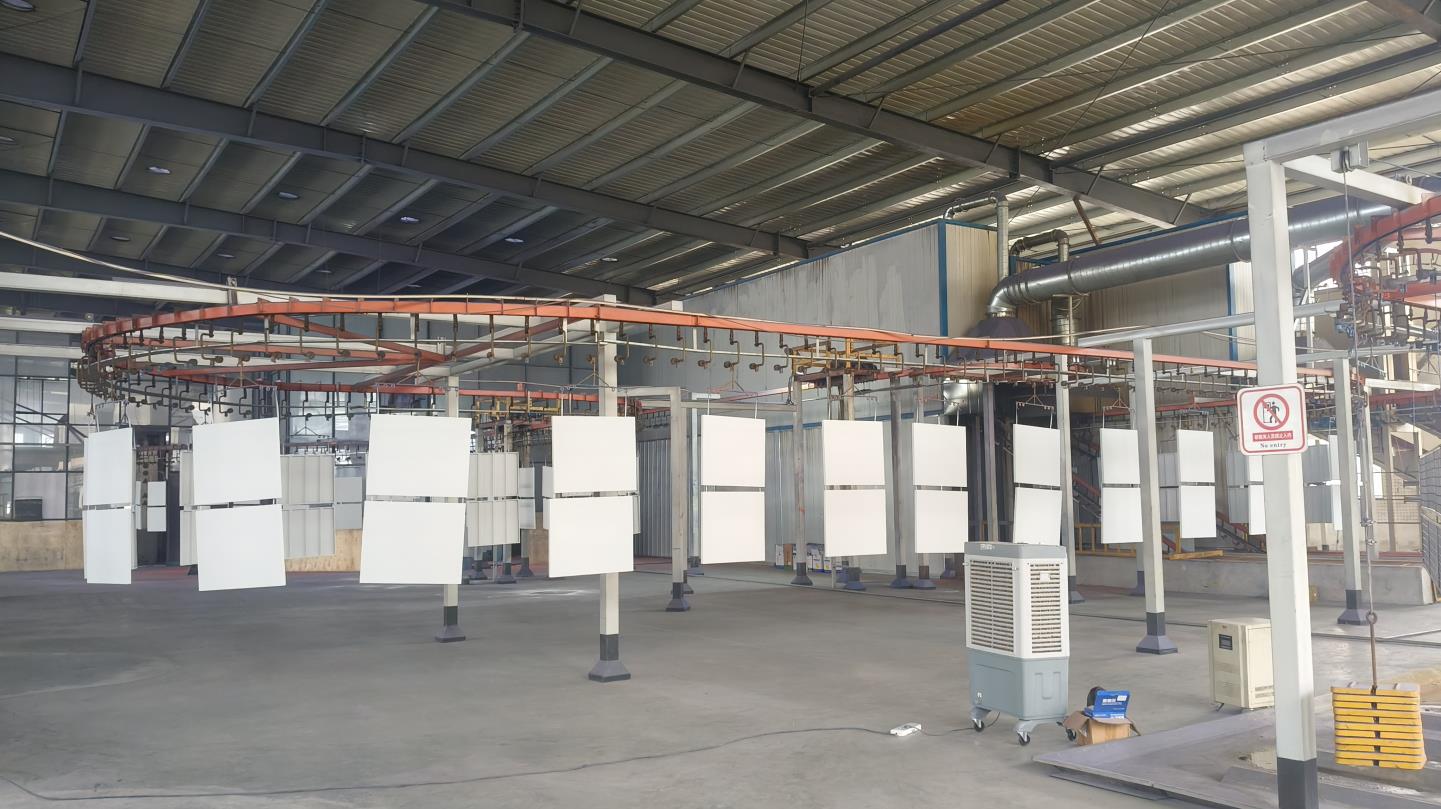
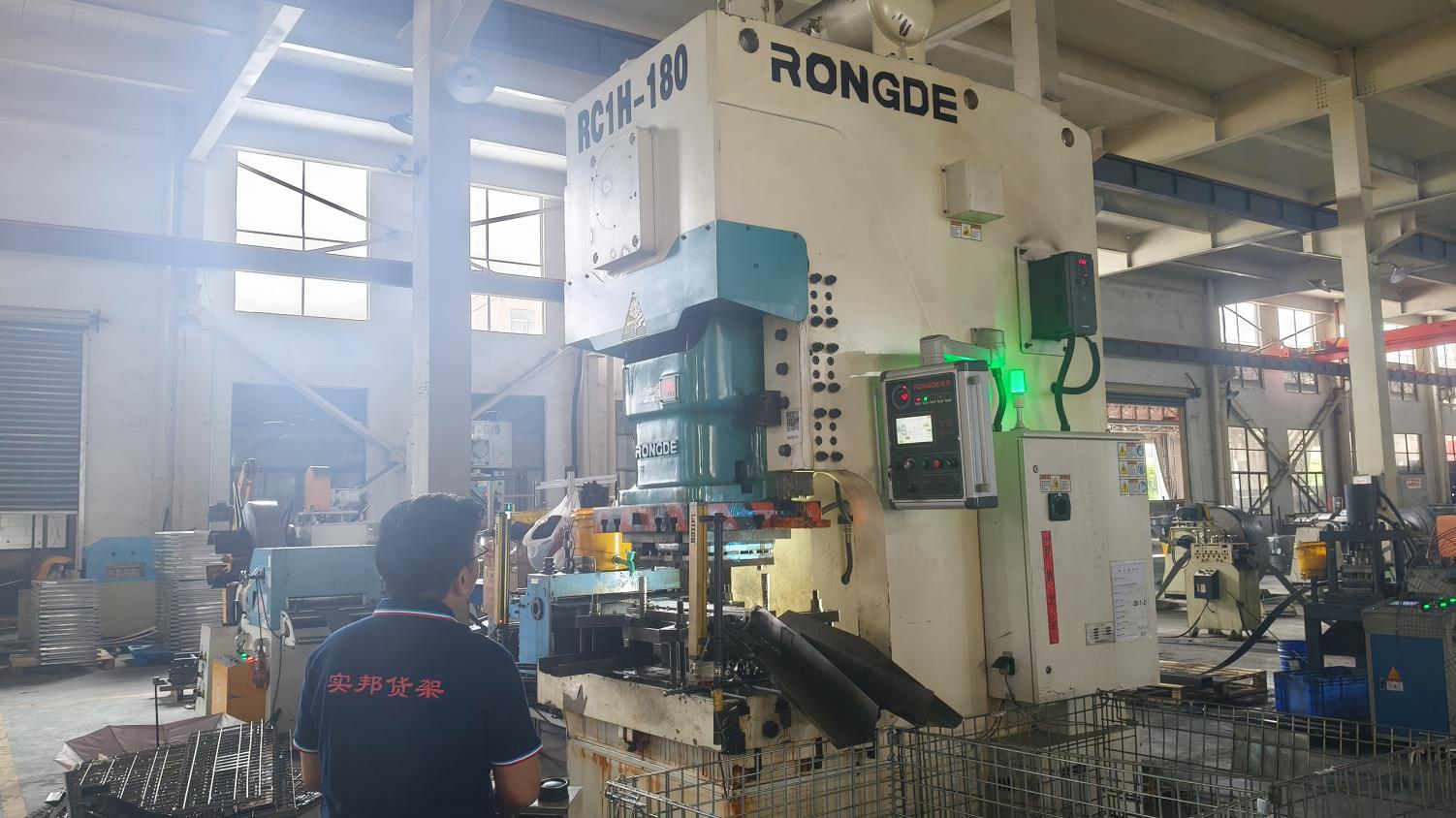
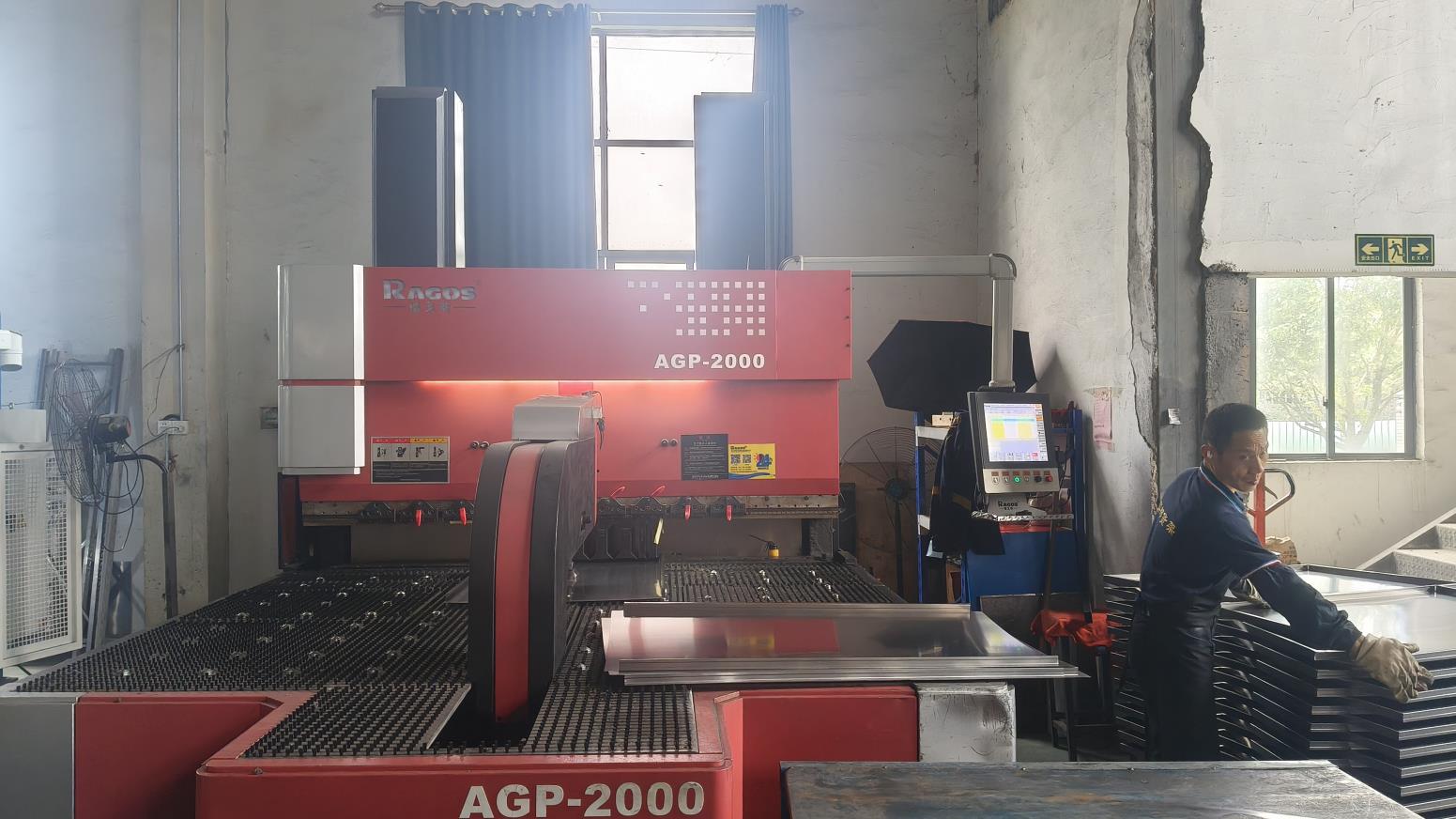
To optimize operations, logistics planners should design storage facilities in line with current and emerging industry trends:
As SKU cycles shorten, shelving configurations must adapt. Our boltless systems allow warehouse staff to adjust beam heights in 50mm increments without special tools.
E-commerce hubs require a combination of light picking levels and medium-duty reserve storage. Multi-tier racking structures maximize clearance heights in small footprints.
Modern layouts use heavy-duty floor anchors and structural cross-bracing. Engineered to dissipate kinetic energy during earthquakes, this setup prevents structural collapse.
From Tokyo to Fukuoka, local fire departments inspect fire sprinkler access and aisle clearance. Our design engineers custom-plan layout spacing to ensure smooth regulatory approvals.
Explore our complete catalog of industrial shelving units. Built for long lifespans and heavy workloads.
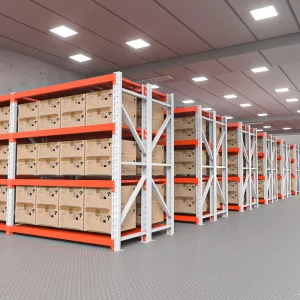
Crucial technical and logistical insights for procuring medium duty racks in Japan.
Contact our design engineers for a custom layout plan, load calculation report, and a direct factory quotation.
Send Inquiry Now Shibang Rack