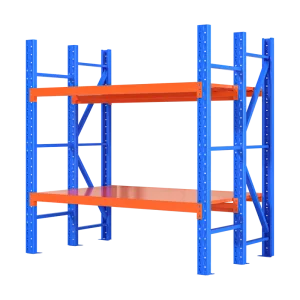
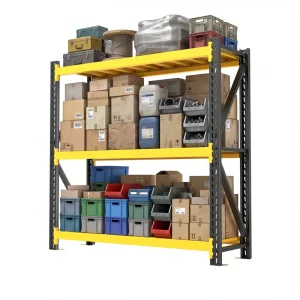
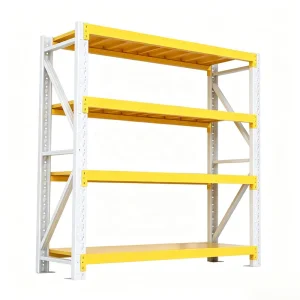
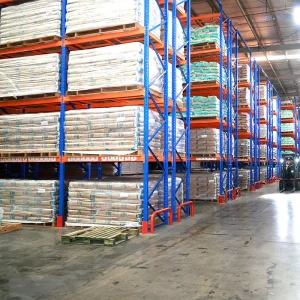
Engineered to withstand heavy structural loads, integrated seamlessly with high-speed automated storage & retrieval dynamics.
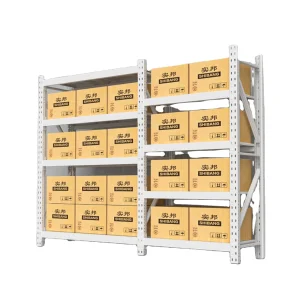
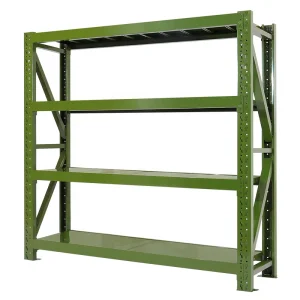
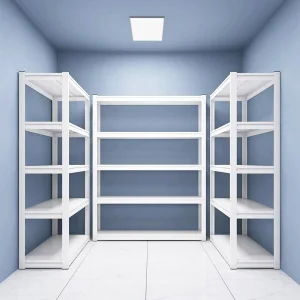
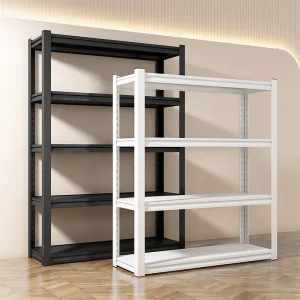
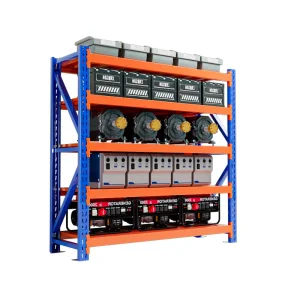
Analyzing the paradigm shift from traditional layouts to autonomous multi-directional grid networks.
In modern industrial warehousing, spatial density and throughput velocity are no longer trade-offs. The integration of 4-Way Shuttle Storage Systems (Automated Storage & Retrieval Systems - ASRS) represents the pinnacle of compact warehousing architecture. Traditional forklift-driven systems are limited by access aisle clearances, driver productivity variances, and vertical constraint bottlenecks. In contrast, the 4-way shuttle runner negotiates both longitudinal and transverse structural channels with absolute precision, utilizing intelligent switching track geometry to access 100% of pallet positions without human intervention.
Information Gain Concept: Unlike standard two-way shuttle systems which only run in deep tunnels, 4-way systems employ dynamic horizontal lane-changing algorithms. This unlocks adaptive inventory management (FIFO/LIFO), path self-optimization, and failsafe redundant navigation across the entire horizontal and vertical envelope.
As industrial land costs escalate globally by over 14% annually, modern distribution networks are forced to capture volume rather than square footage. The 4-way pallet shuttle system achieves a storage density up to 90% higher than traditional selective racking, and 30% higher than dynamic gravity flow systems. By decoupling the mechanical hoist mechanism (vertical lift) from the horizontal cart runner (shuttle car), warehouses can scale throughput linearly by adding more shuttles to the active grid. If one shuttle experiences an operational interruption, WCS (Warehouse Control System) pathing reroutes a nearby shuttle unit to secure uninterrupted operations.
Empirical evidence of structural reliability, global scaling capabilities, and advanced quality assurance.
Custom-engineered racking system layouts aligned to strict regional standards and varied product sectors.
Procuring heavy-duty industrial racking for automated systems requires complex calculations of mechanical tolerances, metallurgical integrity, and structural dynamic shifts under load. Leading supply chain operators in North America, Western Europe, Southeast Asia, and Australia rely on customized rack components that meet high standards of safety and stability. At Ningbo Shibang, our engineering team balances structural strength, track flatness, and automated shuttle compatibility to deliver robust storage solutions.
Formulated using high-strength low-temperature steel grades (Q355D/E). High-density shuttle systems reduce the refrigerated cubic area, saving up to 40% on operational energy costs.
Flexible rack designs configuration catering to mixed-SKU inventory profiles. Seamless interface with WMS to switch from FIFO (First-In, First-Out) to LIFO (Last-In, First-Out) dynamics on demand.
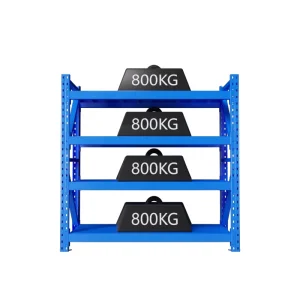
Reinforced beam structures engineered for pallet payloads of up to 1,500 kg per position, featuring integrated guidance rails that protect structures from high-frequency operation wear.
In addition, seismically engineered beam profiles and precision-punched structural uprights are critical in regions with high seismic activity, such as California, parts of Southeast Asia, and New Zealand. Ningbo Shibang utilizes specialized software to simulate seismic response and engineer racking structures that comply with international safety and building codes.
Exploring how Ningbo Shibang's manufacturing processes meet automated warehouse requirements.
Automated storage systems require far tighter construction tolerances than standard racking. Traditional storage systems allow a deflection of L/200, whereas automated shuttle storage demands rail flatness tolerances within ±1.5mm dynamically under load. Ningbo Shibang achieves this manufacturing precision through our advanced fabrication facility, housing automated rolling mills, computer-controlled punching machinery, and robotic welding stations.
From structural design to surface finish, our production process undergoes regular checks by our QA/QC team to ensure structural integrity and field performance:
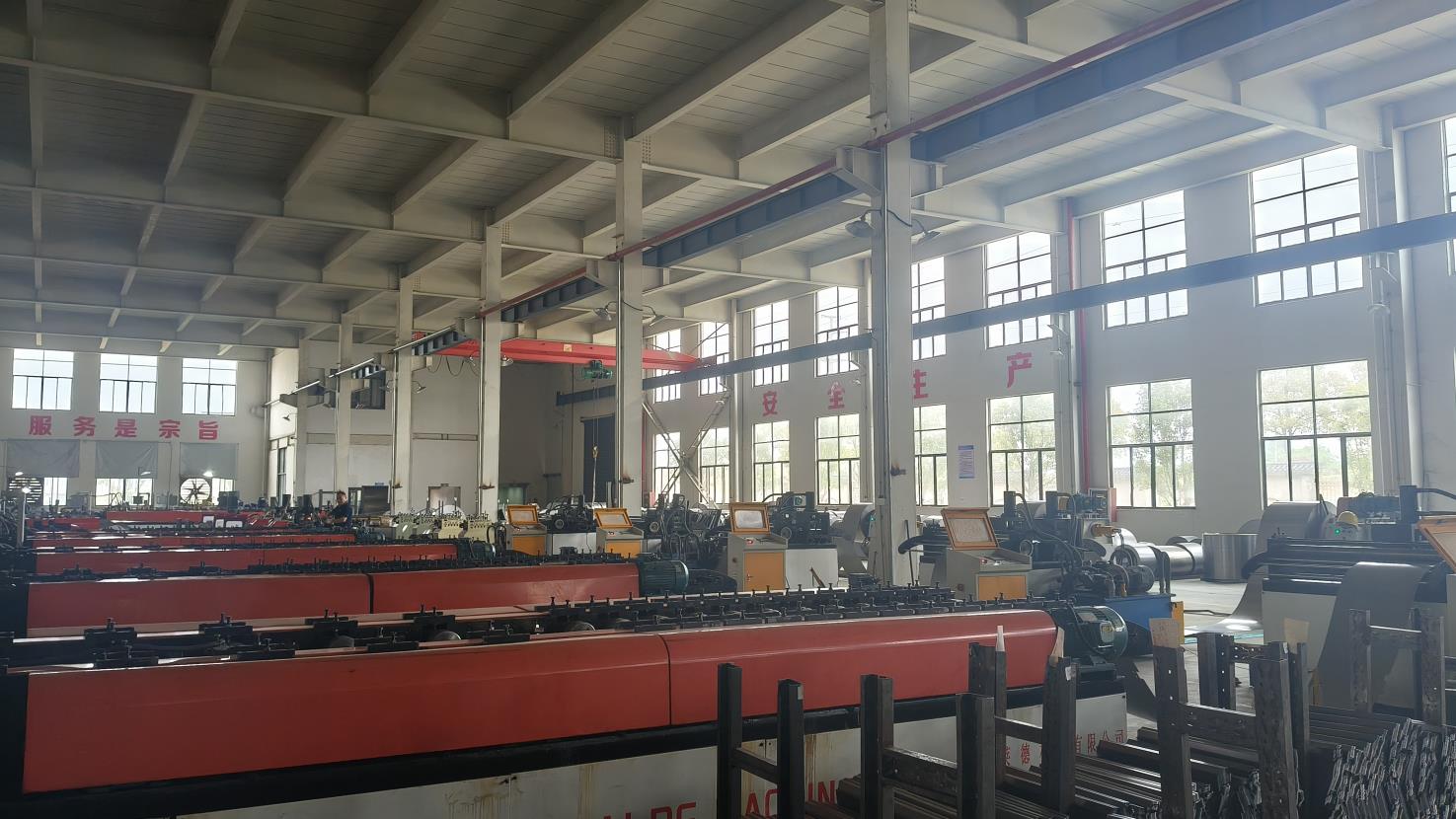
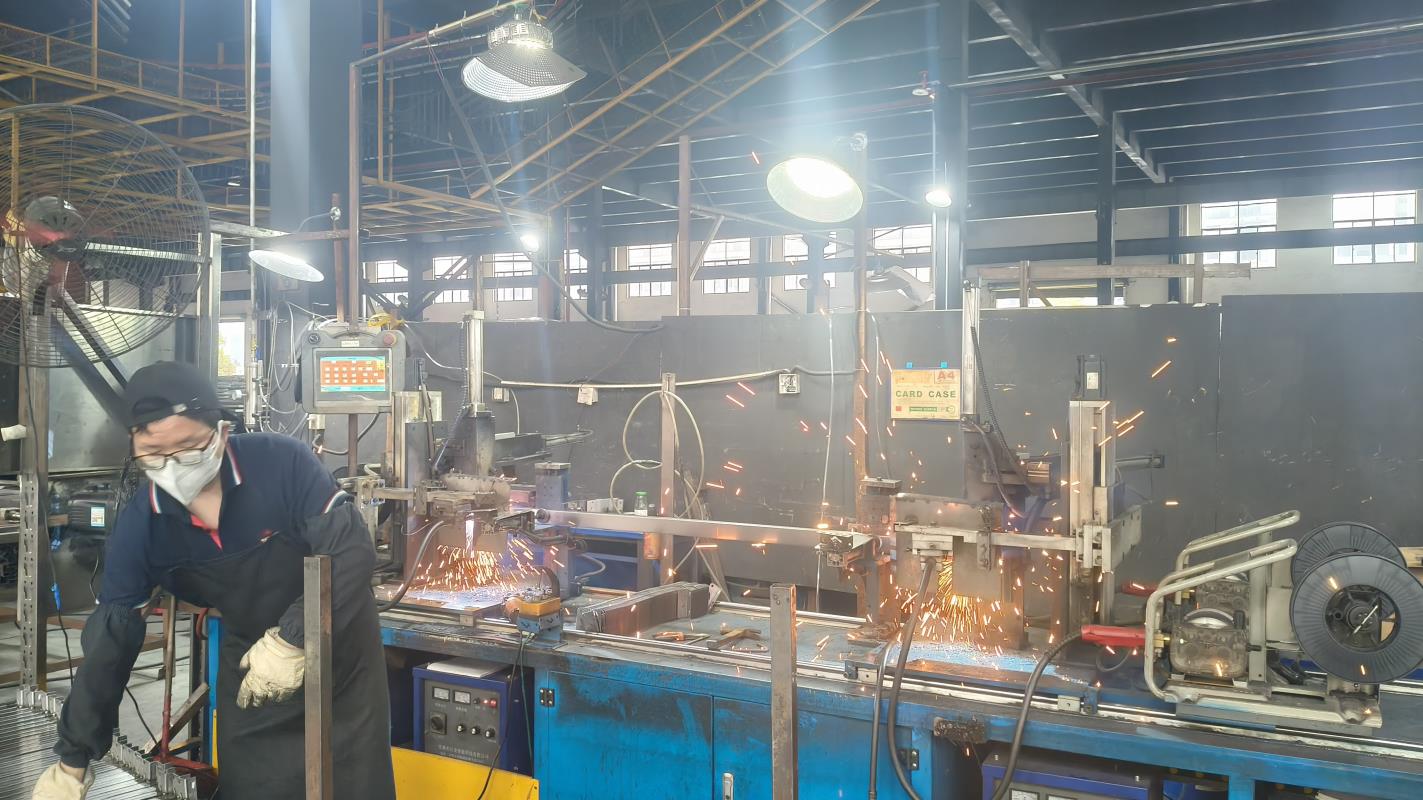
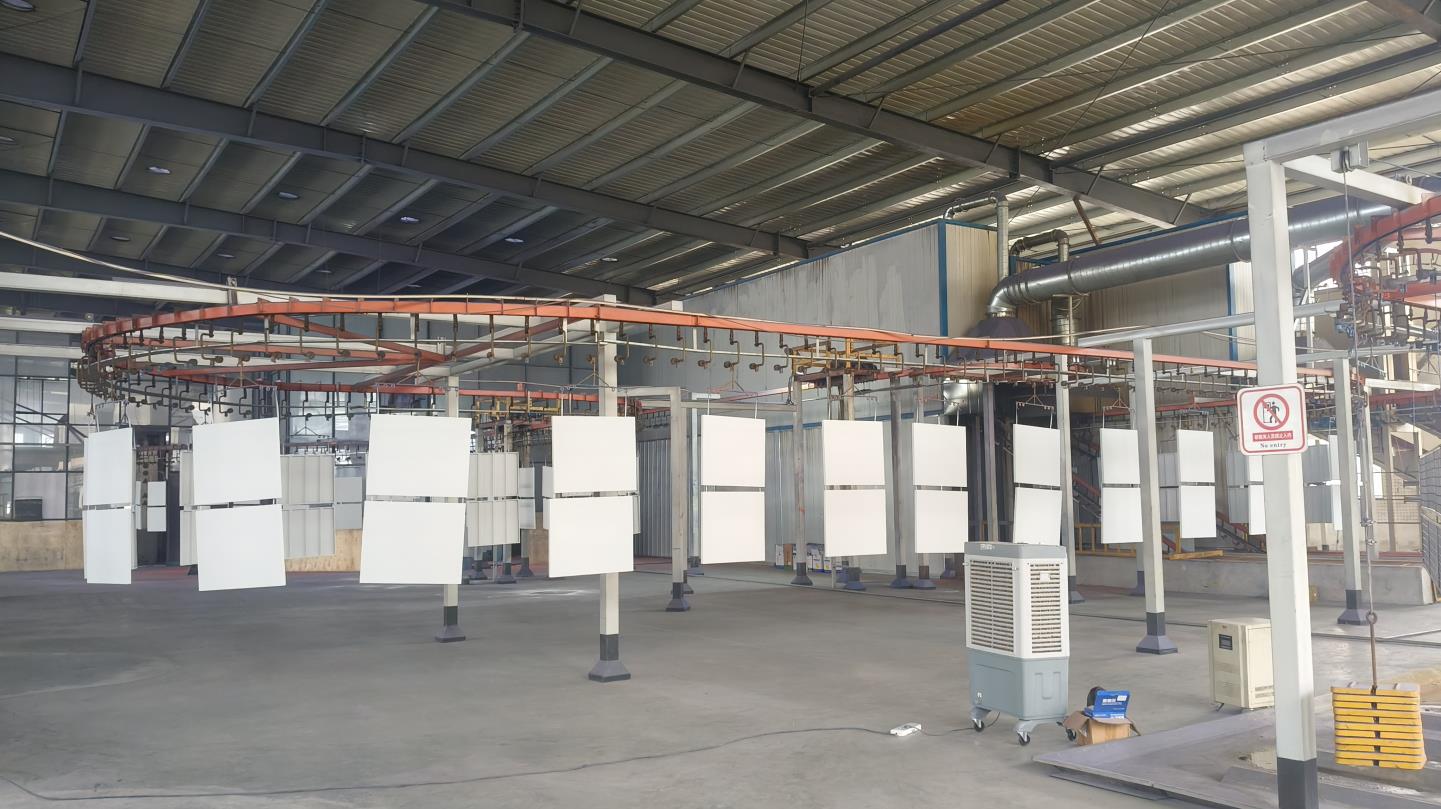
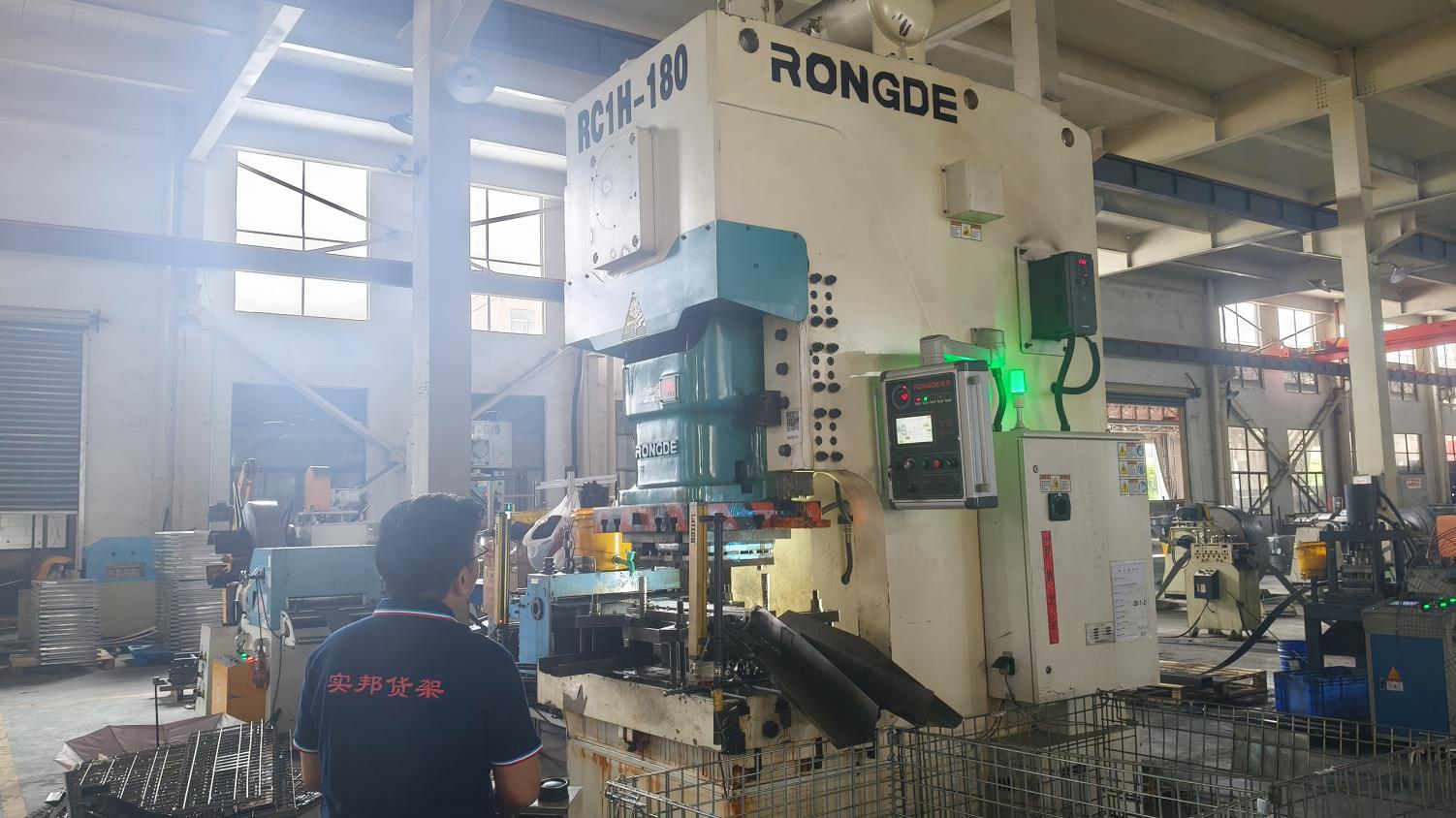
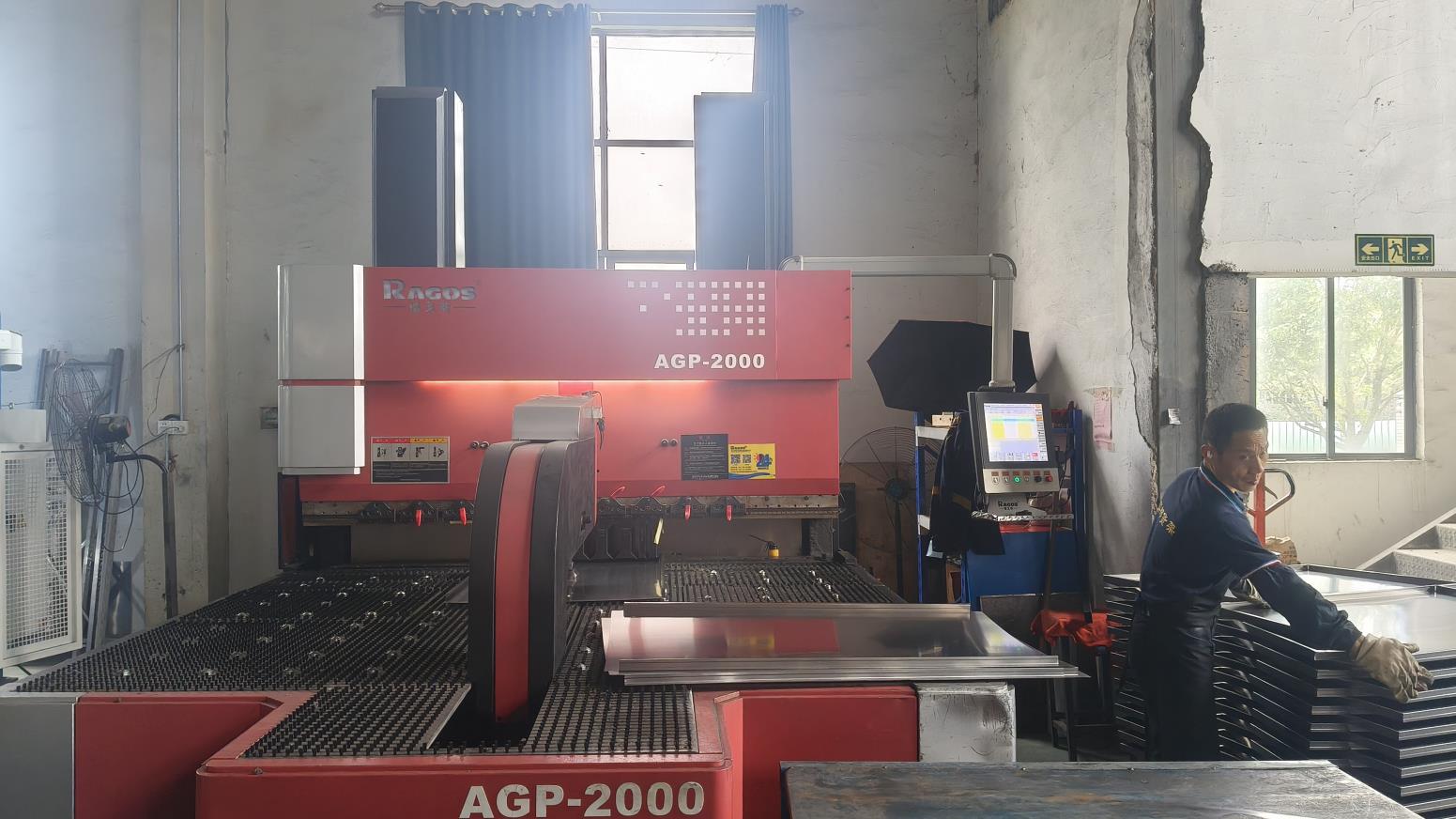
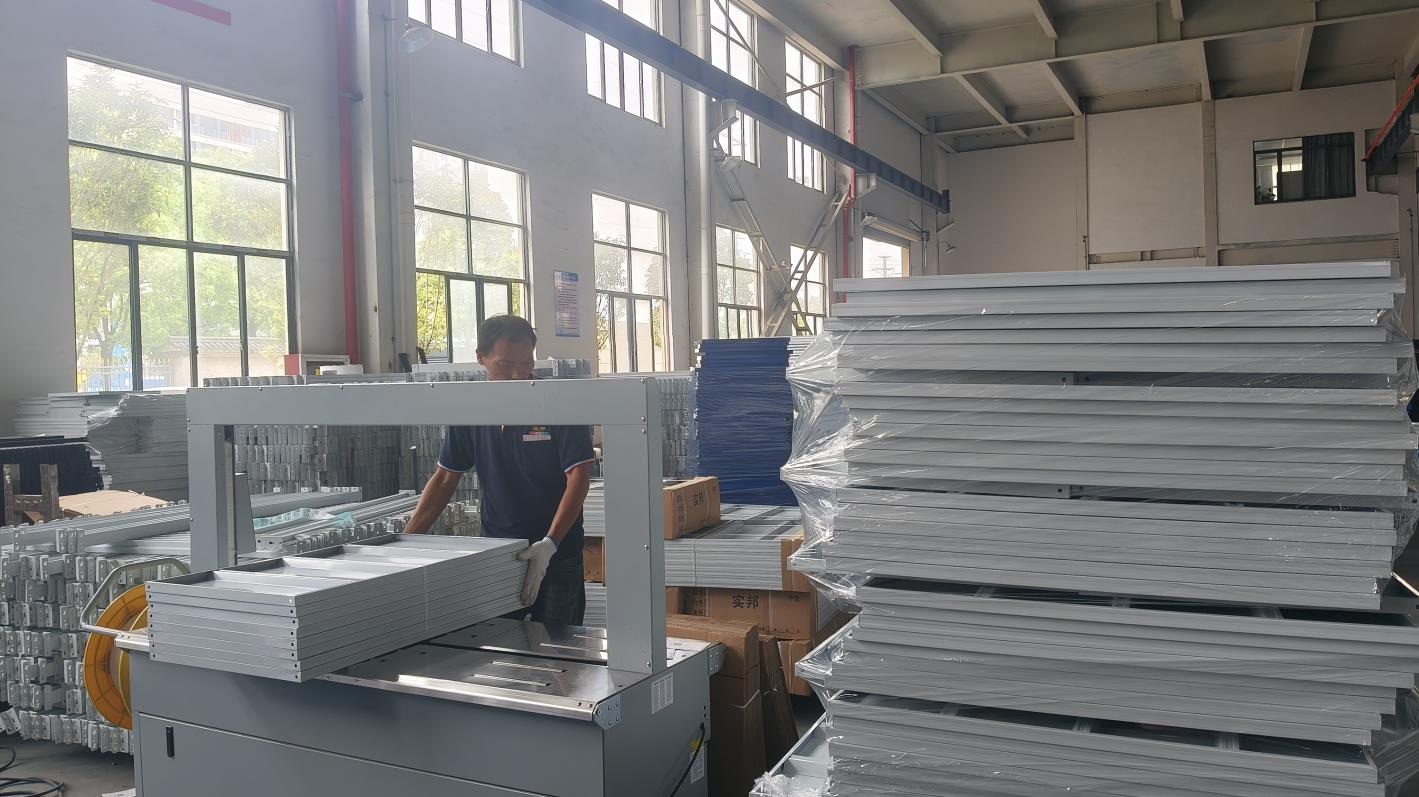
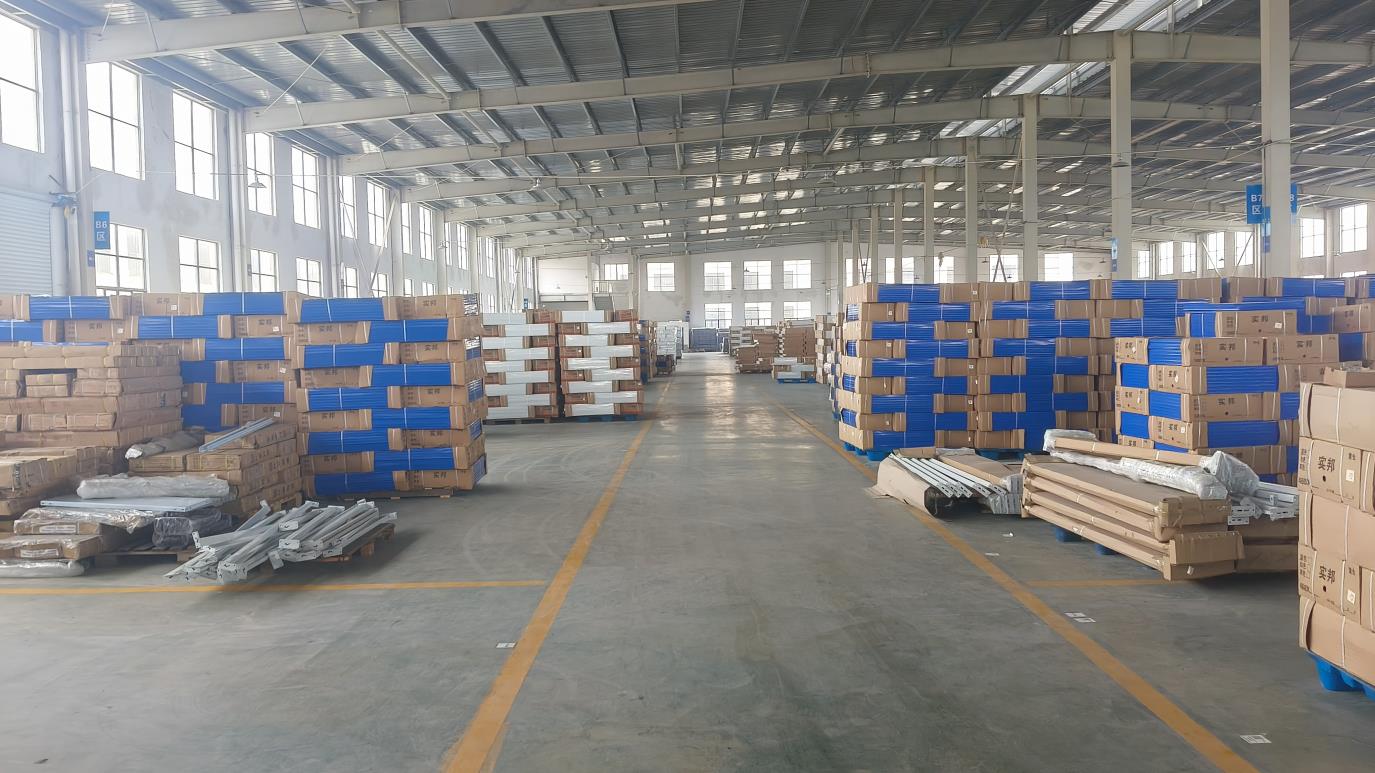
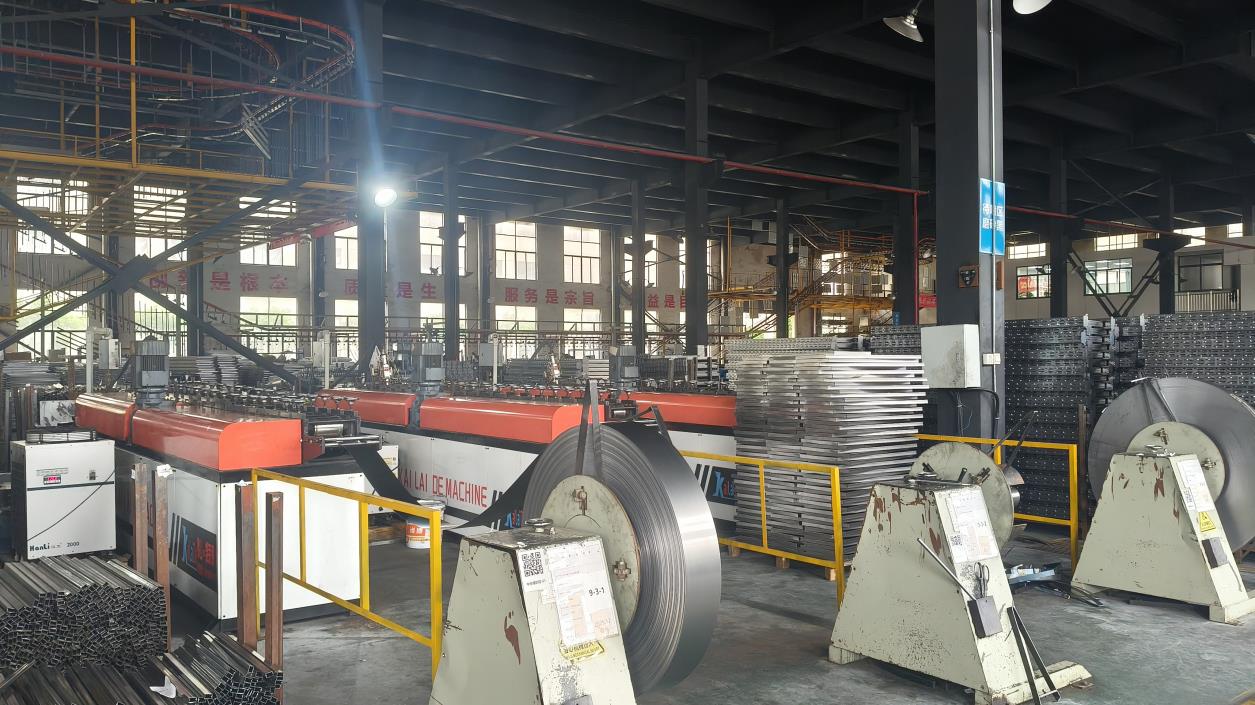
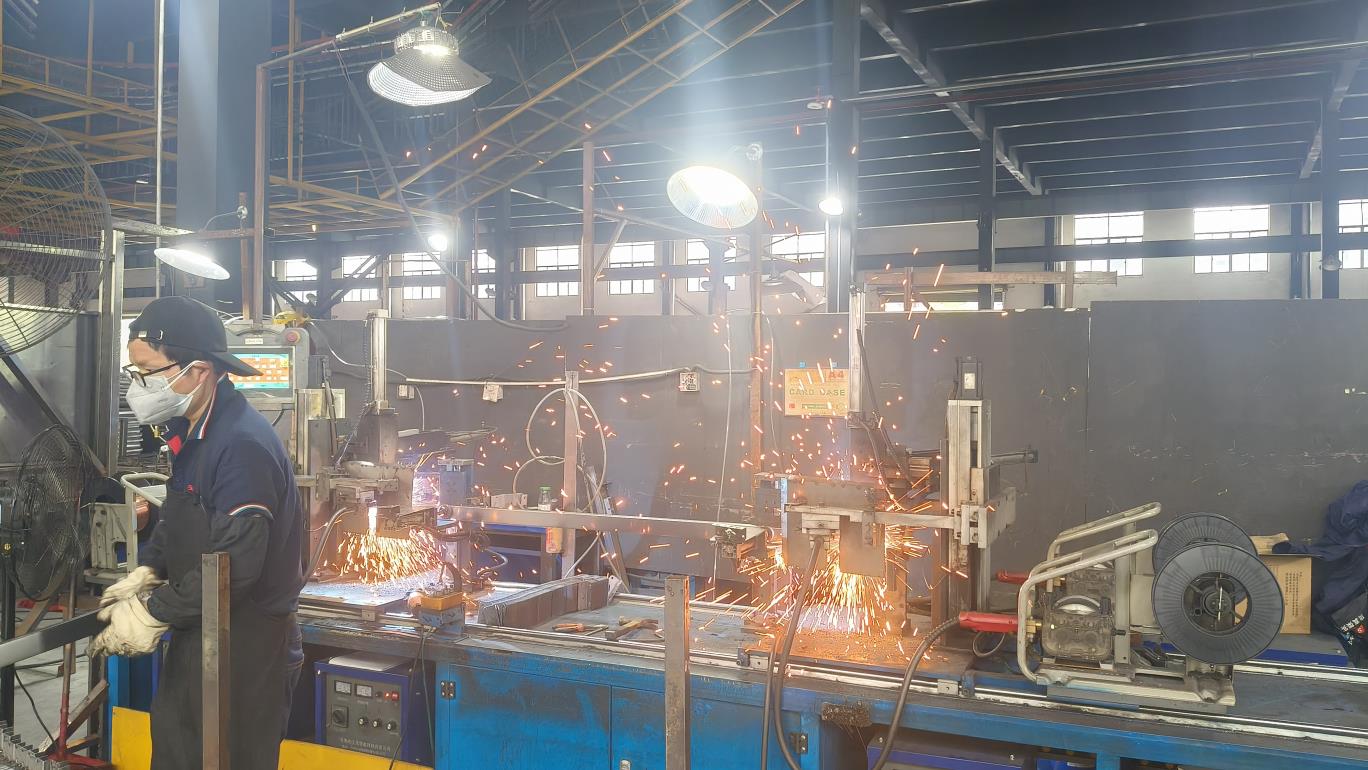
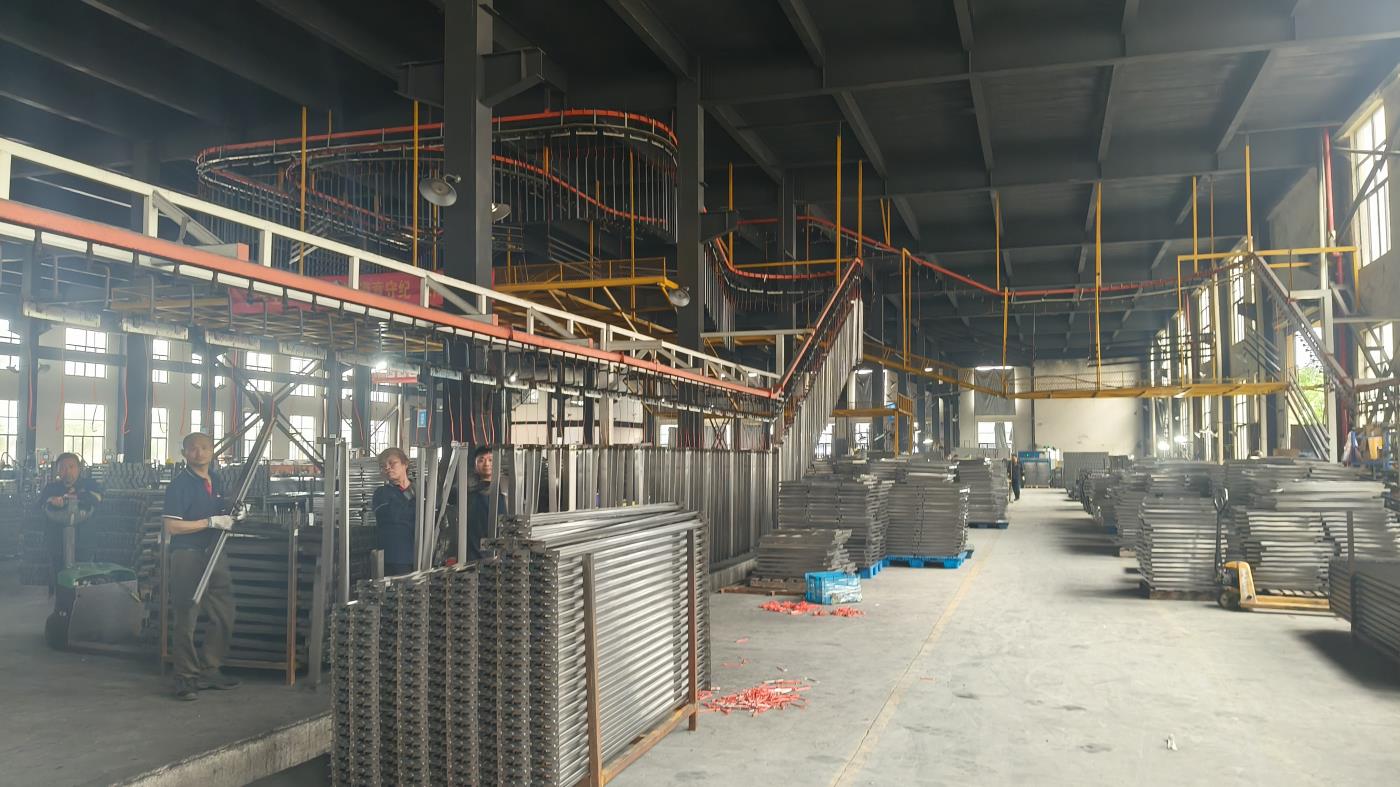
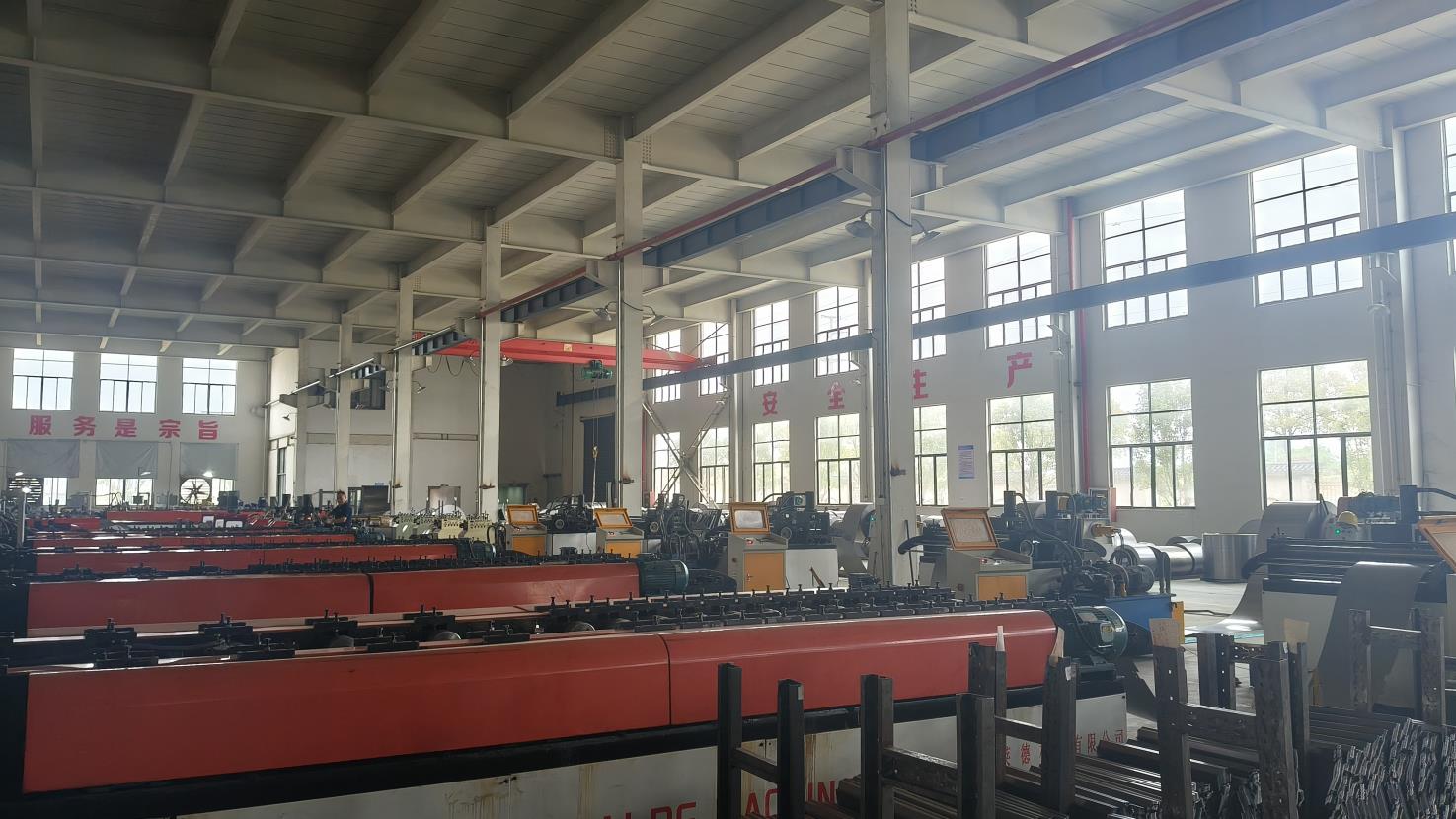
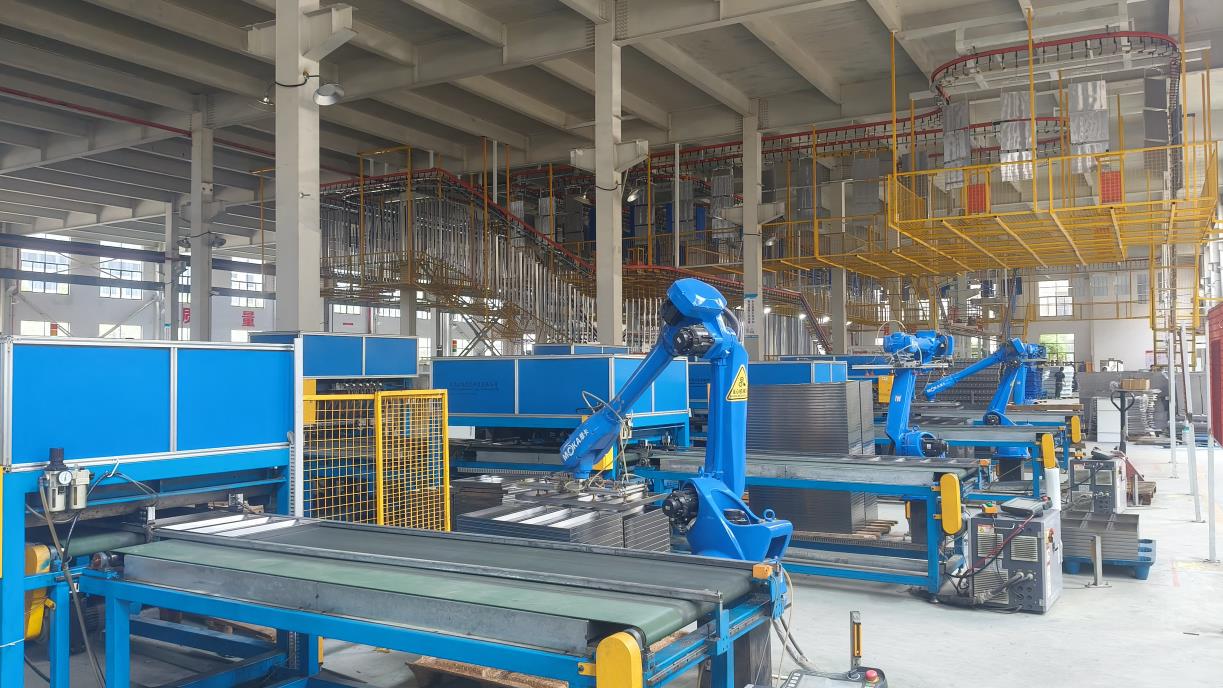
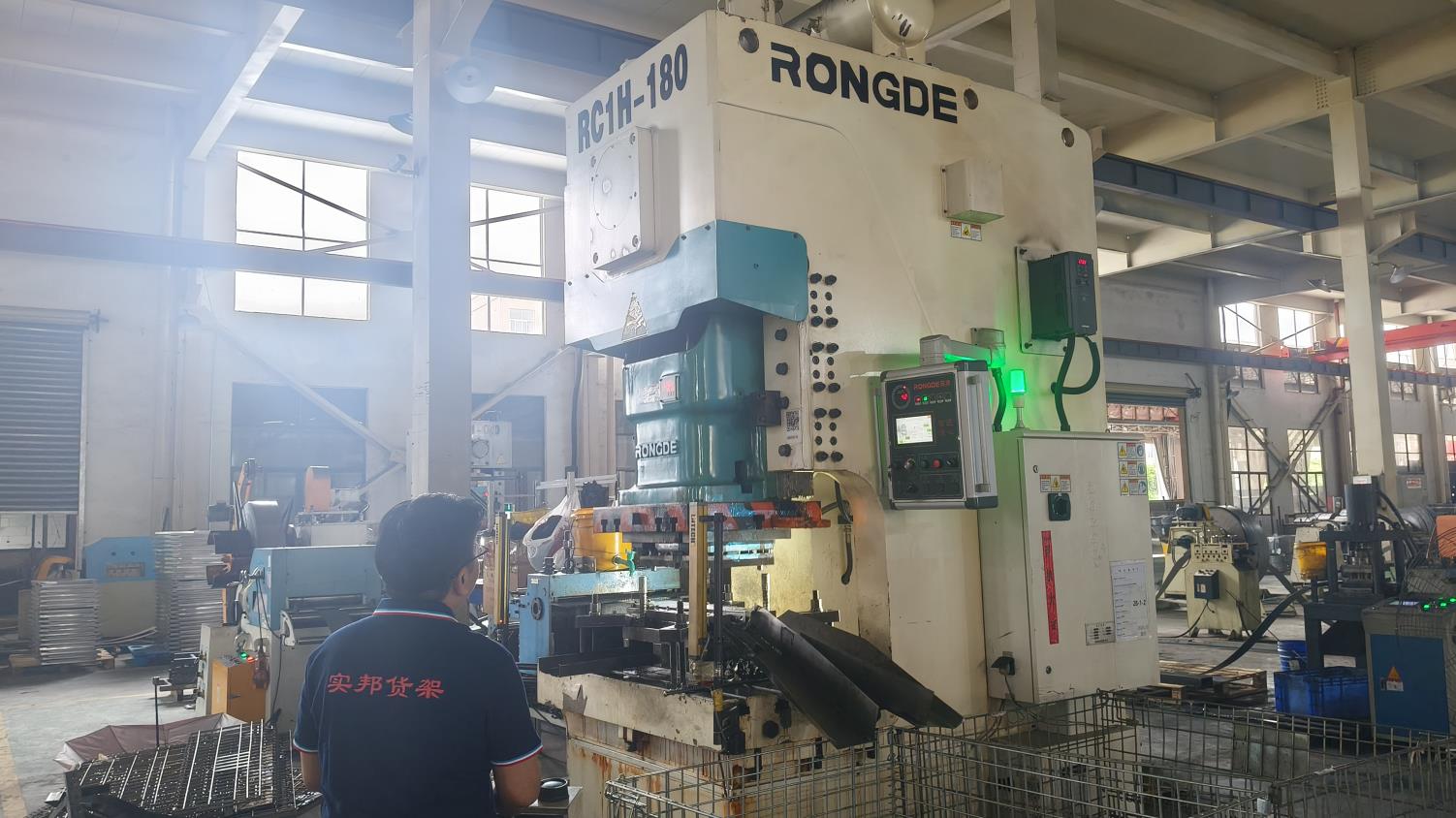
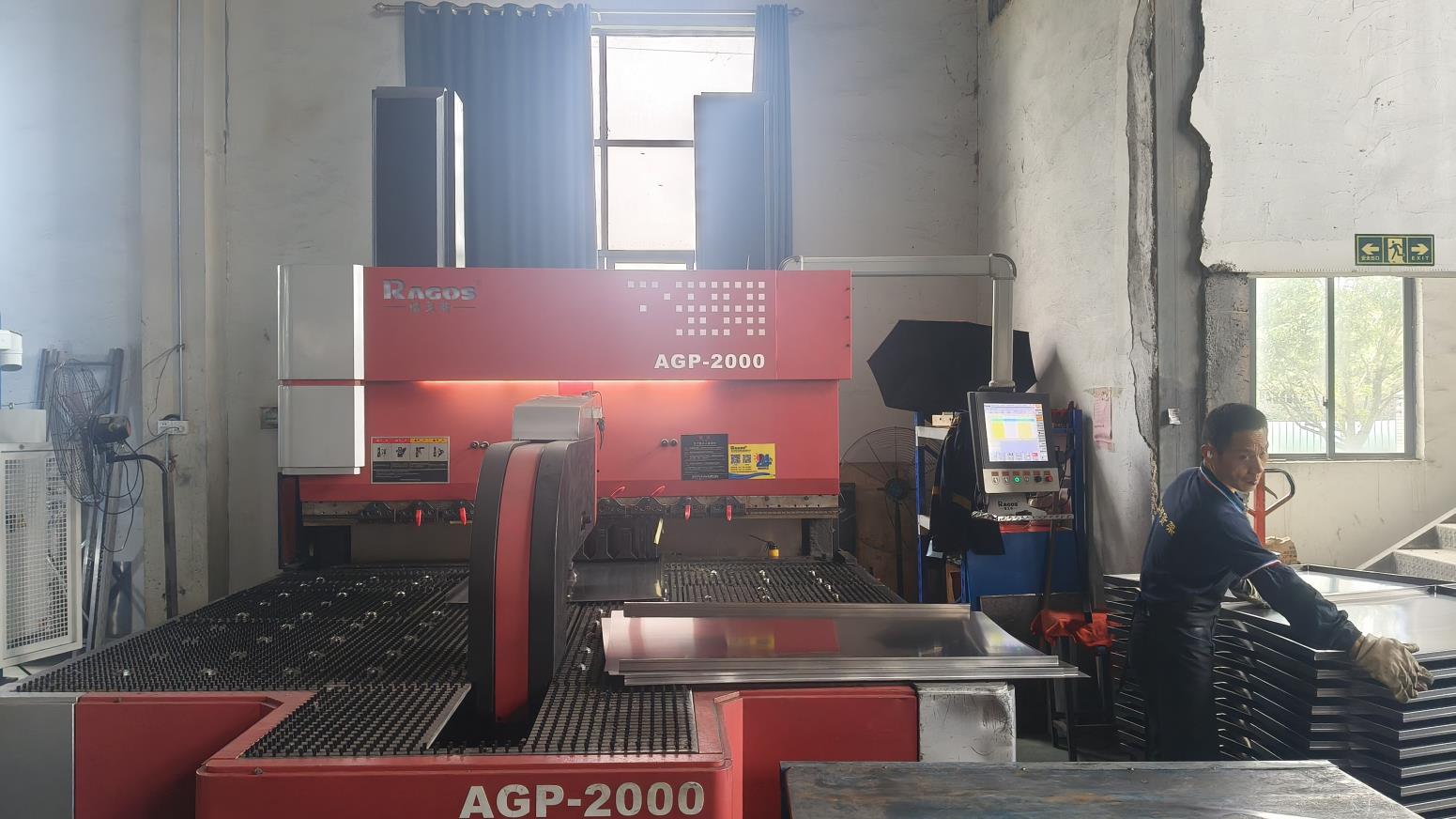
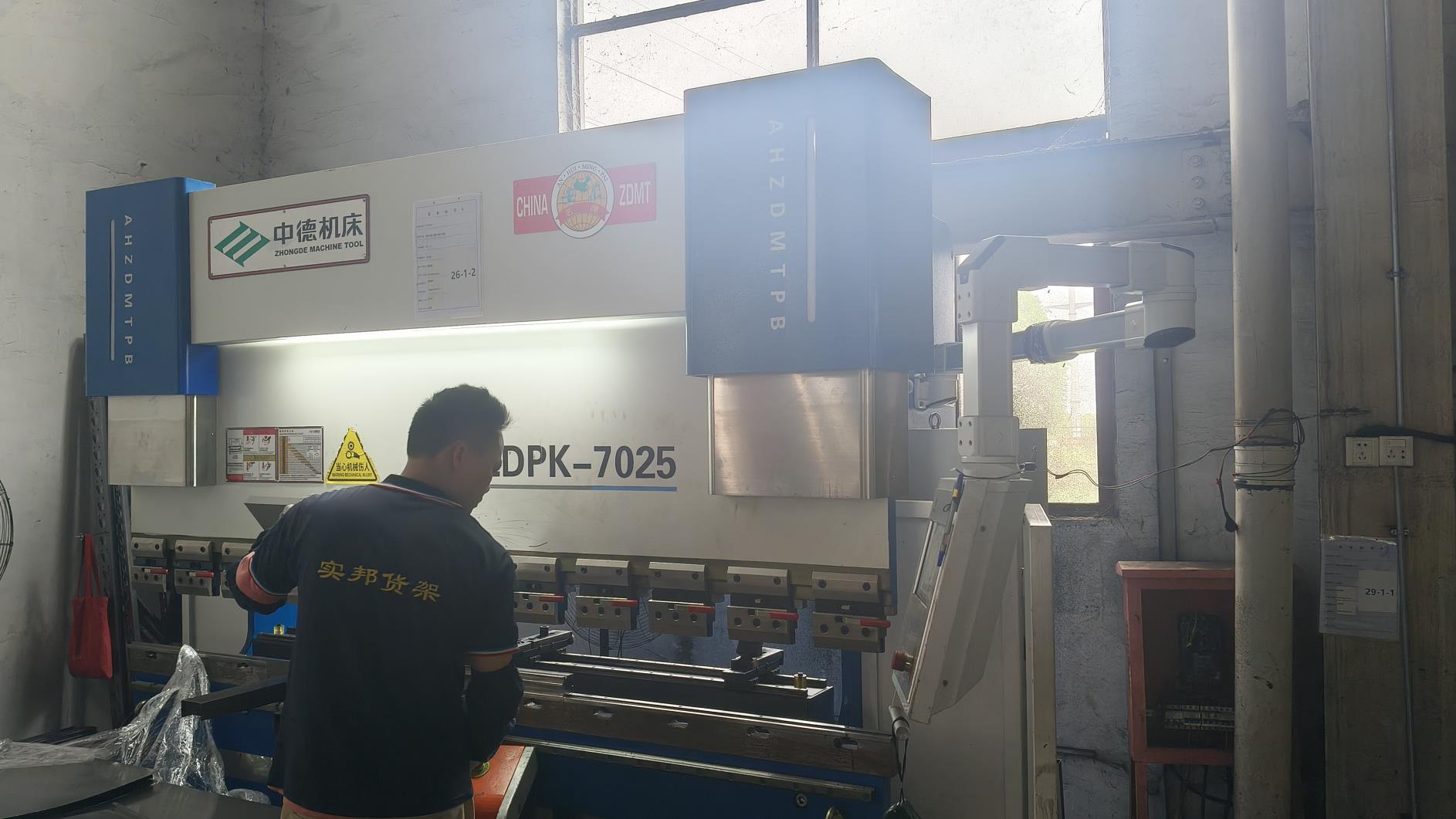
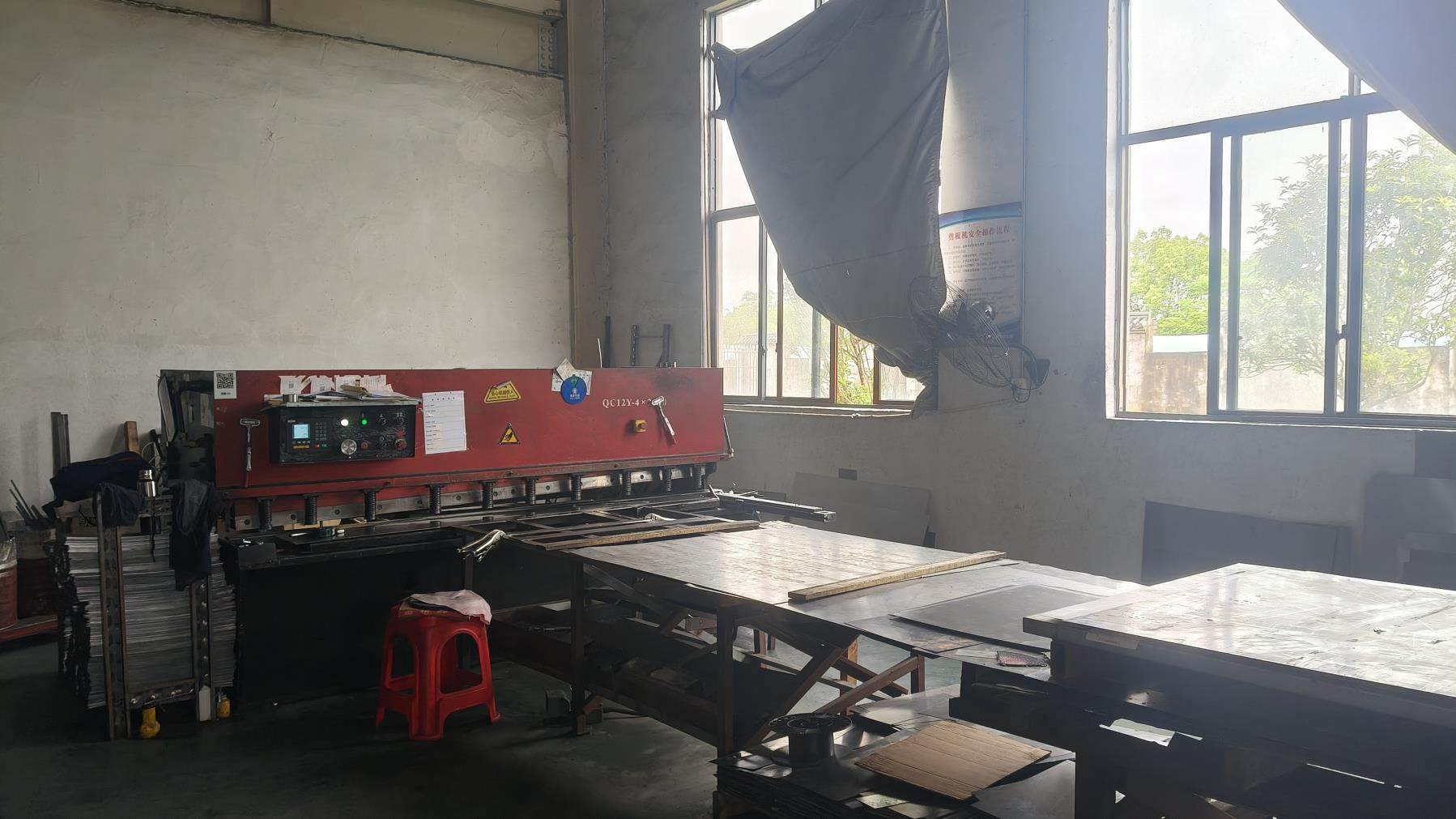
To deliver structural systems that protect operational teams and assets, Ningbo Shibang implements a rigorous verification process:
An Industry Pioneer with 12 Years of Technical Design & Export Expertise
Established in 2016, Ningbo Shibang Storage Rack Co., Ltd. is a leading enterprise specializing in the design, manufacture, and global distribution of heavy-duty industrial warehouse racking systems. Spanning a modern manufacturing facility of 32,000 m², our company has accumulated 12 years of industry experience and 8 years of direct export expertise, serving global clients with total annual export revenue reaching $18 million.
Quality and structural integrity are at the core of our manufacturing philosophy. Backed by a dedicated quality control team of 35 QA/QC inspectors, we implement rigorous multi-stage quality assurance processes, including Ultrasonic Testing (UT) for weld seams, load-bearing stress analysis, coating thickness verification, and raw material tensile testing.
Operating with a robust international trade setup, our primary markets cover North America, Western Europe, Southeast Asia, and Australia. To maintain efficient production cycles and reliable raw material supply, we partner with over 850 supply chain vendors. Our diverse client portfolio spans 3PL logistics providers, automated distribution centers, retail mega-warehouses, and heavy manufacturing facilities.
Innovation drives our growth. Our in-house R&D department boasts 22 experienced structural and mechanical engineers. Through strong technical capability and advanced OEM/ODM versatility, we offer extensive customization options, including tailored load capacities, custom powder-coating colors, seismically engineered beam profiles, and modular height configurations. Demonstrating our commitment to evolving market needs, we launched 140 new products and optimized structural components over the past year alone.
Answers to common questions regarding structural calculations, system design, and international compliance.
Explore our complete range of high-durability racking configurations, designed for manufacturing and distribution facilities.
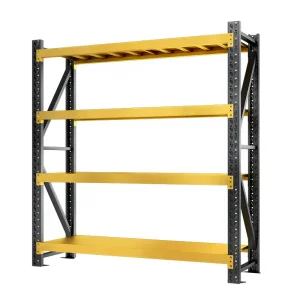

 Shibang Rack