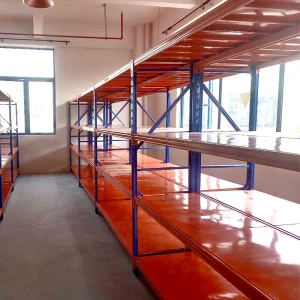
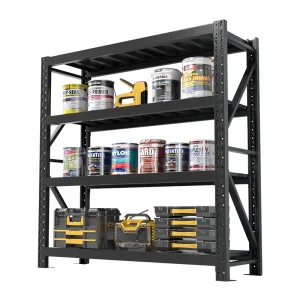
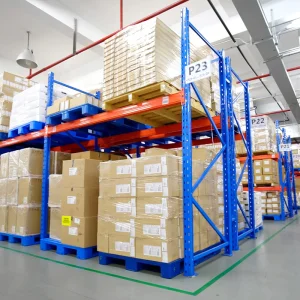
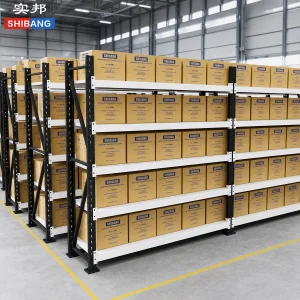
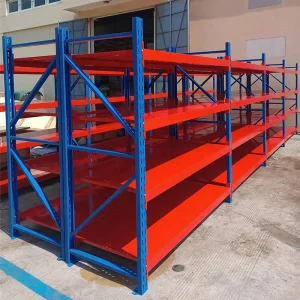
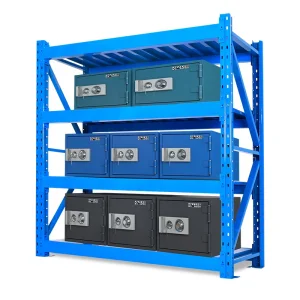
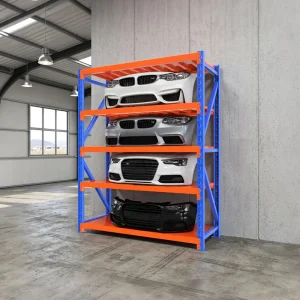
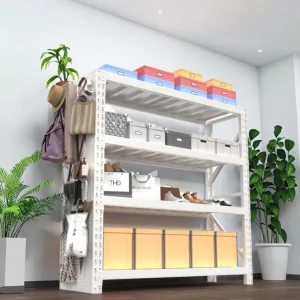
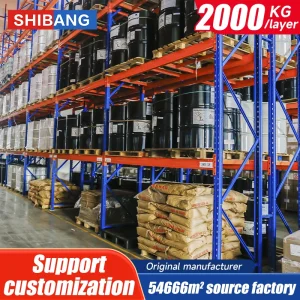
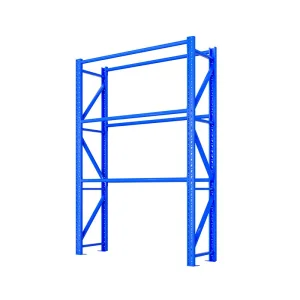
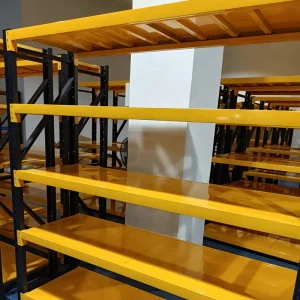
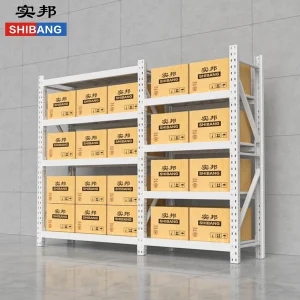
Maximize your floor space with our premium structural steel industrial racks. Engineered for durability, optimal load capacities, and seamless alignment to modern material handling workflows.
As international supply chains experience severe pressure to optimize cubic capacity while preserving rapid throughput rates, high-density storage technology has transitioned from a structural option to a core commercial imperative. Push-Back racking systems offer a highly productive solution by merging the advantages of deep-lane storage with the rapid accessibility profile of selective racking configurations.
Operating under the Last-In, First-Out (LIFO) inventory protocol, push-back storage is uniquely suited for warehouses handling moderate SKU variety and high volume per SKU. Instead of dedicated drive-in lanes where forklift operators are required to physically navigate inside the rack structure, push-back racking uses a series of nested, telescoping carts riding on inclined steel rails. When a forklift loads a pallet, it pushes the existing pallet back, nested on its cart, exposing the next cart beneath. When retrieving, the removal of the outer pallet prompts the inner carts to smoothly glide forward to the aisle face, utilizing gravity under complete mechanical control.
Unlike drive-in systems, which suffer from substantial honeycombing and reduced loading speeds, push-back systems decrease travel times by up to 40% and support multi-lane configuration. This drastically reduces forklift structural collision risks while boosting cubic efficiency by 75% compared to basic selective configurations.
From a commercial planning standpoint, push-back systems provide substantial capital savings. By scaling up vertical and lateral space utilization, enterprises can avoid high building expansion expenditures or costly relocations. This makes it an ideal fit for high-value logistics sectors, including climate-controlled food preservation, pharmaceutical logistics, and global third-party logistics (3PL) fulfillment hubs.
Precision manufacturing is essential when building gravity-assisted storage. If the slope gradient deviates by even fractions of a degree, or if structural load ratings fail to account for forklift shock loading, operational safety becomes compromised. At Ningbo Shibang, our design processes adhere strictly to global manufacturing parameters:
| Specification Parameter | Standard Configuration Range | High-Capacity Configuration |
|---|---|---|
| Lane Depth Capacity | 2 to 4 Pallets Deep | 5 to 6 Pallets Deep (Custom engineered) |
| Pallet Weight Rating | 500 kg to 1,200 kg per pallet | Up to 1,600 kg per position |
| Structural Steel Profile | Roll-formed Q235B high-tensile steel | Heavy structural steel channels (Q355B) |
| Surface Corrosion Treatment | Epoxy thermosetting powder coating | Hot-dip galvanized (ideal for Cold Storage) |
| System Compatibility | Standard counterbalanced forklift | Reach trucks / VNA (with transition zones) |
Established in 2016, Ningbo Shibang Storage Rack Co., Ltd. is a leading enterprise specializing in the design, manufacture, and global distribution of heavy-duty industrial warehouse racking systems. Spanning a modern manufacturing facility of 32,000 m², our company has accumulated 12 years of industry experience and 8 years of direct export expertise, serving global clients with total annual export revenue reaching $18 million.
Quality and structural integrity are at the core of our manufacturing philosophy. Backed by a dedicated quality control team of 35 QA/QC inspectors, we implement rigorous multi-stage quality assurance processes, including Ultrasonic Testing (UT) for weld seams, load-bearing stress analysis, coating thickness verification, and raw material tensile testing.
Operating with a robust international trade setup, our primary markets cover North America, Western Europe, Southeast Asia, and Australia. To maintain efficient production cycles and reliable raw material supply, we partner with over 850 supply chain vendors. Our diverse client portfolio spans 3PL logistics providers, automated distribution centers, retail mega-warehouses, and heavy manufacturing facilities.
Innovation drives our growth. Our in-house R&D department boasts 22 experienced structural and mechanical engineers. Through strong technical capability and advanced OEM/ODM versatility, we offer extensive customization options, including tailored load capacities, custom powder-coating colors, seismically engineered beam profiles, and modular height configurations. Demonstrating our commitment to evolving market needs, we launched 140 new products and optimized structural components over the past year alone.
Take a look inside our high-tech fabrication shop. We combine robotic welding, automated metal-forming, and advanced surface finishing to deliver outstanding structural racking systems.
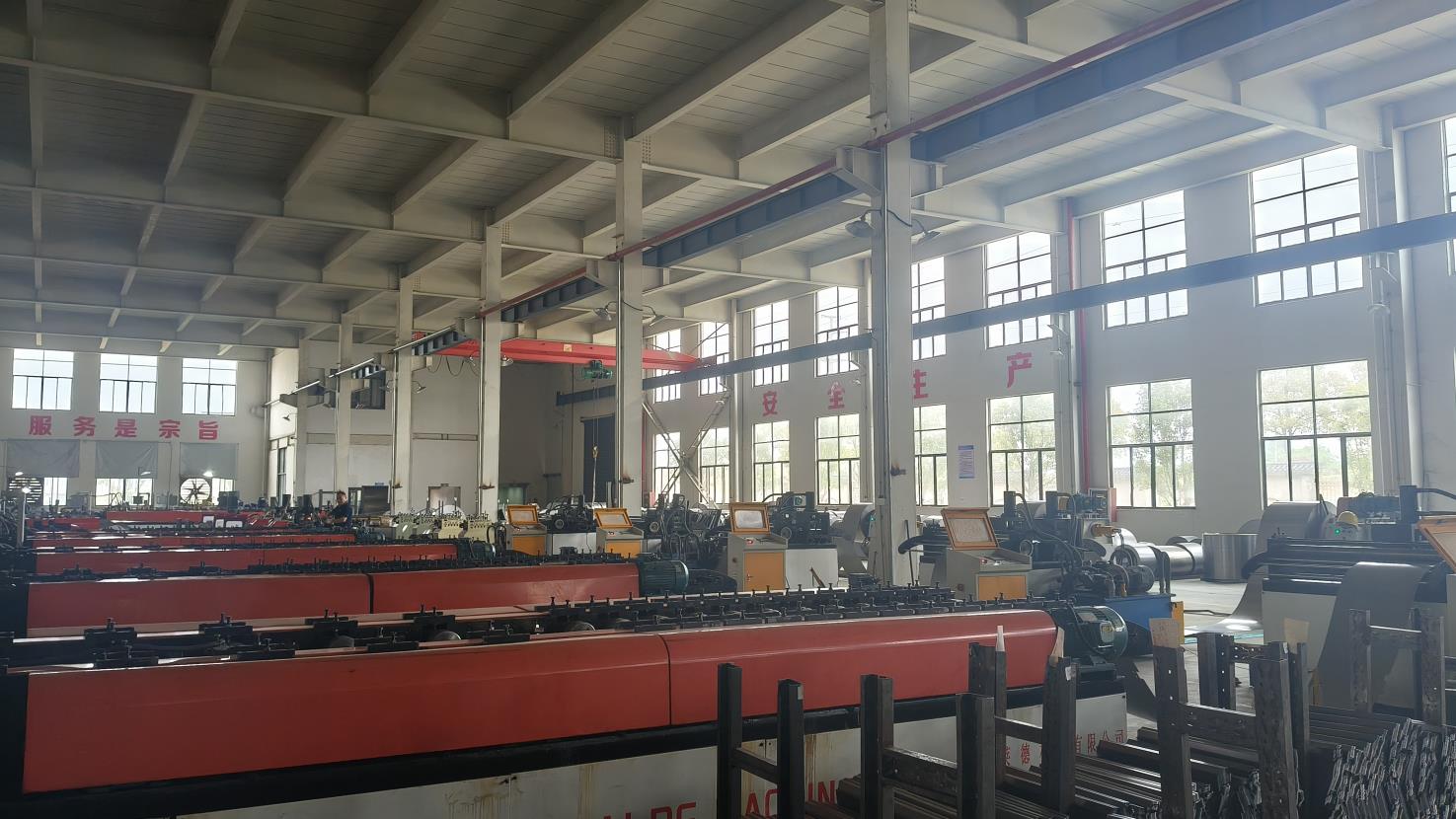
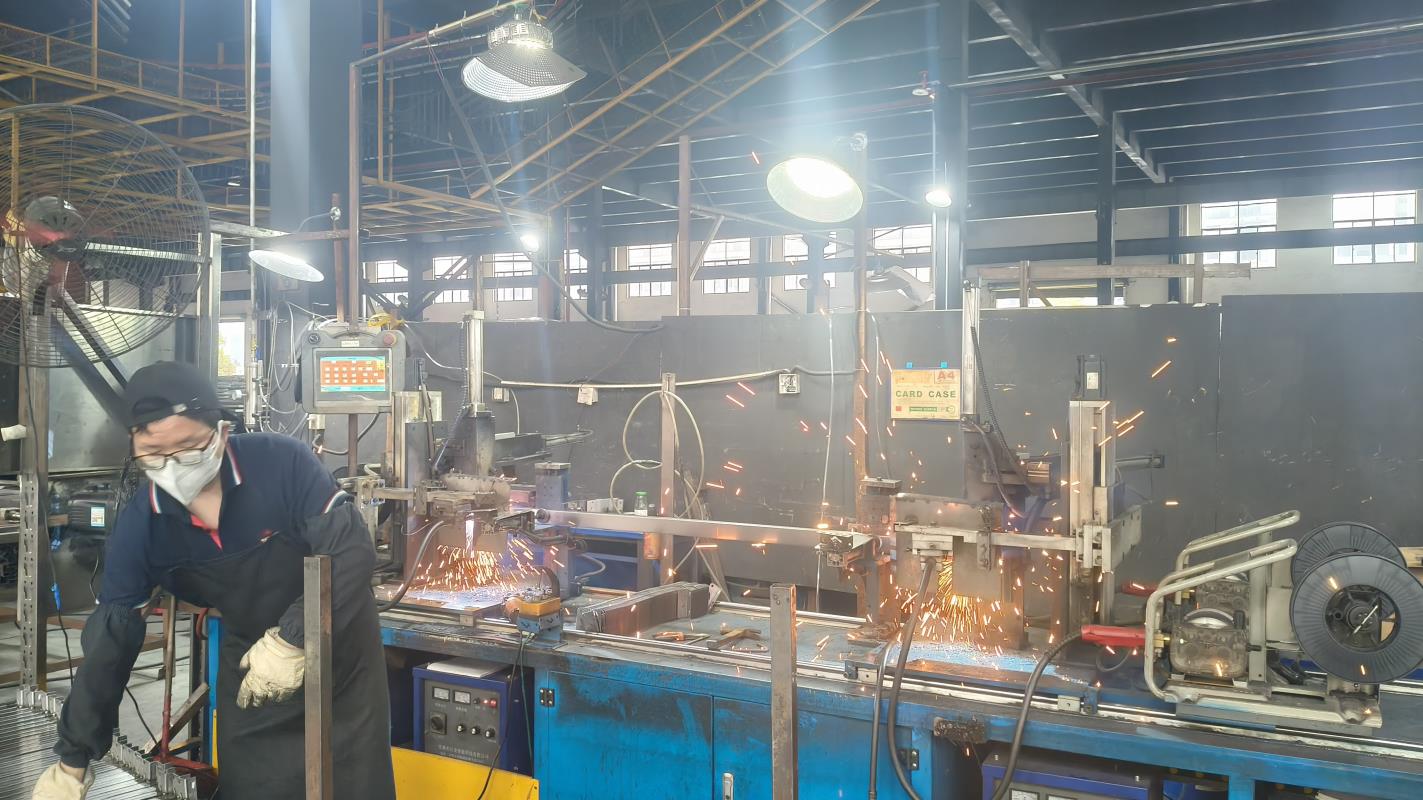
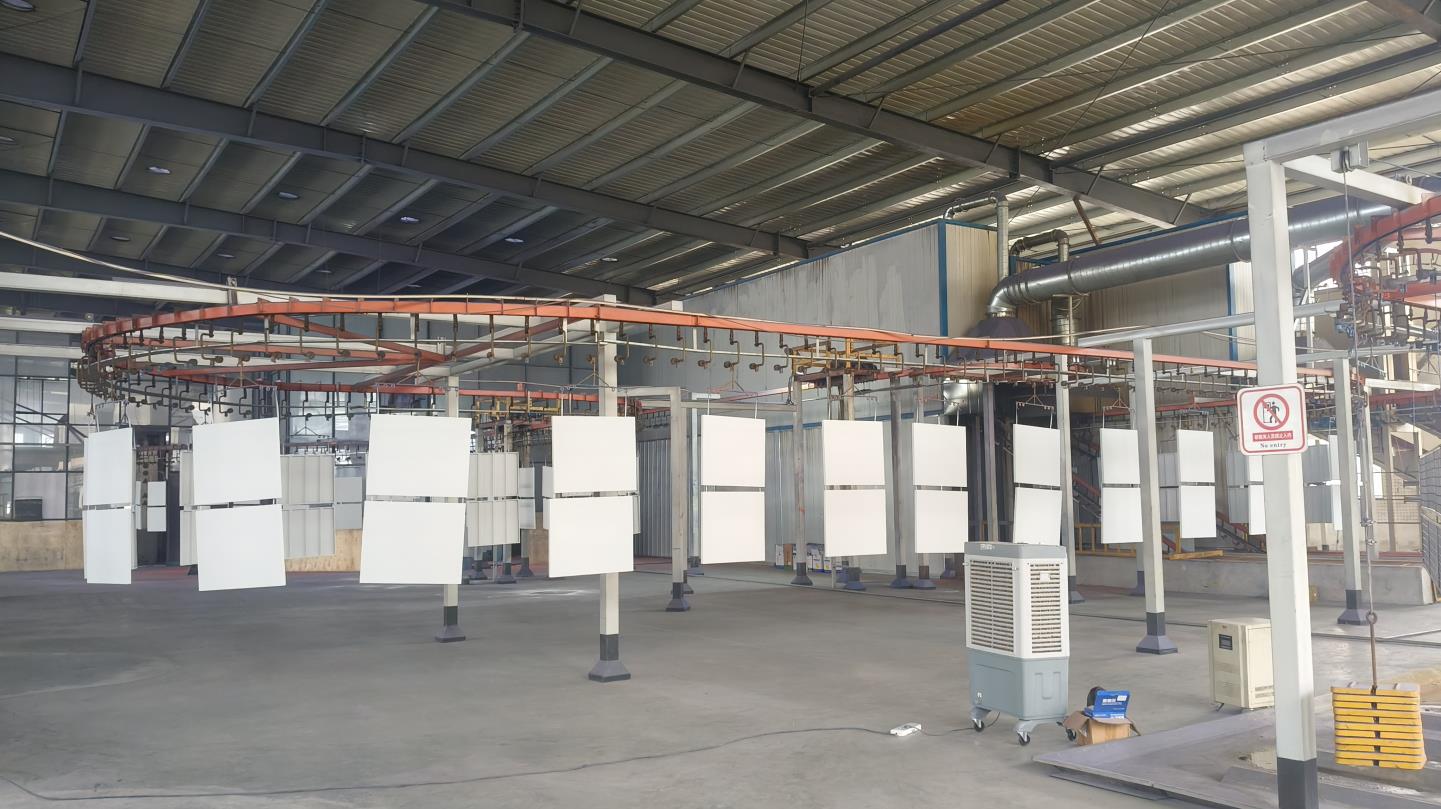
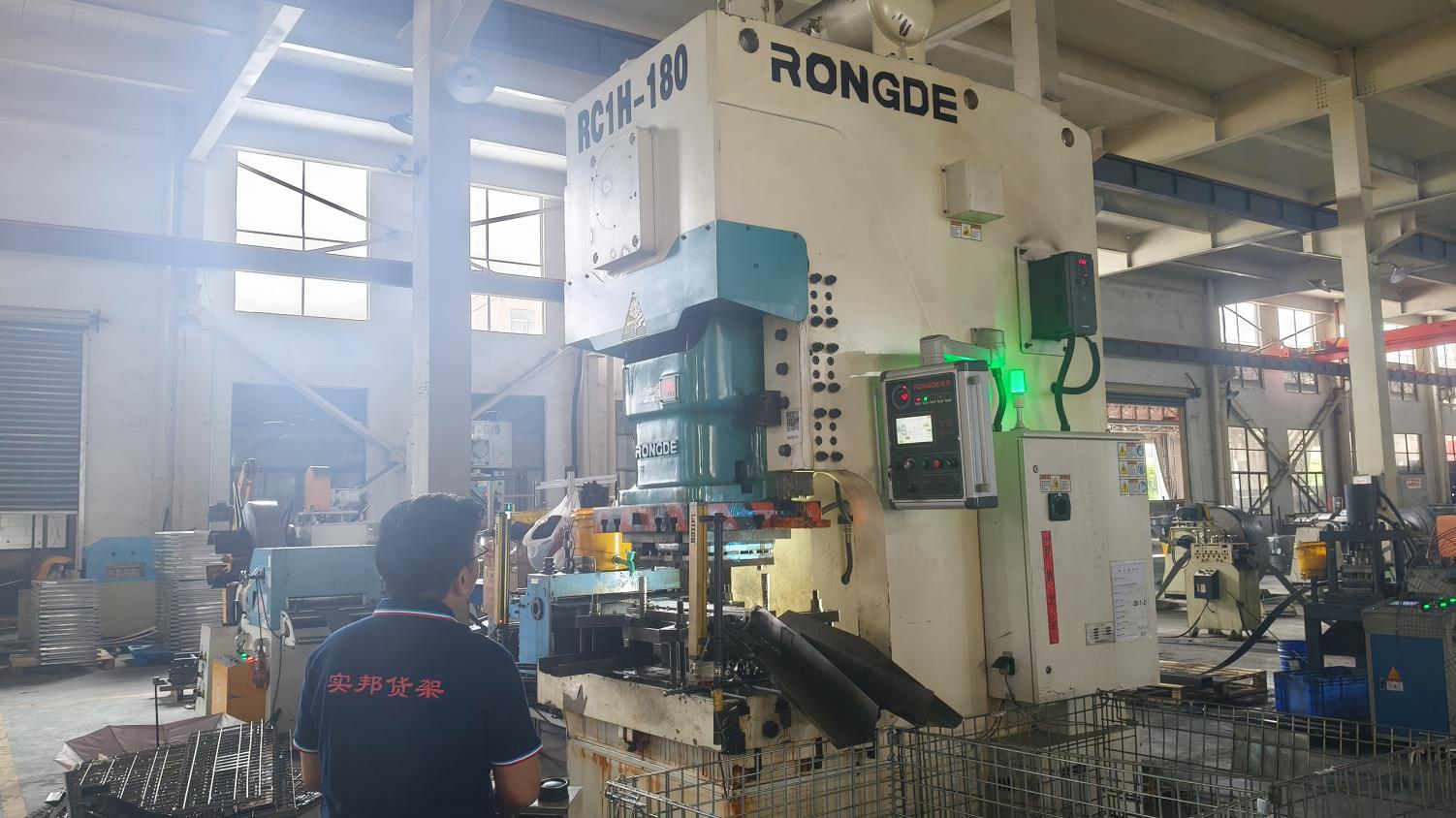
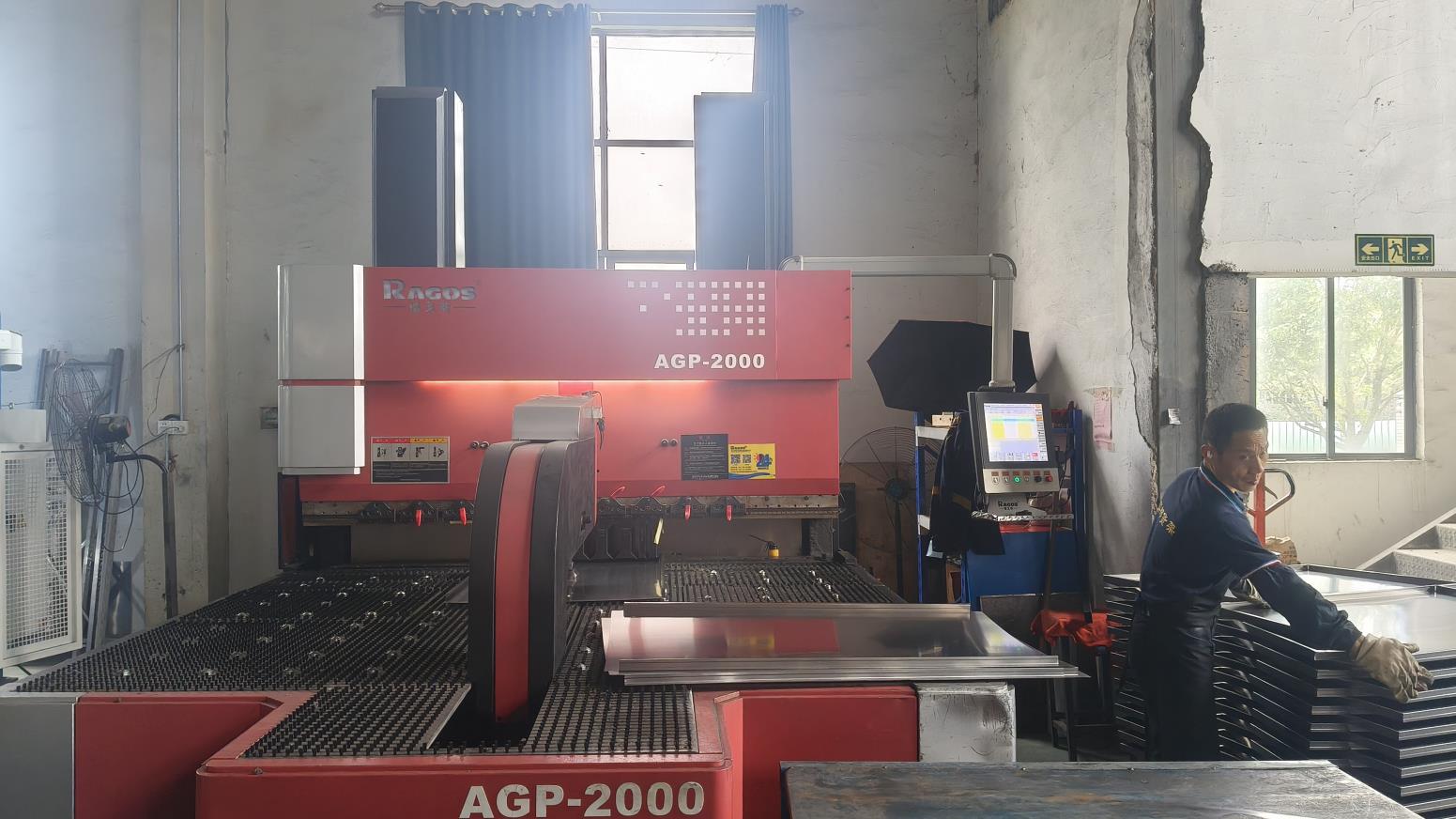
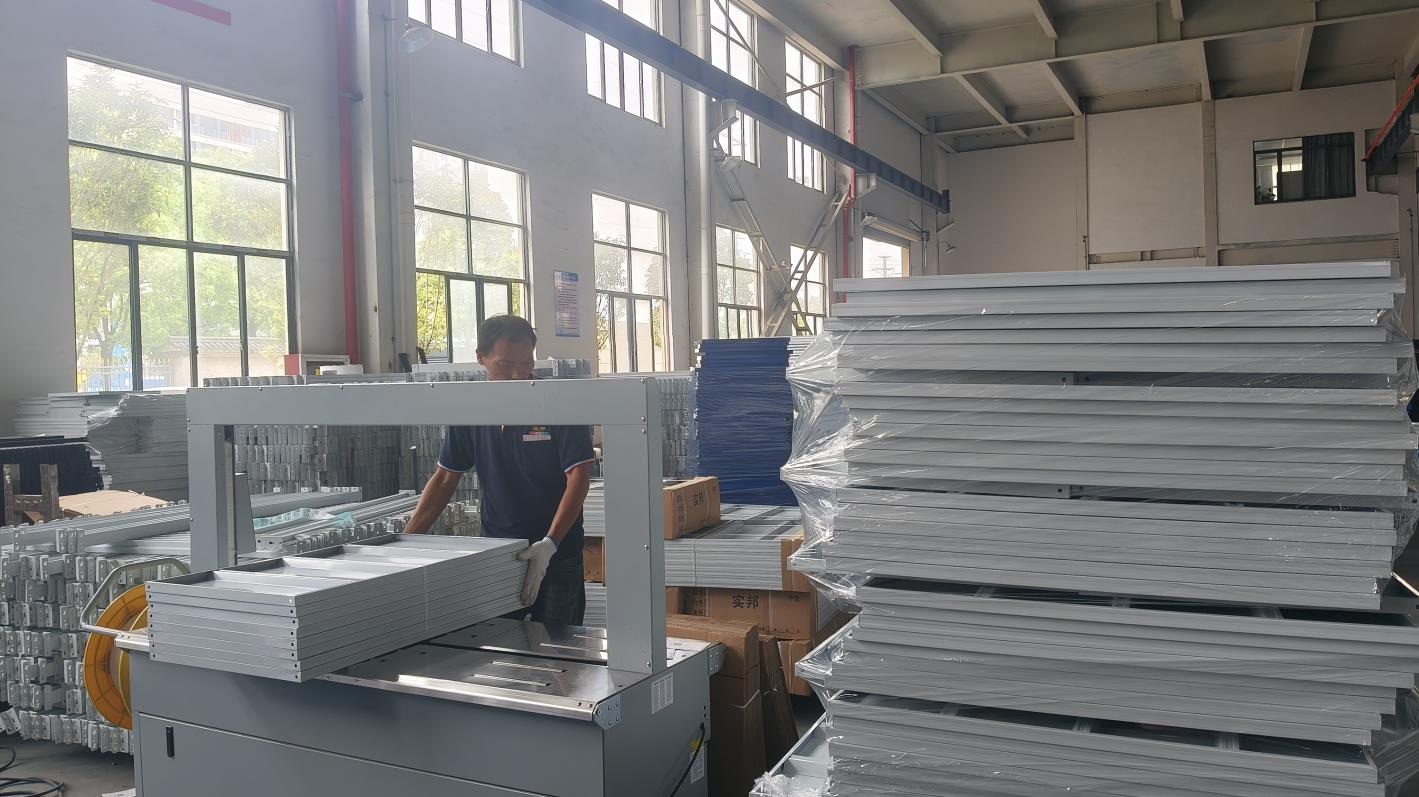
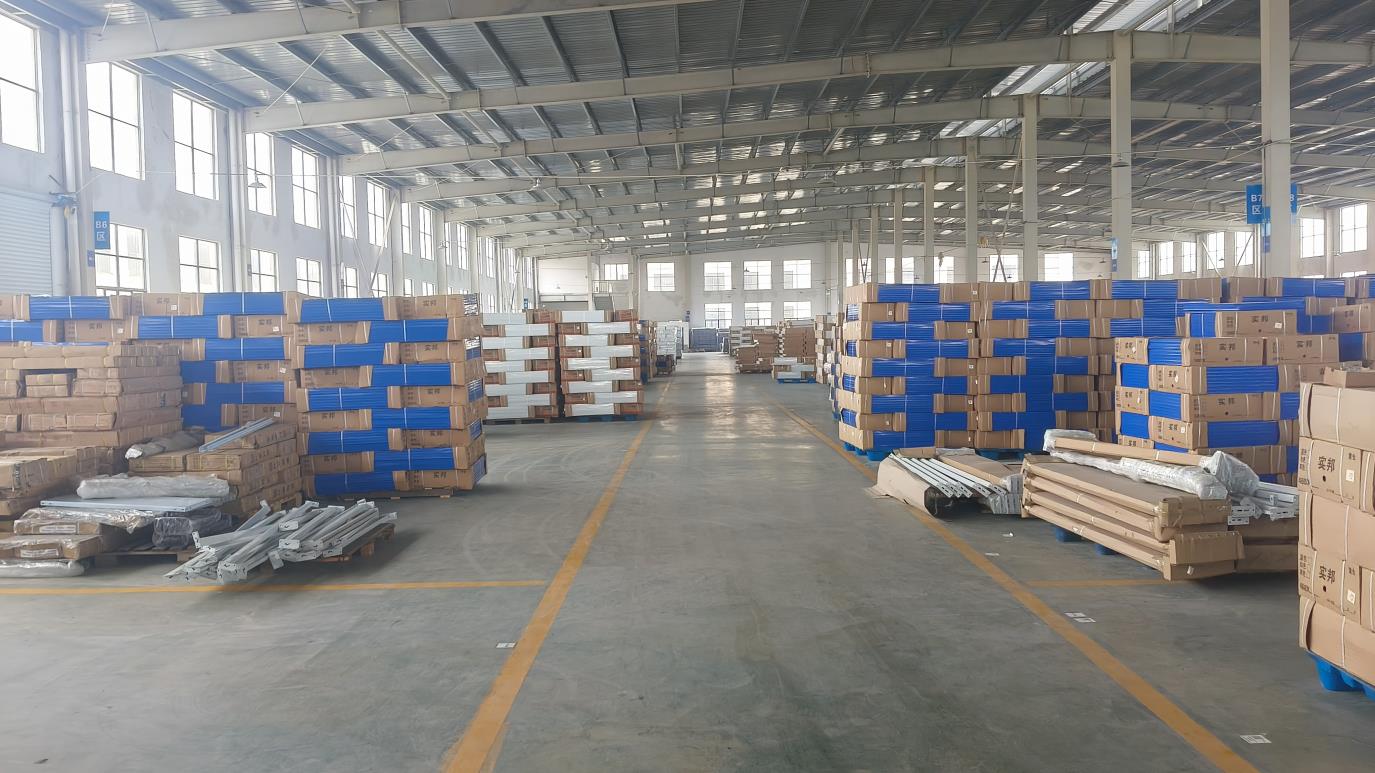
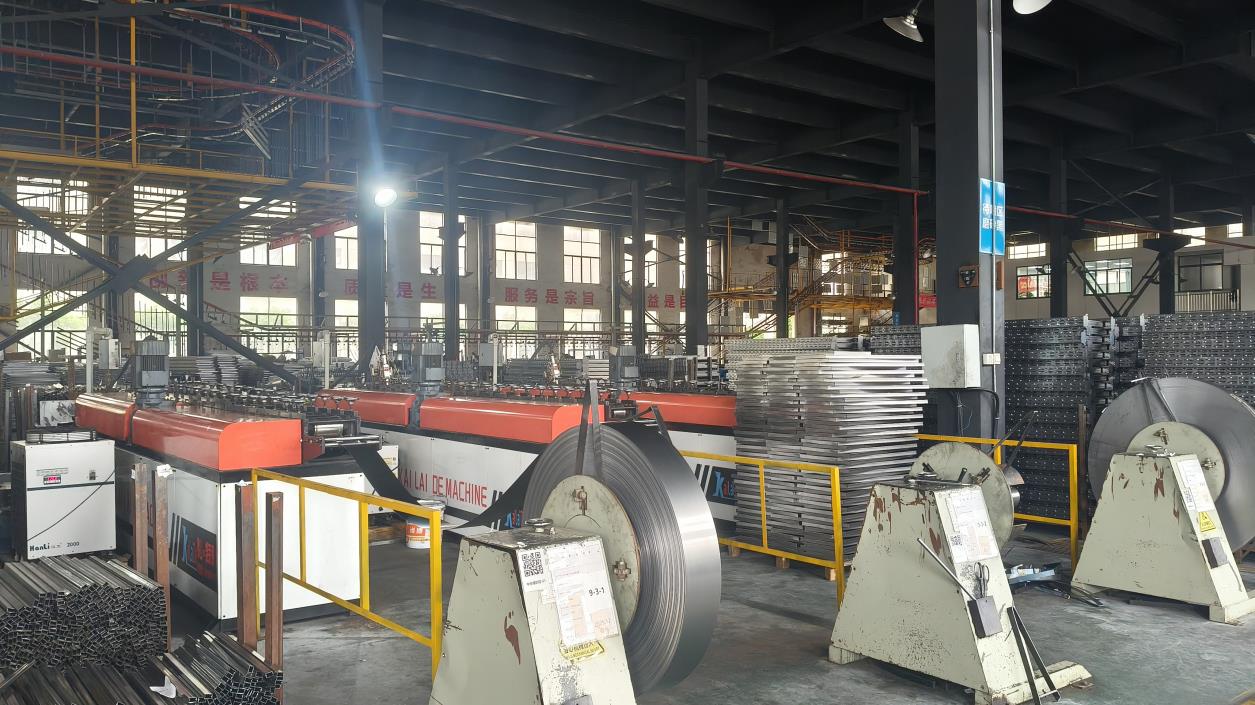
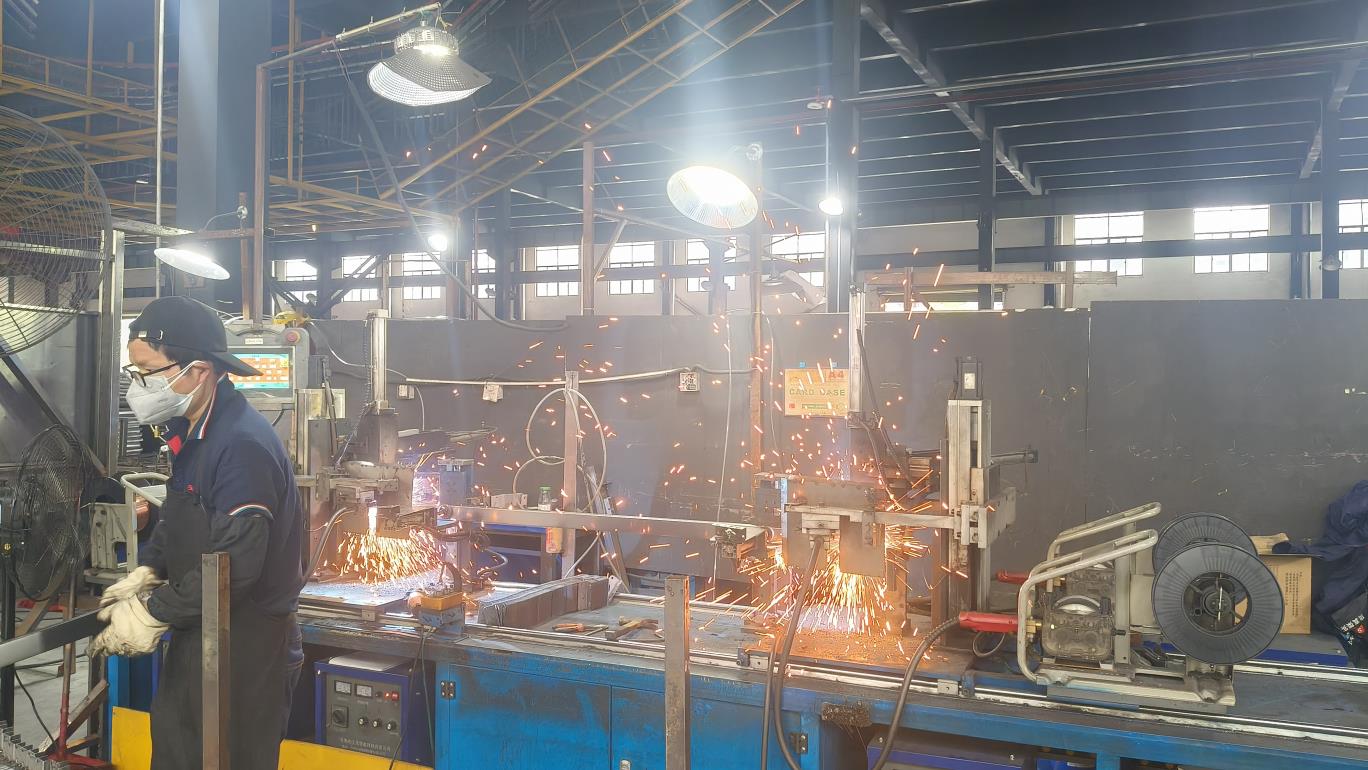
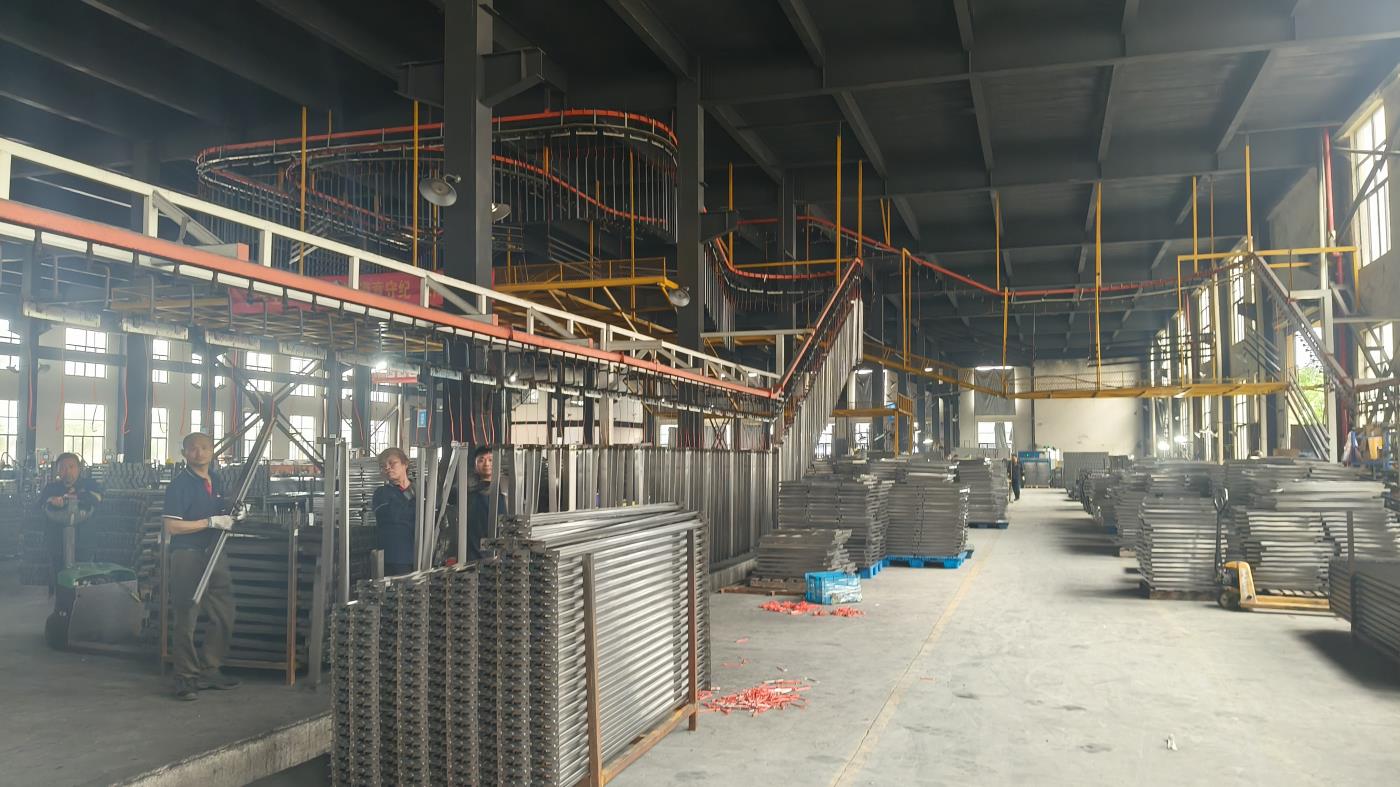
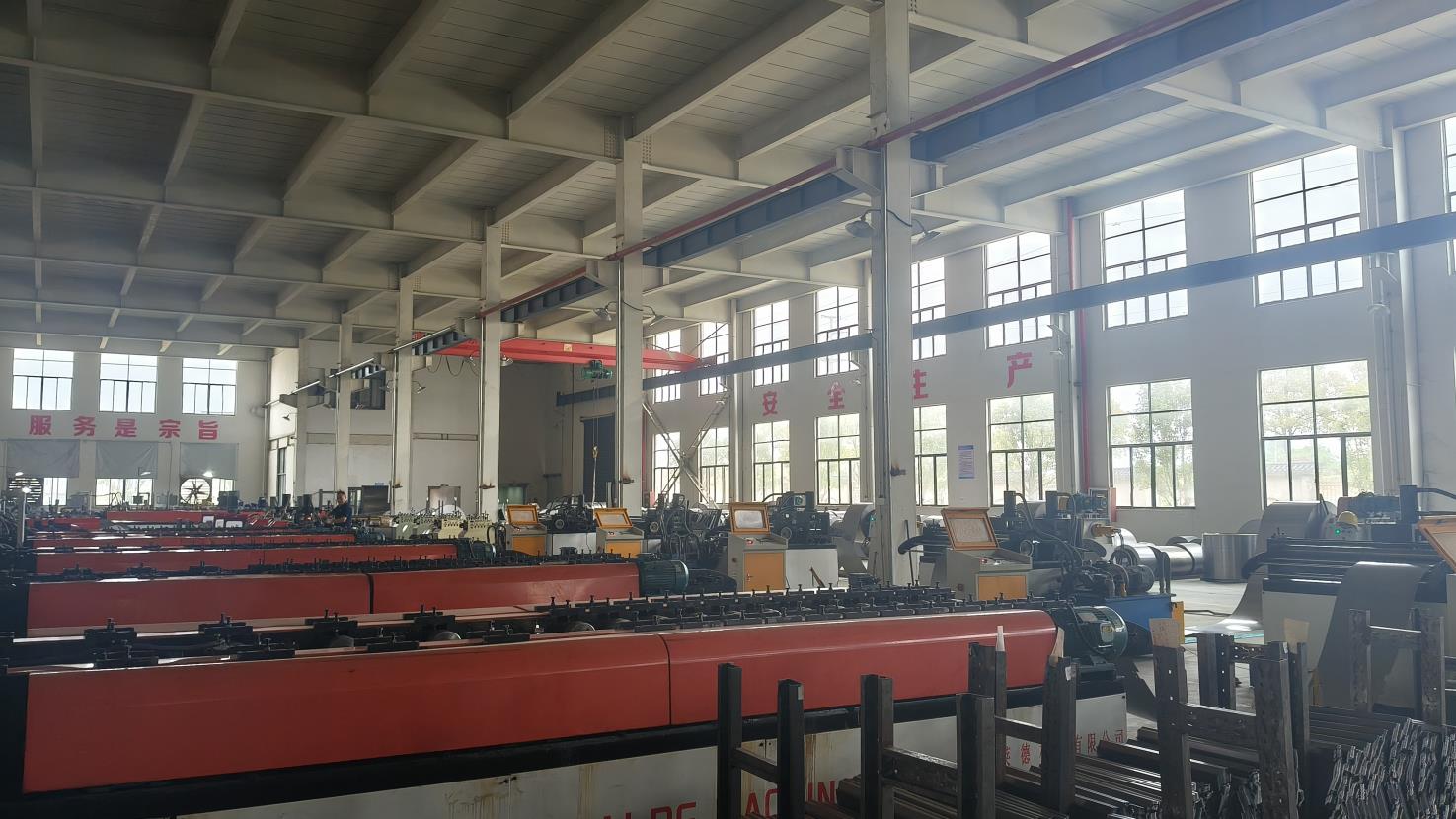
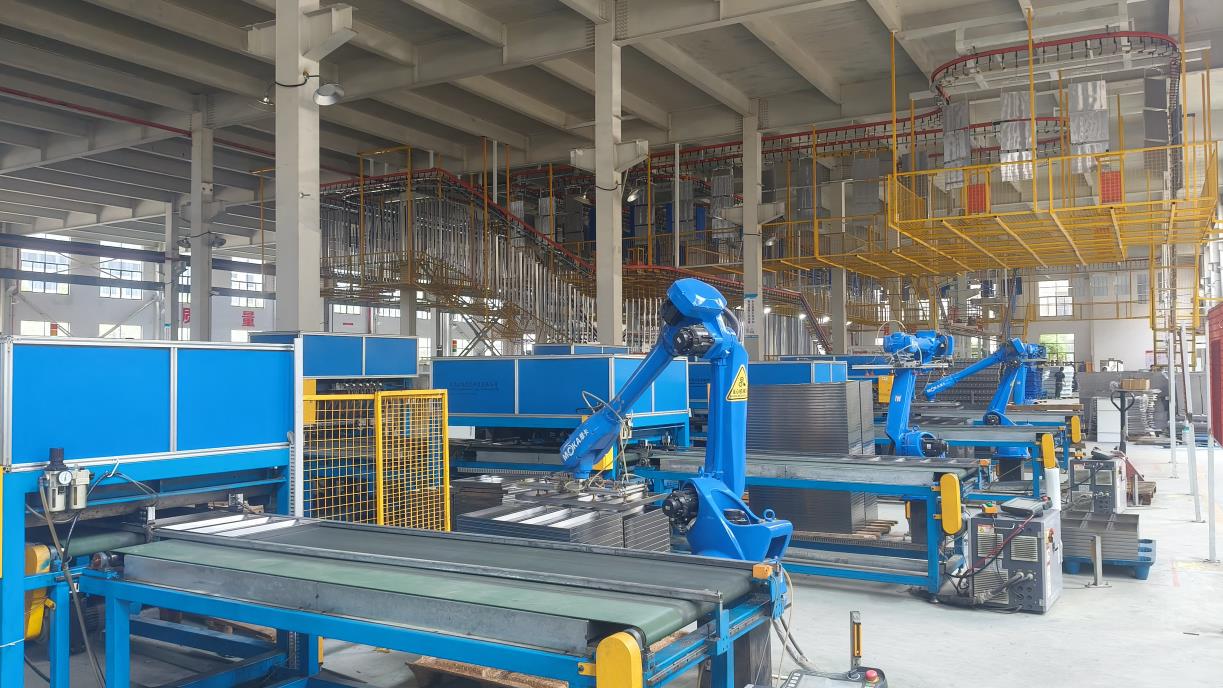
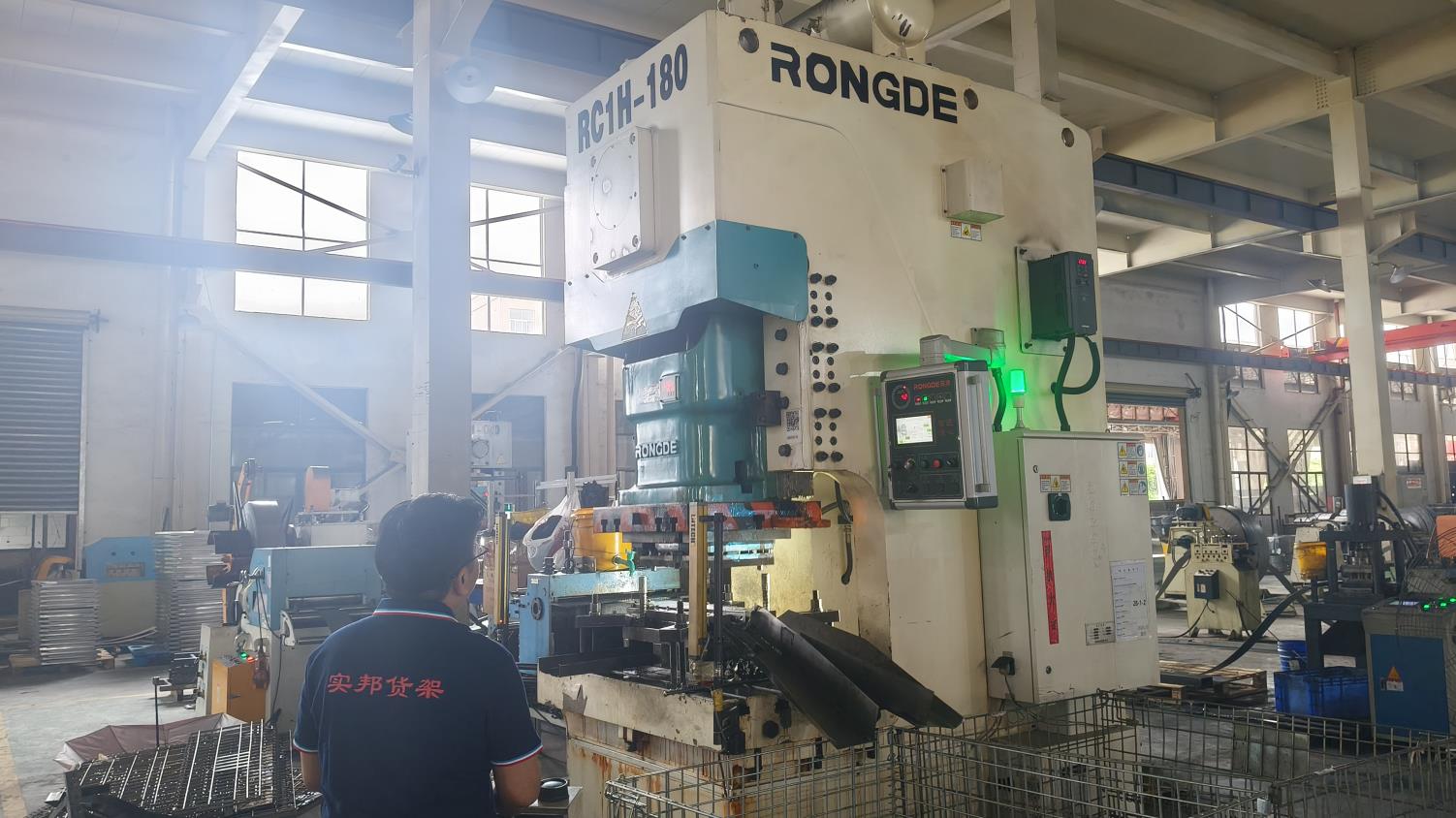
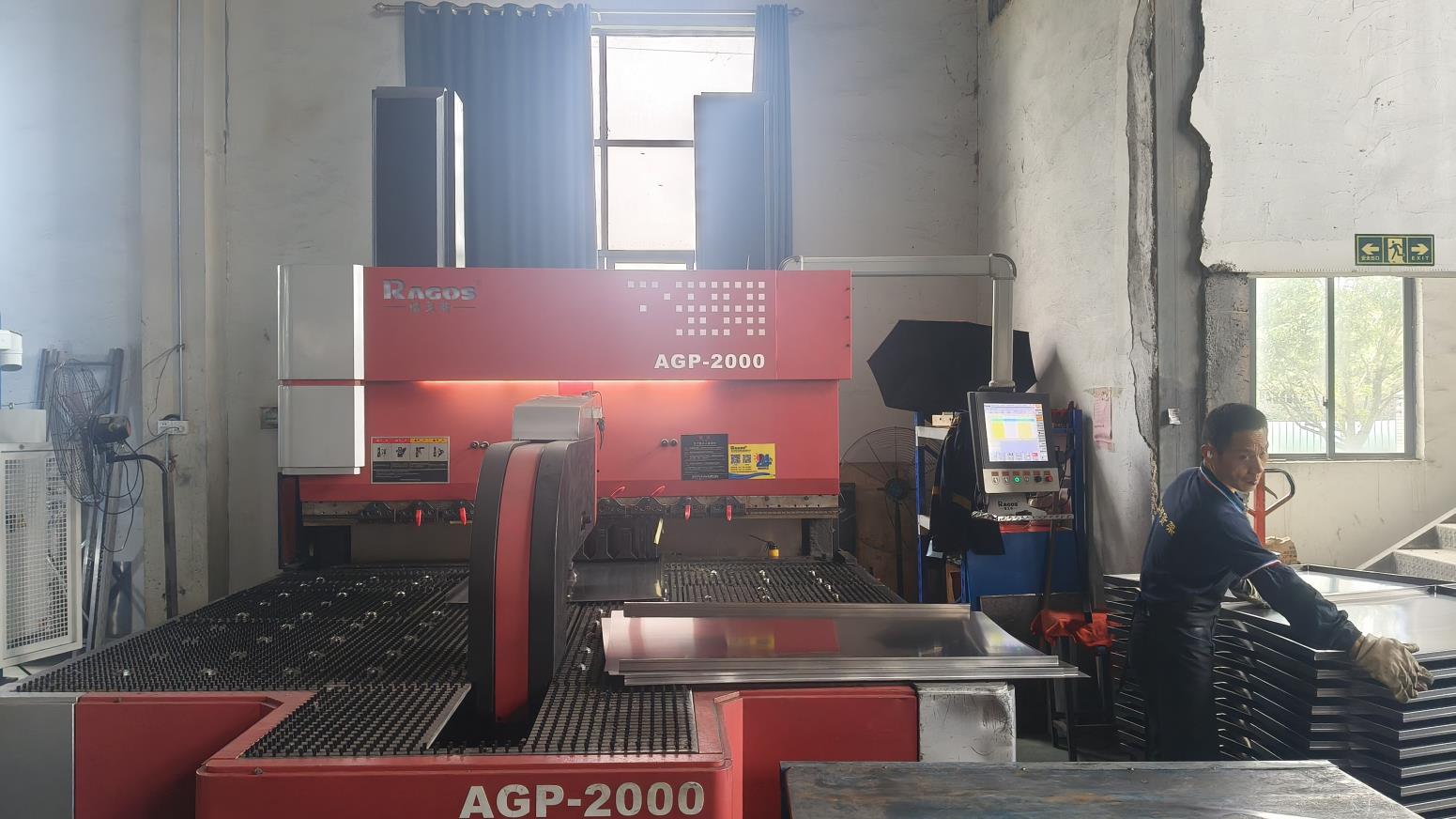
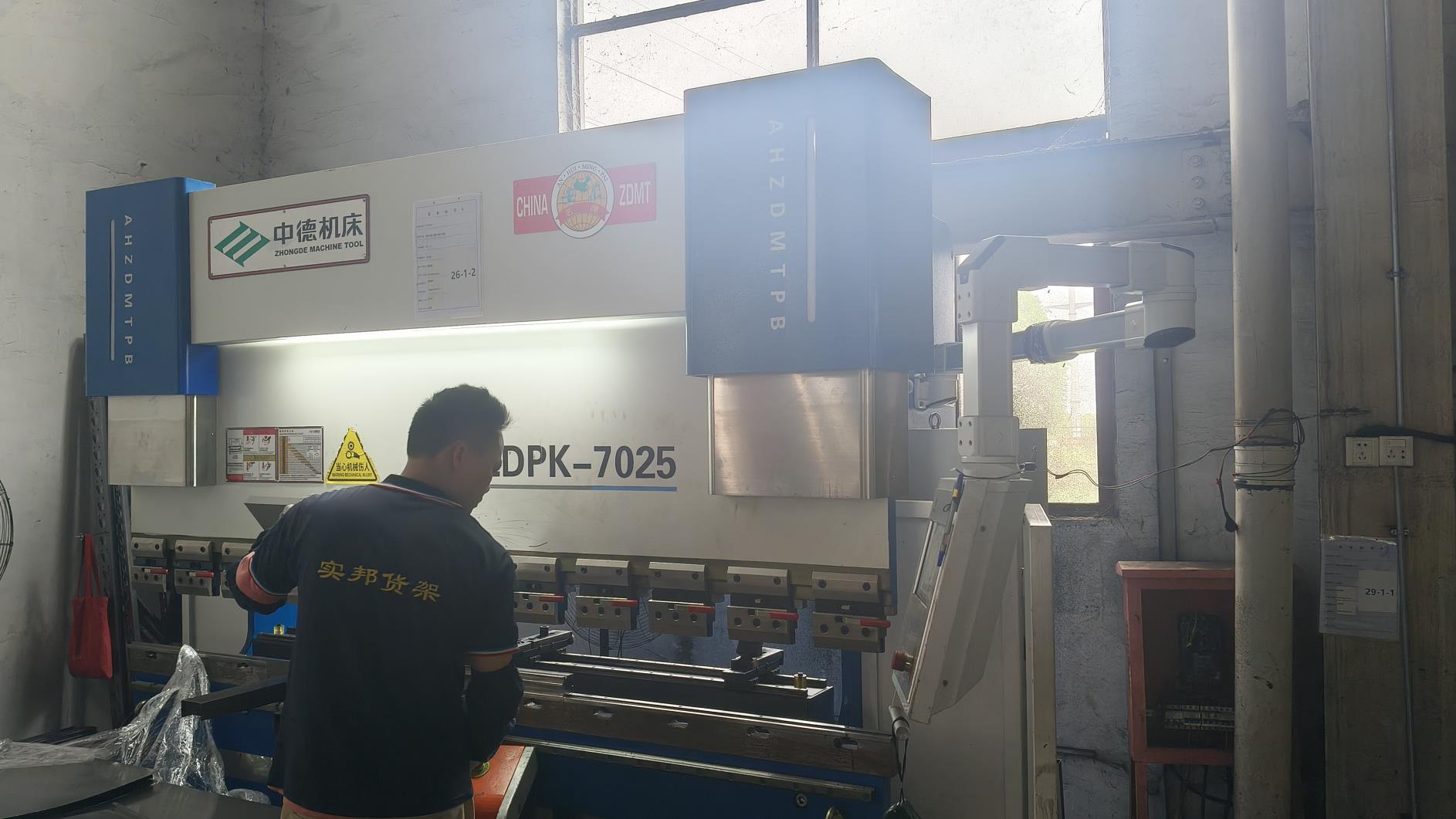
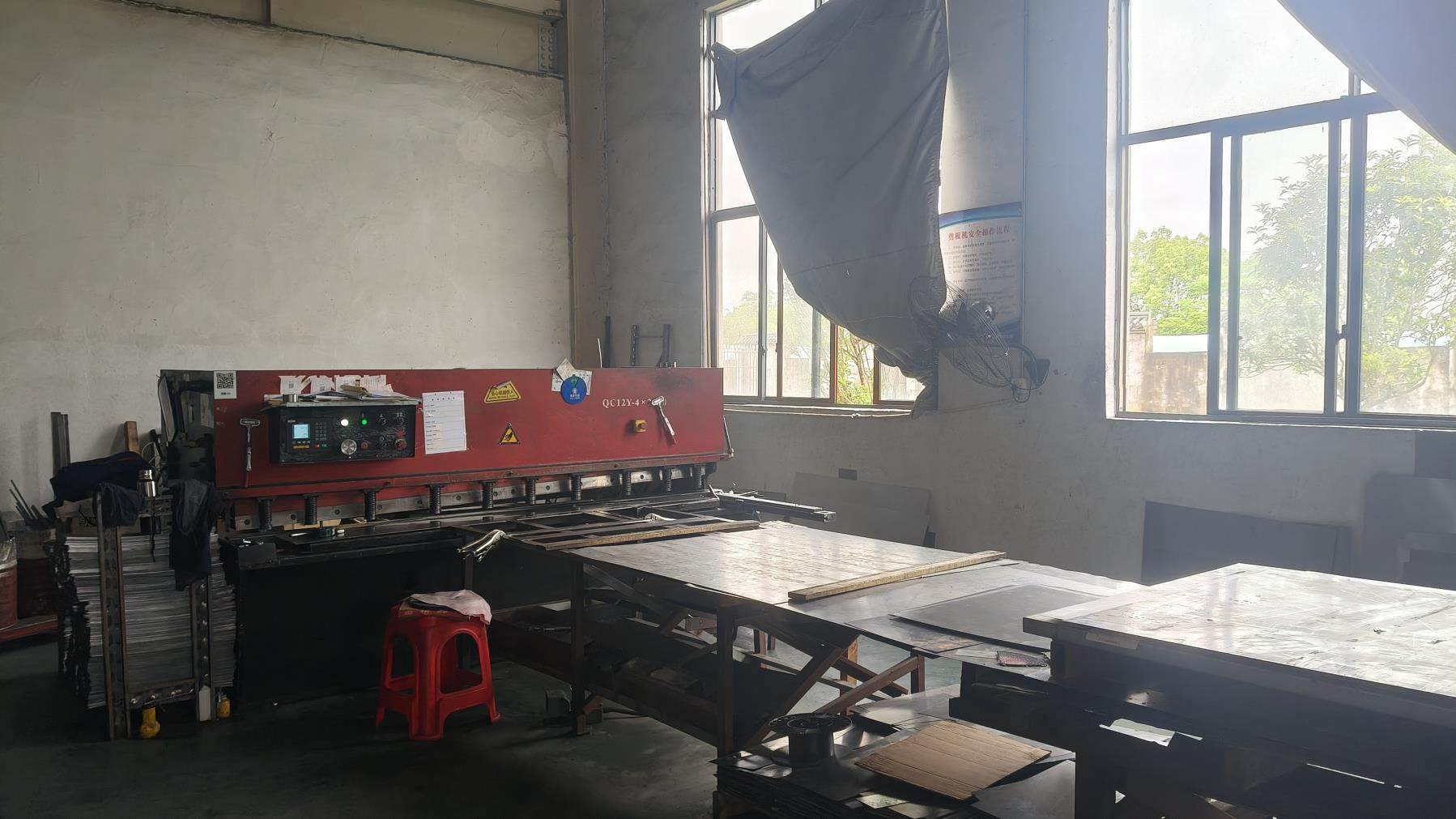
Sourcing large industrial steel systems globally demands deep structural compliance, meticulous logistical execution, and rigorous raw-material validation. For our business partners in North America, Western Europe, Southeast Asia, and Australia, Ningbo Shibang ensures our systems align with international safety criteria (including ANSI MH16.1, FEM standards, and AS4084 guidelines).
Our quality assurance framework starts with chemical testing of incoming steel coils to verify mechanical yield parameters. During production, our team of 35 QA/QC inspectors conducts Ultrasonic Testing (UT) of primary load joints to identify internal structural micro-flaws. Prior to export, components undergo simulated load deflection stress tests and salt-spray testing to confirm coating longevity in harsh cold-storage or humid port environments.
For industrial structures located in seismic hazard areas (e.g., western US regions or parts of New Zealand and Australia), we offer engineered upright column baseplates and high-yield structural beam designs that absorb energy efficiently. This limits lateral deflection and preserves structural load paths under stress.
With an extensive network of 850+ supply chain partners, we secure high-grade carbon steel even during market fluctuations. Our structural design group works with client facilities to supply fully detailed DWG CAD layouts and step-by-step assembly diagrams, allowing local mechanical crews to erect the systems efficiently.
Find technical answers regarding structural capacity, installation tolerances, and purchasing details.
Push-back racking utilizes a LIFO (Last-In, First-Out) method, whereas pallet flow operates on a FIFO (First-In, First-Out) layout. Compared to drive-in racks, push-back systems allow forklifts to operate solely within the aisles. This significantly reduces rack damage, speeds up access times, and minimizes honeycombing losses, as different lanes can hold different SKUs.
Standard counterbalanced forklifts and reach trucks are fully compatible. There is no need for specialized deep-reach attachments. The forklift operator must only lift the pallet slightly above the cart height and push it back using the weight of the new pallet. Smooth control during retrieval allows the remaining pallets to glide forward safely.
We use structural-grade Q235B and high-strength Q355B hot-rolled steel coils, sourced from Tier-1 mills. Our steel meets the mechanical requirements of European and American manufacturing specifications. Each shipment is accompanied by Mill Test Certificates (MTC) stating chemical composition and yield performance.
Control is maintained by the forklift operator during extraction. As the operator backs out with the first pallet, the fork frame acts as a physical block, letting the next cart glide forward gently. The rail incline is engineered to prevent gravity-induced acceleration, keeping pallets under control at all times.
Our 22 R&D engineers provide comprehensive customization services. We can adjust vertical height, lane depth (up to 6 pallets deep), load capacities, baseplate footprint size, and seismic bracing structures. We also offer custom RAL powder-coating colors to match your brand or warehouse safety zone mapping.
All components are cleaned before receiving an electrostatic powder-coating finish. For overseas transport, frames and beams are tightly bundled, wrapped in moisture-resistant vapor-corrosion-inhibitor (VCI) film, and securely blocked in shipping containers. This prevents metal-to-metal rubbing and protects parts from ocean humidity.
Browse our heavy-duty steel platform products and specialized racking units. Designed to increase high-bay capacity and streamline distribution center floor layouts.
 Shibang Rack