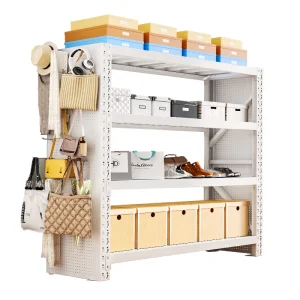
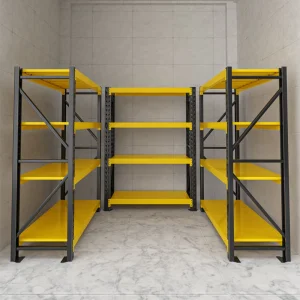
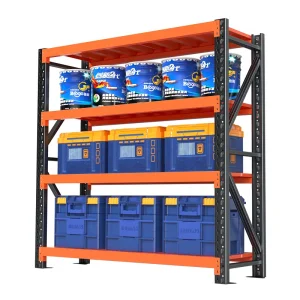
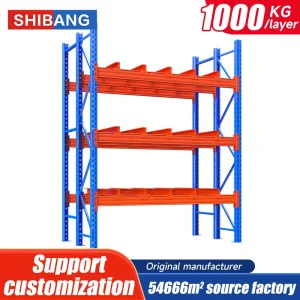
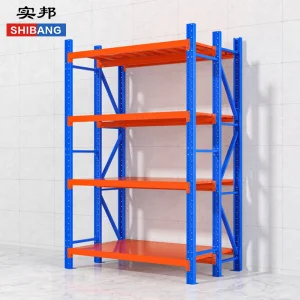
Engineered multi-level designs customized to maximize cubic space utilization and operational throughput.
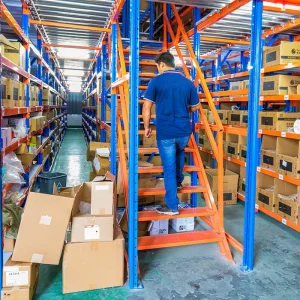
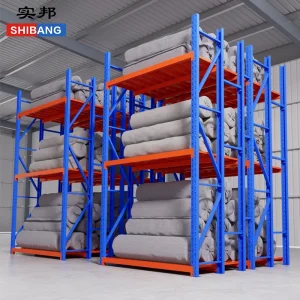
In the era of hyper-accelerated logistics, global commerce faces a severe, structural challenge: skyrocketing land costs and a critical deficit of premium industrial real estate. As modern storage requirements expand laterally, the optimization of vertical cubic space has evolved from an optional efficiency metric into a strategic financial mandate. Mezzanine racking systems stand at the absolute center of this structural transition. By engineering heavy-duty, self-supporting steel structures within existing building volumes, industrial operators can effectively double or triple their operational floor space without incurring the capital expenditure of physical building expansion or purchasing premium real estate.
For global 3PL (third-party logistics) companies, distribution hubs, and high-throughput manufacturing plants, utilizing vertical space efficiently directly correlates with lower cost-per-pallet metrics and faster SKU cycle times. Today's industrial mezzanine is not merely a steel platform; it is a highly integrated, hybrid structural matrix designed to handle the complex dynamics of modern material handling systems, automatic sortation units, and pedestrian traffic.
Moreover, macroeconomics and the growth of e-commerce dictate that logistics hubs must exist close to urban centers where land footprints are highly constrained. The ability to deploy multi-tier racking configurations enables distribution hubs to locate closer to consumer bases, significantly cutting down on last-mile delivery costs while maintaining massive inventory densities.
Structural integrity is the baseline requirement for any mezzanine platform. Every component is subjected to strict mechanical analysis to ensure continuous safety. Engineered using high-tensile, cold-rolled carbon steel (such as Q235B and Q355B grades), these systems are calculated using FEA (Finite Element Analysis) to simulate various loading configurations, seismic accelerations, and impact dynamics.
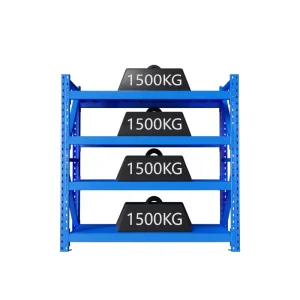
The design methodology hinges on identifying the precise mix of uniform distributed loads (UDL) and point loads. A typical multi-tier pick module or structural platform may support loads ranging from 300 kg/m² to over 1,500 kg/m², depending on the stored material profiles and structural setup. Calculating deflection limits under maximum stress is critical; our configurations are built to adhere strictly to international standards like the Rack Manufacturers Institute (RMI) standards (USA) and FEM 10.2.02 (Europe), maintaining strict compliance to keep structural deflection within safe tolerances.
Contemporary warehouses are transitioning from manual operations to highly automated spaces. Our structural steel mezzanine platforms are specifically designed to interface seamlessly with modern automation setups. By integrating floor-level configurations with Automated Guided Vehicles (AGVs), Autonomous Mobile Robots (AMRs), and continuous conveyor networks, companies can leverage vertical volume to organize complex pick-pack-ship pipelines across multiple tiers.
These dynamic, multi-tier platforms support heavy machinery on elevated levels while maintaining vibration control and structural dampening. High-impact areas, such as pallet drop zones, are reinforced with heavy-duty structural columns and thick floor plates to resist wear and accidental fork truck impact.
Customization options extend to specific structural beam profiles, column grids, and clear span distances. For operations requiring unobstructed ground floor clearances, we engineer long-span structural designs that minimize column counts while preserving load-bearing capacities.
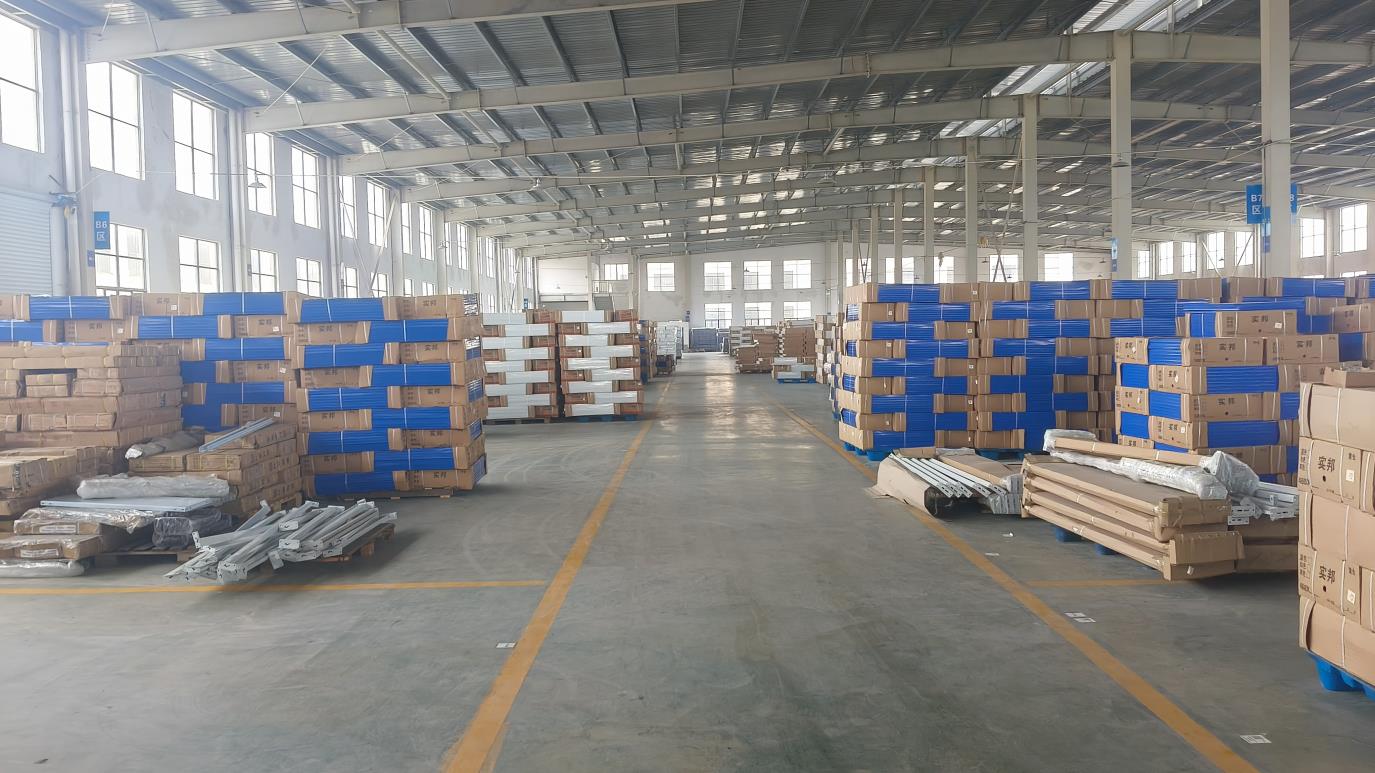
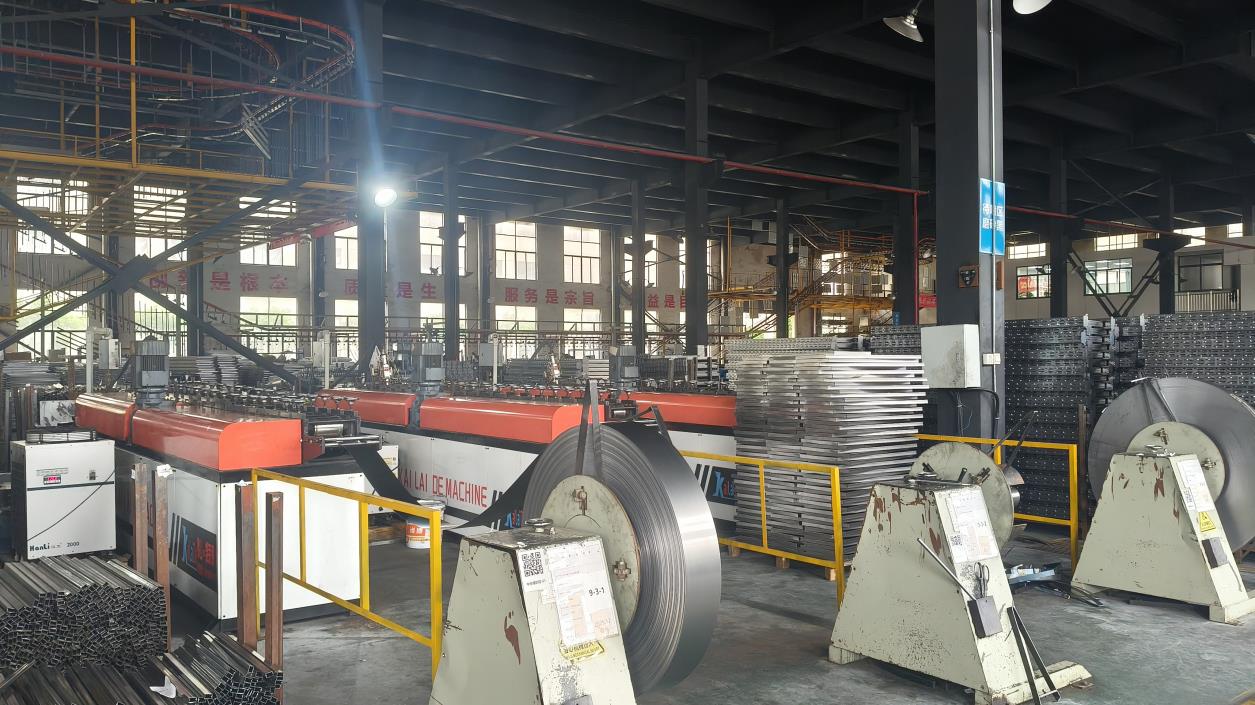
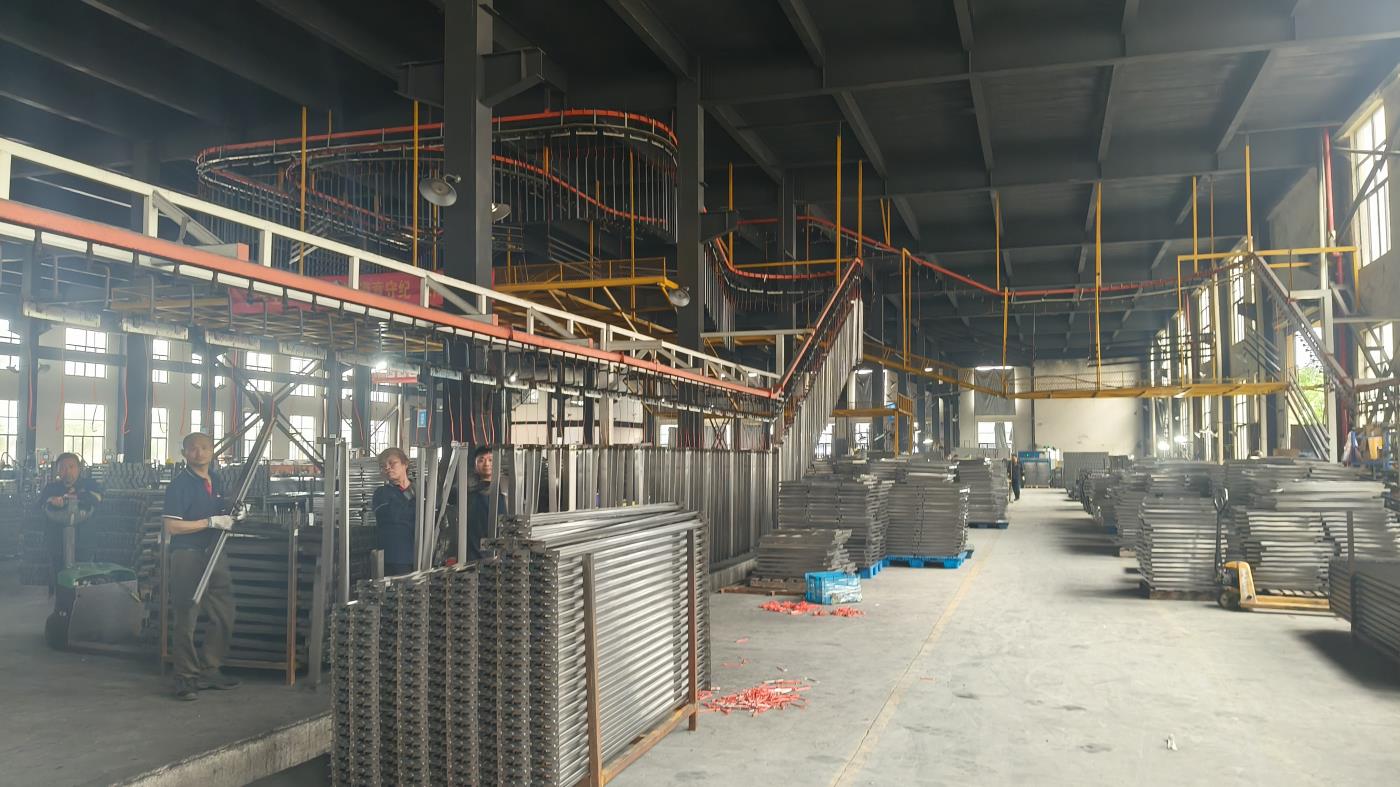
Established in 2016, Ningbo Shibang Storage Rack Co., Ltd. is a leading enterprise specializing in the design, manufacture, and global distribution of heavy-duty industrial warehouse racking systems. Spanning a modern manufacturing facility of 32,000 m², our company has accumulated 12 years of industry experience and 8 years of direct export expertise, serving global clients with total annual export revenue reaching $18 million.
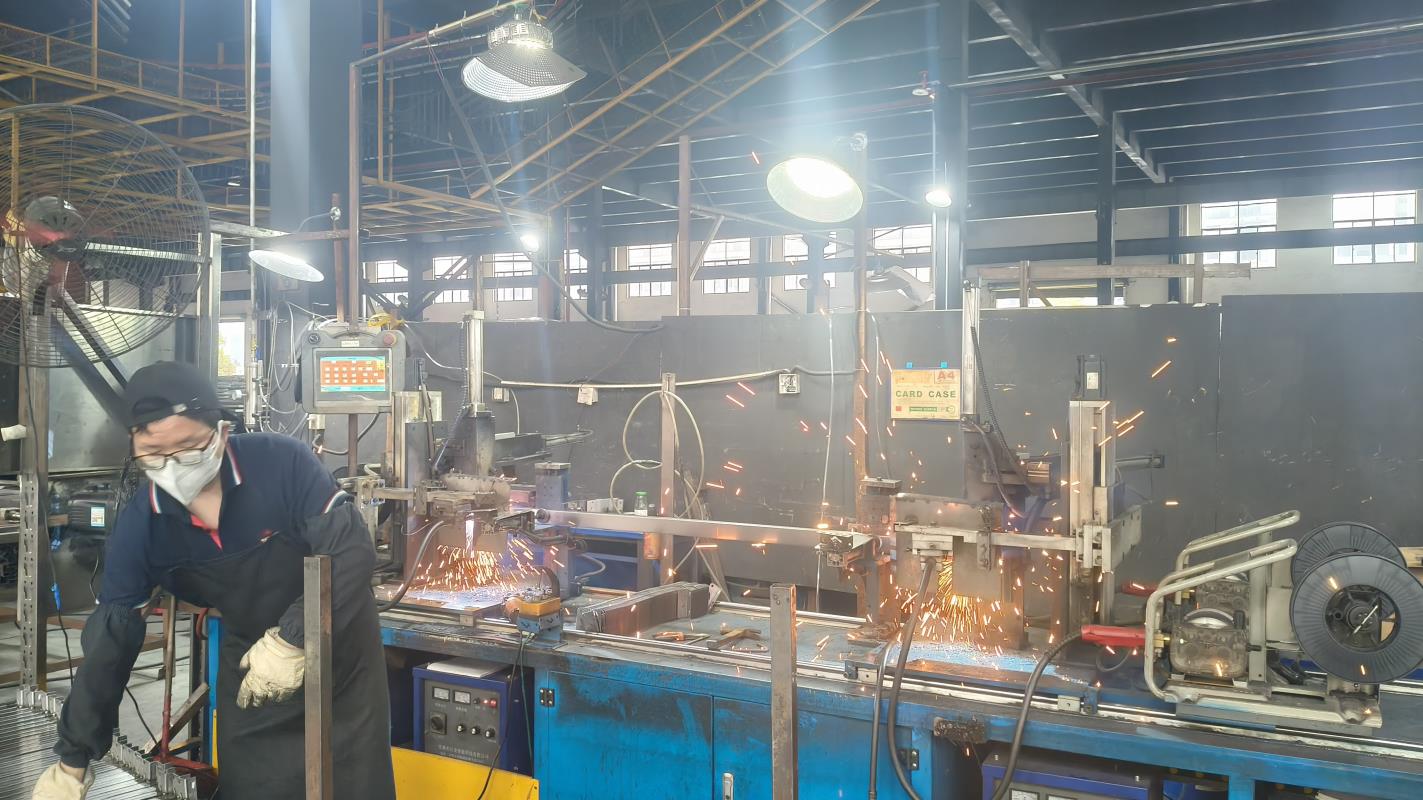
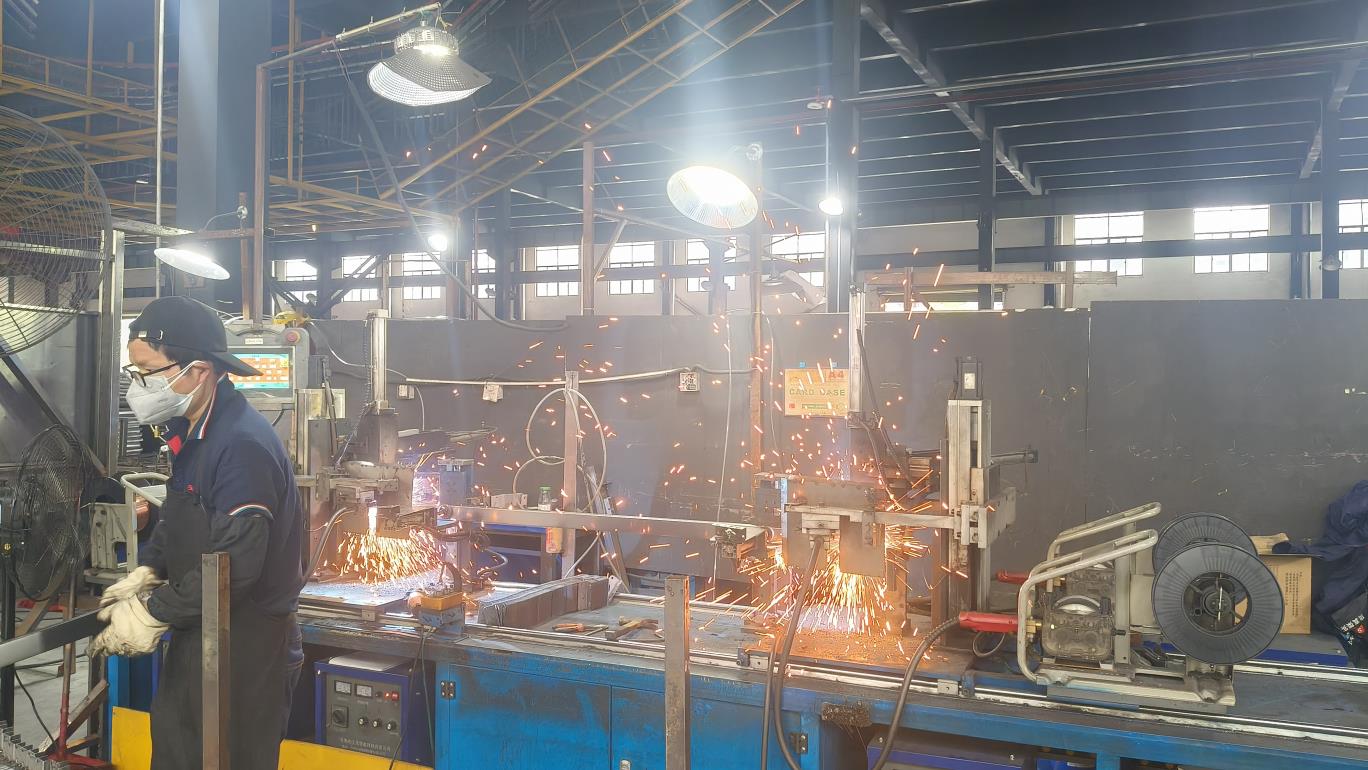
Quality and structural integrity are at the core of our manufacturing philosophy. Backed by a dedicated quality control team of 35 QA/QC inspectors, we implement rigorous multi-stage quality assurance processes, including Ultrasonic Testing (UT) for weld seams, load-bearing stress analysis, coating thickness verification, and raw material tensile testing.
Operating with a robust international trade setup, our primary markets cover North America, Western Europe, Southeast Asia, and Australia. To maintain efficient production cycles and reliable raw material supply, we partner with over 850 supply chain vendors. Our diverse client portfolio spans 3PL logistics providers, automated distribution centers, retail mega-warehouses, and heavy manufacturing facilities.
Innovation drives our growth. Our in-house R&D department boasts 22 experienced structural and mechanical engineers. Through strong technical capability and advanced OEM/ODM versatility, we offer extensive customization options, including tailored load capacities, custom powder-coating colors, seismically engineered beam profiles, and modular height configurations. Demonstrating our commitment to evolving market needs, we launched 140 new products and optimized structural components over the past year alone.
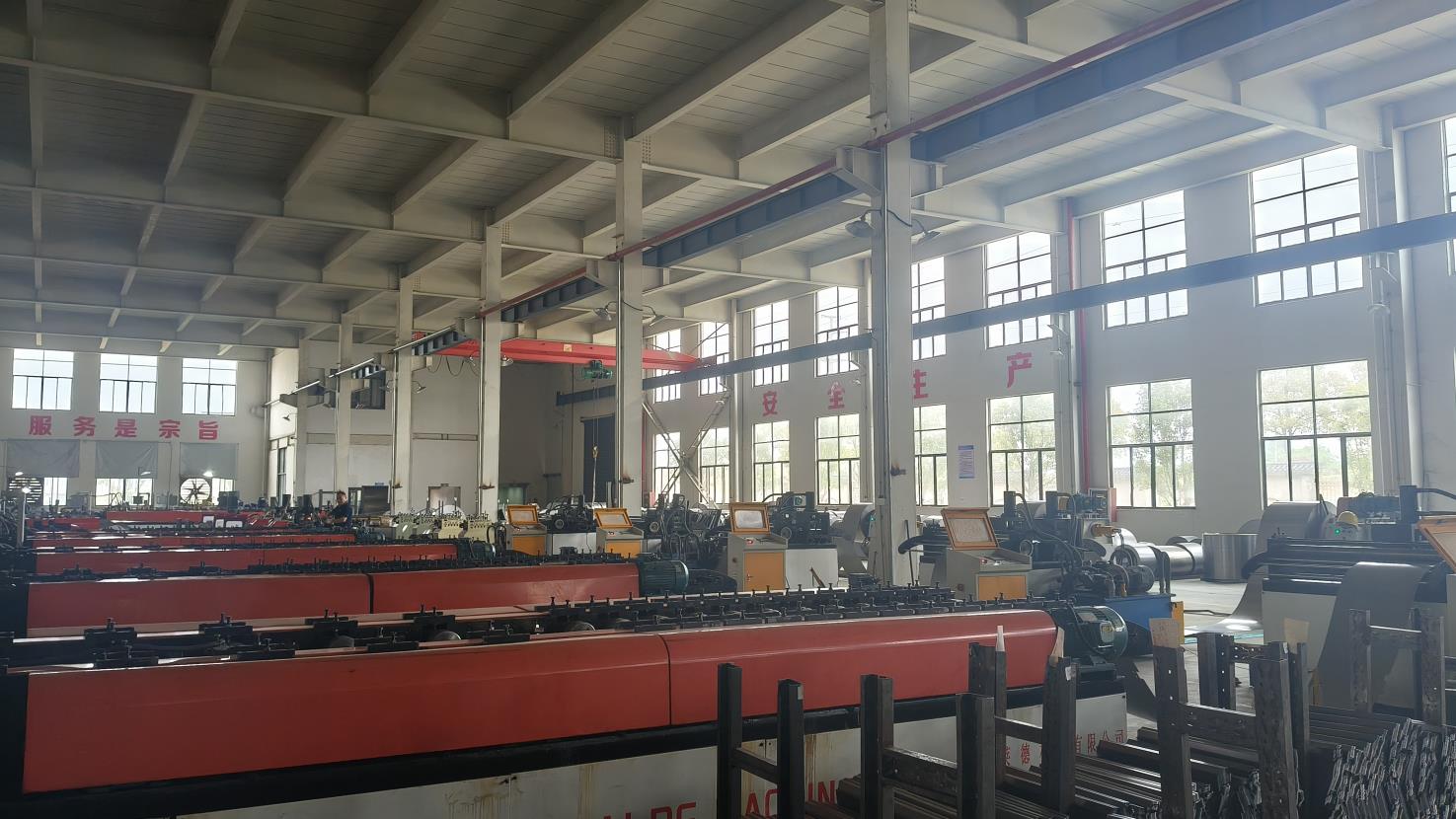
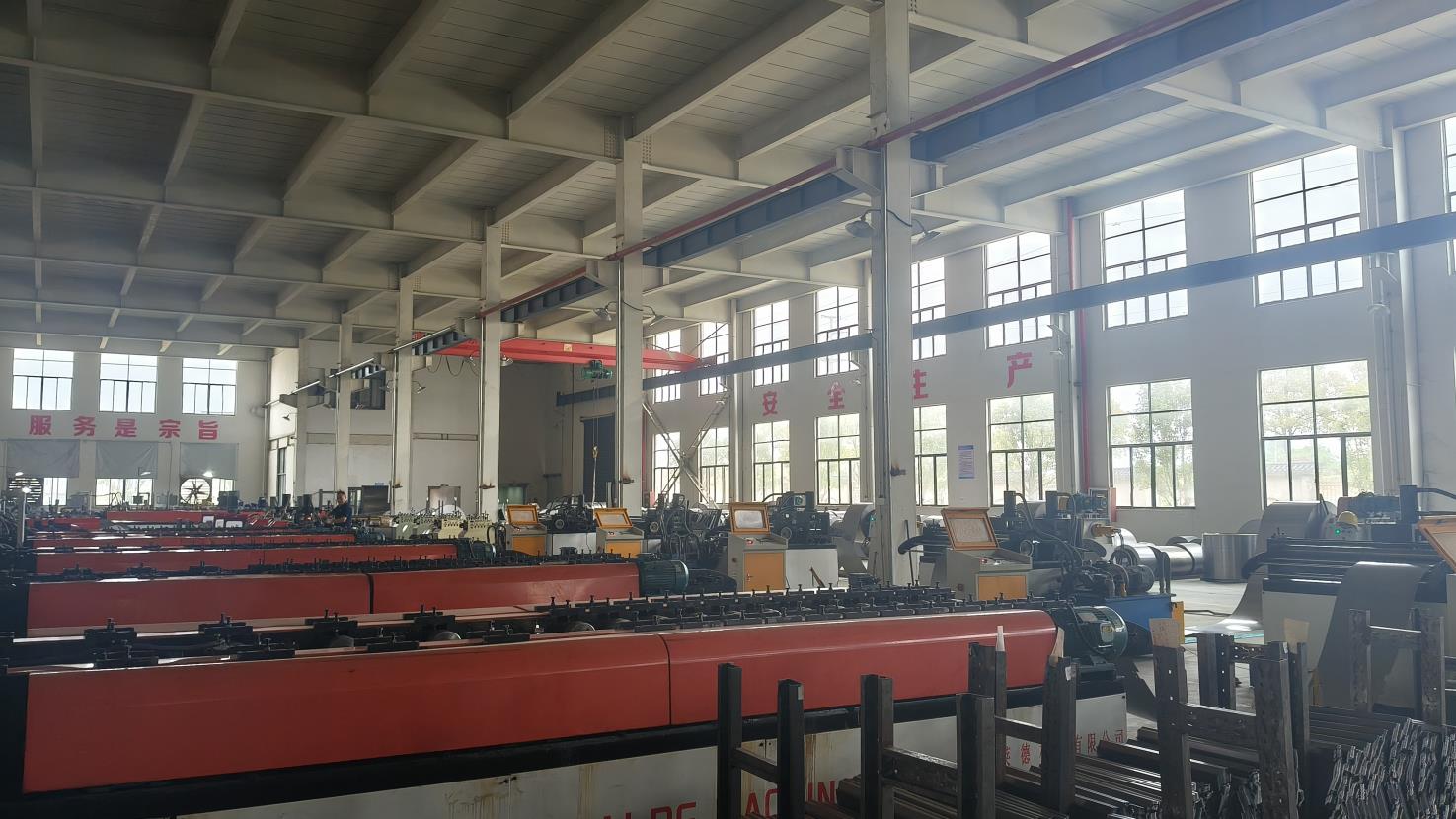
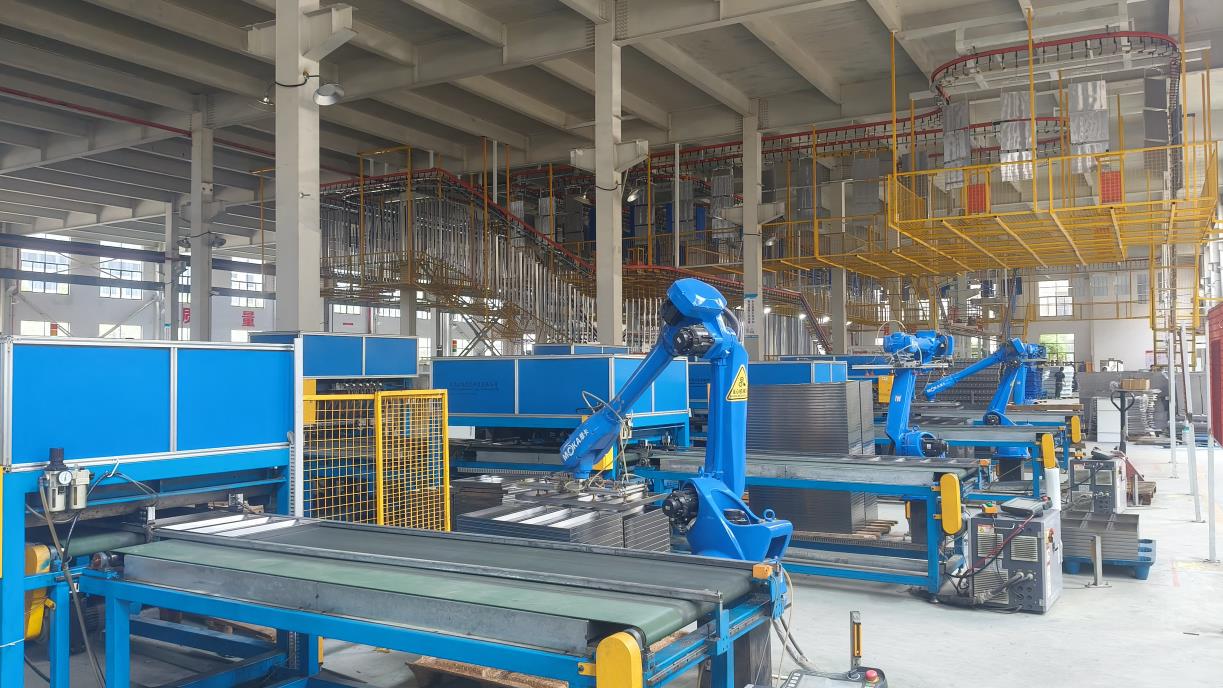
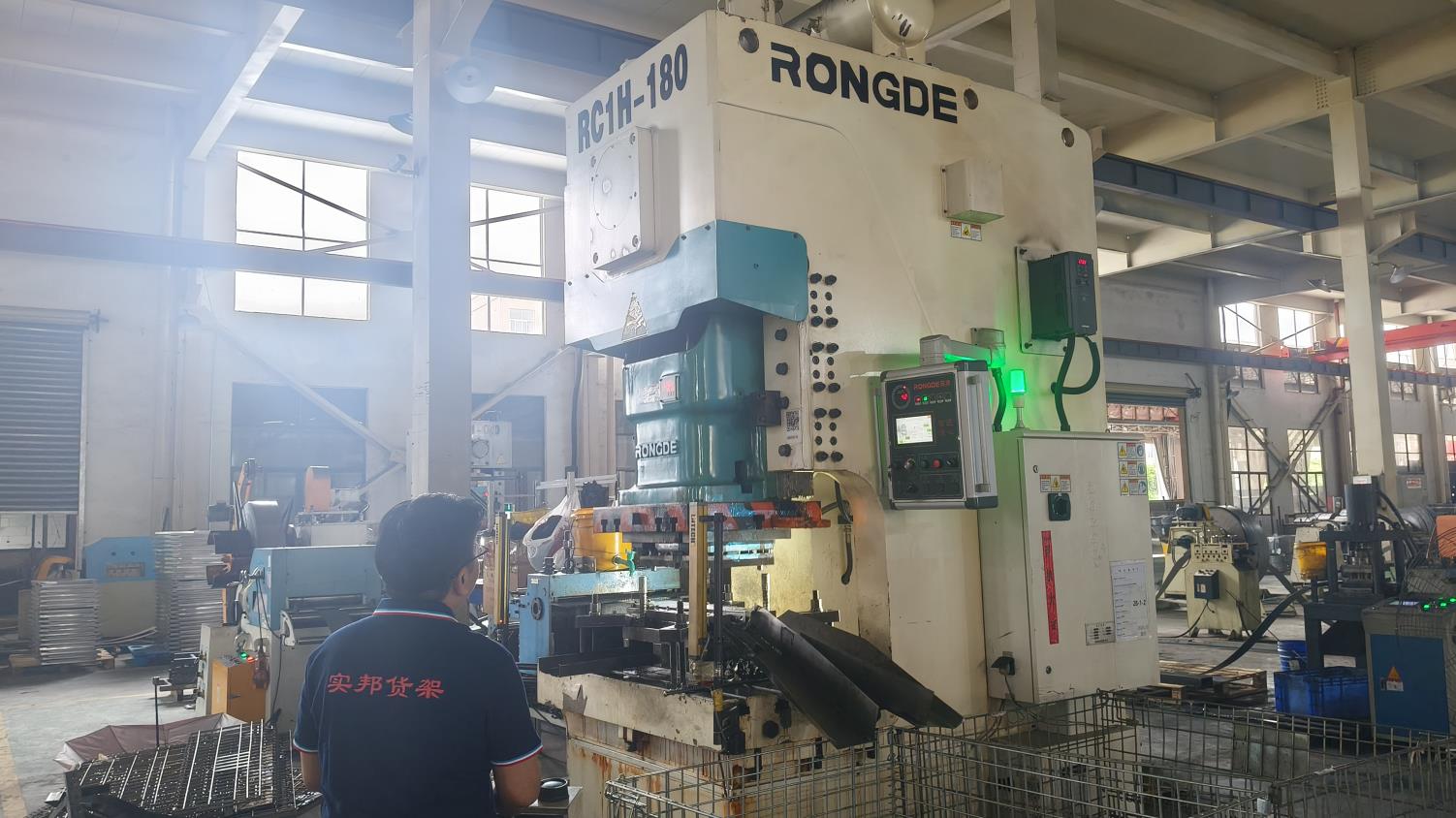
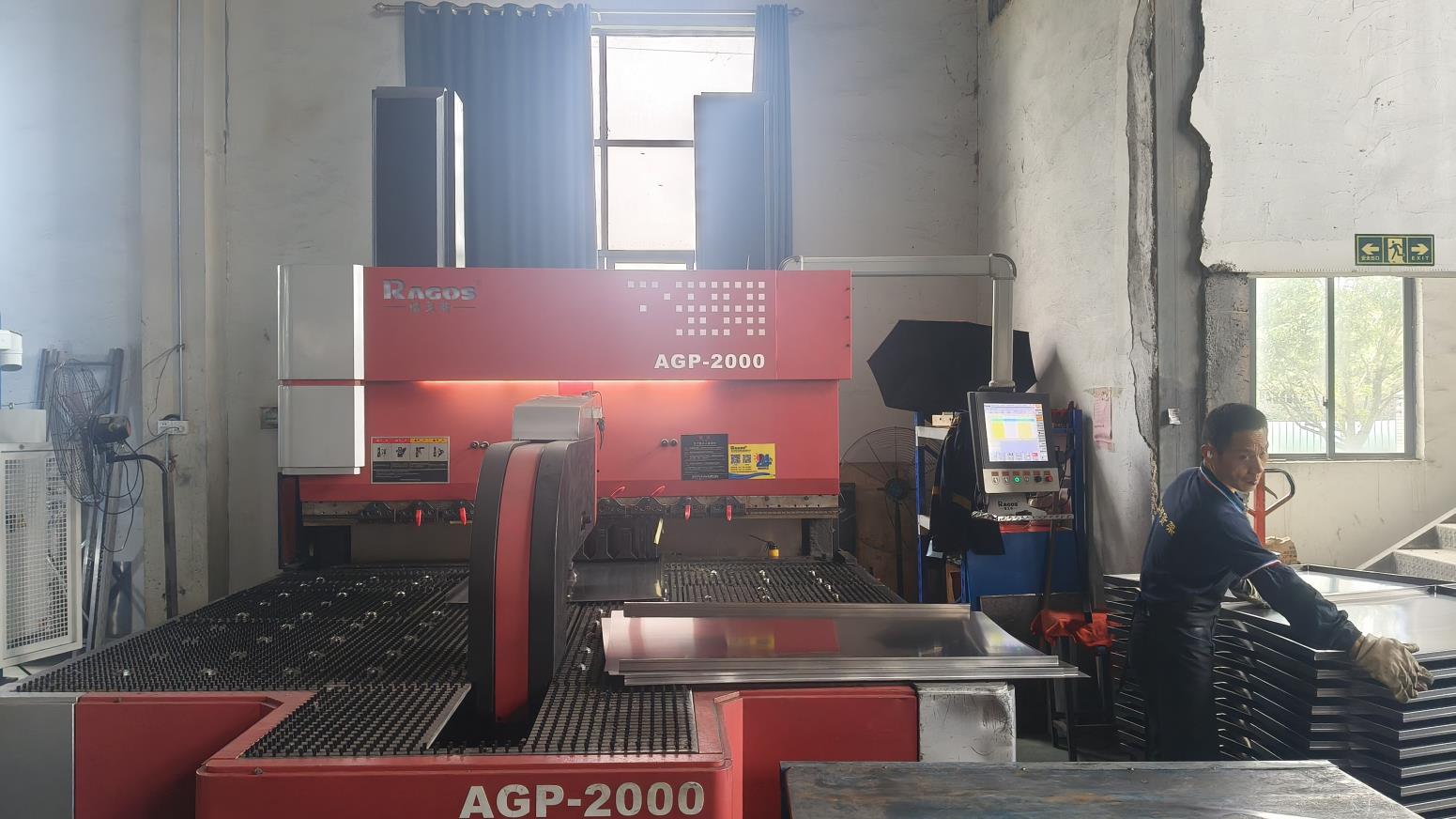
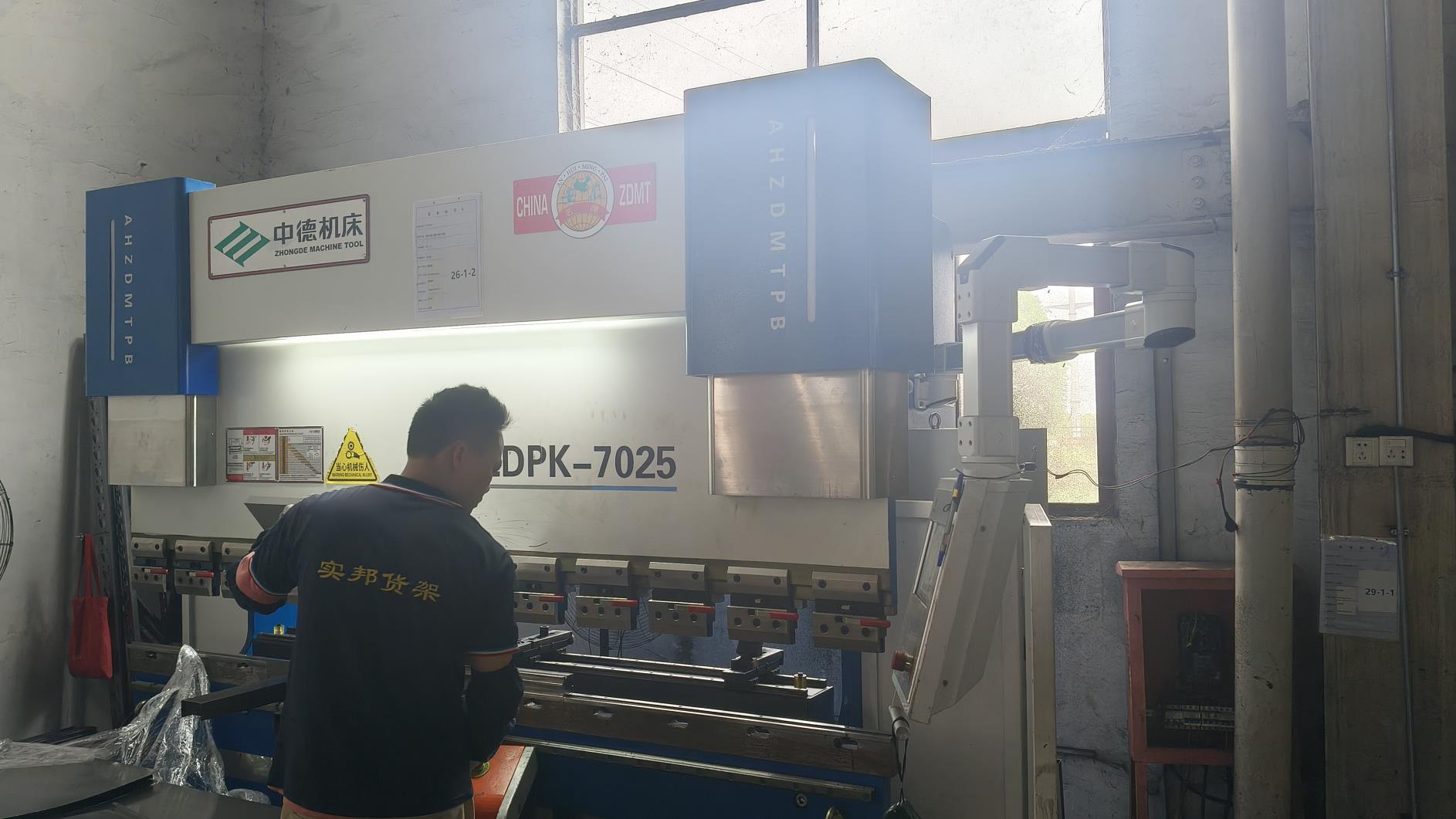
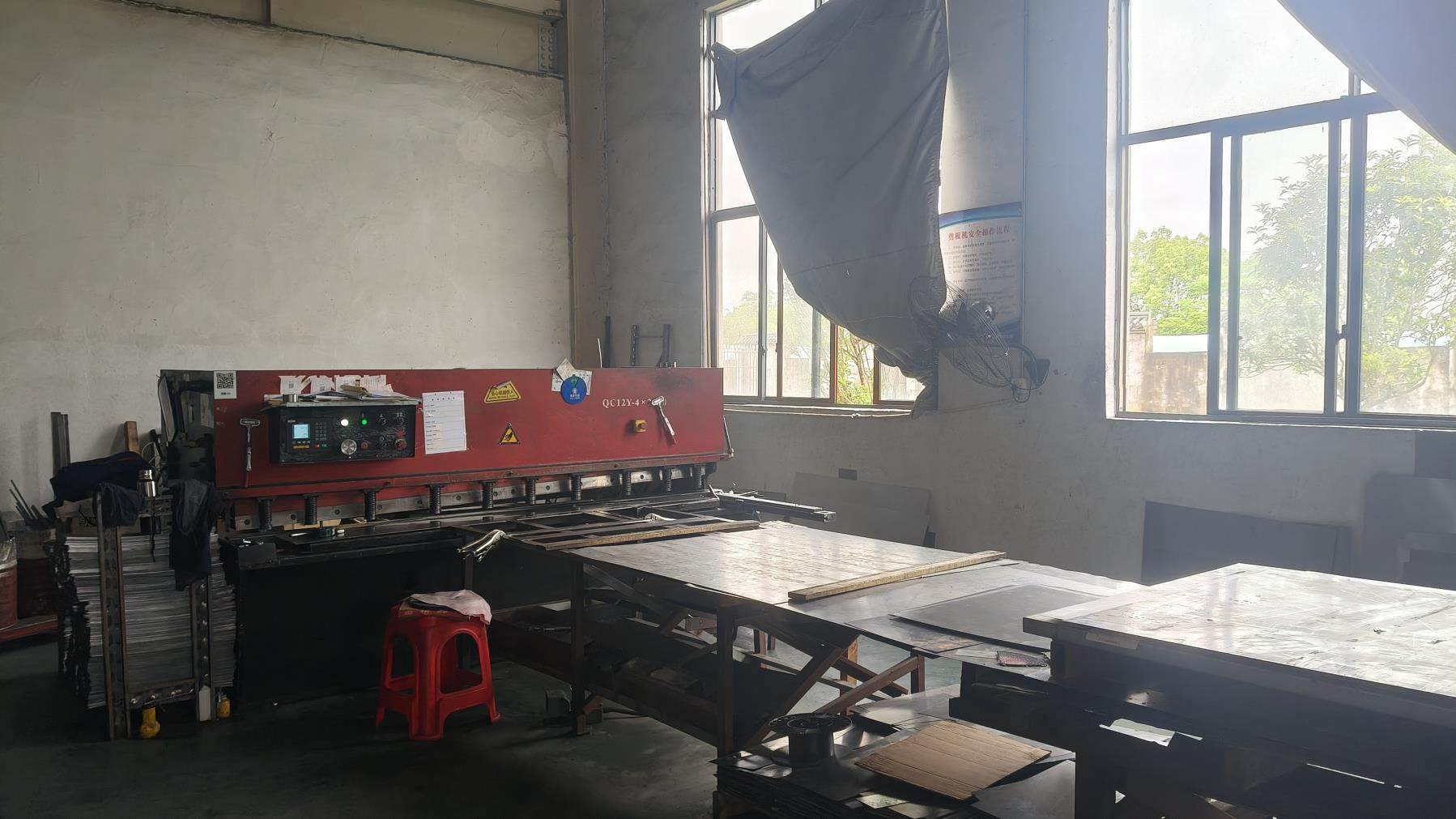
Our 32,000 m² state-of-the-art facility integrates advanced processing equipment and automated systems to ensure industrial-grade precision.
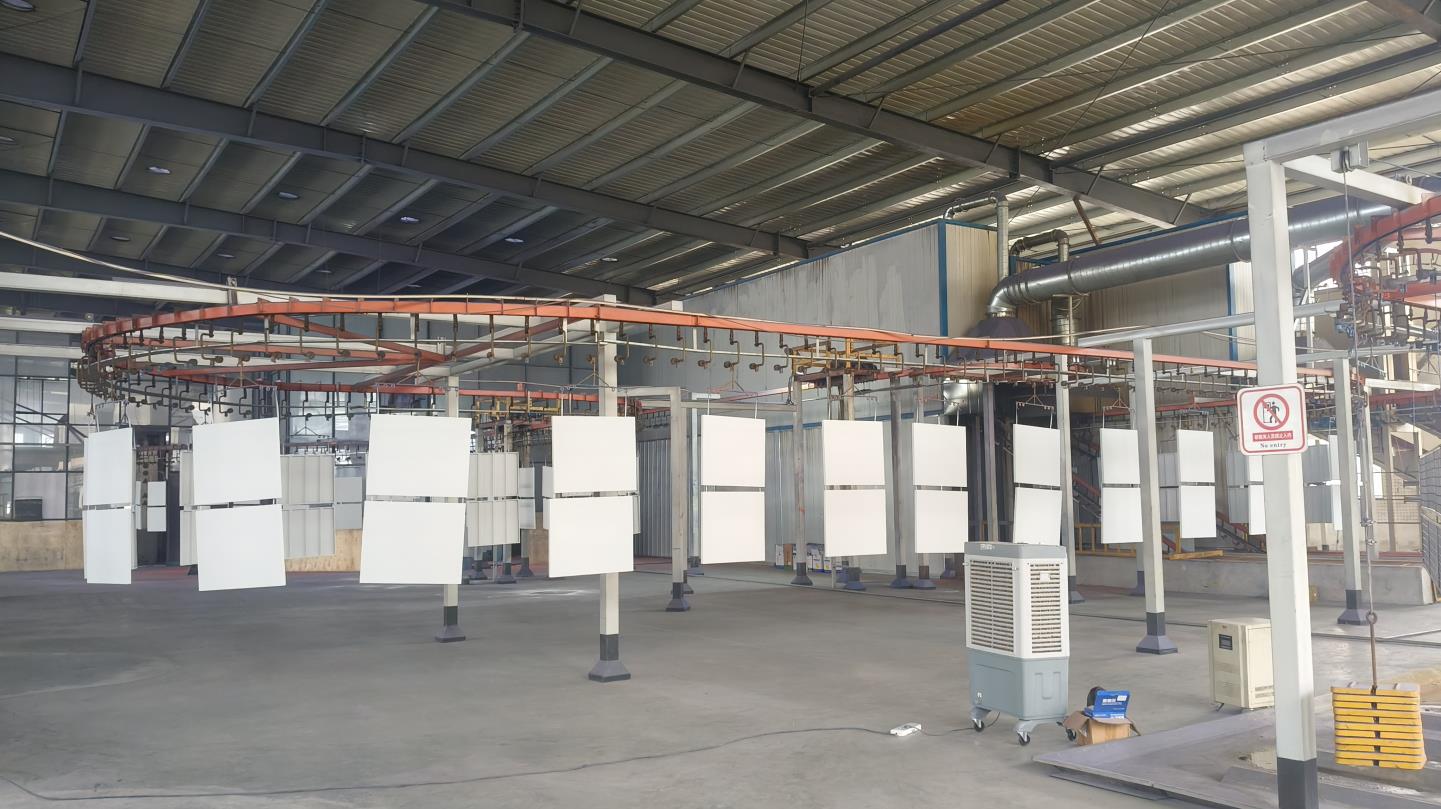
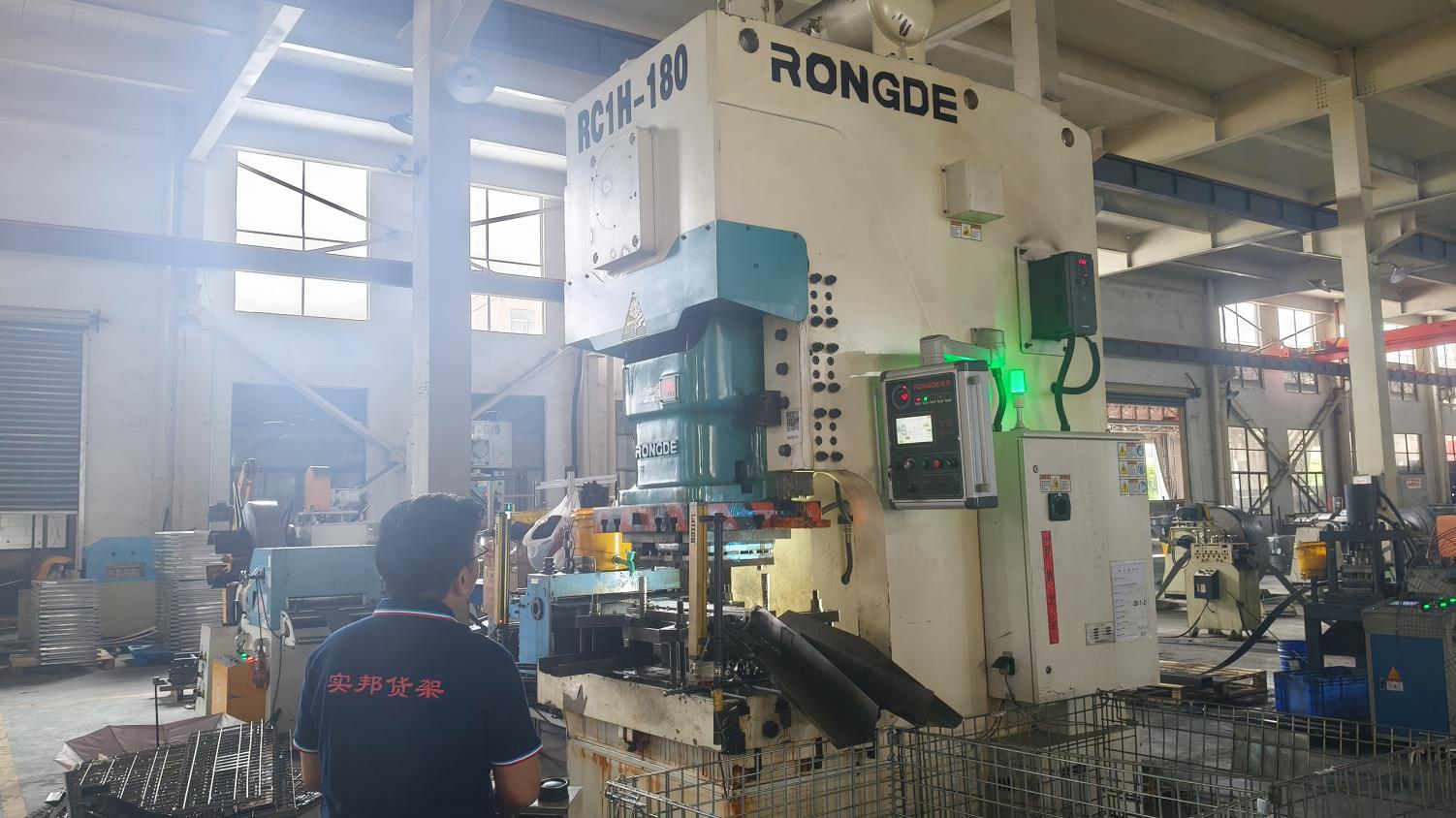
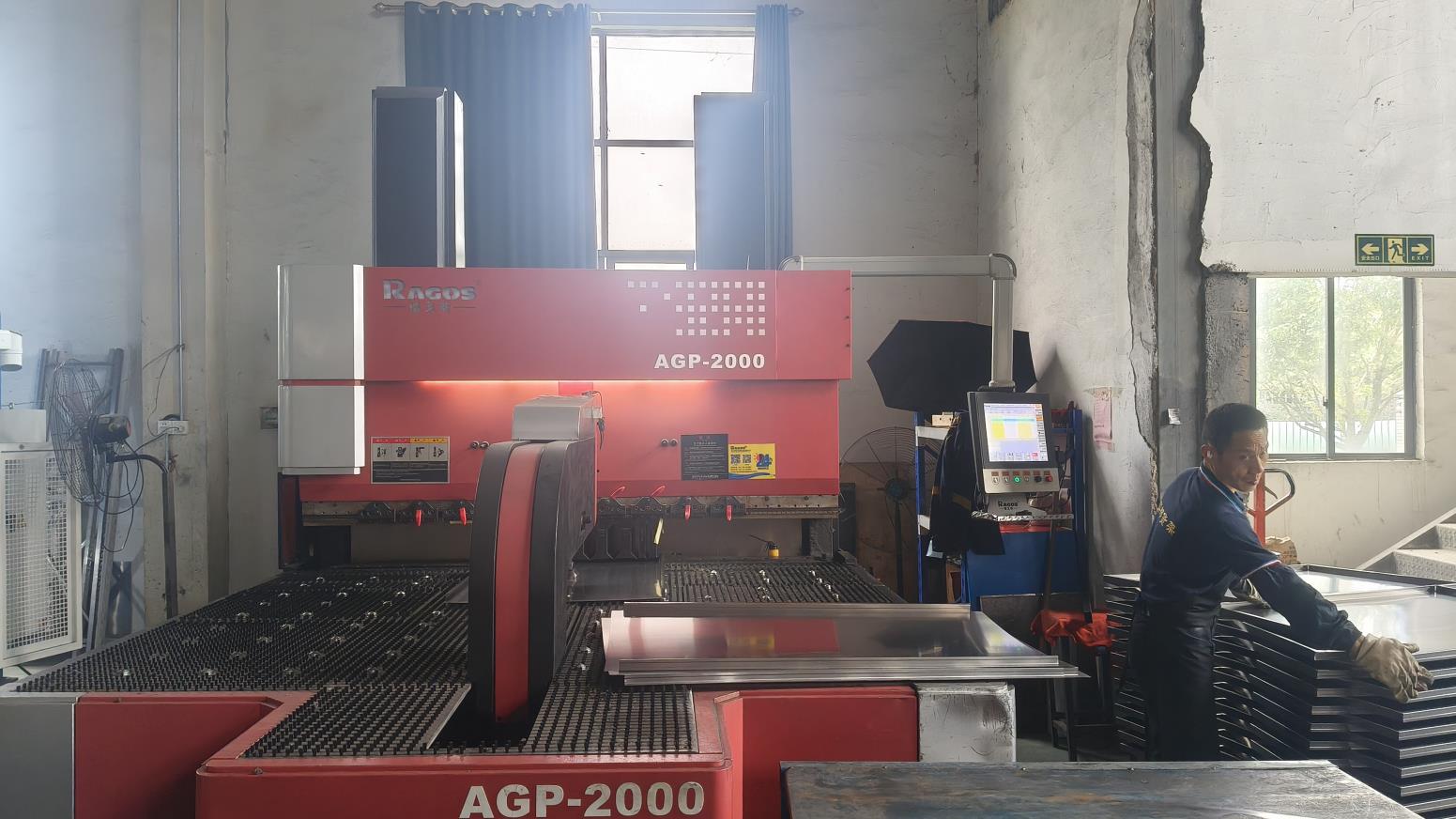
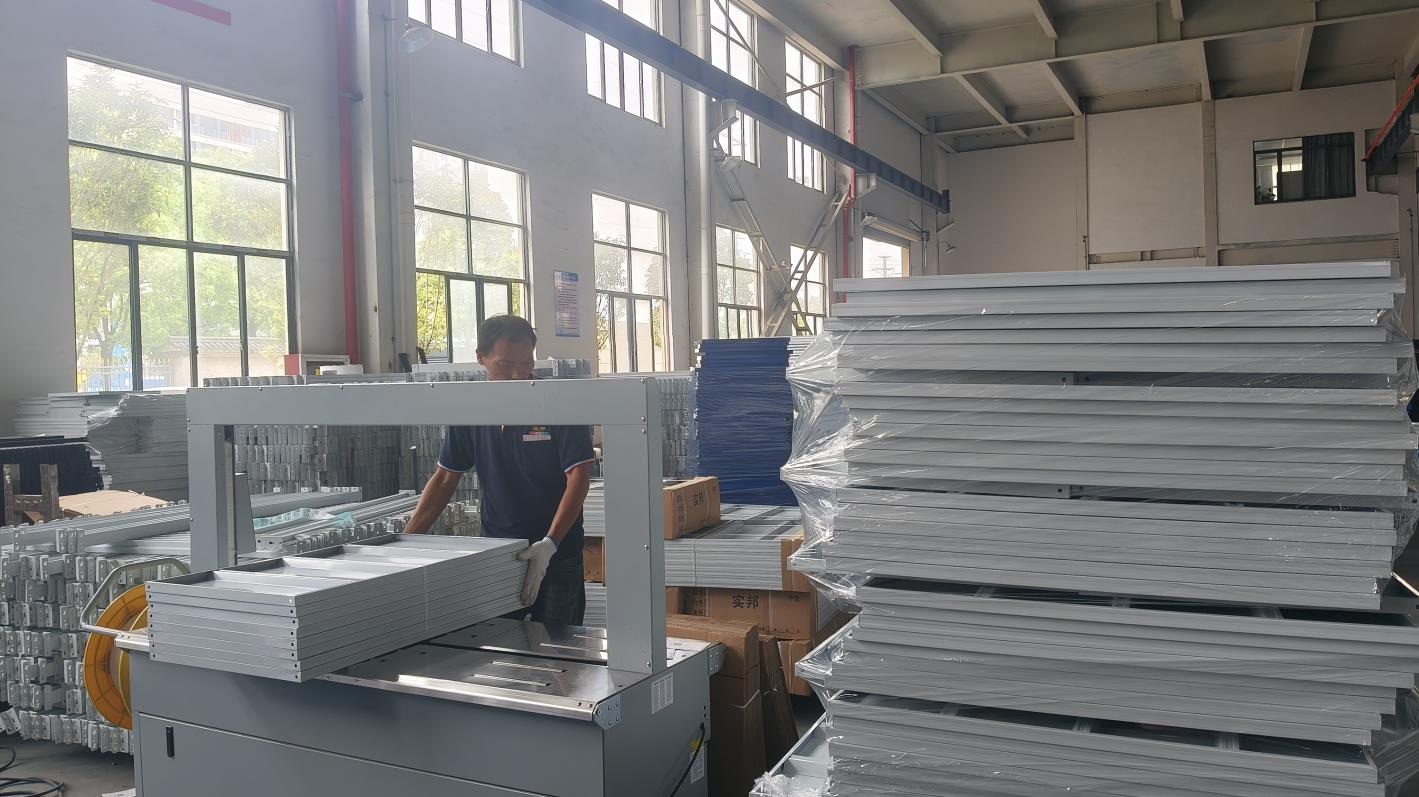
Deploying a structural platform in any industrial facility requires strict adherence to localized engineering and building codes. Different geographical jurisdictions enforce distinct safety parameters. For operations within North America, structures must align with the AISC (American Institute of Steel Construction) and the Rack Manufacturers Institute (RMI MH16.1) codes, while projects in Western Europe require compliance with the EN 15512 and FEM regulations.
To meet these safety and compliance standards, Ningbo Shibang employs a rigorous QA/QC inspection matrix. Every structural column, main beam, and floor plate undergoes continuous monitoring and material analysis.
For global logistics hubs, this structural reliability is critical. We work directly with structural engineers and logistics consultants worldwide, providing detailed calculation sheets, component certificates, and complete structural drawings to facilitate local building permits and structural sign-offs.
The warehouse storage sector is shifting toward digital integration. The next generation of industrial mezzanine systems is transitioning from static steel structures into intelligent, IoT-enabled platforms. Our R&D team is continually researching integrations to incorporate structural health monitoring (SHM) systems using real-time strain gauges and load cell arrays.
These smart sensors can monitor deflection, structural load distribution, and column impacts, feeding data directly to warehouse management systems (WMS). This provides operators with immediate alerts if load limits are exceeded or if a structural collision occurs, helping to maintain a safe working environment.
Furthermore, sustainability remains a key pillar of our engineering strategy. We utilize low-carbon steel processing methods and eco-friendly, volatile organic compound (VOC)-free powder coatings to assist clients in achieving LEED certifications and reducing the carbon footprint of their distribution centers.
Frequently asked structural and logistical questions answered by our senior engineering team.
Explore our complete range of high-performance racking, multi-tier platforms, and industrial shelving solutions.
 Shibang Rack