Explore our engineered heavy-duty storage shelves, modular warehouse systems, and material handling solutions optimized for industrial efficiency.
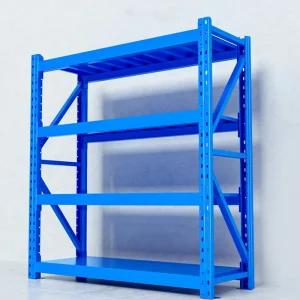
Executive Summary: As modern supply chains move toward automation, high-density storage, and rapid order fulfillment, the structural reliability of industrial racking systems has become a crucial operations risk factor. This paper evaluates the structural engineering benchmarks, customization potentials, supply chain dynamics, and regulatory compliance protocols vital for global procurement directors searching for enterprise-grade steel utility racks.
Industrial utility racks are no longer considered simple static shelving. Today, they serve as the foundational skeleton of automated storage and retrieval systems (AS/RS), 3PL logistics hubs, cold storage chambers, and high-frequency retail distribution points. Modern material handling environments require racks that withstand not only high static loads but also dynamic stress, forklifts impacts, and seismic movements.
Selecting the appropriate steel grade and structural design directly impacts warehouse safety and longevity. Cold-rolled steel profiles, particularly high-strength Q235B and Q355B formulations, are now the industry standard due to their outstanding yield strength and formability. When engineered with precision box-beam and step-beam profiles, these materials ensure structural integrity and prevent long-term deflection under load.
Global procurement directors face the constant challenge of optimizing capital expenditures while maintaining strict safety benchmarks. Purchasing low-cost, substandard storage solutions often leads to early fatigue, sagging beams, or catastrophic racking collapses. These failures lead to inventory losses, major operational downtime, and legal liabilities.
Enterprise buyers seek high-quality structural steel components featuring state-of-the-art corrosion protection. Multi-stage surface treatments, including acid pickling, phosphating, and advanced electrostatic powder coating, protect components from rust and physical wear. This guarantees reliable performance even in challenging environments like refrigerated warehouses and chemical storage centers.
At Ningbo Shibang, quality control and engineering innovation are built into every production step. Our in-house research and development center employs 22 structural and mechanical engineers who utilize advanced Finite Element Analysis (FEA) to model load capacities, stress points, and seismic resistance before production begins.
To verify our calculations, a dedicated quality control team of 35 QA/QC inspectors conducts rigorous material and mechanical testing. These protocols include:
China remains the global leader in industrial steel manufacturing. Collaborating with a vertically integrated Chinese manufacturer like Ningbo Shibang grants global buyers access to direct steel sourcing, specialized automated production lines, and well-established industrial supply networks.
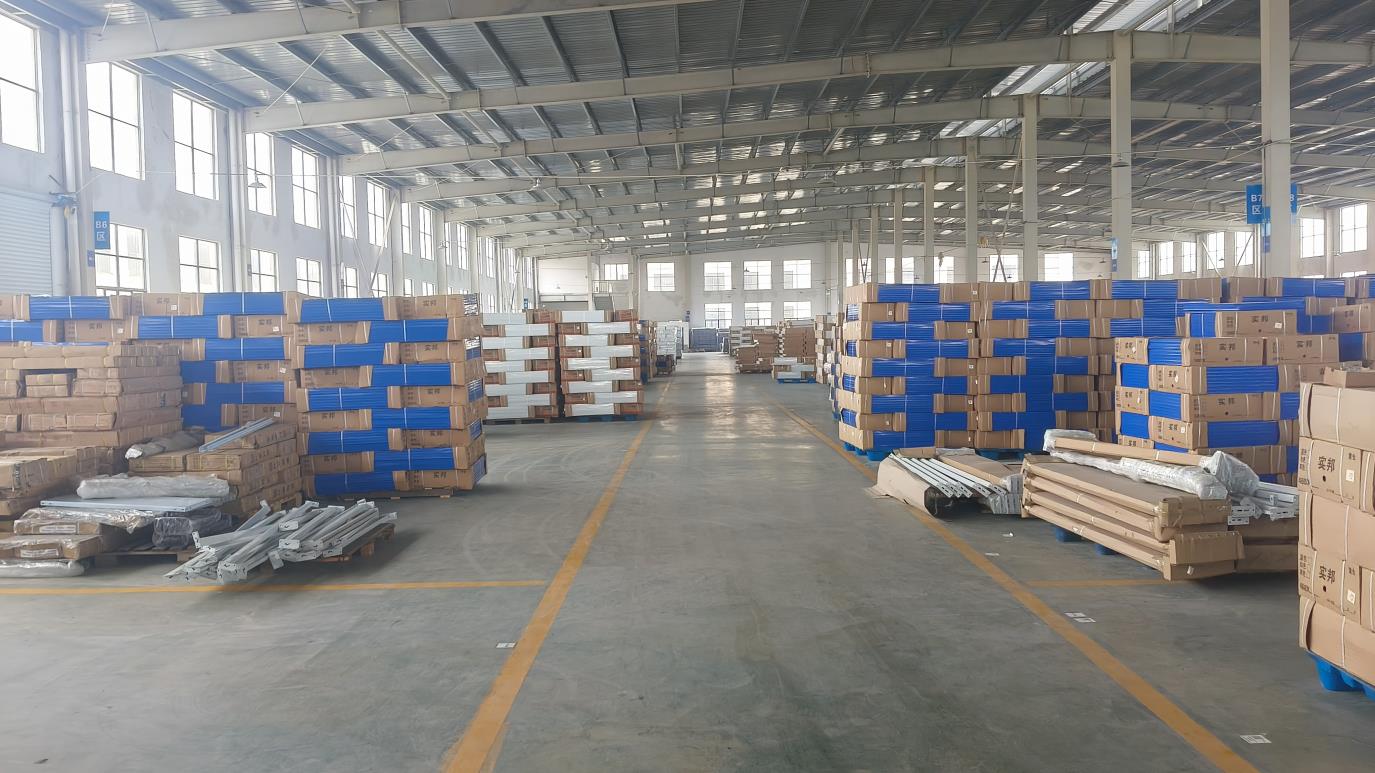
Our facility partners with over 850 verified supply chain vendors. This network guarantees consistent material supply, stabilizing raw material costs and production timelines even during volatile market cycles. Additionally, our close proximity to Ningbo Port, one of the world's busiest deep-water shipping terminals, simplifies export logistics and shortens transit times to major markets worldwide.
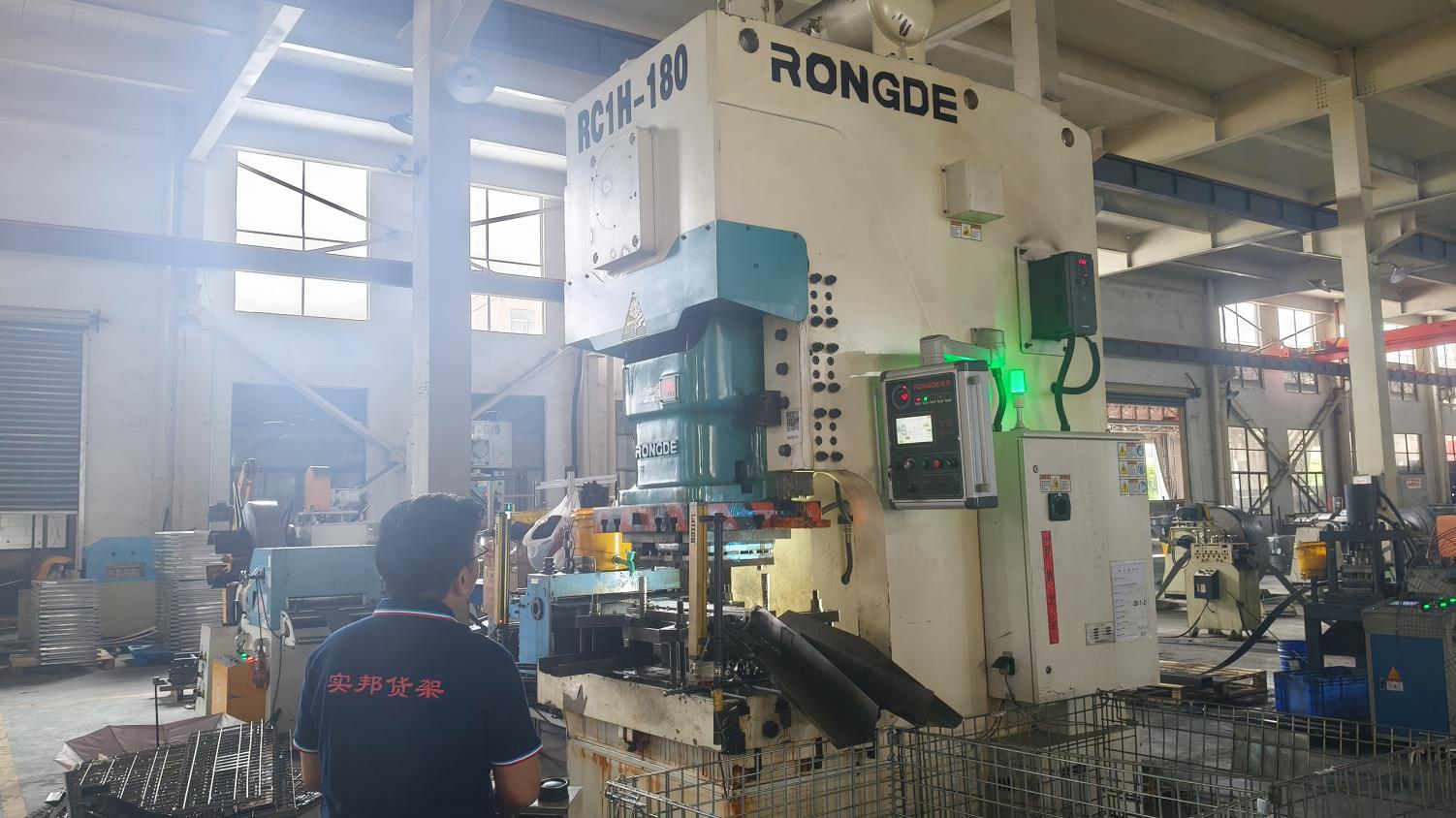
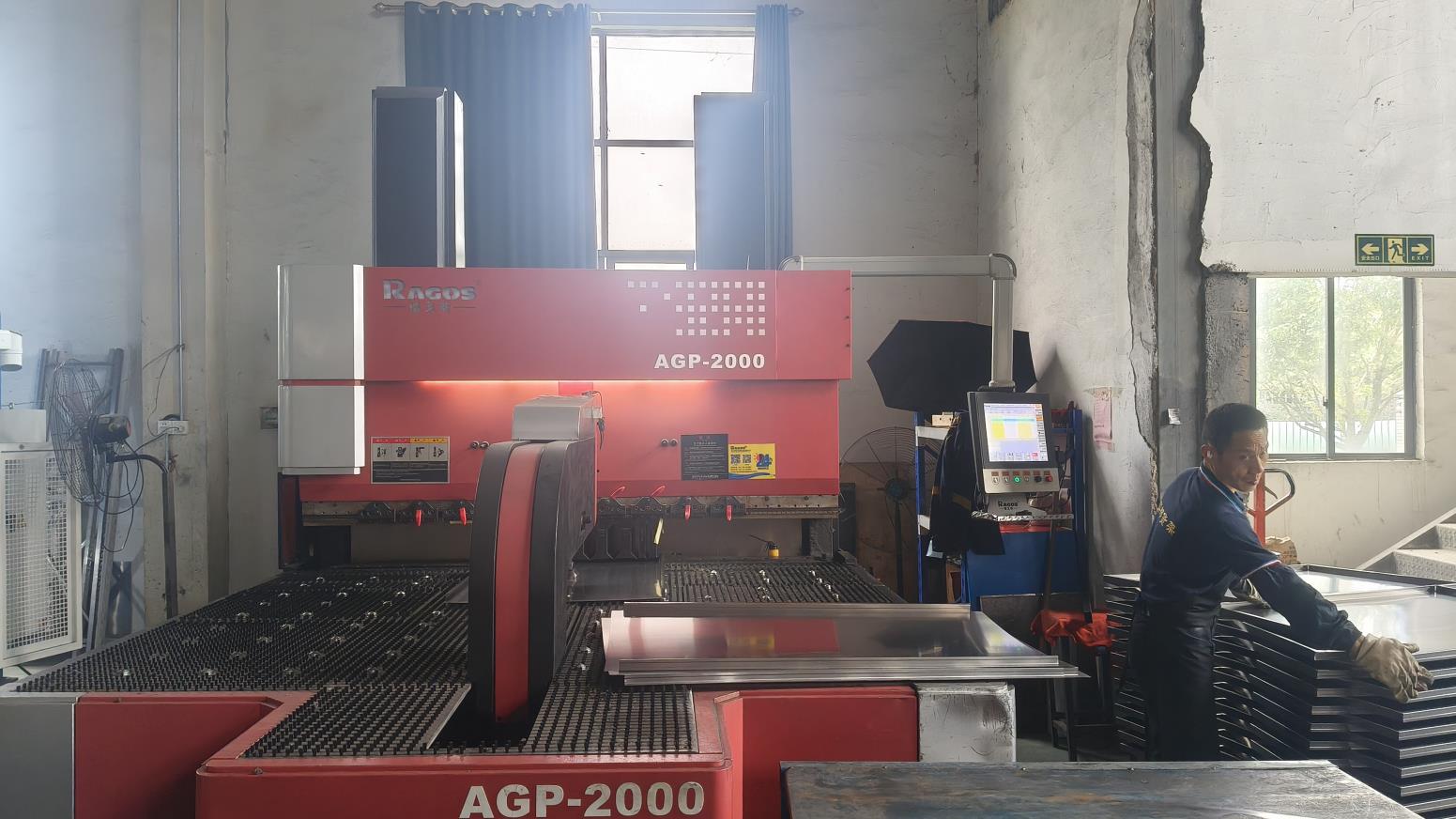
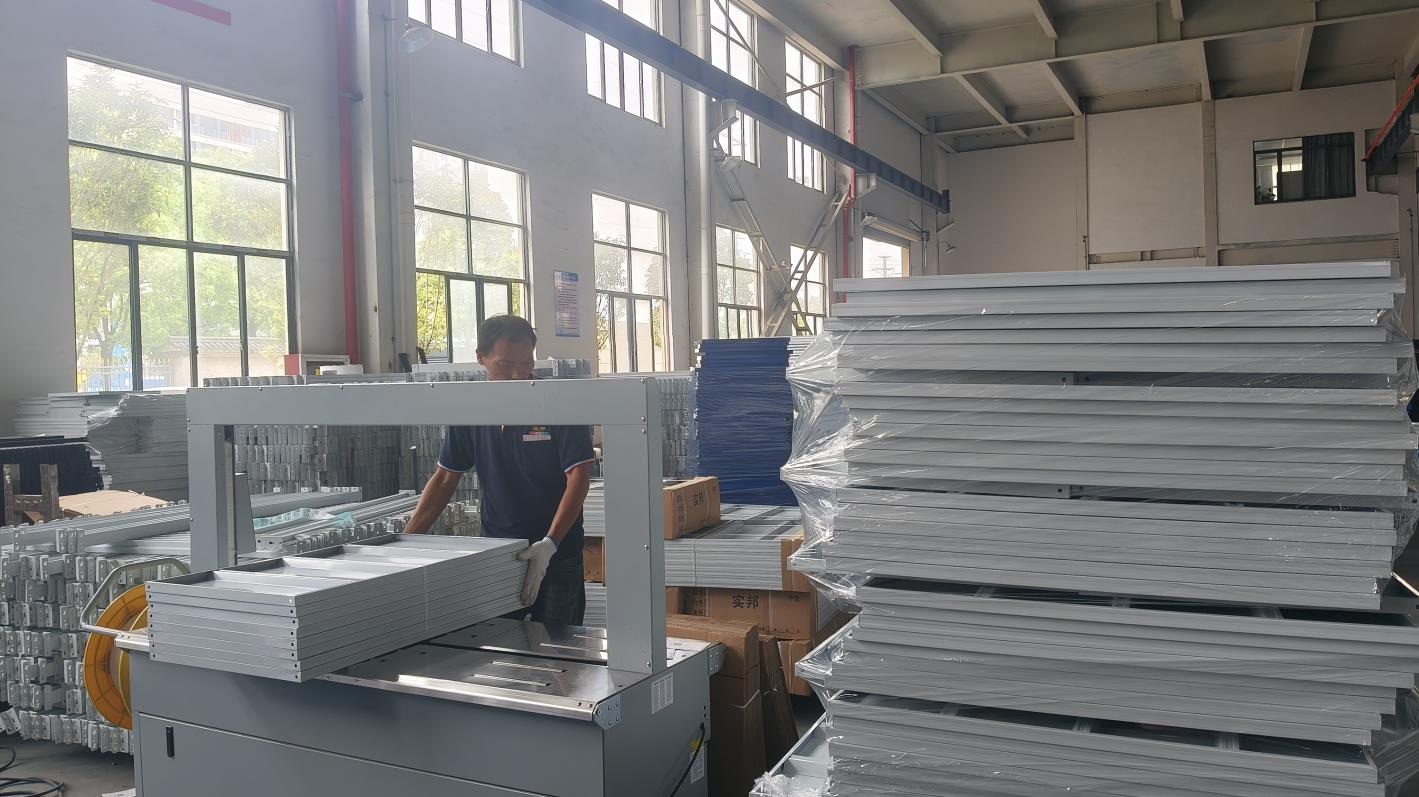
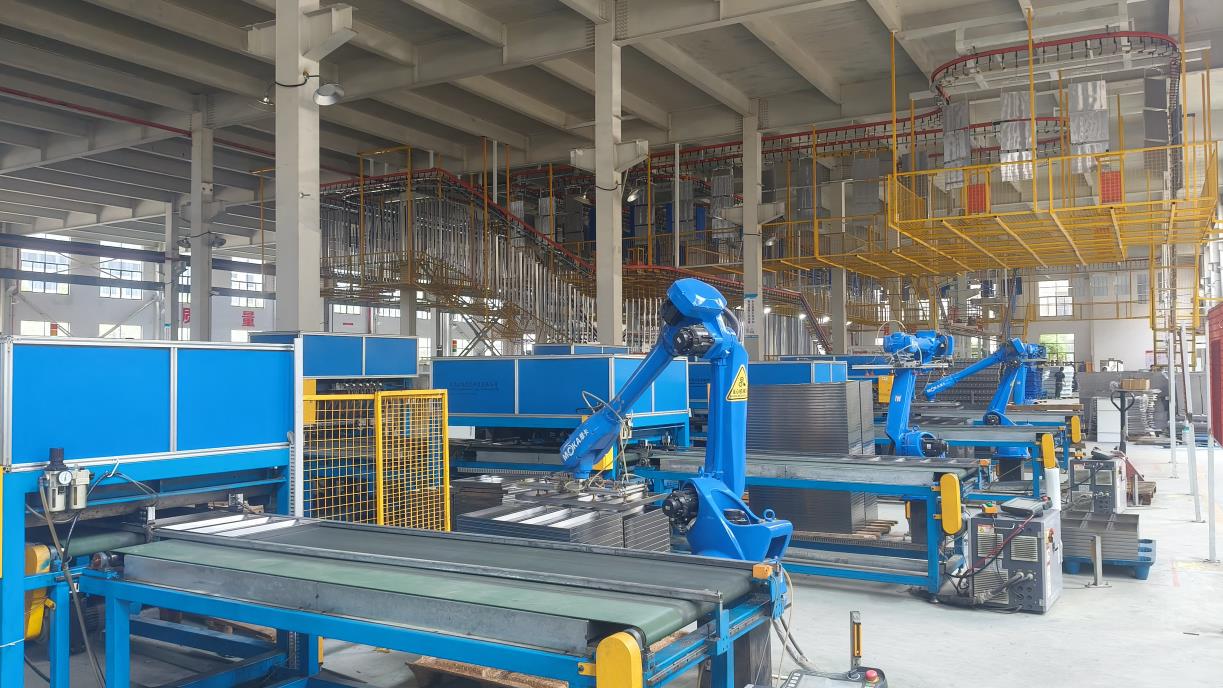
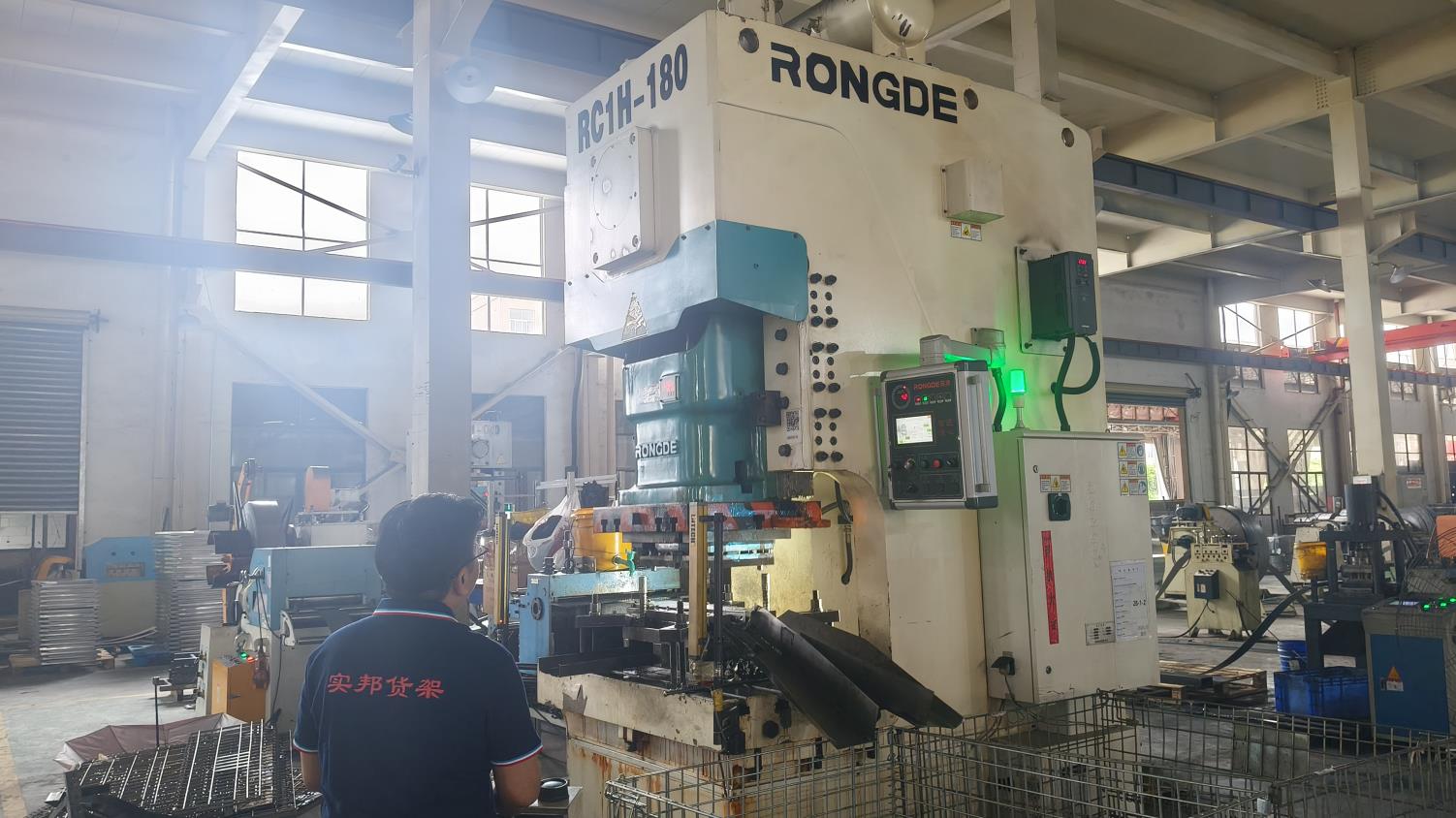
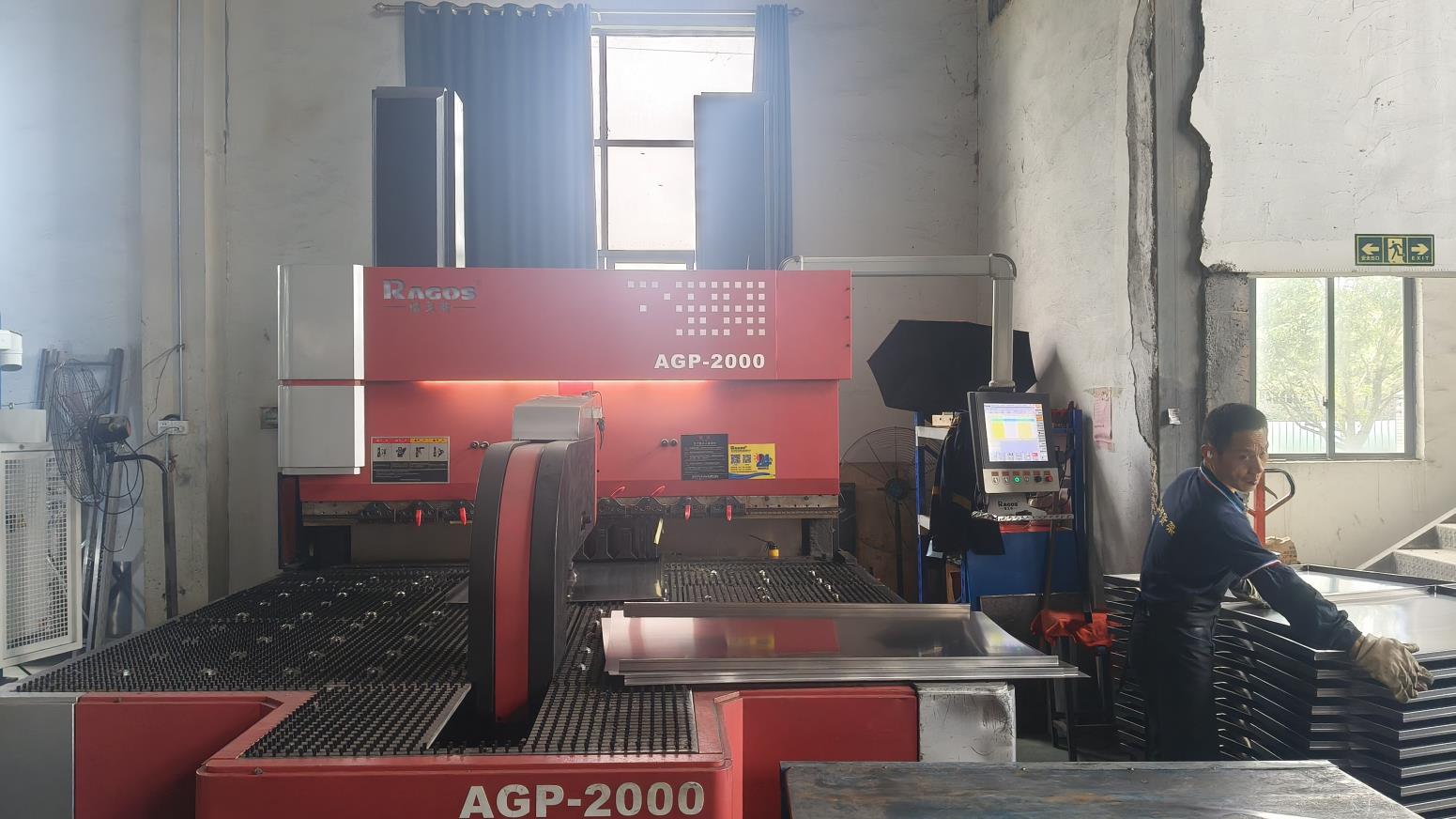
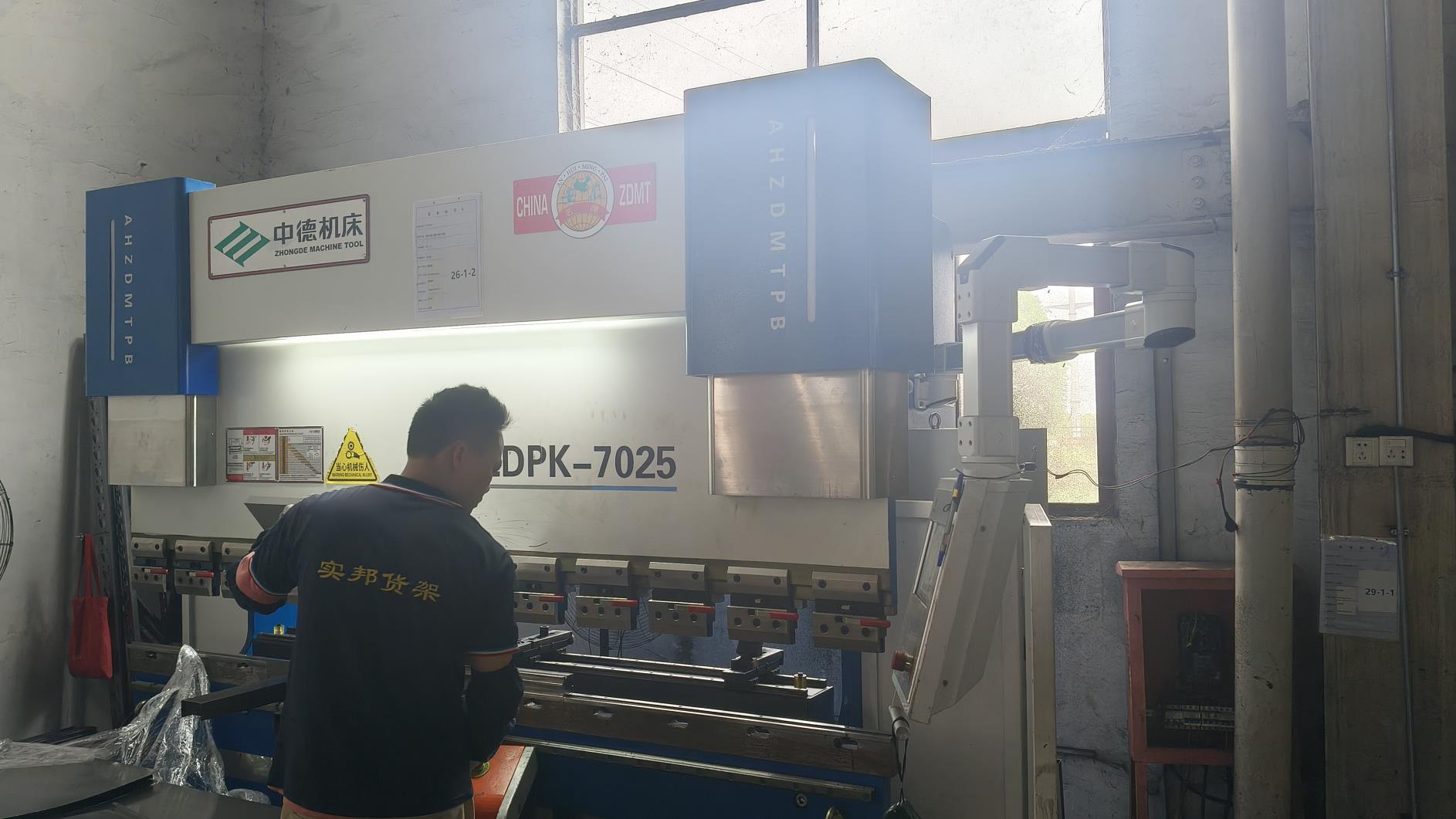
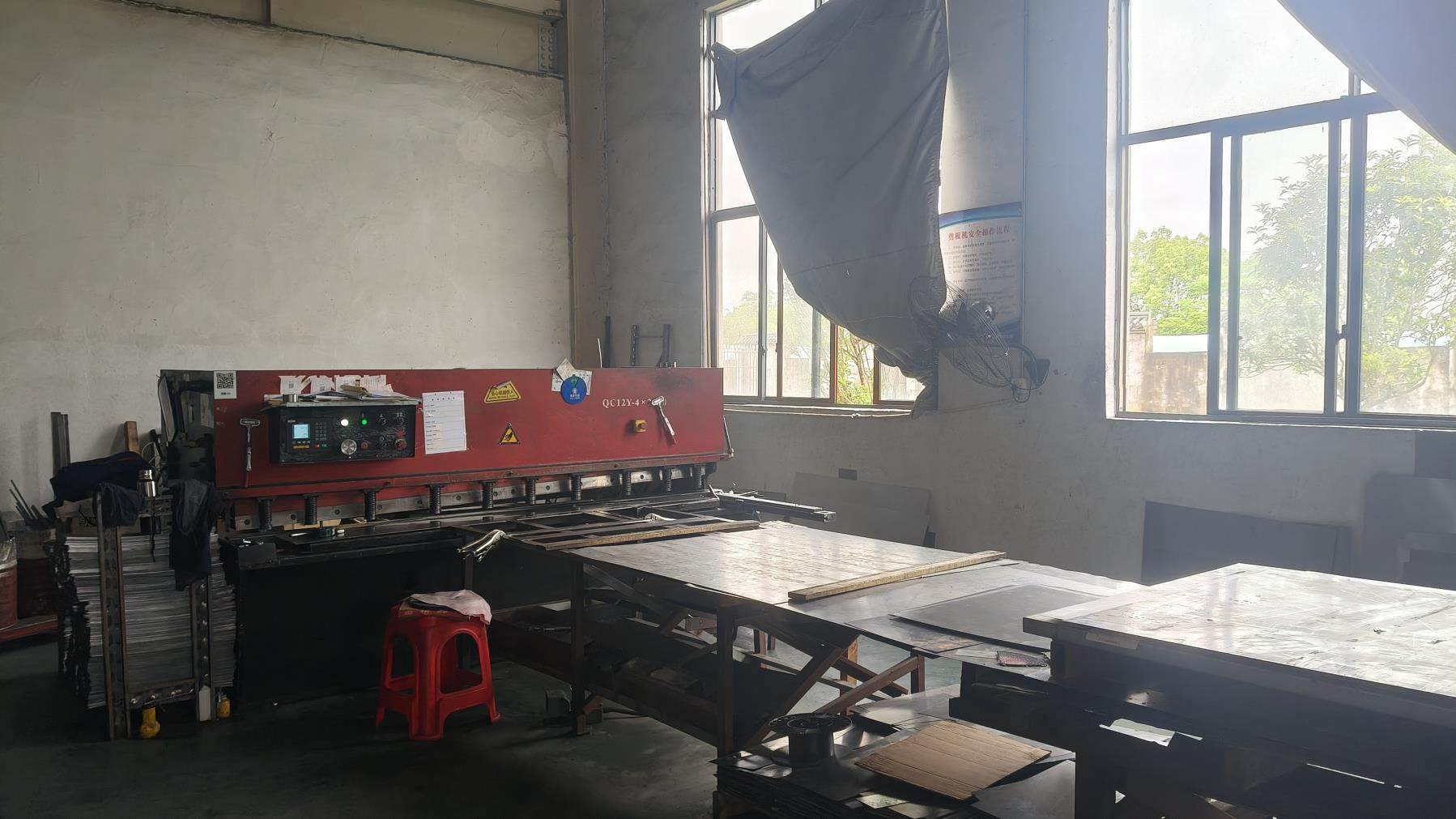
Our 32,000 m² facility utilizes automated production lines, precision bending technology, robotic welding, and automated powder coating systems to guarantee consistent product quality.
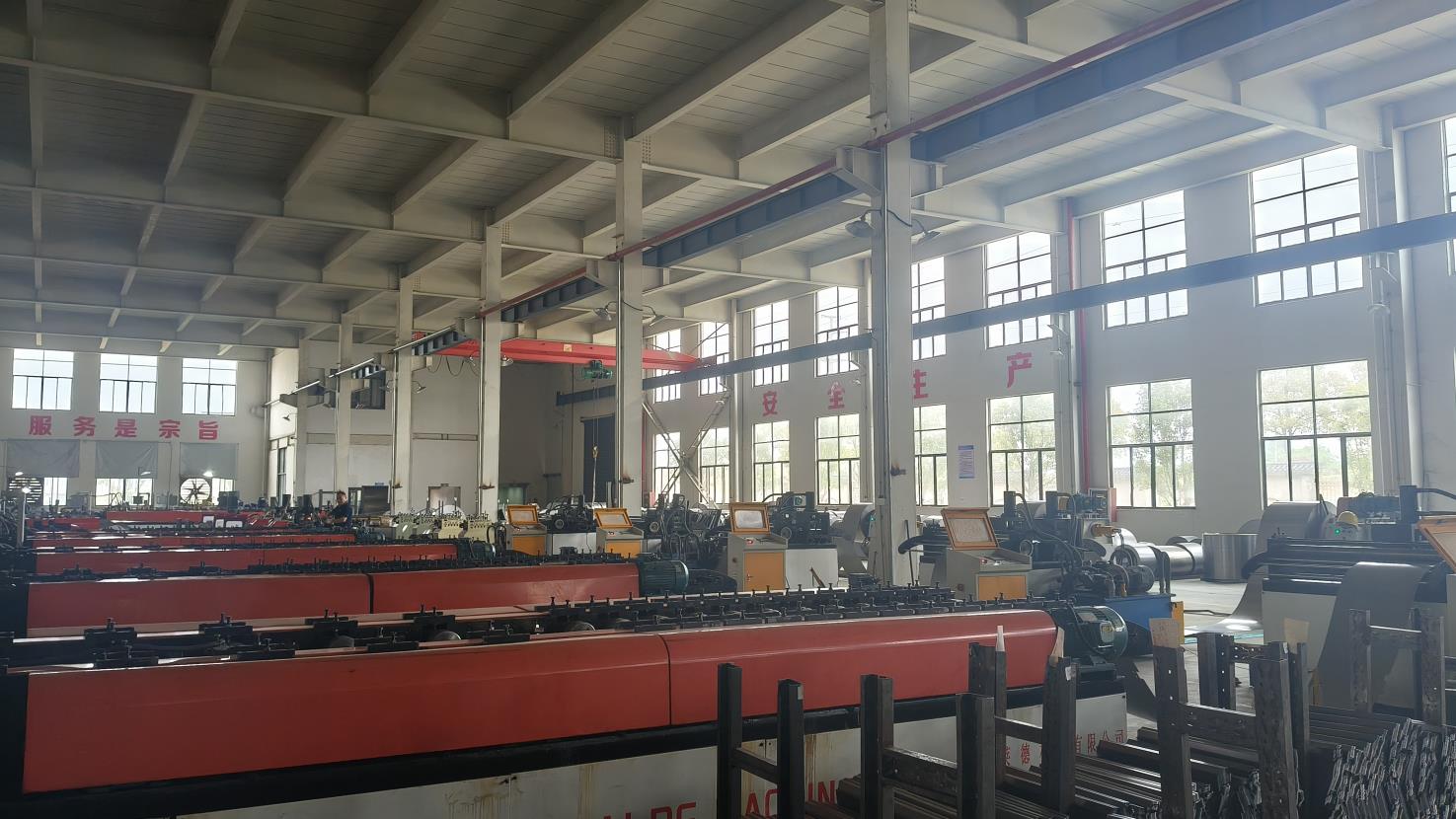
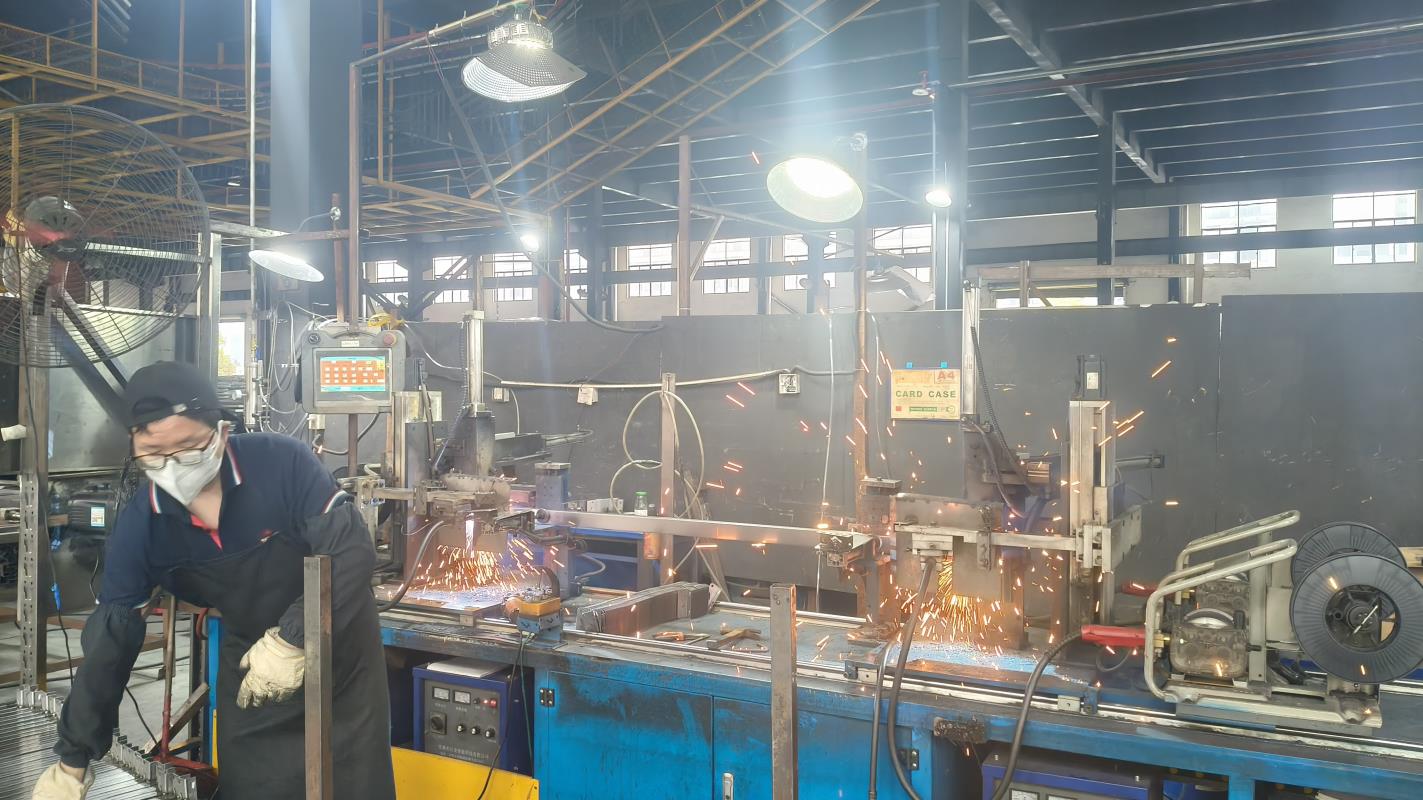
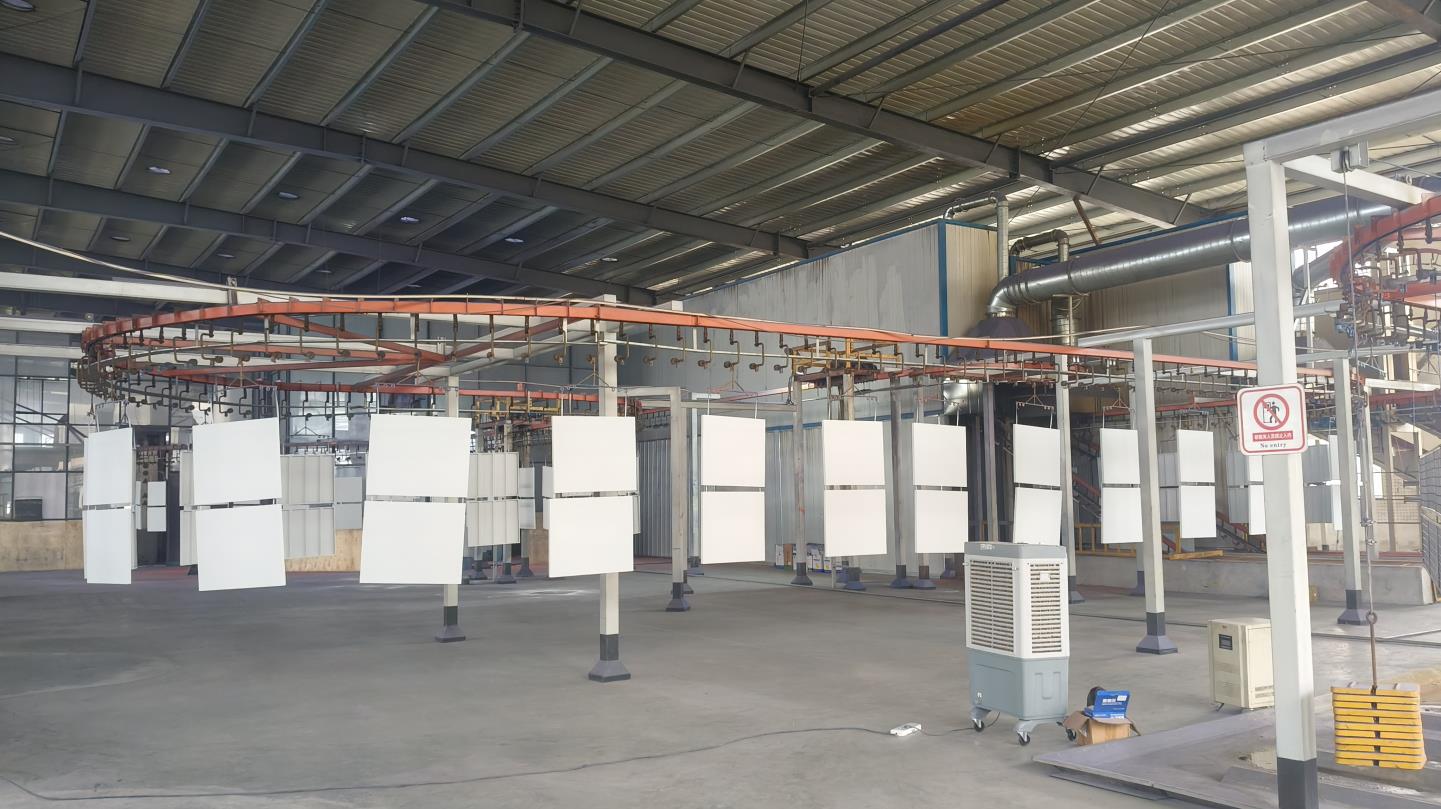
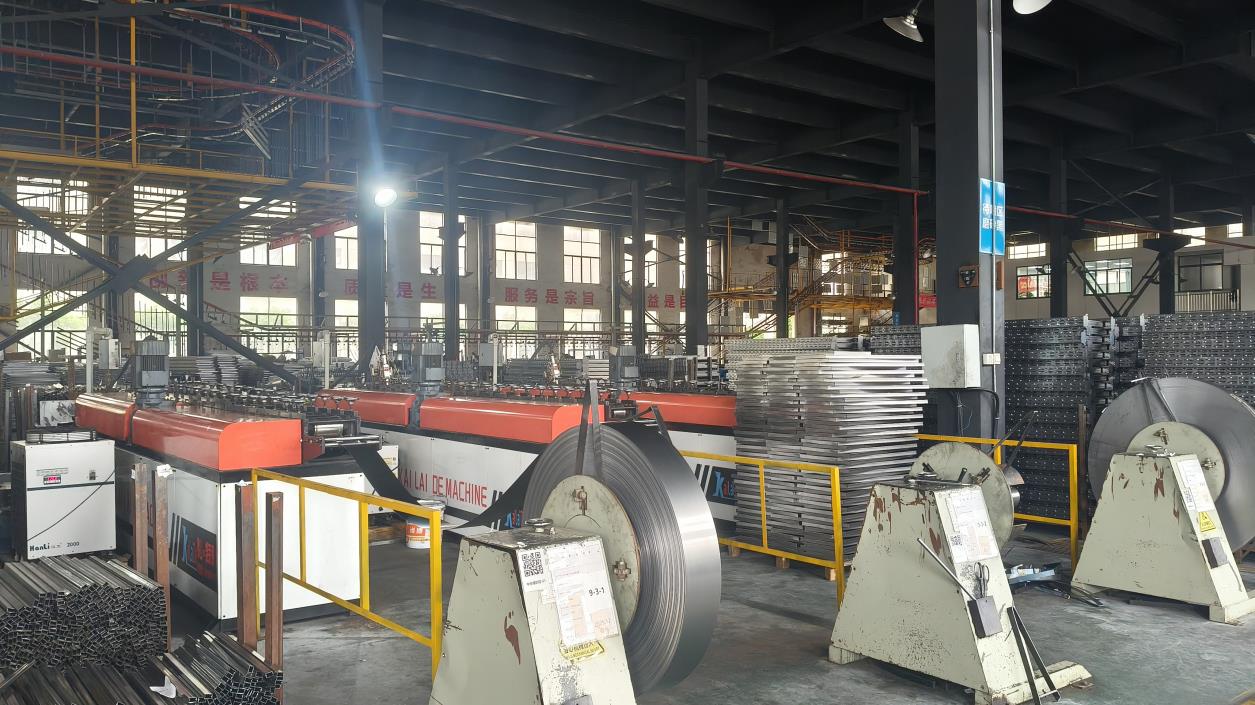
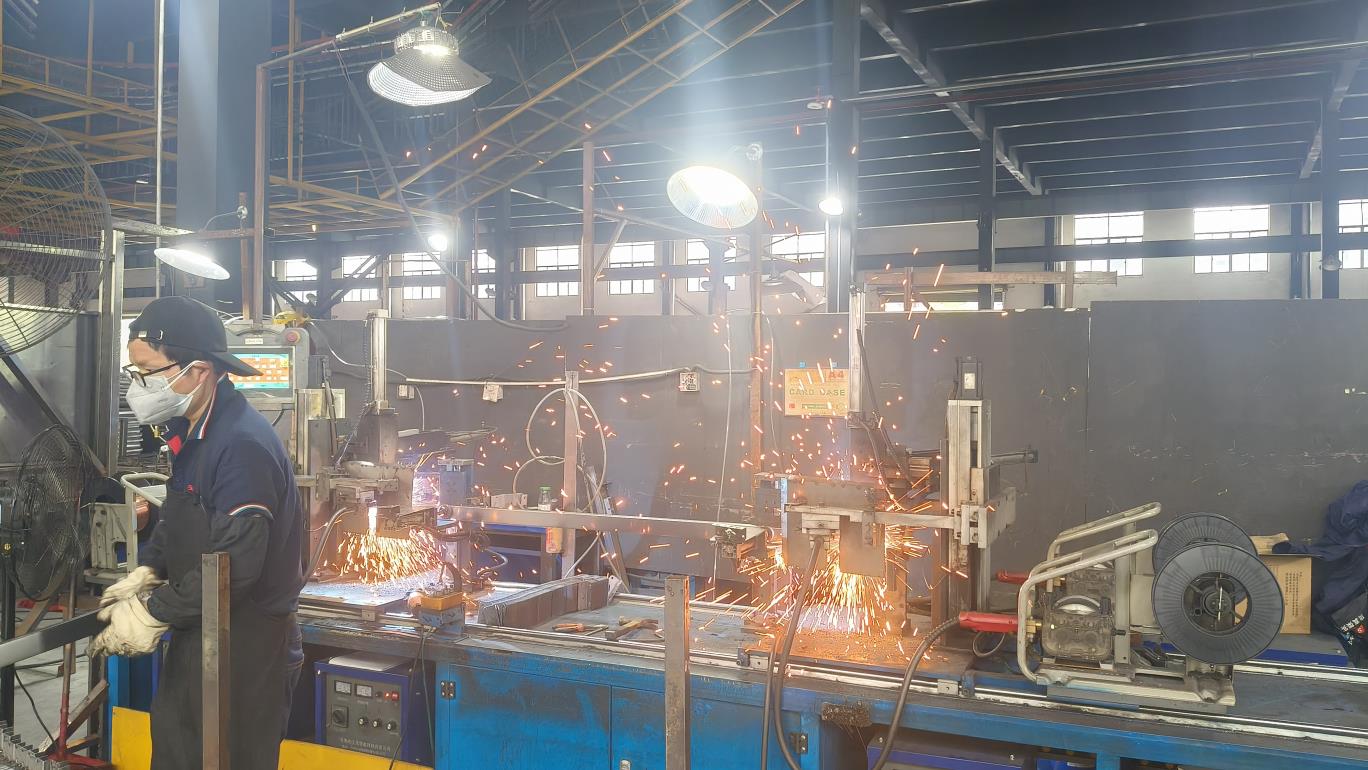
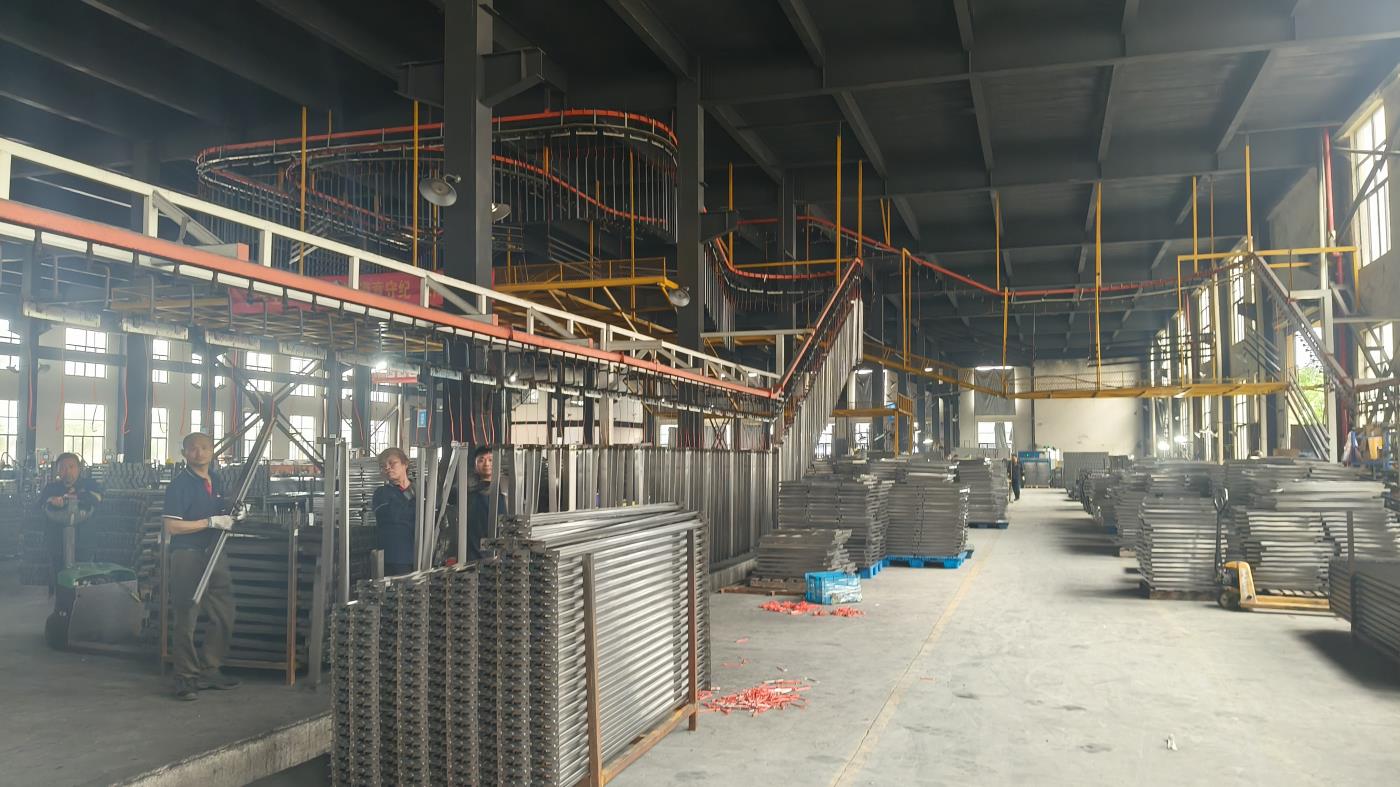
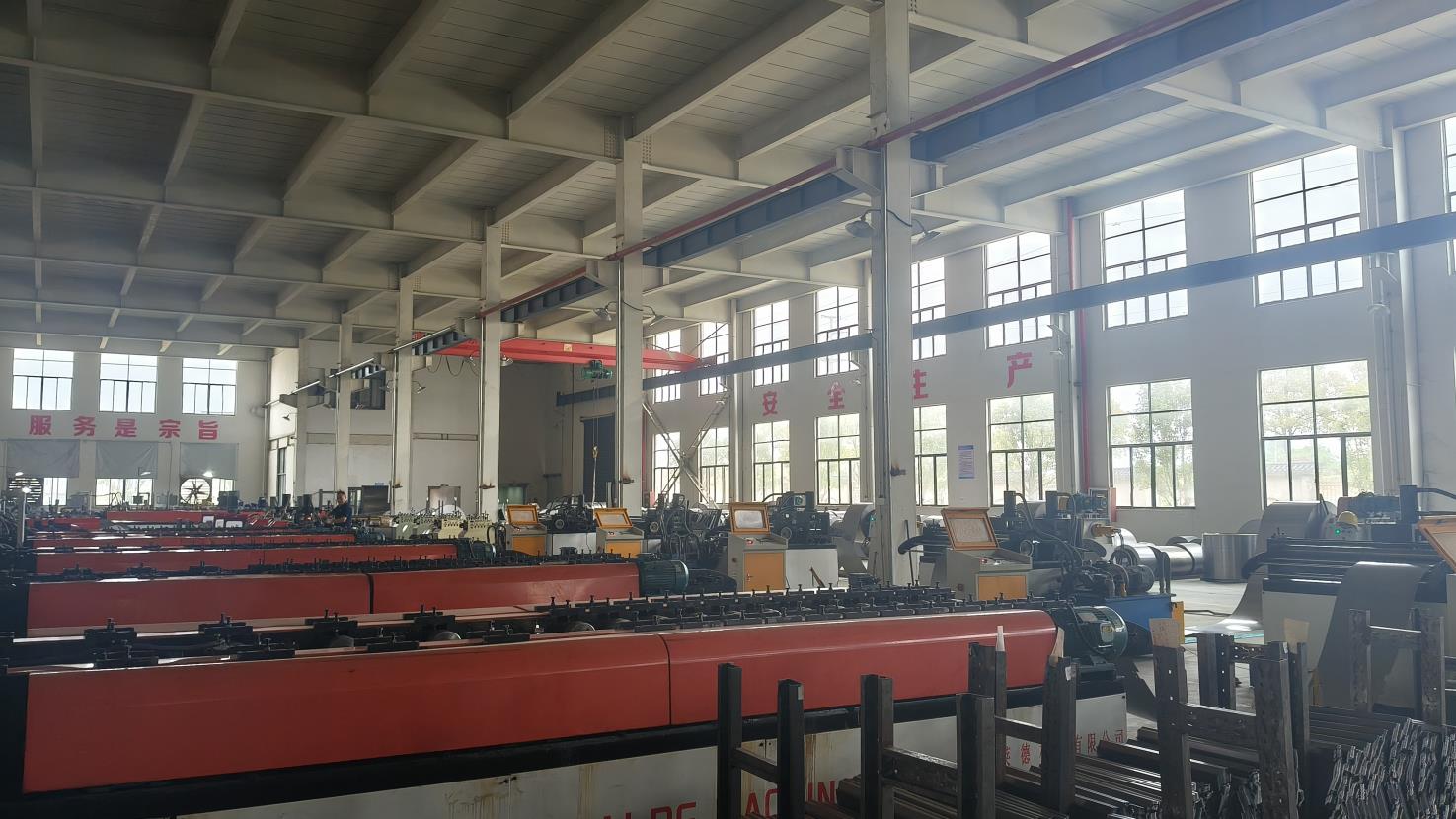
A statistical overview highlighting our engineering scale, manufacturing capacity, and worldwide export volume.
Industrial spaces vary widely in layout, ceiling height, and floor loading capacities. Standard shelving configurations rarely maximize efficiency. Our engineering team addresses this by developing custom storage solutions tailored to our clients' precise operational layouts.
Our design flexibility includes:
International compliance is crucial when exporting utility racks to global markets. Different regions enforce strict safety codes, including:
Ningbo Shibang ensures our products comply with these regional standards, mitigating compliance risks for our distributors. We also collaborate with local logistics hubs and installers to offer structural safety reports and engineering approvals for smooth municipal building inspections.
The material handling industry is changing rapidly, driven by the growth of e-commerce and rising warehouse rental costs. The market is shifting from low-density, manual storage configurations to high-density, automated systems.
Our R&D department stays ahead of these trends by manufacturing specialized shelving components compatible with automated guided vehicles (AGVs) and autonomous mobile robots (AMRs). These configurations require tight manufacturing tolerances, ensuring precise robotic pick-and-place tracking.
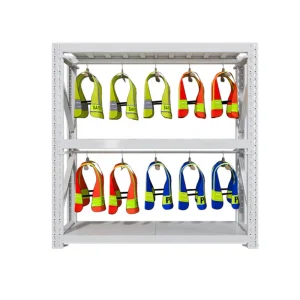
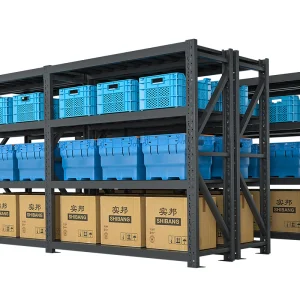
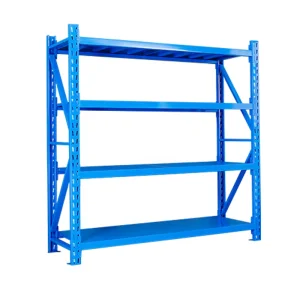
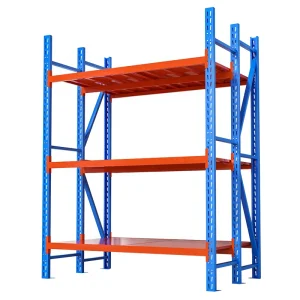
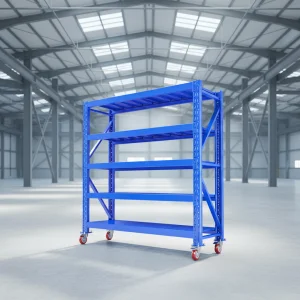
Engineered utility racking systems tailored for diverse operational requirements across global supply chains.
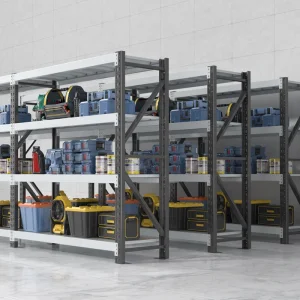
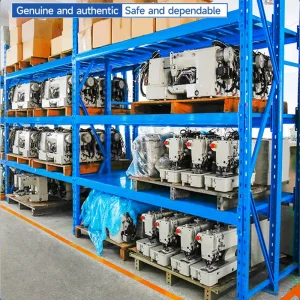
Multi-tier modular shelving units integrated with pick-to-light systems and bin locations. Optimized for high-throughput manual and automated inventory retrieval.
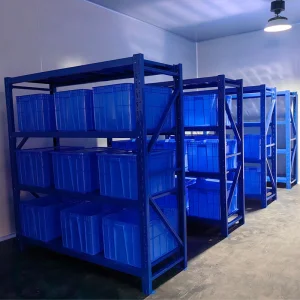
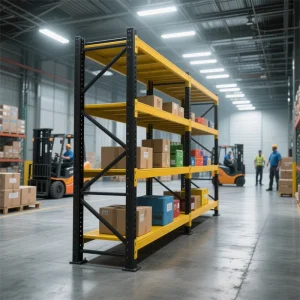
Corrosion-resistant galvanized storage racks designed to withstand cold storage temperatures down to -30°C. Protects structural stability and prevents metal fatigue.
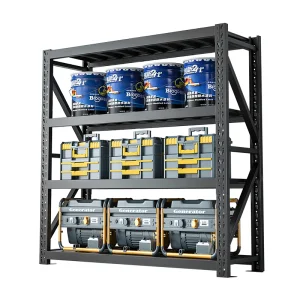
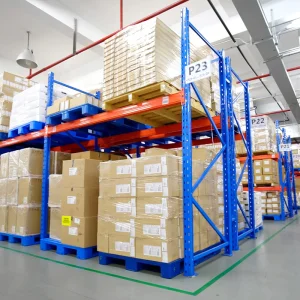
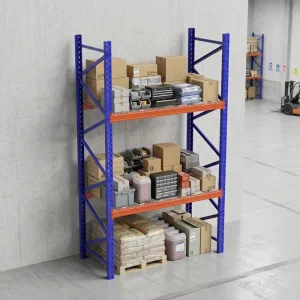
High-load pallet racking systems (up to 3,000 kg/level) with heavy-duty structural bracing and floor anchoring, designed to store casting dies, engine blocks, and raw steel coils.
Technical answers to common questions about industrial utility racks, material specifications, and global logistics procurement.
Optimize your warehousing capacity with our selection of specialized industrial shelves, heavy pallet racks, and workshop cabinets.
 Shibang Rack