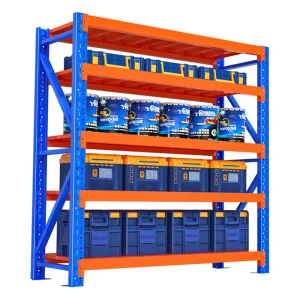
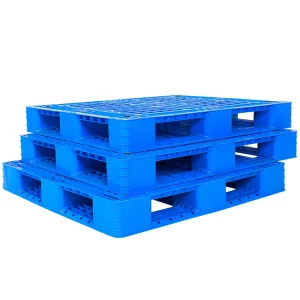
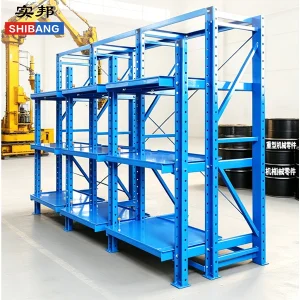
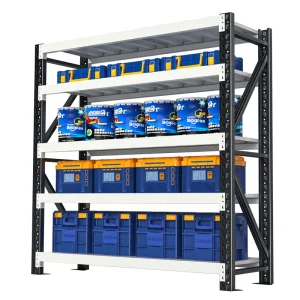
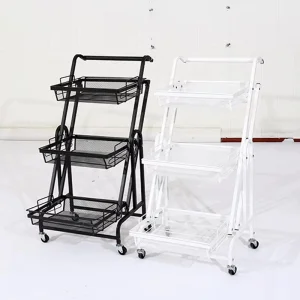
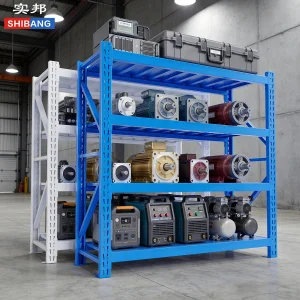
Discover our primary product portfolio constructed for high-capacity warehouse efficiency and retail space maximization.

Spatial Optimization, Adaptive Layouts, and the Rise of High-Load Demands in Modern Distribution Infrastructure
The international supply chain is facing unprecedented challenges. As industrial real estate costs scale globally, logistics operators, third-party logistics (3PL) providers, and smart manufacturing hubs are transitioning away from static warehousing systems. The dynamic requirements of modern omnichannel supply chains demand flexible configurations that can scale down during seasonal troughs and optimize footprint load configurations during peak periods.
Foldable and boltless heavy-duty racking systems have emerged as critical structural assets. Unlike traditional structural steel setups that require heavy-tooling installations, modern modular systems allow rapid deployment, flexible layout configurations, and reduced structural downtime. This flexibility translates to lowered overhead expenses and optimized storage density.
Deploying modular, foldable structural setups can increase cubic storage utilization by up to 35%. Flat-pack modular configurations significantly compress return freight volumes during reverse logistics processes. By reducing empty container returns, global operators experience a notable decrease in transport emissions and container rental overheads.
Decoupling Cost from Quality through Precision Automated Machining and Scaled Steel Sourcing
Manufacturers in China leverage direct partnerships with major state-run steel works. The continuous supply of high-grade, cold-rolled carbon steel (such as SPCC and Q235B) ensures stable structural performance and consistent tensile strength across all production batches.
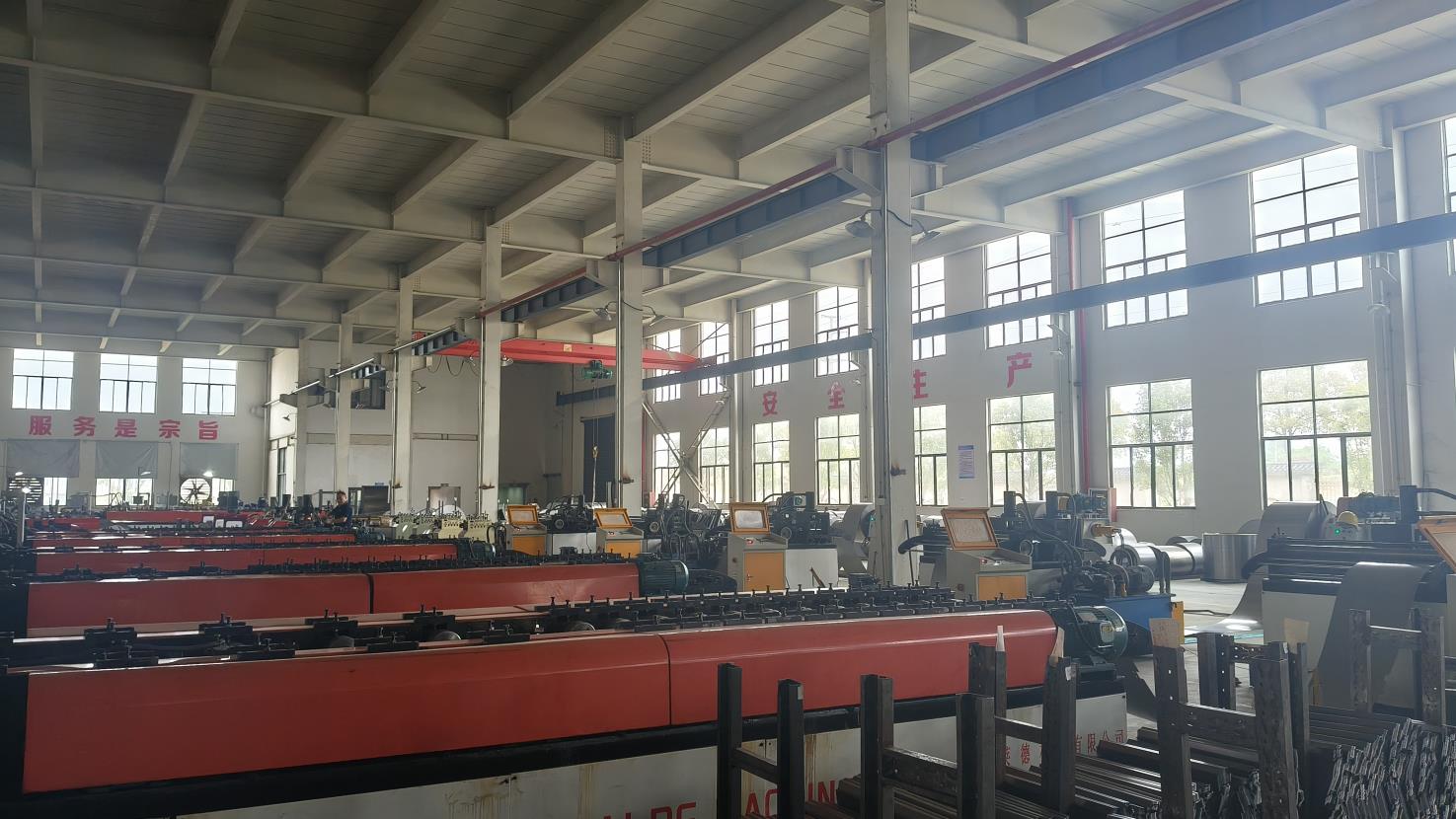
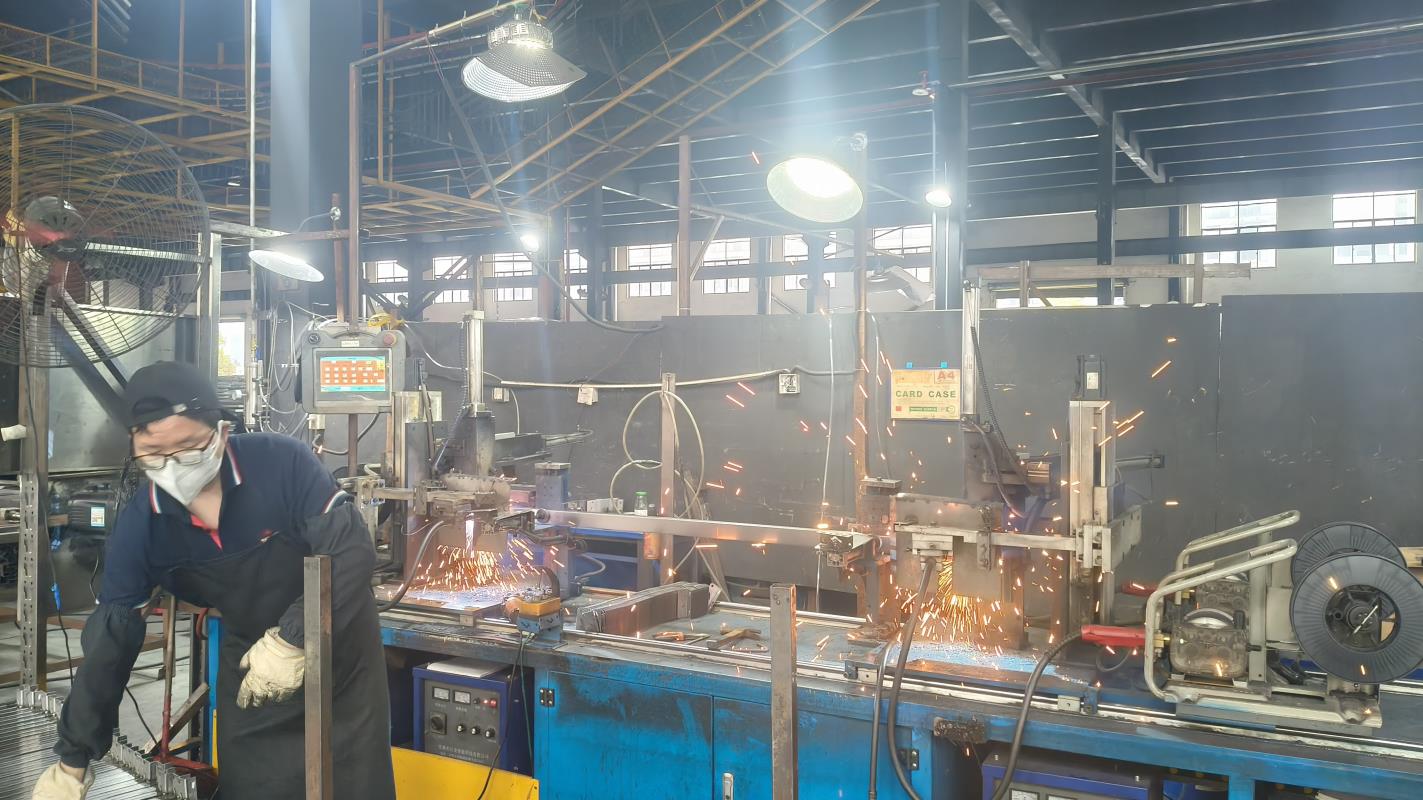
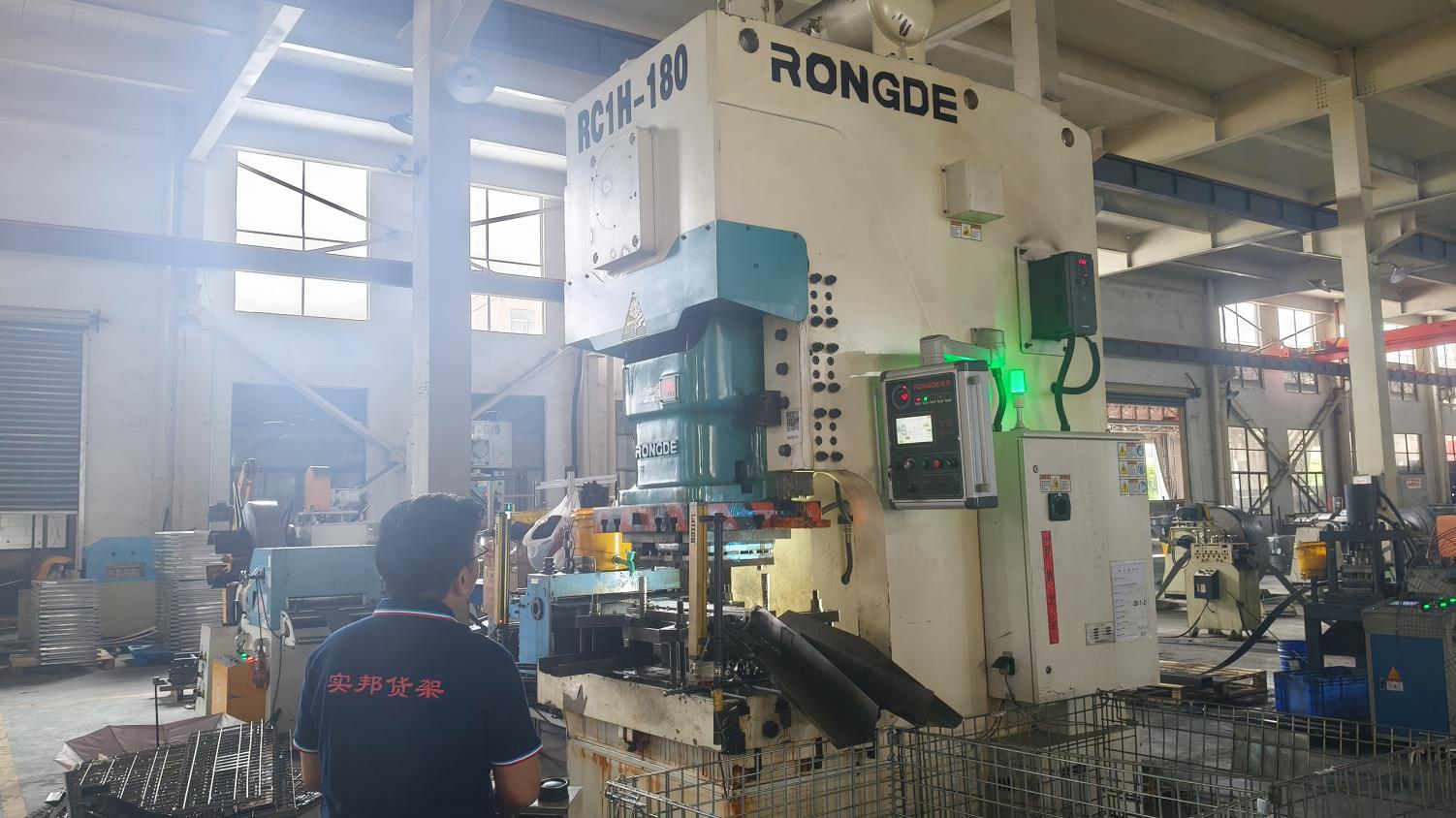
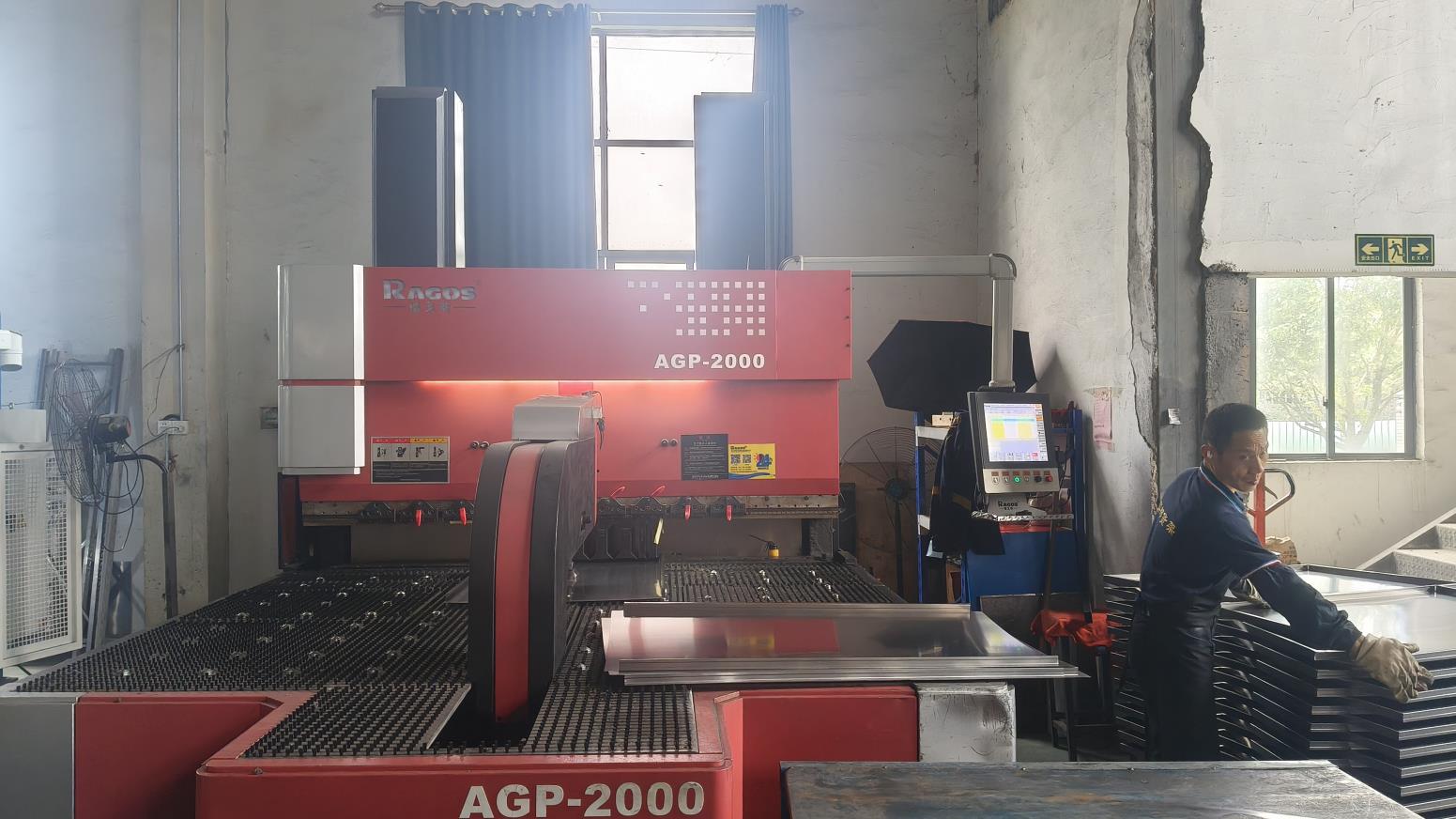
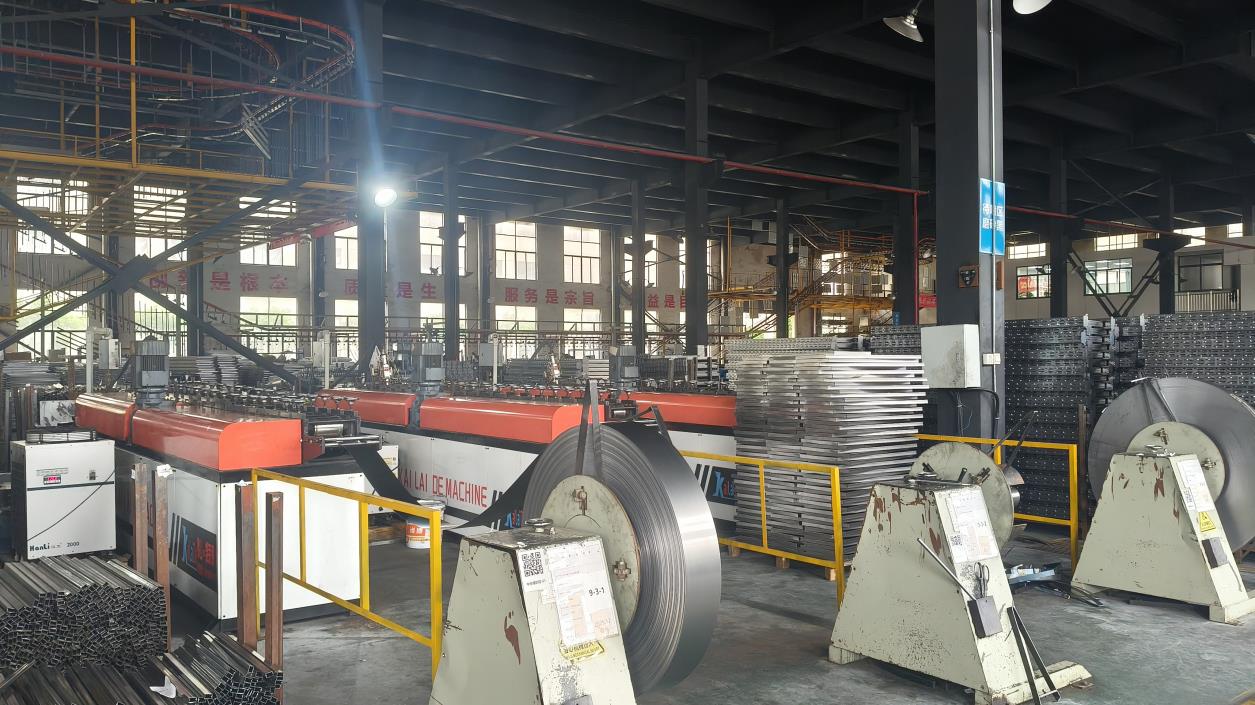
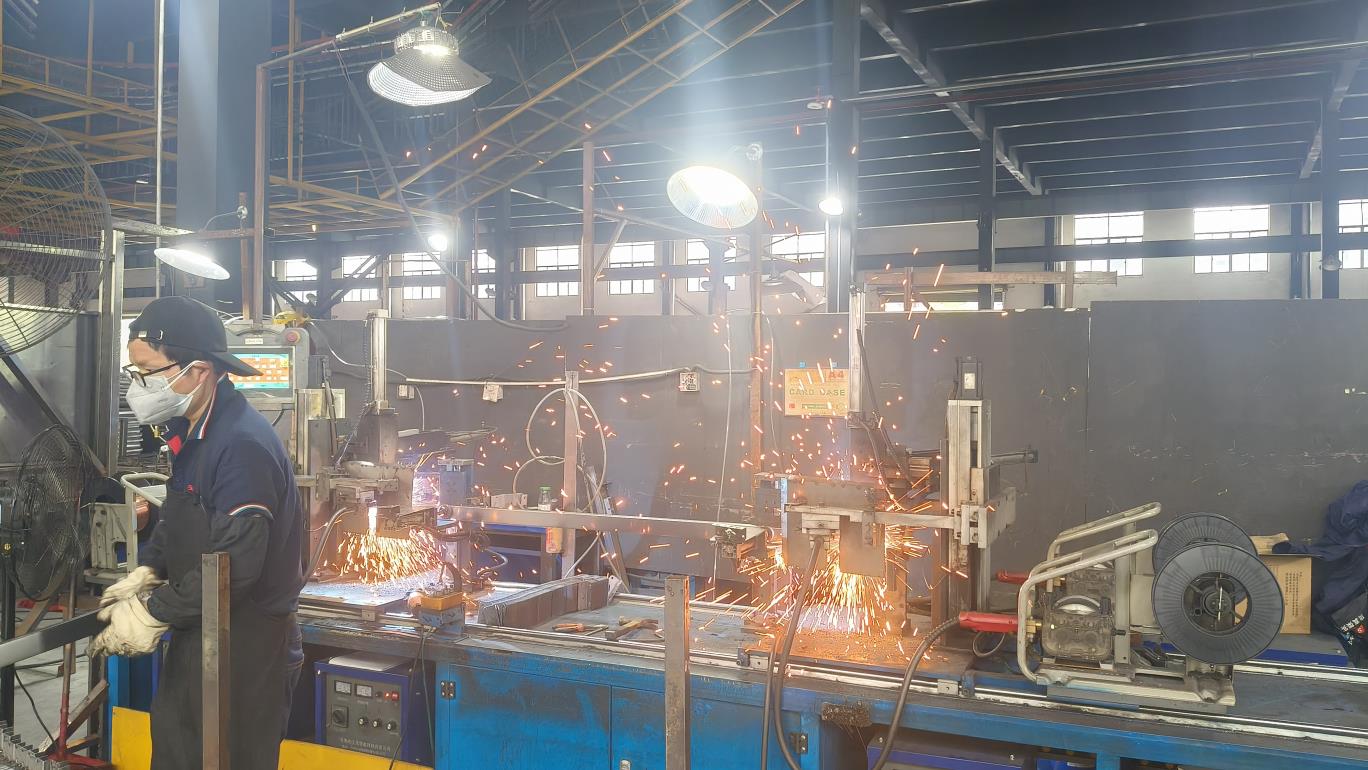
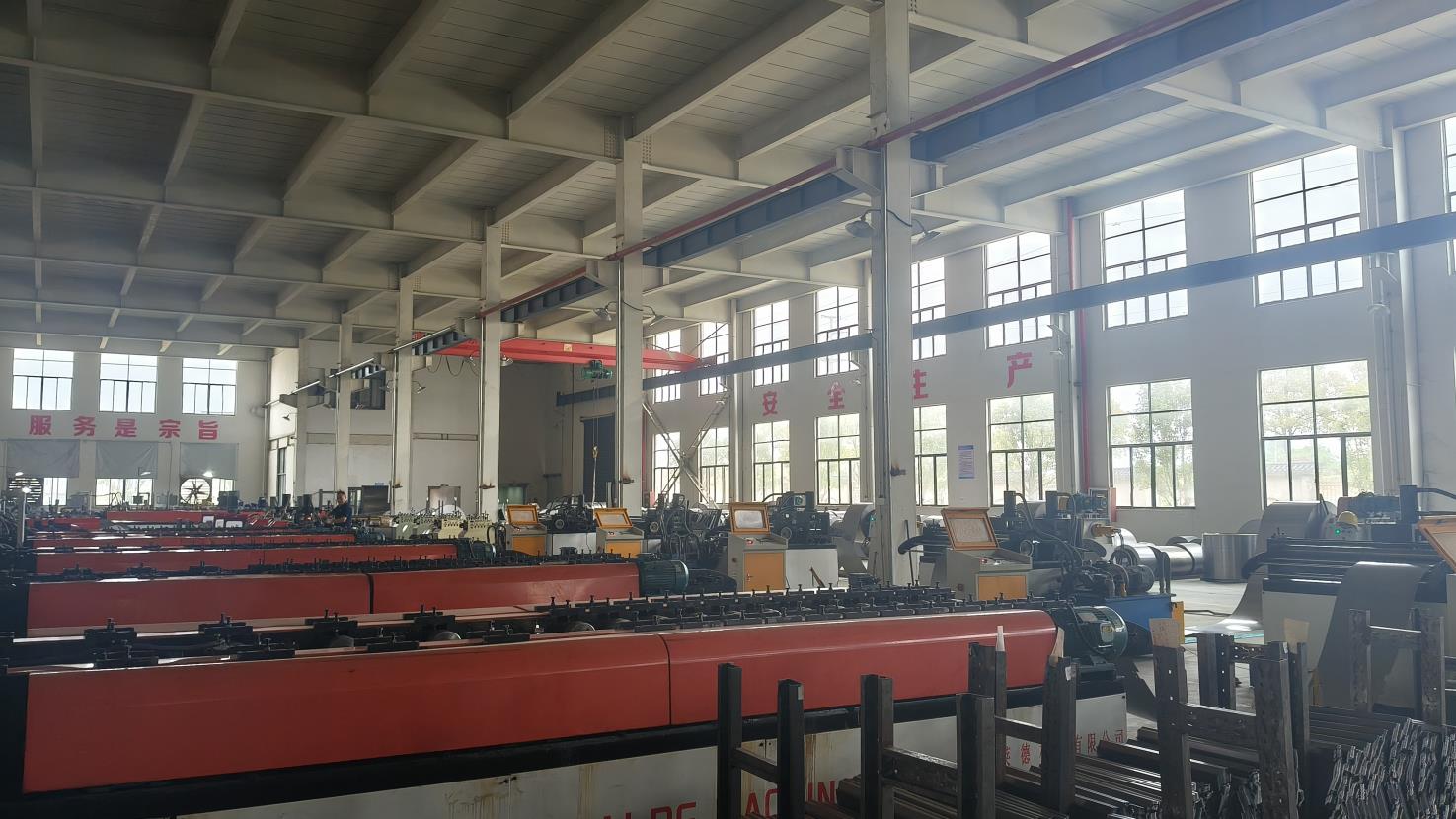
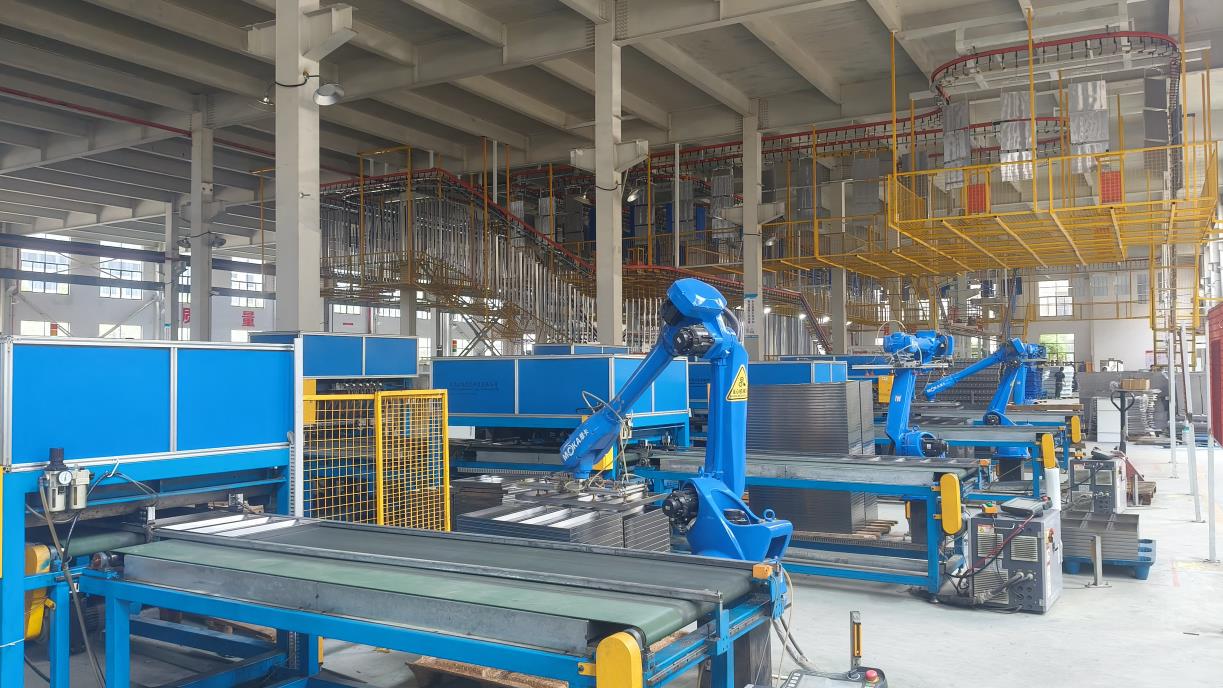
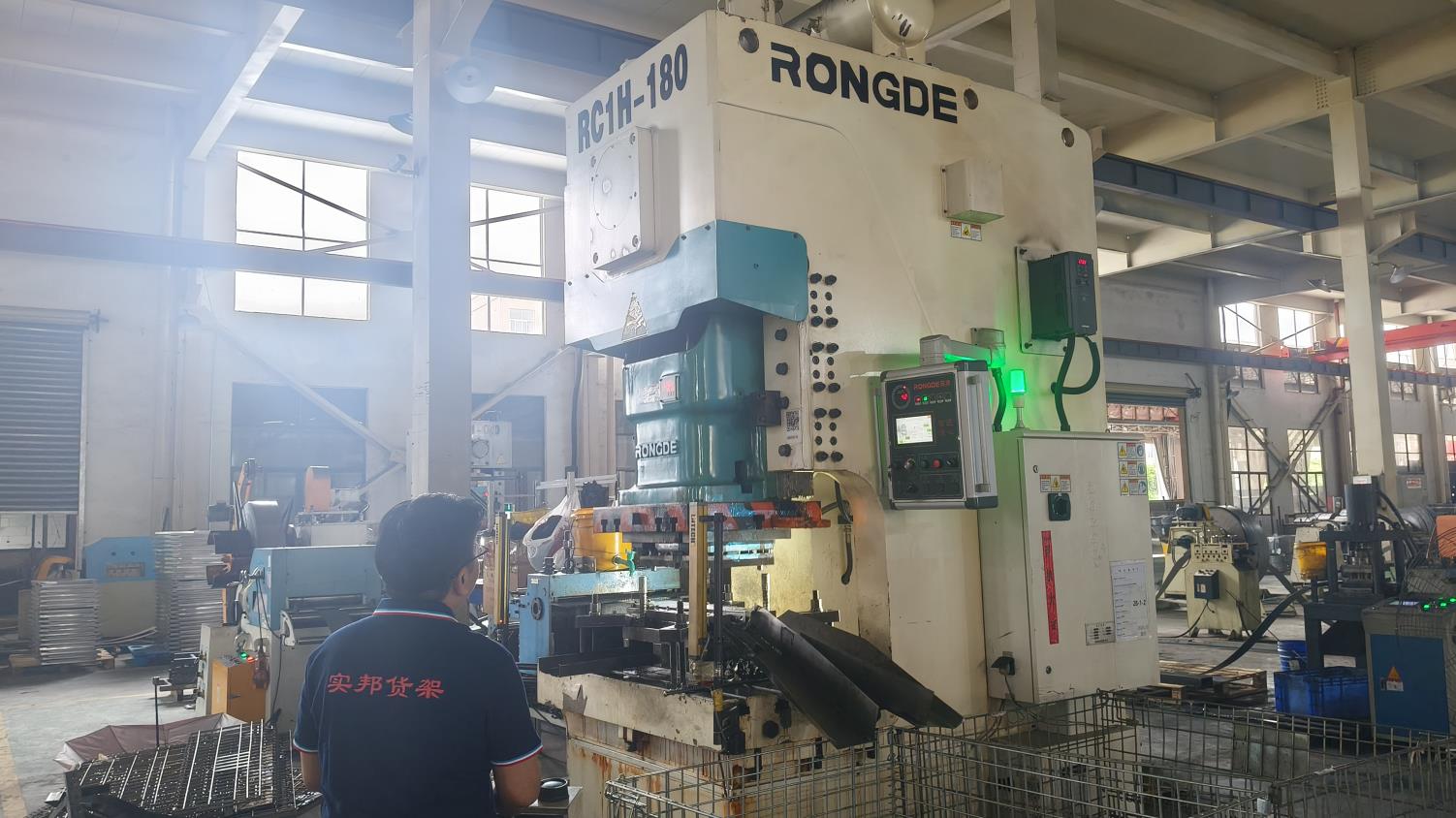
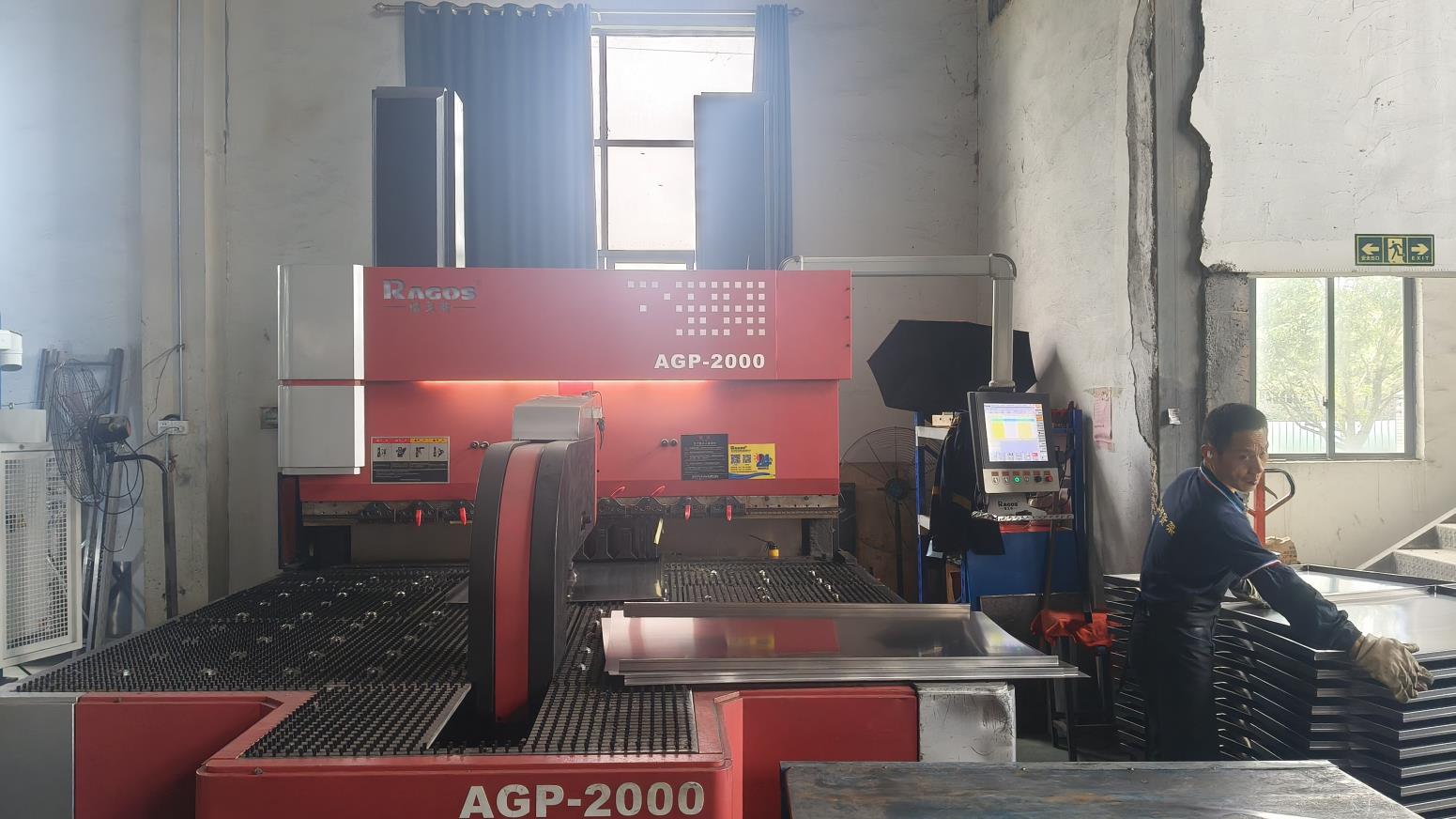
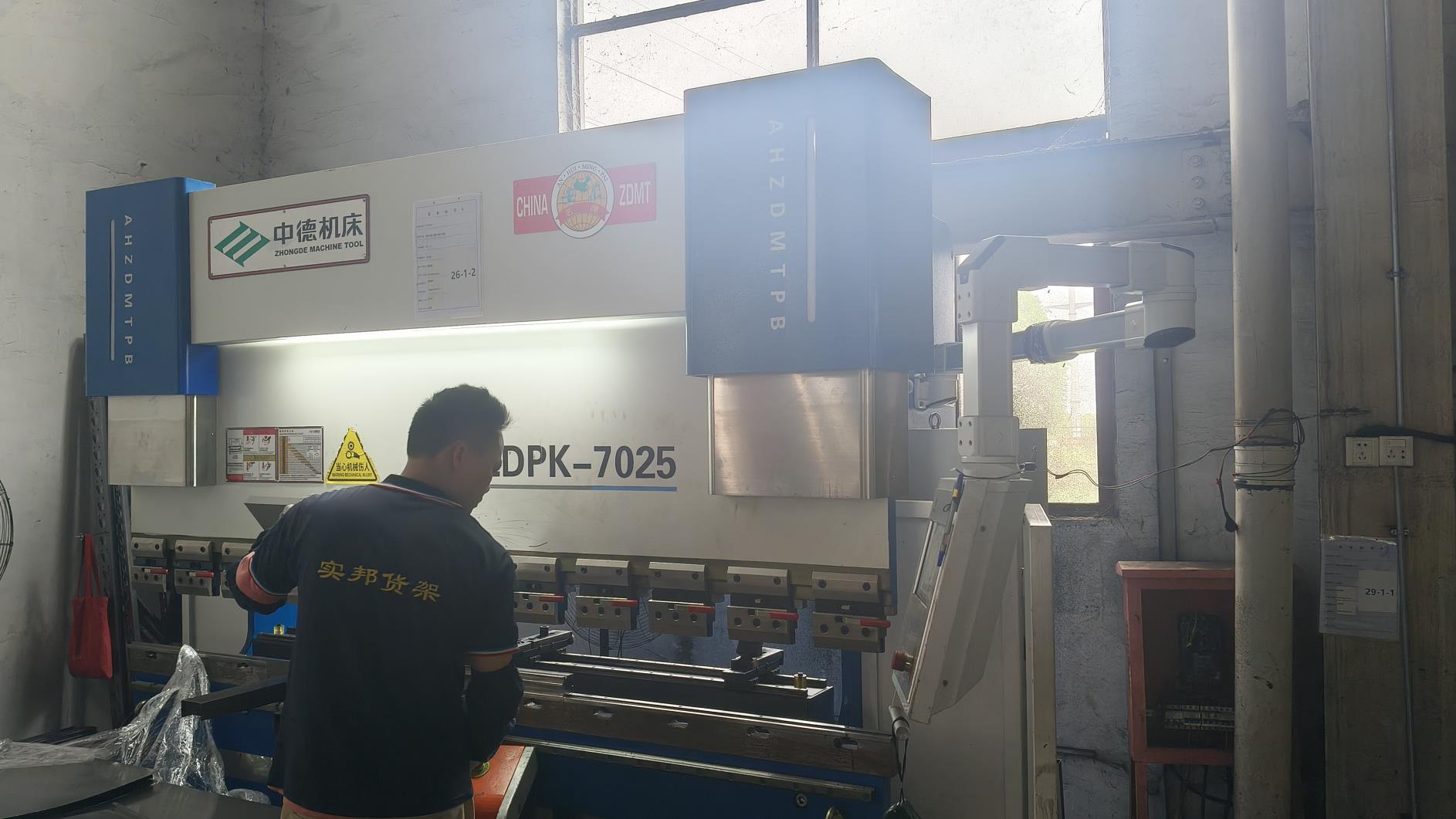
By integrating robotic welding lines, automated cold roll-forming lines, and CNC-controlled punching machinery, factories minimize dimensional tolerances. Precise alignment is crucial for modular racking units to guarantee safe loading and rapid boltless installation.
Ningbo's coastal location provides direct proximity to the Port of Ningbo-Zhoushan, one of the world's highest-throughput sea terminals. This geography minimizes domestic drayage fees and ensures efficient loading protocols for export shipments destined for Western Europe and North America.
Uncompromising Structural Integrity, Robust Engineering Capabilities, and International Export Standards
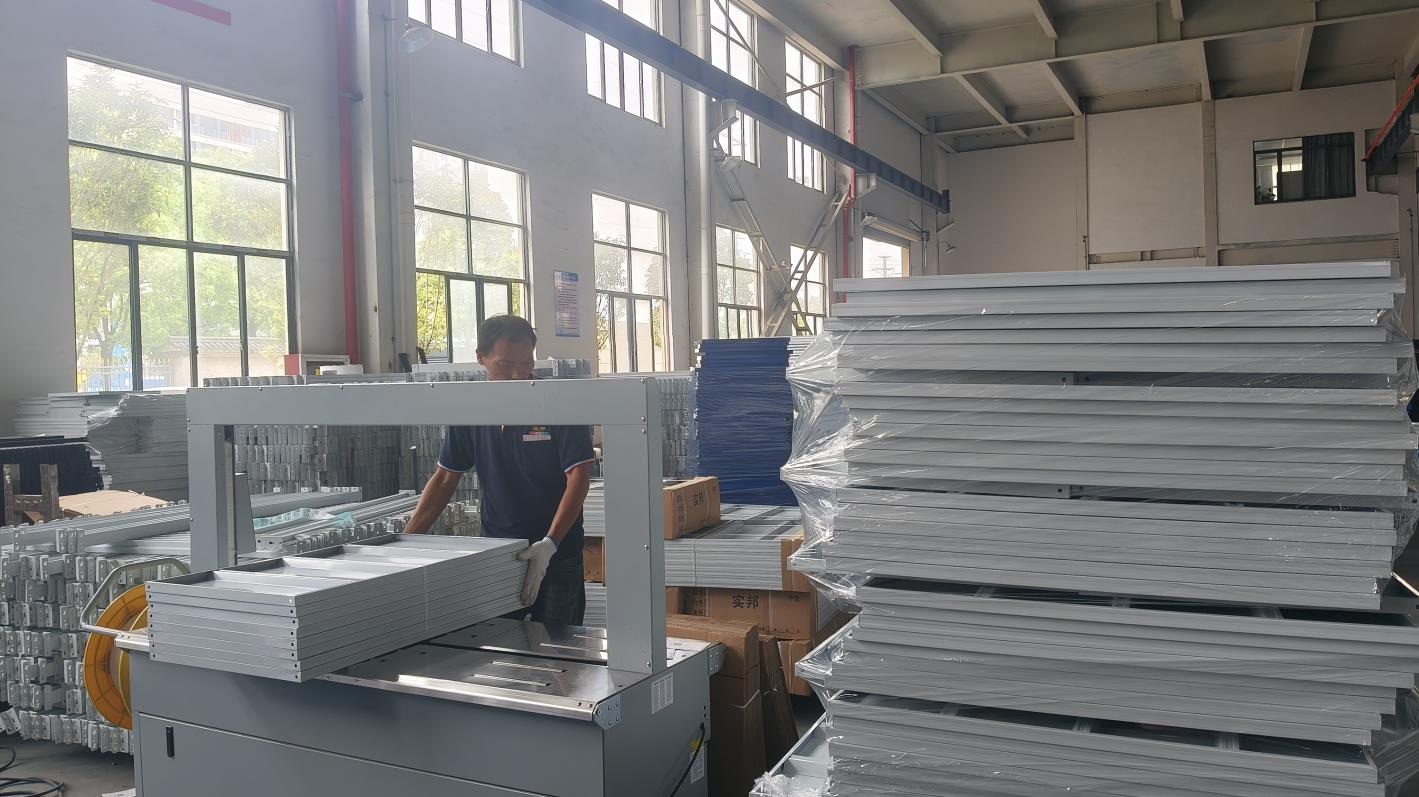
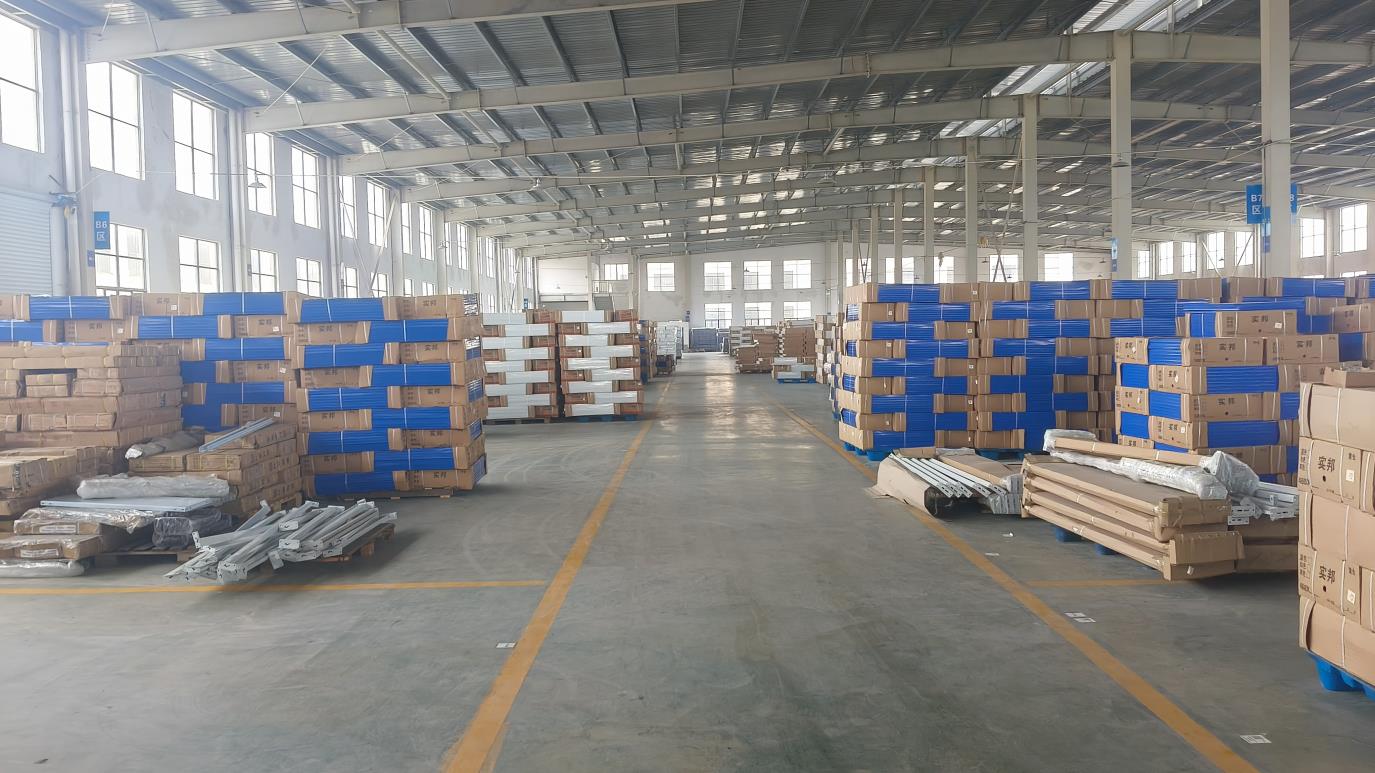
Established in 2016, Ningbo Shibang Storage Rack Co., Ltd. has developed into a premier manufacturer of high-load industrial warehouse storage systems. With a modern 32,000 m² production facility, our company integrates 12 years of industry engineering experience with 8 years of international export expertise, generating an annual export value exceeding $18 million.
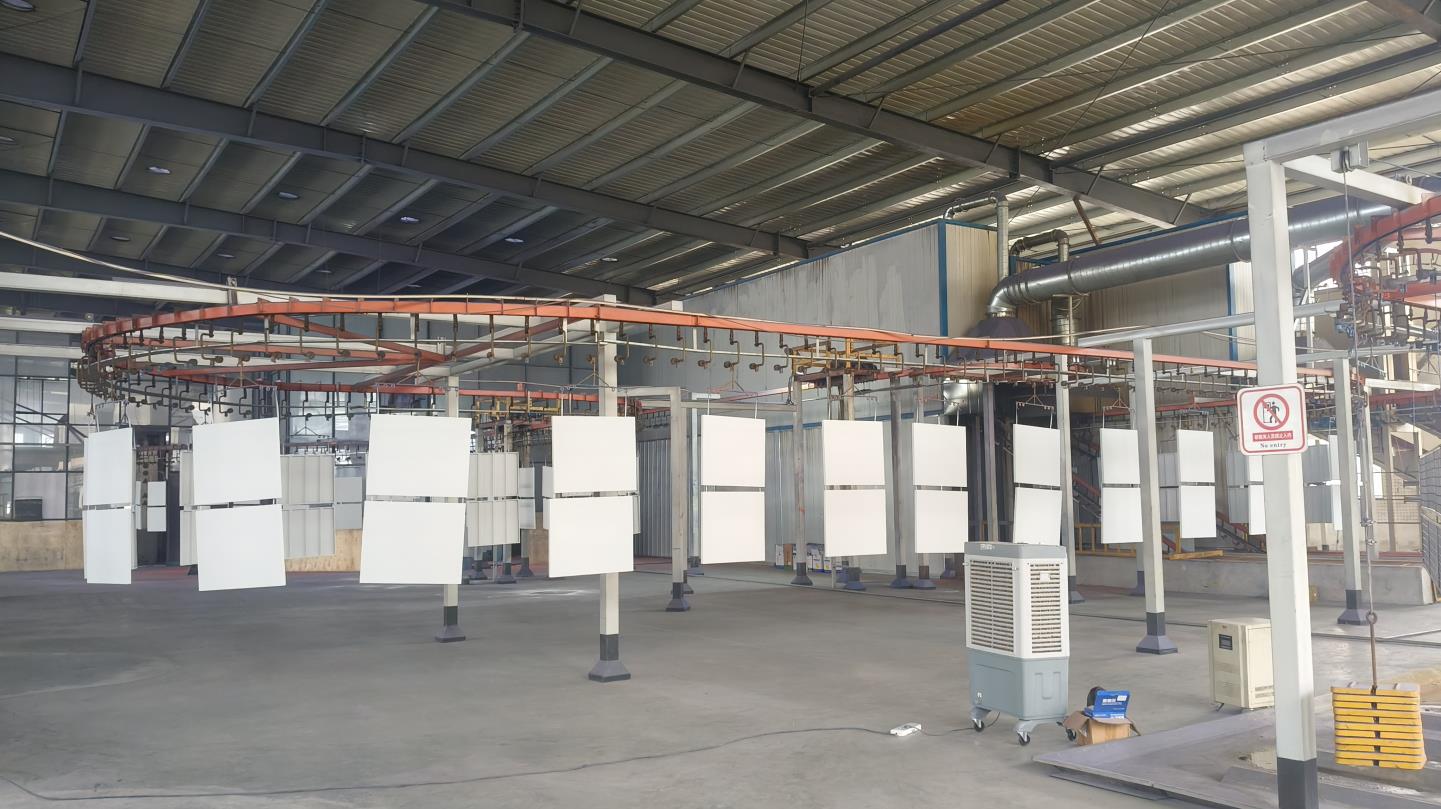
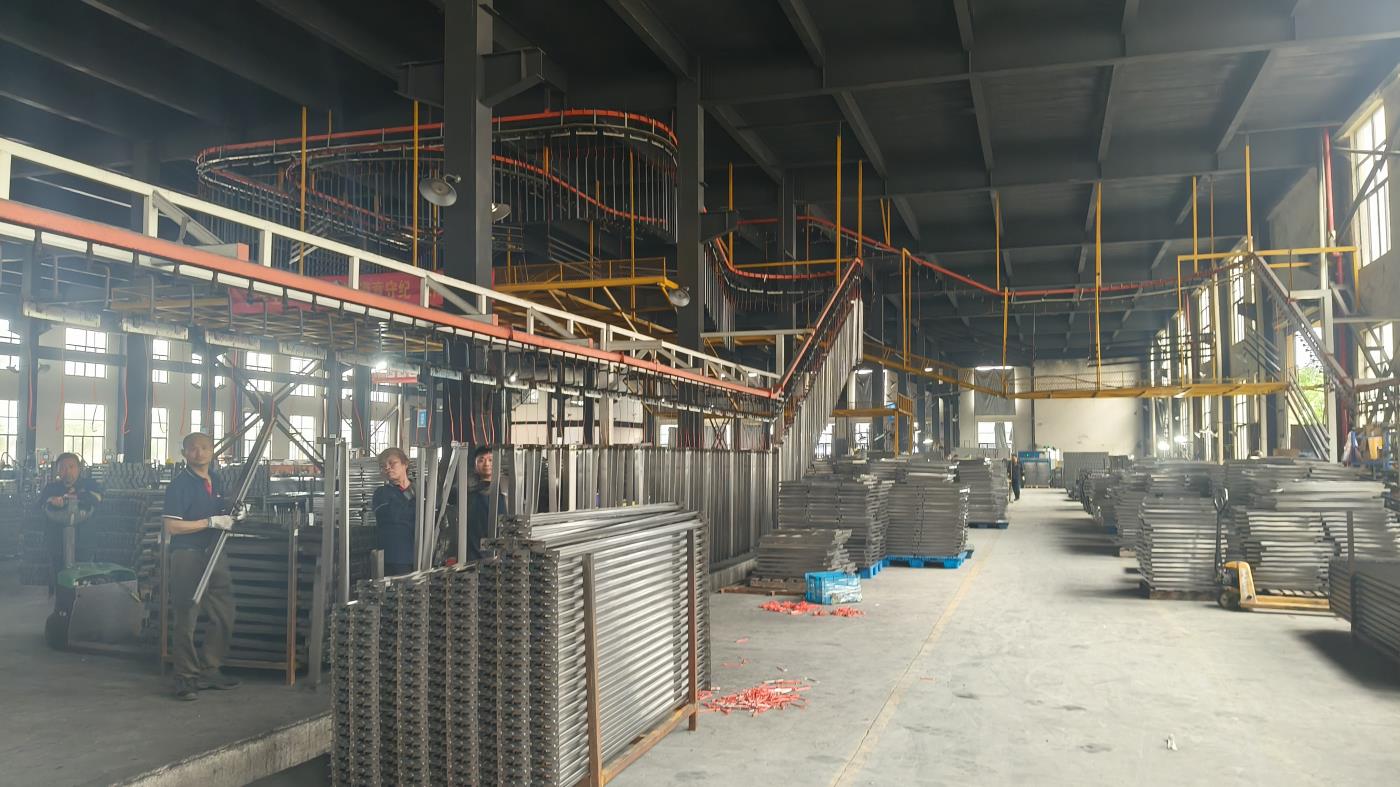
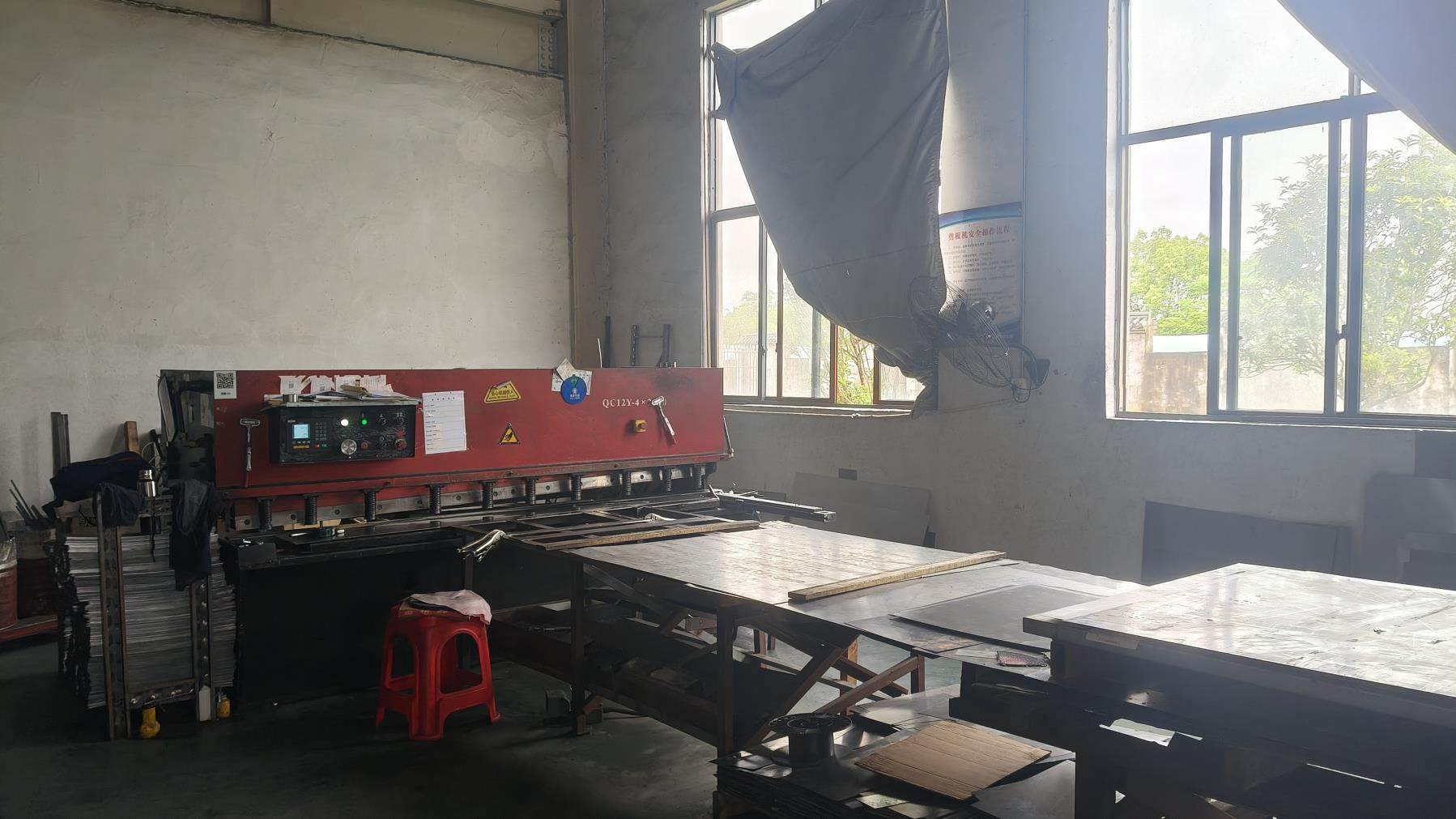
Inside Shibang's manufacturing facility: From raw cold-rolled coils to premium surface finish treatment
Ensuring Structural Deflection Integrity, Anti-Corrosion Longevity, and Safety under Full Nominal Load
Every upright and support beam design produced by Ningbo Shibang undergoes Finite Element Analysis (FEA) to determine yield limits under point loading and uniform distributed load (UDL) configurations. Standard steel shelves can experience structural failure if physical stresses bypass design limits. By running simulated seismic loads and vertical compression analyses, our engineers optimize profiles to avoid catastrophic failure.
Our 35 internal QA/QC inspectors verify steel coil thickness, structural seam penetration via Ultrasonic Testing, and execution of multi-stage powder coat curing cycles. This keeps structural components compliant with EN 15635 and AS4084 warehousing structural standards.
To safeguard structural frames against humidity, moisture, and chemical exposure, we apply an electrostatic powder coat system. The raw steel sections are prepared through chemical clean stages (acid pickling and phosphating) to eliminate surface grease and rust. High-adhesion powder coating is electrostatically spray-applied, then baked at 180°C to 200°C for 20 minutes to cross-link the polymer chains.
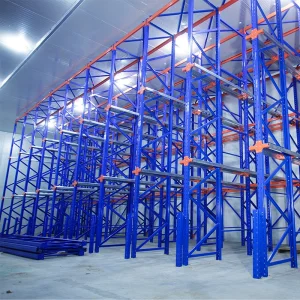
This process results in a scratch-resistant outer shell with high durability, ensuring suitability for ambient storage and walk-in cold rooms.
Tailoring Material Handling Solutions to Custom Operational Layouts
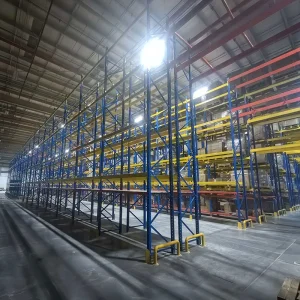
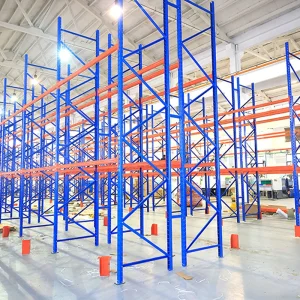
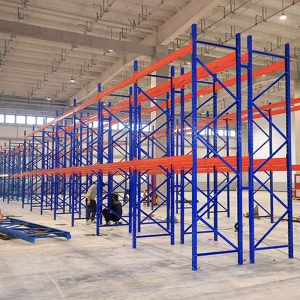
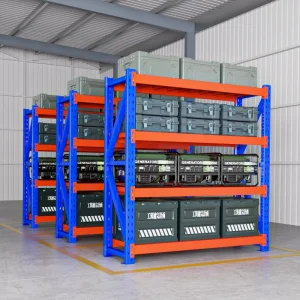
Large distribution warehouses use heavy-duty adjustable steel racking systems to accommodate changing pallet heights. Selective storage systems allow high accessibility to every pallet position, facilitating fast inventory turns and optimized pick-paths.
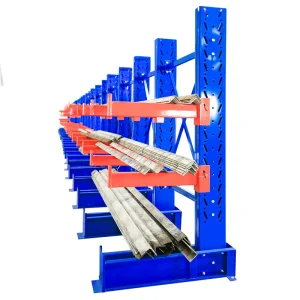
High-capacity cantilever racks and heavy-duty tool shelving systems support structural components like engine blocks, chassis components, and steel tubing, maintaining structural alignment and ensuring safe overhead crane access.
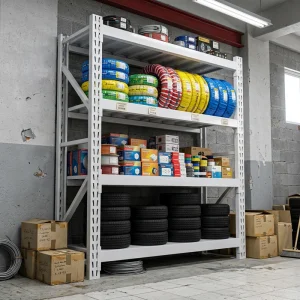
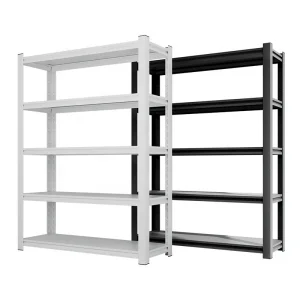
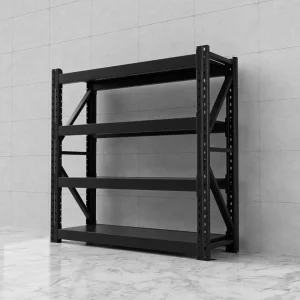
Boltless multi-tier storage shelves allow retail stores to store overstock and high-velocity goods efficiently. Quick assembly layouts let workers adjust frame spacing by hand, without tools, in active operational areas.
Managing Ocean Freight Capacity, Freight Compliance Standards, and Structural Safety margins
For global industrial buyers, shipping heavy steel structures requires calculated planning to manage landed costs. Flat-pack design configurations allow elements like uprights and support beams to pack together tightly inside shipping containers. This minimizes wasted volume, reducing overseas shipping container costs per unit by up to 30%.
We assist procurement teams in managing global logistics regulations, including ocean booking, customs documents, and port clearance processes. Working with a network of 850+ supply chain vendors allows us to manage accessory sourcing, including baseplates, safety lock pins, level shims, and frame column guards, delivering complete, installation-ready shipments.
Frequently asked questions concerning load capacity calculations, surface finishing, international certifications, and customization parameters.
Discover more structural options for maximizing heavy payload operations and handling bulk unit quantities.
 Shibang Rack