Engineered to deliver high load capacity, superior vertical stability, and reliable logistics integration.
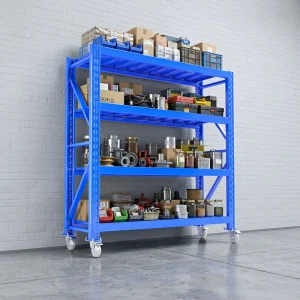
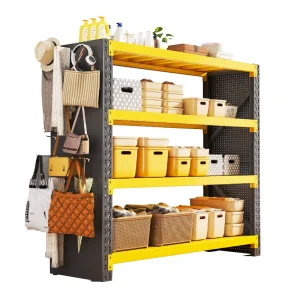
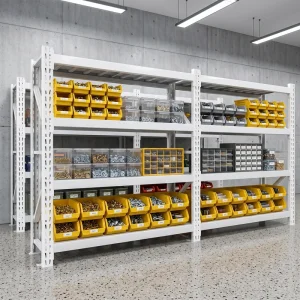
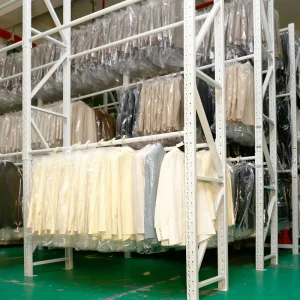
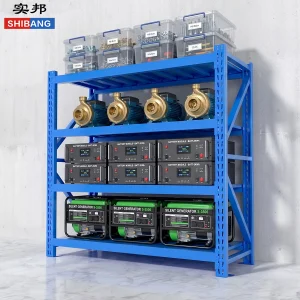
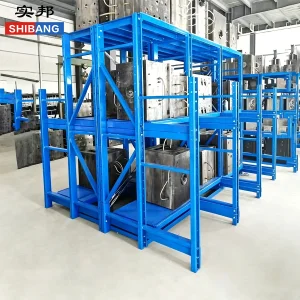
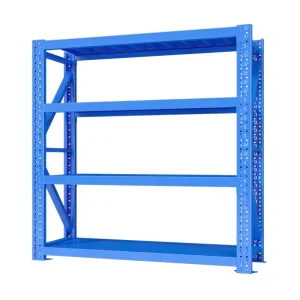
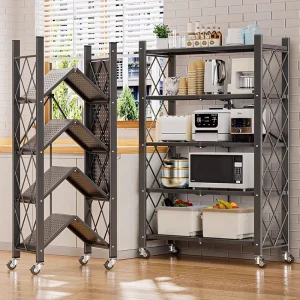
In modern industrial logistics, optimization of cubic spatial volume (cubic space utilization) has replaced simple floor footprint footprint measurements as the primary key performance indicator (KPI). Rising commercial land costs, compressed supply chain loops, and the explosive growth of global e-commerce fulfillment networks demand structural warehousing systems that go beyond static storage. High-density stackable containers and modular steel pallet racking have emerged as critical structural interventions to maximize vertical capacity securely and dynamically.
Across North America, Western Europe, and Asia-Pacific, manufacturing plants and 3PL (third-party logistics) hubs are transitioning from legacy fixed storage to highly flexible stackable layouts. By incorporating temporary stackable units and heavy-duty structural racks, organizations can scale storage capacity dynamically during peak seasons while recovering valuable floor space when units are collapsed or disassembled. Structural stackability minimizes structural fatigue on building foundations while guaranteeing modular flexibility, allowing systems to be relocated or reconfigured with minimal downtime.
Information Gain Metric: High-density stacking rack designs reduce horizontal aisle requirements by up to 35% compared to conventional static storage, while increasing multi-tier vertical volume availability by up to 200% under standard safe load envelopes.
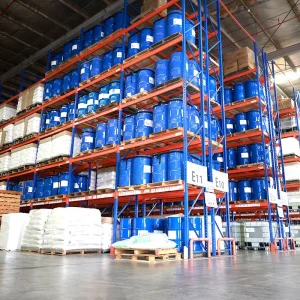
Industrial warehousing operations face continuous margin pressure, necessitating the implementation of lean manufacturing and high-velocity storage systems. Factors such as regional labor costs, forklift operational efficiency, and automation compatibility dictate the exact choice of structural storage design. Stackable racking frameworks, characterized by their self-supporting capabilities and structural versatility, accommodate uneven heavy loads—such as raw metal castings, automotive subsystems, and chemical barrels—without requiring permanent ceiling-anchored structural columns.
Delivering high-integrity warehouse racking systems and modular stacking solutions globally since 2016.
Ningbo Shibang Storage Rack Co., Ltd. operates a highly automated production facility dedicated to manufacturing structural steel pallet systems, heavy-duty shelving, and custom modular storage components. Our factory utilizes multi-stage quality assurance processes to guarantee load ratings, safety tolerances, and long-term durability. We partner with over 850 vetted supply chain vendors to ensure the consistent availability of raw steel grades, enabling continuous production and timely delivery for high-volume orders.
Our engineering division, consisting of 22 experienced structural and mechanical engineers, utilizes finite element analysis (FEA) modeling to develop custom configurations for seismically active regions and specialized temperature-controlled environments. Our QA/QC department of 35 dedicated inspectors enforces rigorous verification protocols. These include Ultrasonic Testing (UT) of critical structural weld joints, coating thickness verification using digital magnetic gauges, raw material tensile testing, and live load-bearing deformation tests.
High-precision equipment and automated production lines engineered to achieve structural integrity and tight dimensional tolerances.
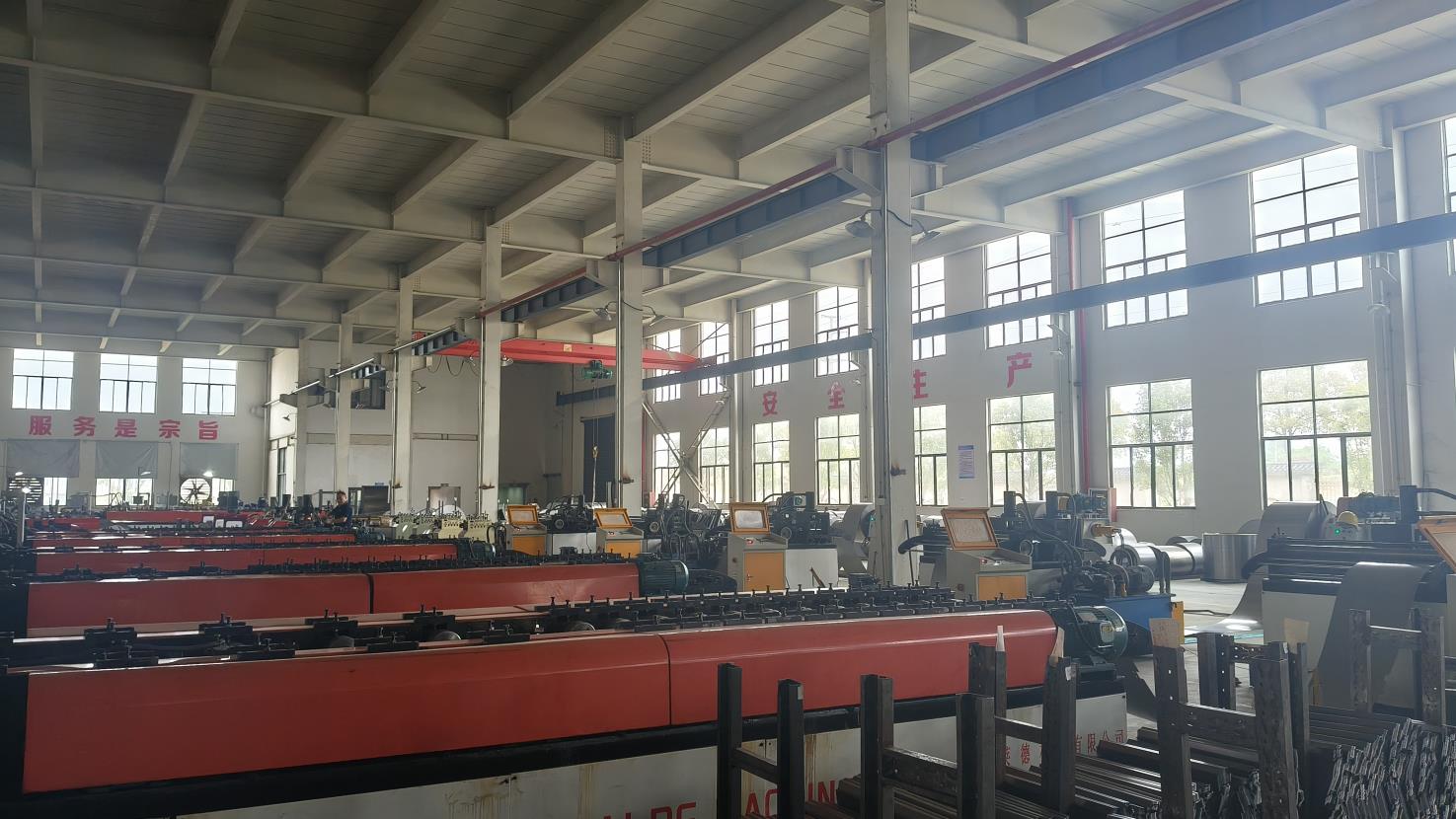
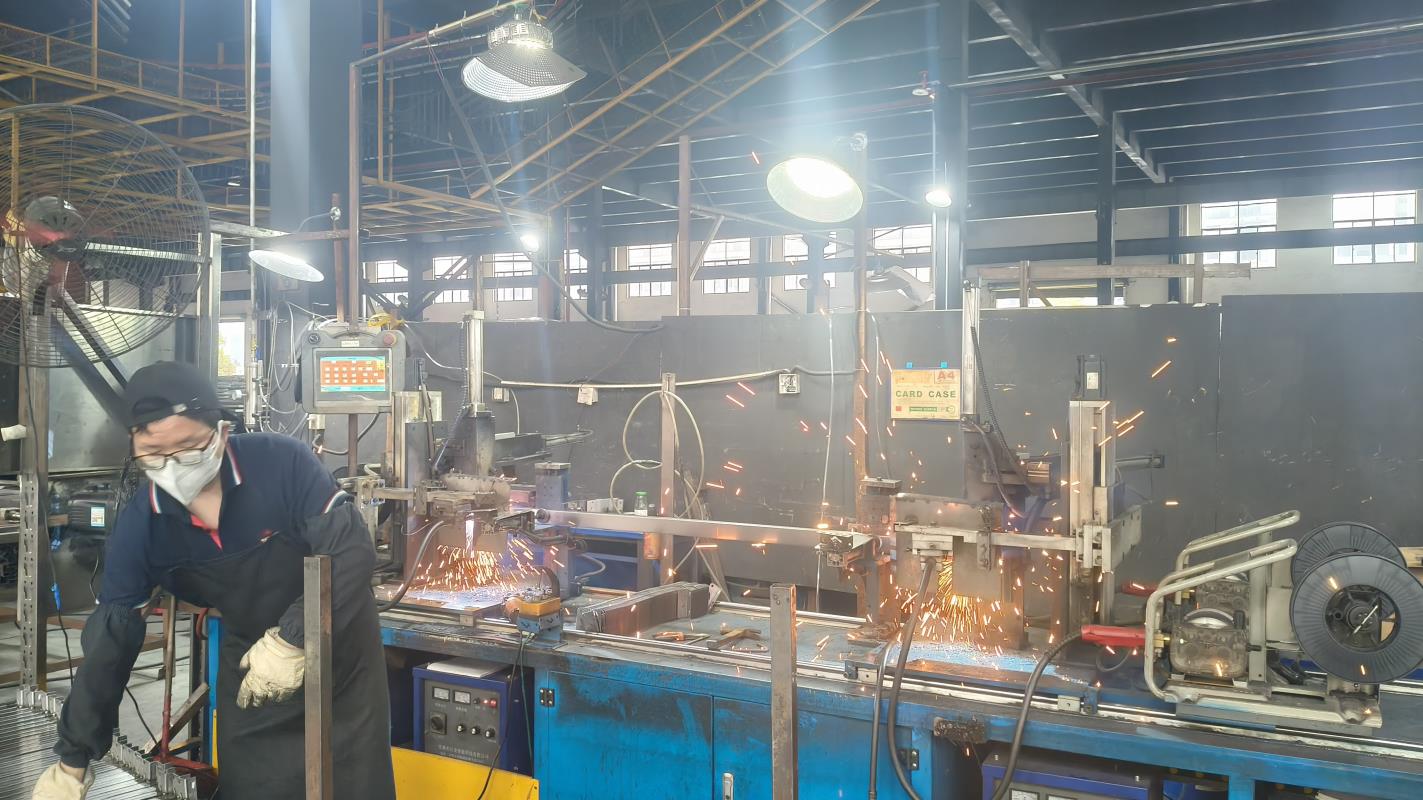
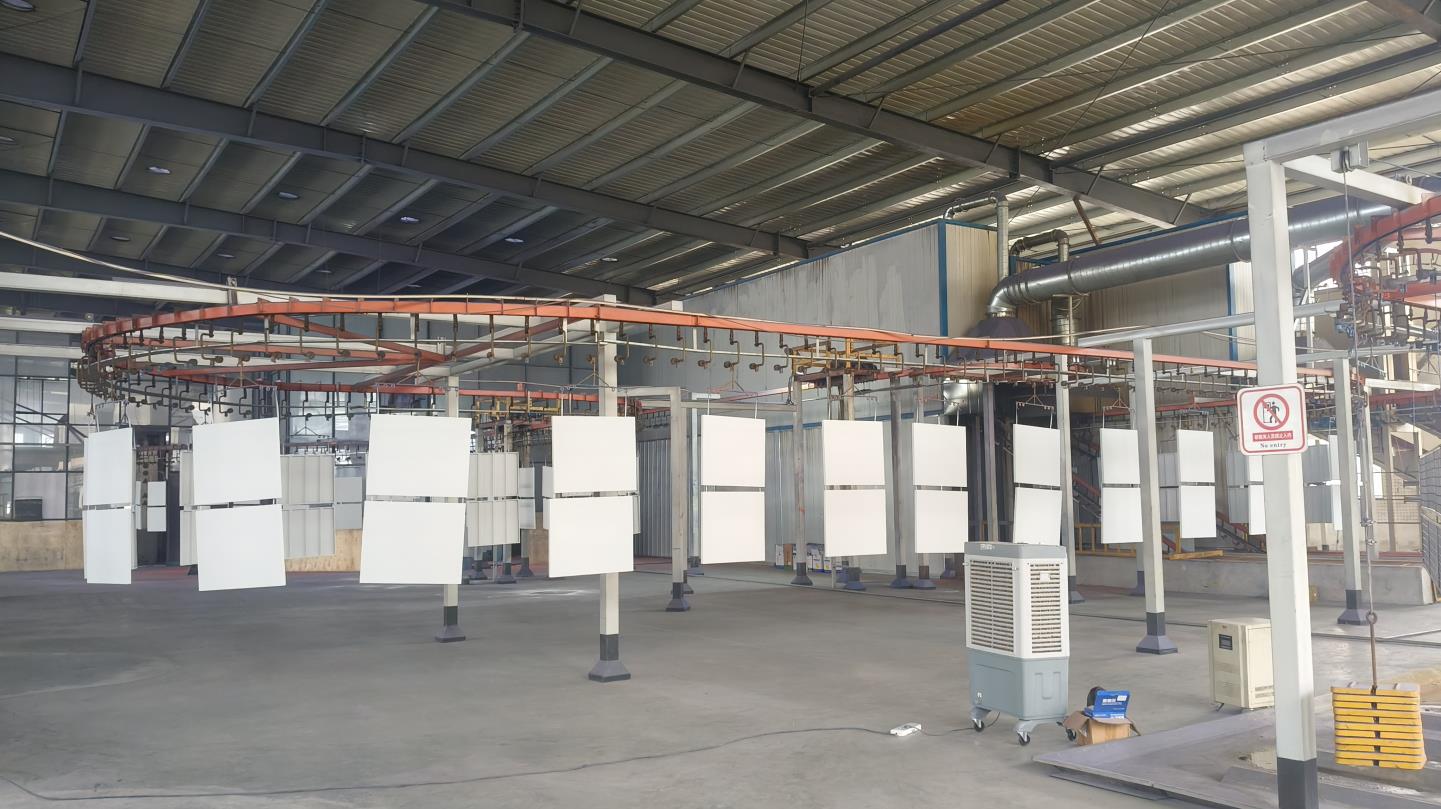
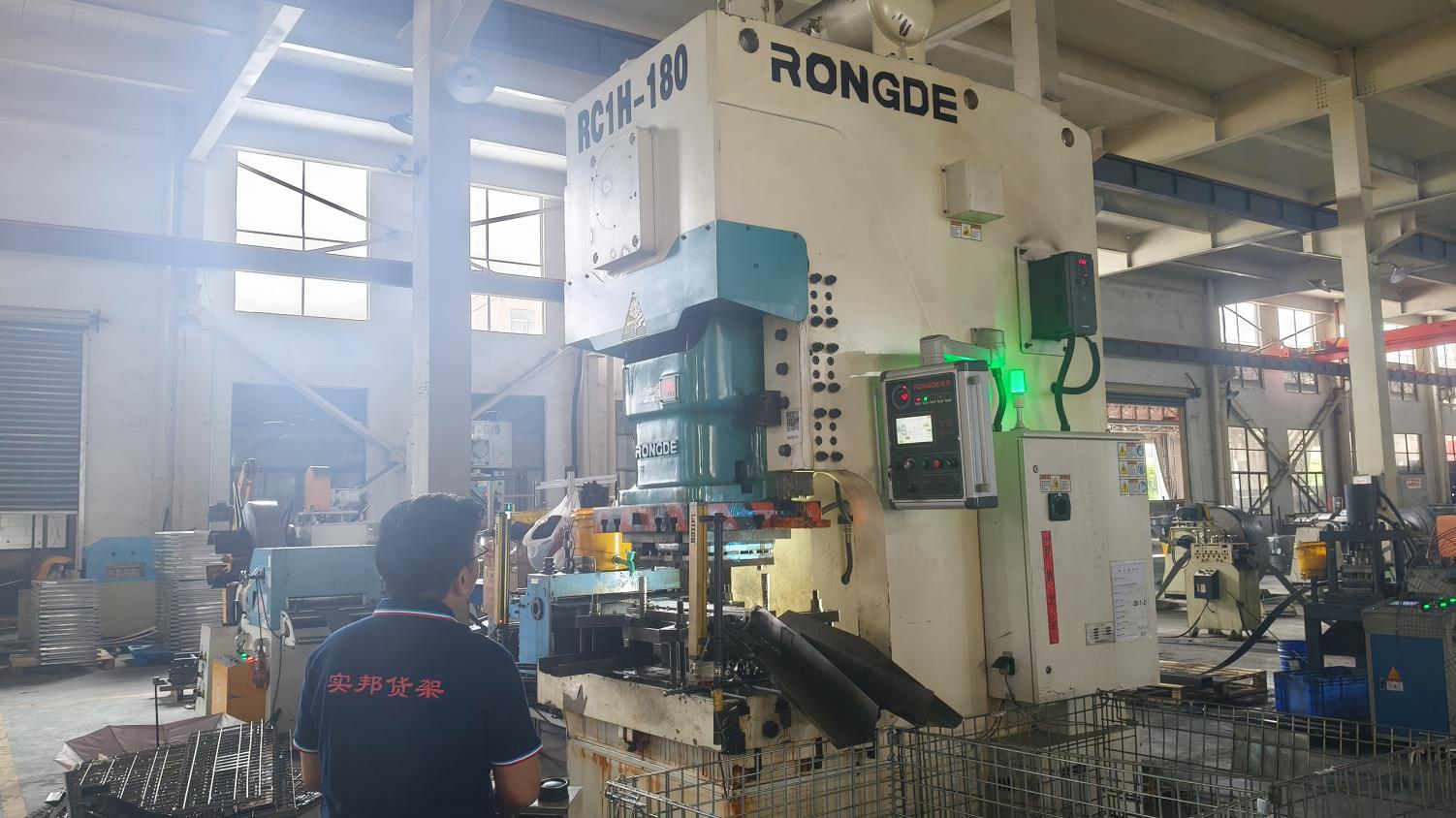
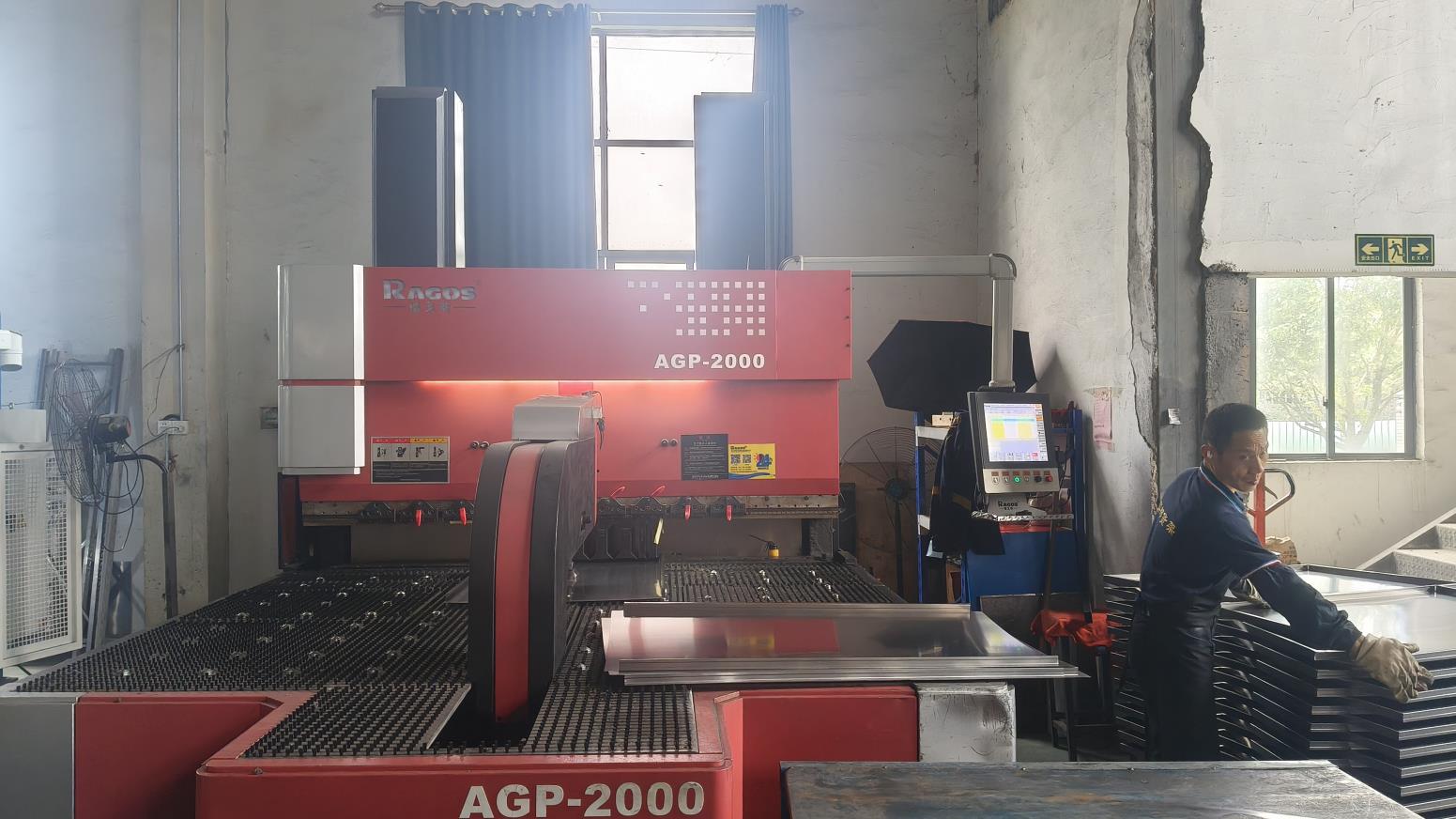
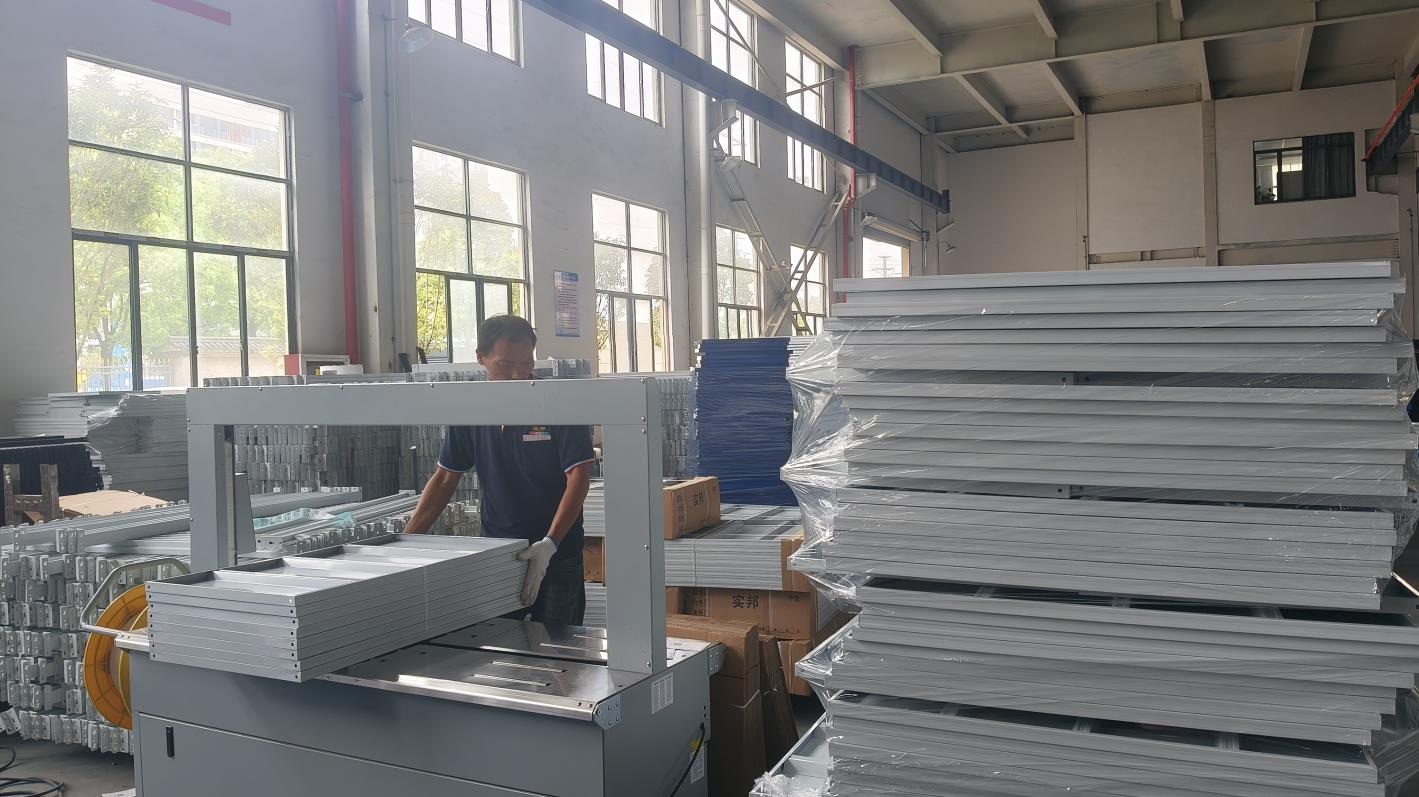
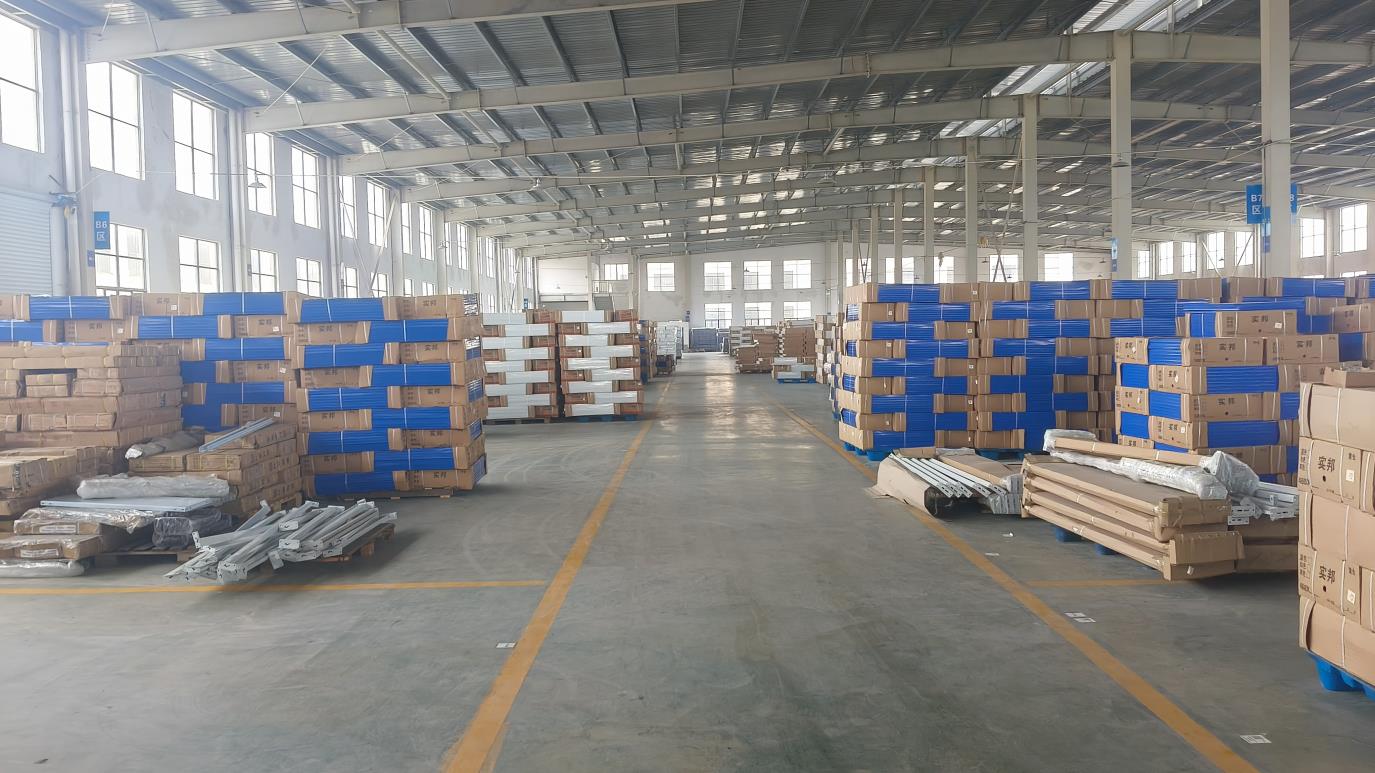
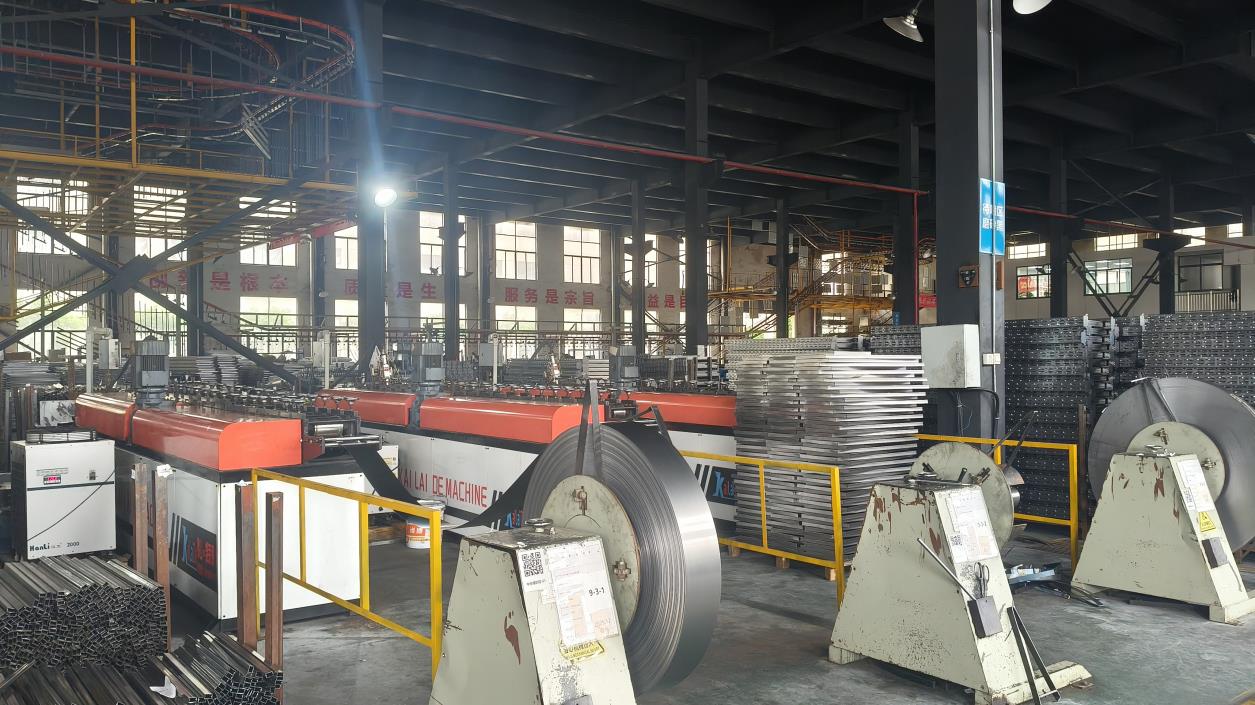
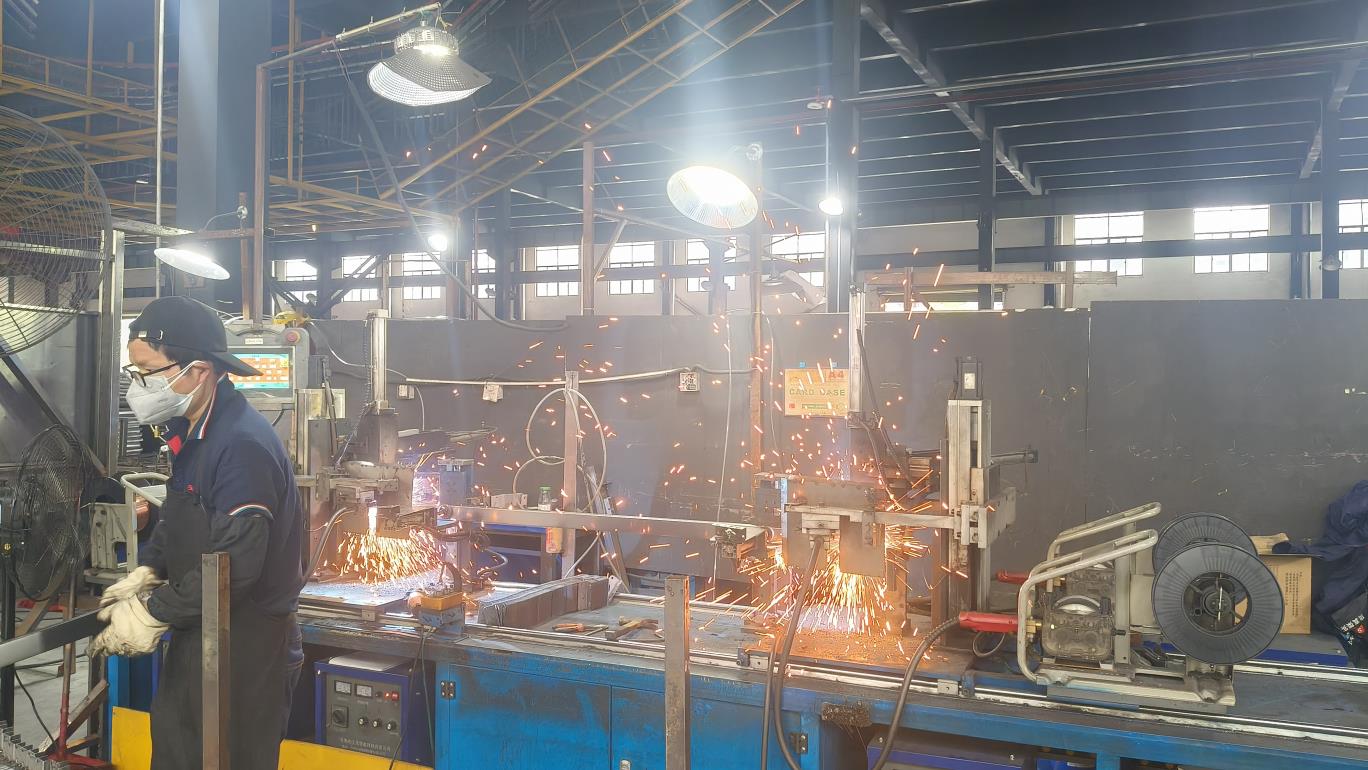
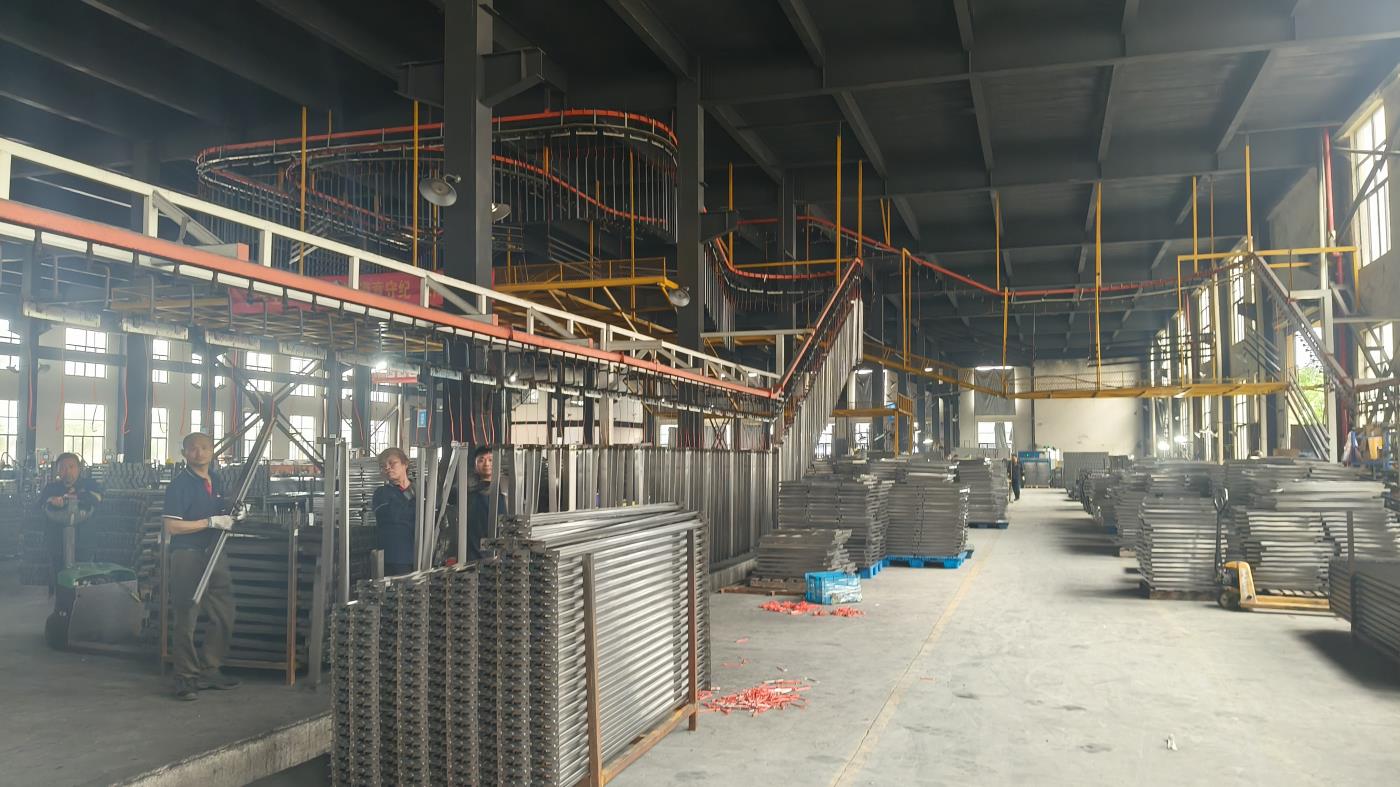
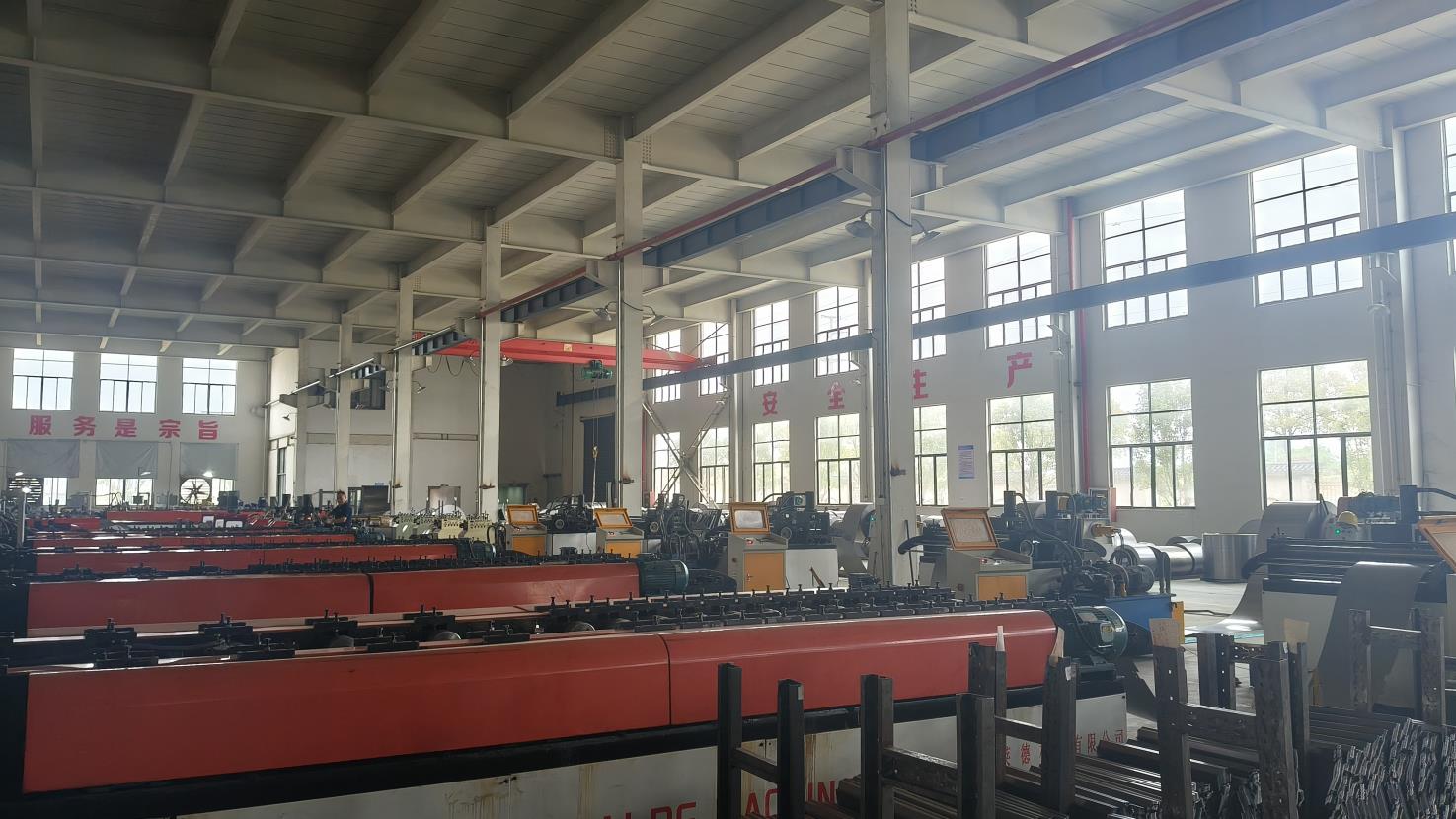
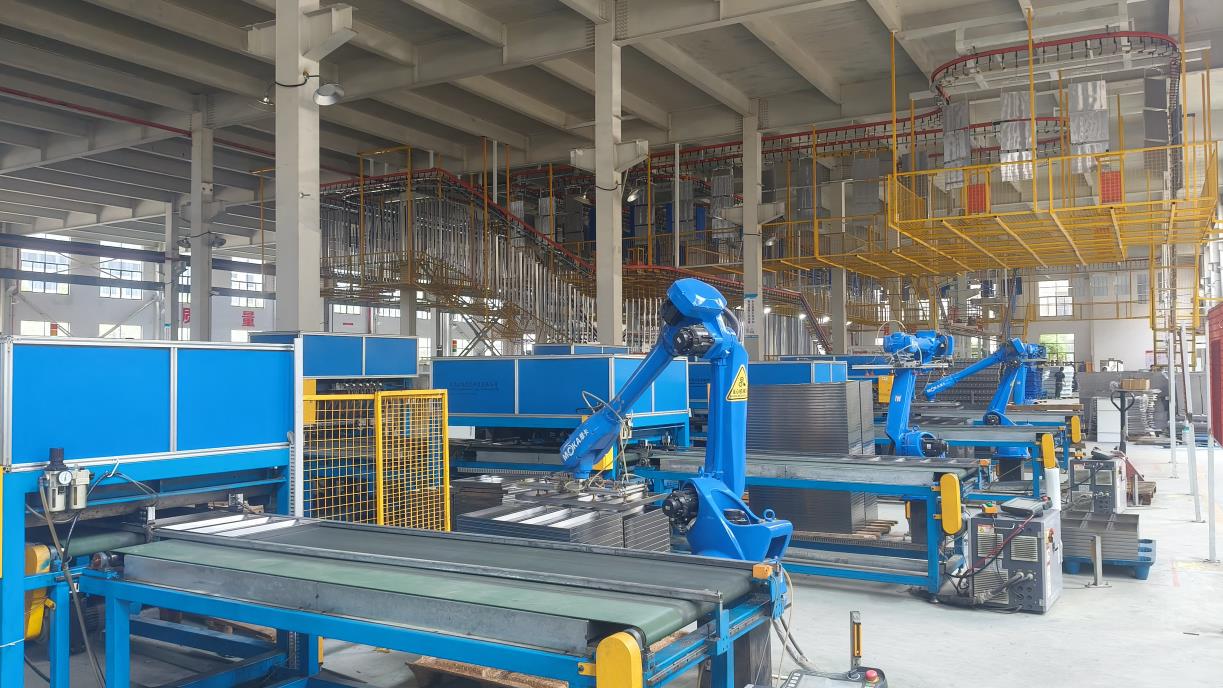
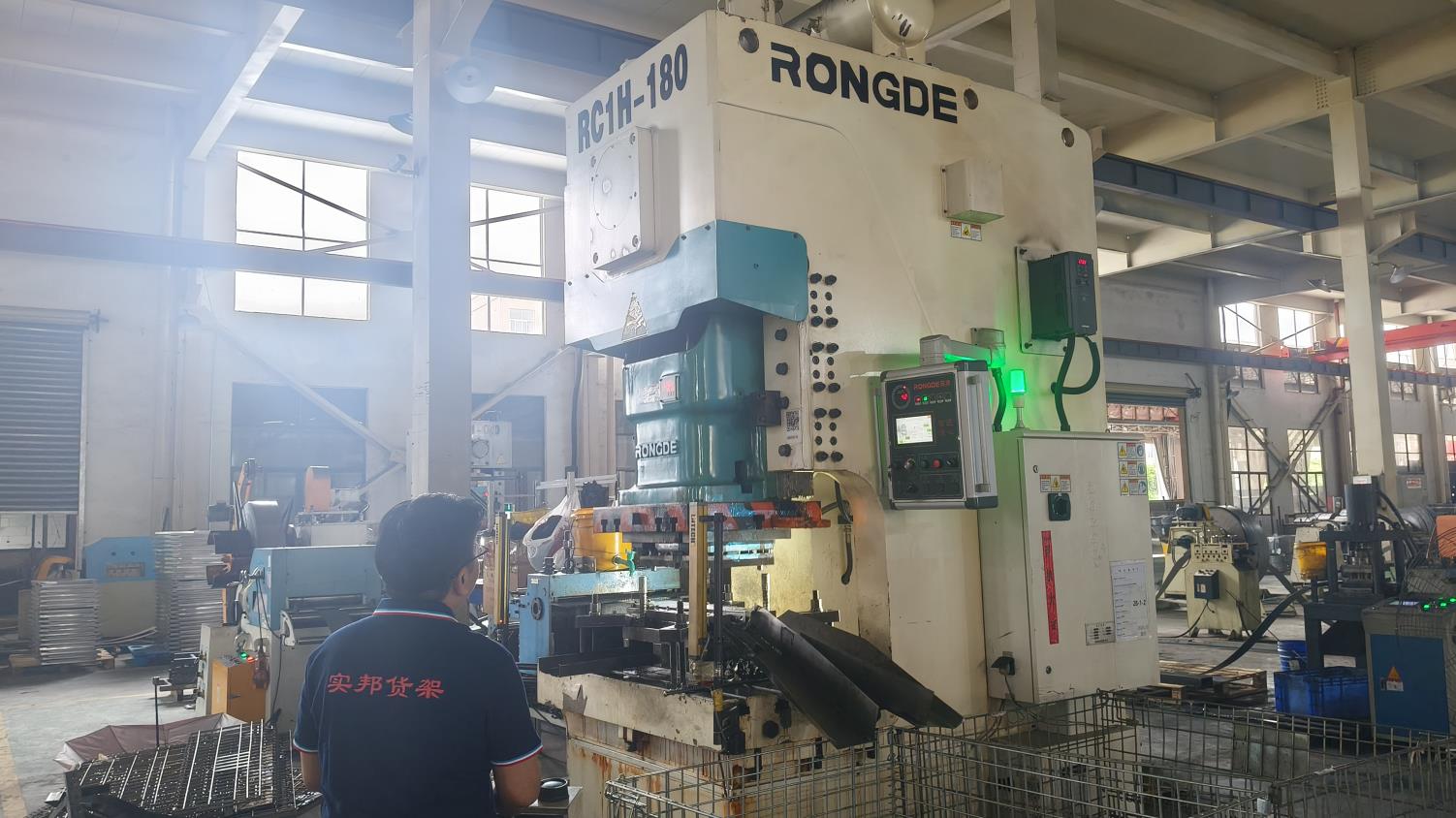
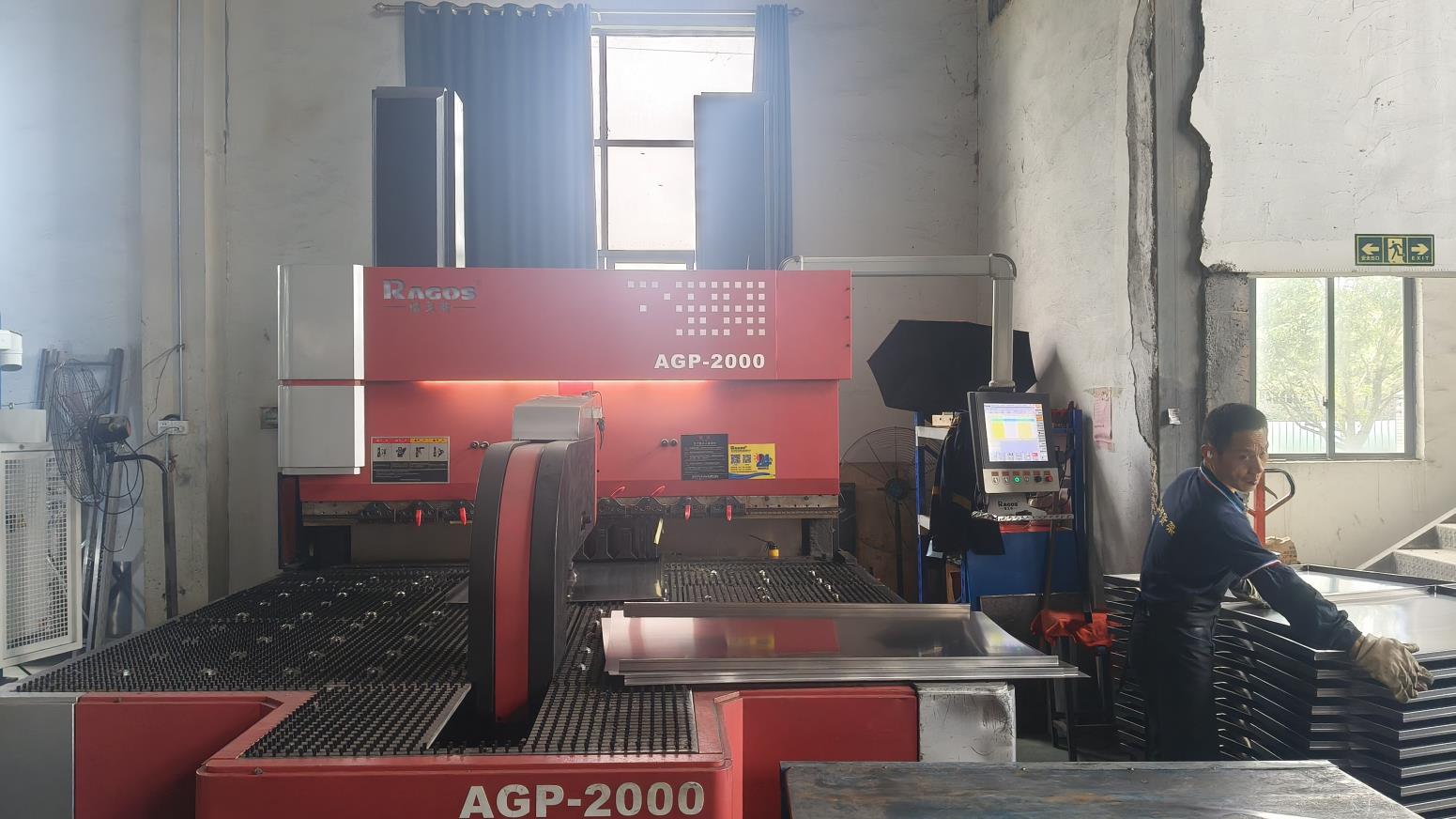
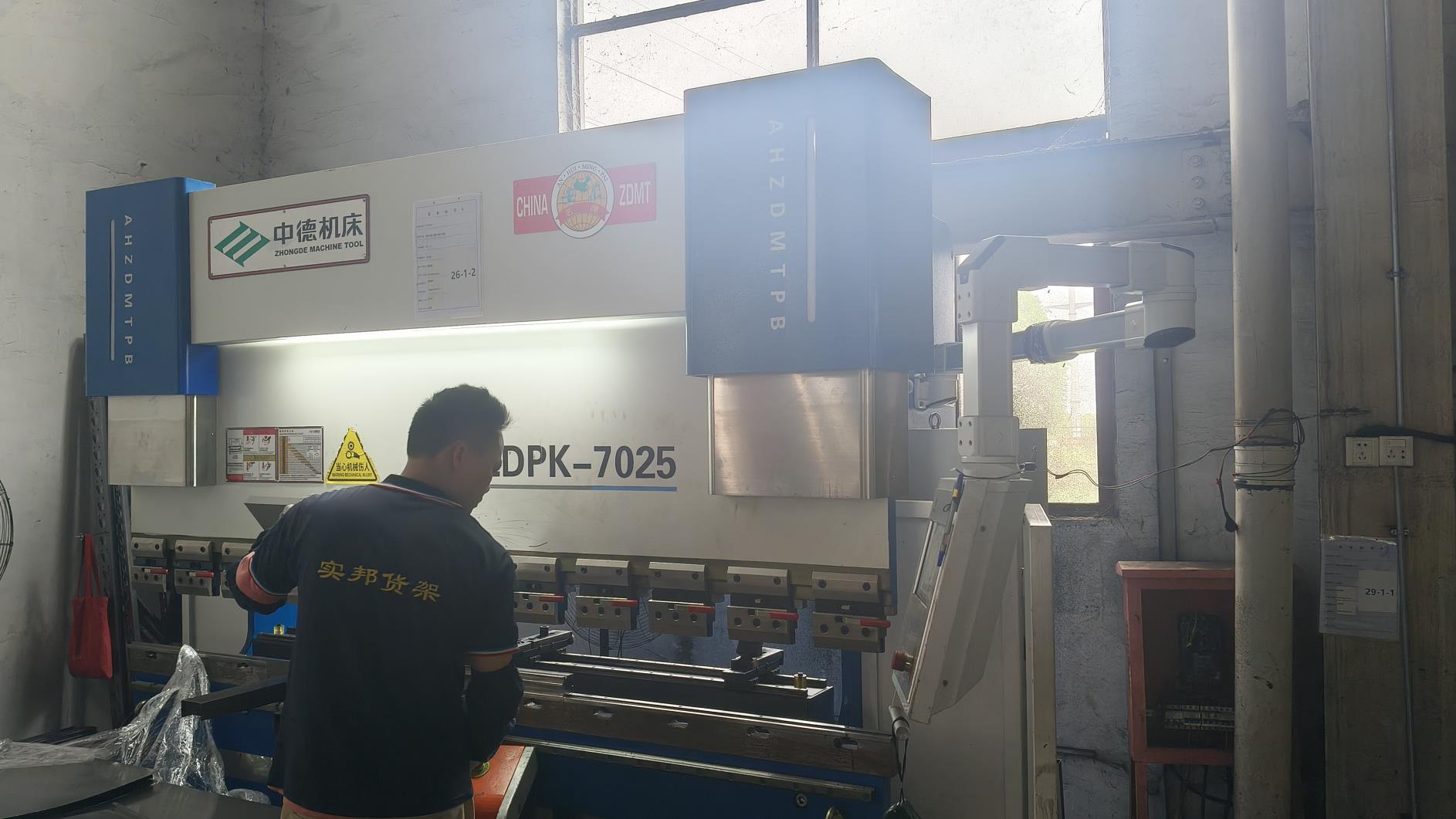
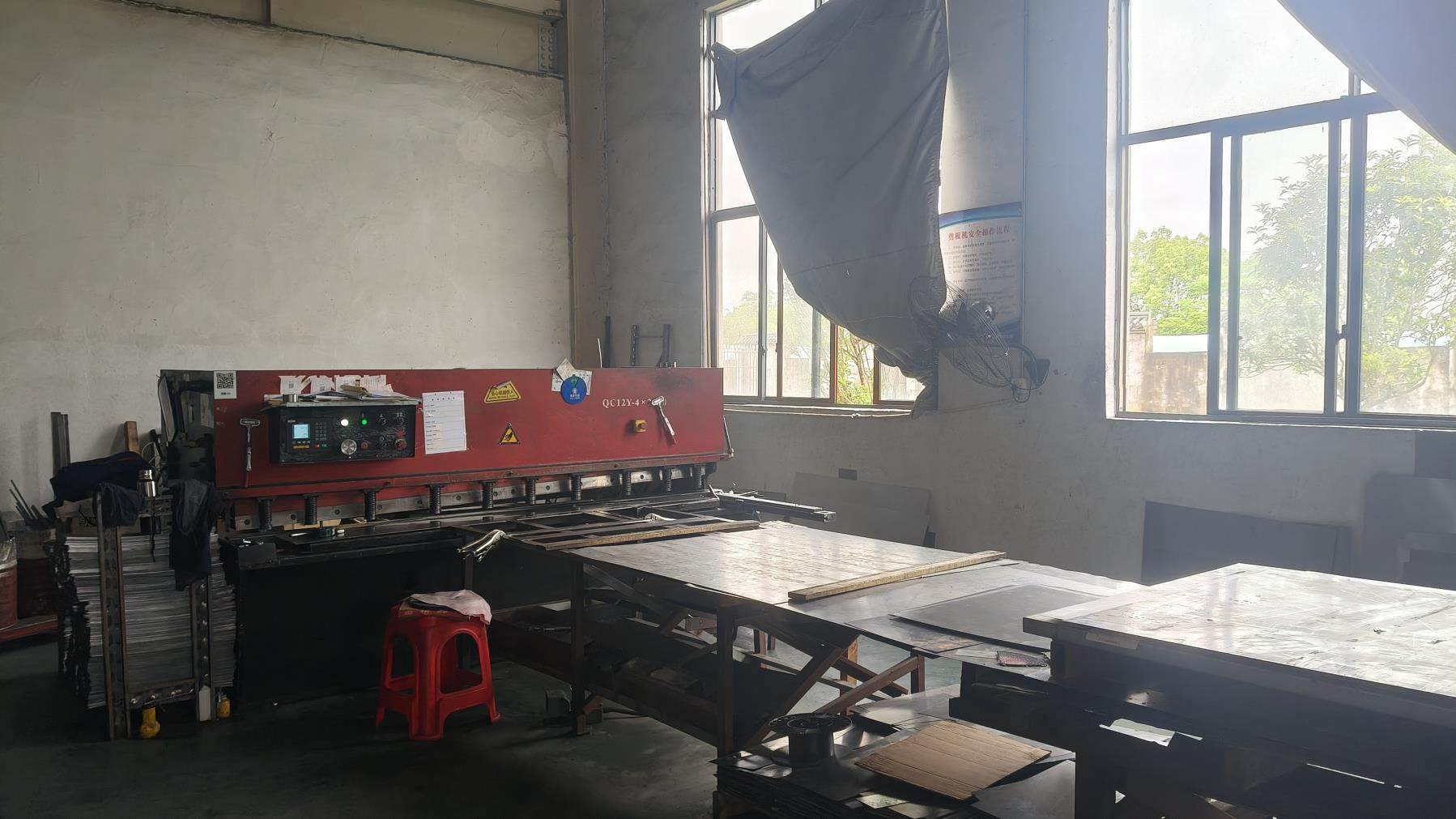
In high-density industrial storage, mechanical performance and material traceability are essential for operational safety. Ningbo Shibang relies on hot-rolled and cold-formed high-strength structural carbon steels (such as Q235B and Q345B, corresponding to ASTM standards) to resist buckling, shear stress, and seismic forces. Every batch of raw steel undergoes mechanical testing to confirm yield strength, tensile limits, and elongation performance before entering production lines.
We perform Finite Element Analysis (FEA) to simulate localized buckling and global frame displacement, optimizing column and beam profiles for custom weight distribution.
Our QA/QC team uses digital ultrasonic testing devices to detect subsurface voids, inclusions, or micro-cracks in weld seams, ensuring structural integrity under full load capacities.
Advanced automated electrostatic powder-coating lines apply a uniform 60–80 micron thickness of cured epoxy-polyester resin, providing wear and corrosion resistance in humid environments.
Our quality management system is certified to ISO 9001:2015. We engineer our industrial racking profiles to satisfy structural guidelines including the Rack Manufacturers Institute (RMI) specification in North America, and FEM 10.2.02 standards in Western Europe. This regulatory compliance ensures that all export products perform safely under real-world load conditions.
Every industry exhibits unique logistical workflows, ambient constraints, and load dynamics. Rather than offering one-size-fits-all hardware, Ningbo Shibang designs tailored systems to optimize operational safety and efficiency across diverse environments:
As logistics facilities integrate automation and smart warehouse management systems (WMS), storage infrastructure must adapt to support precision operations. The R&D division at Ningbo Shibang works to develop and refine storage designs that optimize strength-to-weight ratios, using advanced metalforming techniques to reduce raw steel usage without compromising safety load factors.
Additionally, we are expanding our focus on automated warehouse integration. We configure our upright columns and horizontal beams with high dimensional accuracy (tolerances within ±0.5mm) to ensure compatibility with automatic stacker cranes and AGVs (Automated Guided Vehicles). This precision prevents structural misalignment, ensuring smooth interactions between automated material handling systems and storage components.
Expert insights on material selection, structural calculations, compliance codes, and maintenance for warehouse racking.
A: Load capacity depends on the yield strength of the steel grade (e.g., Q235B vs. Q345B), the profiles of the uprights and beams, column height, and beam connector designs. In addition to material thickness, vertical load limits are influenced by the unbraced length of the upright frames and the spacing of beam levels.
A: Our engineering division uses Finite Element Analysis (FEA) to design larger, reinforced base plates, heavy-duty anchors, and custom cross-bracing profiles. This ensures stability and energy dissipation under seismic loading in compliance with global standards.
A: Boltless shelving utilizes keyhole, teardrop, or butterfly slot connections, allowing tool-free assembly and rapid reconfiguration. Bolted racks, on the other hand, are typically used for heavy-duty industrial systems where high rigidity and permanent structural configurations are required.
A: Ultrasonic testing uses high-frequency sound waves to detect internal structural flaws, such as porosity, micro-cracks, or incomplete penetration in critical weld zones. This non-destructive test ensures weld strength meets safety requirements before components are finished.
A: An electrostatic powder coat with a thickness of 60 to 80 microns forms a dense, non-porous barrier over the steel. This coating prevents oxygen and moisture from contacting the underlying metal, protecting against oxidation, corrosion, and rust in high-humidity or variable-temperature environments.
A: Exports to North America require compliance with the Rack Manufacturers Institute (RMI) ANSI MH16.1 specifications, while Western Europe requires adherence to the EN 15512 and FEM 10.2.02 codes. Maintaining these design standards ensures safety compliance with regional building and safety regulations.
A: Yes, our automated racks are manufactured to tight tolerances (often within ±0.5mm) to support seamless integration with AS/RS systems. This precision alignment is critical for automated cranes, shuttle carts, and laser-guided vehicles to operate without mechanical interference.
A: By maintaining long-term partnerships with over 850 raw material and supply chain vendors, we secure reliable access to certified structural steel. This supply chain stability, combined with our automated production capacity, enables consistent lead times even for large, multi-phase warehouse installations.
Explore our high-capacity, adjustable, and specialized storage configurations designed for modern distribution centers.
 Shibang Rack