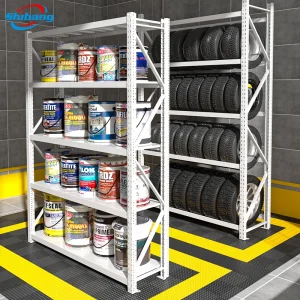
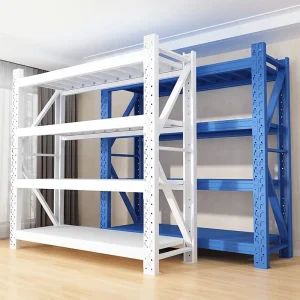
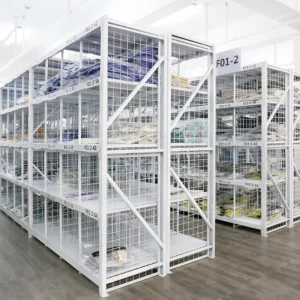
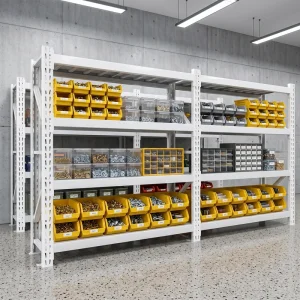
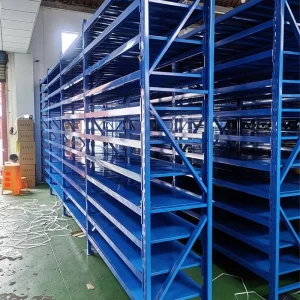
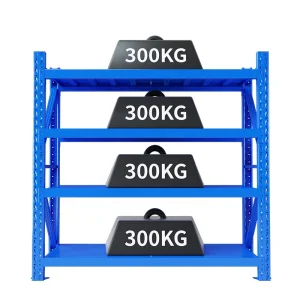
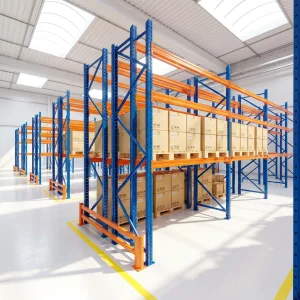
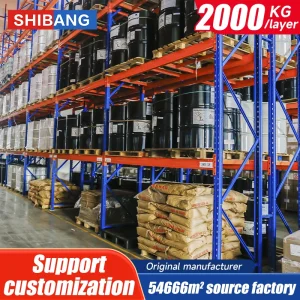
In modern industrial logistics, maximizing spatial efficiency is no longer simply an operational choice; it has evolved into a financial imperative. With global real estate costs rising rapidly and warehouse footprints commanding premiums in logistics hubs, companies are compelled to optimize their volumetric storage capacity. Very Narrow Aisle (VNA) Pallet Racking systems have emerged as the leading structural layout solution. This specialized design reduces aisle widths to as little as 1.5 to 1.8 meters, delivering up to a 50% increase in storage capacity compared to standard selective racking systems, while maintaining 100% selectivity of all stored pallets.
Very Narrow Aisle racking projects require advanced structural integrity and precise engineering tolerances. Unlike standard storage configurations where standard forklifts operate with generous tolerances, VNA systems operate with specialized handling equipment, such as turret trucks or articulated forklifts. These vehicles travel along precise guide rails or wire-guidance lines buried in concrete floors. As safety margins are compressed, the engineering quality of the structural steel uprights, floor anchors, beam connectors, and deflecting guards becomes paramount to prevent accidental collisions and dynamic sway over tall vertical structures.
| Racking Parameter | Standard Selective Racking | Very Narrow Aisle (VNA) Racking | Operational Advantages of VNA |
|---|---|---|---|
| Aisle Width Requirements | 3.2m to 4.5m | 1.5m to 1.8m | Saves over 50% aisle floor area. |
| Average Storage Height | 6m to 8m | Up to 15m or higher | Increases volumetric cube utilization. |
| Handling Equipment Type | Reach Trucks / Counterbalance Forklifts | Turret Trucks (VNA) / Wire Guided AGVs | Accelerated travel speeds and high vertical reach. |
| Floor Levelness Tolerances | Standard Industrial Tolerances | Strict compliance with DIN 15185 / VDMA | Crucial for load safety and forklift tracking. |
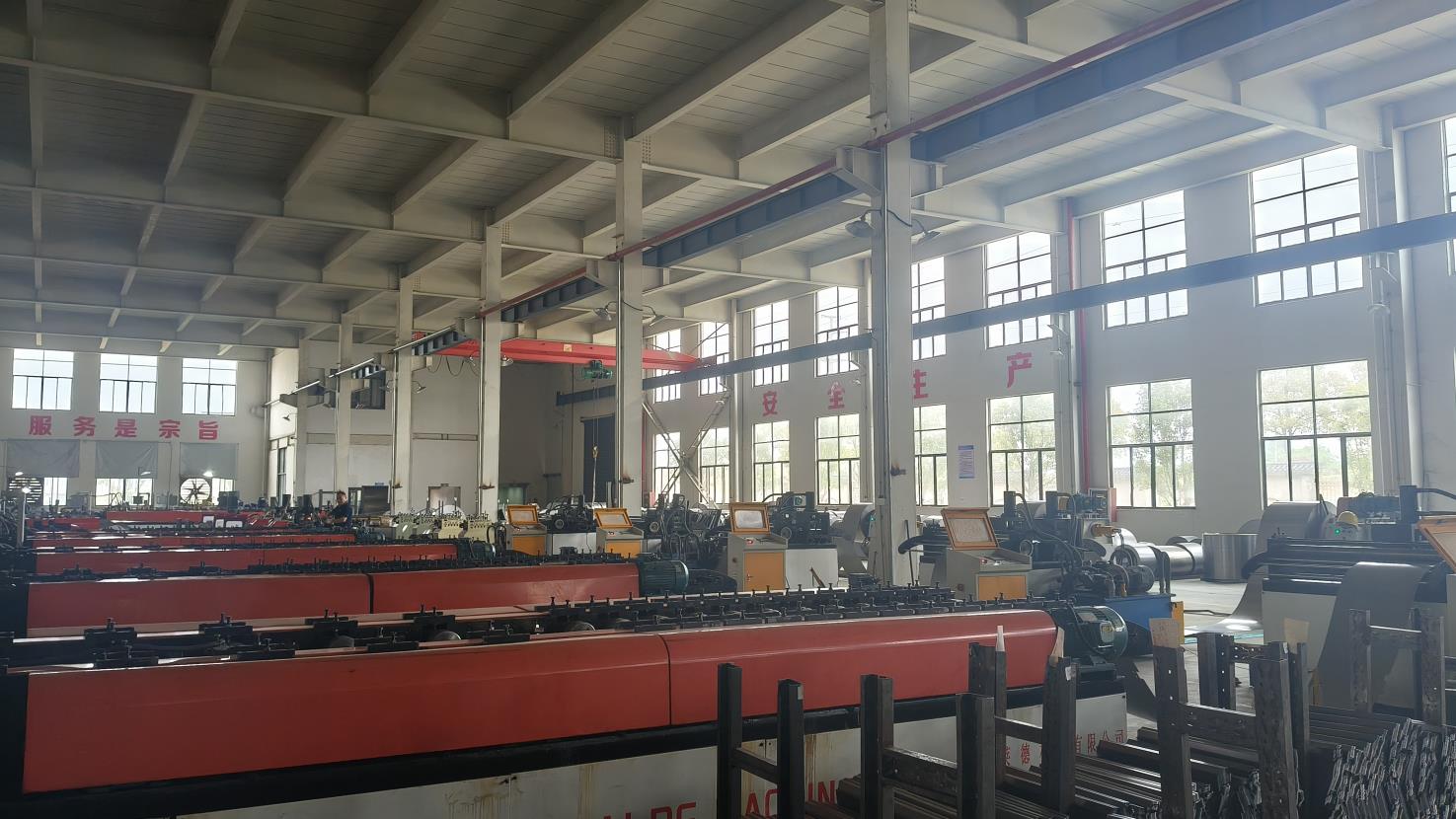
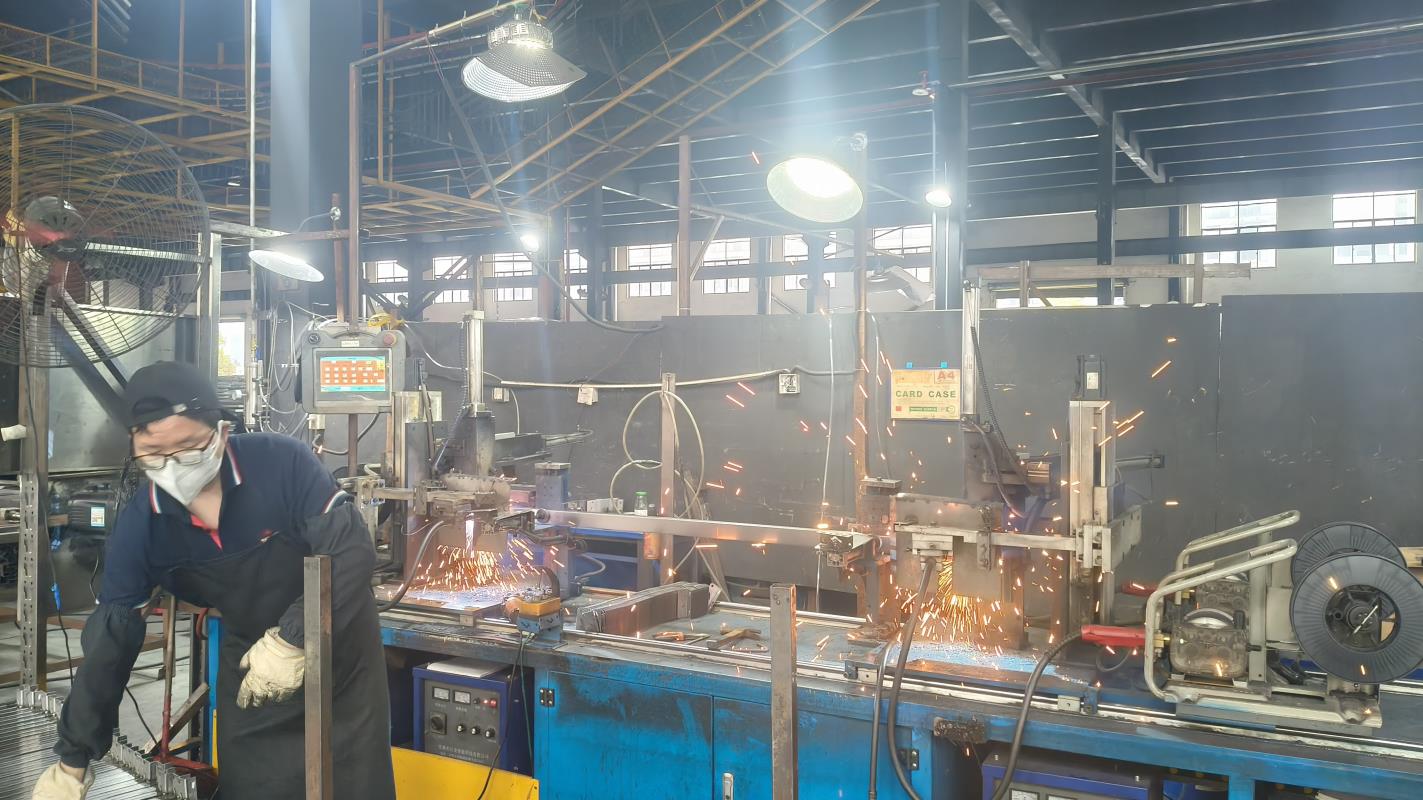
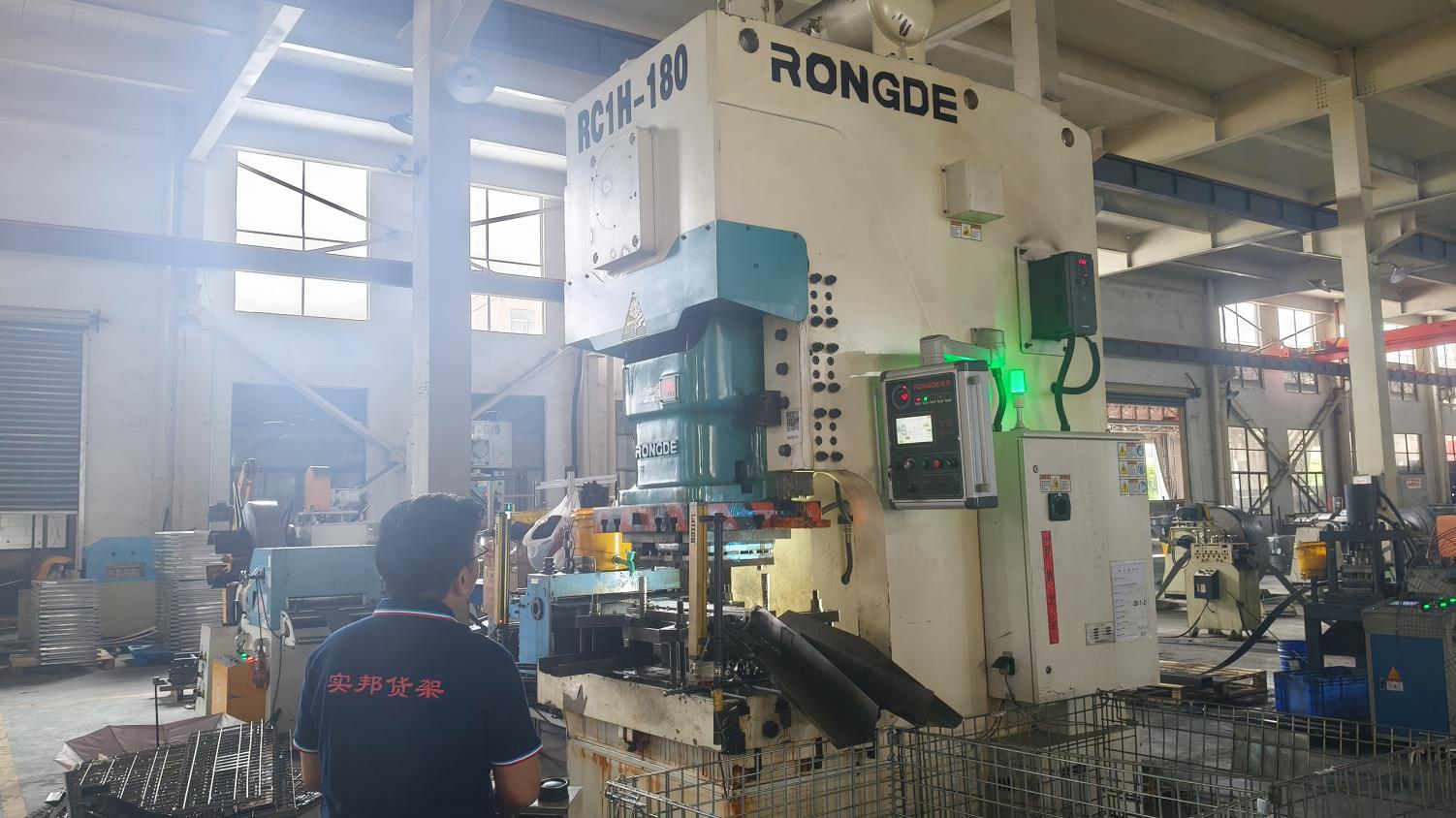
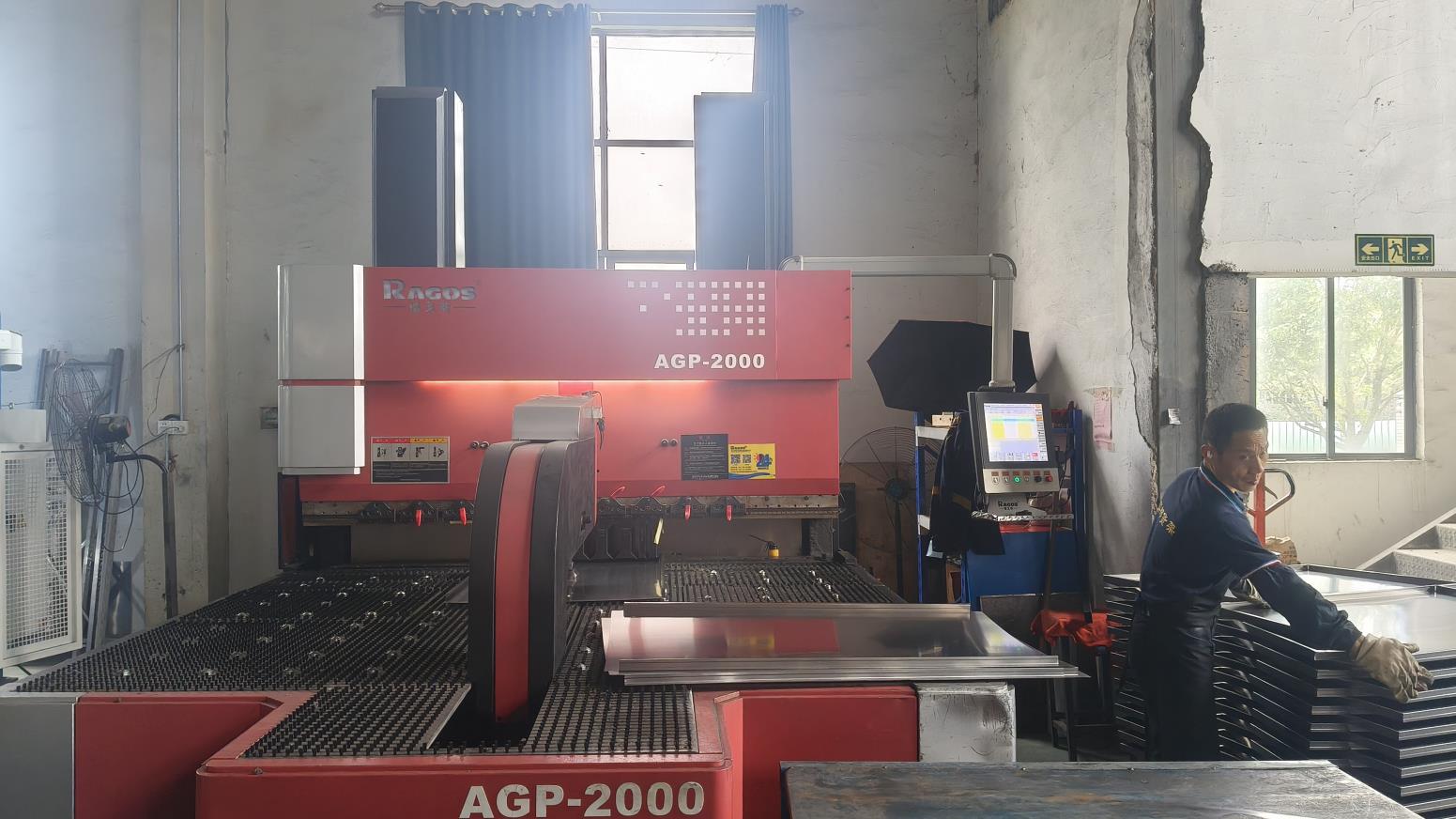
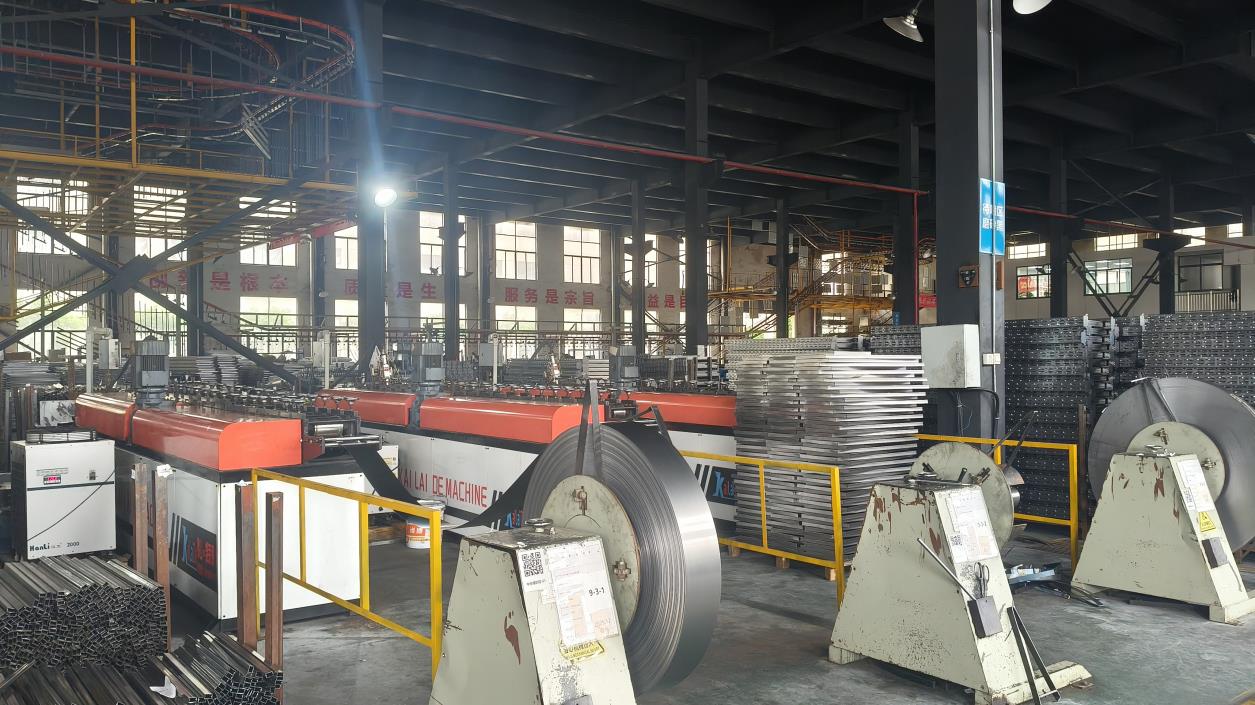
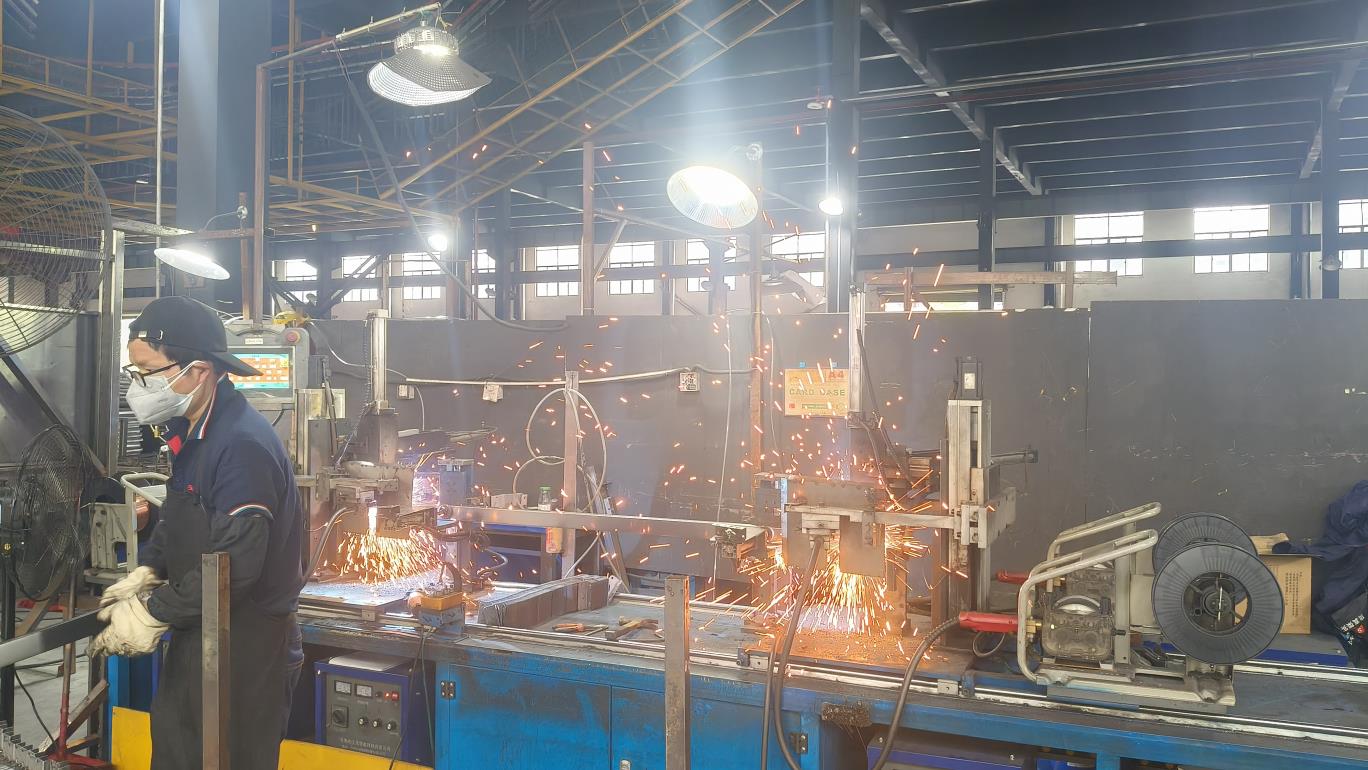
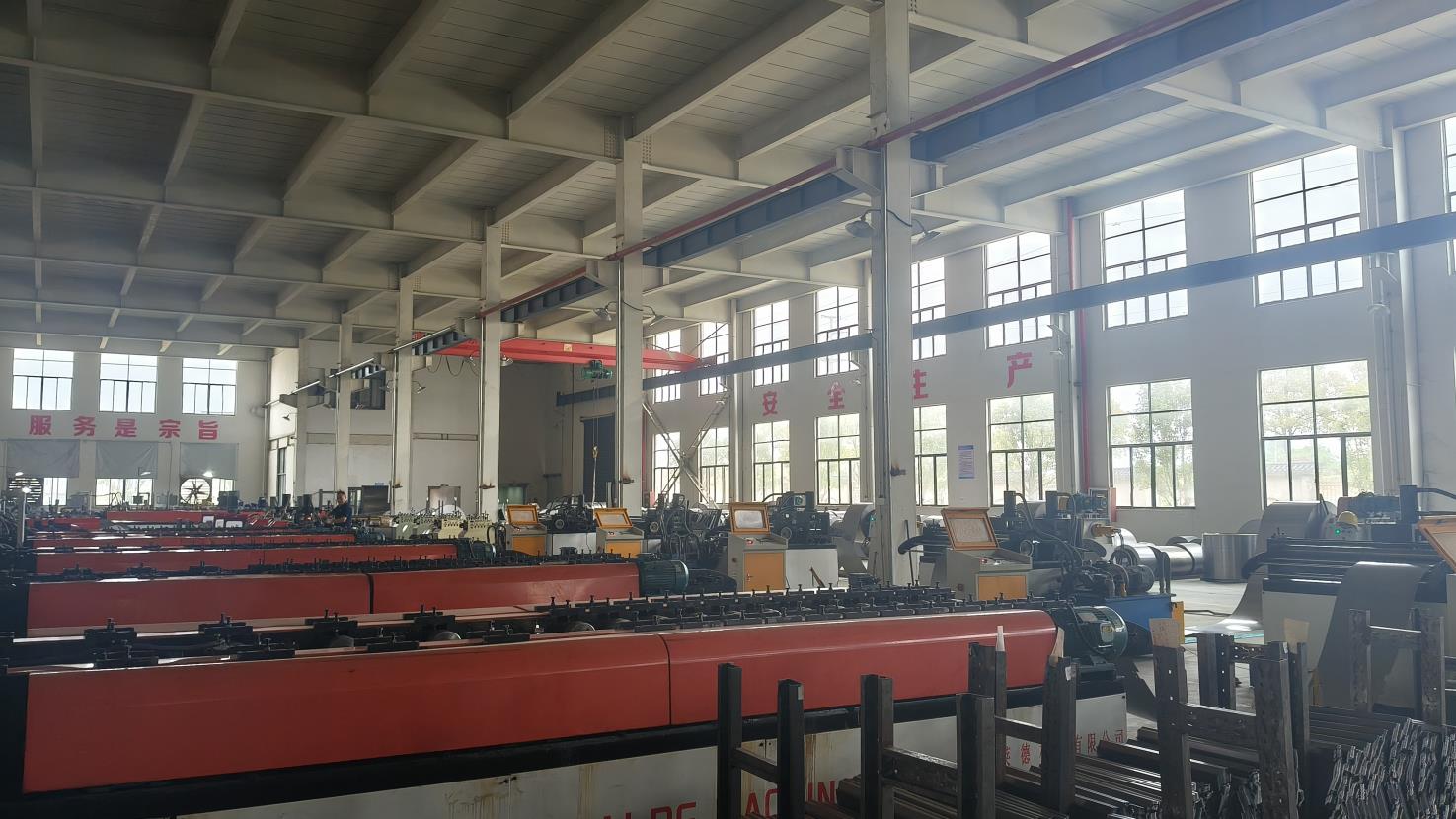
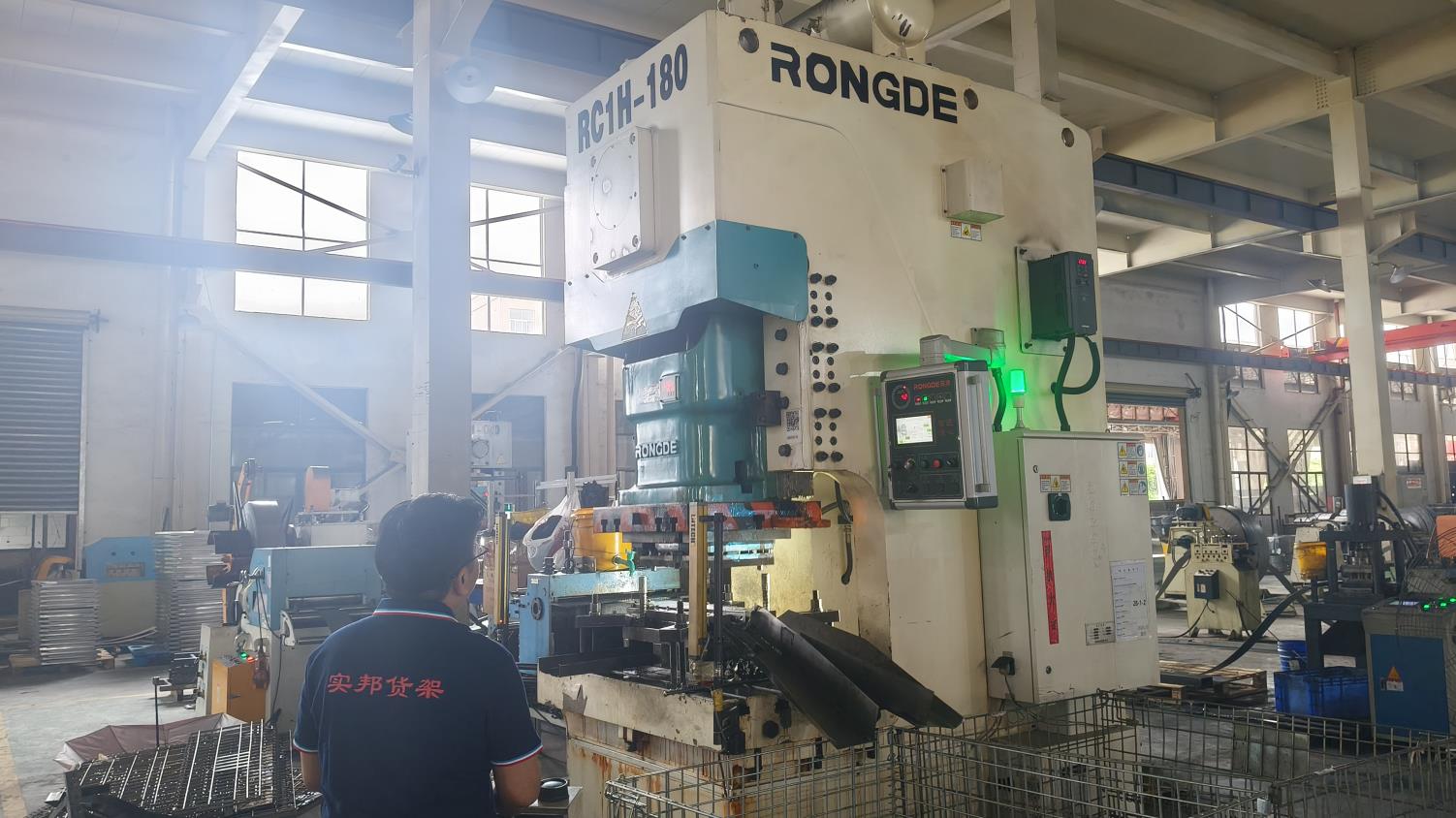
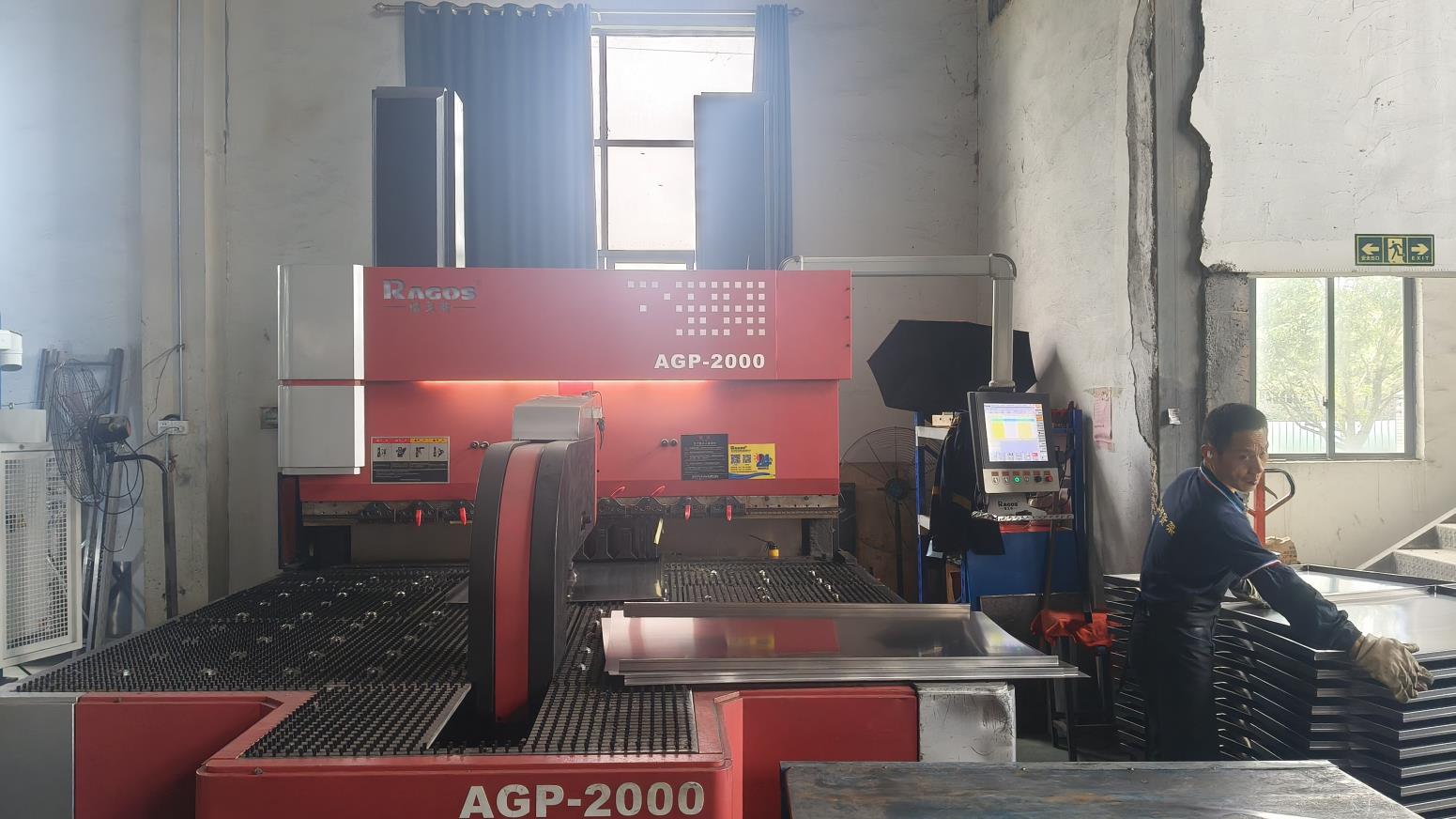
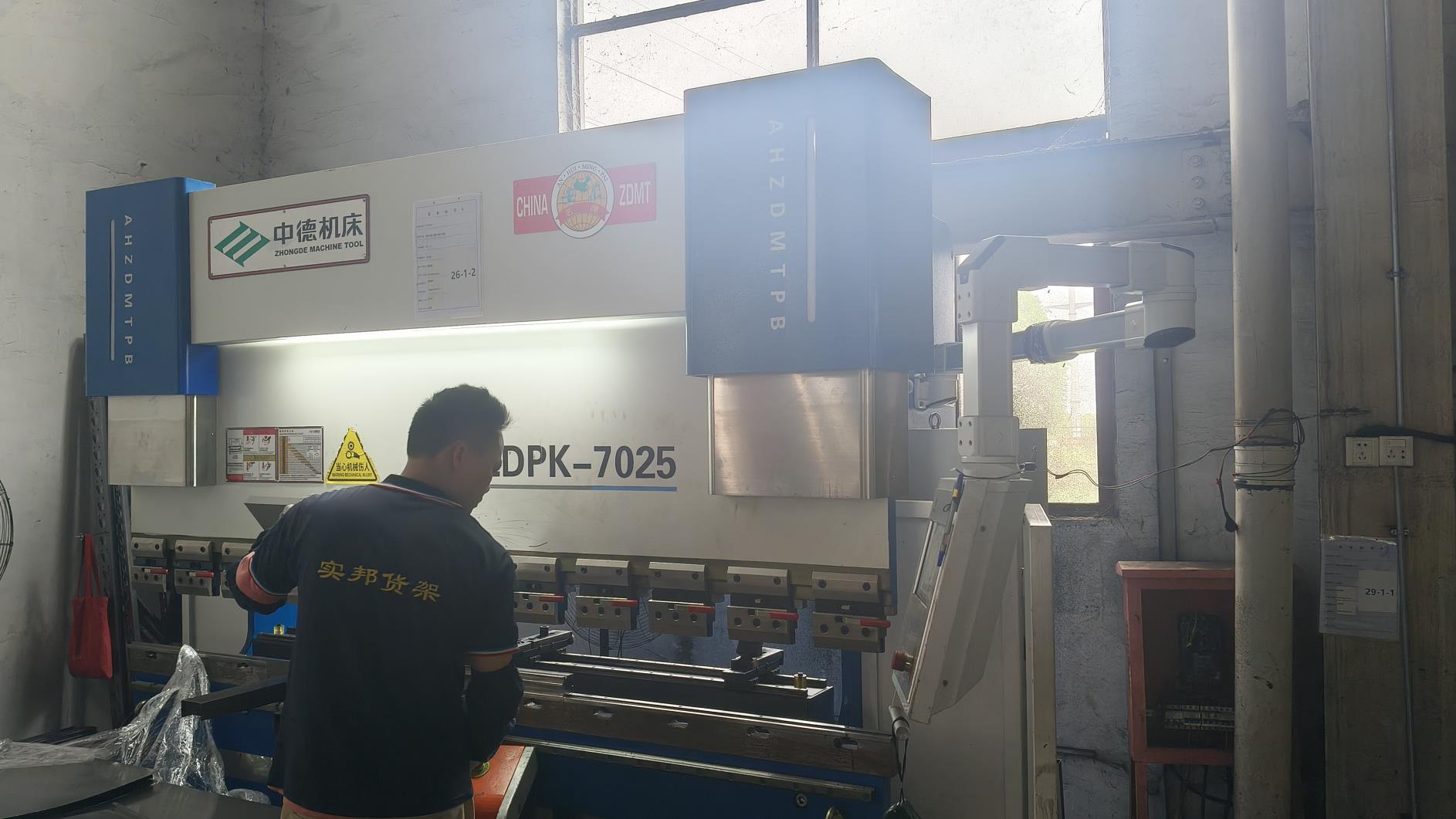
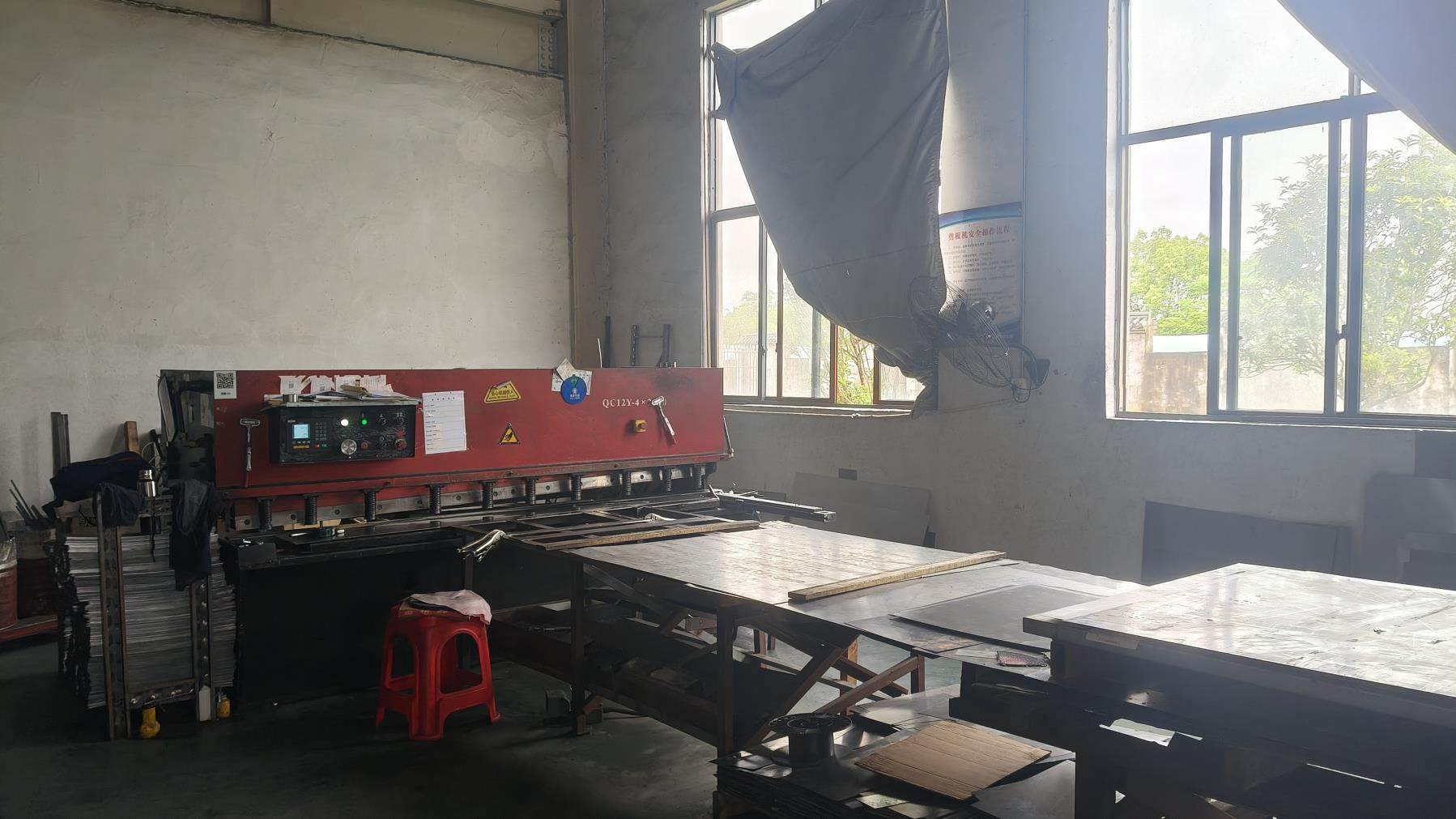
A reliable VNA racking manufacturer must offer certified raw materials. At Ningbo Shibang, we process structural steel grade Q235B and Q355B, which have high tensile strength and high yield stress levels under loading. Structural stability calculations are completed using finite element analysis (FEA). This determines the exact thickness requirements for upright profiles and beam sections based on European (EN 15512), American (RMI), and Australian standards. The cold-rolled fabrication processes apply precise geometry to the structural punchings, ensuring snug connections that prevent displacement under dynamic loads or seismic events.
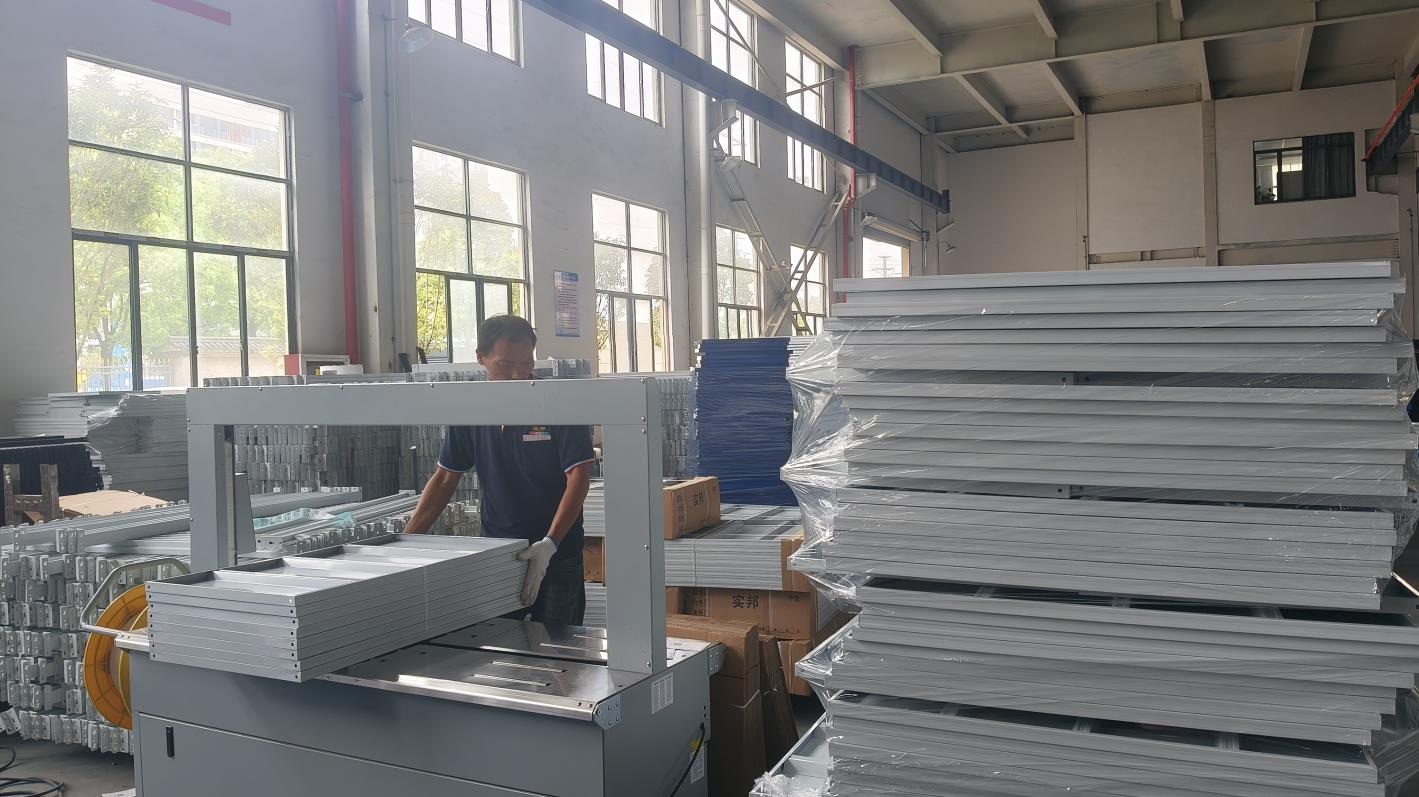
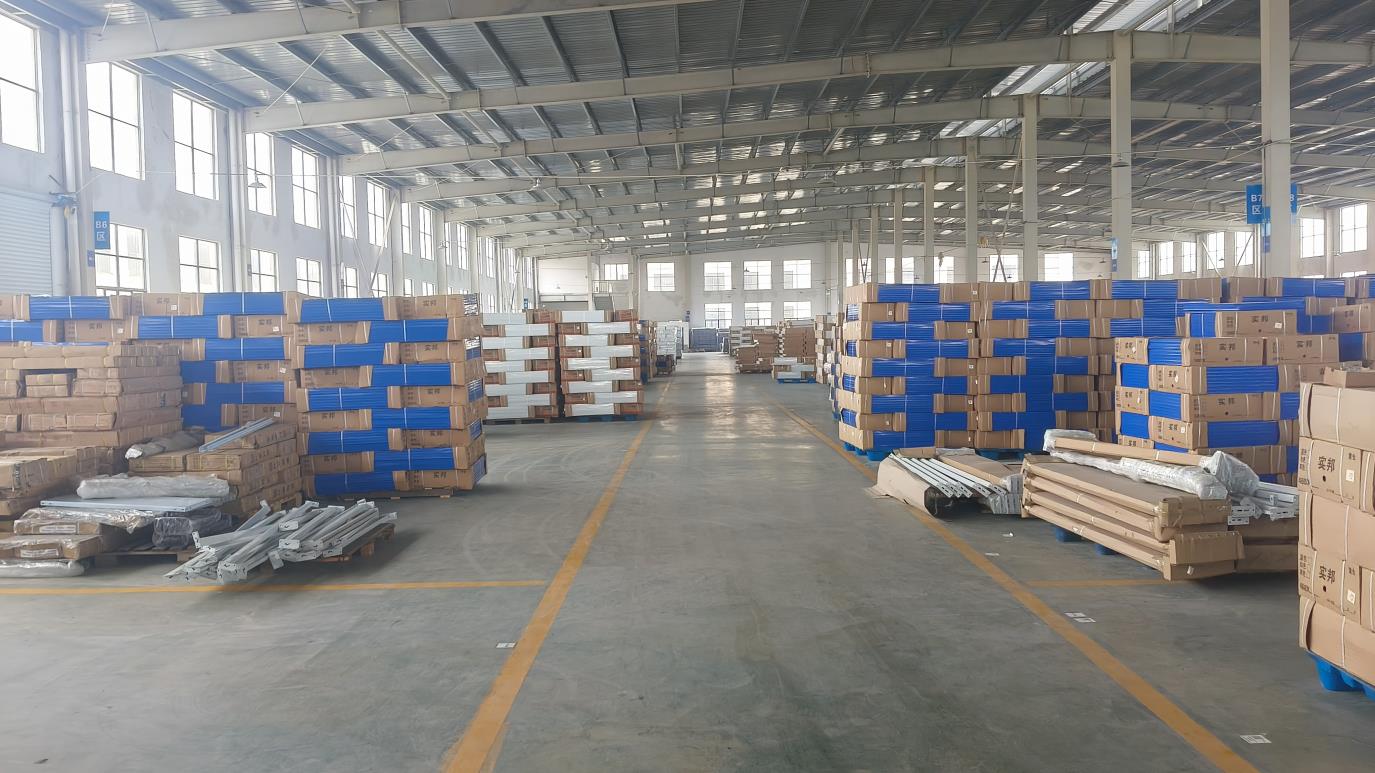
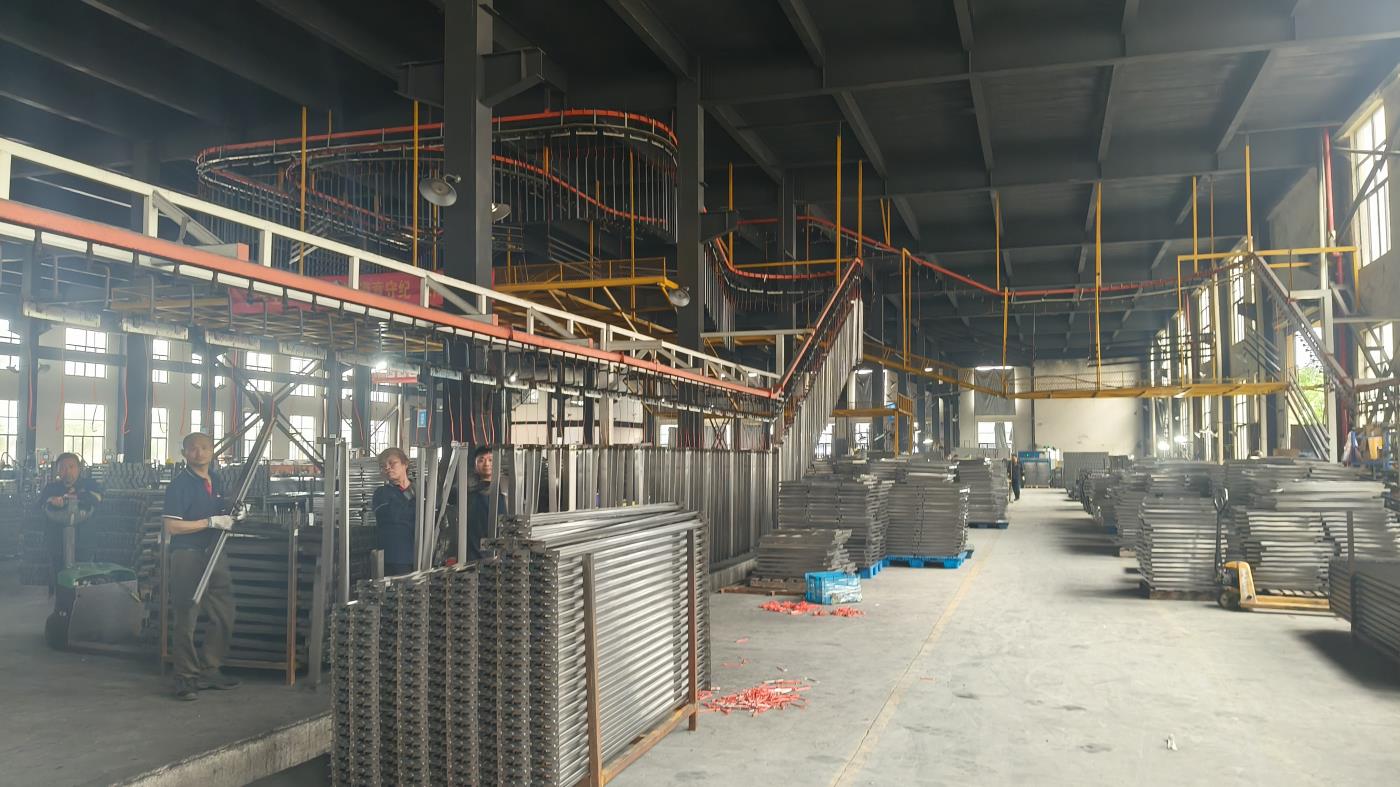
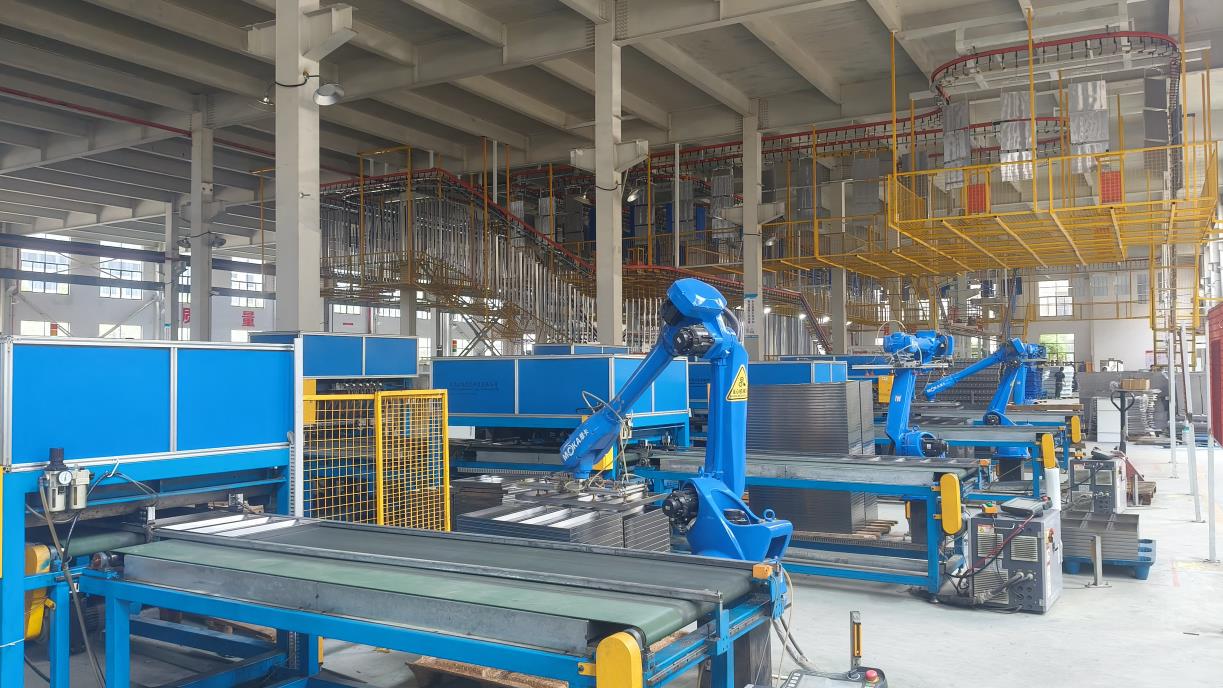
Established in 2016, Ningbo Shibang Storage Rack Co., Ltd. is a leading enterprise specializing in the design, manufacture, and global distribution of heavy-duty industrial warehouse racking systems. Spanning a modern manufacturing facility of 32,000 m², our company has accumulated 12 years of industry experience and 8 years of direct export expertise, serving global clients with total annual export revenue reaching $18 million.
Production Facility Floor Area
Industrial Engineering Experience
Annual Export Revenue
Dedicated Inspectors & Technicians
Quality and structural integrity are at the core of our manufacturing philosophy. Backed by a dedicated quality control team of 35 QA/QC inspectors, we implement rigorous multi-stage quality assurance processes, including Ultrasonic Testing (UT) for weld seams, load-bearing stress analysis, coating thickness verification, and raw material tensile testing.
Operating with a robust international trade setup, our primary markets cover North America, Western Europe, Southeast Asia, and Australia. To maintain efficient production cycles and reliable raw material supply, we partner with over 850 supply chain vendors. Our diverse client portfolio spans 3PL logistics providers, automated distribution centers, retail mega-warehouses, and heavy manufacturing facilities.
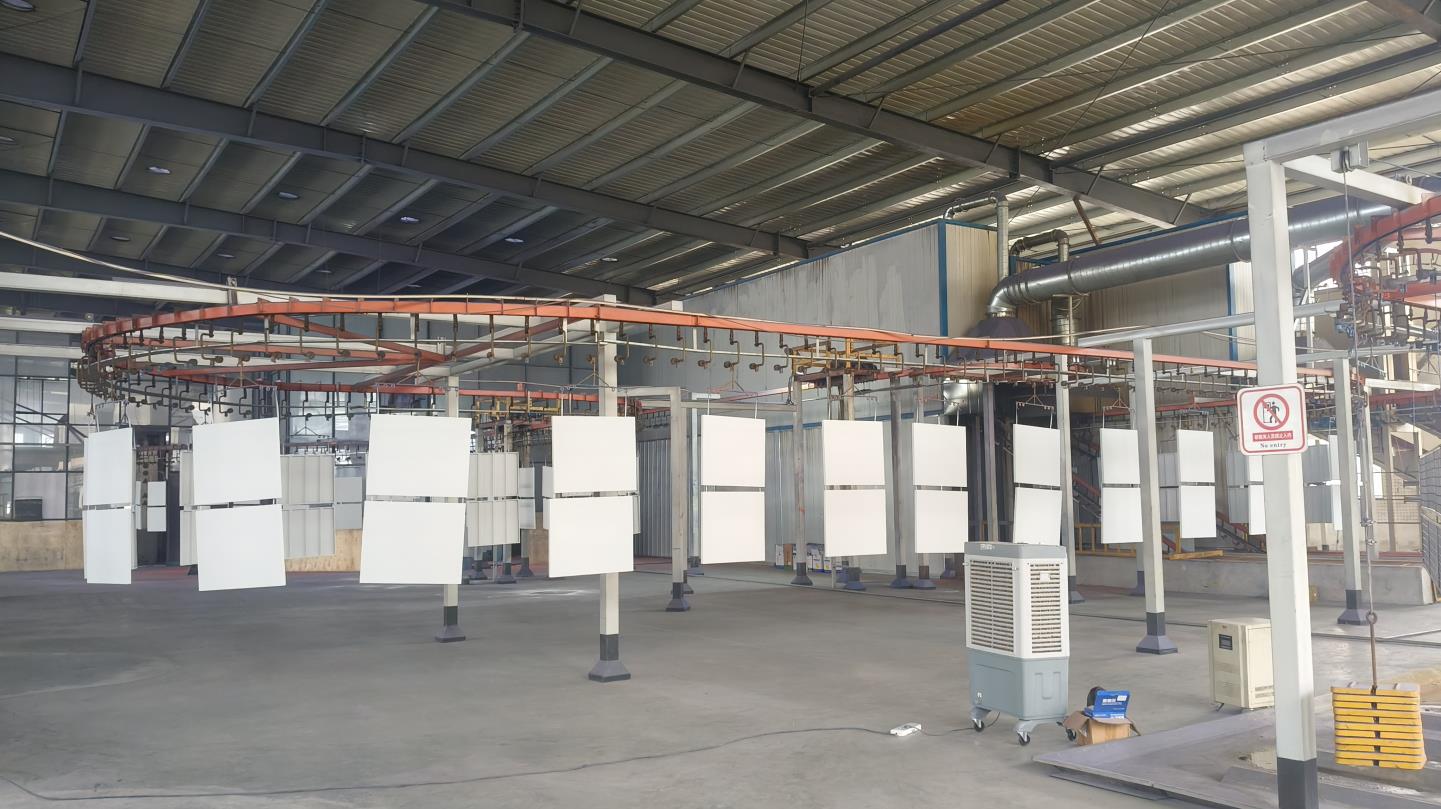
Innovation drives our growth. Our in-house R&D department boasts 22 experienced structural and mechanical engineers. Through strong technical capability and advanced OEM/ODM versatility, we offer extensive customization options, including tailored load capacities, custom powder-coating colors, seismically engineered beam profiles, and modular height configurations. Demonstrating our commitment to evolving market needs, we launched 140 new products and optimized structural components over the past year alone.
Industrial storage trends indicate shifts based on geographic demands. Here is how Ningbo Shibang adapts to localized application challenges:
In high-latitude or metropolitan cold storage zones, maintaining frozen environments requires substantial energy. Maximizing storage density directly lowers operational overhead per cubic meter. VNA systems optimize storage within these spaces, using specialized powder-coat finishes that resist low-temperature embrittlement down to -30°C. They also support increased load densities, helping operators manage high inventory turnover while reducing heat loss.
E-commerce centers demand rapid picking turnarounds, making direct access to all SKUs essential. By reducing aisle space, VNA designs keep travel times low for turret trucks and pickers, supporting faster order processing and higher SKU density. This combination of efficiency and vertical capacity helps operators manage fast-moving retail inventories within a compact layout.
Automation is shaping the future of Australian logistics. VNA configurations are engineered to integrate with Automated Guided Vehicles (AGVs) and Laser Guided Vehicles (LGVs). This automated approach requires tight manufacturing tolerances. Upright vertical deviation, beam-to-frame locking systems, and rail placements must align precisely. A deviation of just 2mm can trigger an AGV laser sensor alert, halting operations. Our manufacturing processes utilize specialized tooling and laser-aligned punching lines to maintain the dimensional accuracy required for automated systems.
Southeast Asia's industrial growth has increased demand for heavy-duty components and specialized tooling racks. These storage systems must support heavy concentrated loads. We customize beam profiles and vertical frames to meet specific load limits, helping manufacturing plants transition from horizontal layouts to space-saving vertical configurations.
As logistics operations adopt smarter technologies, industrial racking systems are adapting to support new warehouse environments. The future of racking extends beyond static steel structures toward dynamic systems that integrate with digital management tools.
1. Industry 4.0 IoT Structural Sensors: Future installations will utilize strain-gauge sensors embedded directly in critical upright columns. These IoT devices send load and impact telemetry to warehouse management software (WMS), warning of structural changes before they pose safety risks.
2. Ecological Surface Treatments: To meet strict global environmental standards, our R&D team is refining sustainable powder-coating techniques. These processes eliminate volatile organic compounds (VOCs) and reduce energy consumption during curing, while maintaining the corrosion resistance required for long-term durability.
3. Seamless AS/RS Modular Coexistence: High-density VNA designs serve as a bridge to fully automated storage and retrieval systems (AS/RS). Our modular rack structures are built to scale, allowing warehouses to transition from manual forklifts to automated shuttle or crane systems without replacing the primary steel frames.
 Shibang Rack