In the era of hyper-globalization, supply chain optimization has transitioned from a secondary operational consideration to a primary lever of competitive advantage. Modern warehousing is no longer merely about static storage; it is about throughput optimization, dynamic density, and structural integrity. Organizations are grappling with skyrocketing cost per square foot, labor shortages, and the critical need to transition toward automation. The layout of a warehouse functions as its central nervous system, dictating travel path efficiency, pick cycles, and workplace safety.
To address these demands, spatial engineering must merge advanced metallurgy with structural physics. Selecting the optimal layout requires a granular understanding of inventory profiles, seasonal fluctuations, and material handling equipment (MHE) constraints. Whether implementing selective pallet racking for direct accessibility or high-density drive-in systems for high-volume, low-SKU items, structural reliability remains the bedrock. A failure in structural calculation or steel formulation can result in catastrophic failures, making direct collaboration with experienced manufacturers essential.
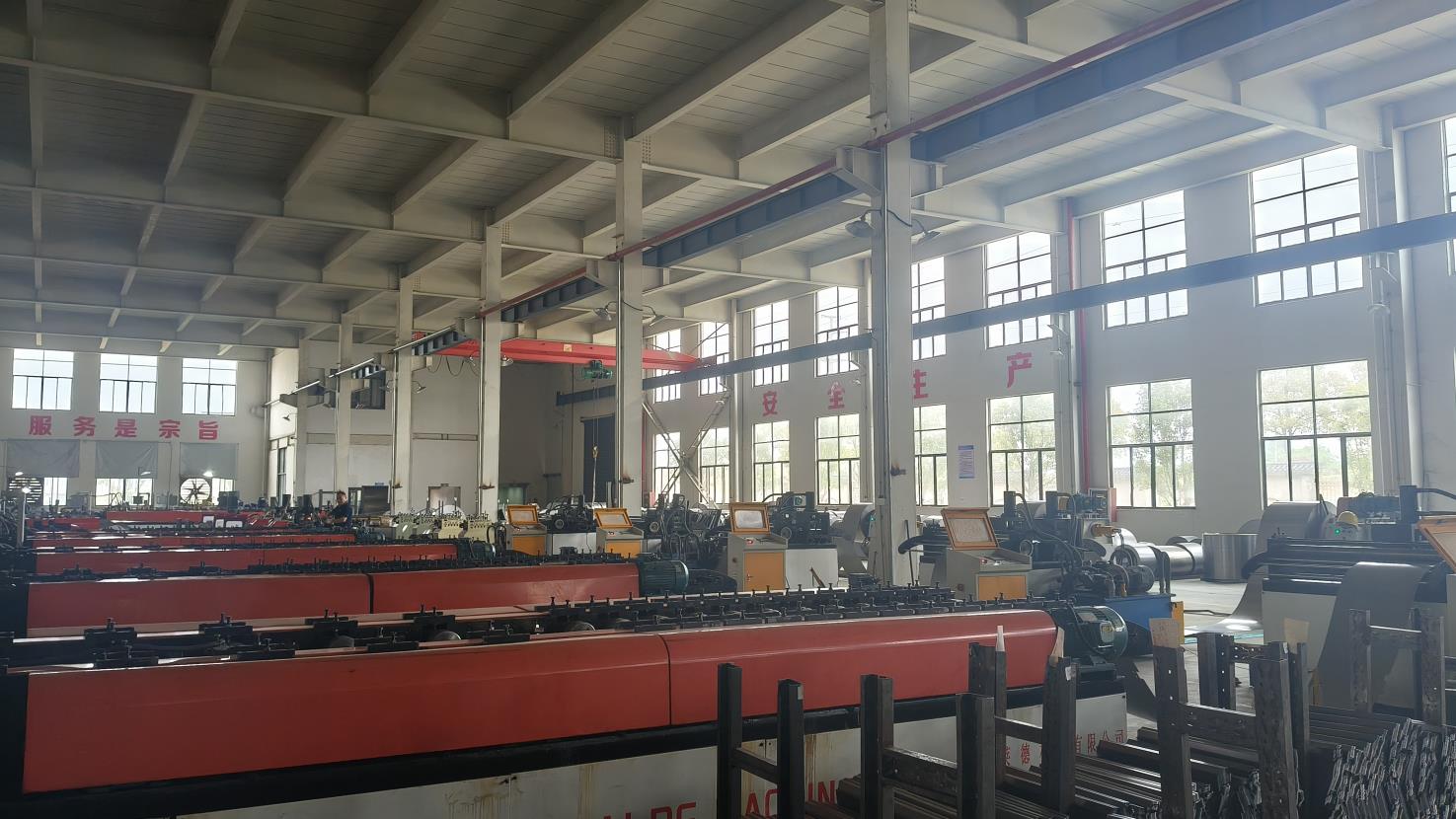
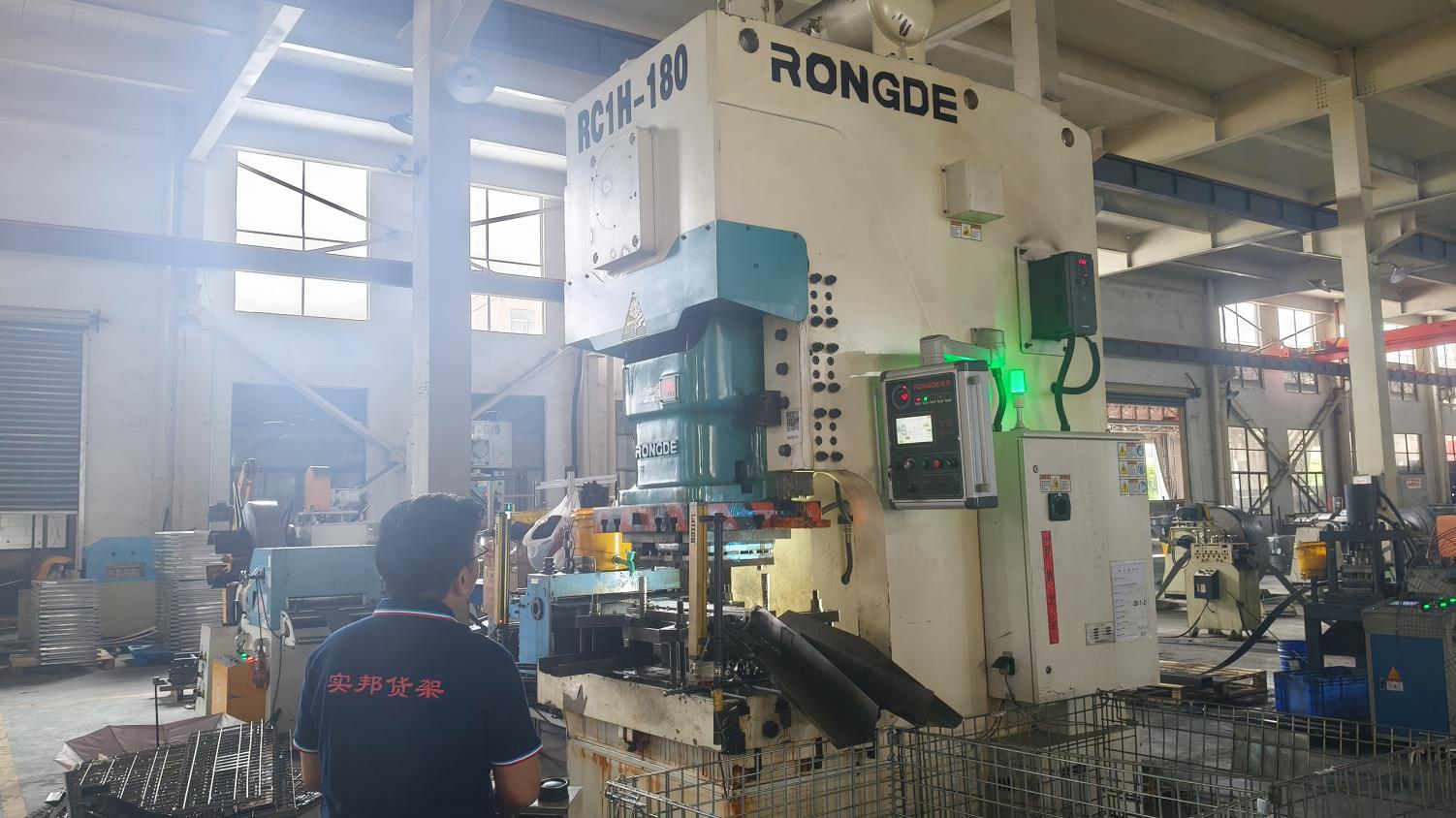
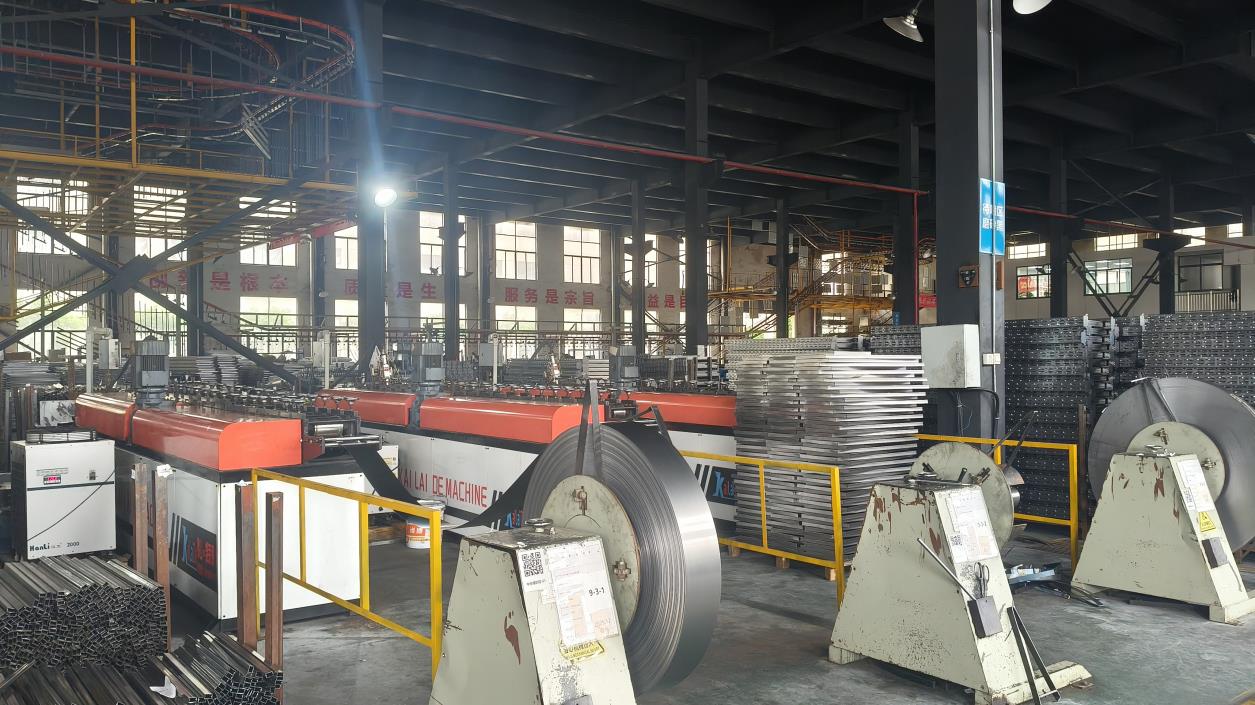
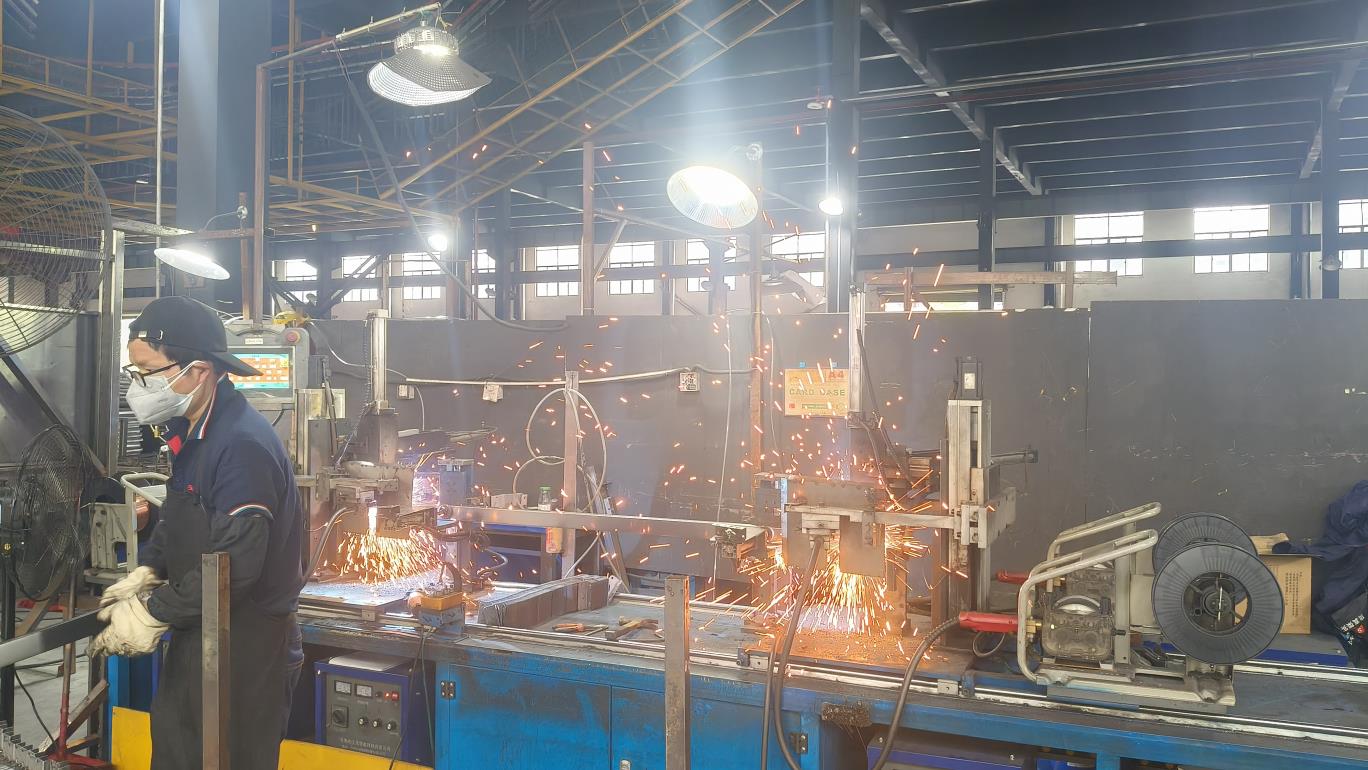
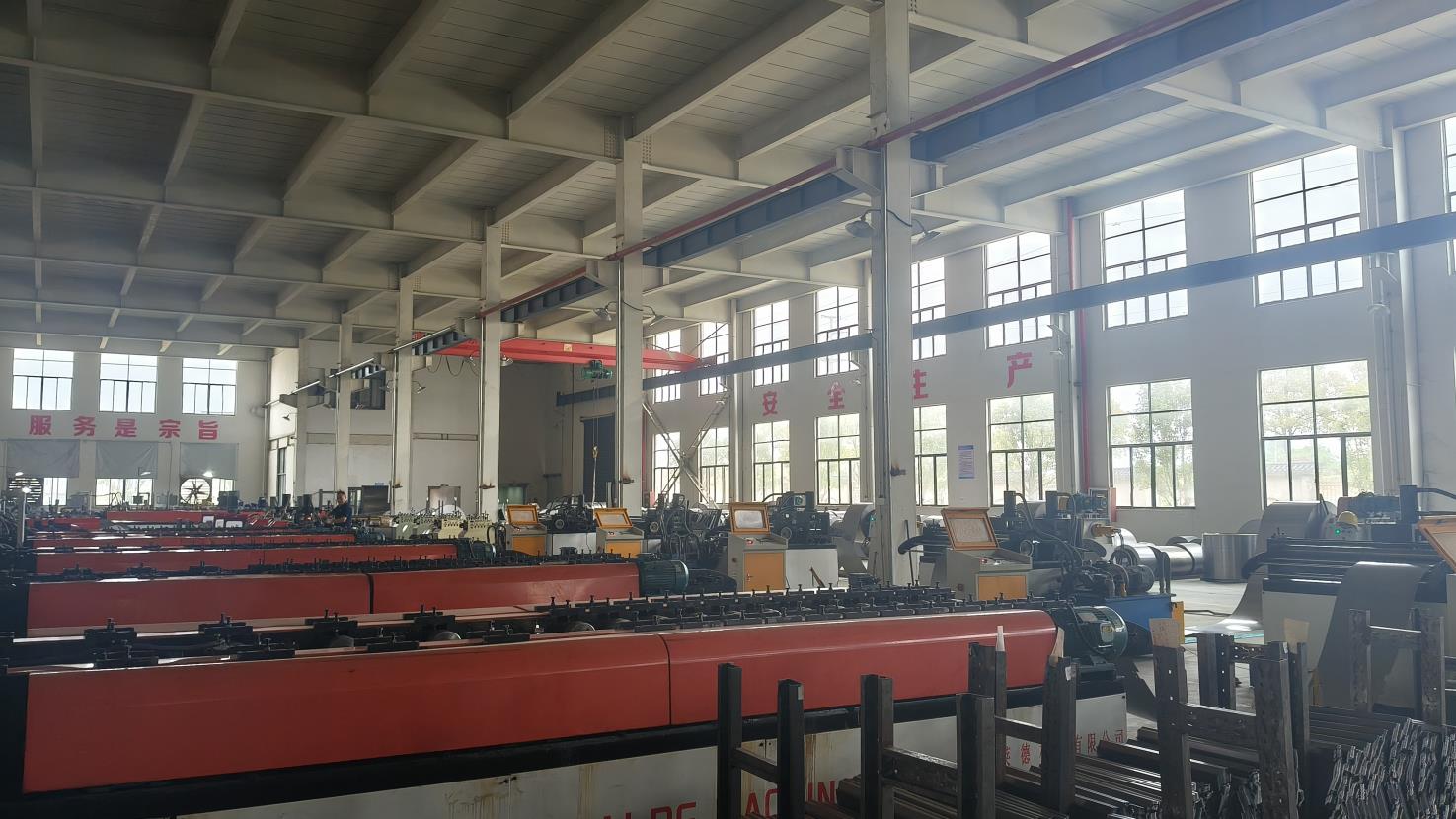
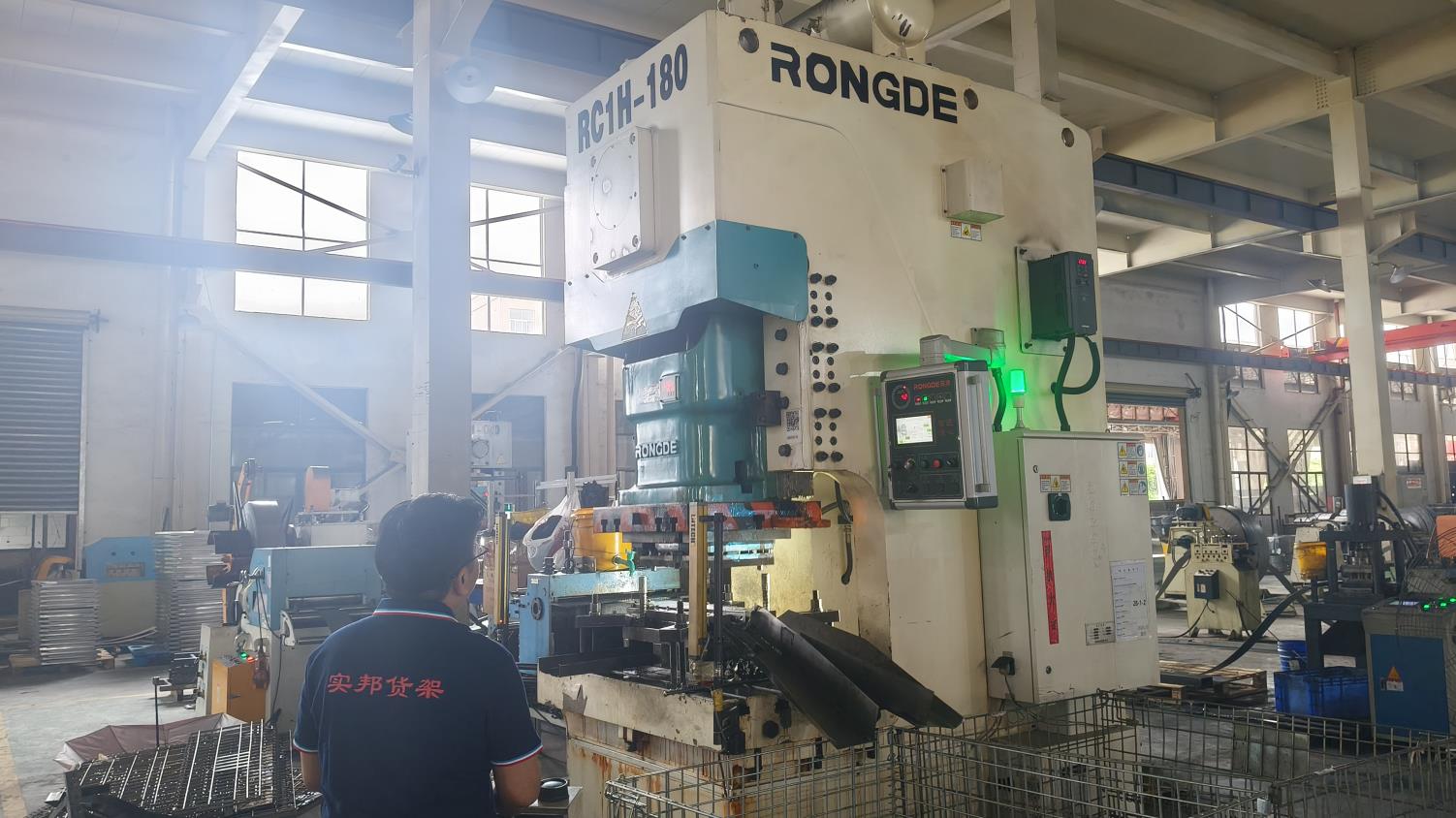
Modern structural designs utilize cold-rolled steel profiles characterized by yield strength ratings of Q235B and Q355B. Fabricating high-density structural columns requires precision punching and cold-forming lines to eliminate microscopic stress fractures, ensuring structural performance under seismic activity and high dynamic loads.
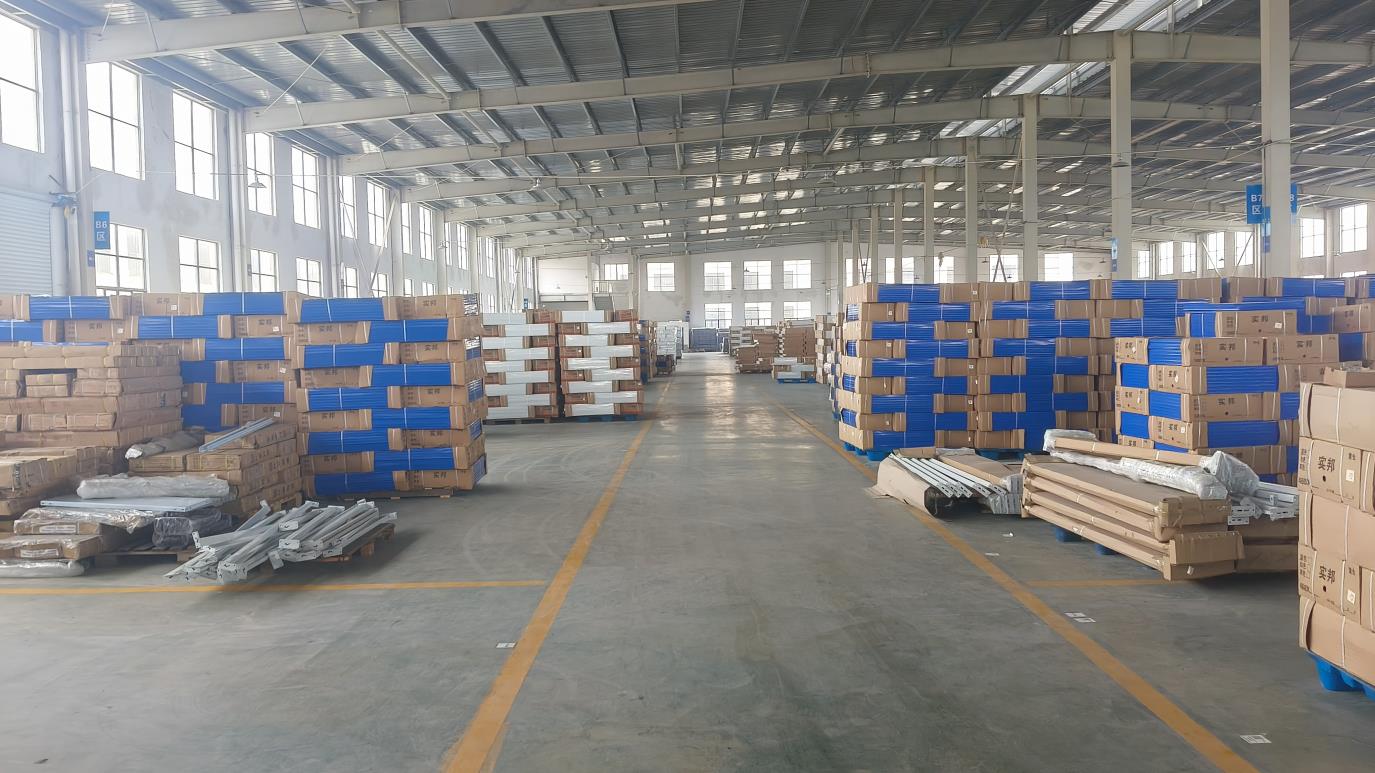
Established in 2016, Ningbo Shibang Storage Rack Co., Ltd. has developed into a premier enterprise specializing in the custom design, precision manufacture, and international distribution of heavy-duty industrial storage racks. Operating out of a state-of-the-art 32,000 m² manufacturing facility, our organization integrates 12 years of industry experience and 8 years of dedicated direct export operations. With a global distribution footprint spanning key markets, our annual export revenue has reached $18 million, reflecting our role as a trusted partner to multinational enterprises.
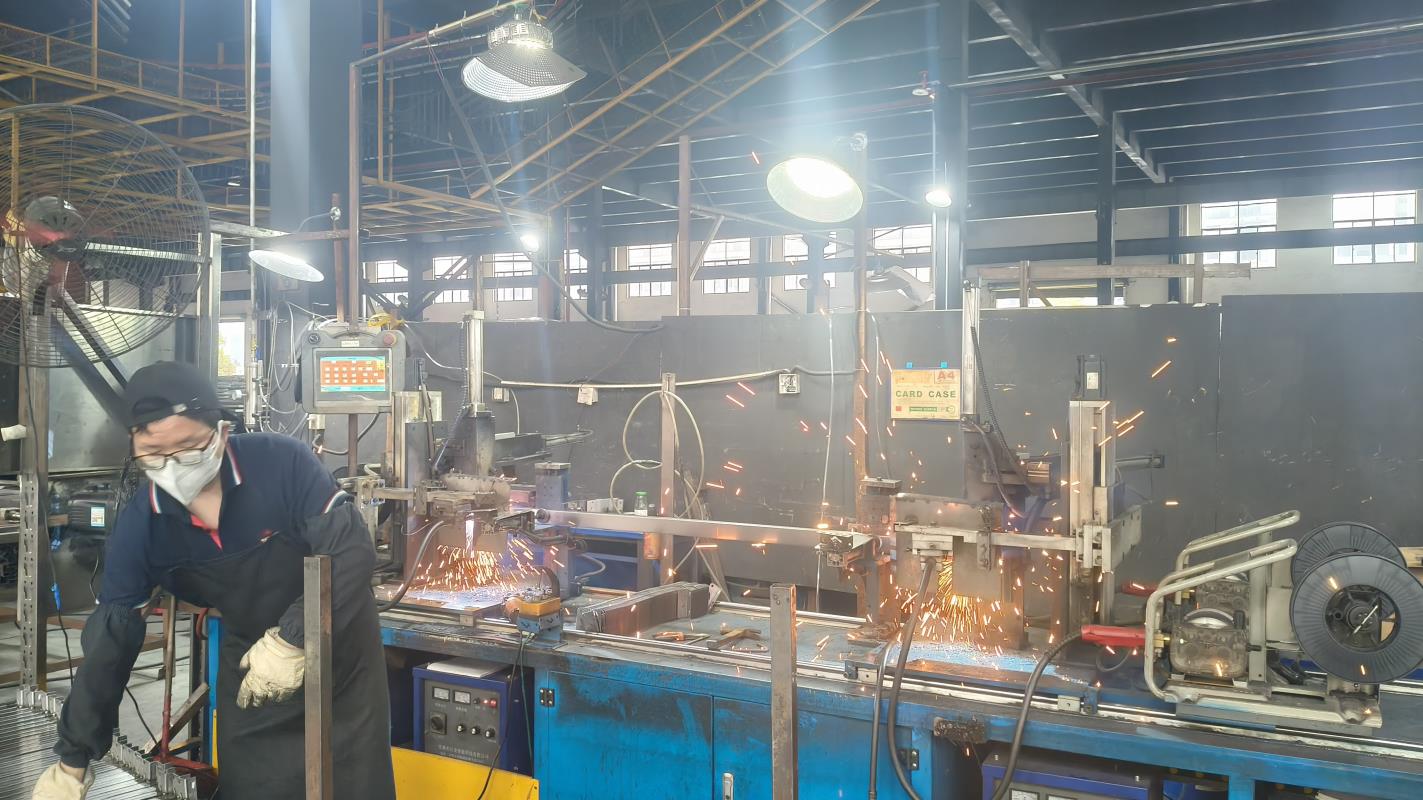
Quality and structural reliability define our fabrication philosophy. Backed by a dedicated quality assurance and quality control department featuring 35 QA/QC inspectors, we enforce a strict multi-tier quality management system. Our inspection protocols encompass Ultrasonic Testing (UT) for weld seams, load-bearing stress calculations, coating thickness verification, and raw material tensile testing. This level of quality control ensures compliance with stringent international standards such as RMI and FEM.
Our global footprint encompasses major logistics hubs across North America, Western Europe, Southeast Asia, and Australia. We collaborate with over 850 supply chain vendors, ensuring a stable supply of high-grade steel raw materials and surface treatment chemicals. Our tailored solutions serve a wide range of industrial clients, including Third-Party Logistics (3PL) providers, automated e-commerce fulfillment centers, large-scale retail warehouses, and cold chain operations.
Innovation is the core driver of our continuous improvement. Our in-house research and development division, staffed by 22 structural and mechanical engineers, provides versatile OEM/ODM capabilities. We specialize in custom solutions, including tailored load capacities, custom powder-coating colors, seismically engineered beam profiles, and modular height configurations. Over the past year, our team introduced and optimized 140 structural components and new products, adapting to the shifting demands of modern warehousing.
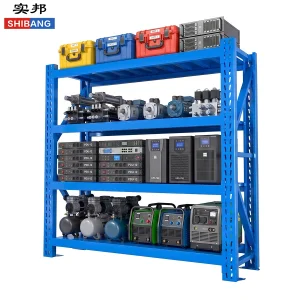
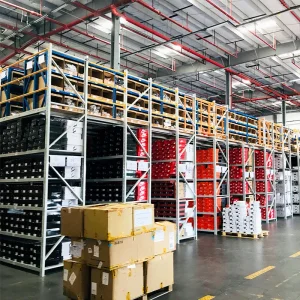
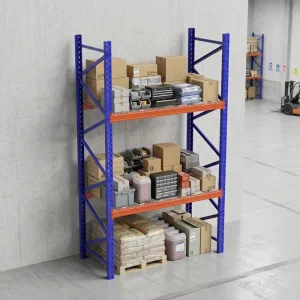
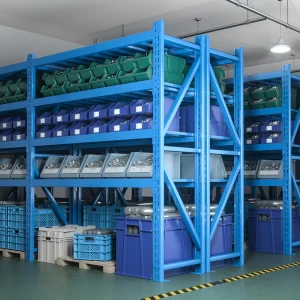
Provides 100% selectivity and immediate access to every pallet. Highly versatile and ideal for FMCG, retail, and 3PL operations handling diverse SKU profiles. Works seamlessly with standard reach trucks and counterbalanced forklifts.
Engineered for high-density storage. Double-deep configurations reduce aisle requirements, while drive-in racking uses a Last-In, First-Out (LIFO) model, which is ideal for cold storage and large batches of identical products.
Very Narrow Aisle (VNA) systems utilize guiding systems to shrink access aisles to less than 1.8 meters. When integrated with Automated Storage and Retrieval Systems (AS/RS), vertical space utilization is optimized.
| Layout Strategy | Space Efficiency | SKU Access Rate | Labor Speed | Primary Target Industry |
|---|---|---|---|---|
| Selective Racking | Low-Medium (40-50%) | 100% Selective | Fast (Direct Access) | 3PL, Multi-Category E-commerce |
| Double-Deep | Medium-High (60-65%) | 50% Selective | Moderate | Cold Storage, Manufacturing |
| Drive-In / Drive-Through | High (70-75%) | Low (LIFO / FIFO) | Slow-Moderate | Beverage Industry, Bulk Goods |
| AS/RS (Automated) | Extremely High (85%+) | Dynamic Control | Automated Speed | Smart Hubs, Pharmaceutical Distribution |
Sourcing racking systems from Ningbo, China, offers distinct advantages rooted in regional logistics clusters and raw material integration. The proximity to Ningbo-Zhoushan Port—one of the world's busiest container hubs—minimizes land transit costs and expedites global shipping timelines. This geographic positioning enables efficient export operations to North America, Europe, and Asia-Pacific.
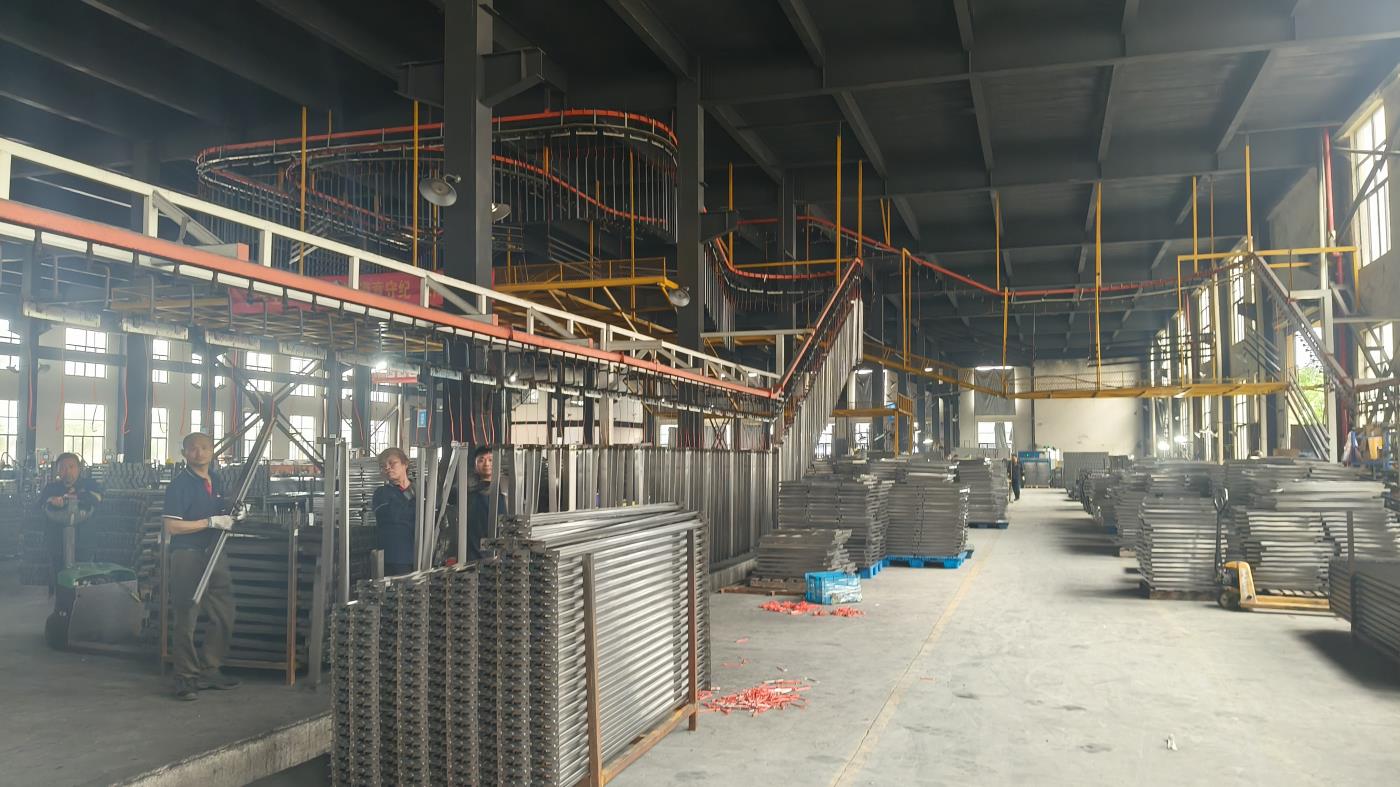
Furthermore, China's established steel industrial clusters provide a consistent supply of structural steel. This concentration of raw material sourcing and components manufacturing enables Ningbo Shibang to manage material procurement efficiently. Our extensive network of over 850 verified component and coating vendors allows us to absorb fluctuations in raw material pricing and ensure stable production schedules, even during complex supply chain disruptions.
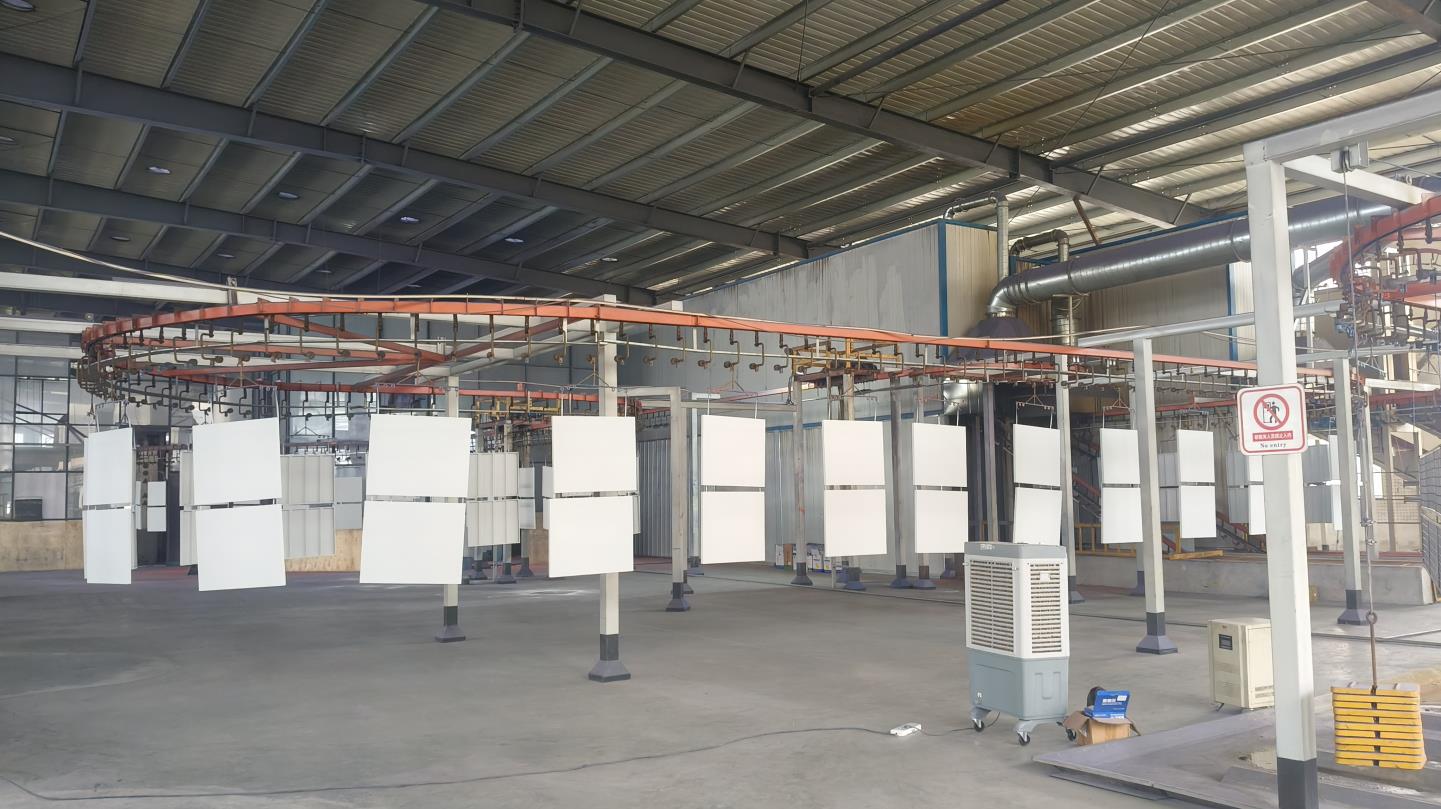
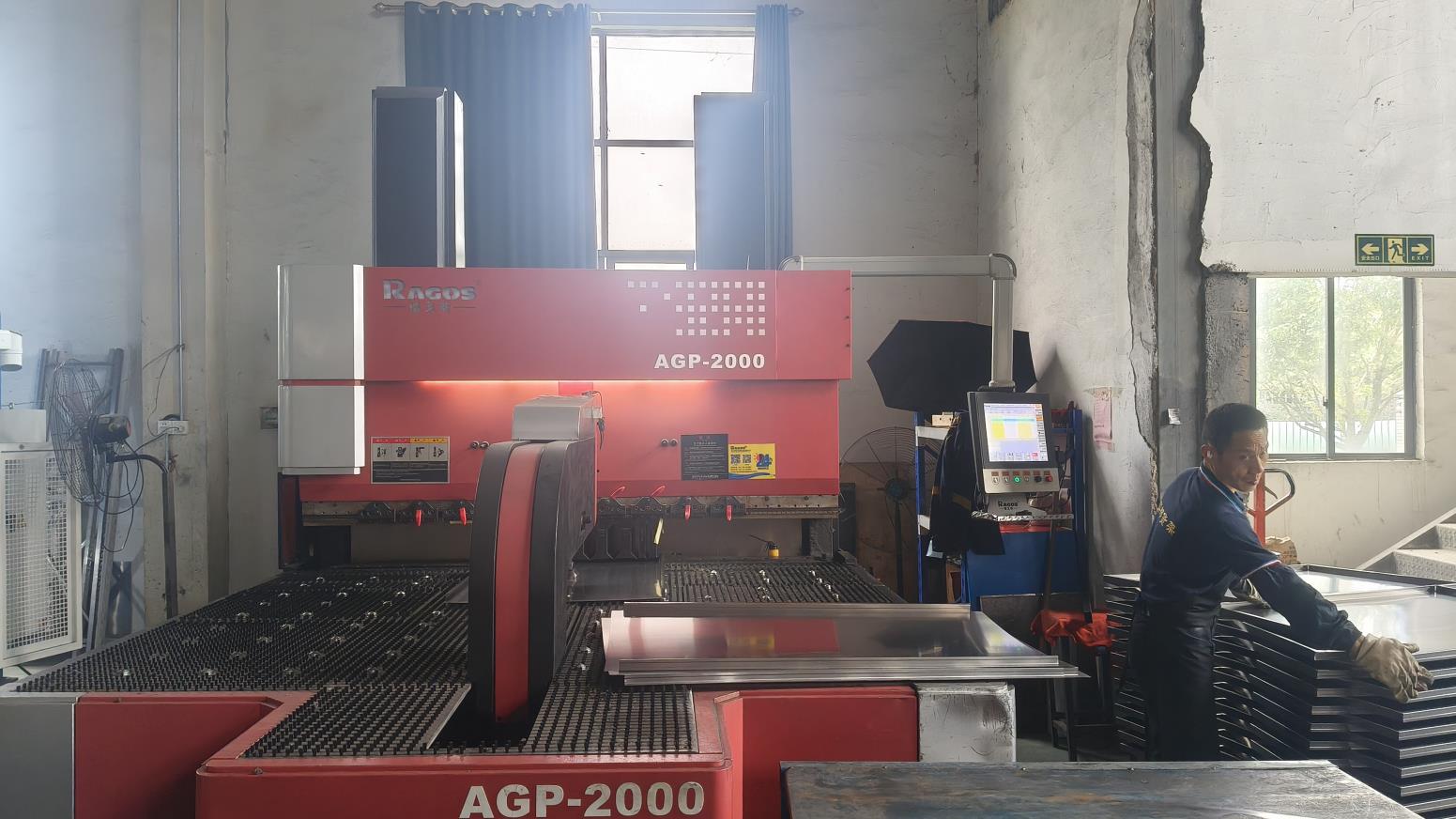
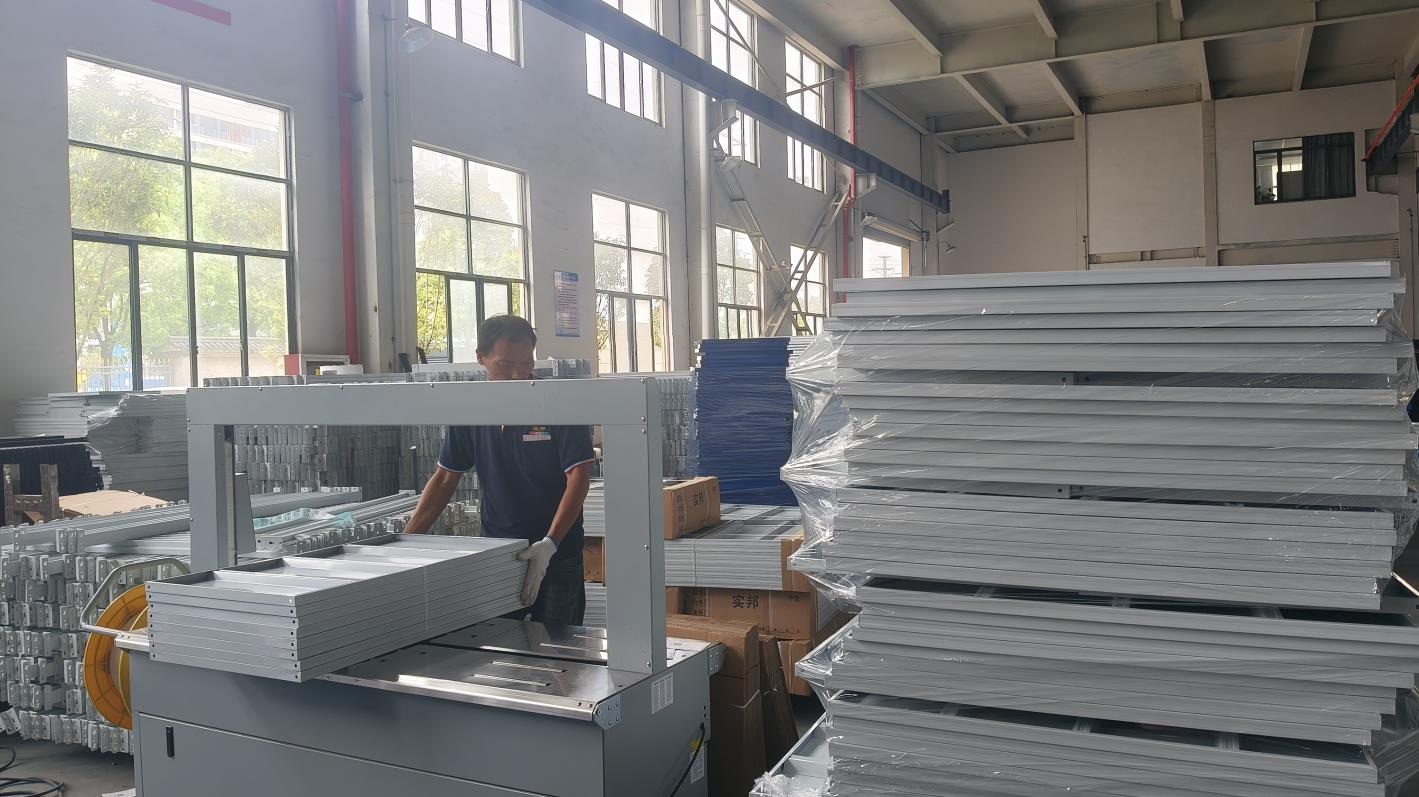
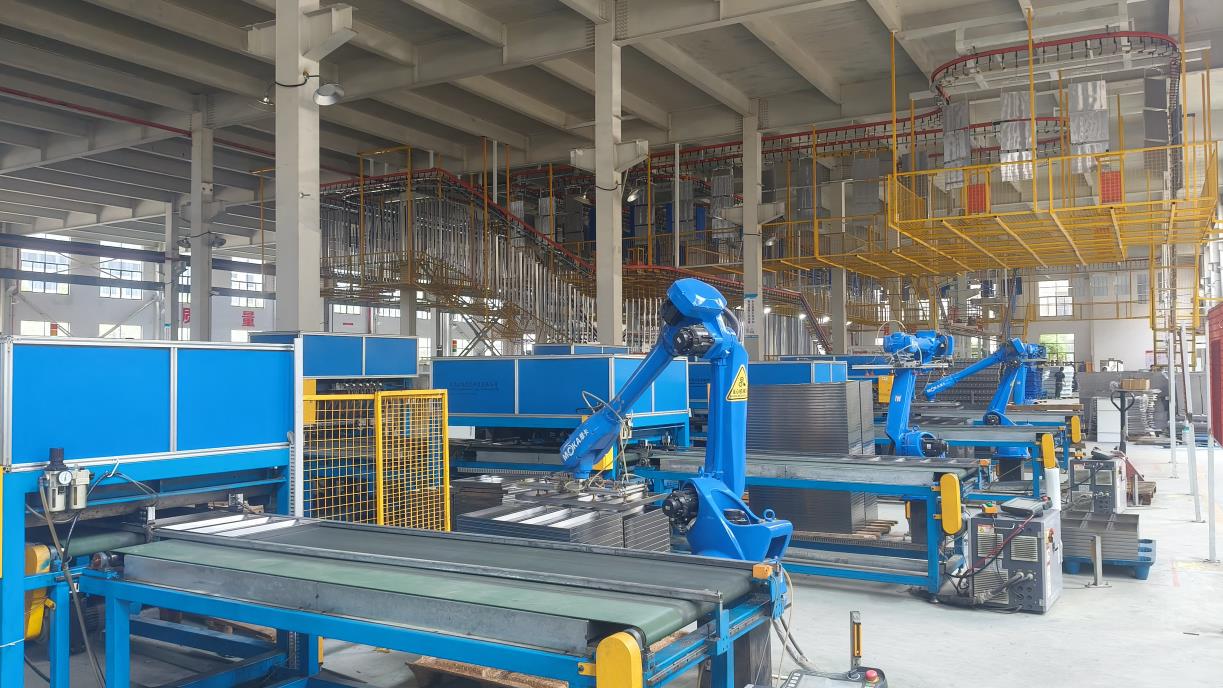
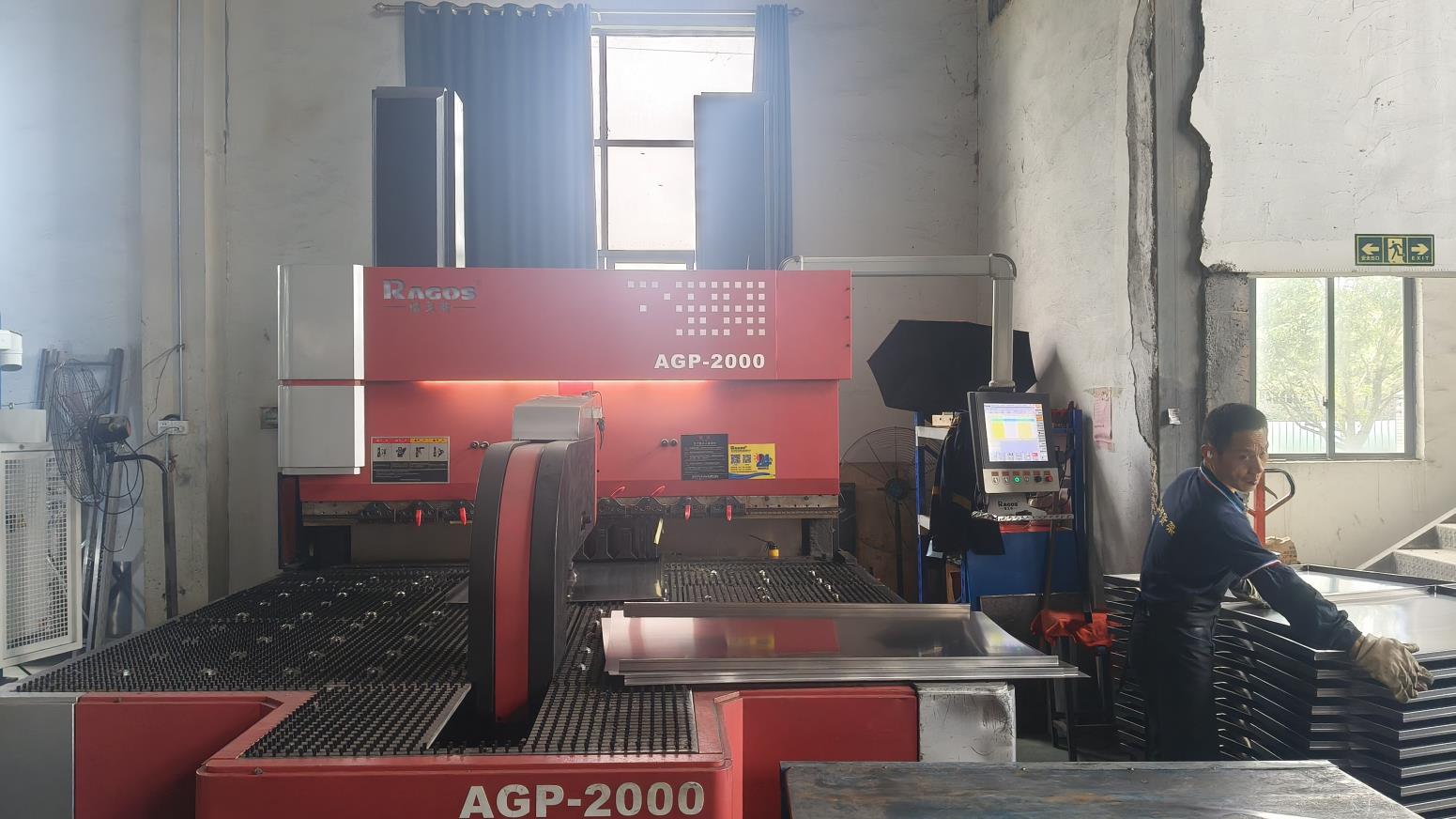
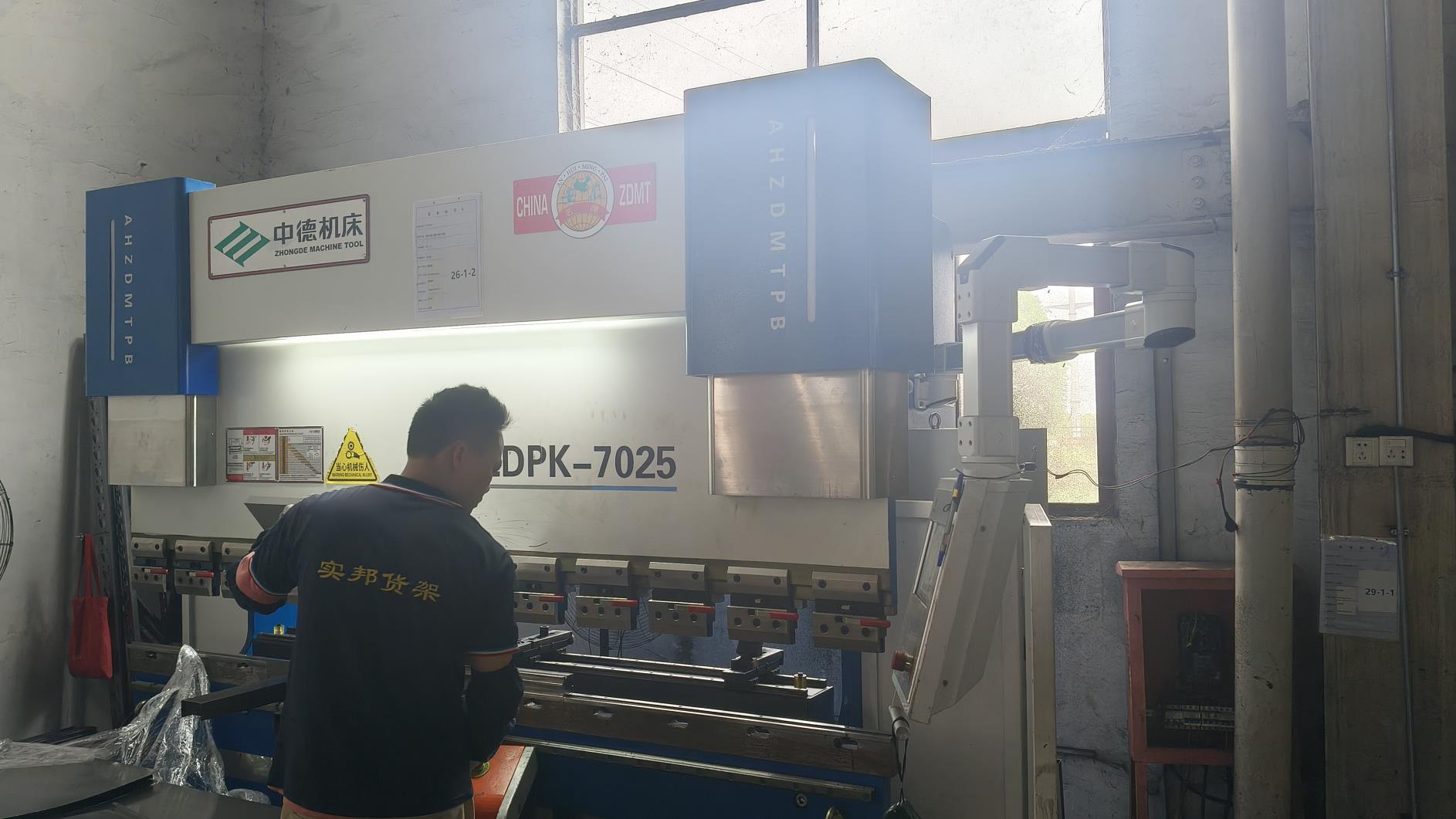
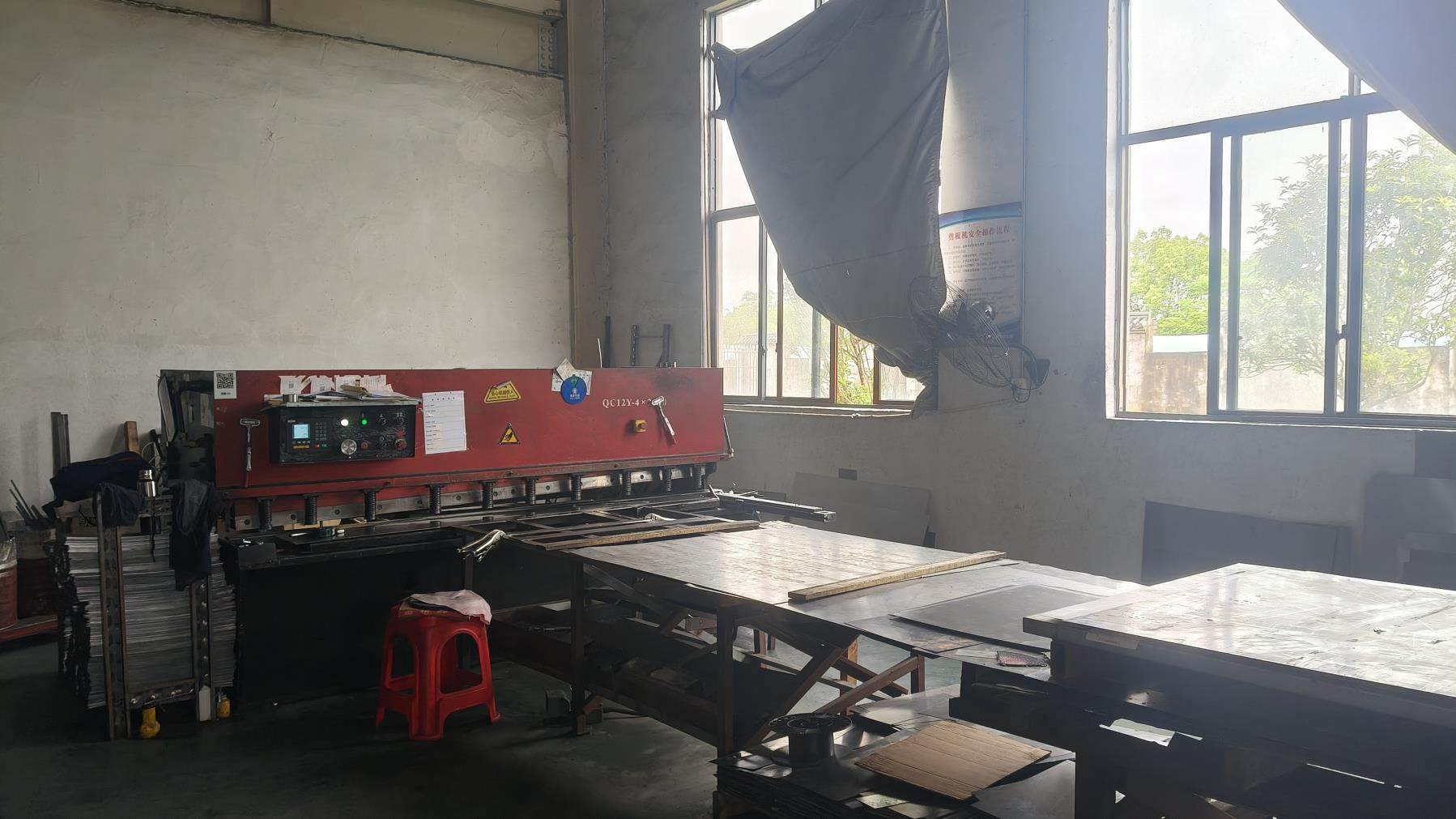
To guarantee structural reliability and precise tolerances, Ningbo Shibang utilizes fully automated production machinery and robotic cells across every stage of the fabrication process.
Every geographical market features unique structural, seismic, and regulatory requirements. An off-the-shelf racking system designed for one region may fail safety and compliance standards in another. Ningbo Shibang addresses these regional variances through custom structural design.
North American layouts are engineered in compliance with RMI (Rack Manufacturers Institute) and ANSI MH16.1 specifications. In earthquake-prone zones like the US West Coast, our engineering team designs dynamic, seismically anchored base plates and reinforced column profiles. Structural calculations incorporate custom wind-load profiles for outdoor storage and high-load capacities required for heavy-duty retail environments.
European logistics centers demand strict compliance with EN 15635 and FEM 10.2.02 codes, focusing on structural safety and periodic inspection tolerances. We design racking systems utilizing high-tolerance metric steel dimensions. This design methodology supports the integration of Very Narrow Aisle (VNA) forklifts and automated storage equipment, which are common in space-constrained European urban logistics hubs.
Projects in Australia must comply with the AS 4084 steel storage racking standard. Our structural designs feature specific steel grades and connection designs tested to meet Australian safety limits. This system configuration supports heavy mining storage, agricultural cold storage facilities, and regional e-commerce fulfillment hubs across Brisbane, Sydney, and Melbourne.
For operations in high-humidity tropical areas and sub-zero cold chain facilities, standard powder coatings are susceptible to degradation. We utilize high-durability epoxy-polyester coatings and hot-dip galvanized finishes. These surface treatments prevent moisture penetration and corrosion, ensuring long-term structural integrity.
The future of industrial warehousing is defined by automation, digital twins, and sustainable operations. As operations transition toward automated material handling, racking systems must be engineered with tighter tolerances to interface seamlessly with robotics. Ningbo Shibang is positioning its product development to align with these trends:
Integrating Automated Storage and Retrieval Systems (AS/RS) and Autonomous Mobile Robots (AMRs) requires structural racking built to millimeter-level tolerances to ensure reliable sensor alignment and robotic docking.
We are developing smart racking prototypes embedded with strain gauges and load sensors. These IoT integrations monitor structural stresses in real-time, providing early warnings for overload conditions.
Aligning with global sustainability goals, our production lines utilize VOC-free powder coating formulations and waste-heat recovery systems in our curing ovens, reducing the carbon footprint per ton of steel processed.
 Shibang Rack