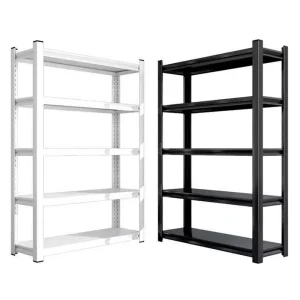
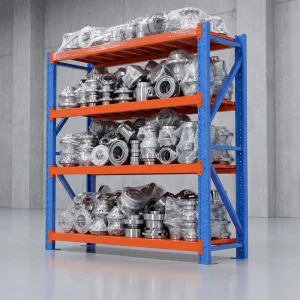
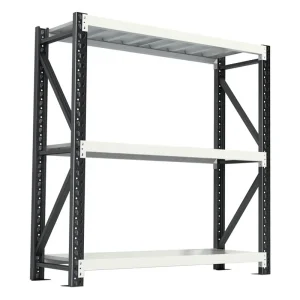
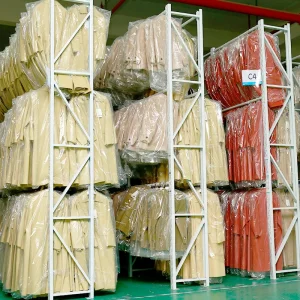
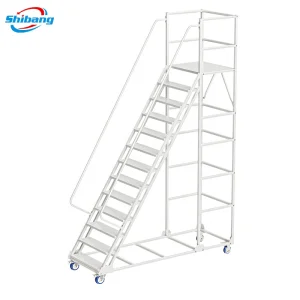
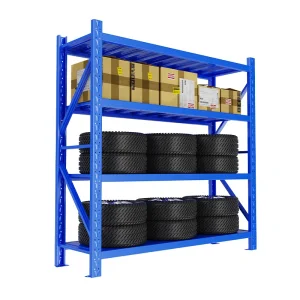
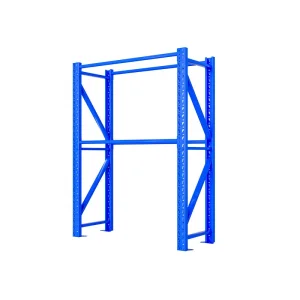
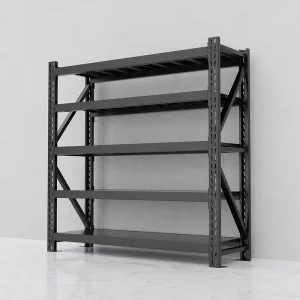
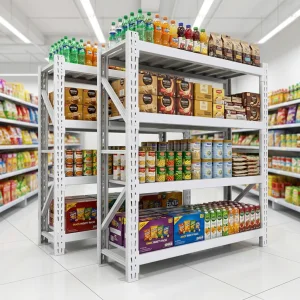
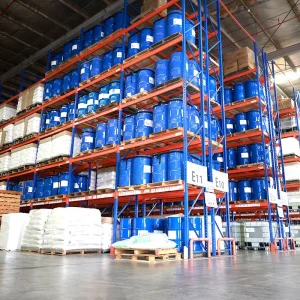
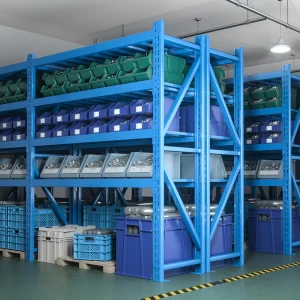
Discover our foundational storage racks and industrial shelving systems, engineered for maximum load capacities and versatile configuration.
In the era of modern logistics, automated fulfillment, and rapid supply chain diversification, spatial optimization is no longer just a structural decision; it is a critical driver of operational profitability. Globally, industrial real estate costs have escalated exponentially, making horizontal warehouse expansions cost-prohibitive. As a response, global companies are pivoting toward vertical integration. Industrial mezzanine systems—multi-tier structural steel platforms designed to convert unused overhead space into highly productive storage, office, or assembly areas—have emerged as the definitive solution.
Across the Americas, Western Europe, and Asia-Pacific regions, structural mezzanines and rack-supported platform systems are utilized to maximize square-footage output. Whether supporting heavy industrial machinery, integrating automated sorting conveyors, housing complex cleanroom environments, or enabling manual picking operations, these systems double or triple usable space without modifying the external building shell. By bridging the gap between dynamic storage requirements and structural space limits, mezzanine systems represent the backbone of contemporary 3PL, e-commerce fulfillment hubs, and heavy manufacturing warehouses.
Since our inception in 2016, we have built a reputation for high-precision engineering, resilient structural materials, and strict regulatory compliance. Here is the operational footprint that powers our global export capabilities:
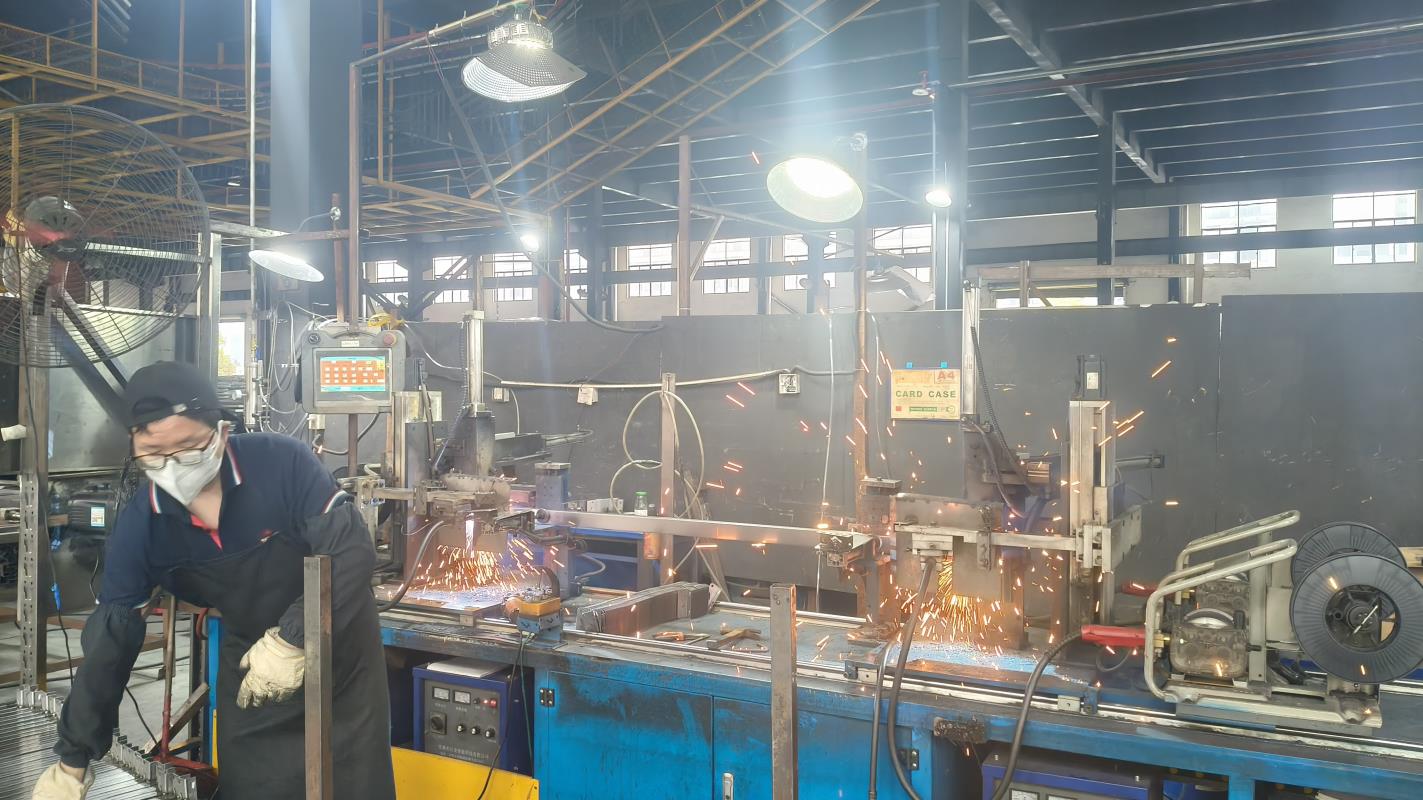
As an established manufacturing authority, Ningbo Shibang couples its production scale with an unyielding dedication to structural integrity. Quality is maintained through a rigorous multi-stage quality assurance protocol. Our specialized QA/QC team implements Ultrasonic Testing (UT) for weld seams, load-bearing stress analysis, coating thickness verification, and raw material tensile testing to ensure structural reliability across seismic load zones globally.
Procuring industrial steel structures internationally requires a balance of cost efficiency, engineering compliance, and timely shipment execution. China remains the global center for high-capacity steel fabrication due to localized steel mill ecosystems, manufacturing automation, and advanced deep-water port infrastructures. At Ningbo Shibang, we leverage these regional benefits to deliver premium-grade racking and mezzanine systems to clients worldwide.
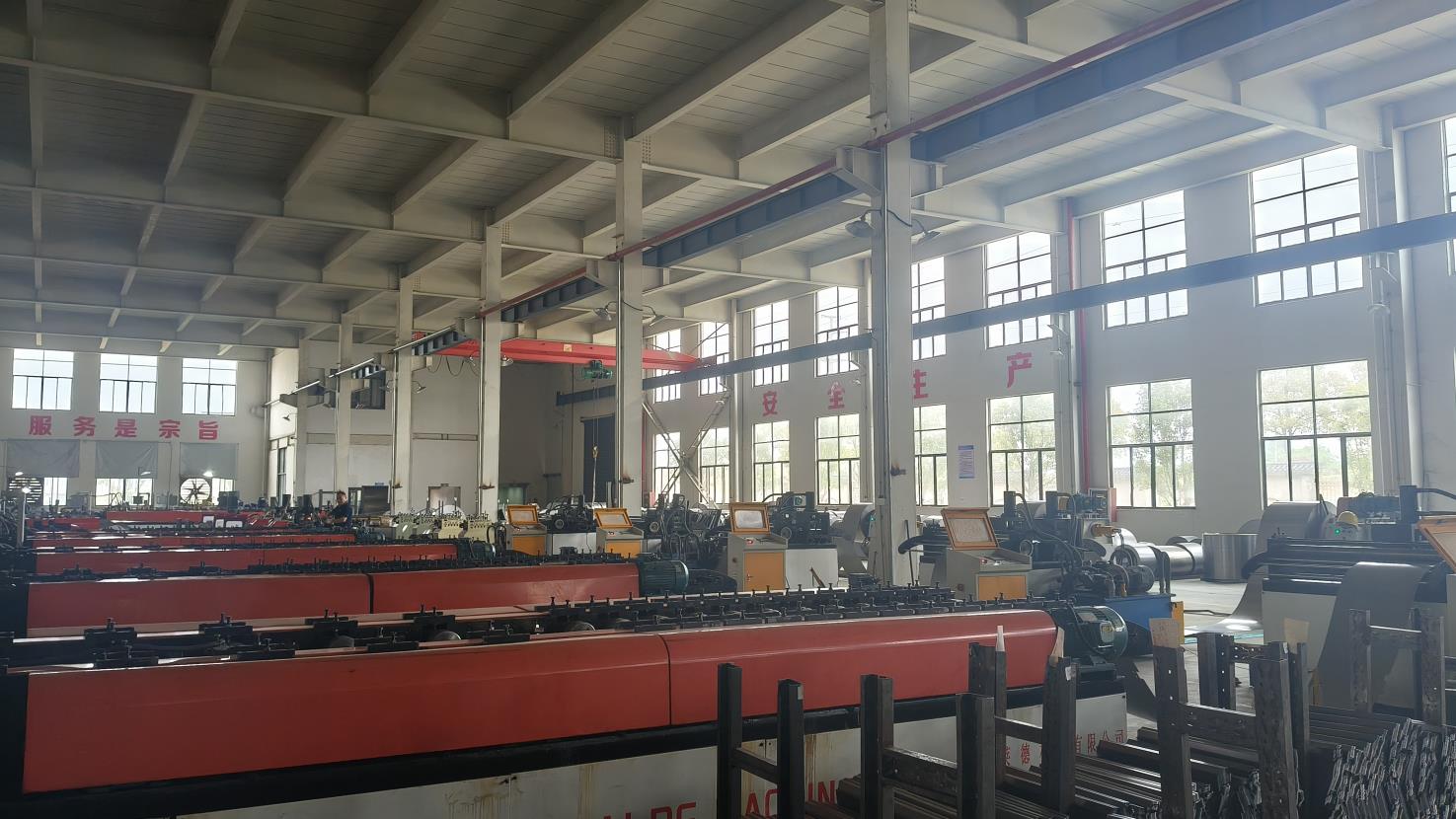
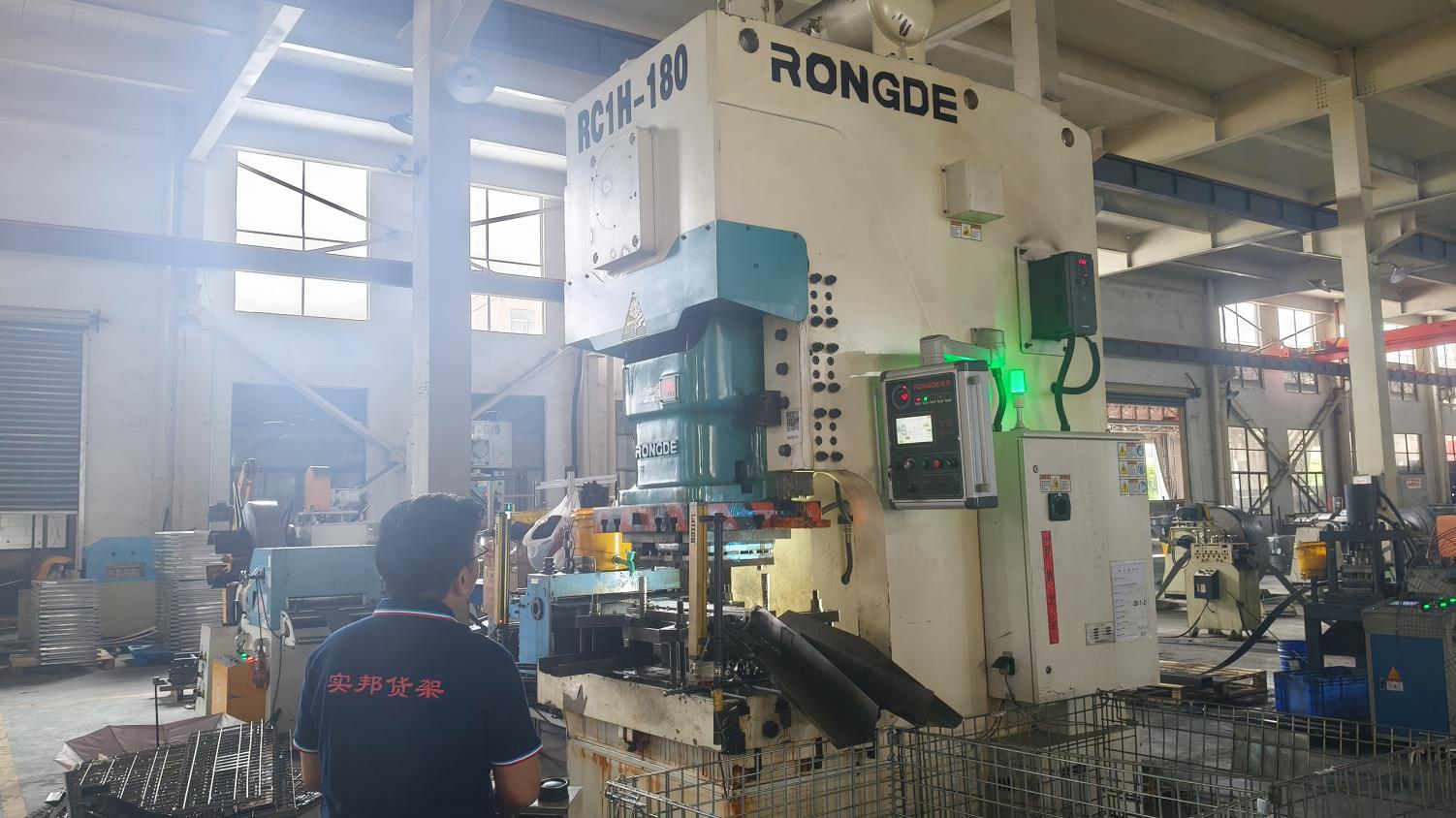
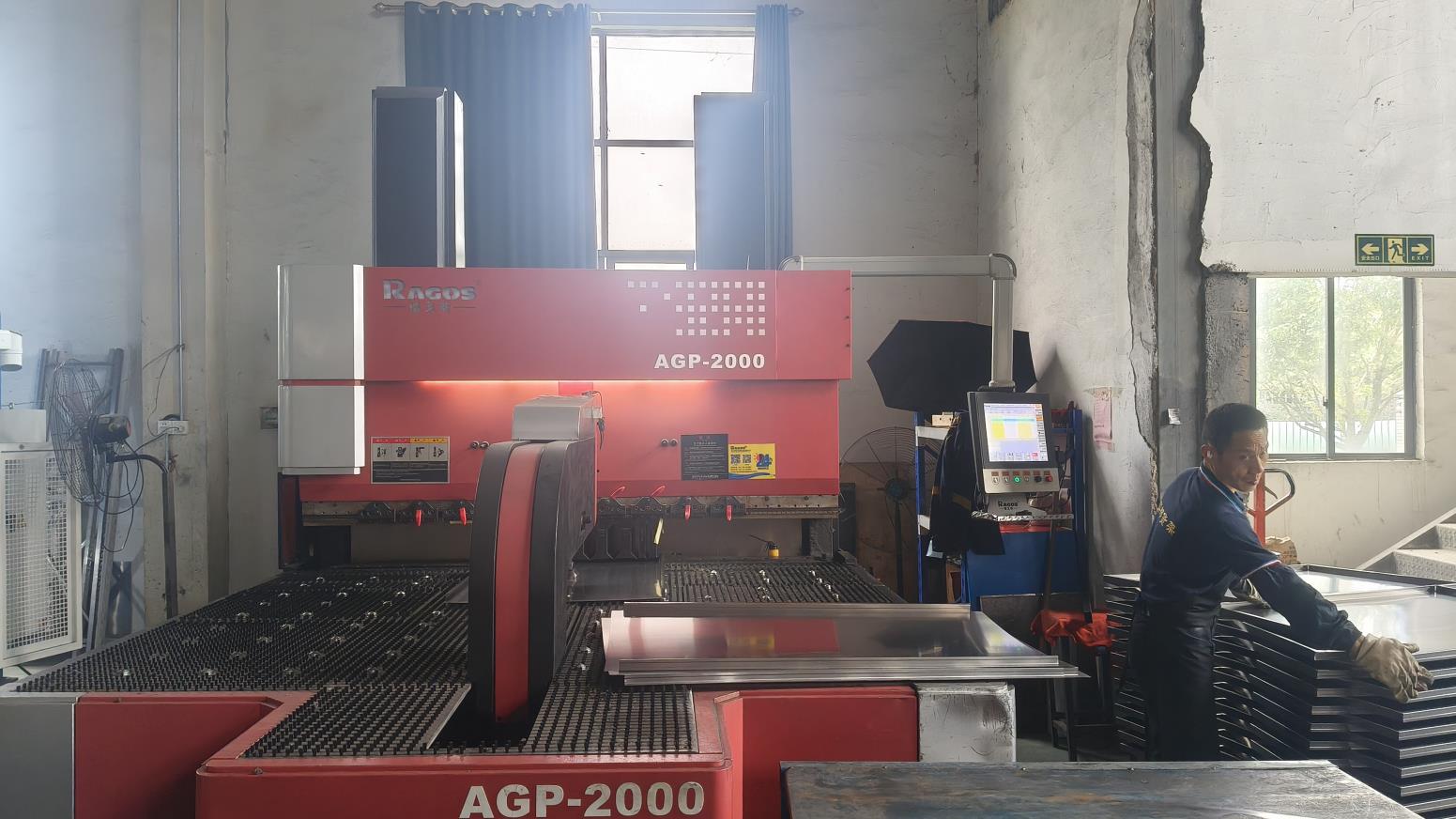
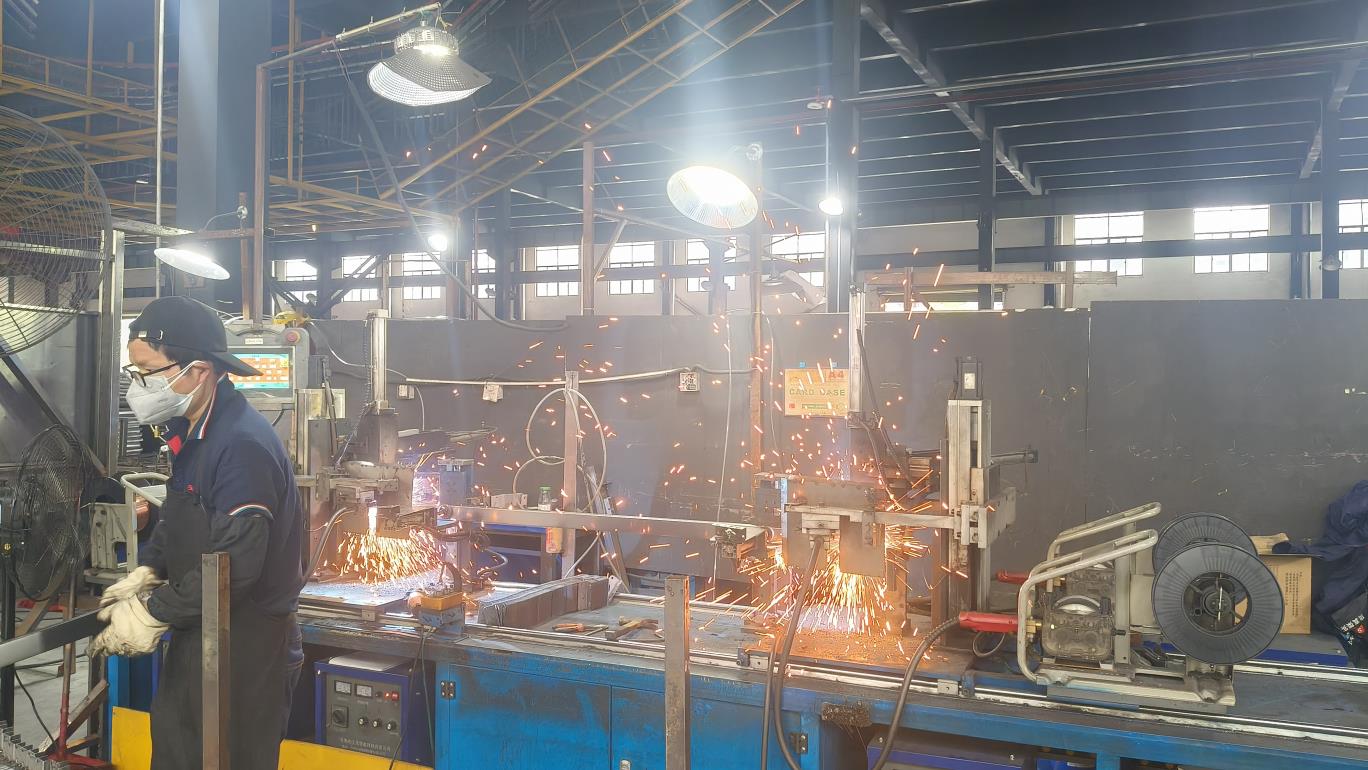
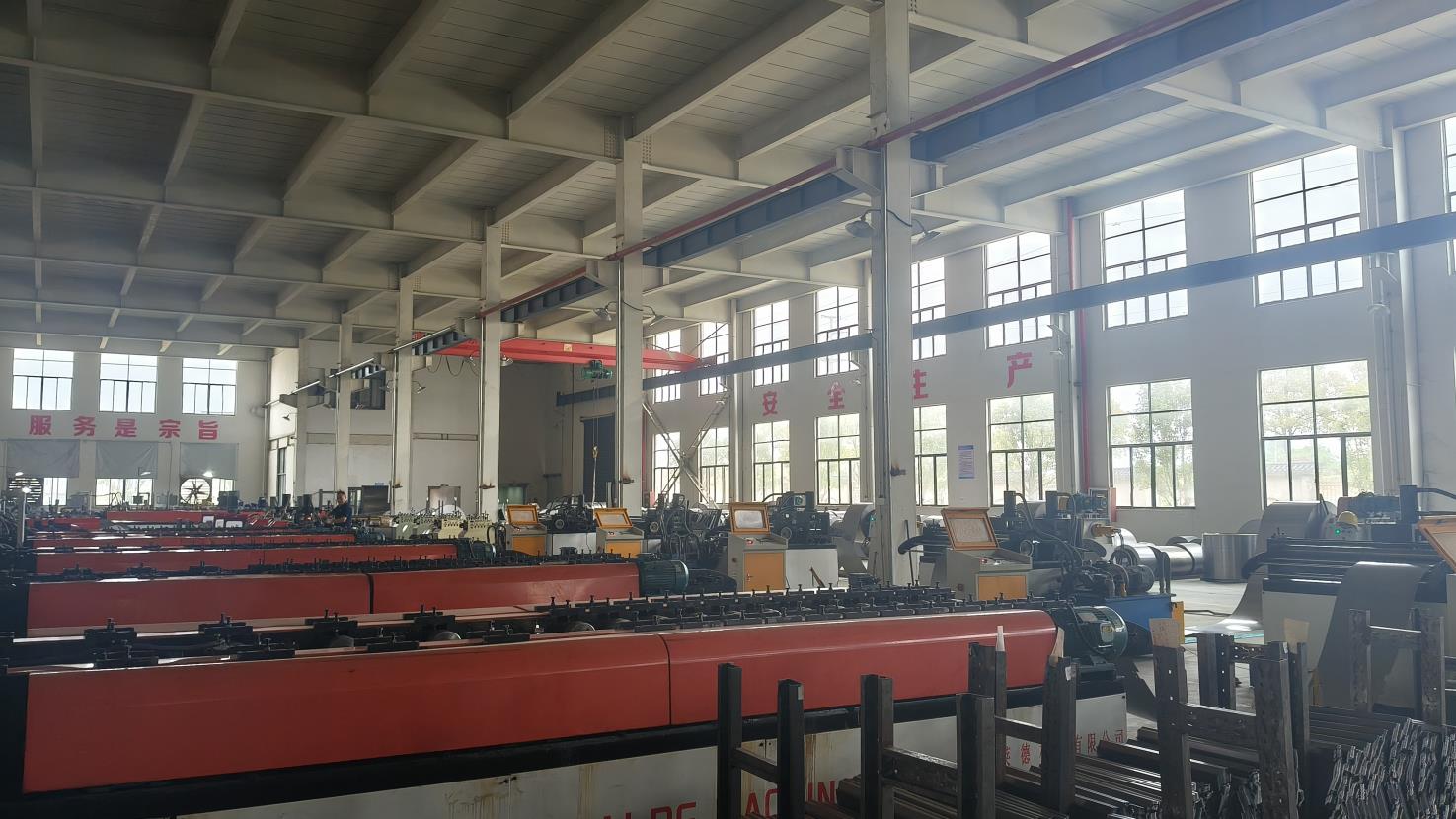
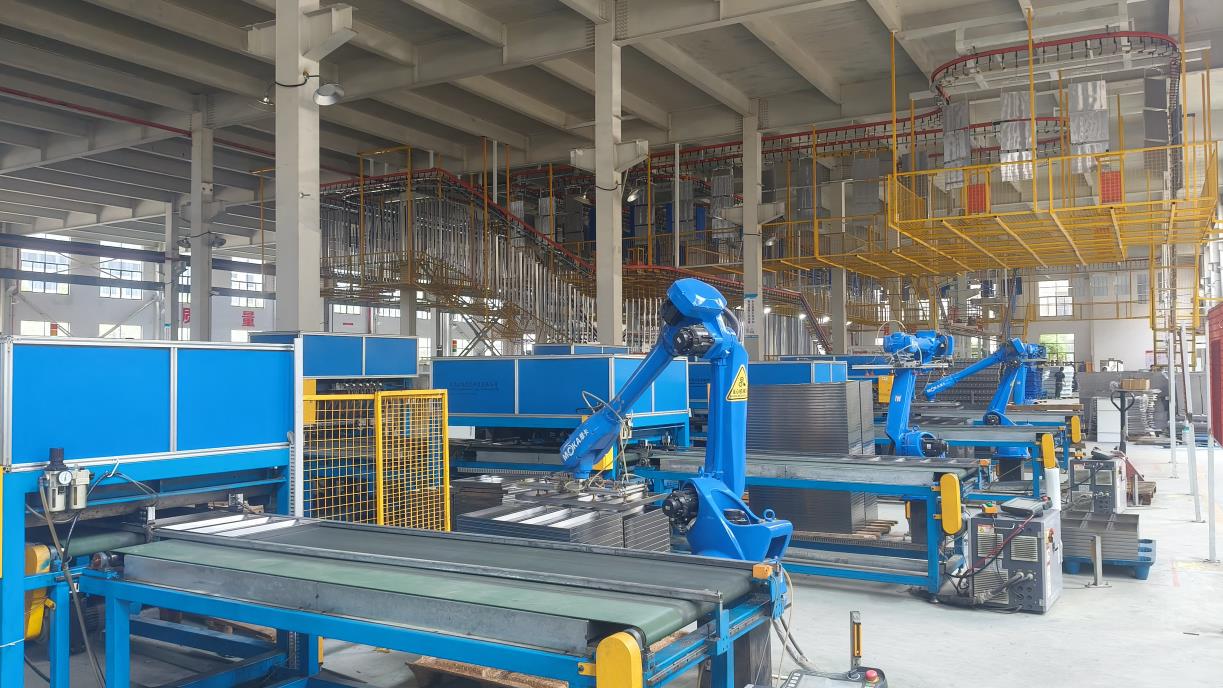
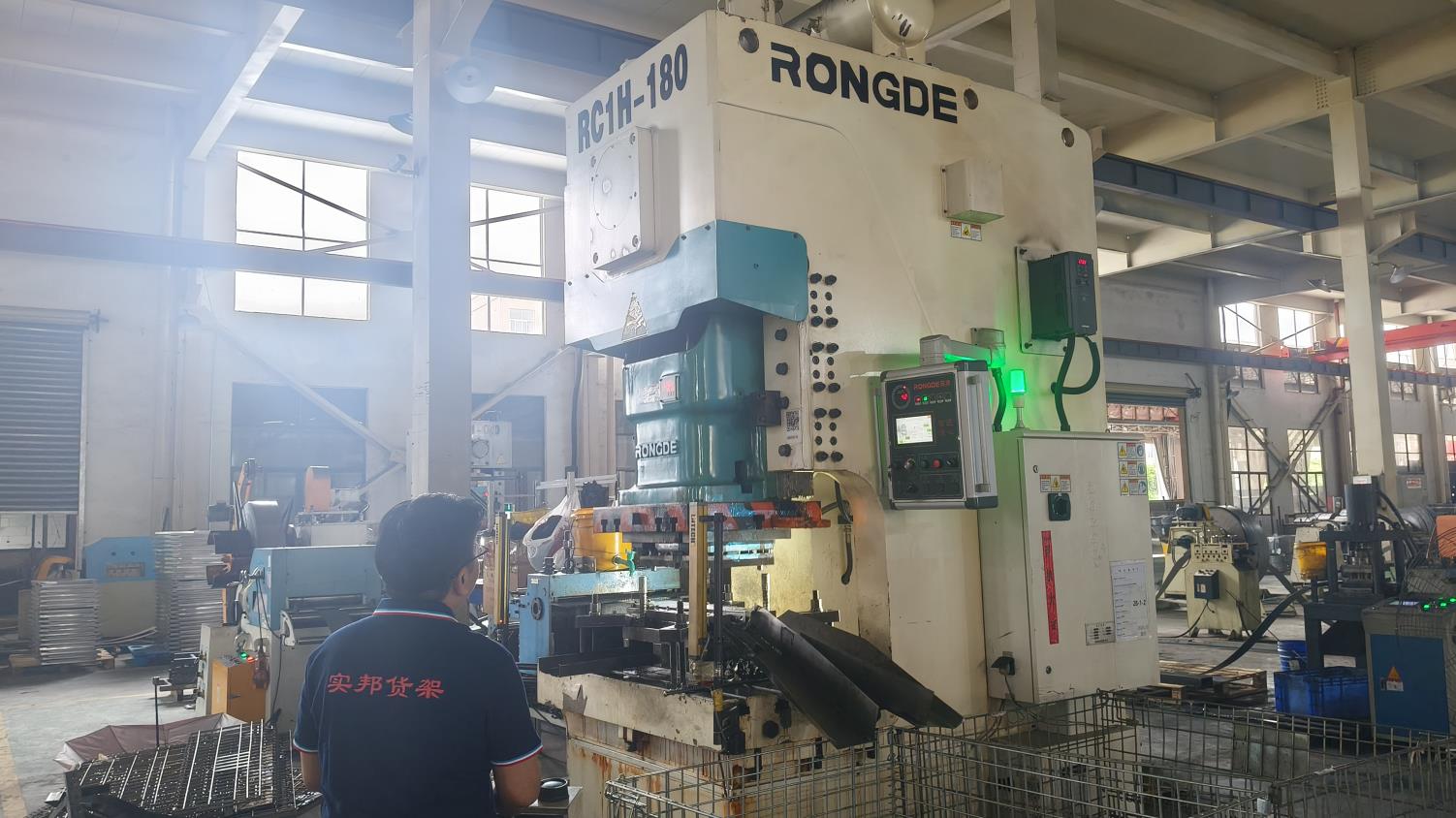
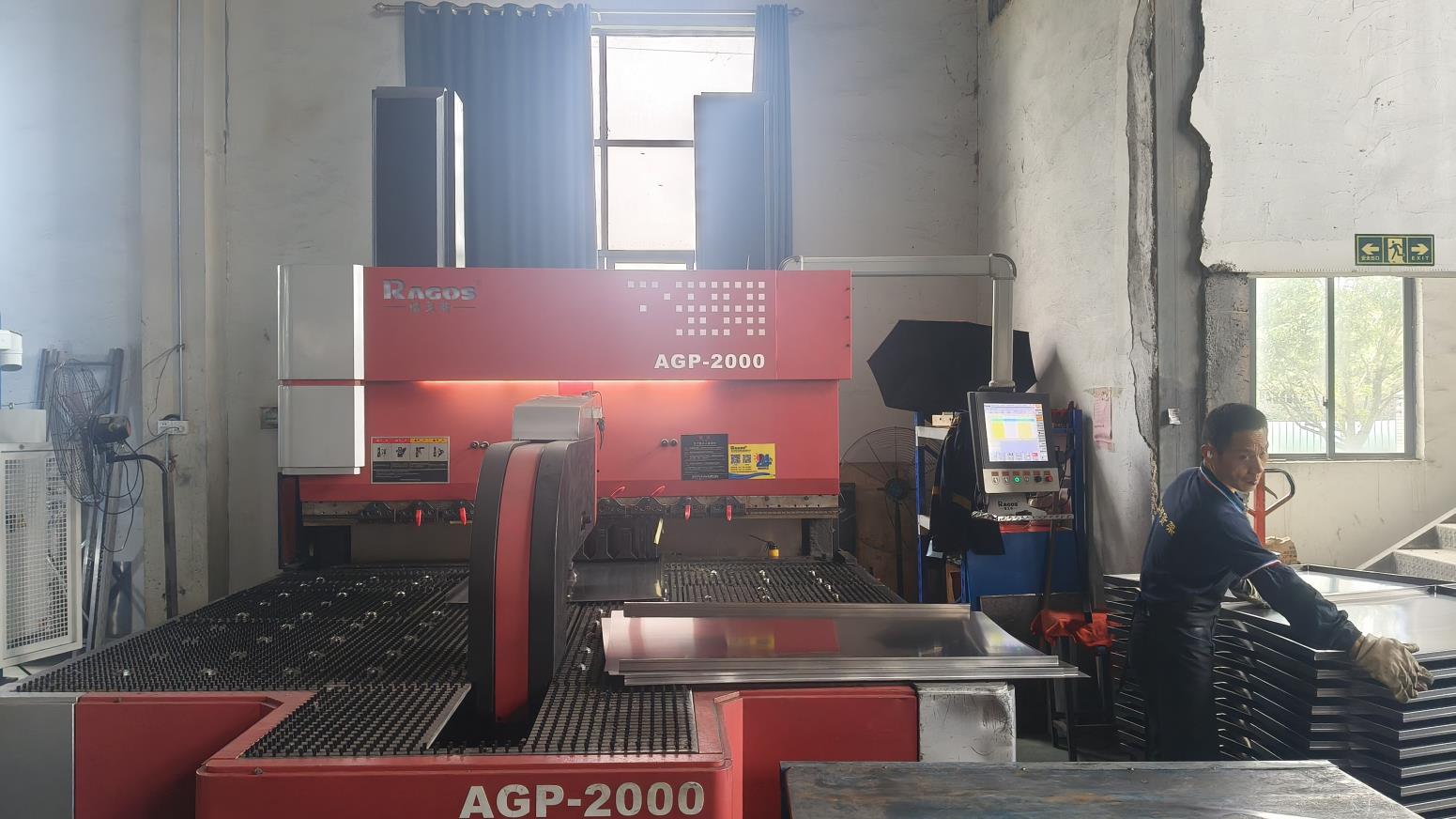
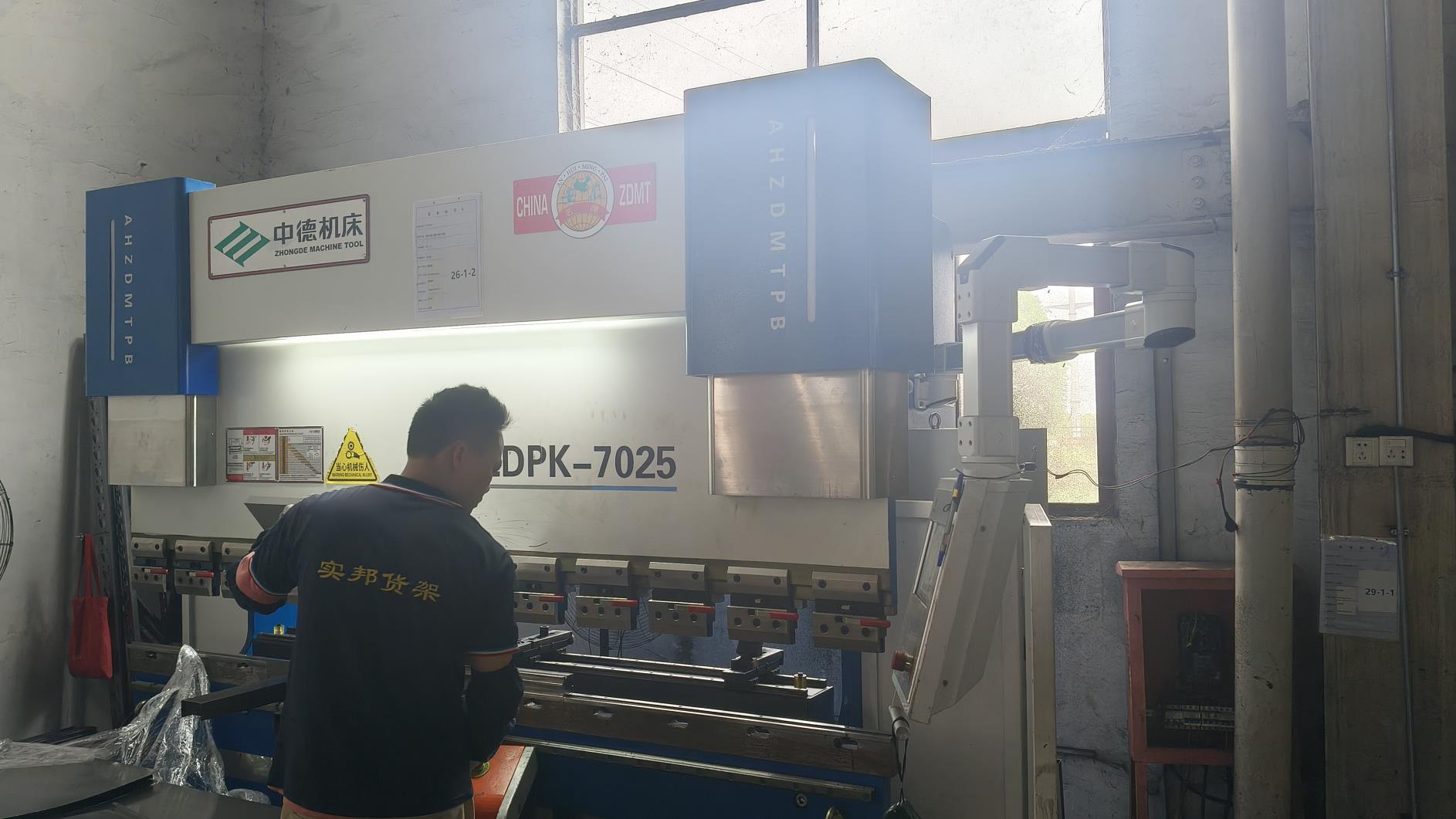
Our facility incorporates automatic CNC forming lines, high-precision laser profiling, and multi-axis bending units. Automation guarantees uniform dimension tolerances, which are critical for trouble-free site assembly of bolt-together structural platforms.
With over 850 vetted vendors, we secure high-grade carbon steel (such as Q235B and Q355B structural grades) at competitive rates, mitigating market fluctuations and ensuring stable lead times for large-scale multi-tier configurations.
Based in Ningbo, we sit adjacent to one of the world's busiest container terminals. Direct ocean cargo access reduces inland transport times and transit overheads, facilitating export operations to North America, Western Europe, and Australia.
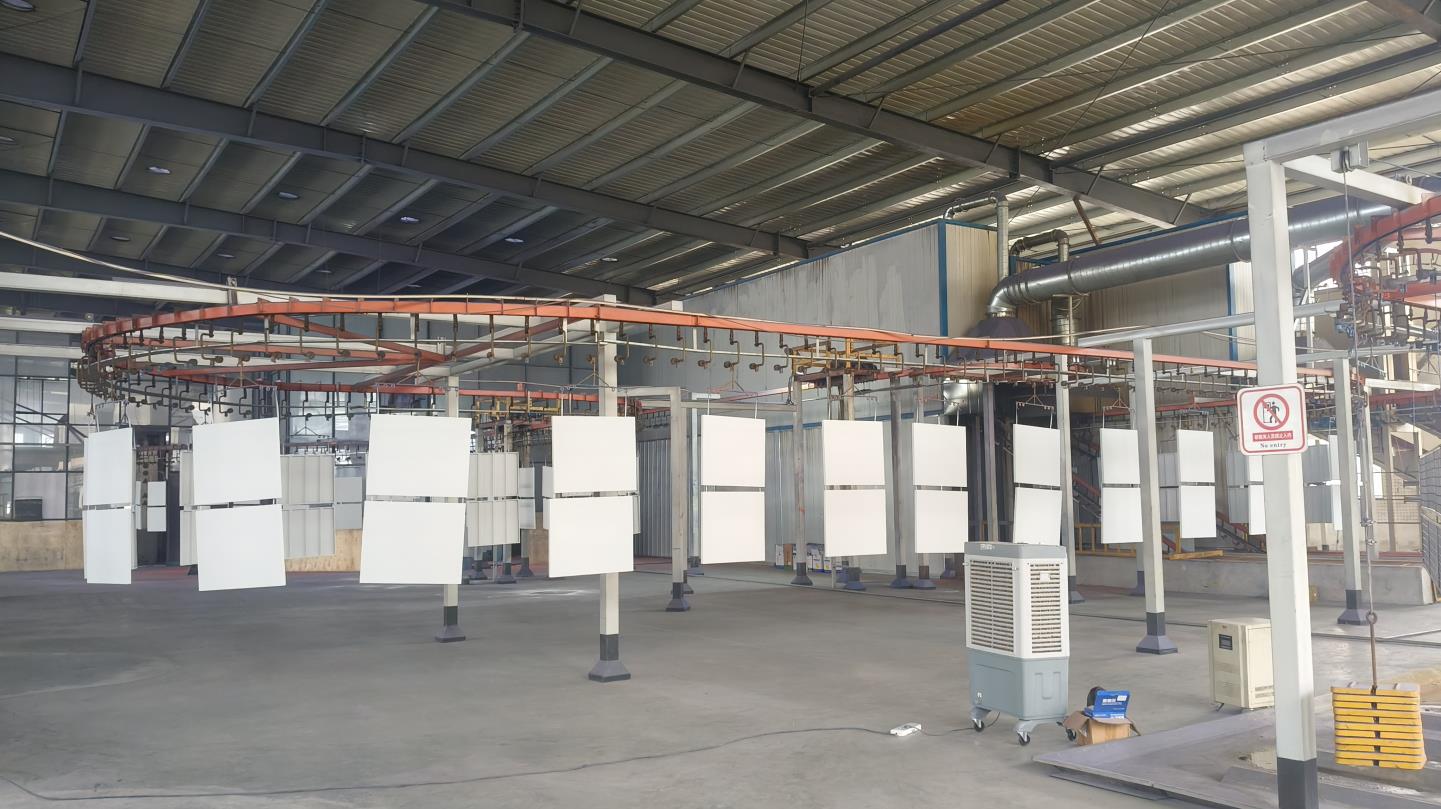
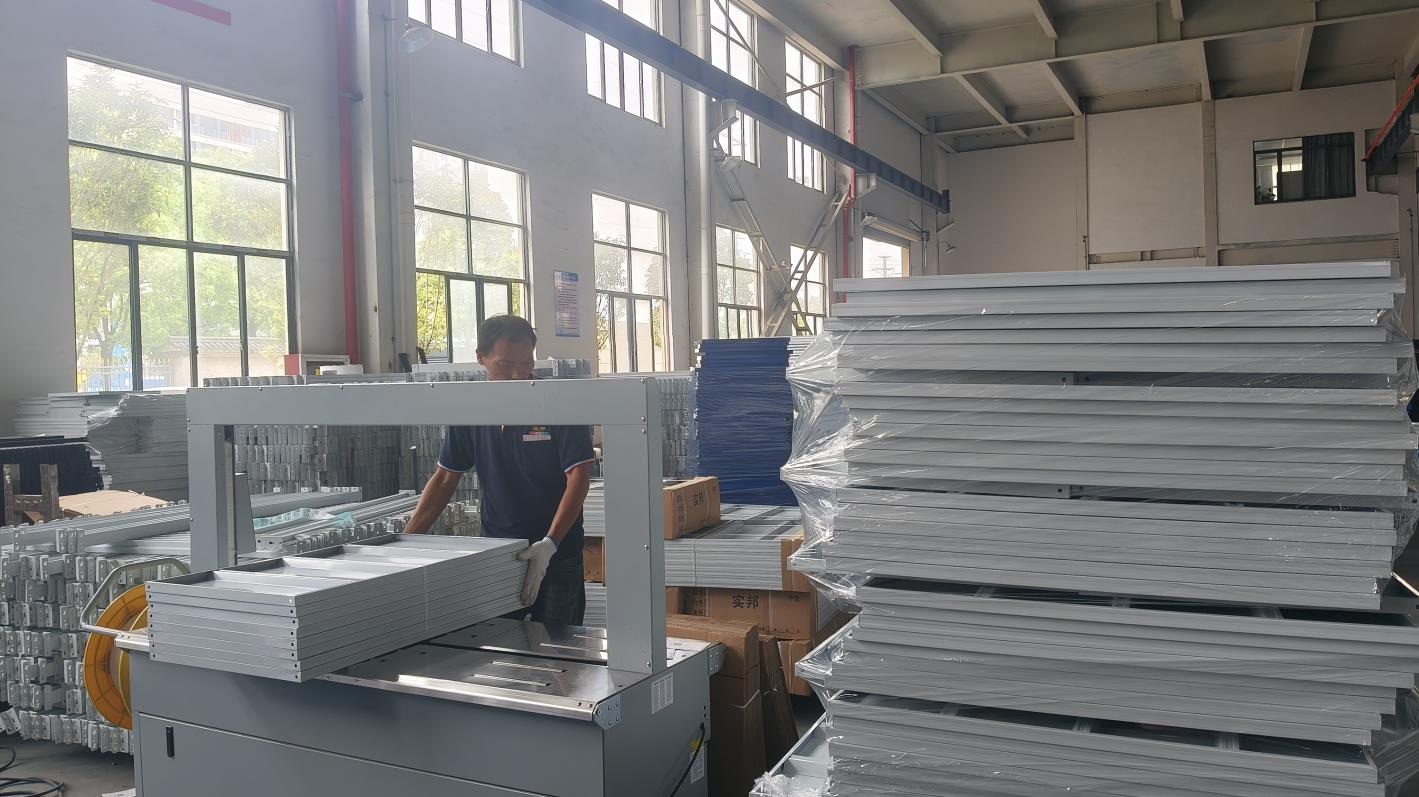
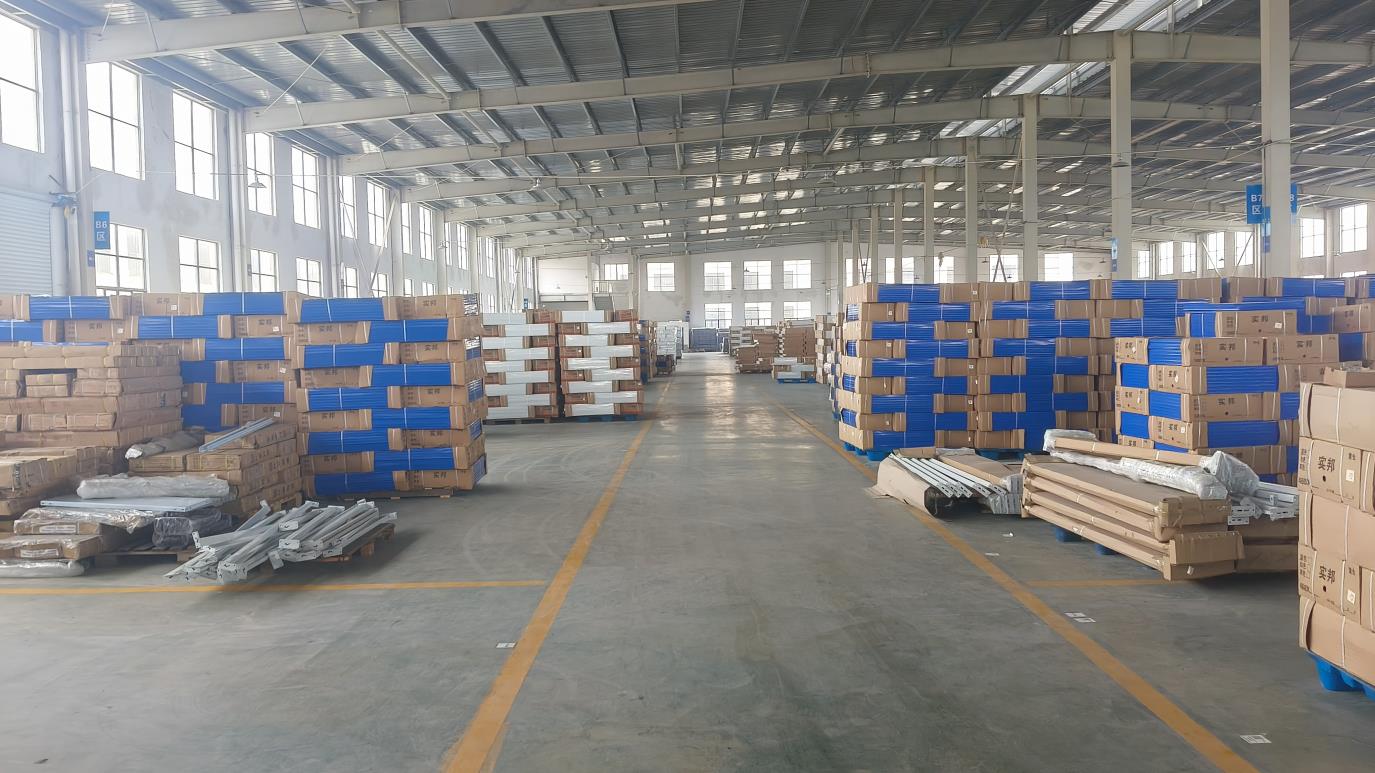
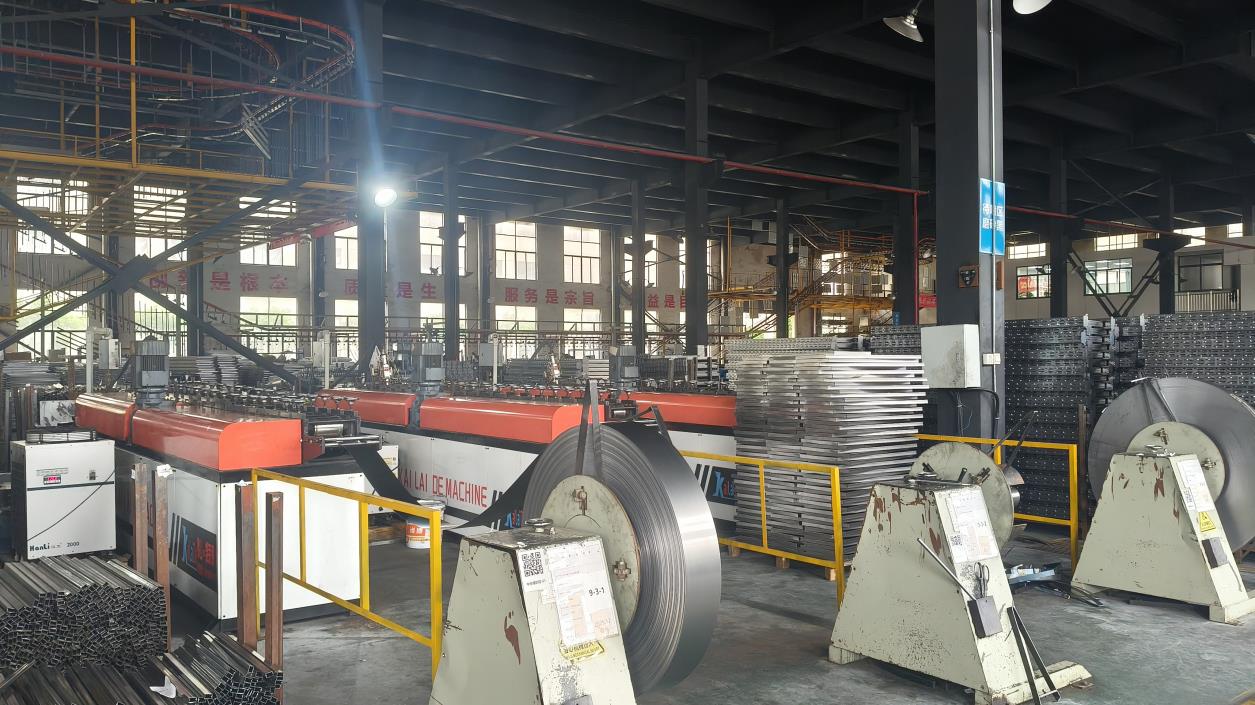
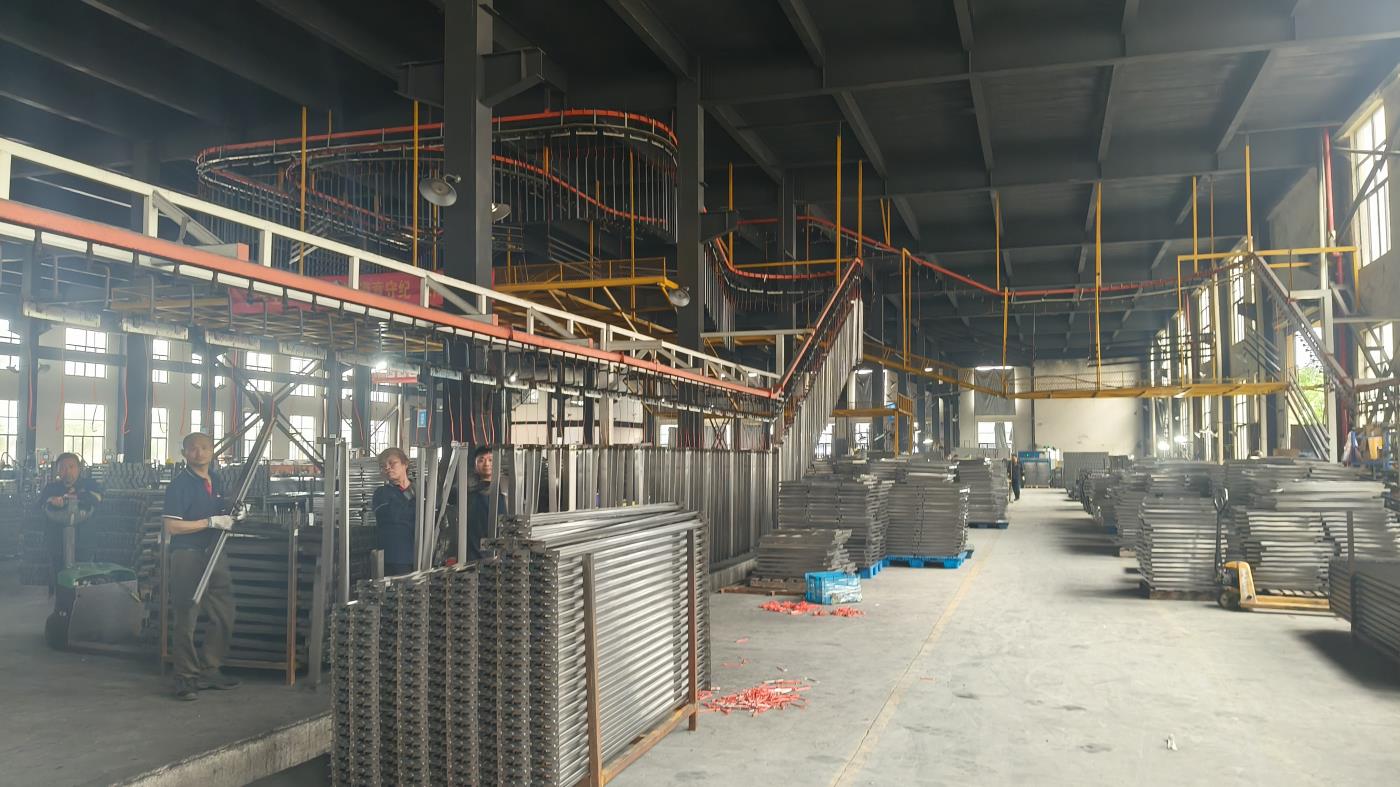
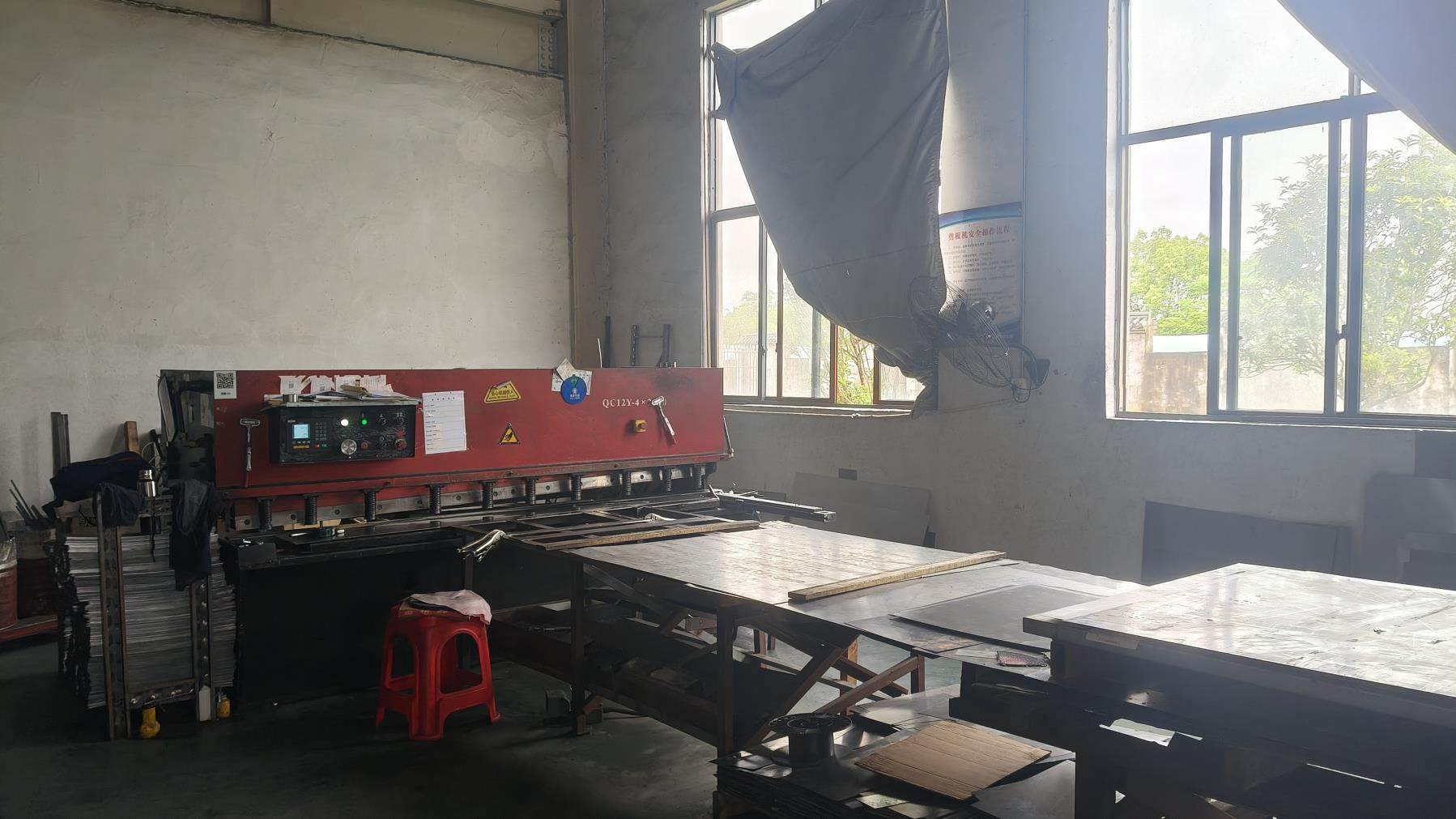
Our factory houses specialized machinery and processes to shape structural beams, roll upright columns, apply durable powder coatings, and inspect every weld for structural integrity. Below is an inside look at our 32,000 m² production floor:
A custom mezzanine system is not a standard, pre-fabricated item; it is a structural installation that must sustain dynamic and static stresses safely. Engineering teams at Ningbo Shibang analyze structural calculations based on intended payload requirements to determine proper beam dimensions and column spacing.
Designed to anchor load stresses, our columns utilize heavy-duty hollow structural sections (HSS) or roll-formed profiles. Baseplates are custom-sized to distribute building load safely onto the existing warehouse floor slab, accommodating anchor spacing requirements to meet local seismic codes.
Main girders bolt directly to column connection plates to form the primary framing matrix. Secondary cold-rolled channel purlins span these girders. By optimizing the depth and gauge of steel, we support high uniform load limits without using unnecessary materials.
We provide decking options tailored to operations. High-density wooden planks over B-Decking are suited for hand-operated pallet jack movement. Steel bar grating offers ventilation and light penetration, while steel plate floor systems support severe load operations.
Our R&D division has optimized custom mezzanine systems to match specific operational profiles across regions:
Designed for high manual traffic, integrated with dynamic conveyor pathways, barcode sorting scanners, and localized emergency safety exits. These systems are popular in high-turnover fulfillment centers in North America and Western Europe.
Configured with heavy live-load structural steel platforms that can support tooling components. Designed with localized lift platforms, safety swing gates, and heavy-duty tool racking systems underneath.
Cold storages require dynamic space utilization due to extreme thermal regulation costs. Our structures use specialized low-temperature powder coatings and corrosion protection to maintain reliability in sub-zero environments.
When importing large-scale structural steel mezzanine components from China, global procurement teams must cross-check international industrial standards. At Ningbo Shibang, we guide our clients through these engineering frameworks to ensure seamless sign-off from building inspectors and regulatory authorities.
| Regulatory Standard | Target Region | Key Compliance Parameters |
|---|---|---|
| RMI (Rack Manufacturers Institute) | North America | ANSI MH16.1 compliance, strict deflection ratios under full dynamic load, seismic resistance calculations. |
| FEM (Fédération Européenne de la Manutention) | Western Europe | FEM 10.2.02 design rules, safety factors for design loads, stability against overturning and local buckling. |
| AS4084 (Steel Storage Racking) | Australia & NZ | Rigid safety factor guidelines, impact damage protection barriers, base plate anchor configurations. |
| EN 15512 (European Standard) | European Union | Detailed structural testing of steel profiles, hot-rolled and cold-formed element properties, beam-to-column connector testing. |
The industrial warehouse storage sector is shifting toward automation and flexible layouts. We trace several key trends shaping structural steel configurations:
Autonomous Mobile Robots (AMRs) require flat sub-floors with high wheel-load tolerance. Modern mezzanine decks incorporate high-tensile steel overlays to resist localized wheel wear and keep vibration low during AGV navigation.
Welded structural layouts are being replaced by modular, bolt-together mezzanine platforms. These systems allow components to be disassembled, moved, and scaled as business needs evolve.
Industrial buyers prioritize low-VOC electrostatic powder finishes and raw steel sourced from mills that utilize electric arc furnaces (EAF) to reduce the system's carbon footprint.
Find expert answers to common technical queries regarding mezzanine integration and compliance.
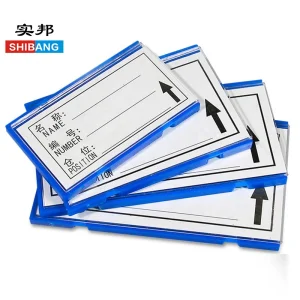
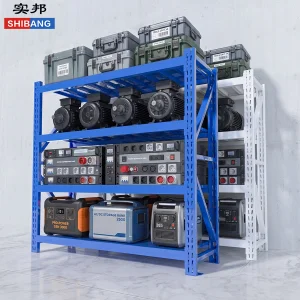
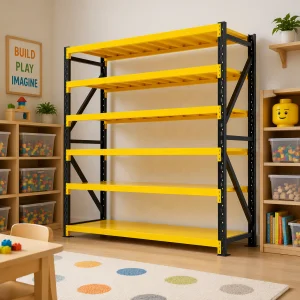
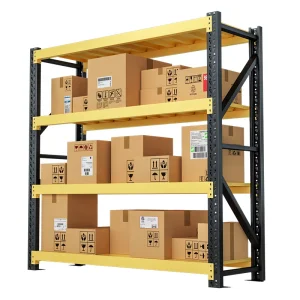
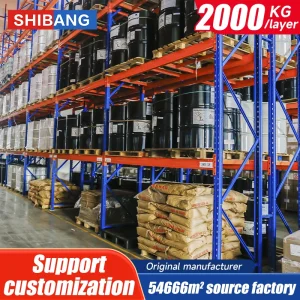
From industrial shelf organizers to heavy-duty pallet racks, explore our structural products engineered for reliability.
 Shibang Rack