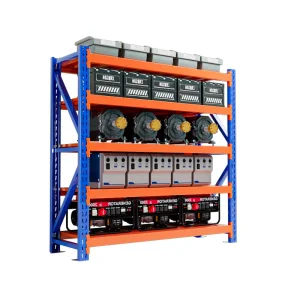
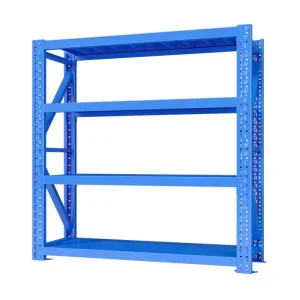
CE certified storage solutions optimized for heavy load capacity, structural stability, and workflow ergonomics.
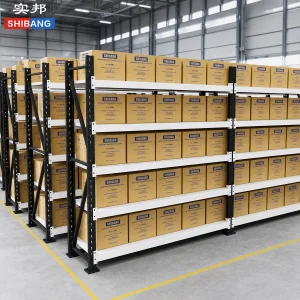
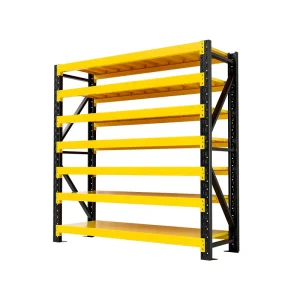
An in-depth analysis of modern warehouse safety protocols, regulatory compliance, and mechanical engineering in material handling.
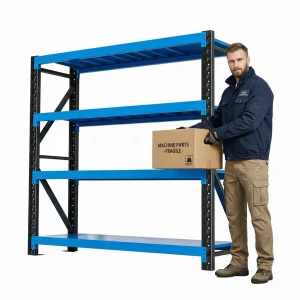
In modern supply chain management, warehouses are no longer considered simple static containment areas. They serve as dynamic transit hubs where operational safety directly dictates profitability and processing speed. Among various material storage configurations, the development of ergonomic racking represents a monumental progression in industrial engineering. Unlike traditional heavy storage layouts that prioritize volume at the expense of human physical limitations, ergonomic racking systems incorporate human-centric dimensions.
This transition is primarily fueled by a stricter regulatory landscape and the rising cost of workplace injuries. Globally, musculoskeletal disorders (MSDs) represent over 33% of all worker injury and illness cases, with heavy or awkward manual lifting in warehouses acting as a primary contributor. By engineering racks that feature variable heights, modular orientations, and easy-access structures (such as low-profile boltless mechanisms and adjustable shelving), industrial facilities reduce structural friction. Consequently, operators can retrieve loads using optimal posture, drastically lowering physical strain and reducing cycle times.
For enterprise procurement officers, the presence of a CE mark is not merely a label—it serves as verification of structural integrity and adherence to stringent European health, safety, and environmental protection standards. Industrial steel racking falls under the purview of strict structural codes, particularly EN 15512 (Steel static storage systems – Adjustable pallet racking systems – Principles for structural design) and EN 15635 (Steel static storage systems – Application and maintenance of storage equipment).
CE-certified ergonomic racks undergo rigorous structural audits that assess load-bearing stress thresholds, vertical upright stability under eccentric loading, and deformation behavior during seismic events. Compliance ensures that cold-rolled steel profiles, boltless connection joints, and locking pins are structurally rated to prevent catastrophic shear failure. Ningbo Shibang ensures that every structural element—from 100kg light-duty profiles to 6000kg heavy-duty forklift pallets—undergoes finite element analysis (FEA) to confirm safety margins before production begins.
Verifiable data reflecting our status as an elite OEM/ODM storage rack partner globally.
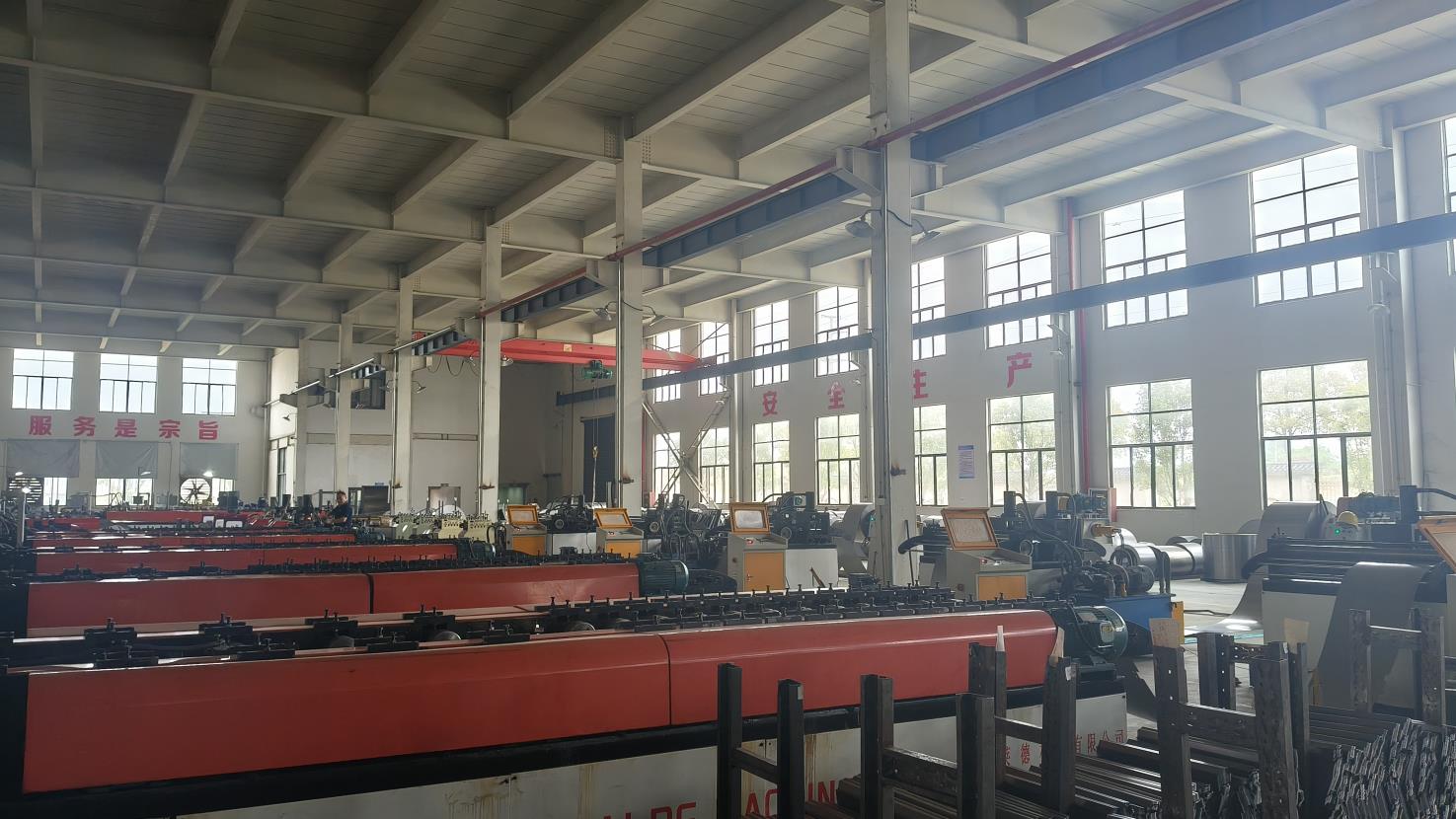
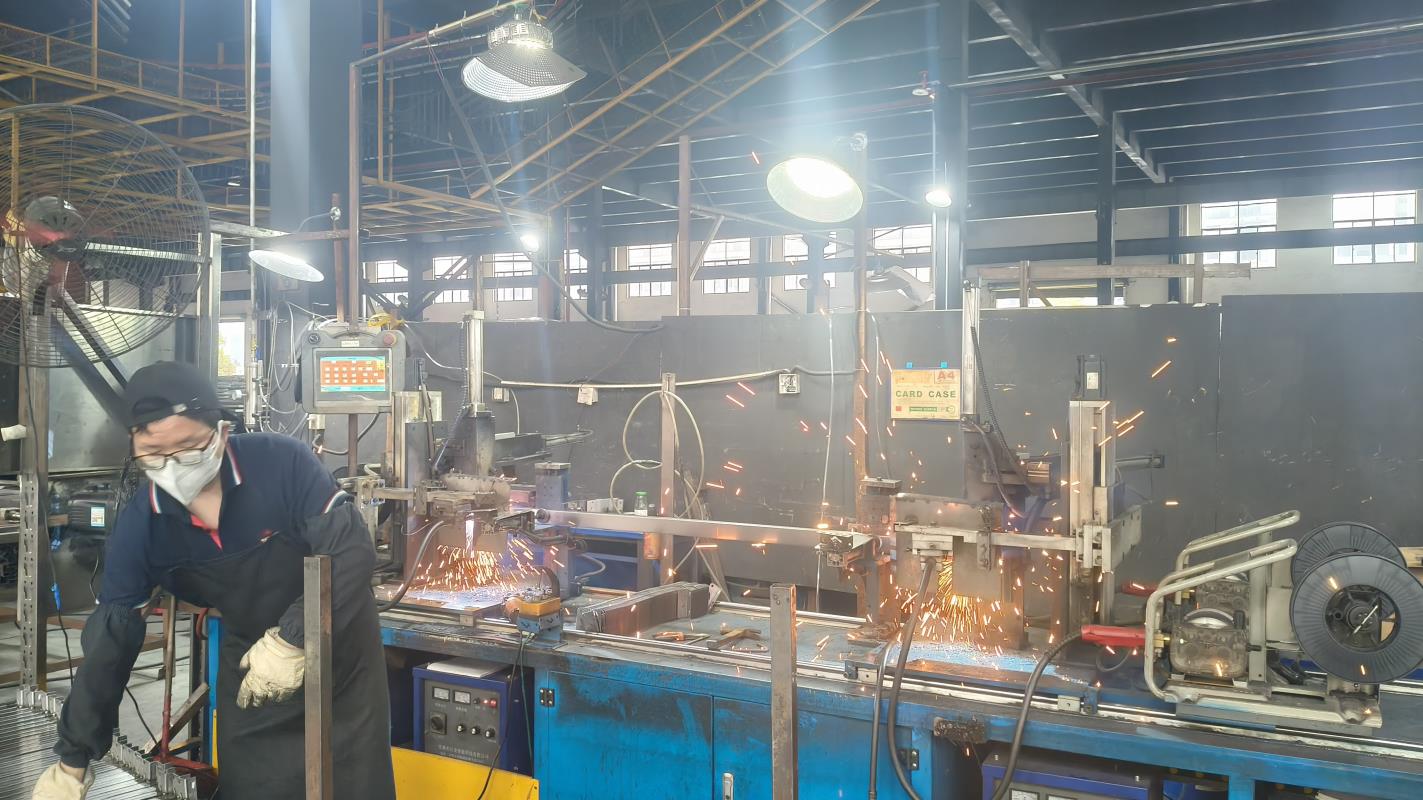
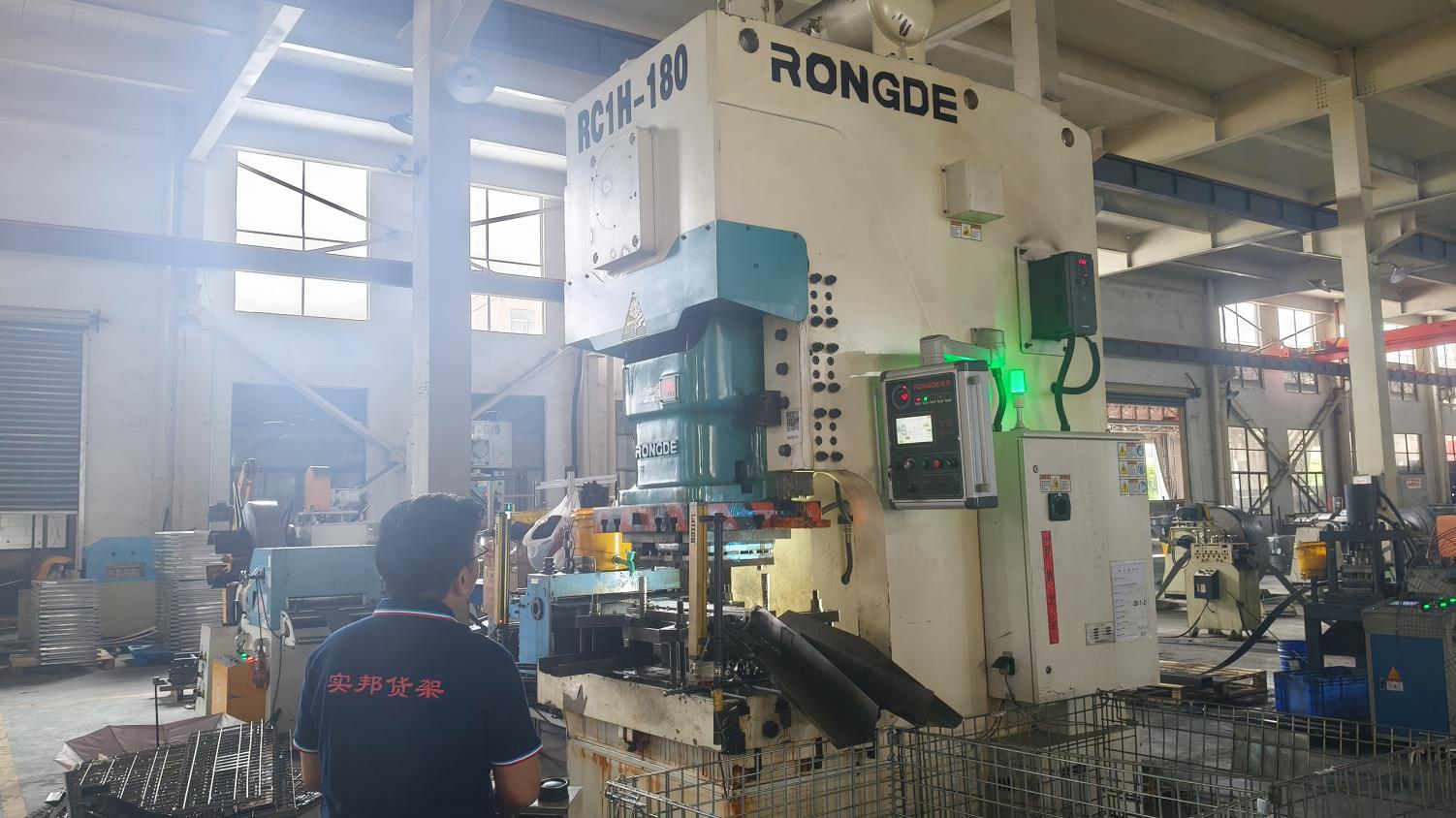
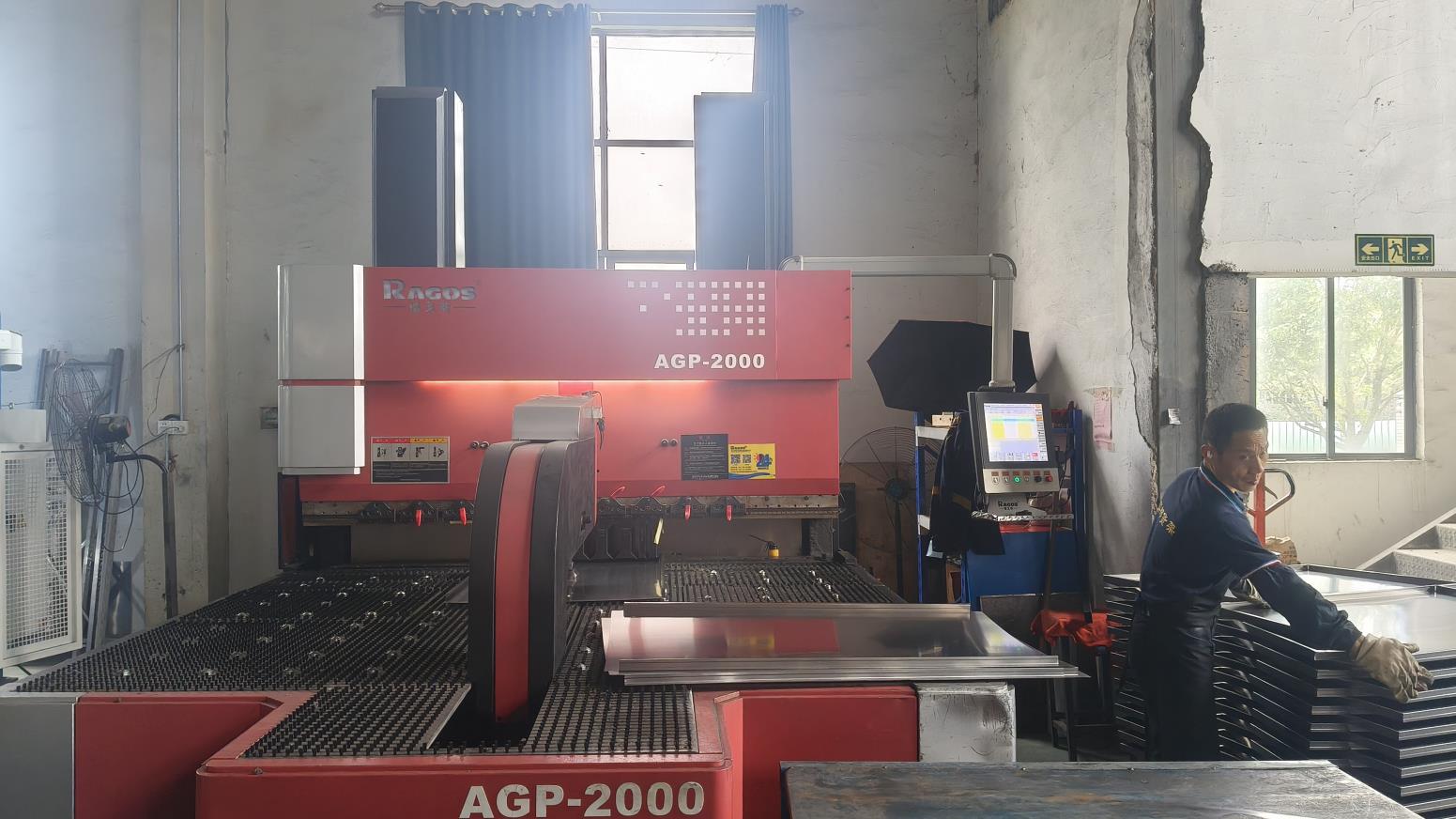
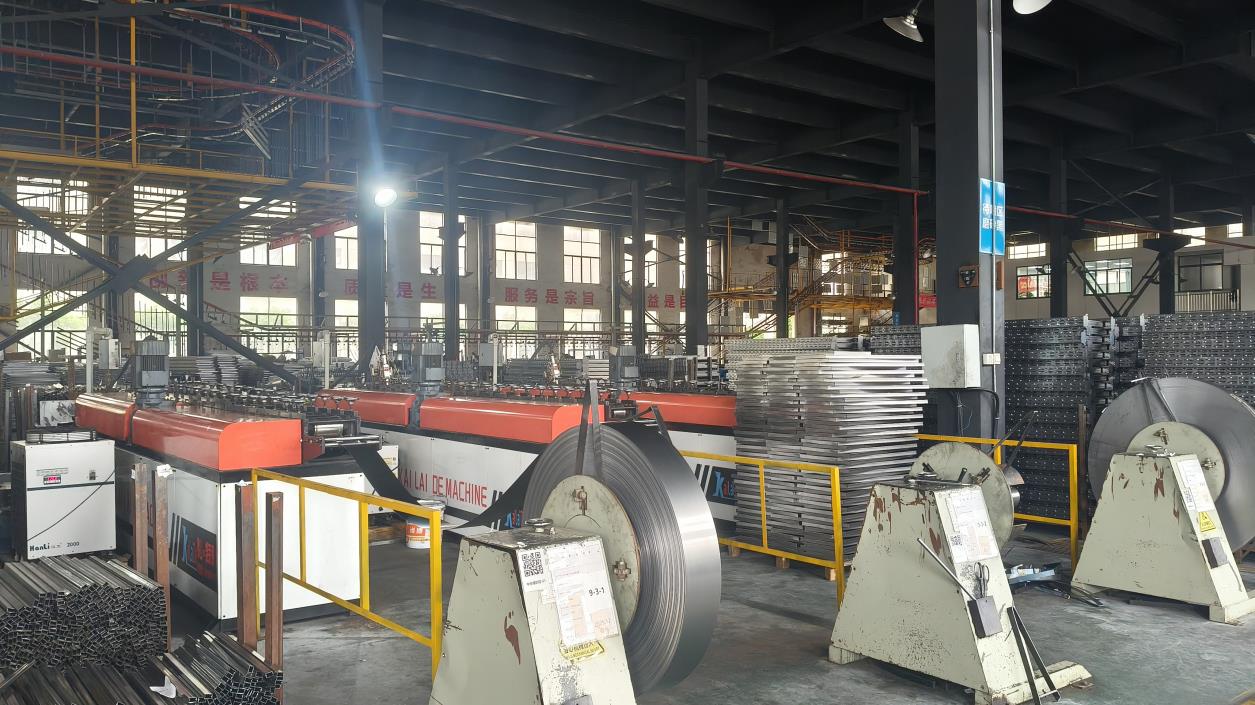
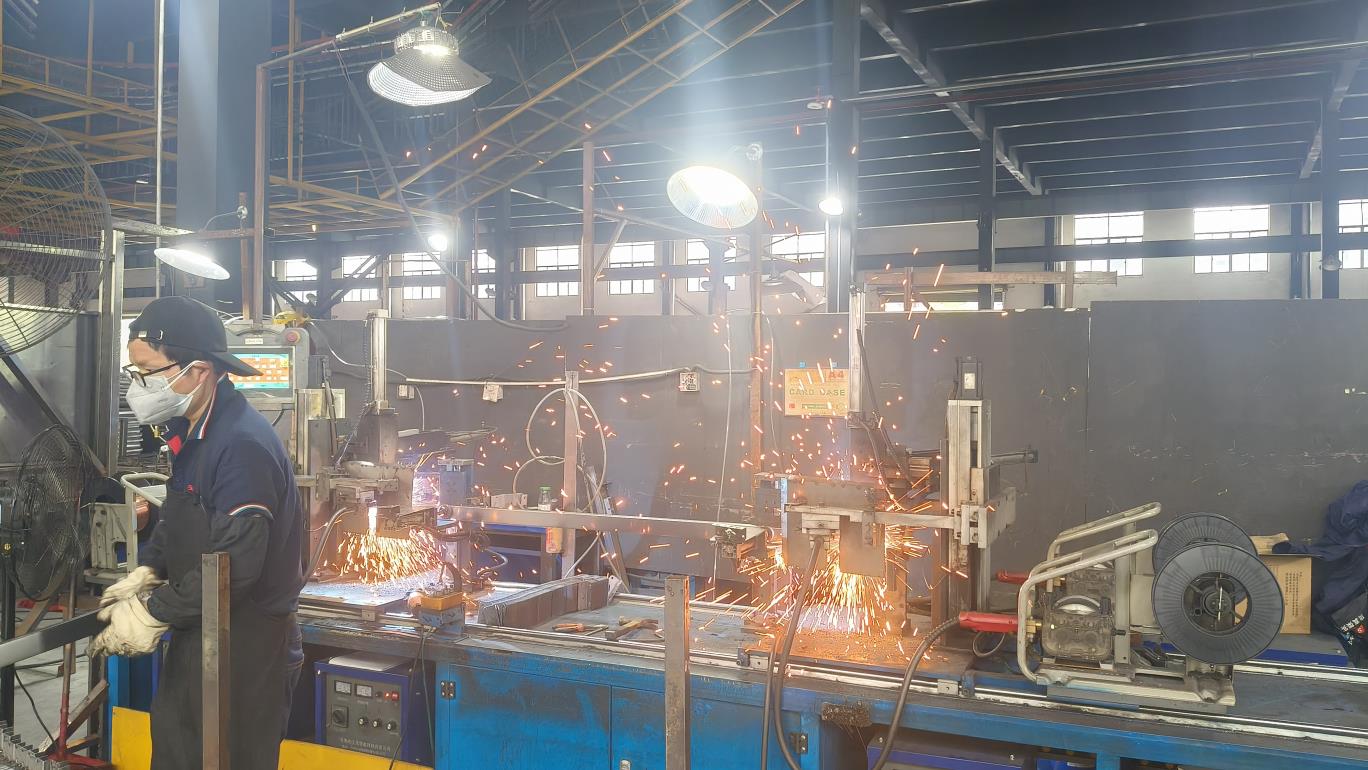
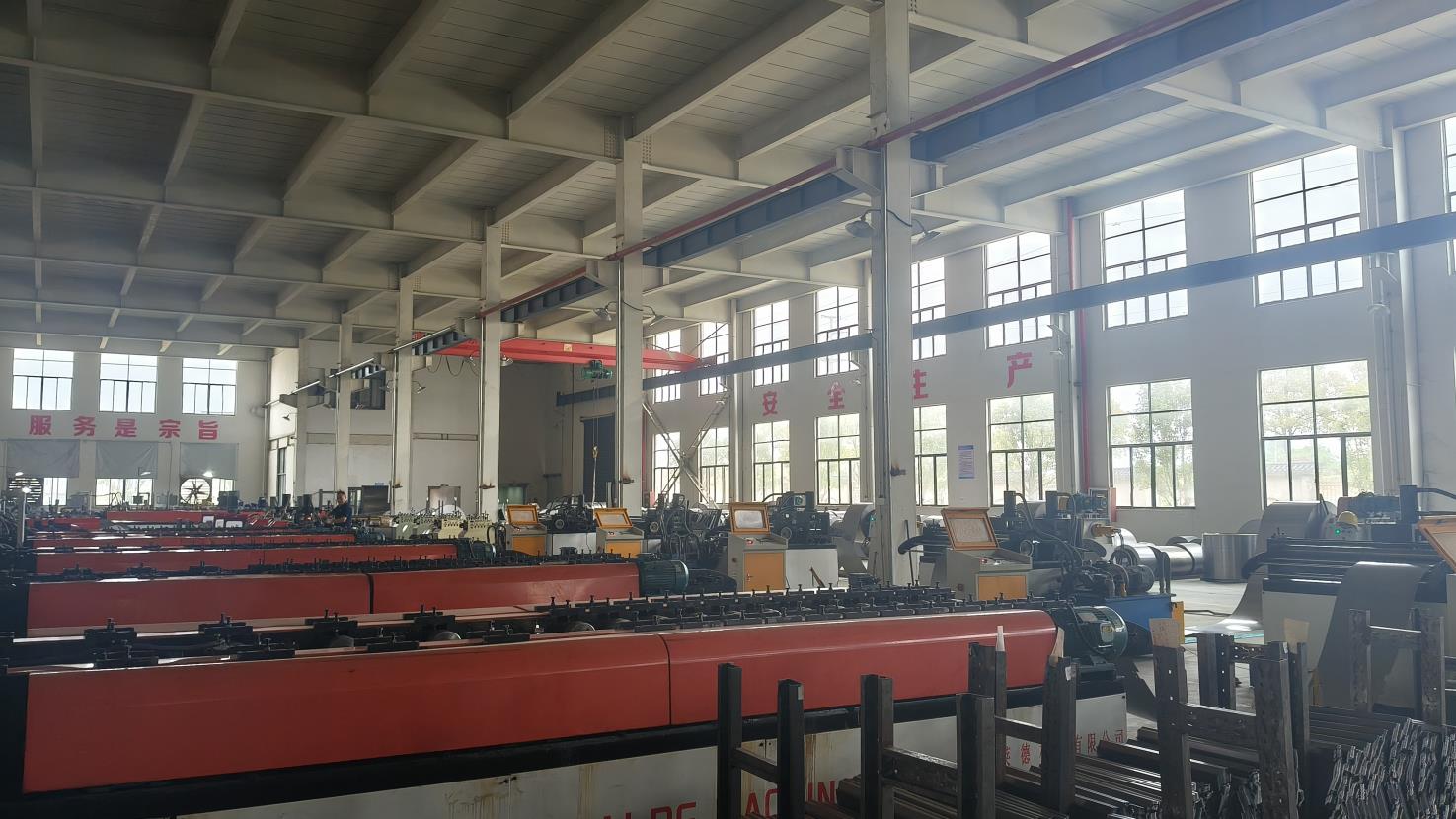
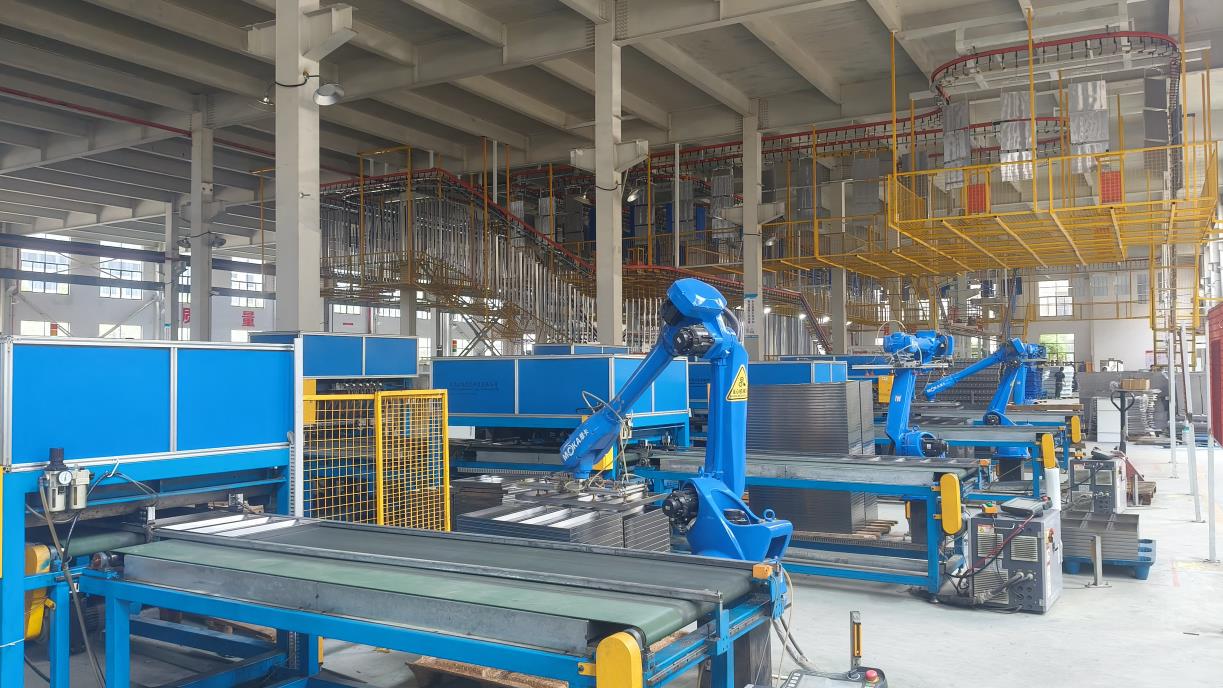
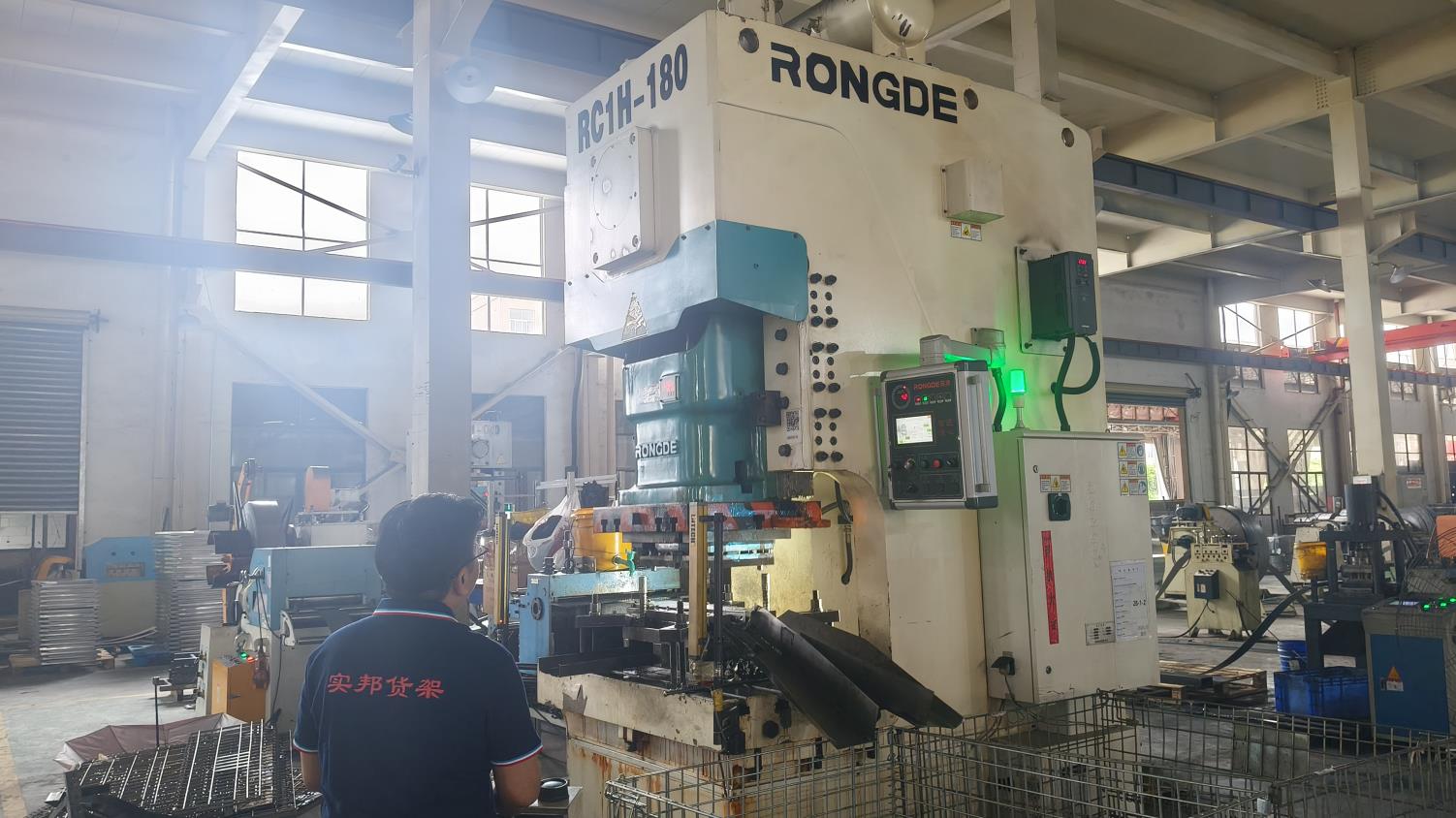
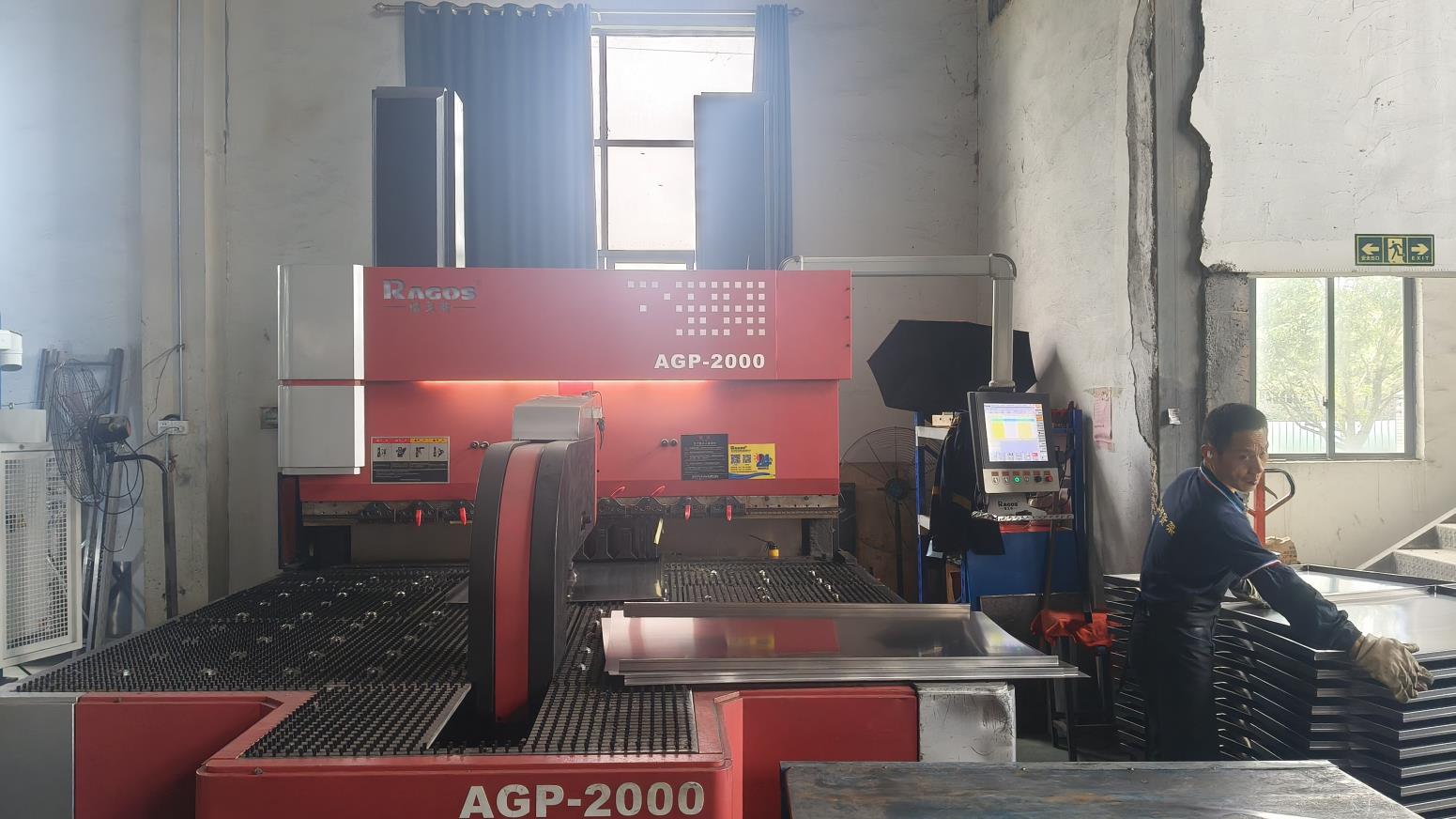
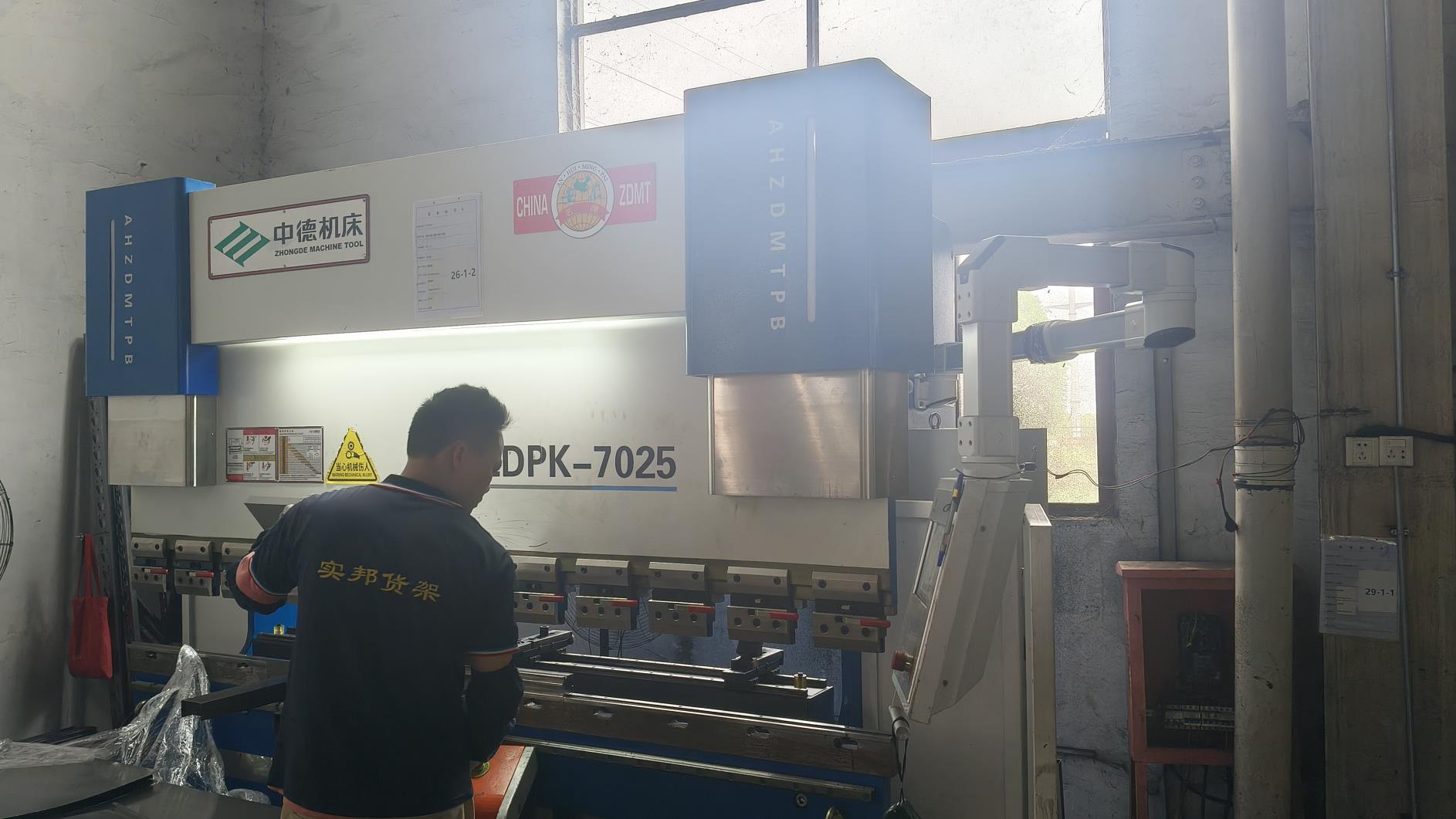
Global industrial purchasing directors navigate a complex supply chain environment. Sourcing from a Factory 4.0-aligned Chinese partner like Ningbo Shibang offers distinct strategic advantages. Our facility integrates automated manufacturing workflows, reducing manual error while lowering per-unit production costs. Through precise multi-stage automated profiling, automatic bending systems, and integrated robotic welding cells, we maintain dimensional tolerances of less than 0.5mm across all structural parts.
Beyond automation, supply chain resilience is critical. Partnering with a network of over 850 raw material and hardware vendors enables Shibang to mitigate risks related to steel price fluctuations and shipping constraints. We secure prime cold-rolled steel coils directly from domestic tier-1 mills, verifying chemical compositions via spectral analysis prior to production. This ensures stable mechanical properties, giving our final products reliable yield strength and corrosion resistance.
Our QA/QC team of 35 dedicated inspectors enforces standard operating procedures at every stage of the manufacturing cycle:
Verifying the ultimate tensile strength of raw steel sheets to ensure they meet and exceed structural engineering specifications.
Utilizing high-frequency sound waves to verify complete penetration and structural soundness of load-bearing weld seams.
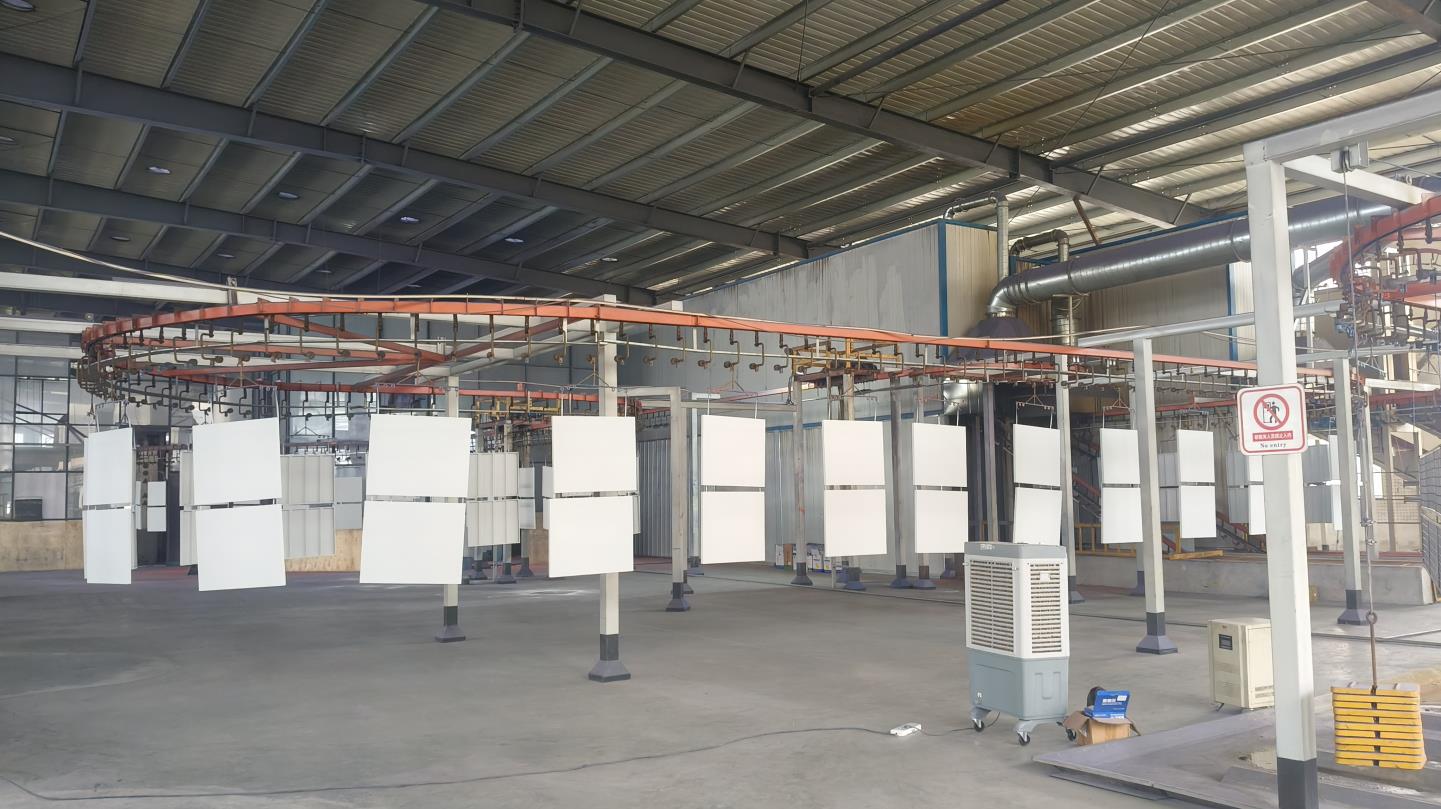
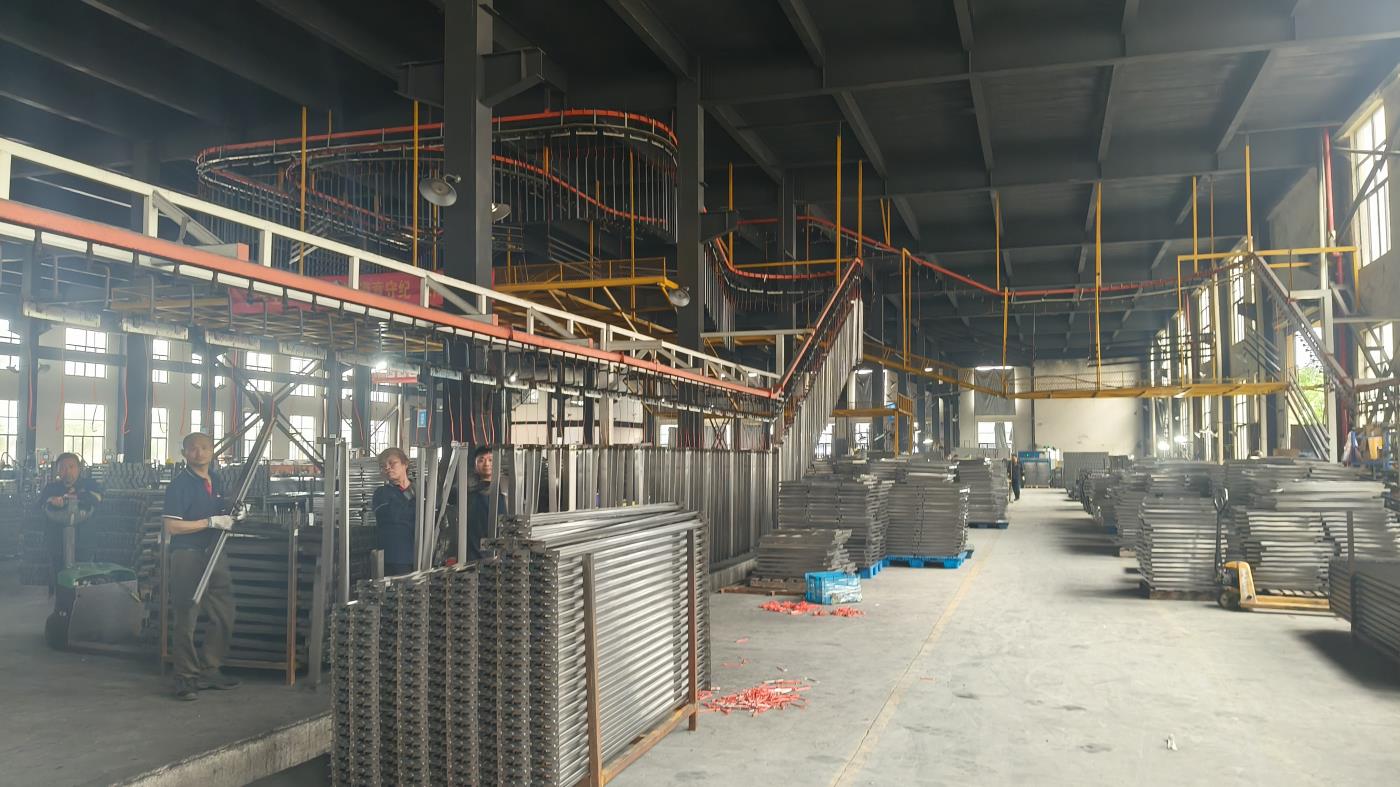
Verifying dry-film thickness and cross-cut adhesion of powder coating to protect against rust in high-humidity or cold-storage areas.
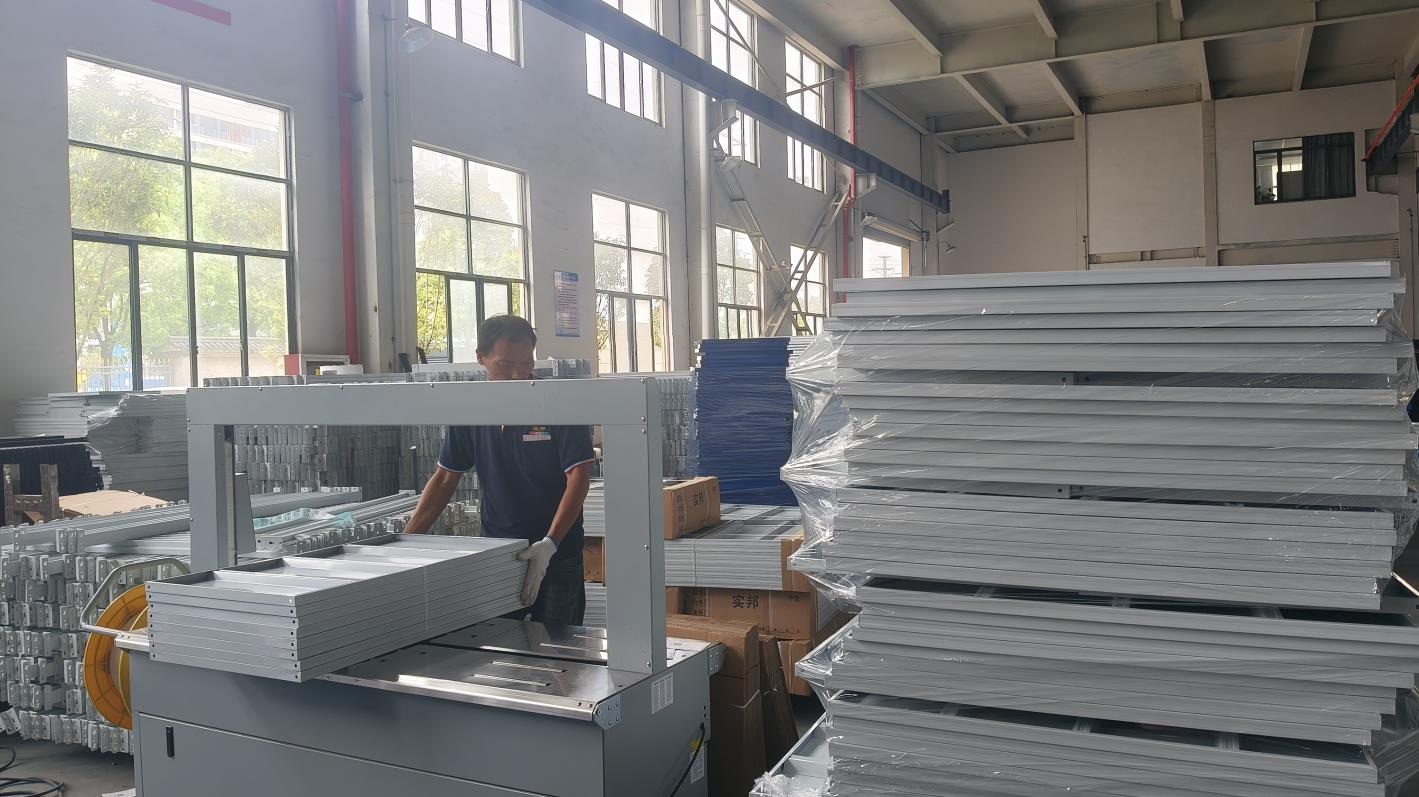
Every step of our process—from cold forming to automated packaging—is managed under strict ISO quality standards.
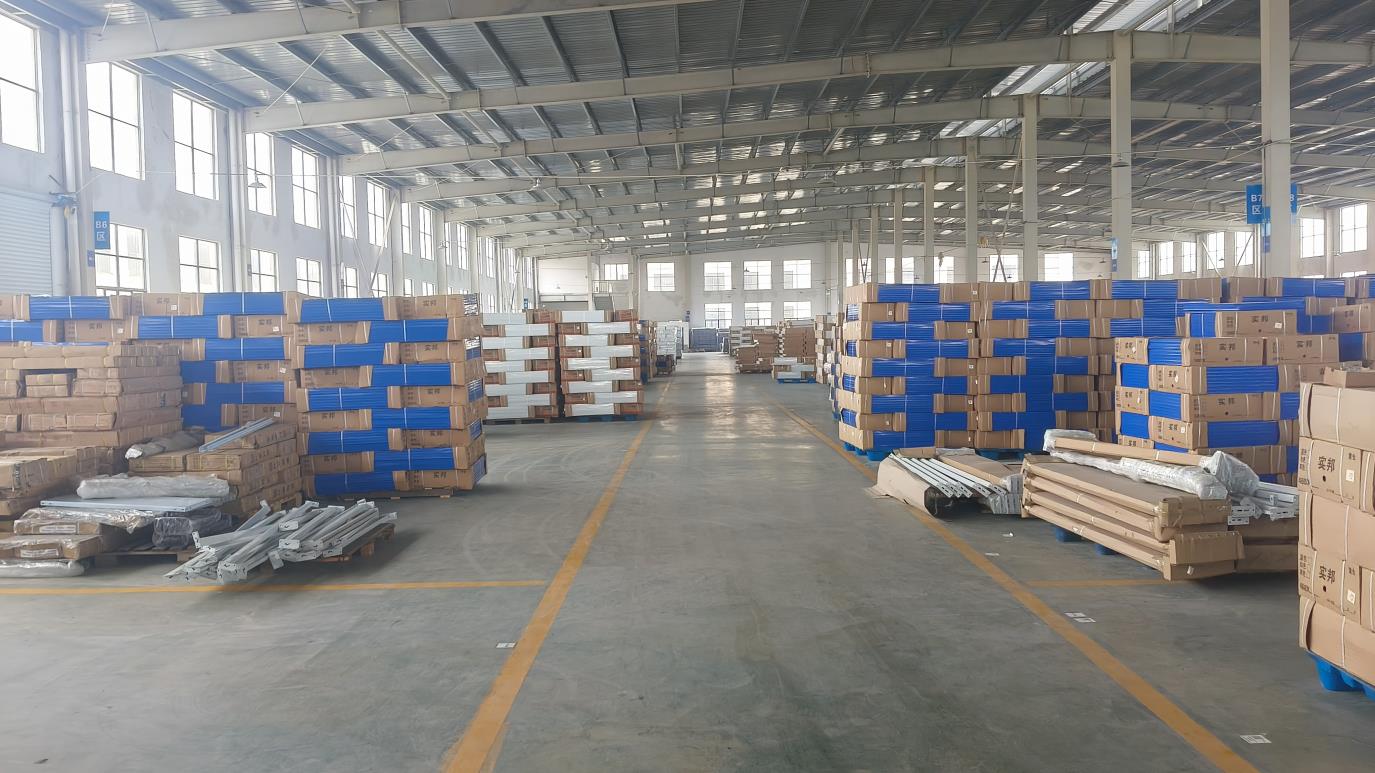
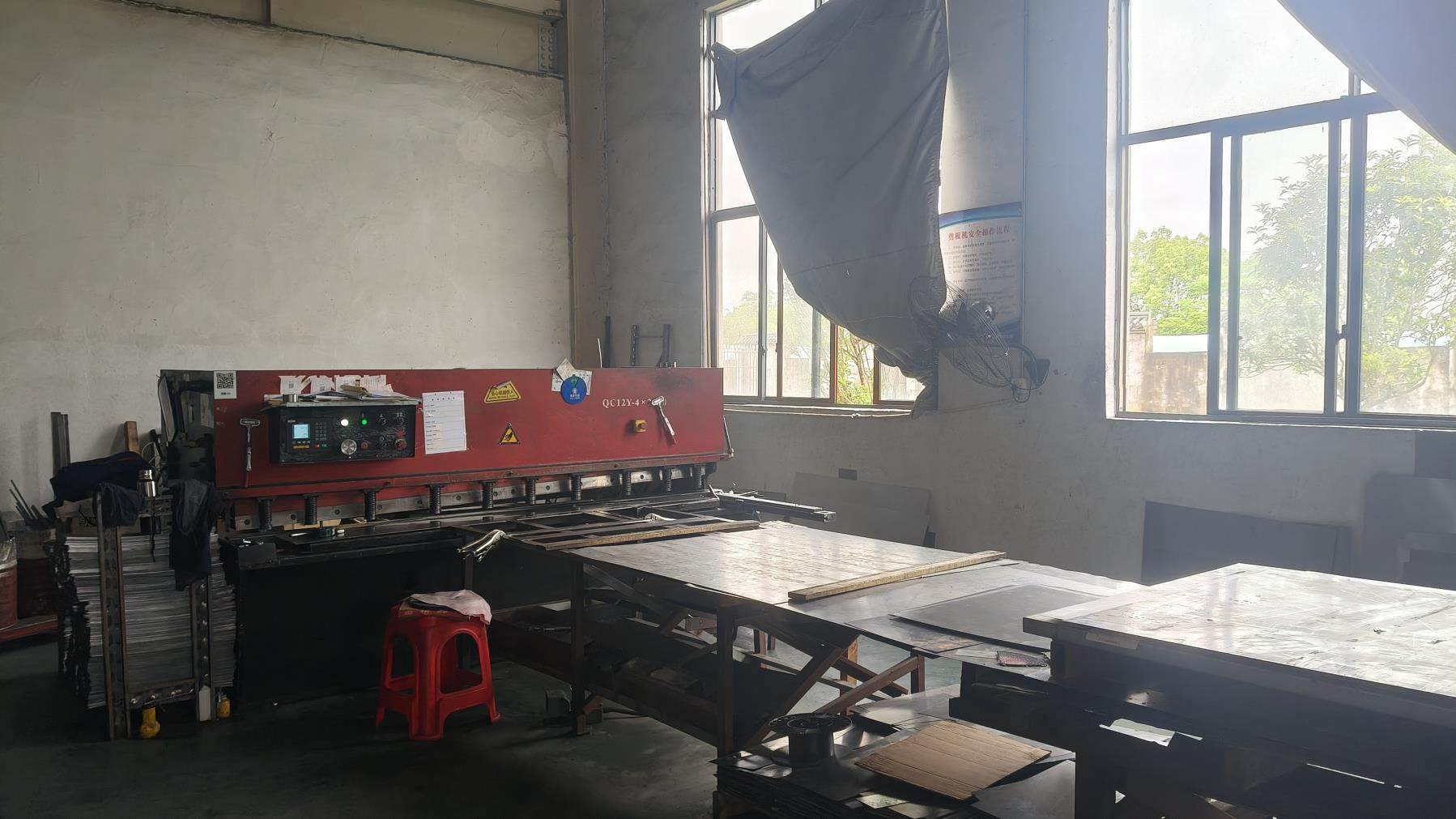
Industrial racking needs vary depending on the local environment, temperature, and material types. Understanding these application scenarios is essential for maximizing storage density and safety:
High-density racking systems require anti-corrosive powder finishes to withstand temperatures as low as -30°C without paint peeling or structural embrittlement.
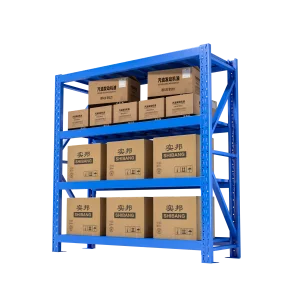
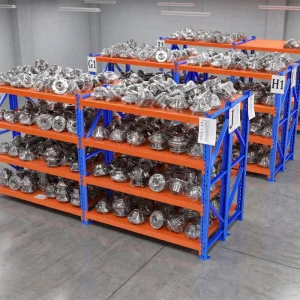
Custom racks designed for heavy tooling and components require high-yield structural steel beams and load-bearing upright frames to prevent deformation.
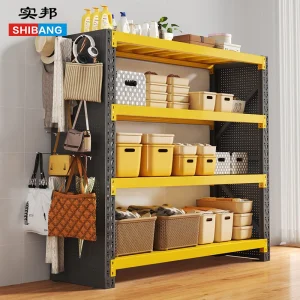
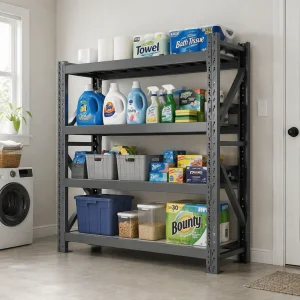
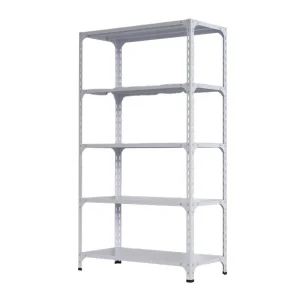
Features adjustable, boltless, and multi-level configurations. Optimized for fast picking cycles, manual sorting access, and clear item visibility.
No two warehouses are identical. Our 22 mechanical and structural engineers customize racks to match our clients' unique operational parameters. By optimizing seismic profiles, dynamic load configurations, and custom powder-coating colors, Shibang develops systems tailored to specific vertical clearance limits and slab capacities. Over the past 12 months, we released 140 new and optimized structural products, demonstrating our commitment to innovation.
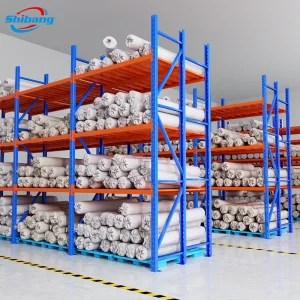
From heavy-duty textile roll storage to mobile wide-span tooling shelves, our engineers utilize finite element analysis to simulate real-world conditions. This enables us to design racks that balance load performance with space efficiency, ensuring long-term safety and performance.
Clear answers to complex technical questions, helping procurement managers make informed decisions.
To receive CE certification, storage racks must comply with European standards for static steel storage. This includes EN 15512 (structural design principles), EN 15620 (tolerances, deformations, and clearances), and EN 15635 (safe application and maintenance). Together, these standards ensure the racking system can handle its rated load capacity without excessive deflection or risk of collapse.
Ergonomic racks optimize accessibility, allowing operators to pick goods within their natural range of motion. Features like adjustable levels and open-facing boltless profiles help reduce excessive bending and stretching. This minimizes physical fatigue and lowers injury rates, which in turn speeds up individual picking times and enhances overall fulfillment efficiency.
We use a comprehensive verification program to ensure structural reliability. Our engineering team conducts Finite Element Analysis (FEA) to simulate load distributions. We verify these simulations in our testing labs using tensile testing of raw steel, physical load testing of beams and upright connections, and Ultrasonic Testing (UT) to check weld penetration.
Industrial steel racking is often exposed to moisture, temperature fluctuations, and chemical cleaning agents, which can lead to rust and degrade the steel's load capacity. Ningbo Shibang applies an electrostatic powder-coating finish that forms a durable barrier against oxidation. This ensures long-term structural integrity in challenging environments like cold storage and chemical warehouses.
Yes. Our in-house engineering team designs rack components tailored to seismic requirements. This includes using reinforced upright profiles, wider baseplates, and high-strength anchor systems to disperse energy during seismic events, helping to prevent structural collapse and protect warehouse staff.
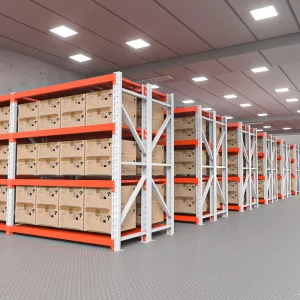
High-capacity systems engineered for industrial warehouses, automated distribution hubs, and heavy manufacturing.
 Shibang Rack