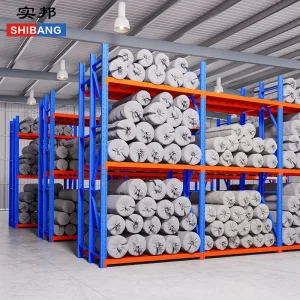
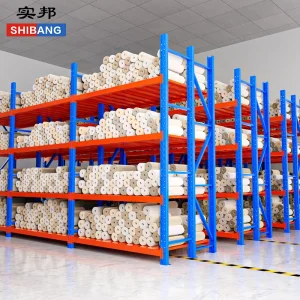
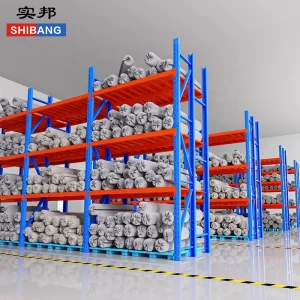
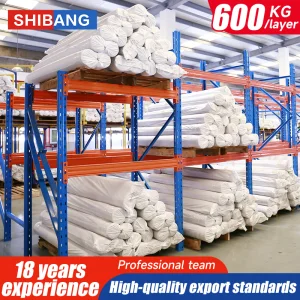
Featured heavy-duty racking configurations custom-tailored for regional auto-trim manufacturing and 3PL supply chains.
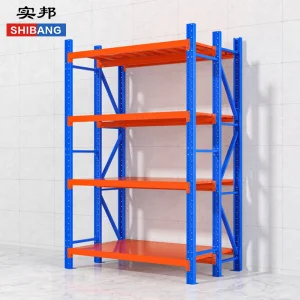
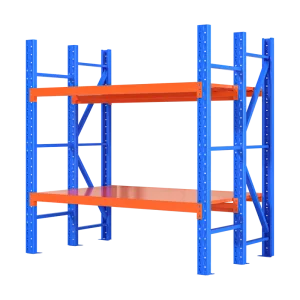
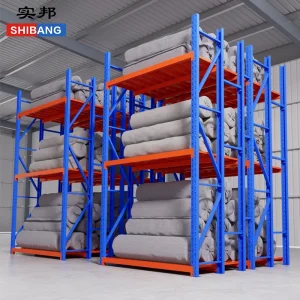
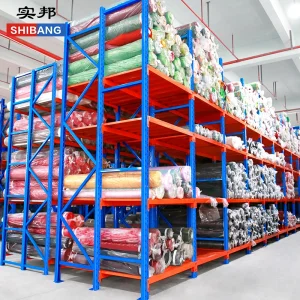
Why automotive trim suppliers and Michigan 3PL hubs require custom engineering configurations.
The Detroit metropolitan area remains the heart of North American automotive manufacturing. Within the Wayne, Macomb, and Oakland counties, hundreds of Tier-1 and Tier-2 suppliers feed assembly lines for General Motors, Ford, and Stellantis. Storage logistics in this subsector are highly complex—particularly when managing roll goods like technical fabrics, polyurethane interior foams, acoustic insulation materials, and industrial textiles used in seating and trim fabrication.
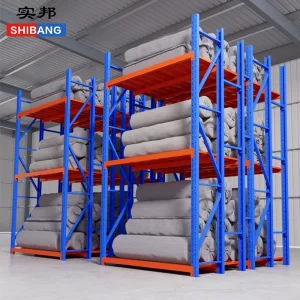
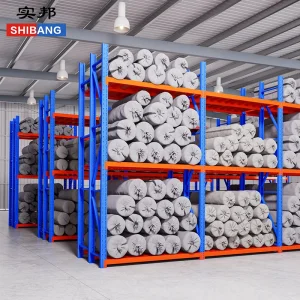
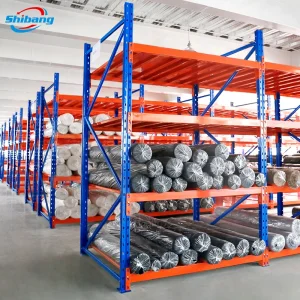
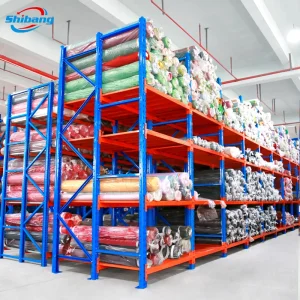
Unlike standard palletized freight, textile rolls represent a variable load geometry. They are heavy, cylindrical, prone to compression damage, and represent a significant fire hazard risk if stored incorrectly. Industrial facilities in Warren, Sterling Heights, Auburn Hills, and Romulus are actively transitioning from bulk stacking to specialized, high-density fabric roll storage racking systems. This transformation ensures structural safety, maximizes vertical building clear heights, and integrates seamlessly with automated guided vehicles (AGVs) and forklift attachments.
High-value automotive seating materials (leather, Alcantara, structural mesh) suffer permanent deformation if stacked horizontally. Our cradle and nesting support profiles eliminate localized surface pressure.
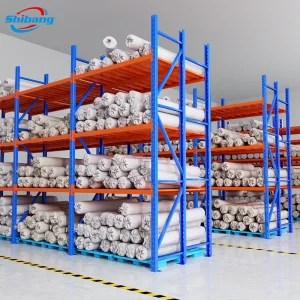
Detroit auto-assembly operates on strict Just-In-Time (JIT) timelines. Pallet shelves configured for selective roll extraction enable direct picking of specific SKUs without relocating adjacent stock.
Heavy rolled textiles store substantial thermal mass. Our shelves incorporate integrated wire decking, perforated steel panels, or dynamic flow-through geometries to satisfy NFPA 13 sprinkler requirements.
Technical parameters designed to withstand heavy dynamic forces in demanding manufacturing environments.
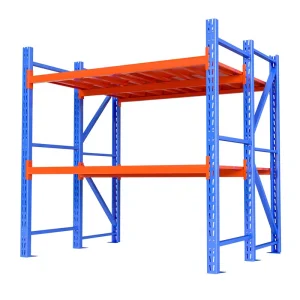
Heavy-duty textile and roll storage demands high structural resilience. Shibang structural engineers design rack structures using premium cold-rolled steel (typically grades equivalent to ASTM A1011 or high-tensile Q355). In standard automotive applications, load configurations range from 400kg to 1500kg per layer. Proper design requires analyzing vertical deflection ratios. While standard industrial applications allow a deflection of L/240, heavy roll storage often targets L/300 to minimize beam twisting under concentrated point loading.
For installations throughout Michigan, structural designs must account for local building codes and seismic zones. Even in historically low-seismic zones like the Detroit Basin, modern building permits require dynamic load simulations that incorporate site-specific floor vibrations from nearby heavy stamping presses and forging lines. Shibang provides seismically optimized upright columns, baseplates, and frame bracing to ensure system stability under dynamic forces.
Strategic B2B Partner delivering high-volume production capacities and certified quality standards.
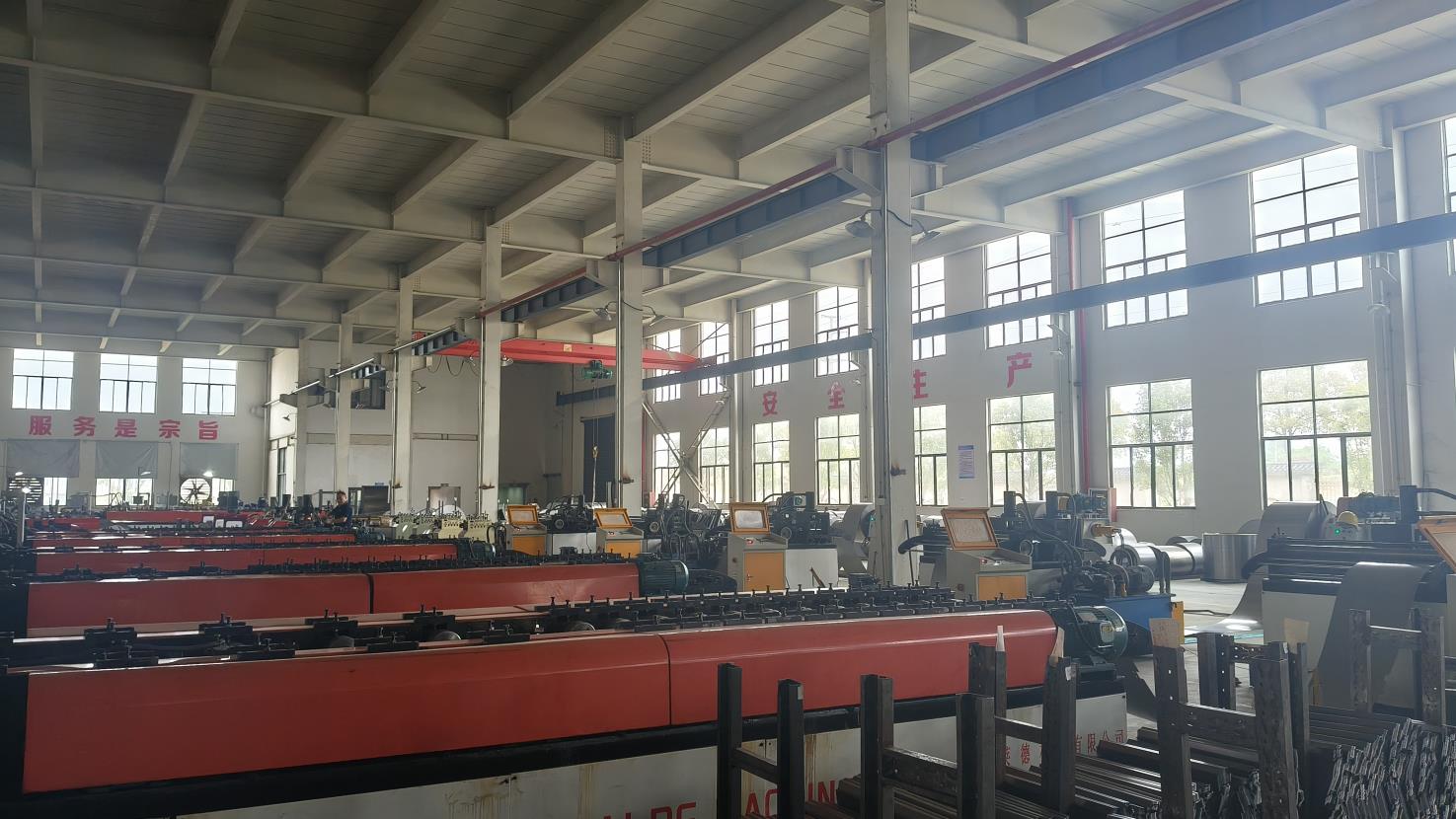
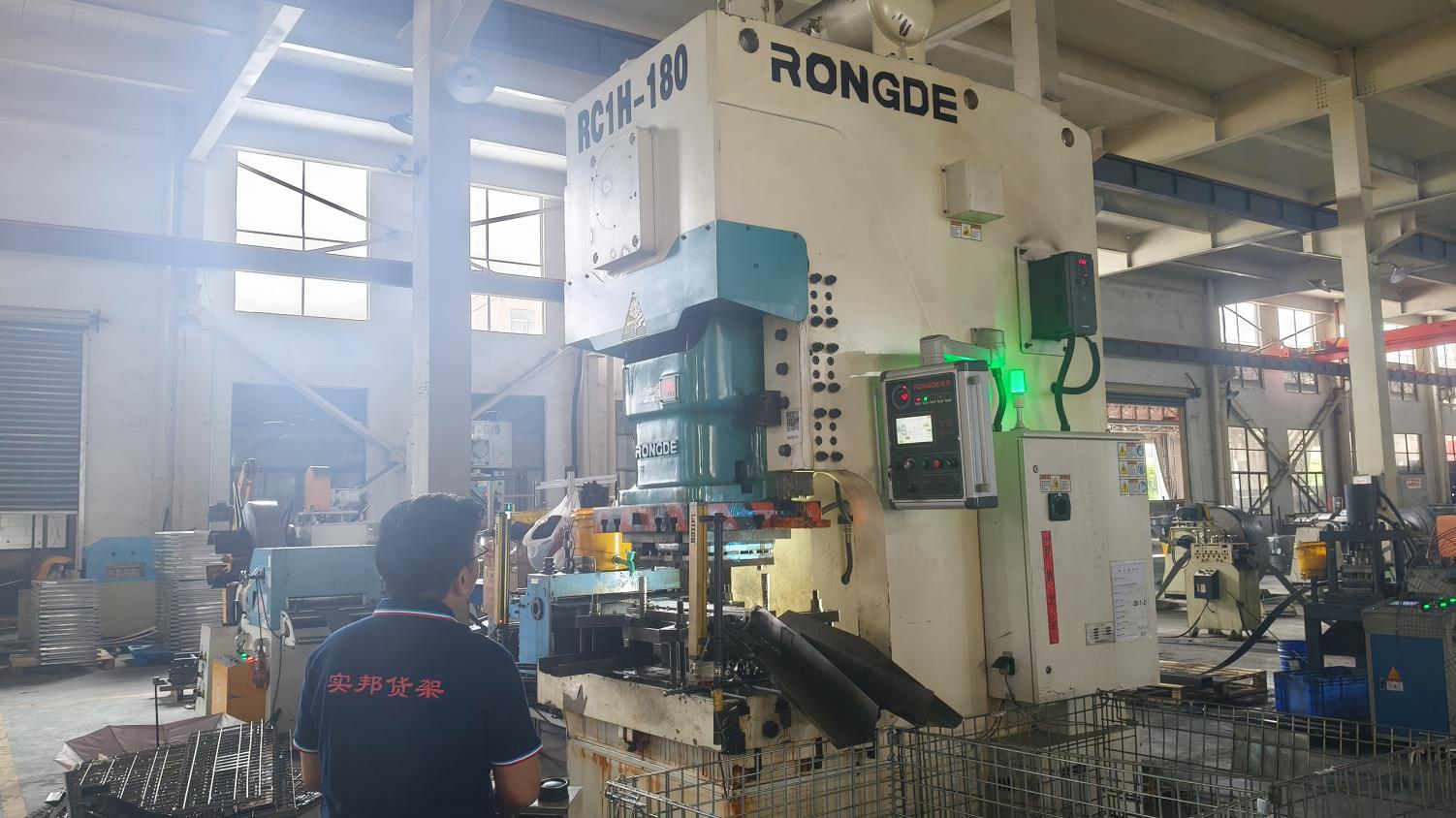
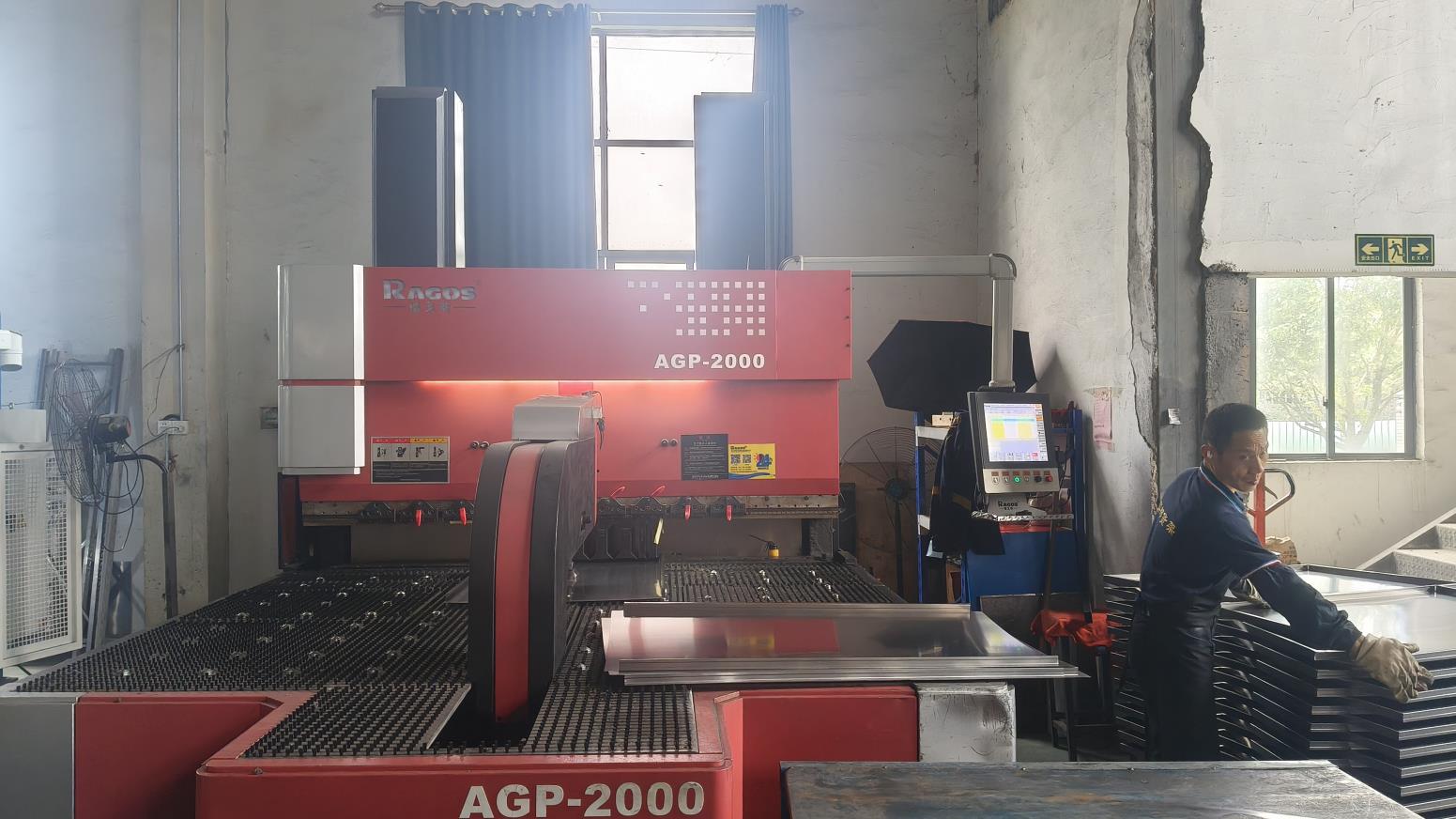
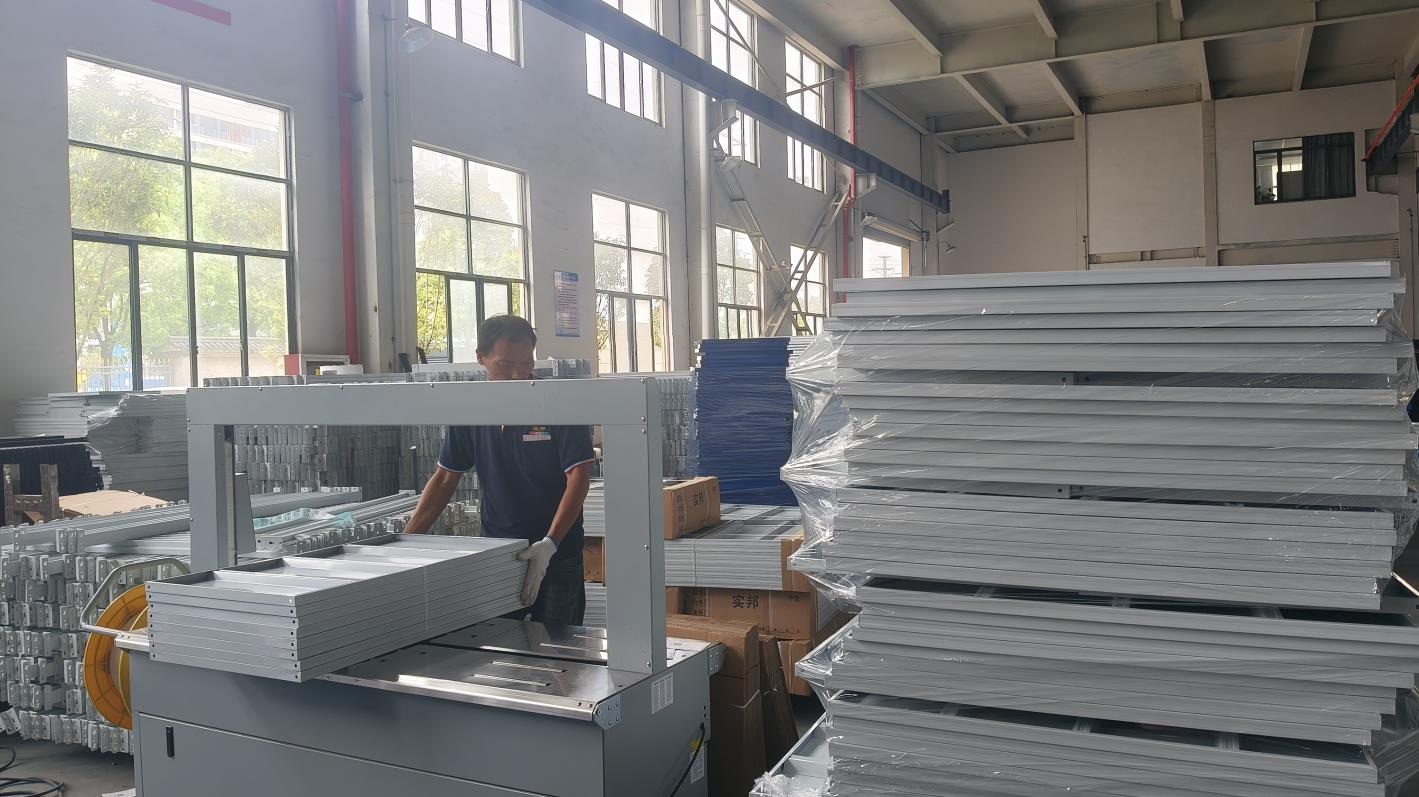
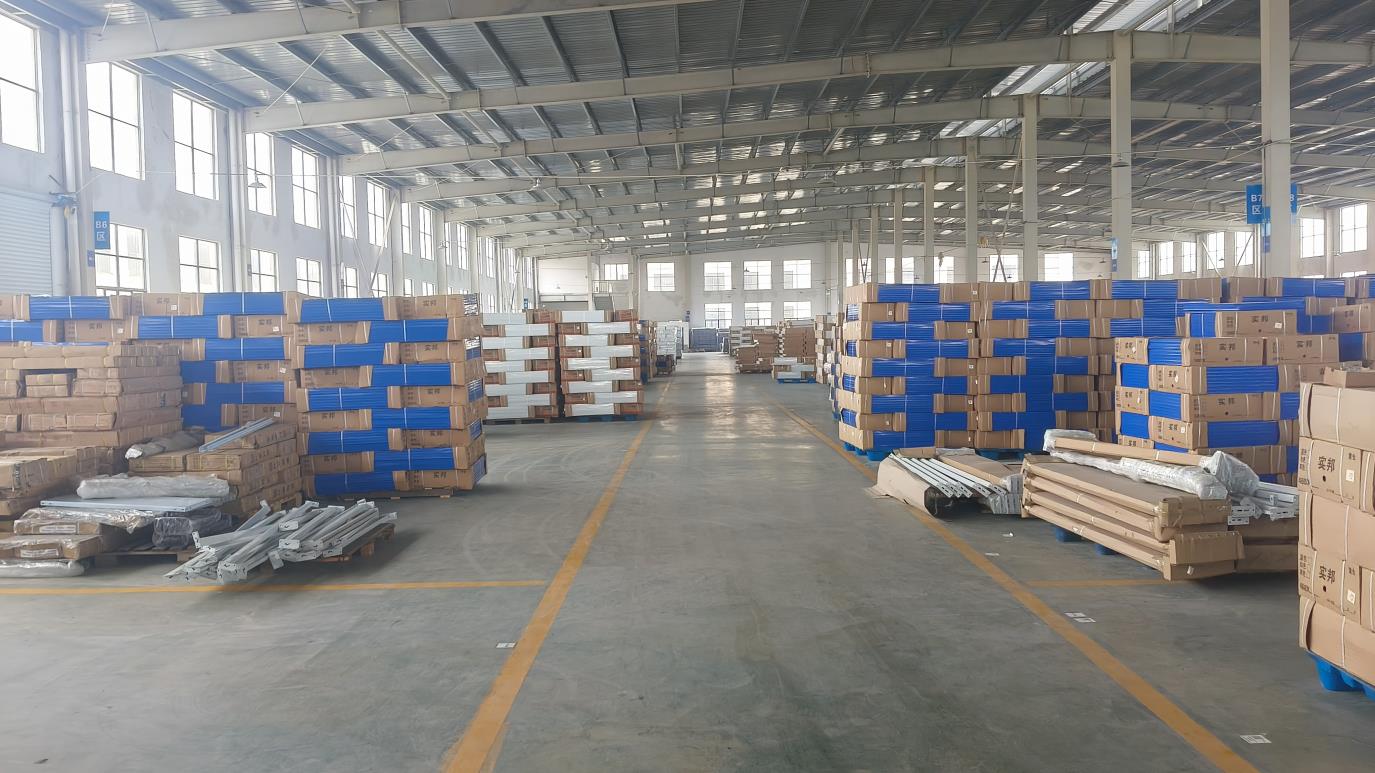
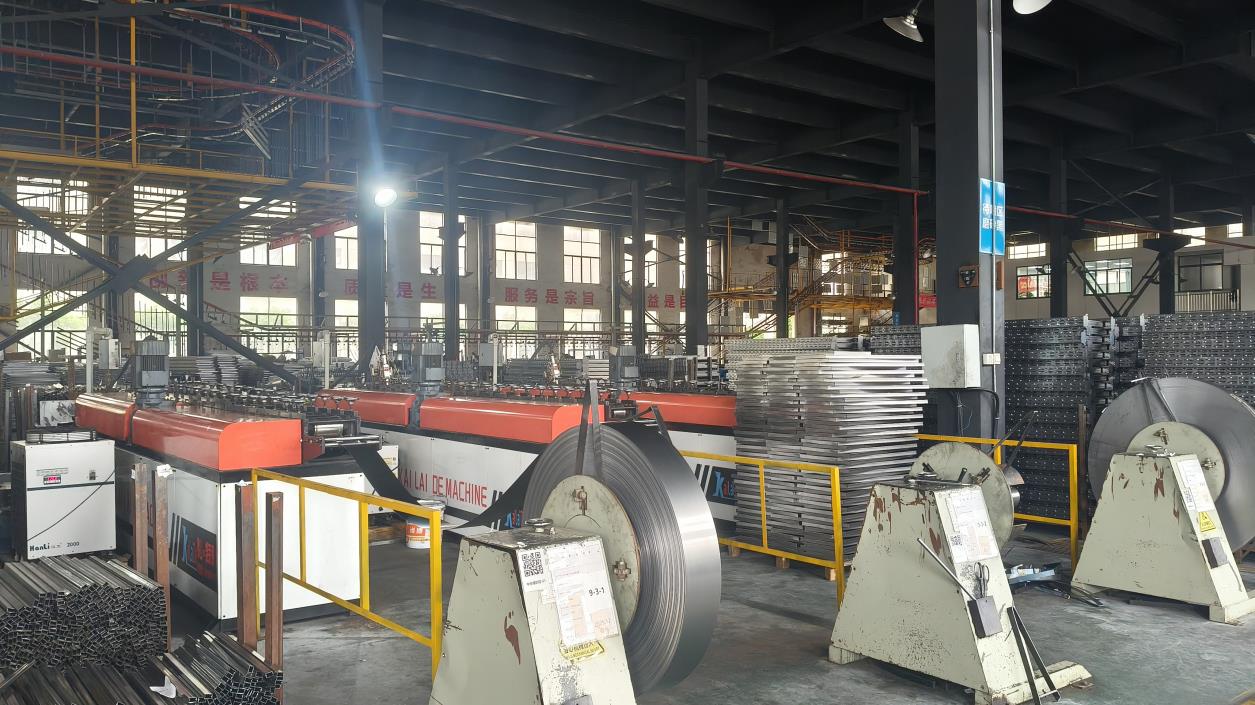
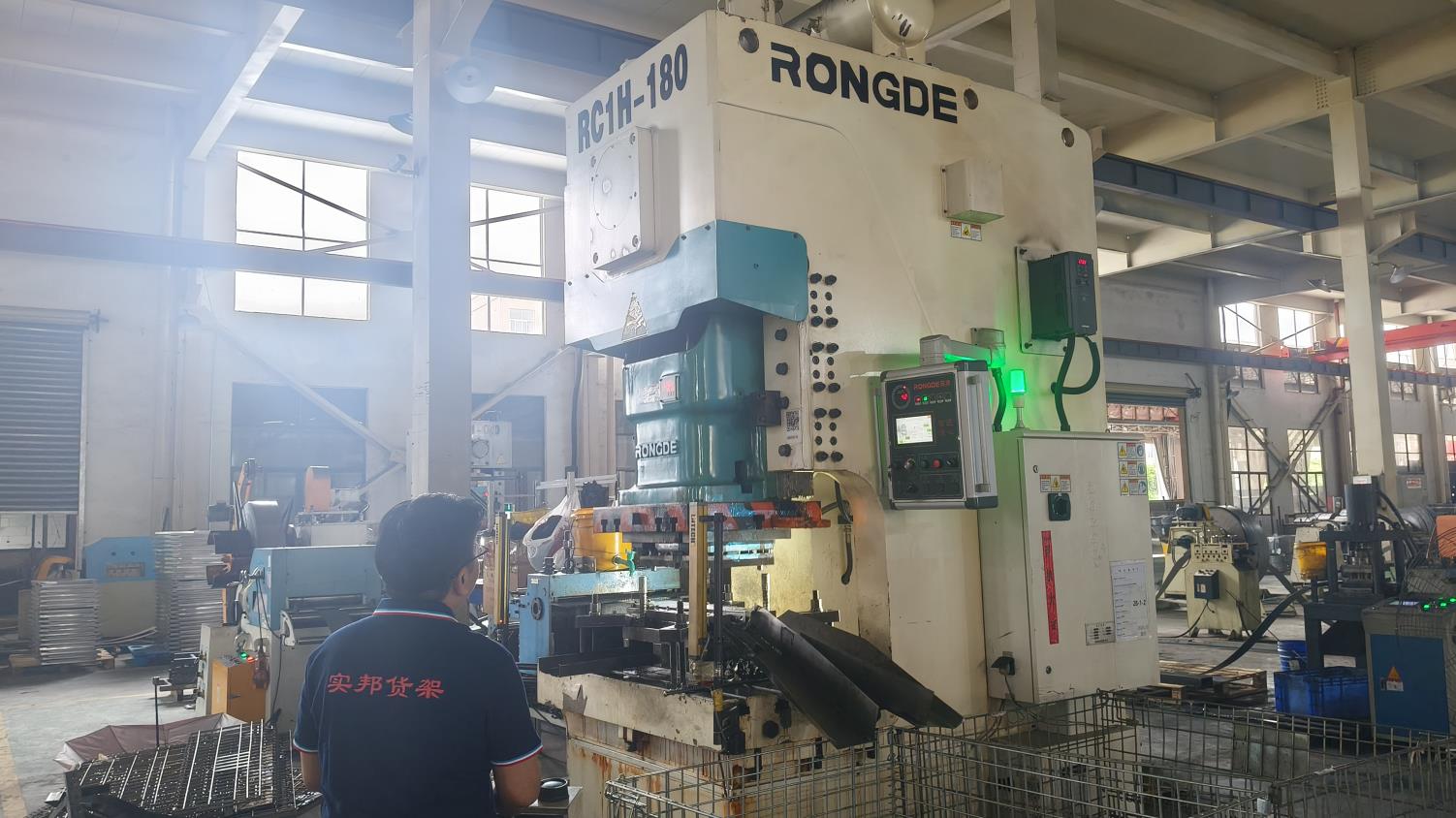
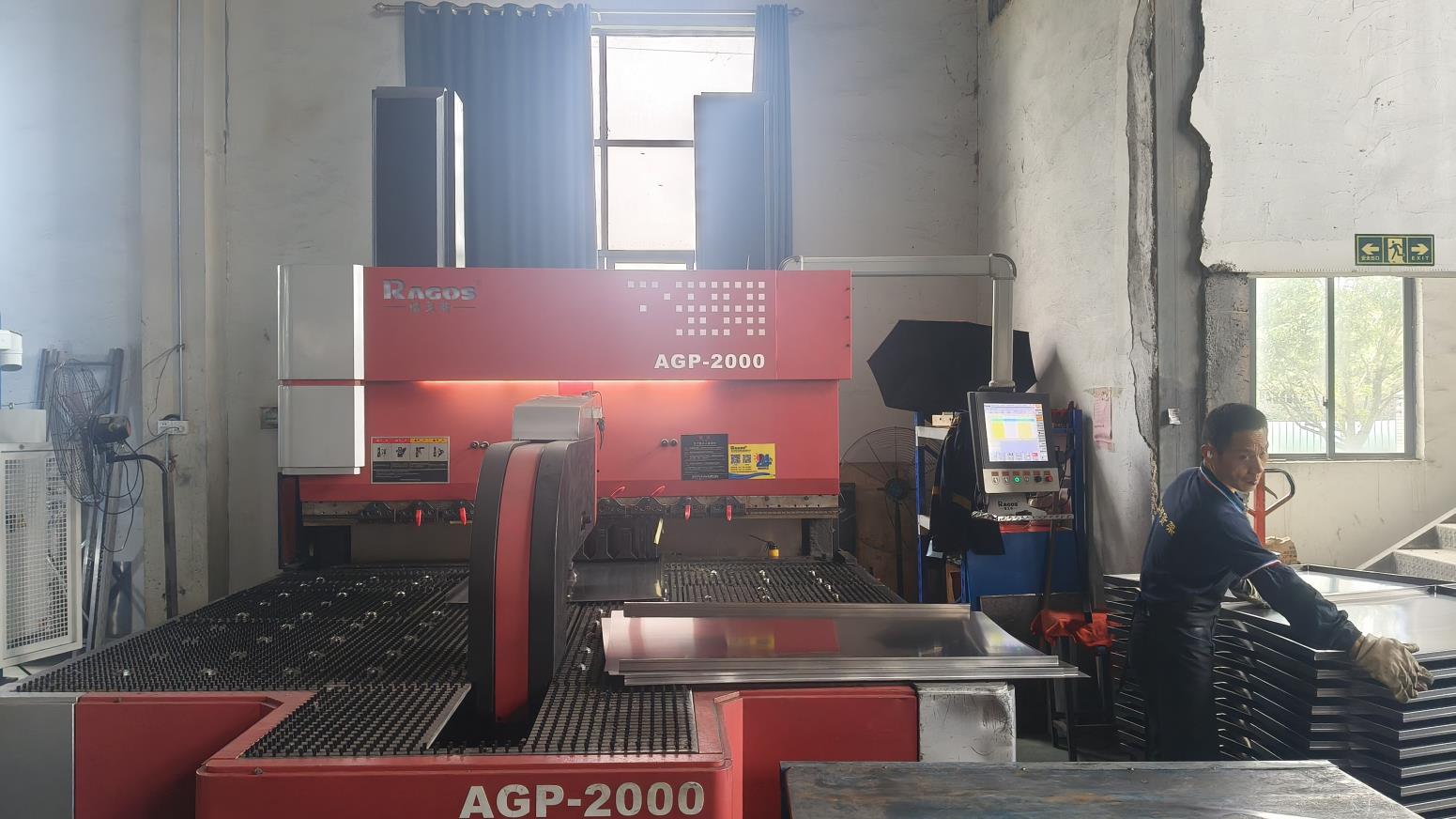
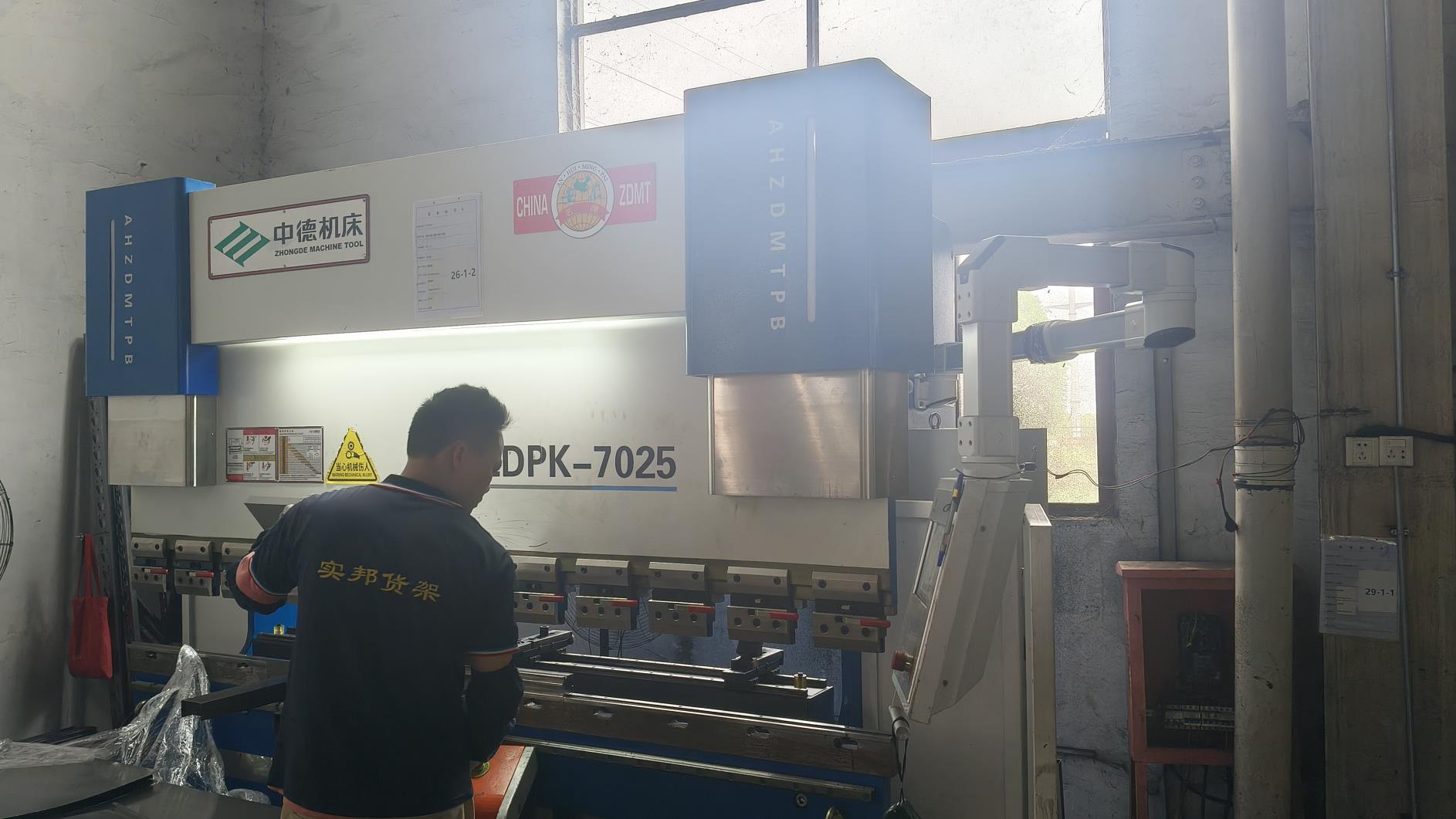
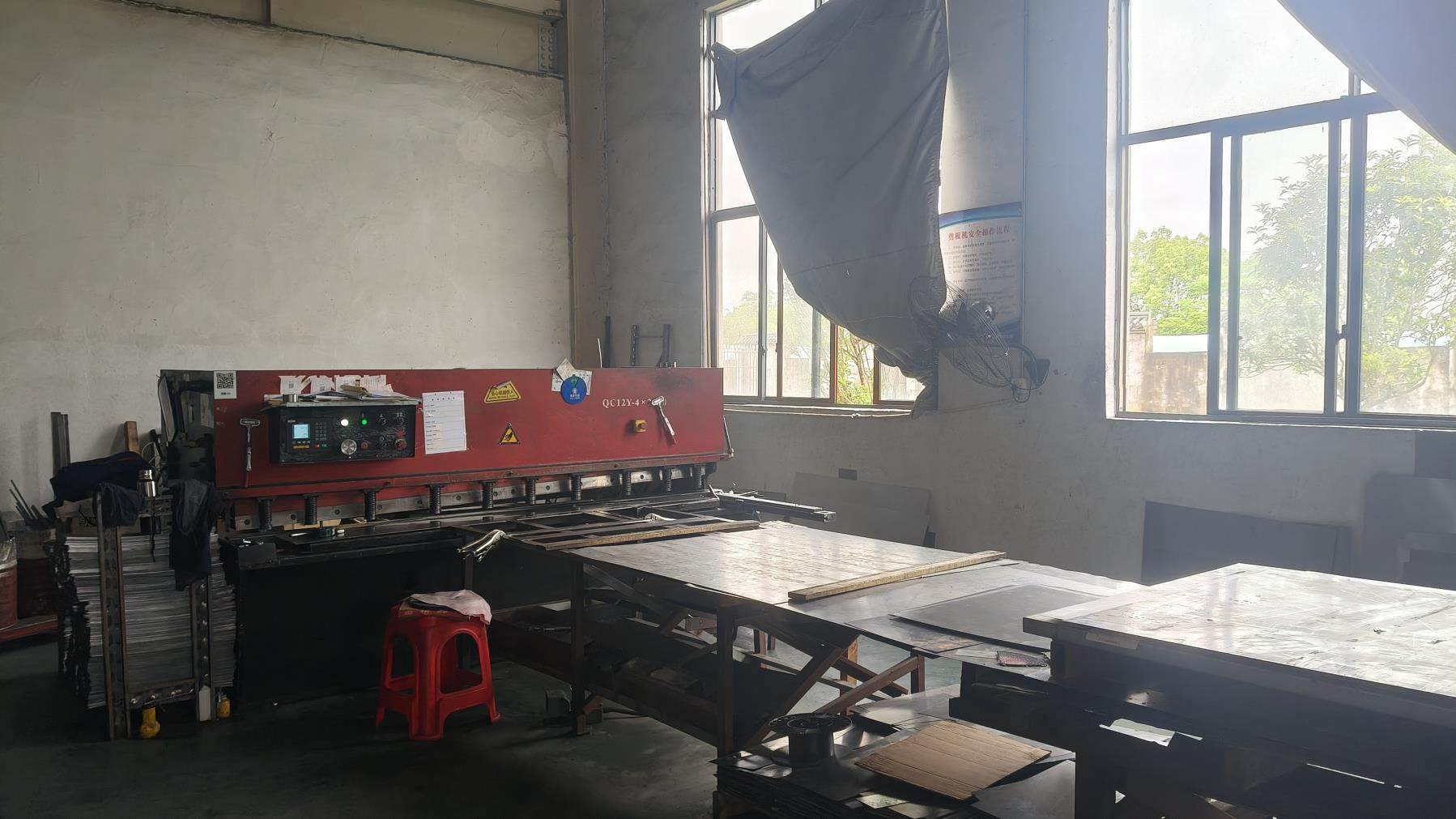
Established in 2016, Ningbo Shibang Storage Rack Co., Ltd. is a leading enterprise specializing in the design, manufacture, and global distribution of heavy-duty industrial warehouse racking systems. Spanning a modern manufacturing facility of 32,000 m², our company has accumulated 12 years of industry experience and 8 years of direct export expertise, serving global clients with total annual export revenue reaching $18 million.
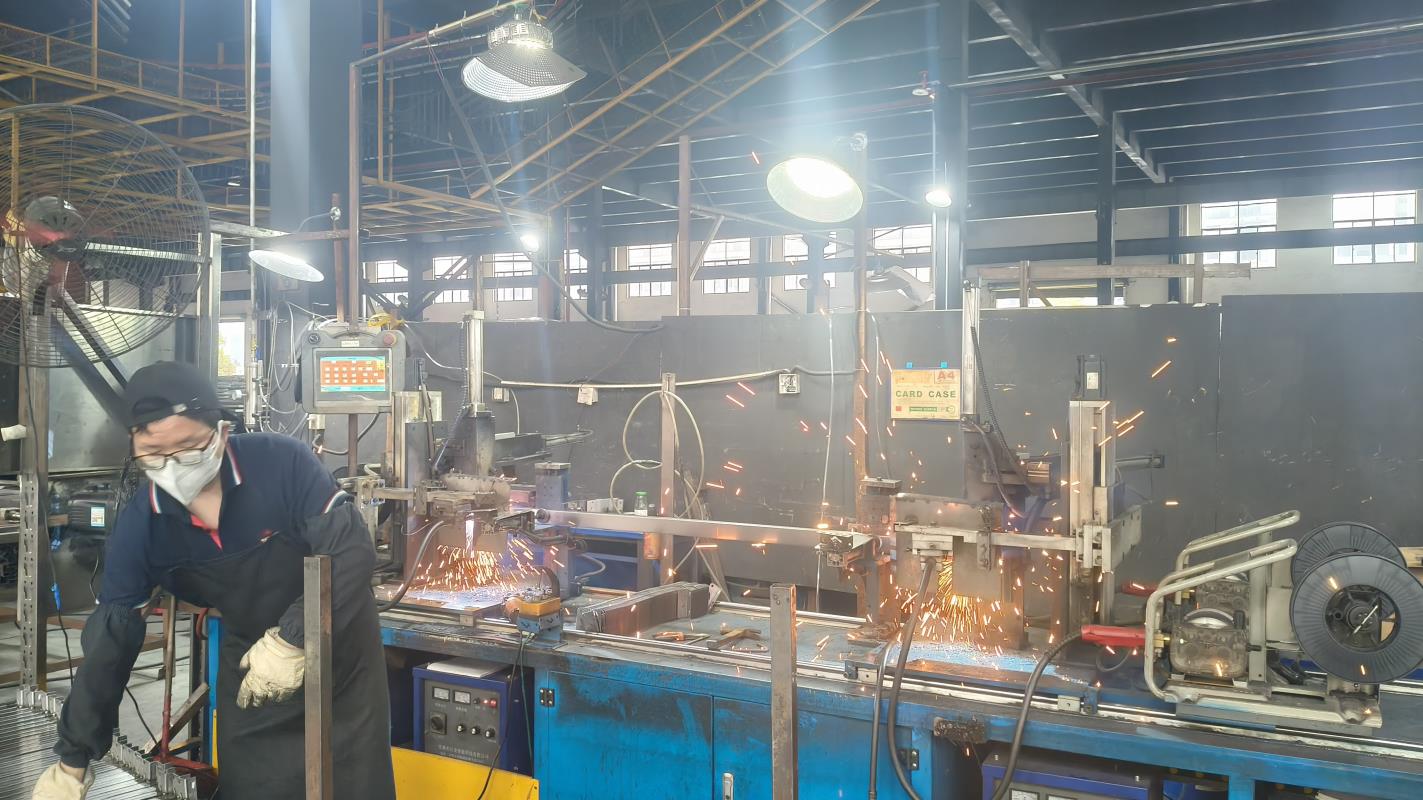
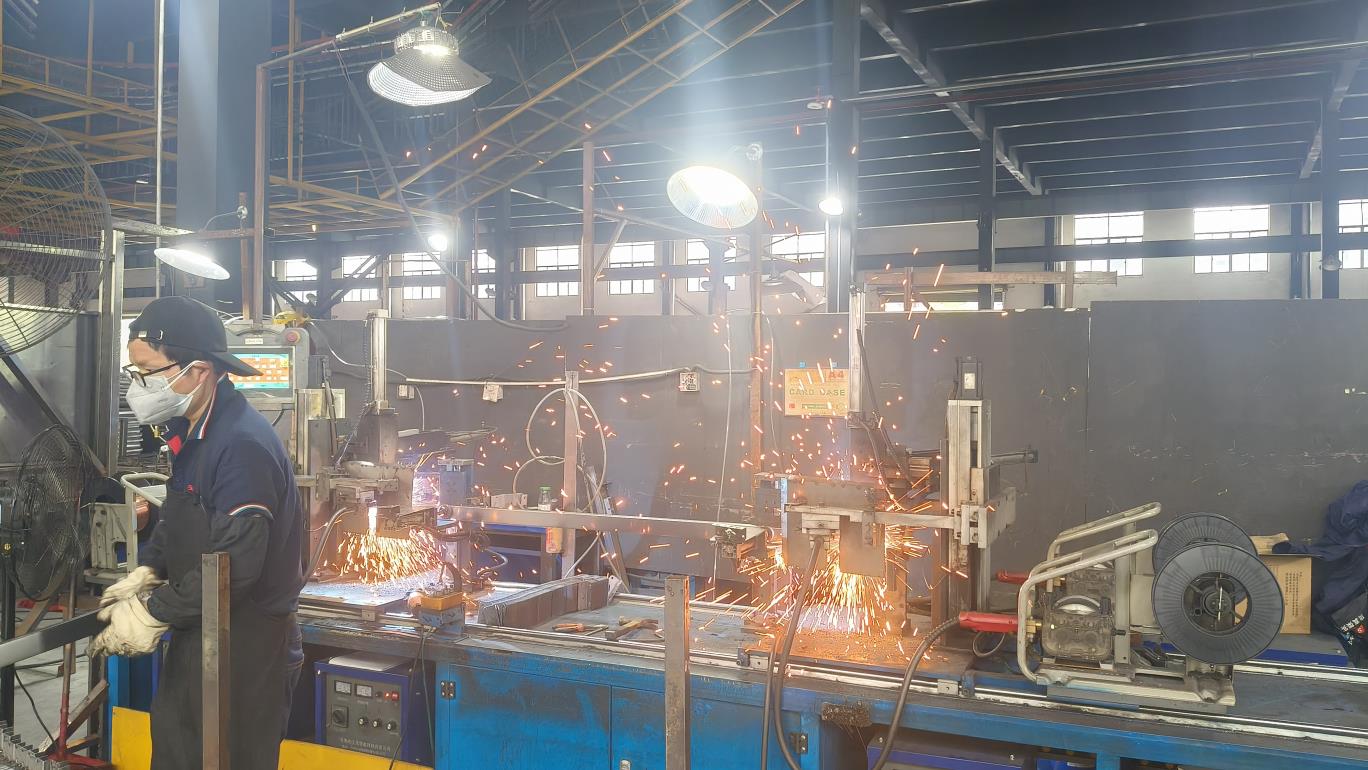
Quality and structural integrity are at the core of our manufacturing philosophy. Backed by a dedicated quality control team of 35 QA/QC inspectors, we implement rigorous multi-stage quality assurance processes, including Ultrasonic Testing (UT) for weld seams, load-bearing stress analysis, coating thickness verification, and raw material tensile testing.
Operating with a robust international trade setup, our primary markets cover North America, Western Europe, Southeast Asia, and Australia. To maintain efficient production cycles and reliable raw material supply, we partner with over 850 supply chain vendors. Our diverse client portfolio spans 3PL logistics providers, automated distribution centers, retail mega-warehouses, and heavy manufacturing facilities.
Innovation drives our growth. Our in-house R&D department boasts 22 experienced structural and mechanical engineers. Through strong technical capability and advanced OEM/ODM versatility, we offer extensive customization options, including tailored load capacities, custom powder-coating colors, seismically engineered beam profiles, and modular height configurations. Demonstrating our commitment to evolving market needs, we launched 140 new products and optimized structural components over the past year alone.
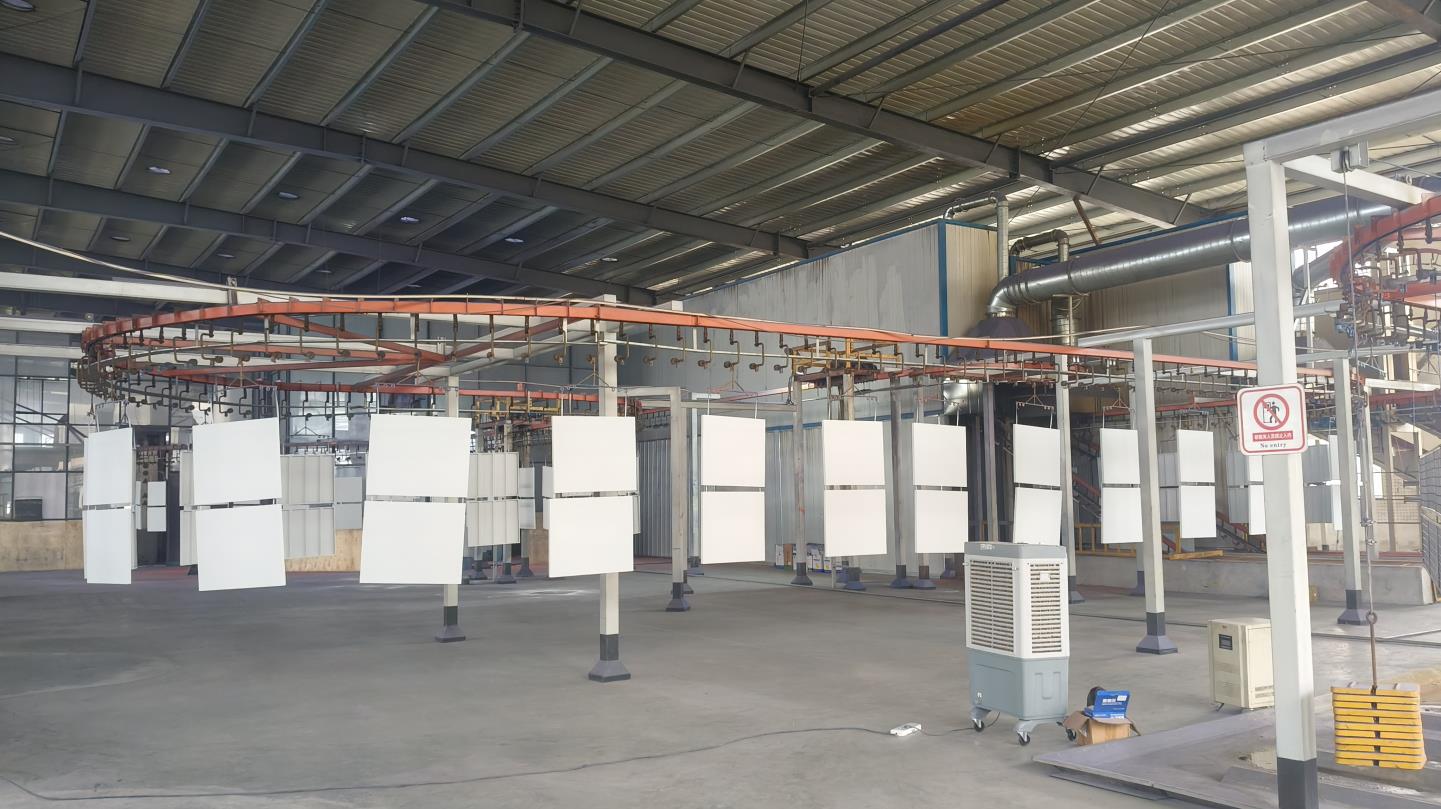
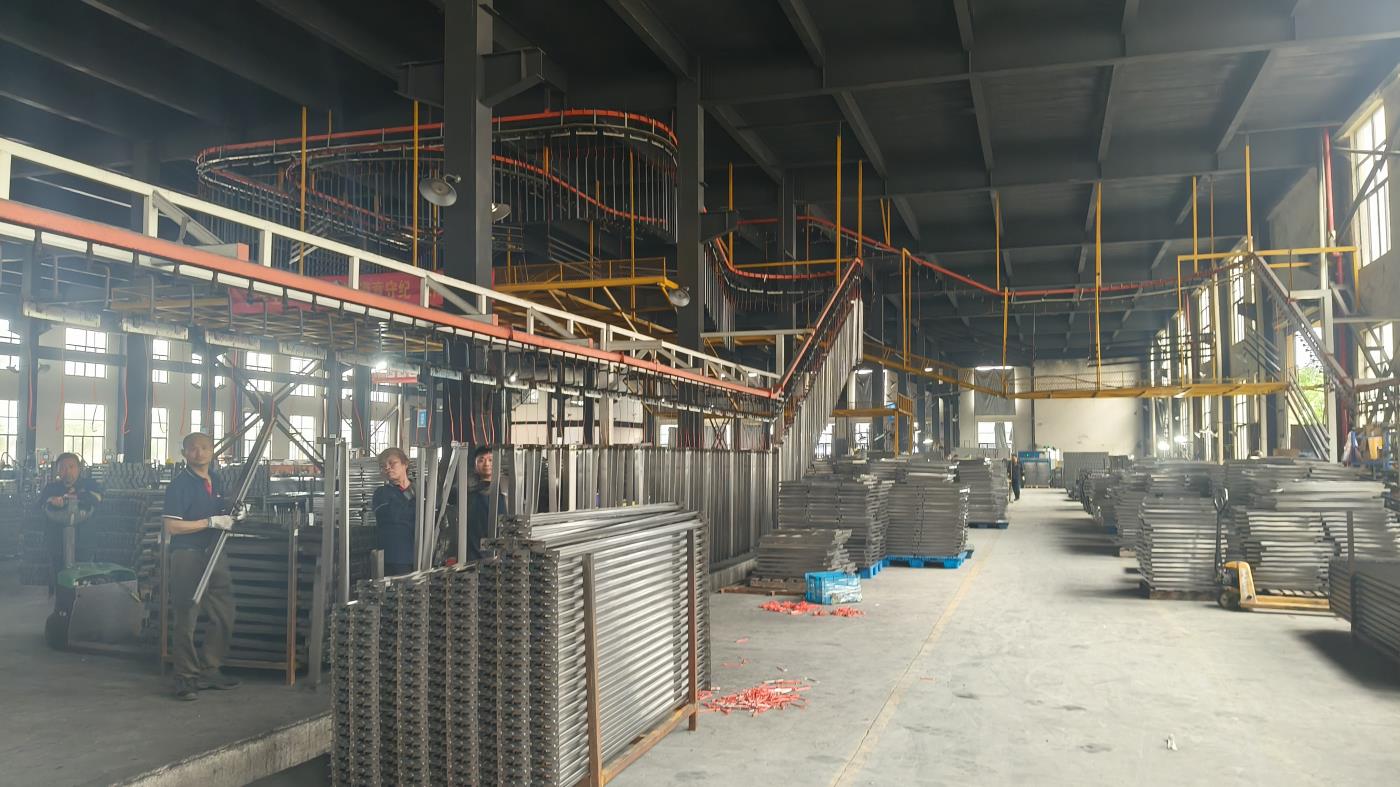
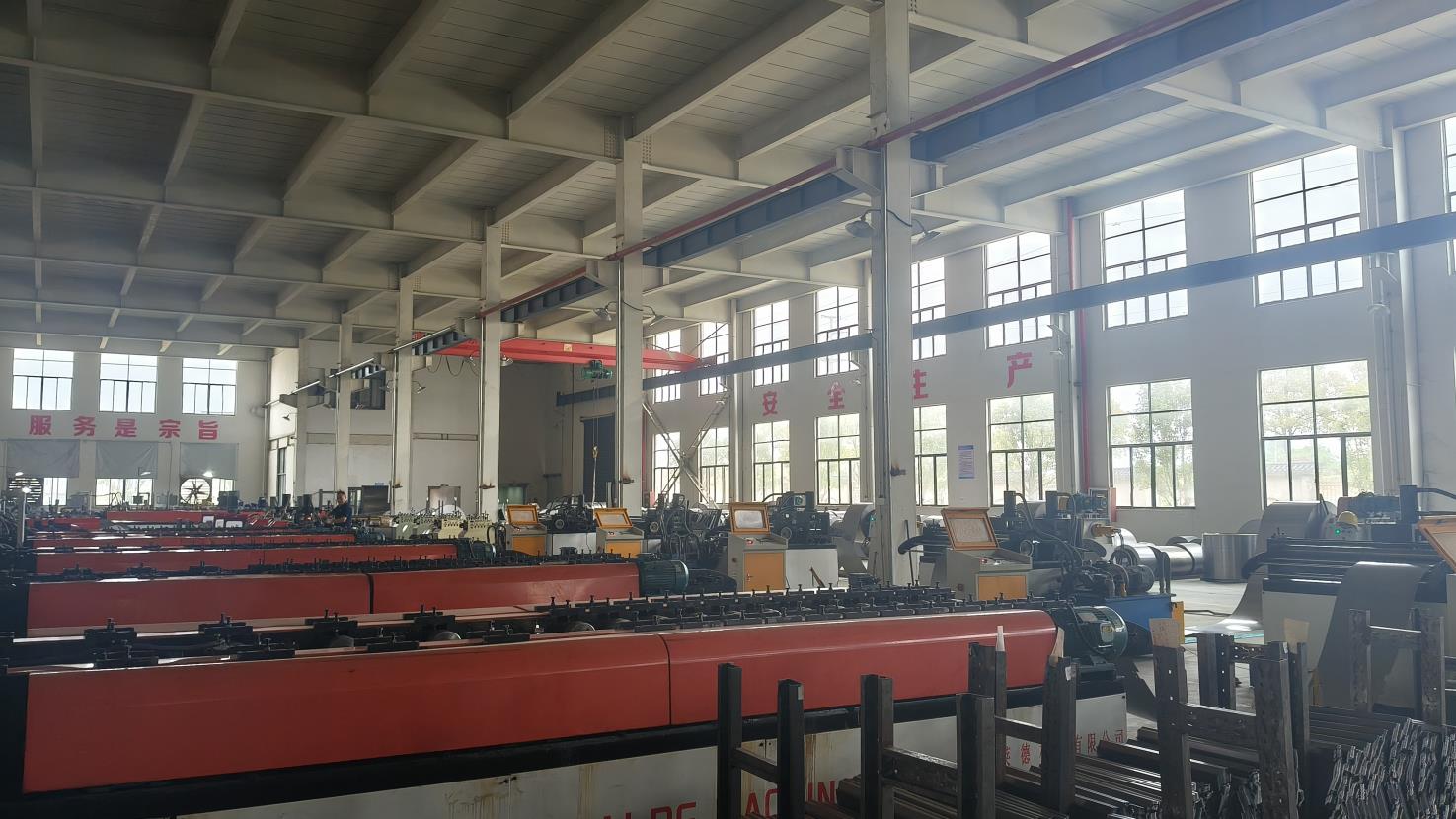
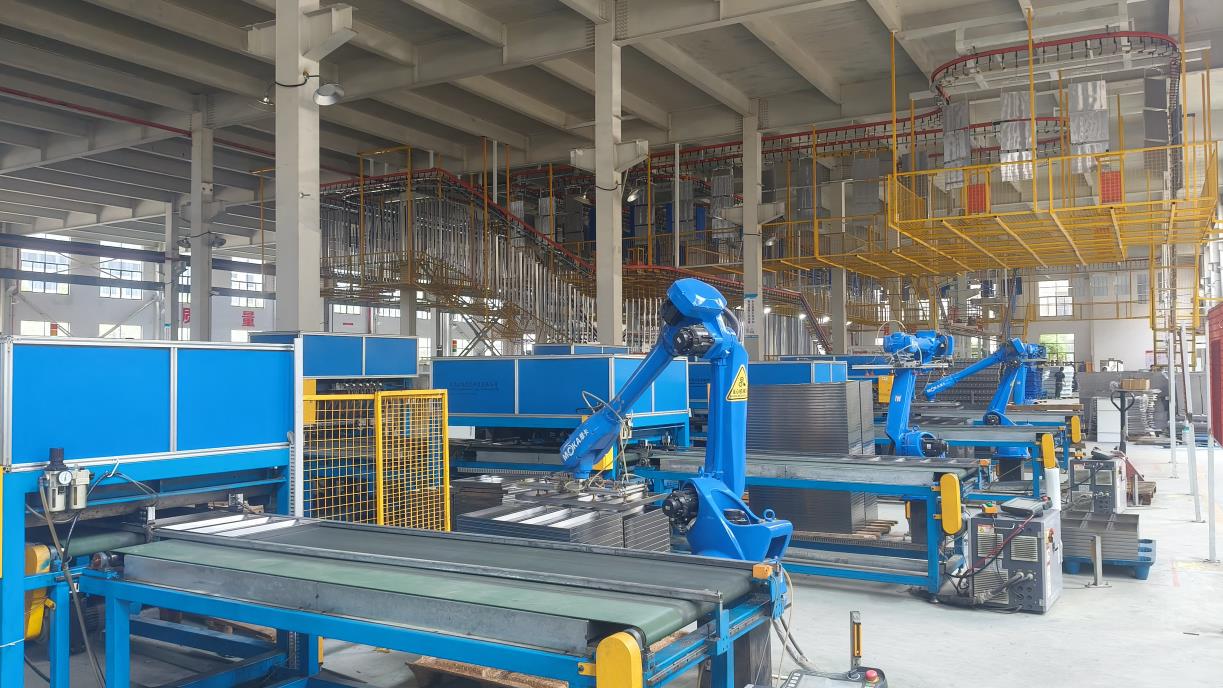
Take a step inside our modern factory lines where cold steel is transformed into high-performance warehouse structures.
Streamlined ocean transit, localized customs clearance support, and fast delivery to site.
Shipping custom structural steel fabric shelves globally requires robust logistics integration. Ningbo Shibang leverages its proximity to the Port of Ningbo-Zhoushan—the world’s busiest port by cargo tonnage—to offer efficient shipping routes to North America. For buyers in the Detroit metropolitan area and greater Michigan, cargo routing typically options include:
Our project logistics team handles export documentation, structural ocean-freight packaging to prevent physical abrasion or paint damage, and coordinates with local US customs brokers to minimize import delays. Upon arrival, Shibang provides step-by-step structural CAD diagrams, assembly videos, and remote engineering consultations to help local Michigan contractors ensure a smooth installation process.
Maximize storage densities to reduce facility expansion overhead in Michigan's high-demand industrial hubs.
Industrial facility lease rates in key manufacturing suburbs like Auburn Hills, Warren, and Romulus continue to rise. Efficient use of space is crucial. Implementing high-density vertical fabric roll shelving allows companies to recover up to 40% to 60% of their floor area compared to flat, bulk stack configurations.
Beyond simple square-foot optimization, our custom racking configurations help minimize product damage and improve operating efficiency:
The convergence of heavy structural steel and automated materials handling.
Industrial storage is evolving rapidly, driven by advanced inventory tracking systems and automated handling. Shibang's R&D department works closely with system integrators to ensure our storage systems are ready for next-generation automated guided vehicles (AGVs) and AS/RS installations.
Key areas of development include:
Common B2B procurement and engineering questions for our technical team.
For custom fabric storage racking systems, our typical manufacturing lead time is 30 to 45 days from approval of shop drawings. Ocean transit and intermodal rail delivery to Detroit hubs generally take an additional 30 to 40 days, depending on the chosen shipping route.
Our quality control program includes raw material tensile testing, structural stress analysis, and load capacity verification. For load-bearing parts, our QA/QC team performs ultrasonic testing (UT) on weld seams to ensure they meet high standards for heavy-duty industrial installations.
Yes, customization is a core part of our service. Our team of 22 structural and mechanical engineers can design racks to fit your specific roll lengths, diameters, and weight requirements, helping to optimize your facility's storage density.
Our standard systems feature a high-quality electrostatic powder coating (60-80 microns thickness) that offers excellent wear and corrosion resistance. For damp or outdoor environments, we also offer hot-dip galvanized and epoxy-coated finishes.
Yes, our racking systems are designed and manufactured to meet strict international standards, including ISO 9001:2015. We can also customize engineering designs to align with ANSI/RMI MH16.1 specifications upon request to assist with local US building permits.
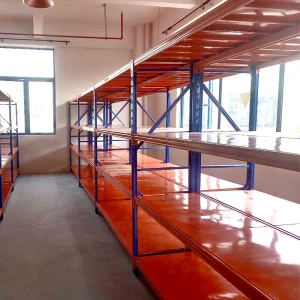
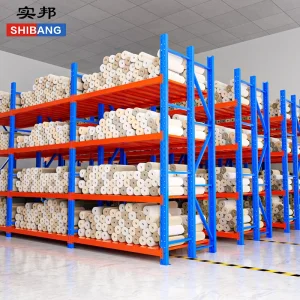
Browse our complete range of heavy-duty fabric and industrial storage systems designed for demanding logistics hubs.
 Shibang Rack