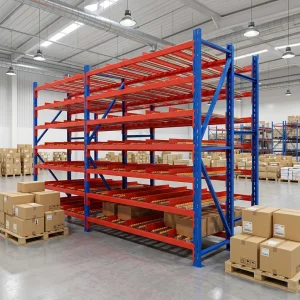
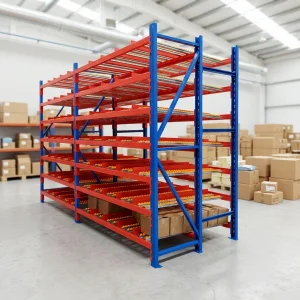
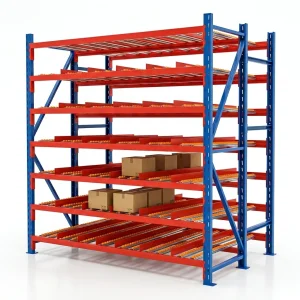
The San Francisco Bay Area, encompassing key logistics corridors like Oakland, Hayward, Richmond, San Jose, and extending into Tracy and Stockton, represents one of the most dynamic yet space-constrained industrial real estate markets in North America. Ramped up by the exponential growth of e-commerce, high-velocity biopharmaceutical supply chains, and localized micro-fulfillment demand, warehouse operators in this territory face unparalleled challenges. Real estate premium costs necessitate structural optimization—maximizing vertical cubic space is no longer just a recommendation; it is an economic survival mechanism.
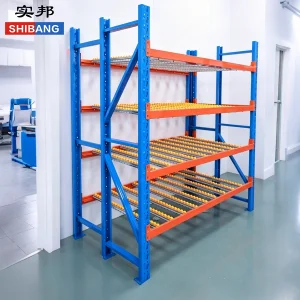
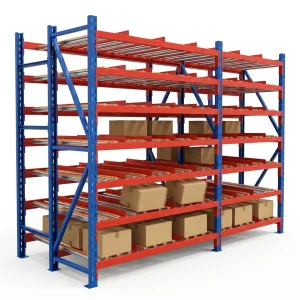
Within this context, Carton Flow Racks serve as a pivotal technology. Unlike static pallet shelving, carton flow systems leverage high-density gravity-driven mechanics to guarantee a continuous, gravity-fed flow of inventory directly to the picking face. This is crucial for regional distribution hubs managing rapid SKU proliferation, cold chain distribution for Organic food brands, and high-tech electronic assembly parts.
Crucially, operations in the San Francisco Bay Area must conform to the stringent structural mandates of the California Building Code (CBC) and local building departments. Because the region is bisected by the Hayward, San Andreas, and Calaveras fault lines, all heavy-duty storage racks are subject to rigorous seismic regulations under the Rack Manufacturers Institute (RMI) standards and ASCE 7 parameters. Racking designed for the SF market must possess heavy-duty structural steel frames, oversized footplates, and seismic anchorages capable of enduring high-intensity lateral accelerations.
Globally, material handling is experiencing a massive pivot toward automation, hybrid fulfillment architectures, and lean material flow optimization. The worldwide Carton Flow Racking market has transitioned from simple wheel-bed tracks to highly engineered systems featuring low-friction, high-impact polymers, adjustable guide rails, and integrated sensor bays.
As global supply chains lean heavily into the First-In, First-Out (FIFO) stock rotation strategy, manufacturers and suppliers worldwide are focusing on the durability and maintenance profiles of their roller tracks. This includes upgrading standard materials to cold-rolled structural steel (primarily Q235B and Q355B grades) and applying advanced galvanic treatments. These materials survive extreme cycles in moisture-heavy environments, ensuring long-term operational viability without structural deterioration.
Furthermore, sustainability and Environmental, Social, and Governance (ESG) initiatives are pushing global manufacturers to redesign flow beds with recyclable polymers and lower carbon footprint processes. The modern warehouse is expected to perform at peak capacity while using passive kinetic energy—such as gravity—rather than dynamic electrical power wherever possible to reduce energy consumption overheads.
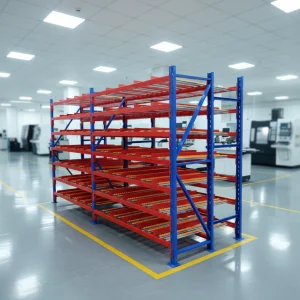
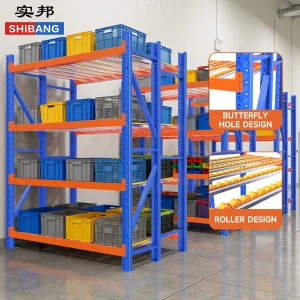
An operational Carton Flow system is a carefully balanced assembly of physics, metallurgy, and layout architecture. To achieve seamless gravity-driven movement without carton hang-ups or runaway velocities, manufacturers must configure multiple physical variables:
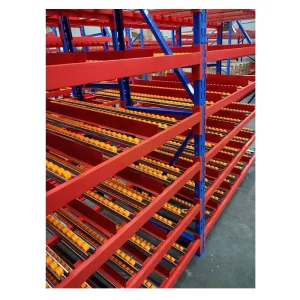
The core of carton flow kinetics lies within the roller track. Roller lanes generally come in two designs: full-width steel or plastic rollers, or multi-directional skatewheel beds. High-quality polypropylene, polyethylene, or cold-rolled steel rollers are mounted on axels spaced at precise pitches. The pitch (distance between roller centers) is determined by the minimum carton footprint, ensuring that at least three rollers support the carton at all times to prevent sag and ensure smooth travel.
Gravity lanes typically operate on a slope ranging between 3% to 6% (approximately 1.75 to 3.5 degrees). A shallower slope may stall light paperboard cartons, while a steeper pitch can cause heavy plastic bins to accelerate dangerously, risking damage at the pick face. Advanced systems utilize mechanical centrifugal speed controllers (retarders) placed along the runway to limit terminal velocity for heavy loads (spanning 100kg to 1000kg load capacities).
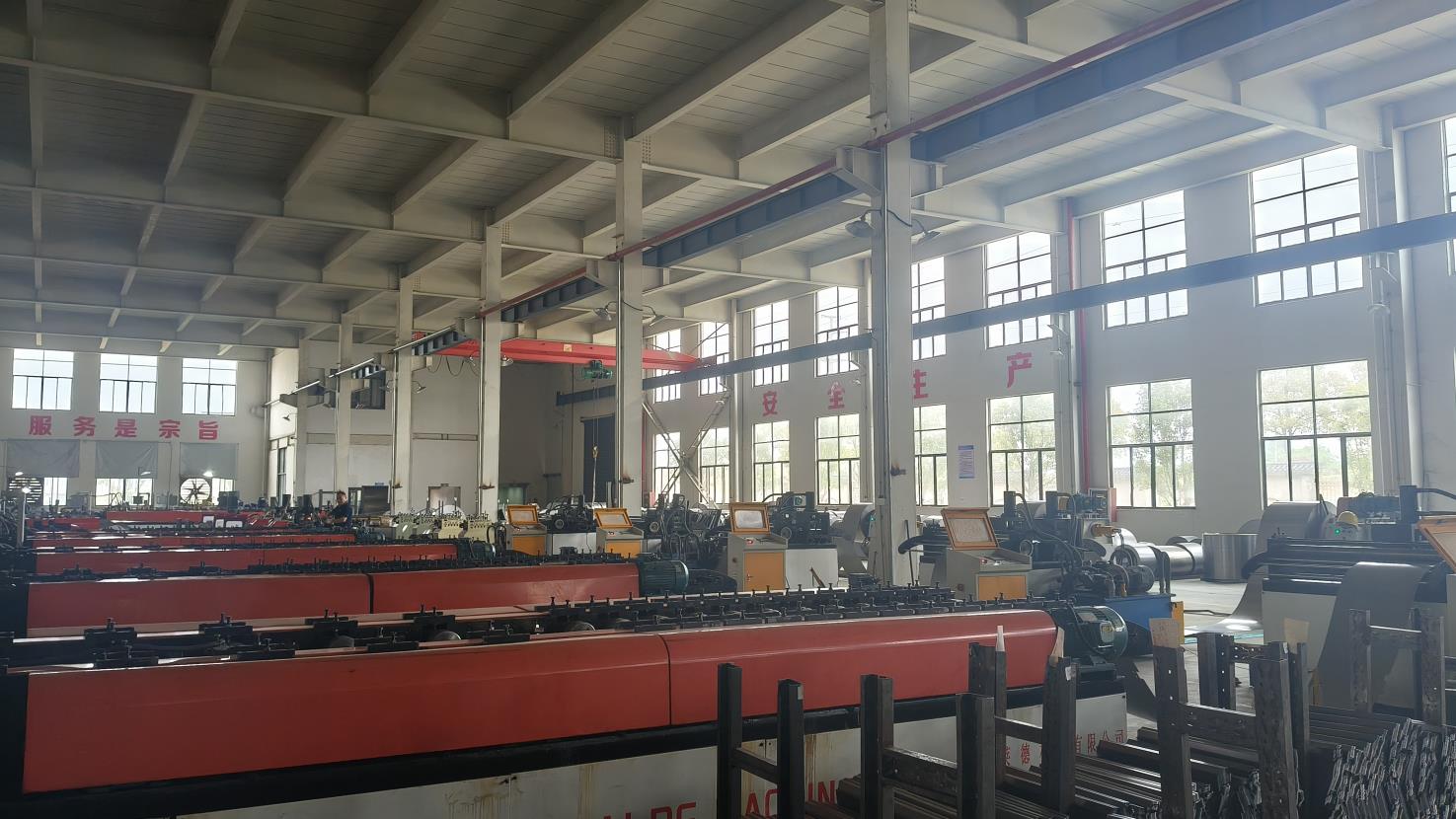
The load-bearing structural frames of carton flow racks must be forged from high-tensile structural steel. Ningbo Shibang relies primarily on Q235B cold-rolled steel, offering the ideal ratio of tensile strength to yield capacity. This steel undergoes continuous roll-forming to produce rigid profiles for uprights and beams, maintaining geometric consistency that prevents localized buckling under extreme, non-uniform loads.
Established in 2016, Ningbo Shibang Storage Rack Co., Ltd. is a global player in the engineering, design, and fabrication of heavy-duty industrial storage systems. Supported by over 12 years of industry experience and 8 years of direct export operations, we deploy high-performance racking setups worldwide.
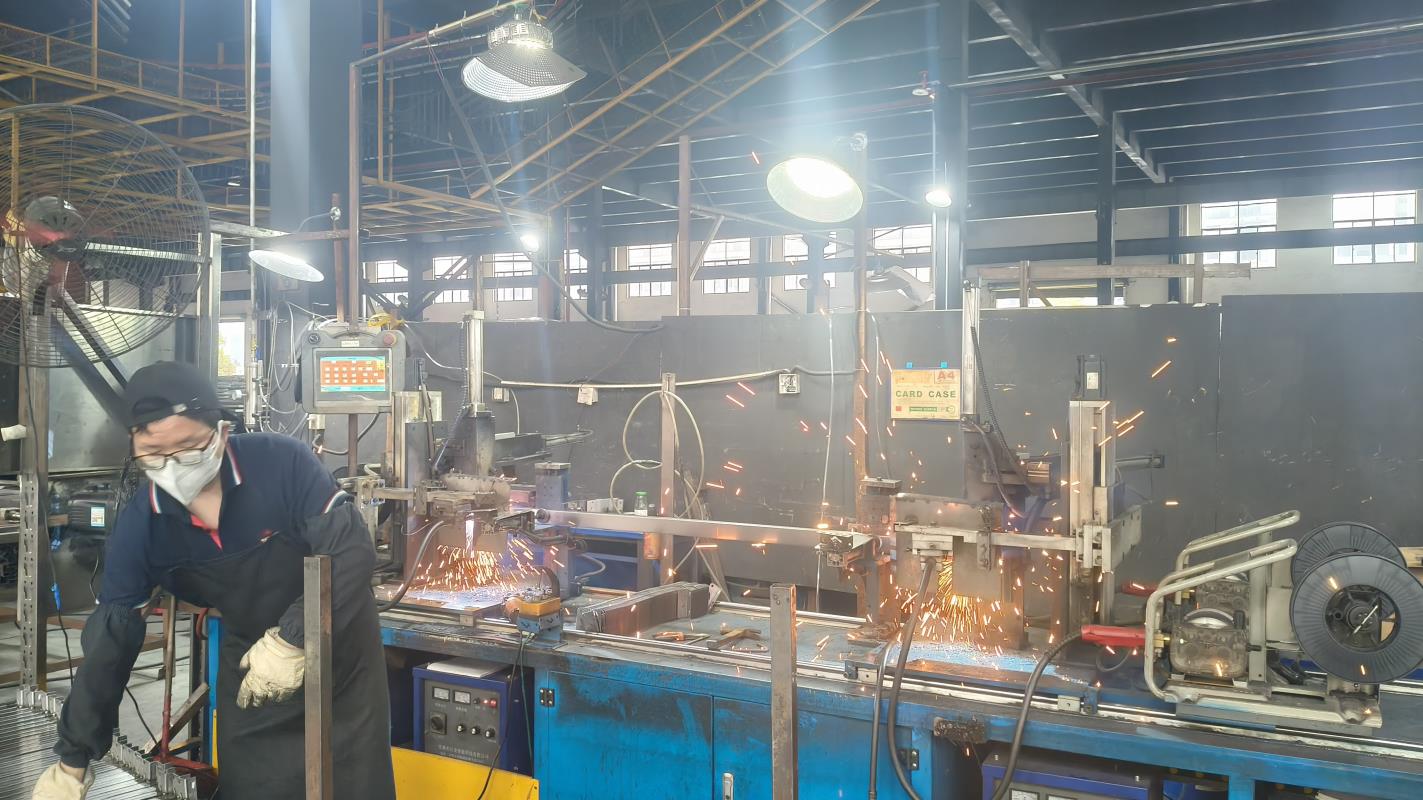
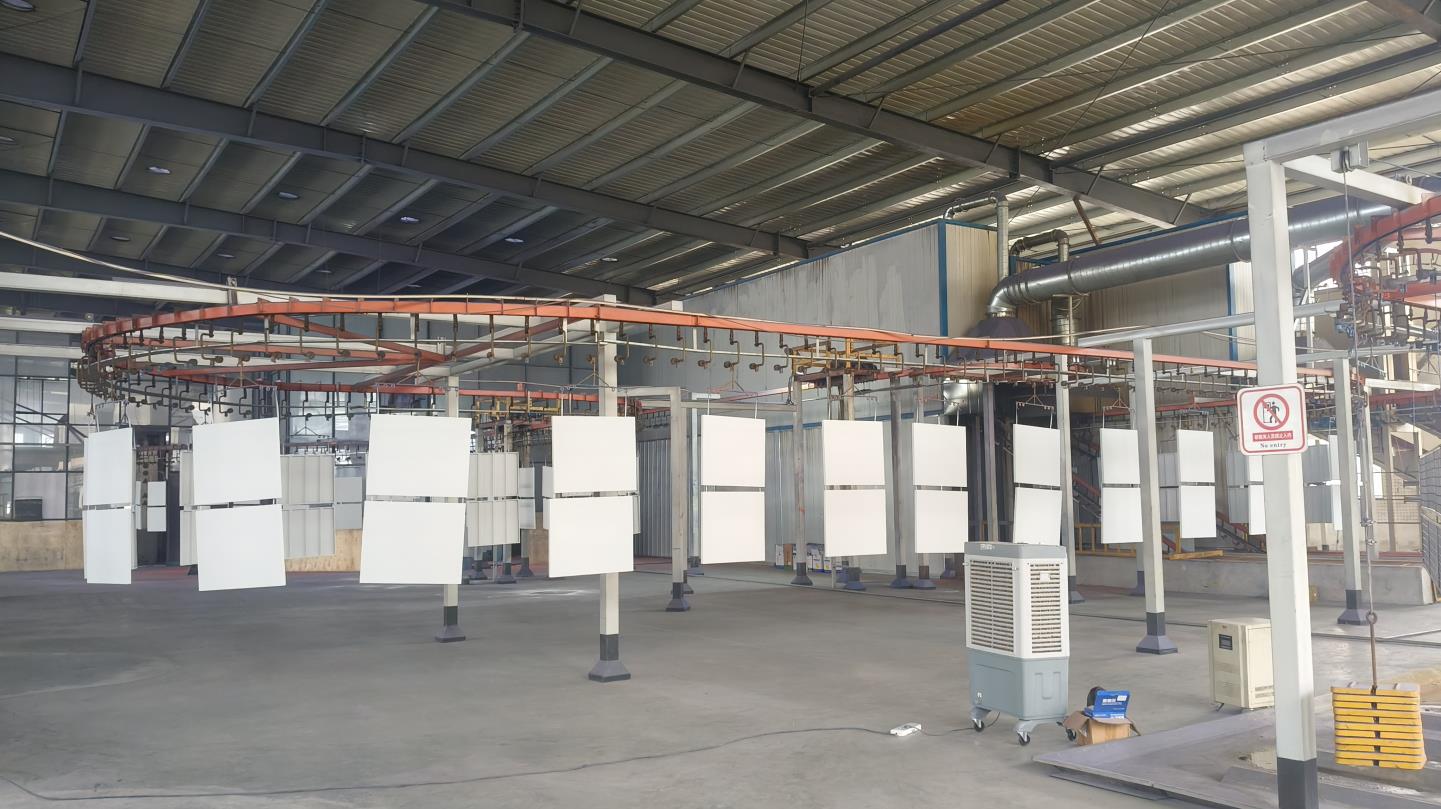
Our ISO 9001-certified manufacturing footprint spans 32,000 m² of state-of-the-art manufacturing floor. Quality control is built into every step of production. Our dedicated team of 35 QA/QC inspectors manages a comprehensive range of structural assessments, including Ultrasonic Testing (UT) for weld seams, load-bearing stress testing, powder coat thickness verification, and raw material tensile strength testing. This ensures that every racking component shipped to seismic zones, including San Francisco, meets or exceeds local building safety rules.
Leveraging an extensive logistics ecosystem consisting of more than 850 supply chain vendors, we support a global distribution network across North America, Western Europe, Southeast Asia, and Australia. Our R&D team features 22 structural and mechanical engineers who develop custom-configured seismic rack solutions, integrated Pick-to-Light brackets, and optimized lane entries. In the past fiscal year alone, we engineered and launched 140 new products and optimized structural components to address the shifting needs of our global customer base.
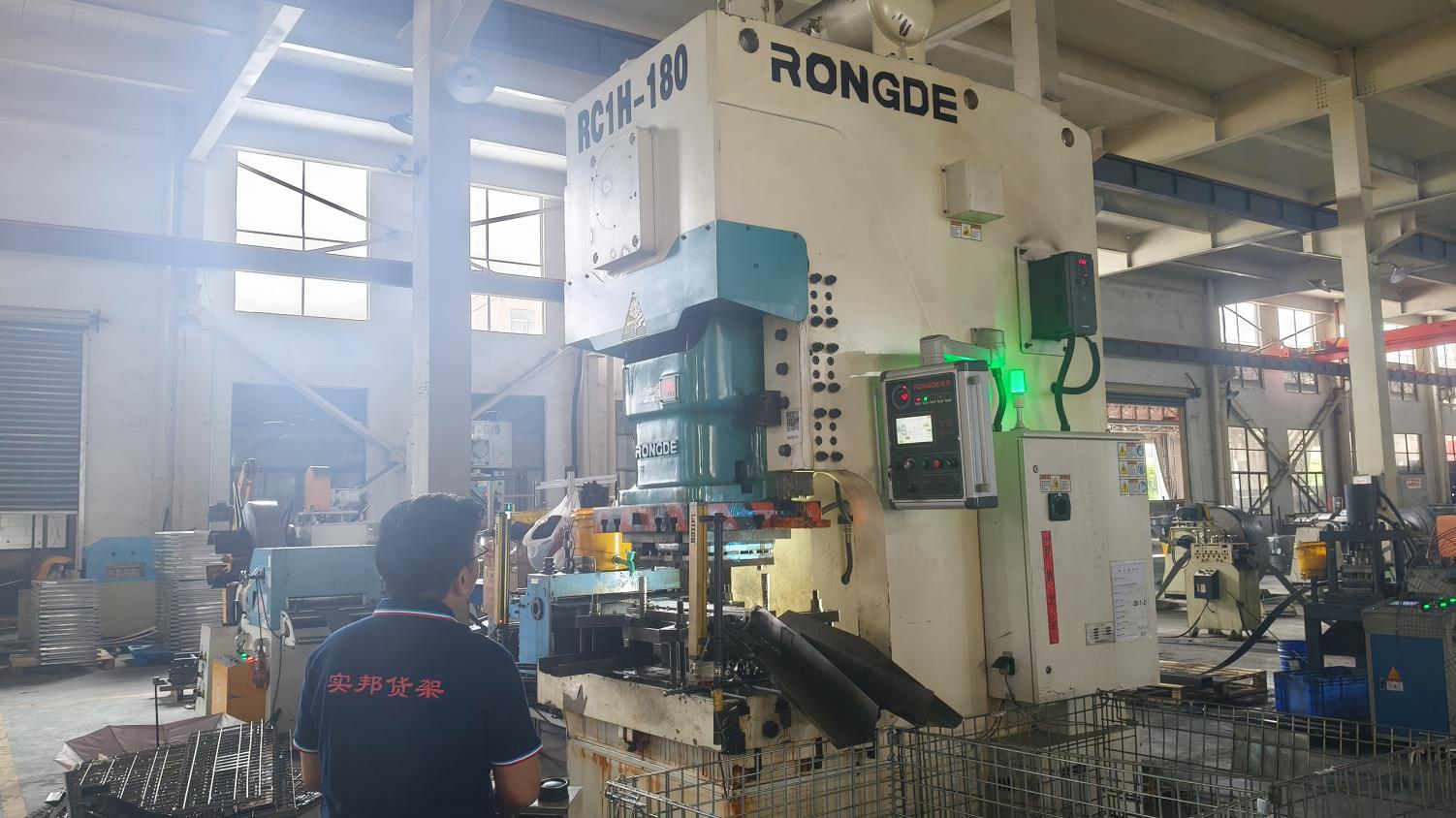
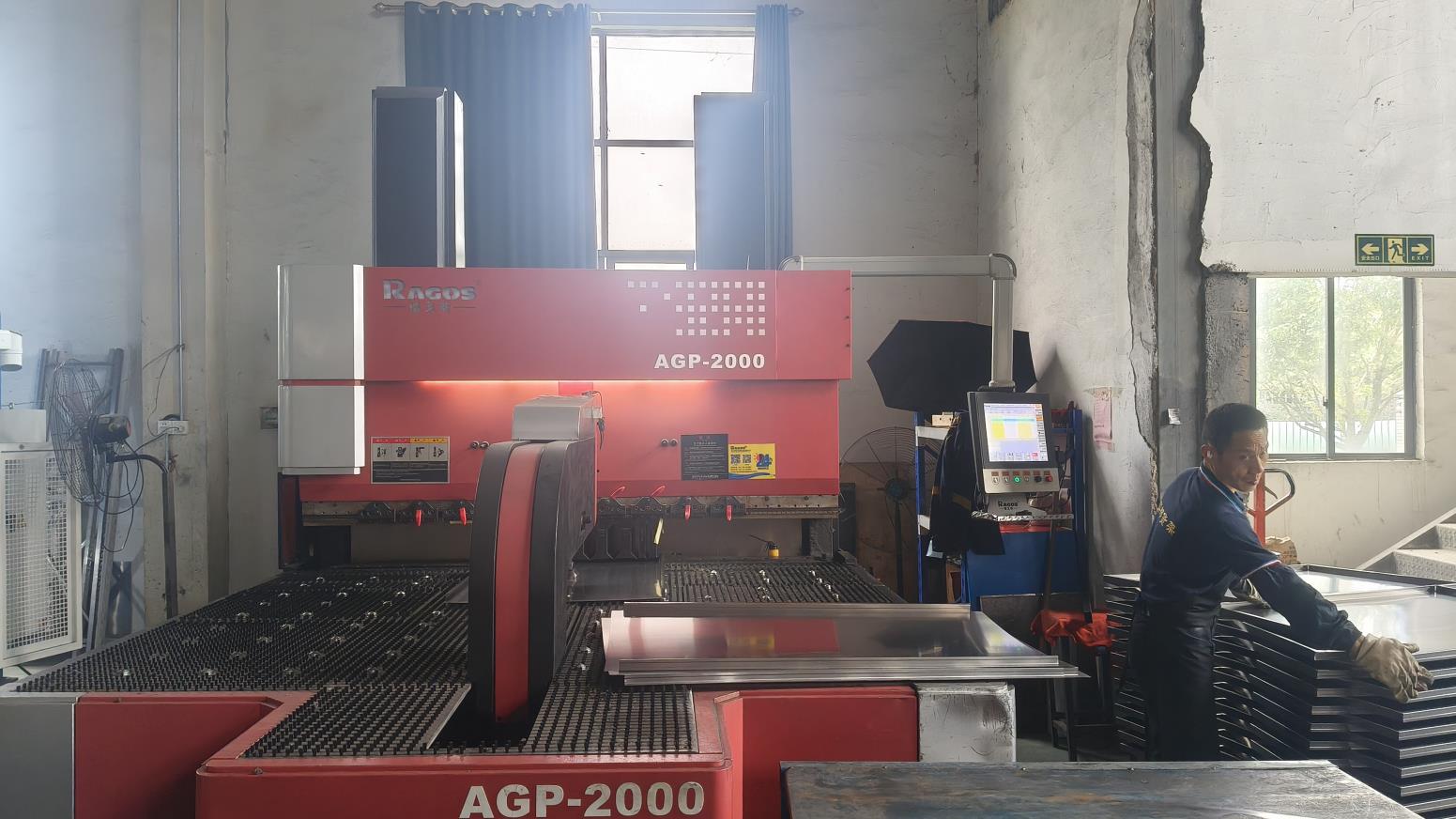
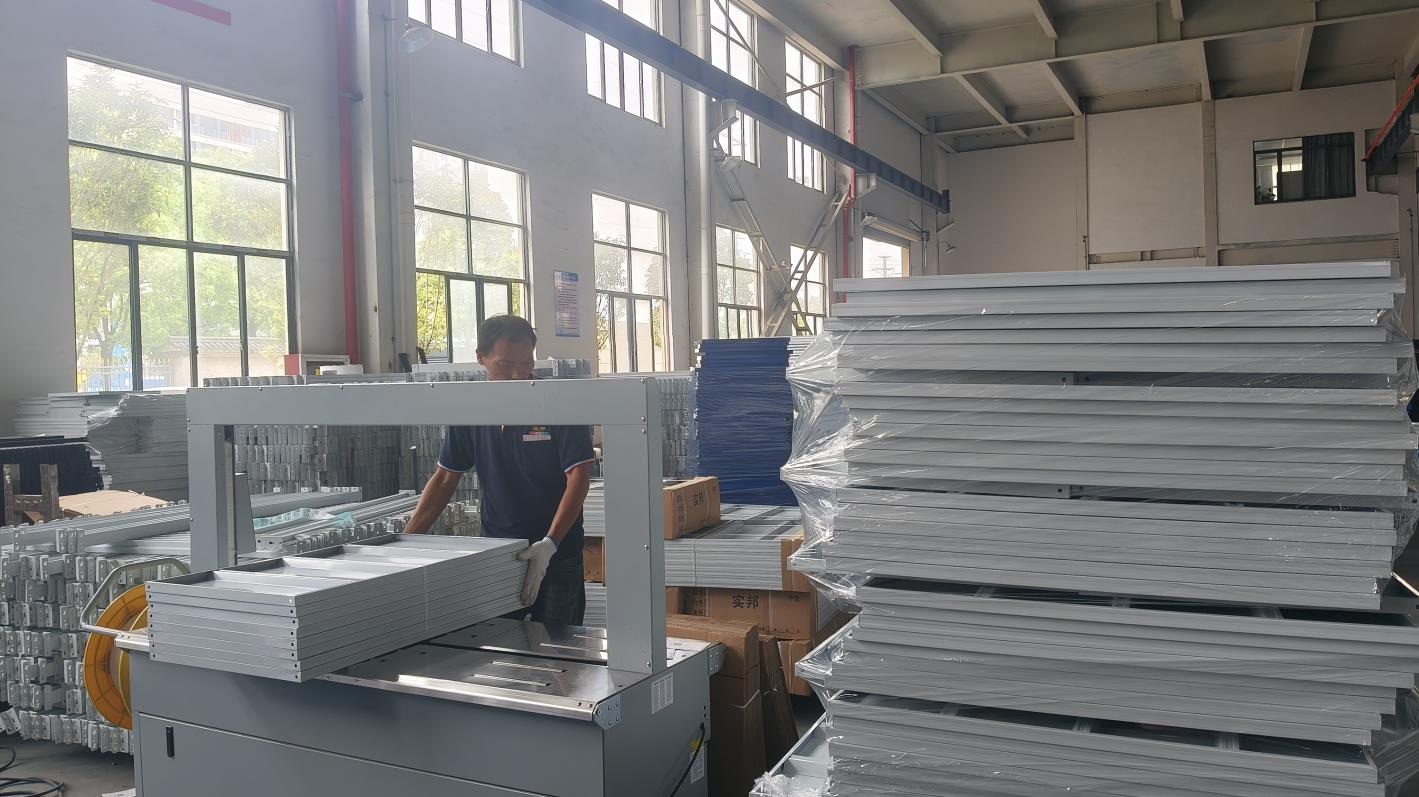
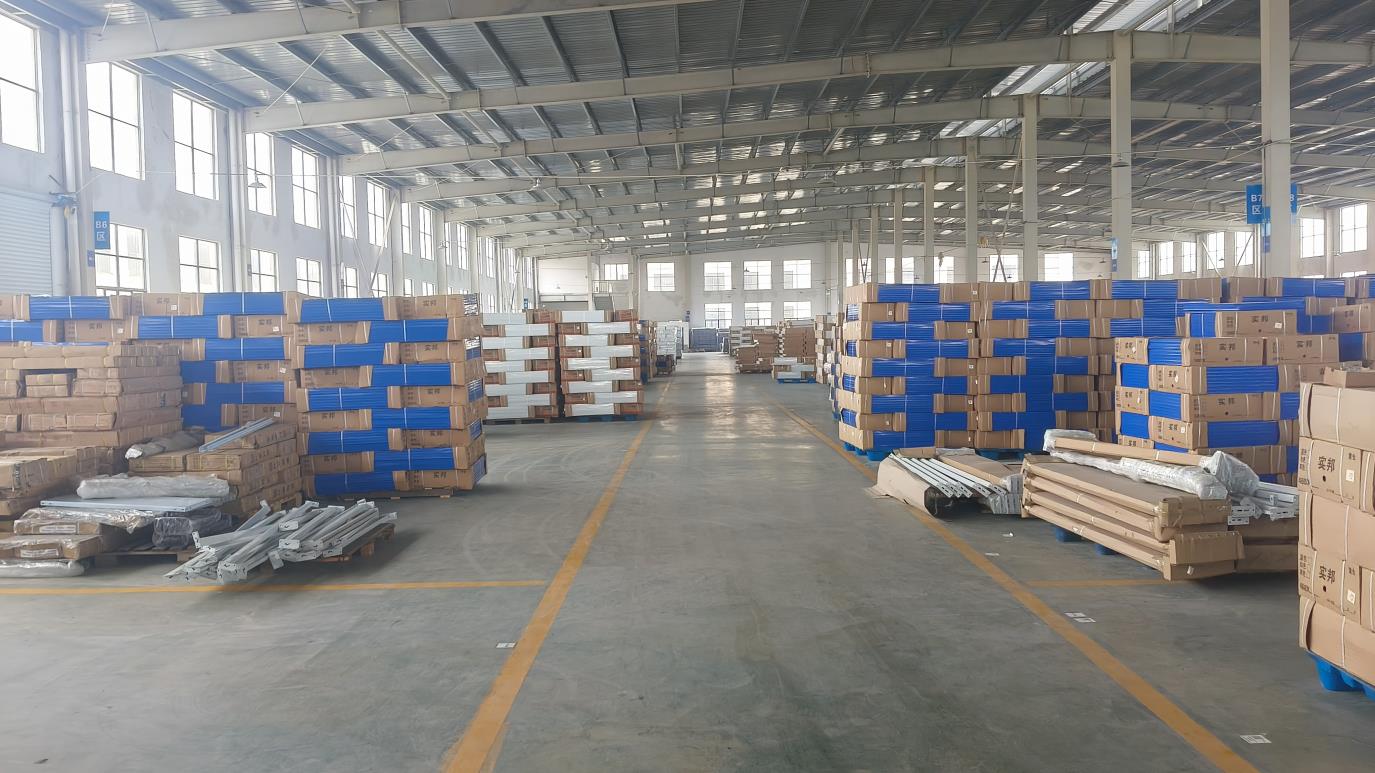
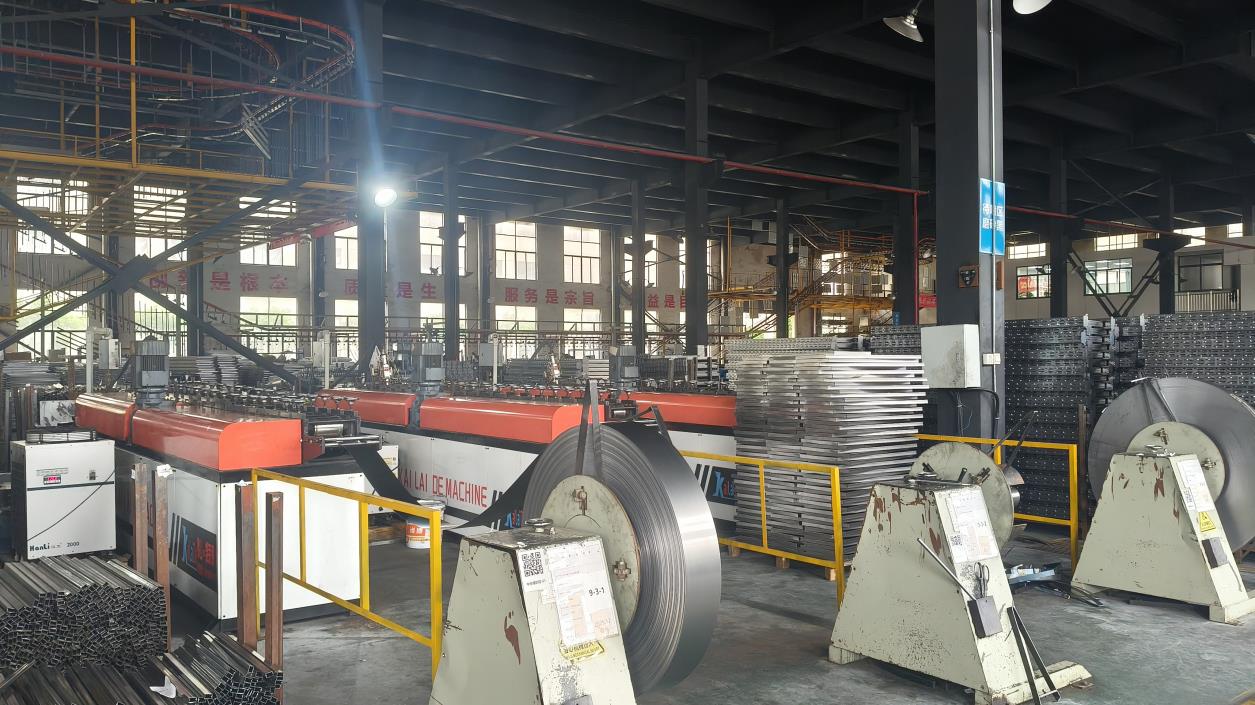
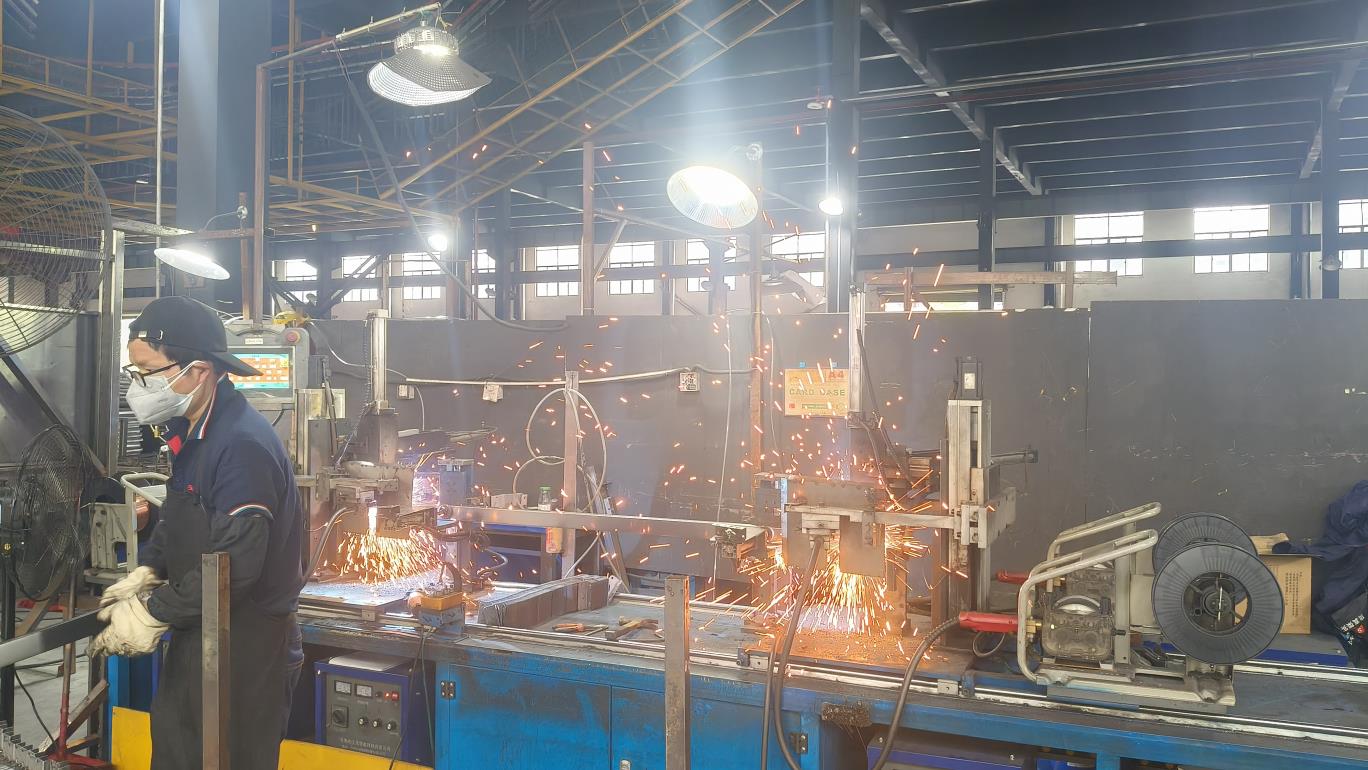
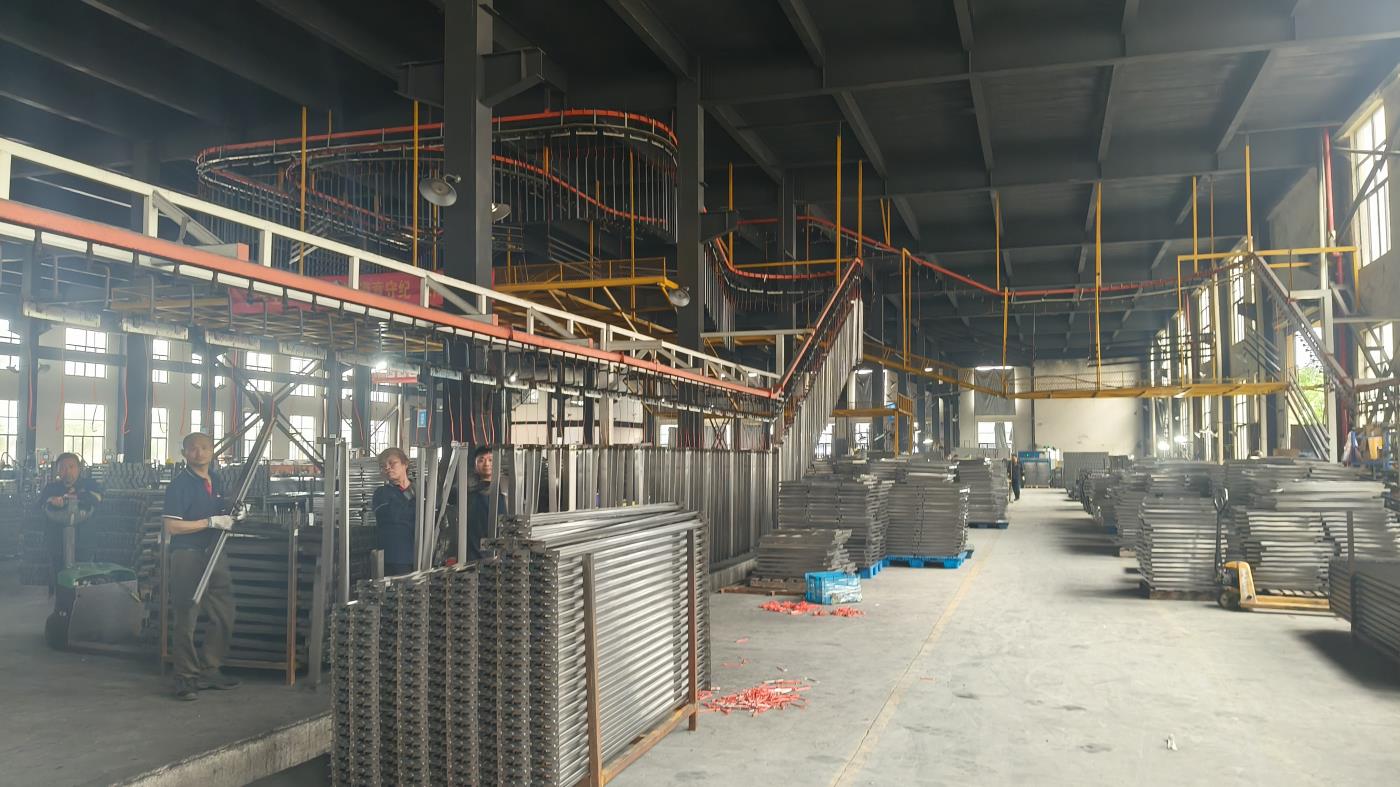
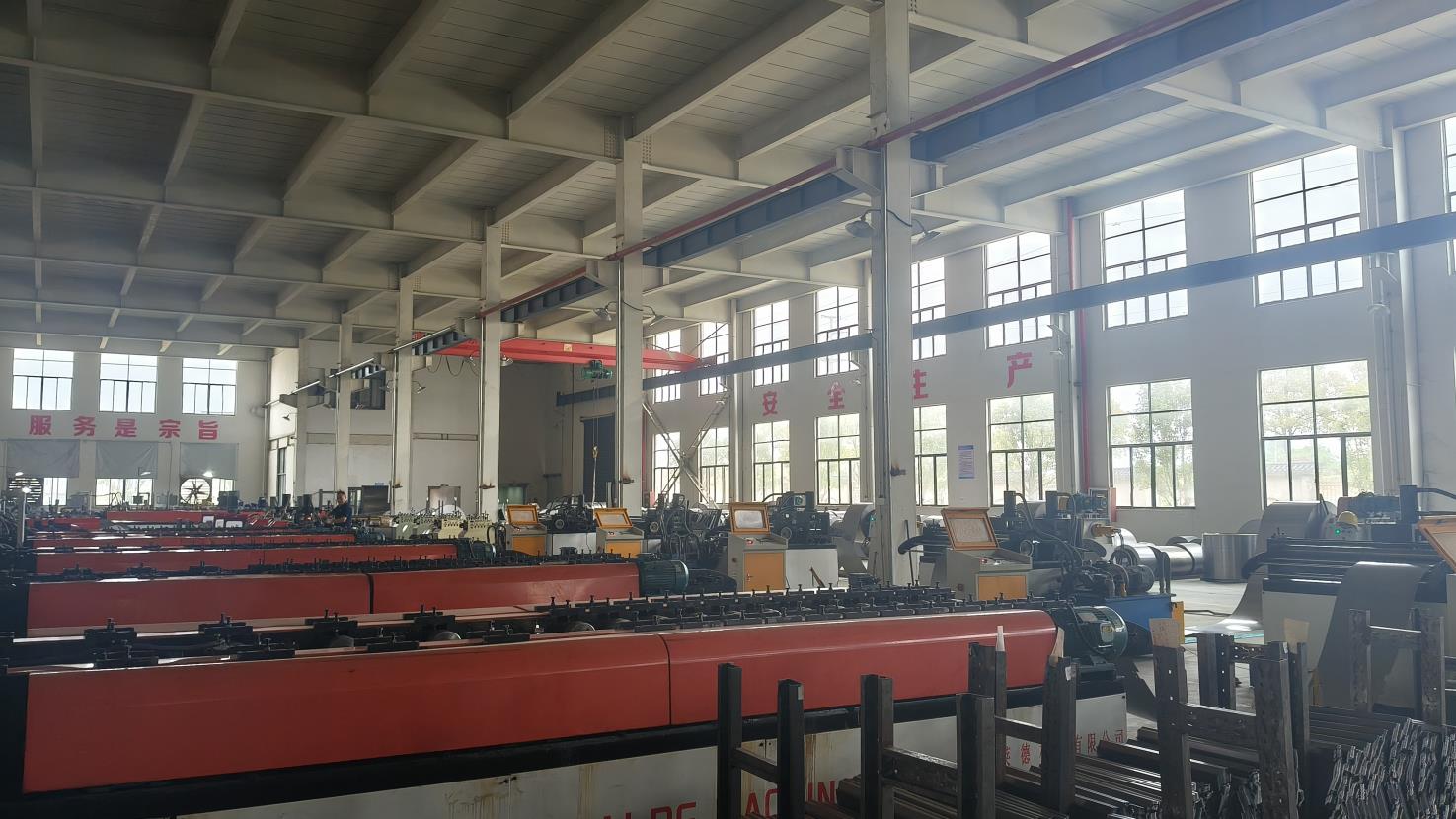
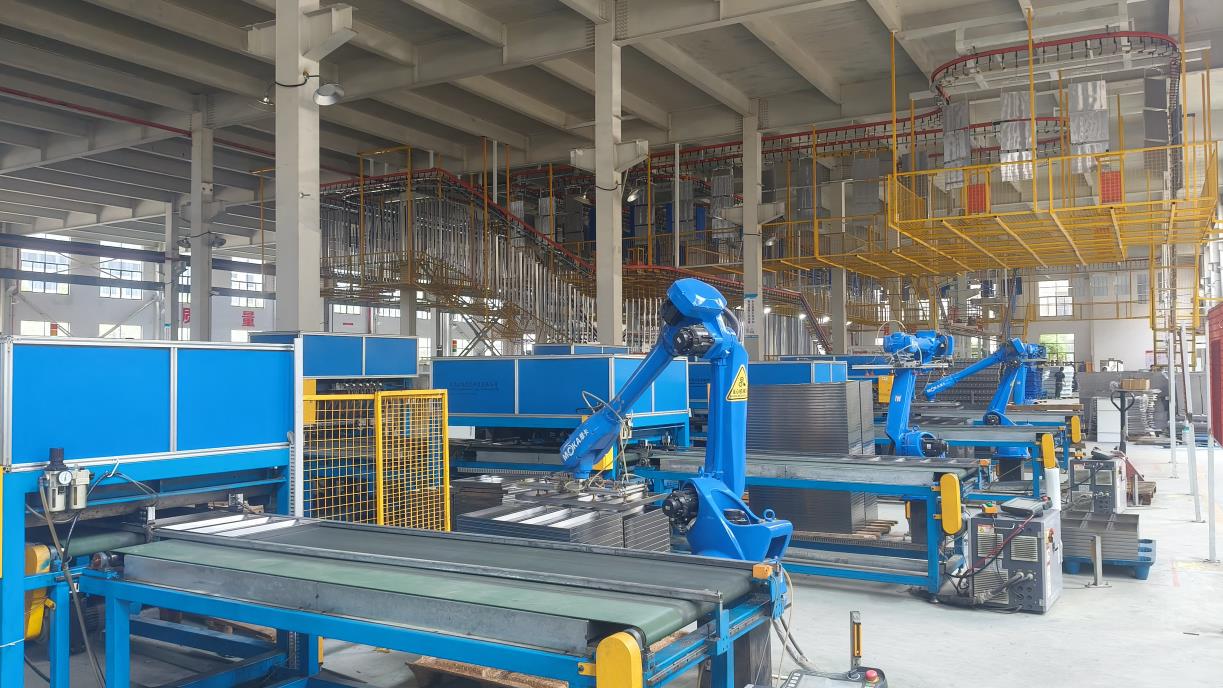
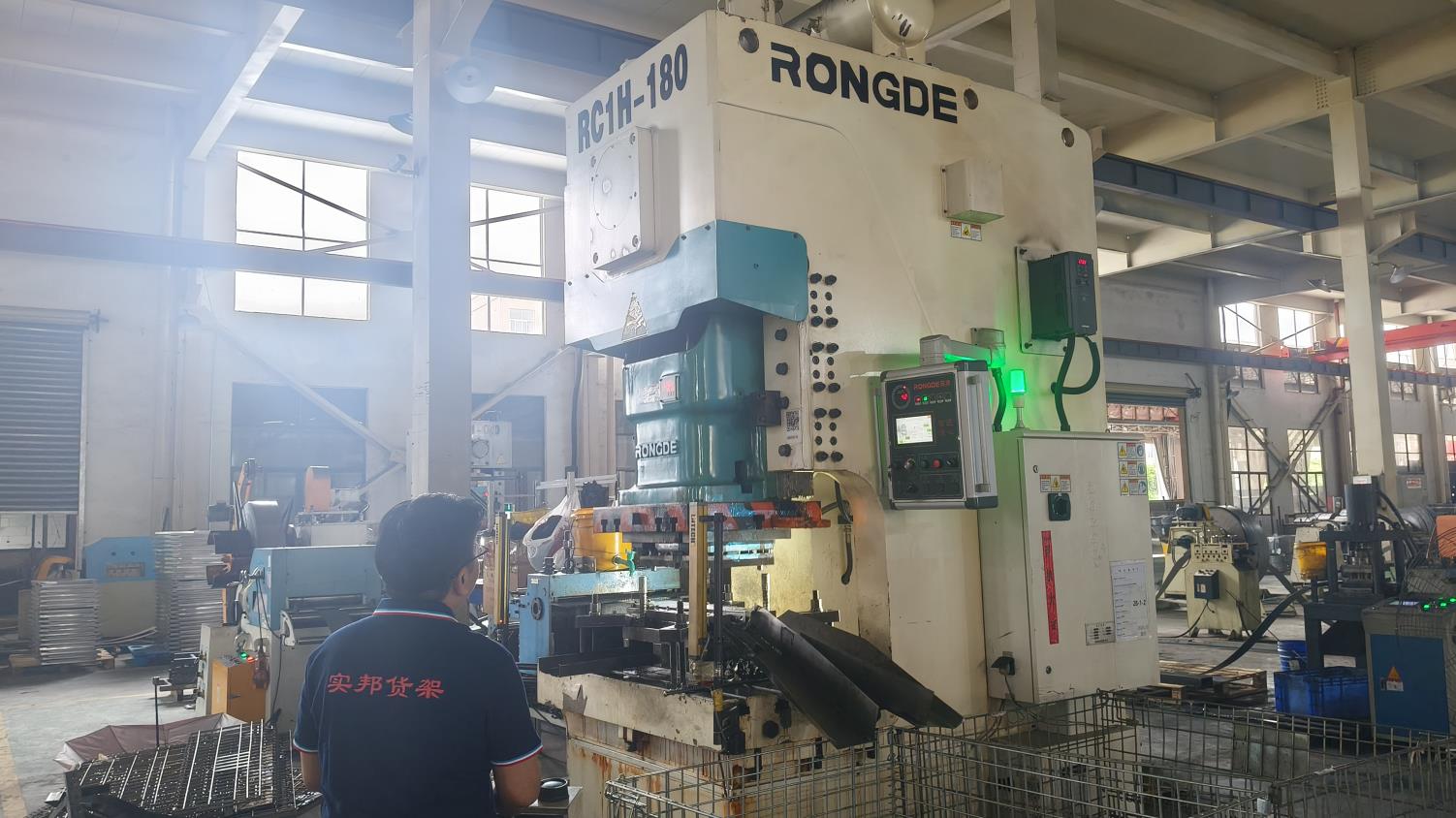
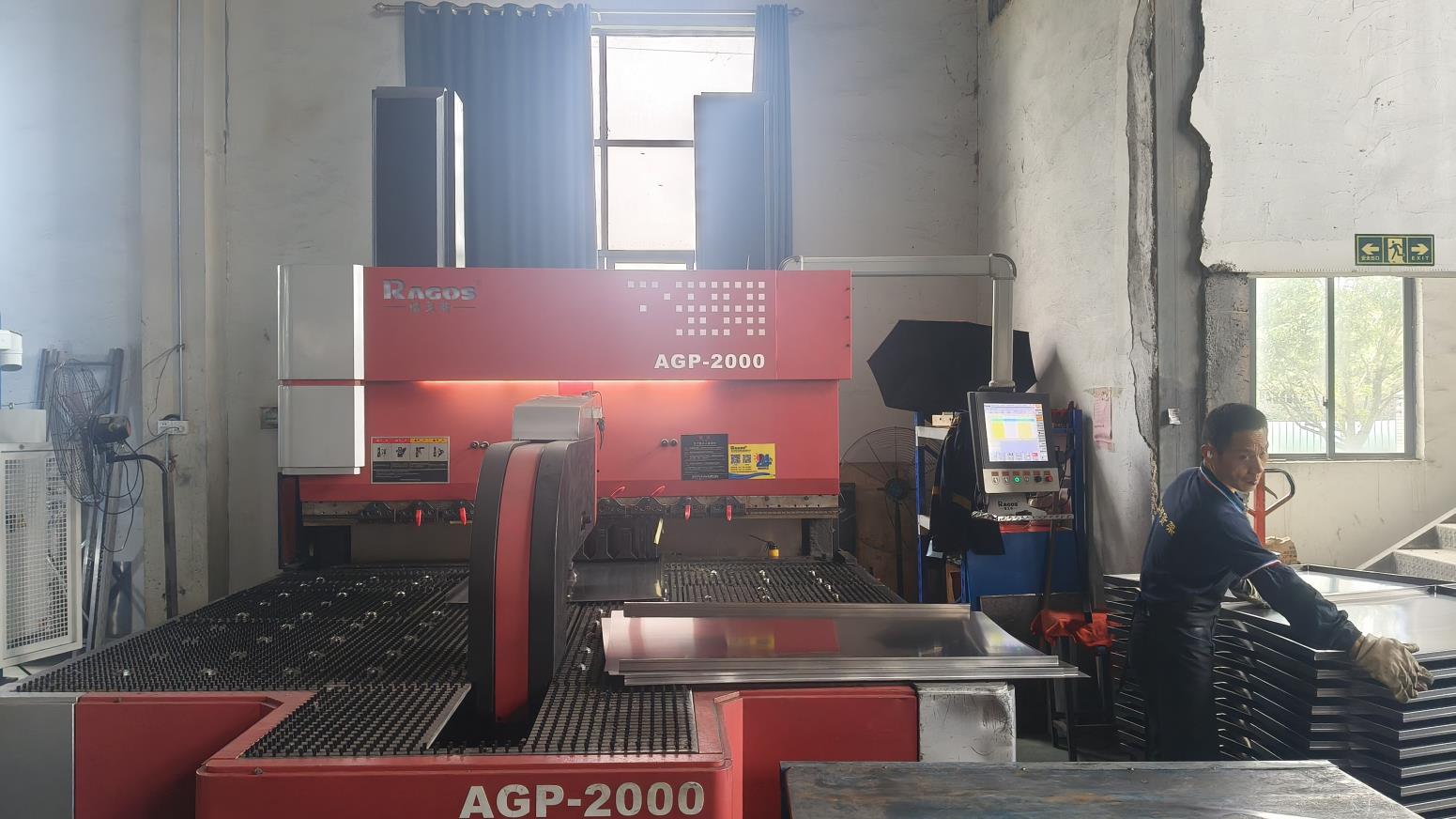
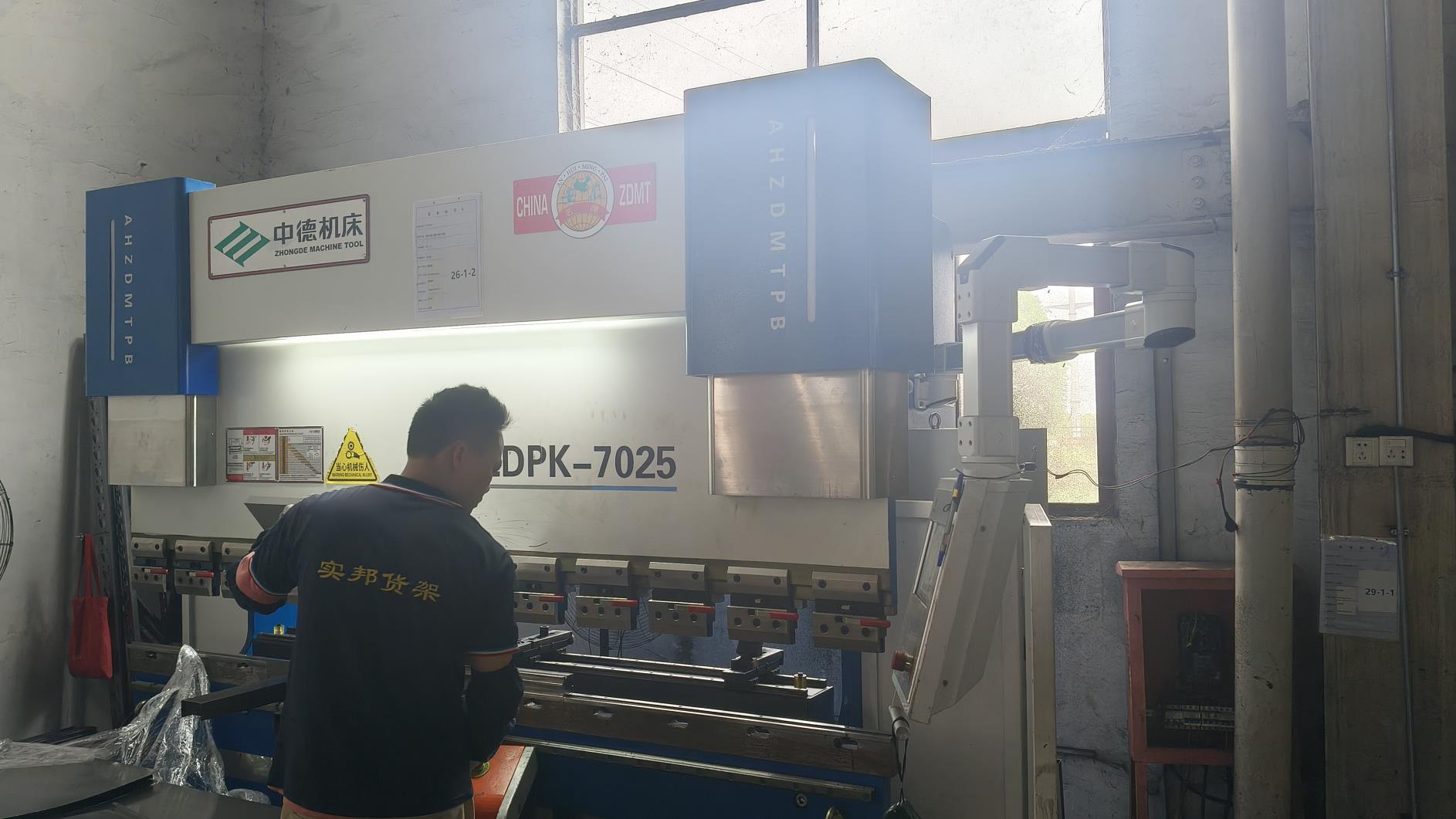
Looking to maximize picking speed and optimize footprint density in your San Francisco Bay Area facility? Speak directly with our structural engineering team for customized calculations and factory pricing.
Send Inquiry NowThe integration of Carton Flow Racks into automated fulfillment workflows represents the next technological frontier. Carton flow setups are no longer isolated manual racks; they act as the base layer for automated picking systems.
By embedding IoT weight sensors and low-power photo-eye sensors directly into the roller tracks, modern flow systems monitor inventory levels in real-time. When a lane’s load decreases below a configured weight threshold, a signal is transmitted to the Warehouse Management System (WMS) to initiate replenishment from bulk pallet reserves. This minimizes pick-lane out-of-stock scenarios.
Carton flow shelf profiles are increasingly designed with integrated wire channels and LED light bars at the pick face. PTL controllers guide warehouse operators to the exact slot and indicate the quantity to select. This dynamic picking setup increases picking throughput and reduces selection errors to near zero.
In state-of-the-art warehouses, Automated Storage and Retrieval Systems (AS/RS) are deployed to automatically load carton flow beds from the rear replenishment side. This hybrid structure eliminates manual replenishment labor while ensuring continuous gravity-driven inventory availability at the pick face.
 Shibang Rack