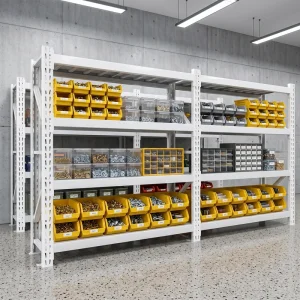
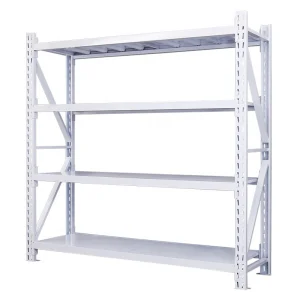
Engineered for direct localization in Vienna, Linz, Graz, and Salzburg. High load-bearing integrity meeting stringent CE & EN 15512 safety protocols.
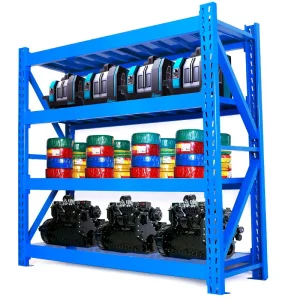
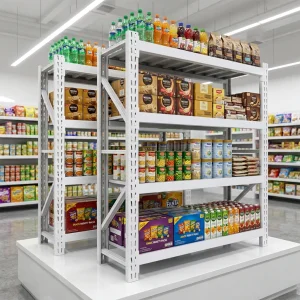
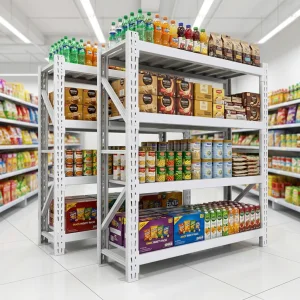
Austria sits at the physical and economic heart of Central Europe, serving as a critical logistics corridor connecting Eastern and Western Europe. As global supply chains undergo structural shifts toward "near-shoring" and decentralized distribution hubs, Austrian logistics operators in regions like Lower Austria, Upper Austria, and Styria are experiencing an unprecedented demand for modern, high-density storage solutions.
A 500kg capacity per shelf level represents the operational "sweet spot" for medium-to-heavy-duty industrial storage. It is the primary tier used for storing automotive components, industrial machinery parts, packaged food crates, electrical wholesale goods, and high-density retail pallets. However, importing 500kg racking systems into Austria requires strict adherence to European quality benchmarks, specifically EN 15512 (Steel static storage systems - Adjustable pallet racking systems - Principles for structural design) and local ÖNORM engineering standards.
"Sourcing directly from advanced Chinese factories like Ningbo Shibang allows Austrian procurement officers to achieve up to 40% cost reductions relative to European distributors, without compromising structural safety—provided the manufacturer enforces comprehensive QA/QC programs, weld inspections, and material traceability."
Austrian industrial and commercial sectors are characterized by highly specialized engineering, automation, and strict safety guidelines. Major companies like Voestalpine, Magna Steyr, and KTM, along with thousands of mid-sized manufacturing enterprises (Mittelstand), demand warehousing environments that optimize vertical space while guaranteeing complete worker safety.
Austria's topography and high land costs in metropolitan centers like Vienna and Linz mean that warehouse facilities must prioritize density over physical footprint. High-density, multi-level shelving systems with a reliable 500kg capacity enable operators to exploit vertical heights up to 6 meters safely. Furthermore, Austria is situated in a zone that requires localized consideration of seismic activities, particularly in regions such as the Vienna Basin and Mur-Mürz Valley. Thus, storage systems are increasingly required to incorporate seismic engineering principles into upright frames and baseplates to prevent catastrophic structural collapses.
The global warehousing racking market is increasingly polarized between high-cost, hyper-localized European suppliers and agile, high-scale international exporters. For procurement directors, the key to successful overseas sourcing lies in finding a manufacturer that integrates Chinese supply chain speed and raw material cost advantages with Western quality assurance methodologies.
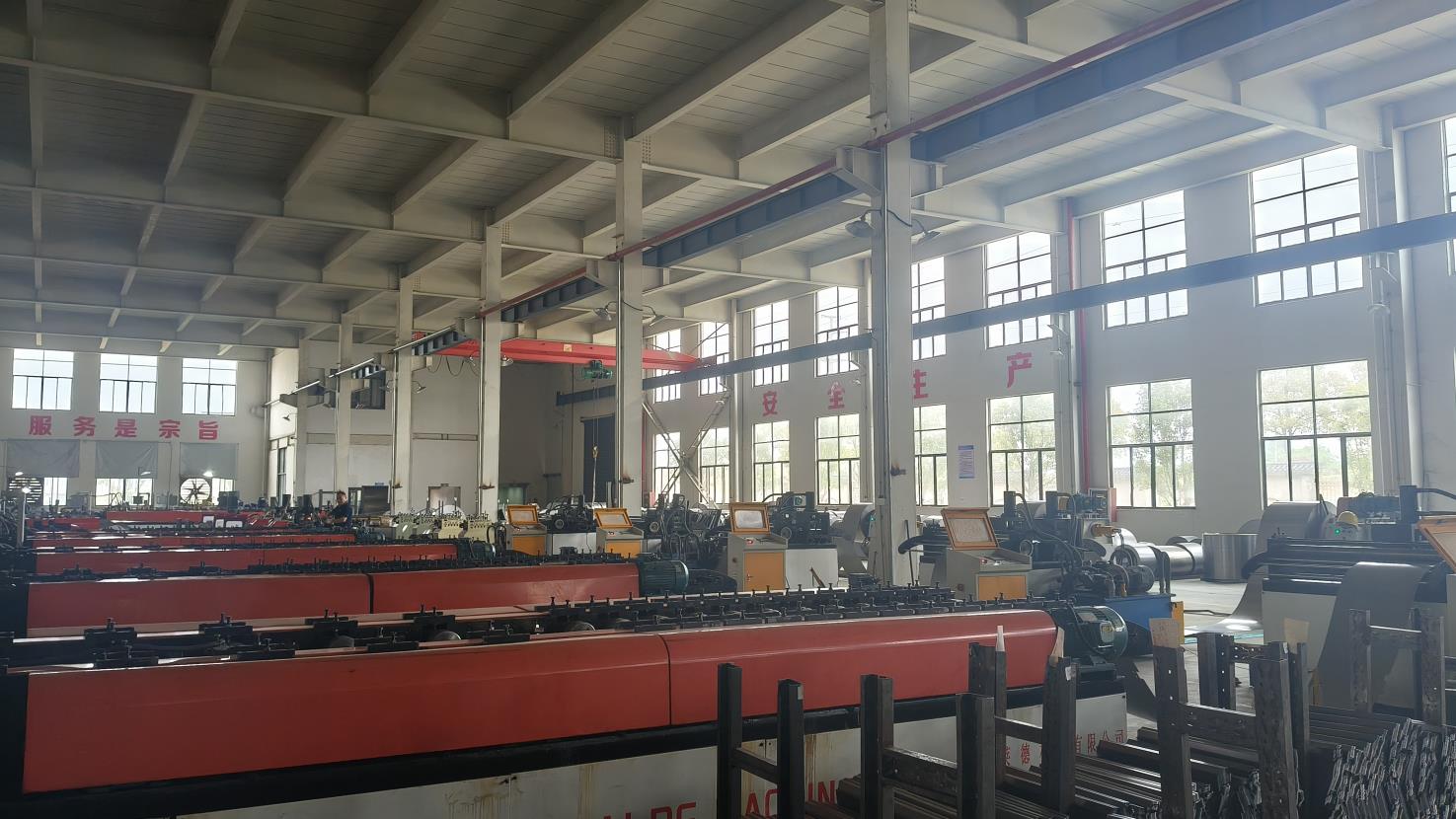
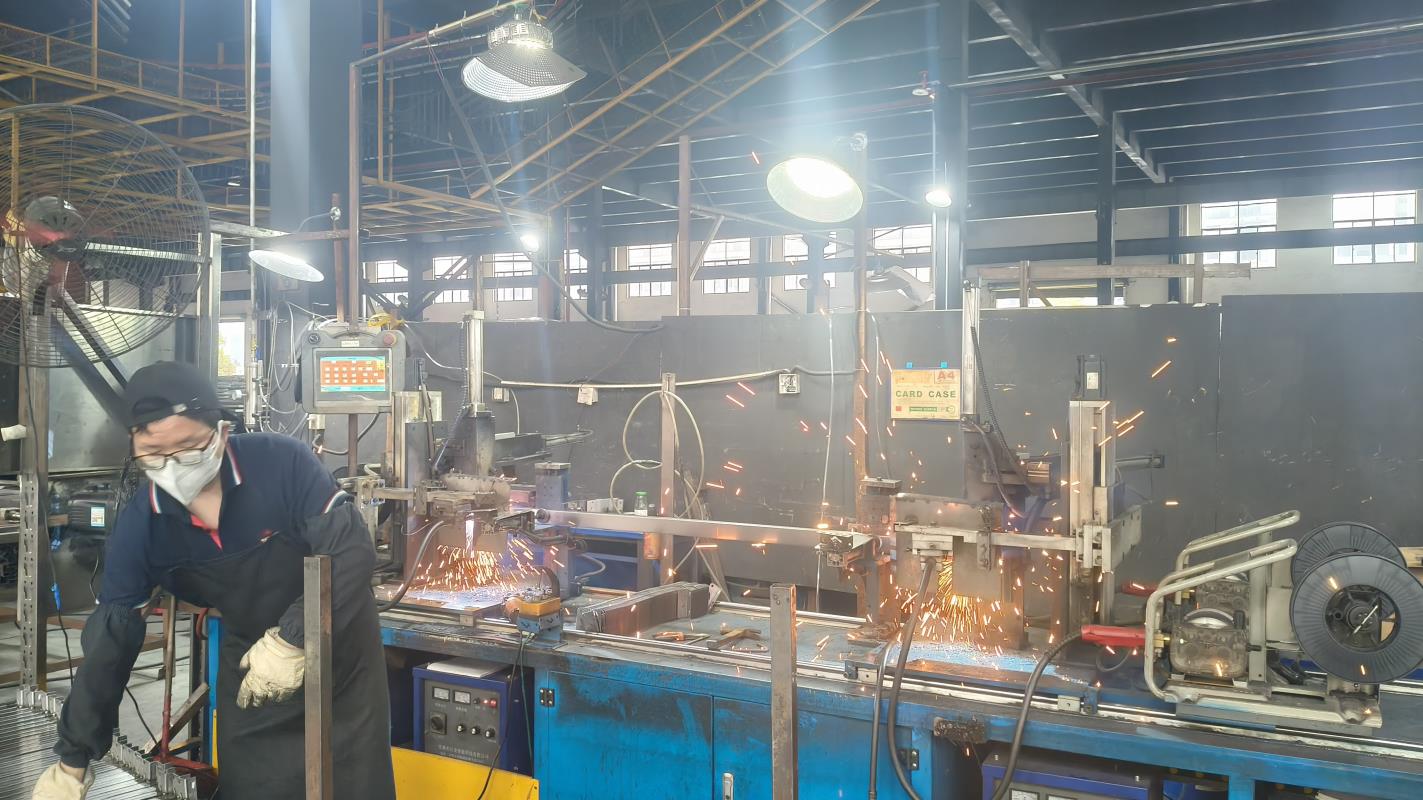
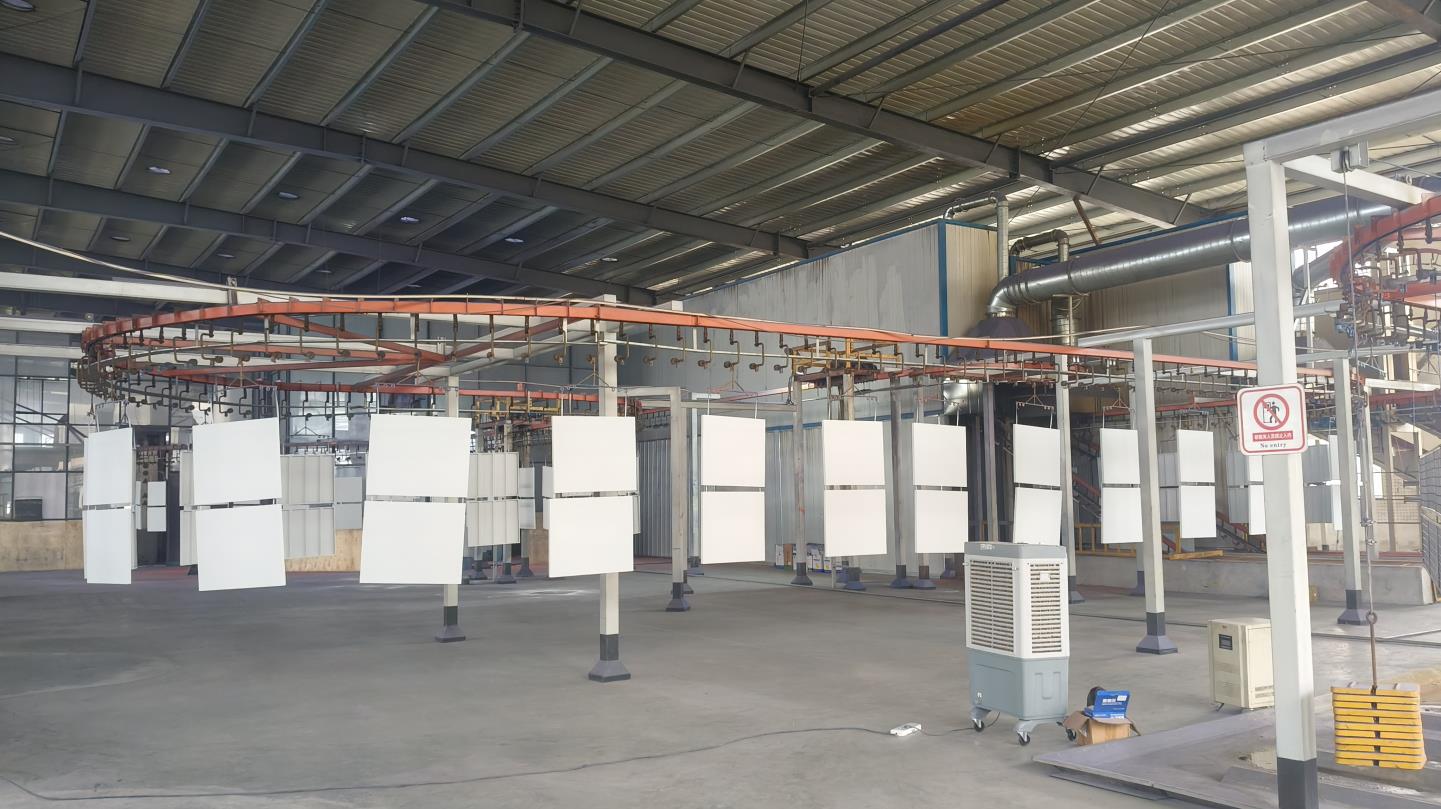
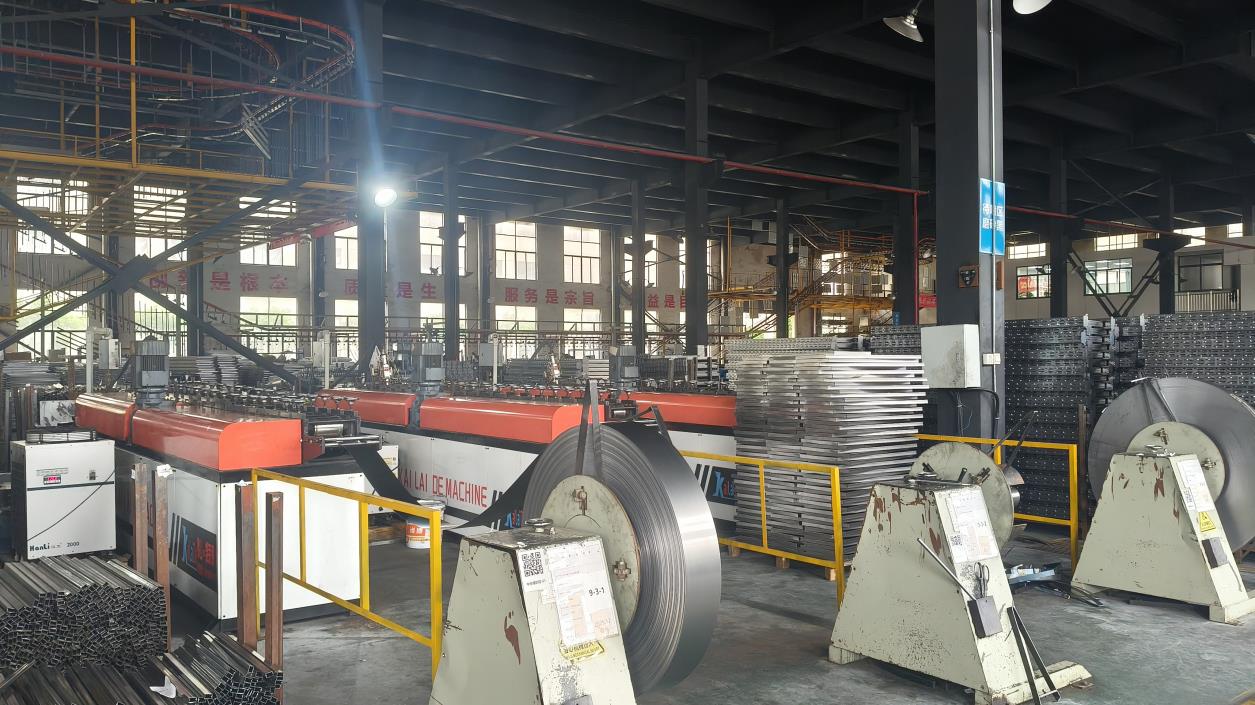
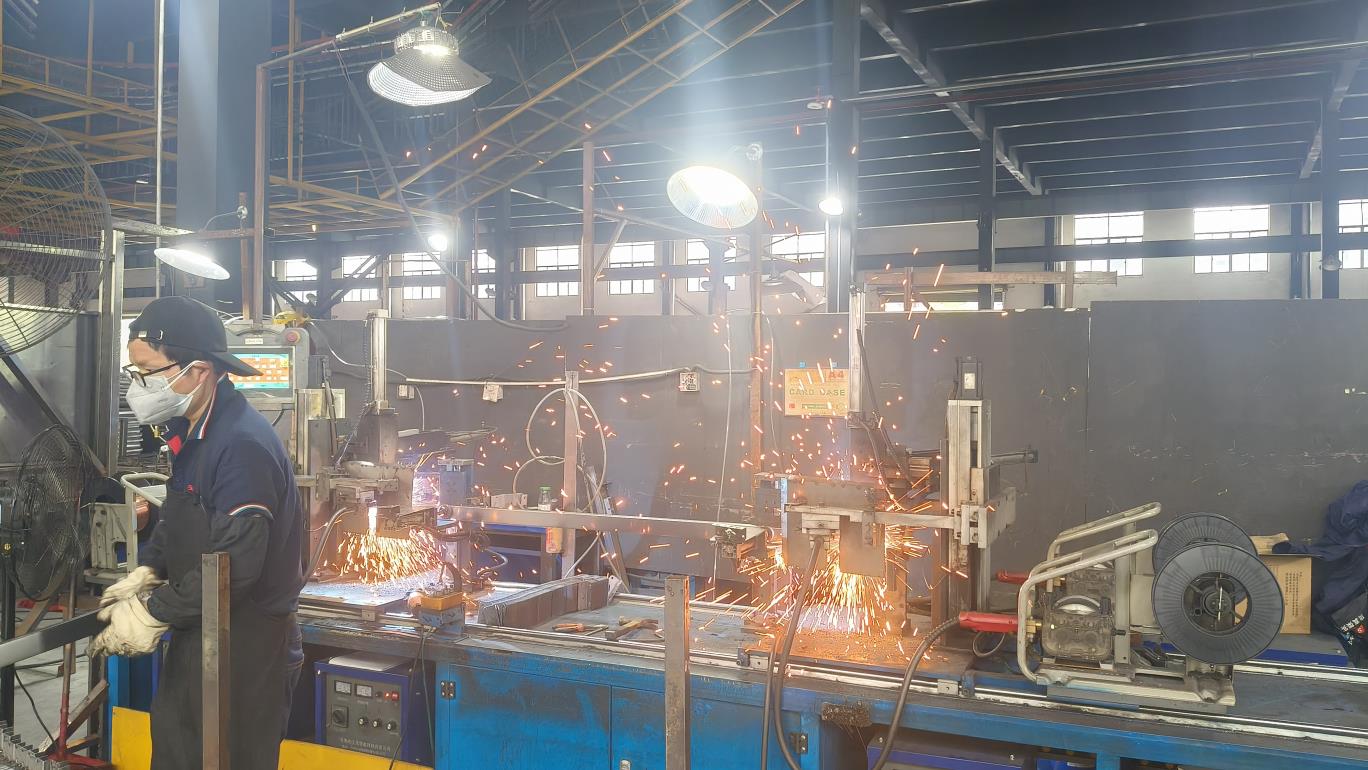
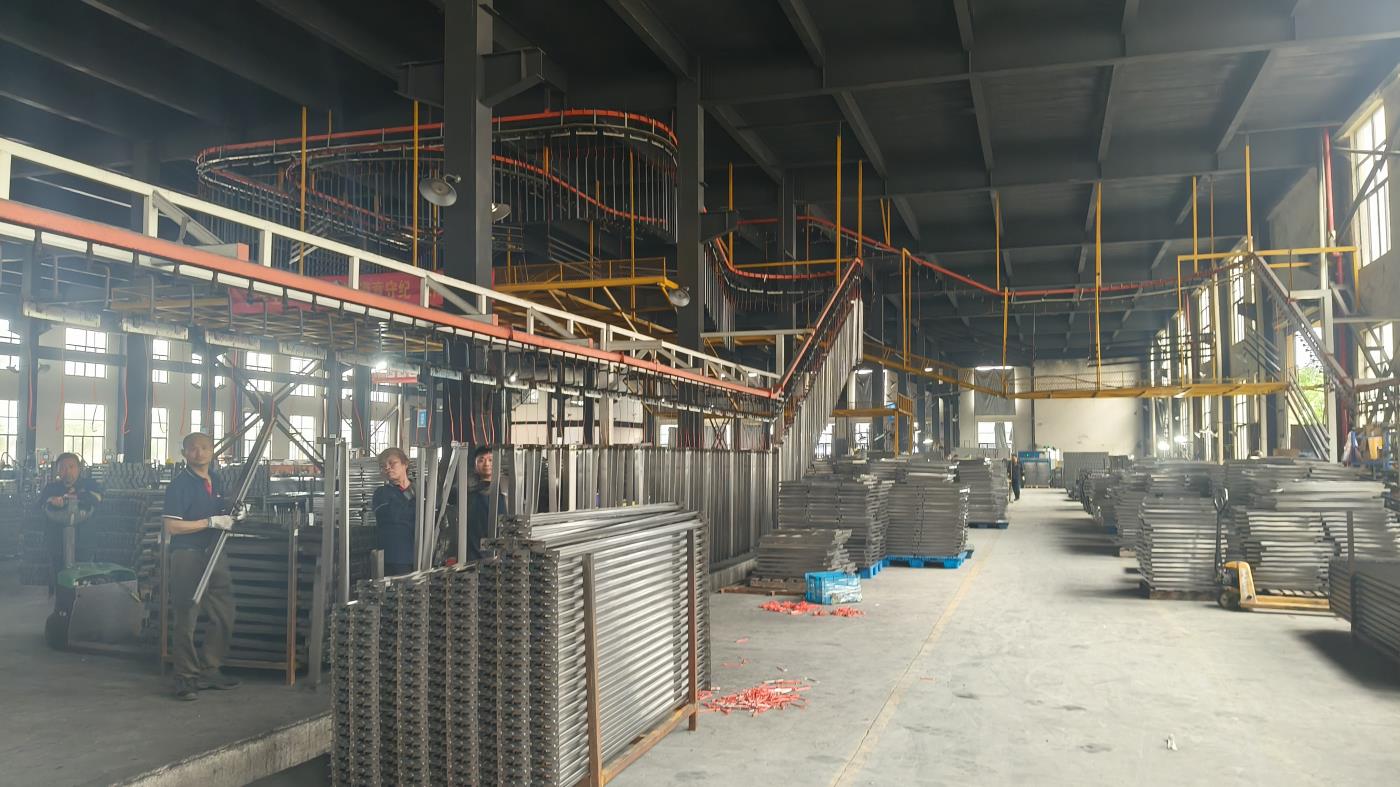
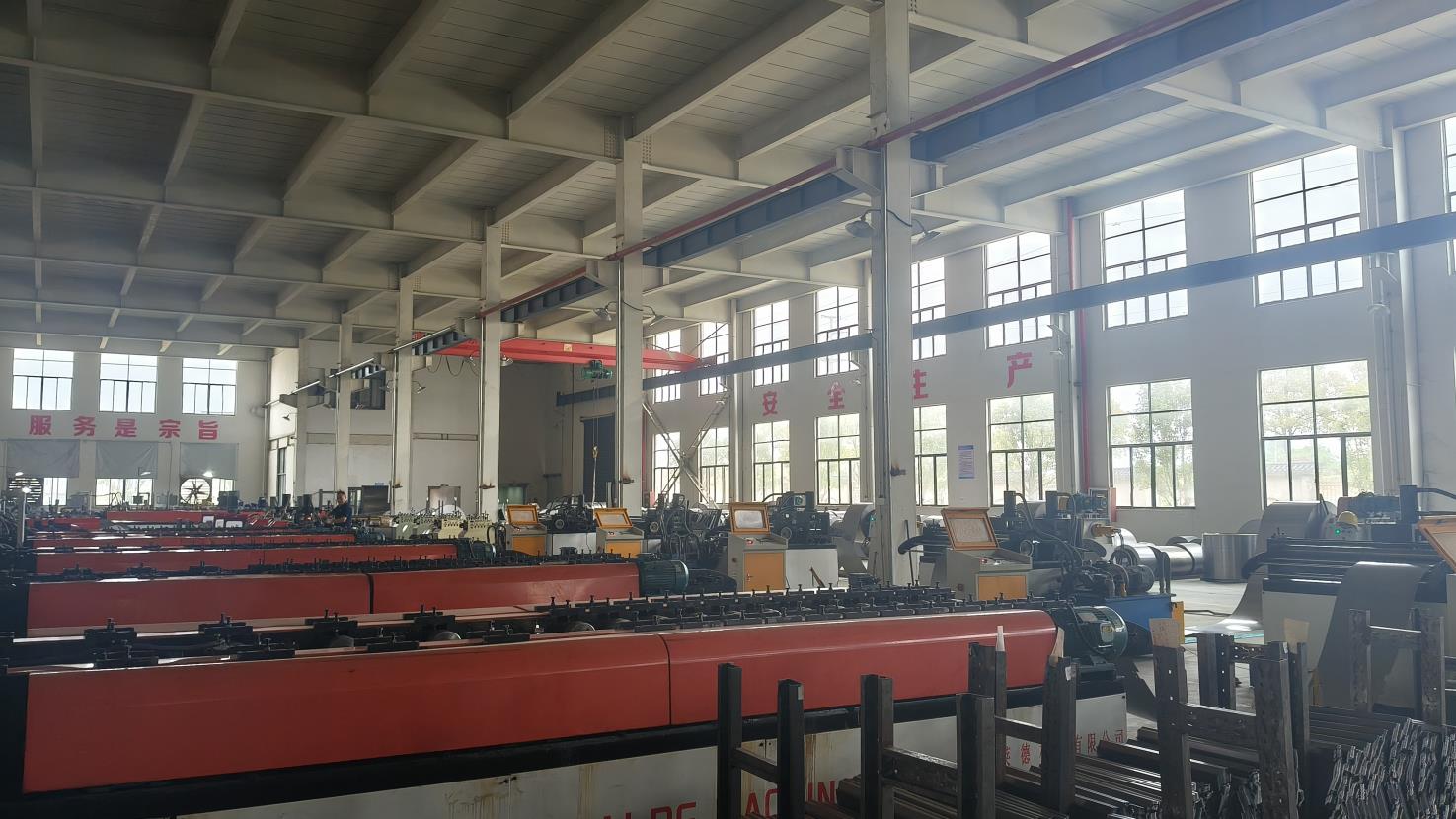
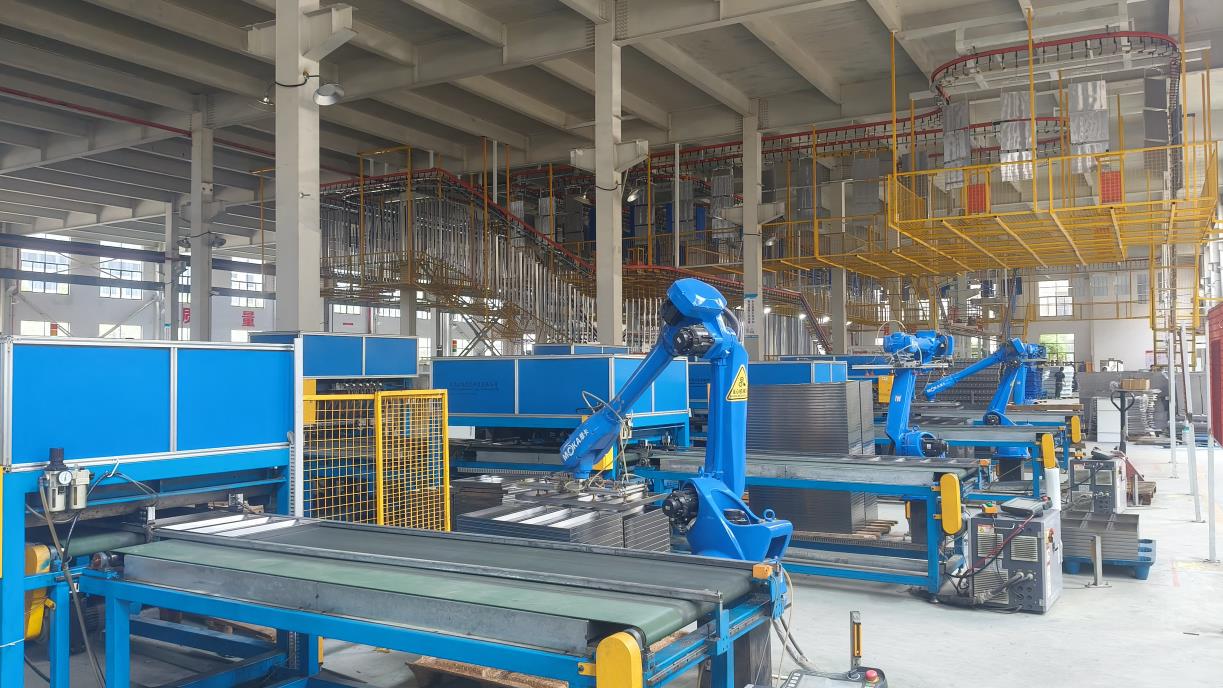
Ningbo Shibang Storage Rack Co., Ltd. sits at the intersection of these two worlds. Based in China's manufacturing heartland with direct access to Ningbo Port, the company utilizes structural steel (predominantly Q235B grade) procured from verified domestic steel mills. This raw material advantage is compounded by automated production processes: from high-precision roll forming to robotic welding arms and advanced electrostatic powder-coating lines.
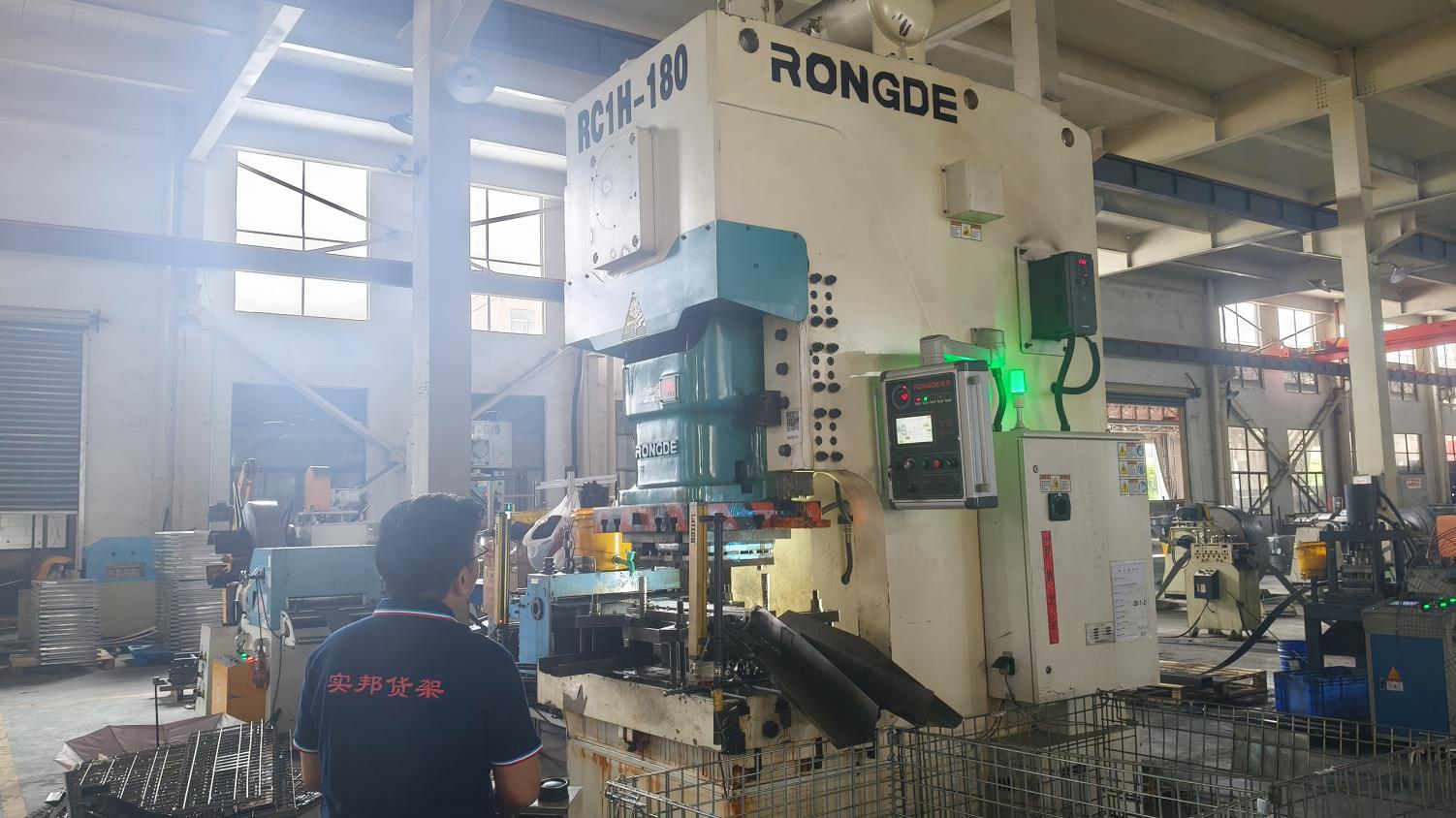
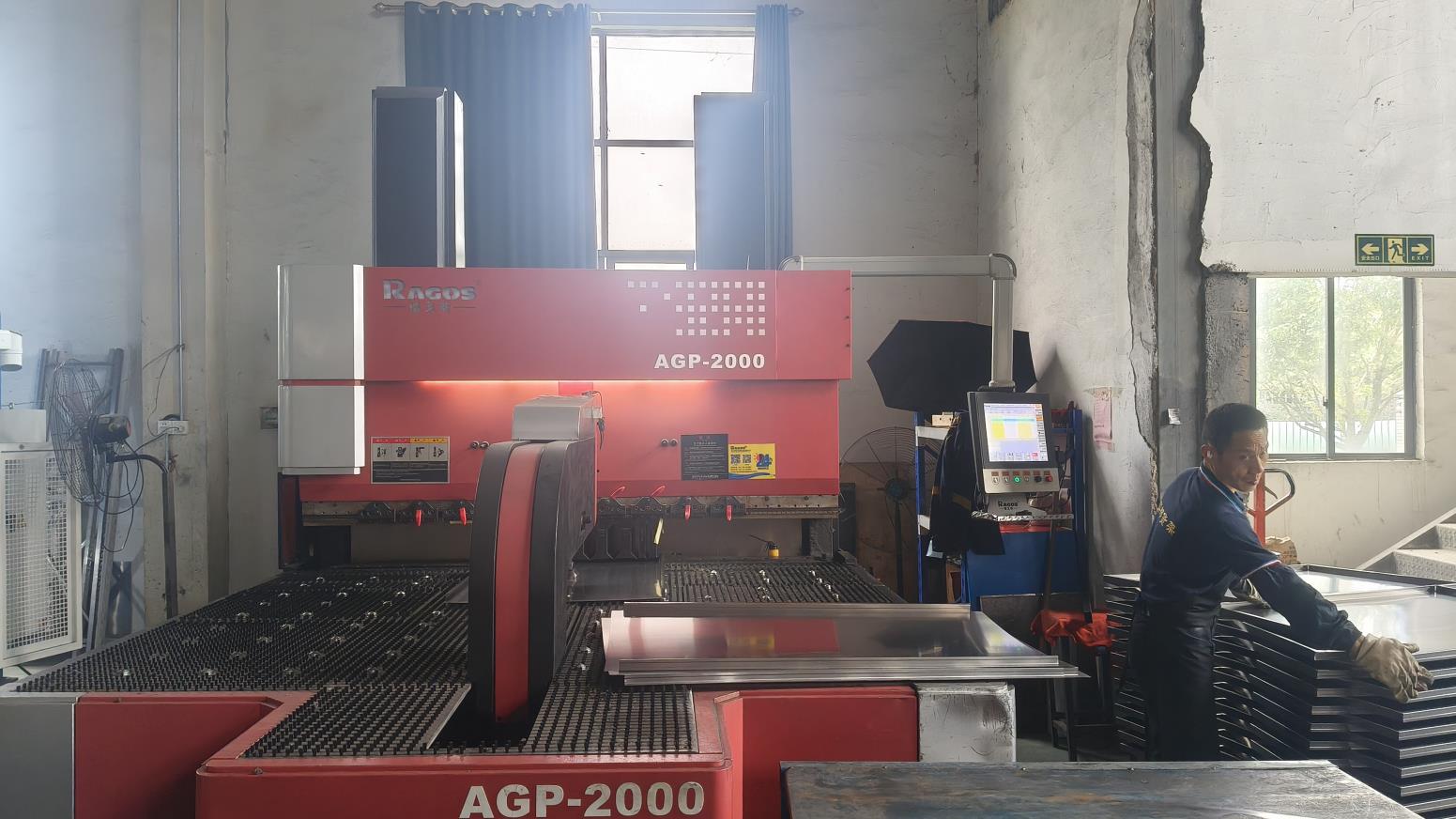
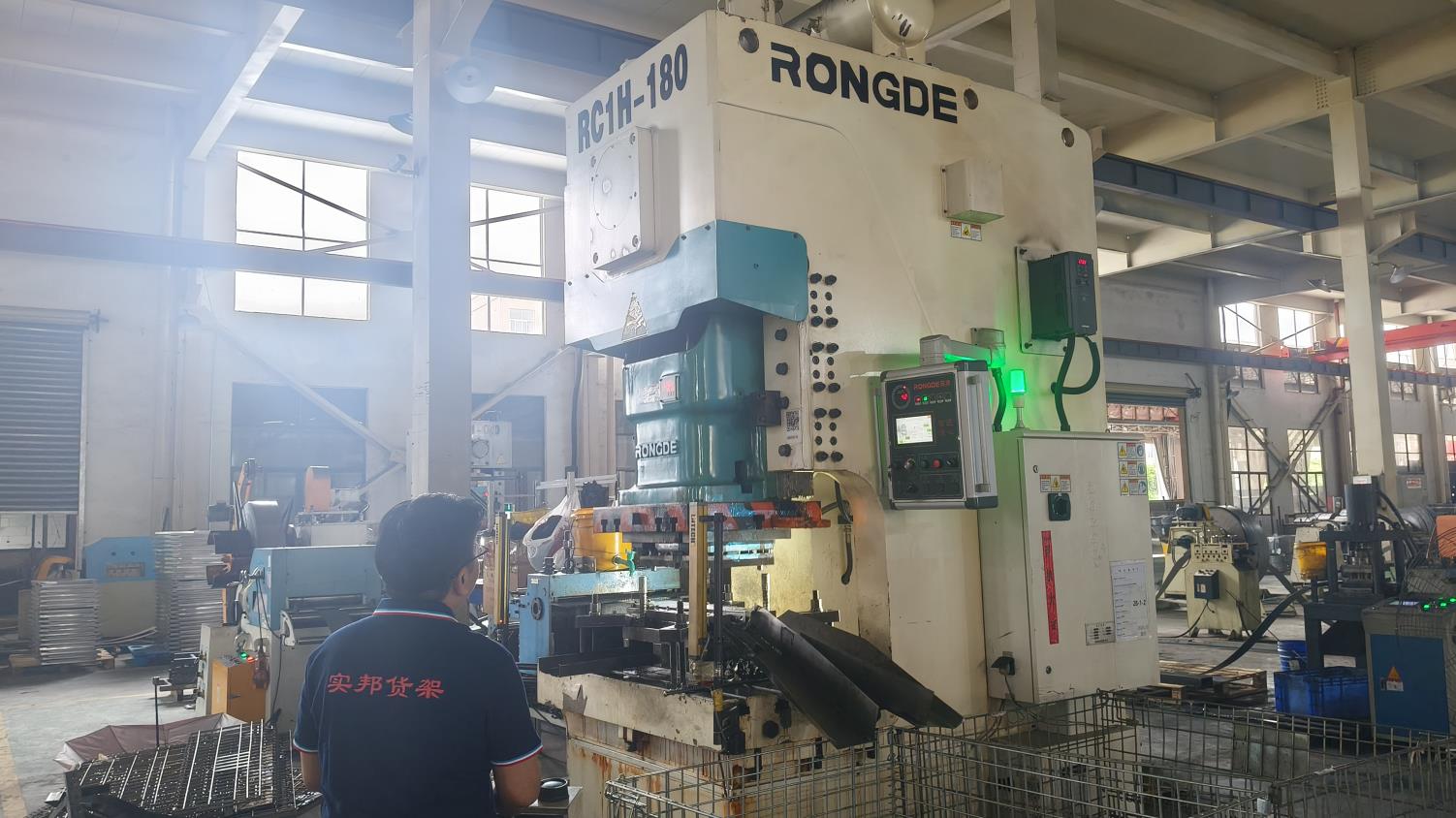
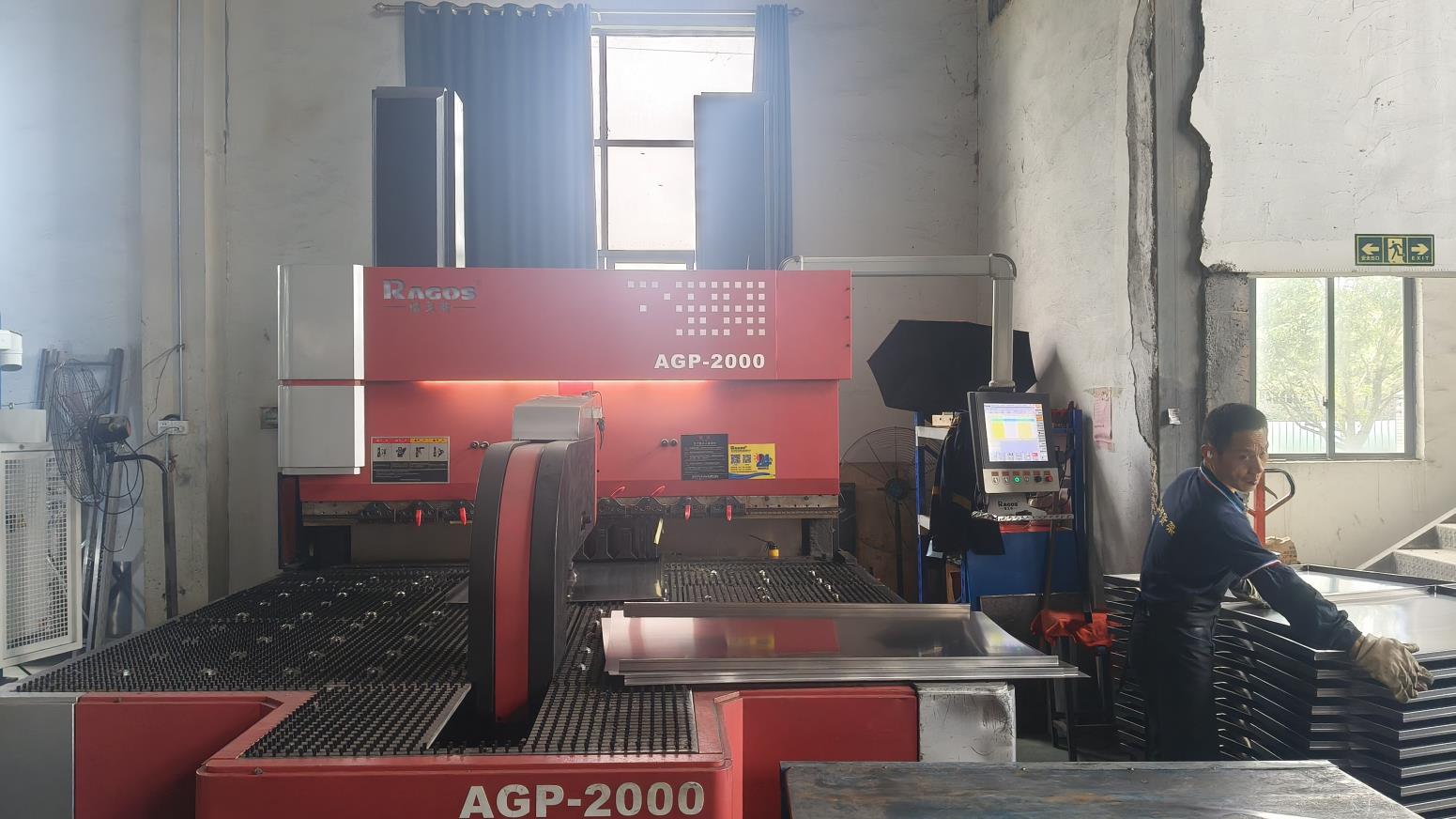
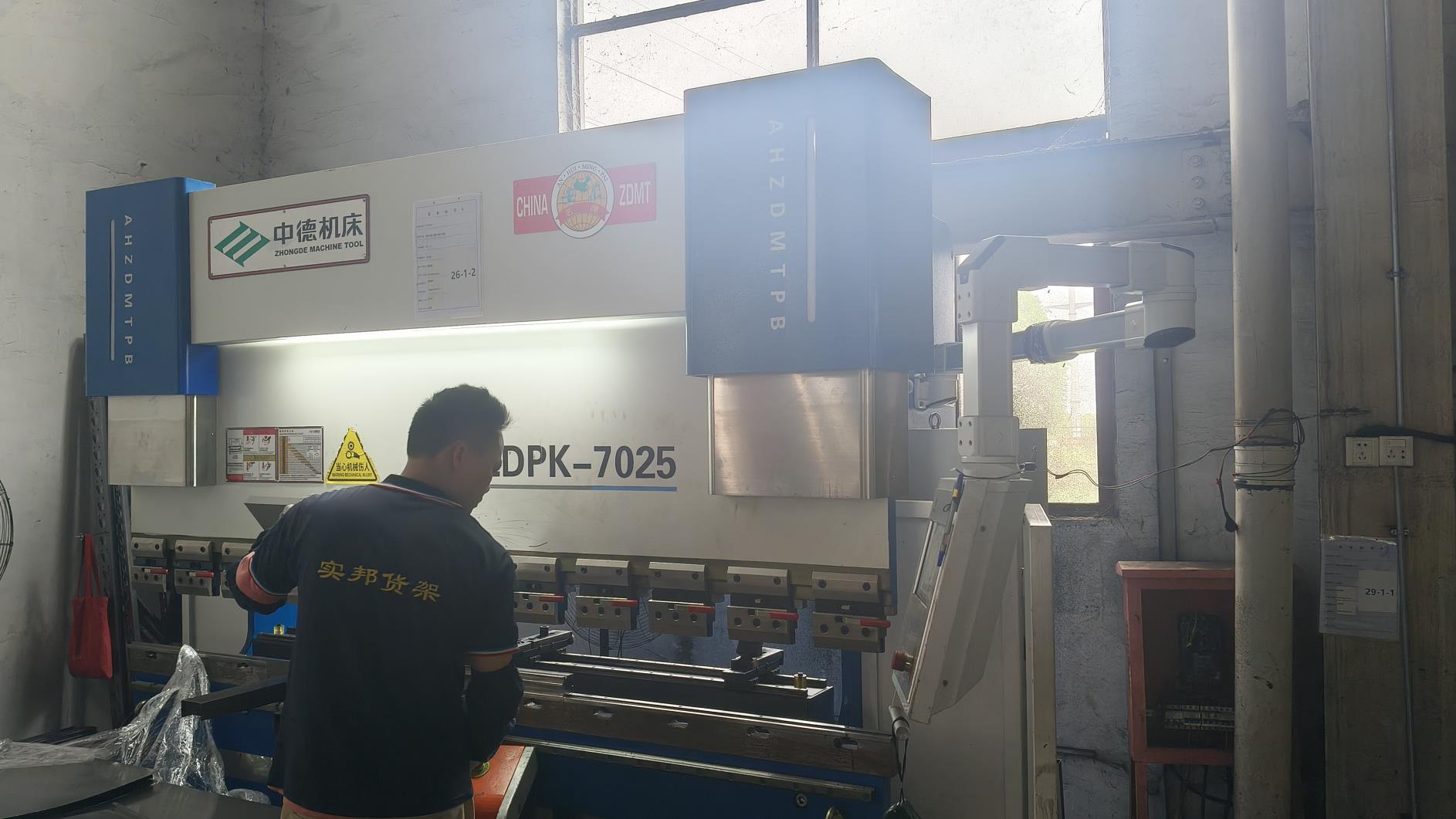
By deploying automated bending and punching setups, Ningbo Shibang ensures a manufacturing tolerance within ±0.5mm. This degree of dimensional precision is crucial for boltless shelving installations, allowing fast, tool-free locking mechanisms to slide together cleanly, reducing on-site installation labor costs in Austria—where wages are traditionally high.
Established in 2016, Ningbo Shibang Storage Rack Co., Ltd. is a leading enterprise specializing in the design, manufacture, and global distribution of heavy-duty industrial warehouse racking systems. Spanning a modern manufacturing facility of 32,000 m², our company has accumulated 12 years of industry experience and 8 years of direct export expertise, serving global clients with total annual export revenue reaching $18 million.
Quality and structural integrity are at the core of our manufacturing philosophy. Backed by a dedicated quality control team of 35 QA/QC inspectors, we implement rigorous multi-stage quality assurance processes, including Ultrasonic Testing (UT) for weld seams, load-bearing stress analysis, coating thickness verification, and raw material tensile testing.
Operating with a robust international trade setup, our primary markets cover North America, Western Europe, Southeast Asia, and Australia. To maintain efficient production cycles and reliable raw material supply, we partner with over 850 supply chain vendors. Our diverse client portfolio spans 3PL logistics providers, automated distribution centers, retail mega-warehouses, and heavy manufacturing facilities.
Innovation drives our growth. Our in-house R&D department boasts 22 experienced structural and mechanical engineers. Through strong technical capability and advanced OEM/ODM versatility, we offer extensive customization options, including tailored load capacities, custom powder-coating colors, seismically engineered beam profiles, and modular height configurations. Demonstrating our commitment to evolving market needs, we launched 140 new products and optimized structural components over the past year alone.
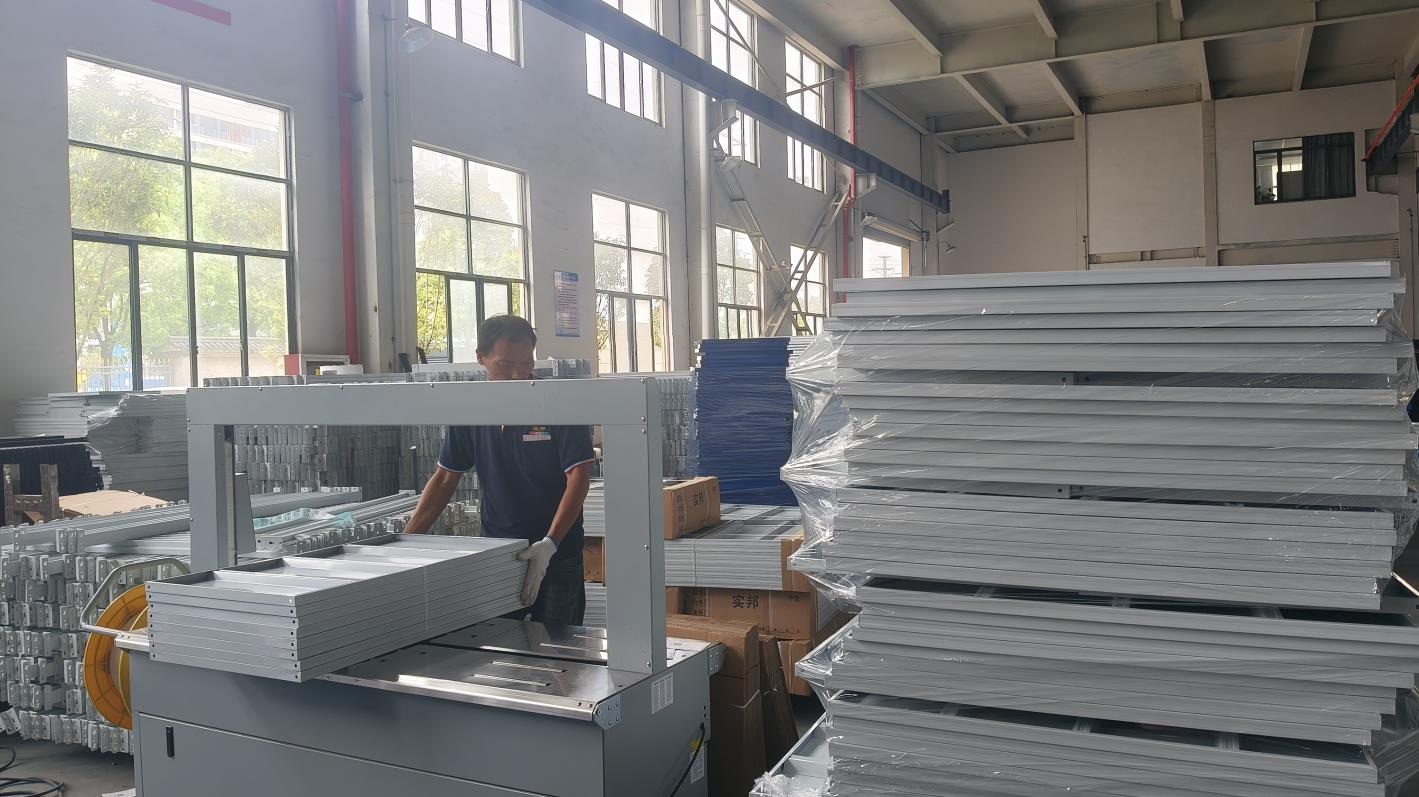
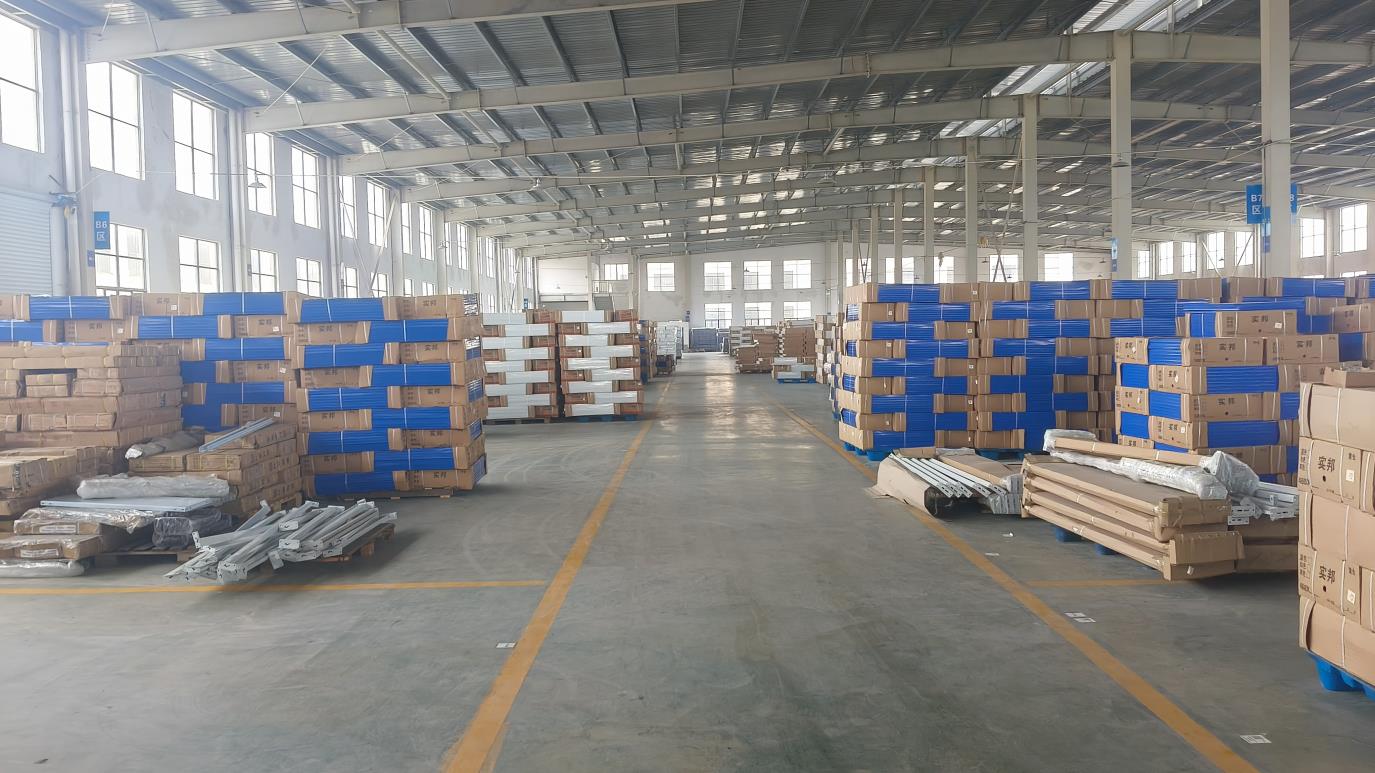
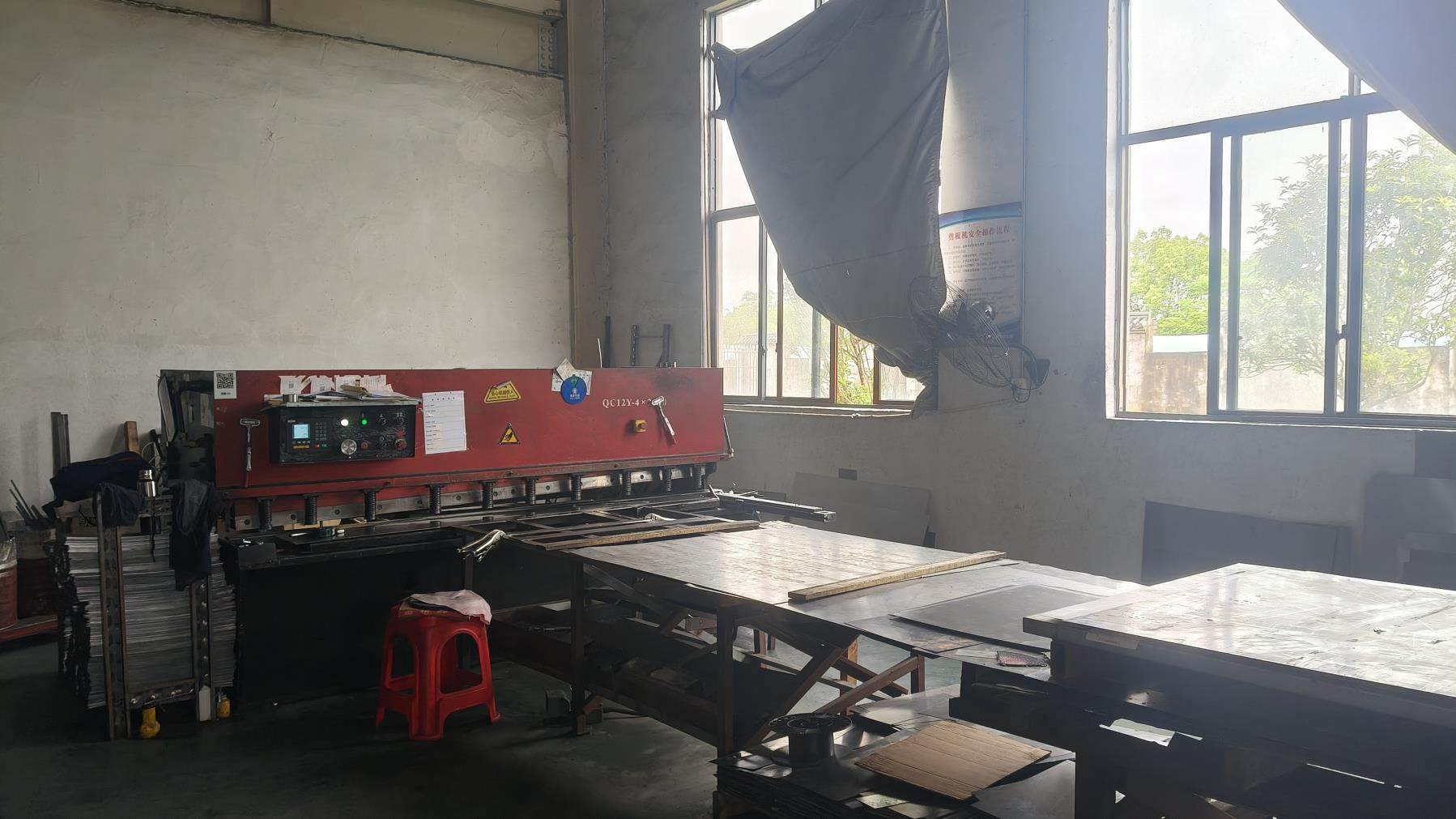
Our fully-integrated production plant utilizes automated mechanical lines and robotic tooling to guarantee engineering precision and strict conformity to heavy-duty European loading standards.
Industrial racking is never a "one-size-fits-all" product. Depending on the geographical sector in Austria, the operational configurations vary significantly:
The automotive cluster in Graz and surrounding Styrian industrial parks demands racking with a reliable 500kg per layer capacity to store heavy cast components, powertrain assemblies, and sheet metal spares. Systems must feature boltless assembly for fast layout reconfigurations to match high-frequency product line updates, along with corrosion-protected finishes to withstand variable moisture in assembly plant environments.
For Austria's alpine tourism logistics and food distribution networks, storage systems must operate reliably in cold chain storage areas down to -30°C. Standard powder coating can become brittle and crack under extreme cold. Shibang addresses this issue by utilizing specialized high-durability epoxy-polyester powder coats or hot-dip galvanized finishes. These prevent oxidation and maintain steel elasticity under thermal contracting conditions, guaranteeing that structural load capacity remains unchanged at 500kg per shelf level.
E-commerce hubs near Vienna-Schwechat Airport require high-density multi-tier shelving (often combined with picking walkways). These require a structural safety margin where the cumulative load of multiple 500kg levels does not compromise column buckling safety. Shibang's 3D structural analysis calculations ensure that upright frames maintain vertical deflection limits within 1/200th of the span length under maximum loading states.
When evaluating suppliers for heavy-duty metal racks, procurement officers must verify compliance across key engineering parameters. Below is a comparison table outlining the design targets of Shibang racks versus standard market products:
| Technical Specification | Shibang Industrial Racking Standard | Conventional Market Alternative | Significance for Austria (ÖNORM) |
|---|---|---|---|
| Raw Material | High-tensile Q235B cold-rolled steel | Low-grade carbon steel (unverified mill run) | Ensures consistent elastic modulus and tensile strength |
| Weld Joint Quality | CO2 shielded robot welding with UT inspection | Manual arc welding (high variability) | Prevents micro-cracks under load cycles (EN 1090 conformity) |
| Corrosion Resistance | Electrostatic powder coating (thickness > 60μm) | Liquid paint coating (thickness < 30μm) | Protects steel against corrosion and humidity inside warehouses |
| Safety Factor | 1.5x structural reserve capacity (750kg test load) | 1.1x - 1.2x safety ratio | Strict compliance with European workplace accident prevention guidelines |
Modern intralogistics is shifting away from static warehouses toward modular, reconfigurable systems. Racking structures must act as flexible components that can adapt to automated guided vehicles (AGVs) and autonomous mobile robots (AMRs). Key industry developments include:
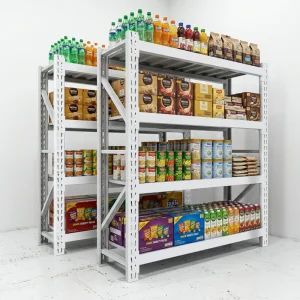
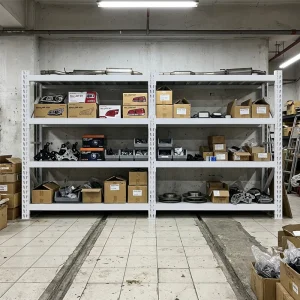
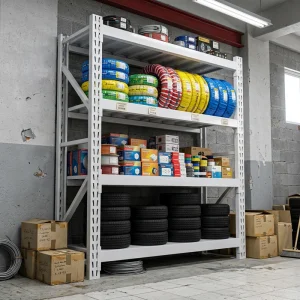
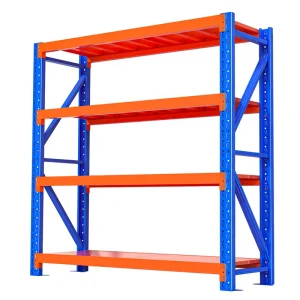
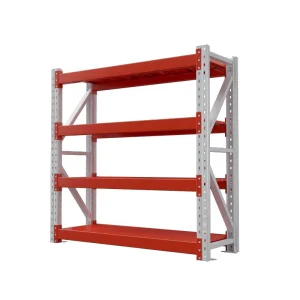
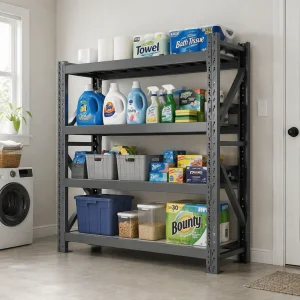
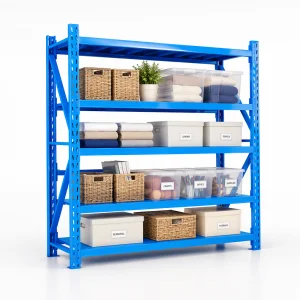
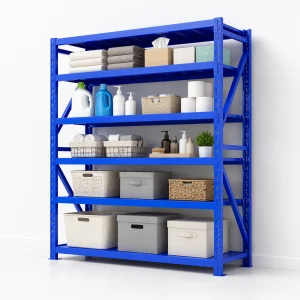
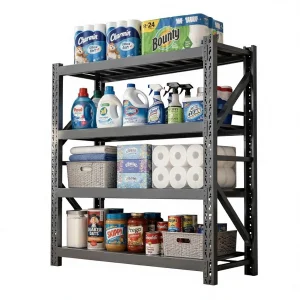
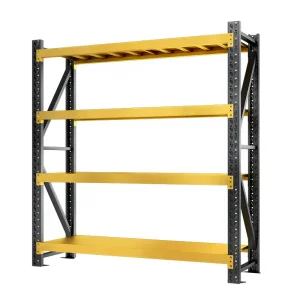
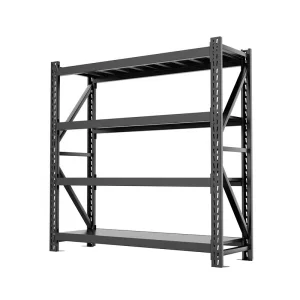
Explore our full line of corrosion-protected, adjustable, and boltless racking configurations suited for multi-tier configurations.
Key engineering, regulatory, and logistics queries answered by our senior structural engineers.
 Shibang Rack