Heavy-duty structural configurations designed for high-density applications in the Pacific Northwest maritime and distribution corridors.
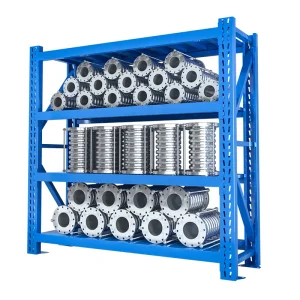
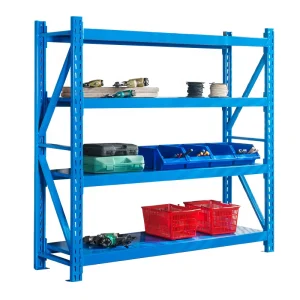
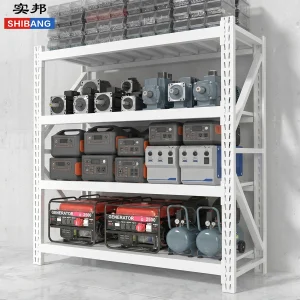
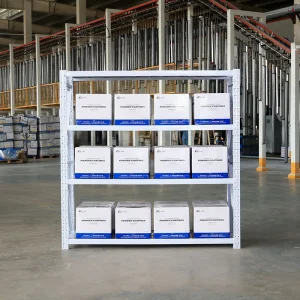
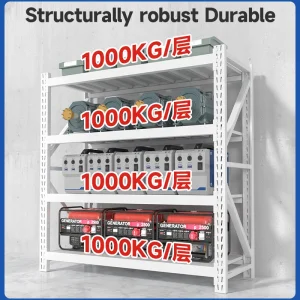
The industrial dynamic of the Seattle-Tacoma metropolitan area (the Puget Sound region) is unique. As a vital gateway for trans-Pacific trade and a national hub for advanced aerospace manufacturing, biotechnology, and e-commerce distribution, warehouse space operates under extreme efficiency pressure. Real estate costs demand maximized vertical volumetric utilization, making reliable, high-capacity racking systems rated at 1000KG (approx. 2,205 lbs) per level a foundational necessity rather than a variable option.
Seattle's proximity to the Cascadia Subduction Zone requires all industrial storage installations to strictly adhere to ANSI/RMI MH16.1 specifications and local Washington State structural building codes. 1000KG capacities must be engineered to withstand seismic drift and localized acceleration factors.
From heavy aircraft components in Everett to cold storage seafood cargo near the Port of Seattle, heavy racking must accommodate uneven, dense, and moisture-prone inventory profiles without deflection or failure.
Optimizing clear-height clearances in urban warehouses requires rigid steel structures. Safe structural engineering allows for multiple tiers of 1000KG capacity loads without compromising forklift aisle transit safety clearances.
On a global scale, the storage rack manufacturing sector is shifting toward high-strength cold-formed steel alloys that reduce overall structure weight while maintaining structural safety factors (typically 1.92 under RMI standards). In addition, automated storage and retrieval systems (AS/RS) require tighter manufacturing tolerances (+/- 1.5mm) than traditional selective pallet racks. Exporters targeting mature markets like Seattle must possess sophisticated, ISO-certified quality assurance systems to comply with demanding local import and structural engineering parameters.
Engineered for maximum resilience and high capacity storage across Seattle's industrial sectors.
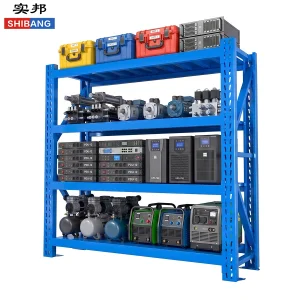
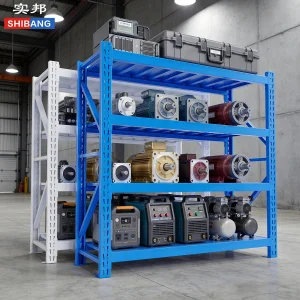
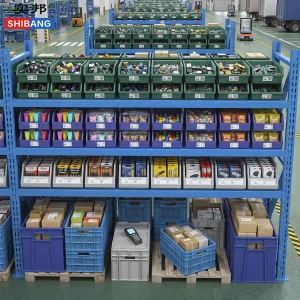
The structural load integrity of a 1000KG capacity industrial rack system is determined by a series of critical mechanical equations and material characteristics. Lower-grade cold-rolled steel profiles are prone to premature deflection or catastrophic failure under dynamic impact loads (such as accidental forklift collision). Standard designs rely on several crucial structural factors:
High-grade Q235B and Q345B structural carbon steel (equivalent to ASTM A36 and ASTM A572 Grade 50) form the backbone of our systems. This chemistry provides the ultimate balance between high yield strength (up to 345 MPa) and ductility, ensuring the racks undergo elastic deformation rather than brittle fracture under sudden localized loading.
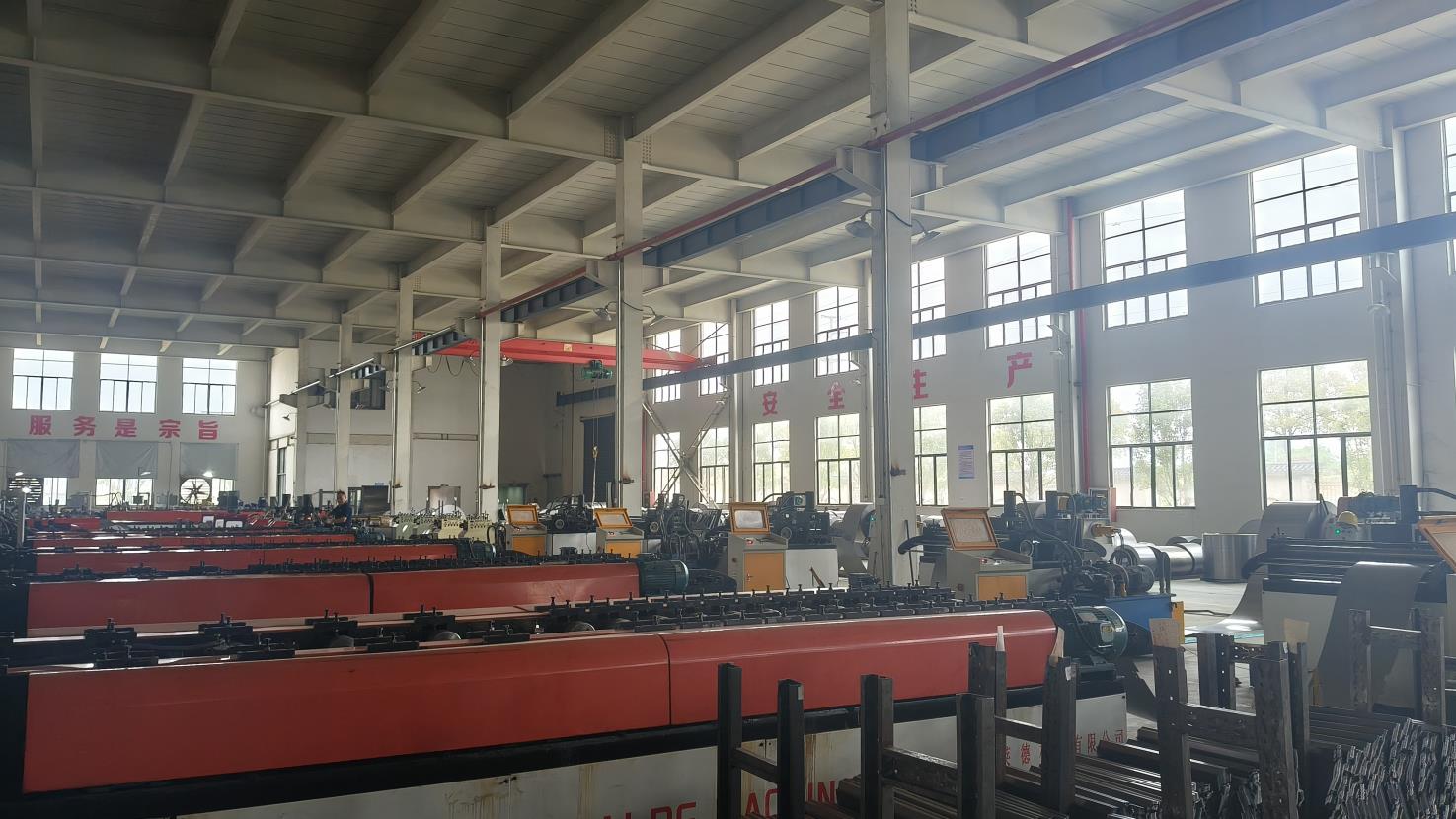
Our heavy-duty upright posts feature multi-bend column sections (typically 9 to 13 fold surfaces). This profile design increases structural rigidity and raises the critical buckling limit of the steel, ensuring that structural loads are transferred evenly down to the seismic floor anchor pads.
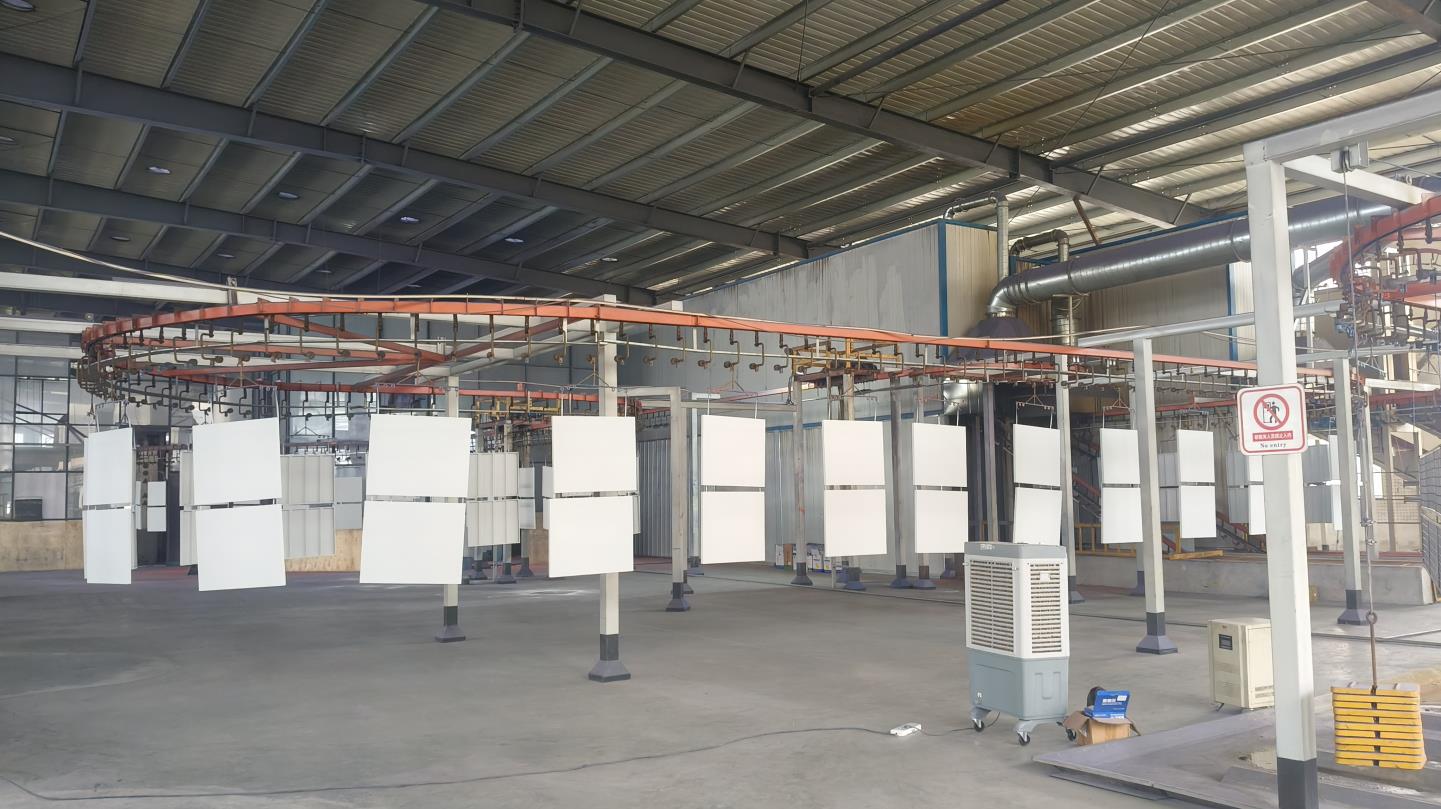
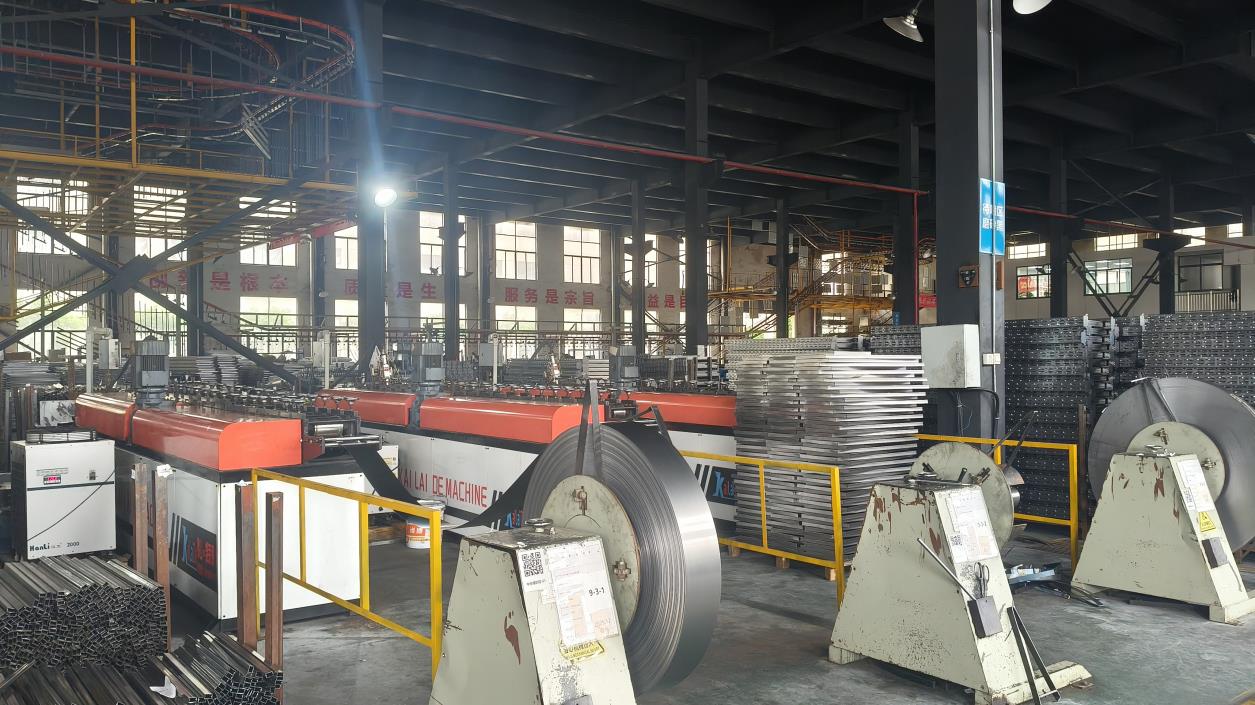
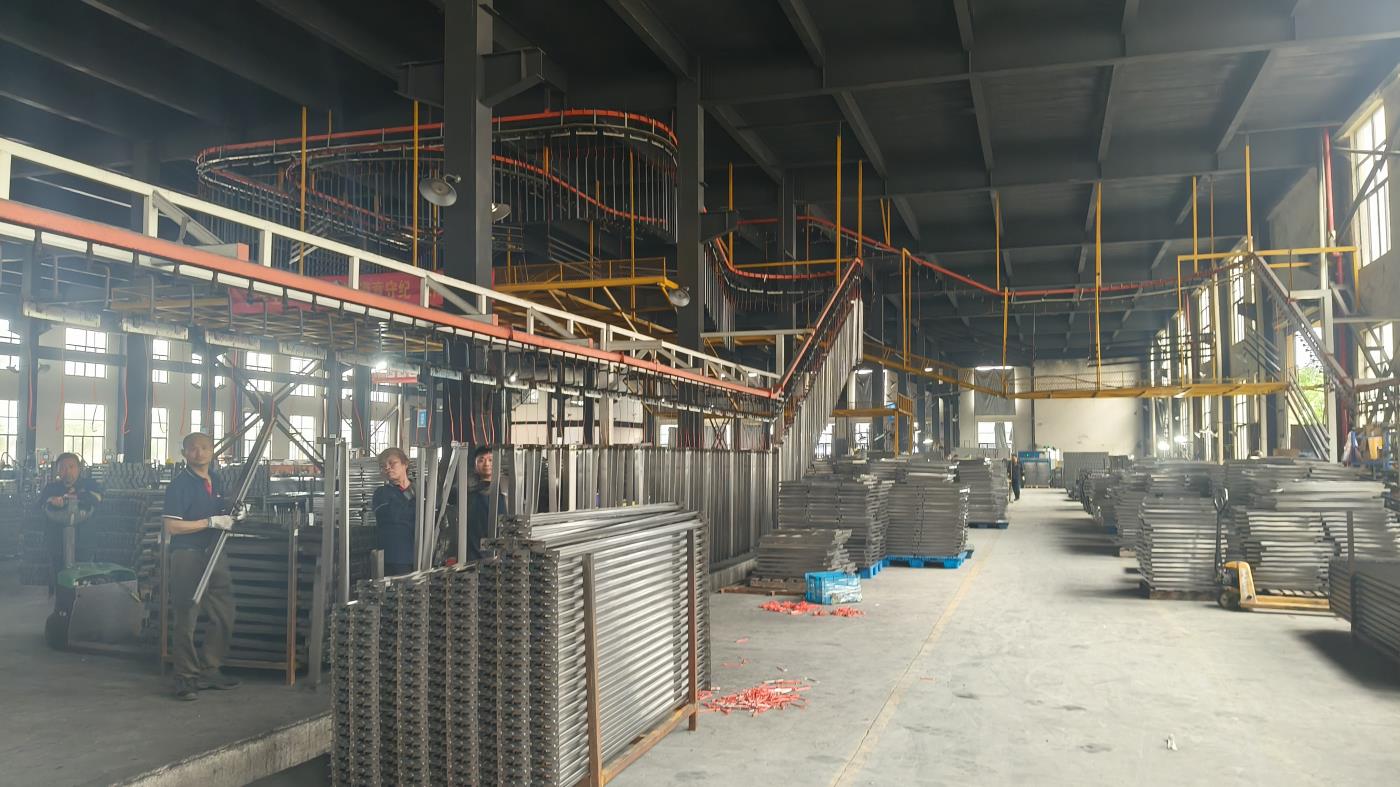
Seattle's maritime geography brings high ambient humidity and airborne salts. Our manufacturing line uses a multi-stage zirconium pre-treatment process followed by electrostatic application of thermosetting epoxy-polyester powder. This achieves a coating thickness of 70 to 110 microns, withstanding over 500 hours of continuous salt-spray testing.
To eliminate rotational moments at connection nodes, our beam end-connectors utilize heavy 3 to 4 claw tapered locking pin systems. This configuration ensures that under maximum load, the connection tightens, preventing accidental disengagement from vertical impact forces.
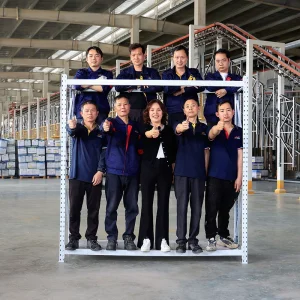
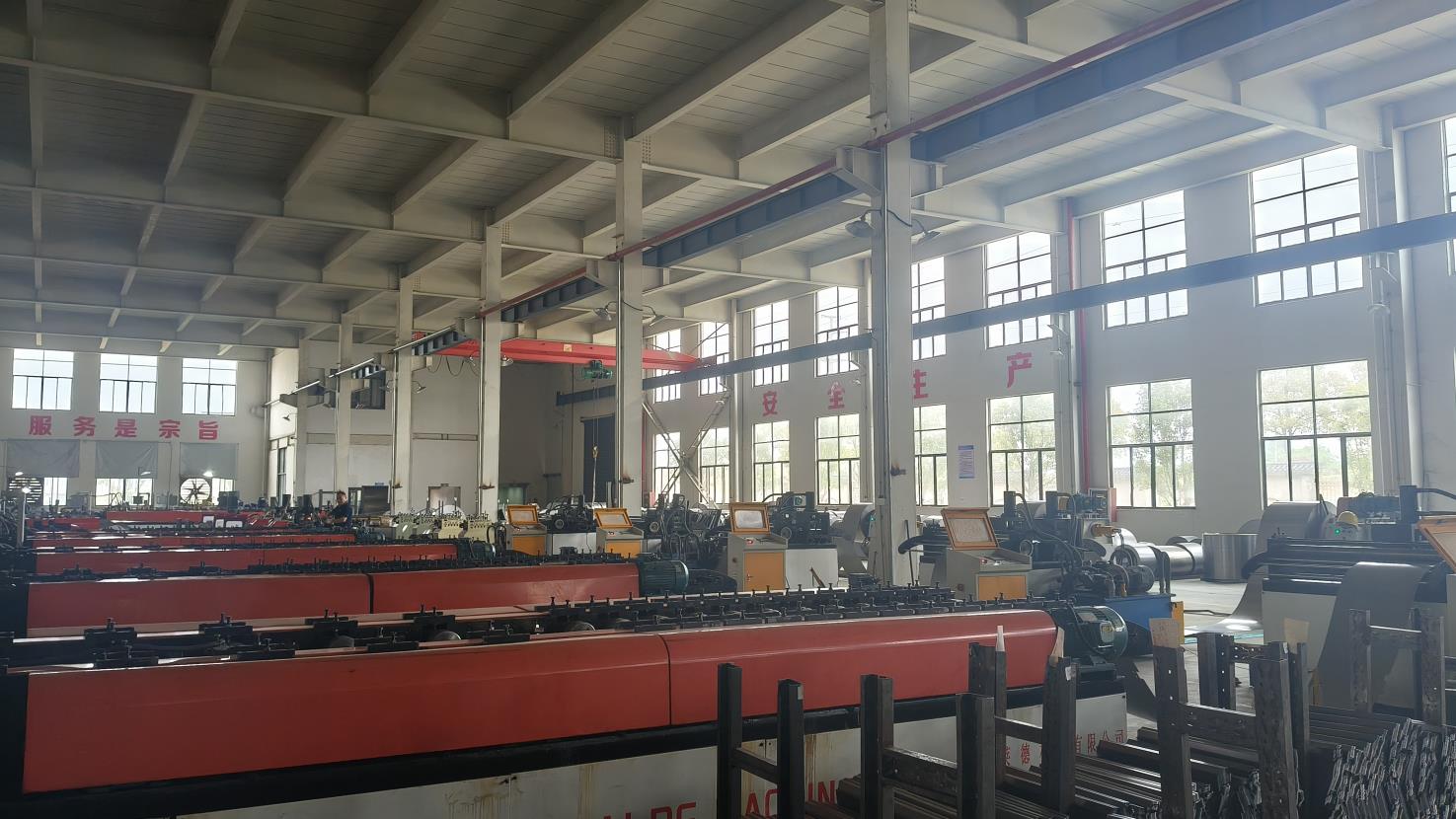
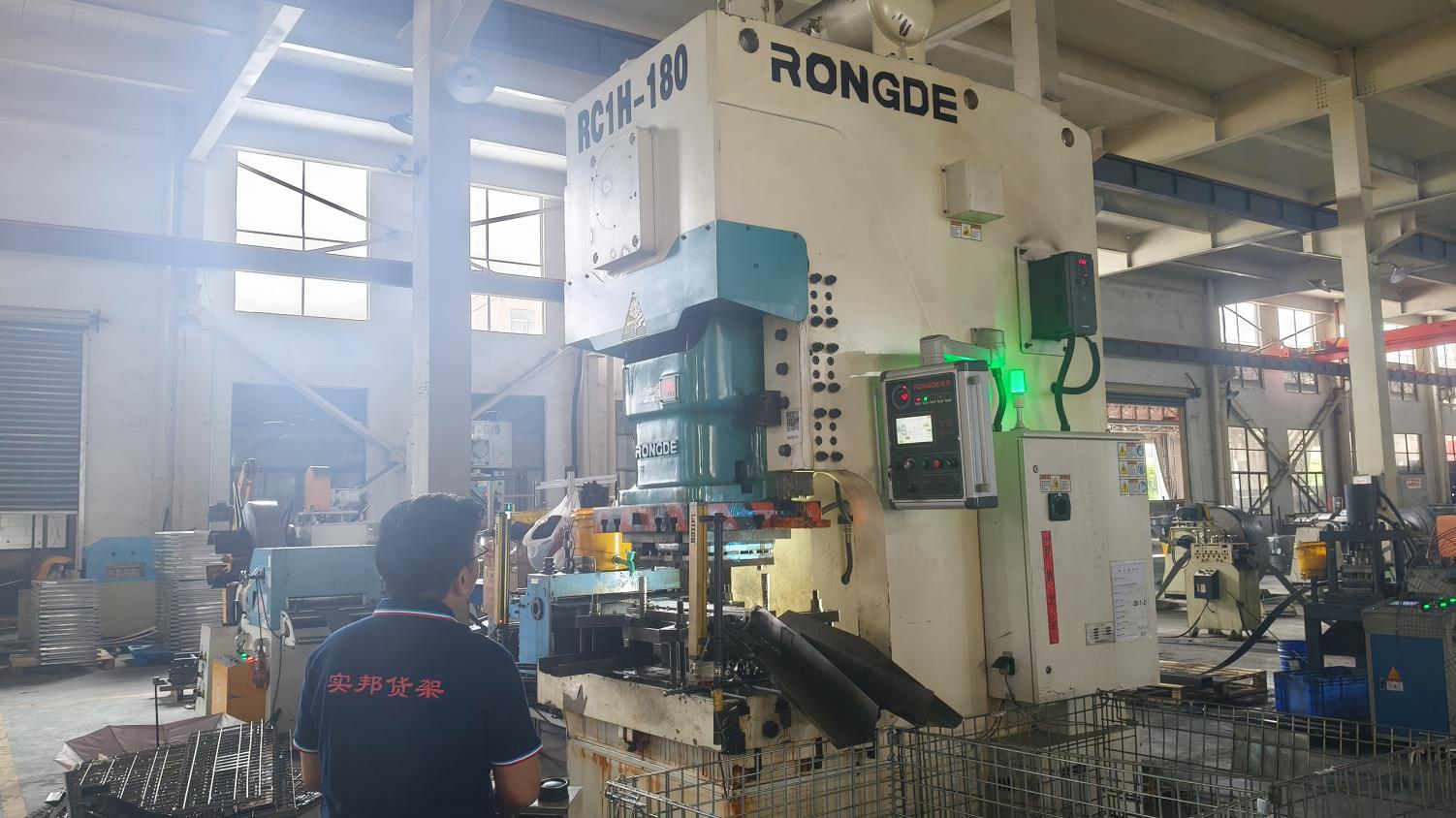
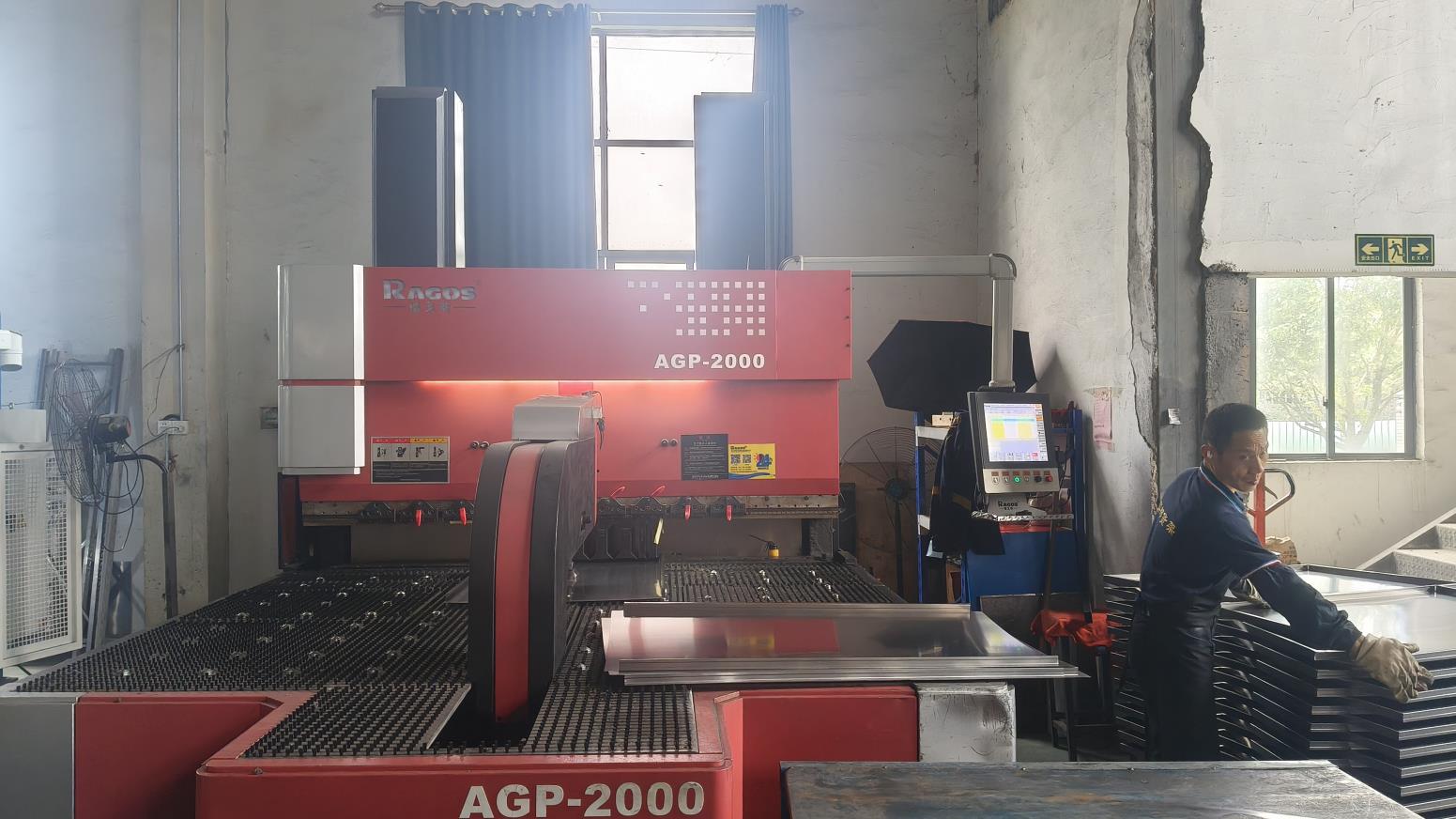
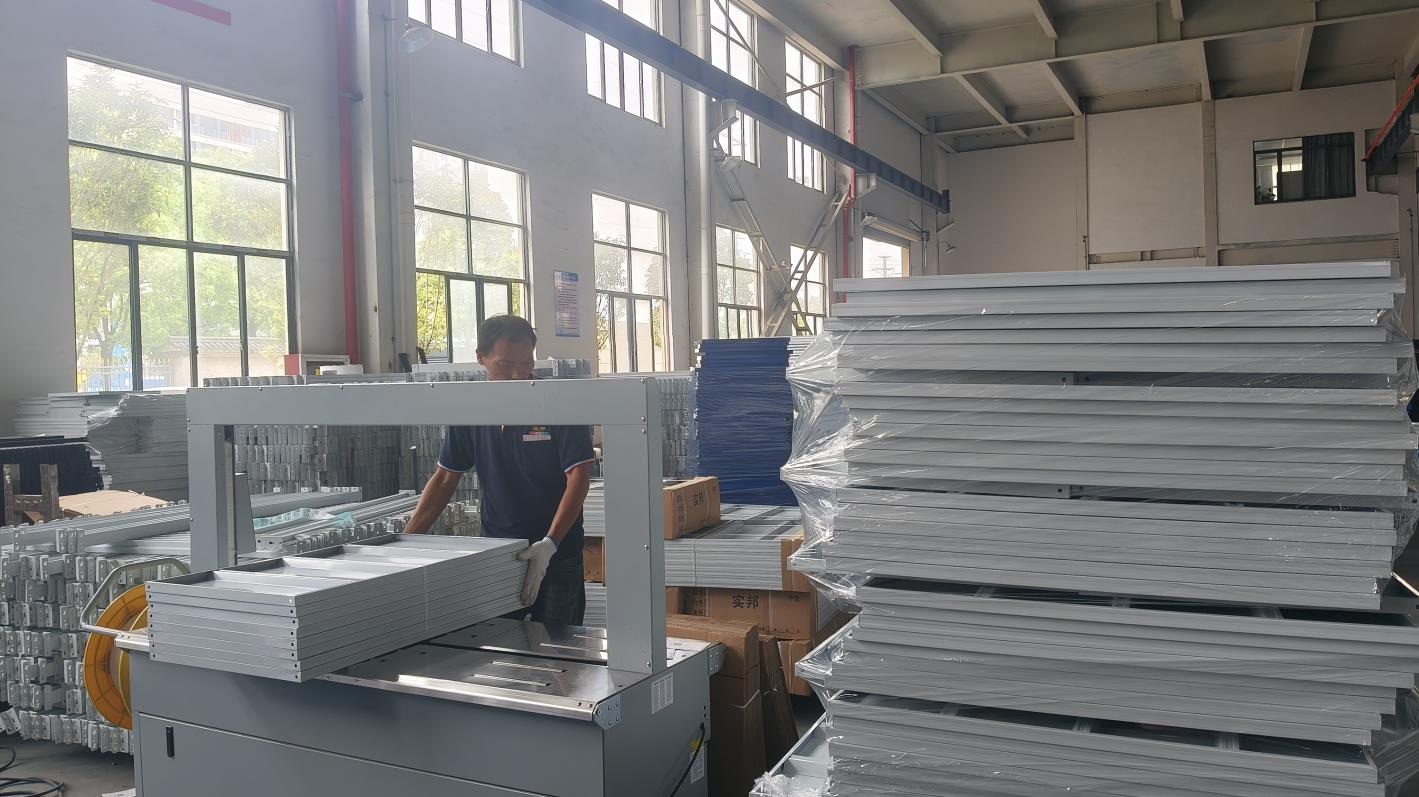
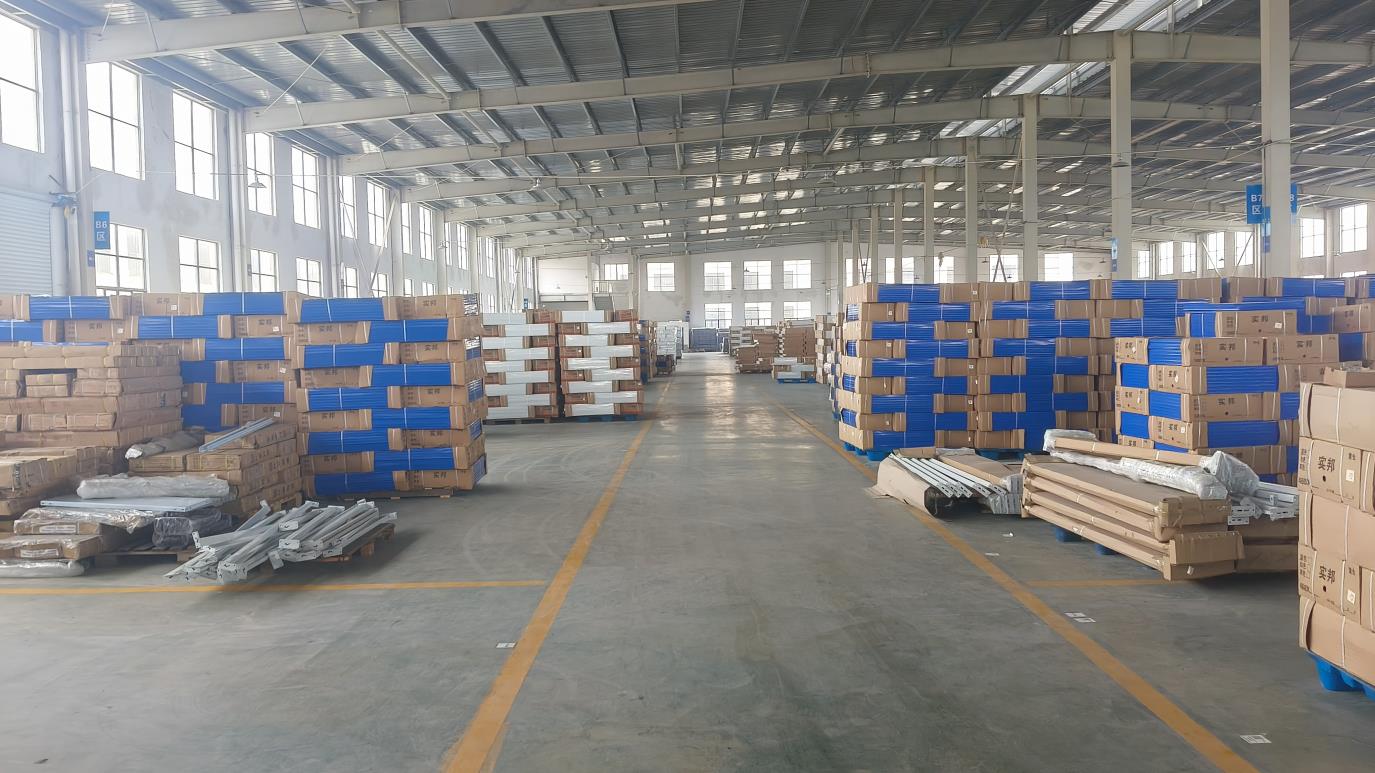
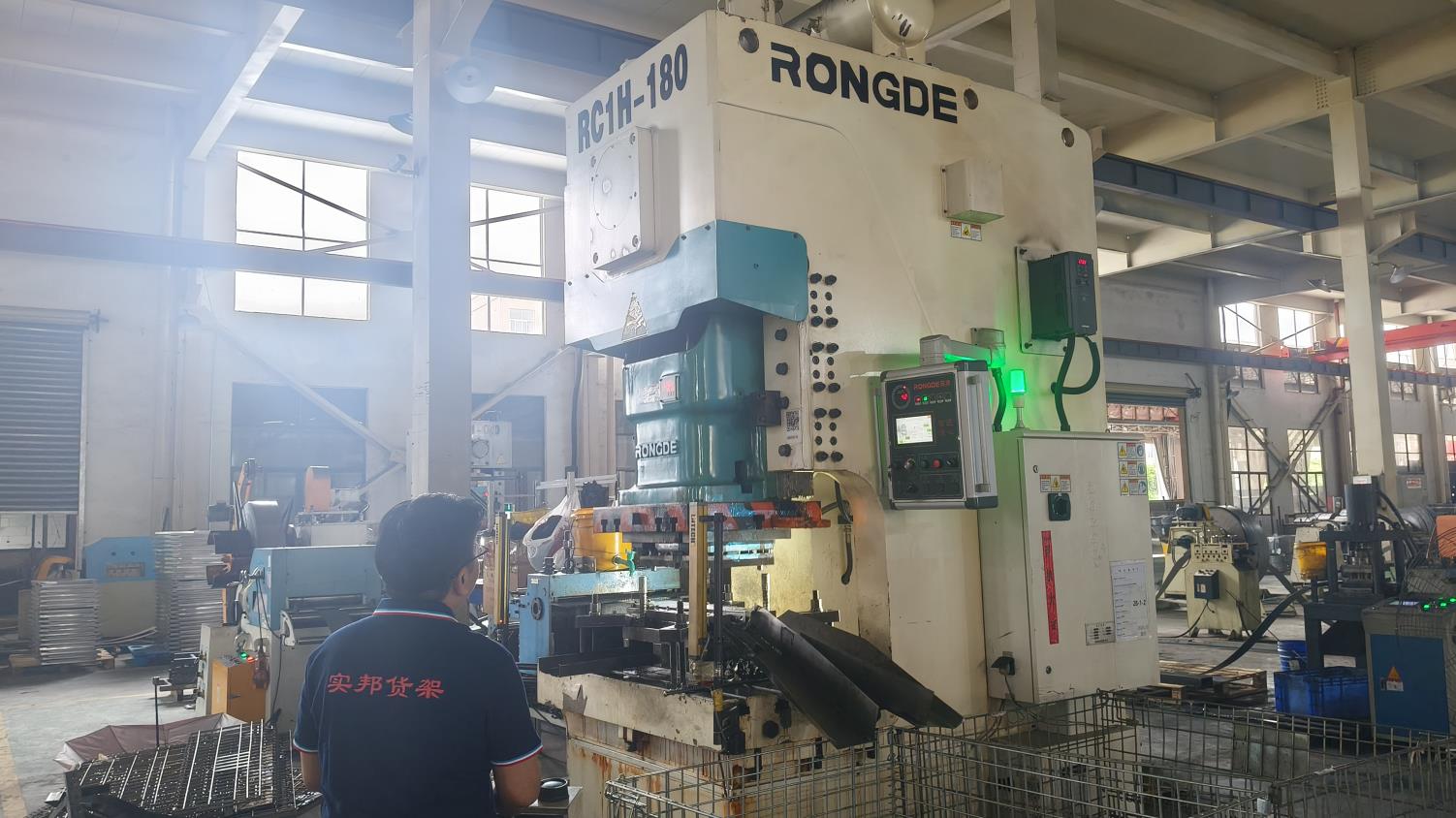
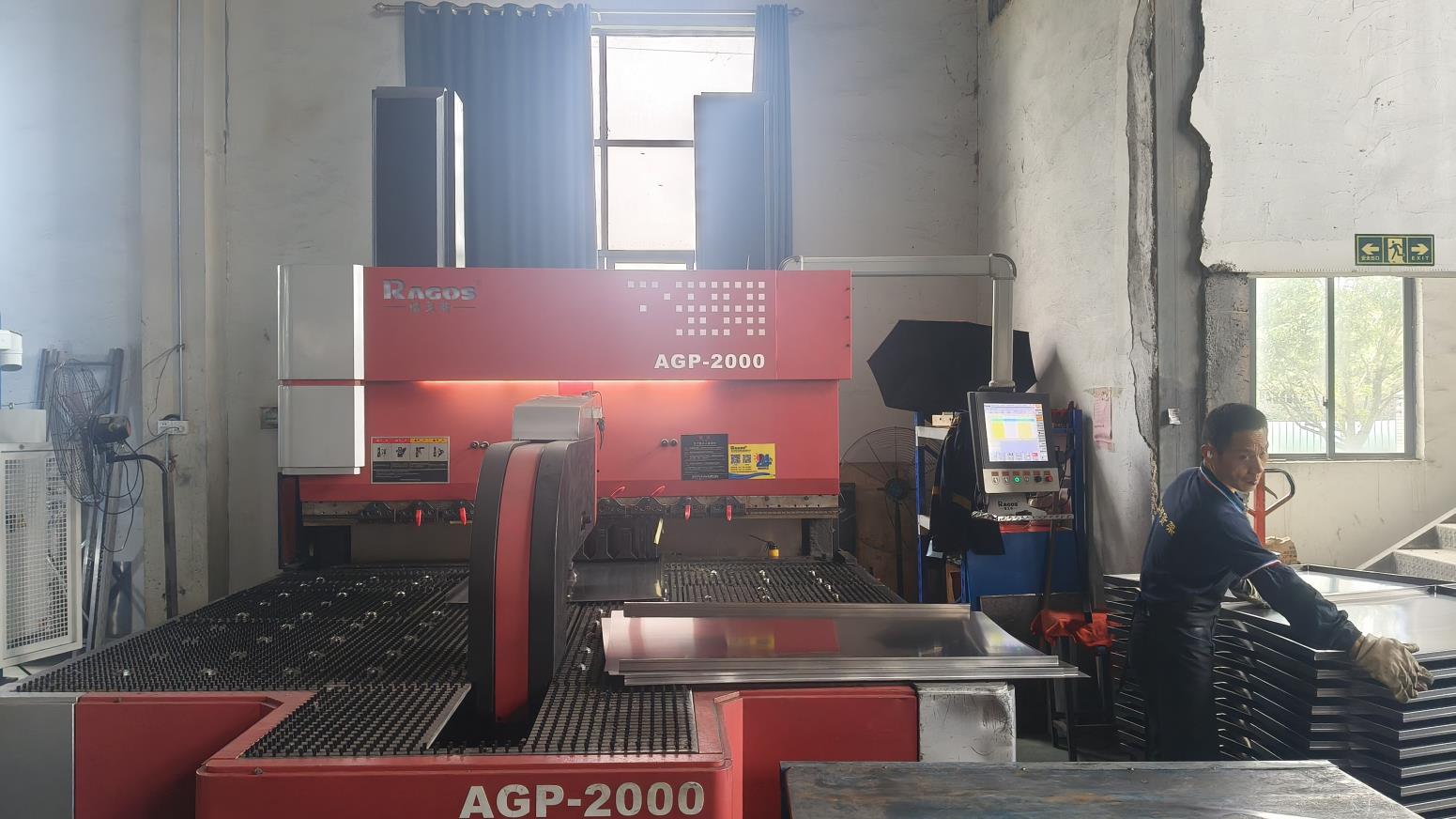
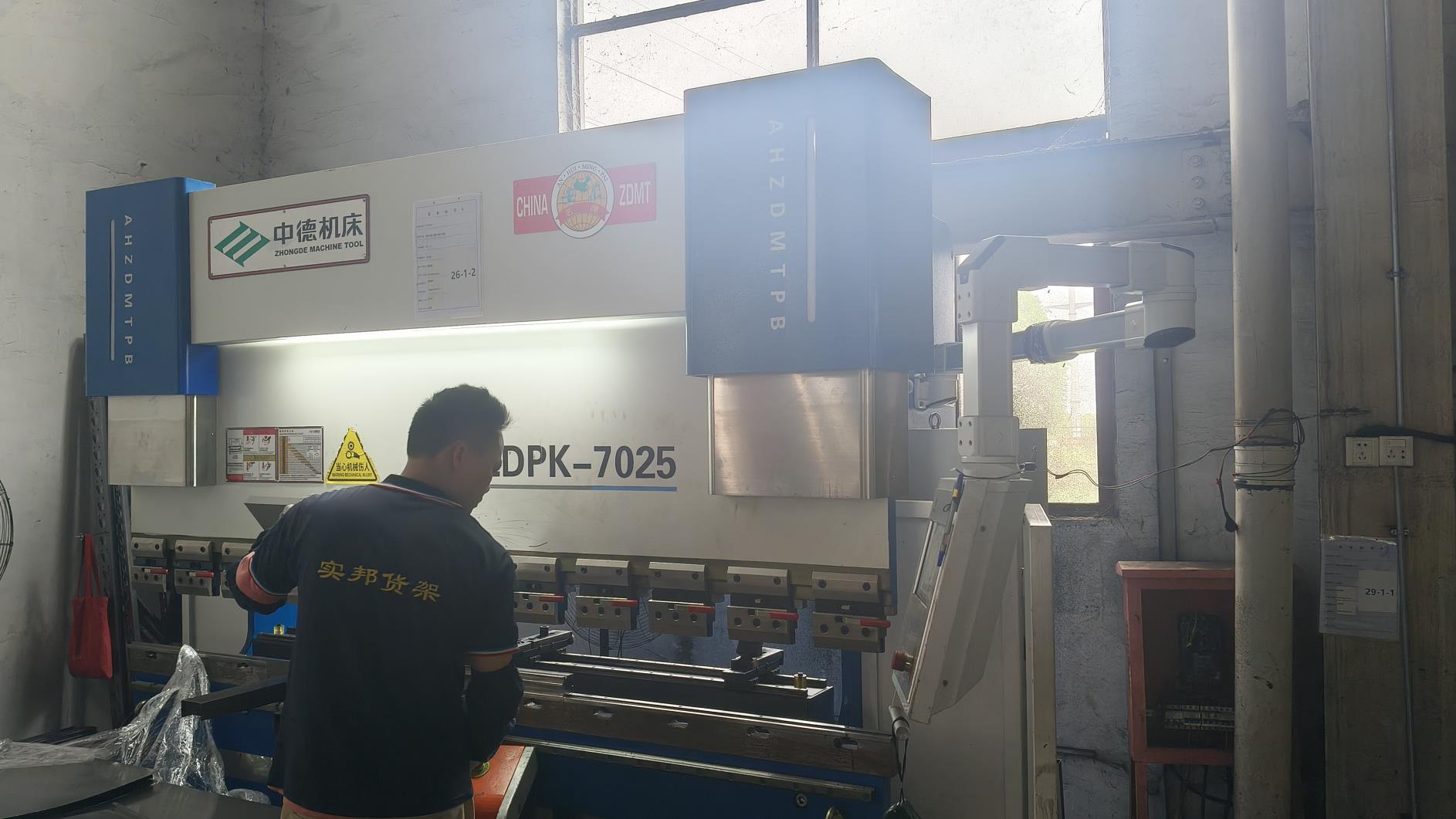
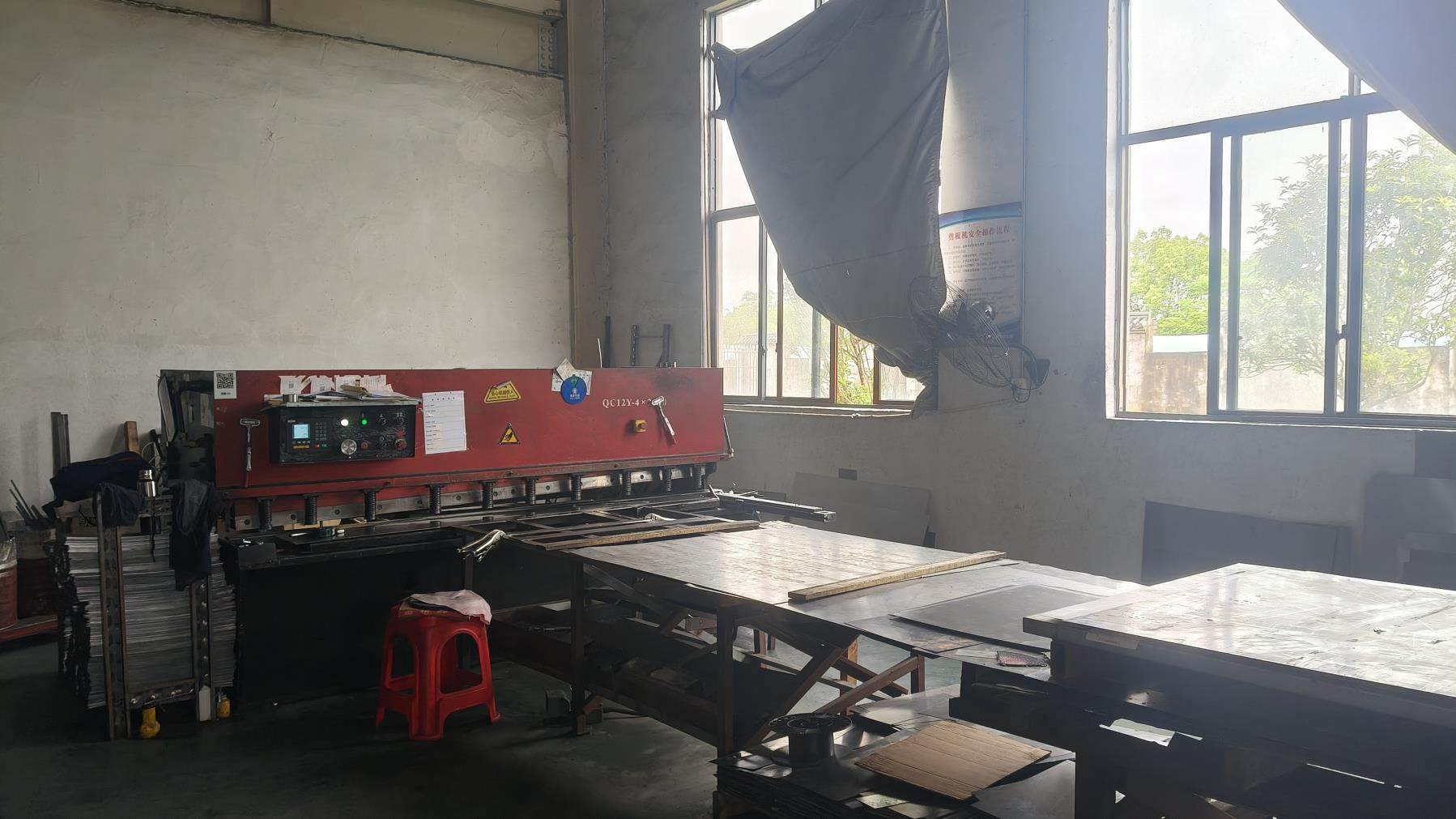
Established in 2016, our manufacturing facility operates at the forefront of warehouse storage system production.
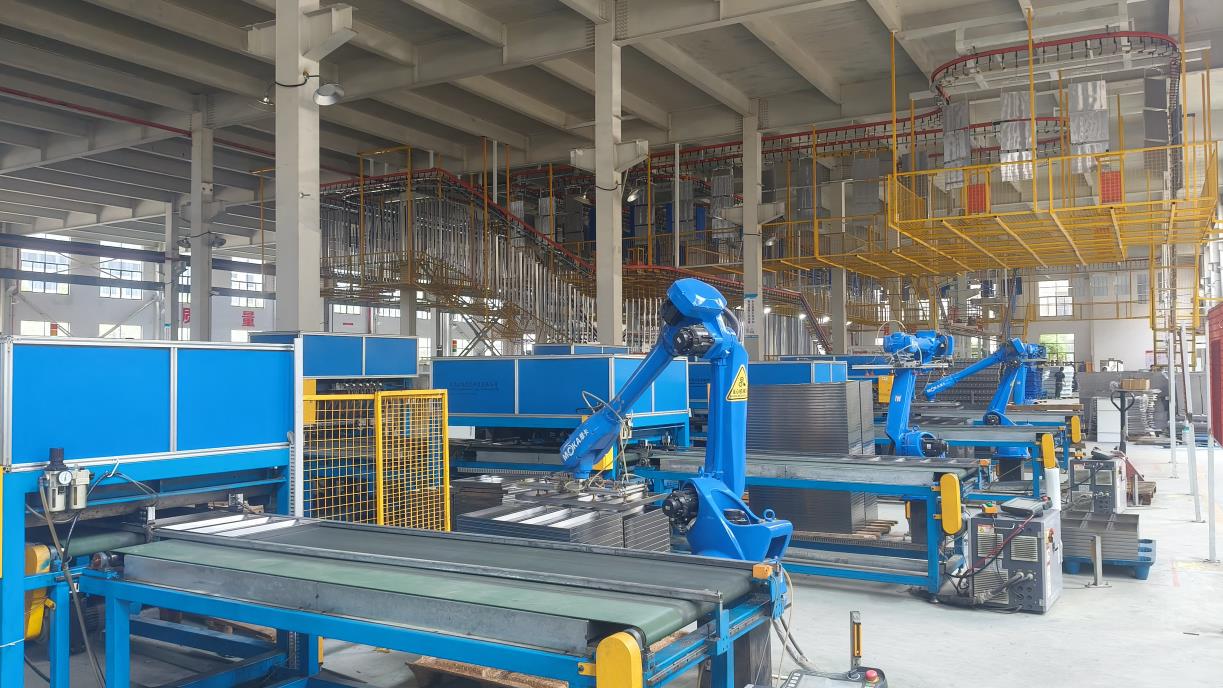
Ningbo Shibang Storage Rack Co., Ltd. is a leading enterprise specializing in the design, manufacture, and global distribution of heavy-duty industrial warehouse racking systems. Spanning a modern manufacturing facility of 32,000 m², our company has accumulated 12 years of industry experience and 8 years of direct export expertise, serving global clients with total annual export revenue reaching $18 million.
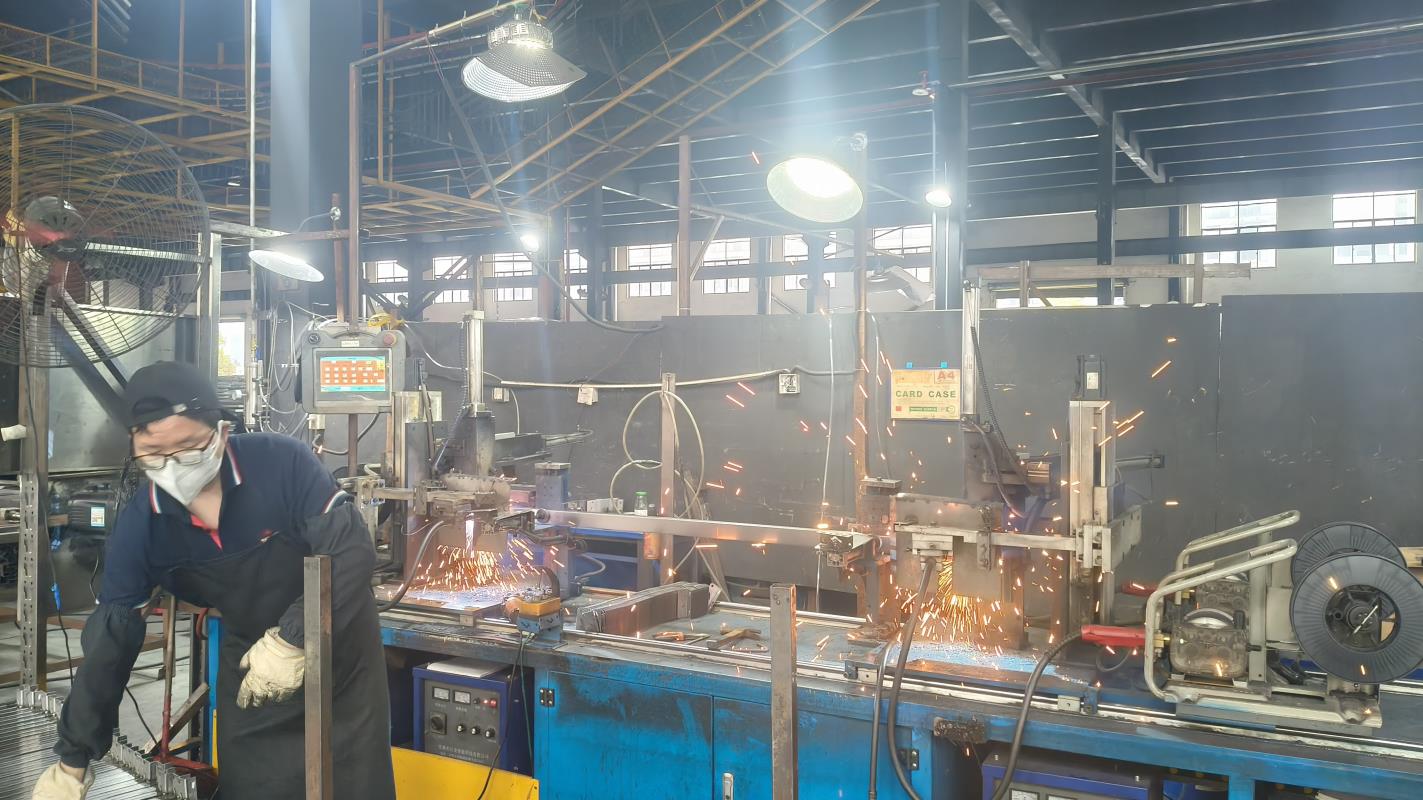
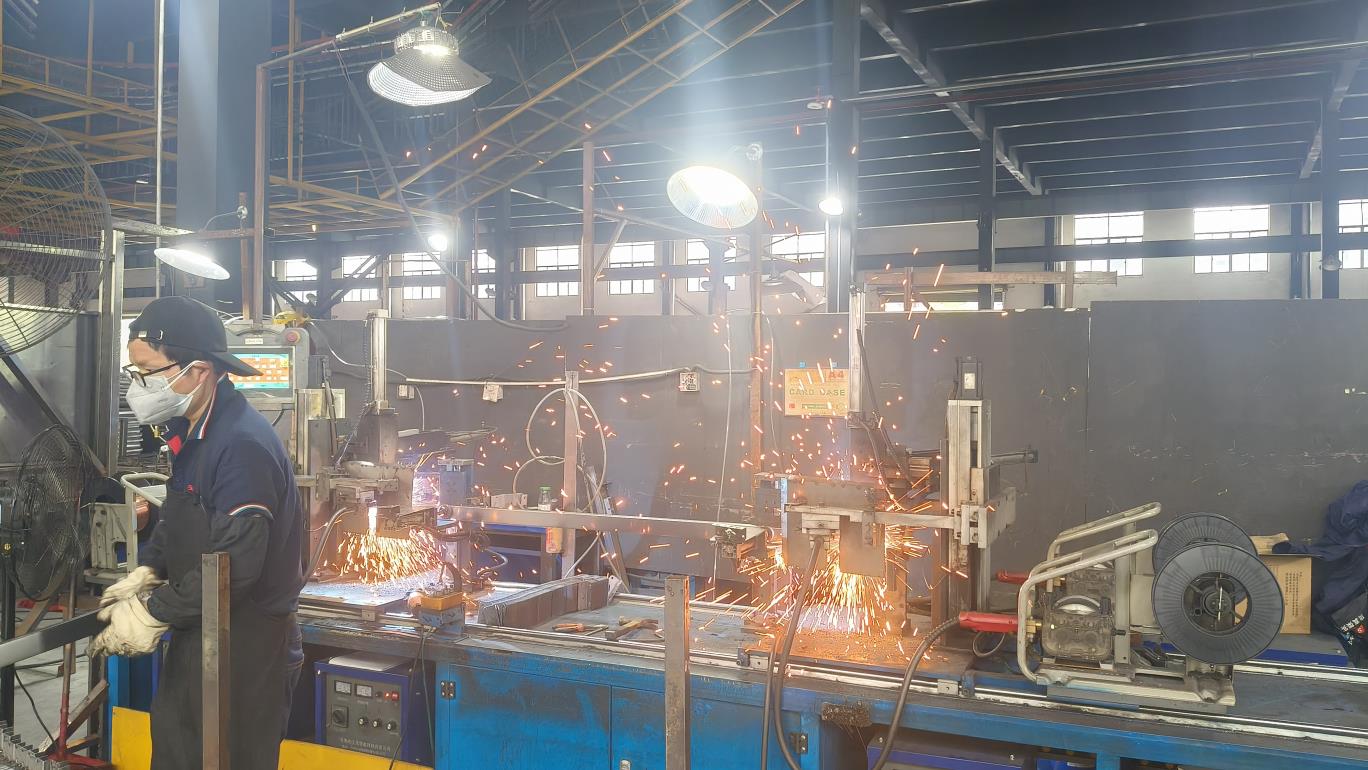
Quality and structural integrity are at the core of our manufacturing philosophy. Backed by a dedicated quality control team of 35 QA/QC inspectors, we implement rigorous multi-stage quality assurance processes, including Ultrasonic Testing (UT) for weld seams, load-bearing stress analysis, coating thickness verification, and raw material tensile testing.
Operating with a robust international trade setup, our primary markets cover North America, Western Europe, Southeast Asia, and Australia. To maintain efficient production cycles and reliable raw material supply, we partner with over 850 supply chain vendors. Our diverse client portfolio spans 3PL logistics providers, automated distribution centers, retail mega-warehouses, and heavy manufacturing facilities.
Innovation drives our growth. Our in-house R&D department boasts 22 experienced structural and mechanical engineers. Through strong technical capability and advanced OEM/ODM versatility, we offer extensive customization options, including tailored load capacities, custom powder-coating colors, seismically engineered beam profiles, and modular height configurations. Demonstrating our commitment to evolving market needs, we launched 140 new products and optimized structural components over the past year alone.
Technical and regulatory insights on deploying 1000KG racking systems in Washington State.
Racking designs in the Seattle market must comply with the International Building Code (IBC) and ASCE 7 structural design provisions. Because Seattle falls into Seismic Design Categories D through F, racking frames require heavy duty baseplates (often 5"x7" or larger), dual anchoring bolts per post, and engineered bracing patterns. Structural calculations sealed by a licensed Professional Engineer (PE) registered in Washington State are typically required for local permitting.
The 1000KG (approx. 2,205 lbs) limit represents the safe Uniformly Distributed Load (UDL) per shelf level (typically comprised of two support beams). The cumulative vertical load capacity of the upright bay itself (which can exceed 10,000KG depending on height configurations) is limited by the vertical spacing of the beams (unsupported span length).
Our manufacturing facility utilizes advanced mechanical welding units for consistency and deploys 35 dedicated QA/QC inspectors who run regular Ultrasonic Testing (UT) along critical structural weld joints. We conduct random raw-material destructive tensile tests to verify yield strengths exceed safe operating parameters.
Yes, our fully automated powder-coating lines support a wide spectrum of customizable RAL color options. This allows integration with your corporate branding and aids warehouse zone division for distinct logistics workflows.
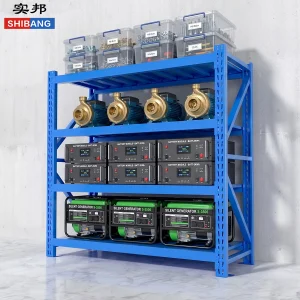
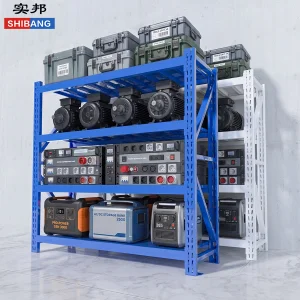
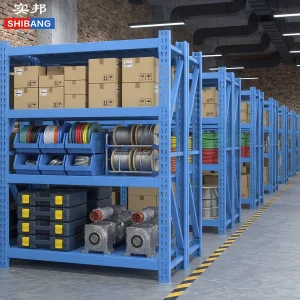
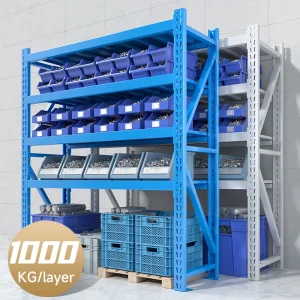
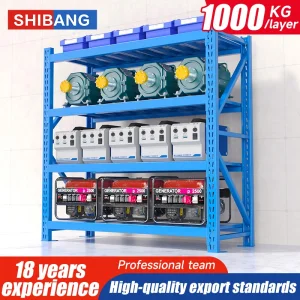
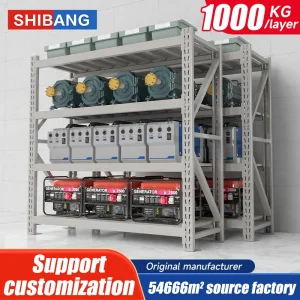
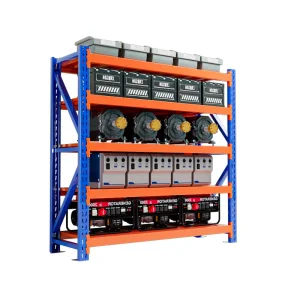
Select product configurations engineered to perform under continuous load demands in standard industrial layouts.
Get direct support from our engineering and sales teams. We assist with seismic calculations, customized layout configuration drafts, and competitive pricing for the Seattle metropolitan area.
Send Inquiry Now Shibang Rack