Engineered to maximize overhead capacity, enforce safety profiles, and streamline inventory access under heavy-duty operations.
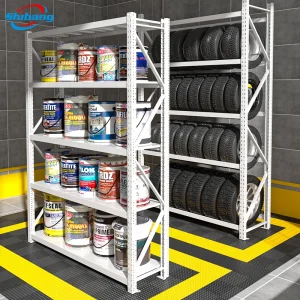
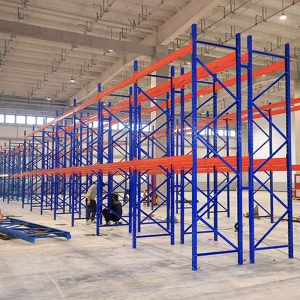
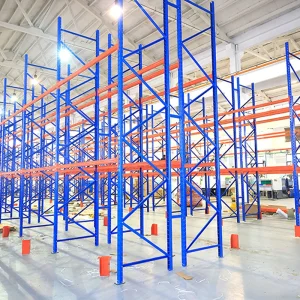
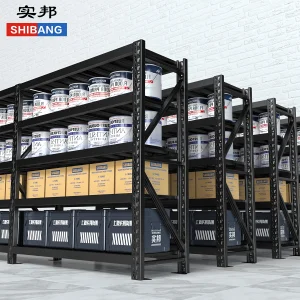
An analytical overview of vertical spatial mechanics, raw material specifications, and regulatory frameworks required for mission-critical logistics operations.
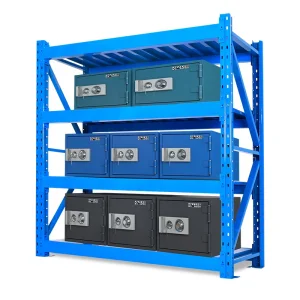
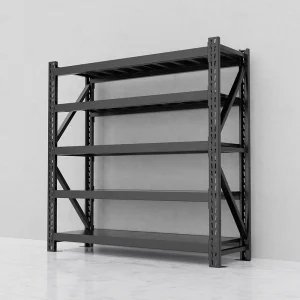
In modern industrial facilities, the push toward maximizing vertical space is no longer just an optional efficiency improvement—it is an economic necessity. Real estate costs, coupled with the rapid expansion of global third-party logistics (3PL) and automated distribution centers, dictate that businesses store more inventory per square meter than ever before. To address this demand safely and efficiently, structural engineering teams must carefully design and manufacture vertical warehouse racks that can withstand immense static and dynamic stresses. A high-performance storage system is constructed from high-grade steel, such as carbon-structured Q235 and Q355. These materials undergo precision cold-roll forming to create upright profiles and load-bearing beams with optimized load-to-weight ratios.
Global procurement teams face several challenges when sourcing racking systems across international borders. Beyond simple cost calculations, enterprise buyers must focus on strict compliance with regional building standards. This includes complying with the Rack Manufacturers Institute (RMI) standards in North America, EN 15512 codes in the European Union, and AS 4084 regulations in Australia. The engineering designs must accommodate seismic forces, localized wind loads for semi-outdoor structures, and potential fork-truck impact profiles. Furthermore, components must feature durable surface treatments, such as electrostatic powder coatings or hot-dip galvanization. These protective layers prevent oxidation and preserve structural integrity over long-term operations.
By implementing variable horizontal beam spans and teardrop or slotted upright profiles, our racking configurations allow users to adjust vertical shelf spacing in increments of 50mm or 75mm. This adaptability maximizes warehouse density and accommodates diverse cargo heights.
Each load-bearing profile is subjected to finite element analysis (FEA) to calculate stress distribution, elastic deformation, and buckling limits. This process ensures the racking components exceed standard safety factor margins under maximum loading limits.
We apply high-grade epoxy-polyester powder coatings that undergo thermal curing at 200°C. This treatment produces a resilient surface that resists chipping, scratching, chemical exposure, and humidity, ensuring durability in demanding environments.
An established industry leader delivering reliable, heavy-duty industrial storage racks and custom warehouse organization systems worldwide.
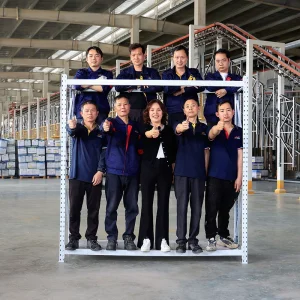
Established in 2016, Ningbo Shibang Storage Rack Co., Ltd. is a leading enterprise specializing in the design, manufacture, and global distribution of heavy-duty industrial warehouse racking systems. Spanning a modern manufacturing facility of 32,000 m², our company has accumulated 12 years of industry experience and 8 years of direct export expertise, serving global clients with total annual export revenue reaching $18 million.
Quality and structural integrity are at the core of our manufacturing philosophy. Backed by a dedicated quality control team of 35 QA/QC inspectors, we implement rigorous multi-stage quality assurance processes, including Ultrasonic Testing (UT) for weld seams, load-bearing stress analysis, coating thickness verification, and raw material tensile testing.
Operating with a robust international trade setup, our primary markets cover North America, Western Europe, Southeast Asia, and Australia. To maintain efficient production cycles and reliable raw material supply, we partner with over 850 supply chain vendors. Our diverse client portfolio spans 3PL logistics providers, automated distribution centers, retail mega-warehouses, and heavy manufacturing facilities.
Innovation drives our growth. Our in-house R&D department boasts 22 experienced structural and mechanical engineers. Through strong technical capability and advanced OEM/ODM versatility, we offer extensive customization options, including tailored load capacities, custom powder-coating colors, seismically engineered beam profiles, and modular height configurations. Demonstrating our commitment to evolving market needs, we launched 140 new products and optimized structural components over the past year alone.
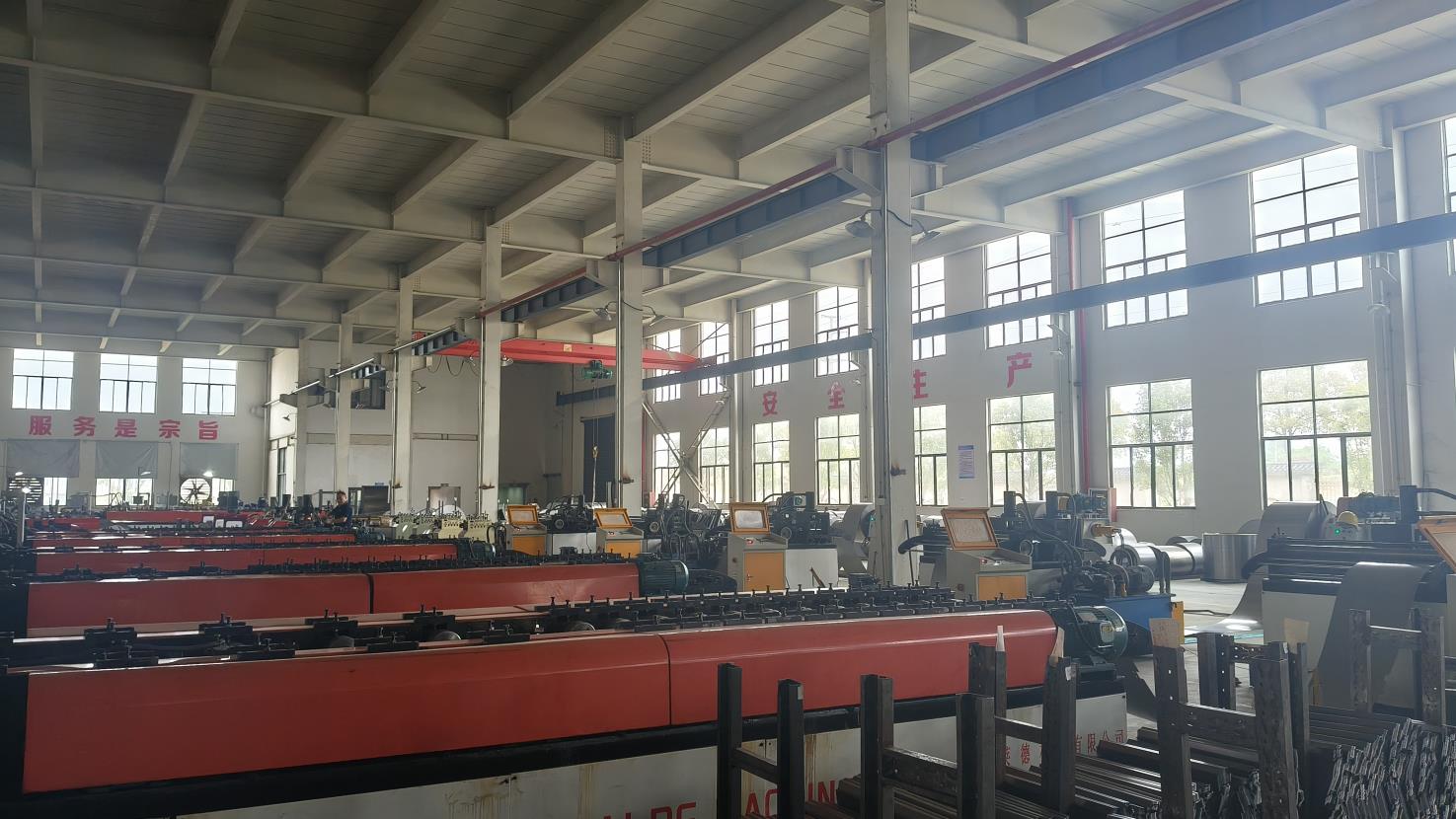
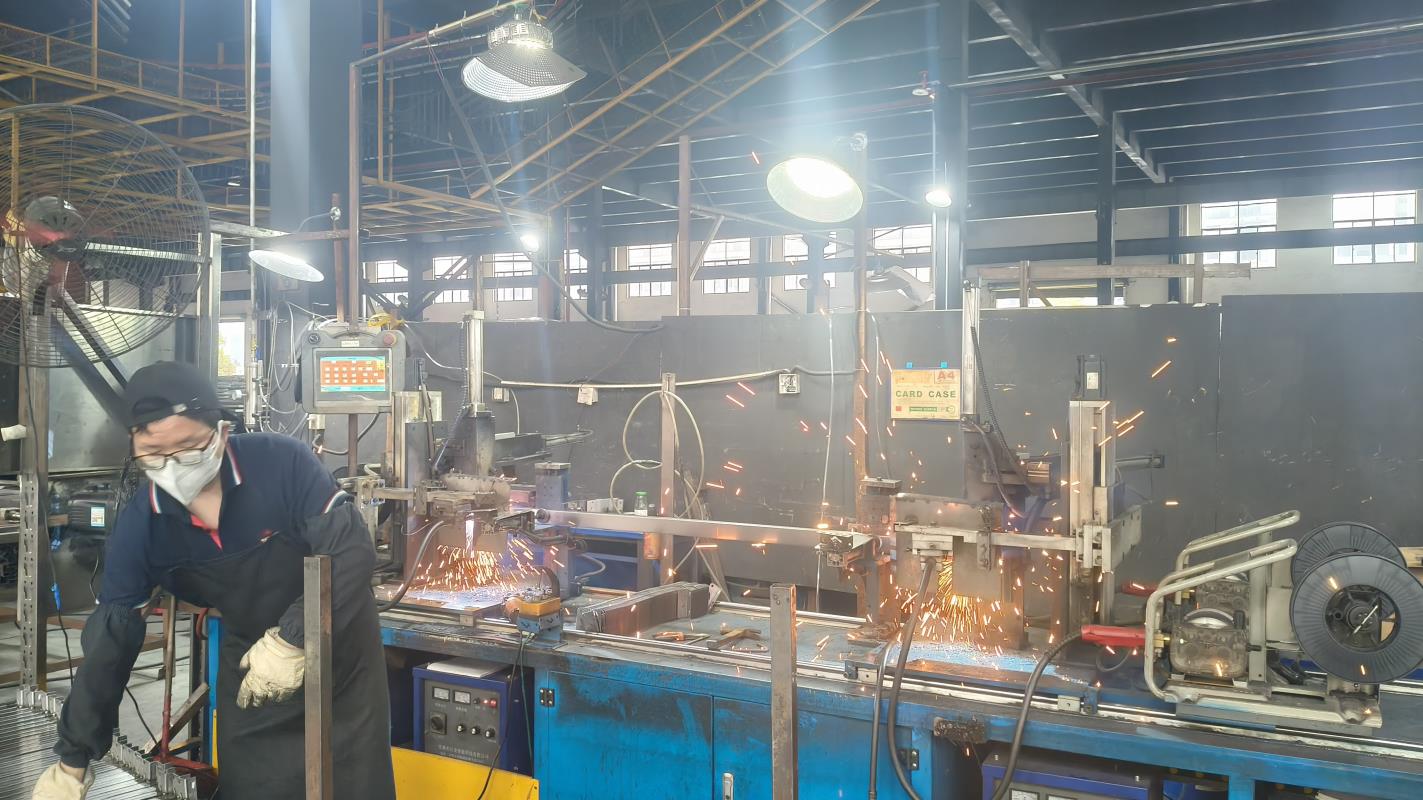
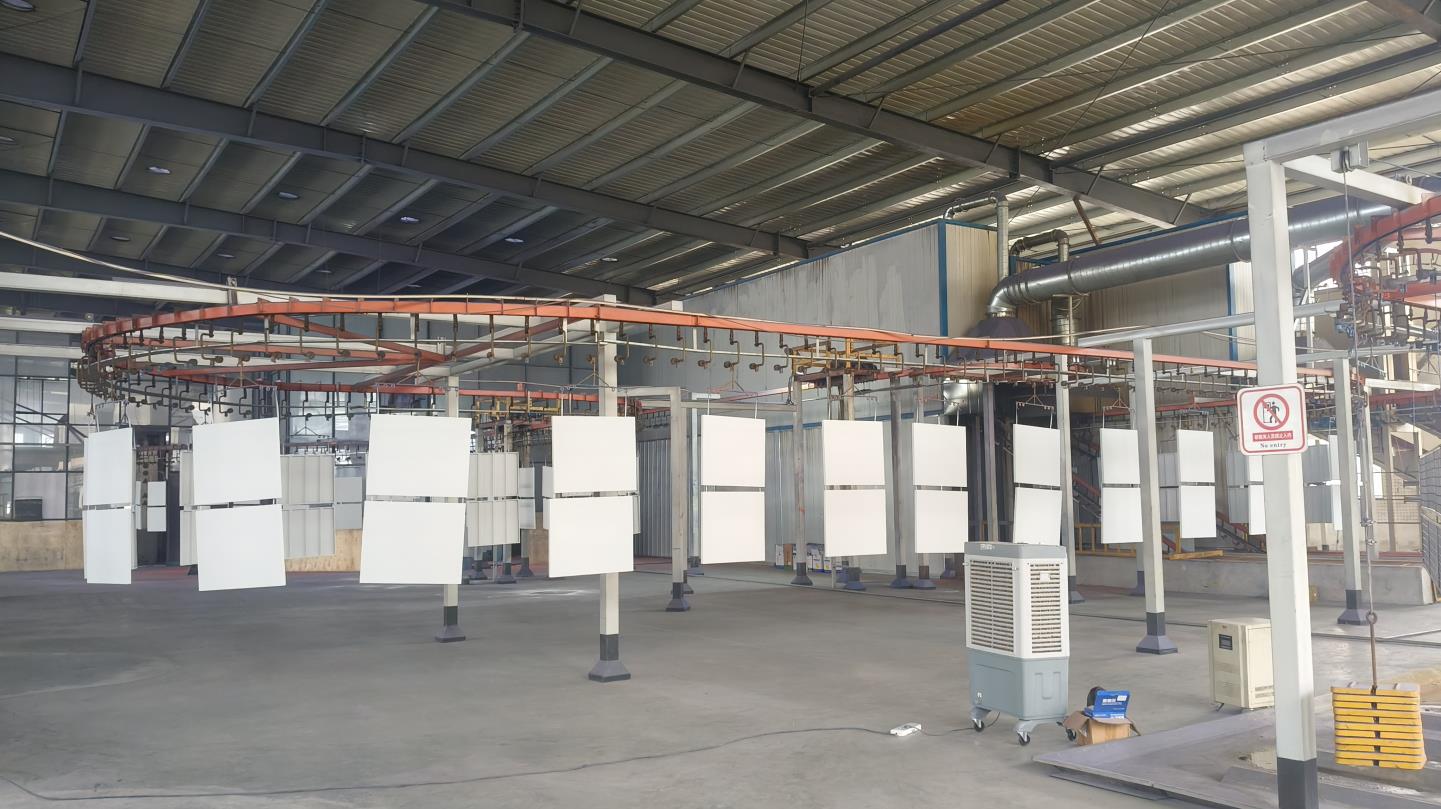
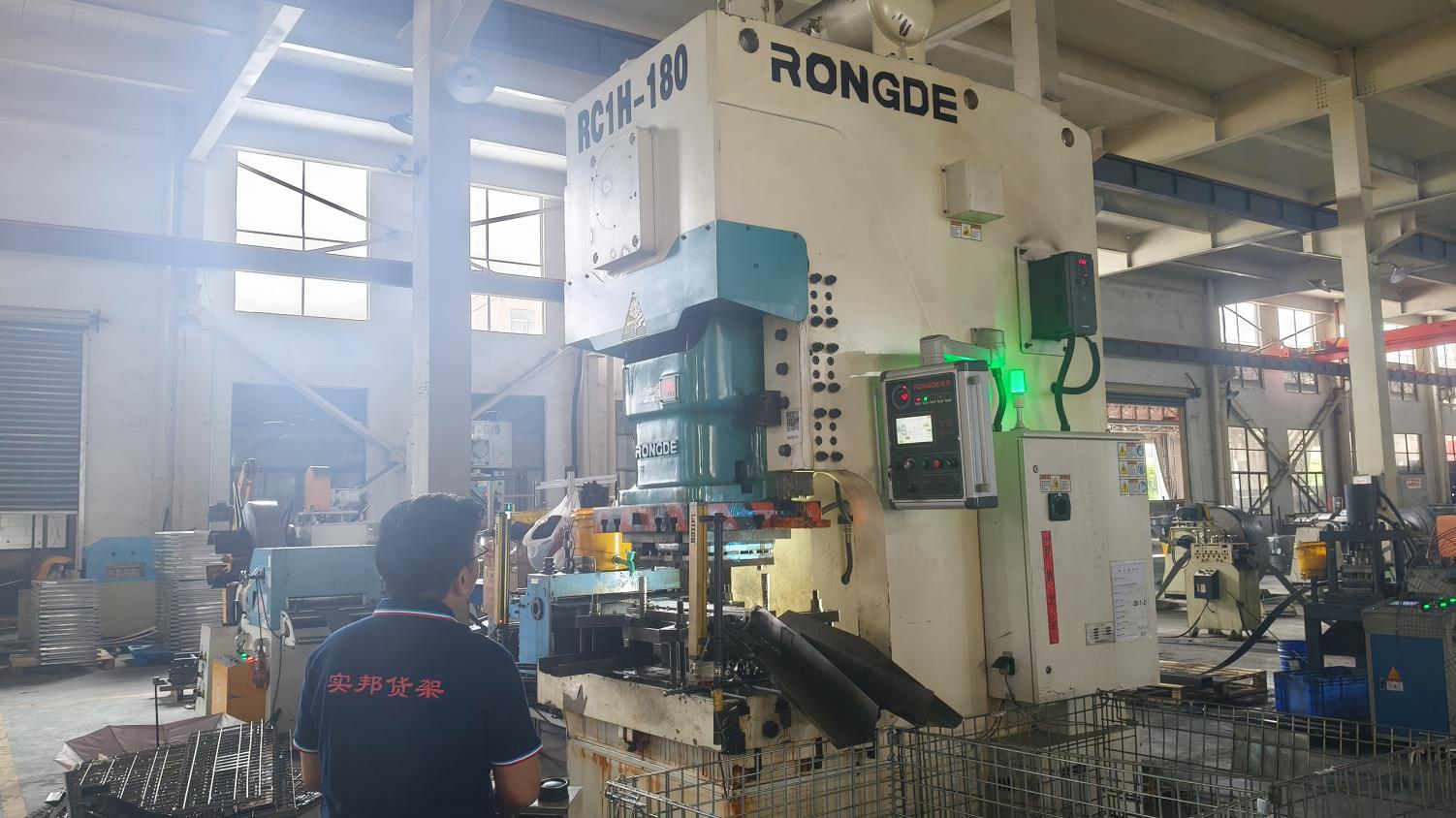
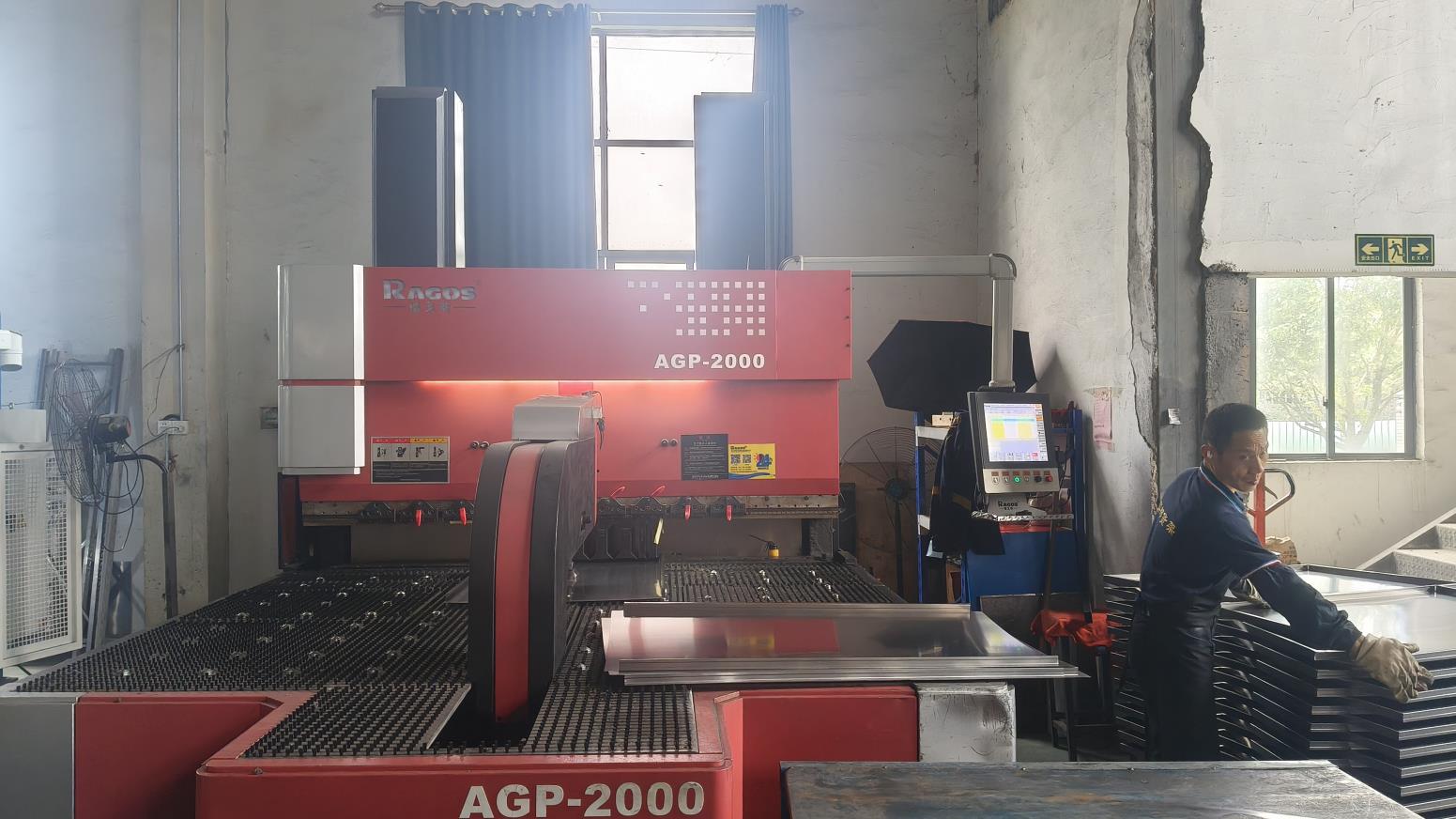
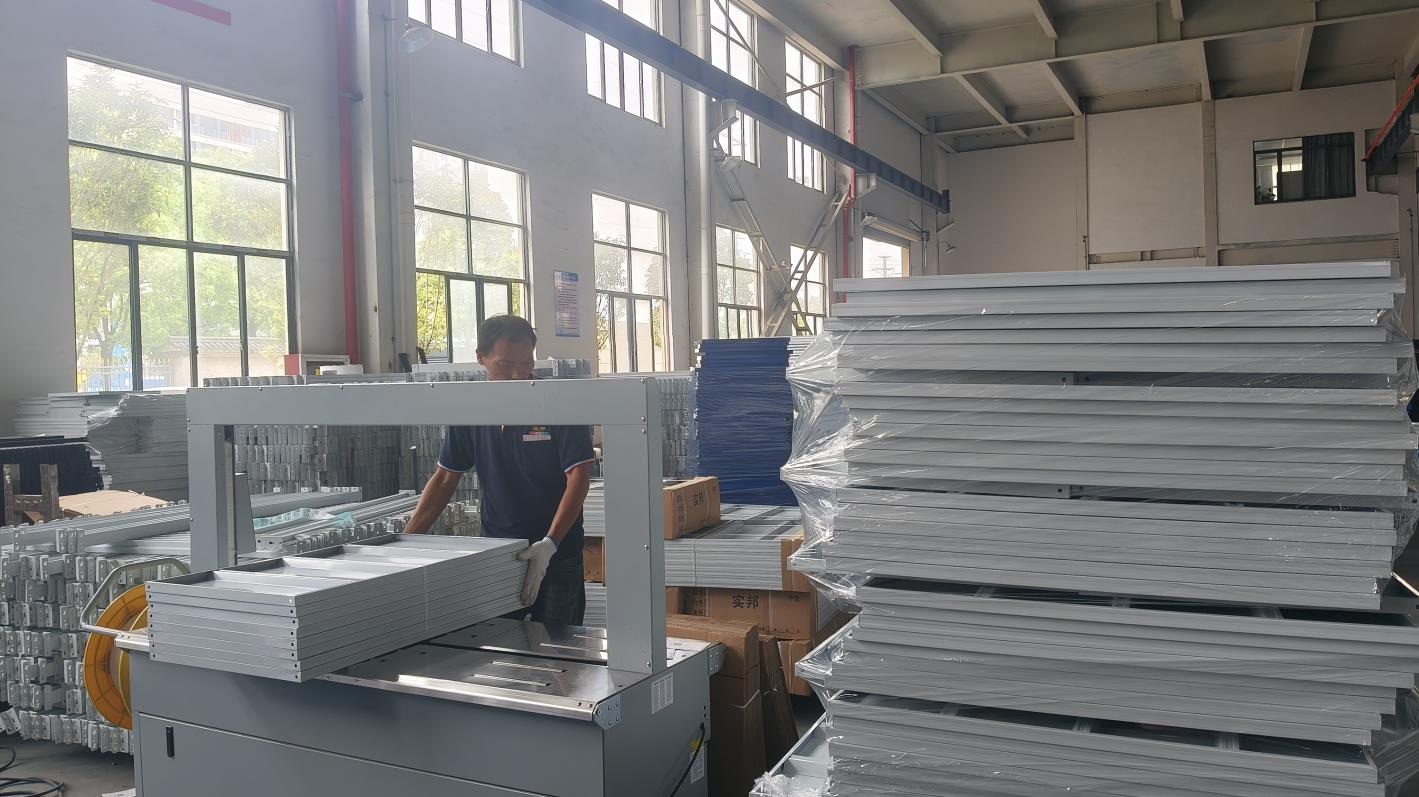
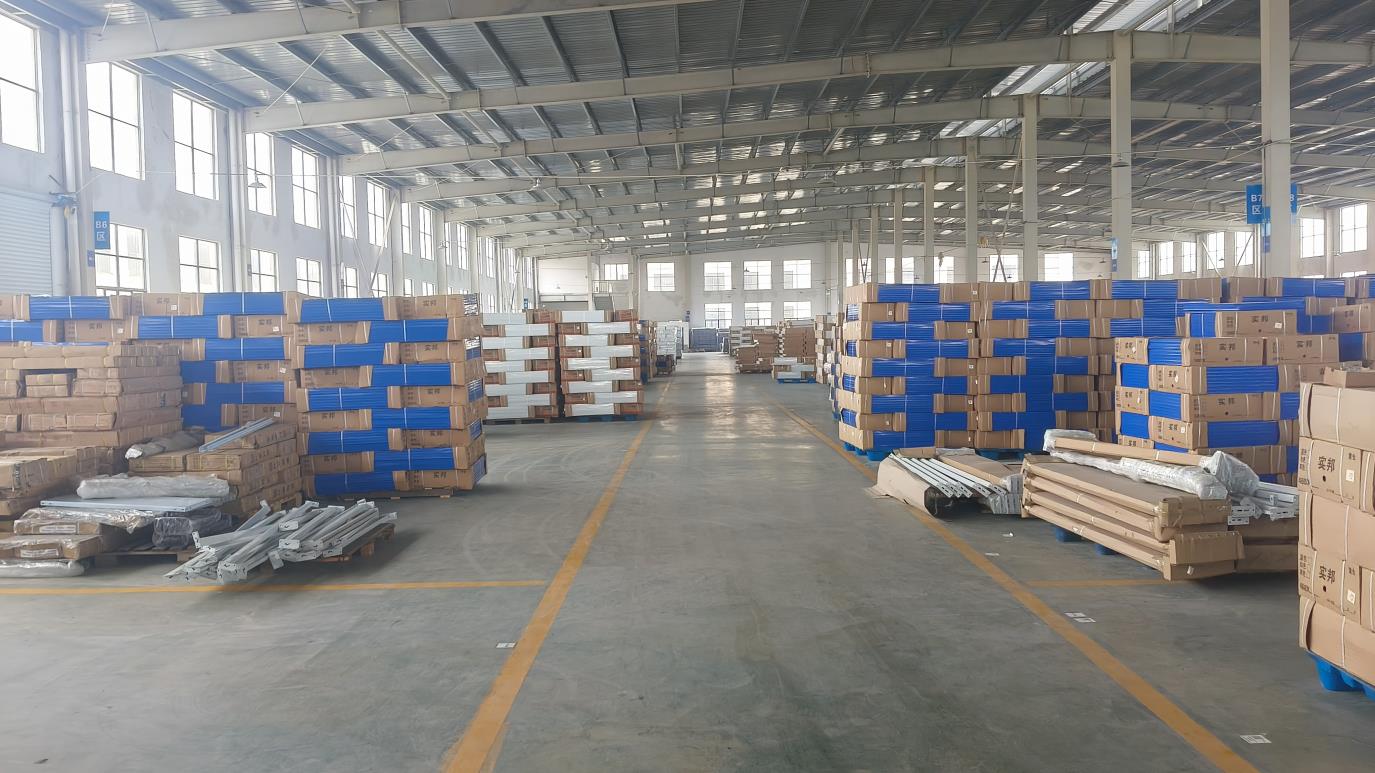
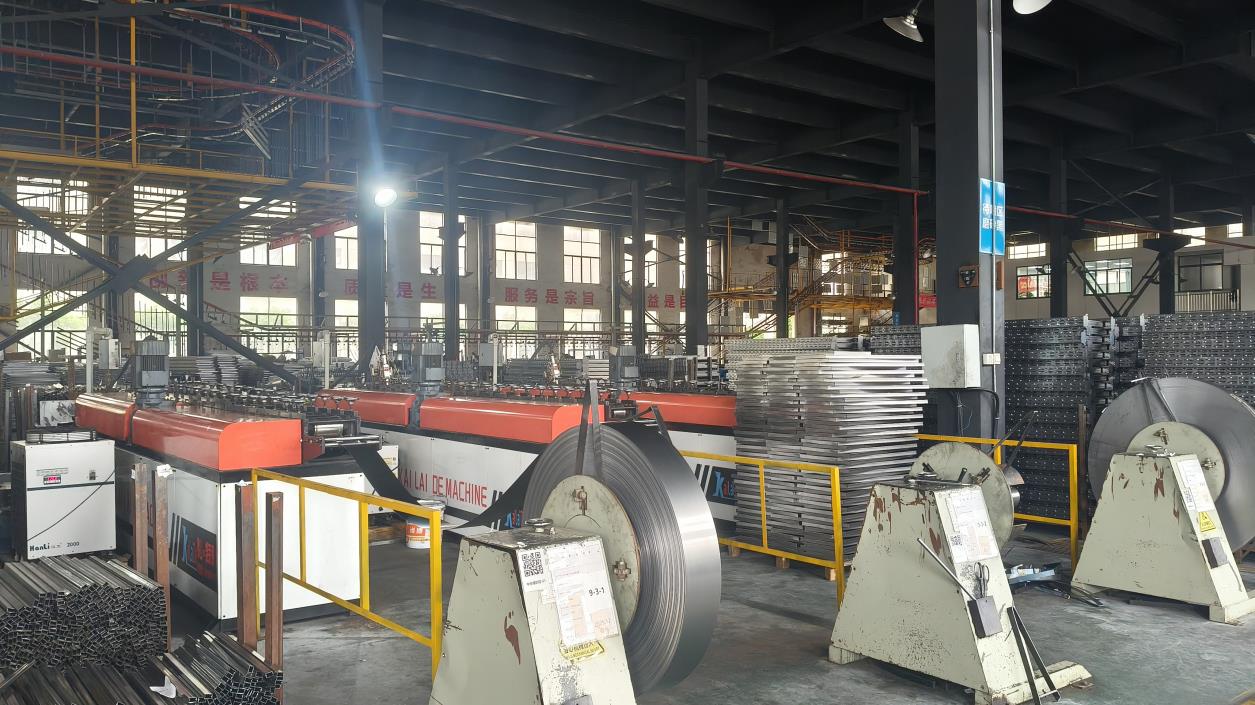
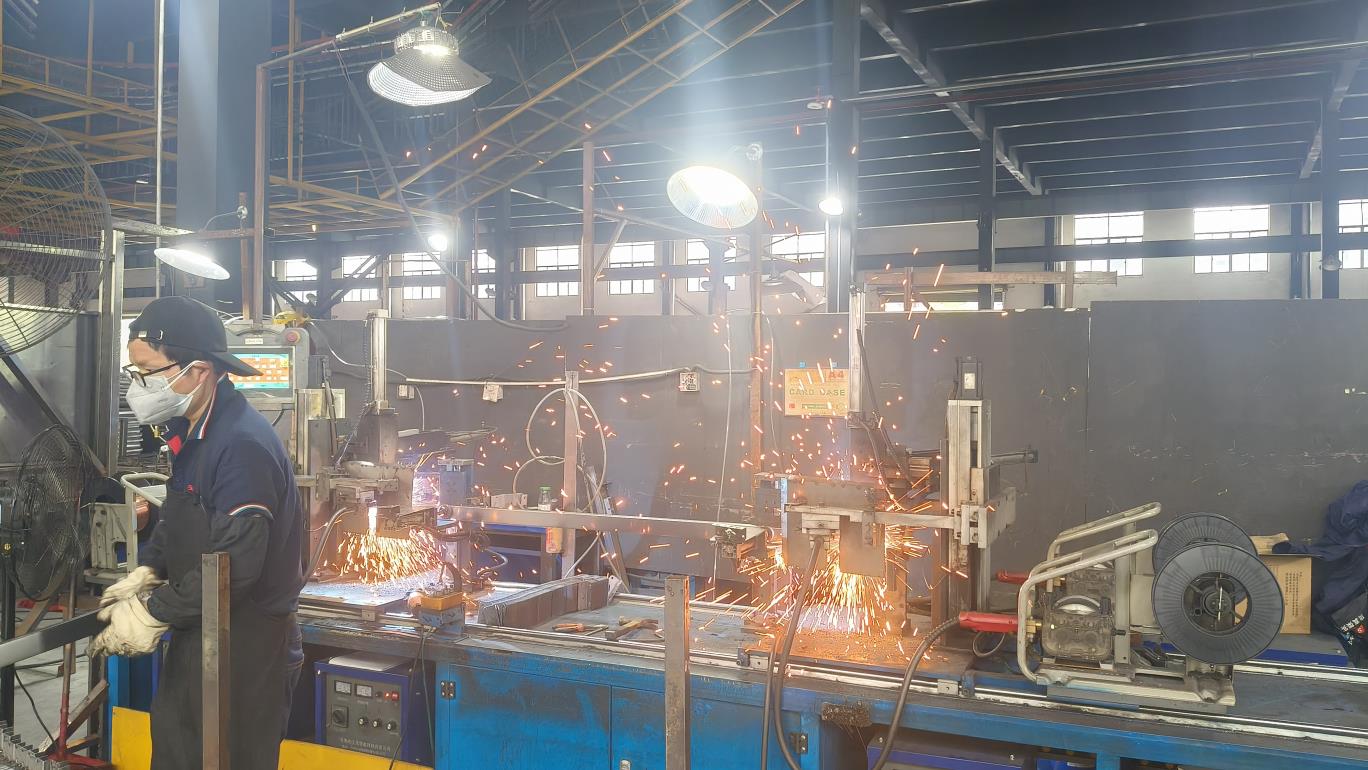
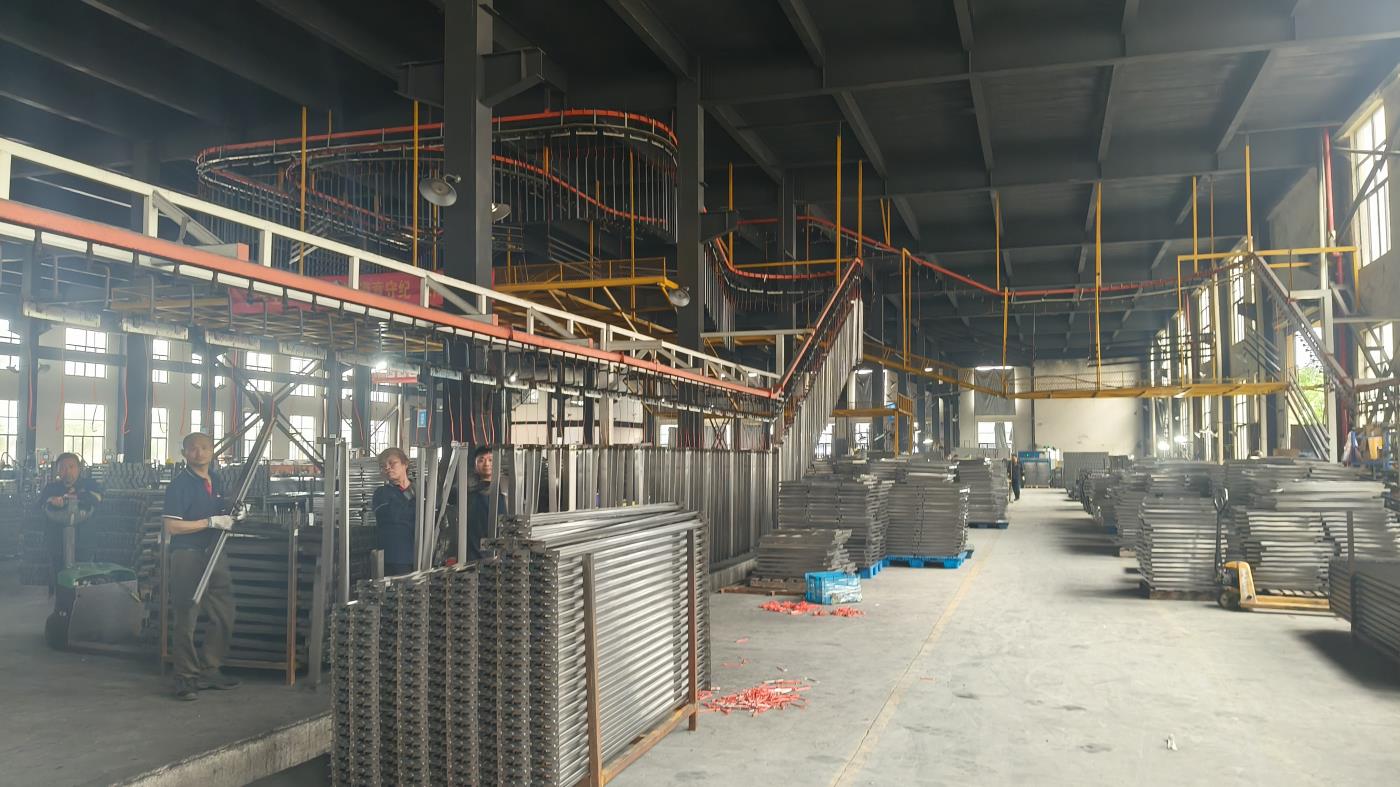
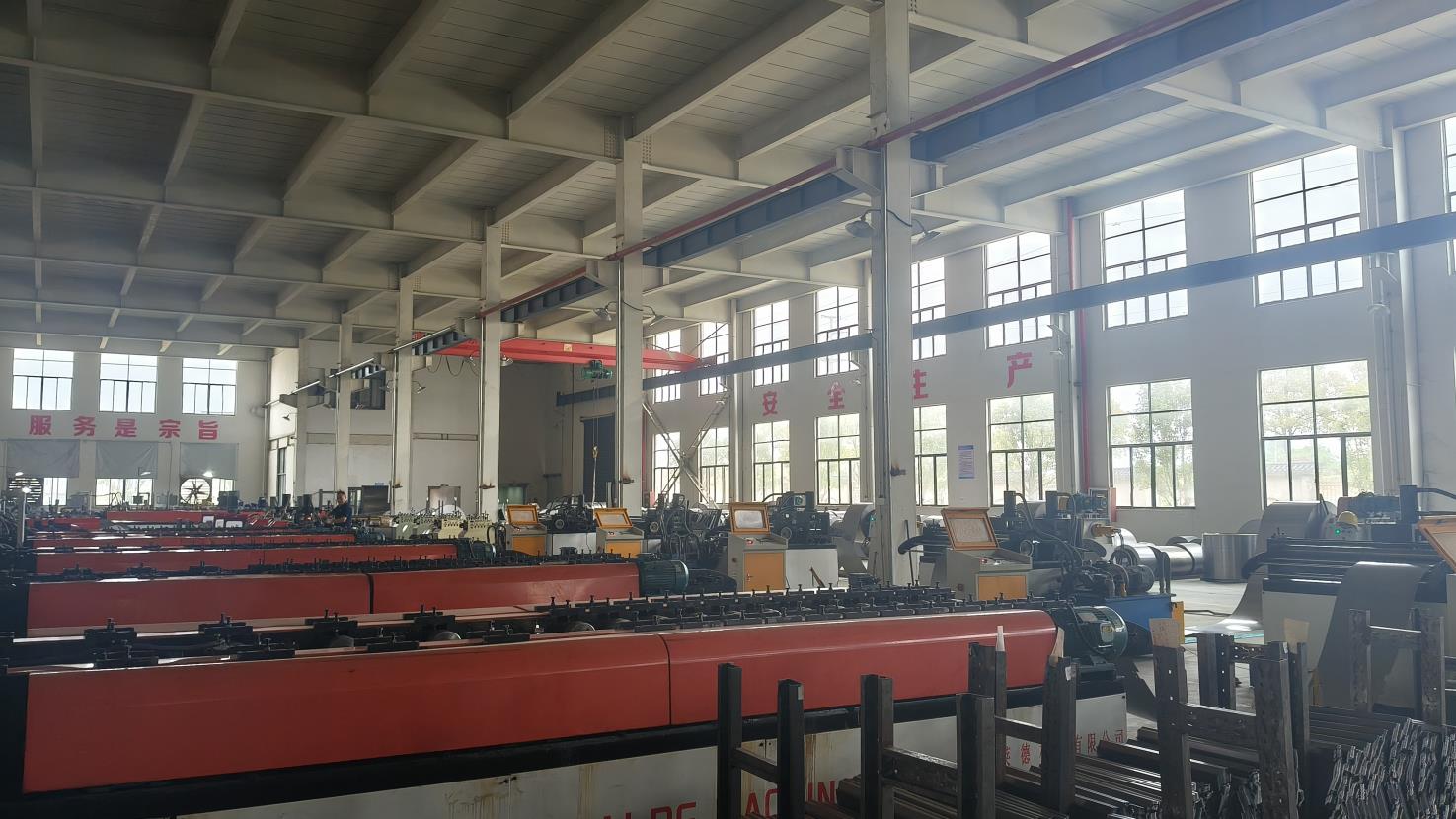
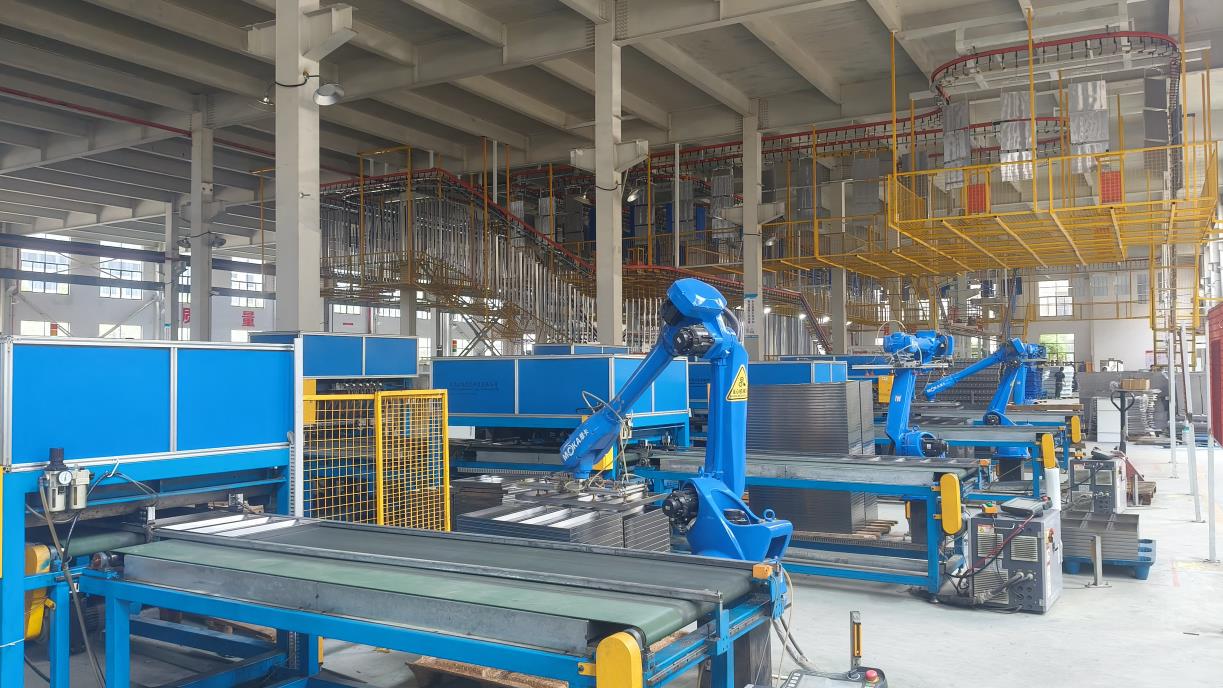
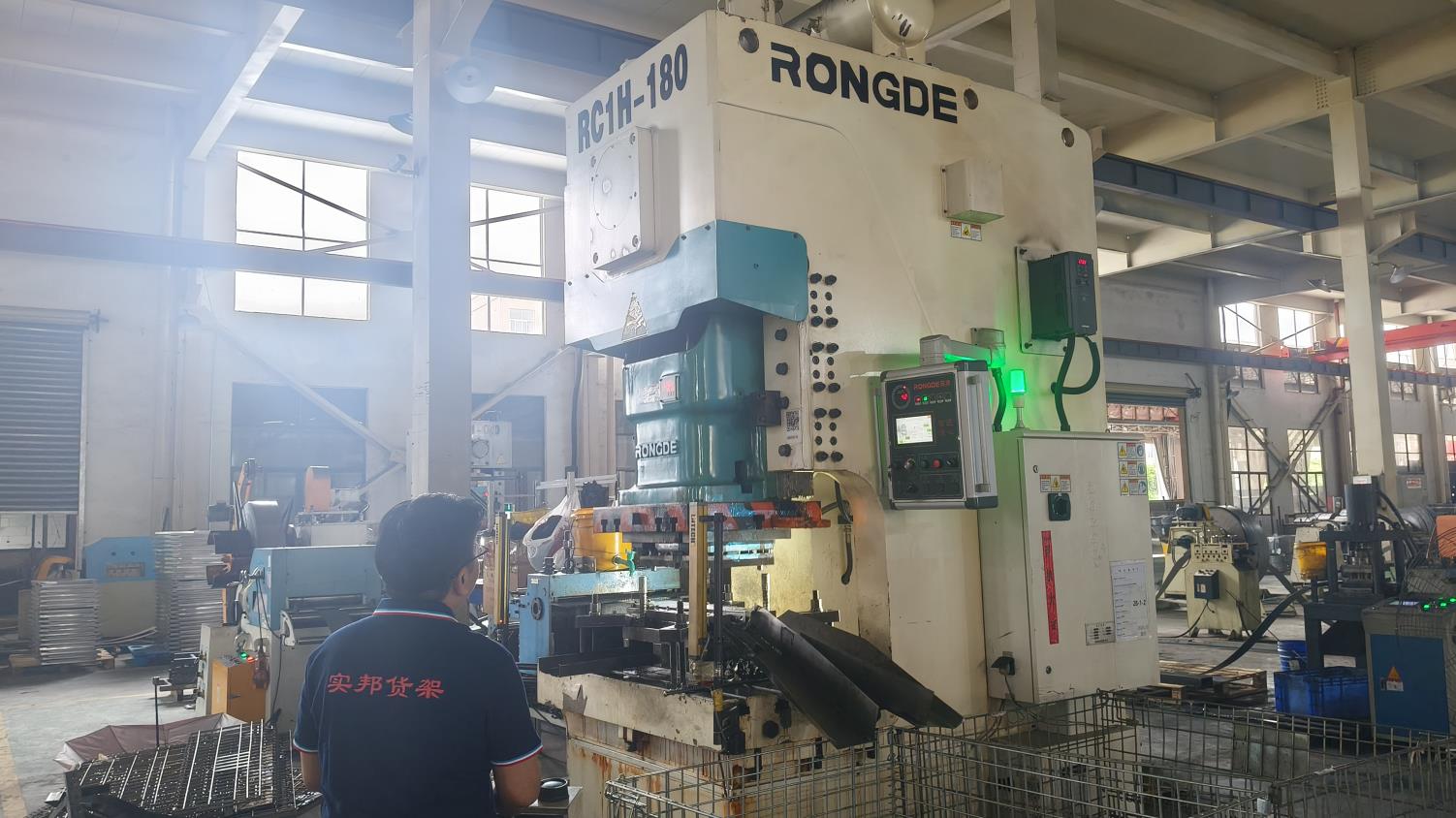
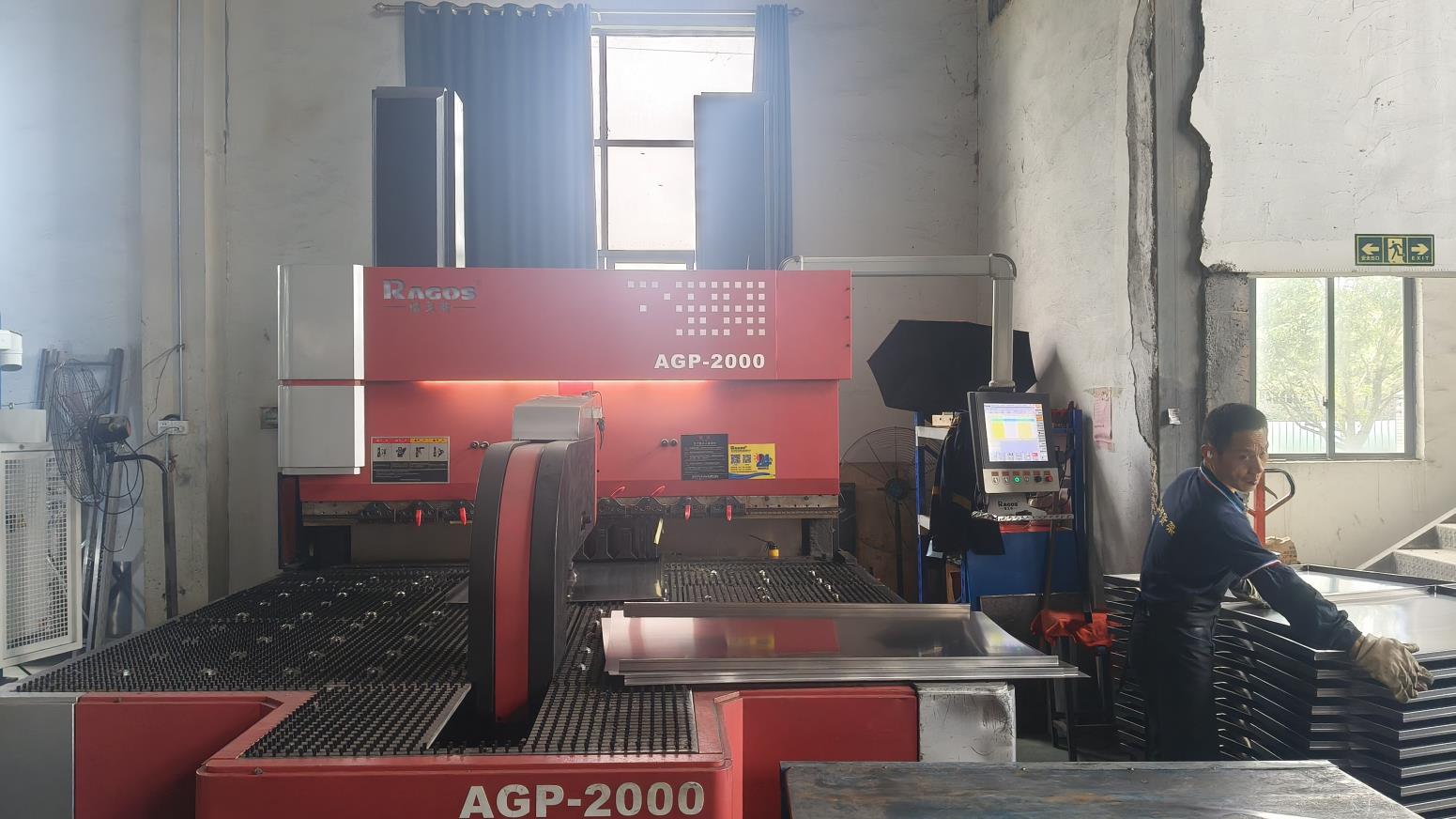
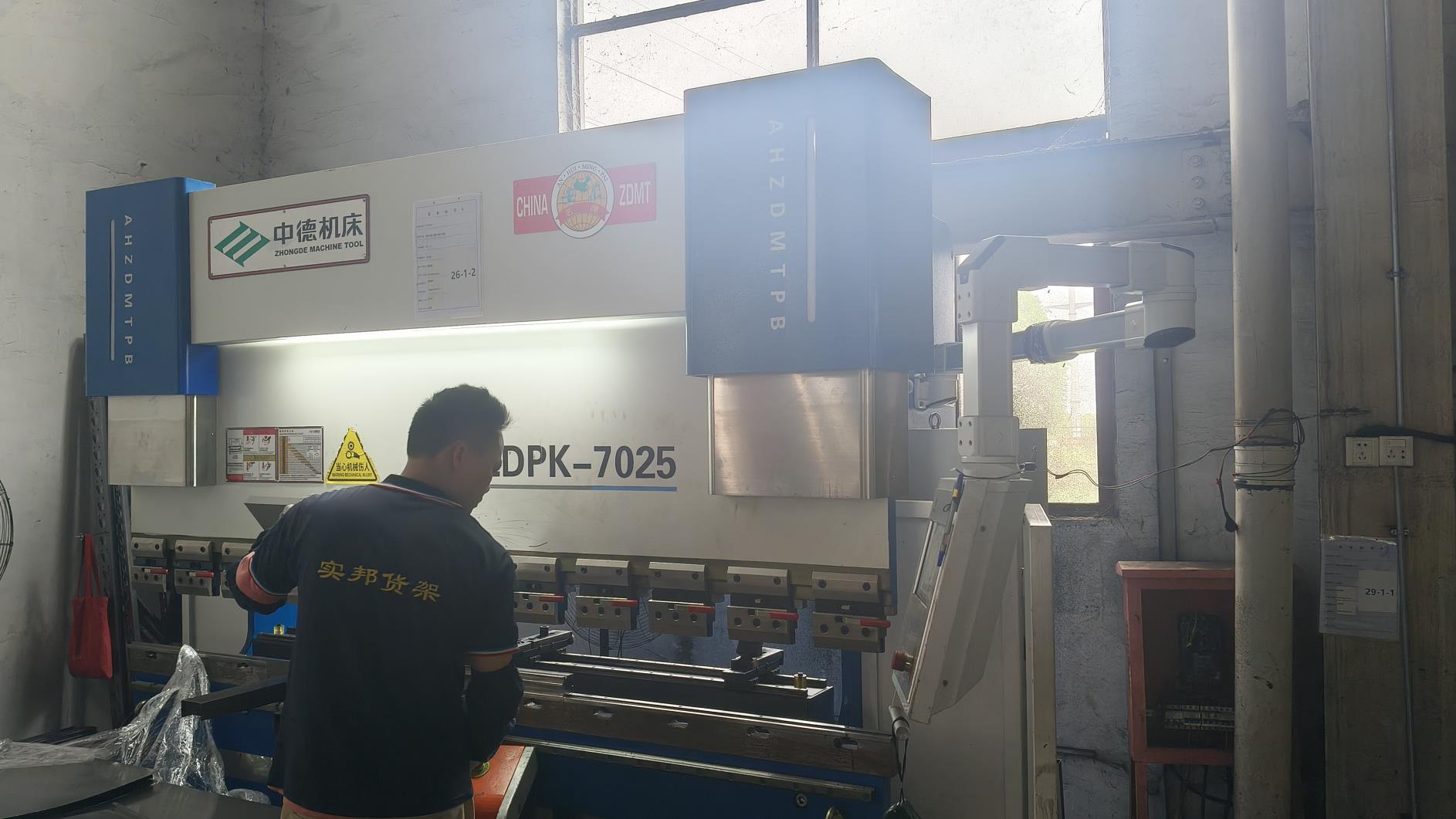
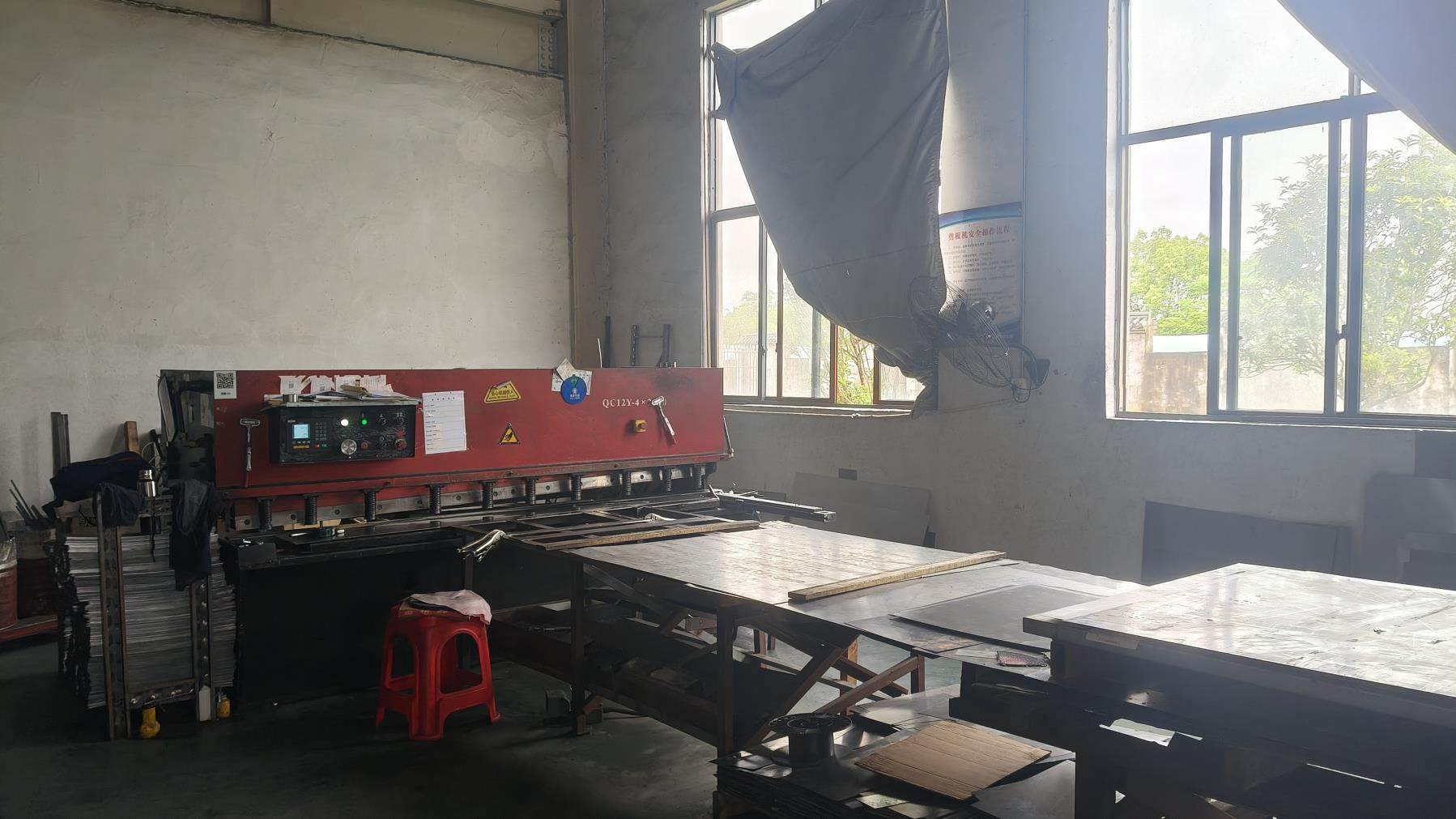
Discover how localized steel clusters, precision automated production, and logistical hubs ensure reliable global delivery.
The manufacturing cluster located in the Ningbo industrial zone provides a strong foundation for producing high-quality racking systems. By partnering with leading domestic steel plants, manufacturers secure high-quality Q235 and Q355 steel coils with mill test certificates (MTC) at stable prices. This direct integration shields overseas clients from sudden market fluctuations. Additionally, raw material sourcing is supported by advanced automation inside the production plant. Automated roll-forming systems, robotic gas-metal arc welding (GMAW) cells, and automated powder coating loops operate continuously to maintain high quality and dimensional accuracy across production runs.
Proximity to Ningbo Port, one of the world's busiest container hubs, provides direct shipping routes to major international ports. This geographic advantage reduces inland transit times and port loading costs. It also enables manufacturers to offer flexible shipping options, including Free on Board (FOB), Cost, Insurance, and Freight (CIF), and Delivered Duty Paid (DDP). Additionally, manufacturers employ specialized container packing techniques to secure heavy steel components. Dynamic bracing and shock-absorption systems prevent damage during long ocean transit, ensuring that materials arrive at the job site ready for installation.
As logistics models shift toward rapid order fulfillment, modern vertical storage systems must integrate with automated warehouse technologies. Key developments include:
Modern vertical structures are engineered to handle the close tolerances required by automated storage and retrieval systems (AS/RS). Our high-bay racking systems maintain straightness and alignment across heights exceeding 20 meters, ensuring smooth crane operation.
Operating in sub-zero environments requires specialized materials. We supply low-temperature-resistant steel combined with specific powder coat formulations to prevent embrittlement and peeling in cold storage and freezer applications down to -30°C.
For installations in earthquake-prone zones, our engineering department designs heavy-duty footplates, reinforced frame bracing, and high-tensile anchor configurations. These components are modeled to dissipate seismic forces and prevent collapse.
Ensuring your storage systems meet structural regulations, safety codes, and local authority requirements.
Deploying large-scale vertical storage systems requires navigating local municipal building codes, seismic regulations, and occupational safety laws. Industrial operators must ensure that all installations comply with applicable structural engineering guidelines to avoid legal issues and protect workers. In North America, racking designs must meet RMI (Rack Manufacturers Institute) specifications and conform to local building codes (IBC). In Europe, installations must adhere to the EN 15512 code, which mandates rigorous testing of connections, baseplates, and upright profiles. In Australia, AS 4084-2012 governs the safety of steel storage racking, requiring regular inspections and load limit disclosures.
To support global clients, Ningbo Shibang provides full engineering verification and documentation. This includes finite element analysis reports, material certificates, and structural calculation proofs signed by structural engineers. We cooperate with third-party inspection firms, such as SGS, TÜV, and Intertek, to perform onsite loading audits, weld inspections, and coating thickness verification. By ensuring that every export shipment is pre-certified, we minimize construction delays and simplify approval processes with local building authorities.
North American Compliance
European Structural Code
Australian Racking Safety
Global Quality Management
Expert answers to common engineering, procurement, and logistical questions about vertical racking installations.
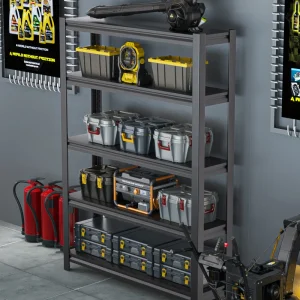
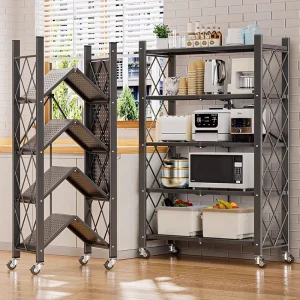
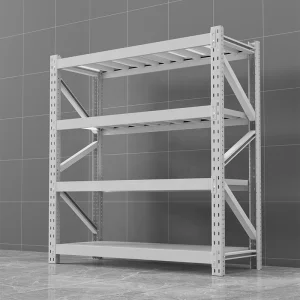
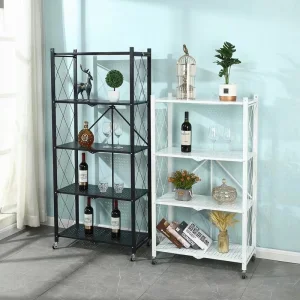
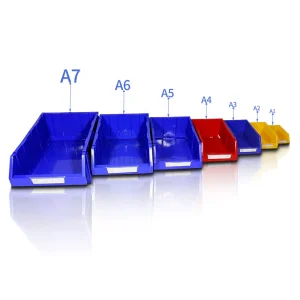
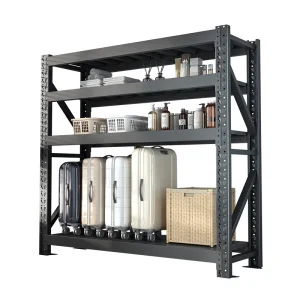
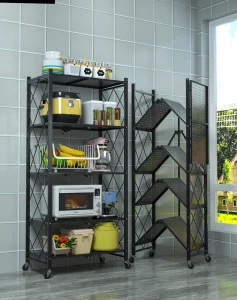
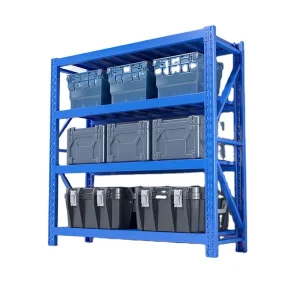
Browse our selection of versatile racking systems, ranging from high-load industrial configurations to compact, space-saving retail shelves.
 Shibang Rack