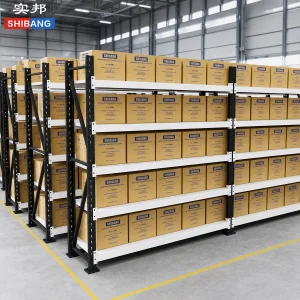
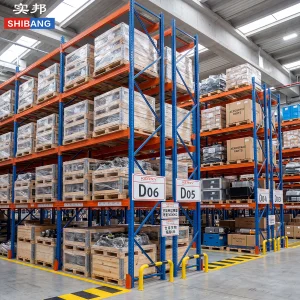
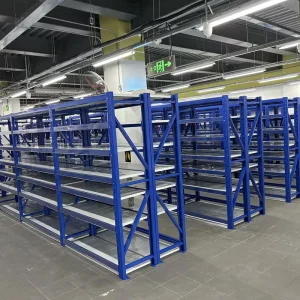
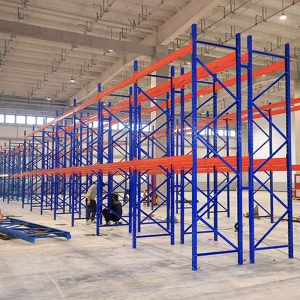
Engineered to maximize warehouse floor utilization, optimize SKU accessibility, and sustain heavy daily workflow operations.
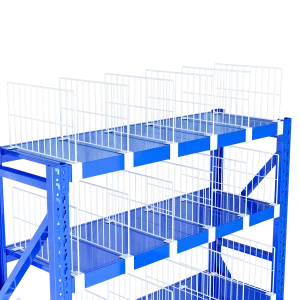
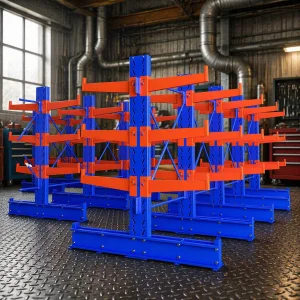
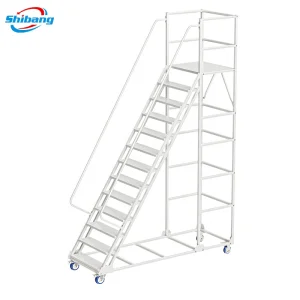
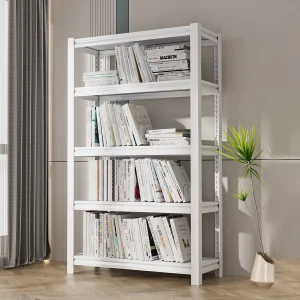
Analyzing key microeconomic challenges, warehouse automation trends, and technical standards defining modern distribution.
Medium-duty storage solutions act as the critical structural backbone for modern fulfillment networks. Operating within a load spectrum of 200kg to 800kg per tier, these systems must balance load capacity, modular adaptability, and mechanical resilience. In B2B environments, structural stability is paramount. Unlike lightweight racking, high-performance medium-duty shelving utilizes cold-rolled Q235 structural steel profiles. These profiles undergo rigorous roll-forming processes to maximize their load-to-weight ratio.
Technical Insight: Engineering calculations for deflection are typically carried out according to SEMA (Storage Equipment Manufacturers Association) standards, limiting beam deflection under maximum loading to L/200, ensuring safety and operational efficiency during manual loading or mechanical picking cycles.
The rise of multi-channel logistics, micro-fulfillment centers, and e-commerce distribution networks has shifted the demand toward modular, boltless shelving designs. Key global industry trends include:
Meets rigorous SEMA, RMI, and FEM standards. Engineered using FEA (Finite Element Analysis) for seismic stress validation.
Constructed utilizing prime Q235 structural steel cold-rolled sheets, ensuring consistent tensile strength properties.
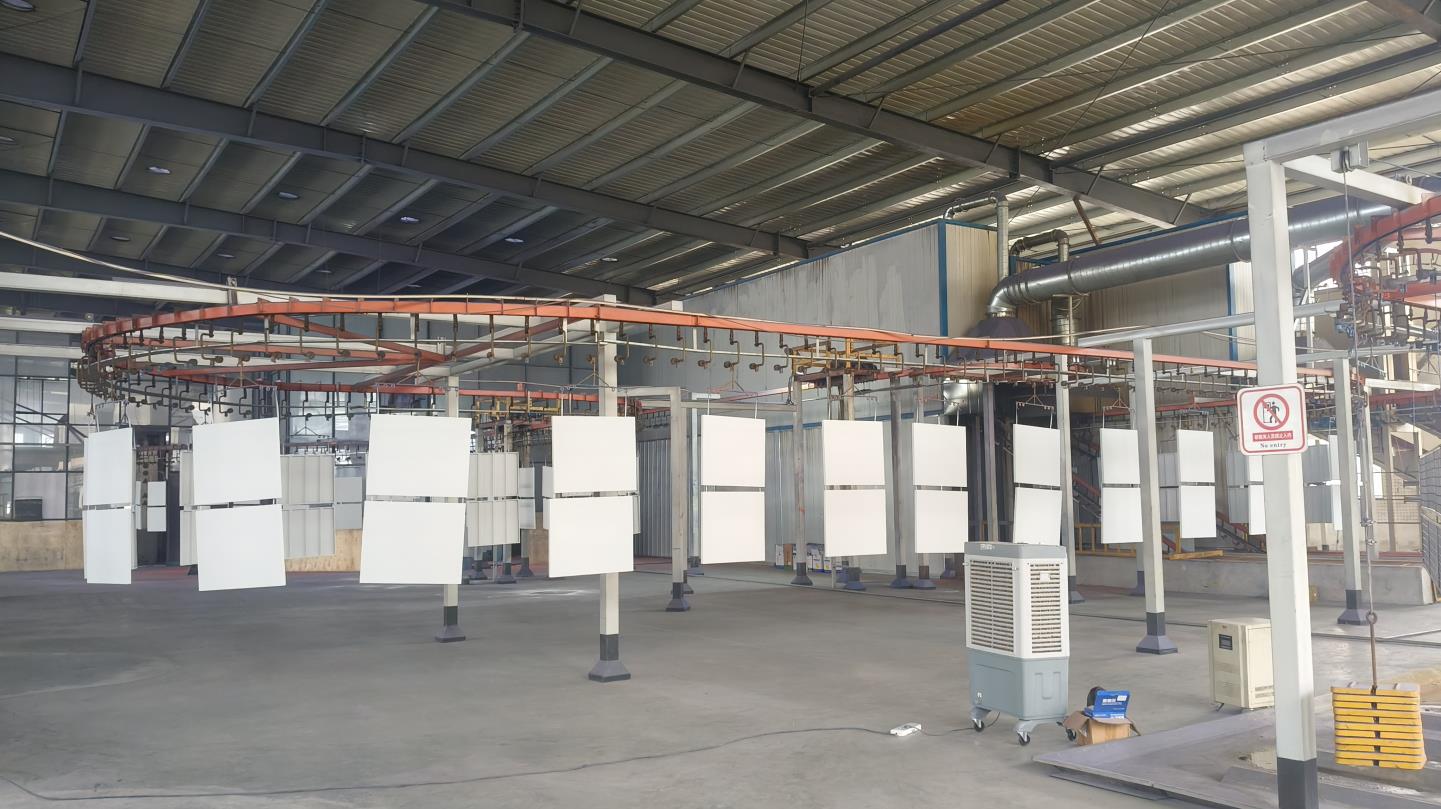
Features a multi-stage chemical pretreatment line followed by premium thermosetting electrostatic powder coating.
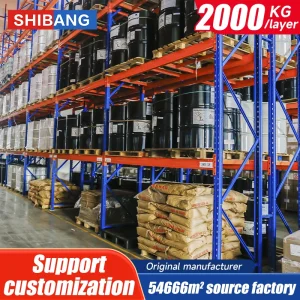
A transparent look inside Ningbo Shibang's 32,000 m² state-of-the-art facility, demonstrating structural integrity and supply chain capability.
At Ningbo Shibang Storage Rack Co., Ltd., we combine advanced roll-forming machinery, automated mechanical arms, and a high-efficiency powder coating line to maintain high precision across our product portfolio. By maintaining over 850 direct supply chain connections, we ensure immediate raw material availability even during turbulent market periods, securing stable lead times for our global clients.
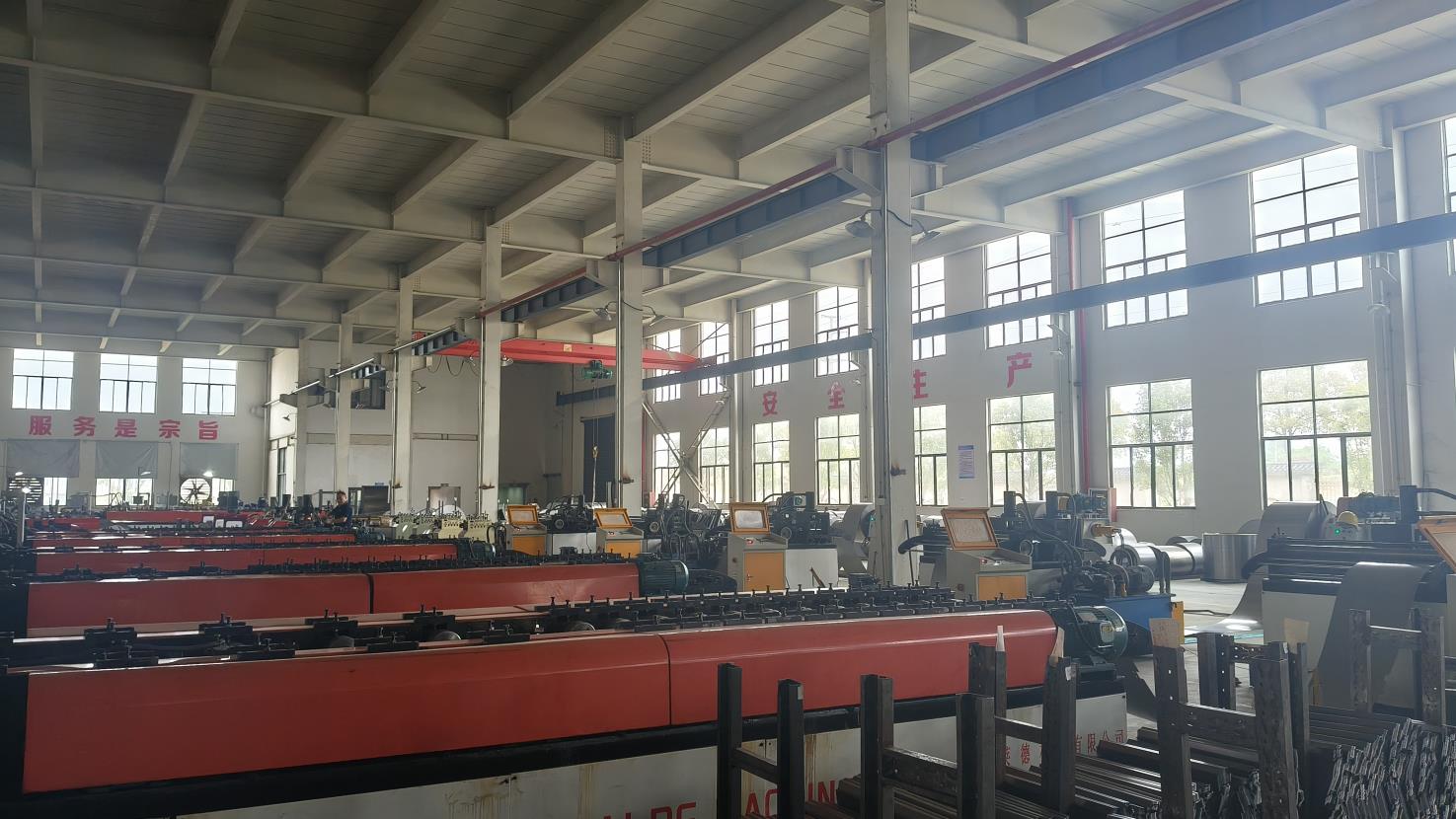
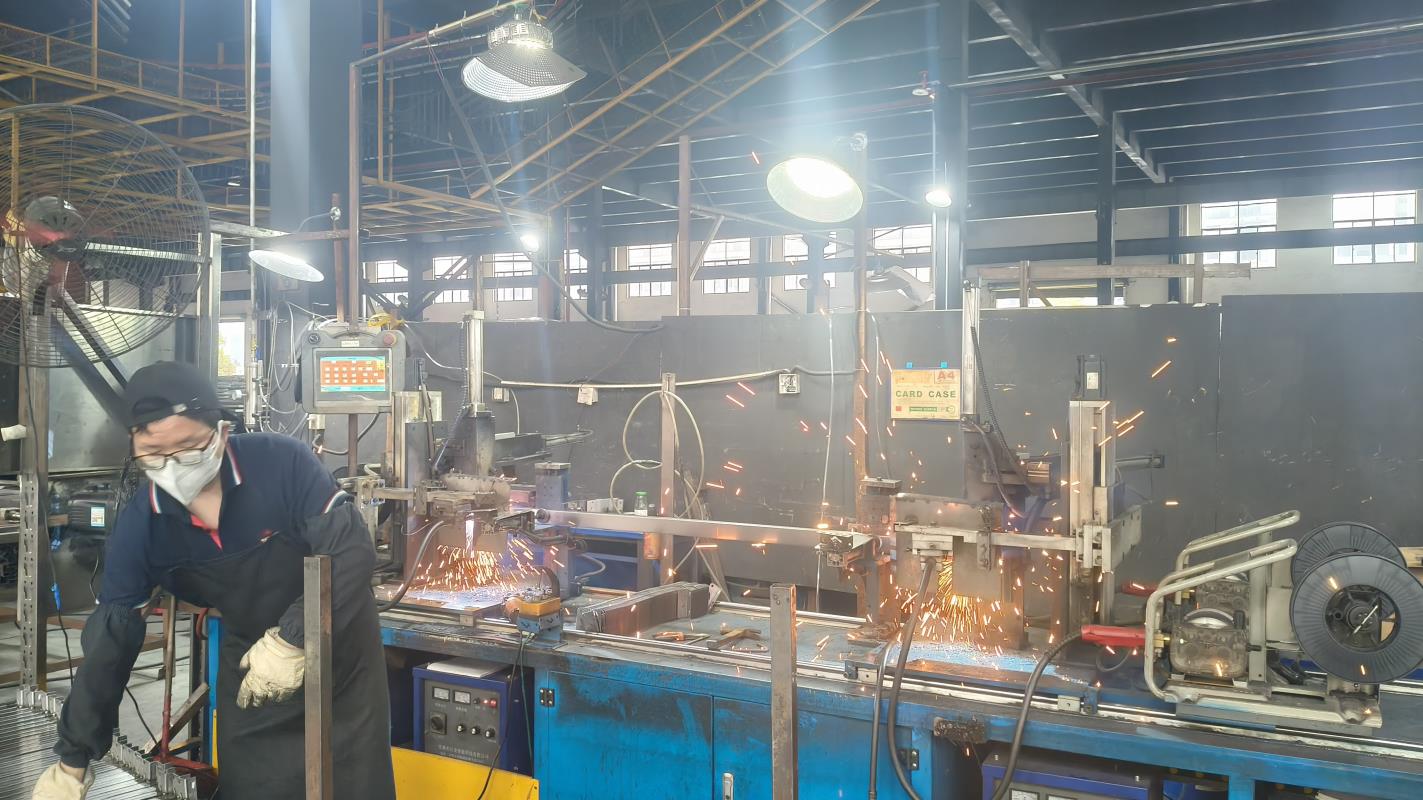
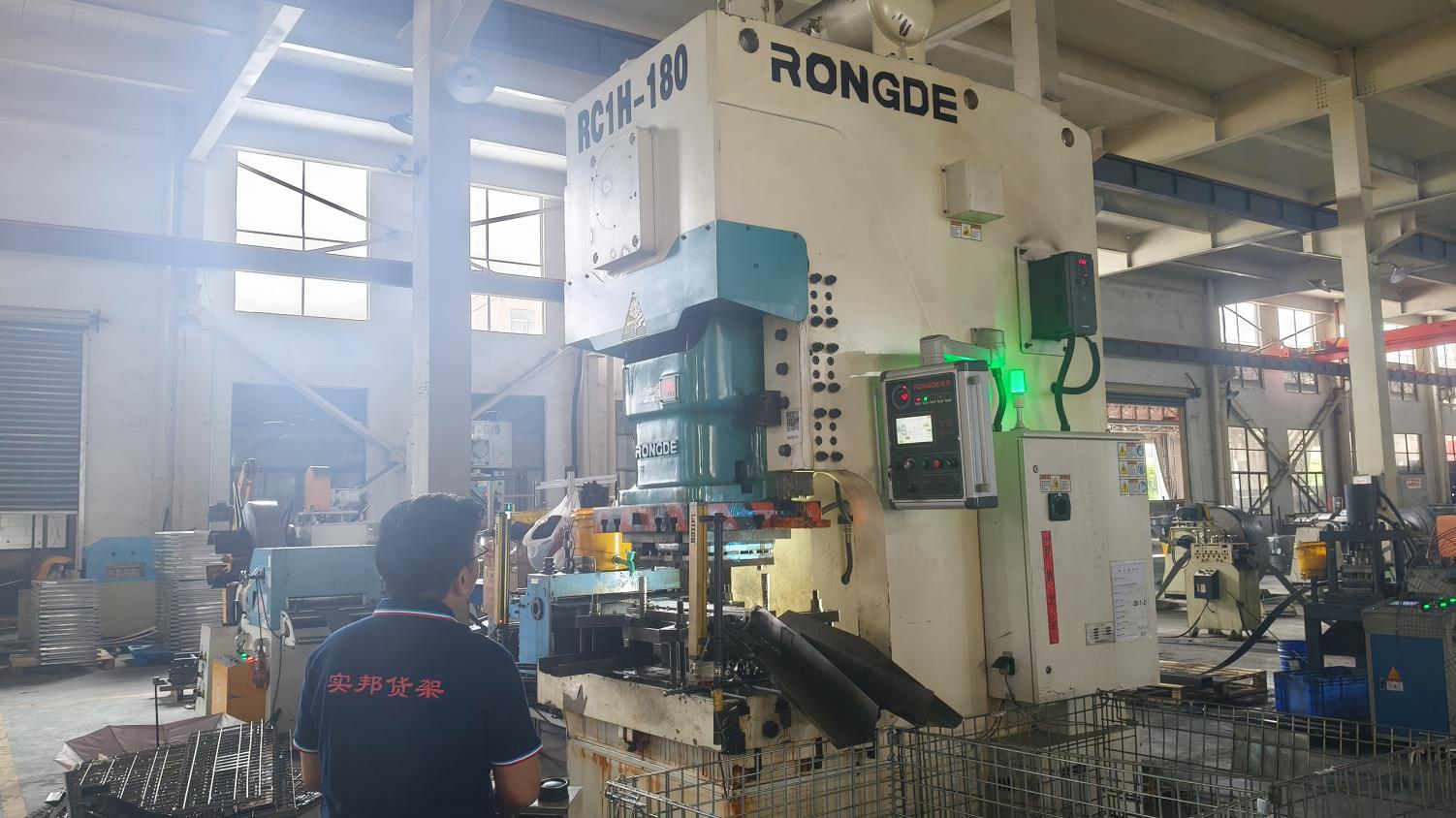
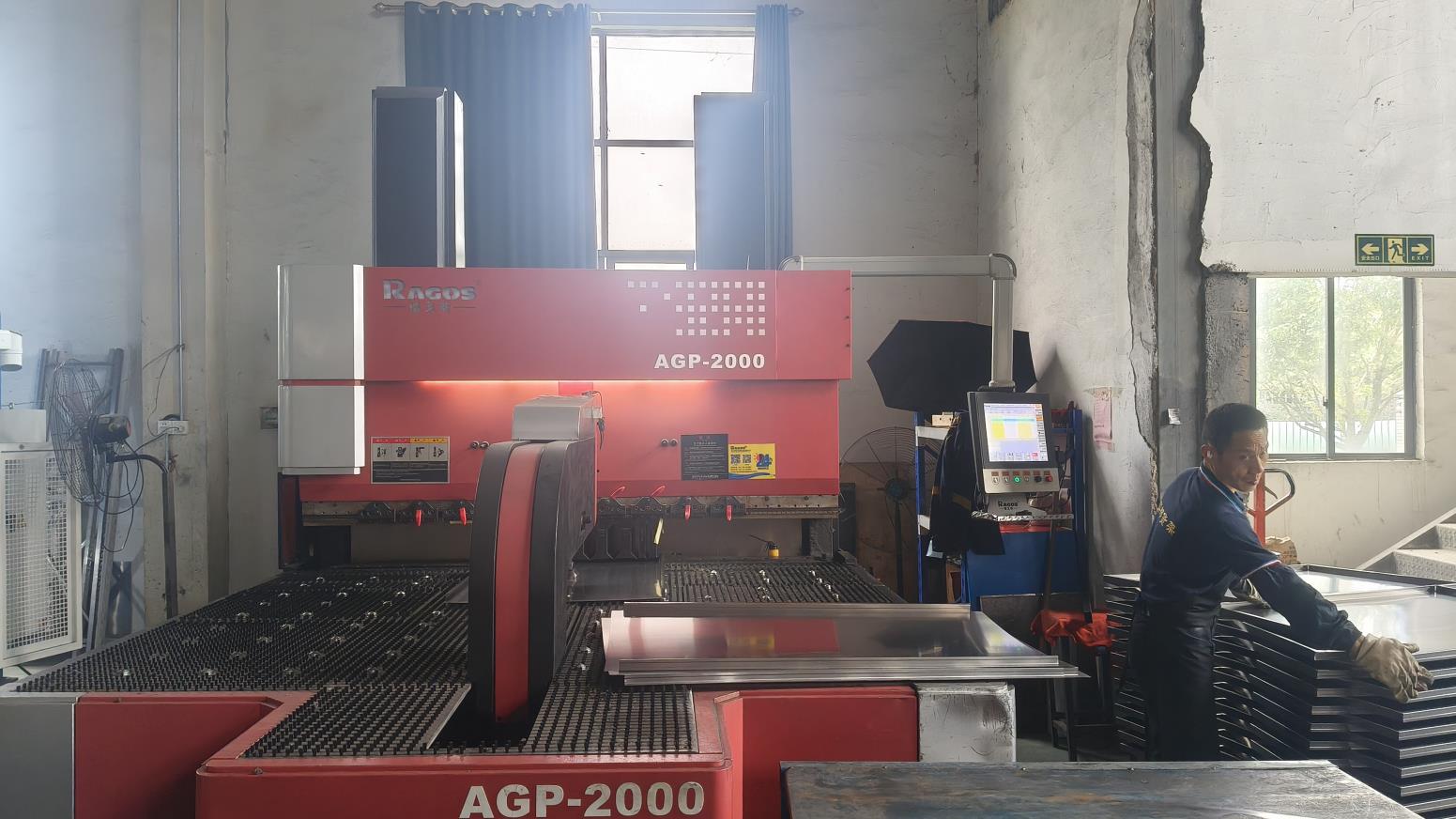
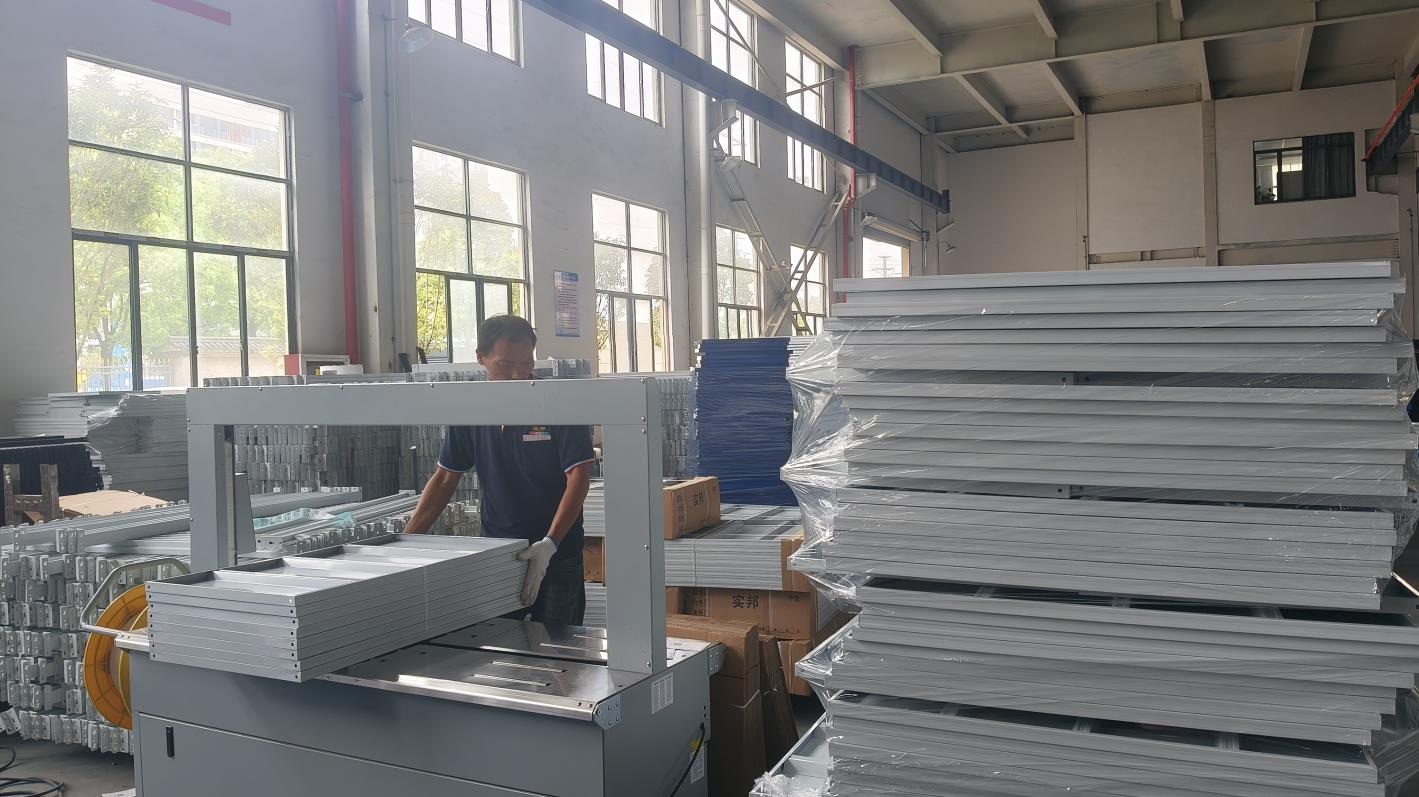
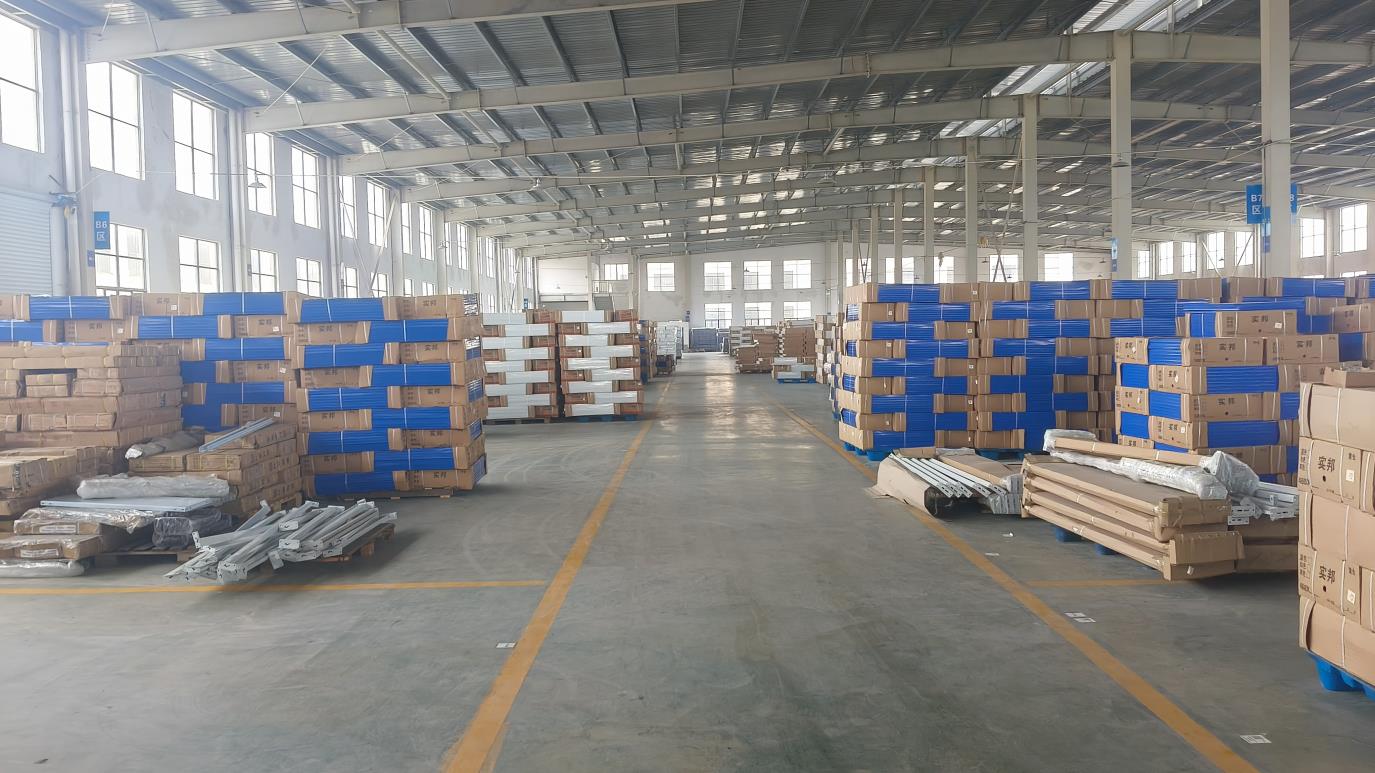
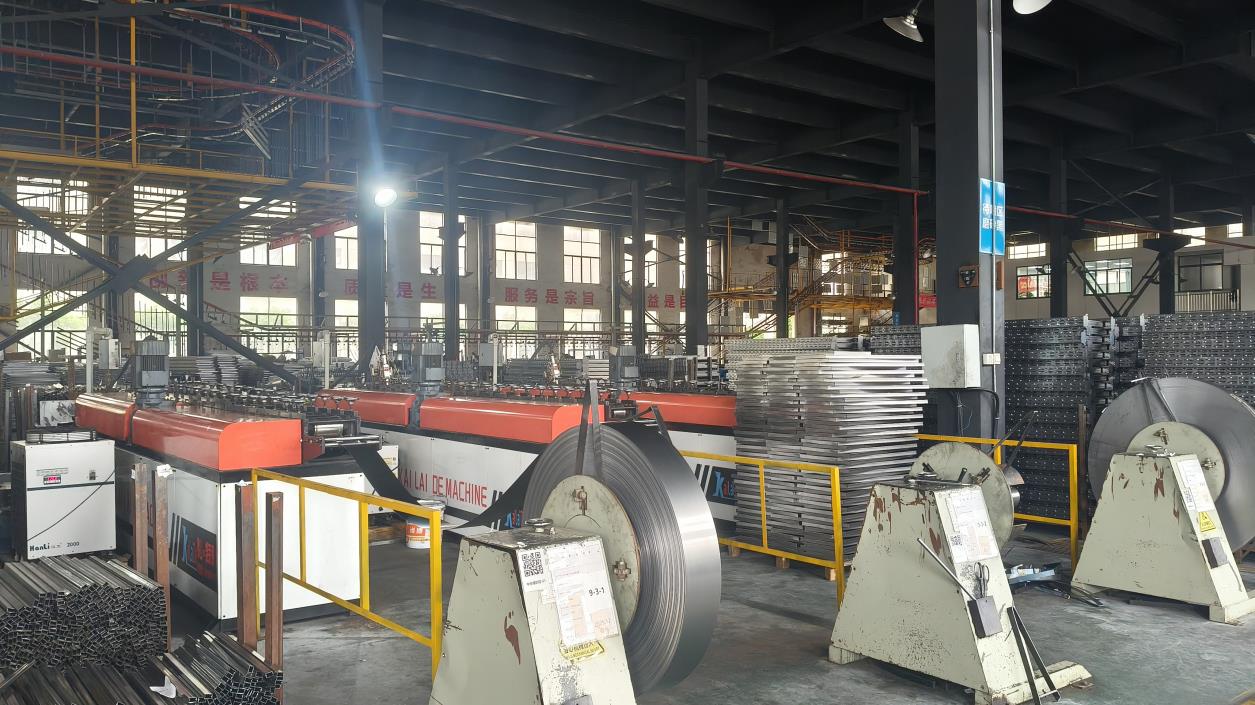
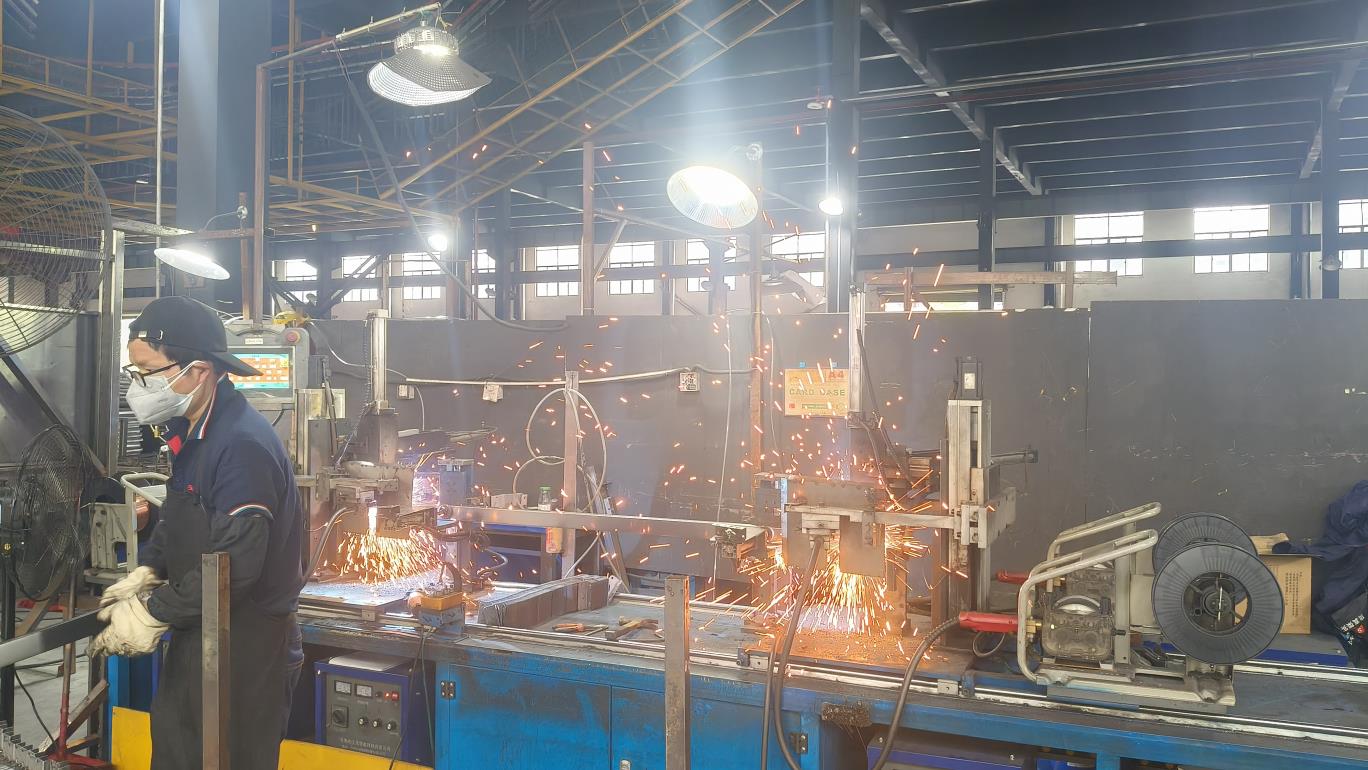
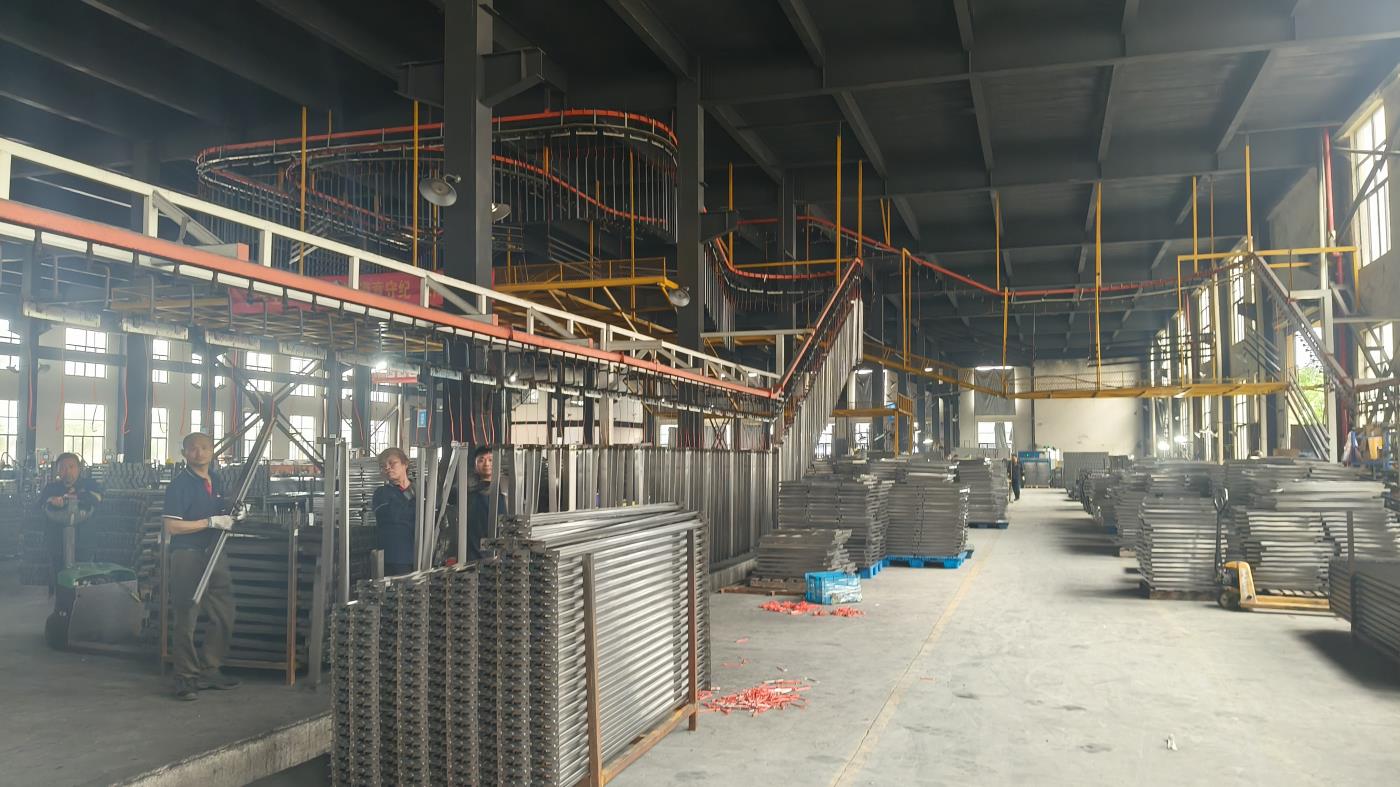
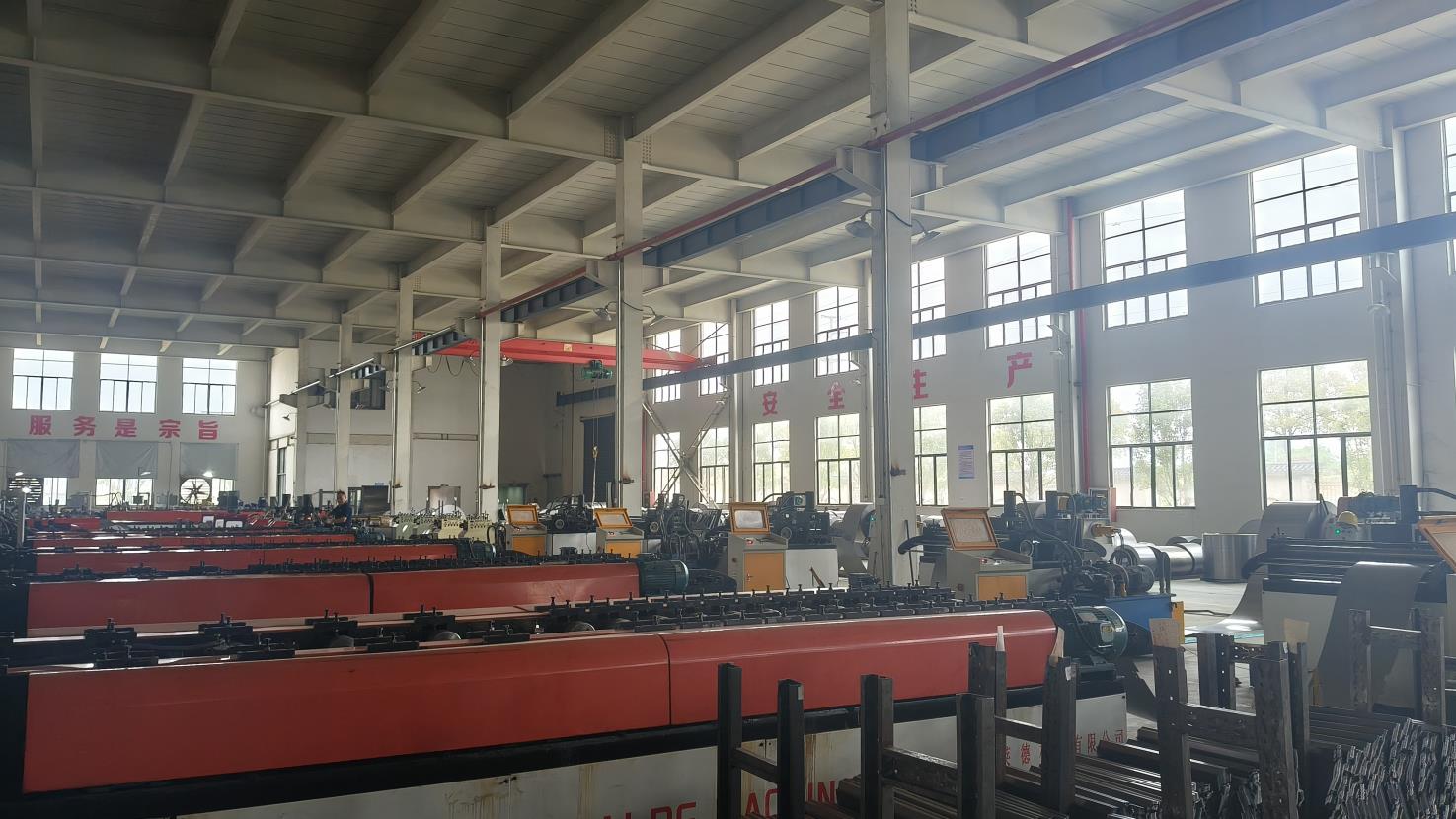
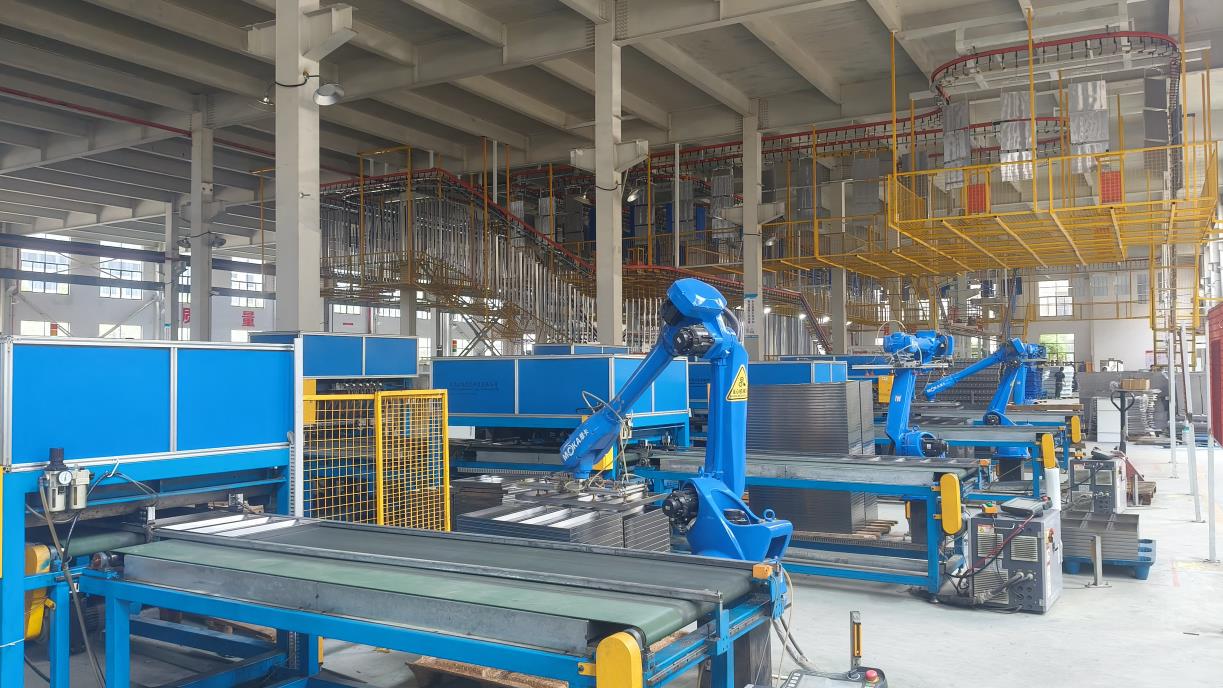
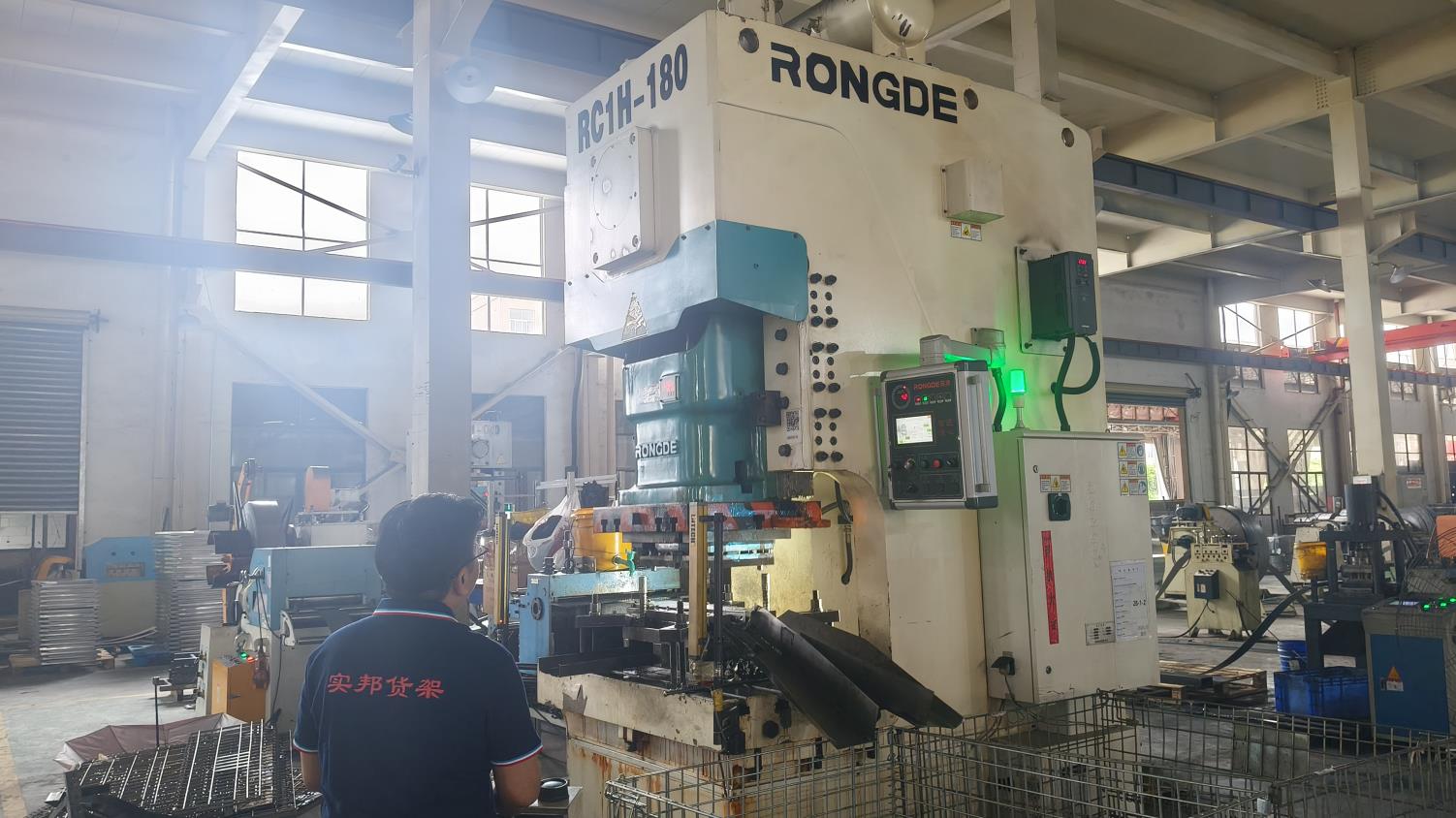
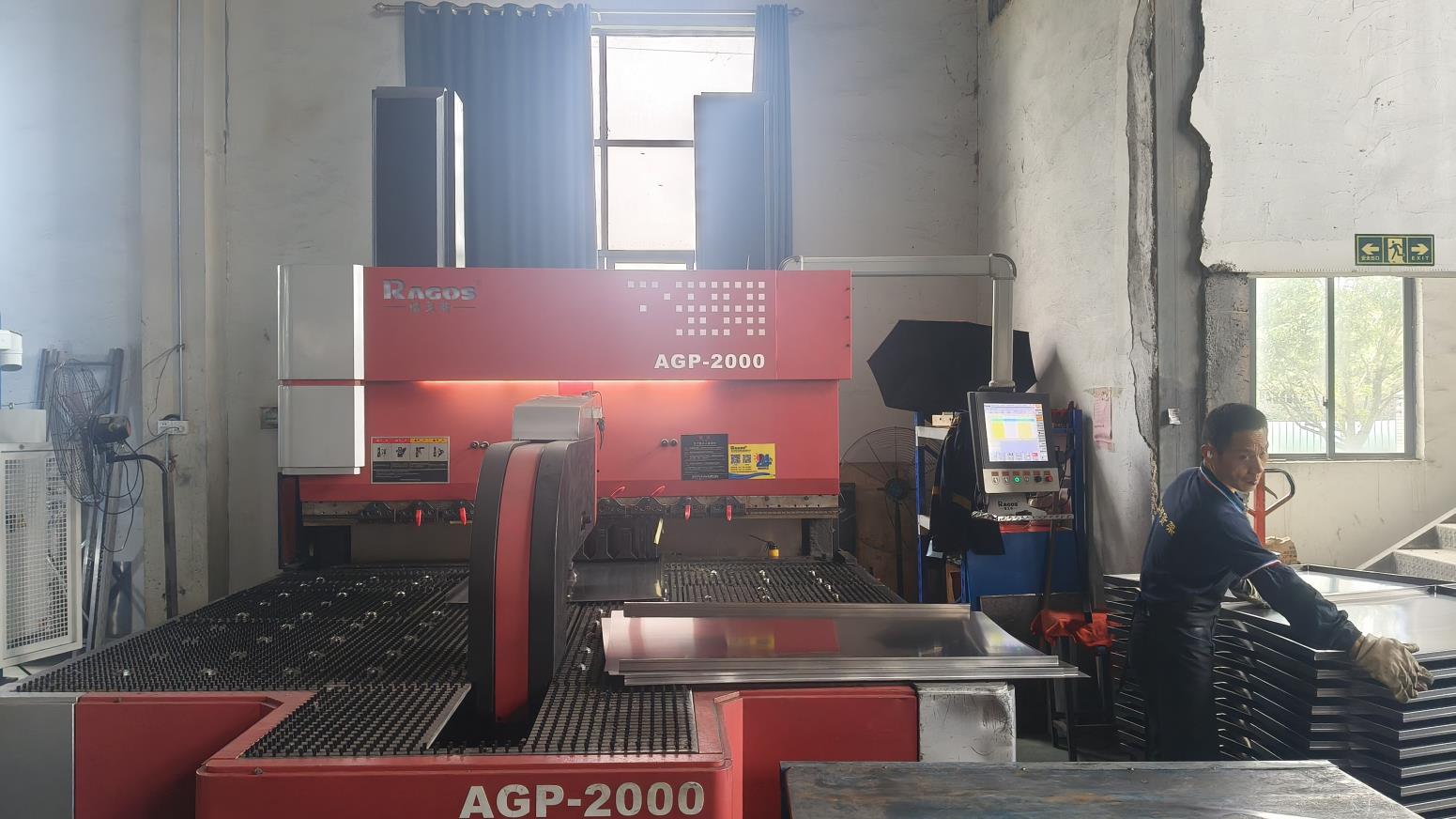
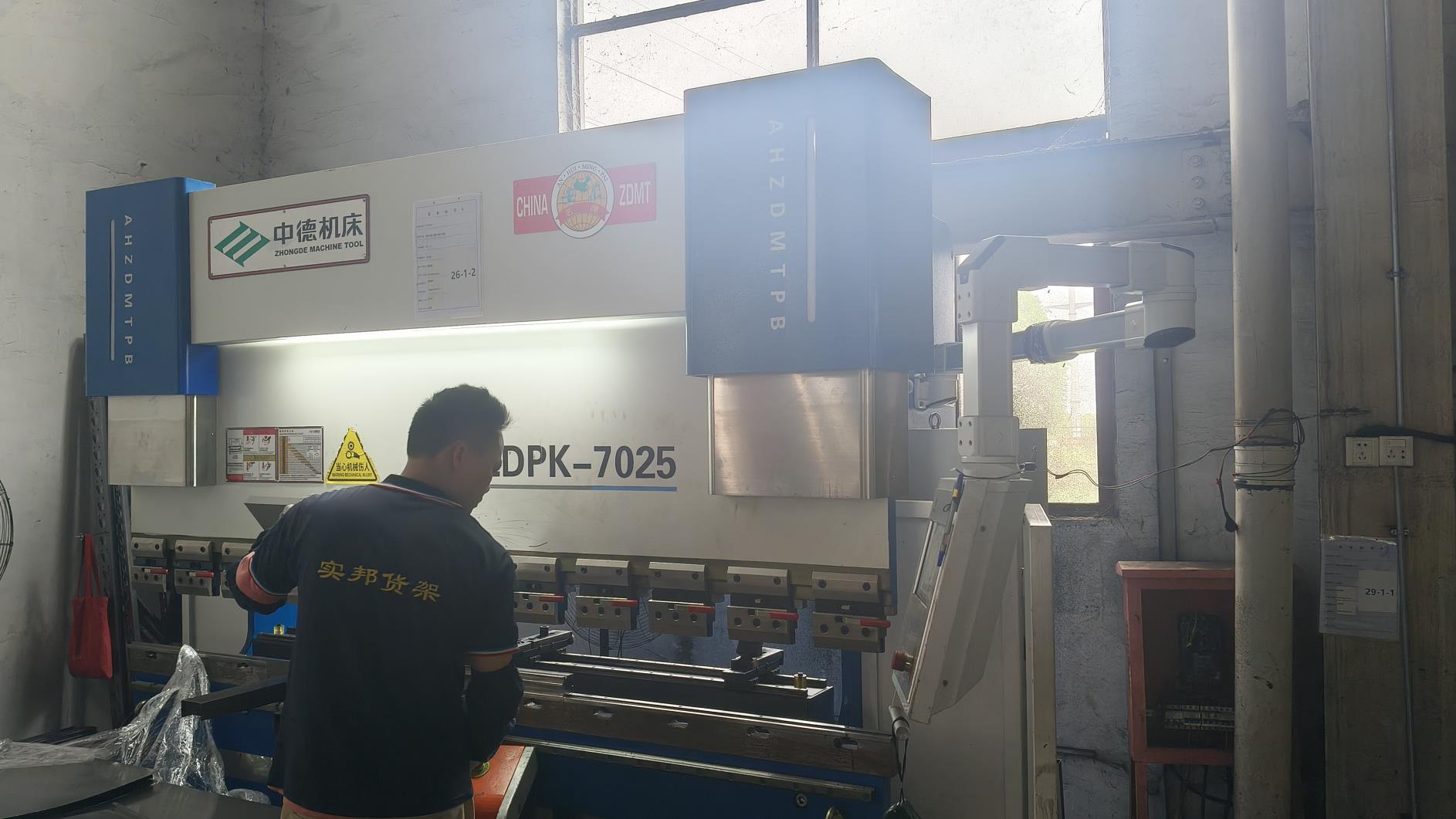
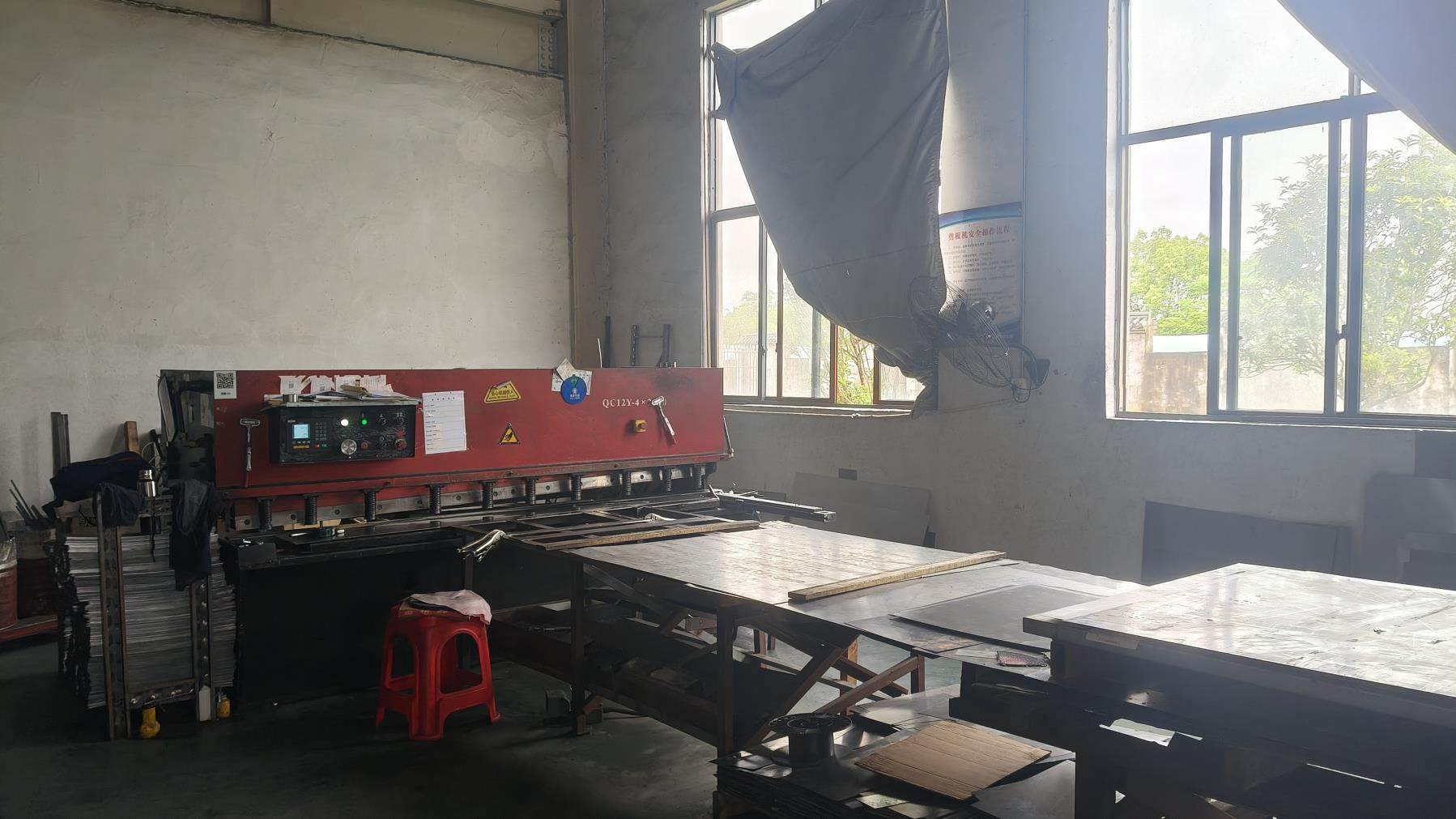
Ningbo Shibang maintains an internal research and development department staffed by 22 structural and mechanical engineers. We focus on designing racking systems tailored to specific physical constraints. Our design processes involve detailed stress analysis, finite element analysis (FEA), and seismic engineering calculations. B2B procurement partners can customize specifications including:
Our commitment to adapting our product designs is highlighted by the release of 140 new products and optimized structural components over the past year. This continuous improvement ensures that our shelving systems align with modern industrial handling methods.
Quality control is fundamental to our manufacturing process. We maintain a team of 35 QA/QC inspectors monitoring production stages from material reception to final packaging. Our testing protocol includes:
Aligning racking engineering with regional compliance systems, load requirements, and physical layouts.
Compliance: RMI (Rack Manufacturers Institute) Specifications.
Typically requires high-profile teardrop styles, modular boltless beam connections, and wire mesh decks to meet local fire safety and sprinkler code standards.
Compliance: FEM 10.2.02 and EN 15512 codes.
Focuses on strict deflection criteria, Euro-pallet sizing compatibility, and RAL color standardization with electrostatic powder coatings.
Compliance: AS 4084-2012 Standard.
Demands high seismic resistance baseplates, structural upright designs, and specific load marking templates to maintain compliance with safe work regulations.
Our medium-duty storage products find application across diverse operational environments:
Providing direct answers to engineering, compliance, logistics, and pricing questions to help streamline B2B procurement decisions.
Our primary production material is Q235 carbon steel (equivalent to ASTM A36/S235JR), which provides an optimal balance between ductility, yield strength, and roll-forming characteristics. For heavier structural needs, we also offer high-yield Q345 (S355JR). Every incoming batch is verified through raw material tensile testing and chemistry audits, and chemical verification documentation can be provided with every shipping container.
All beams are engineered and verified under loaded conditions using a deflection limit of L/200 (length of beam divided by 200) under maximum static load, aligning with SEMA and AS4084 guidelines. Under strict requirements (e.g., highly automated picking), we design to L/240. We test our beams using Finite Element Analysis (FEA) followed by physical destructive press testing.
Our surface finishing line applies a multi-step chemical pre-treatment, including acid pickling, zinc phosphating, and pure water rinsing. Following pre-treatment, we apply an electrostatic thermosetting epoxy-polyester powder coat, cured at 180°C to 200°C. The resulting dry film thickness (DFT) ranges from 60 to 90 microns, verified via electromagnetic testers.
Yes. Our engineering department can design racking to tight tolerances (+/-1.5mm alignment across upright networks) to ensure reliable interaction with automated picking equipment, shuttles, and AGV systems. This layout requires custom ground anchoring plates and base alignment assemblies.
To prevent damage during transit, upright frames and beams are bundled with steel strapping, wrapped in protective bubble film, and set on heavy timber skids. Smaller components, safety pins, and baseplates are packed in heavy-duty cardboard boxes on pallets. We optimize packaging configurations to maximize container volume utilization, reducing freight costs for our buyers.
Explore our wider range of light to heavy-duty shelving, cantilever racks, and warehouse material handling machinery.
 Shibang Rack