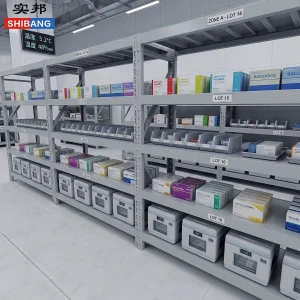
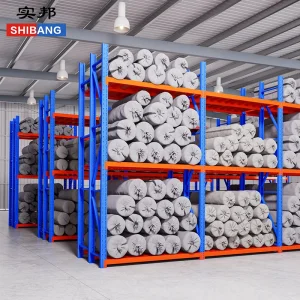
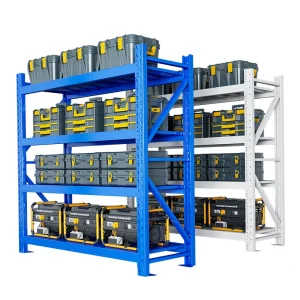
High-durability structural solutions engineered for high-density storage facilities and intense logistical applications.
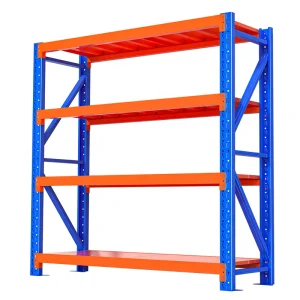
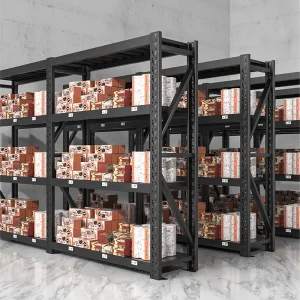
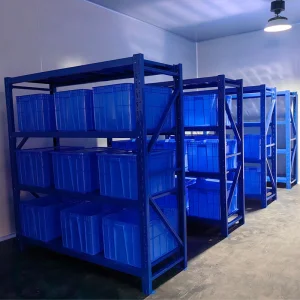
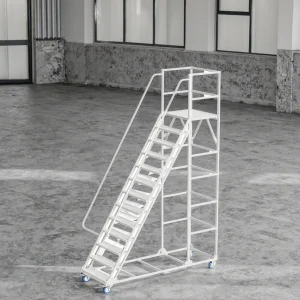
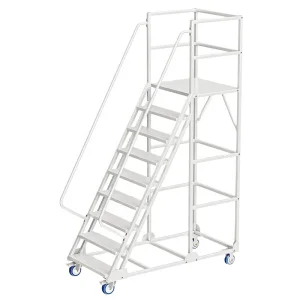
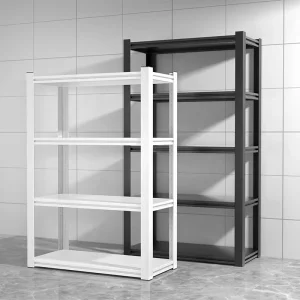
Across the modern supply chain landscape, high-density warehousing has shifted from a secondary logistics consideration to a core competitive engine. Procurement operations in North America, Western Europe, and the Asia-Pacific region are increasingly standardizing their storage structures. Industrial wire baskets, metal containers, and integrated racking decking have become the bedrock of this evolution. Driven by the expansion of Third-Party Logistics (3PL), e-commerce fulfillment, and automated cold-chain systems, the global requirement for robust, modular, and corrosion-resistant steel configurations is scaling at an unprecedented rate.
Global supply chain executives are no longer evaluating wire baskets and racking accessories as static steel commodity components. Instead, modern procurement relies on metrics focusing on safety factors, load deflection ratios, seismic certifications, and automated retrieval system compatibility. From stacking racks for complex roll storage to heavy-duty wire mesh containment units, structural engineers are demanding compliance with international design parameters like RMI (Rack Manufacturers Institute) guidelines and CE certifications.
The shift towards automated storage and retrieval systems (ASRS) has further intensified the technical demands on wire baskets and containment shelving. In automated environments, even a minor deflection in a wire grid or storage basket can cause scanner misreads or mechanical jams, halting multimillion-dollar logistics lines. Consequently, procurement protocols now routinely stipulate rigorous raw material tensile testing and precise manufacturing tolerances.
Aligning advanced mechanical performance with vertical integration to solve critical logistical challenges.
Designing wire decking and mesh storage solutions that feature custom anti-deflection cross-beams, ensuring absolute flatness for flawless compatibility with automated crane forks and guided vehicles.
Employing heavy powder-coating technology and electro-zinc plating to prevent oxidation and structural fatigue in extreme humidity and deep-freeze environments down to -30°C.
Analyzing localized seismic requirements to configure specialized steel wire gauges, engineered box-beam structures, and weld densities that meet regional building code compliance.
Selecting the ideal wire basket supplier requires thorough verification of raw materials and manufacturing capabilities. Reputable manufacturers verify metallurgical composition (often focusing on premium Q235B carbon steel), weld joint strength, and structural performance. Testing protocols include load-bearing stress calculations and weld seam Ultrasonic Testing (UT) to prevent sudden structural failure under load.
A legacy of precision fabrication, rigorous engineering, and scalable manufacturing.
Production Facility
Industry Experience
Inspectors on Site
Annual Export Value
Established in 2016, Ningbo Shibang Storage Rack Co., Ltd. has established itself as an industry leader in the design, engineering, and global export of warehouse storage systems, metal containers, and industrial racking equipment. Leveraging 12 years of industry manufacturing experience and 8 years of direct international export expertise, the company handles complex global logistics requirements, serving clients throughout North America, Western Europe, Southeast Asia, and Australia.
Structural integrity is fundamental to Shibang's manufacturing process. Backed by a quality control department of 35 dedicated inspectors, every batch undergoes thorough quality control tests. These tests include Ultrasonic Testing (UT) for weld seams, load-bearing stress analysis, coating thickness verification, and raw material tensile strength testing. To ensure production continuity, Shibang coordinates with over 850 verified supply chain vendors, allowing the facility to scale manufacturing output for 3PL providers, distribution centers, and mega-warehouses.
Shibang's design capability is driven by an in-house R&D department featuring 22 structural and mechanical engineers. Offering comprehensive OEM and ODM support, Shibang handles customizations ranging from tailored load capacities and custom powder-coating formulations to seismically rated beam profiles and modular grid alignments. Demonstrating a strong commitment to product innovation, Shibang successfully launched 140 new products and optimized structural components over the past year.
A visual walk-through of our integrated production lines, featuring automated forming, precision bending, and advanced finishing.
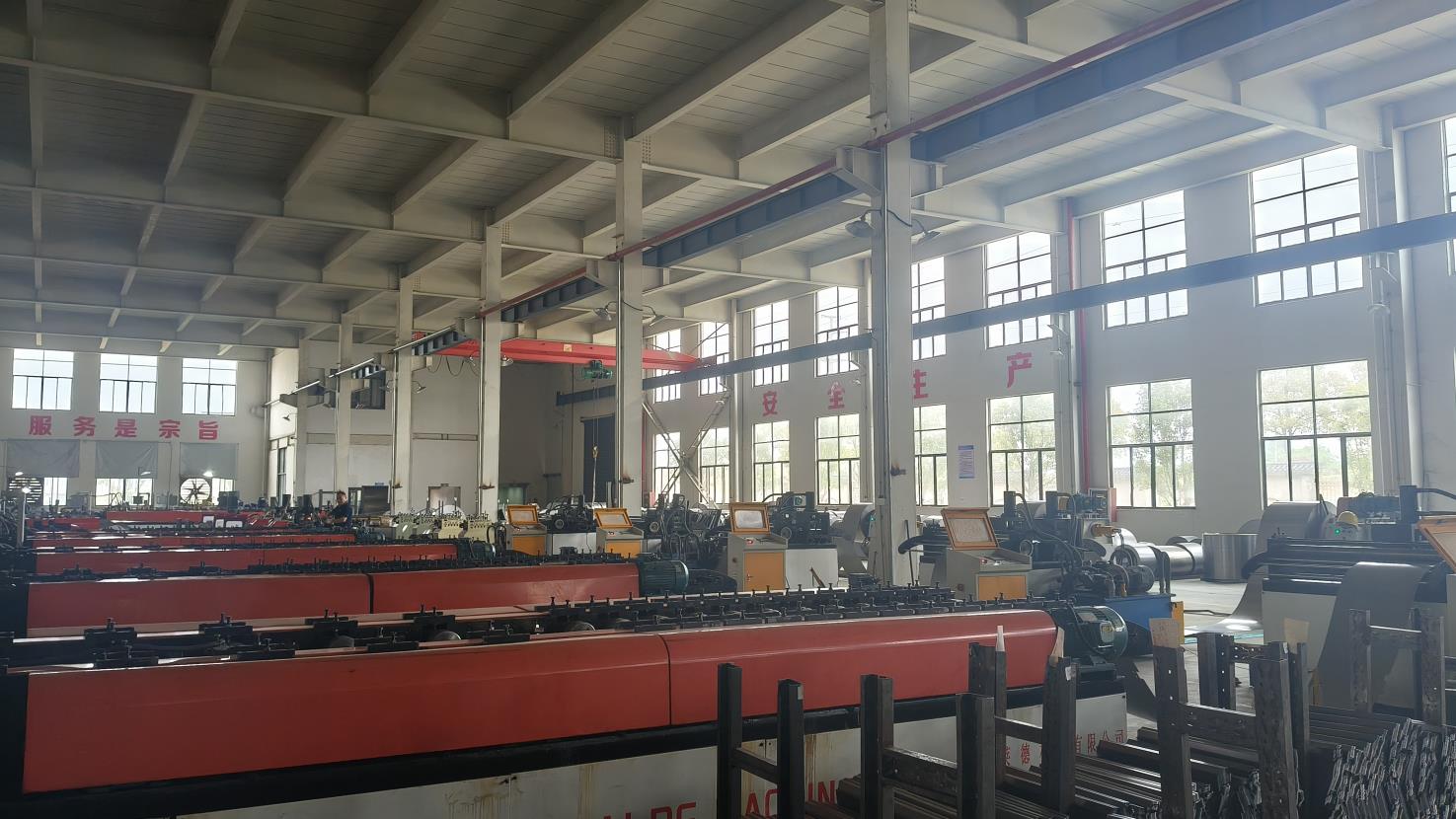
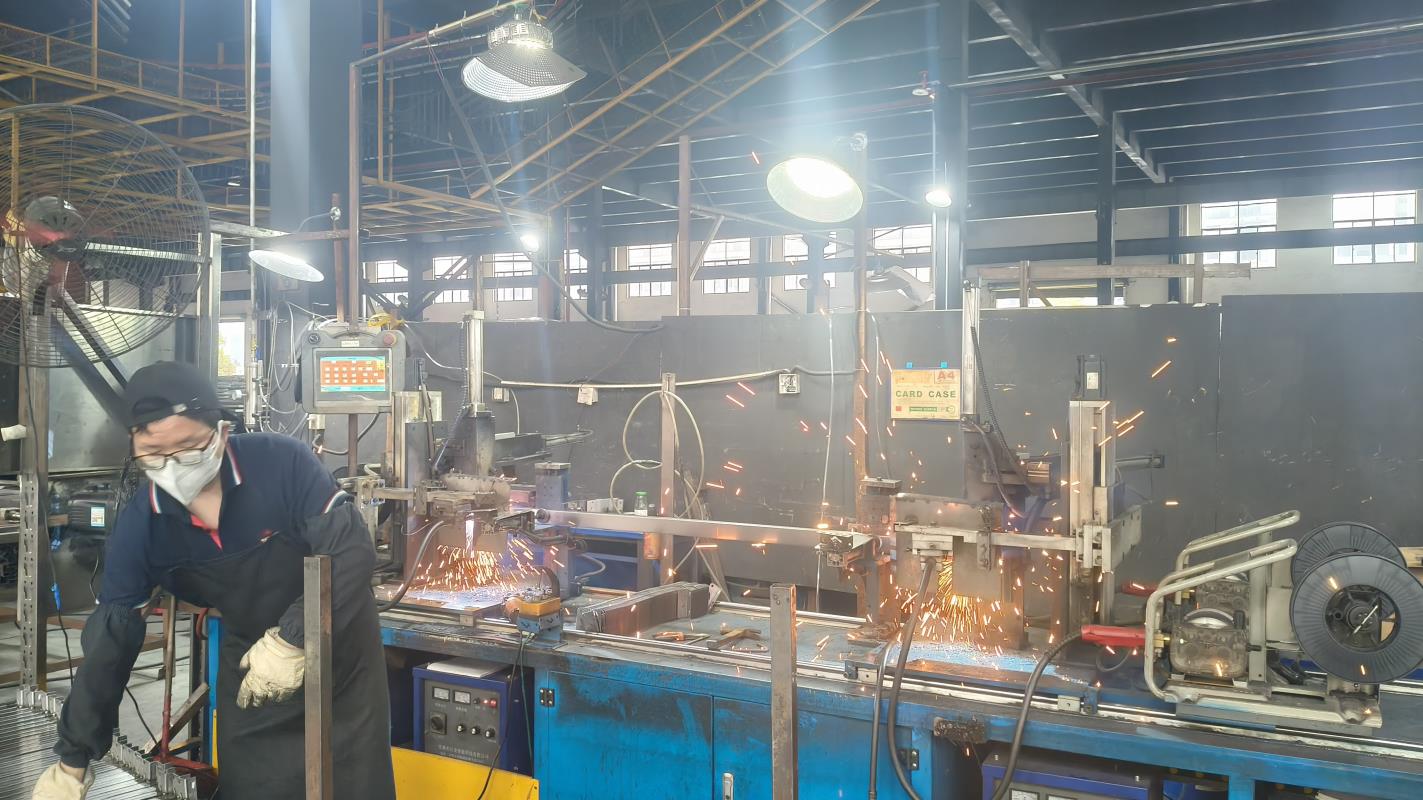
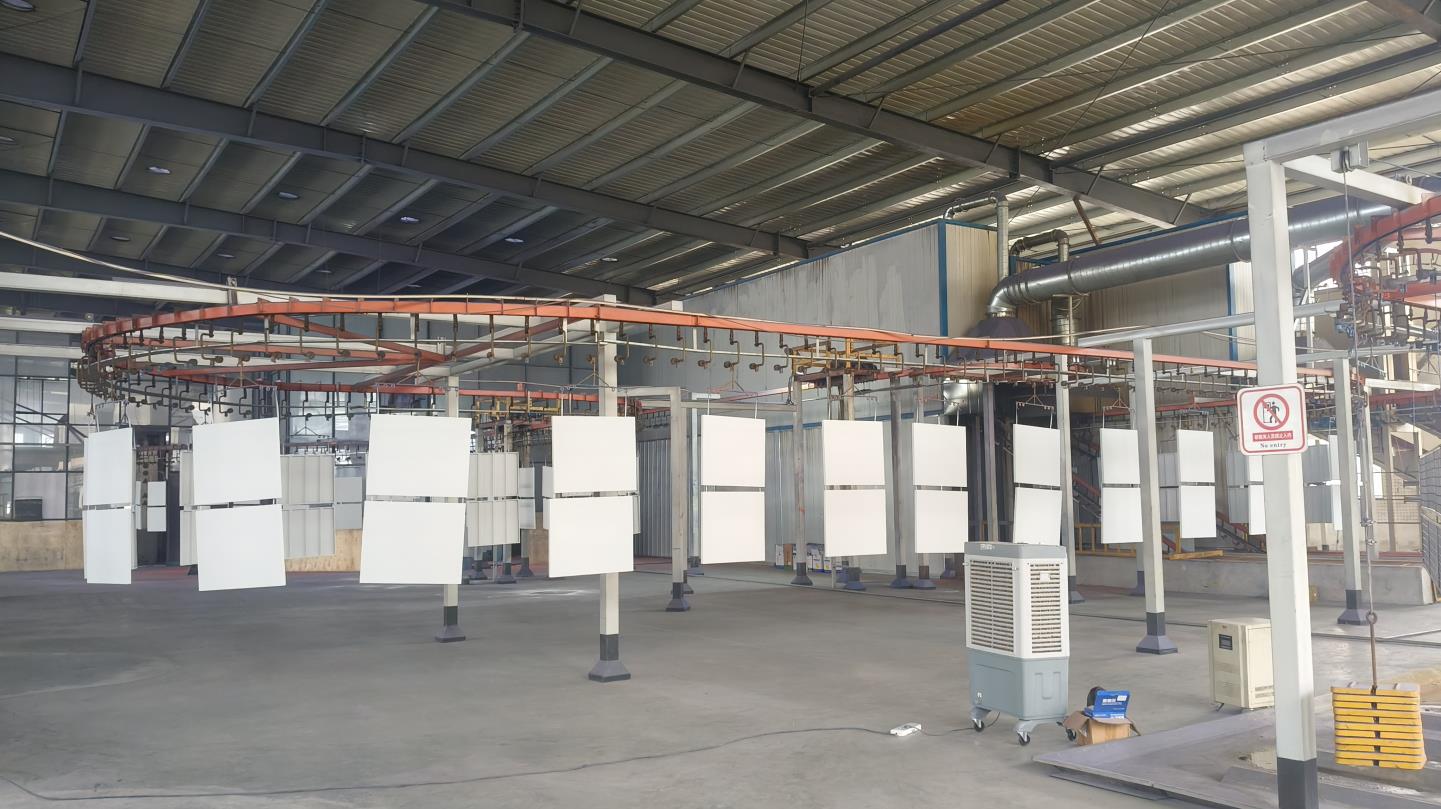
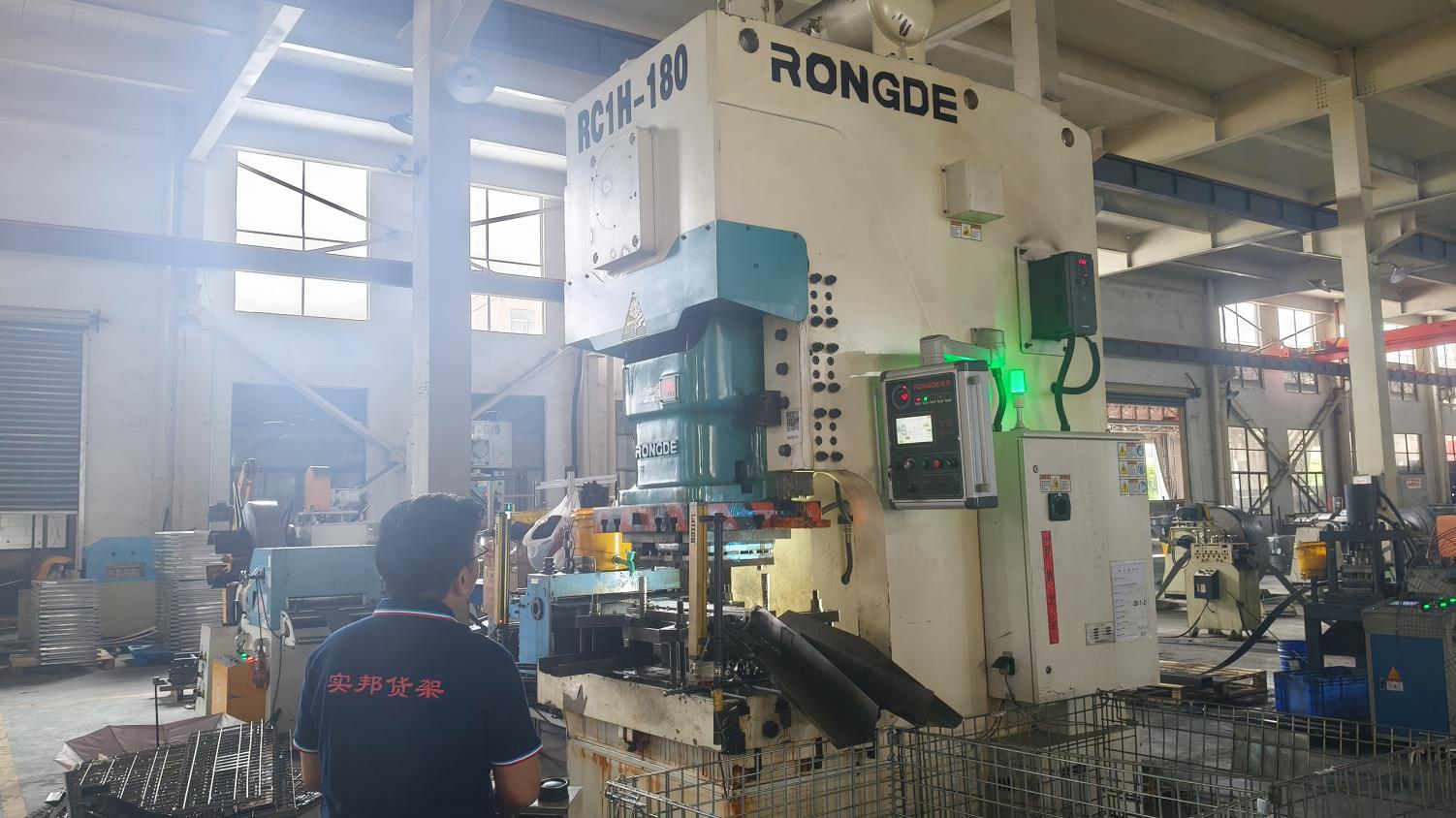
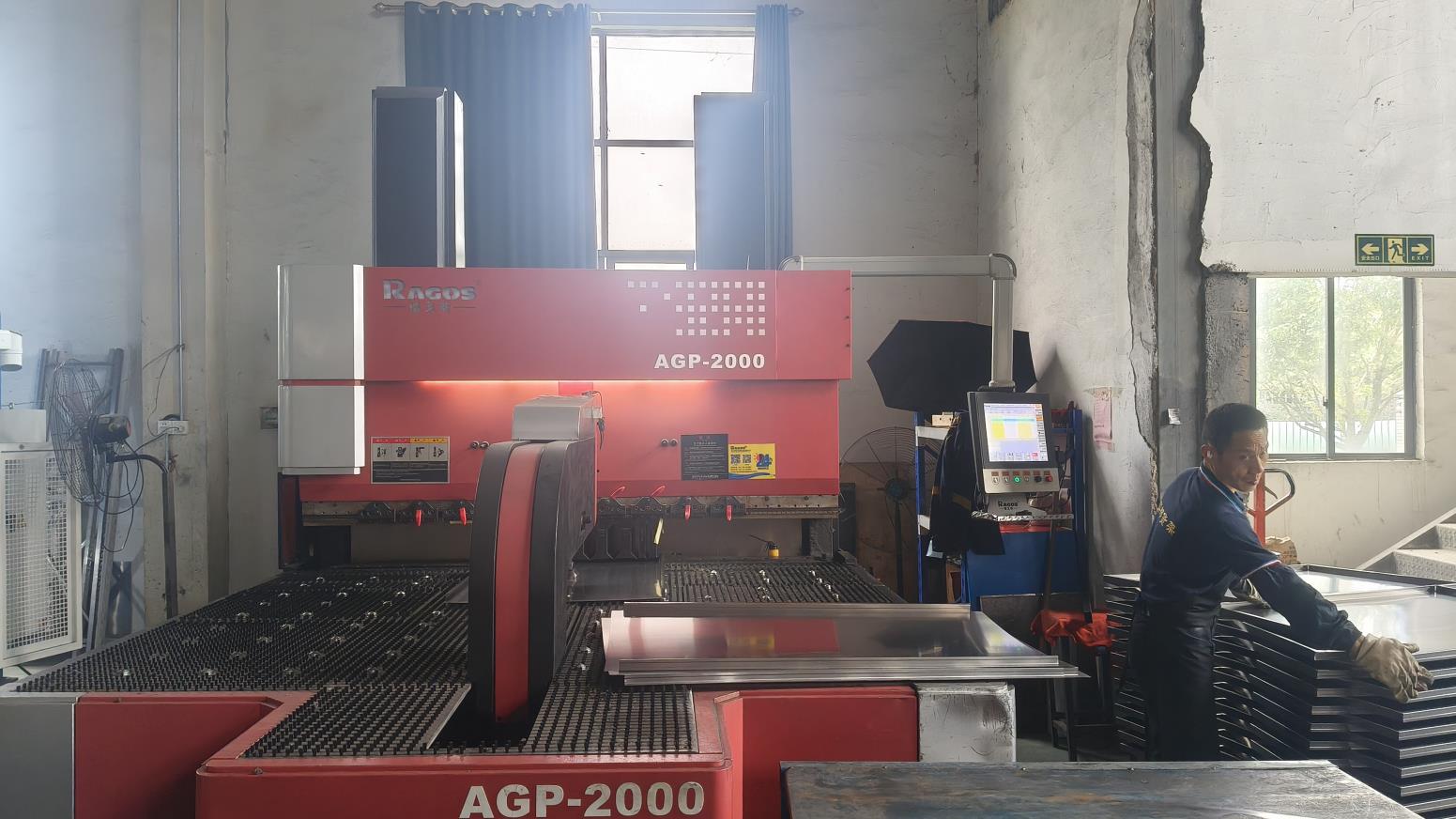
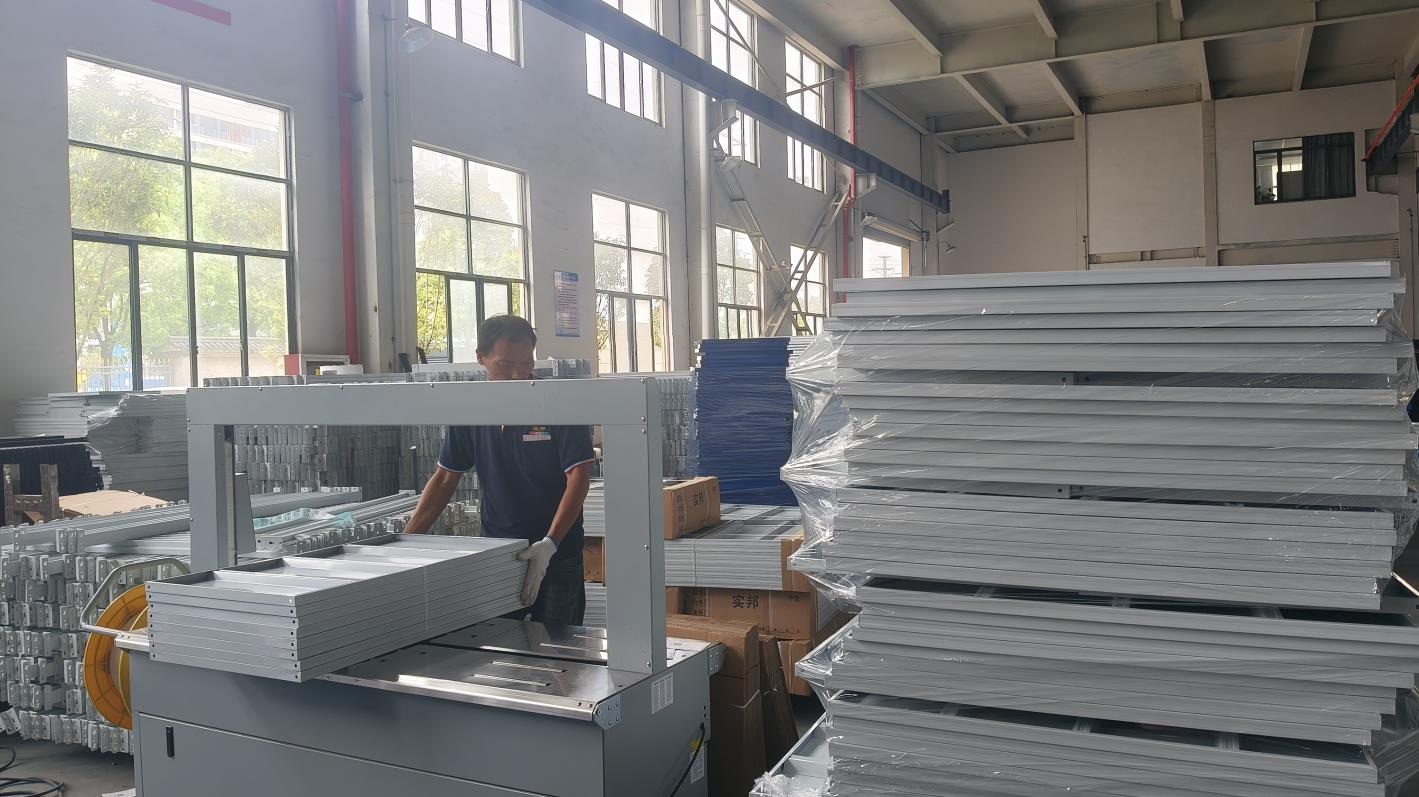
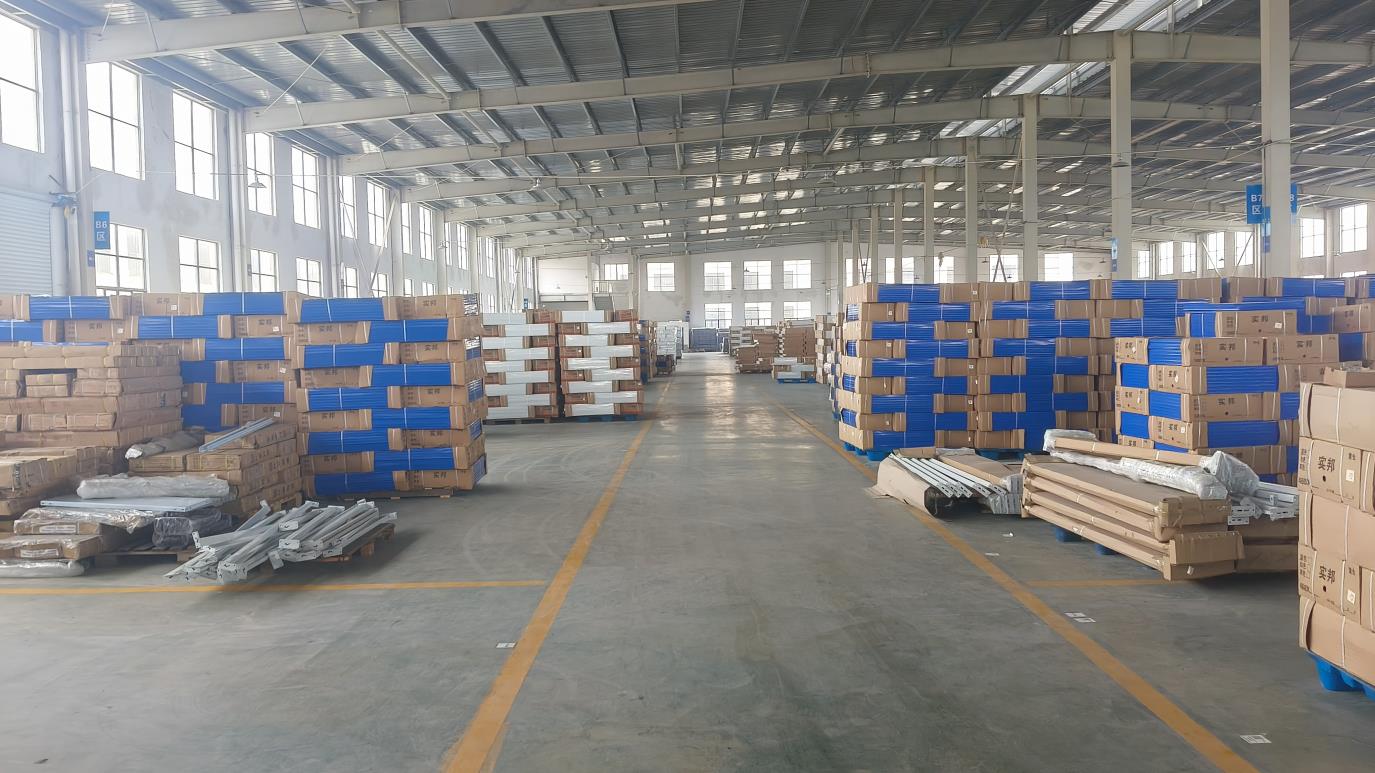
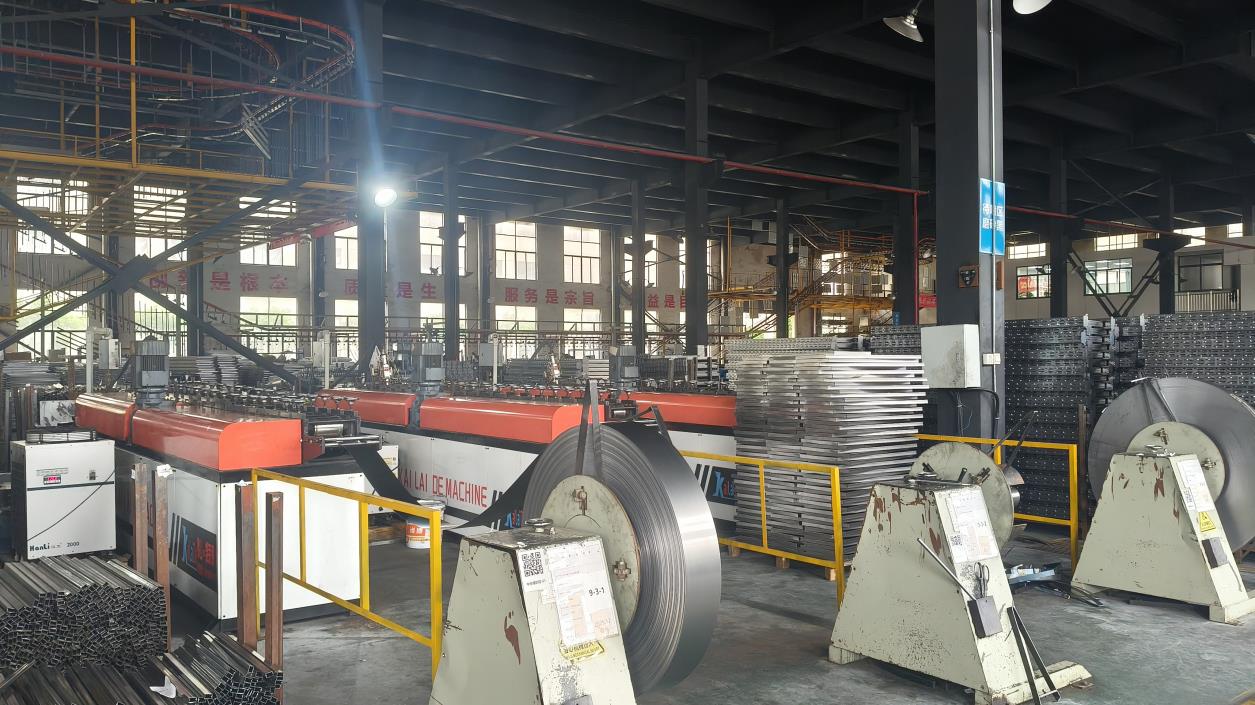
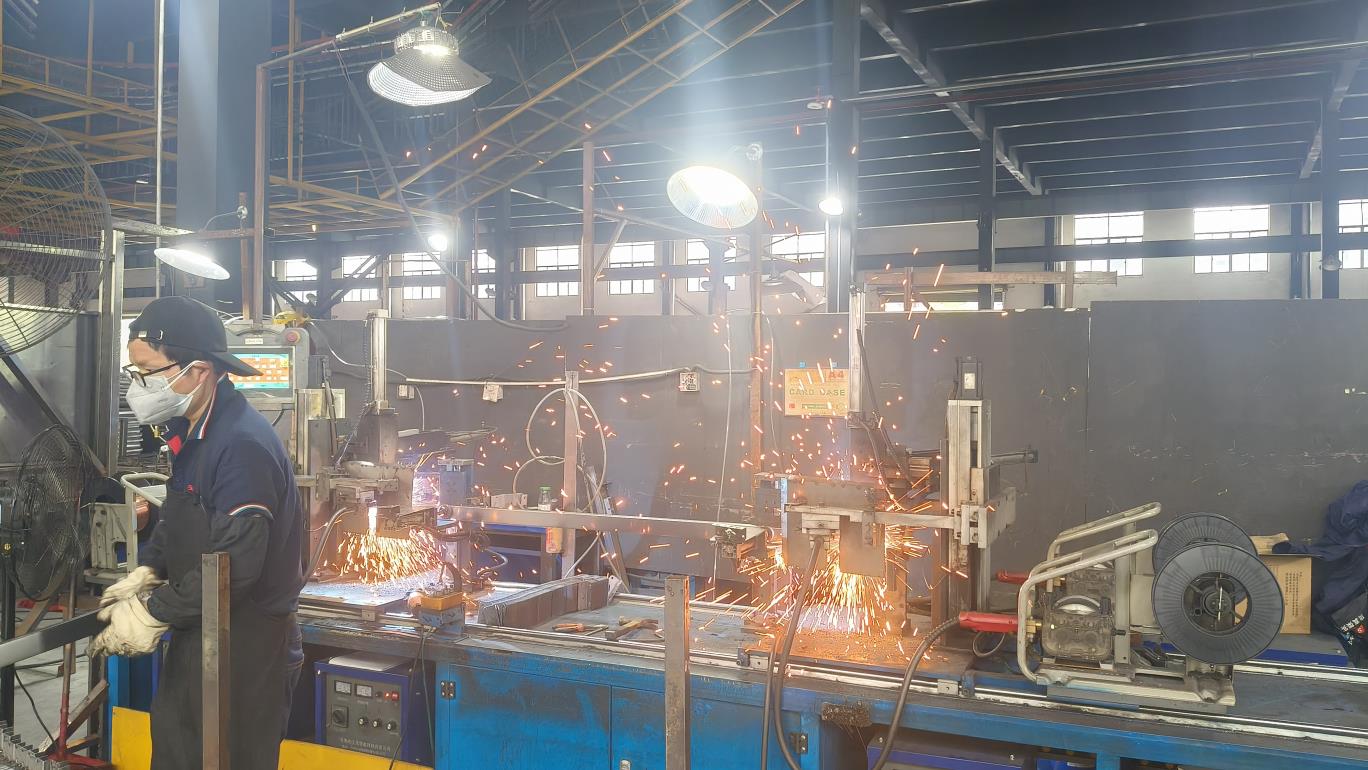
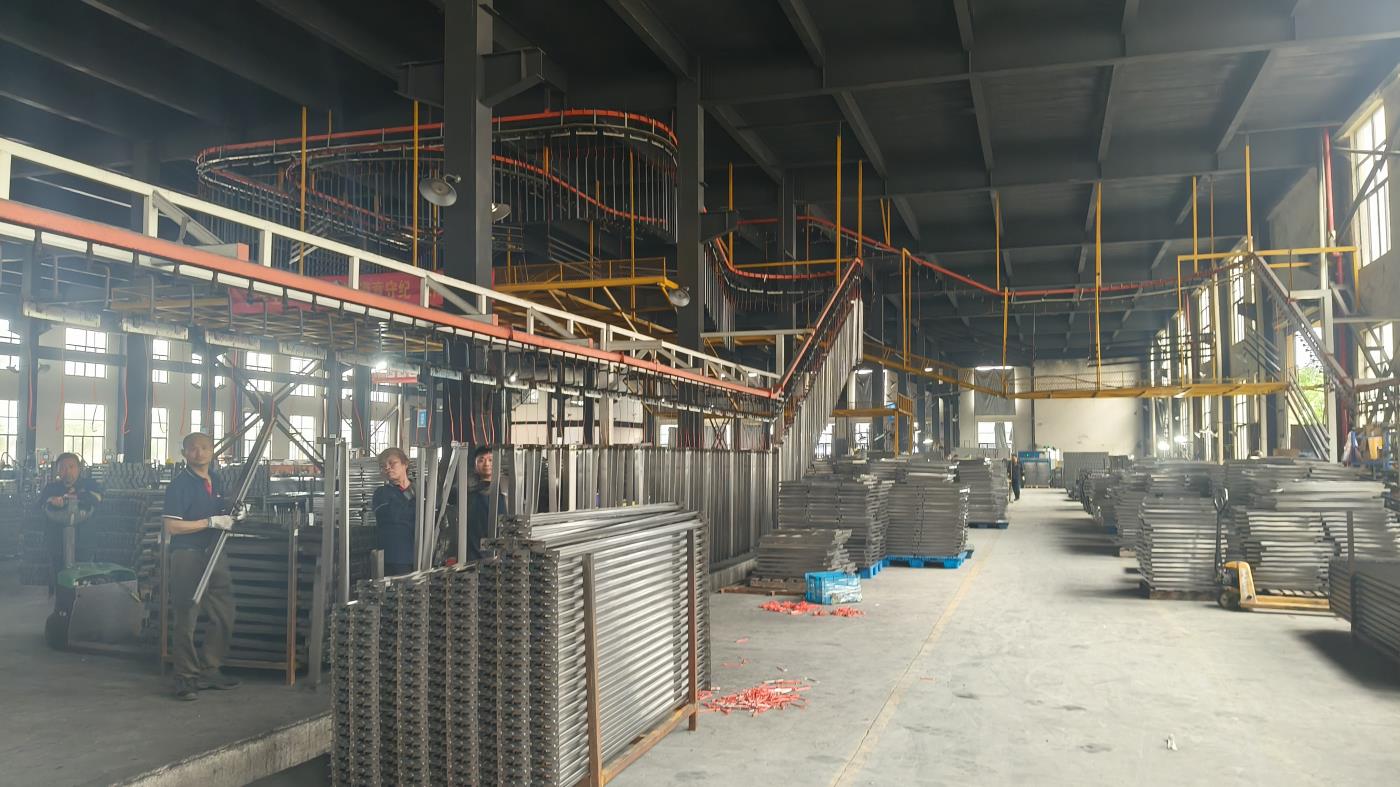
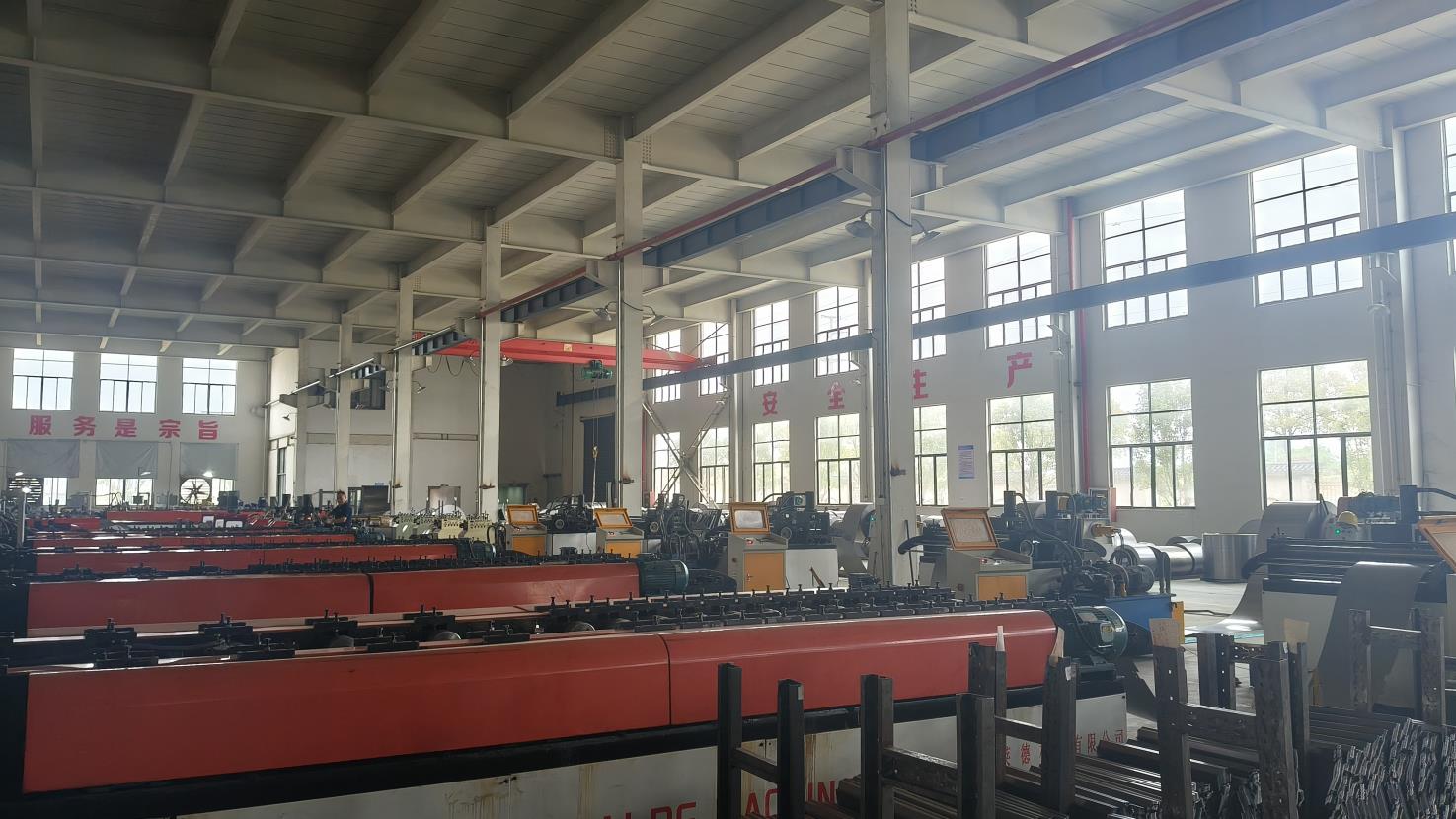
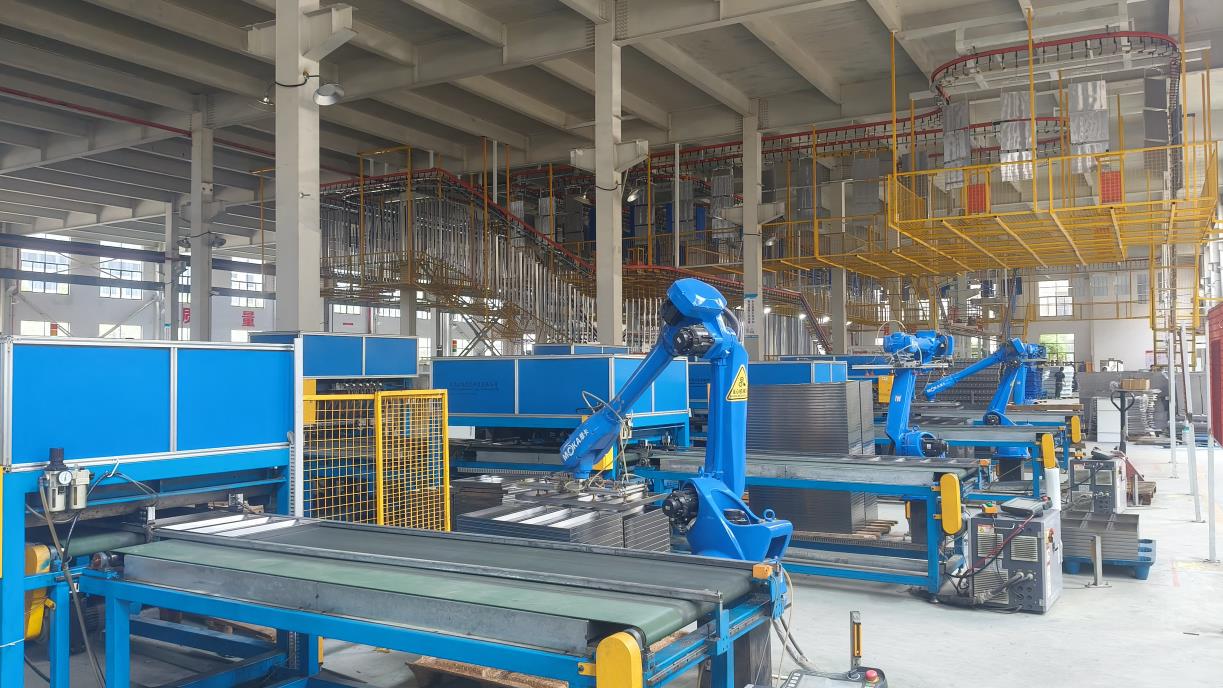
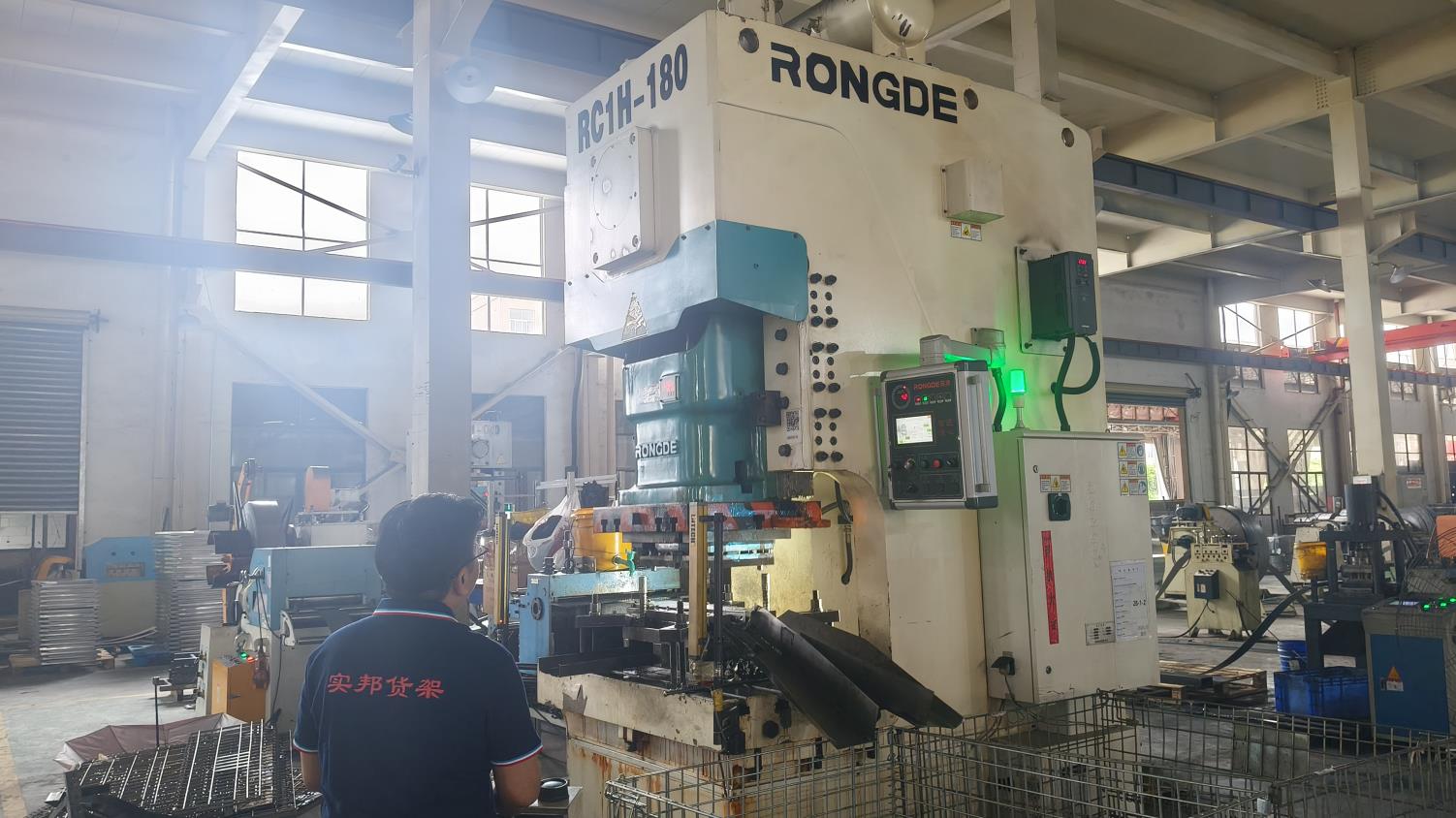
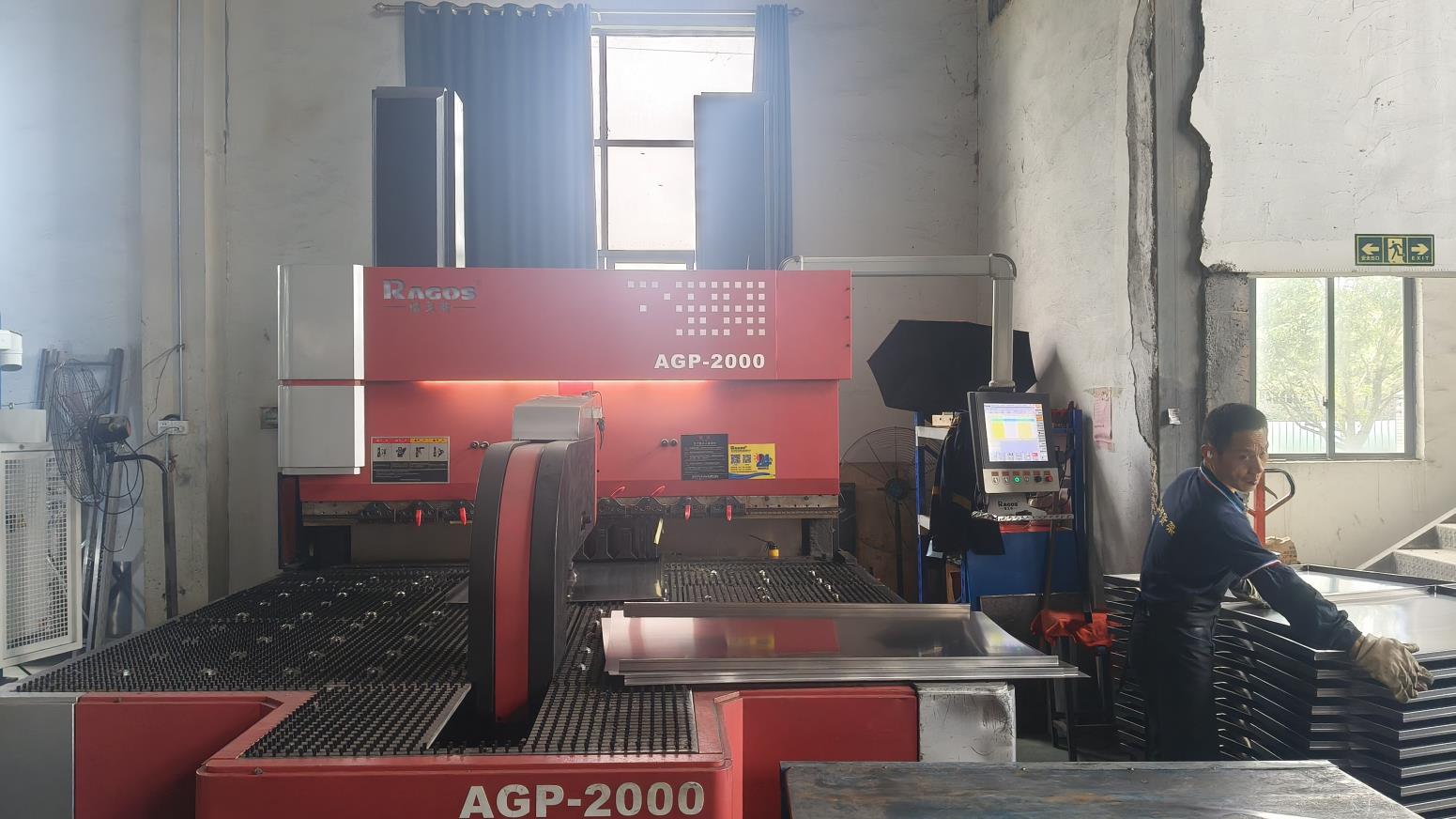
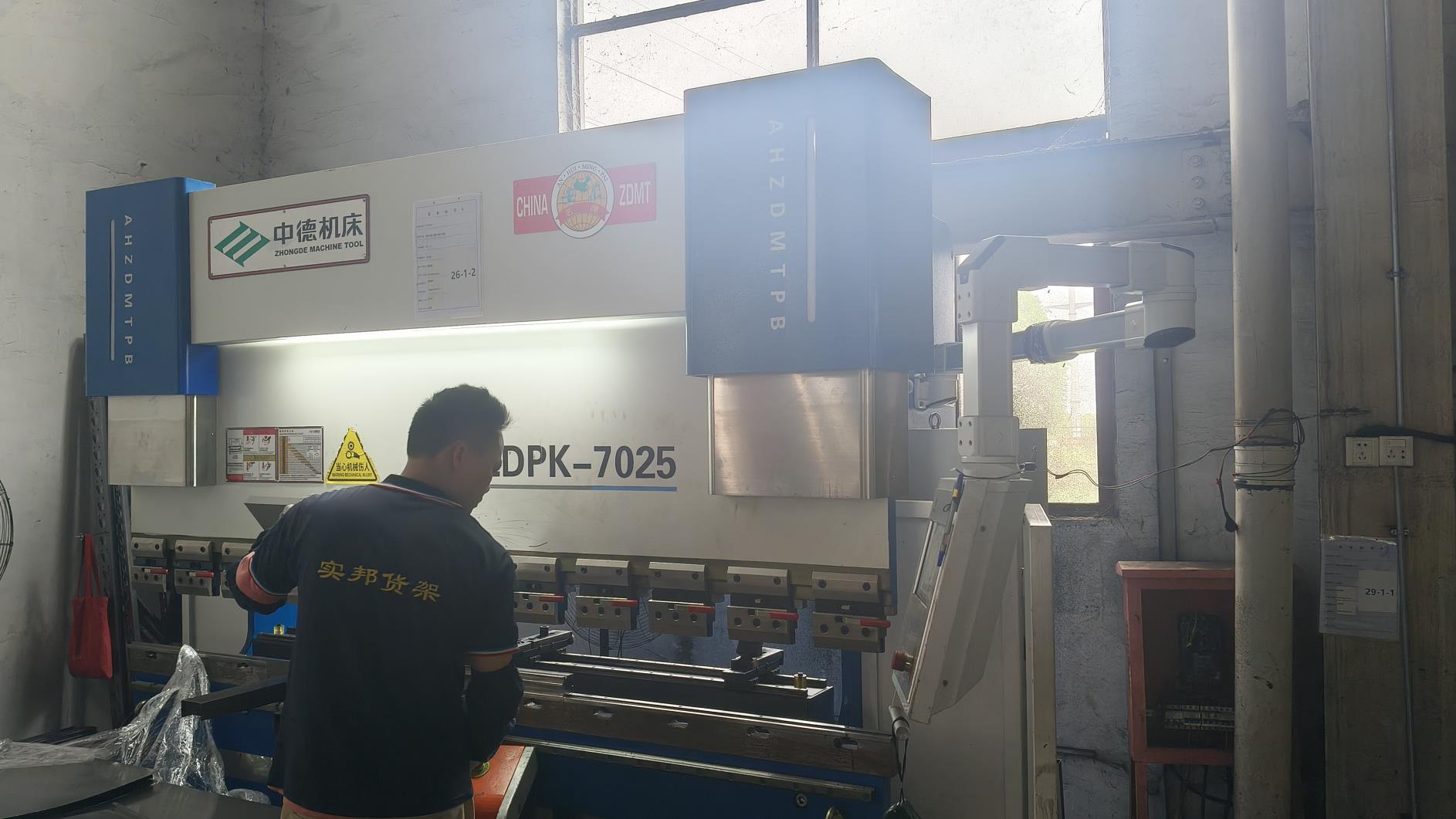
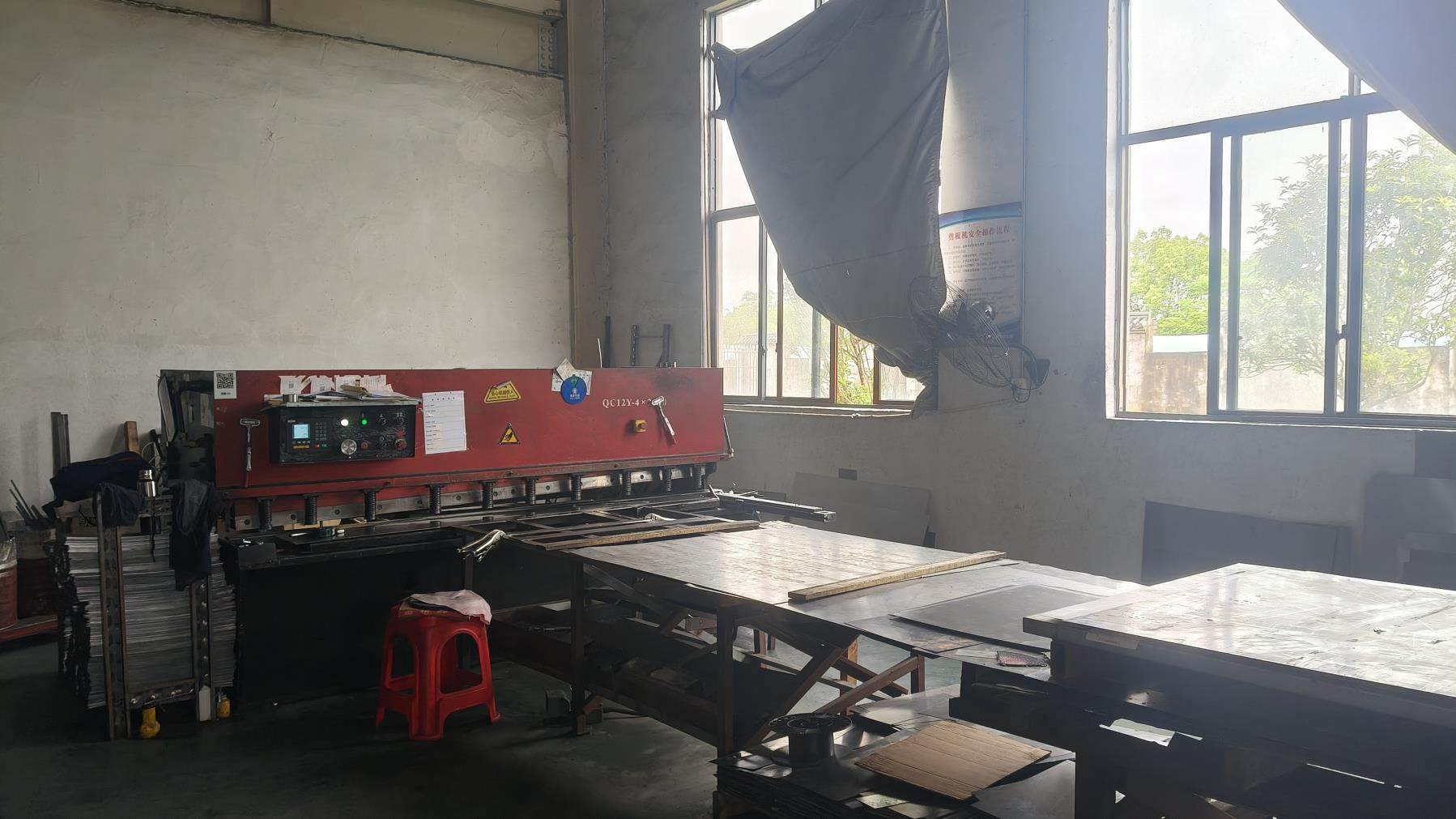
The manufacturing of industrial wire baskets and storage containers is transitioning from labor-intensive manual welding to highly automated processes. This technical evolution improves structural safety and helps meet international regulatory standards. Key updates driving modern manufacturing include:
| Material Class | Yield Strength (MPa) | Tensile Strength (MPa) | Primary Industrial Application |
|---|---|---|---|
| Premium Q235B Carbon Steel | 235 | 370 - 500 | Standard industrial racking systems, structural columns, box beams |
| High-Tensile Steel Wire (C1008/C1010) | 285 - 340 | 340 - 410 | Heavy-duty wire baskets, mesh containers, selective rack decking |
| Galvanized Steel Strip (DX51D+Z) | 250 - 300 | 270 - 500 | Cold storage shelving, high-humidity storage, outdoor distribution hubs |
Operating international supply chains requires compliance with regional safety, building, and environmental regulations. Industrial wire decking and containment installations must adhere to localized certifications:
1. European Market (CE & EN Standards): All industrial steel structures, including warehouse shelving and wire decking, must satisfy CE mark protocols under EN 1090 (execution of steel structures) and EN 15512 (steel static storage systems), ensuring safety compliance across the EU.
2. North American Market (RMI & ANSI): Racking installations in the US and Canada must align with ANSI/RMI MH16.1 specifications. Choosing a manufacturer that understands these standards ensures calculations for structural deflection, seismic impact, and safety factor limits are properly validated.
3. Freight Optimization & Global Shipping Safeguards: Safe overseas shipping requires standardized packaging. Ningbo Shibang optimizes flat-pack container loading, utilizing steel banding and heavy-duty shrink wrapping to protect powder-coated surfaces and galvanized steel from salt spray, humidity, and abrasion during transit.
Technical answers to key queries on engineering specifications, customization options, and procurement logistics.
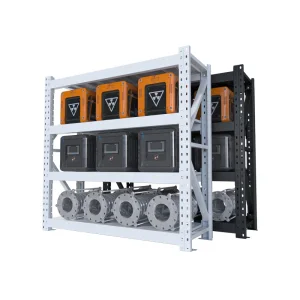
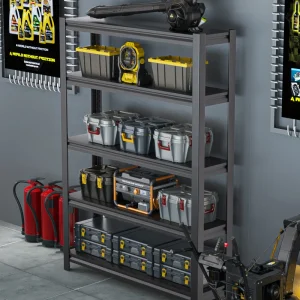
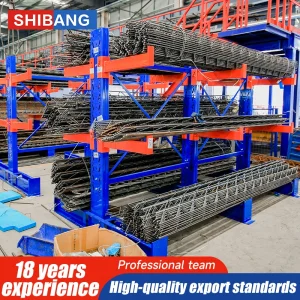
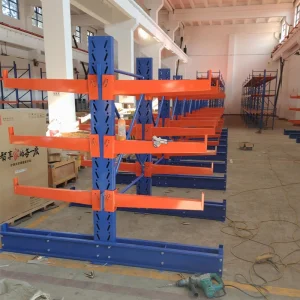
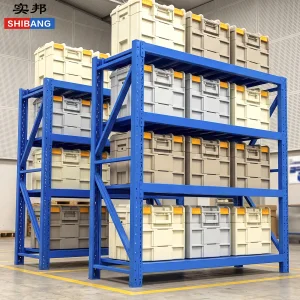
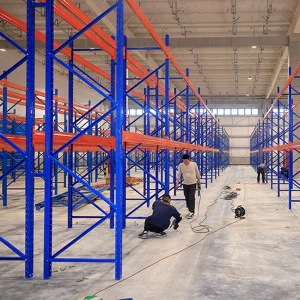
High-capacity storage structures, cantilever supports, and warehouse safety equipment built for high-throughput operations.
 Shibang Rack