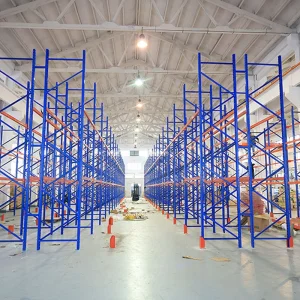
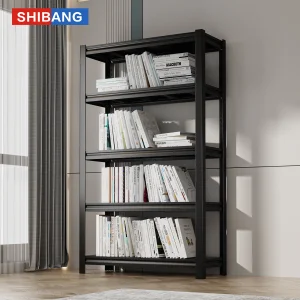
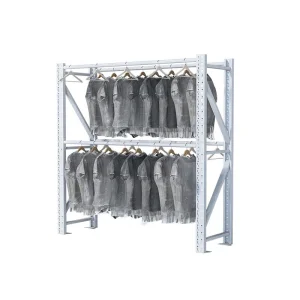
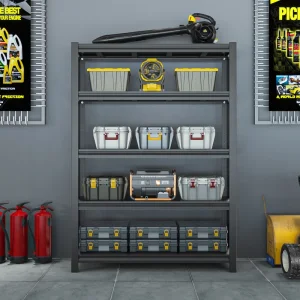
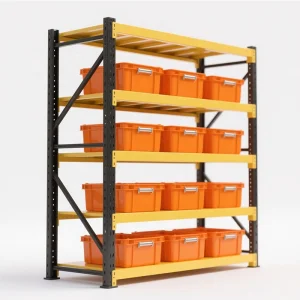
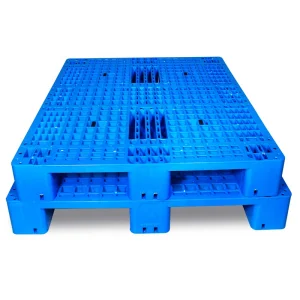
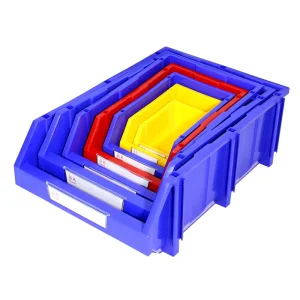
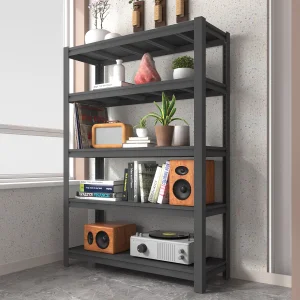
Explore our highly engineered, load-bearing adjustable storage solutions designed for automated logistics, heavy fabrication storage, and optimized footprint configurations.
The convergence of global e-commerce development, automation integration, and structural safety mandates has elevated the importance of heavy-duty industrial storage racks.
Modern warehousing is shifting away from static shelving towards dynamic, high-density structures compatible with Automated Storage and Retrieval Systems (AS/RS). Modern heavy-duty stack racks are engineered with precision tolerances of less than 1.5mm to allow seamless autonomous forklift and shuttle operations.
With critical seismic zones requiring specialized engineering, global buyers prioritize structural calculations tested to FEM 10.2.02 or RMI (Rack Manufacturers Institute) standards. Heavy duty upright profiles must absorb lateral forces and prevent progressive collapse.
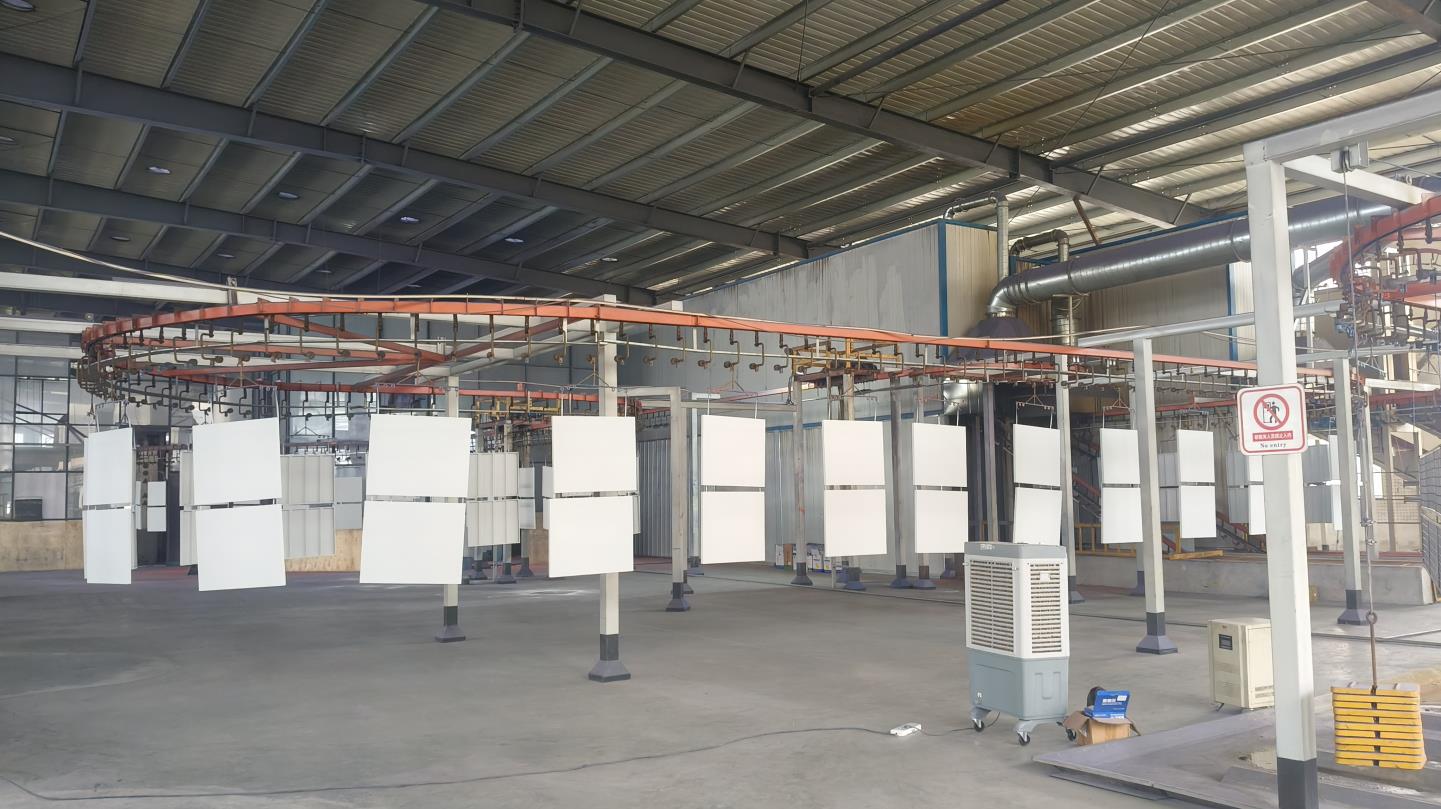
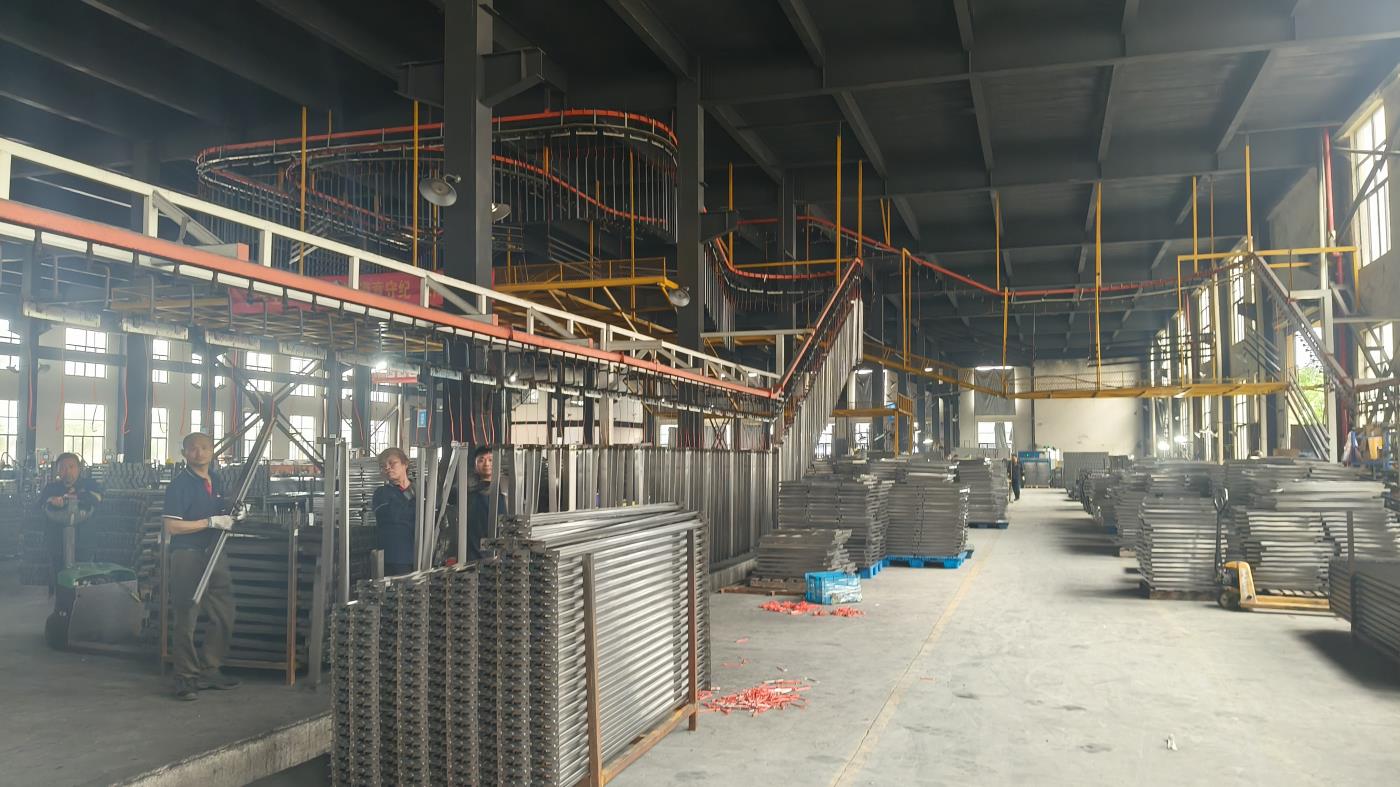
Sustainable steel procurement, coupled with energy-efficient electrostatic powder coating systems that yield zero volatile organic compounds (VOCs), has transitioned from a compliance checklist to a core procurement requirement for global enterprises.
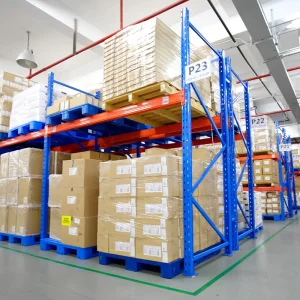
The industrial warehouse space has experienced a massive shift towards vertical volume utilization. Industrial real estate costs have grown over 30% globally in major distribution hubs (e.g., North America, Western Europe, and Southeast Asia). In response, operations directors are abandoning simple floor-stacking strategies in favor of modular, multi-level storage. By implementing adjustable steel pallet racks and automated multi-tier structures, facilities can increase their storage capacity by up to 400% without expanding their physical footprint.
However, this vertical migration requires high-grade raw materials and strict quality control. Poorly manufactured cold-rolled steel, substandard welding, or uneven powder coating can lead to structural failures, putting lives and multi-million dollar inventories at risk. That is why procurement managers verify the factory's structural analysis capabilities, ultrasonic weld inspection protocols, and material certificates (e.g., Q235B vs. Q355B structural steel grades) before selecting a partner.
How automation, geographical positioning, and advanced steel roll-forming technologies sustain global operations amidst macro-economic volatility.
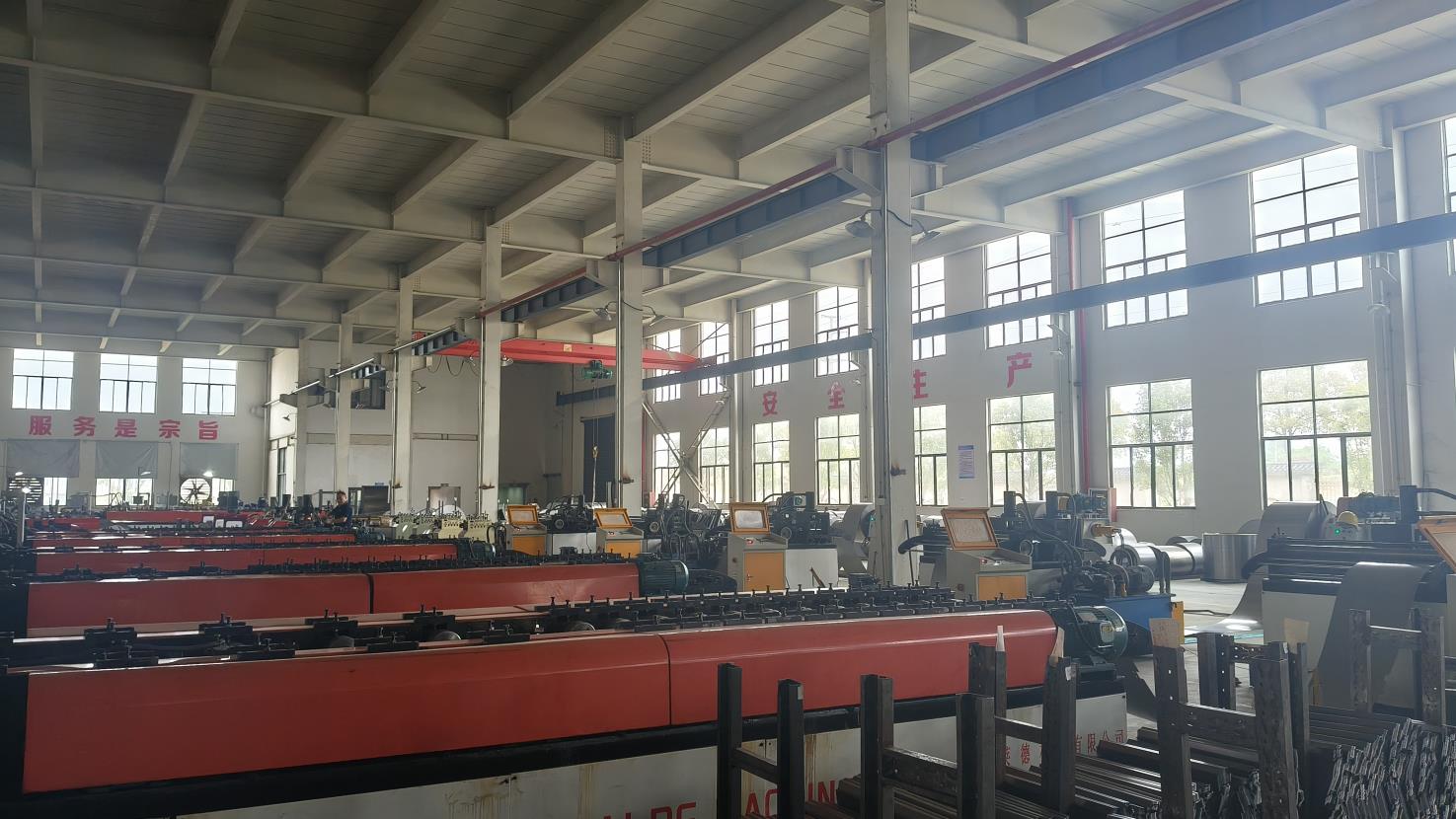
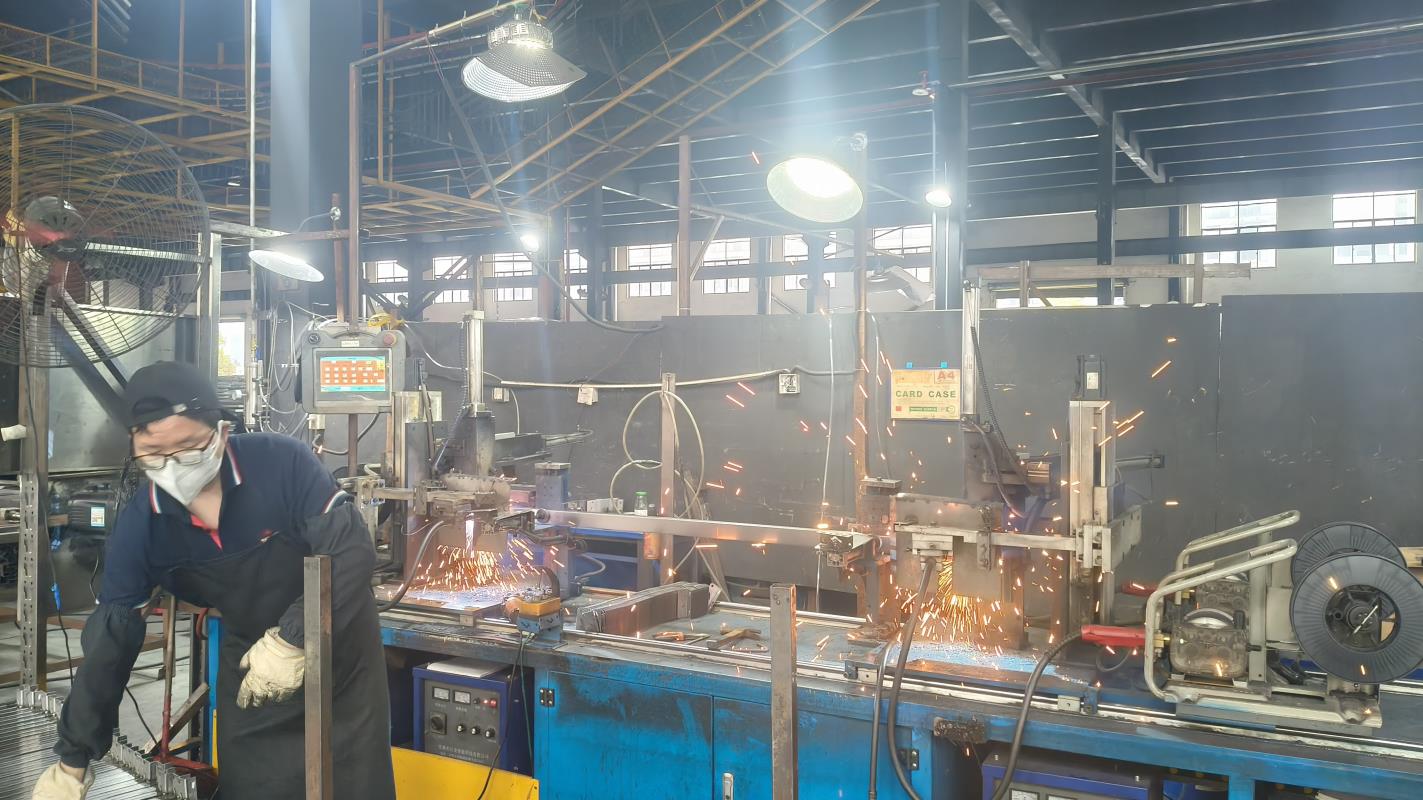
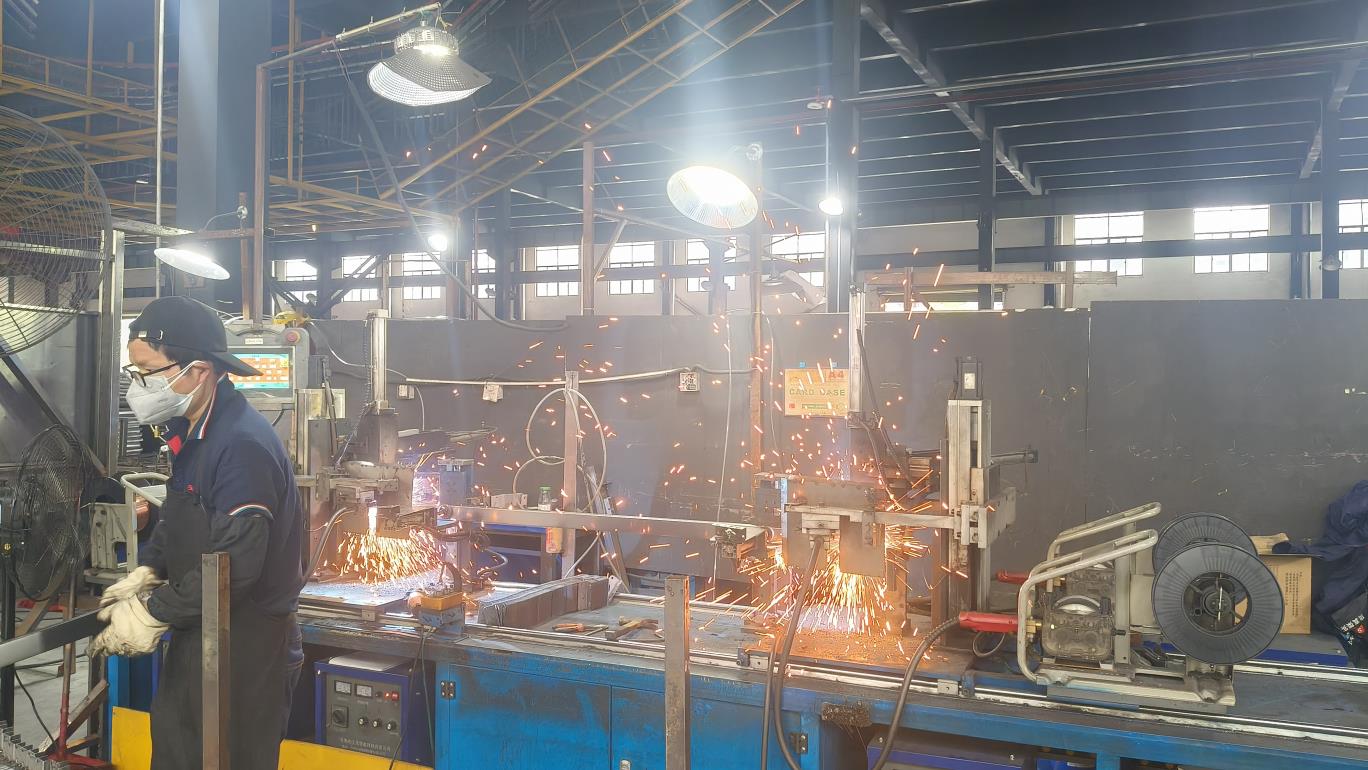
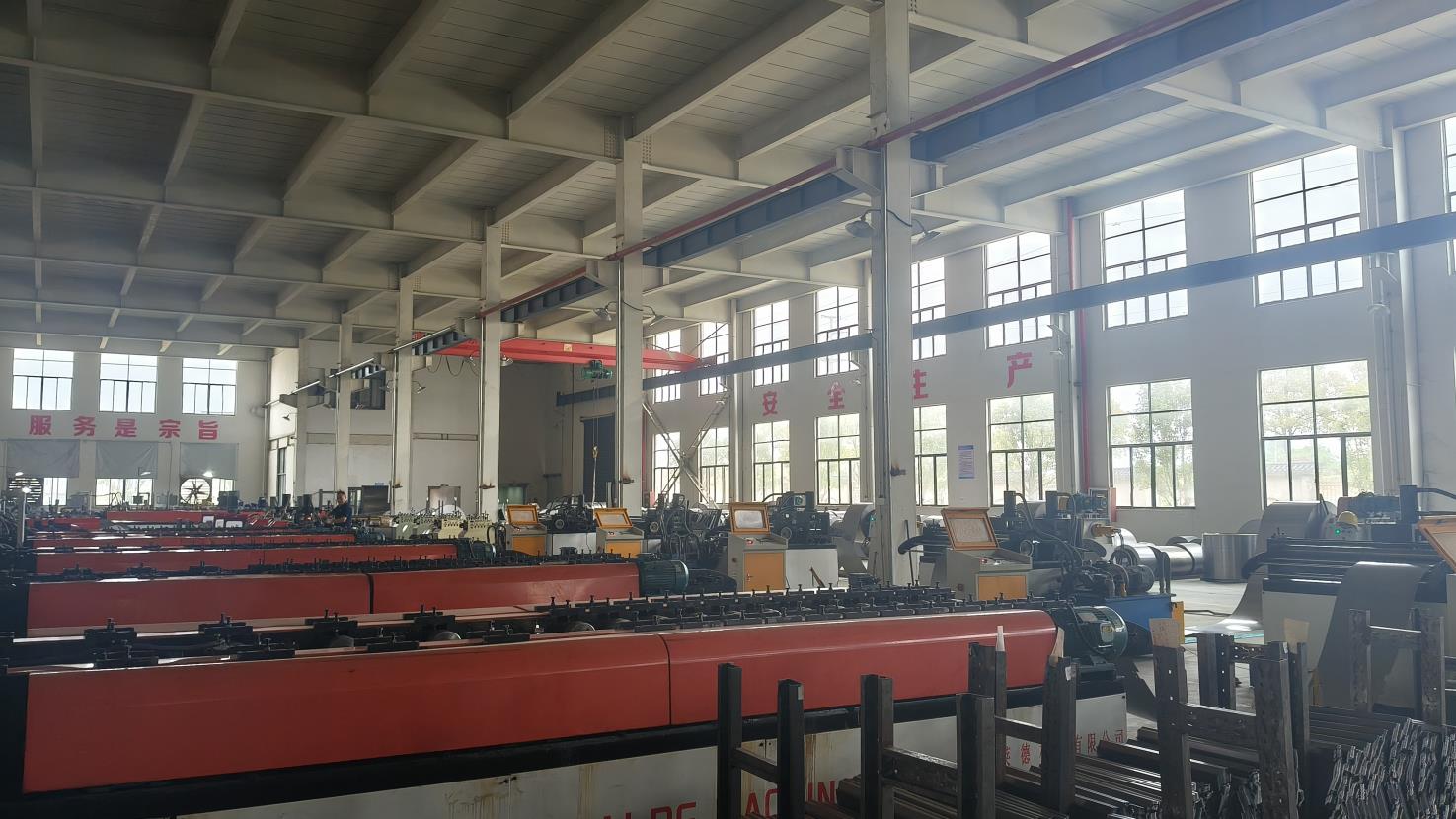
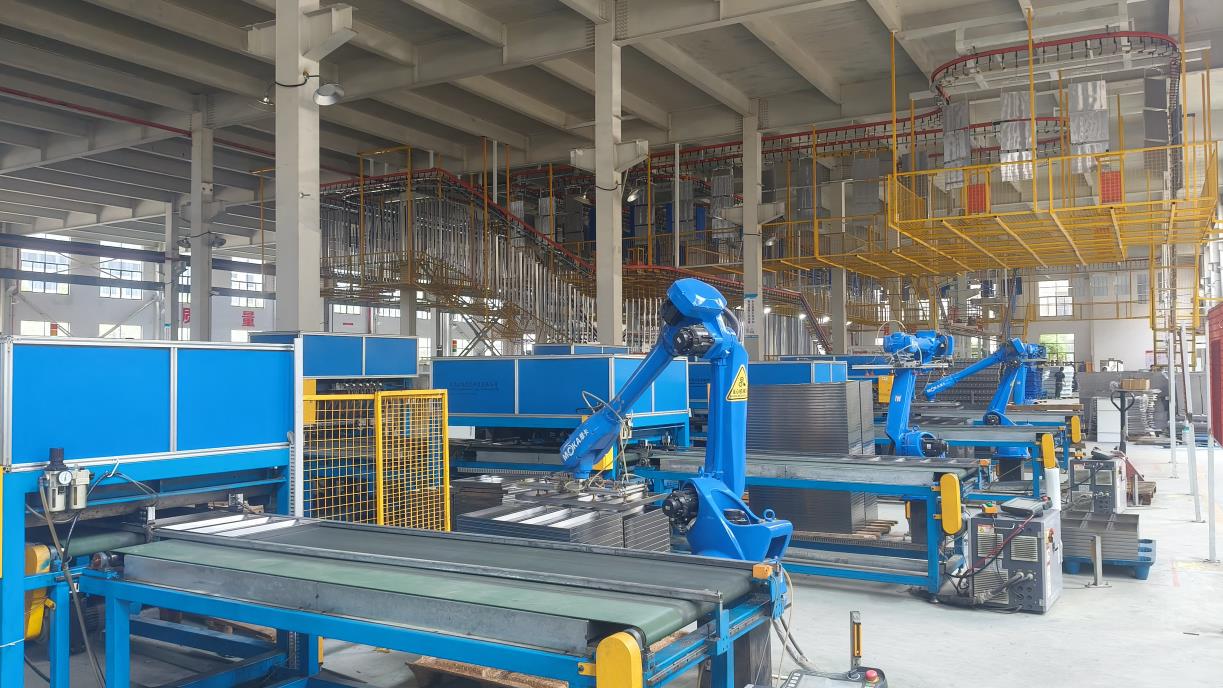
By shifting from manual processes to automated robotic weld arms and computerized, multi-station continuous roll-forming lines, leading manufacturers reduce human error and guarantee high precision across thousands of structural components. This level of repeatability ensures that upright frames and beam connectors lock together smoothly during installation, even on projects requiring thousands of rack bays.
Located near massive deep-water ports like Ningbo-Zhoushan, factories benefit from direct access to major domestic steel mills. By securing raw Q235B and Q355B structural steel with consistent metallurgical properties (carbon equivalent, silicon content, yield strength), manufacturers maintain consistent quality and pricing, shielding clients from supply disruptions.
A trusted global supplier combining engineering depth with scale manufacturing to deliver custom logistics solutions.
Established in 2016, Ningbo Shibang Storage Rack Co., Ltd. is a leading enterprise specializing in the design, manufacture, and global distribution of heavy-duty industrial warehouse racking systems. Spanning a modern manufacturing facility of 32,000 m², our company has accumulated 12 years of industry experience and 8 years of direct export expertise, serving global clients with total annual export revenue reaching $18 million.
Quality and structural integrity are at the core of our manufacturing philosophy. Backed by a dedicated quality control team of 35 QA/QC inspectors, we implement rigorous multi-stage quality assurance processes, including Ultrasonic Testing (UT) for weld seams, load-bearing stress analysis, coating thickness verification, and raw material tensile testing.
Operating with a robust international trade setup, our primary markets cover North America, Western Europe, Southeast Asia, and Australia. To maintain efficient production cycles and reliable raw material supply, we partner with over 850 supply chain vendors. Our diverse client portfolio spans 3PL logistics providers, automated distribution centers, retail mega-warehouses, and heavy manufacturing facilities.
Innovation drives our growth. Our in-house R&D department boasts 22 experienced structural and mechanical engineers. Through strong technical capability and advanced OEM/ODM versatility, we offer extensive customization options, including tailored load capacities, custom powder-coating colors, seismically engineered beam profiles, and modular height configurations. Demonstrating our commitment to evolving market needs, we launched 140 new products and optimized structural components over the past year alone.
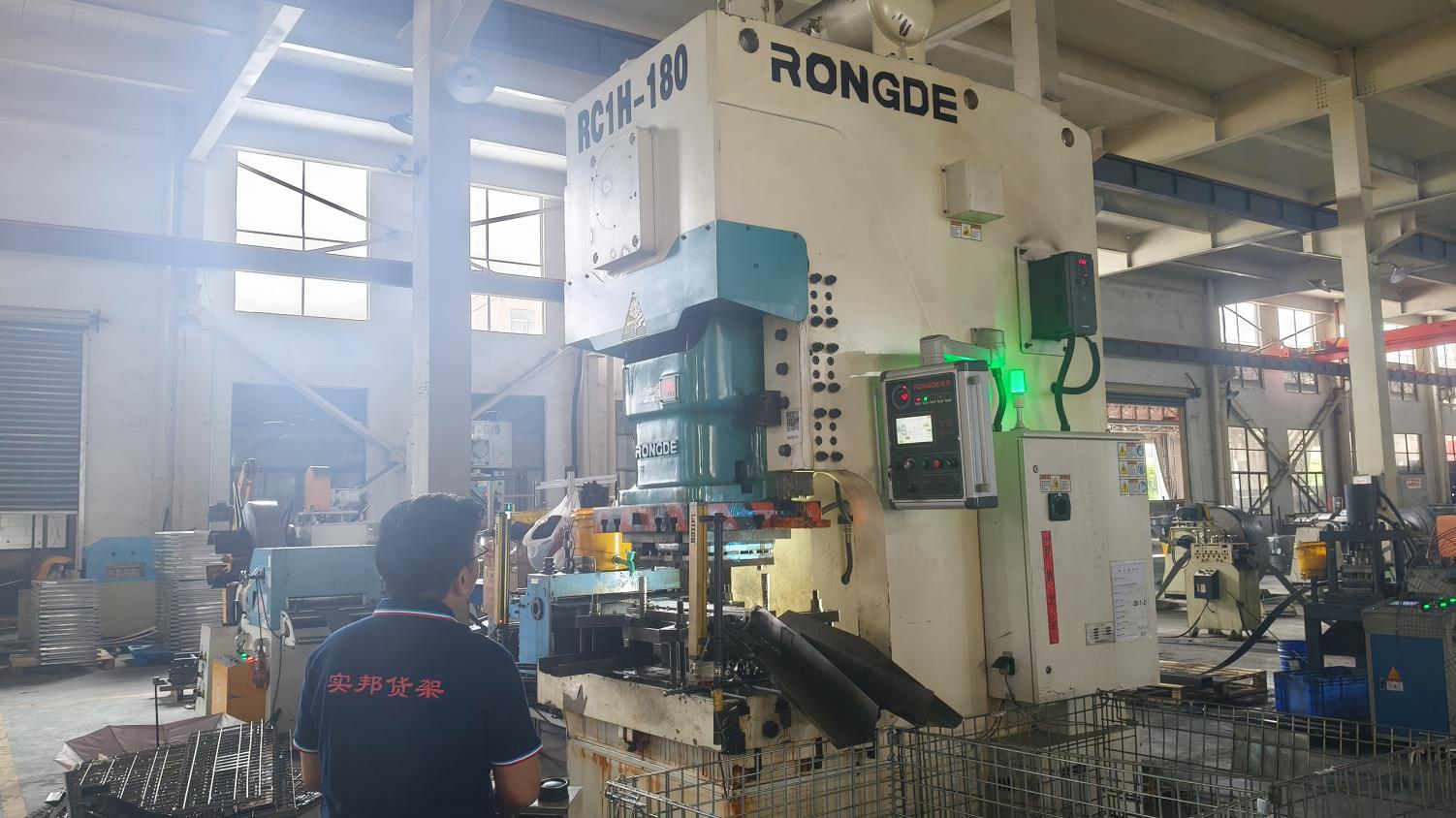
A detailed view of our vertically integrated manufacturing facility, showing the steps from raw steel coil processing to quality testing and packaging.
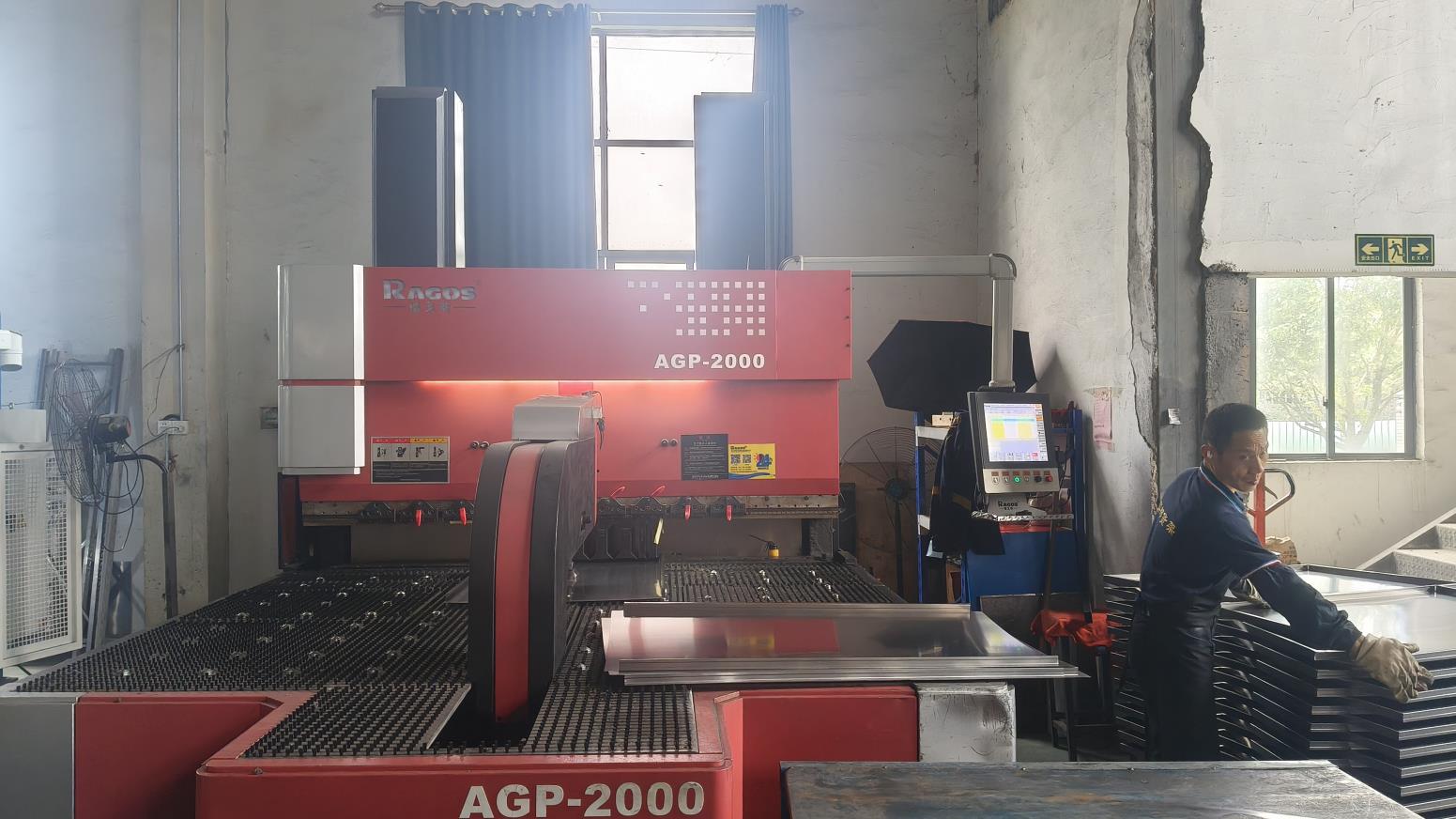
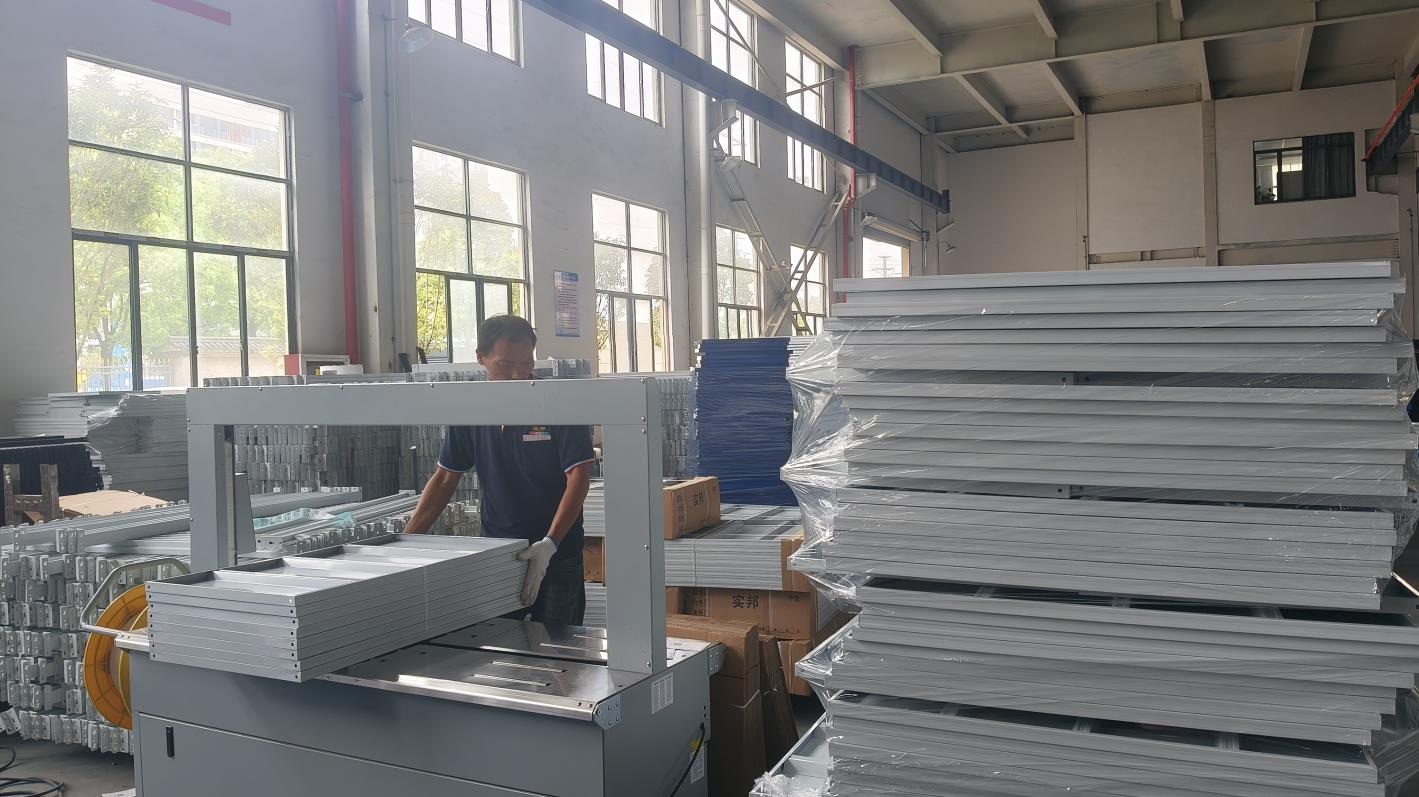
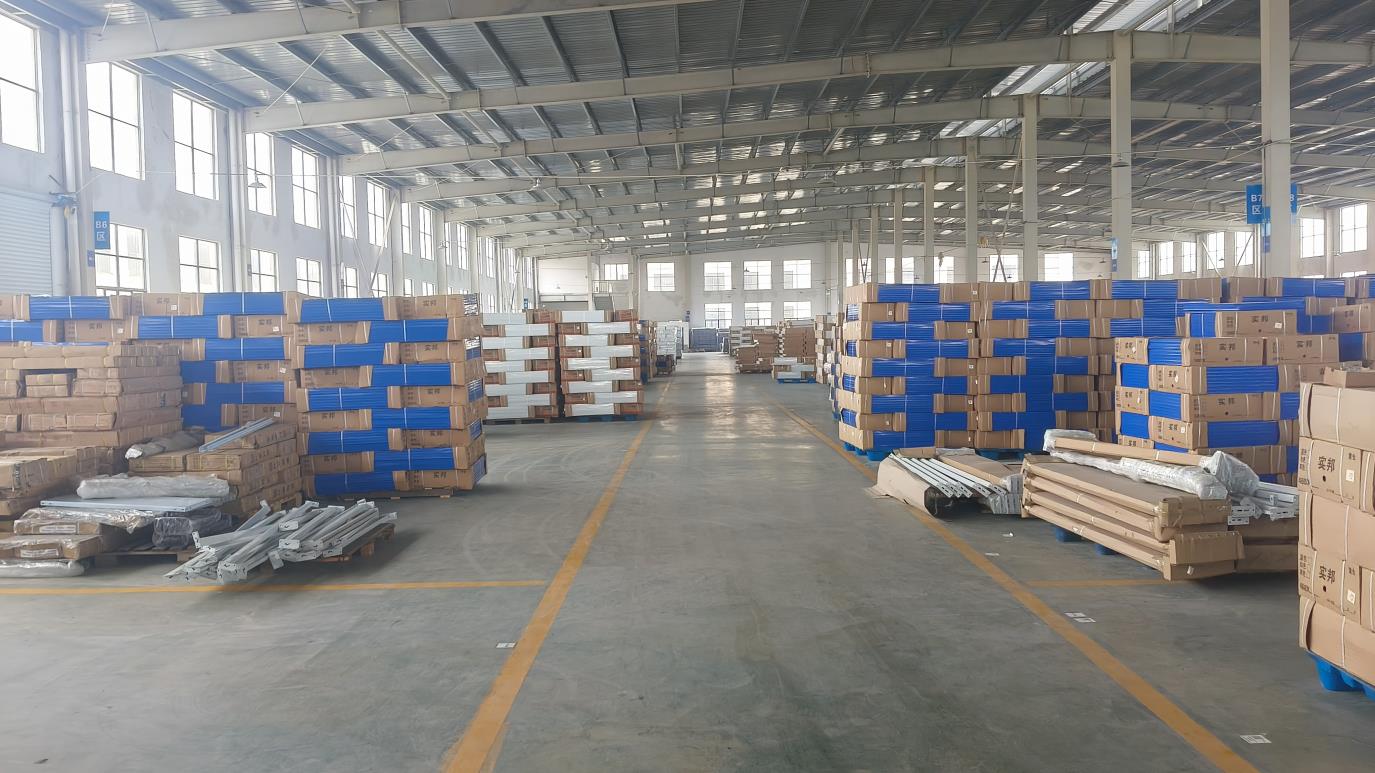
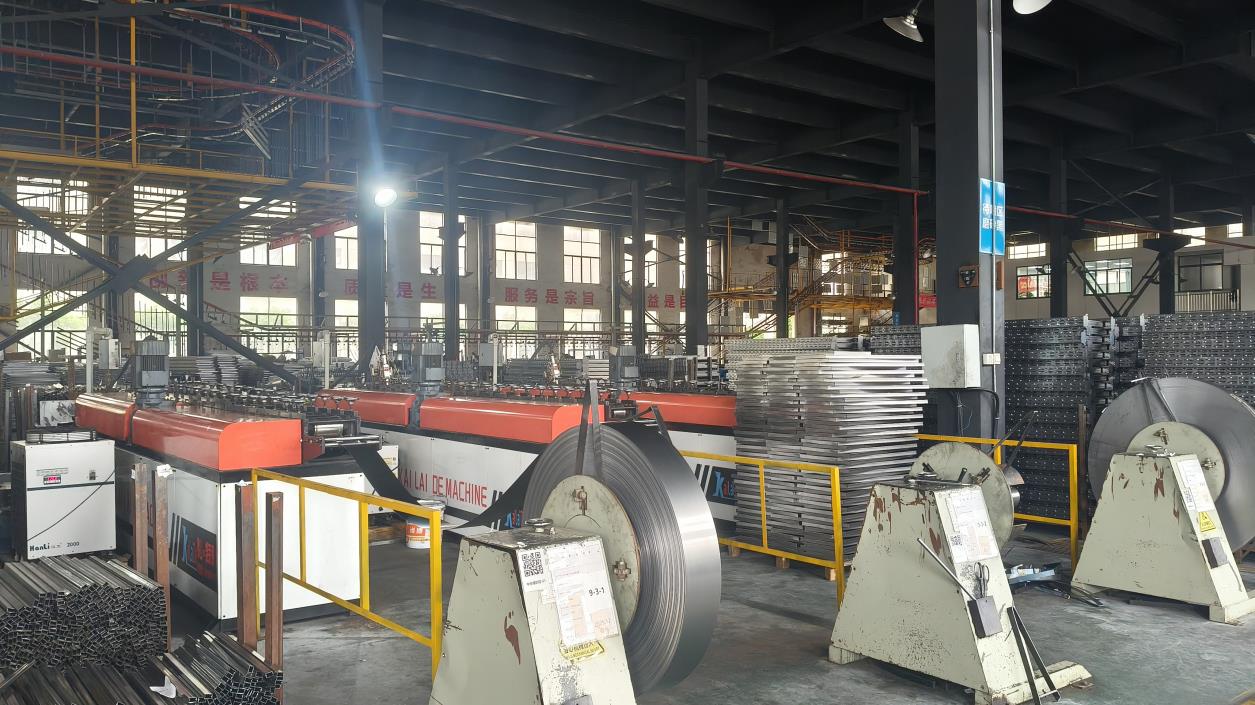
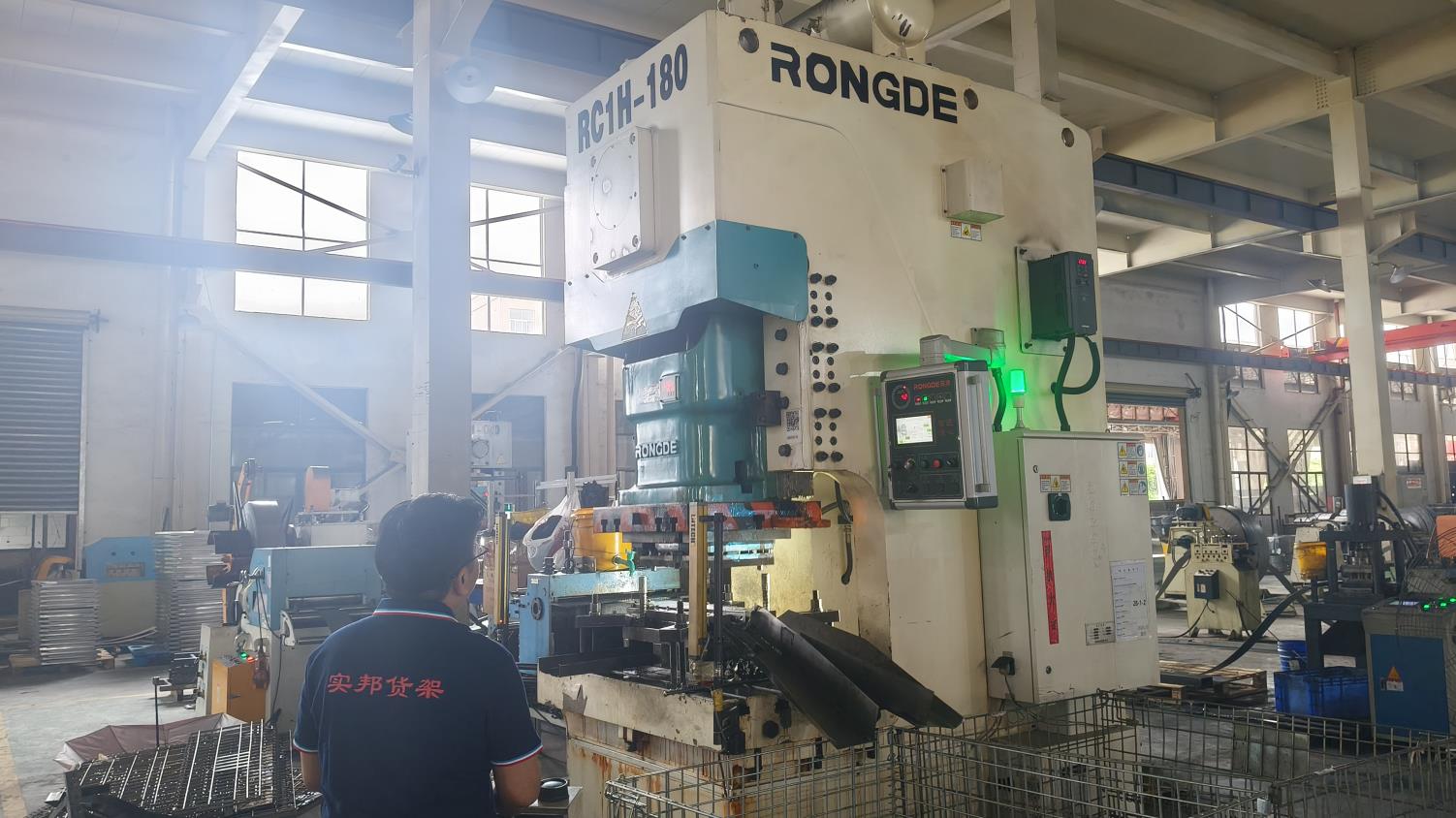
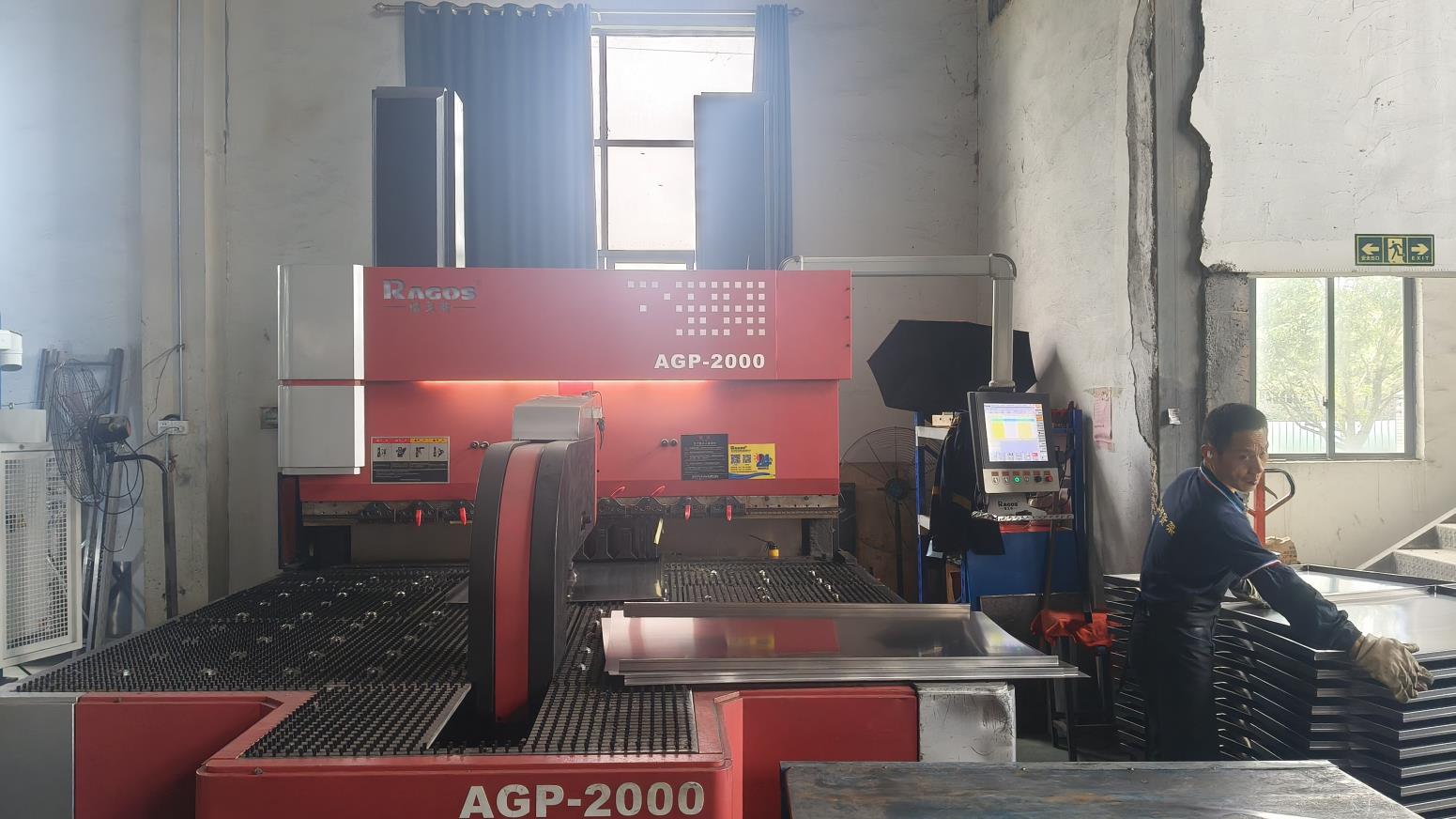
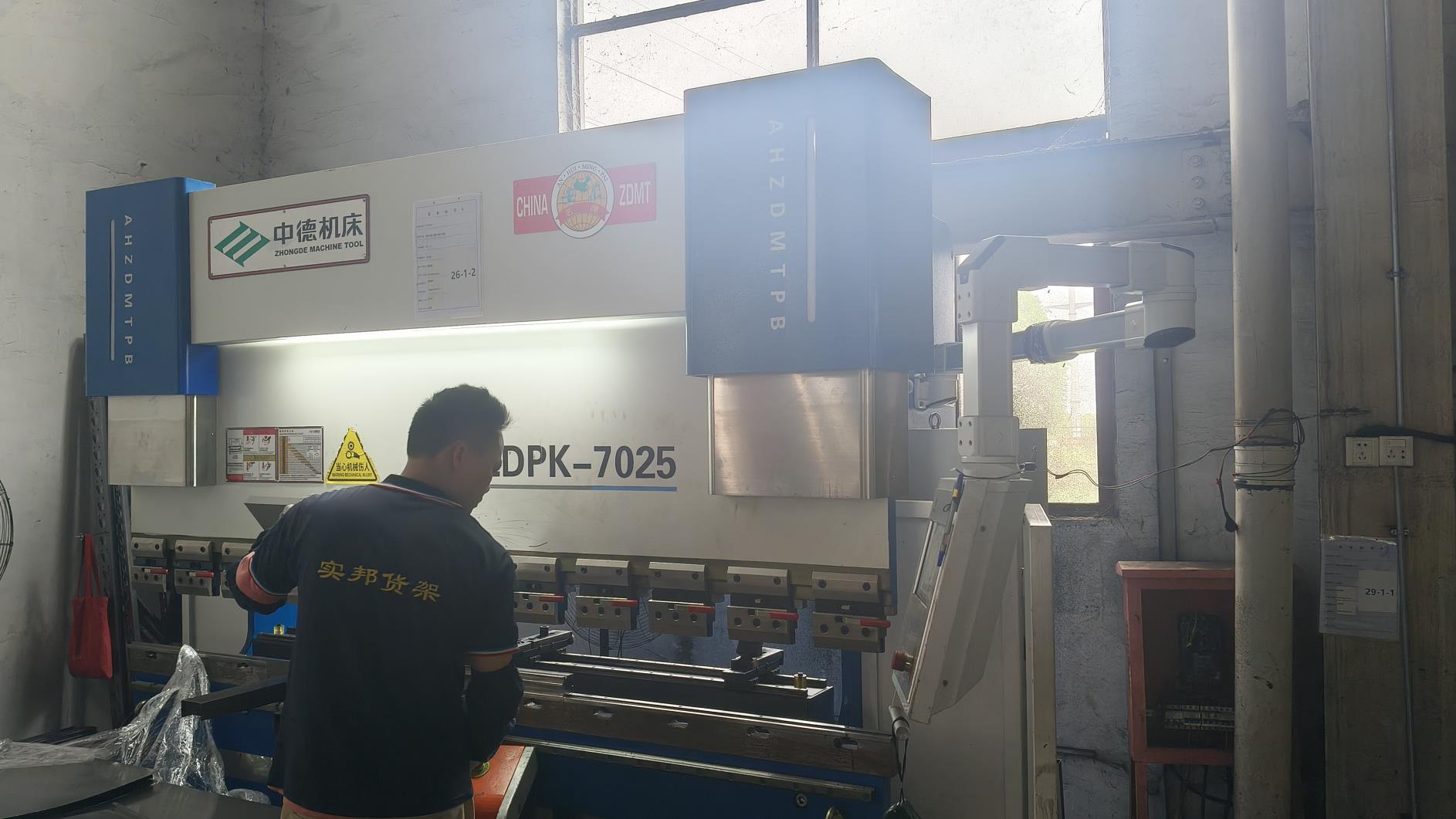
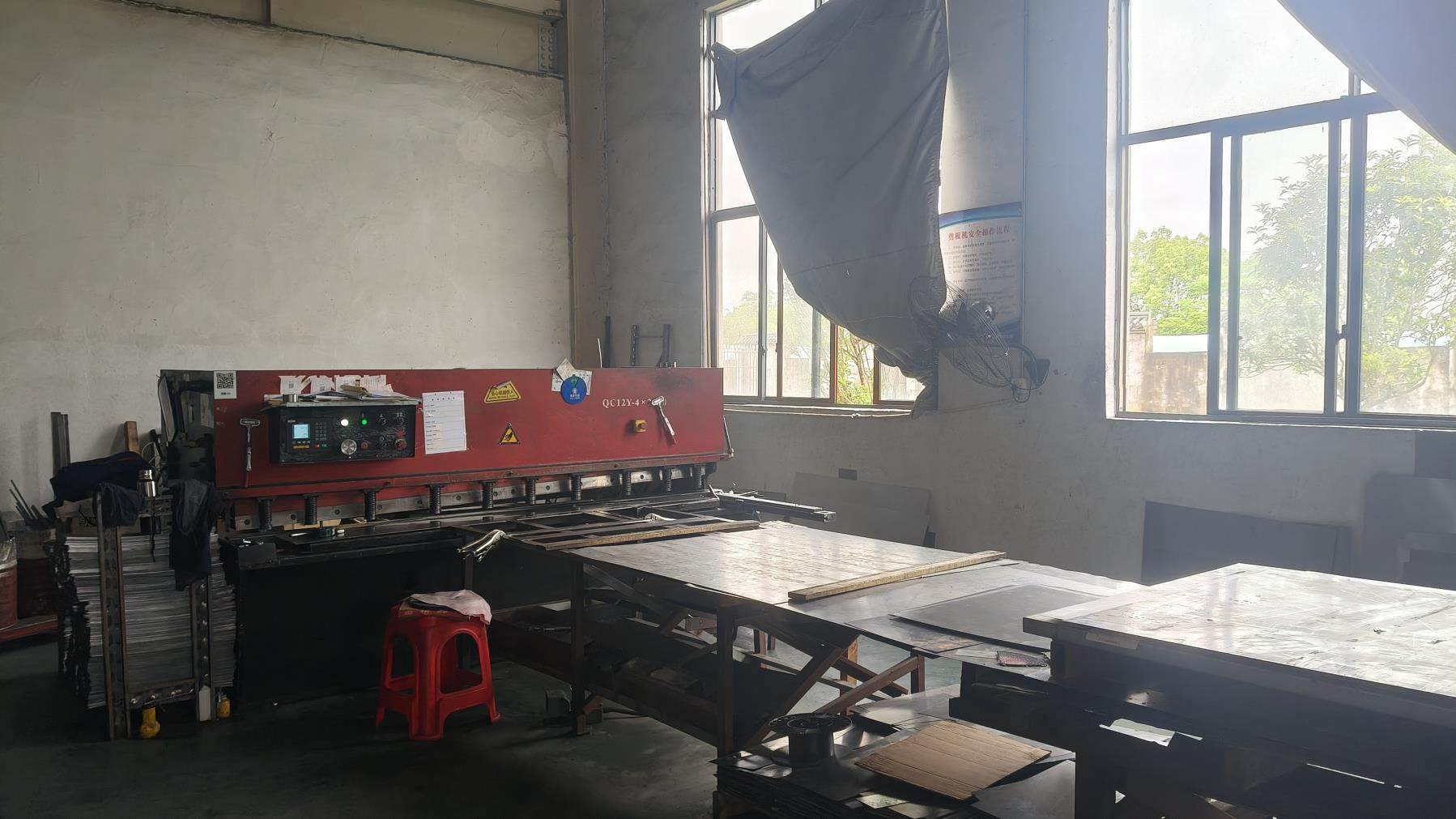
Racking systems must be configured for specific warehouse environments and regional regulations.
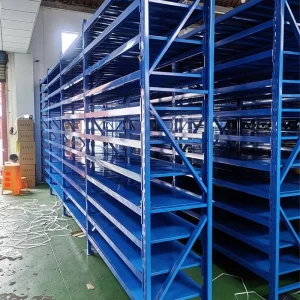
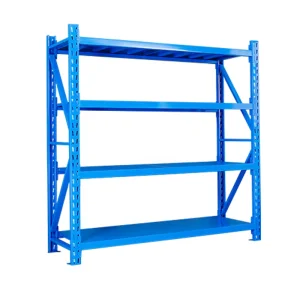
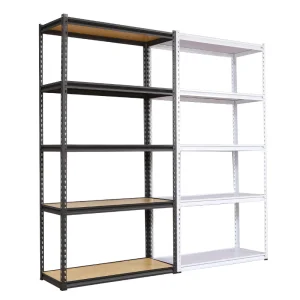
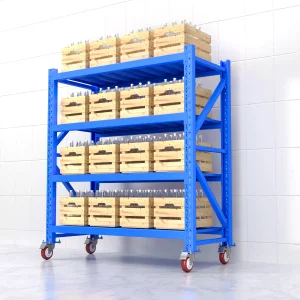
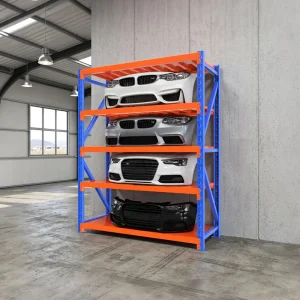
For high-throughput, high-SKU operations, boltless multi-tier shelving and mobile steel racks maximize space. In distribution hubs, 5-layer adjustable units allow operators to adjust beam spacing quickly to accommodate seasonal inventory shifts.
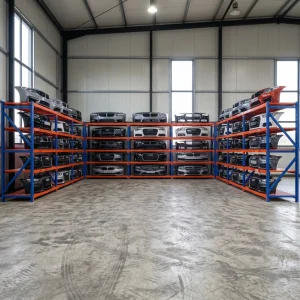
Storing engines, dies, and raw coils requires custom heavy-duty pallet racking with capacities up to 3000KG per tier. These structures are built with welded structural beams and reinforced baseplates anchored into concrete floors to withstand forklift impacts.
Cold chain facilities require corrosion protection due to moisture and low temperatures. Hot-dip galvanized or specialized cold-rolled steel multi-tier shelving resists oxidation down to -30°C, maintaining structural safety.
Important engineering, quality assurance, and compliance considerations when sourcing heavy-duty racking systems.
Explore more specialized racking designs engineered for retail distribution hubs, heavy manufacturing, and commercial workshops.
 Shibang Rack