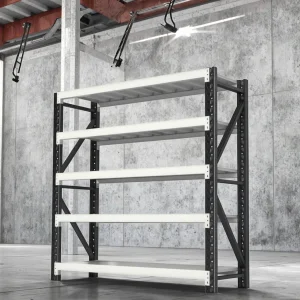
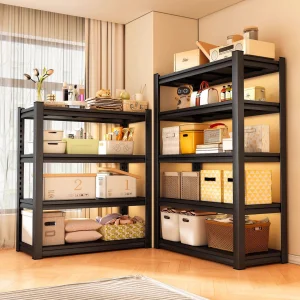
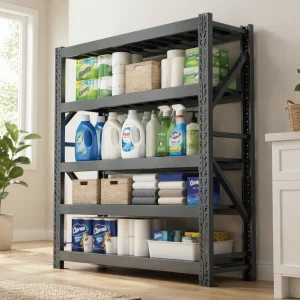
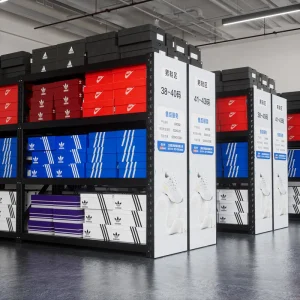
Explore our foundational range of heavy-duty, light-duty, and adjustable garage and warehouse storage components manufactured to strict global engineering standards.
Analyzing the shift from static pallet racking to semi-automated dynamic runner solutions in modern logistics infrastructure.
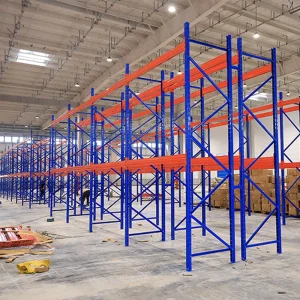
The global warehousing landscape is undergoing a structural paradigm shift driven by dynamic supply chain pressures, soaring land valuations, and labor constraints. Historically, traditional warehousing operations relied predominantly on selective pallet racking or drive-in racking. While selective systems offer 100% selectivity, their volumetric utilization rarely exceeds 40% due to the extensive aisle spaces required for forklift navigation. Drive-in racks improve volume density but suffer from structural vulnerability, slow turnaround times, and susceptibility to forklift impact damages. Enter the Radio Shuttle Storage System—a semi-automated, high-density storage framework that utilizes autonomous shuttle cars (pallet runners) to transport pallets deep inside custom-engineered storage tunnels.
As logistics complexes strive for maximum volumetric footprint efficiency (measured in cubic meters, $m^3$), radio shuttle technology has emerged as the definitive bridge between manual static systems and multi-million dollar fully automated AS/RS (Automated Storage and Retrieval Systems). According to recent industrial automation indicators, the demand for semi-automated high-density shuttle storage has seen a year-on-year surge of over 18.4% globally. Manufacturers are moving away from monolithic, rigid configurations to modular, customized OEM platforms that integrate seamlessly with pre-existing Warehouse Management Systems (WMS).
Today's radio shuttle runners are no longer simple mechanical moving plates; they are sophisticated IoT edge units. Key industry developments include:
| Parameters | Selective Rack | Drive-In Rack | Radio Shuttle |
|---|---|---|---|
| Space Utilization | Low (~40%) | Medium (~60%) | High (Up to 85%) |
| Structural Safety | High | Low (Forklift Risk) | Superior (No Forklift Entry) |
| FIFO / LIFO Adaptability | Fully Compatible | LIFO Only | Both (Highly Flexible) |
| Throughput Speed | Standard | Slow | Rapid Dynamic Handling |
A deep dive into our state-of-the-art 32,000 m² automated production facility, engineered for high-tolerance heavy industrial fabrication.
About Ningbo Shibang Storage Rack Co., Ltd.
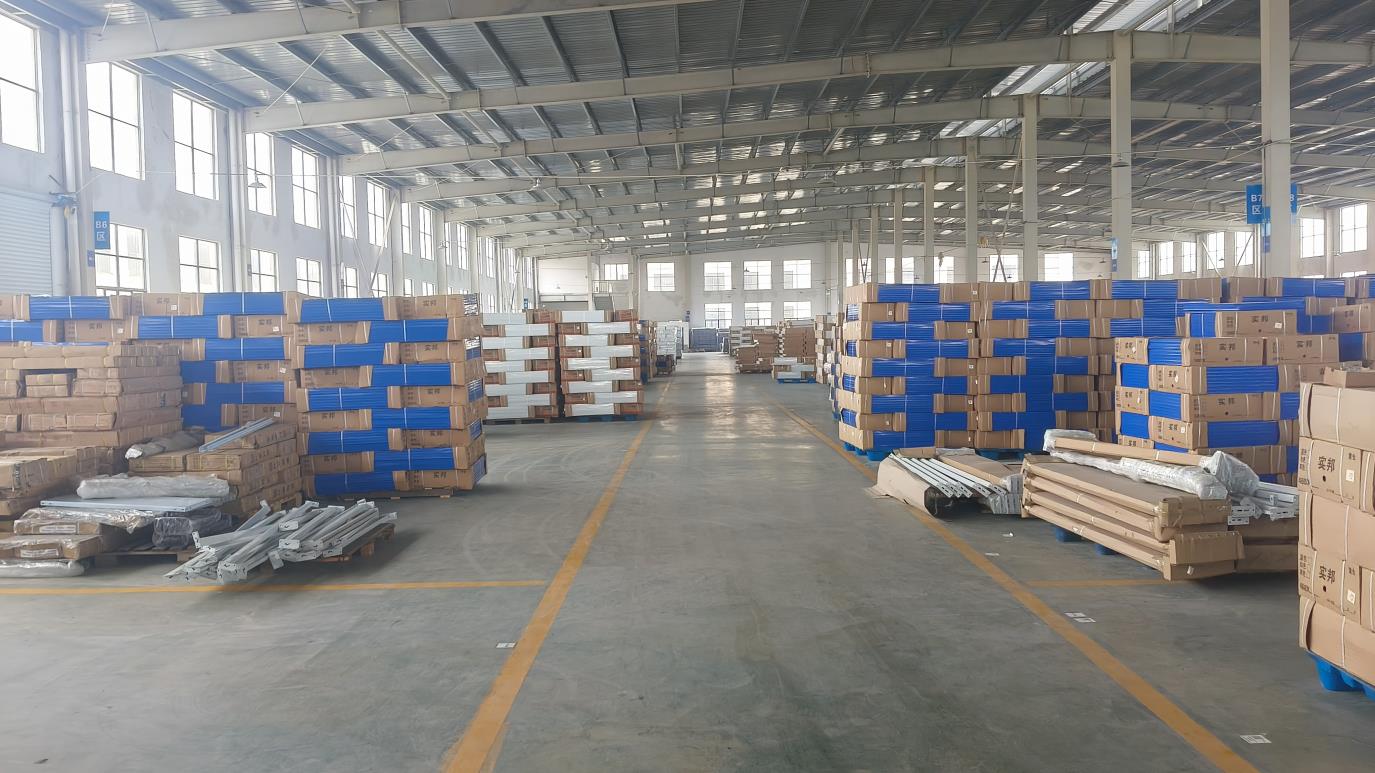
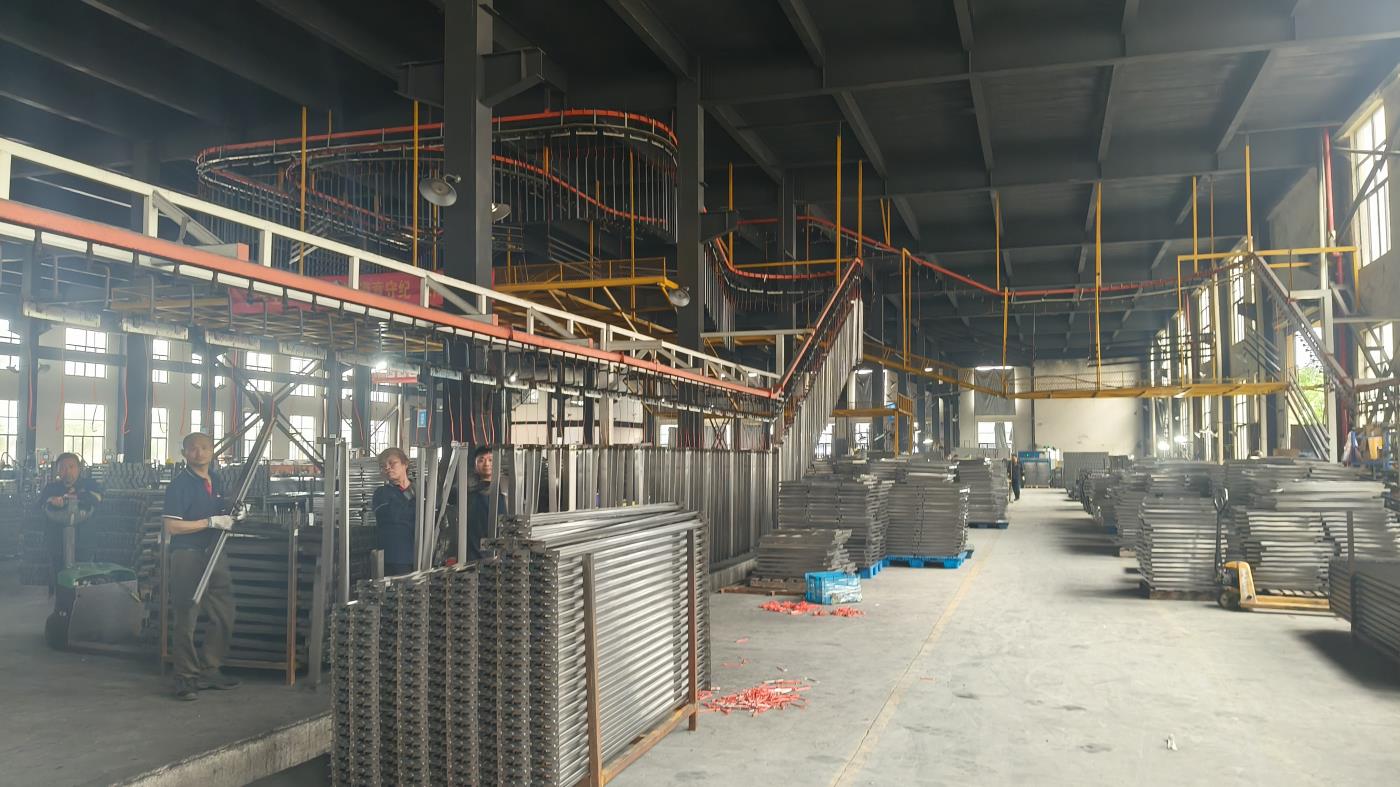
Established in 2016, Ningbo Shibang Storage Rack Co., Ltd. is a leading enterprise specializing in the design, manufacture, and global distribution of heavy-duty industrial warehouse racking systems. Spanning a modern manufacturing facility of 32,000 m², our company has accumulated 12 years of industry experience and 8 years of direct export expertise, serving global clients with total annual export revenue reaching $18 million.
Quality and structural integrity are at the core of our manufacturing philosophy. Backed by a dedicated quality control team of 35 QA/QC inspectors, we implement rigorous multi-stage quality assurance processes, including Ultrasonic Testing (UT) for weld seams, load-bearing stress analysis, coating thickness verification, and raw material tensile testing.
Operating with a robust international trade setup, our primary markets cover North America, Western Europe, Southeast Asia, and Australia. To maintain efficient production cycles and reliable raw material supply, we partner with over 850 supply chain vendors. Our diverse client portfolio spans 3PL logistics providers, automated distribution centers, retail mega-warehouses, and heavy manufacturing facilities.
Innovation drives our growth. Our in-house R&D department boasts 22 experienced structural and mechanical engineers. Through strong technical capability and advanced OEM/ODM versatility, we offer extensive customization options, including tailored load capacities, custom powder-coating colors, seismically engineered beam profiles, and modular height configurations. Demonstrating our commitment to evolving market needs, we launched 140 new products and optimized structural components over the past year alone.
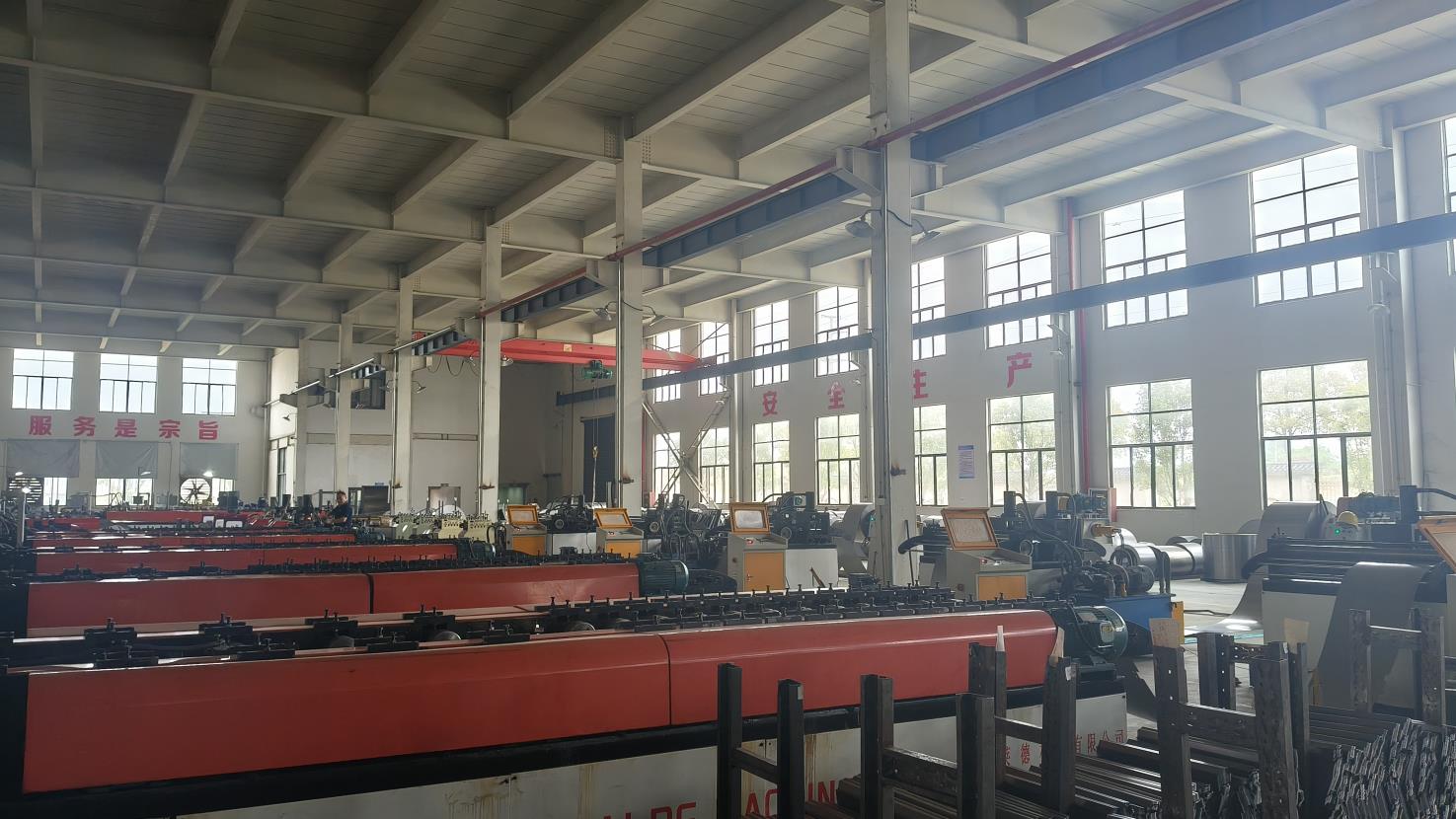
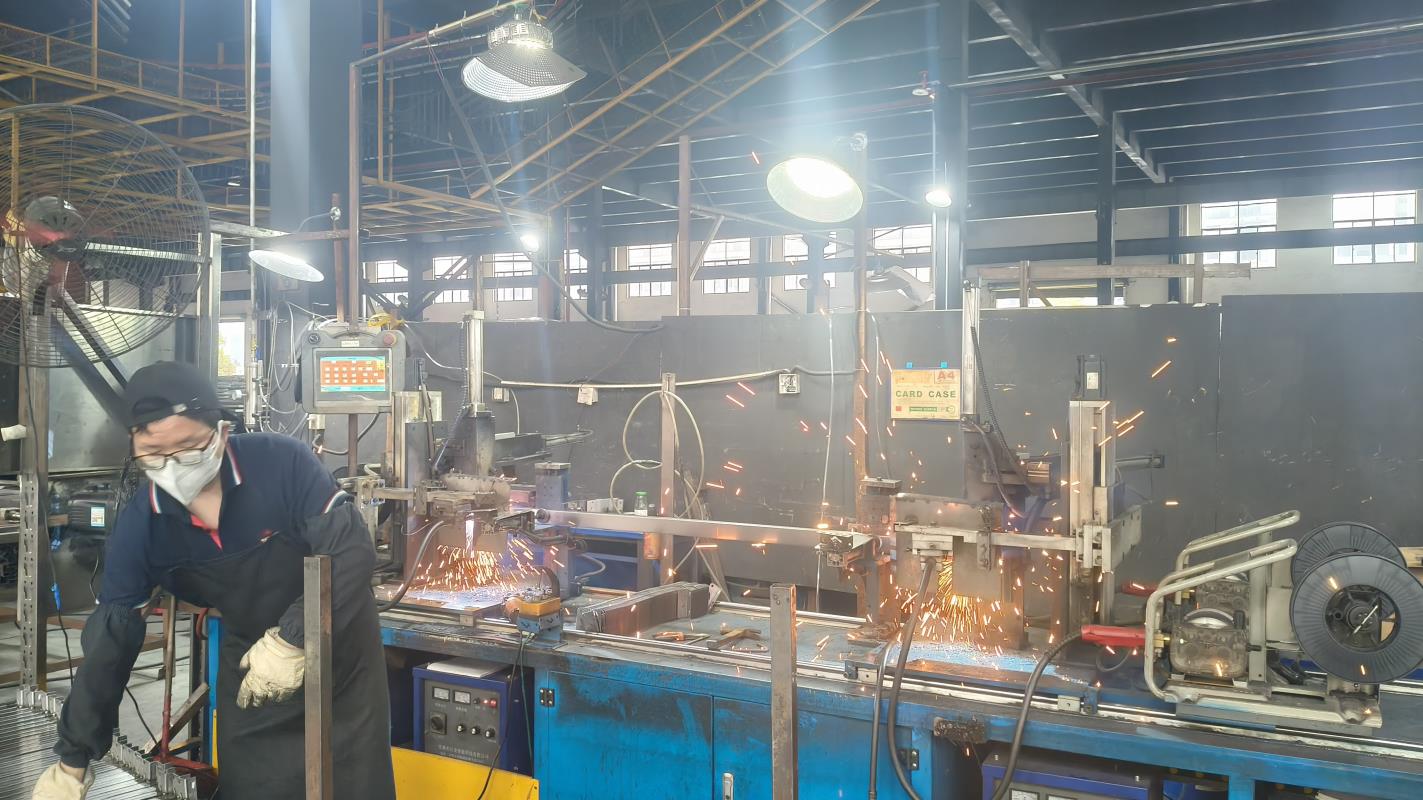
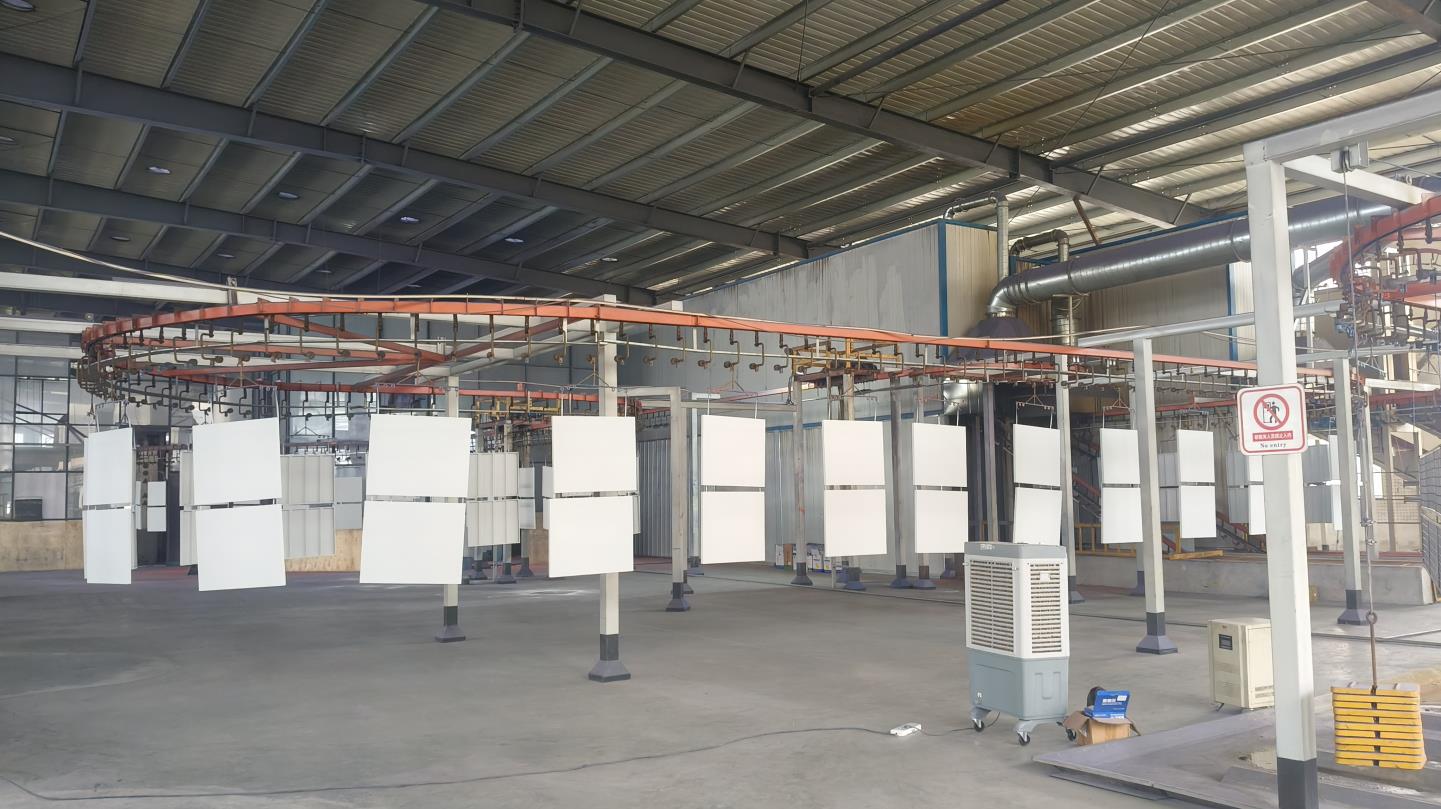
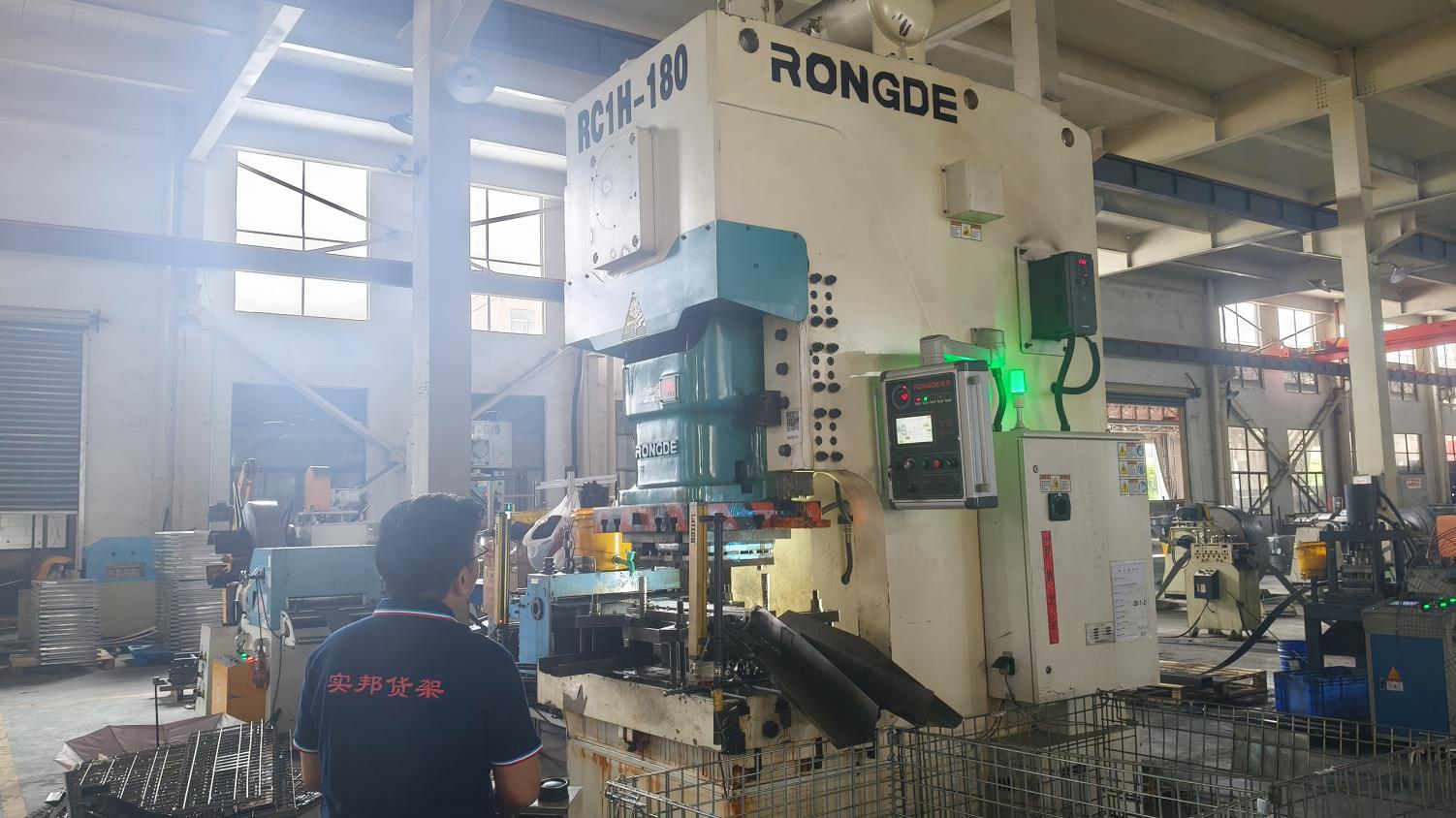
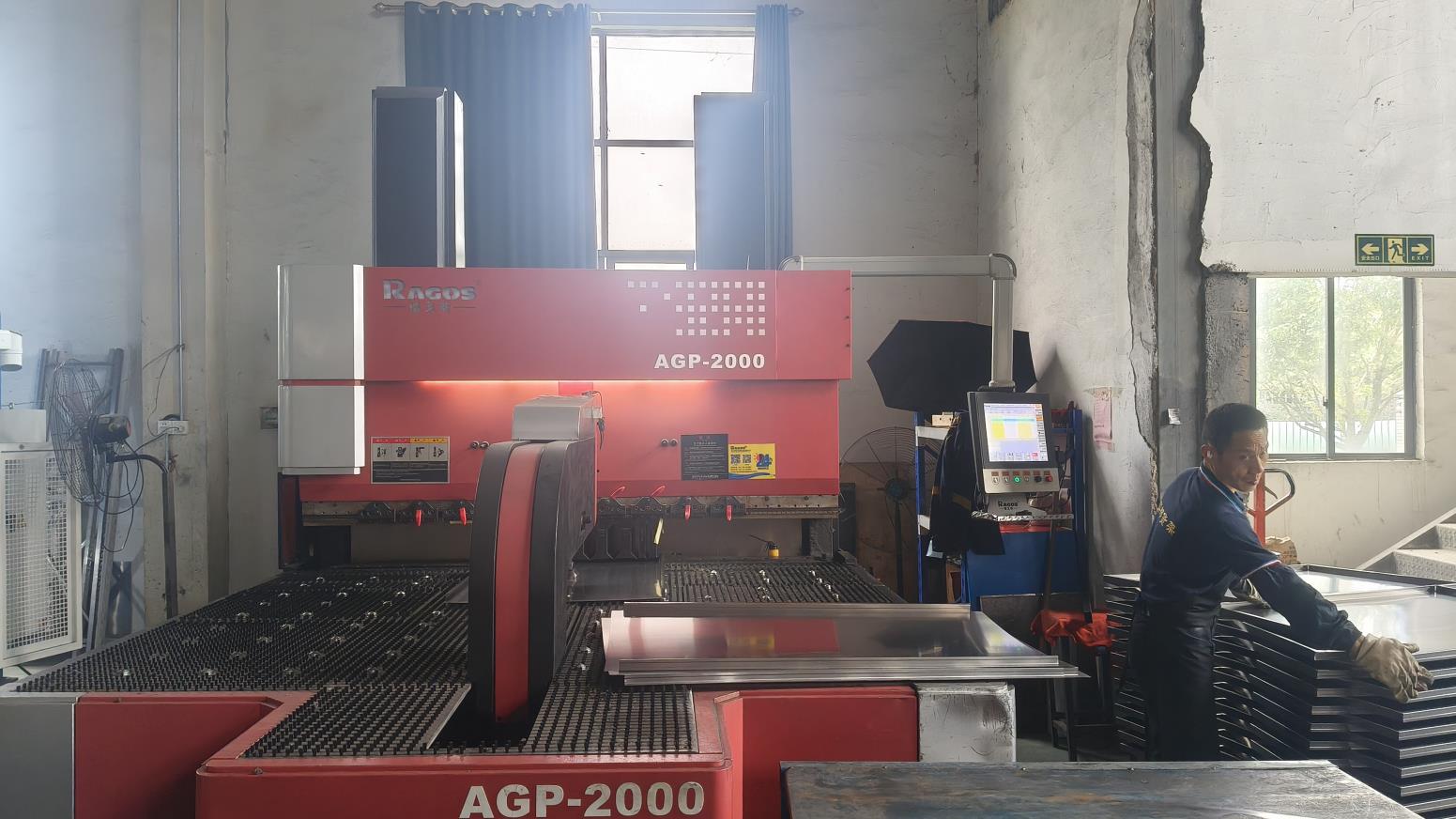
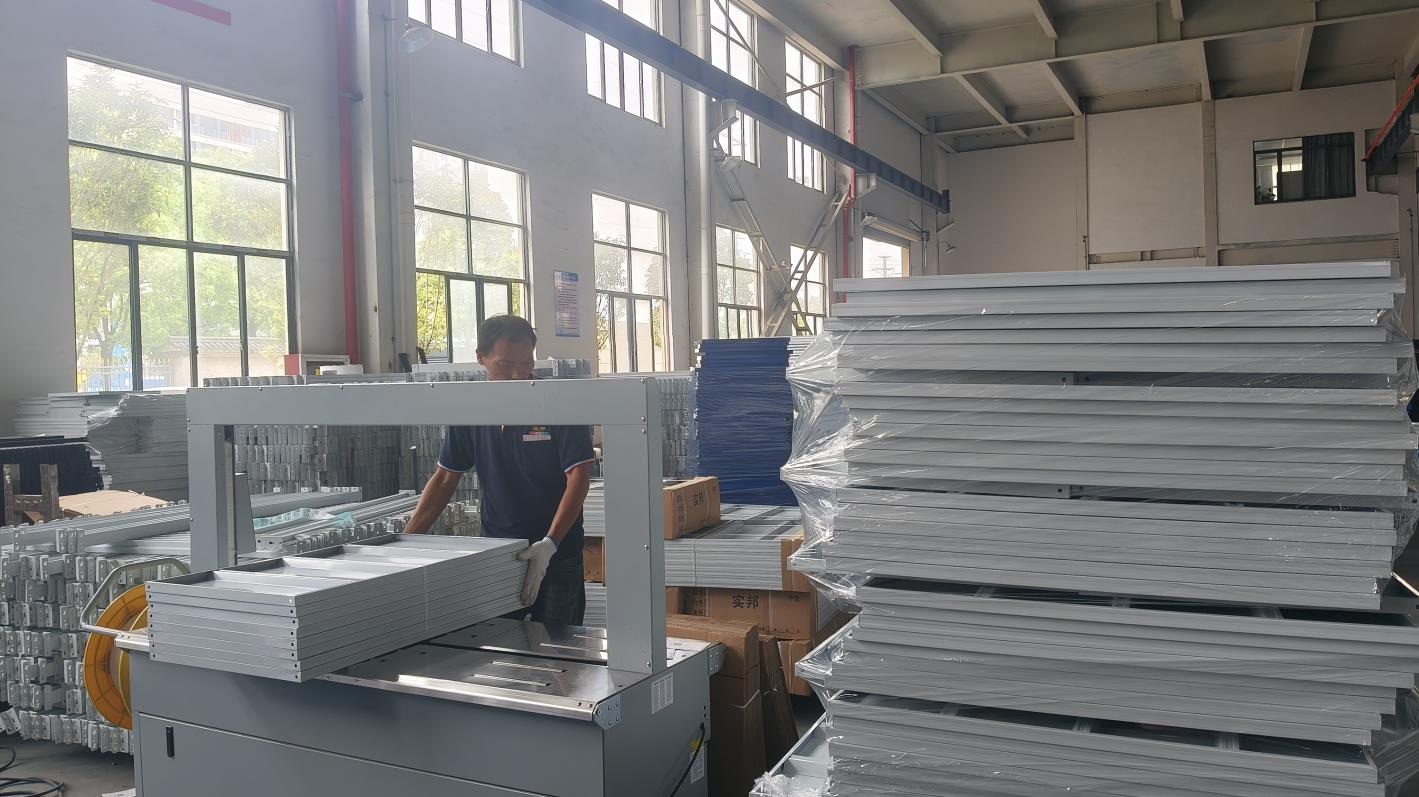
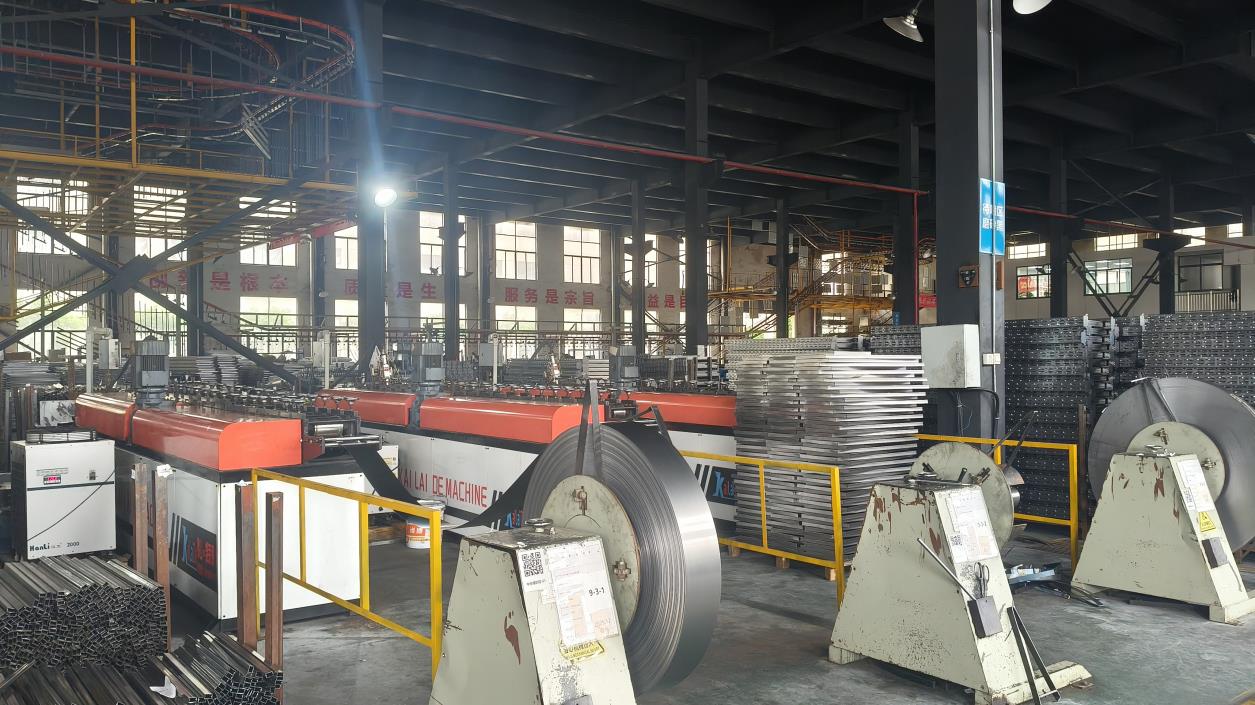
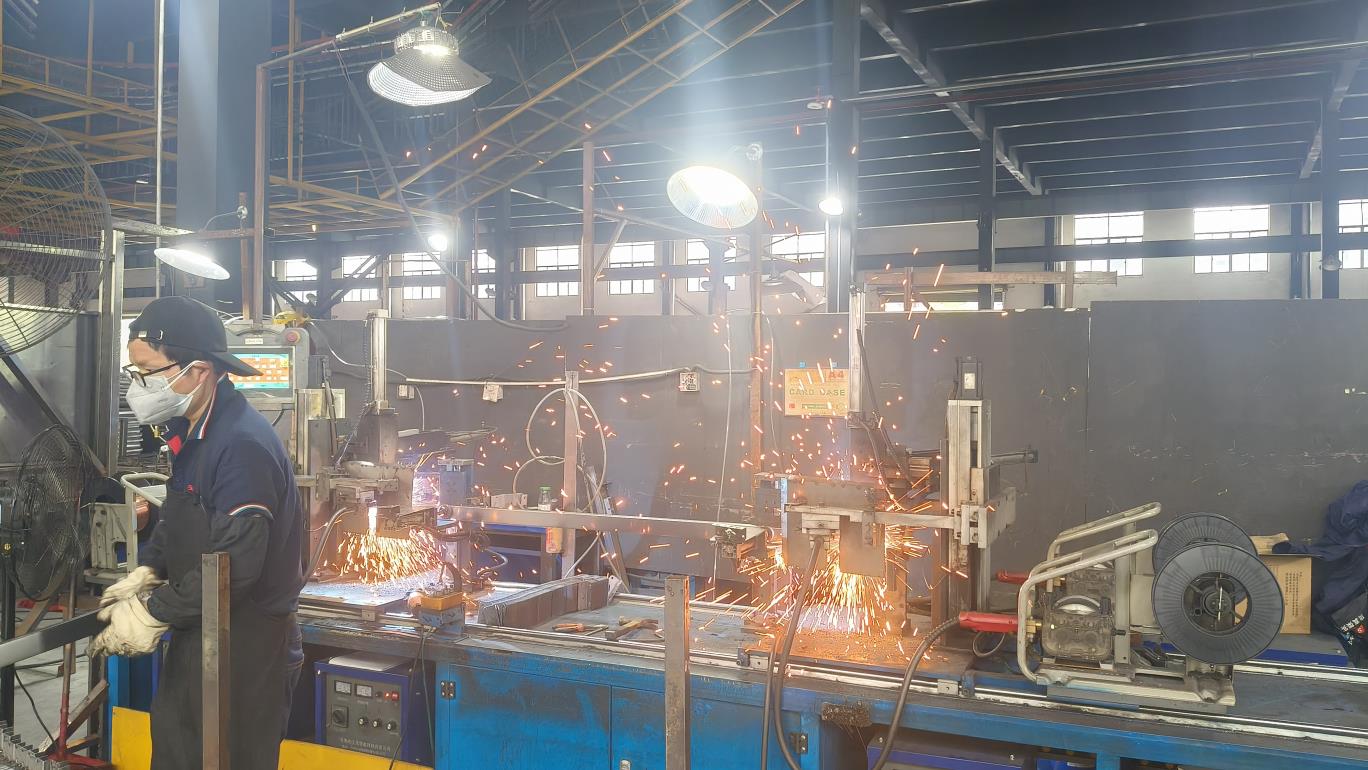
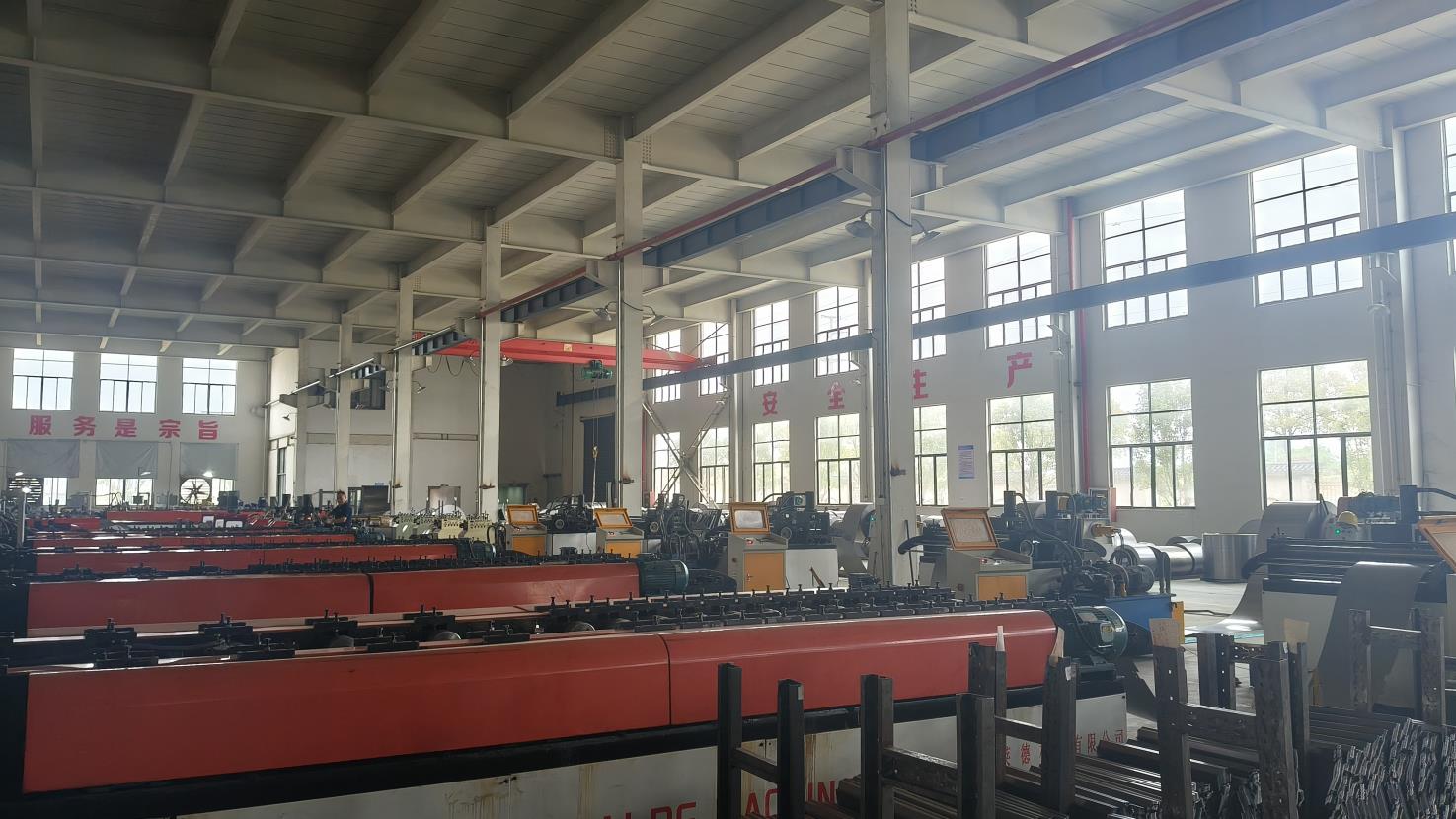
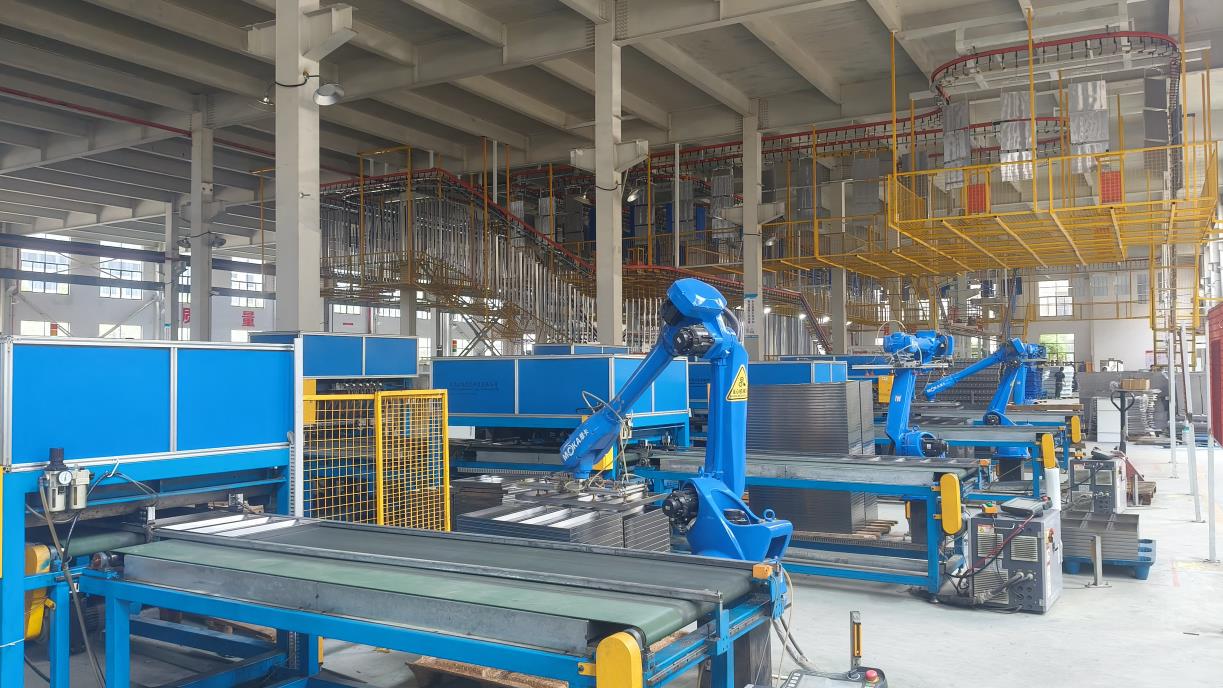
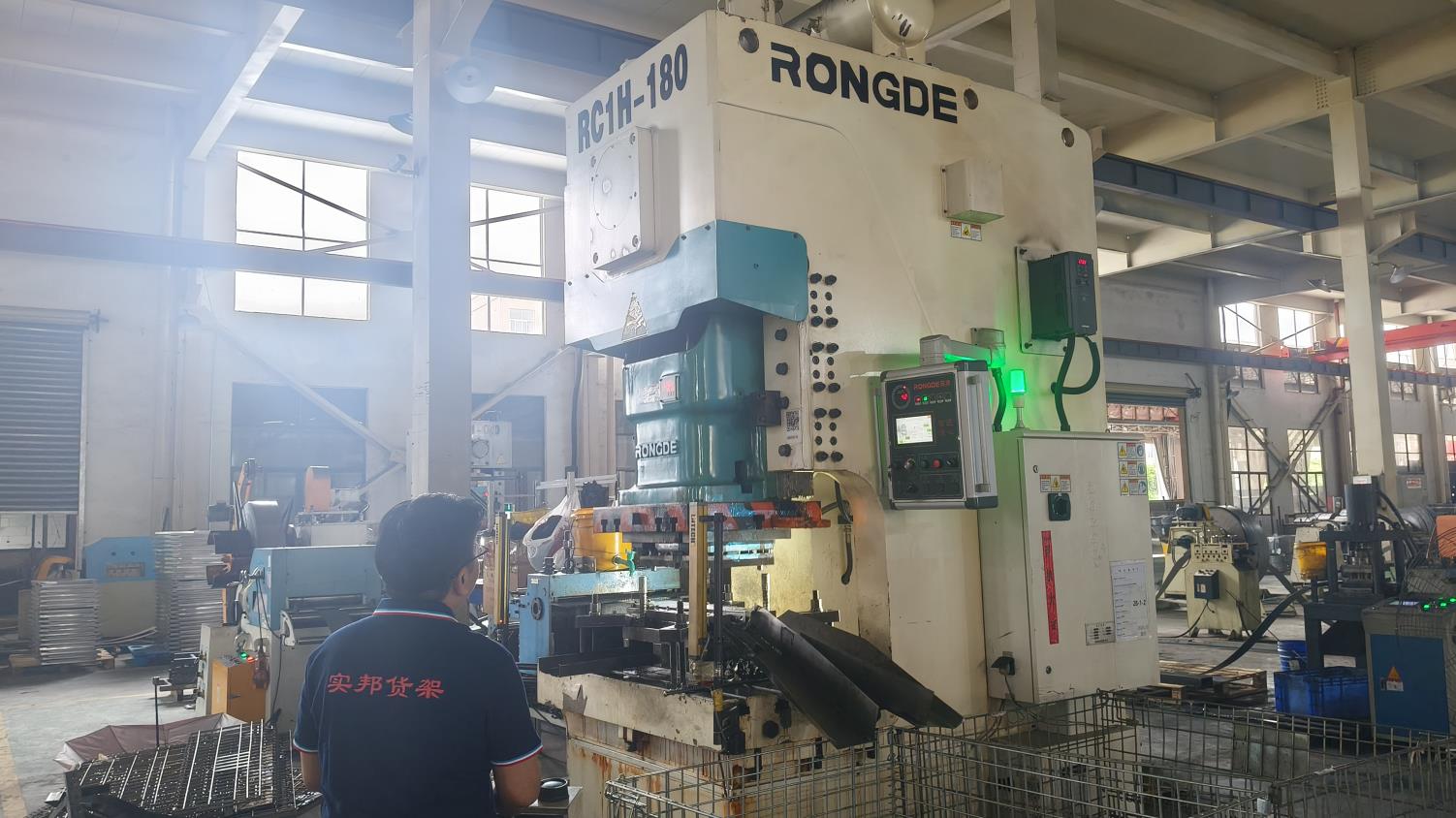
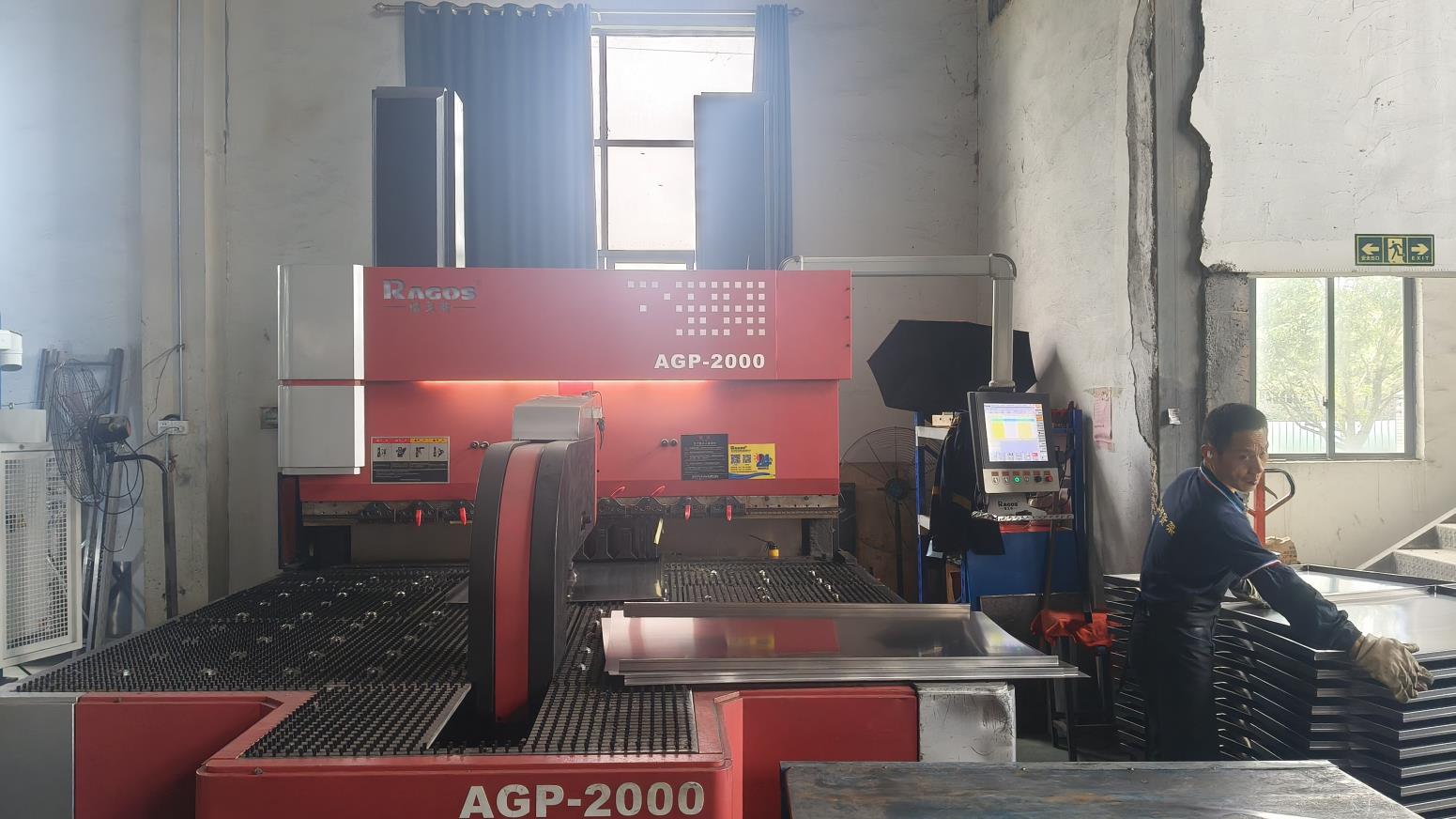
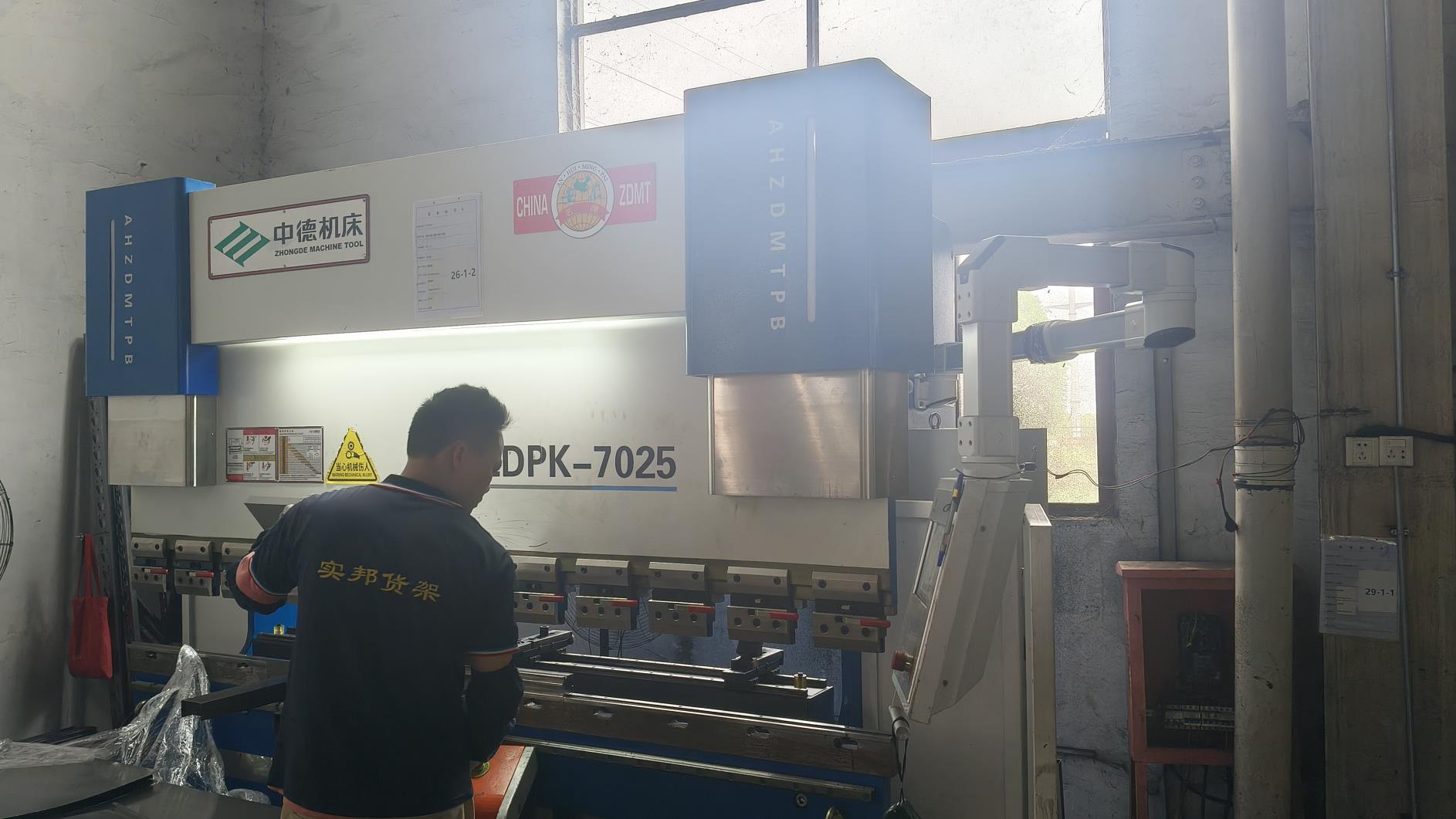
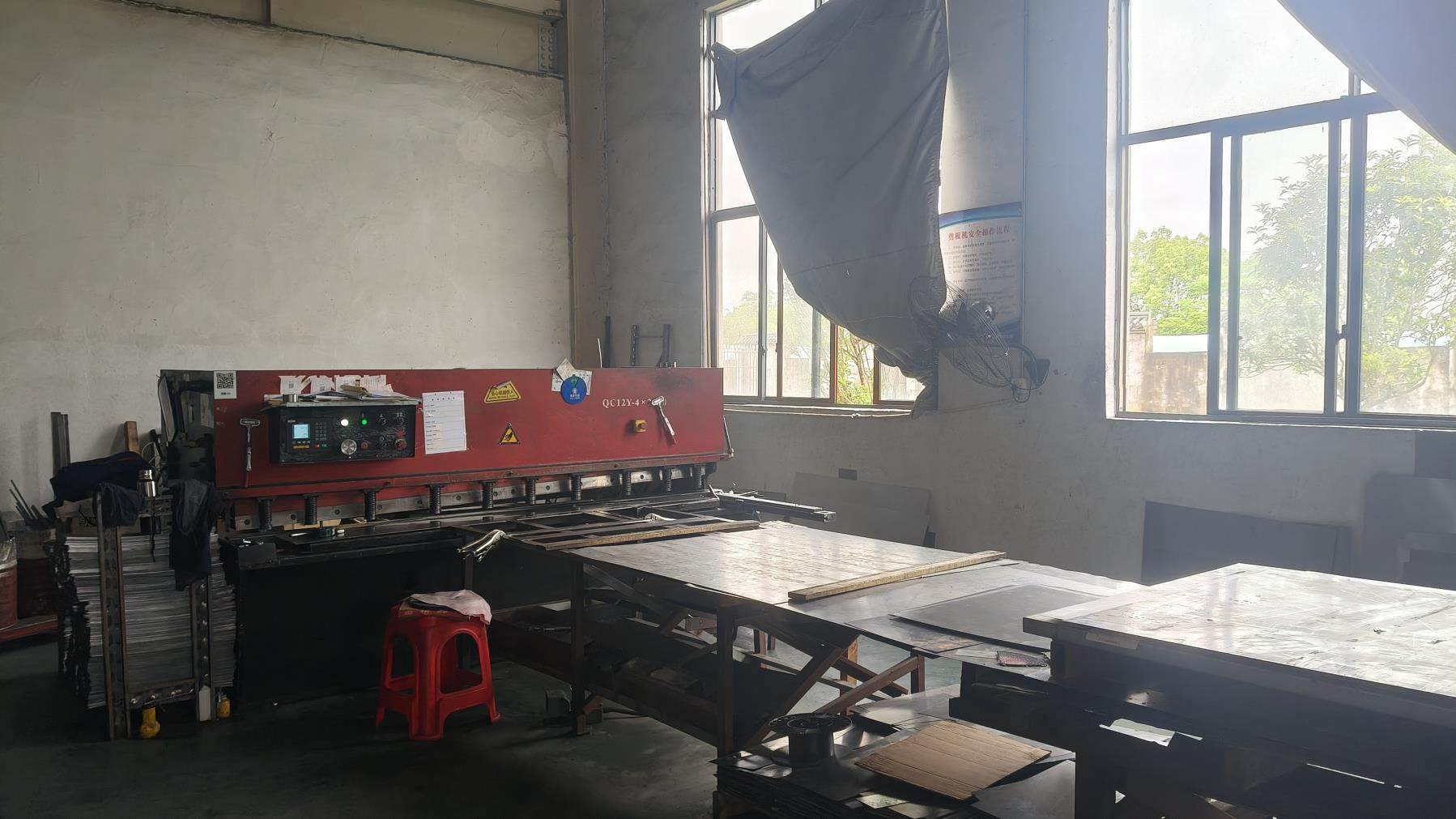
A visual walkthrough of our continuous roll-forming lines, automated powder coating bays, robotic welding cells, and dedicated machinery tooling.
Analyzing the strategic factors that make Chinese industrial clusters the premier outsourcing hub for heavy-duty structural steel racking.
In the global market for industrial storage, China's "Factory 4.0" initiative has transformed traditional steel production into an integrated, precision-controlled process. The Ningbo industrial cluster, where Ningbo Shibang is located, benefits from close proximity to major deep-water ports (Ningbo-Zhoushan Port) and direct access to major Chinese steel mills producing high-tensile hot-rolled and cold-rolled steel coils. This logistical advantage minimizes raw material transportation costs and shields global buyers from volatile raw steel supply disruptions.
Structural steel rack fabrication demands extreme precision. A variance of even 1.5mm along a 10-meter upright frame column can lead to structural eccentricity, causing uneven weight distribution and increased risk of collapse under dynamic loading. Chinese smart factories resolve this variance issue through integrated CNC punching lines, robotic laser welding stations, and continuous computerized profiling mills. Our production lines feature multi-stage profile forming rollers that continuously shape cold-rolled steel into complex structural profiles (such as Ω-shaped uprights) without inducing micro-fractures in the steel grain.
Under the E-E-A-T guideline for reliability, we maintain that raw material traceability is the single most critical factor in structural steel fabrication. A quality manufacturer must provide Mill Test Certificates (MTC) matching the exact production heats of the raw steel. At Ningbo Shibang, our QA/QC protocols include:
Radio Shuttle Storage configurations must adapt to the unique operating environments of different global markets:
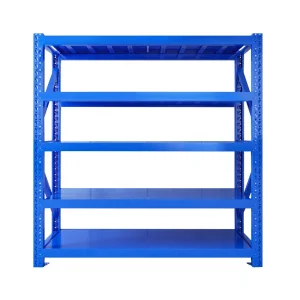
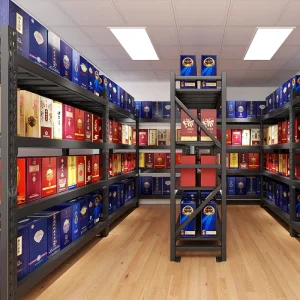
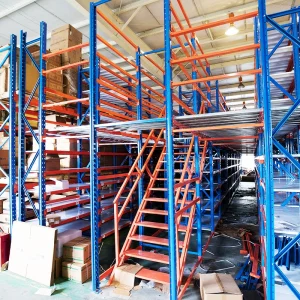
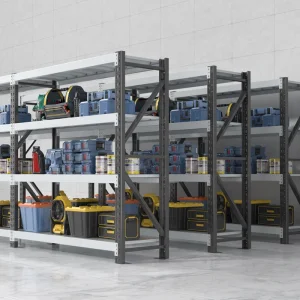
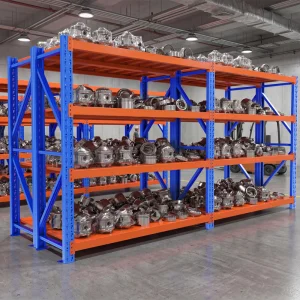
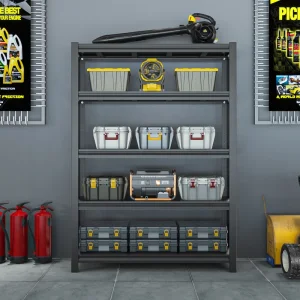
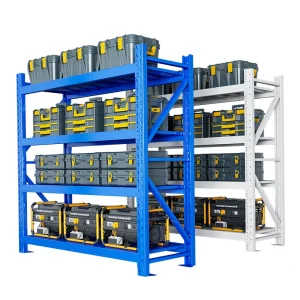
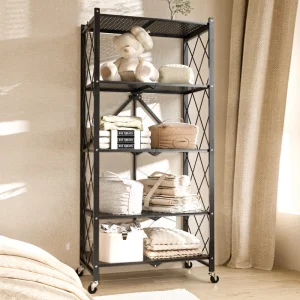
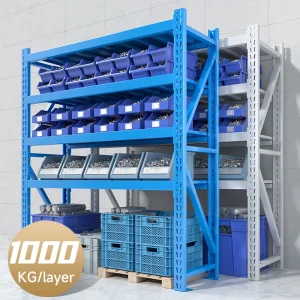
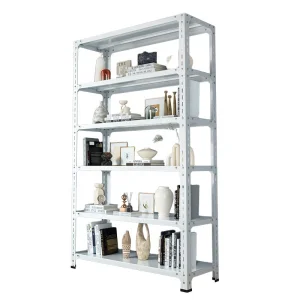
Our heavy-duty selective, boltless, and multi-tier structural steel rack components are designed for high-capacity warehouse and commercial storage applications.
Direct technical answers addressing system integration, engineering tolerances, load safety limits, and regulatory compliance.
Our storage racking systems are engineered to meet major international standards. Depending on the installation location, we manufacture racks in accordance with the RMI (Rack Manufacturers Institute) Standard MH16.1 in North America, the FEM 10.2.02 European Code, and AS4084-2012 in Australia. Upon request, we provide detailed structural calculation reports verified by local seismic and structural engineering stamps.
Cold storage environments demand specialized component adjustments. Standard lithium batteries experience severe capacity degradation at sub-zero temperatures. We customize cold storage shuttles with specialized lithium-iron-phosphate (LiFePO4) packs wrapped in internal thermal insulation and preheating elements, allowing continuous operation down to -30°C. Additionally, we use low-temperature rated hydraulic fluids, sealed anti-condensation control boards, and specialized drive motors to prevent structural freezing.
Standard systems support payload capacities ranging from 500 kg to 1,500 kg per pallet position, with custom designs accommodating up to 2,000 kg. Under load, the shuttles achieve travel speeds of 0.8 m/s to 1.1 m/s, accelerating up to 1.5 m/s when running empty. Speed profiles are configured within the shuttle controller to ensure smooth start-stop deceleration, protecting cargo from shifting during transit.
Yes. One of the main advantages of our modular radio shuttle racking is flexibility. Converting between FIFO (First-In, First-Out) and LIFO (Last-In, First-Out) configurations is straightforward. A FIFO configuration requires forklift access aisles at both the entry and exit ends of the rack tunnels. To switch to LIFO, one aisle is closed and used for additional storage, while the shuttle software is adjusted to retrieve pallets from the entry side. This flexibility helps warehousing facilities adapt to changing inventory demands.
We provide comprehensive support for international installations. All components are shipped with detailed assembly blueprints, 3D structural diagrams, and step-by-step installation guides. For large-scale projects, we offer on-site supervision by sending qualified structural engineers to oversee the installation, verify leveling tolerances, and calibrate the shuttle runner software. We also provide online support and video consultations to assist local installation contractors.
 Shibang Rack