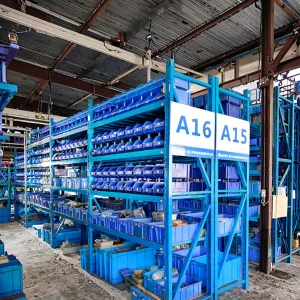
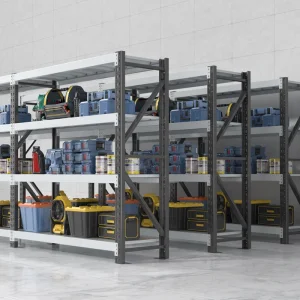
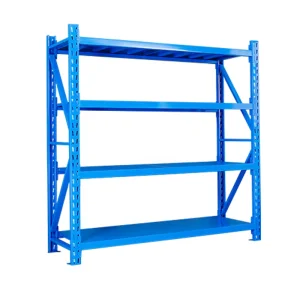
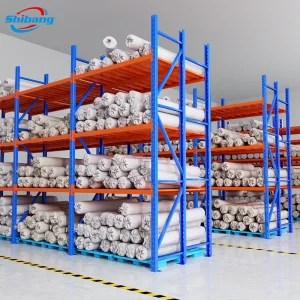
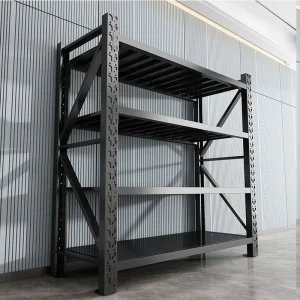
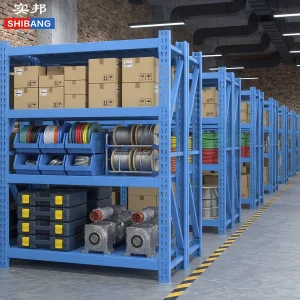
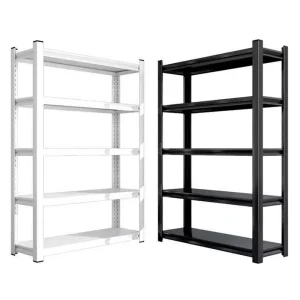
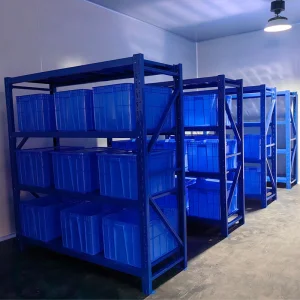
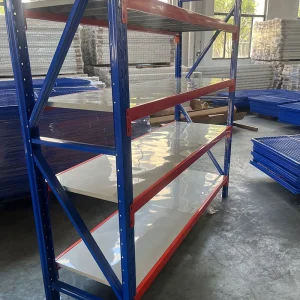
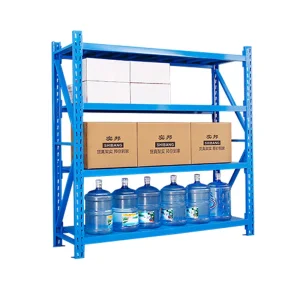
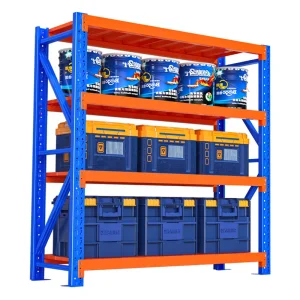
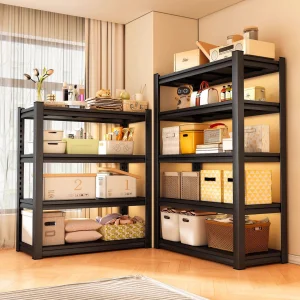
Explore our catalog of engineered storage racking platforms, custom-fabricated for logistics hubs, distribution centers, and heavy-duty industrial environments.
In the contemporary warehouse landscape, density and flow speed dictate logistical profitability. Global supply chains face unprecedented real estate price escalations and heightened demands for hyper-efficient material handling. Standard static shelving configurations often fall short when addressing high-throughput demands. This is where dynamic gravity-fed Pallet Flow Storage systems serve as an engineered solution to maximize cube storage utilization.
By operating on a strict First-In, First-Out (FIFO) protocol, pallet flow systems allow operations to achieve up to a 60% increase in storage density compared to standard selective racking. Utilizing gravity as a natural propulsion mechanism, pallets are loaded from the charging aisle, slide down sloped lanes outfitted with heavy-duty rollers, and come to rest at the discharging face. This minimizes travel paths for forklift operators, isolates loading traffic from retrieving traffic, and curtails active fuel and energy expenditure in high-capacity distribution hubs.
At sub-zero temperatures, footprint optimization is critical due to thermal retention costs. Pallet flow configurations condense footprint requirements, allowing maximum storage per cubic meter while operating with specialized low-temperature lubricants on rollers.
Ideal for food, beverage, and chemical storage where shelf-life control is crucial. Automated flow lanes ensure that stock loaded first is discharged first, reducing write-offs from expired products.
Eliminates energy-intensive shuttle networks or crane maneuvers for mid-lane travel. The slope gradient (typically 2.5% to 4%) uses natural kinetic energy to move loads smoothly to pick locations.
A reliable pallet flow storage system requires precise mechanical engineering. Factors like dynamic friction coefficient, pallet weight variability, frame stiffness, and deflection limits under stress must be computed. As an OEM manufacturer, Ningbo Shibang optimizes every system component to match specific operational profiles.
| Engineering Parameter | Standard Range & Options | Technical Function & Performance Impact |
|---|---|---|
| Base Material Grade | Q235B, Q355B structural steel profiles | Guarantees structural load safety and yield strength under persistent heavy loading conditions. |
| Lane Incline Gradient | 2.5% to 4.0% adjustable slope profiles | Determines gravity acceleration to match varying pallet weights and materials. |
| Speed Controllers | Centrifugal brake rollers, integrated design | Prevents runaway speeds; limits velocity of descending loads below 0.3 m/s. |
| Pallet Separator Units | Mechanical, foot-operated or automatic release | Relieves pick-face back pressure, allowing safe pallet retrieval without forklift binding. |
| Roller Track Setup | Single/double/triple lane tracking configuration | Optimizes compatibility with GMA wood, plastic, Euro, or custom runner pallets. |
Every pallet flow installation undergoes stress calculations to limit deflection under full-load capacity to less than L/300. Speed-controller layout is vital: for high-mass pallets (up to 1,500kg), centrifugal braking elements are positioned at close intervals along the lane to ensure controlled, vibration-free descent.
Established in 2016, Ningbo Shibang Storage Rack Co., Ltd. is a key manufacturer of heavy-duty industrial storage rack configurations. Spanning a modern production layout of 32,000 m², our operation has built 12 years of industry experience and 8 years of direct export expertise. With over 850 supply chain vendors, we serve 3PL providers, automated distribution networks, and mega retail facilities globally, generating an export volume exceeding $18 million annually.
Our engineering capabilities are supported by a dedicated R&D division housing 22 structural and mechanical engineers. They design customized configurations tailored to regional seismic activity and localized regulatory requirements. In the past year alone, our facility rolled out 140 new products and optimized structural components. Below is an overview of the manufacturing workflow and equipment utilized in our facility to maintain these high standards.
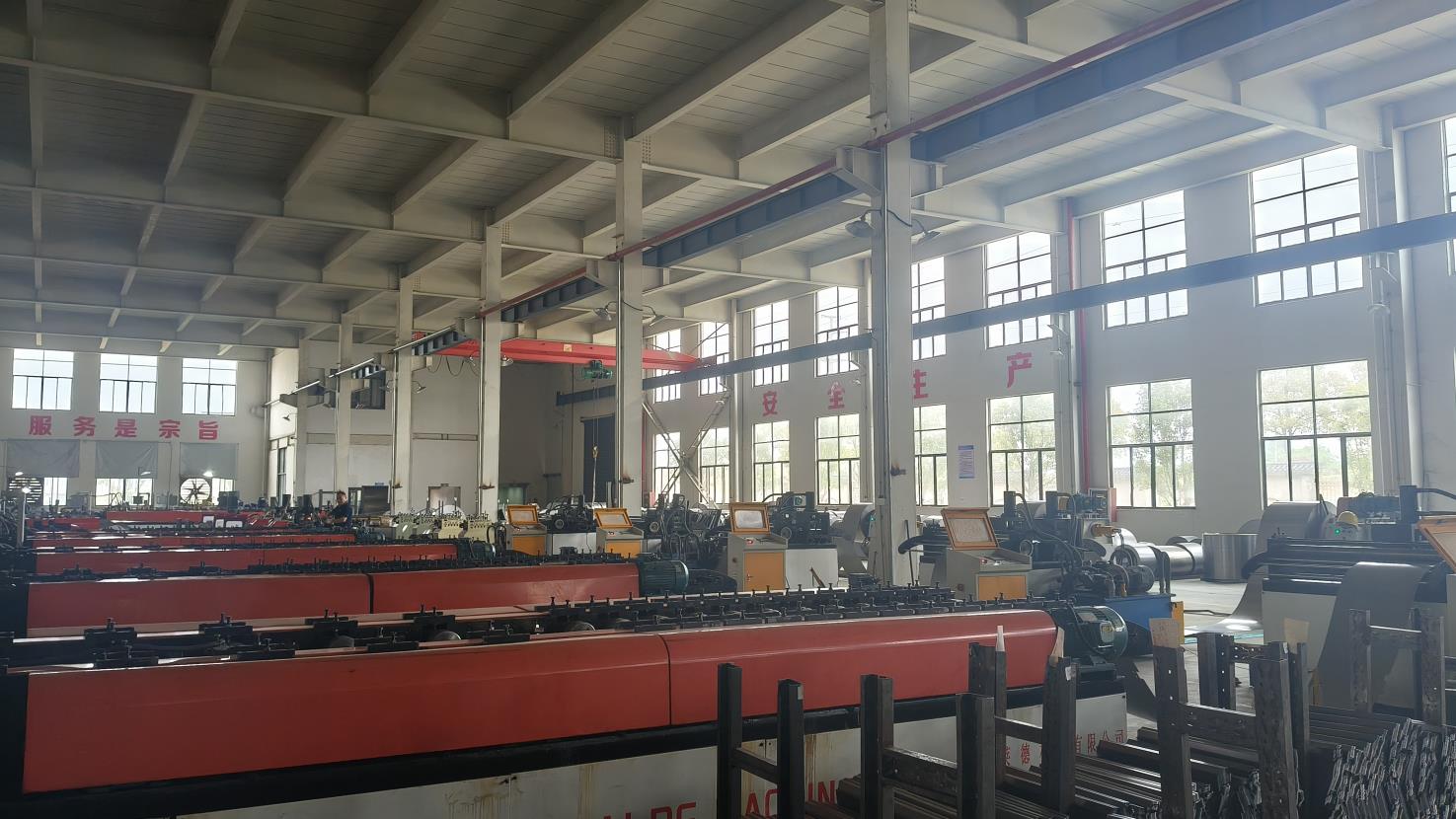
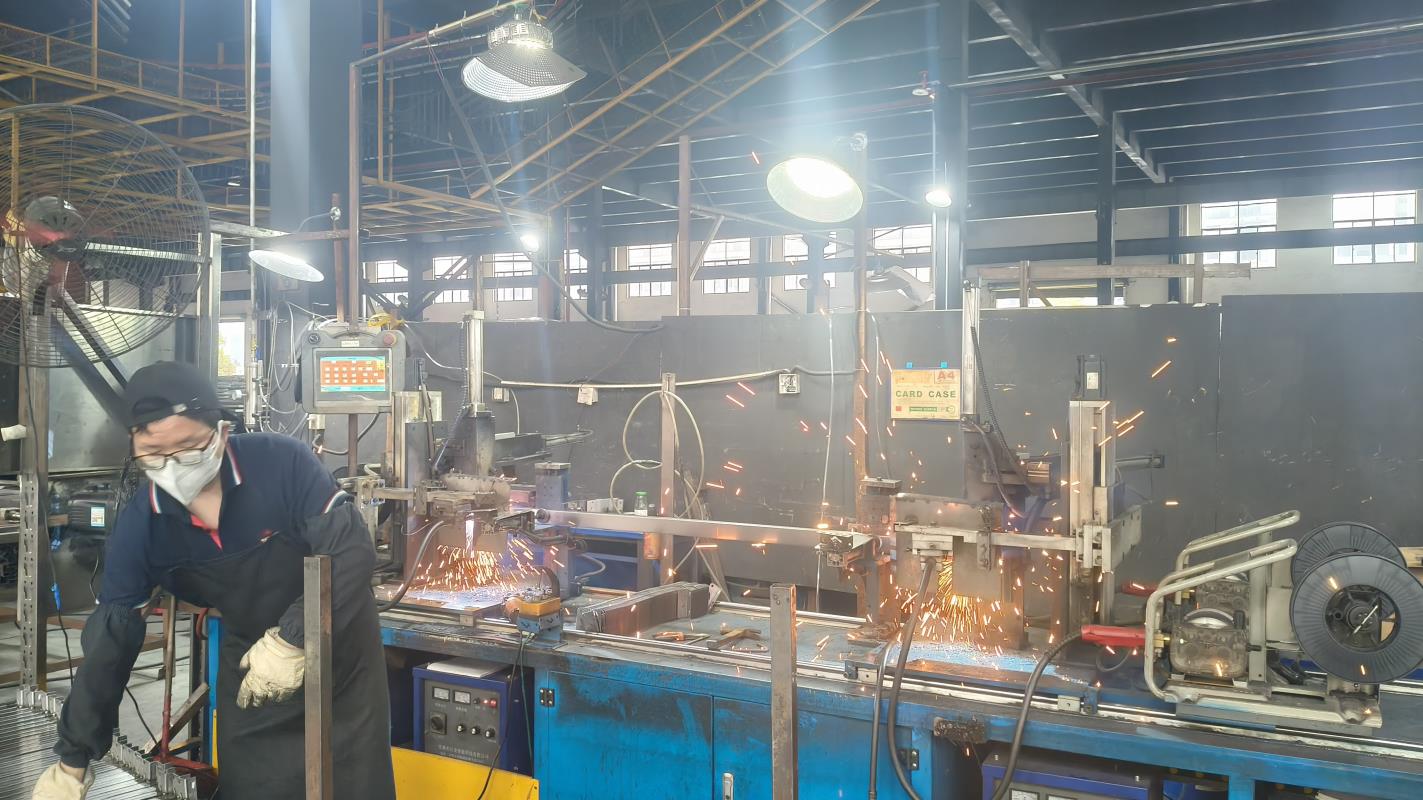
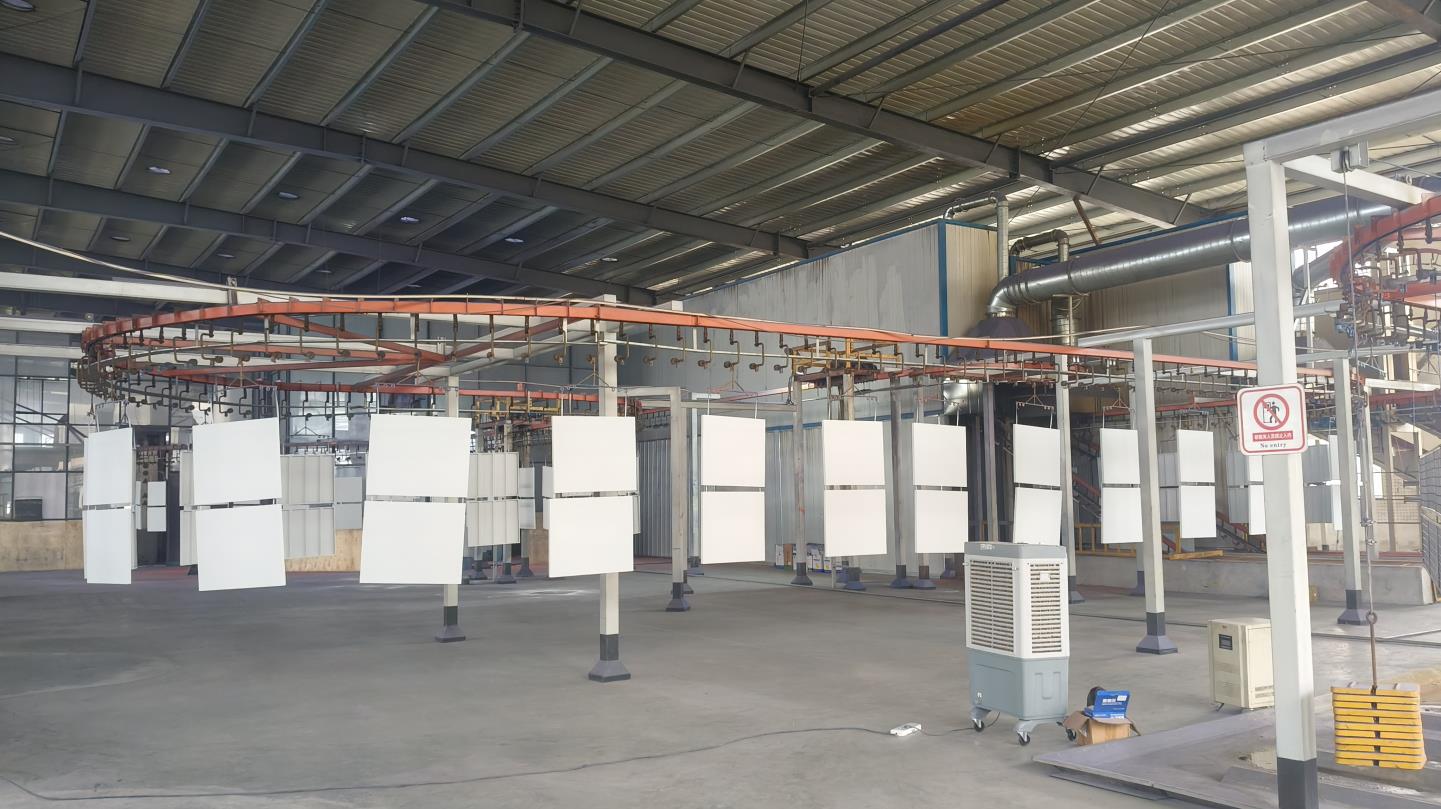
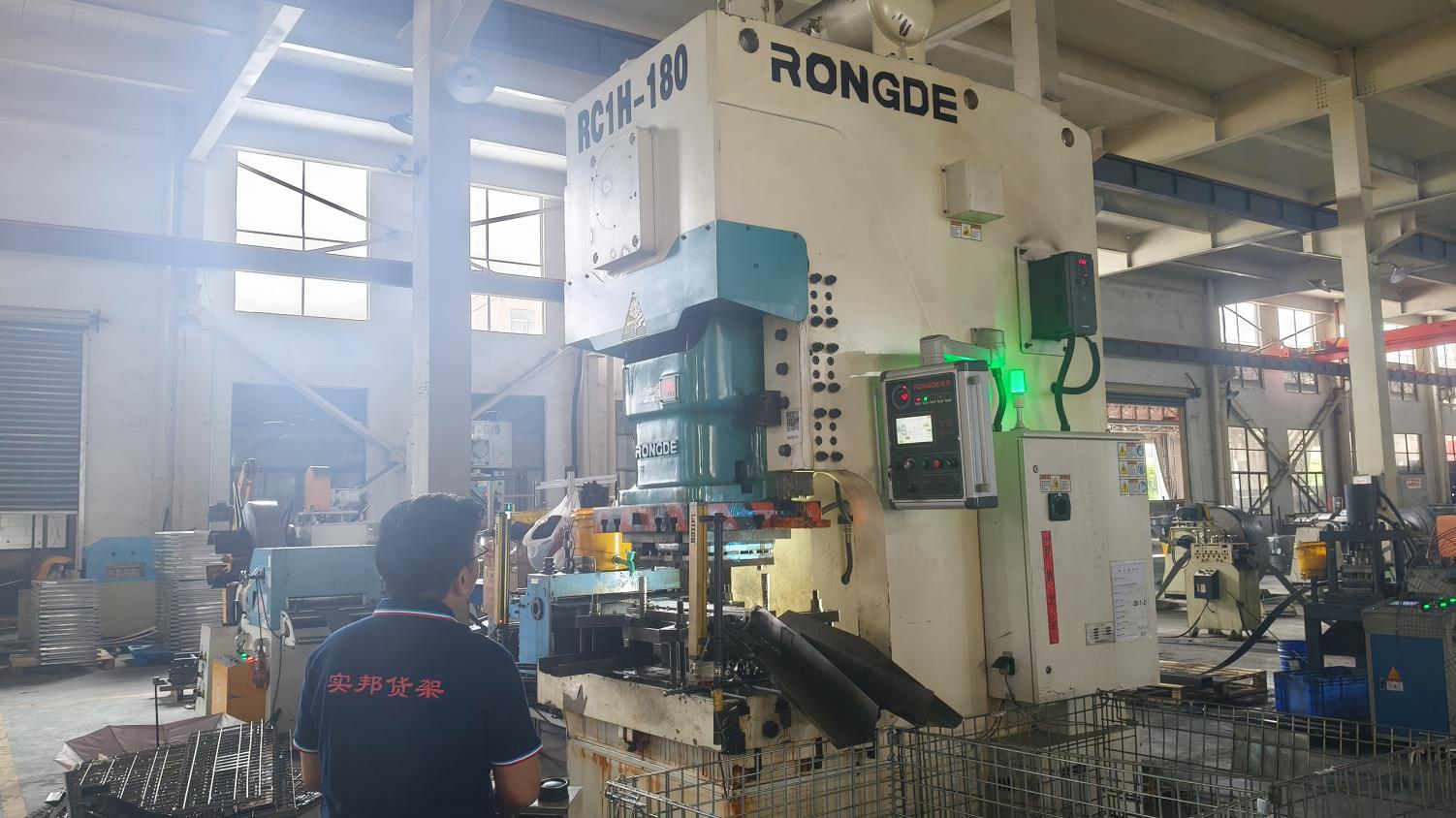
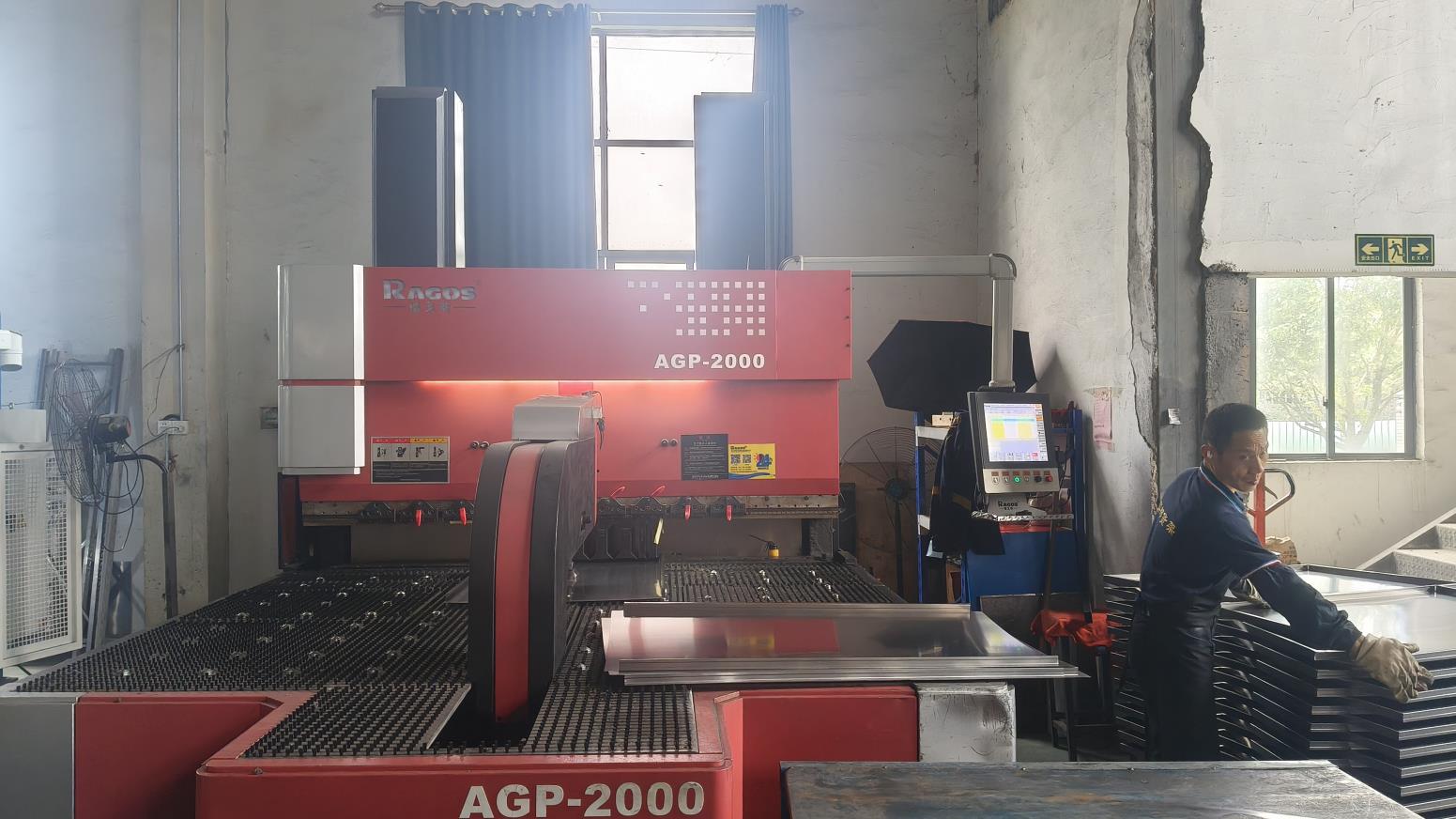
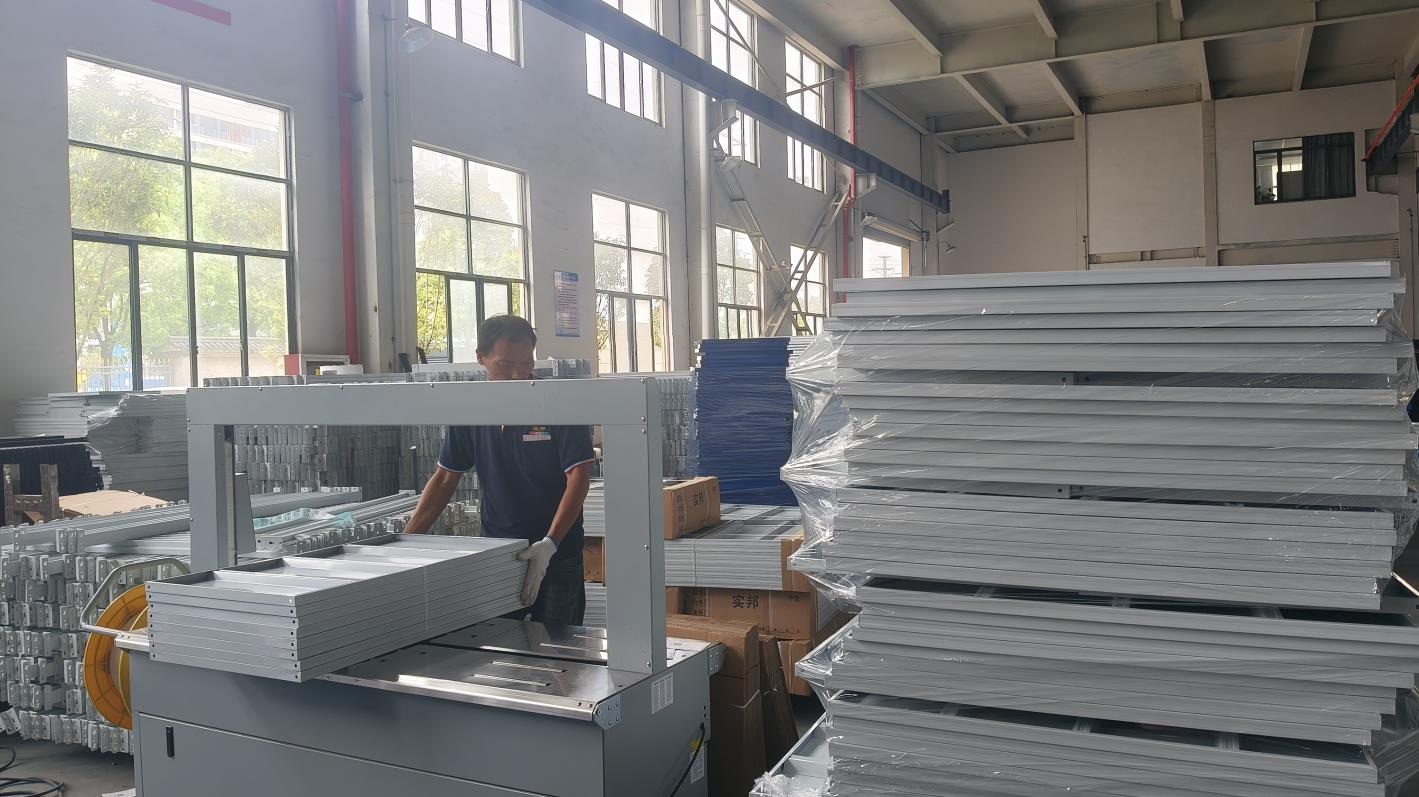
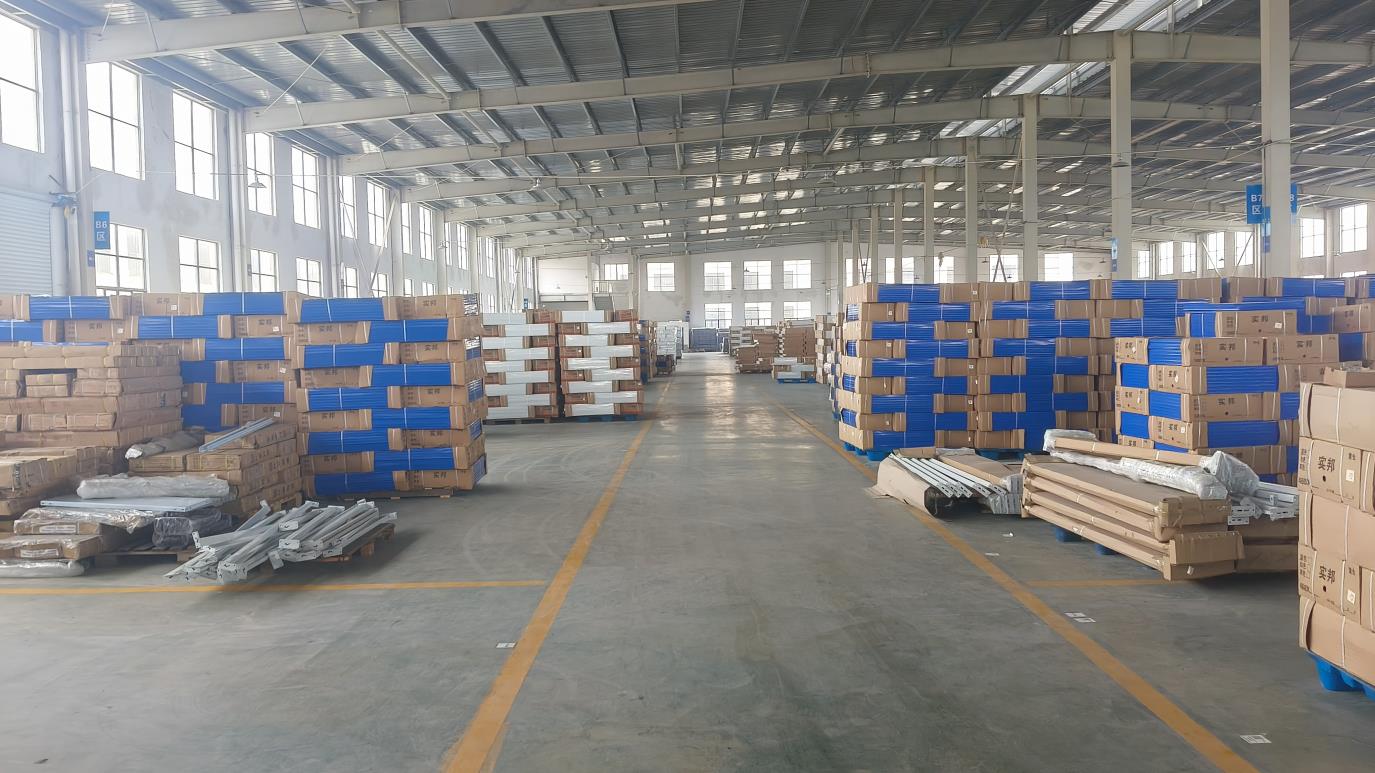
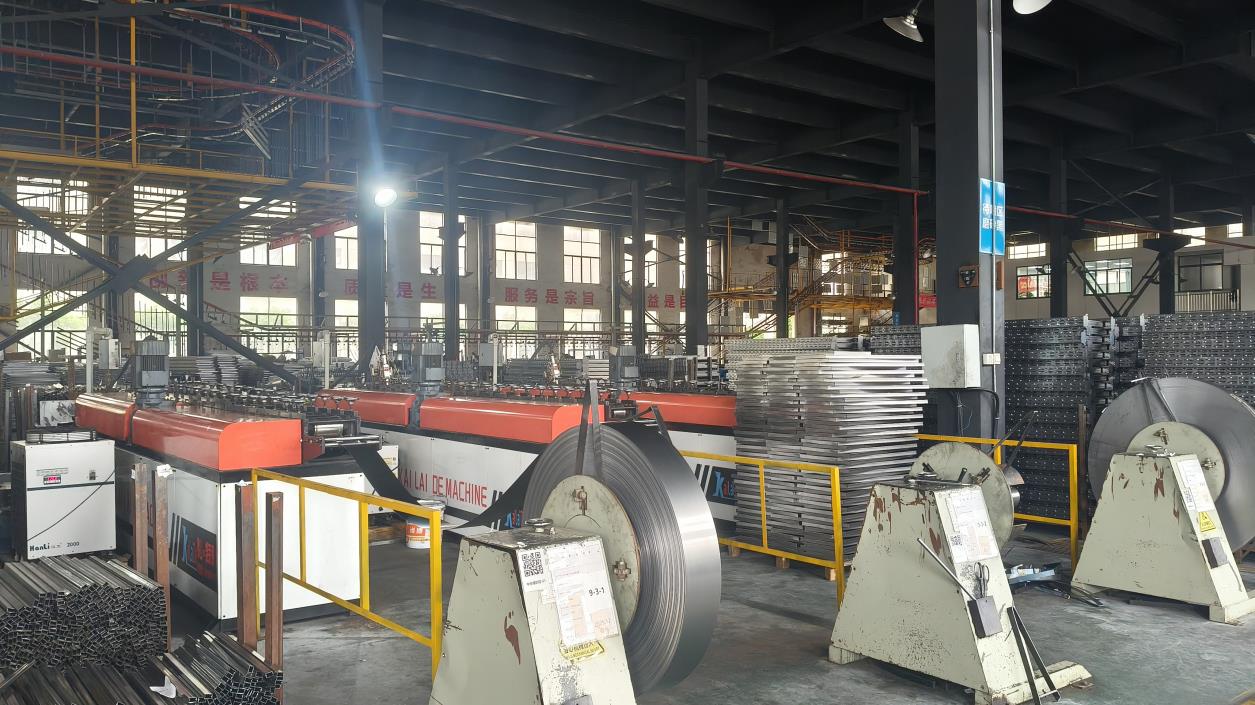
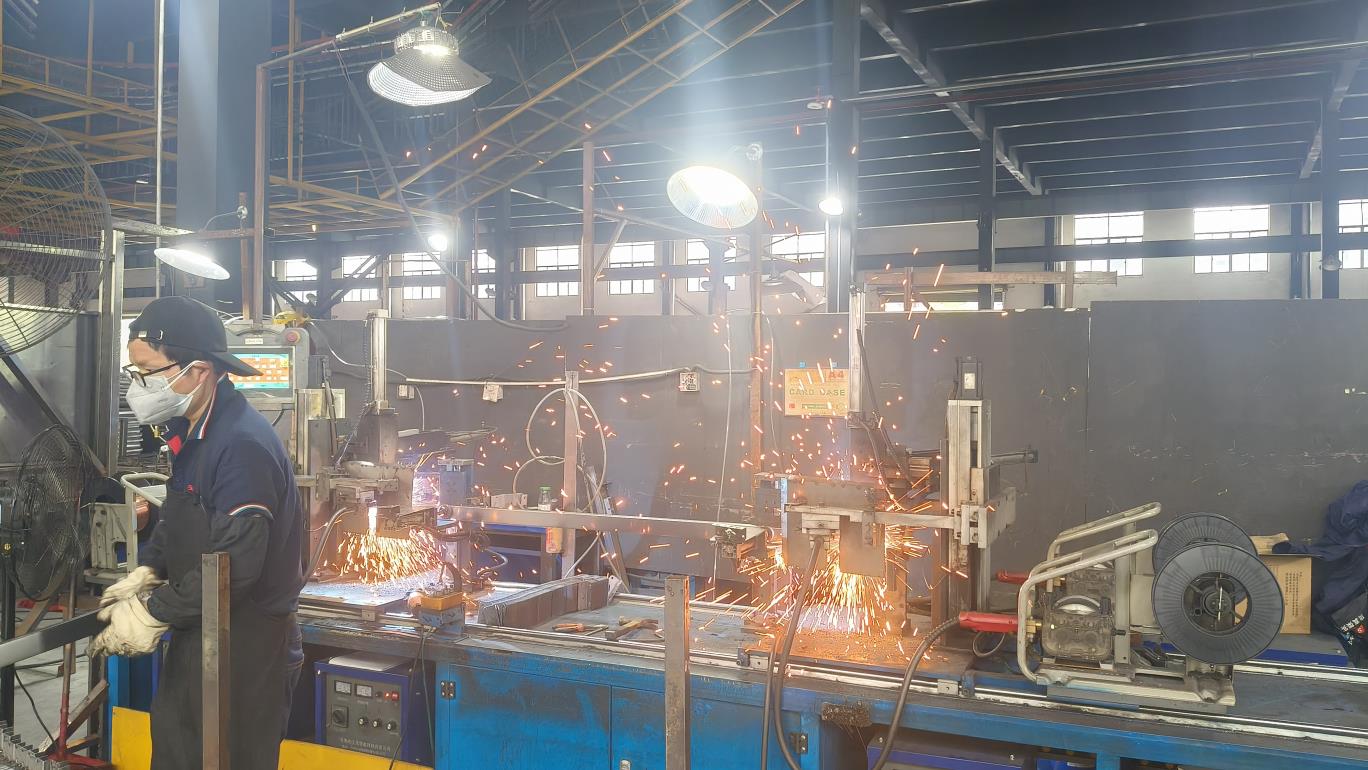
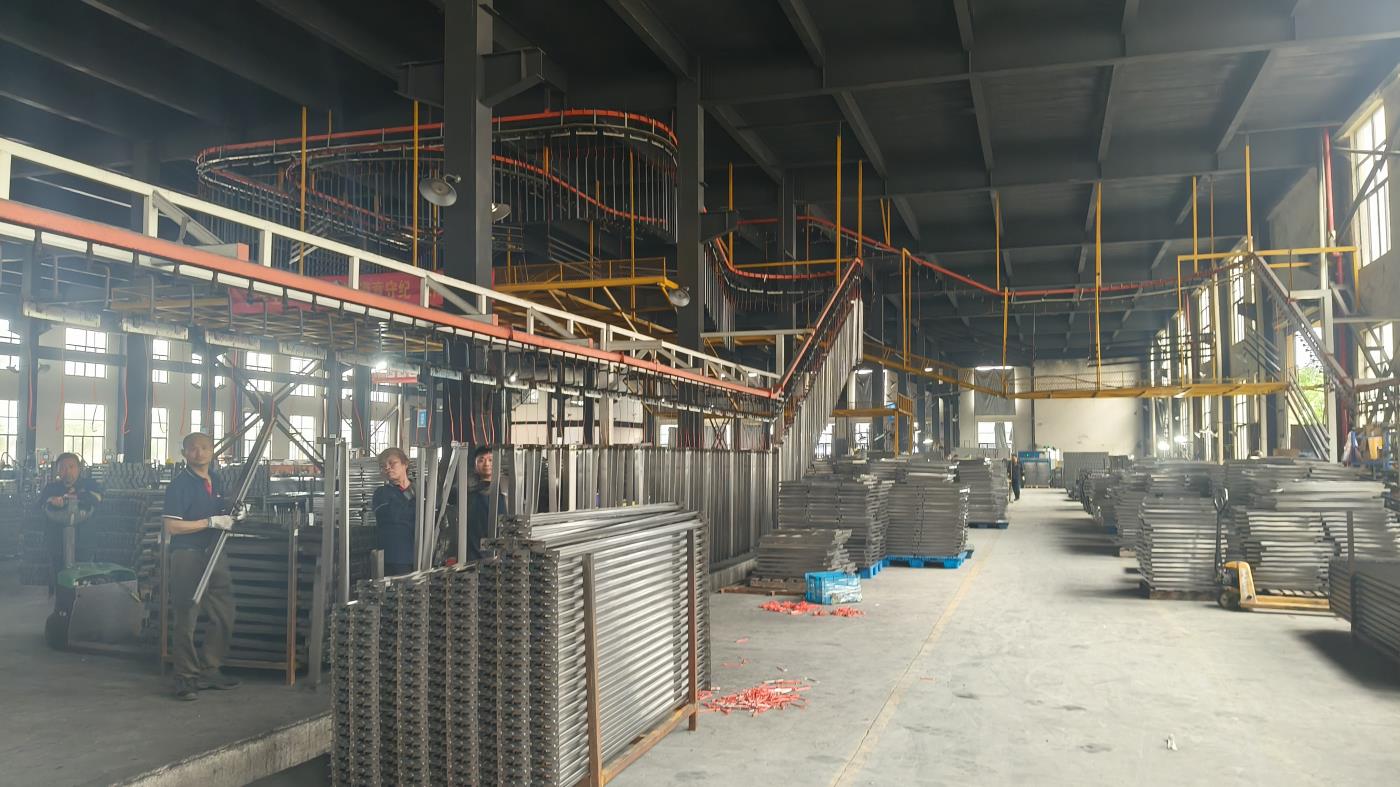
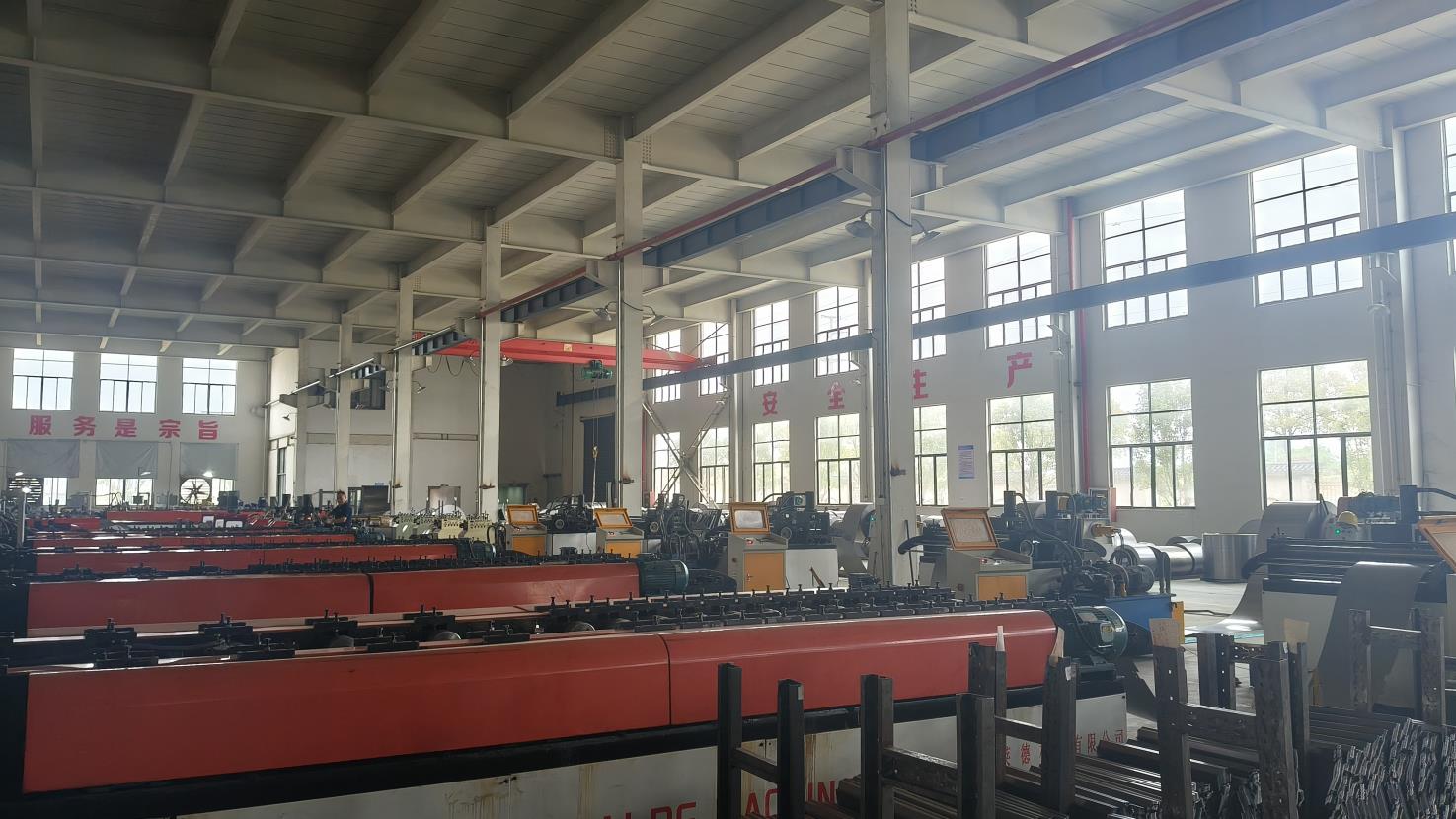
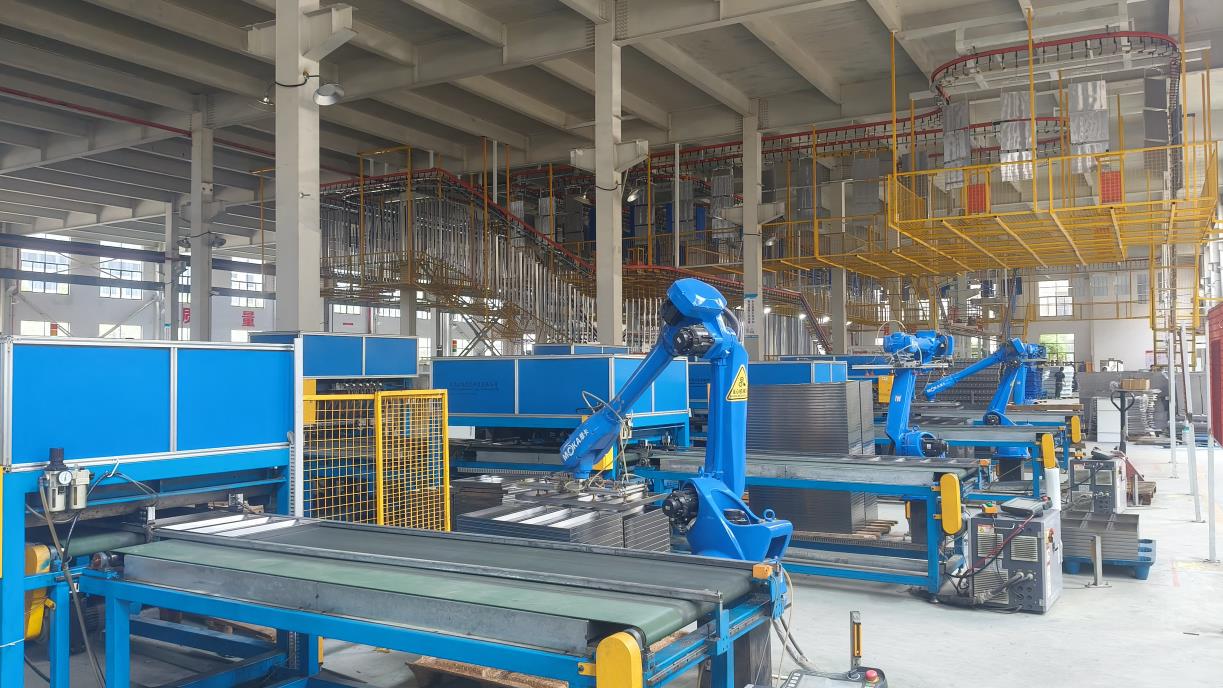
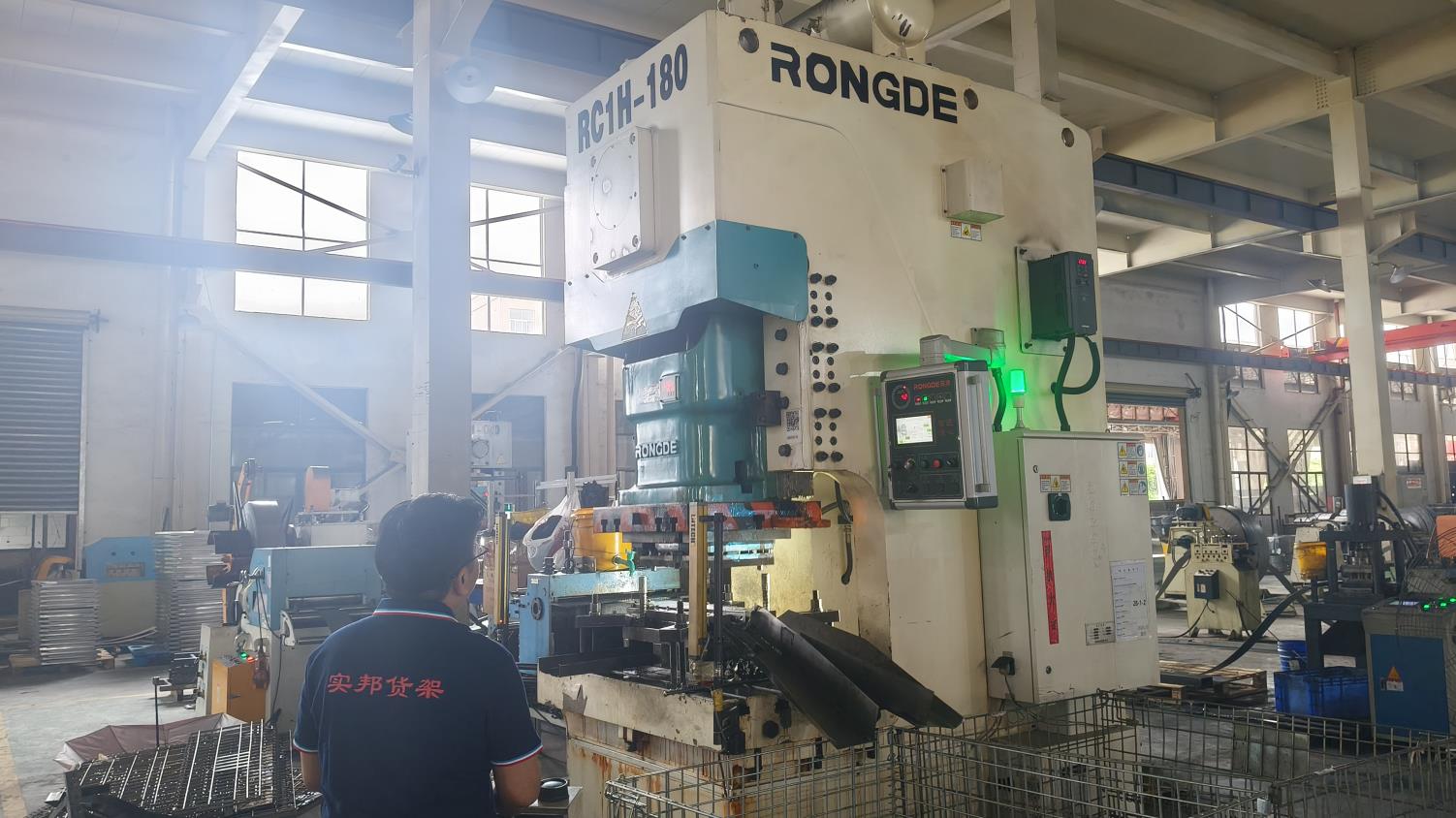
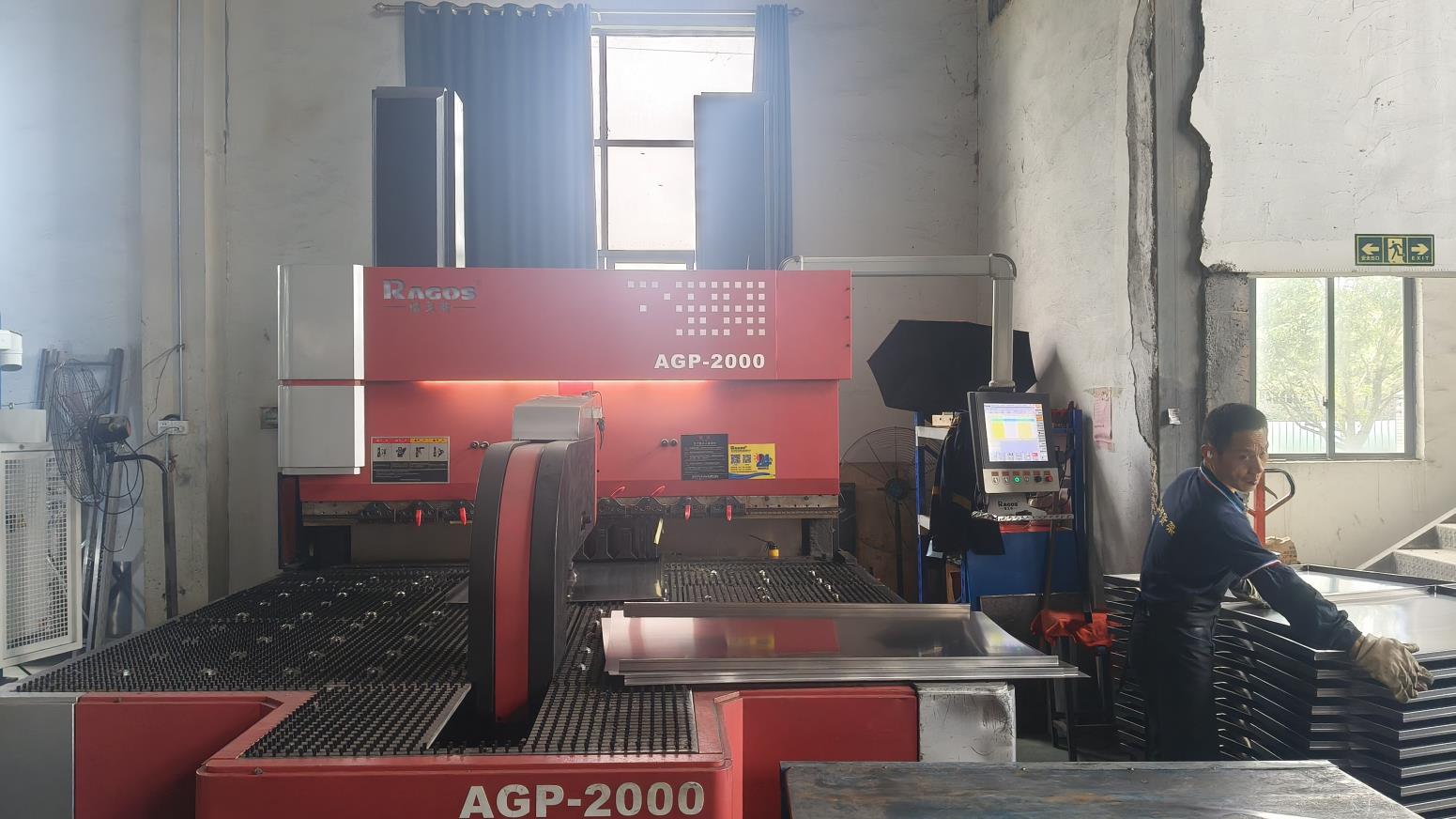
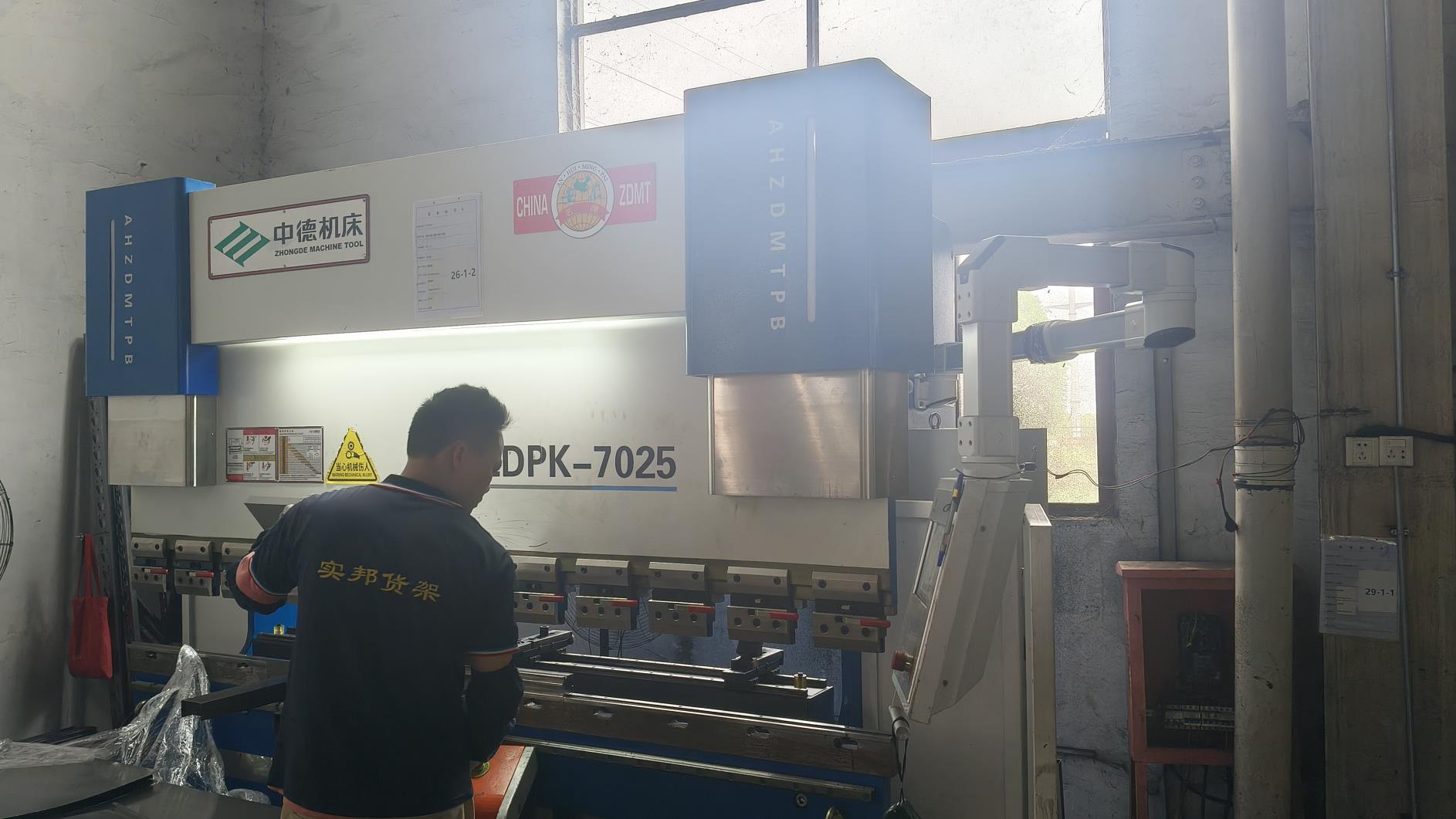
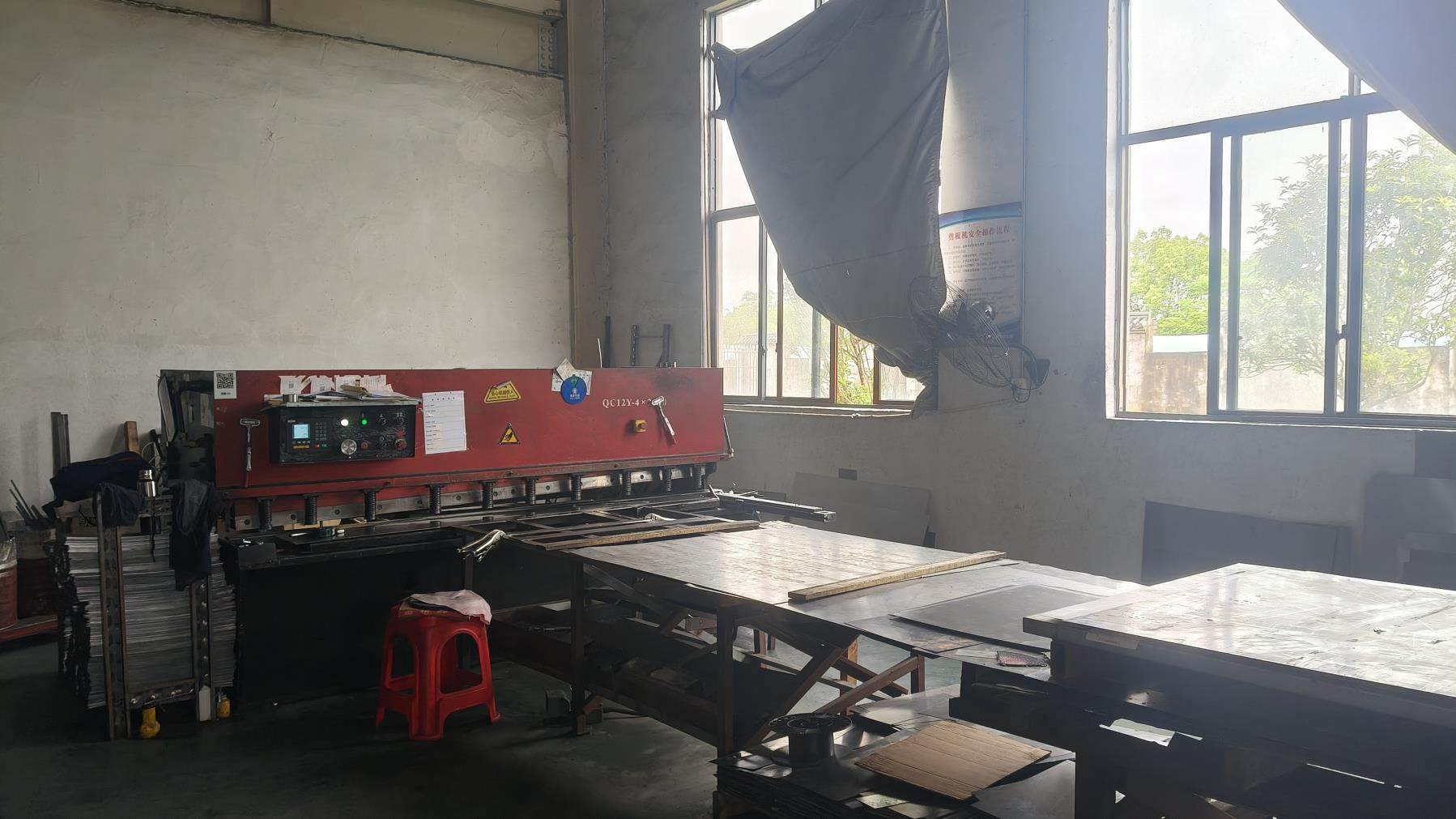
Quality control is critical for dynamic racking platforms. Because pallet flow systems are subjected to constant gravity motion, structural vibration, and sudden stop-impacts, we run a multi-phase validation protocol overseen by our 35 QA/QC inspectors. This testing process runs from raw material reception to final packaging, preventing material failures under heavy loads.
We use ultrasonic testing on welding zones to detect internal gas pockets or micro-fissures. This ensures structural joints remain stable under constant dynamic loading.
Using Finite Element Analysis (FEA) software, our engineers model extreme weight situations to confirm vertical frames and roller beams withstand dynamic shear forces.
We test incoming steel batches for yield and tensile strength, and measure protective coatings to ensure corrosion resistance in humid or cold environments.
Our manufacturing designs adhere to international regulatory frameworks, including the Rack Manufacturers Institute (RMI) standards in North America, European FEM 10.2.02 / EN 15512 specifications, and the Australian AS 4084 standard. We maintain standard traceability certificates for every batch of structural steel components shipped.
Different regions present unique seismic, climatic, and warehouse challenges. To address these variations, Ningbo Shibang customizes structural designs for specific operational zones:
Designs are configured to meet RMI and local seismic building codes. Features include seismic baseplates, anchor bolts, and frame designs optimized for high-acceleration zones.
Systems are engineered to align with European FEM guidelines and EN 15512 codes, with focus on safety coefficients, load clearances, and CE-marked speed controllers.
Racks comply with AS 4084 specifications. For high-humidity areas, we offer custom powder-coating thicknesses or hot-dip galvanized finishes to resist corrosion.
We also design for specialized warehouse environments, such as cold food storage. For sub-zero operations, we utilize cold-resistant steel grades and low-viscosity synthetic grease in dynamic rollers to ensure smooth movement down to -30°C.
The warehousing industry is moving toward higher levels of automation. Traditional gravity-fed pallet flow systems are increasingly paired with active machinery like automated guided vehicles (AGVs) and stacker cranes in AS/RS networks. This integration creates a dynamic, space-efficient hybrid system.
Ningbo Shibang's R&D roadmap focuses on adding digital tracking features to gravity lanes. By incorporating sensor modules at exit points, facilities can track pallet flow speeds, detect mid-lane hang-ups, and automate replenishments. We are also optimizing speed-braking systems to handle a wider weight range, reducing the need for manual adjustments.
Review answers to common technical and structural questions about pallet flow system planning and procurement:
Explore additional warehouse racking systems and components designed for versatile storage and facility layout optimizations.
 Shibang Rack