Custom OEM Drive-in Storage Supplier & Suppliers

High-Density Warehouse Racking Systems Engineered for Peak Logistics Efficiency and Maximum Floor Space Utilization

32,000m²
Production Facility
12+ Years
Industry Experience
$18M
Annual Export Revenue
850+
Supply Chain Partners

Introduction: Navigating High-Density Warehousing

In modern industrial logistics, floor space is one of the costliest capital expenses. As global supply chains expand, logistics managers and facility planners must find innovative ways to maximize volumetric efficiency without compromising structural safety. Standard selective pallet racking remains popular for its direct accessibility, but it consumes vast amounts of space for aisles. This is where Drive-in Storage Systems come to the forefront. By eliminating aisles and allowing forklifts to enter the physical bays to deposit and retrieve pallets, drive-in systems increase storage density by up to 75% compared to standard configurations.

However, implementing a drive-in system is not a one-size-fits-all process. Because forklifts must drive directly inside the racking framework, structural tolerances are tight, safety protocols are paramount, and the quality of steel fabrication determines the longevity of the installation. For overseas purchasers, finding a reliable, engineering-focused Custom OEM Drive-in Storage Supplier in China is critical to ensuring competitive capital costs alongside uncompromised compliance with Western structural standards.

The Global Commercial & Industrial Demand for Drive-in Storage Systems

Drive-in racking operates on the Last-In, First-Out (LIFO) inventory management principle. This design makes it uniquely suited for operations handling large volumes of homogeneous stock, where continuous, selective access to individual pallets is not a priority. Globally, the growth of Third-Party Logistics (3PL), the cold storage boom driven by online grocery networks, and high-volume consumer goods distribution have fueled unprecedented demand for this high-density layout.

In regions like North America and Western Europe, high labor costs and steep industrial real estate prices force businesses to squeeze every cubic meter out of their existing footprints. In Australia, massive distribution networks require heavy-duty storage that can withstand harsh climates and seismic activities. In fast-developing markets across Southeast Asia, rapid urban integration has made industrial land exceptionally scarce, accelerating the transition from traditional warehouses to compact, high-density distribution centers. Drive-in storage systems provide the ideal ROI calculation for these regions, offering a cost-effective alternative to fully automated storage and retrieval systems (ASRS) while still achieving significant density gains.

Why Custom OEM & ODM Capabilities are Crucial for Global Racking Buyers

Standard racking catalog items rarely meet the precise requirements of large-scale industrial warehouses. Factors such as regional forklift mast widths, specific pallet sizes, seismic design regulations, and temperature-controlled environments require highly tailored engineering solutions. A trusted OEM/ODM manufacturer like Ningbo Shibang Storage Rack Co., Ltd. bridge this gap by offering engineering agility alongside industrial capacity.
Seismic Engineering & Structural Calculations
Upright profile configurations, bracing patterns, and baseplate dimensions must be recalculated for warehouses located in earthquake-prone zones such as California, parts of Southern Europe, or New Zealand.
Custom Load Capacities
Racking systems must support weights ranging from 500kg to over 1500kg per pallet level. Custom upright thickness, beam profiles, and rail support arms are engineered based on exact load distributions.
Corrosion Resistance for Cold Storage
Cold storage and freezer units require customized powder coatings or hot-dip galvanization to prevent rust, condensation damage, and steel brittleness under sub-zero temperatures.
Forklift Clearance Guarding
Because drivers enter the rack structure, robust guardrails, guiding floor tracks, and column protectors are customized to match the dimensions and turning radii of local forklift fleets.
Ningbo Shibang: Precision Manufacturing and Production Workflows
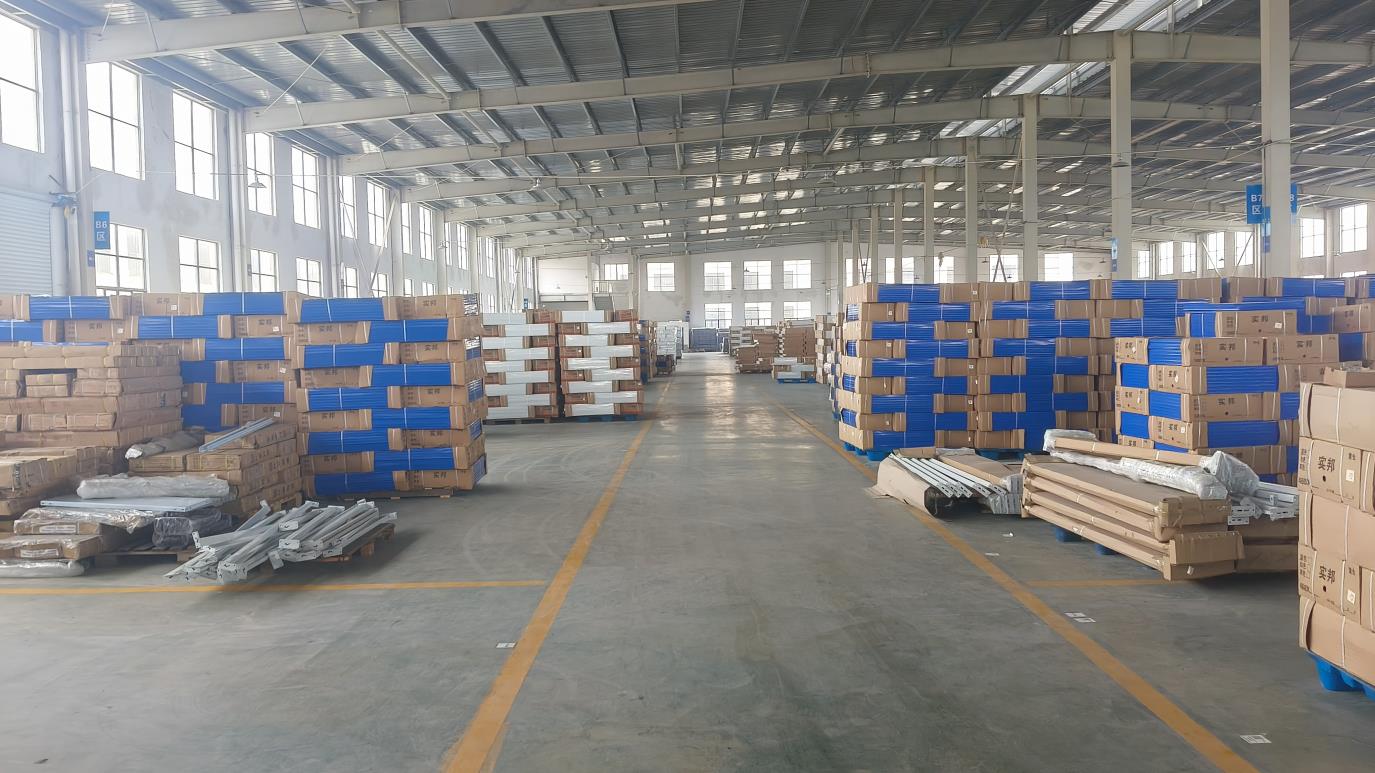
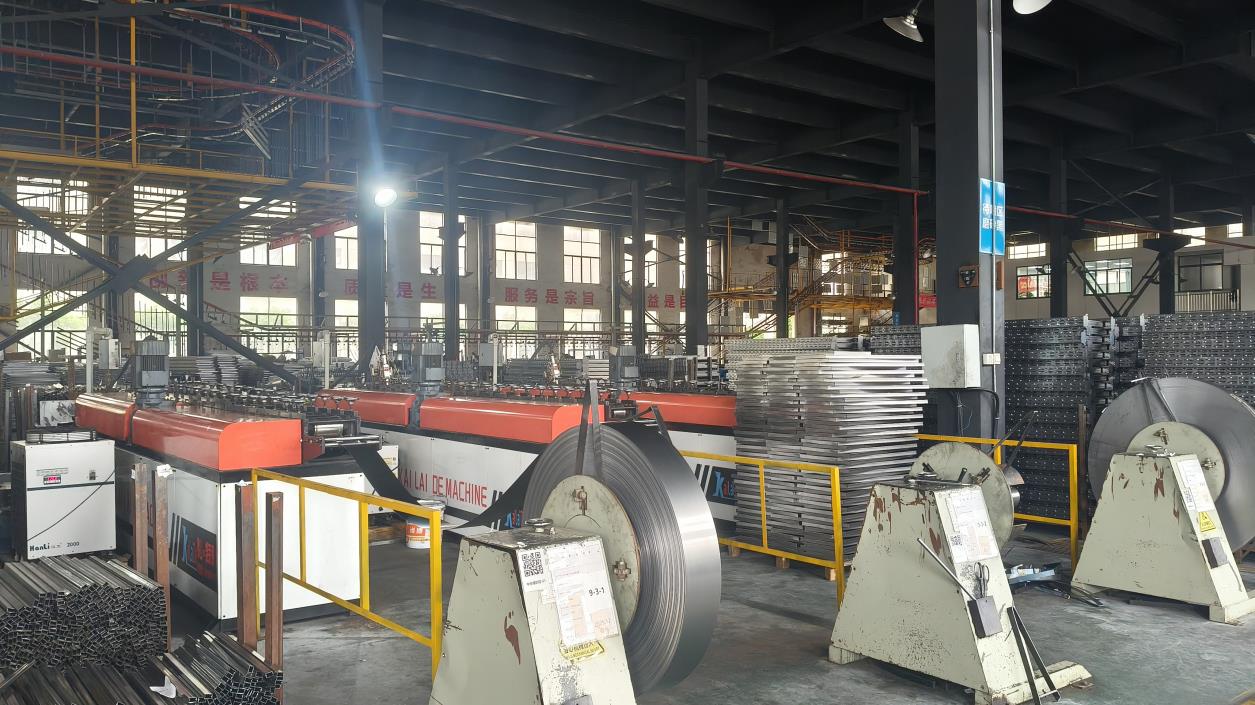
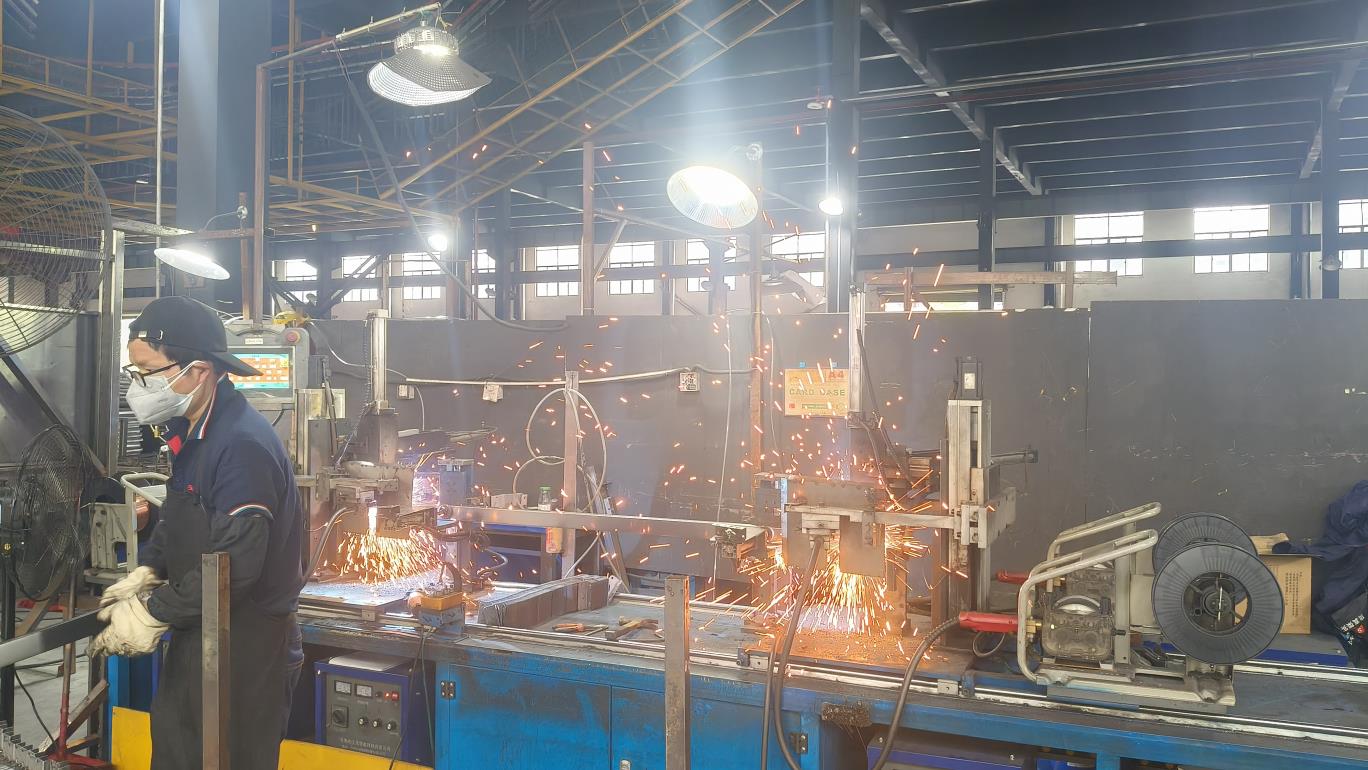
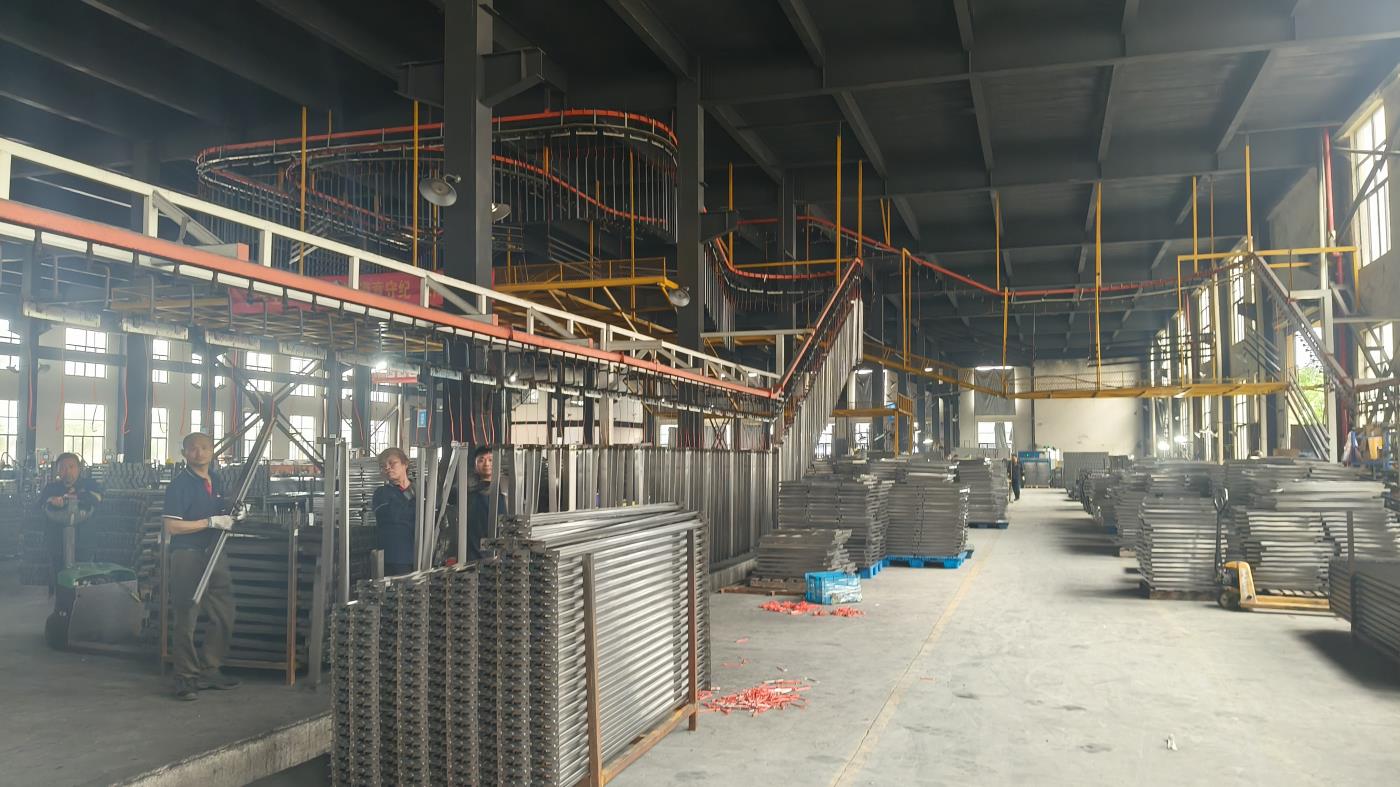
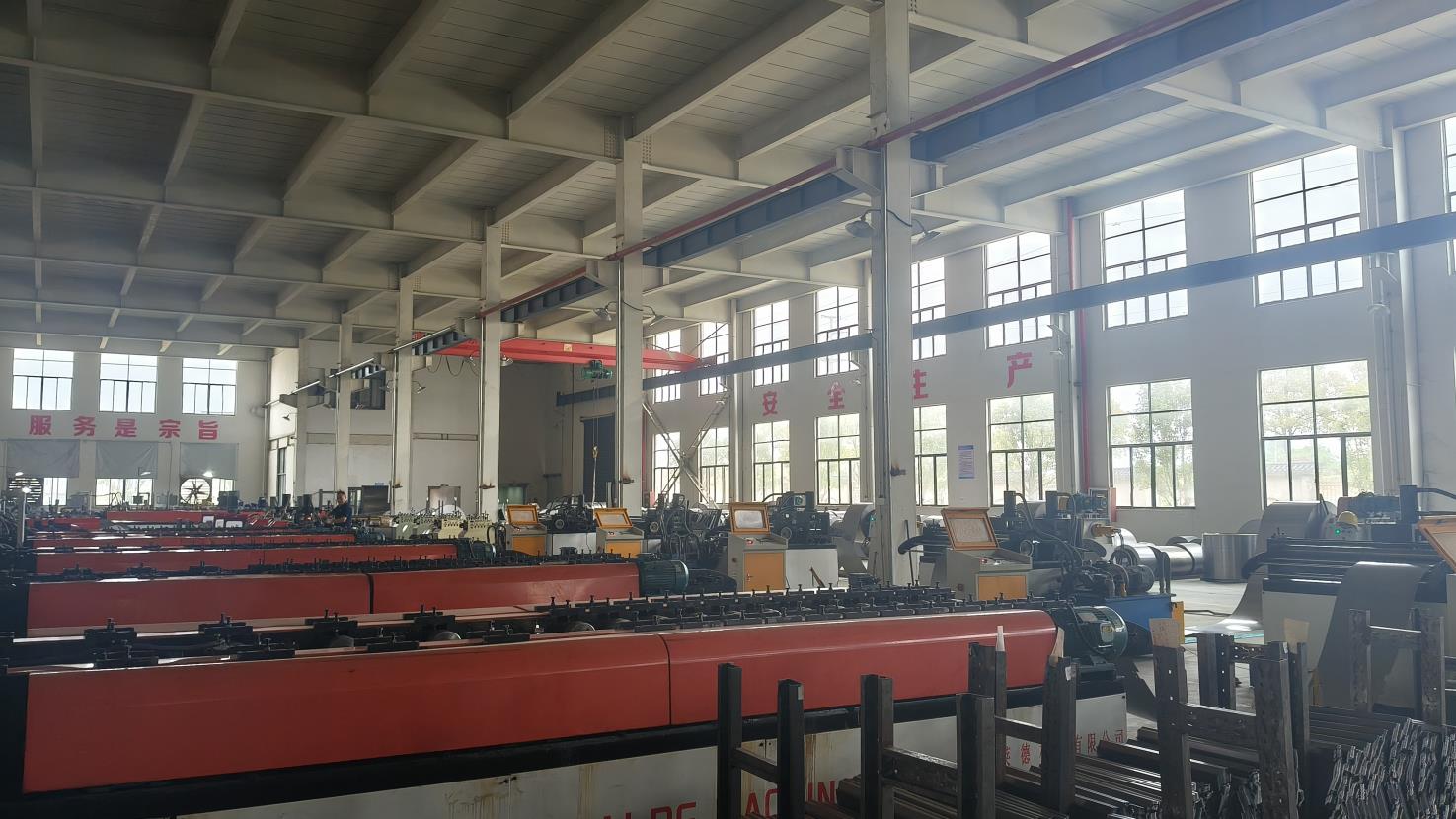
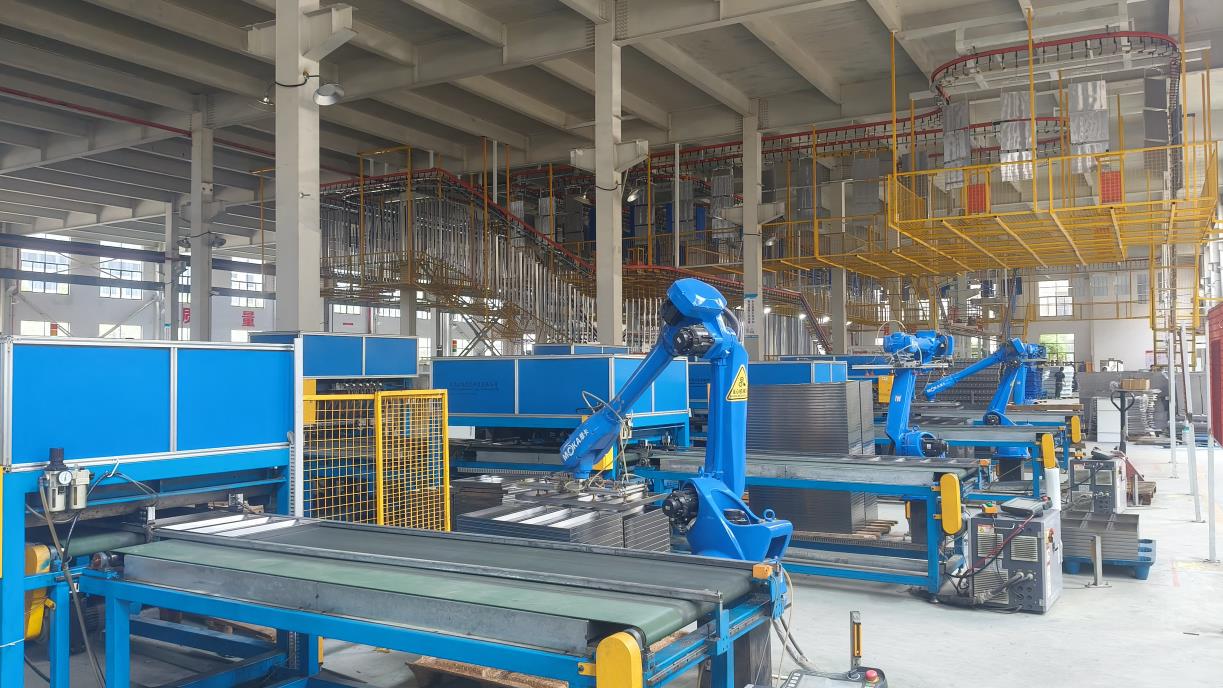
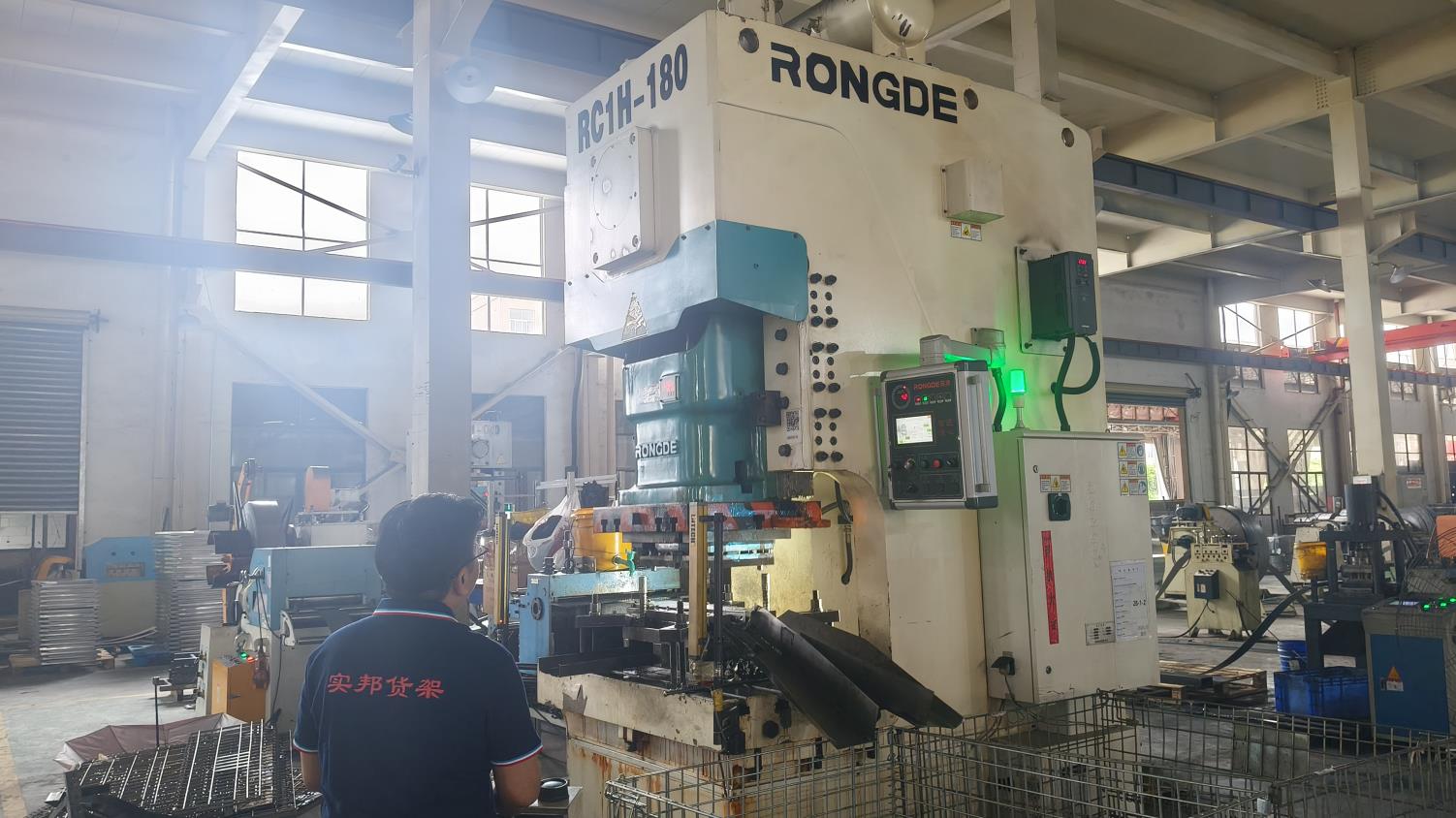
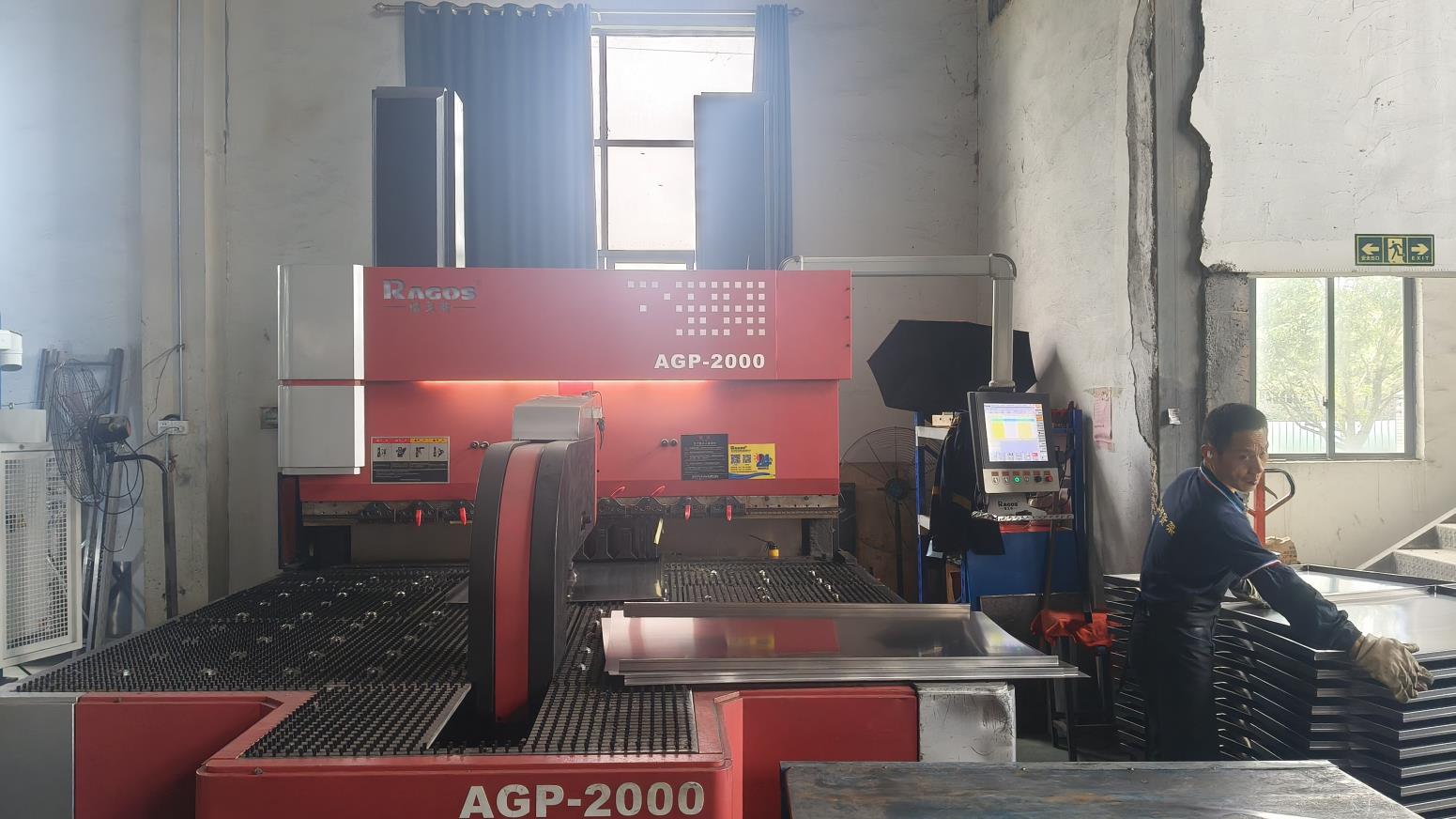
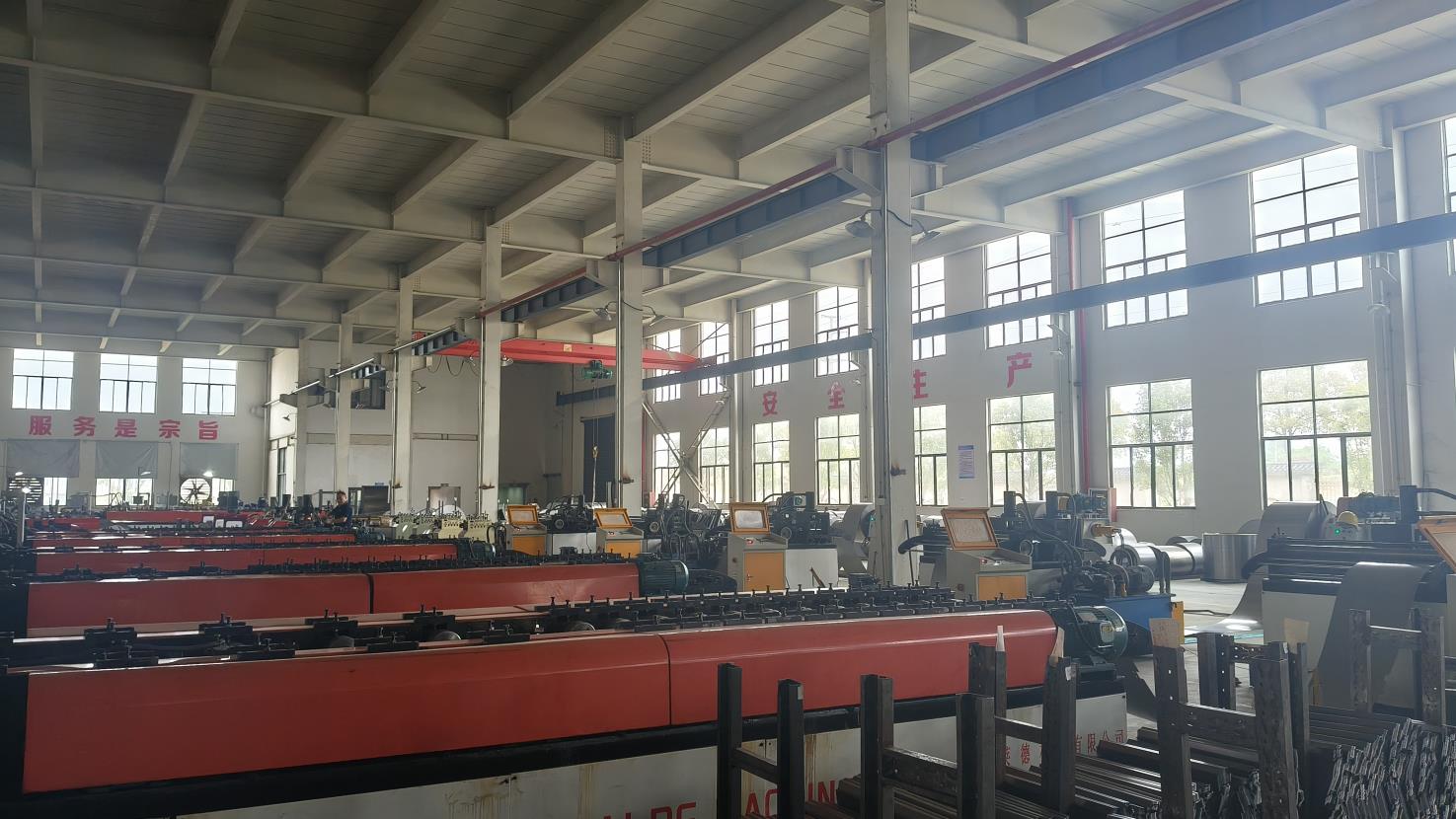
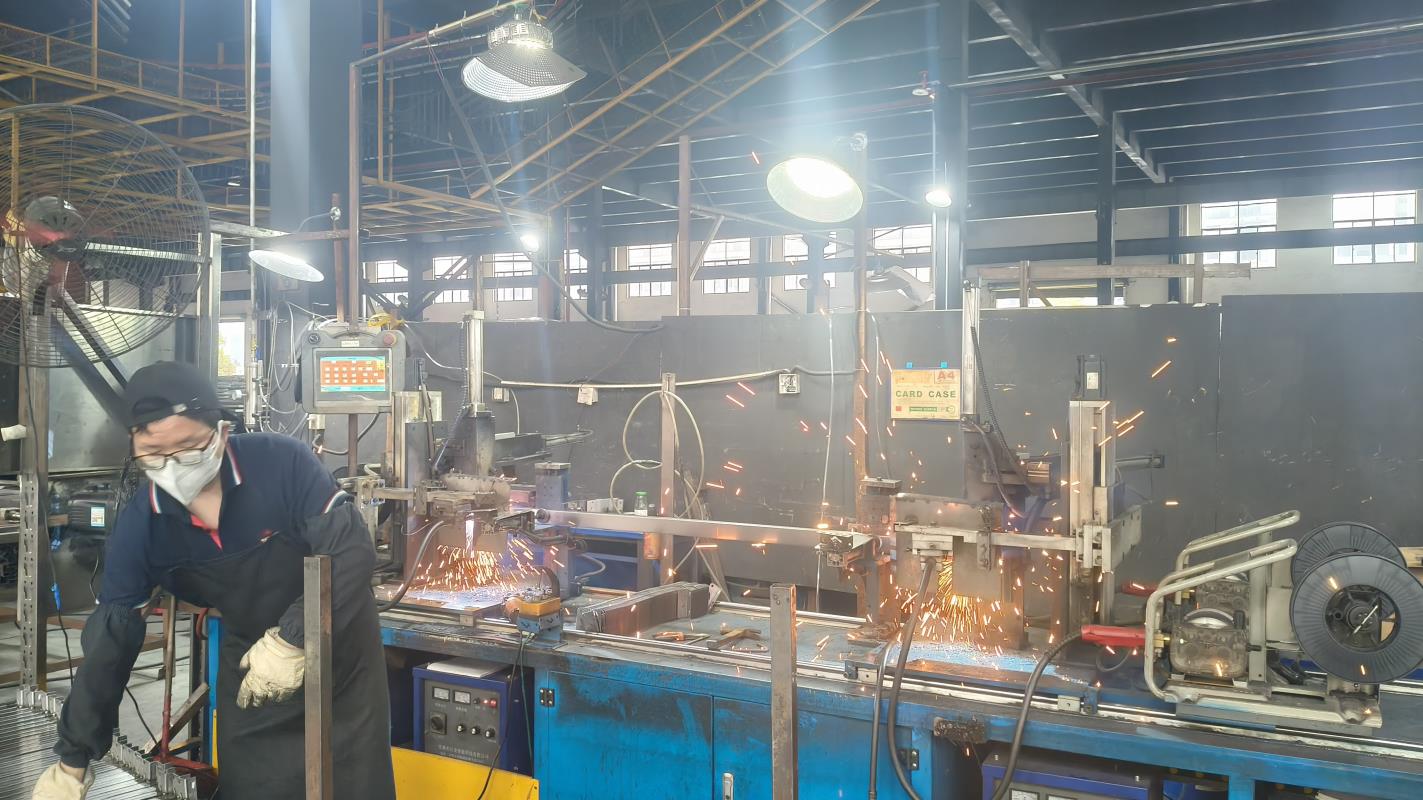
From raw steel coils to the finished, powder-coated structural racking, explore our end-to-end production capabilities in our 32,000 m² modern factory.
Steel Profile Forming
Forming
Component Bonding
Bonding
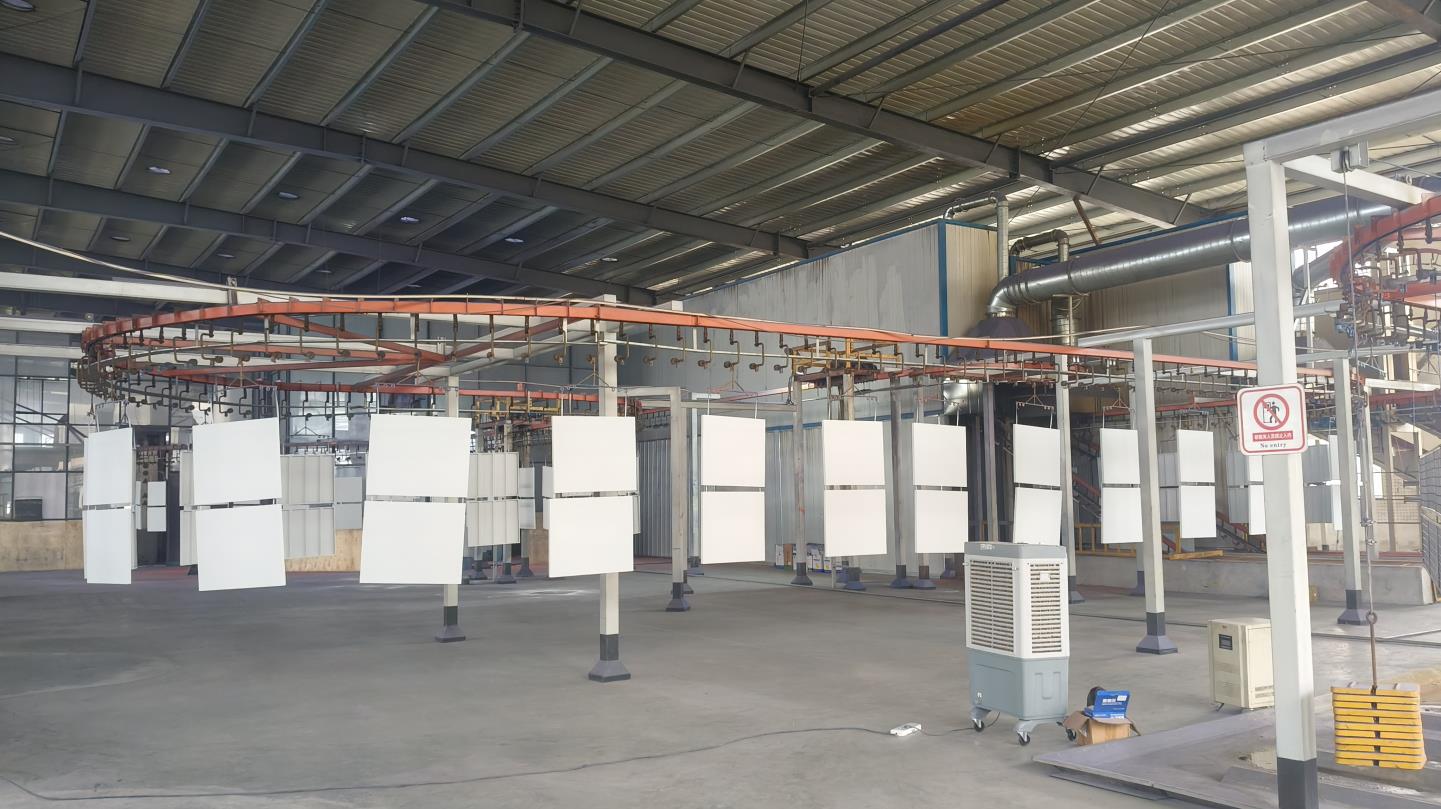
Electrostatic Spray Painting
Spray painting
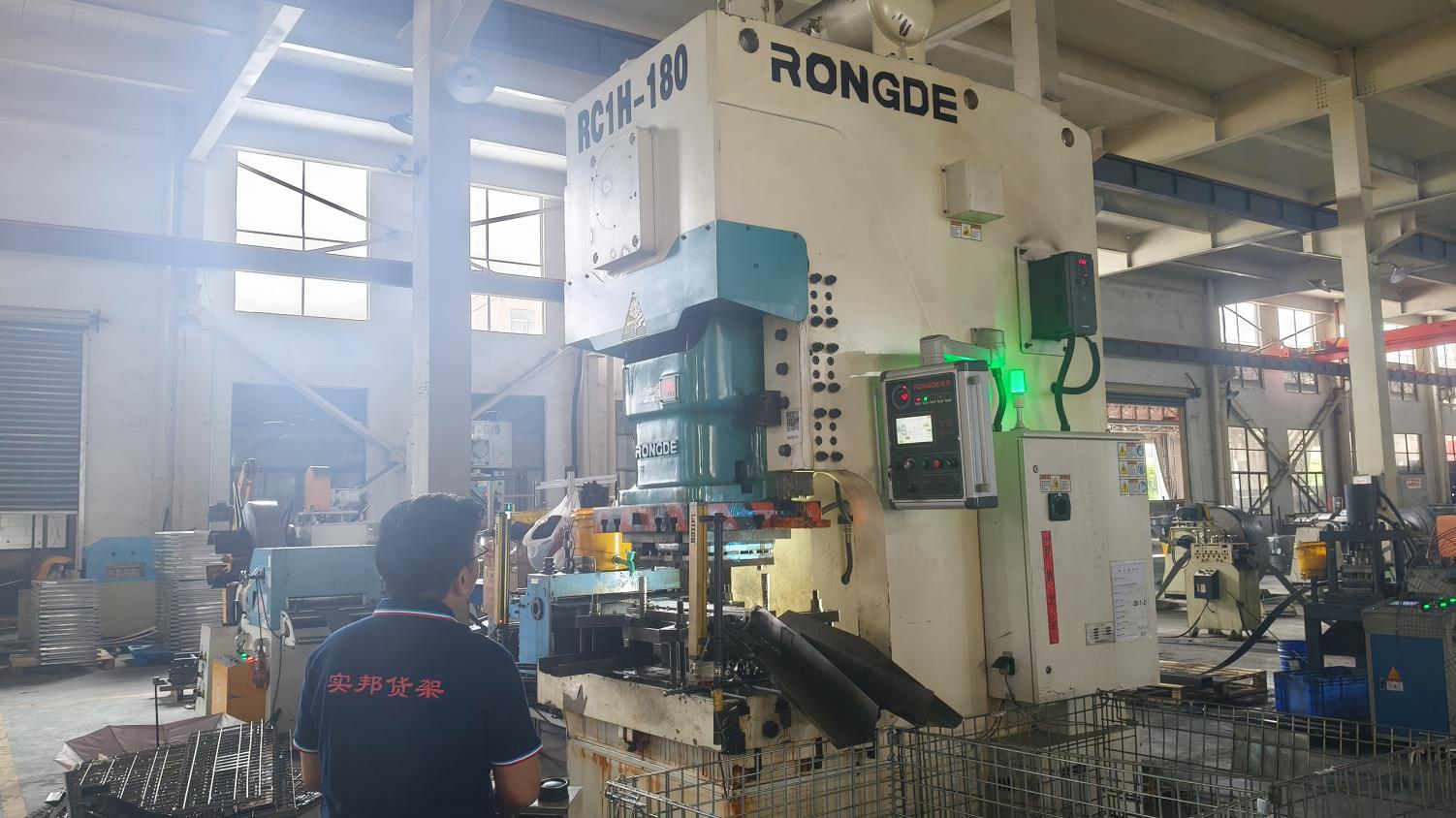
Precision Punching
Punching
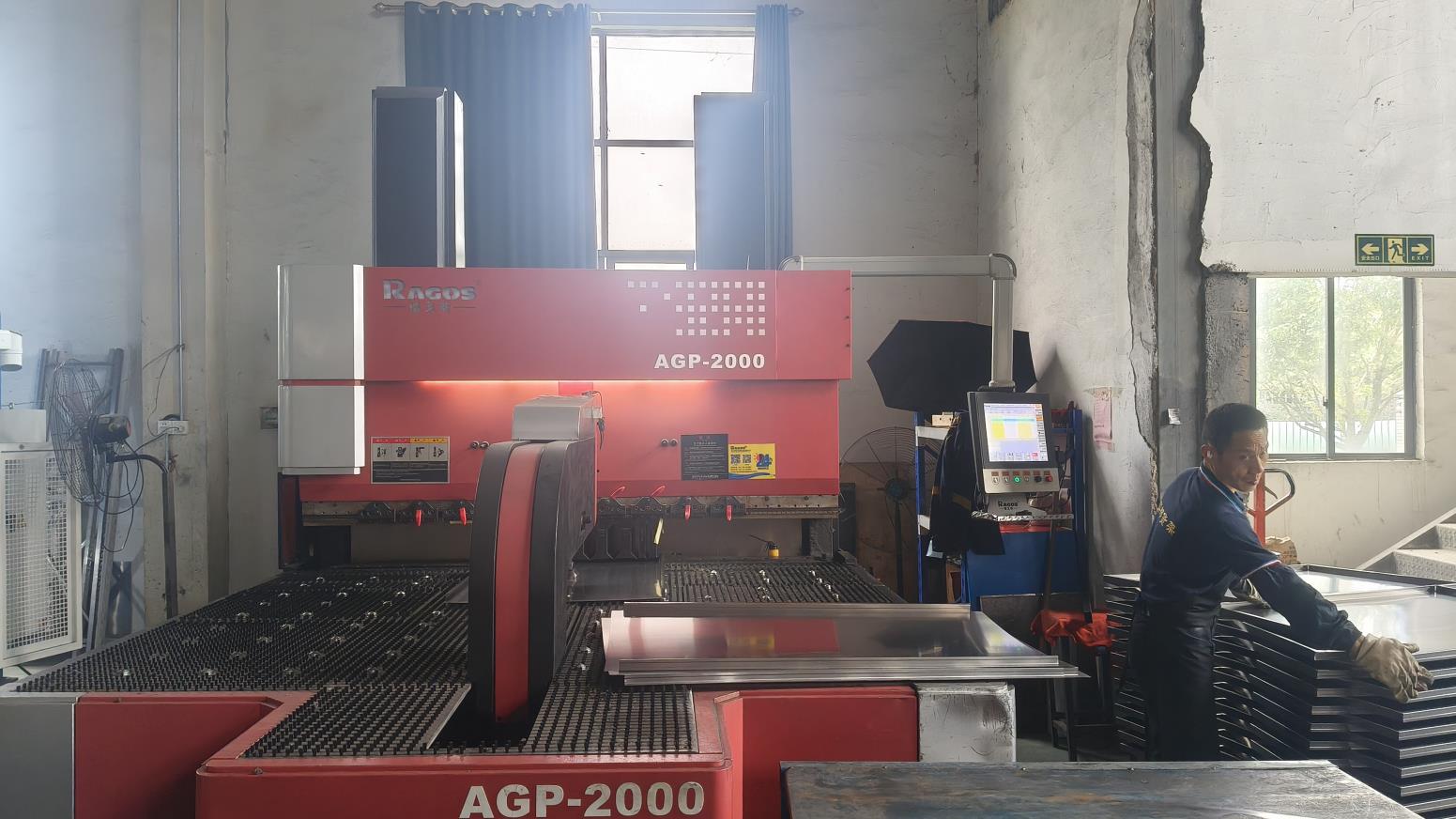
Steel Bending Process
Bending
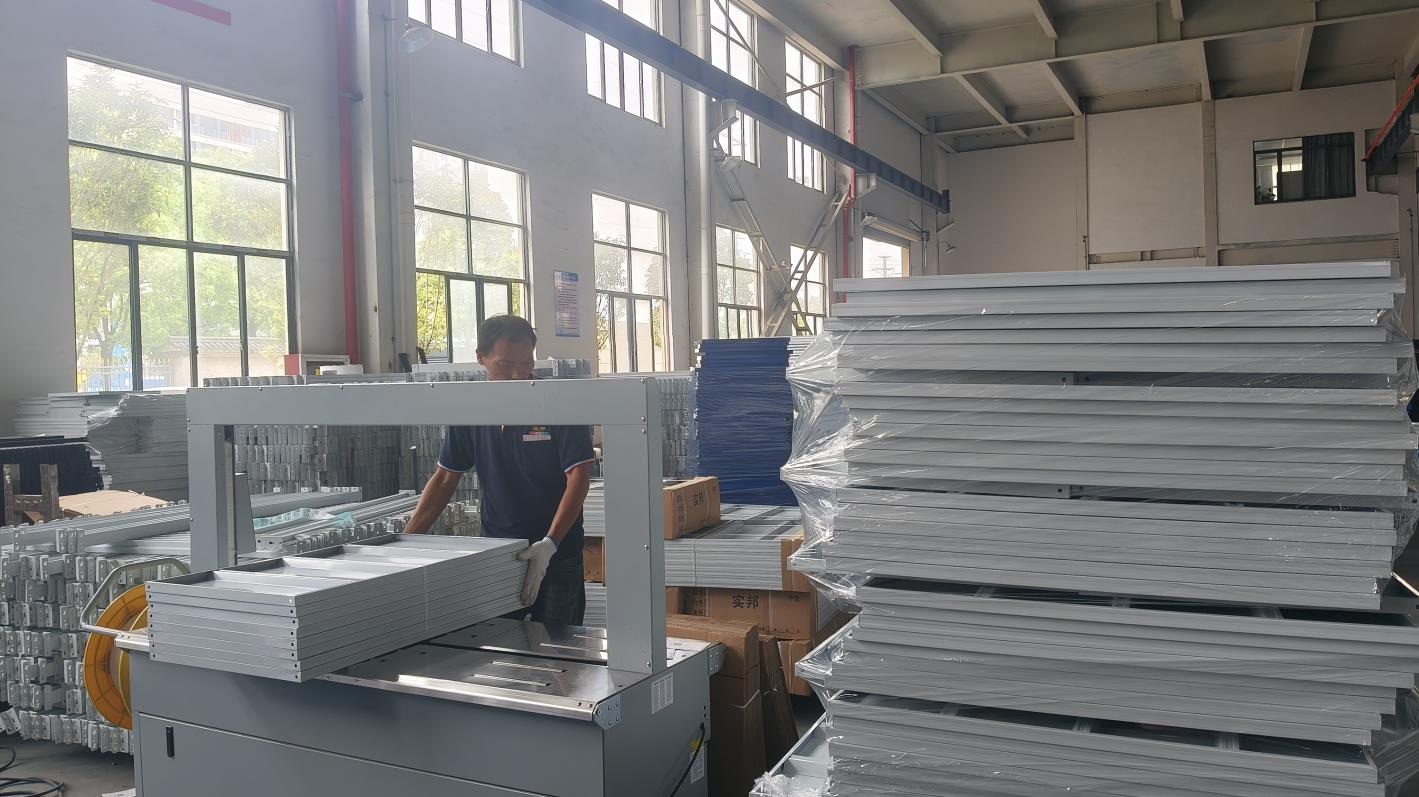
Export Packaging
Packaging
Finished Goods Warehouse
Warehouse
Industrial Roll Forming Machine
Forming machine
Heavy-duty Bonding Machine
Bonding machine
Powder Spray Painting Line
Spray painting line
Fully Automatic Roll Forming Machine
Fully automatic forming machine
Robotic Welder & Mechanical Arm
Mechanical arm
Heavy Punching Machine
Punching machine
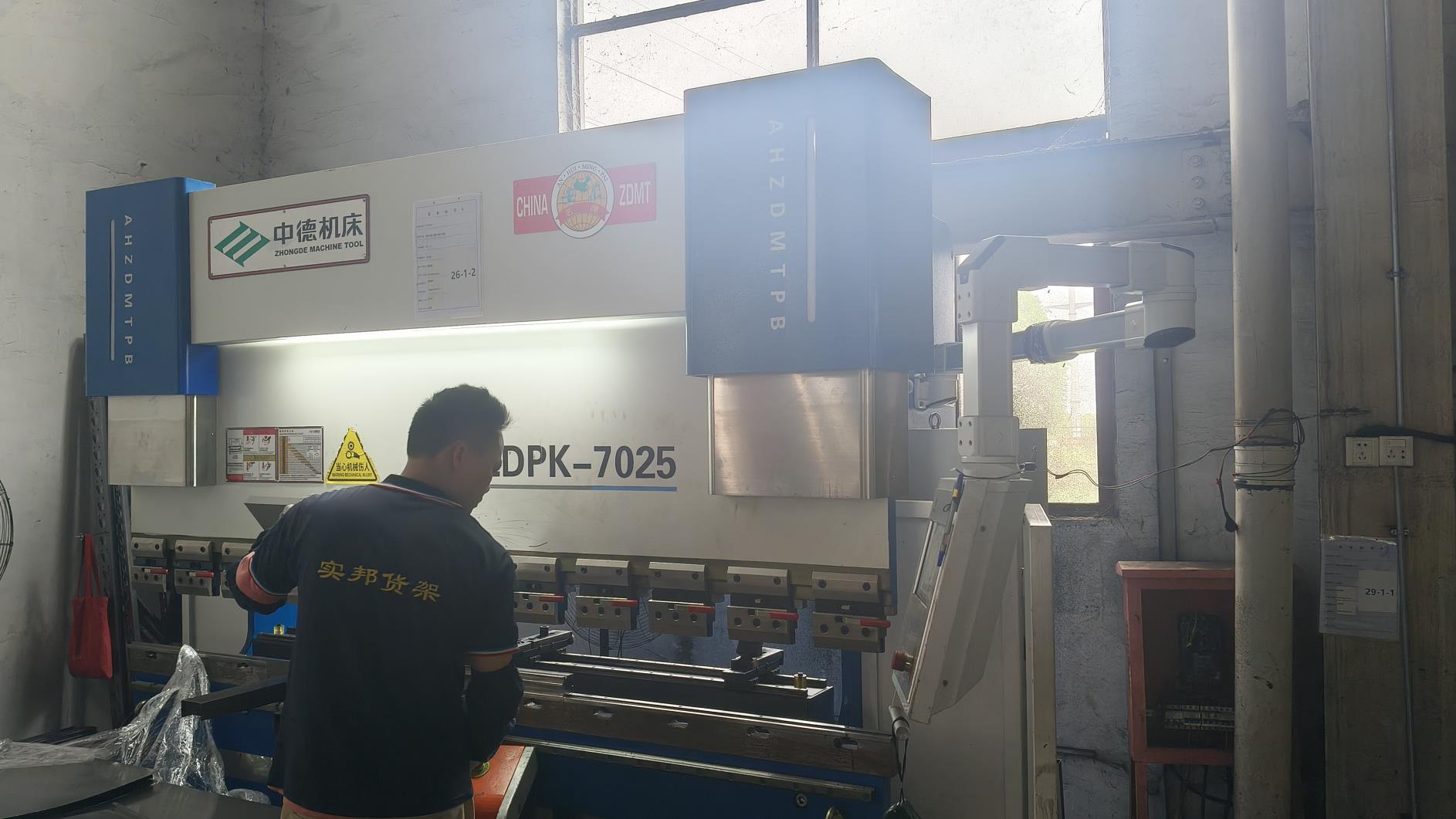
Fully Automatic Bending Machine
Fully automatic bending machine
Automatic Semi-automatic Bending Machine
Automatic semi-automatic bending machine
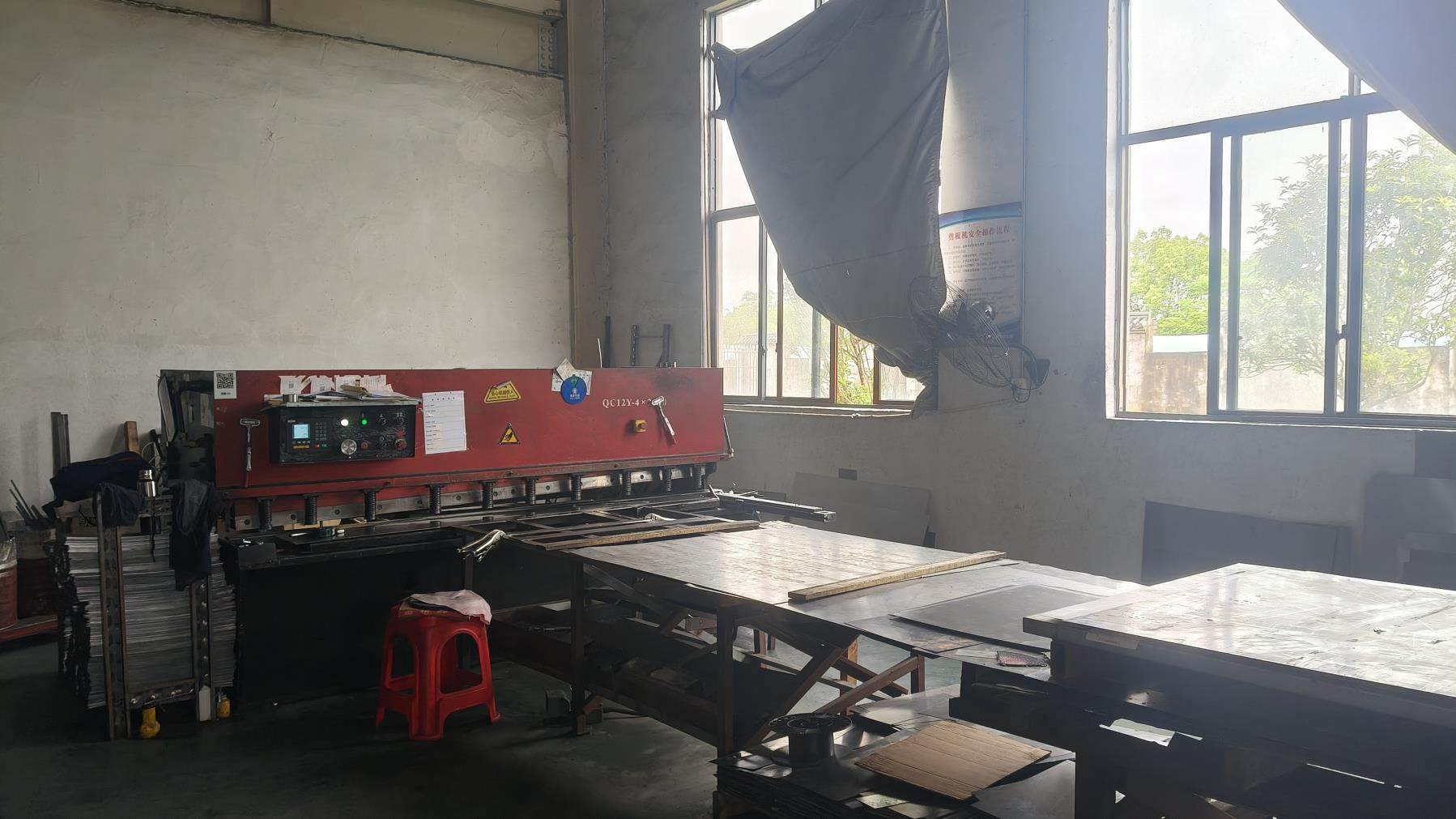
Plate Shearing Machine
Plate shearing machine

China Factory Efficiency & Structural Supply Chain Advantage

China has long established itself as the global manufacturing hub for structural steel and logistics storage equipment. For international buyers, partnering with a Chinese supplier is not merely about lower cost; it is about leveraging a mature, integrated industrial ecosystem. Ningbo Shibang Storage Rack Co., Ltd., based in the port city of Ningbo, represents the top tier of Chinese racking manufacturing. With a massive 32,000 m² manufacturing facility, we provide scale and precision that local, boutique Western fabricators cannot match.

Our location in Ningbo offers significant logistical advantages. With close proximity to the Port of Ningbo-Zhoushan, one of the world's busiest cargo hubs, we minimize inland transportation costs and transition seamlessly from factory floor to container vessel. This geographic advantage, combined with a network of over 850 vetted supply chain vendors, guarantees a stable supply of raw materials like Q235B and Q355B structural steel, even during global supply chain disruptions. This integrated model translates to rapid lead times, consistent quality, and a highly competitive total cost of ownership (TCO) for global distributors and installers.

Advanced Quality Control Protocols: E-E-A-T in Action

We believe that safety is non-negotiable. Racking systems load tons of inventory above workers and machinery; structural failure is not an option. At Ningbo Shibang, our quality assurance process is governed by a specialized department consisting of 35 QA/QC inspectors. Every batch of raw steel undergoes mechanical testing before entering the roll-forming lines. Our structural welds are subject to continuous Ultrasonic Testing (UT) to verify penetration depth and identify any internal micro-fissures.

Furthermore, we perform load-bearing stress analysis on production components using finite element modeling (FEM) software. Once forming and punching are complete, we verify powder coat thickness and adhesion strength to ensure parts withstand years of abrasions and environment-induced stress. This high level of scrutiny guarantees compliance with international standards, including the Rack Manufacturers Institute (RMI) specification in North America, FEM 10.2.02 in Europe, and AS4084 in Australia.

Localized Applications Across Global Industries

Drive-in storage systems show varying deployment profiles depending on local market behaviors, regulatory compliance, and core product properties. Here are the key localized applications we engineer for:

Cold Storage & Food Preservation
In the USA and EU, cold storage accounts for over 40% of all drive-in racking installations. High operational energy costs demand maximum density. Our customized galvanized and powder-coated steel finishes resist corrosion from high-humidity and freezing cycles.
Third-Party Logistics (3PL) Hubs
Modern distribution centers manage bulk storage blocks for single clients. Drive-in systems allow 3PL providers to configure high-density zones for high-volume consumer goods, maximizing lease margins per square meter.
Automotive Component & Heavy Manufacturing
Automotive components are often packed in standardized metal crates or heavy wooden pallets. Custom drive-in racking profiles with heavy-duty structural columns support dense storage of heavy components, minimizing assembly line footprint.
Beverage Distribution & Retail Warehouses
Beverage pallets are dense and heavy, yet uniform in dimension. Racks with dynamic top guide rails and floor guides ensure forklift drivers align pallets quickly and safely without scraping the vertical structural uprights.

Industry Trends: The Future of Drive-in Storage Systems

As warehouse environments evolve, high-density storage technology is adapting. The most significant trend is the hybridization of traditional drive-in racking with automated shuttle systems. Pallet Shuttle systems, which run on rails within the rack bays, allow forklifts to deposit goods at the face of the lane without driving into the system. This increases retrieval speeds and eliminates the danger of forklift impact with structural steel columns.

Additionally, green warehousing initiatives are driving the adoptability of ultra-low VOC (Volatile Organic Compound) powder coatings. Suppliers are under pressure to trace steel supply lines back to eco-efficient mills. At Ningbo Shibang, we stay ahead of these trends by continuously refining our R&D processes. Our engineering team of 22 experienced structural and mechanical engineers recently released 140 new and optimized structural products, with several developments focused on shuttle compatibility, modular racking attachments, and seismic isolation bases.

Evaluating Global Procurement Criteria: A Buyer's Checklist
When sourcing structural steel racking from an offshore OEM supplier, logistics directors should evaluate key performance and manufacturing criteria.

To avoid supply chain hold-ups, structural failures, or regulatory friction at customs, look for the following vendor attributes:
  • Raw Material Traceability: Ensure the supplier uses certified structural steel grades (such as Q235B or Q355B, comparable to ASTM A36 or S235JR). Request material mill test certificates (MTC) for each steel coil shipment.
  • Welding Competency: Drive-in pallet support arms and connection plates are subjected to massive cantilever shear forces. Check that welding operations follow international welding standards (like AWS D1.1 or ISO 3834).
  • Finishing Quality: Powder coating thickness should consistently measure between 60 to 90 microns to prevent peeling, chipping, and rust. Salt spray testing records should be available upon request.
  • Engineering Capabilities: A reputable manufacturer must provide detailed CAD layouts, load capacity charts, and seismic calculation packets signed off by professional structural engineers.
Frequently Asked Questions (FAQ)
Get answers to the most common technical and commercial questions regarding custom OEM drive-in storage racking systems.
What is the difference between Drive-in and Drive-through racking? +
Drive-in racking configurations utilize a single entry/exit point for forklifts, operating on a Last-In, First-Out (LIFO) inventory system. Drive-through systems are open at both ends, allowing forklifts to enter from one side and exit from the opposite side, which enables a First-In, First-Out (FIFO) stock rotation.
What steel grades does Ningbo Shibang use for production? +
We primarily use high-grade Q235B and Q355B hot-rolled steel coils, which are equivalent to ASTM A36 and ASTM A572 Grade 50. These structural steel grades offer excellent yield strength, high weldability, and exceptional performance under bending stress.
How does Ningbo Shibang ensure the safety and load compliance of its custom systems? +
Our 35-person QA/QC team monitors production from raw materials to final packaging. We use Ultrasonic Testing (UT) to analyze structural weld integrity, conduct mechanical stress testing on pallet support rails, and use Finite Element Analysis (FEA) software to model seismic and load configurations for individual installation sites.
Can your racking systems be installed in sub-zero cold storage facilities? +
Yes. We engineer customized racking solutions specifically for cold storage environments. This includes choosing low-temperature resistant steel grades, applying thick, rust-resistant powder coatings, or executing full hot-dip galvanization (HDG) to prevent corrosion from condensation and low-temperature stress.
What customization options are available for OEM/ODM orders? +
Through our in-house R&D team of 22 engineers, we offer extensive customization. This includes custom upright frame heights and widths, specialized cantilever arm profiles, guide rails, row spacers, structural post protectors, and electrostatic powder coating in any standard RAL color to align with your corporate branding.
What is the standard lead time for shipping to North America or Europe? +
Typically, manufacturing is completed in 25-35 days from structural design approval. Shipping from Ningbo Port to West Coast US ports takes approximately 18-22 days, East Coast US ports take 30-35 days, and Western European ports take 28-35 days.