Engineered for extreme structural integrity, high structural safety coefficients, and seamless modular integration.
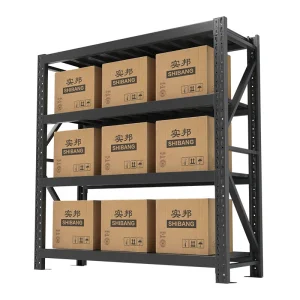
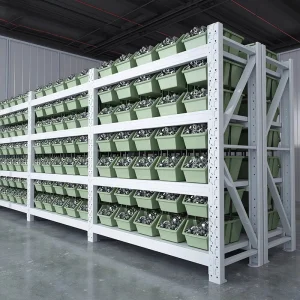
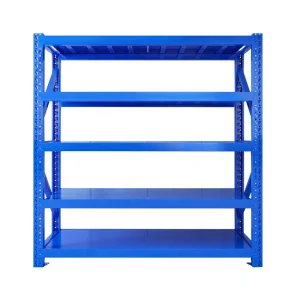
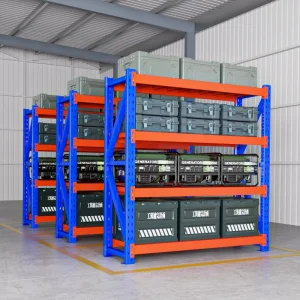
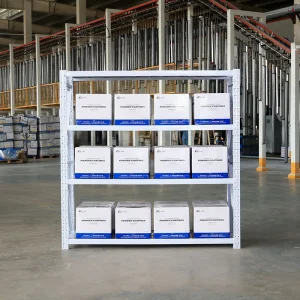
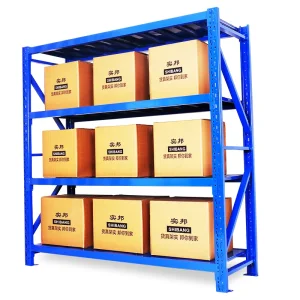
How adjustable racking architectures drive supply chain efficiency and optimize structural real estate assets.
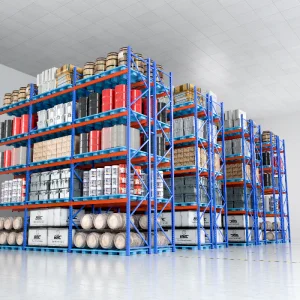
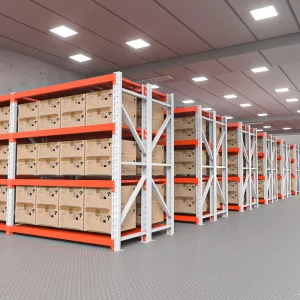
With industrial real estate costs surging up to 18% annually globally, vertical space density is a key operating metric. Modern adjustable racking allows facilities to utilize up to 90% of vertical warehouse volume, transforming floor-bound layouts into dynamic, multi-tier industrial storage networks.
Modular, boltless adjustable configurations allow rapid system reassignment when standard box dimensions scale. Instead of replacing structural columns, operators shift beam levels at 50mm pitch increments, ensuring high system uptime during product lifecycle transformations.
Seismic forces present structural risks to vertical steel. Utilizing dynamic structural design models configured to local peak ground acceleration (PGA) metrics prevents column buckling and limits transverse displacement, keeping human labor and inventory assets secure.
Under the modern paradigm of omnichannel commerce and rapid supply chains, warehousing storage systems are no longer static steel frames. They are dynamically adjustable systems integrated directly with material handling equipment (MHE) and automated storage/retrieval systems (AS/RS). Our high-grade cold-rolled steel designs enable load bearing and adaptability profiles that traditional racking configurations cannot achieve.
Engineered for durability. Standardized for international target markets. Verified by real global operational data.
Ningbo Shibang Storage Rack Co., Ltd. is a leading enterprise specializing in the design, manufacture, and global distribution of heavy-duty industrial warehouse racking systems. Spanning a modern manufacturing facility of 32,000 m², our company has accumulated 12 years of industry experience and 8 years of direct export expertise, serving global clients with total annual export revenue reaching $18 million.
Quality and structural integrity are at the core of our manufacturing philosophy. Backed by a dedicated quality control team of 35 QA/QC inspectors, we implement rigorous multi-stage quality assurance processes, including Ultrasonic Testing (UT) for weld seams, load-bearing stress analysis, coating thickness verification, and raw material tensile testing.
Operating with a robust international trade setup, our primary markets cover North America, Western Europe, Southeast Asia, and Australia. To maintain efficient production cycles and reliable raw material supply, we partner with over 850 supply chain vendors. Our diverse client portfolio spans 3PL logistics providers, automated distribution centers, retail mega-warehouses, and heavy manufacturing facilities.
Innovation drives our growth. Our in-house R&D department boasts 22 experienced structural and mechanical engineers. Through strong technical capability and advanced OEM/ODM versatility, we offer extensive customization options, including tailored load capacities, custom powder-coating colors, seismically engineered beam profiles, and modular height configurations. Demonstrating our commitment to evolving market needs, we launched 140 new products and optimized structural components over the past year alone.
From raw high-tensile steel to automated epoxy powder coating. Every stage is strictly tracked by QA/QC teams.
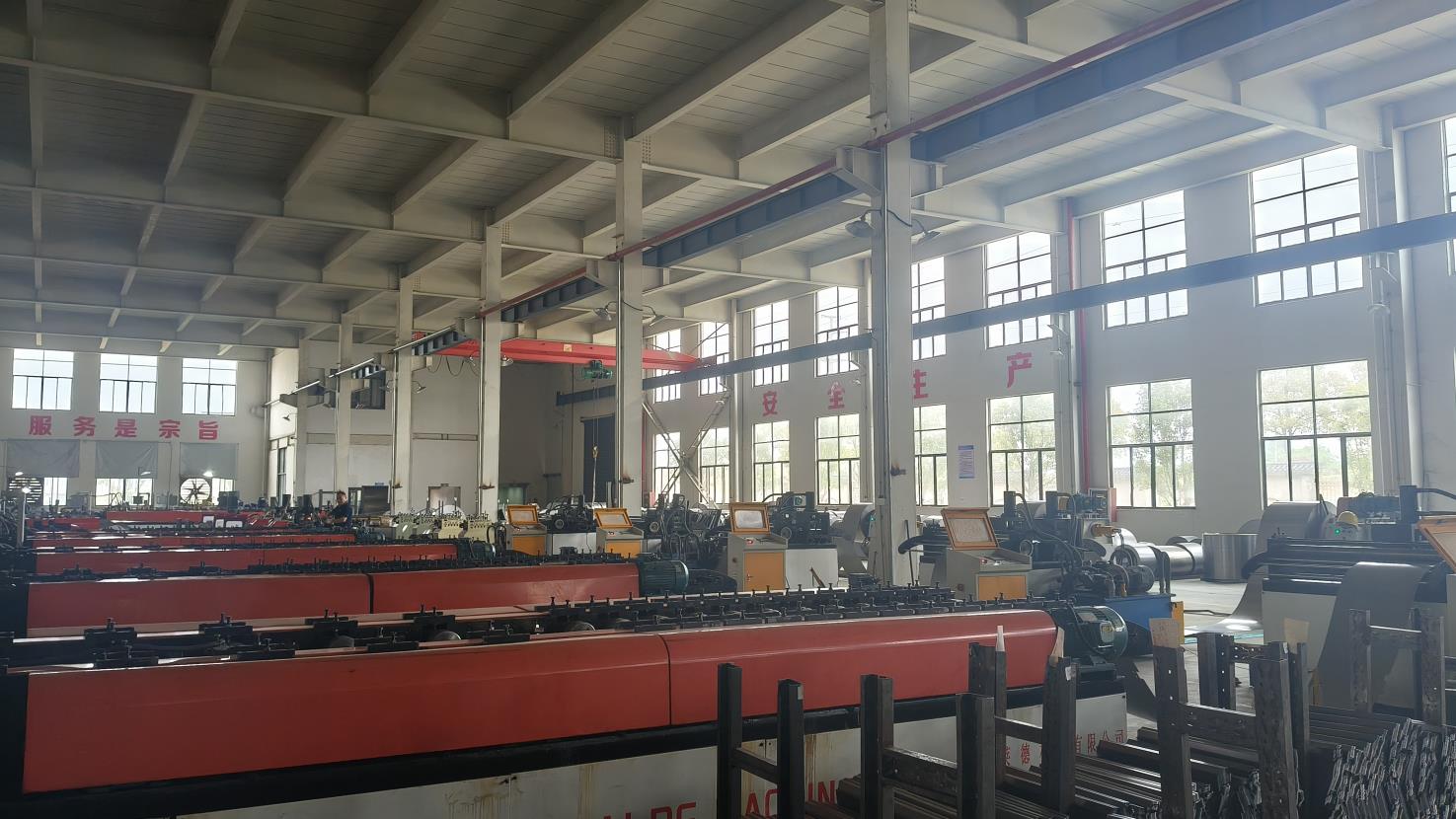
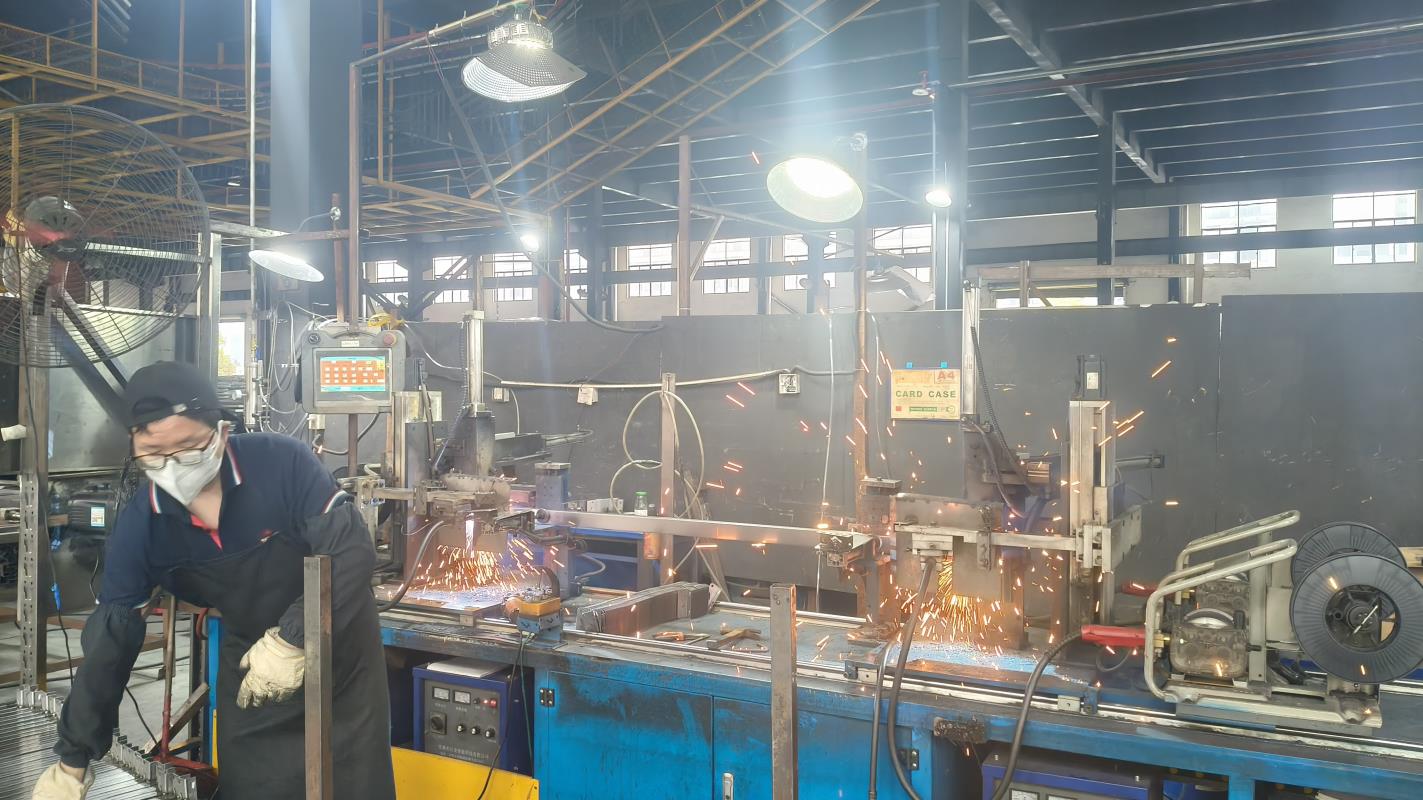
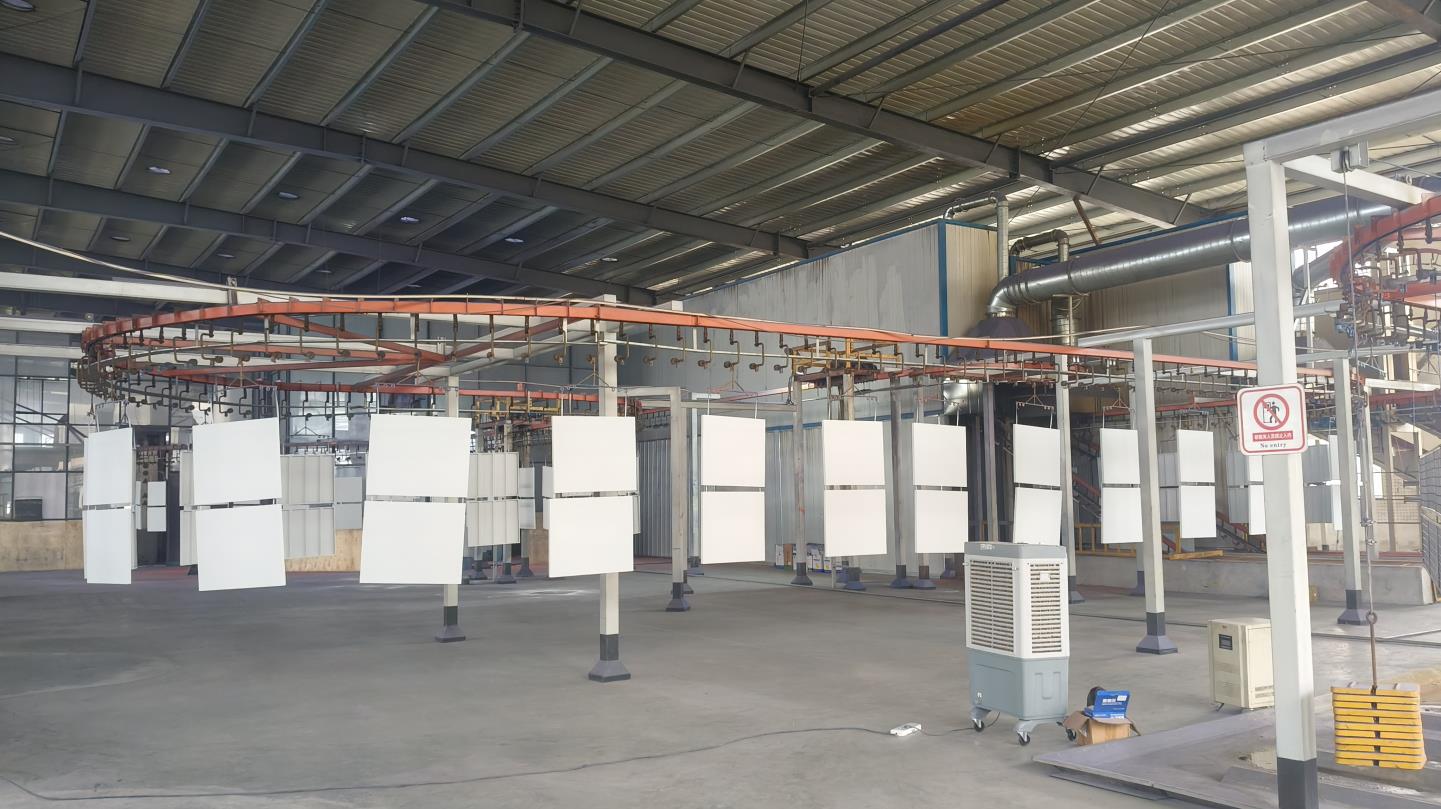
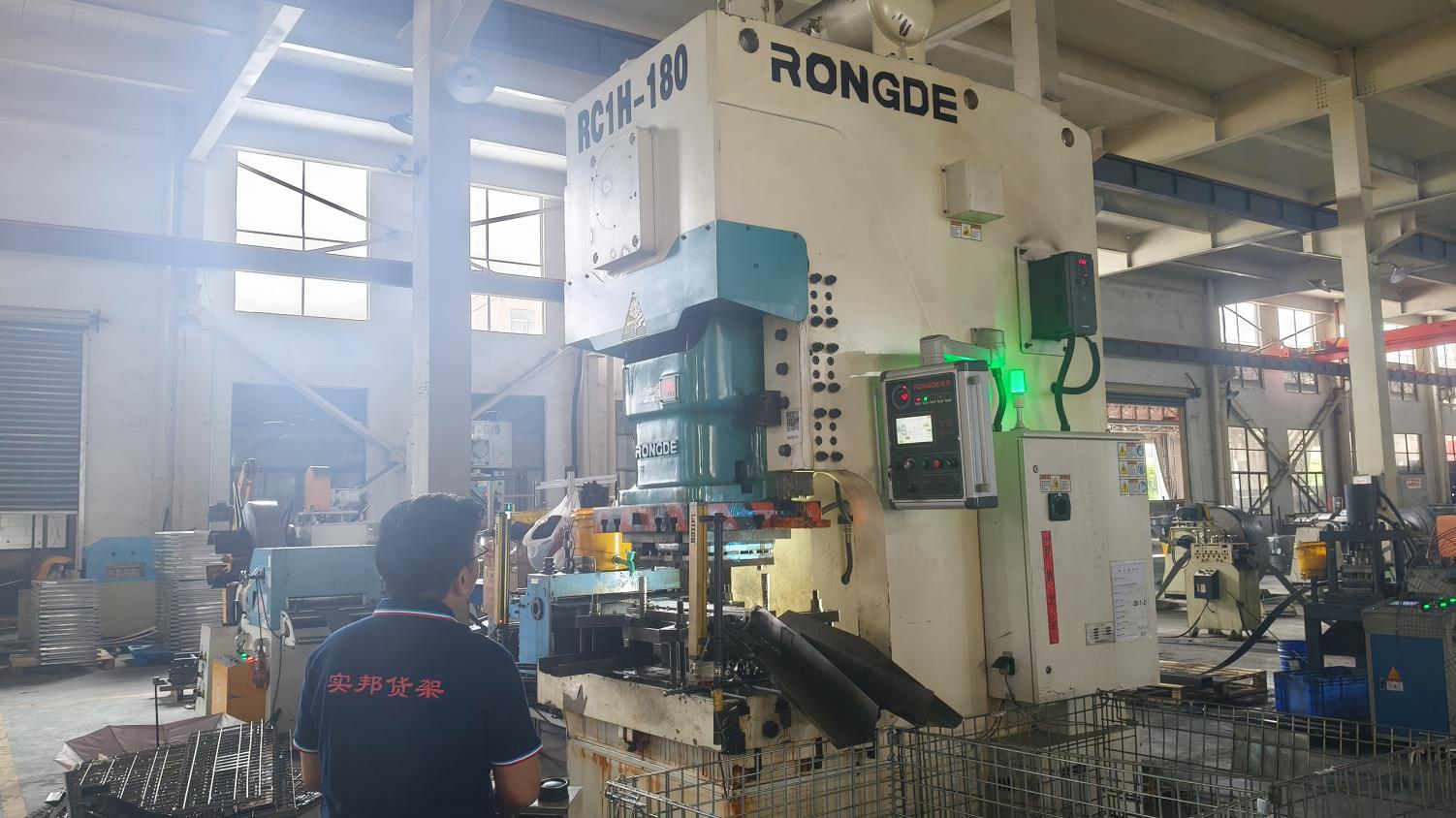
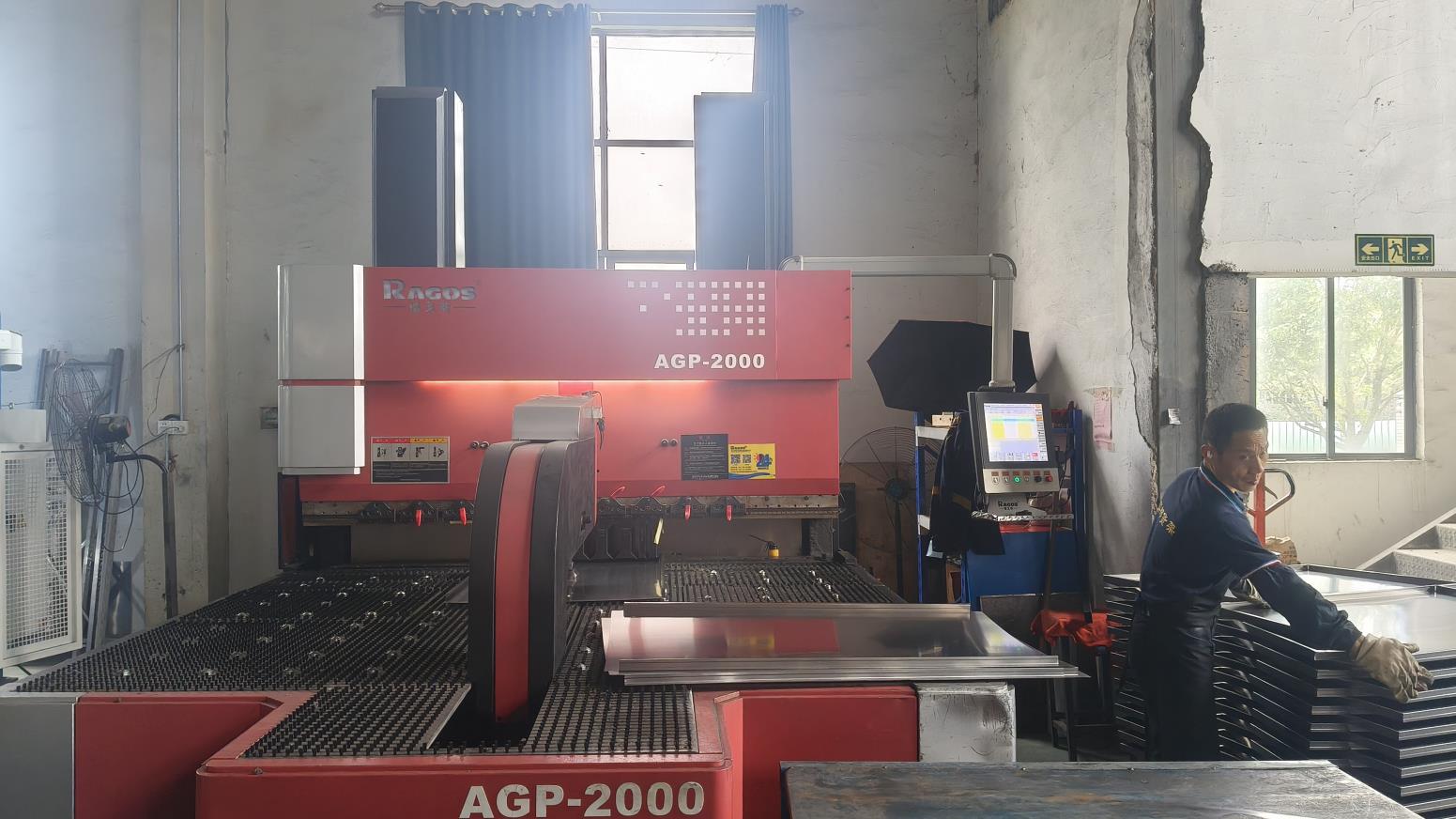
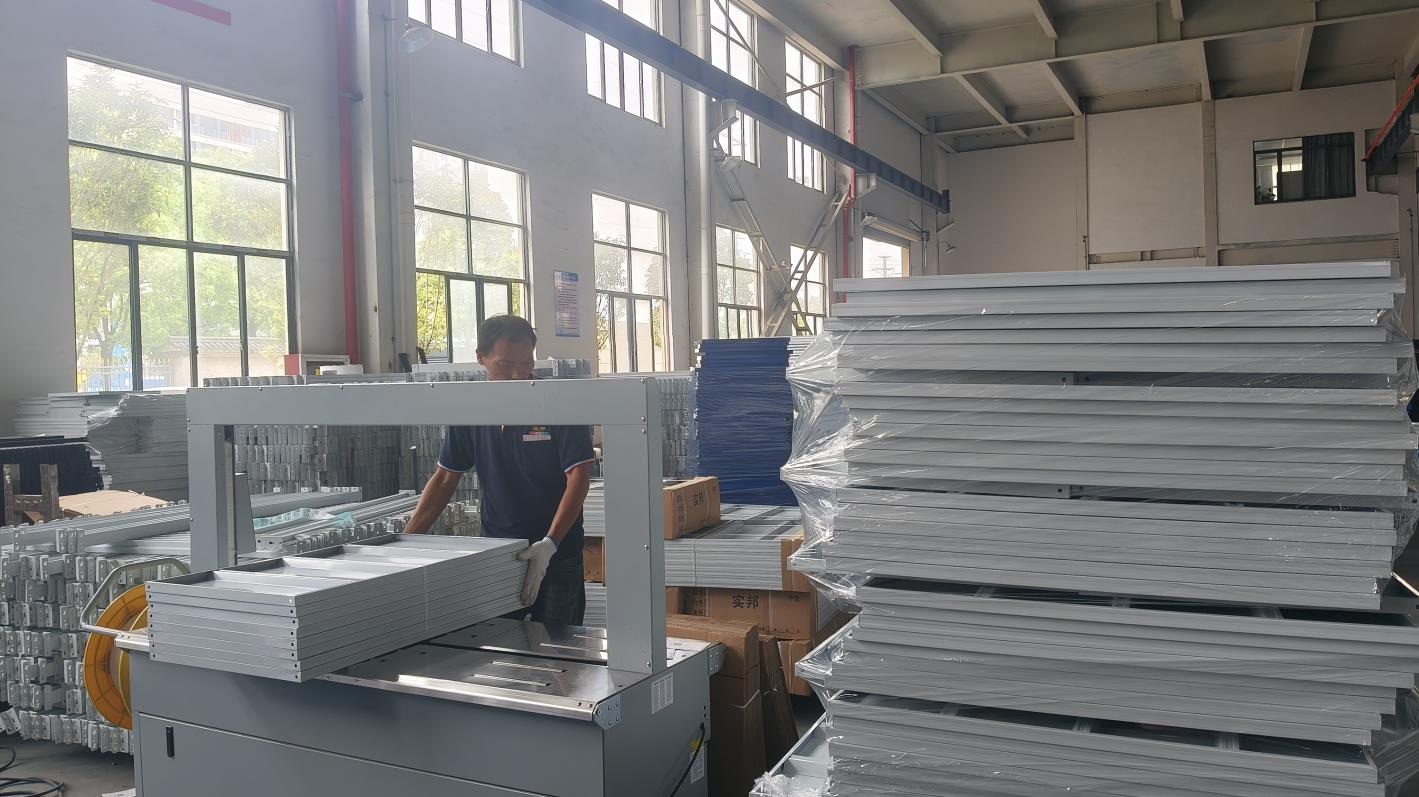
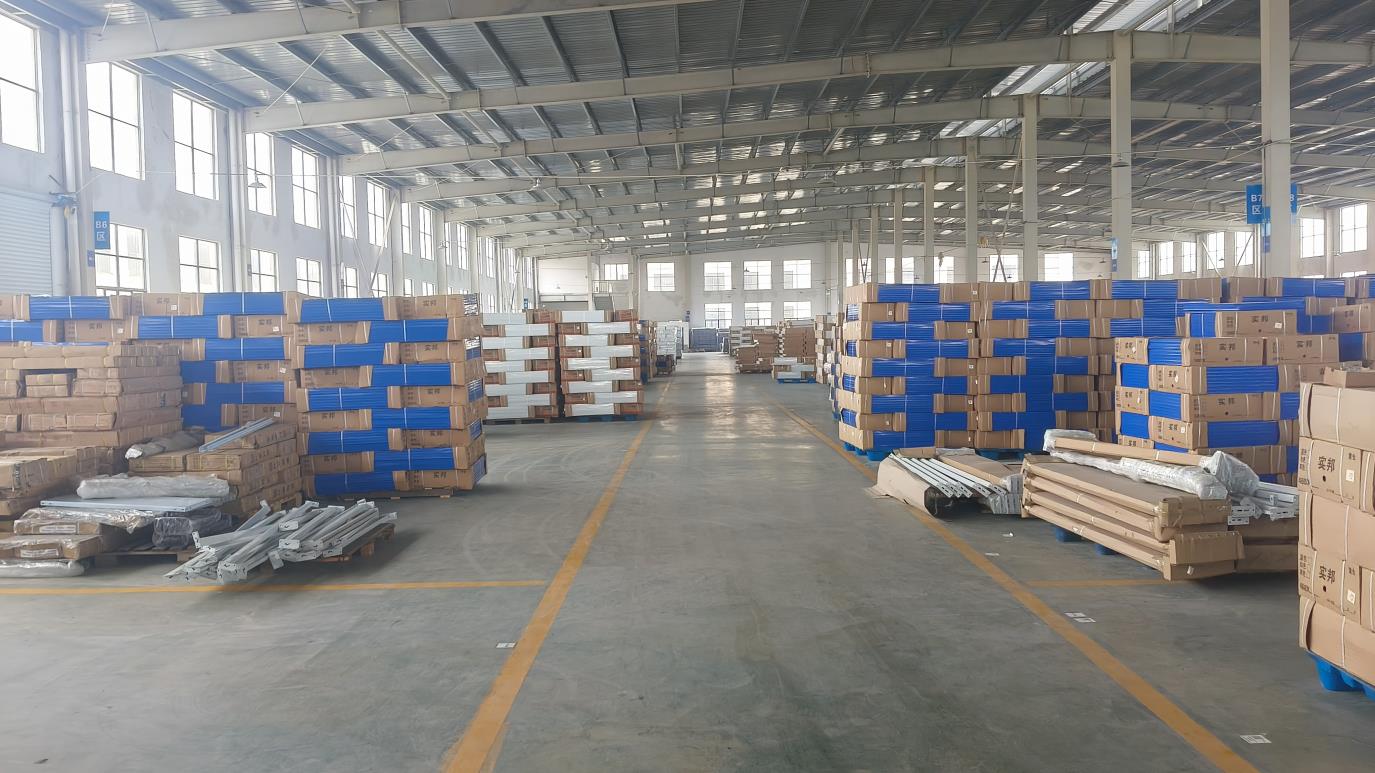
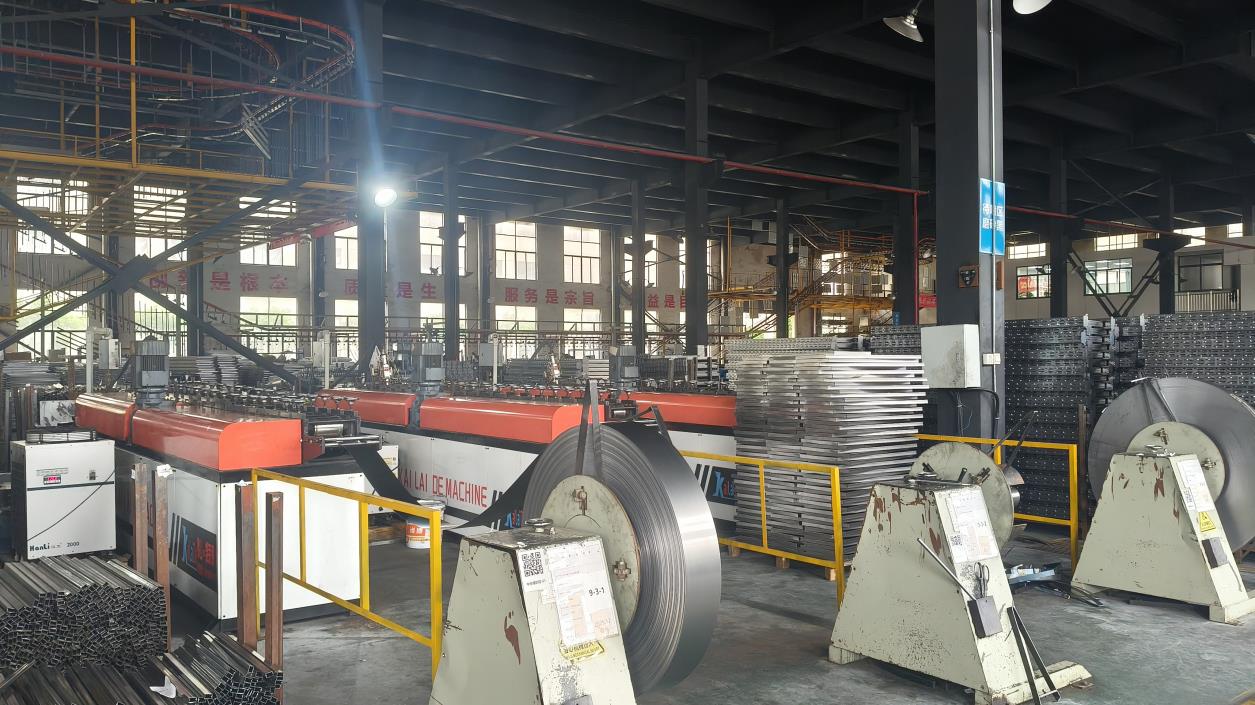
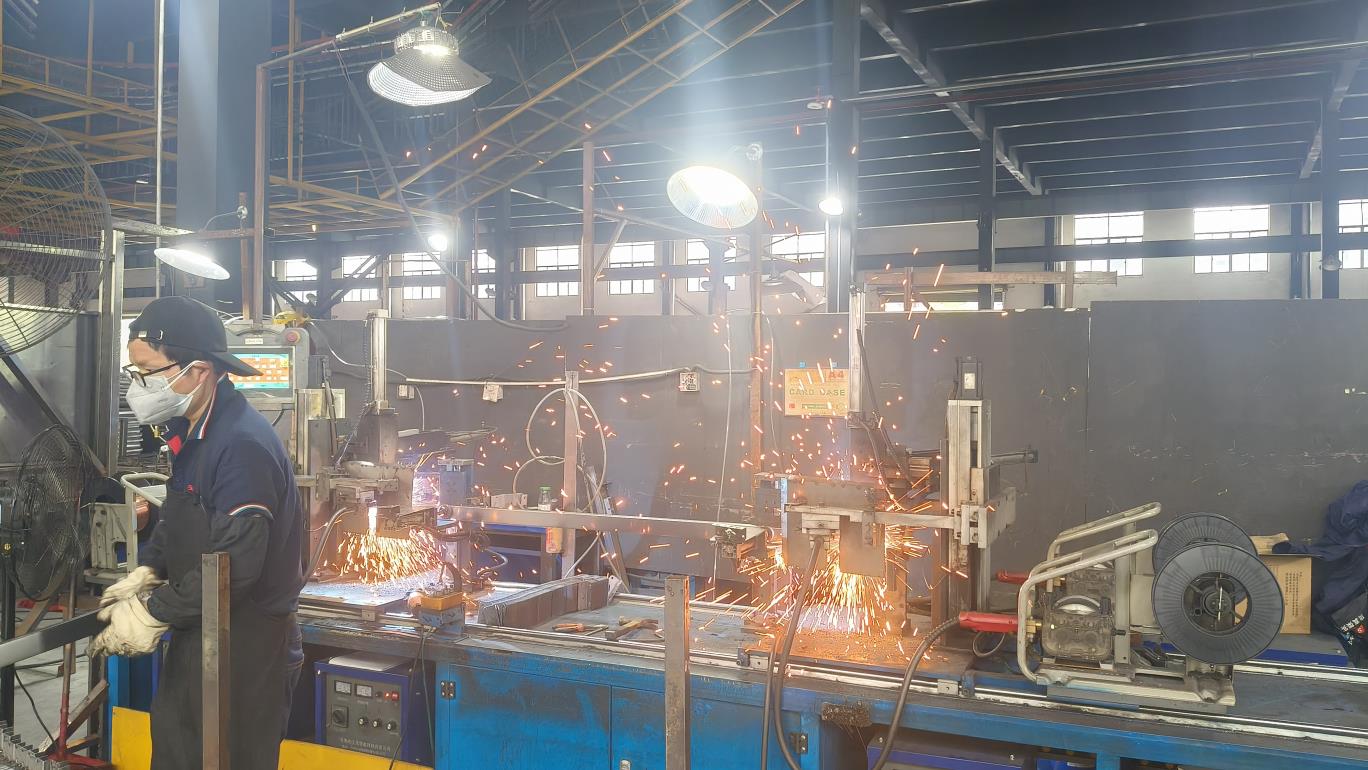
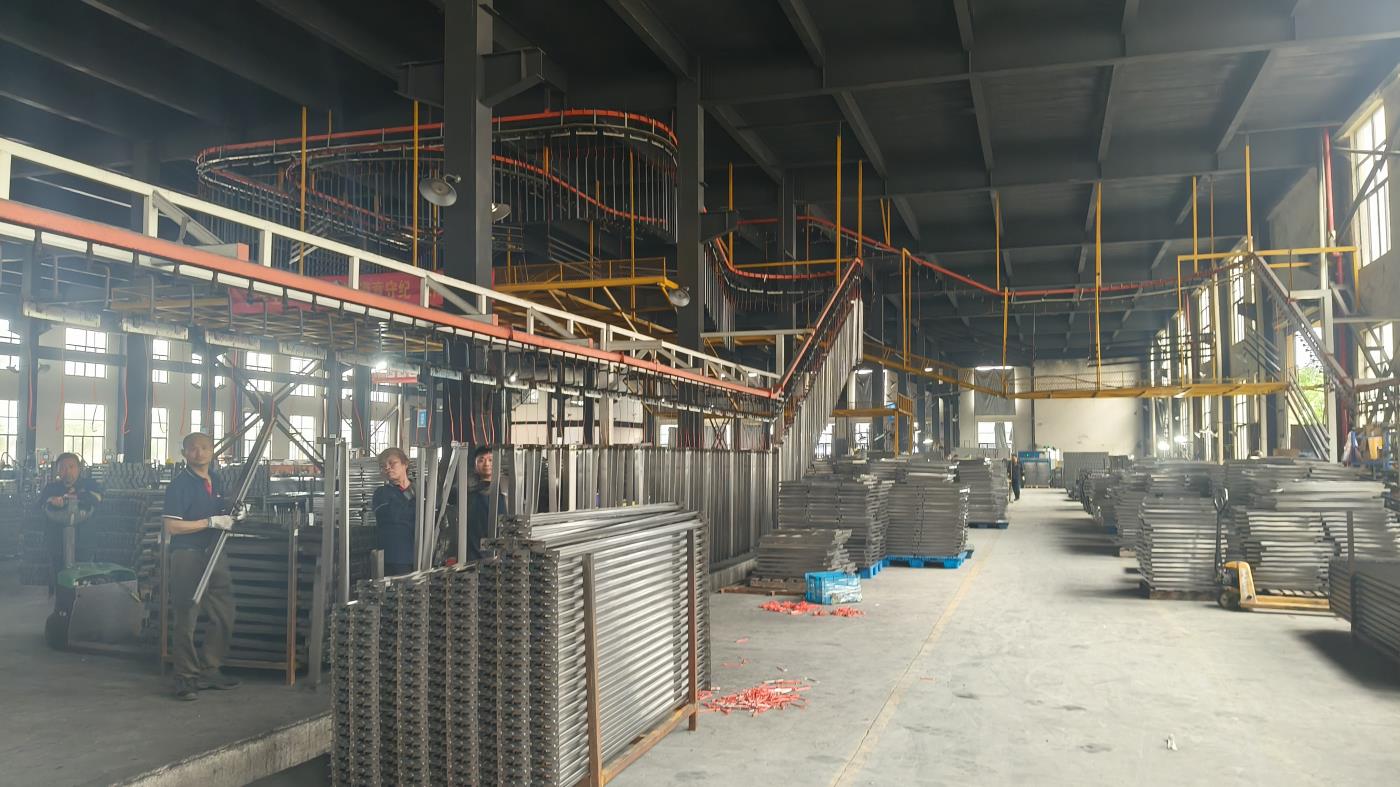
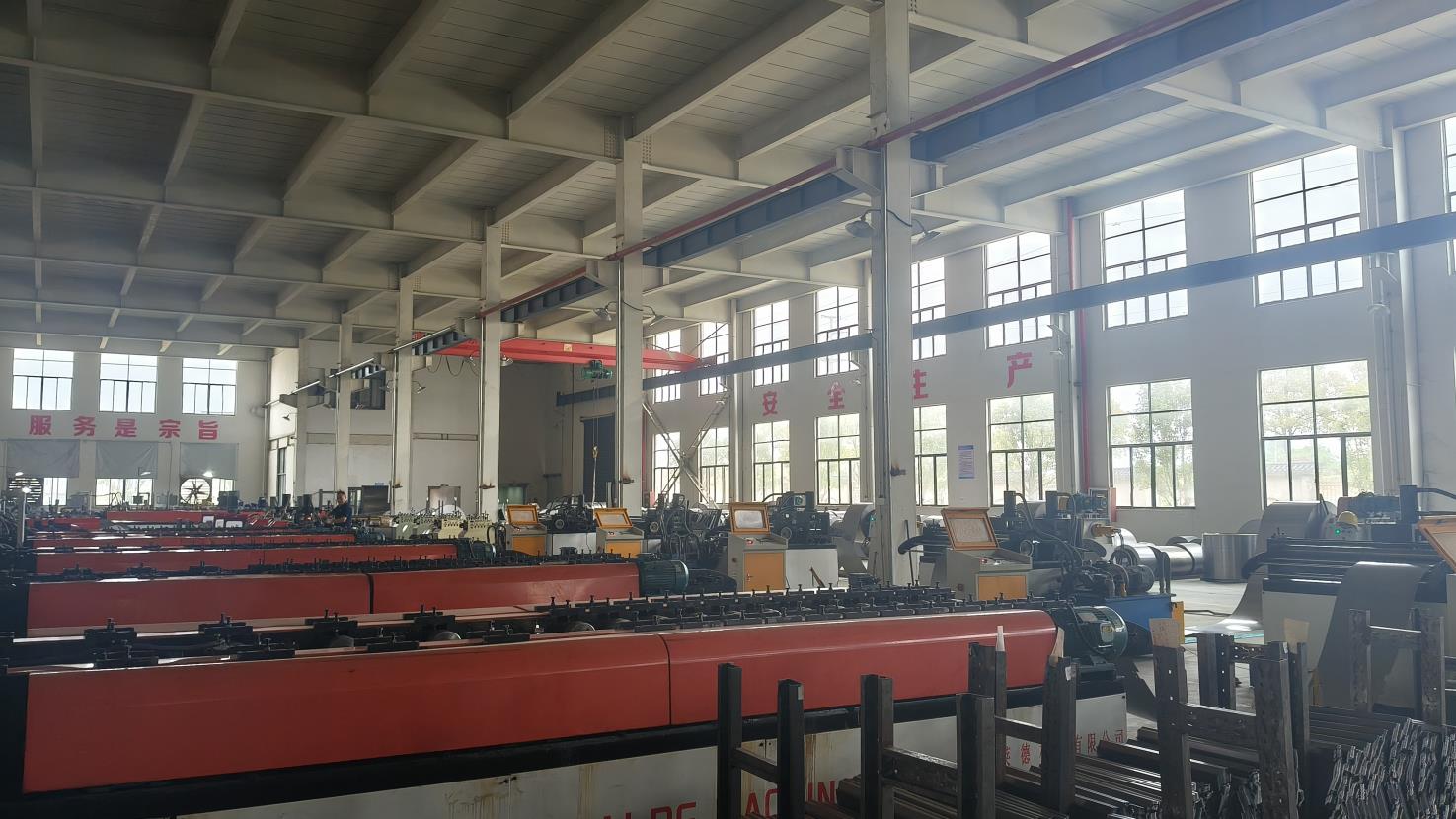
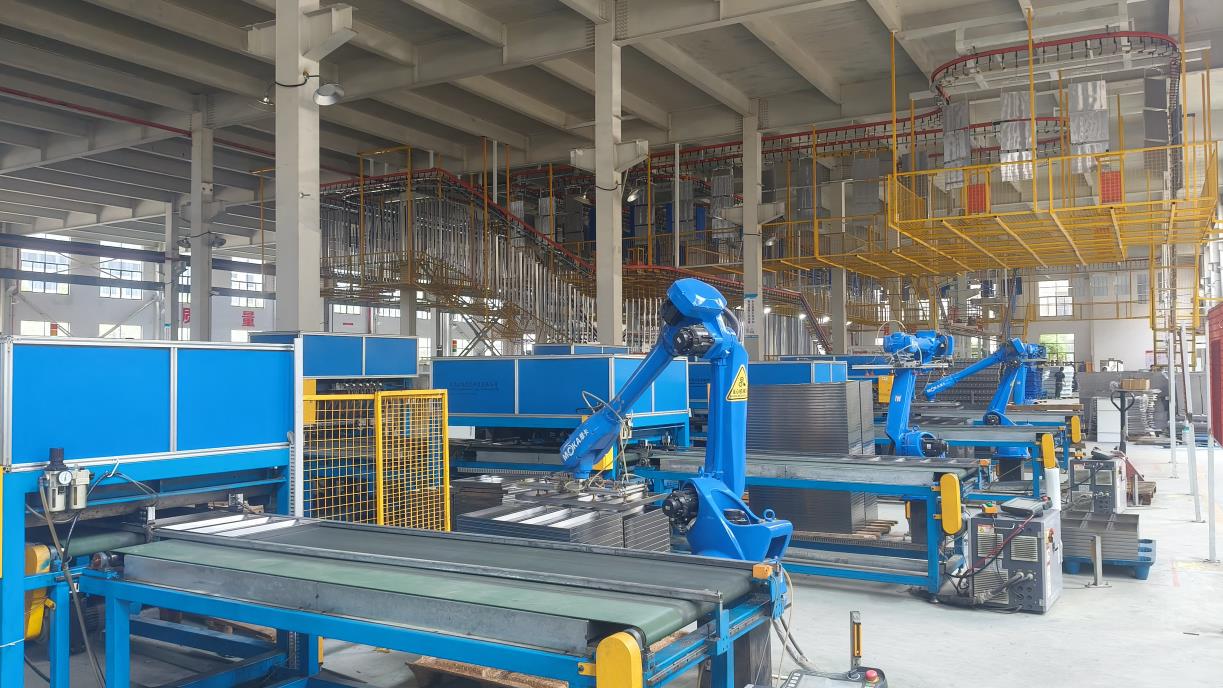
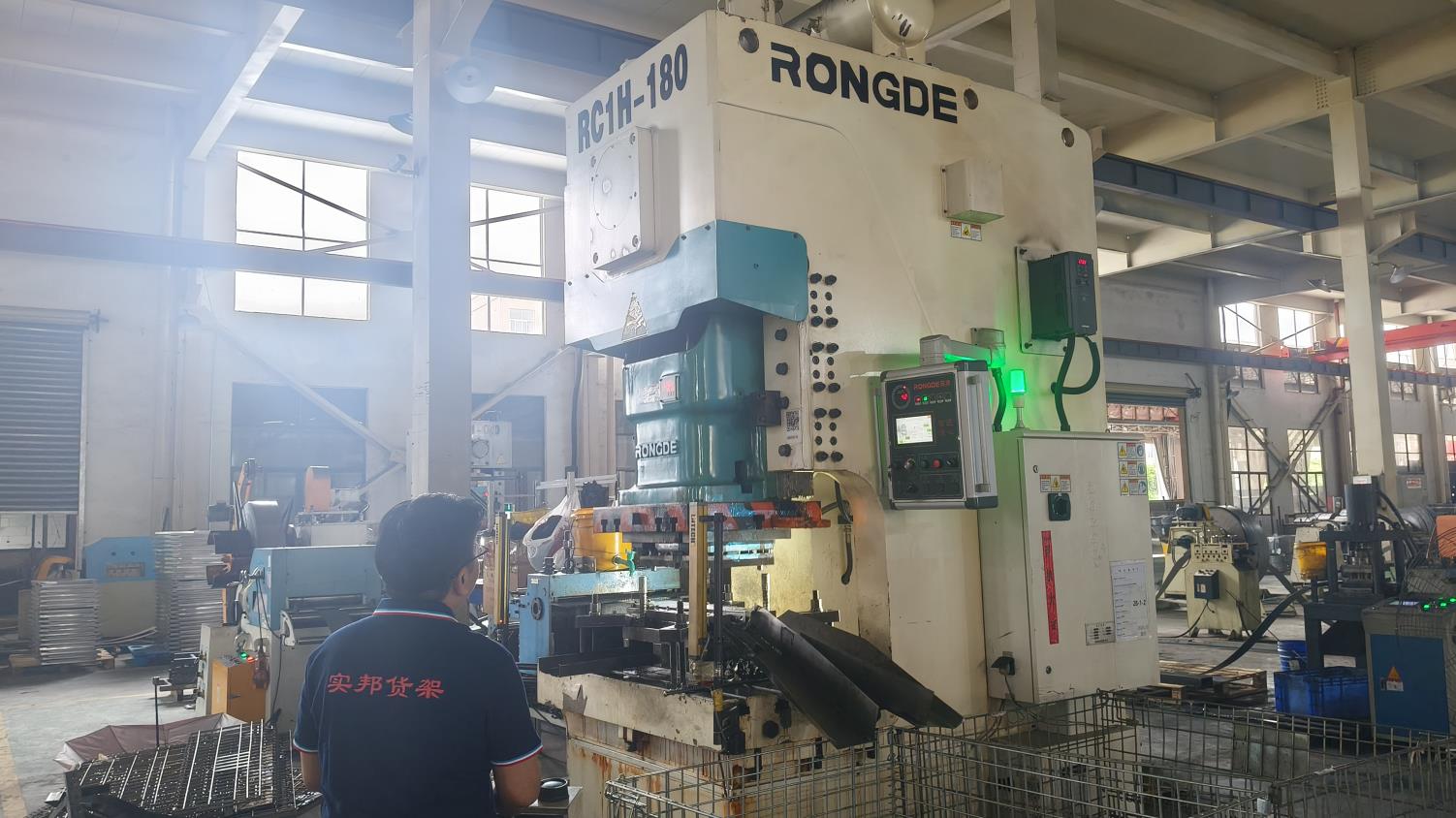
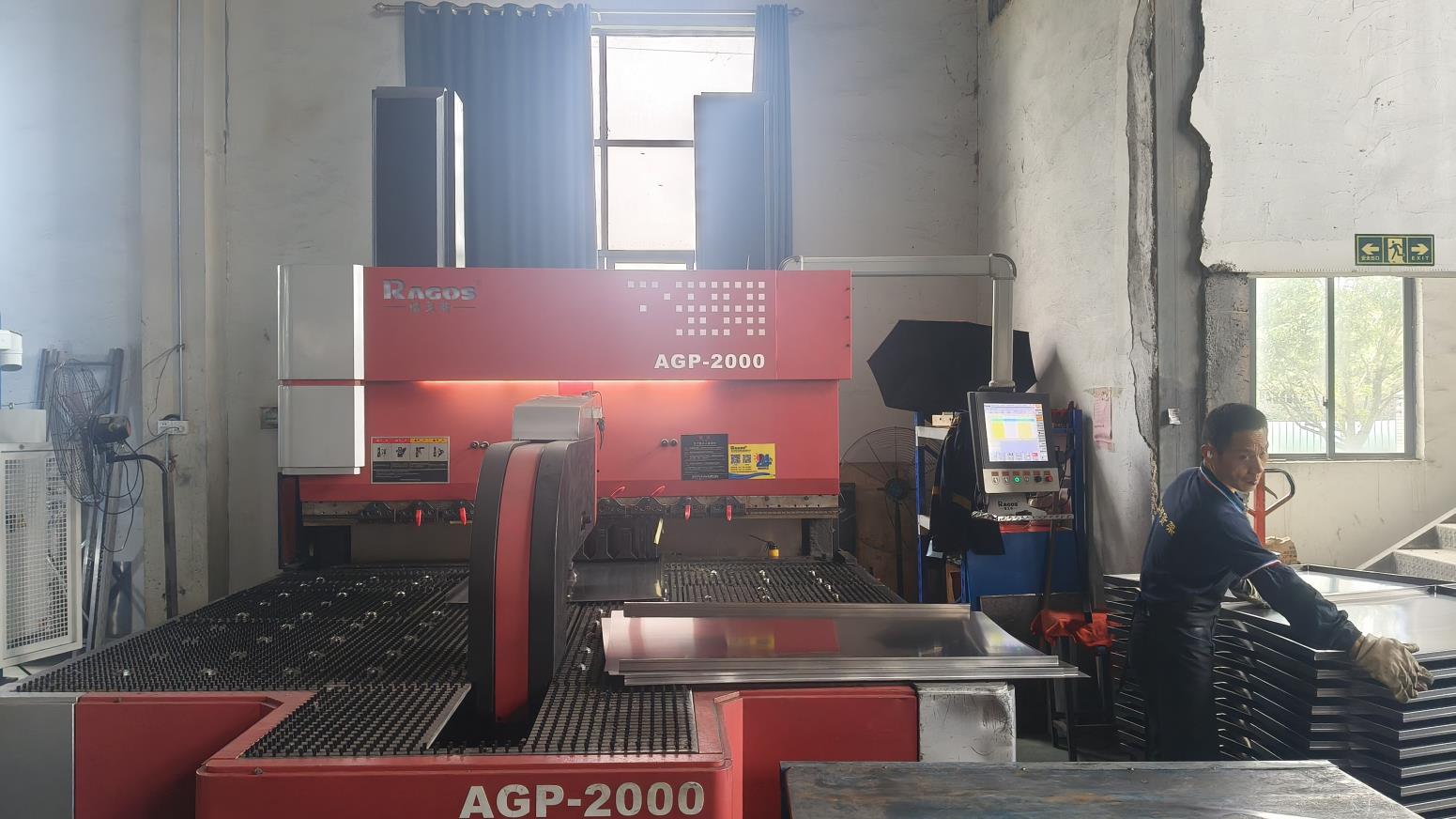
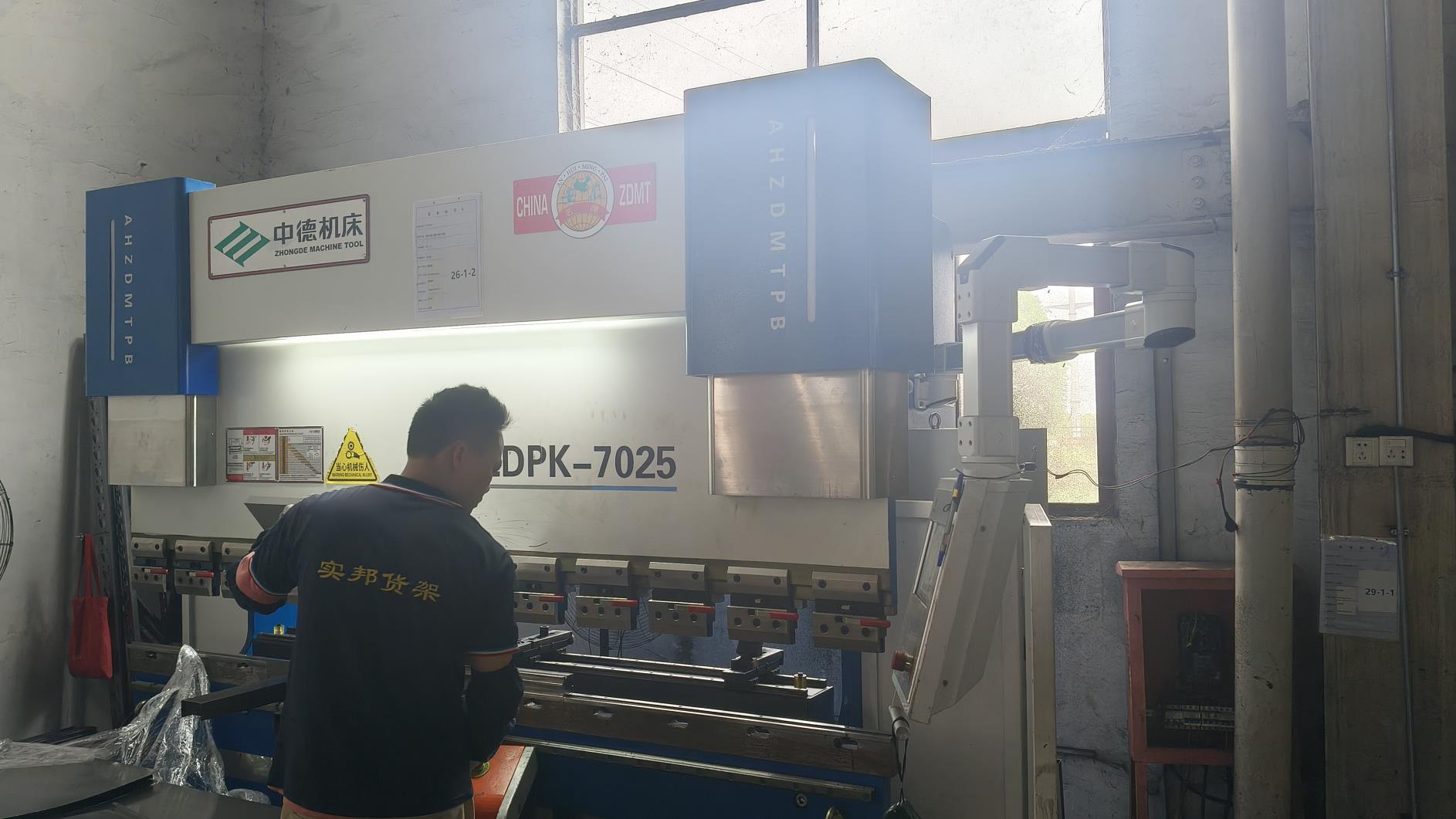
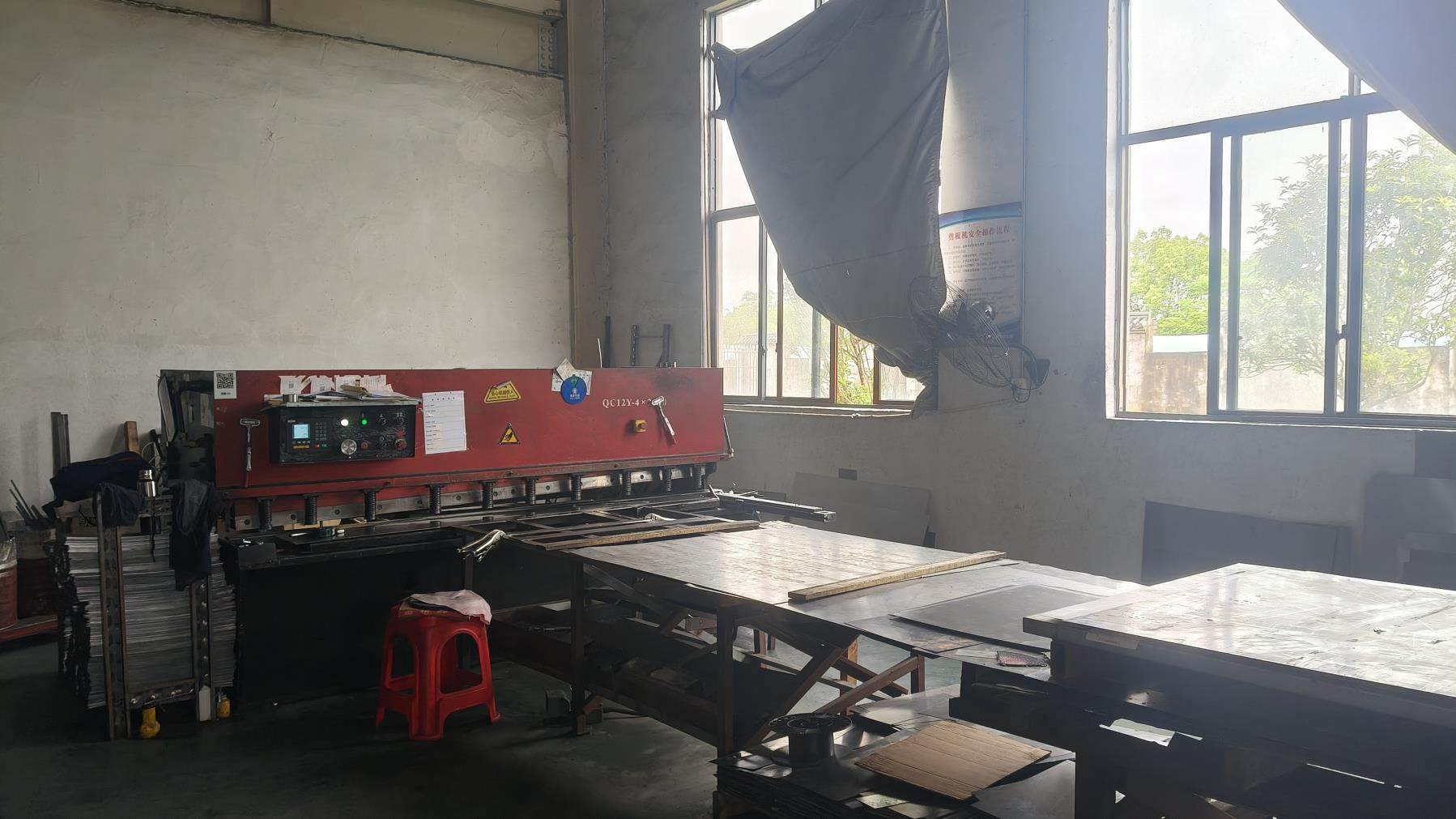
Our engineering protocols conform to regional guidelines across North America, Western Europe, and Australia.
| Target Region | Standards Compliance | Structural Focus Areas | Testing Frequencies |
|---|---|---|---|
| North America | RMI (Rack Manufacturers Institute), ANSI MH16.1 | Seismic baseplates, cold-formed steel design, beam-to-column link configurations | Batch testing per raw coil import |
| Europe (EU) | EN 15512, FEM 10.2.02, CE Mark | Deformation limit checks, safety load coefficients, impact protector designs | Bi-annual structural laboratory audits |
| Australia / NZ | AS 4084-2012 / AS 4084.1:2023 | Deflection limitations, upright perforation stress, shear pin calculations | Continuous in-house yield stress testing |
| Global / General | ISO 9001:2015, ISO 14001 | Traceability of raw steel chemistry, environmentally safe powder-coating systems | Annual certified registrar verification |
Structural safety depends heavily on connector plate welds. Our QA inspectors perform Ultrasonic Testing (UT) on welding points to spot internal micro-voids, slag inclusions, or insufficient penetration before columns proceed to surface finishing.
We run computerized structural simulations to model actual behavior under stress. Our engineers input exact steel alloys, profile dimensions, and localized seismic zone data to ensure the rack configuration can support up to 4500kg per tier without collapse risk.
Integrating IoT monitoring and sustainable materials for smart, green distribution hubs.
We are partnering with tier-one steel producers to utilize low-carbon recycled alloys. This shift reduces the overall carbon footprint per pallet position while maintaining raw yield points of 345 MPa and above.
Integrating smart load-cell modules directly into support beams provides real-time floor monitoring, sending overload warnings to warehouse managers before deflections reach critical limits.
Our optimized rack profiles are designed for compatibility with Automated Storage and Retrieval Systems (AS/RS). Extremely tight manufacturing tolerances (+/- 1mm) allow robotic cranes and shuttles to travel paths without hitting structural deviations.
Answers to common structural engineering, procurement, and site preparation questions.
We primarily use Q235B and Q355B high-tensile cold-rolled structural steel (equivalent to ASTM A36 and ASTM A572 Grade 50). These grades provide optimal yield strength, weld integrity, and ductility, which are essential for supporting heavy loads in seismic-prone zones.
Every product configuration undergoes Finite Element Analysis (FEA) stress testing during the design phase. We verify physical load-to-deflection behavior on our hydraulic test rigs, validating that deflection limits do not exceed 1/200th of the clear beam span, in line with EN 15512 and RMI standards.
Yes, our in-house design and engineering department specializes in OEM/ODM solutions. We customize height, depth, column profile thickness, load ratings, and paint finishes (RAL system powder coating) to match your warehouse equipment and branding guidelines.
Standard manufacturing lead times range from 20 to 30 days following engineering drawing sign-off and deposit clearance. Large-scale global logistics projects requiring custom profiles or specialized seismic components are scheduled in phases to align with project milestones.
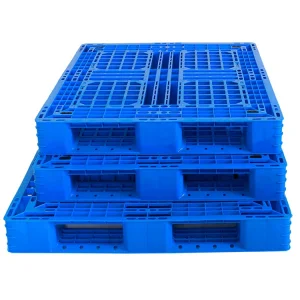
Uprights and beams are bundled with high-strength plastic strapping, wrapped in protective multi-layer bubble film, and set on custom timber pallets. Small parts, connectors, and assembly hardware are packed in heavy-duty cardboard boxes to protect powder surfaces during transit.
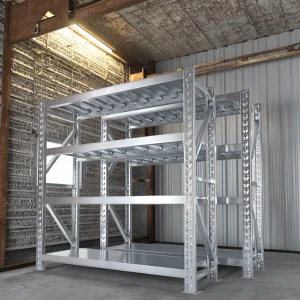
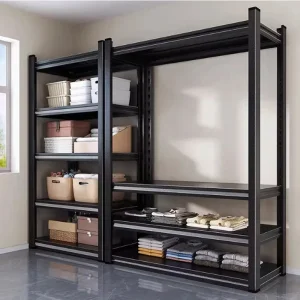
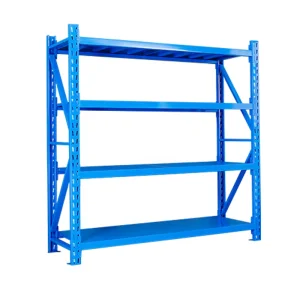
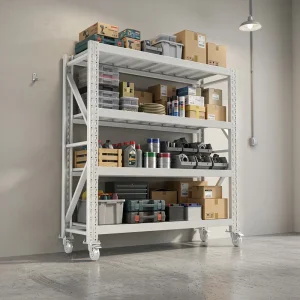
Corrosion-resistant systems engineered for cold rooms, basement storage, and heavy production plants.
 Shibang Rack