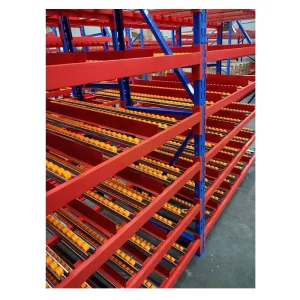
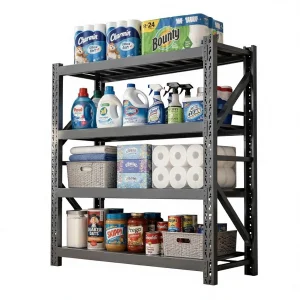
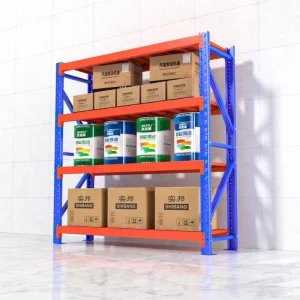
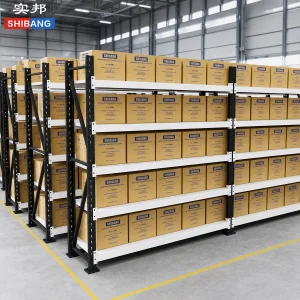
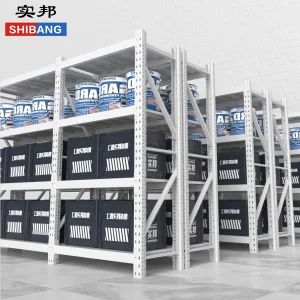
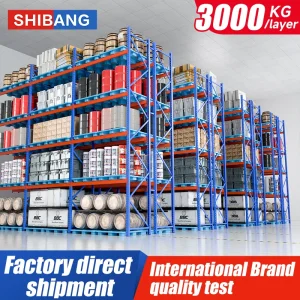
Explore our premium engineered racking portfolio, optimized for high load-bearing capacity, extreme environment resistance, and modular configuration adaptabilities.
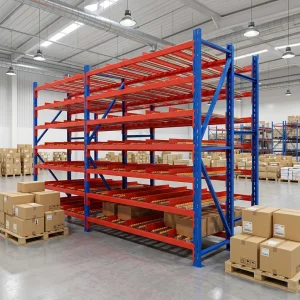
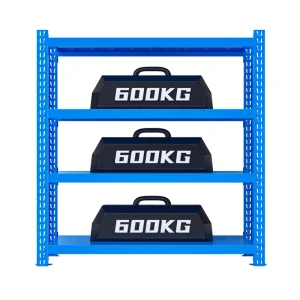
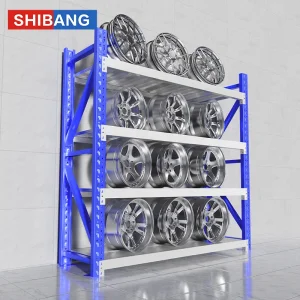
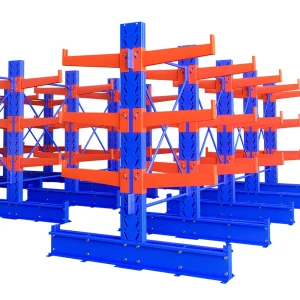
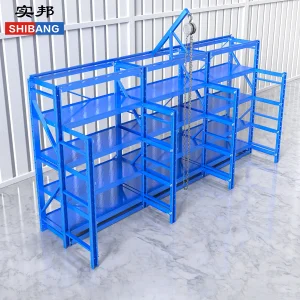
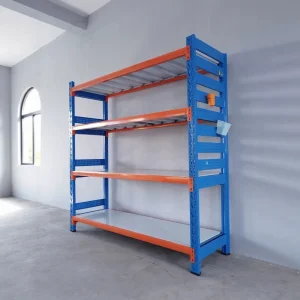
A global leader in structural engineering, automated manufacturing systems, and industrial warehousing optimization. Over a decade of excellence.
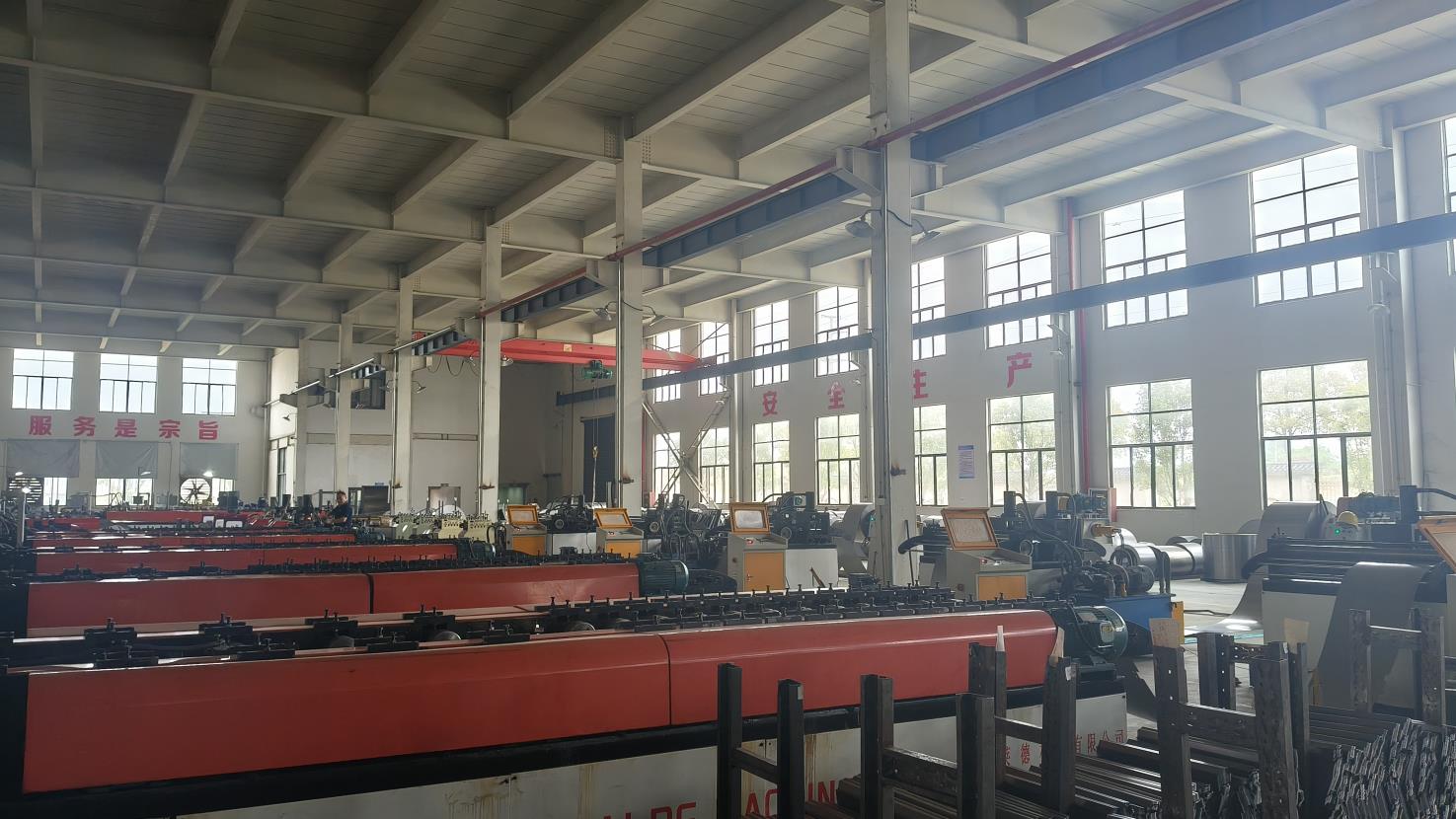
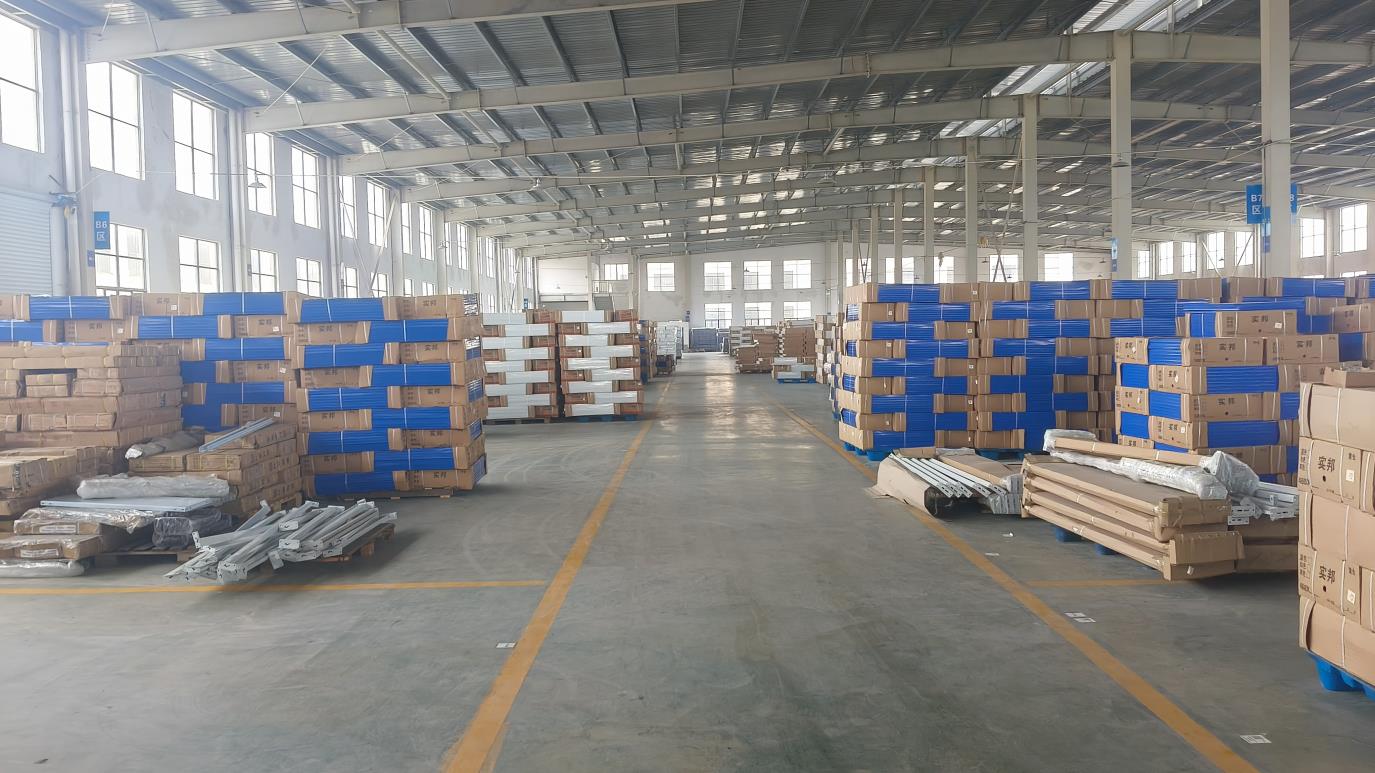
Established in 2016, Ningbo Shibang Storage Rack Co., Ltd. has developed into a premier force in the design, engineering, and global export of heavy-duty industrial storage racks and utility shelves. Operating out of a state-of-the-art 32,000 m² manufacturing park, we bridge the gap between heavy structural resilience and space optimization. With over 12 years of industry experience and 8 years of dedicated direct export expertise, we consistently navigate the complexities of international standards, satisfying the demands of heavy industries, 3PL logistics, and massive retail networks.
Quality is not a final inspection check; it is built into the molecular framework of our steel. Supported by 35 QA/QC inspectors, we perform meticulous structural and chemical assessments including Ultrasonic Testing (UT) for structural weld integrity, load-bearing stress calculations under simulated load zones, advanced powder-coating cross-hatch adhesion and thickness verification, and raw material tensile strength testing. We strictly use Q235B and Q355B premium hot-rolled carbon steel coils, guaranteeing structural stability under seismic and extreme thermal loads.
Our operations leverage a mature logistics network, enabling reliable distribution to primary markets in North America, Western Europe, Southeast Asia, and Australia. Assisted by an extensive supply network of 850+ specialized vendors, we preserve production flexibility, insulate clients from raw material price shocks, and compress lead times. Our dynamic engineering division, staffed by 22 mechanical and structural designers, driving our OEM/ODM division, launched 140 new products and optimized structural profiles in the previous fiscal year alone.
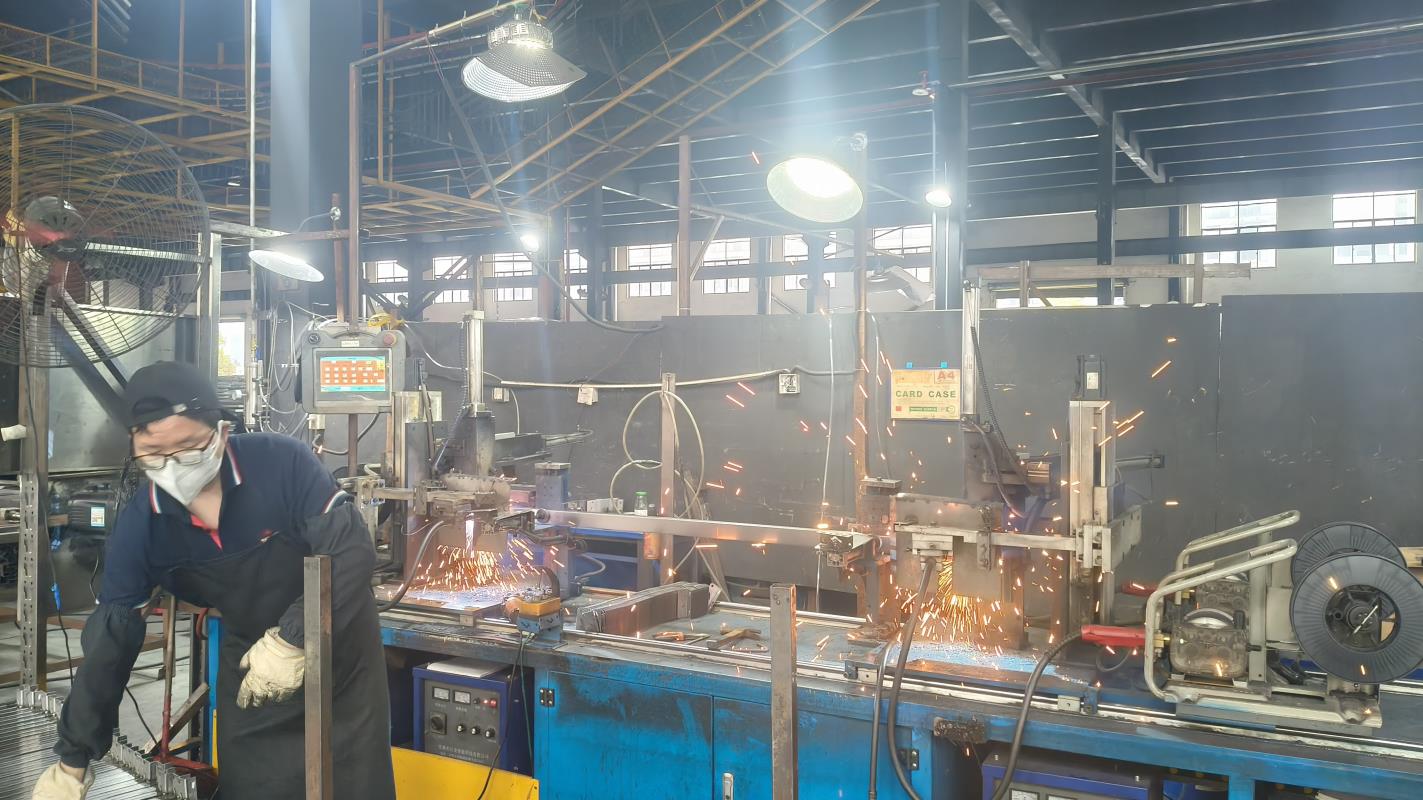
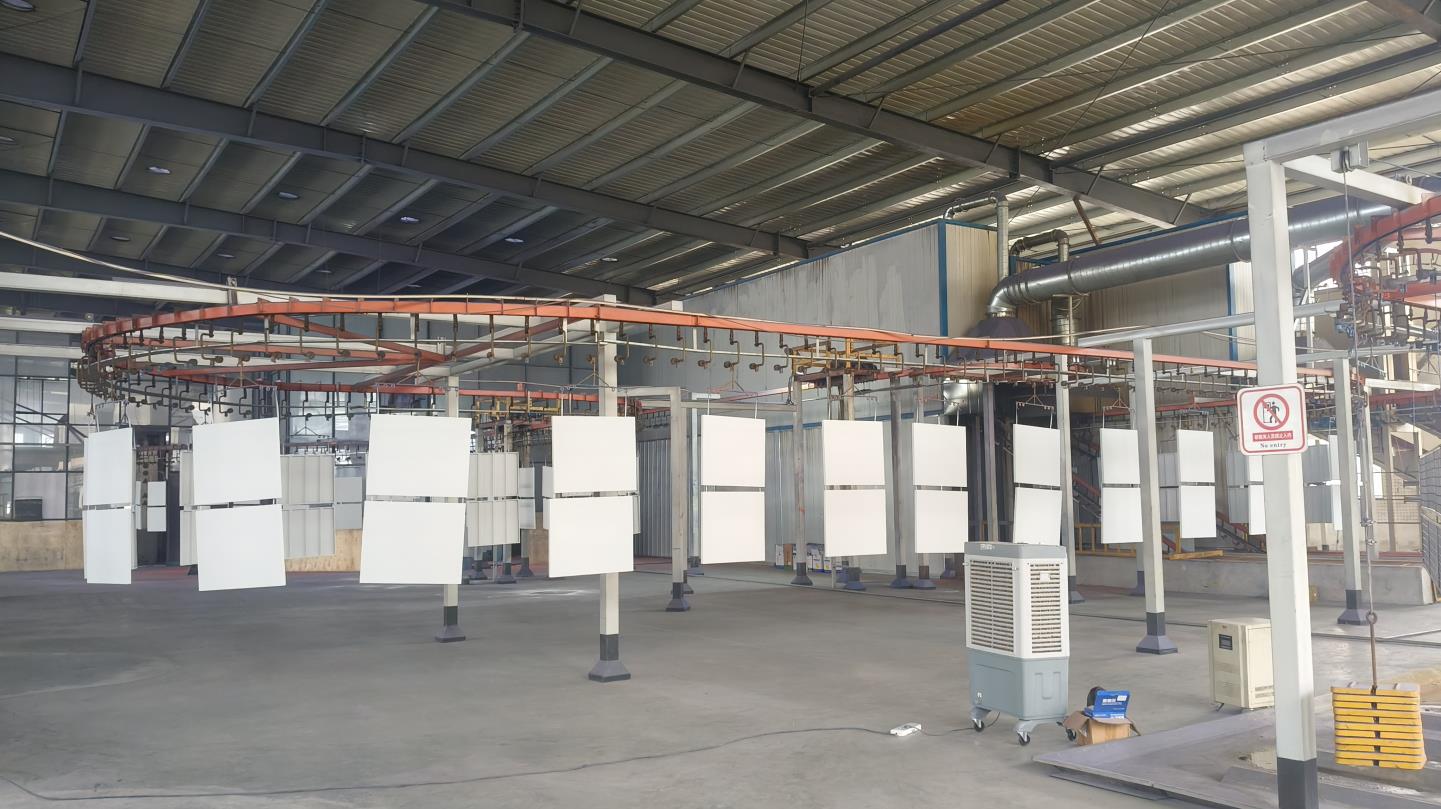
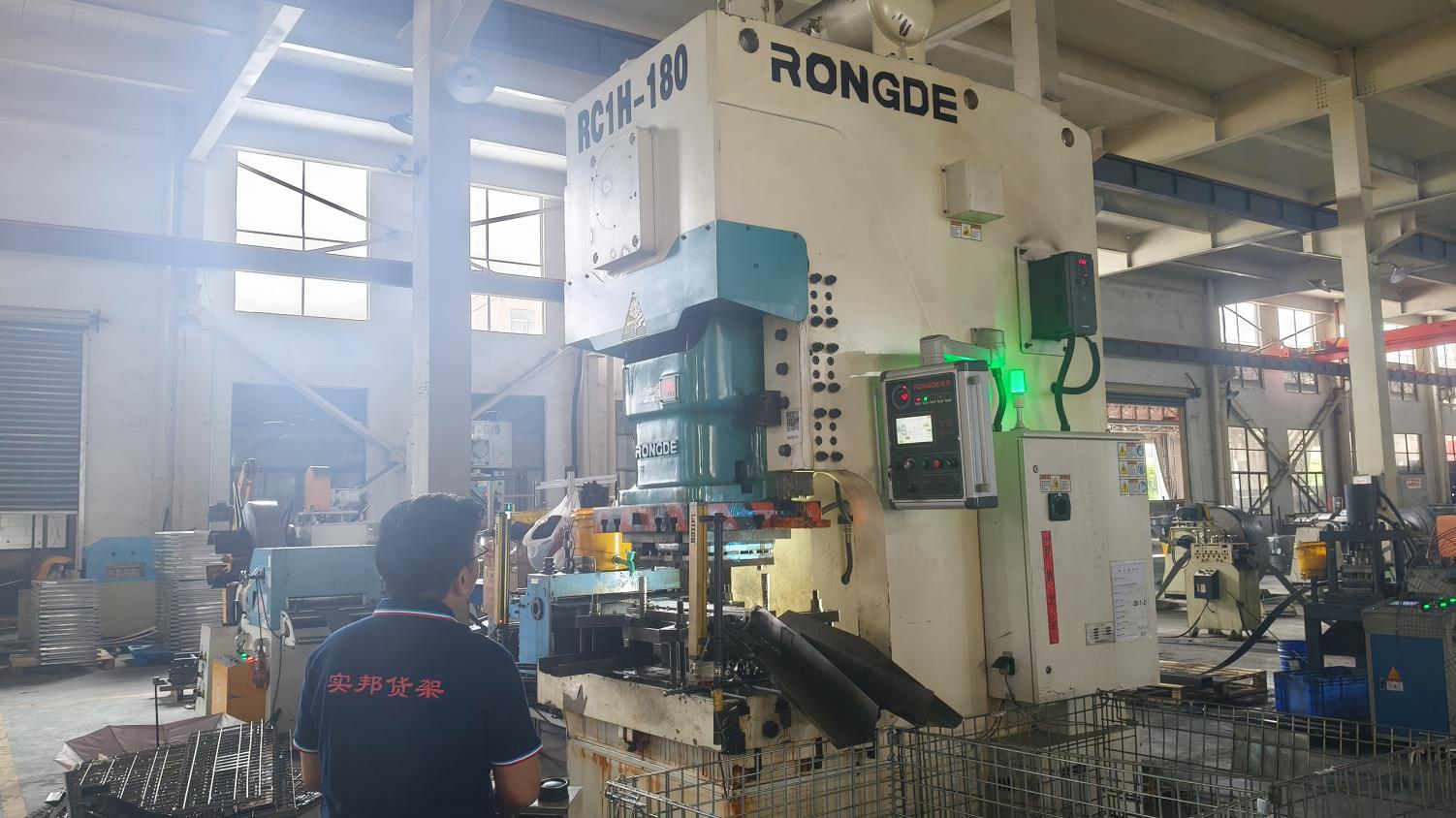
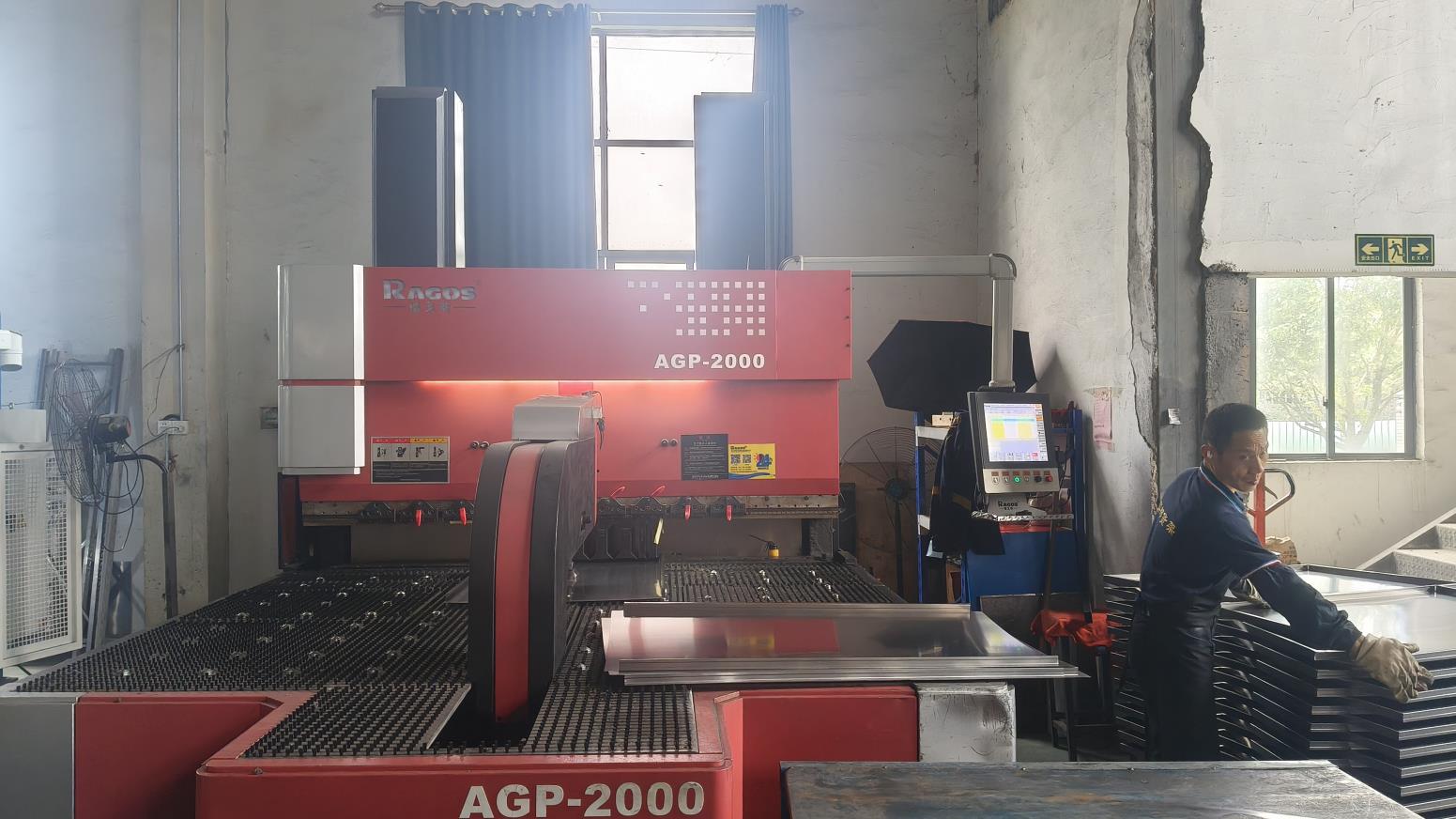
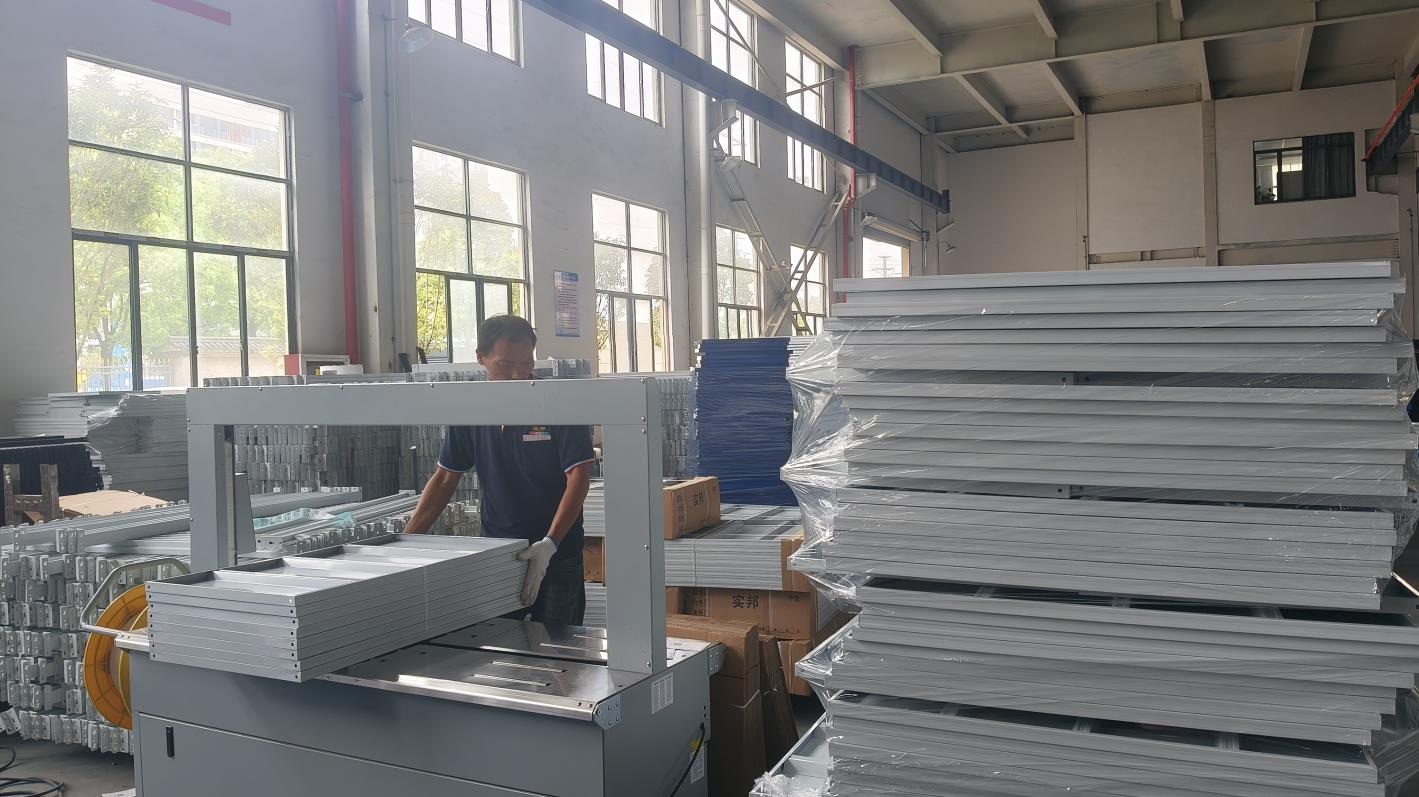
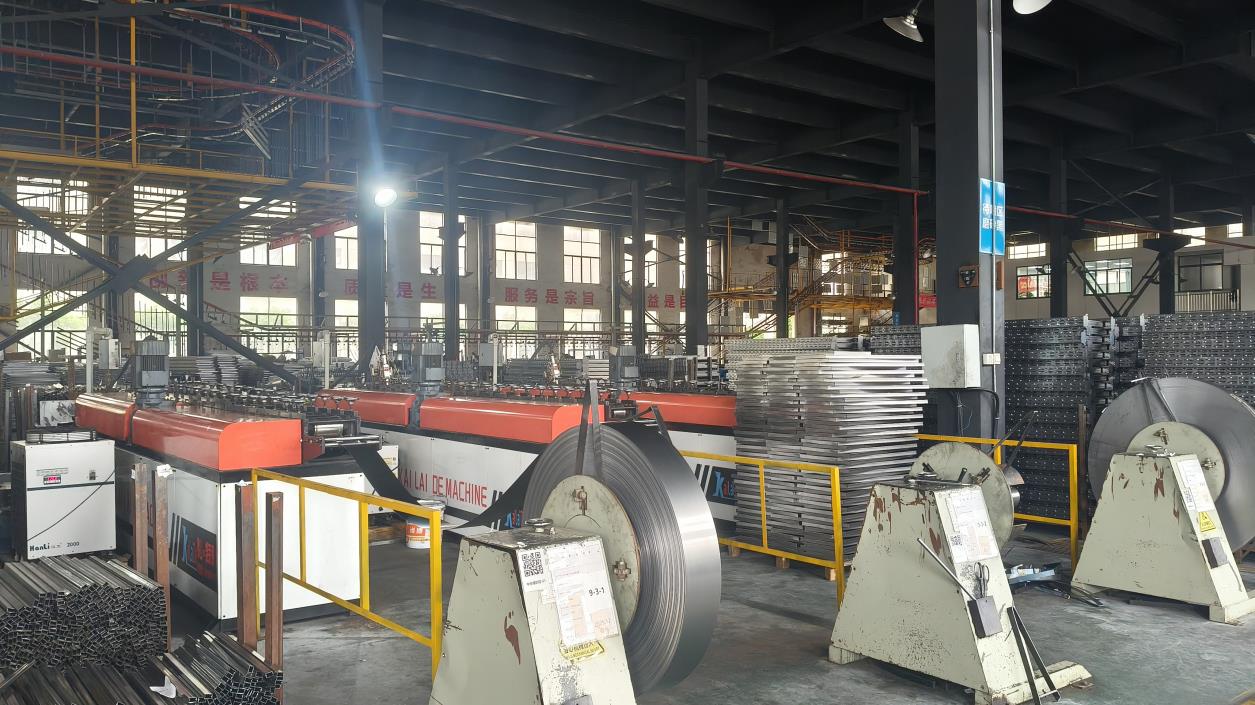
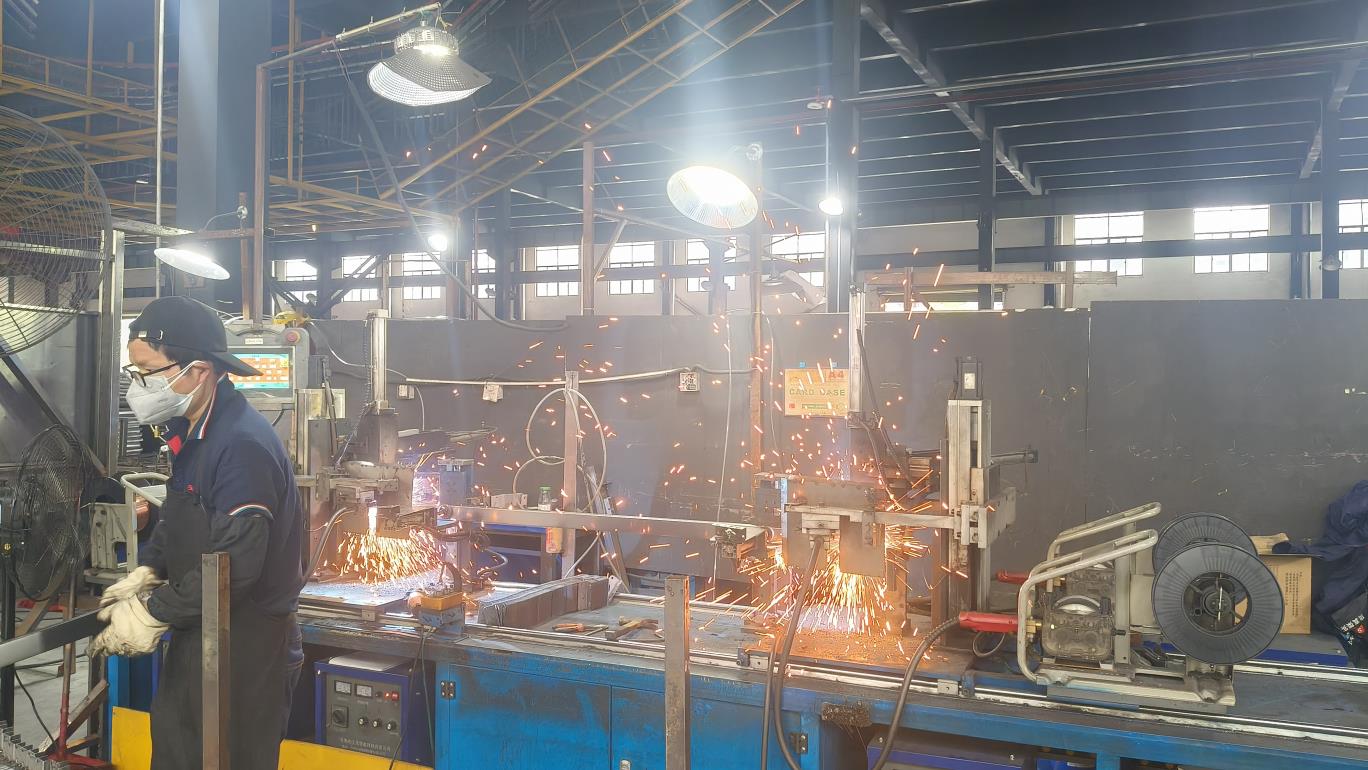
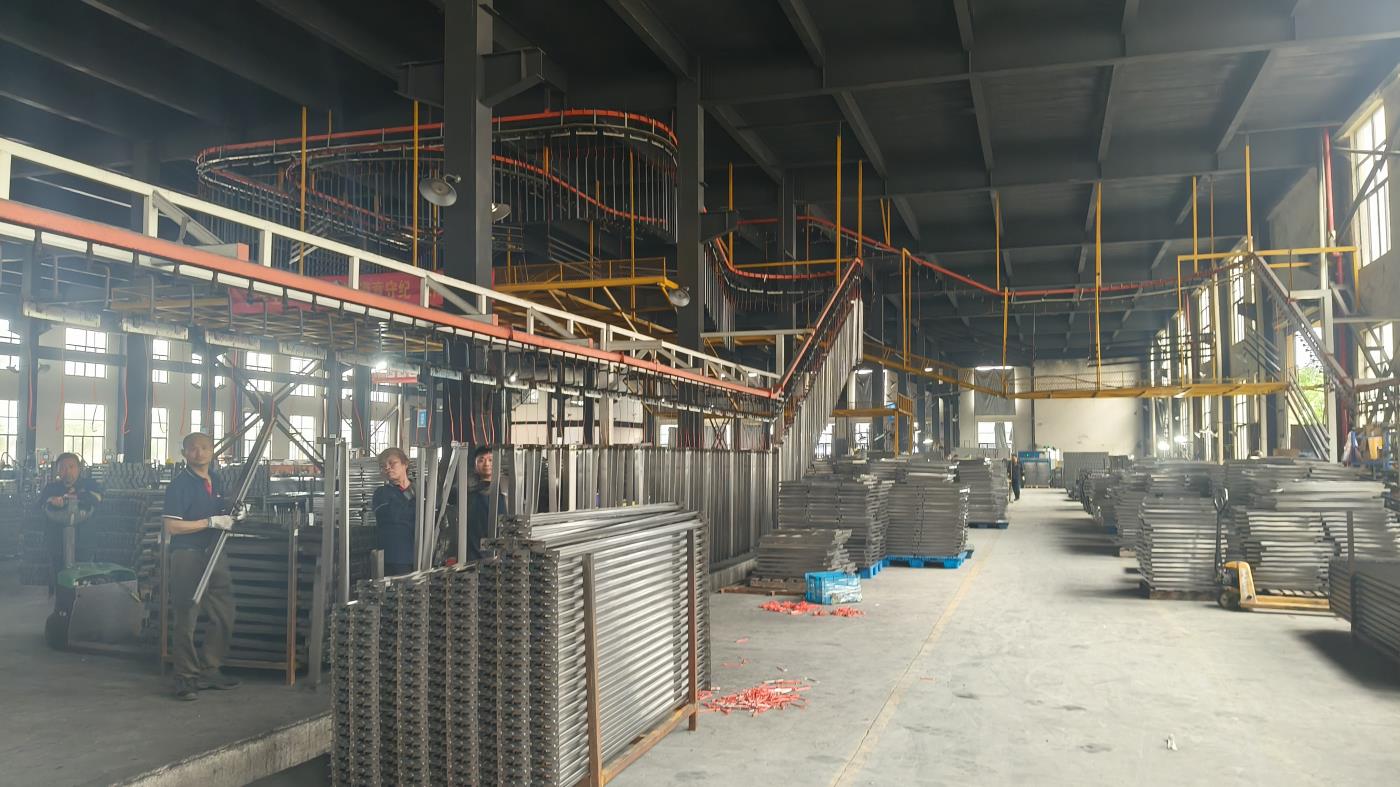
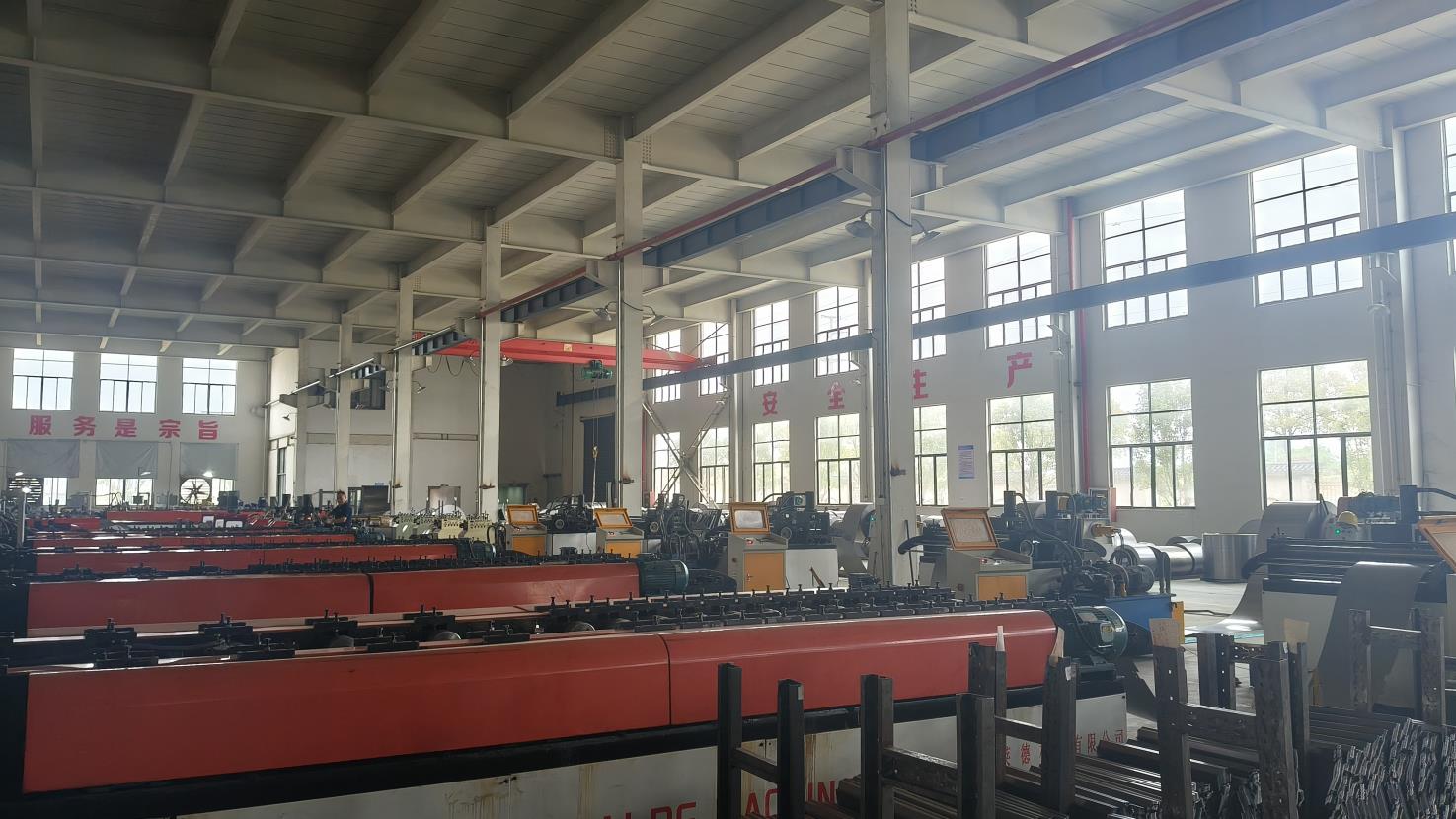
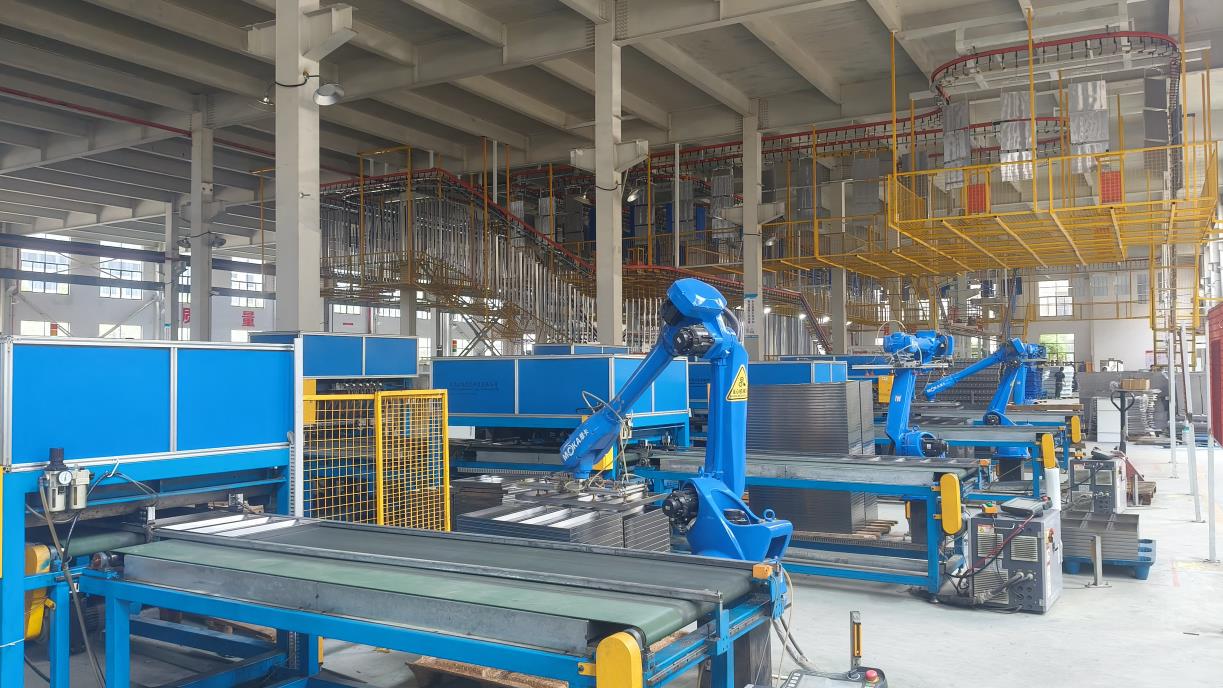
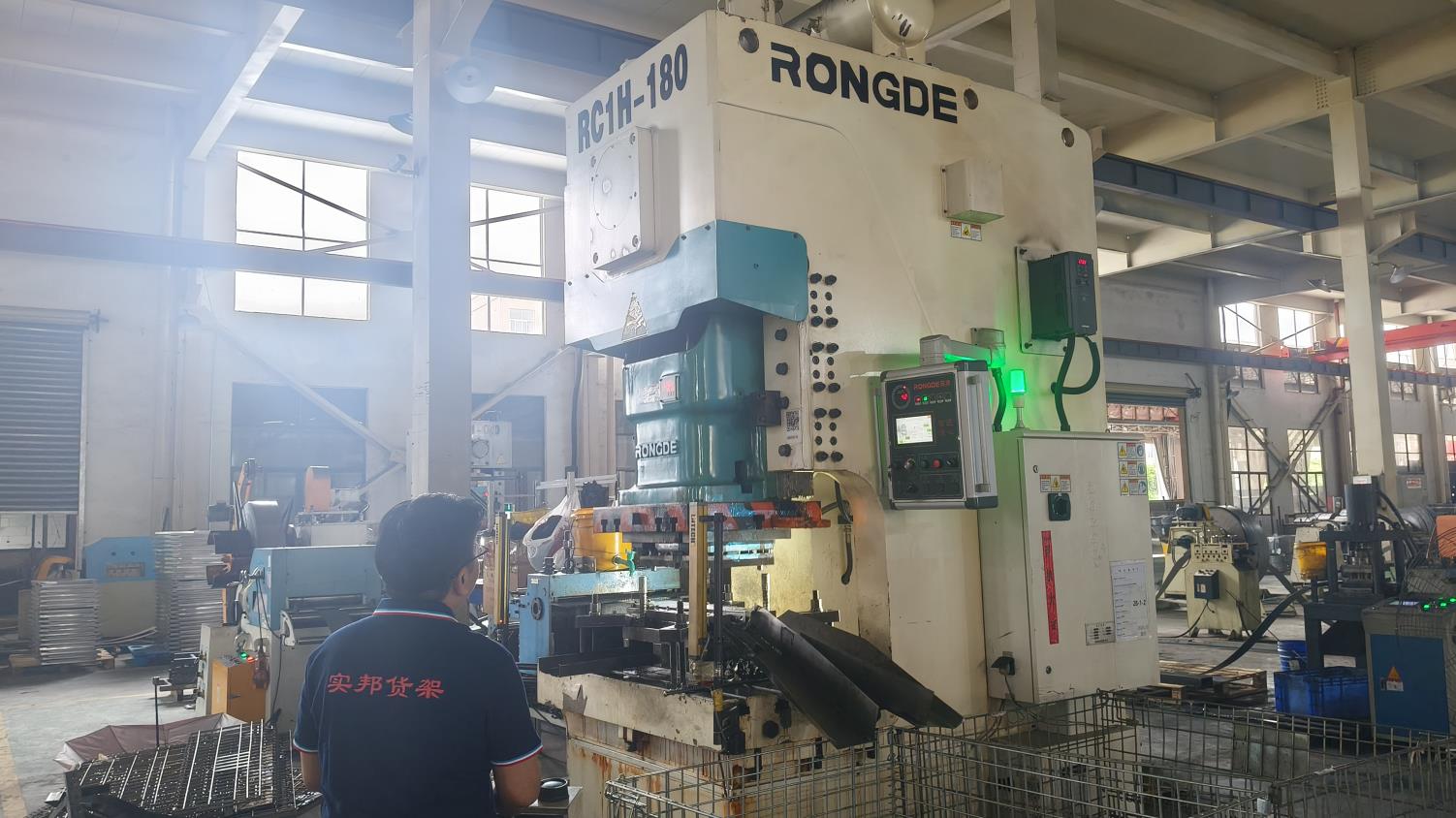
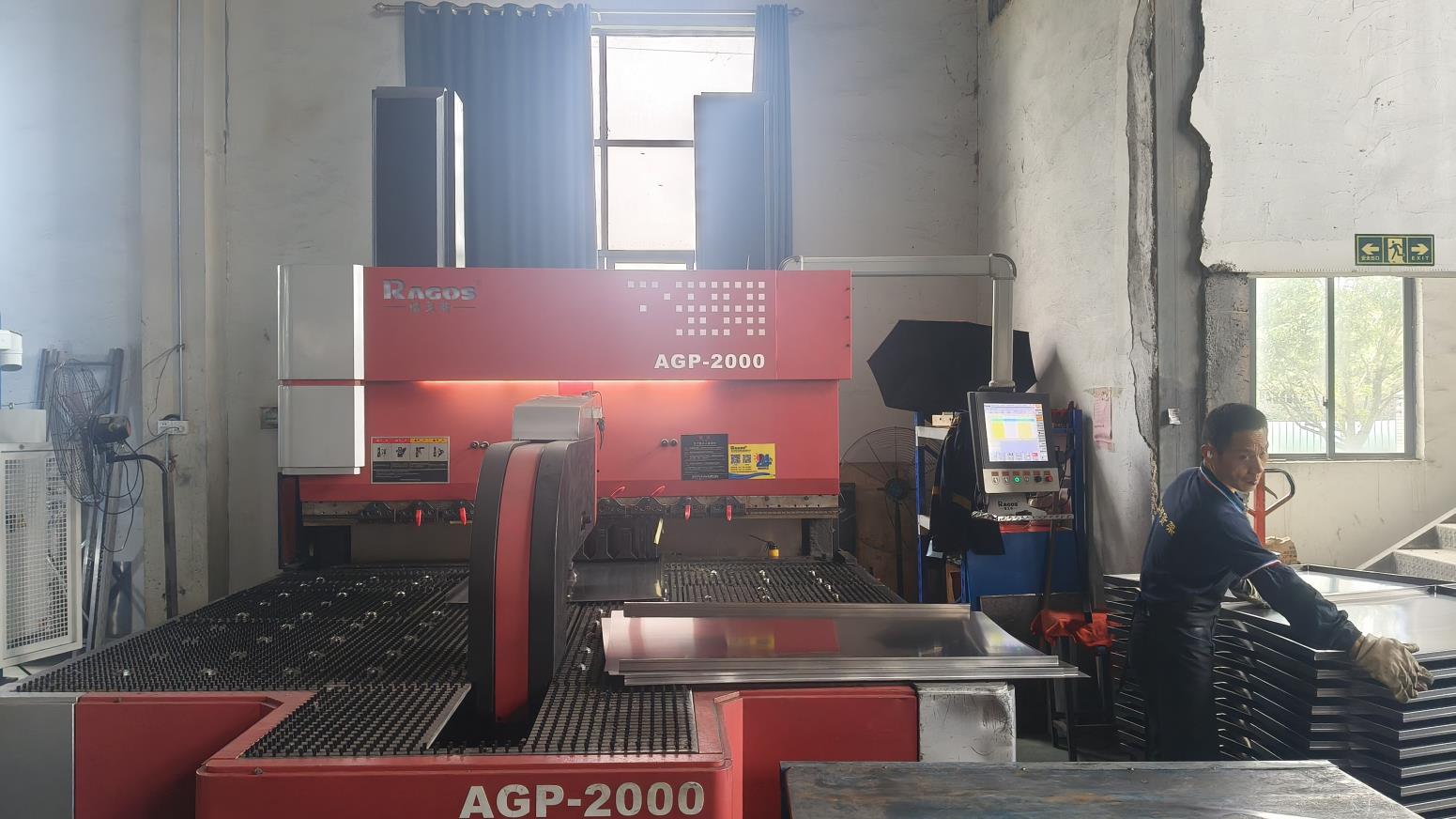
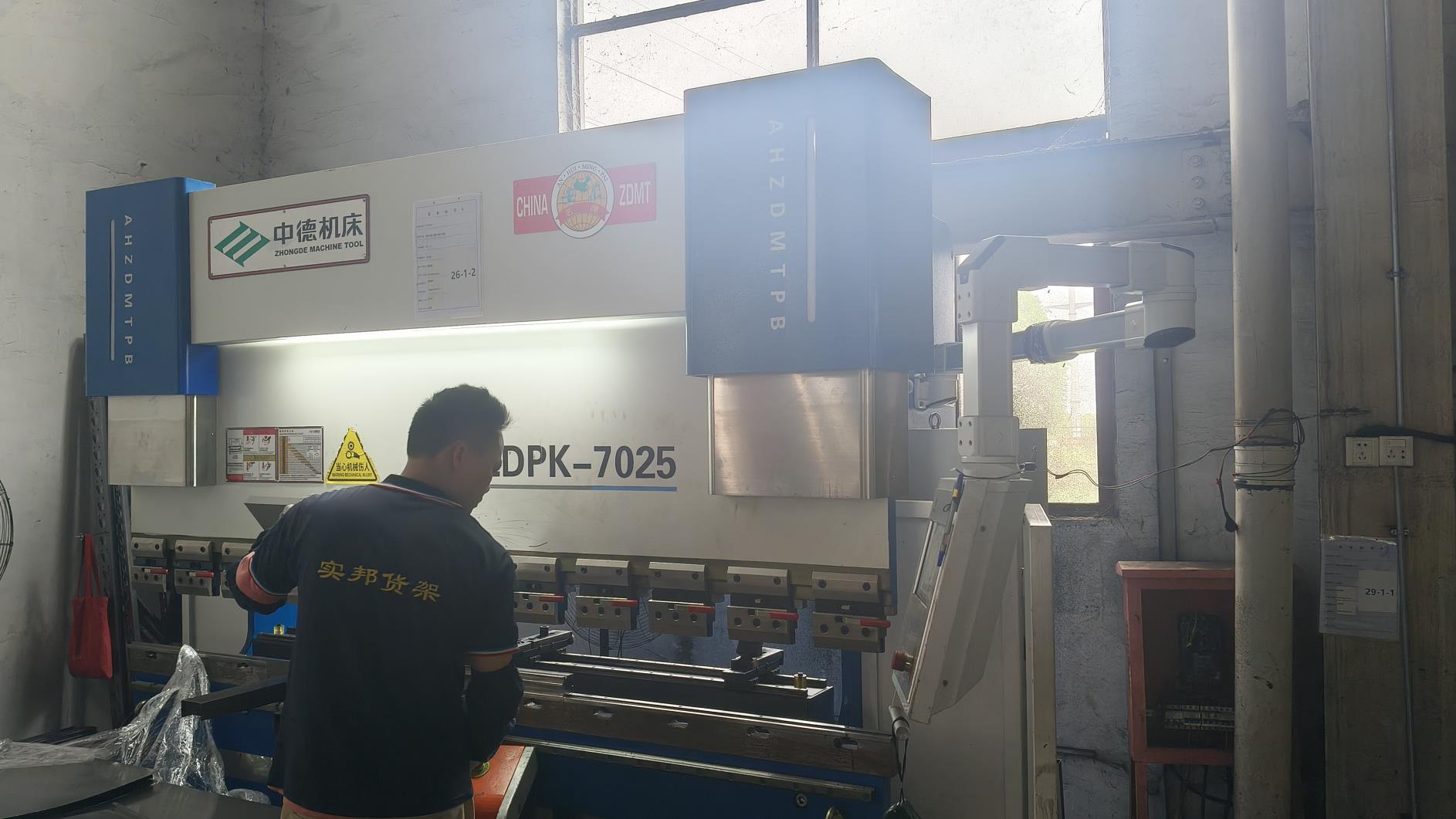
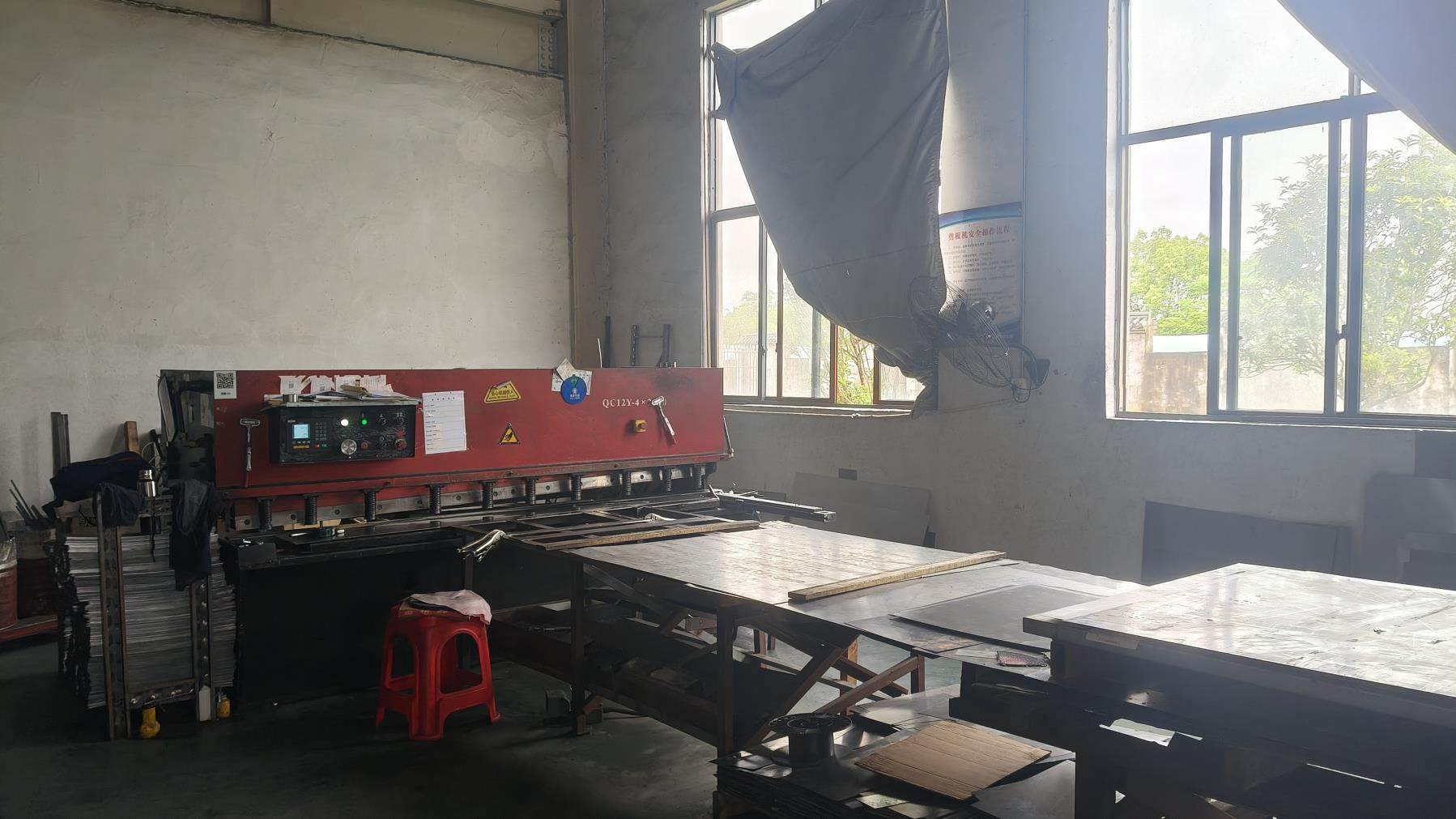
Take a tour of our state-of-the-art production floor. Every module reflects automated accuracy and compliance-tested structural engineering.
A comprehensive analysis of global warehousing dynamics, procurement risk mitigations, and technological evolutions in structural utility racking.
The landscape of international logistics and warehousing is undergoing an unprecedented structural transition. The hyper-growth of global e-commerce, combined with the evolution of Third-Party Logistics (3PL) into micro-fulfillment networks, has altered the requirements of industrial utility shelves. Standard static warehousing configurations are no longer sufficient to handle the fast turnaround cycles, highly diverse SKU selections, and heavy density footprints required today.
Industrial operators now demand custom-configured systems like Gravity Flow Racks, Heavy Cantilevers, and Drawer-Type Mould structures. These advancements minimize operational downtime, mitigate worker fatigue, and optimize vertical storage volumes. Transitioning to systems engineered with Q235B and Q355B high-grade steel guarantees that facilities can support load-bearing structural capacities exceeding 3,000 kg per pallet level. This ensures warehouse stability, safety, and consistent operational efficiency under load spikes.
High-capacity utility shelves rely heavily on advanced material science. At Shibang, our design processes optimize cold-rolled steel geometry to balance material volume with high-strength structural profiles. Cold-rolled steel undergoes a process of plastic deformation that increases yield and tensile strength, allowing shelving units to resist dynamic structural impacts and continuous load stresses.
In environmental protection and anti-corrosive coatings, Shibang uses advanced electrostatic powder-coating technologies. Steel profiles undergo multi-stage chemical pretreatments, including hot-dip degreasing, acid pickling, and zinc-phosphate activation. The thermosetting polymer powder is applied electrostatically and cured at 180°C - 200°C. This chemical cross-linking forms a non-porous protective barrier that resists moisture, physical abrasions, and chemical solvents, which is vital for cold chain storage and harsh industrial environments.
Safety compliance is critical when deploying high-density storage structures in seismic zones or heavy machinery environments. Global standards such as the European Racking Association Code (FEM 10.2.02), American Rack Manufacturers Institute Standards (RMI), and Australian AS4084-2012 establish strict criteria for structural deflection limits, eccentric loads, and structural connection calculations.
Shibang's dedicated engineering department uses Finite Element Analysis (FEA) to simulate dynamic loads and earthquake stresses. This allows us to verify design safety factors before starting manufacturing. Additionally, our QA/QC team performs non-destructive Ultrasonic Testing (UT) on key structural welds, ensuring structural integrity and preventing sudden load failures.
Modern warehousing trends point toward complete automation, characterized by Automated Guided Vehicles (AGVs) and Automated Storage and Retrieval Systems (AS/RS). These technologies require racking systems built to tight dimensional tolerances, as automated cranes and shuttle units rely on precise coordinate alignments.
Shibang's engineering roadmap prioritizes manufacturing precision, utilizing robotic welding systems and automated roll-forming equipment to maintain tolerances within ±0.5 mm. By supplying modular carton-flow, gravity-flow, and pallet racking components, we provide the physical infrastructure needed for high-speed automated warehouses, helping companies transition seamlessly to modern logistics standards.
Our engineering standards ensure safety, durability, and cost-effective scaling for logistics operations worldwide.
Designed and analyzed using finite element models (FEA) to endure high-level seismic disturbances in accordance with RMI and FEM specifications.
Our quality inspectors run dynamic non-destructive testing (NDT) via ultrasound to guarantee deep seam penetration and structural reliability.
High-durability powder-coating finish provides corrosion resistance, UV protection, and abrasion defenses in high-moisture or cold environments.
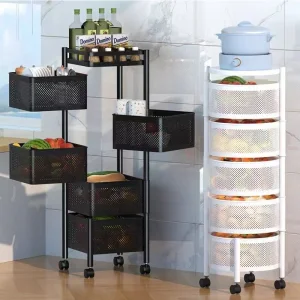
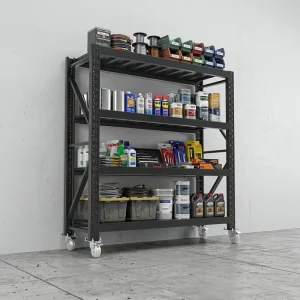
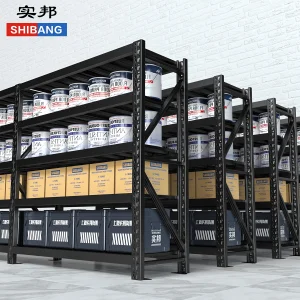
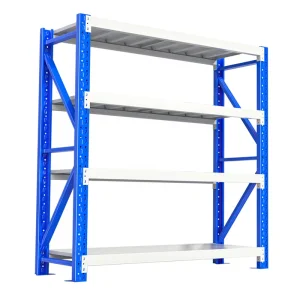
Explore customized industrial equipment racks, mobile wide span shelves, and multi-tier utility storage designs.
Get answers to standard technical questions from our engineering department regarding installation, standards, and raw materials.
We primarily use Q235B and Q355B structural steel, which are premium cold-rolled carbon steel formulations. Q235B is optimal for standard warehouse configurations, while Q355B is selected for heavy-duty systems that require high tensile strength and load limits under strict regulatory guidelines.
Yes, our in-house engineering team designs and manufactures systems to comply with the European Racking Association Code (FEM 10.2.02), American Rack Manufacturers Institute (RMI) standards, and Australian AS4084-2012 guidelines. We offer structural calculations verified by Finite Element Analysis (FEA) to confirm safety factors before starting mass production.
We have 35 dedicated QA/QC inspectors managing a multi-stage validation process. This includes Ultrasonic Testing (UT) of weld seams, load-bearing stress tests, coating thickness checks, and tensile strength testing of incoming steel coils.
Typical manufacturing cycles range from 20 to 30 business days from technical drawings approval. Project schedules depend on load specifications and configuration complexity. Our proximity to the Ningbo deepwater port ensures fast international ocean transit.
 Shibang Rack