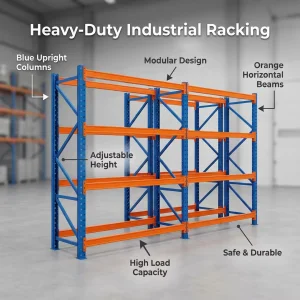
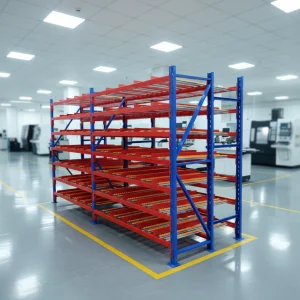
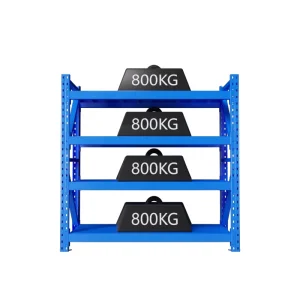
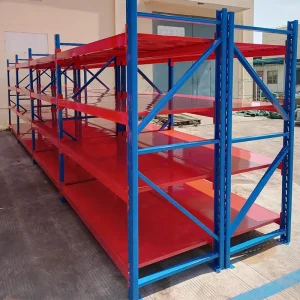
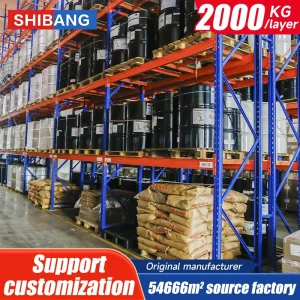
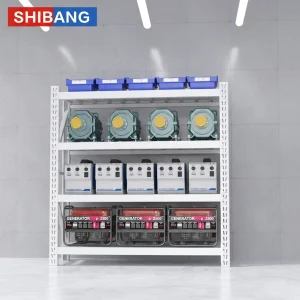
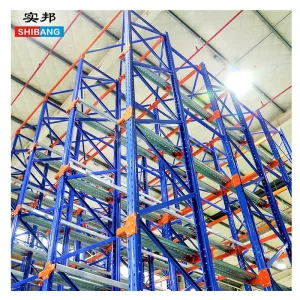
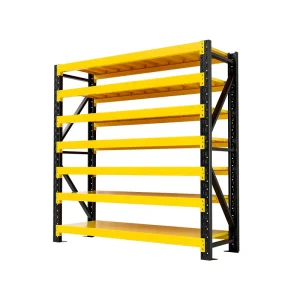
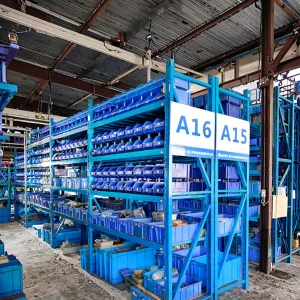
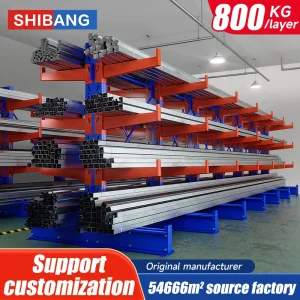
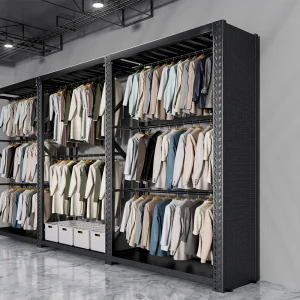
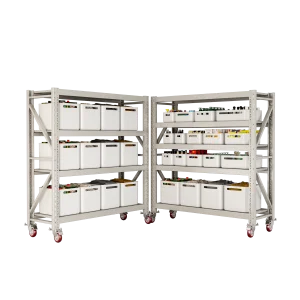
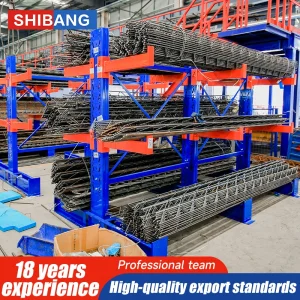
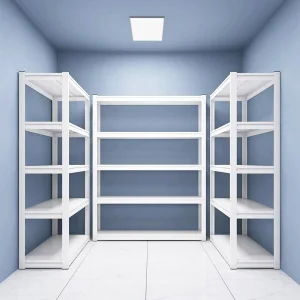
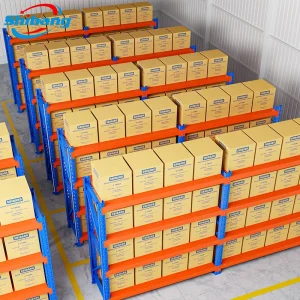
Industrial grade structural pallet racking, heavy-duty shelving, and customized logistic storage frameworks designed for optimal warehouse space utility.
Navigating structural challenges in material handling: How high-density configuration mitigates land-cost inflation and optimizes throughput across international distribution networks.
The modern logistics ecosystem is facing unprecedented shifts. Rapid acceleration in third-party logistics (3PL) models, e-commerce fulfillment requirements, and critical cold-chain expansion require warehouses to maximize vertical volume over floor footprint area. Strategic heavy-duty industrial racking has ceased to be a simple structural purchase; it has transitioned into an essential structural driver of throughput efficiency.
By shifting from conventional selective configurations to advanced gravity-flow, drive-in, or automated shuttle platforms, operations can scale inventory capacity up to 80% without enlarging their dynamic physical footprint. This optimizes load concentration, stabilizes internal warehouse logistics flow, and reduces per-pallet holding costs across high-value sectors.
Modern supply chains necessitate rigorous engineering structures that conform strictly to local mechanical building codes. Whether installing modular boltless systems in high-velocity logistics centers or deploying heavy cantilever frames in seismically active industrial environments, standard structural analysis is key. Compliance with specifications including RMI standards in North America, FEM regulations in Western Europe, and AS4084 structures in Australia defines the bottom line of warehouse safety.
Industrial storage designs must account for critical variable and static load distributions: seismic response parameters, ultimate tensile strength of steel components, floor-slab load limits, and forklift-collision resilience factors. Partnering with suppliers possessing deep manufacturing capabilities ensures mitigation of downstream structural failure risks.
Transition from standard selective layouts to double-deep, drive-in, and pallet flow arrays, multiplying volumetric capacity by up to 2.5x.
FEA (Finite Element Analysis) simulates dynamic load profiles, seismic stress, and wind loads for external storage installations.
Integrated rack tolerances designed to interface seamlessly with AS/RS systems, automated cranes, and autonomous AGV shuttles.
Ningbo Shibang Storage Rack Co., Ltd.: Seamlessly merging extensive industrial engineering history with certified structural execution.
Established in 2016, Ningbo Shibang Storage Rack Co., Ltd. has developed into a premium provider of design, execution, and manufacturing of global industrial-grade warehouse racking and logistics platforms. Spanning a modern manufacturing facility of 32,000 m², our organization is structured on 12 years of industry experience paired with 8 years of direct export expertise, resulting in an annual export footprint reaching $18 million across diverse global sectors.
Innovation remains fundamental to our manufacturing roadmap. Our internal R&D team consists of 22 structural and mechanical engineers. This structural knowledge is coupled with versatile OEM/ODM capabilities, providing extensive engineering customizations: specialized load capacities, custom powder-coating formulations, seismic upright engineering, and modular configurations. Over the past year alone, we deployed 140 new products and optimized structural components to address changing client operational parameters.
Structural reliability under load is paramount. Guided by 35 QA/QC inspectors, we perform continuous inspection and testing protocols at every stage of the fabrication workflow. Raw materials undergo testing for tensile and yield strength to verify performance parameters before entering the forming lines.
Quality management practices at Shibang include:
Inside our automated facility: Precision cold-roll forming, automated welding, punching, and computerized electrostatic powder coating lines.
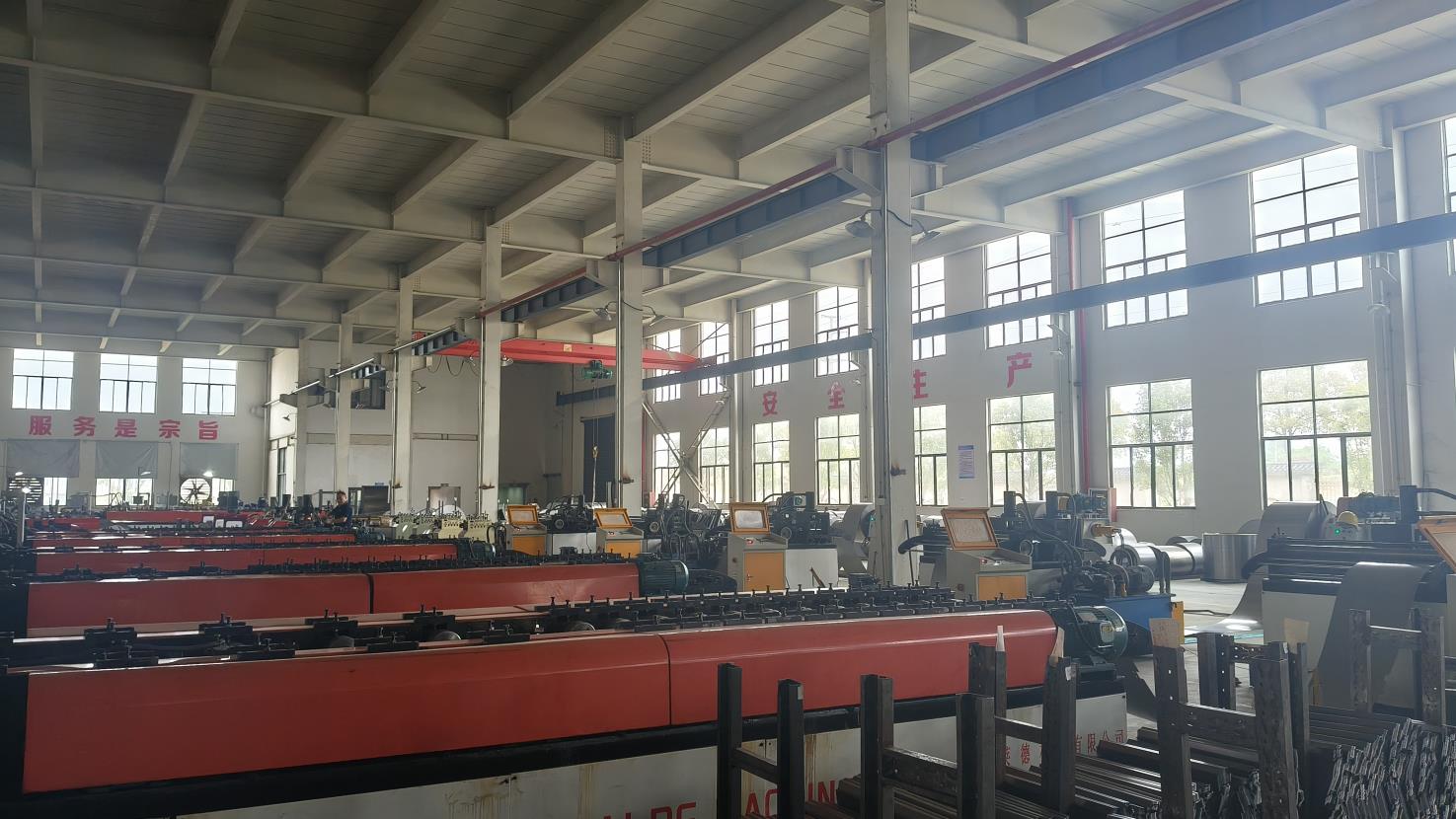
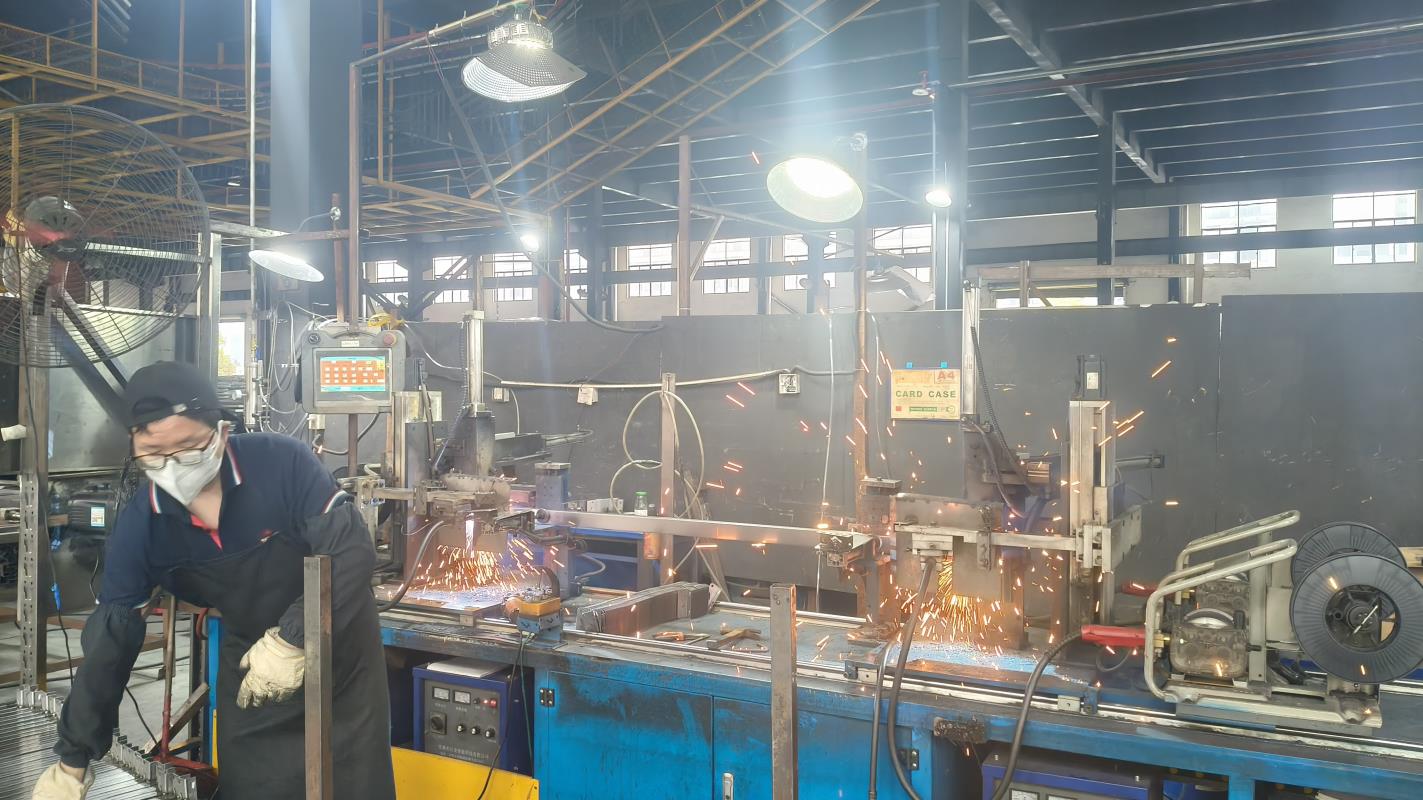
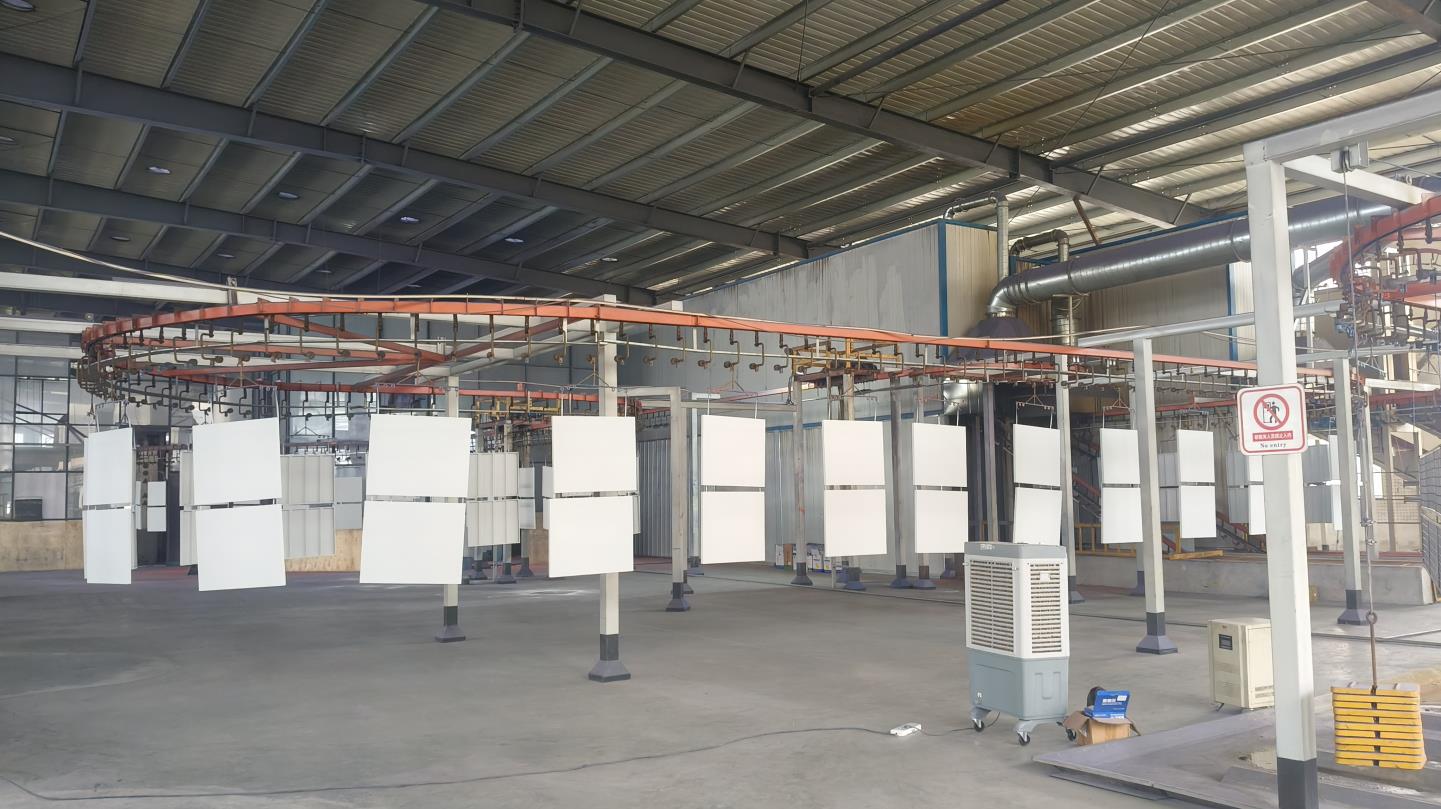
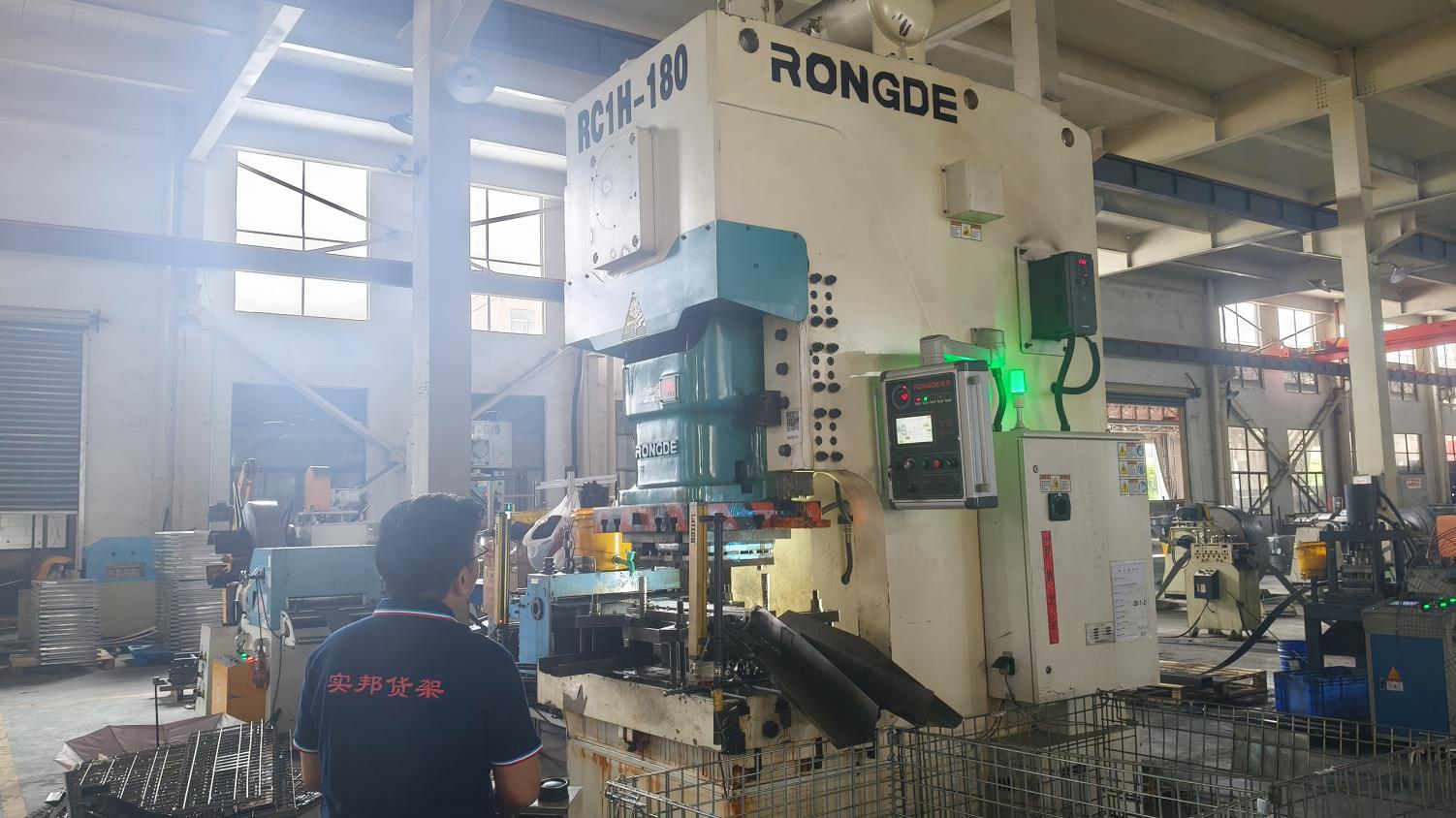
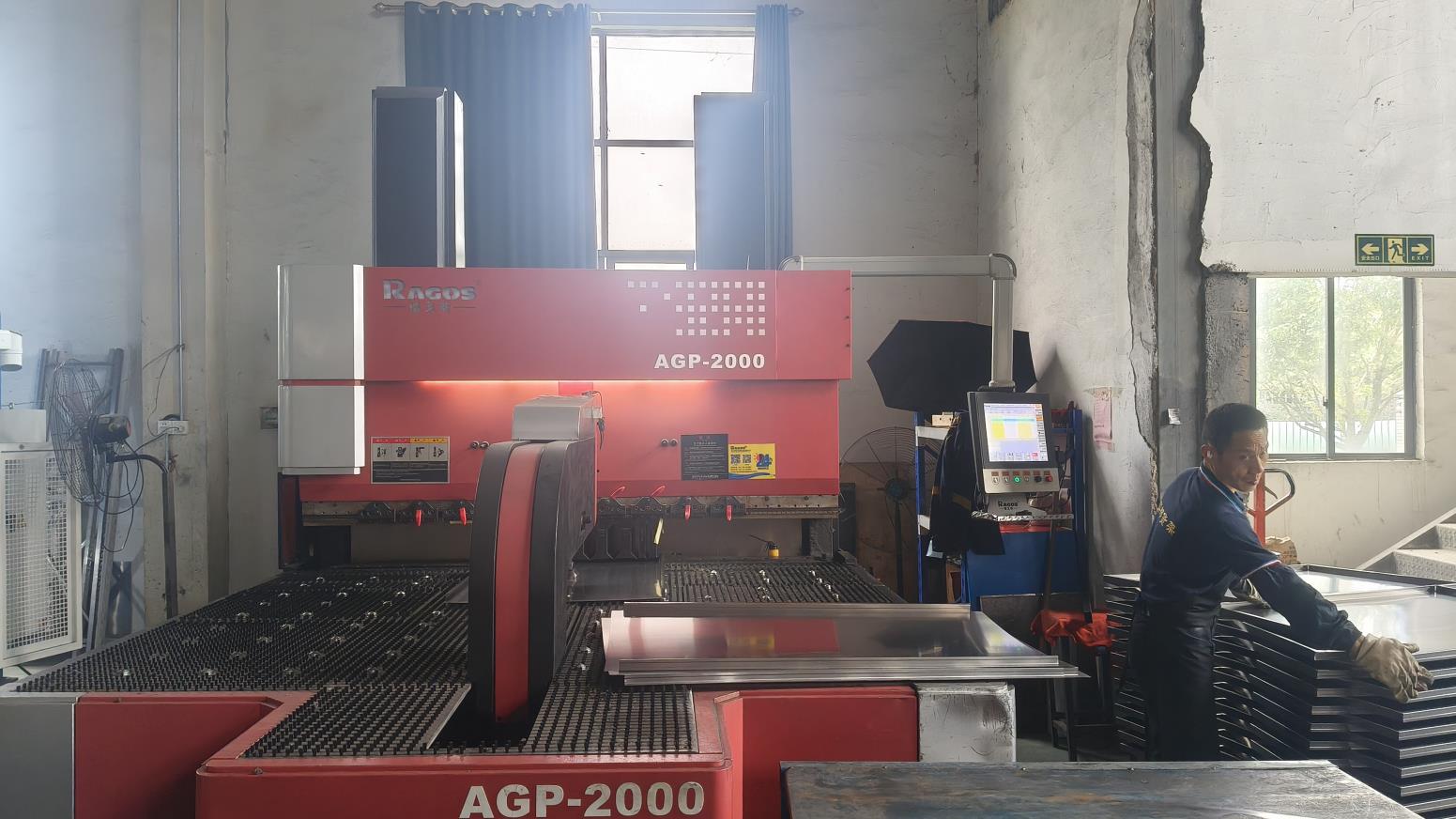
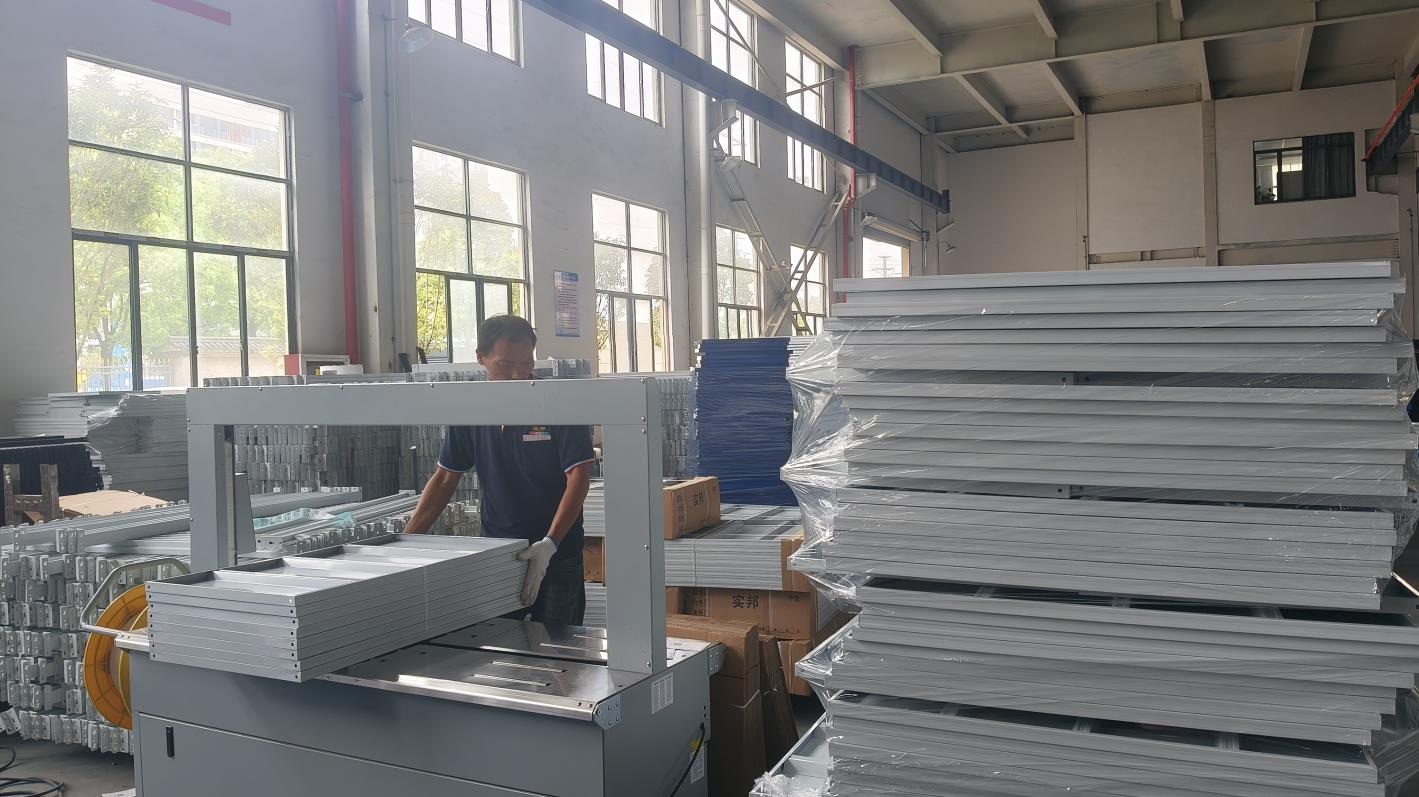
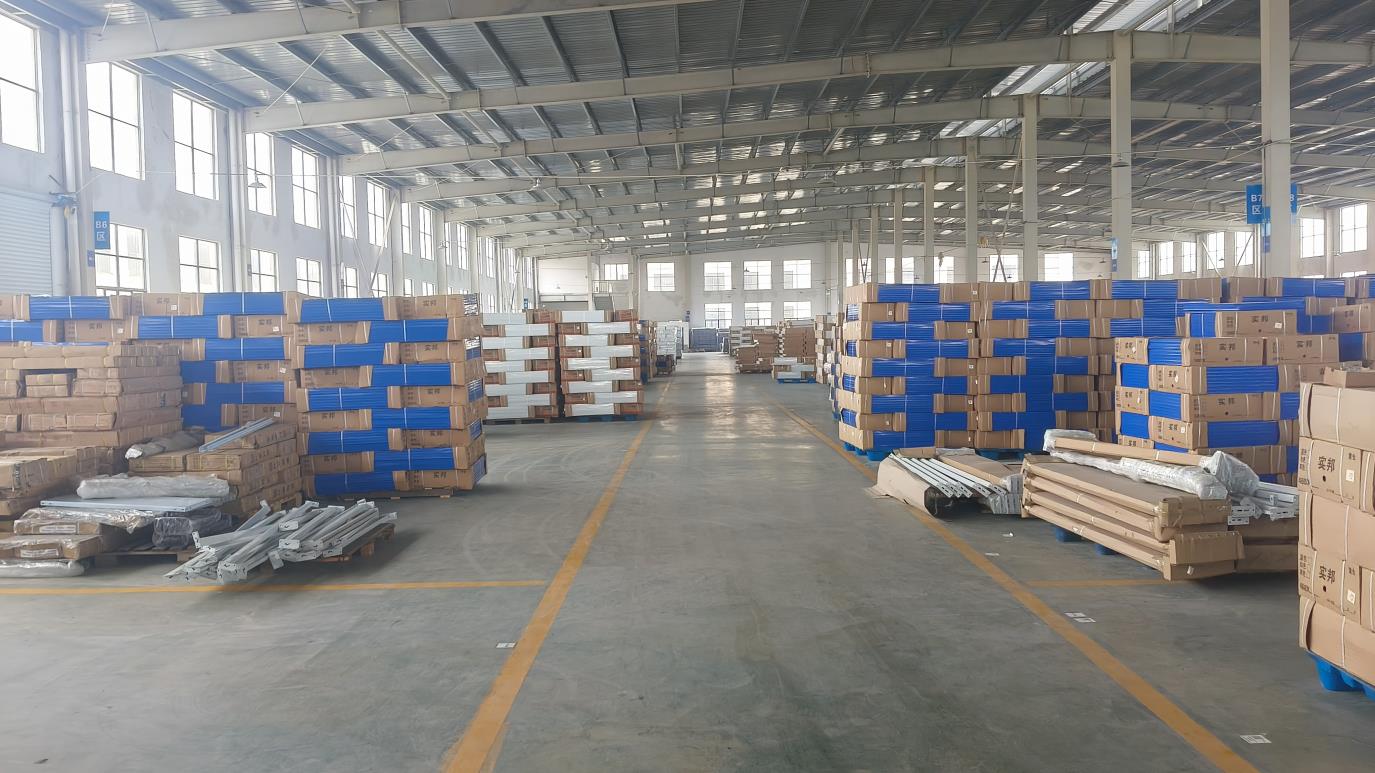
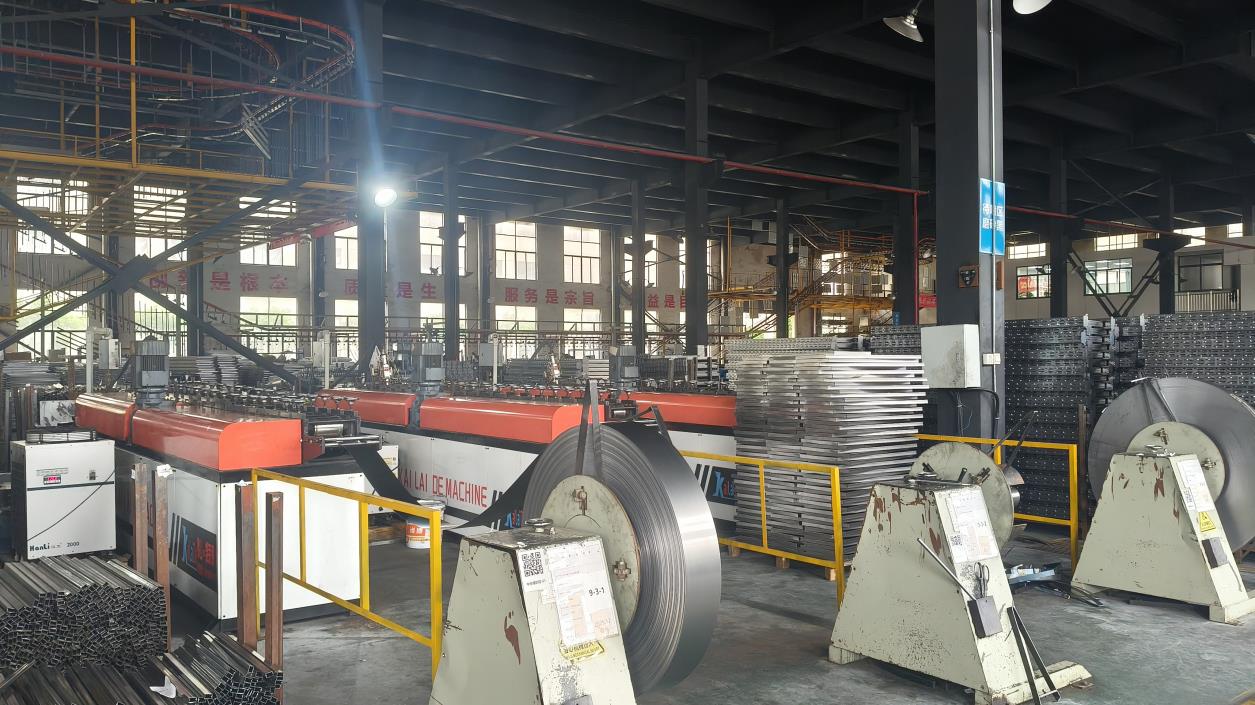
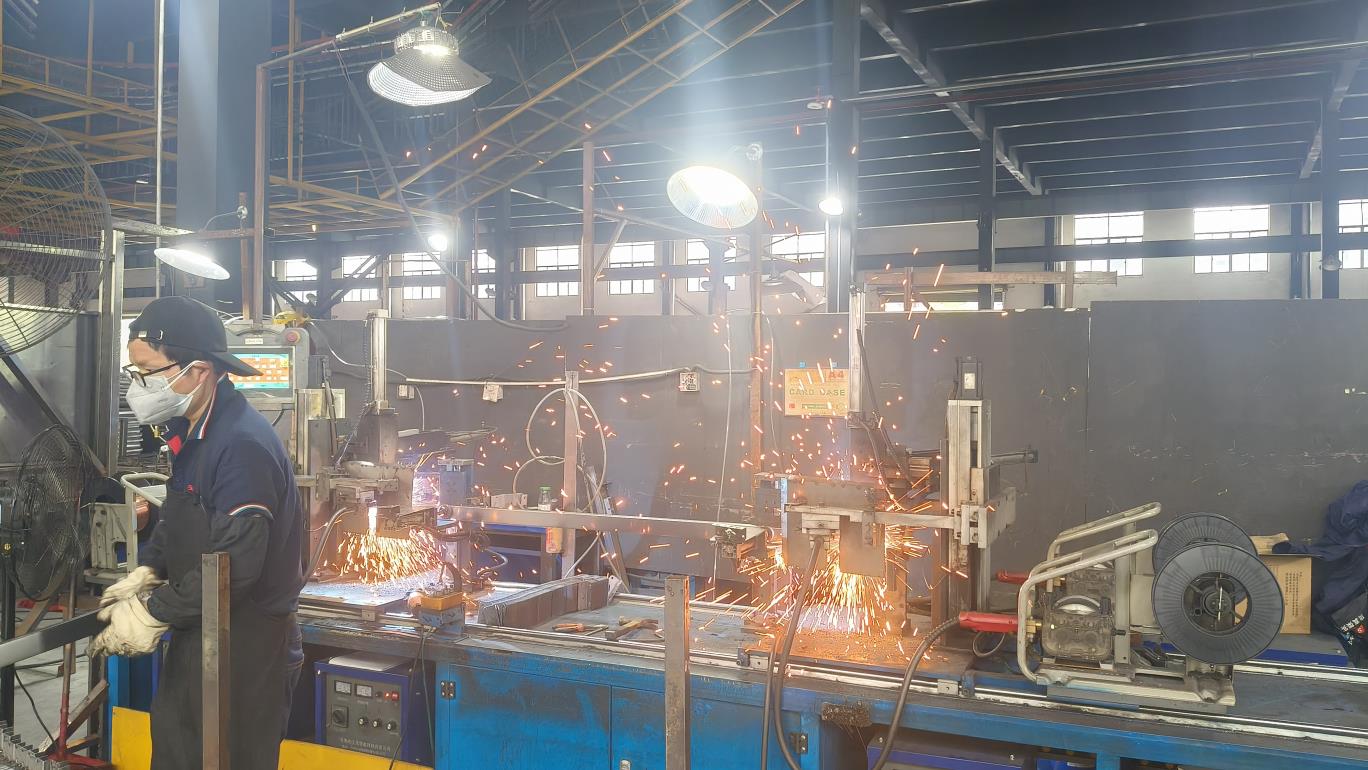
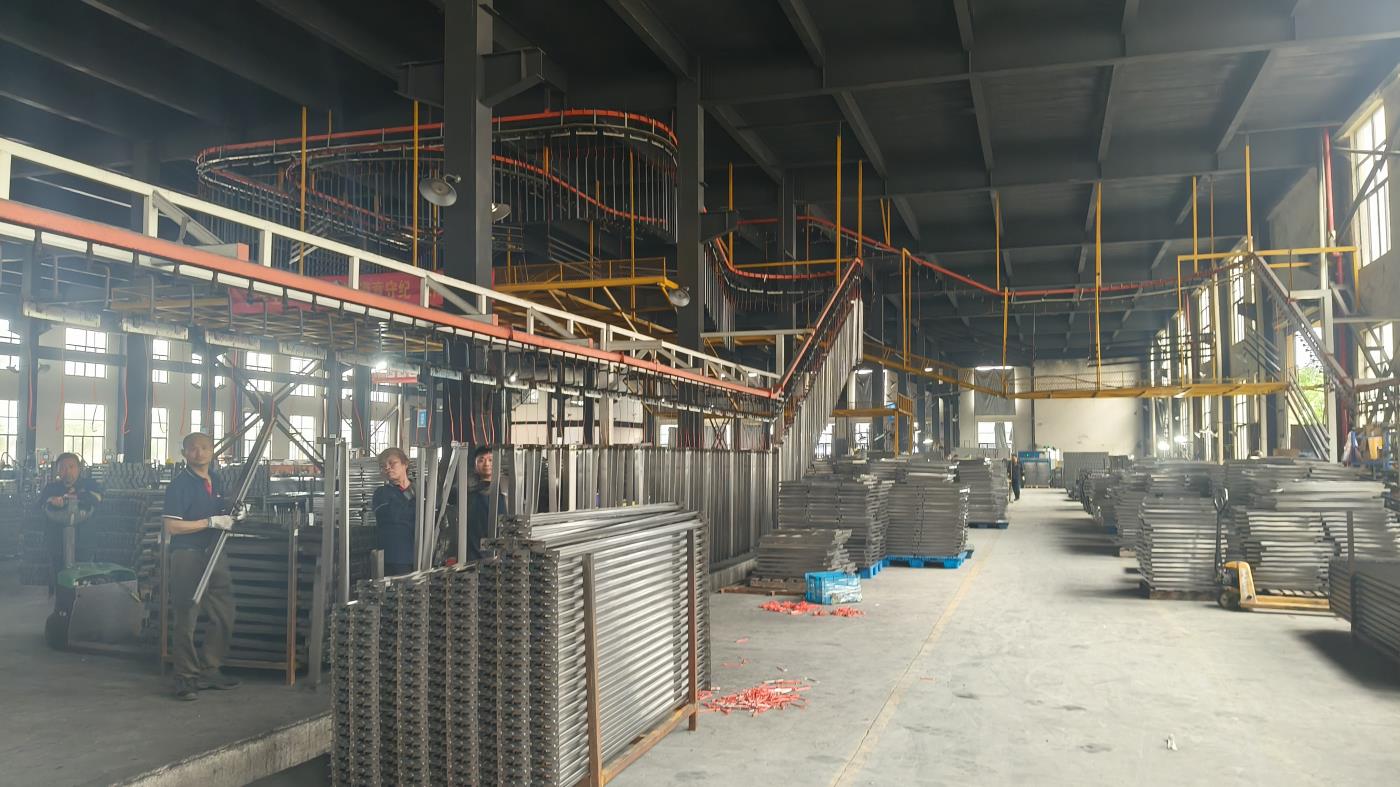
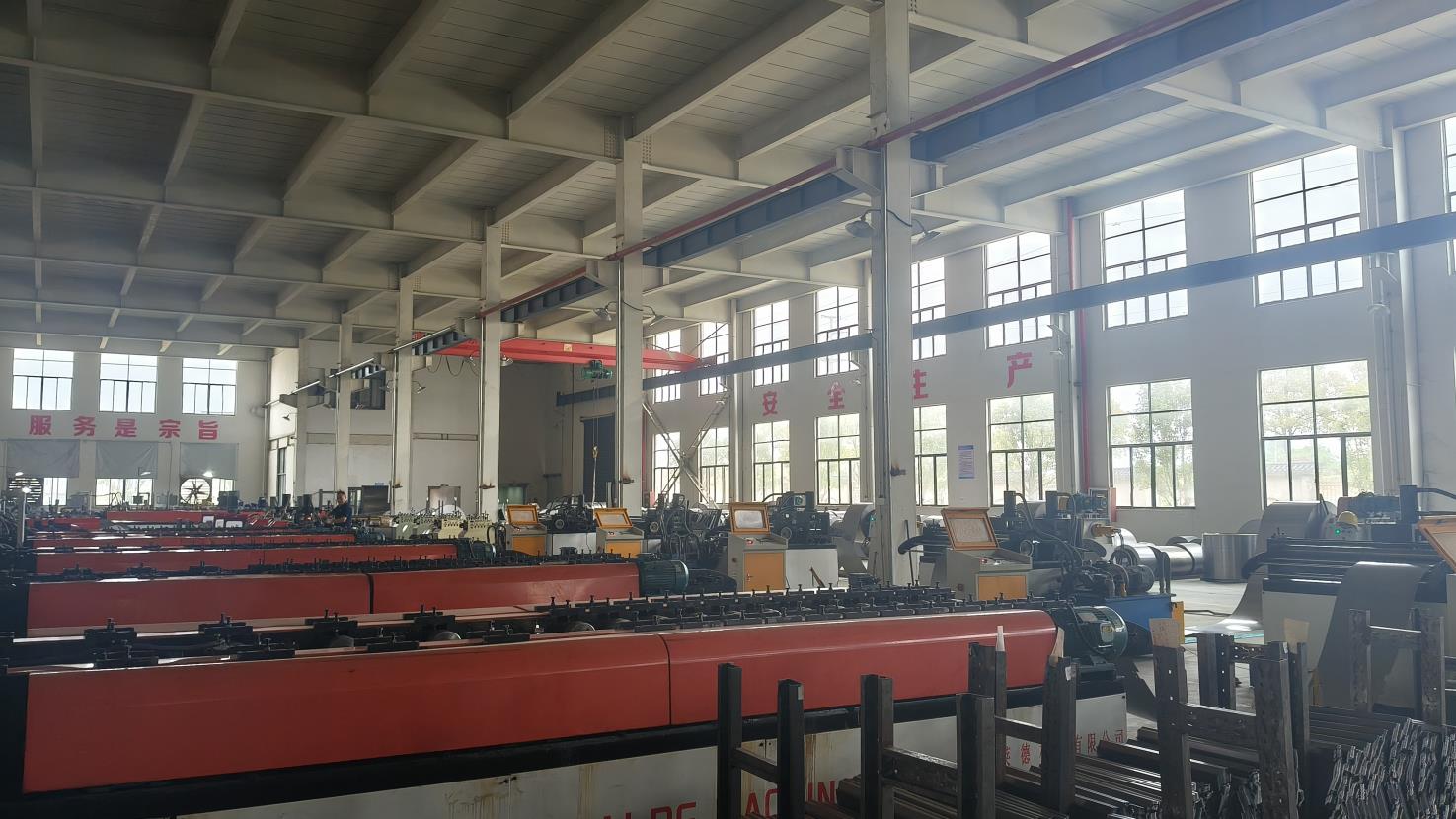
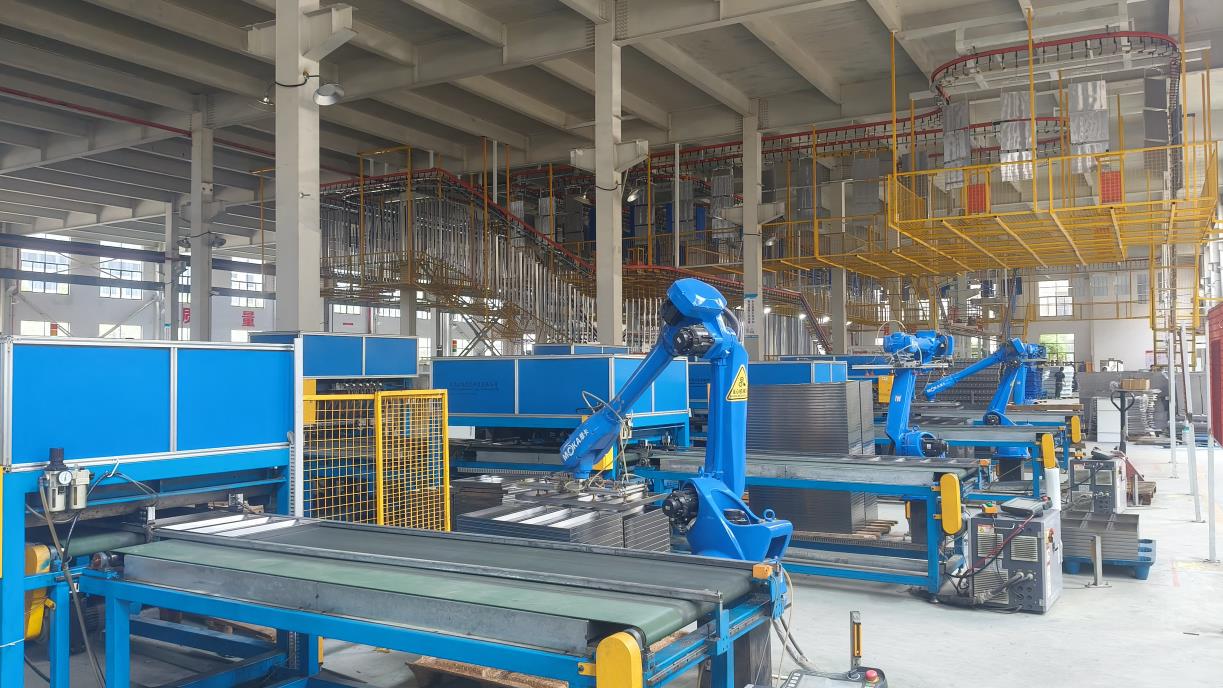
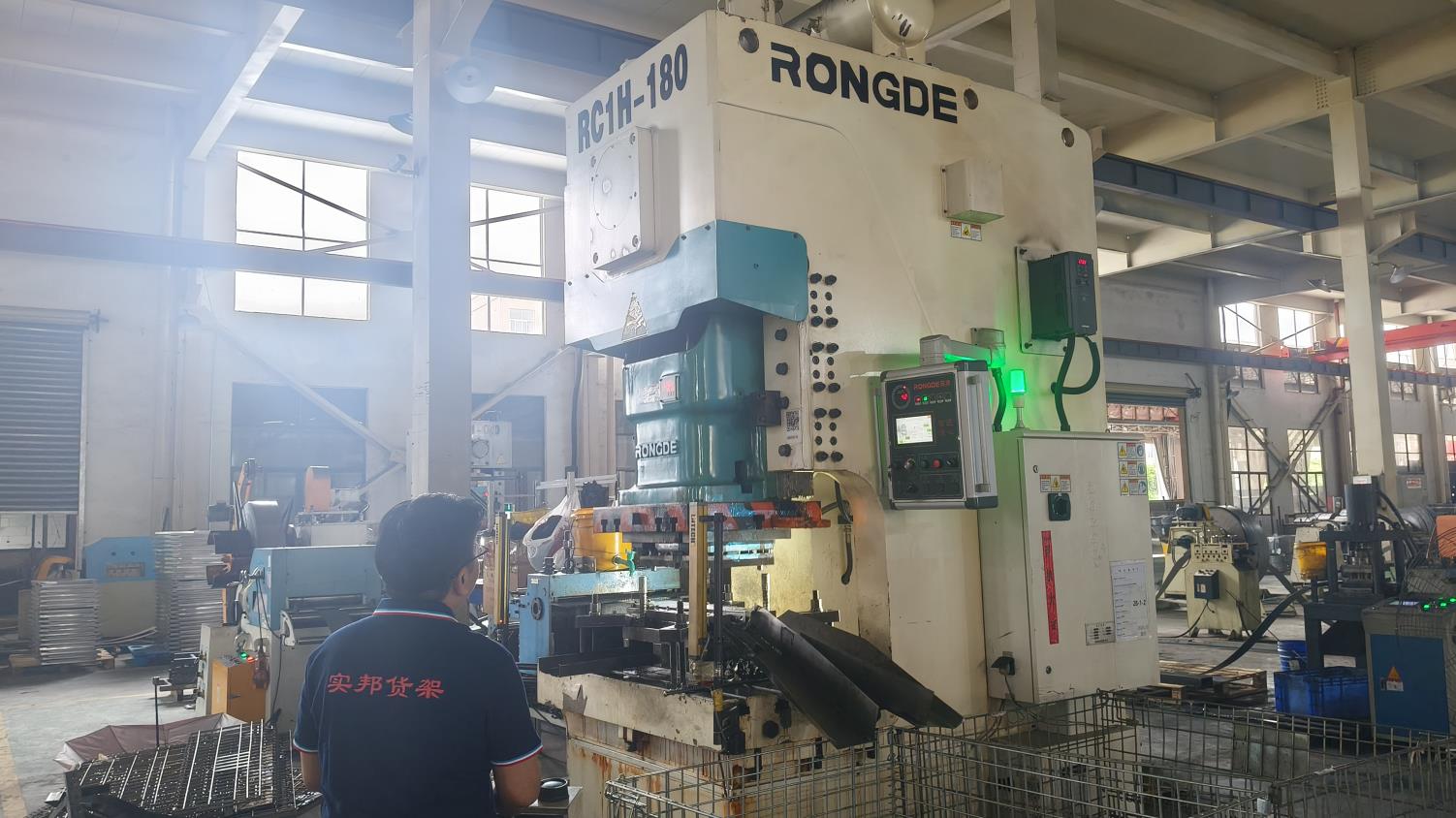
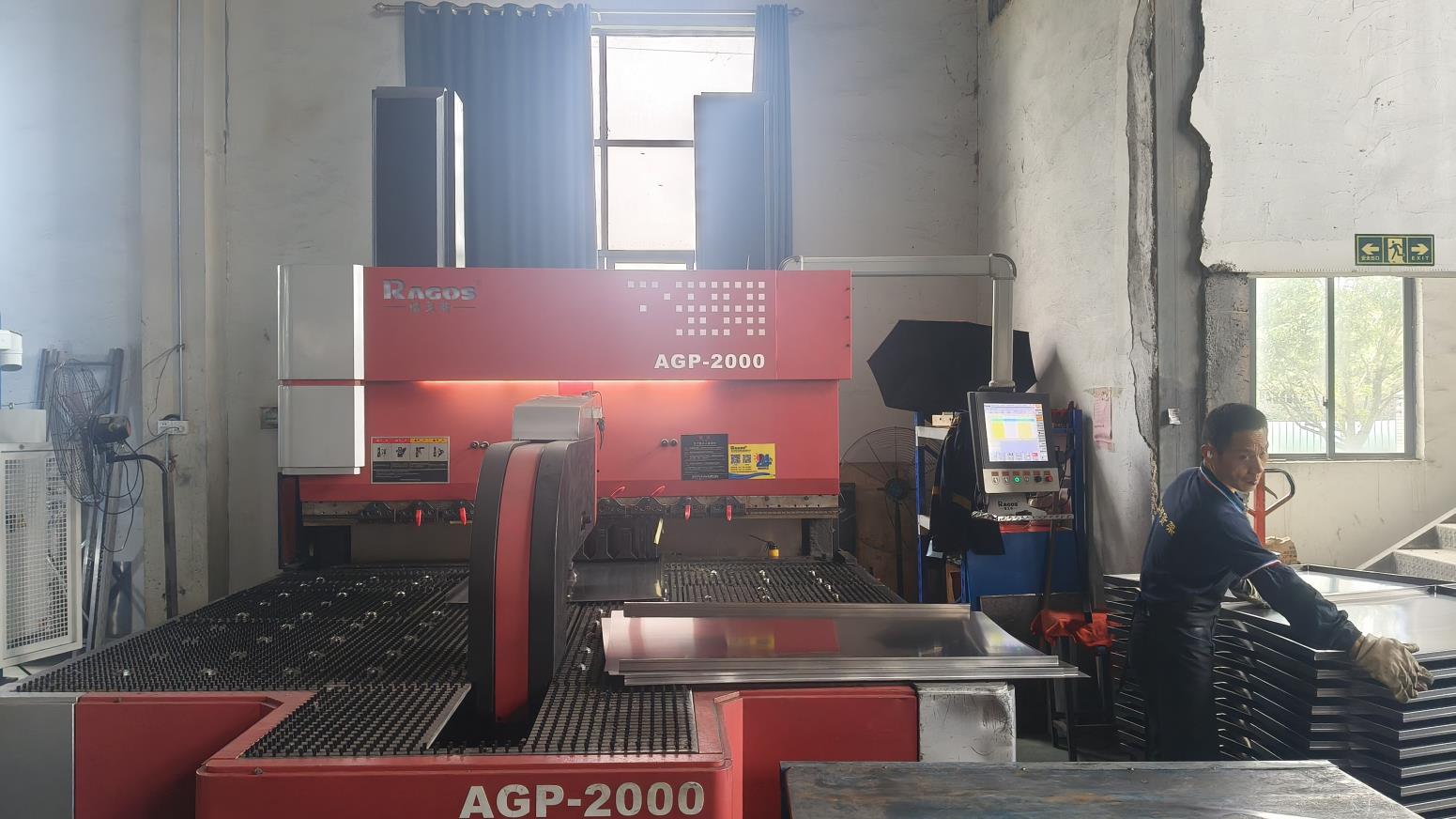
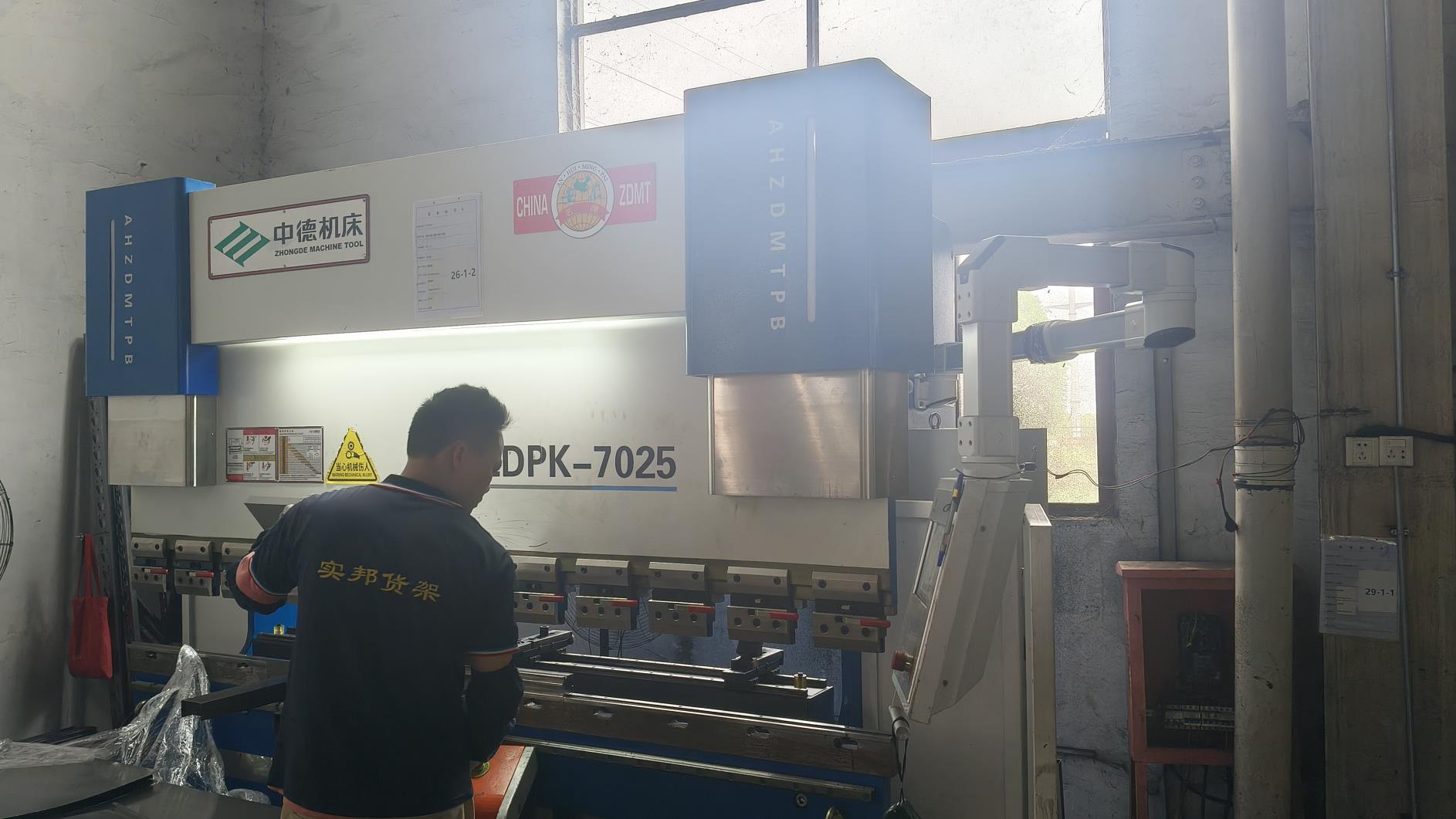
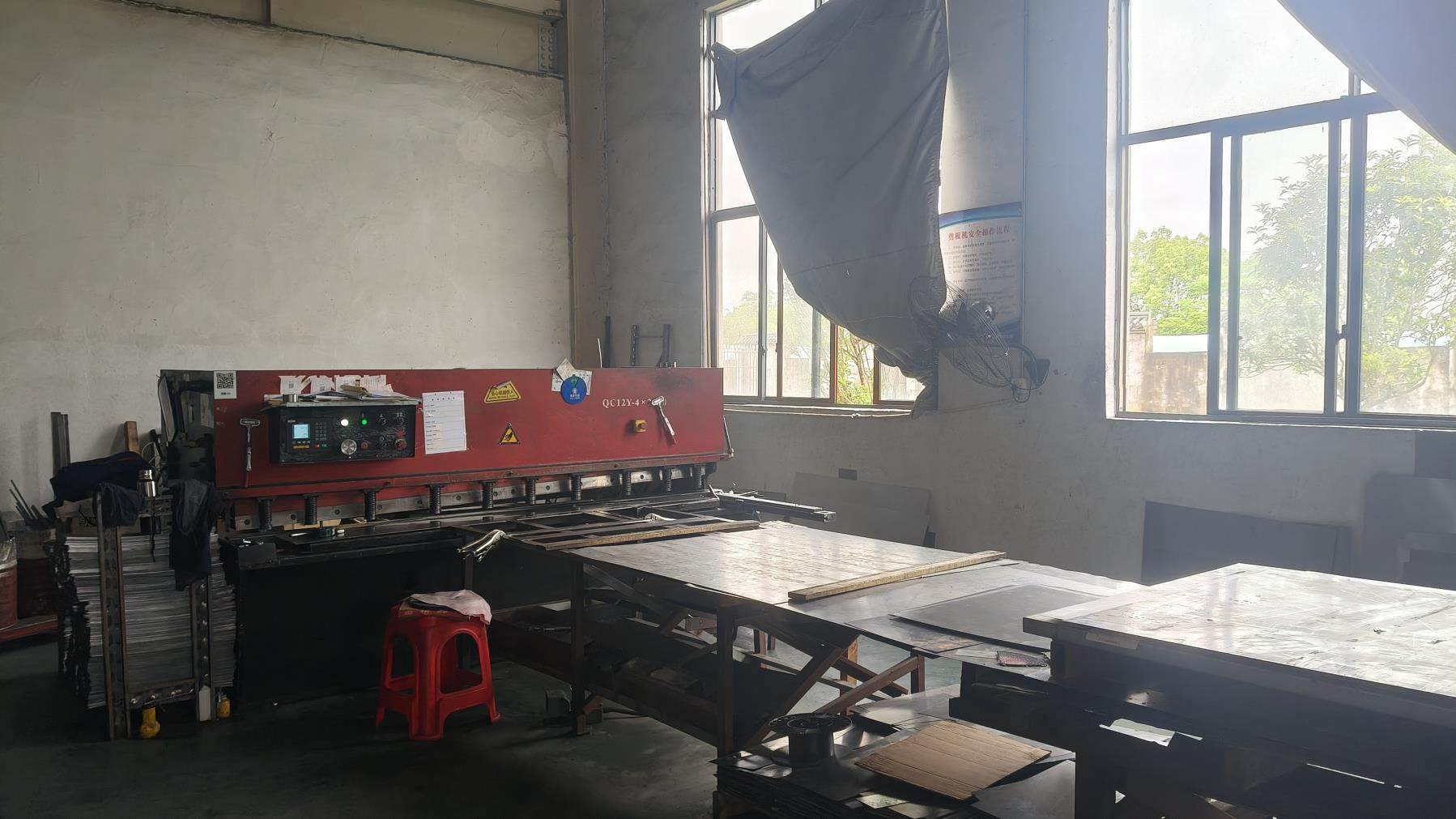
Adapting physical storage designs to global regulatory demands, shipping requirements, and harsh regional environmental conditions.
Working with over 850 supply chain vendors allows Shibang to optimize raw material sourcing for specialized configurations. Storage environments vary dynamically by region:
Our solutions target key operational sectors:
Pioneering high-grade metallurgy, optimized mechanical dynamics, and environmental surface finishing technologies.
We source certified structural steels (typically grade Q235B and Q355B in Chinese markets, equivalent to S235JR and S355JR under European specifications). These grades balance yield strength with ductility, ensuring the cold-rolling process creates consistent profile shapes without micro-fissures along the bend radii. Standard production incorporates continuous thickness verification to prevent variation in load capacities.
Longevity depends on surface treatment chemistry. Our multi-stage pretreatment lines remove mill scale and oil residues, ensuring strong bonding for the subsequent electrostatically applied epoxy-polyester powder. This protects structural steel elements from mechanical abrasion and chemical exposure, securing structural integrity in high-humidity or temperature-controlled logistics centers.
Using premium steel components to reduce overall deadweight while ensuring robust loading performance.
Chemical washing and phosphating stages remove contaminants, improving powder coat adhesion.
Specially sized and anchor-engineered baseplates to distribute point loads safely across concrete slabs.
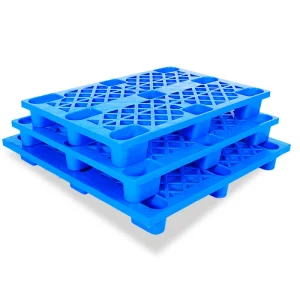
Heavy-duty adjustable shelving, cantilever arms, multi-tier platforms, and high-load HDPE pallet bases designed to complete your material handling footprint.
Professional engineering answers regarding structural load parameters, seismic compliance, material finishing, and custom design processes.
We primarily utilize high-grade carbon steel alloys Q235B and Q355B, which correspond directly to European standard S235JR and S355JR structural steels. These materials deliver the necessary balance of mechanical properties: high yield strength to withstand deformation under peak static loads, coupled with ductility properties required for consistent cold-roll forming.
Our R&D team uses FEA (Finite Element Analysis) software to simulate and calculate stresses under a range of conditions. Following calculation, physical tests are performed by our QC team in our 32,000 m² facility using load hydraulic presses. Destructive testing validates actual deformation and failure thresholds against calculations.
For sub-zero cold storage operations, we offer hot-dip galvanized (HDG) coating or specialized low-temperature powder coatings. HDG provides a zinc-iron alloy coating that protects against moisture and thermal stress down to -30°C without risk of cracking or peeling.
Our structural engineers assess regional seismic activity indicators (such as Spectral Acceleration parameters) to design custom components. This includes thickened upright profiles, heavy-duty diagonal bracing, and wider baseplates with multi-point chemical anchoring systems to absorb lateral force displacements.
We provide a complete export documentation package, including bill of lading, commercial invoice, packing list, certificate of origin, mill test certificates (MTC) proving steel grades, and CE conformity certificates where required for European distribution networks.
 Shibang Rack