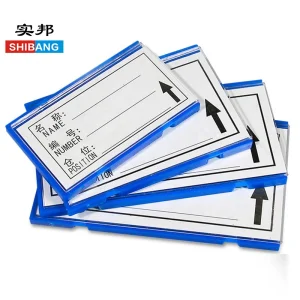
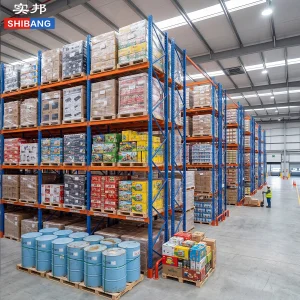
Explore our primary range of heavy-duty, boltless, and automated storage platforms engineered with low-carbon structural steel and VOC-free powder coatings.
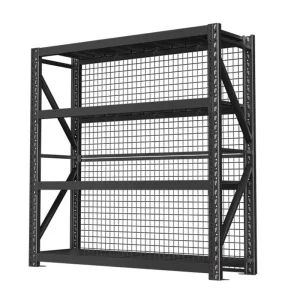
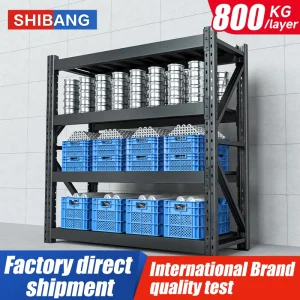
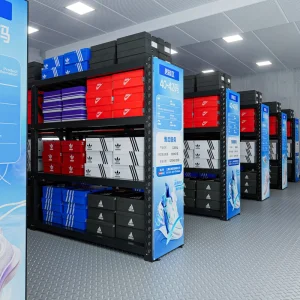
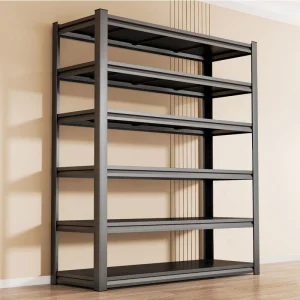
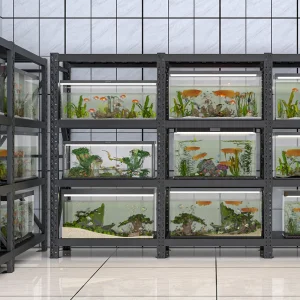
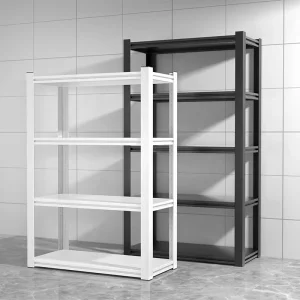
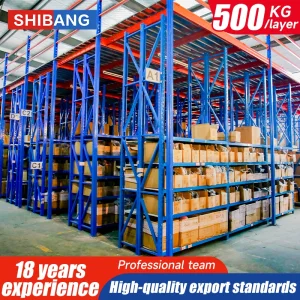
Established in 2016, Ningbo Shibang Storage Rack Co., Ltd. has developed into a global leader in high-performance structural steel racking and green material handling integration. Over a span of 12 years of industry experience and 8 years of dedicated direct export operations, we have built a manufacturing footprint of 32,000 m² optimized for eco-friendly, low-waste manufacturing processes. Our global export operations deliver advanced structural racking solutions to heavy logistics hubs, automated warehouse facilities, and cold storage chains, with total annual export revenue reaching $18 million.
Unlike traditional steel fabricators, Shibang operates at the intersection of structural strength and carbon footprint reduction. Utilizing high-tensile, low-alloy steel profiles, we design structures that minimize steel weight while optimizing load distribution, contributing directly to resource conservation. By utilizing modern automated lines with integrated closed-loop chemical recycling systems, we ensure our warehouse solutions respect environmental guidelines, meeting strict emissions rules worldwide.
Up to 85% of logistics providers' indirect emissions originate within the supply chain. Transitioning to certified low-carbon steel components helps warehouses achieve net-zero building credentials.
Our racking utilizes infinitely recyclable structural steel profiles, backed by zero-waste manufacturing lines and modular assemblies that allow rapid repair, extension, and reconfiguration.
Eliminating toxic off-gassing and air pollutant discharges during the painting phase ensures that storage systems are safe for food-grade, pharmaceutical, and cleanroom installations.
Modern warehouse development is no longer judged solely on volumetric capacity. Strict ESG frameworks, such as the EU Corporate Sustainability Reporting Directive (CSRD) and the US SEC climate disclosure rules, require companies to account for the carbon footprint of their physical storage systems. The steel used in warehouse racking represents a significant embodied carbon pool. Shibang addresses this challenge by employing specialized lightweight, high-tensile steel designs (up to Q355B and Q420B grade structural steels). This achieves identical load performance with up to 15-20% less raw material weight, immediately lowering the project’s carbon footprint.
Our commitment to sustainable production spans the entire product life cycle. The process begins with raw material sourcing from suppliers that prioritize low-carbon blast furnace methods or electric arc furnace (EAF) technology. By utilizing EAF steel scrap processing, we reduce initial energy consumption. Throughout our production lines, computer-guided roll-forming and laser-cutting units ensure steel scrap rates remain below 1.5%. Any waste generated is collected, sorted, and routed directly back to local smelting centers for complete recycling, keeping material within the industrial loop.
Our manufacturing workflow is equipped with advanced automated roll-forming and robotic welding systems, reducing manual handling energy use while maintaining high structural precision.
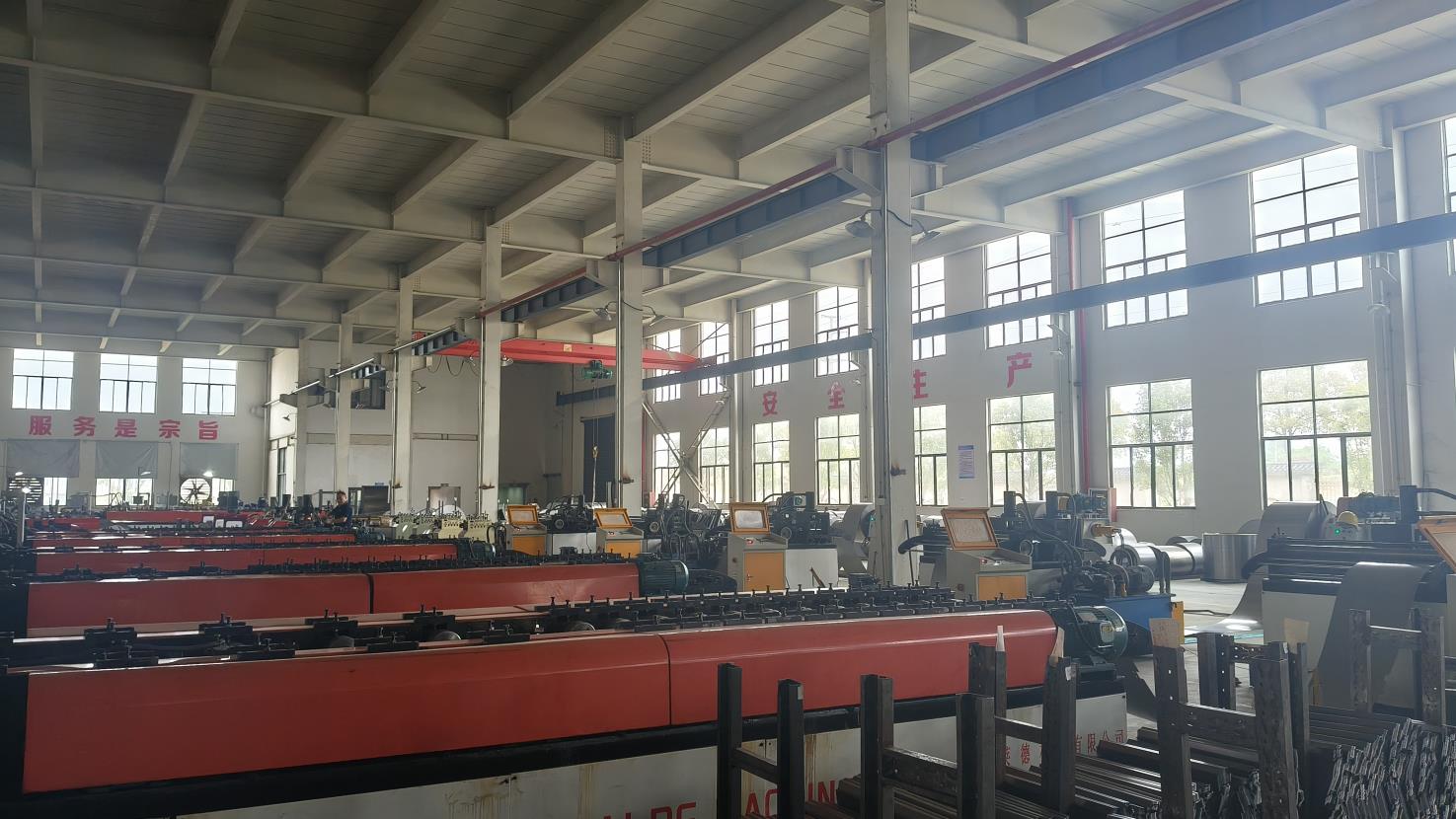
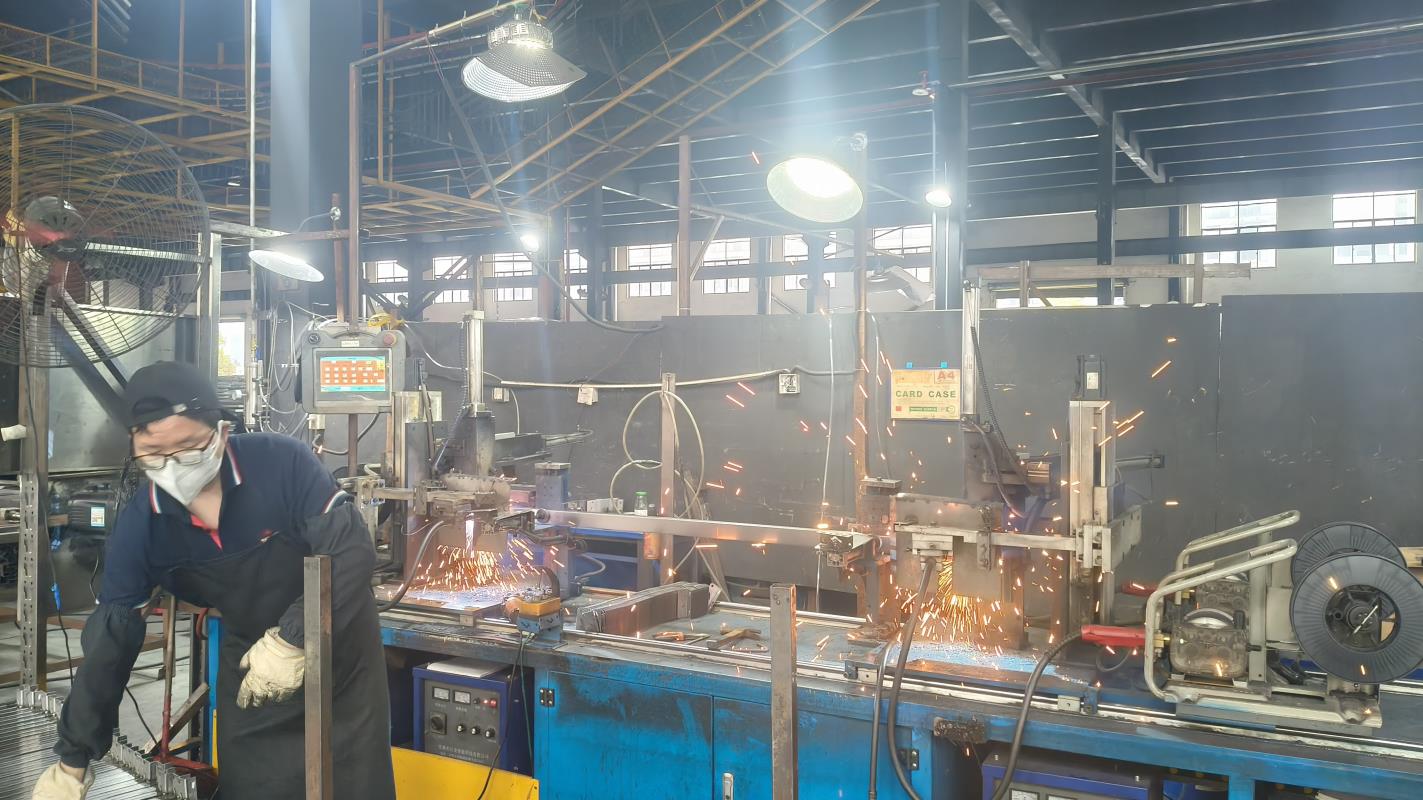
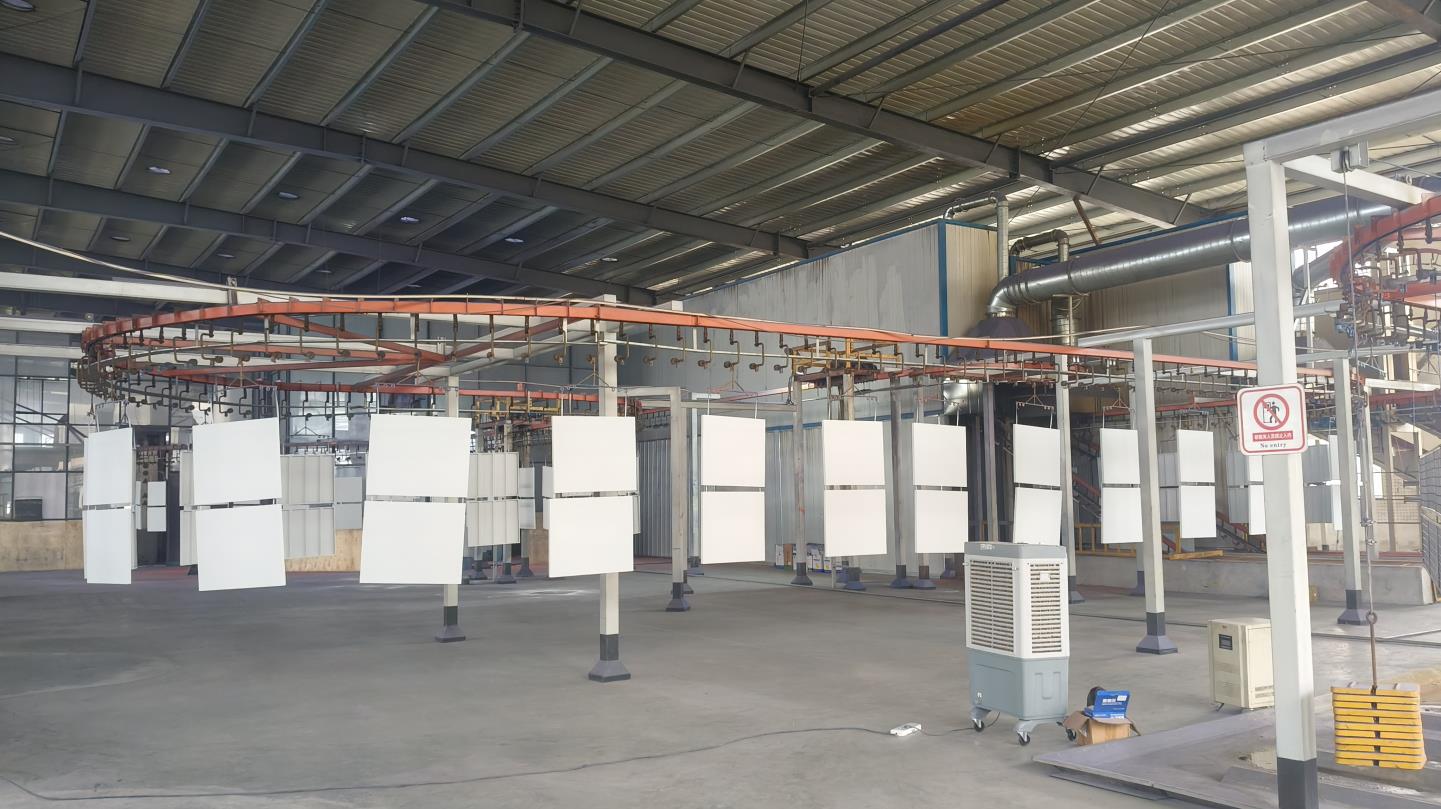
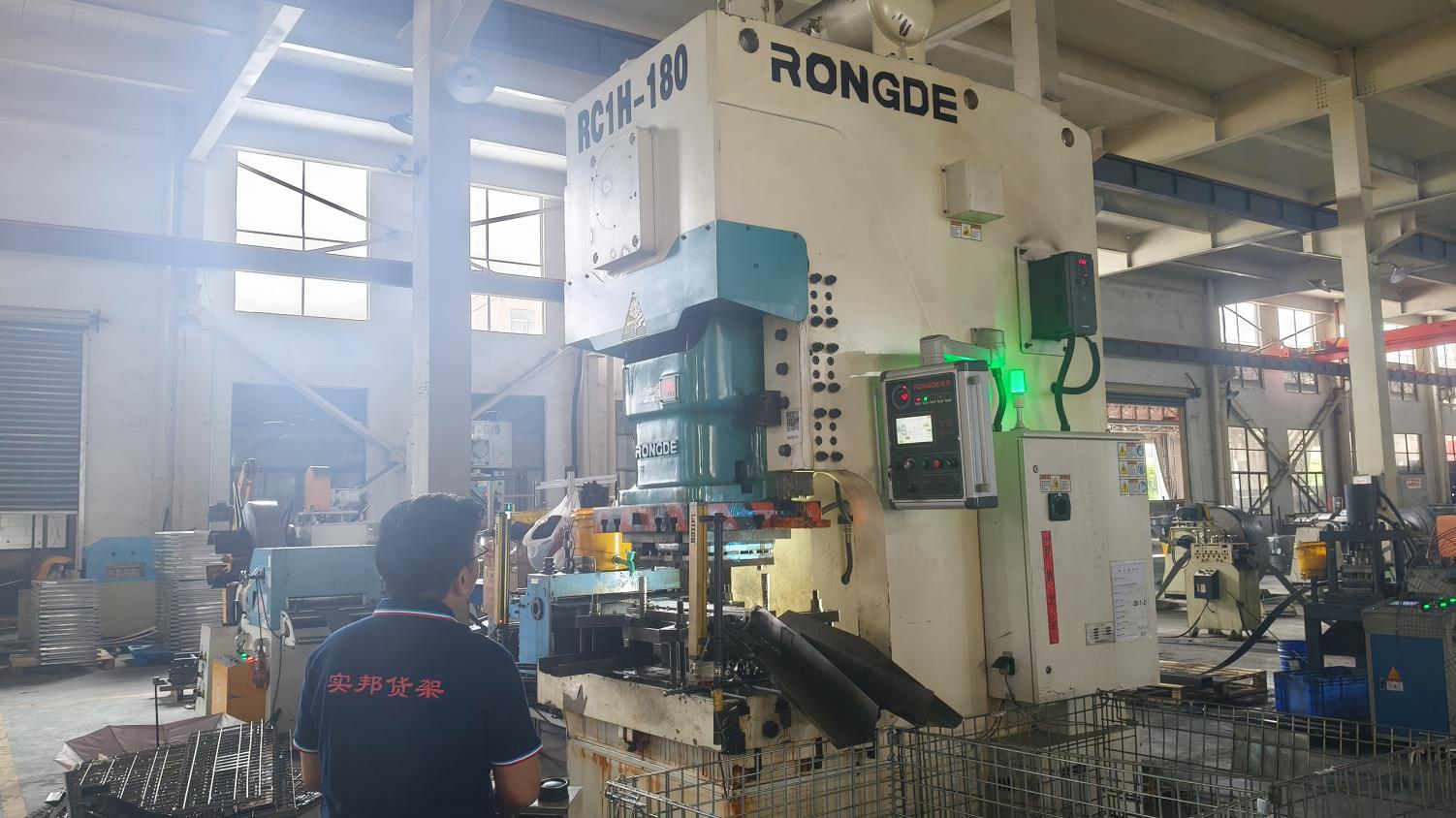
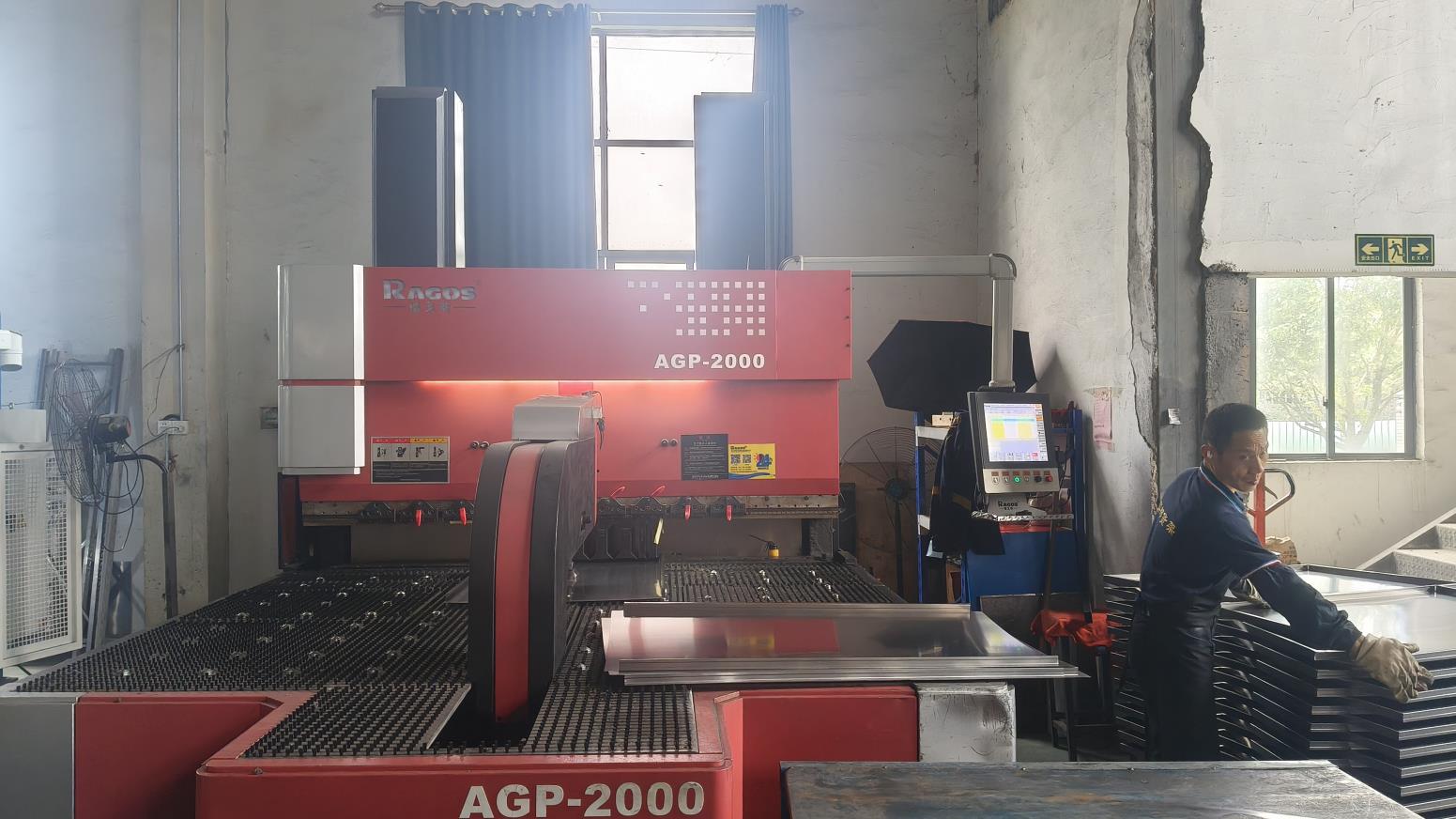
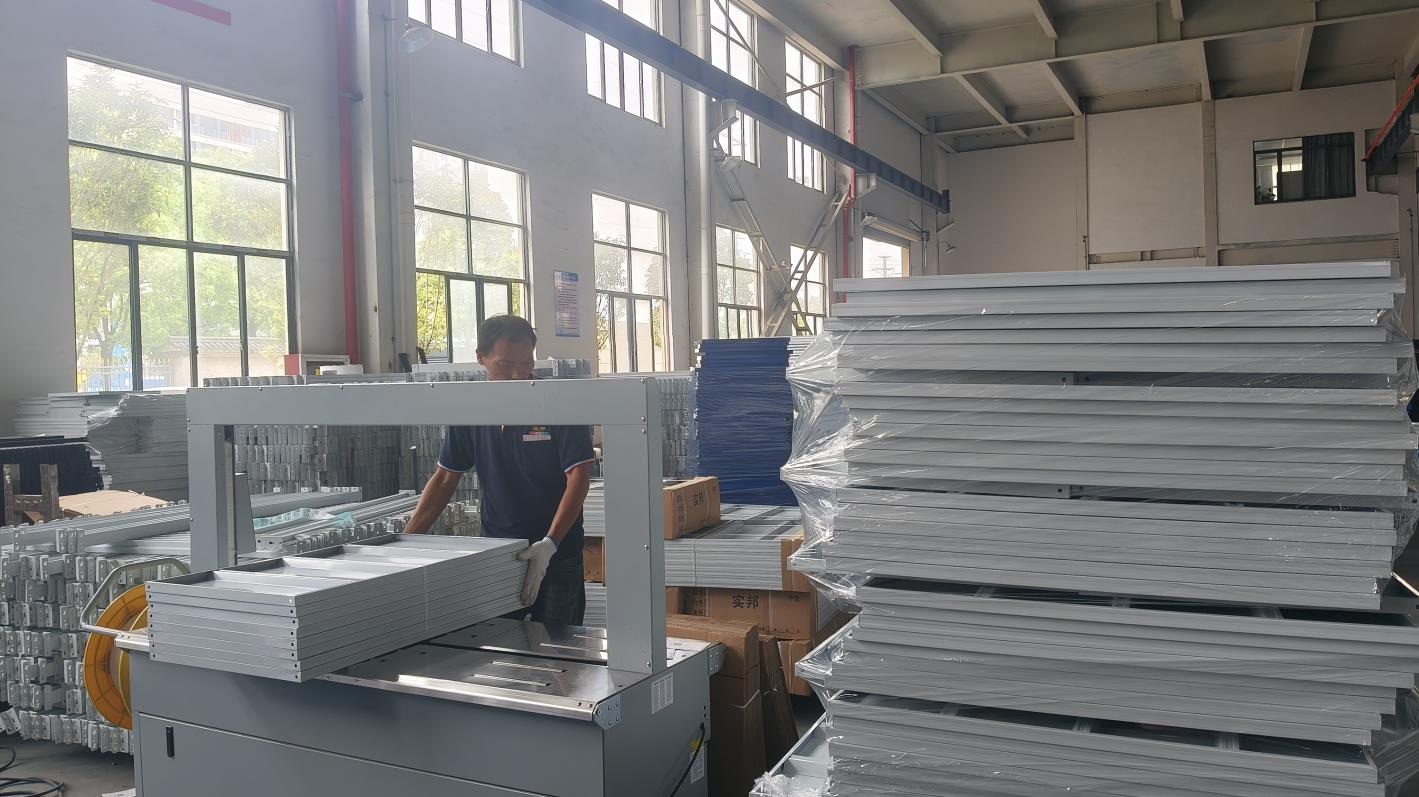
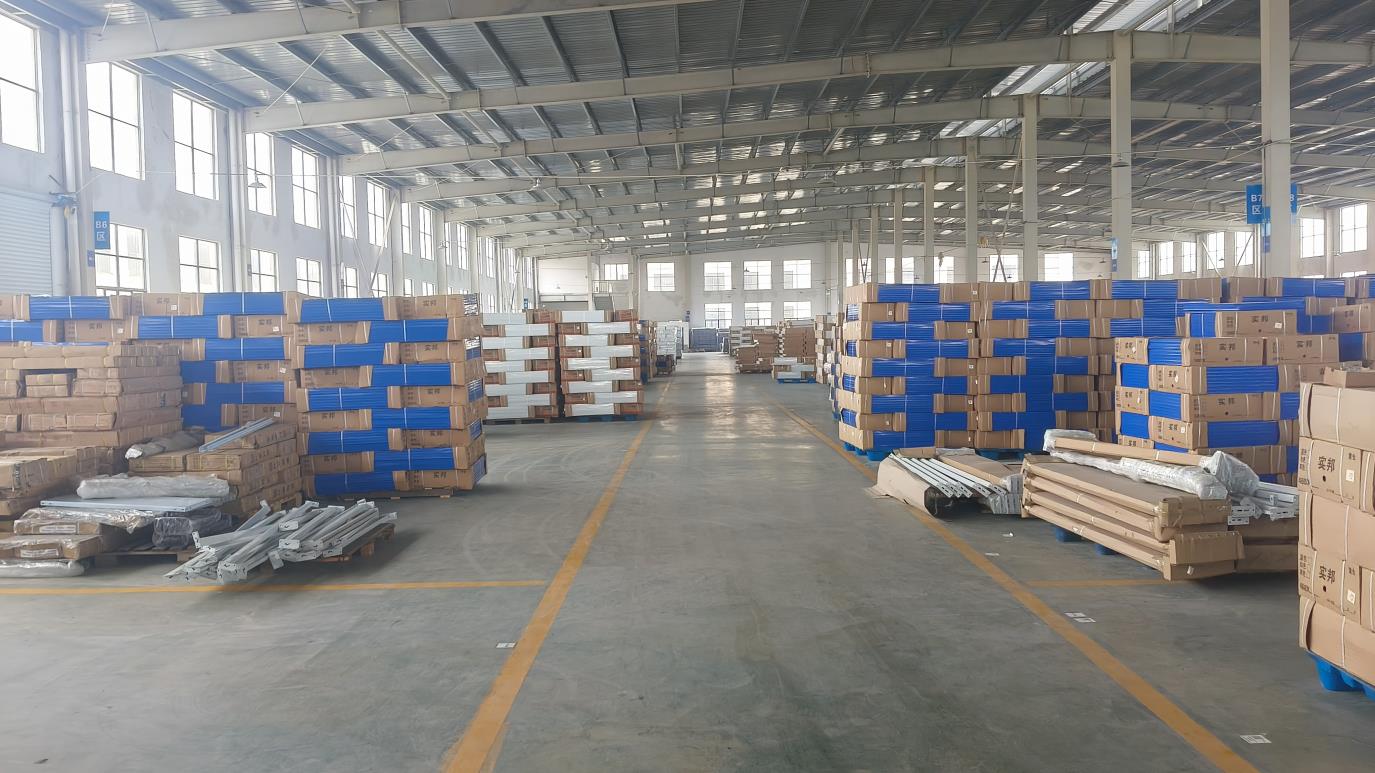
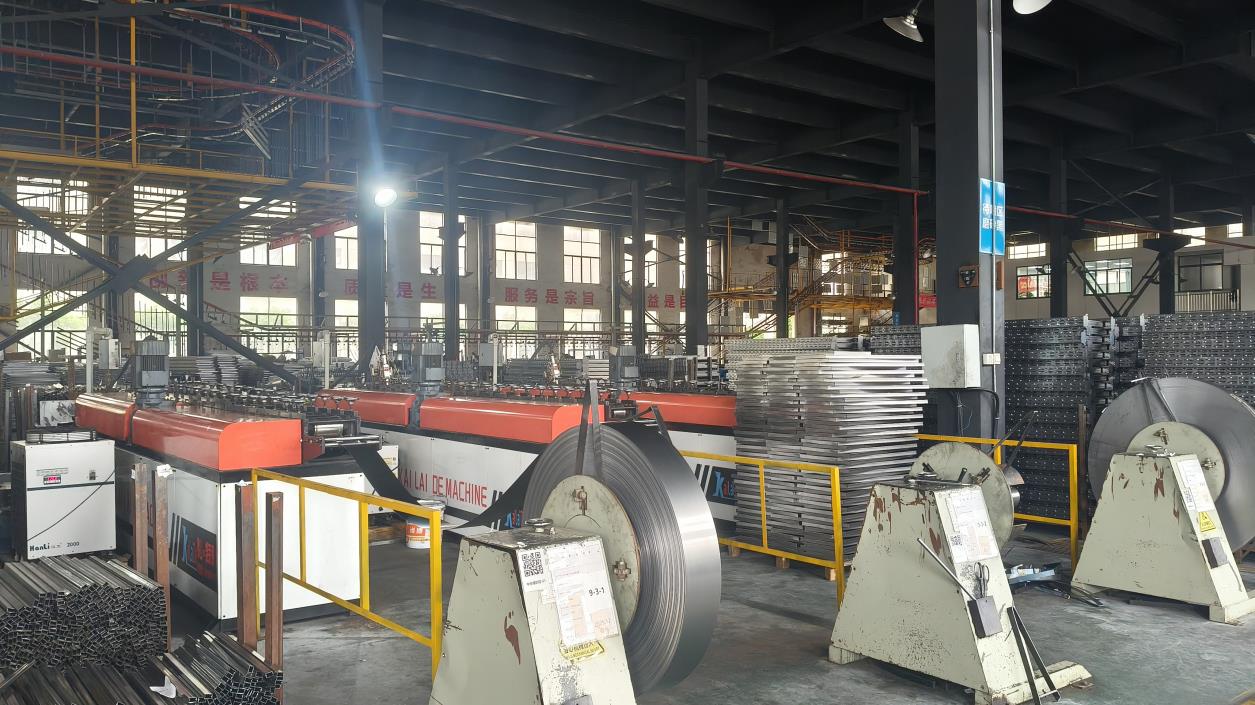
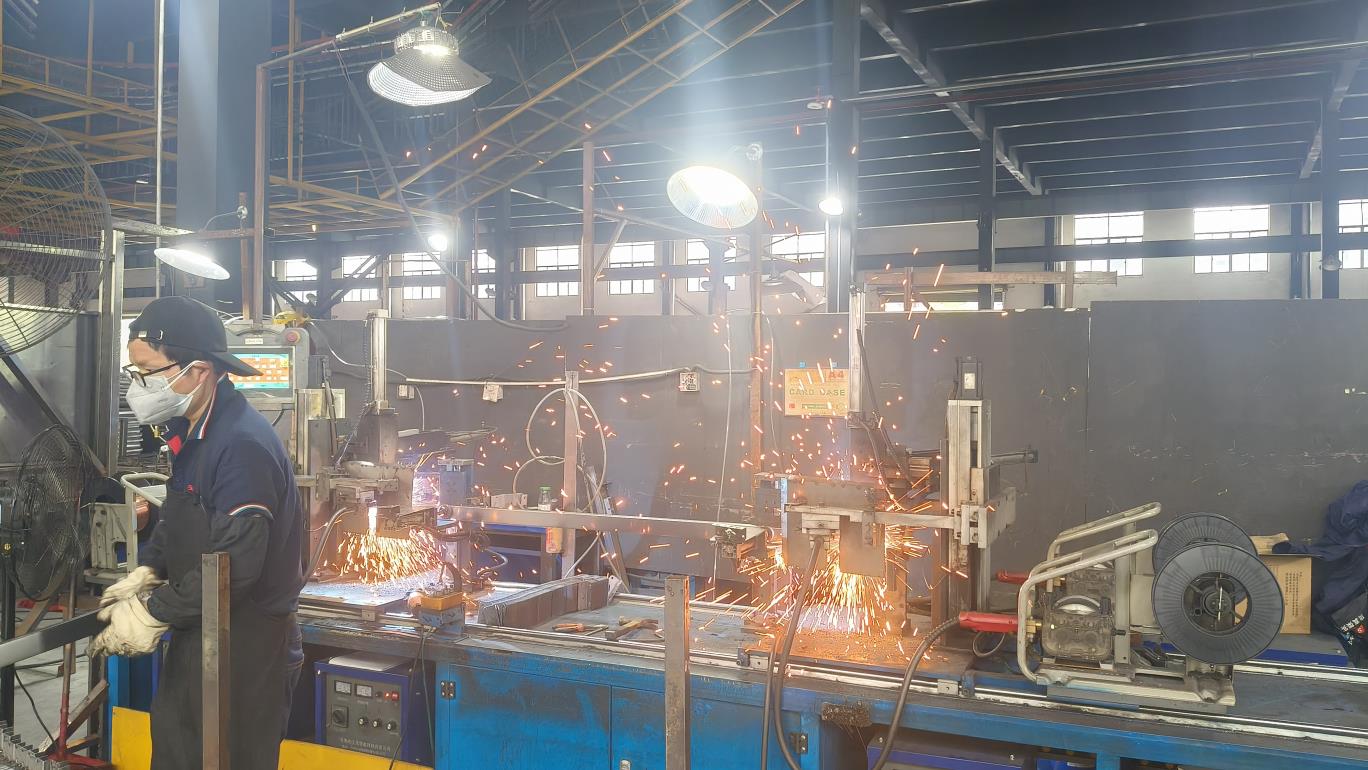
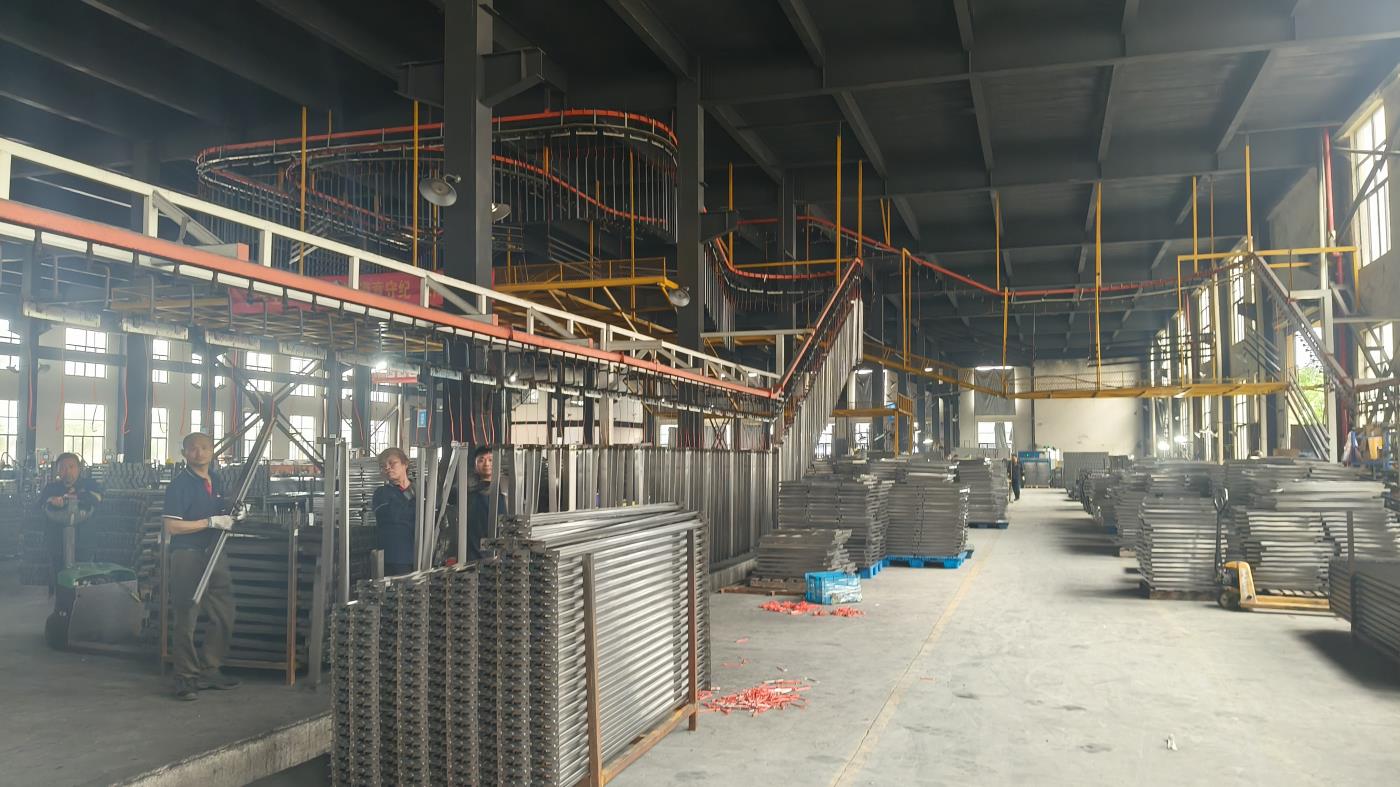
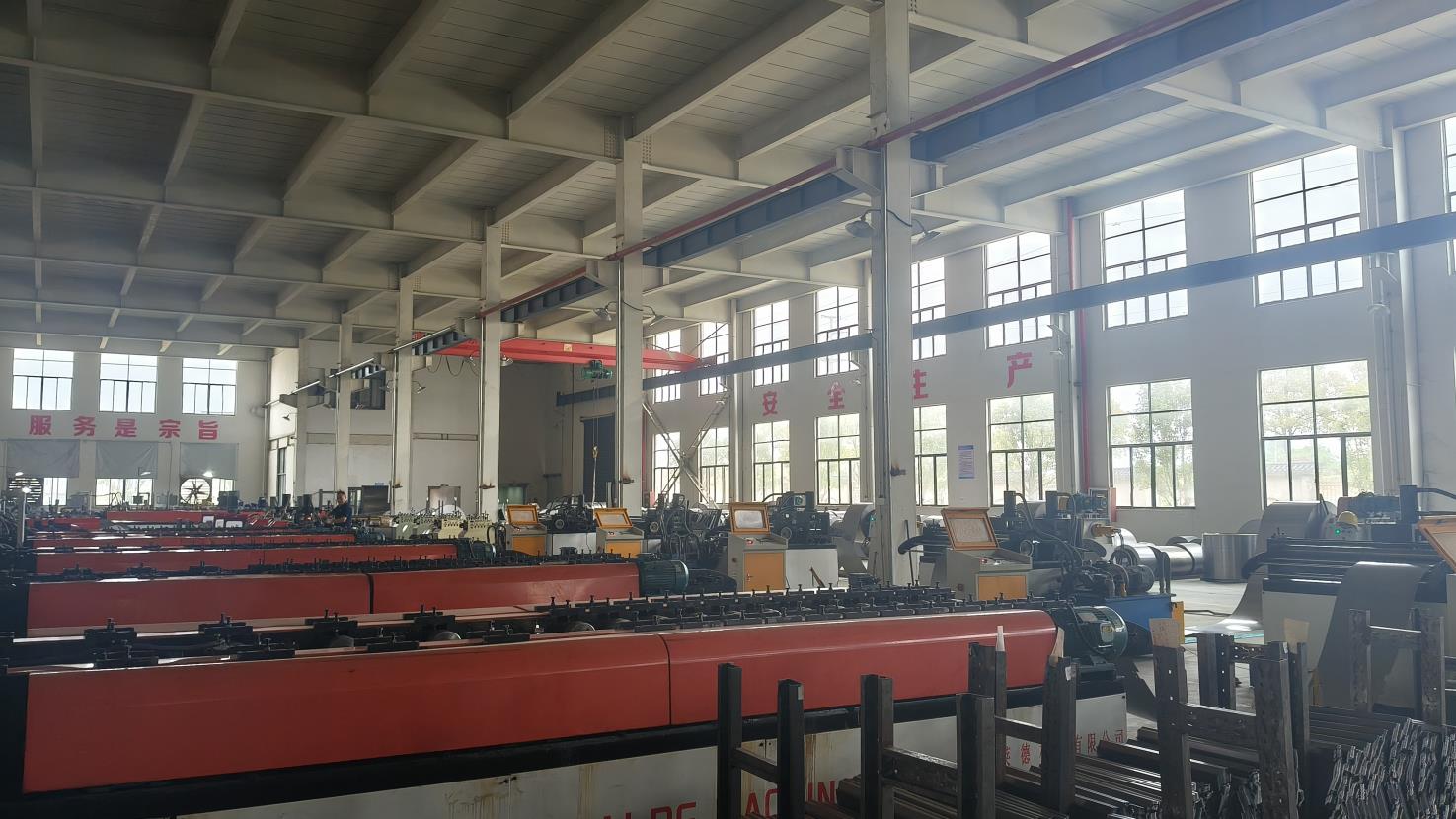
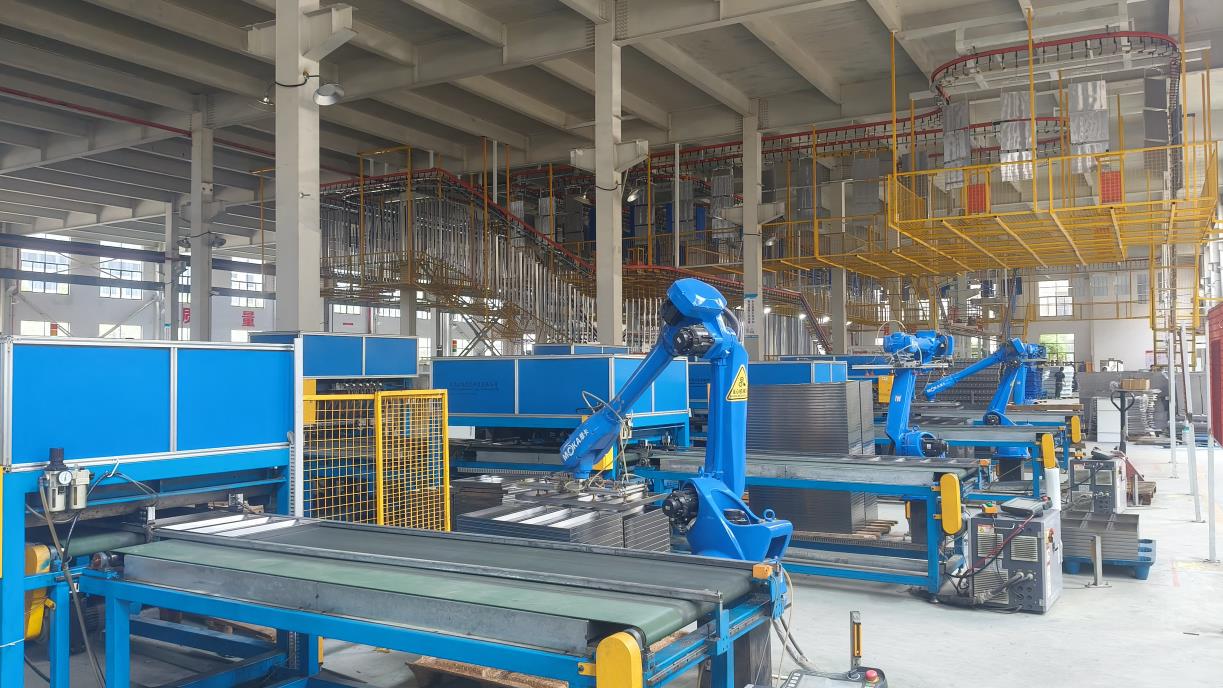
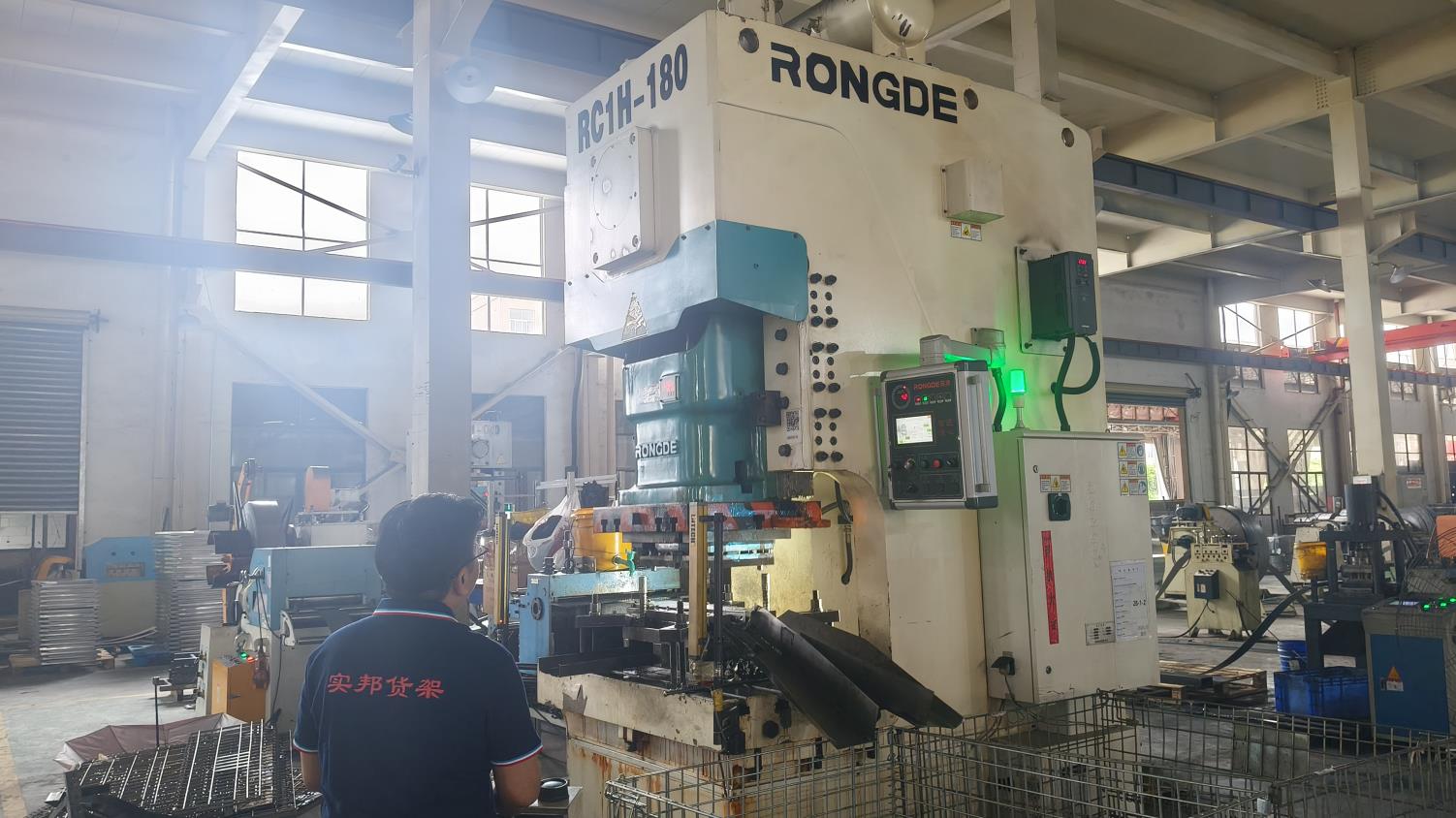
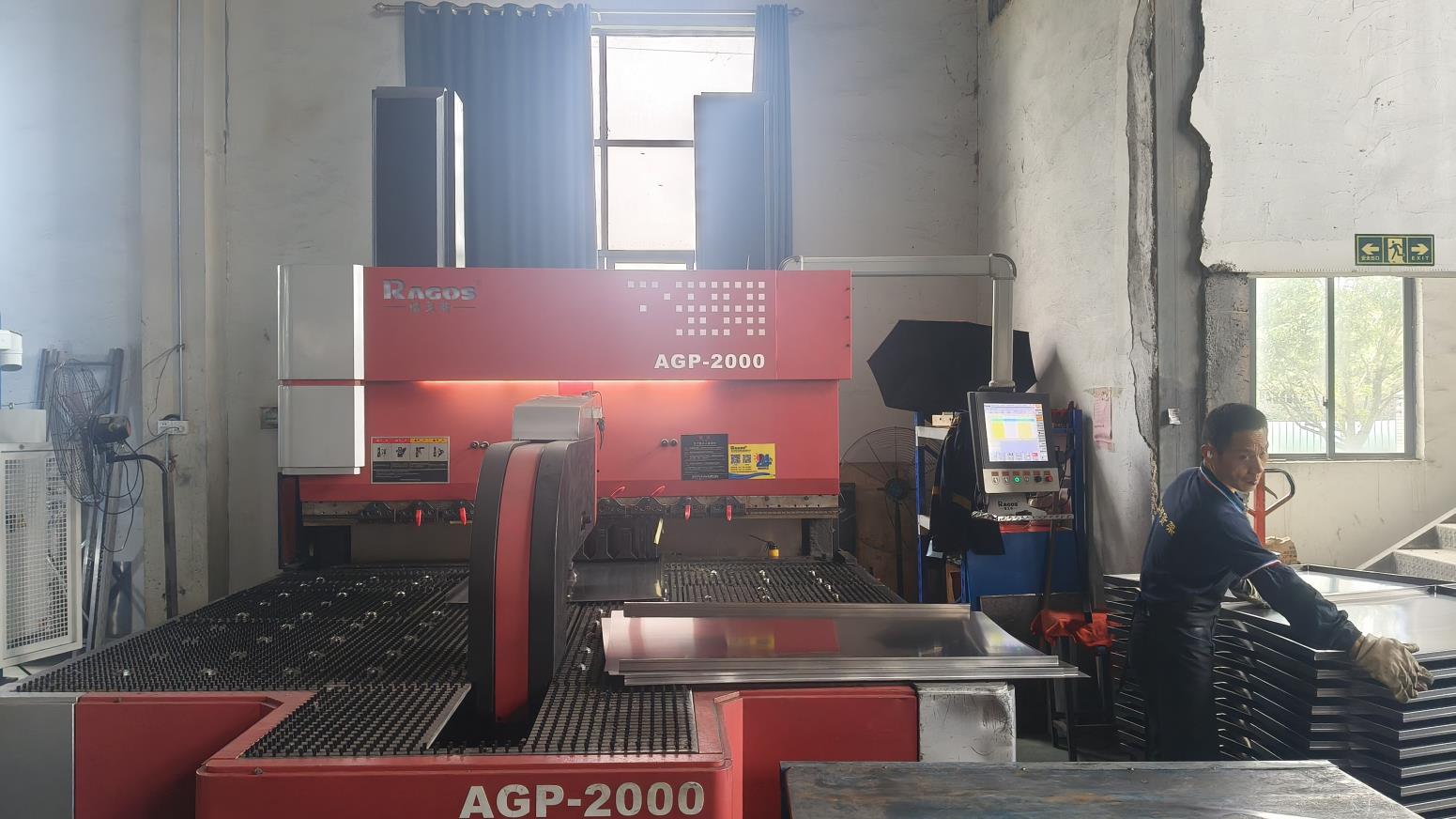
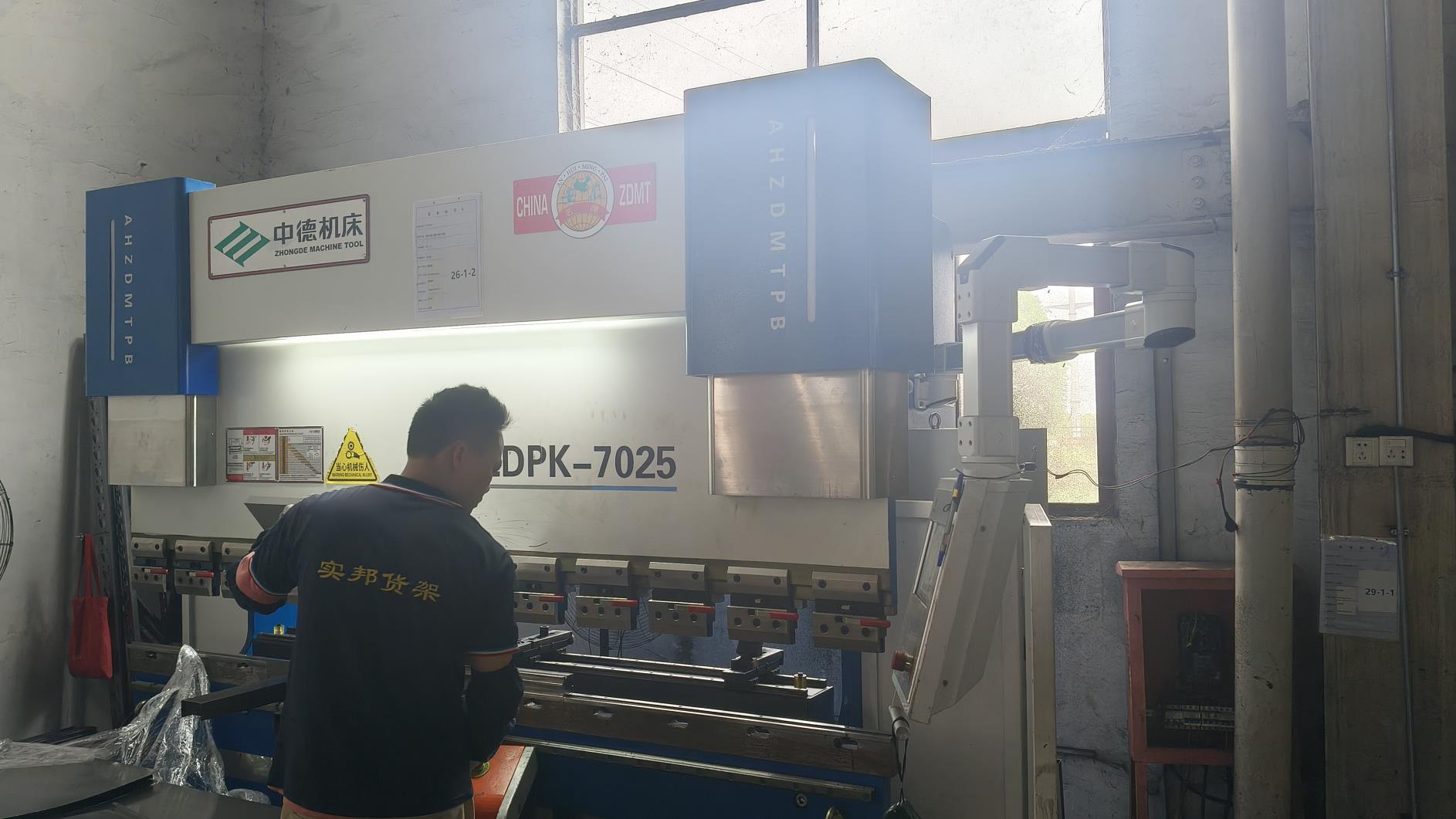
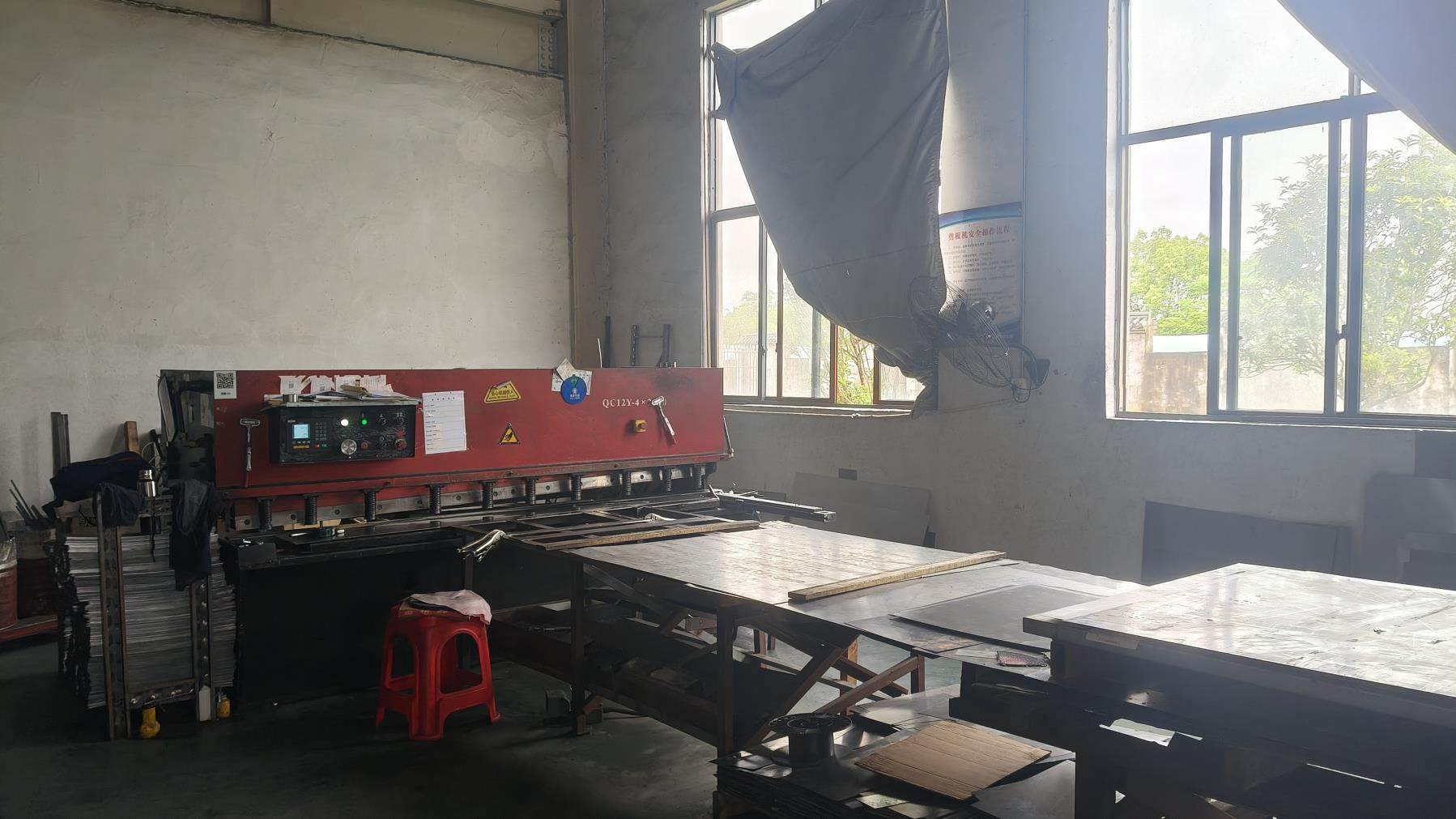
Safety and structural integrity form the bedrock of our business. Backed by a dedicated quality control team of 35 QA/QC inspectors, Shibang enforces strict multi-stage quality assurance checks. We control every phase of manufacturing, from steel sheet intake to final pallet packing, ensuring compliance with global warehouse standards.
Our quality checks include:
This rigorous approach ensures Shibang systems meet recognized design codes, including the European FEM 10.2.02 standard, American RMI guidelines, and Australian AS4084 regulations.
Cold storage facilities run 24/7, consuming high amounts of energy. Our high-density shuttle racking systems and mobile racking bases help compact cold room volumes, cutting refrigeration costs by up to 35%.
Temperature Tolerant: -30°C to +40°CThird-party logistics (3PL) providers require highly flexible, adaptable racking layouts. Our modular, drop-in pallet beams and boltless connectors allow quick height and capacity adjustments without special tools.
Configurable Load ProfilesE-commerce operations process thousands of order lines daily. Integrating carton flow and gravity-fed lanes keeps picking zones organized, boosting warehouse velocity and supporting FIFO inventory rules.
Optimized for Fast Pick OperationsOperating a complex supply network requires localized support and fast turnaround times. Shibang partners with over 850 supply chain vendors to secure reliable access to high-quality raw materials and finish treatments. Our engineering team of 22 structural and mechanical experts is skilled at matching regional structural codes, including specific seismic requirements in high-activity areas like New Zealand, Australia, and Western North America. Over the past year, we introduced 140 new products and optimized structural components, giving our clients access to highly efficient designs.
As warehouse heights exceed 40 meters in modern Automated Storage and Retrieval Systems (ASRS), materials engineering must evolve to handle higher structural stresses. Shibang’s R&D department is focused on three primary areas:
By using micro-alloying elements like niobium and vanadium, we can produce upright profiles with thinner walls that deliver identical yield strength. This structural refinement lowers raw material requirements and reduces the energy footprint of shipping.
We are currently testing bio-derived resins to replace petroleum-based polymer binders in our powder coating processes. This step aims to improve indoor air quality during manufacturing and further reduce carbon emissions.
By embedding smart IoT strain-gauge sensors into critical high-density load beams, we can provide real-time structural health monitoring. These sensors alert operators to overloads or structural damage from forklift collisions, preventing potential warehouse failures.
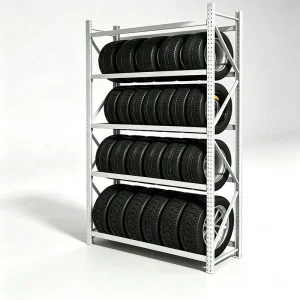
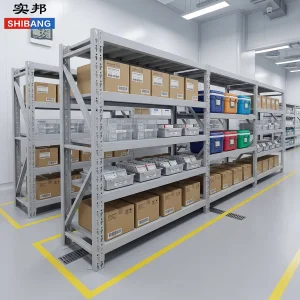
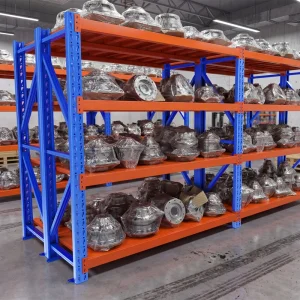
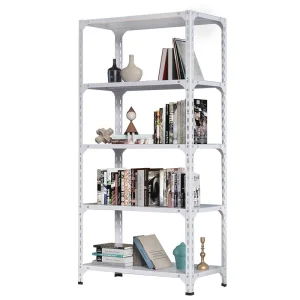
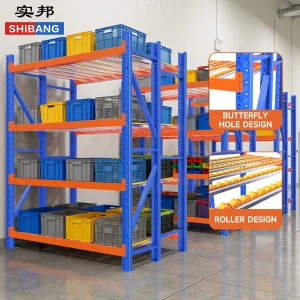
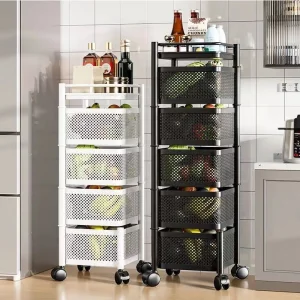
Explore our high-density tire storage, carton flow systems, and medium-duty shelves designed to improve space utilization and workflow efficiency.
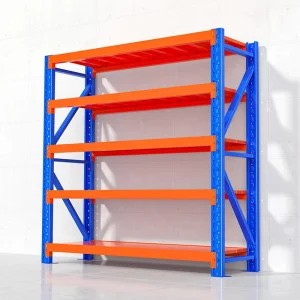
 Shibang Rack