Explore our core collection of heavy-duty, light-duty, and customizable storage racking systems manufactured to rigorous safety standards.
An in-depth analysis of structural engineering, regulatory demands, and supply chain adaptation in industrial logistics.
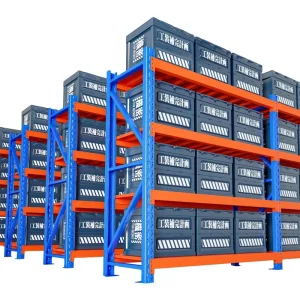
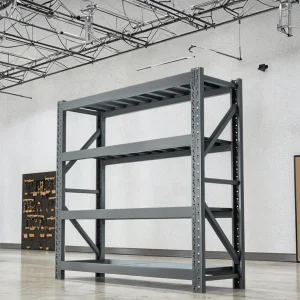
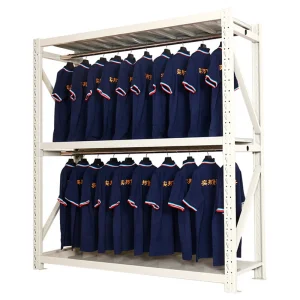
In modern industrial logistics, the concept of a single-purpose warehouse is fading fast. Modern logistics centers, 3PL hubs, and e-commerce distribution networks require versatile storage systems that handle various materials. This shift is the driving force behind the design and adoption of mixed-use racks. Engineered to support everything from heavy pallets to lightweight cartons and specialty hanging textiles, these modular, high-load capacities systems have redefined smart warehousing. The transition from static, single-product shelving to dynamic, mixed-use structural racking allows companies to maximize vertical space while maintaining high structural safety and adaptiveness.
As automation becomes the standard in logistics, storage racks are no longer just passive structures; they are active components of smart warehouses. The integration of Autonomous Mobile Robots (AMRs), Automated Guided Vehicles (AGVs), and automated storage and retrieval systems (AS/RS) requires racking systems to meet extremely tight dimensional tolerances and deflection limits (such as L/200 deflection calculations under full load). Modern manufacturing facilities utilize high-precision structural steel profiling, robotic welding, and finite element analysis (FEA) to ensure that every rack maintains structural safety under dynamic loading, seismic activity, and varied load placements.
Sustainability is another major trend shaping the industrial racking industry. Leading manufacturers are focusing on eco-friendly production methods, from energy-efficient powder coating lines to using recycled high-strength steel. These practices reduce the carbon footprint of warehouse setups and satisfy environmental compliance requirements for international logistics projects. Industrial buyers look beyond structural capacity to verify the eco-credentials of their racking partners, making sustainable manufacturing a key differentiator in global procurement.
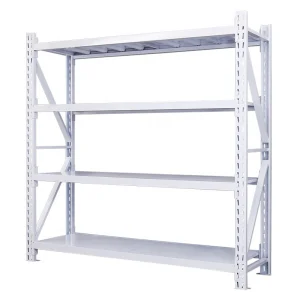
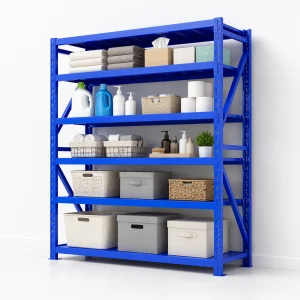
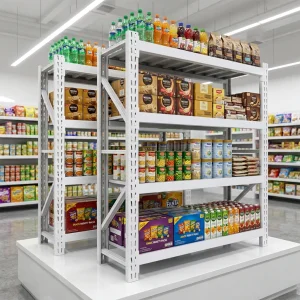
Optimized for rapid customization, our systems combine heavy-duty load characteristics with boltless adjustability to accommodate diverse inventory sizes and profiles.
Full CE certification ensures strict alignment with European standards (EN 15512, EN 15620) and international structural safety codes for long-term operational peace of mind.
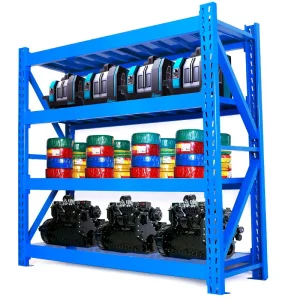
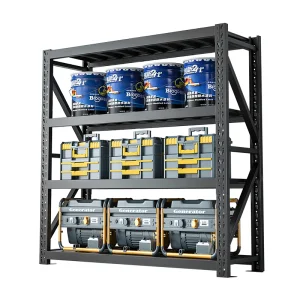
Engineered to support payloads ranging from 150kg up to 1500kg per level, utilizing high-grade cold-rolled steel and advanced seismic weld configurations.
Addressing the critical engineering, quality validation, and supply chain demands of modern international procurement specialists.
For international supply chain managers and project engineers, procuring storage systems involves complex safety and compliance considerations. When sourcing heavy-duty or medium-duty warehousing installations, global buyers prioritize structural safety, certified load limits, and regulatory compliance over purchase price alone. In regions like the European Union and North America, strict occupational health and safety regulations demand that racking systems bear independent certifications. Our CE Certified Mixed-Use Racks meet these standards, giving logistics companies, retailers, and 3PL providers the assurance that their infrastructure is designed to prevent structural failure under load.
A key focus in industrial procurement is supply chain transparency. Sourcing teams look for manufacturing partners with verified quality control systems, from raw material inspection (such as tensile tests on cold-rolled steel coils) to weld inspections and surface finishing tests. Partnering with a manufacturer that has a documented, multi-stage quality assurance protocol reduces project risks. It minimizes the likelihood of delays caused by component failures during installation or site handovers, ensuring that new distribution facilities launch on schedule.
Additionally, modern logistics projects require high design flexibility. Standard, out-of-the-box storage setups rarely fit the complex layout requirements of large warehouses. Global buyers value manufacturers that offer engineering support, including seismic analysis, custom height configurations, tailored beam profiles, and optimized layout plans. This consultative design approach ensures that the final configuration maximizes floor utilization and throughput efficiency, while maintaining full safety compliance.
Combining over a decade of structural engineering expertise with global reach and supply chain resilience.
Established in 2016, Ningbo Shibang Storage Rack Co., Ltd. is a leading enterprise specializing in the design, manufacture, and global distribution of heavy-duty industrial warehouse racking systems. Spanning a modern manufacturing facility of 32,000 m², our company has accumulated 12 years of industry experience and 8 years of direct export expertise, serving global clients with total annual export revenue reaching $18 million.
Quality and structural integrity are at the core of our manufacturing philosophy. Backed by a dedicated quality control team of 35 QA/QC inspectors, we implement rigorous multi-stage quality assurance processes, including Ultrasonic Testing (UT) for weld seams, load-bearing stress analysis, coating thickness verification, and raw material tensile testing.
Operating with a robust international trade setup, our primary markets cover North America, Western Europe, Southeast Asia, and Australia. To maintain efficient production cycles and reliable raw material supply, we partner with over 850 supply chain vendors. Our diverse client portfolio spans 3PL logistics providers, automated distribution centers, retail mega-warehouses, and heavy manufacturing facilities.
Innovation drives our growth. Our in-house R&D department boasts 22 experienced structural and mechanical engineers. Through strong technical capability and advanced OEM/ODM versatility, we offer extensive customization options, including tailored load capacities, custom powder-coating colors, seismically engineered beam profiles, and modular height configurations. Demonstrating our commitment to evolving market needs, we launched 140 new products and optimized structural components over the past year alone.
An integrated overview of our automated fabrication processes, machinery, and strict manufacturing standards.
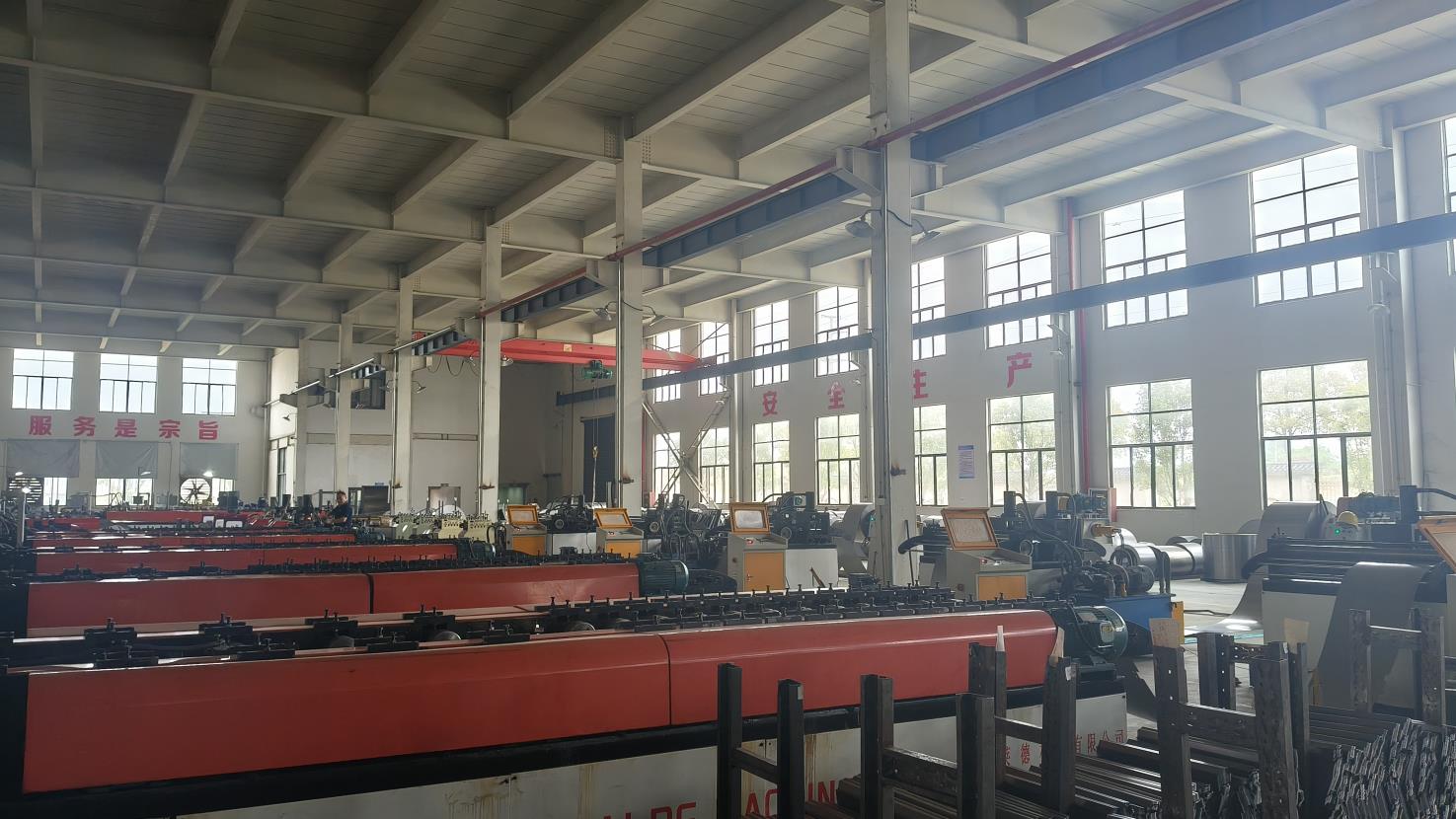
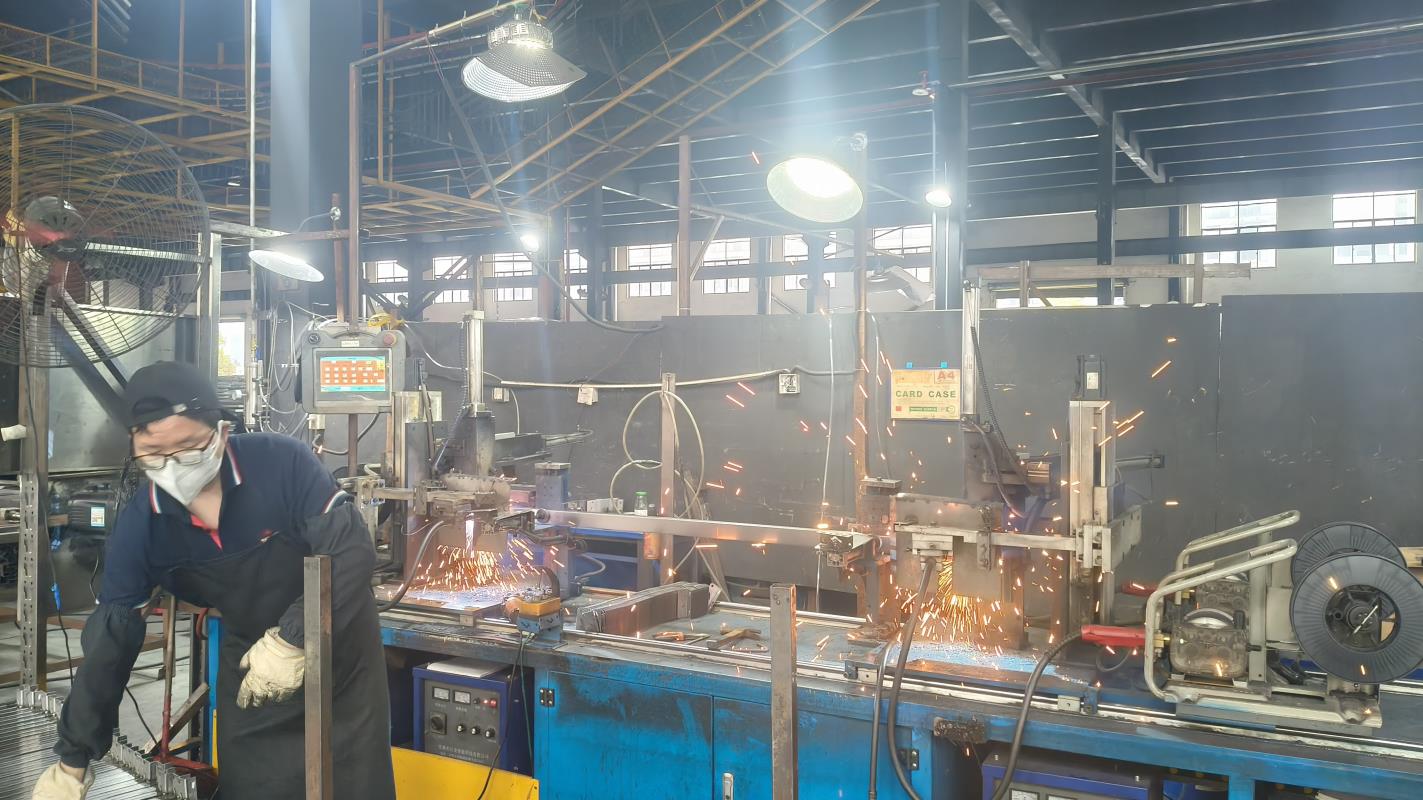
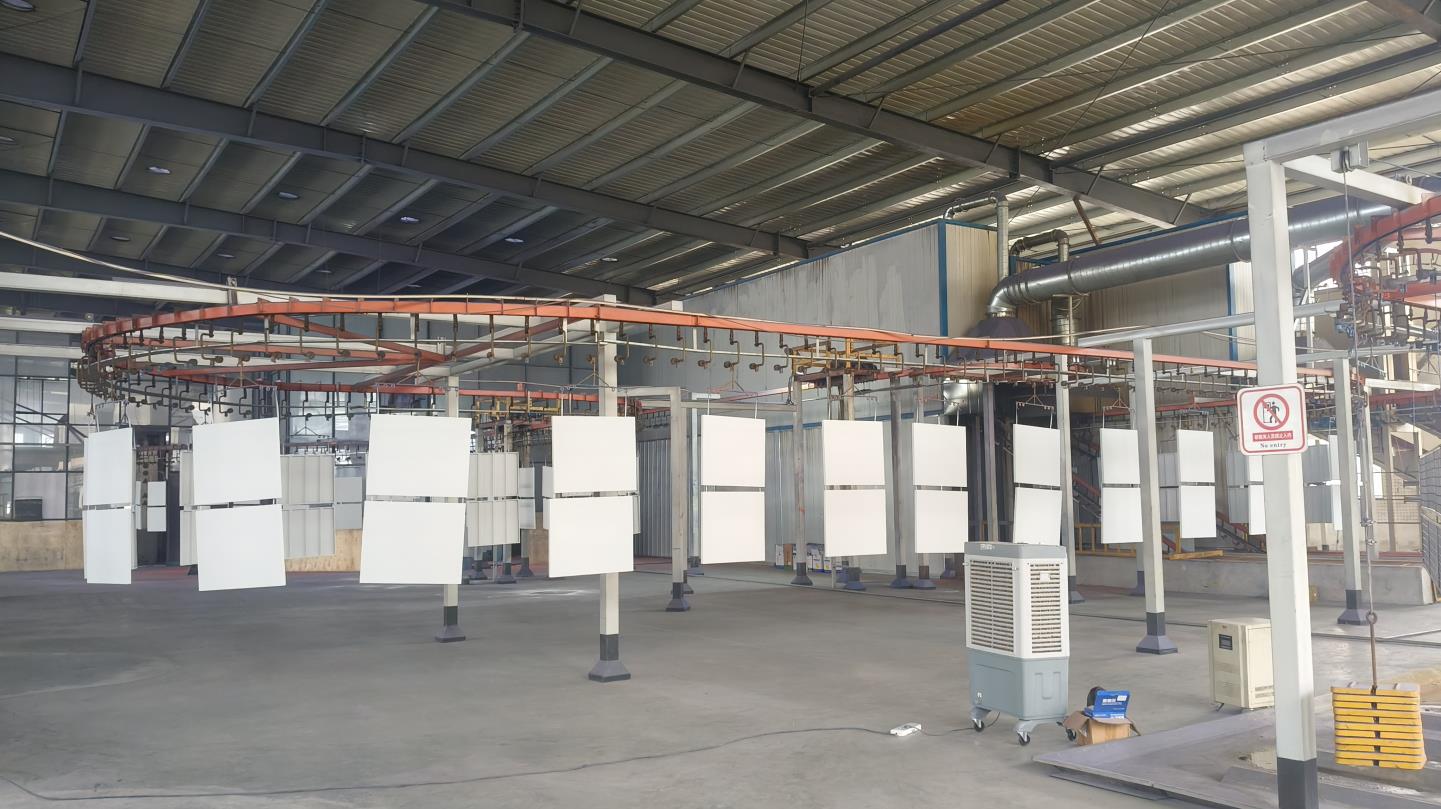
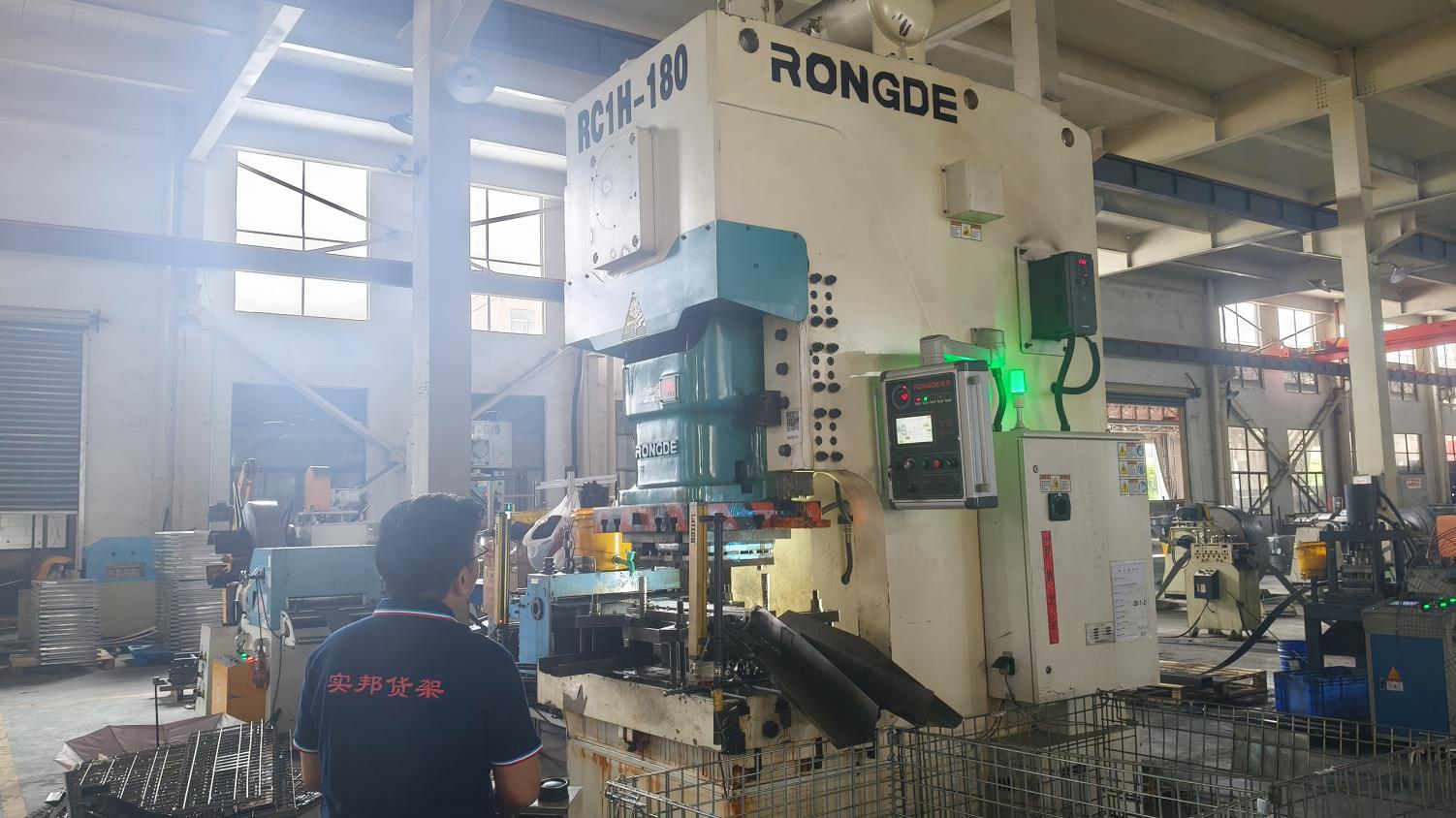
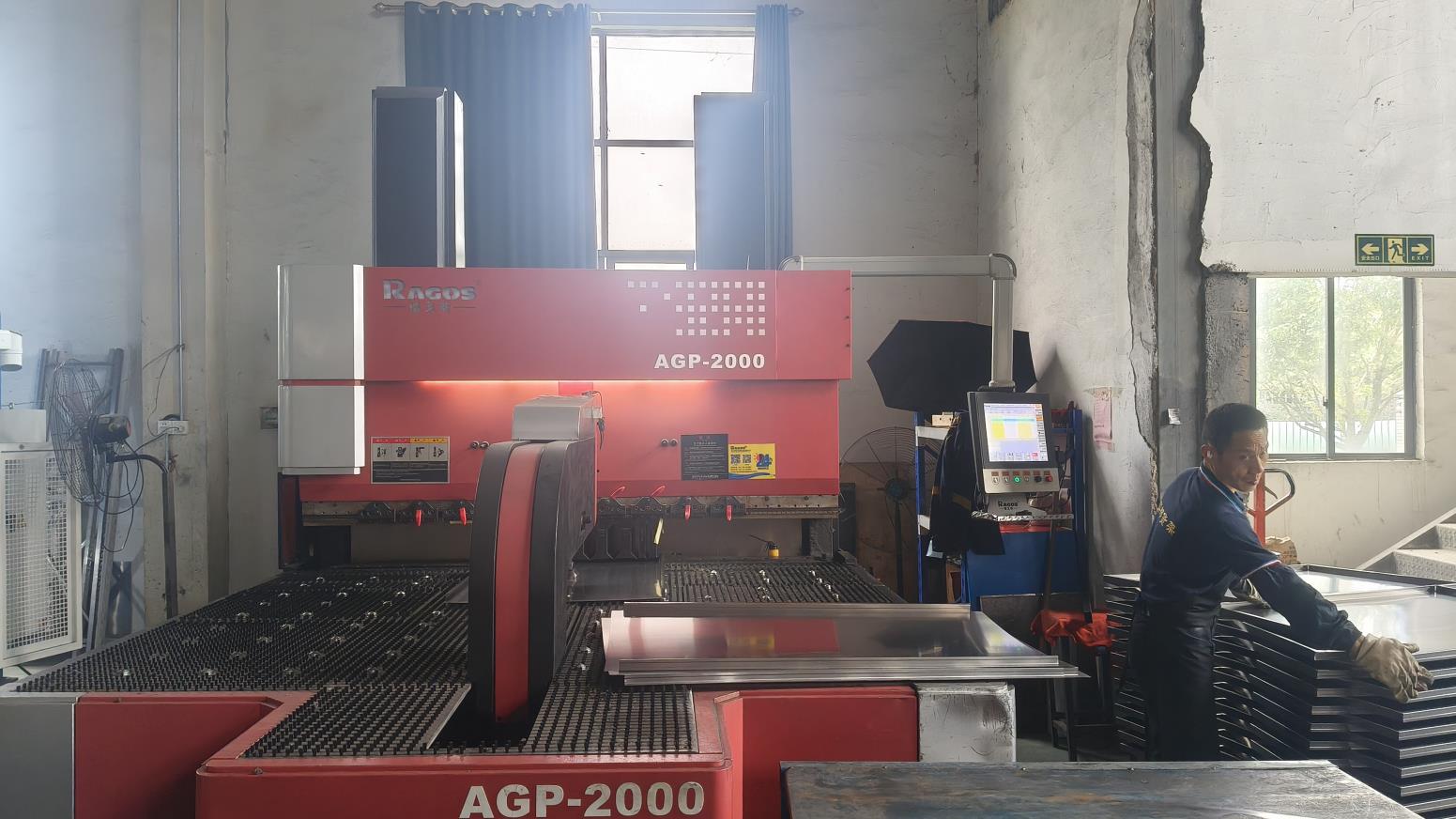
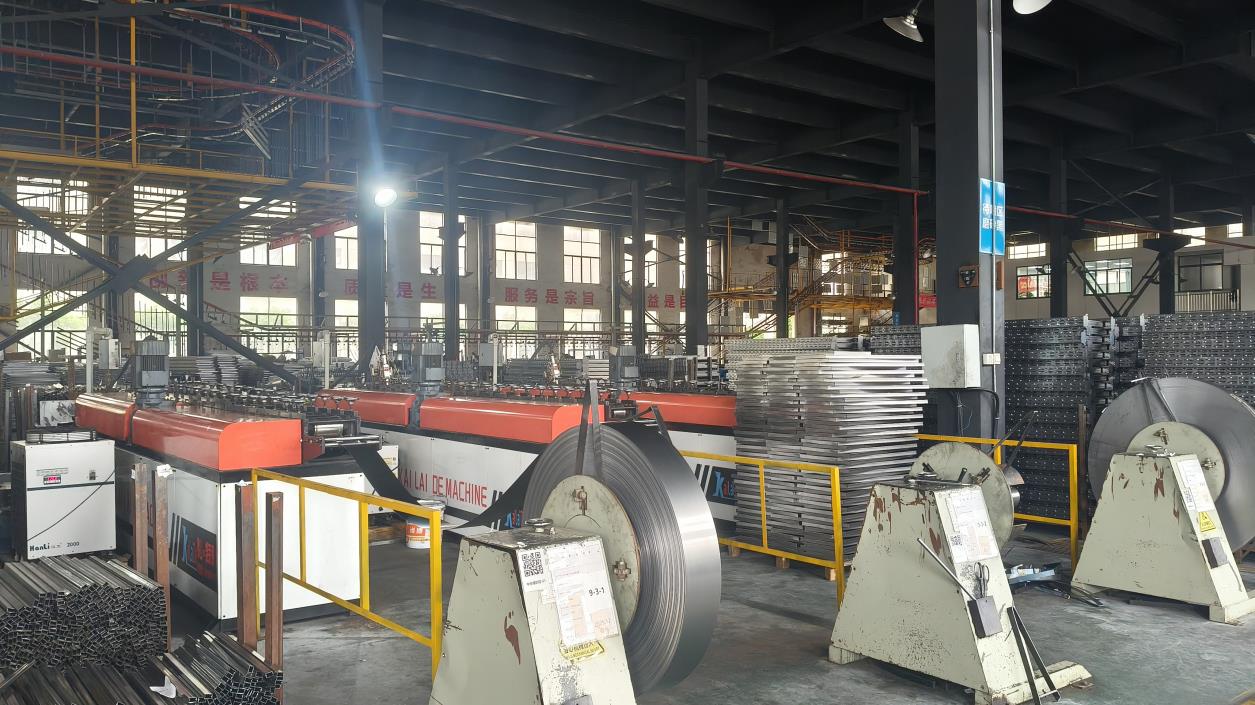
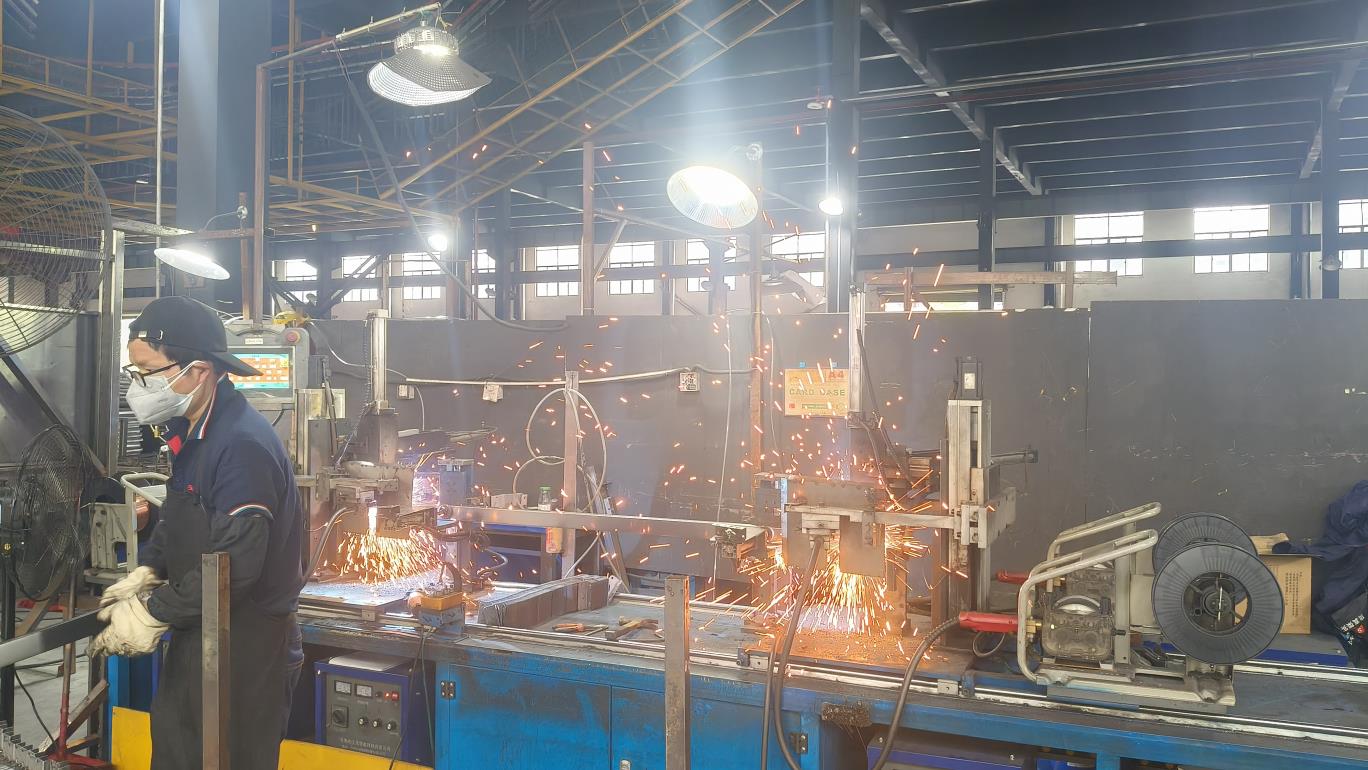
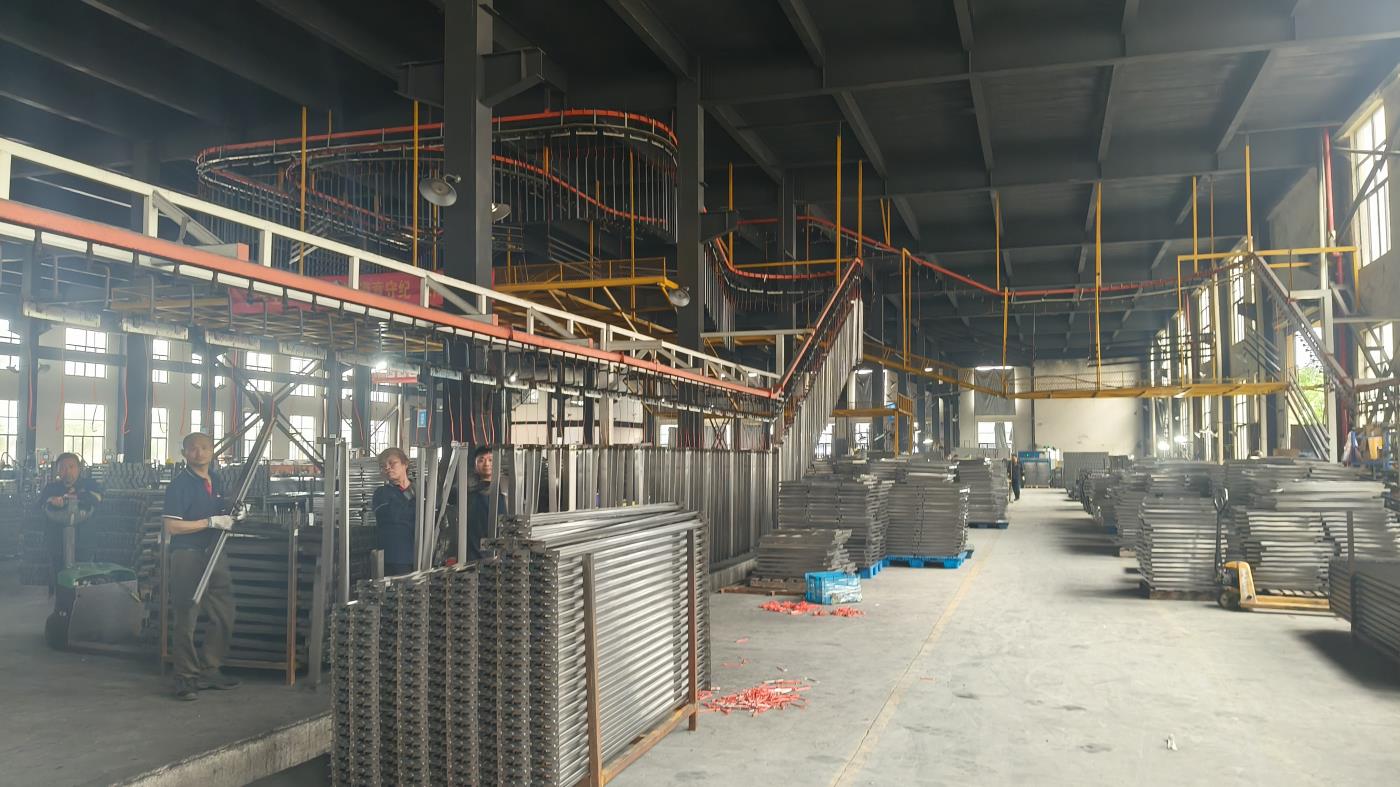
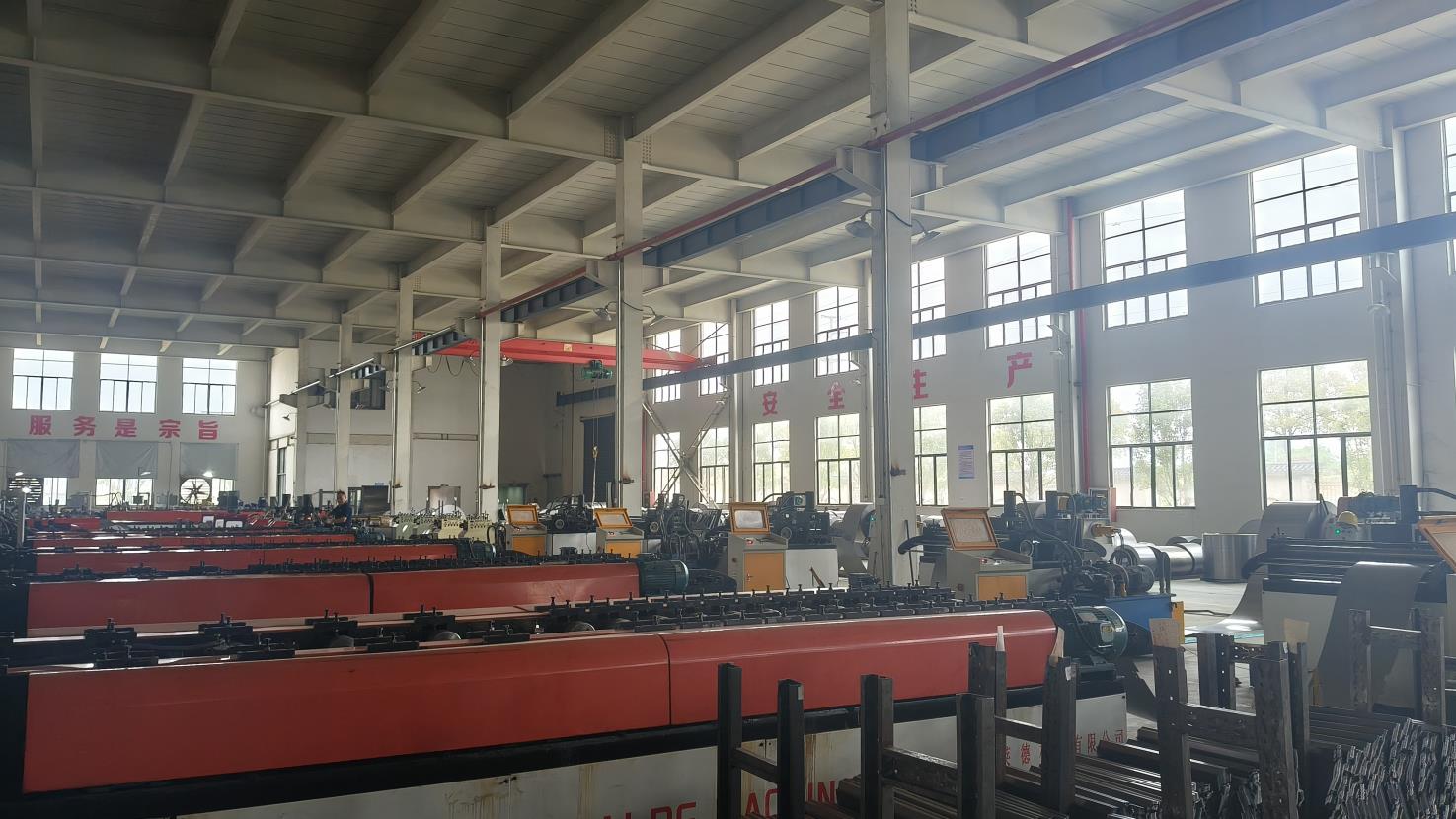
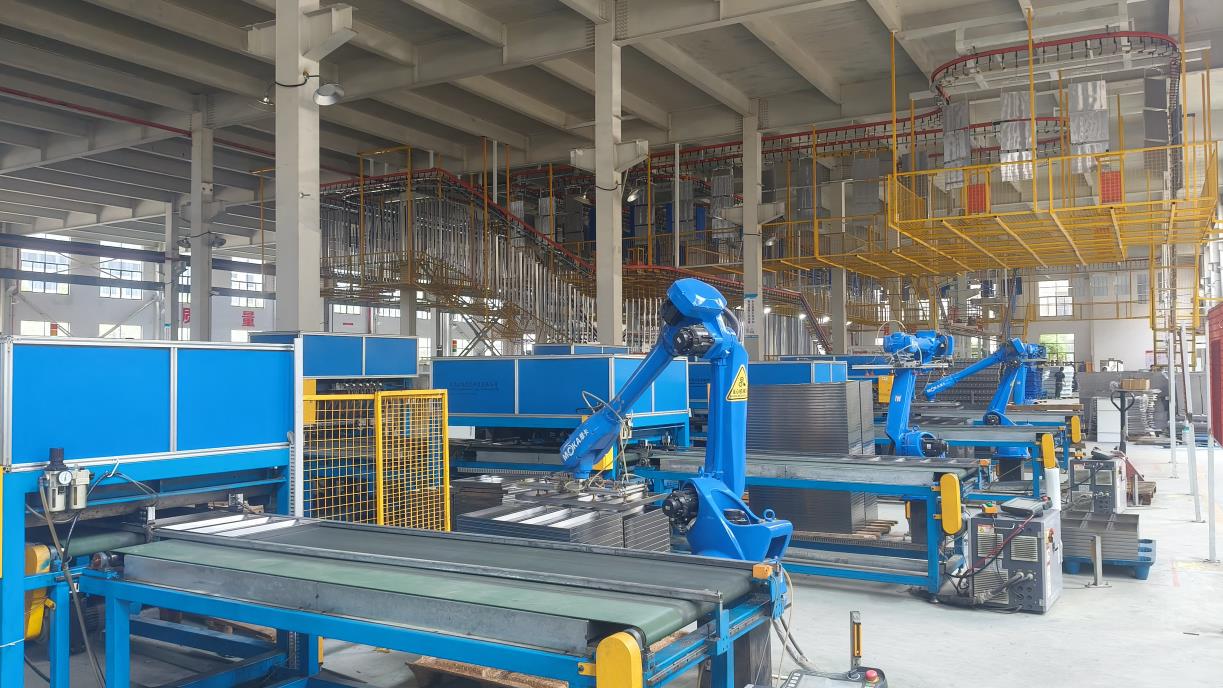
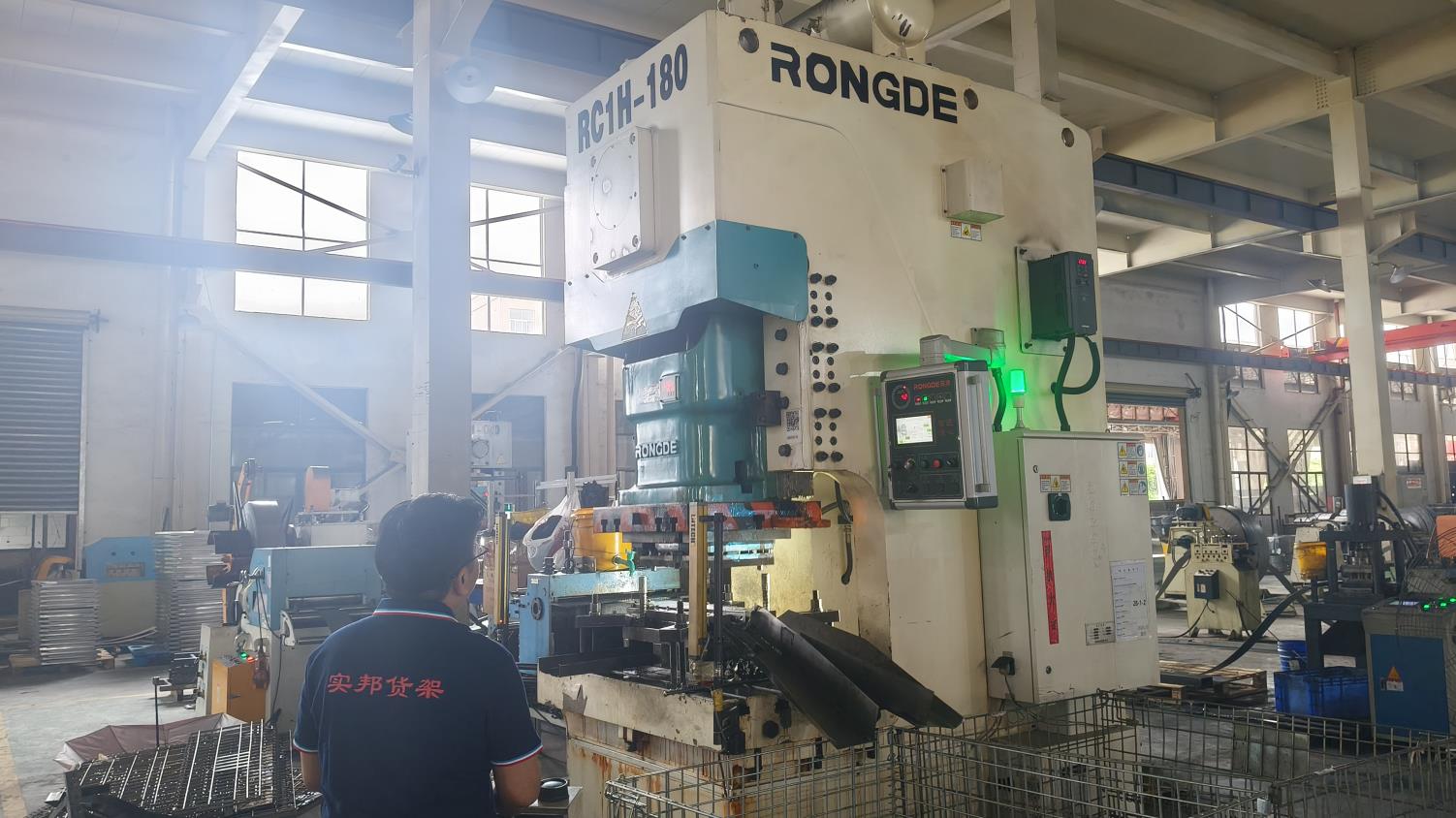
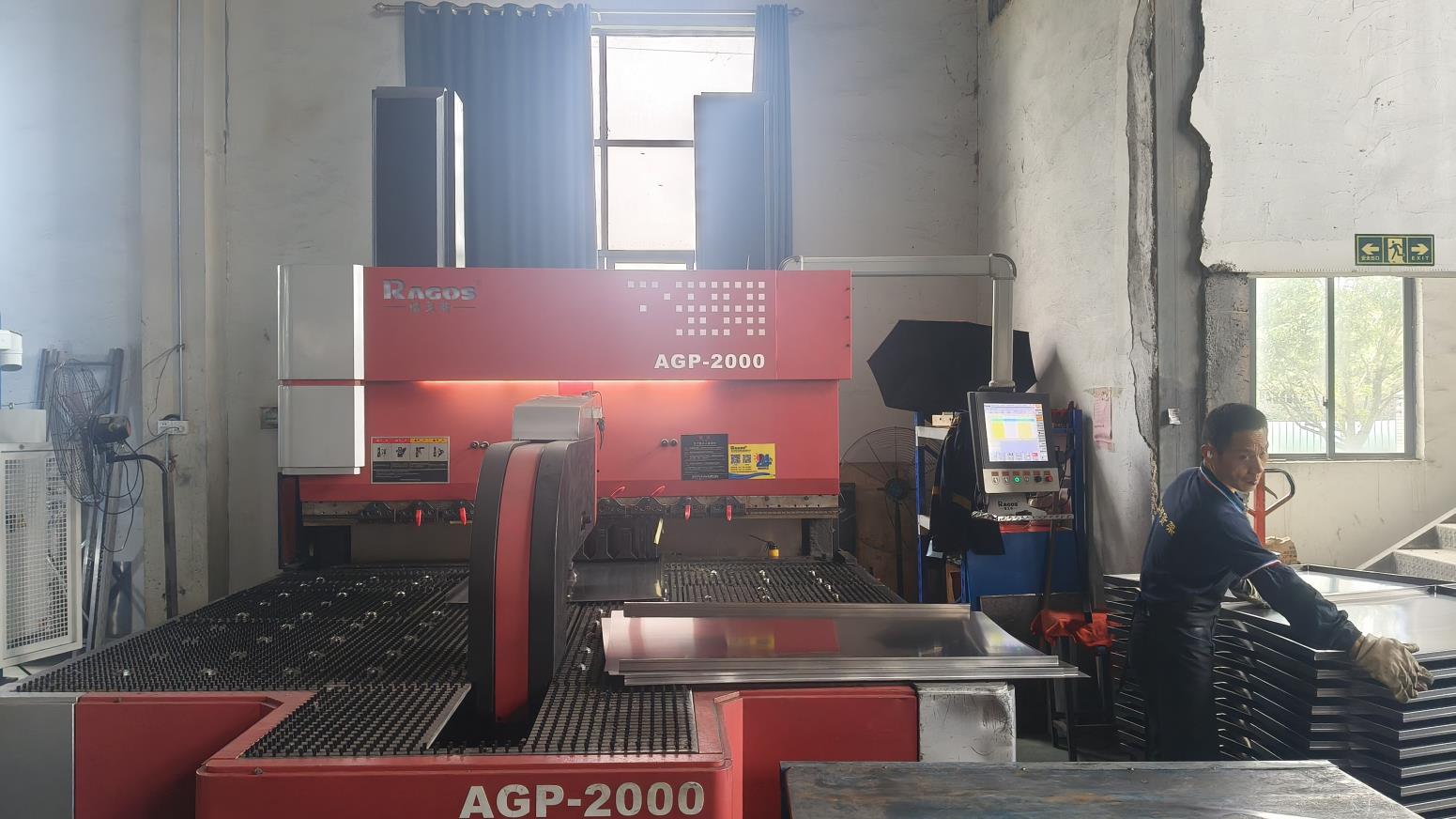
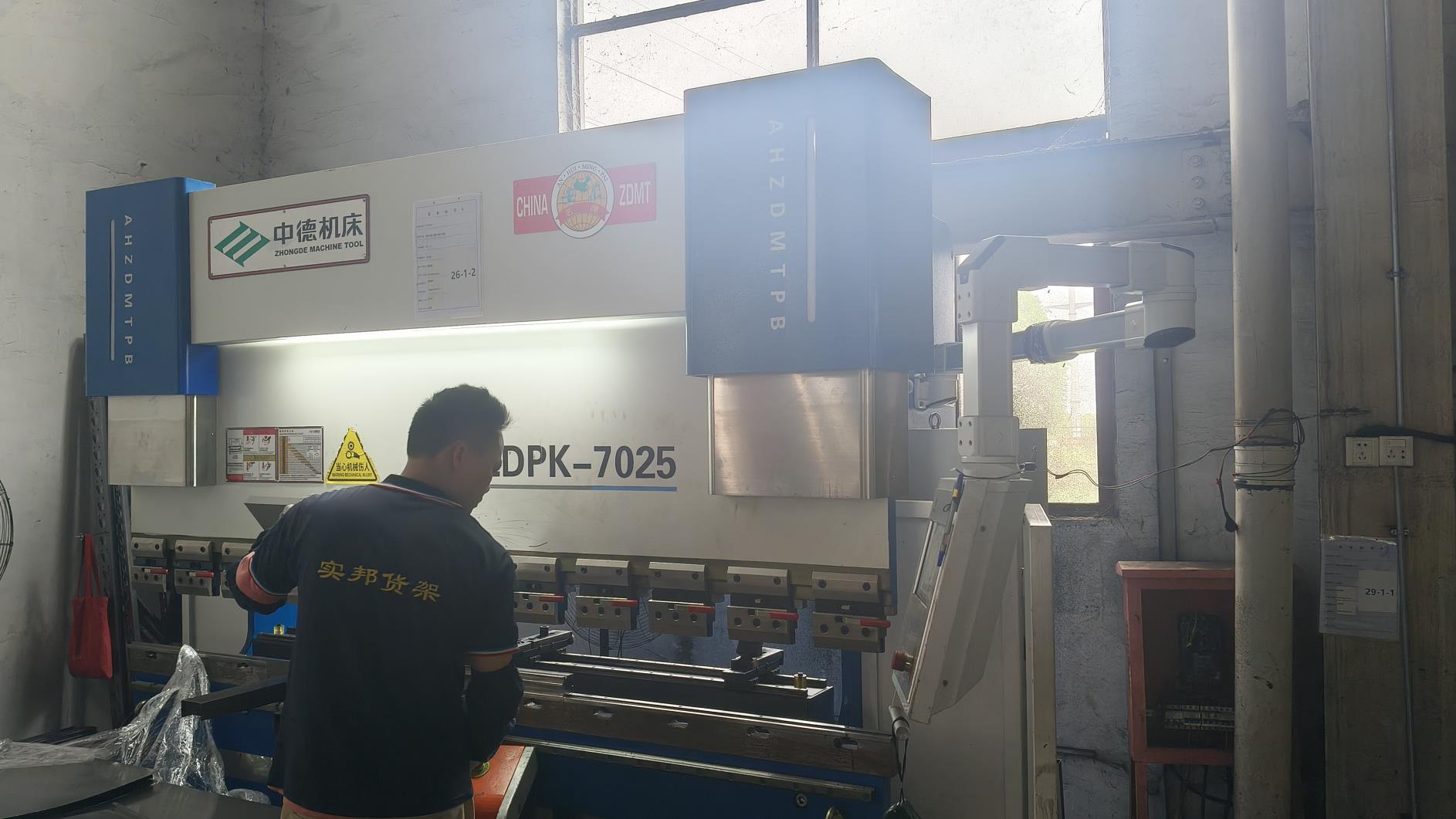
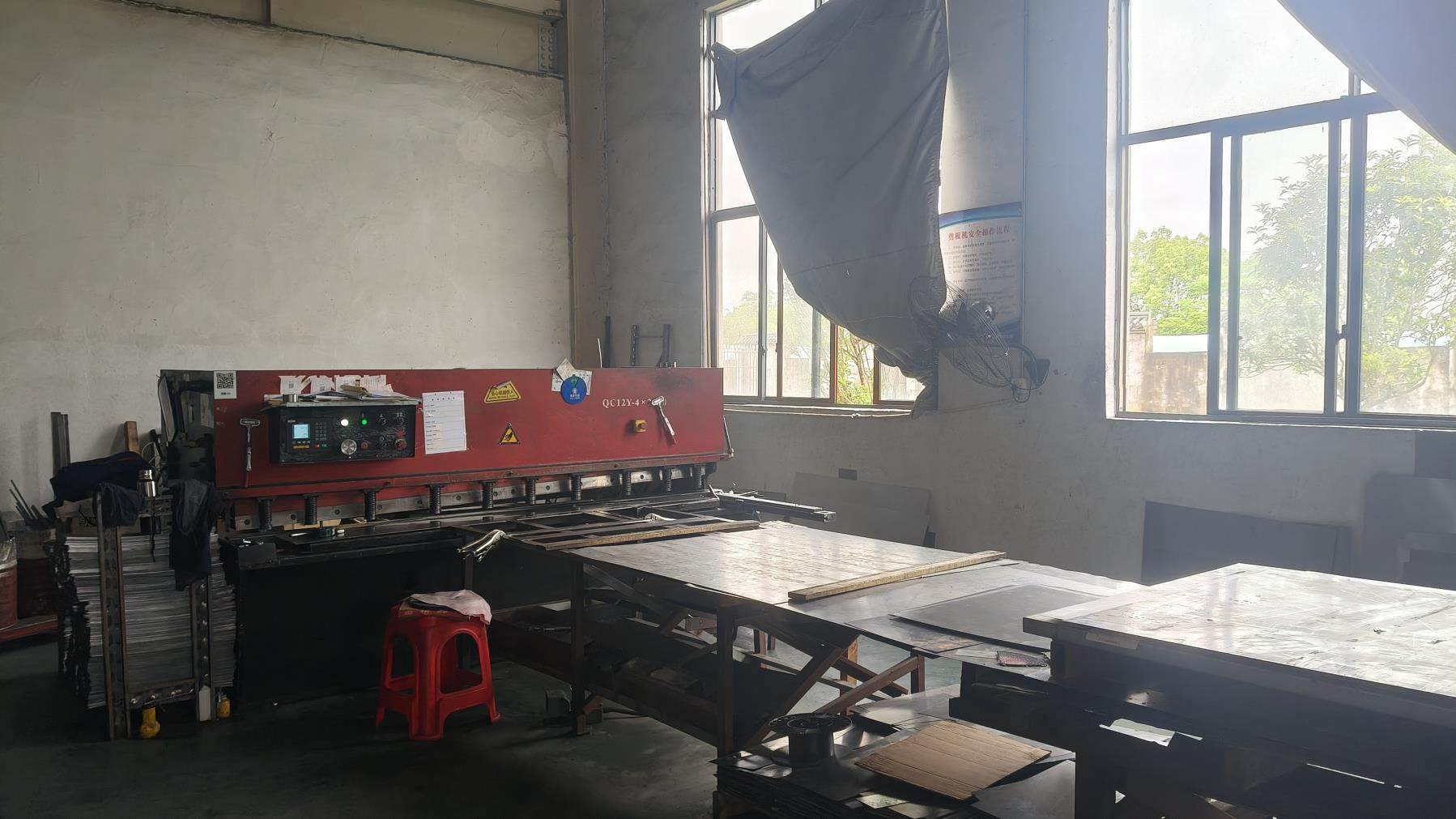
At Ningbo Shibang, we implement China Factory 4.0 principles to balance speed, precision, and cost-efficiency. Our manufacturing floor features automated roll-forming lines, CNC sheet metal punching stations, robotic arm welding, and automated powder coating systems. By automating critical fabrication steps, we reduce human error, maintain tight dimensional tolerances, and ensure consistent weld quality across large-volume production runs.
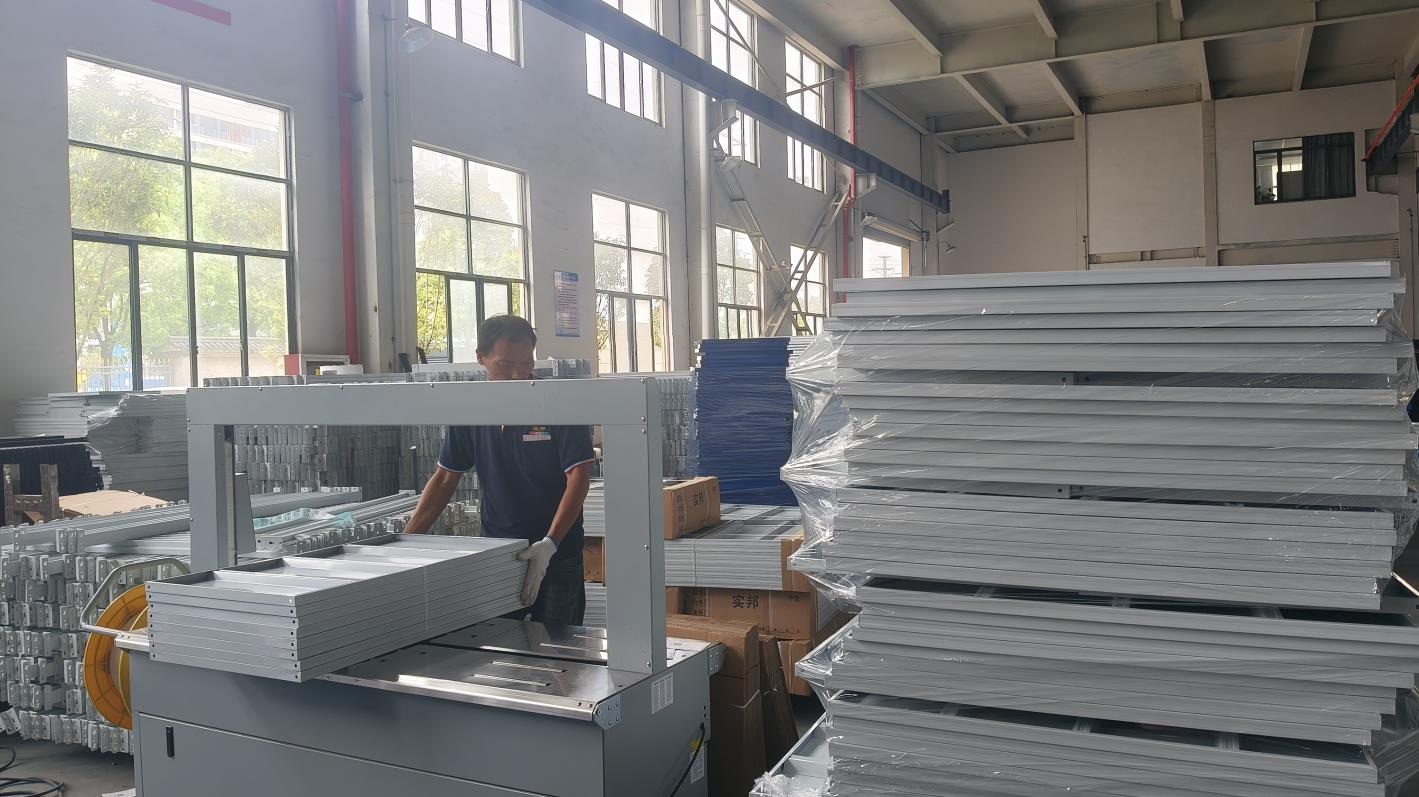
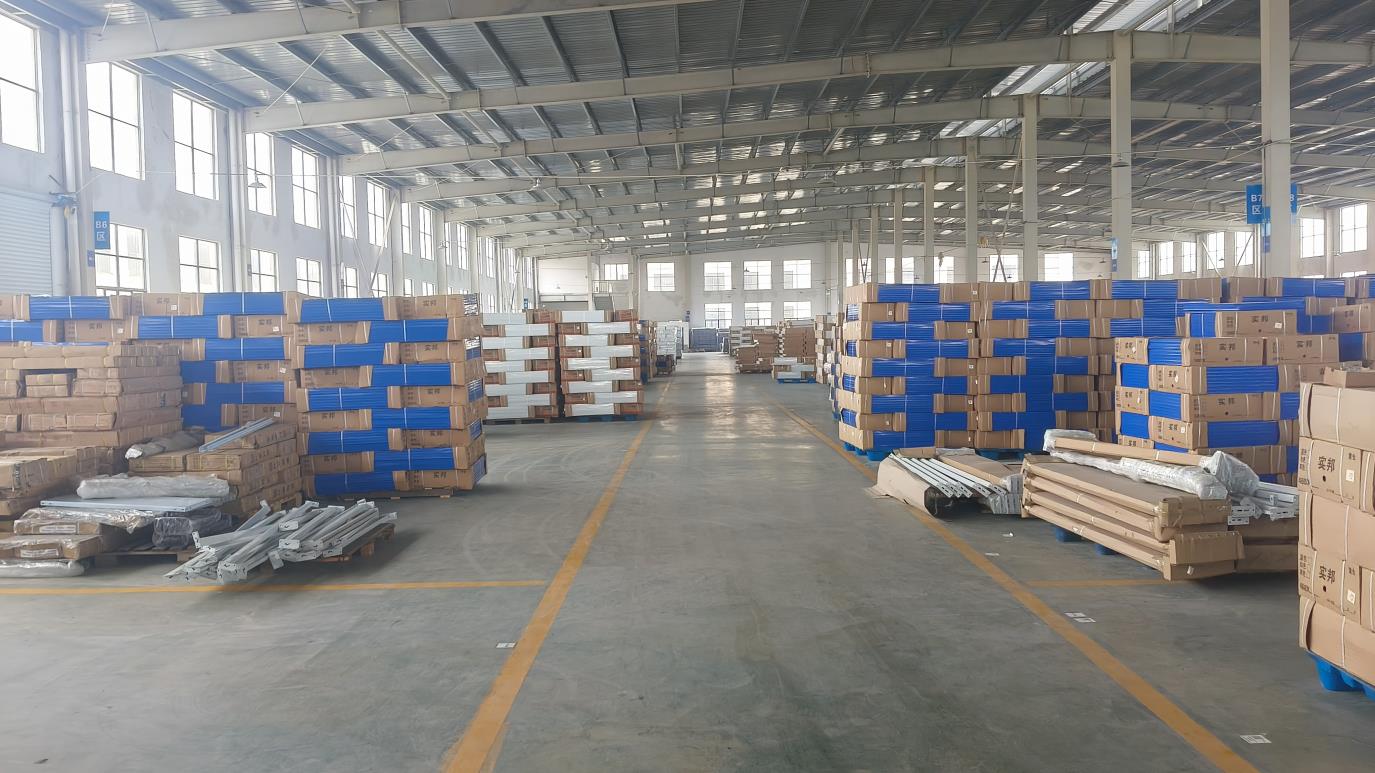
Our supply chain integration helps mitigate the risks of price fluctuations and material shortages. We maintain partnerships with over 850 vetted vendors, ensuring a steady supply of certified structural steel. This resilience allows us to deliver high-volume orders on schedule, even during global supply chain disruptions. Below is the visual breakdown of our state-of-the-art production workflow and machinery:
How our modular storage racking systems solve high-density storage challenges across diverse industries.
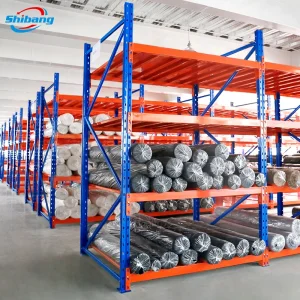
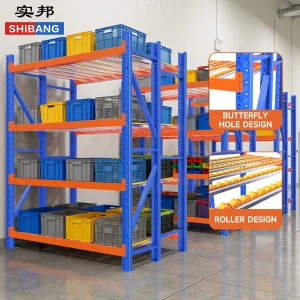
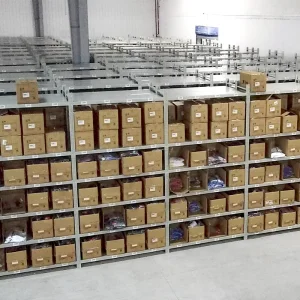
Our mixed-use racks are deployed in a wide range of operational settings globally. In 3PL hubs, these systems configure dynamically to handle standard euro-pallets on lower levels, while utilizing intermediate levels for manual carton-picking operations. This versatility increases floor space utilization by up to 35% compared to traditional, single-purpose pallet racking layouts.
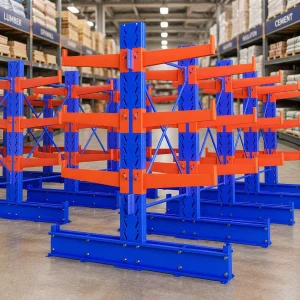
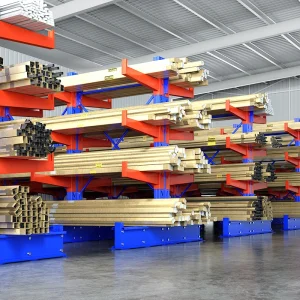
In heavy manufacturing facilities, single or double-sided cantilever racks store long, heavy components like structural steel beams and piping. Our cantilever profiles feature high structural yield strengths and are finished with corrosion-resistant finishes, making them suitable for challenging indoor and outdoor environments. In retail, these systems provide dense backroom storage, ensuring safe inventory handling and fast stock replenishment.
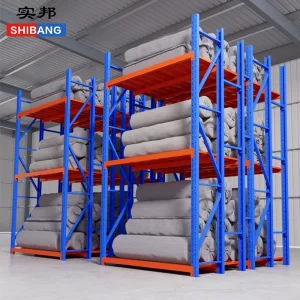
For specialized logistics like textile warehousing, we manufacture stackable and demountable fabric roll racks. These units support rolls of material without causing damage or fabric indentation. They are designed for easy breakdown when empty, freeing up floor space for other tasks and helping managers optimize their warehouse layout dynamically.
Direct answers to technical queries from warehouse safety officers, engineers, and purchasing professionals.
We manufacture our racking systems using high-strength cold-rolled steel, primarily Q235B and Q355B grades, which provide excellent yield strength and weldability. Our structural engineers design systems with a safety factor of 1.5 to 1.65, adhering strictly to EN 15512 codes and FEM standards, ensuring stability under rated loads.
Our quality control team of 35 inspectors manages a multi-stage validation process. This includes raw material tensile tests, ultrasonic testing (UT) of weld seams to check for internal defects, load-bearing stress tests, and powder coating thickness tests to confirm long-term corrosion protection.
Our 22 structural and mechanical engineers design custom racking solutions for seismically active regions. This includes optimizing baseplate dimensions, adding diagonal and horizontal bracing, and using high-tensile anchor bolts to comply with local seismic engineering codes in Australia, North America, and Western Europe.
Yes. We manufacture our racks with tight dimensional tolerances (conforming to EN 15620 class 300 and 400 requirements), making them suitable for use with automated storage cranes, AMRs, and standard material handling machinery.
Engineered for extreme load-bearing requirements, corrosion resistance, and specific industrial inventory configurations.
 Shibang Rack