The demand for efficient Shelving Systems continues to rise as industries evolve. In 2026, businesses must consider how these systems impact productivity and organization. According to expert Marie Thompson, a leading authority in warehouse management, "The right shelving can transform a cluttered space into an efficient workflow."
Designing effective Shelving Systems involves understanding specific needs. Companies must evaluate space, load capacity, and accessibility. Inappropriate choices can lead to inefficiencies, wasted space, and even safety hazards. It’s essential to think beyond aesthetics and focus on functionality.
While advancements in shelving technology are promising, reflecting on past mistakes is also crucial. Many organizations previously underestimated the importance of adaptable systems. As we move into 2026, learning from these experiences will be vital for choosing the right Shelving Systems that truly enhance operations.
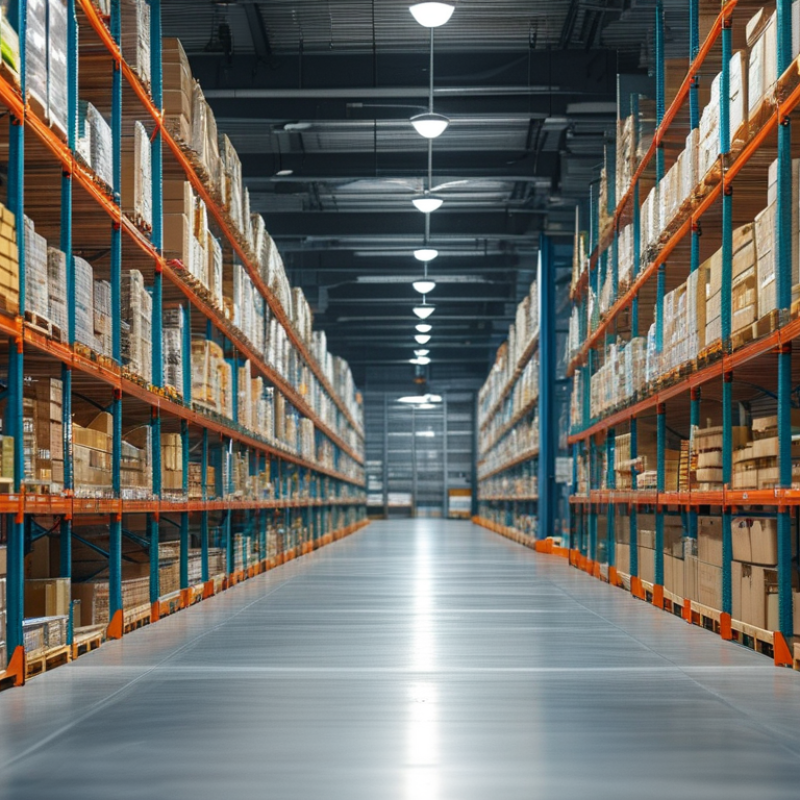
When choosing shelving systems for 2026, several key factors emerge. First, consider the material. Steel, wood, and plastic each have unique properties and sustainability profiles. A report from Technavio indicates that the global shelving market is projected to grow by 4% annually through 2026. This growth emphasizes the importance of durability and environmental impact in materials.
The design and configuration of shelving are also crucial. Adjustable shelving systems offer flexibility for changing needs. According to a study by Statista, 65% of consumers value adaptability highly in shelving solutions. This adaptability can impact space efficiency and overall user satisfaction. Visual appeal cannot be overlooked. Aesthetic design influences consumer choice, especially in retail environments.
It’s vital to evaluate the weight capacity of your chosen shelving. Not all systems can support heavy items or bulk inventory. For example, many warehouse shelving units are rated for over 1,000 pounds but may require additional safety features. Balancing robust construction with safety measures is essential. Ultimately, considering these aspects will guide you to a shelving solution that meets both current demands and future growth opportunities.
When selecting shelving systems, understanding the types available is crucial. Metal shelving is often favored for its durability and weight capacity. It can handle heavy loads, making it ideal for industrial settings. However, it may be prone to rust if not properly treated.
Wooden shelving offers a warm aesthetic and is suitable for display purposes. Many retailers use it for showcasing products. Despite its appeal, wood can be susceptible to warping and damage from moisture. The choice between metal and wood often boils down to specific use cases and environmental factors.
Plastic shelving systems are lightweight and often resistant to corrosion. In environments like laboratories, they provide versatility. Yet, their load capacity may be lower compared to metal. According to a recent industry report, 30% of businesses reported challenges with improper shelving systems leading to inefficiencies. Evaluating your needs thoughtfully can enhance functionality and efficiency.
In 2026, shelving solutions will evolve significantly. Designers are prioritizing sustainability and functionality. Popular materials will include bamboo and recycled metals. These choices not only enhance aesthetics but also reduce environmental impact. Many homeowners are leaning towards open shelving. This trend promotes a minimalist feel in kitchens and living spaces.
Color and texture will also play a key role. Warm wood tones and matte finishes are gaining traction. These options create a cozy and inviting atmosphere. On the other hand, the challenge of wear and tear still exists. It’s crucial to choose materials that can withstand daily use while maintaining their attractive looks.
Customization is becoming essential for modern shelving systems. Consumers want solutions that fit their unique spaces. This flexibility can sometimes create confusion. Too many choices may lead to decision fatigue. Striking a balance between style and functionality is more important than ever. Thoughtful design will remain a defining factor in successful shelving solutions.
| Material | Design Trend | Load Capacity (lbs) | Sustainability Rating | Use Case |
|---|---|---|---|---|
| Steel | Industrial | 800 | High | Warehouse Storage |
| Wood | Minimalist | 400 | Medium | Home Decoration |
| Plastic | Bespoke | 200 | High | Office Use |
| Glass | Elegant | 300 | Low | Retail Displays |
| Composite | Modern | 600 | Medium | Library Shelving |
When it comes to maximizing space efficiency, especially in small areas, innovative shelving solutions can be a game changer. According to a report from the National Association of Professional Organizers, efficient storage can help increase usable space by up to 30%. In modern homes and offices, where every square foot counts, optimized shelving systems are essential. Consider vertical shelving that utilizes wall space effectively. Floating shelves and modular units can adapt to various spaces and accommodate different items.
Using multi-functional shelving can also serve dual purposes. For instance, a shelf that divides a room and provides storage can enhance both functionality and aesthetic appeal. Smart designs often include integrated lighting or built-in bins that keep items organized. Unfortunately, many overlook the potential of under-utilized corners. Corner shelves can free up floor space while providing additional storage.
When choosing shelving, it's vital to assess weight limits and material quality. A sturdy construct is crucial, especially for heavier items. On that note, it's beneficial to measure available space and the items needing storage. Adjusting shelving heights based on needs ensures optimal usage. Beyond utility, aesthetics matter; choose materials and colors that harmonize with the overall design. Emphasizing both function and style leads to a more satisfying solution.
As we look ahead to 2026, sustainability in shelving system production becomes crucial. The demand for eco-friendly materials is rising. Consumers are increasingly aware of how their purchases impact the environment. Many companies now prioritize recyclable and biodegradable materials in their designs. This shift reflects a broader commitment to sustainability across industries.
When evaluating shelving systems, consider the lifecycle of the materials. Are they sourced from renewable resources? Additionally, manufacturing processes should minimize waste and energy consumption. Transparency in sourcing is vital. Look for brands that disclose their production practices openly. Sometimes, claims of sustainability can be vague or misleading, so discerning the genuine efforts from mere marketing is essential.
Another factor is the longevity of shelving systems. Durable products can reduce the need for frequent replacements, which often leads to waste. Assess how the shelving will fit your space and needs over time. While trends may change, a timeless design paired with sustainable production offers long-term value. The focus shouldn't solely be on aesthetics but also on how these systems adapt over the years.
: Common materials include steel, wood, and plastic. Each has unique properties and sustainability profiles.
Adjustable shelving offers flexibility for changing needs. 65% of consumers highly value adaptability in shelving solutions.
Aesthetic design influences consumer choice, especially in retail settings. Visual appeal is key for attracting customers.
Not all shelving can handle heavy items. Warehouse units may support over 1,000 pounds but need safety features.
Metal shelving is durable and holds heavy loads well. It’s ideal for industrial settings, but rust can be an issue.
Wooden shelving offers a warm look, suitable for displays. However, it can warp and suffer from moisture damage.
Yes, plastic shelving is lightweight and corrosion-resistant. However, it may have a lower load capacity than metal options.
About 30% of businesses report challenges with mismatched shelving. This can lead to wasted space and reduced functionality.
Yes, in retail, visual appeal can determine customer attraction. It influences both choice and overall satisfaction.
Consider your environment and needs carefully. This reflection can enhance the effectiveness of your shelving solutions.
The article "Top Shelving Systems for 2026: What to Consider?" provides a comprehensive guide to selecting shelving systems tailored for various needs. It outlines key factors such as space constraints, weight capacity, and personal style that should influence purchasing decisions. Additionally, the article discusses the pros and cons of different types of shelving systems, helping readers determine the most suitable option for their specific use case.
In 2026, trends in material and design are expected to lean towards eco-friendly and adaptable shelving solutions. Innovations aimed at maximizing space efficiency, especially for smaller areas, will be highlighted. Furthermore, the article emphasizes the importance of sustainability in shelving system production, urging consumers to look for environmentally responsible practices when making their choices. This holistic approach ensures that buyers are well-informed and equipped to make the best decision for their shelving needs.

Shibang Rack