Top 10 Narrow Aisle Storage Systems for Warehouses

Time:2026-09-29 Author:Aria
0%

A warehouse aisle can look spacious on a plan and feel cramped when a reach truck turns between loaded pallets. Narrow Aisle Storage aims to use floor space more efficiently while keeping inventory accessible. The right system depends on more than aisle width. Product dimensions, pallet weight, order frequency, lift-truck reach, and floor conditions all shape the choice.

Warehouse researcher John J. Bartholdi III’s work on warehouse operations offers a useful lens: measure how goods move, not just how much space racks occupy. A practical guiding line for this comparison is: “A storage system works only when its layout supports safe, repeatable movement.” This is an editorial principle, not a quotation attributed to Bartholdi.

The top 10 systems in this guide range from selective narrow-aisle racks to high-density options such as drive-in and push-back storage. Each makes different trade-offs. Some provide direct access to every pallet; others gain capacity but limit selectivity. Aisle width alone cannot settle the decision.

Consider a busy picking zone with mixed cartons, uneven replenishment, and a reach truck operating near its turning limit. On paper, a denser layout may seem ideal. In daily use, blocked access or slower handling can erase those gains. That possibility deserves attention.

This guide compares capacity, accessibility, equipment needs, and operational fit. Use it as a starting point, then verify measurements and traffic patterns with qualified warehouse-design professionals. The best choice is rarely the one with the most rack positions. It is the one your team can operate consistently.
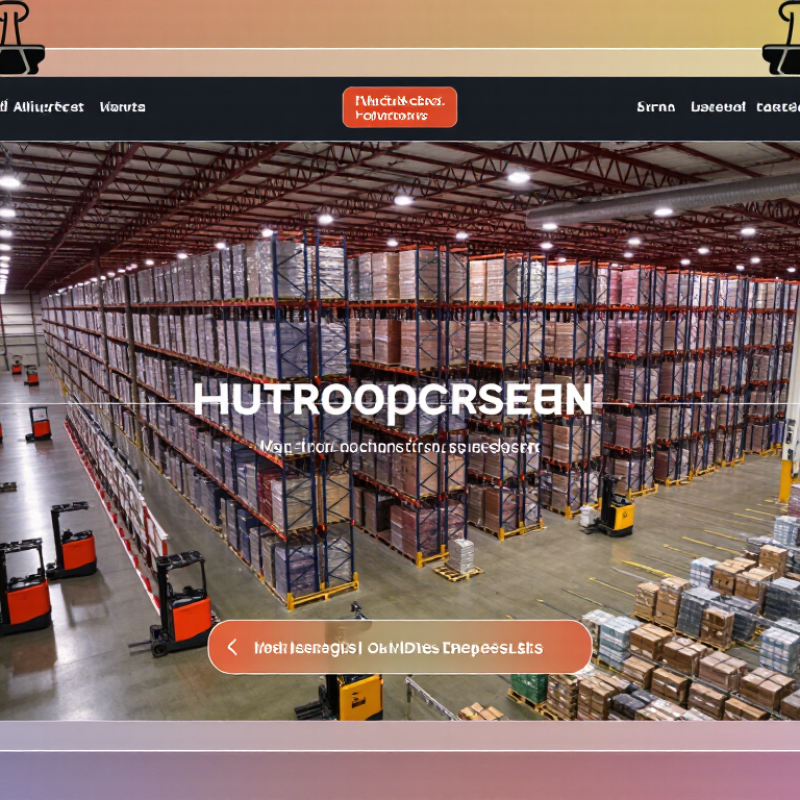
Top 10 Narrow Aisle Storage Systems for Warehouses

What Defines a Narrow-Aisle Storage System

A narrow-aisle storage system is a warehouse arrangement that uses tighter travel lanes to fit more pallet positions within a given floor area. Aisles are narrower than those designed for conventional counterbalance forklifts, but there is no universal width that defines every system. The right dimensions depend on the handling truck, pallet size, load height, rack layout, and required clearances. It is a coordinated setup, not simply racks pushed closer together. Turning space, floor condition, and access to rack ends all matter. Small gaps matter.

Tips: Measure actual loads and pallets, not just their standard specifications. Check truck turning requirements with the equipment supplier, then confirm clearances on the warehouse floor. Keep room for inspection and maintenance access.

Operators may use reach trucks or other equipment designed for confined aisles. These can improve storage density, though they may require specific operator training and careful traffic planning. Before changing a layout, assess picking frequency and replenishment routes; dense storage can add travel or slow access if popular items sit in awkward locations. A site survey and a trial layout can reveal problems that drawings miss. Even experienced teams sometimes underestimate that.

Key Factors for Comparing Warehouse Storage Solutions

Top 10 Narrow Aisle Storage Systems for Warehouses

Comparing warehouse storage solutions requires more than counting pallet positions. The ten common options include selective racks, drive-in racks, push-back racks, pallet flow, carton flow, mobile racks, mezzanines, shuttles, automated storage systems, and very-narrow-aisle racks. Each solves a different operating problem.

Start with measurable factors. WERC’s DC Measures reports consistently show that labor can represent about half of distribution-center operating costs. Therefore, a denser rack may fail if it slows picking or increases travel distance. Compare storage density, selectivity, aisle width, lift equipment, replenishment time, safety clearance, and maintenance needs. Also measure peak-season performance, not only average daily volume. MHI’s 2024 Annual Industry Report identifies labor availability and technology investment as continuing supply-chain concerns. Automation may reduce repetitive travel, but it still needs trained operators and reliable data. That detail is often underestimated.

Tips: Map the fastest-moving stock first. Test two layouts with real order history. Record picks per labor hour, pallet touches, and retrieval delays. Ask whether future products will fit. A perfect layout today may become expensive tomorrow.

Experience also matters. Narrower aisles can increase capacity, yet poor visibility may create hidden congestion. Compare five-year costs, including training, inspections, software, batteries, and downtime. Do not trust a single payback estimate. Warehouse conditions change, and the best answer may be a mixed system rather than one impressive solution.

Ten Narrow-Aisle Storage Systems and How They Work

Narrow aisles can increase pallet positions within an existing building, but they also demand tighter control of truck movement, clearances, and floor conditions. MHI’s 2024 Annual Industry Report found that 55% of respondents were using robotics and automation, while 43% planned adoption within five years. That shift makes it useful to understand how each storage design handles access, not just how many pallets it holds. Small differences matter.

Selective narrow-aisle racks keep every pallet directly accessible, using specialized trucks in reduced-width aisles. Very-narrow-aisle systems use turret trucks that rotate forks to serve both rack faces. Wire-guided and rail-guided layouts keep those trucks aligned along fixed paths. Double-deep racks store pallets two positions deep, trading some access for added density. Push-back racks let pallets roll forward on inclined carts. Pallet-flow racks use gravity rollers for first-in, first-out rotation. Drive-in racks allow trucks to enter the rack structure. Mobile racks move on powered bases to open a working aisle. Aisle choice changes the job.

The right fit depends on pallet dimensions, turning space, order patterns, and building tolerances. A floor that looks level may still affect guided equipment. A site walk can reveal columns, sprinkler lines, or damaged joints that drawings miss. The awkward part is the trade-off: denser storage can slow access or complicate replenishment. Measure real loads and travel paths before committing.

Benefits and Limitations Across Different System Types

Narrow-aisle storage can add pallet positions without expanding a warehouse, but each system changes how people and trucks move. Selective narrow-aisle racking keeps every pallet accessible, which helps when orders contain many different products. It can also fit existing buildings with fewer structural changes. That flexibility matters. The trade-off is that aisles still consume valuable floor space, and careful truck operation becomes essential.

Very-narrow-aisle systems use specialized trucks and may rely on floor rails or wire guidance. They can create denser layouts and serve tall racks, but they demand suitable floor conditions, compatible equipment, and trained operators. A slightly uneven surface can disrupt travel. The first layout sketch often looks cleaner than a real shift. Measure turning points with loaded trucks, not just empty ones.

Mobile racking places racks on powered bases, opening an aisle only where access is needed. It can use floor area efficiently, though retrieving a pallet may require moving other racks first. That delay can frustrate fast-moving operations. Push-back systems offer compact storage for several pallets per lane, but access is last-in, first-out. Product rotation needs attention. Dust, maintenance access, and emergency routes also deserve review before choosing a layout.

Choosing and Implementing the Right System for a Warehouse

Choosing a narrow-aisle system starts with the work, not a catalog. Record pallet dimensions, load weights, daily picks, and the lift equipment already in use. Measure twice. Aisle width must match the truck’s turning and handling requirements, with room for real operating tolerances. Very-narrow-aisle layouts can increase storage density, but they may require guided trucks and trained operators. Double-deep racks hold more pallets per bay, though access to rear loads is less direct. Pallet-flow and carton-flow systems suit fast-moving goods; drive-in and push-back racks can work well for larger batches. The best fit depends on inventory rotation, not just floor space.

Before installation, check floor flatness, column positions, sprinkler coverage, and pedestrian routes with qualified warehouse and safety professionals. Then map the proposed layout against actual pick paths. A simple trial can reveal awkward turns, blocked sightlines, or replenishment delays that drawings miss. That matters. Ask operators to test representative tasks during the pilot, including restocking and retrieving less common items. Review rack protection, inspection routines, and maintenance access before loading. A dense design can look excellent on paper and still slow daily work. Some assumptions will be wrong; revise the plan using measured travel times and operator feedback before committing across the entire warehouse.

FAQS

What is the main advantage of narrow-aisle storage?

It can add pallet positions inside an existing building. The trade-off is tighter control of truck movement and clearances.

How does selective narrow-aisle racking work?

Each pallet remains directly accessible from a reduced-width aisle. It requires trucks suited to those narrower aisles.

What makes very-narrow-aisle systems different?

Turret trucks rotate their forks to serve both rack faces. Guidance may keep trucks on fixed paths.

How do double-deep racks affect pallet access?

They store pallets two positions deep, increasing density. Reaching a rear pallet is less direct.

Which systems support first-in, first-out stock rotation?

Pallet-flow racks use gravity rollers to move pallets forward. They can suit fast-moving goods.

When might push-back or drive-in racks be useful?

Push-back racks roll pallets forward on inclined carts. Drive-in racks let trucks enter the rack structure; both may suit larger batches.

What should a warehouse measure before choosing a system?

Check pallet sizes, load weights, order patterns, turning space, and actual travel paths. Measure twice; a drawing can miss a tight turn.

Why inspect the floor and building details?

Uneven floors can affect guided equipment. Columns, sprinkler lines, and damaged joints may also limit the layout.

How can a pilot reveal problems?

Have operators test restocking and retrieval tasks, including less common items. Note awkward turns, blocked sightlines, and delays.

What should happen before expanding the design?

Review measured travel times, operator feedback, rack protection, and maintenance access. Some assumptions will be wrong, so revise the plan before committing across the warehouse.

Conclusion

Narrow Aisle Storage systems are designed to maximize warehouse capacity by reducing the space required between storage racks while maintaining safe and efficient access to inventory. This article explains what defines a narrow-aisle layout, including aisle width, rack configuration, equipment requirements, storage density, and order-picking needs. It also introduces ten common system types, such as selective, double-deep, drive-in, push-back, carton flow, pallet flow, mobile, shuttle-assisted, vertical lift, and high-density automated solutions, describing how each operates and where it is most suitable.

The comparison focuses on capacity, accessibility, flexibility, installation cost, operating speed, safety, and compatibility with different warehouse layouts. Each system offers advantages but may also involve limitations related to equipment investment, inventory rotation, maintenance, or product handling. By evaluating available space, product characteristics, throughput, budget, and future growth plans, warehouse operators can select and implement the Narrow Aisle Storage solution that provides the best balance of efficiency, capacity, and long-term practicality.

Aria

Aria

Aria is a dedicated marketing professional with a deep passion for innovative strategies and a keen understanding of our company's product offerings. With a wealth of experience in the industry, Aria excels at crafting engaging content that highlights the unique features and benefits of our......