In today's digital landscape, organizations face a growing need for efficient data storage solutions. Multi-tier storage has emerged as a key strategy for managing vast amounts of information. This approach involves combining different storage types to optimize performance and cost. Each tier can cater to specific needs, enhancing accessibility and speed.
Choosing the right multi-tier storage can be daunting for global buyers. Factors such as data volatility, access frequency, and required security levels play crucial roles. Ignoring these factors can lead to inefficiencies. Buyers must understand their unique requirements and the limitations of potential solutions.
Exploring multi-tier storage solutions also involves evaluating your vendor's expertise. Not all providers offer the same level of support and innovation. Researching case studies can shed light on effective implementations. Yet, even reputable solutions may not work for every business. Reflecting on past storage challenges can help refine future choices. The right strategy can empower global enterprises to scale efficiently and securely.
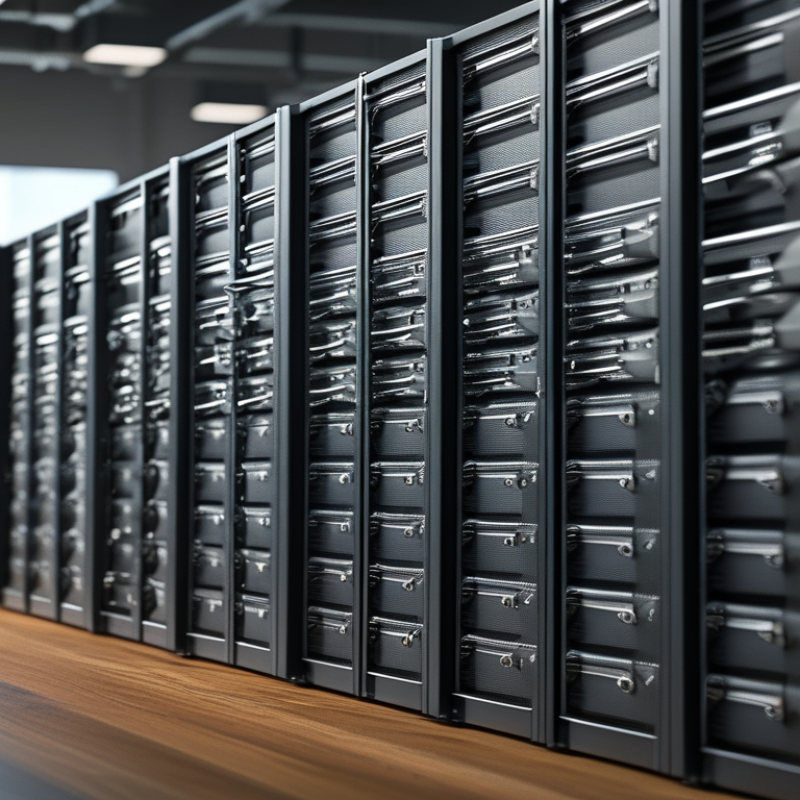
Multi-tier storage solutions are vital for businesses in today’s data-driven world. These systems allow organizations to efficiently manage their data across various storage types. By understanding how multi-tier storage works, global buyers can make informed decisions.
Each tier serves a unique purpose. For instance, high-performance solid-state drives (SSDs) are ideal for critical applications. On the other hand, slower, cost-effective options can help store archival data. This setup creates a balance between cost, speed, and accessibility. Many organizations struggle with choosing the right tiers without understanding their specific needs. Identifying the suitable data sets for each tier is crucial.
Adopting multi-tier storage requires careful planning. It’s essential to regularly assess data usage and growth patterns. Buyers should reflect on their current infrastructure. Are existing solutions agile enough to adapt to evolving needs? As technology progresses, storage solutions must also evolve. Not all solutions fit every organization. Therefore, expertise is required to create a tailored strategy for long-term success.
When considering multi-tier storage solutions, buyers should evaluate the different types available. A recent industry report revealed that the global storage market is expected to reach $65 billion by 2026, indicating a robust demand for efficient storage solutions. The three primary types are: traditional storage, cloud storage, and hybrid solutions.
Traditional storage often utilizes on-premises hardware. This can be costly and requires regular maintenance. However, it offers high data security and easy access for organizations with strict compliance needs. In contrast, cloud storage provides flexibility and scalability. A study indicated that 83% of enterprise workloads will be in the cloud by 2025. This solution allows organizations to scale up or down based on their needs, but it may raise concerns about data sovereignty and security.
Hybrid storage solutions combine the best of both worlds. They allow organizations to keep sensitive data on-premises while leveraging cloud benefits for less critical data. This dual approach presents its own challenges. Users may struggle with integration and data redundancy issues. In fact, over 50% of IT decision-makers have reported facing difficulties when managing hybrid environments. Balancing cost, performance, and data governance is crucial for optimizing any storage strategy.
When evaluating multi-tier storage solutions, consider several key factors. Data access speed is crucial. Choose a solution that balances speed and cost-effectiveness. Solid-state drives (SSD) offer faster access times than traditional hard drives. However, they can be more expensive. This trade-off can impact your overall budget.
Scalability is another vital aspect. As data grows, your storage needs will change. Opt for solutions that allow easy upgrades or expansions. Ensure the system can accommodate future data growth without significant disruption. Flexibility in storage options is essential for adapting to new demands.
Tip: Assess your specific data usage patterns. High-frequency data should reside in faster tiers, while infrequently accessed data can be relegated to slower tiers. Regularly review your storage performance, as needs may shift over time. Monitor usage closely to make informed decisions. Strive for a perfect blend of performance and cost, but remember: no solution is flawless. Reflect on your existing setup and be willing to adapt.
Implementing multi-tier storage solutions is critical for global operations. By strategically categorizing data, companies can optimize both performance and cost. According to a recent analysis by a leading market research firm, businesses often face a challenge in aligning their storage needs with budgetary constraints. This emphasizes the importance of careful planning.
Tips: Evaluate storage tiers based on data access frequency. Frequently accessed data should reside in high-performance storage. In contrast, infrequently accessed data can be allocated to lower-cost options. This tiered approach can reduce costs by as much as 30%, according to industry reports.
It's vital to regularly reassess your multi-tier storage strategy. As data usage evolves, the relevance of each tier may shift. A company may find that their data access patterns are changing, requiring them to adjust their storage allocations. A study showed that companies that undergo regular audits of their data storage can enhance efficiency by nearly 25%. Continuous monitoring is not just a recommendation; it’s a necessity in the rapidly changing global market.
When evaluating the cost-effectiveness of multi-tier storage options, buyers must consider several critical factors. Storage solutions vary in performance, longevity, and operational costs. Multi-tier systems offer flexibility in data management, but what really matters is how each tier aligns with your business needs.
One tip is to assess your data access patterns. Regularly accessed data should reside on faster, more expensive storage. In contrast, infrequently accessed data can be stored in lower-cost, slower options. This strategy helps balance performance with budget constraints.
Another important factor is the total cost of ownership (TCO). Don’t just look at initial costs. Think about maintenance, energy consumption, and scalability. Investing in a higher initial tier may pay off if it reduces operational costs over time. For global buyers, understanding local market conditions can also influence this decision. It’s essential to revise choices periodically, as technology rapidly evolves. Technology isn't static; your storage needs will change too.
| Storage Tier | Cost per GB | Access Speed | Use Case | Data Redundancy |
|---|---|---|---|---|
| Hot Storage | $0.02 | 1 ms | Frequent Access | High (3x replication) |
| Warm Storage | $0.01 | 100 ms | Occasional Access | Moderate (2x replication) |
| Cold Storage | $0.002 | 24 hours | Rare Access | Low (1x replication) |
| Archive Storage | $0.0005 | 1 week | Long-term Storage | Very Low (1x replication) |
: Data access speed is vital. Faster access improves efficiency, but can increase costs.
Scalability matters greatly. Your data needs will change, so choose a solution that adapts easily.
Solid-state drives (SSD) provide quicker access than traditional hard drives. However, they can be costlier.
Review which data is frequently accessed. Store high-frequency data in faster tiers and lower-frequency data in slower tiers.
TCO includes initial costs, maintenance, energy consumption, and future scalability. Look beyond upfront expenses.
Technology evolves rapidly. Regular reviews help ensure your storage setup meets current and future needs effectively.
Store frequently accessed data in faster tiers and infrequent data in slower, cheaper options.
No, consider overall value, including maintenance and efficiency over time. Higher initial cost can reduce future operational costs.
Opt for systems that allow easy upgrades or expansions to adapt to increasing data demands.
Reflect on your current setup. Be open to adapting to better align with your evolving data needs.
Multi-tier storage solutions are essential for businesses looking to optimize data management and improve operational efficiency. These systems allow organizations to categorize and store data across different storage types based on frequency of access and importance. Understanding the importance of multi-tier storage can help global buyers make informed decisions when comparing various solutions available in the market.
When selecting a multi-tier storage solution, buyers should consider key factors such as scalability, performance, and compatibility with existing infrastructure. Implementing best practices, such as assessing current storage needs and establishing clear objectives, can lead to successful integration within global operations. Moreover, evaluating the cost-effectiveness of different multi-tier storage options ensures that businesses can achieve optimal value while meeting their data storage goals.

Shibang Rack