Radio Shuttle Storage systems have emerged as a crucial solution in modern warehousing. According to a recent report by the Warehousing Association, the industry has seen a shift towards automated systems, leading to a 30% increase in storage efficiency. These systems enhance space utilization while decreasing labor costs. Efficiency is a significant driver in today’s fast-paced logistics market, where a reported 67% of businesses prioritize cost-effective solutions.
However, not every Radio Shuttle Storage implementation is perfect. Some users face challenges related to equipment compatibility and system integration. A study conducted by the Logistics Institute showed that 22% of warehouses experience delays due to suboptimal shuttle configurations. This indicates a need for careful planning and evaluation before deployment.
Adopting Radio Shuttle Storage effectively requires a deep understanding of both operational needs and challenges. Organizations must analyze their inventory turnover rates and storage requirements. Optimal configurations can lead to streamlined operations, benefiting both small and large-scale operations. However, ongoing assessments and adjustments are crucial to maximizing these systems' potential.
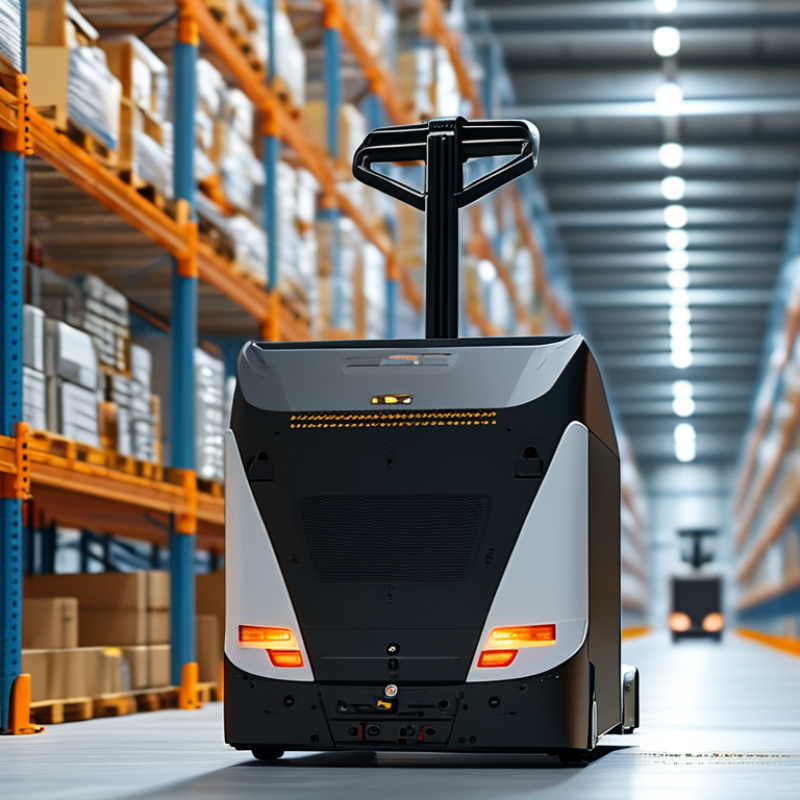
Radio shuttle storage systems offer unique advantages in warehouse management. These systems use automated shuttles to transport goods efficiently within a racking system. They significantly reduce the need for manual labor, minimizing human error. This results in improved safety and quicker operations.
Key features to consider include high-density storage. By utilizing vertical space, these systems maximize the available area. They can also adapt to different pallet sizes, which enhances flexibility. Additionally, the automated nature of radio shuttles allows for real-time inventory tracking, ensuring accuracy in stock levels.
Despite their many benefits, some challenges exist. Initial investment costs can be high, which may deter smaller operations. Training staff to manage these systems effectively is also crucial. Regular maintenance is essential to keep the shuttles running smoothly. Addressing these issues will lead to a more efficient storage solution.
Implementing efficient radio shuttle solutions brings numerous benefits to warehouses. These systems enhance storage density, allowing businesses to maximize their available space. Enhanced retrieval speeds reduce wait times, increasing overall productivity. Moreover, this system can adapt to various inventory types, further streamlining operations.
Tips for implementing radio shuttle solutions include evaluating specific needs before choosing a system. Understand the type and volume of products handled daily. Always consider potential growth; a scalable solution is essential. Regularly training staff on optimal usage ensures you utilize the system effectively. Attention to details, like maintenance schedules, can prevent downtime.
These systems foster better inventory management. Real-time tracking helps avoid stockouts or overstocks. Still, it’s crucial to assess potential challenges. Adjusting to new technology may require time and patience. Reflect on the disruptions during the transition phase. Continuous feedback loops can illuminate areas needing improvement.
Efficient space utilization in warehouses is essential for optimizing operations. Implementing a radio shuttle system can significantly enhance storage capabilities. This system allows high-density storage, reducing the footprint needed for goods. By consolidating products, businesses can maximize vertical space and minimize aisles.
In addition to space efficiency, regular audits are crucial. Monitoring inventory levels and shelf usage can reveal areas for improvement. This process can help identify underutilized sections in the warehouse. Adjusting storage layouts based on demand patterns also plays a critical role. Flexibility in rearranging shelves can adapt to fluctuating inventory requirements.
It’s important to engage staff in this process. Their insights can highlight practical challenges that may not be visible at first glance. Training teams on the new systems and practices encourages better communication. An effective approach combines technology and human insight, ensuring that storage solutions evolve. Companies often overlook the value of ongoing evaluation, which is essential for sustained effectiveness.
| Tip | Description | Benefits | Expected Results |
|---|---|---|---|
| Optimize Layout | Design the storage layout to minimize travel time and maximize space. | Improved efficiency, reduced labor costs. | 15% increase in picking speed. |
| Implement Technology | Use automation and software to manage inventory. | Greater accuracy, real-time data access. | 20% reduction in stock discrepancies. |
| Regular Maintenance | Conduct routine checks on equipment and storage systems. | Enhances the longevity of equipment. | Decreased downtime by 10%. |
| Training Staff | Provide training on best practices and safety protocols. | Safer work environment, improved productivity. | Enhanced staff performance by 25%. |
| Inventory Management | Adopt a just-in-time inventory system. | Reduces storage costs and waste. | Reduced inventory holding costs by 30%. |
To maintain the longevity of shuttle systems, regular inspections are vital. Schedule checks for wear and tear every few months. Inspect key components like wheels and motors for signs of damage. Any irregular noise can indicate a problem. Address these issues promptly to avoid costly repairs.
Additionally, keep the shuttle system clean. Dust and debris can interfere with its operation. Use appropriate cleaning tools to ensure delicate parts are not harmed. Implementing a cleaning schedule can prevent buildup. Ensure all employees understand the importance of this task.
Training staff is crucial for maintaining efficiency. They should be aware of operational limits and common issues. Provide regular updates on new protocols. This awareness can prevent mistakes and enhance overall performance. Reflecting on processes can help identify potential areas for improvement. Aim for continuous enhancement in your shuttle system's efficiency.
The landscape of radio shuttle technology is rapidly evolving. New advancements promise enhanced efficiency in storage solutions. These innovations focus on automation, integration, and real-time data analysis. As warehouses seek to optimize space and reduce labor costs, radio shuttles are becoming indispensable.
Consider strategies to improve your shuttle systems. Emphasizing layout optimization can drastically increase storage density. Regular maintenance is crucial to prevent costly downtime. Training staff on operational best practices ensures that the equipment runs smoothly. Continuous assessment is required to adapt to changing needs.
Wireless communication technology is crucial for future developments. It enables seamless interaction between shuttles and management systems. As the industry embraces IoT, real-time tracking will enhance inventory accuracy. But with change comes challenges. Adapting to new tech requires a thoughtful approach. Being proactive about potential issues can make transitions smoother.
: They reduce manual labor, minimize human error, and improve safety and speed of operations.
They utilize vertical storage and allow for high-density placement of goods, minimizing unused space.
Regular inspections and cleaning schedules are crucial to avoid issues and ensure smooth operation.
Their insights can reveal practical challenges and help improve storage layouts for better efficiency.
Yes, initial costs can be high, and staff training is required for effective use and management.
It ensures accuracy in stock levels and helps prevent shortages or overstocking situations.
Inspect key components like wheels and motors for wear and tear every few months.
Proper training equips staff with knowledge to reduce mistakes and improve overall system efficiency.
Continuous assessment helps identify areas for improvement in storage solutions and may reveal overlooked issues.
Regular cleaning keeps components functioning properly, preventing dirt from causing operational disruptions.
Radio Shuttle Storage systems have emerged as a transformative solution for optimizing warehouse operations. Key features of these systems include high-density storage capabilities and the ability to handle diverse product types efficiently. Implementing Radio Shuttle solutions offers numerous benefits, such as improved space utilization, reduced labor costs, and enhanced inventory management.
To maximize the effectiveness of Radio Shuttle Storage, best practices include utilizing vertical space effectively and ensuring proper organization of goods. Regular maintenance is crucial for the longevity of these systems, avoiding costly downtimes. Looking ahead, advancements in Radio Shuttle technology promise even greater efficiencies, with trends pointing towards increased automation and integration with IoT solutions. Overall, embracing Radio Shuttle Storage not only streamlines operations but also positions warehouses for future growth.

Shibang Rack