How to Choose the Best ASRS Systems for Your Business Needs?

Time:2026-08-15 Author:Sophia
0%

In today's rapidly evolving supply chain landscape, choosing the right ASRS systems can be challenging. Michael Anderson, an expert in warehouse automation, once said, “Selecting the right ASRS system is not just a choice; it's an investment in future efficiency.” His words ring true for many businesses navigating this complex decision.

Many factors influence the selection of ASRS systems, including warehouse size and operational demands. Therefore, it’s crucial to assess specific needs before making a purchase. For instance, a high-throughput warehouse may require different capabilities compared to a facility focused on smaller, specialized items. These differing requirements often lead to indecision among managers.

Identifying the right ASRS system requires a balance between technology and practical application. Exploring vendor options and considering system compatibility is essential. Not every ASRS system will suit your business perfectly. Taking the time to reflect on your unique challenges can lead to better long-term solutions.
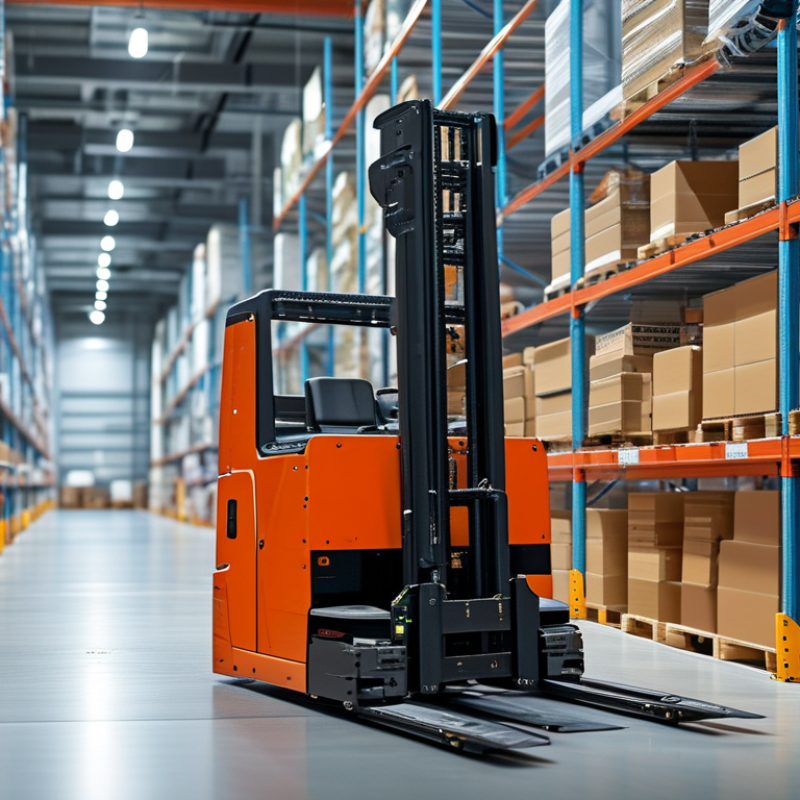
How to Choose the Best ASRS Systems for Your Business Needs?

Understanding ASRS: Key Concepts and Benefits for Businesses

Automated Storage and Retrieval Systems (ASRS) have transformed warehousing. Understanding their benefits is crucial. These systems can increase storage density by up to 50%, according to industry reports. They optimize space, making warehouses more efficient. This is particularly important as e-commerce continues to grow.

Businesses can see significant improvements in order picking efficiency. Reports indicate that ASRS can enhance picking rates by 25% to 30%. This results in faster order fulfillment and reduces labor costs. Moreover, these systems minimize errors, which is vital for maintaining customer satisfaction. However, the initial investment in ASRS can be daunting. Companies need to assess their specific needs before implementation.

While ASRS offers many advantages, challenges exist. The integration with existing systems can be complex. Employees may require training, which can disrupt operations. Businesses should consider these factors carefully. Understanding both the benefits and the potential hurdles will guide a well-informed decision.

Identifying Your Specific Business Requirements for ASRS Implementation

When implementing an Automated Storage and Retrieval System (ASRS), it's critical to identify your specific business needs. Start by analyzing the volume of goods you handle. Look at peak seasons and typical order sizes. Understanding these metrics helps determine the scale of the ASRS required. This information assists in selecting a system that can handle daily demands without overloading.

Next, evaluate your warehouse layout. Consider factors like height, width, and types of items stored. A well-structured approach makes it easier to integrate ASRS into your current operations. Reflect on any challenges with your existing setup. Are there bottlenecks during peak hours? Addressing these pain points can guide you in choosing the right technology.

Don't forget about your workforce. Involve your team in discussions about the system’s usability. Their feedback provides valuable insights on what features are necessary. They may highlight potential issues or benefits that you might not have considered. Balancing automation with human input creates a holistic solution, ensuring the ASRS aligns with both operational capabilities and employee satisfaction.

Warehouse Efficiency Metrics

This chart illustrates key efficiency metrics for warehouse operations, highlighting the total number of orders processed, orders picked, errors encountered, and hours saved through automation. By analyzing these metrics, businesses can better understand their ASRS needs.

Evaluating Different Types of ASRS Systems Available on the Market

When evaluating different types of Automated Storage and Retrieval Systems (ASRS), consider the specific needs of your business. Various ASRS designs exist, including unit-load systems, mini-load systems, and robotic-based solutions. Each type serves distinct purposes, influenced by inventory size and processing speed requirements. Unit-load systems are ideal for large items, while mini-load systems excel at storing smaller products.

Another factor to explore is the integration of ASRS with existing warehouse management systems. Reliable systems ensure seamless operation across all platforms. Also, consider the scalability of the system. As businesses grow, their storage needs change. A flexible ASRS can be a valuable asset, adapting to increased volume efficiently.

Keep in mind that not every ASRS option will perfectly suit your operational needs. Engage with industry experts to discuss potential challenges. Their experience can shed light on common pitfalls and best practices. Explore user reviews and case studies to gain deeper insights. By carefully reflecting on these elements, you can make informed decisions for your business.

Assessing Compatibility with Existing Warehouse and Inventory Systems

Choosing the right Automated Storage and Retrieval Systems (ASRS) for your business requires careful consideration of compatibility. Integrating an ASRS with existing warehouse and inventory systems is crucial for maximizing efficiency. A study from Logistics Management reported that companies experienced a 30% increase in productivity after seamless integration of ASRS. Time spent on inventory management can significantly decrease when systems work together.

Assessing existing warehouse structures is vital. For instance, if your current layout is not optimized for vertical storage, an ASRS may underperform. A complex system can lead to workflow disruption. The National Institute of Standards and Technology found that mismatched systems can double operational costs. This highlights the need for a thorough analysis of compatibility before investment.

Moreover, training personnel on new technologies is often overlooked. Many employees may resist adapting to new systems, affecting overall effectiveness. According to a report from the Warehousing Education and Research Council, 45% of warehouse workers cite insufficient training as a barrier. Understanding employee readiness and system compatibility can mitigate these risks, ensuring a smoother transition to ASRS solutions.

Establishing Budget Considerations and Return on Investment for ASRS

Establishing budget considerations for Automated Storage and Retrieval Systems (ASRS) is crucial for effective investment. Start by determining your operational needs. Assess how much storage and retrieval capacity you require. Understanding your workflow process will help tailor the system to your specific needs. A system that fits poorly can lead to wasted funds and inefficient operations.

Next, evaluate the potential return on investment (ROI). Calculate savings from increased efficiency and reduced labor costs. A reliable ASRS can minimize errors and optimize space utilization. However, keep in mind the initial costs. Installation, maintenance, and training can add up. Comparing these against projected savings provides a clear picture of the system's value.

It's also vital to reflect on the evolving needs of your business. As your operations scale, the ASRS should adapt. Inflexible systems can become a burden. Therefore, plan for future expansion or modifications. Balancing initial investment with long-term versatility is key. Unforeseen challenges may arise, and flexibility can help mitigate risks.

FAQS

: What factors should I consider when evaluating

SRS systems?

What types of ASRS systems are available?

The main types include unit-load systems, mini-load systems, and robotic-based solutions. Each serves different purposes.

How important is integration with existing systems?

It's crucial. Seamless integration ensures smooth operations across platforms and minimizes disruptions.

Why is scalability an essential feature?

As your business grows, storage needs change. A scalable ASRS adapts to increased volume effectively.

What should I reflect on regarding budget considerations?

Assess storage needs and workflow. An ill-fitted system can waste funds and create inefficiencies.

How do I evaluate potential ROI for ASRS?

Calculate savings from efficiency and reduced labor costs against installation and maintenance expenses.

What about future expansion needs?

Plan for flexibility. Inflexible systems may complicate growth and hinder adaptation to new demands.

Why engage industry experts when choosing ASRS?

They can reveal common pitfalls and best practices. Their insights help avoid costly mistakes.

Are user reviews helpful in decision-making?

Yes, user reviews and case studies provide real-life insights into system performance and reliability.

Can unforeseen challenges impact ASRS effectiveness?

Absolutely. Being prepared for challenges and having flexible systems can mitigate risks significantly.

Conclusion

When selecting the best ASRS systems for your business, it is crucial to first understand key concepts and benefits associated with Automated Storage and Retrieval Systems (ASRS). These systems enhance operational efficiency and optimize space utilization, making them a valuable investment for many businesses. To ensure successful implementation, it’s important to identify your specific business requirements, such as storage capacity, retrieval speed, and scalability.

Next, evaluate the various types of ASRS systems available on the market, as they differ in design and functionality. Assess how these systems can be integrated with your existing warehouse and inventory management solutions to avoid disruption. Additionally, establish a budget that considers both upfront costs and potential return on investment (ROI) to ensure that the chosen ASRS systems align with your financial expectations and operational goals. By following these steps, businesses can make informed decisions that cater to their unique needs and drive overall productivity.

Sophia

Sophia

Sophia is a dedicated marketing professional with an exceptional depth of knowledge about her company's products and services. With a keen understanding of market trends and customer needs, she crafts insightful blog posts that not only inform but also engage readers, enriching the company’s online......