How to Choose Medium Duty Storage Racks for Global Sourcing

Time:2026-09-09 Author:Madeline
0%

Choosing Medium Duty Storage racks for global sourcing requires more than comparing steel thickness or quoted prices. Warehouse teams must match rack capacity, bay dimensions, loading methods, and local safety requirements. The MHI 2024 Annual Industry Report highlights continuing investment in warehouse technology and supply chain resilience. That trend increases pressure on storage systems to remain flexible, traceable, and easy to expand.

Capacity matters most.

The World Bank’s Logistics Performance Index 2023 shows that logistics reliability differs considerably across markets. This difference affects delivery schedules, spare parts access, inspections, and after-sales support. A rack supplier may offer an attractive factory price, yet inconsistent documentation can create delays at the destination. Buyers should request load tables, material specifications, welding records, coating details, and installation guidance before approving a purchase. Standards such as EN 15512 and FEM recommendations can support more consistent technical comparisons. Local building and workplace rules still require separate confirmation.

Global sourcing also demands careful attention to packaging and transport. A bent upright, missing connector, or unclear assembly mark can stop installation. Pallet dimensions, container utilization, corrosion protection, and replacement-part availability deserve practical review. The World Steel Association’s industry data can help buyers understand steel market volatility, although it cannot predict every supplier’s final quotation. Prices move.

A reliable selection process should compare total cost, not only unit cost. Include freight, duties, unloading, installation, inspections, maintenance, and future expansion. This guide examines those factors through a practical sourcing lens. Some recommendations may need adjustment. Warehouse conditions are never identical. That is the point. A thoughtful decision combines data, standards, supplier evidence, and honest risk assessment.
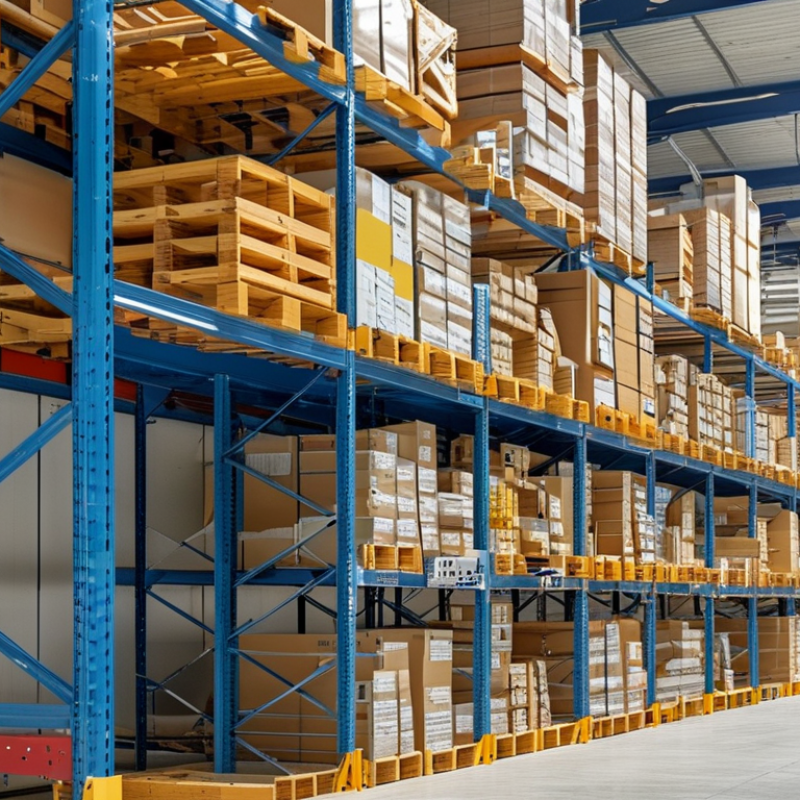
How to Choose Medium Duty Storage Racks for Global Sourcing

Define Medium Duty Storage Rack Requirements

Defining medium duty storage rack requirements starts with the warehouse workflow, not attractive catalog images. Measure the available floor area, ceiling height, aisle width, and access points. Record the size and weight of each stored item. Include packaging, seasonal stock, and possible future changes. A rack that fits one carton may not suit a loaded pallet.

Medium duty has no universal meaning. Ask the supplier for the safe load per shelf and per bay. Confirm whether the rating applies to evenly distributed weight. Point loads can create different risks. Specify shelf levels, beam spacing, frame depth, and adjustment intervals. Keep heavier goods on lower levels. This improves handling and reduces unnecessary strain. Allow clearance for forklifts, carts, and manual picking. Small gaps matter.

Inspect the storage environment carefully. Humidity, dust, temperature changes, and frequent impacts can influence material selection and maintenance. Request drawings, load tables, surface treatment details, and assembly instructions. Check whether the rack can be anchored appropriately for the floor and operating conditions. Independent testing or documented quality controls add useful confidence. However, paperwork cannot replace a physical fit check.

I have seen projects fail because teams measured products but ignored operator movement. Leave working space around corners and emergency routes. Recheck dimensions after installation. Requirements often change. That is inconvenient, but pretending otherwise creates expensive adjustments later. A practical specification should identify current needs, expected growth, inspection responsibilities, and replacement parts before global sourcing begins.

Compare Rack Materials, Load Capacities, and Configurations

Choosing medium duty storage racks starts with the material, not the price. Painted steel suits dry warehouses and controlled indoor conditions. Galvanized steel performs better where humidity, condensation, or frequent cleaning is expected. Wire decking improves visibility and airflow, while steel panels provide a flatter surface for cartons. Wood-based decking costs less, but moisture and uneven loads can reduce its service life.

Load capacity must match real operating conditions. A rack rated for 500 kilograms per shelf may require less capacity after repeated handling or uneven placement. Ask suppliers for shelf, bay, and frame ratings separately. Request test methods, material thickness, weld details, and inspection records. Leave practical clearance between stored cartons and uprights. Small gaps prevent contact damage.

Configuration should follow the workflow. Boltless units allow quick height changes for mixed cartons. Adjustable beam racks suit pallets, bins, and changing stock sizes. Narrow aisles save floor space, but they may restrict handling equipment. Measure pallet depth, aisle width, ceiling height, and fire-control requirements before ordering. In global sourcing, confirm metric dimensions and local assembly instructions. A common mistake is comparing nominal capacity without checking load distribution. I have seen a shelf appear strong until one heavy box sat at its edge. That detail matters. Avoid trusting photographs alone; sample checks and written tolerances reveal more.

Evaluate Global Sourcing Standards and Supplier Qualifications

When choosing medium duty storage racks globally, supplier qualification should precede price comparison. ISO’s 2023 Survey recorded more than 1.2 million ISO 9001 certificates worldwide. Certification helps, but it does not prove rack performance. Request recent audit reports, material certificates, welding procedures, and batch traceability. Check whether the supplier tests beams, uprights, and connectors under realistic loads. A rack holding boxed parts in a dry warehouse needs different evidence from one facing humidity or frequent forklift impact.

Use recognized technical requirements, such as EN 15512, FEM 10.2.02, or ANSI/RMI specifications, where applicable. Confirm design calculations for seismic zones, floor tolerances, and stated load levels. Ask for independent test results, not only factory declarations. The World Bank’s 2023 Logistics Performance Index assessed 139 economies, showing how infrastructure and border processes affect delivery reliability. Therefore, evaluate production capacity, export documentation, packaging strength, and contingency plans together. A low quote can become expensive after delays, damaged frames, or missing components.

Tips: Build a qualification scorecard. Give separate scores for safety, quality, lead time, and after-sales support. Visit the plant when practical. Photograph incoming steel inspection and final packing. Ask for three comparable project references. Keep one concern visible: certifications may be current while process discipline weakens later. Re-audit critical suppliers annually, and review rejected parts before approving repeat orders. Use written acceptance criteria, including straightness, coating thickness, labeling, and replacement response time.

Review Pricing, Shipping, Installation, and Import Factors

Choosing medium duty storage racks for global sourcing requires more than comparing unit prices. Ask suppliers for steel thickness, load capacity, beam dimensions, coating details, and test documentation. A low quote may exclude packaging, export fees, duties, or replacement parts. Calculate the landed cost before approving an order. I have seen small accessories become expensive after arrival.

Shipping conditions deserve equal attention. Confirm whether the racks ship knocked down, how many cartons fit into each container, and whether moisture protection is included. Request carton dimensions and gross weights for warehouse planning. Clarify the Incoterm, delivery schedule, and responsibility for damaged goods. Ocean freight may be economical, but port delays can disrupt a planned installation date.

Tips: Compare at least three complete quotations, not only product prices. Check the tariff classification with a qualified customs professional before shipment. Ask for installation drawings, hardware lists, and load-warning labels in advance. Inspect a sample carton if possible. It reveals more than a polished product photo. Verify your local building and workplace requirements, especially anchoring rules and aisle clearances. Installation also needs a realistic budget for labor, lifting equipment, and floor preparation. I once underestimated floor unevenness; the racks required extra adjustment, and the schedule slipped. That mistake was avoidable.

Select the Best Rack System Through Testing and Cost Analysis

Choosing medium duty storage racks for global sourcing requires more than comparing catalog prices. Start with the real load profile: carton weight, pallet dimensions, picking frequency, and available aisle space. A rack rated for 500 kilograms may perform poorly if the load is uneven or placed near the beam edge. Measure the heaviest practical condition, not the average one. Small details matter.

Request production samples before approving a large order. Test beam deflection, upright stability, connector engagement, and coating adhesion. A loaded rack should remain stable during repeated loading and unloading. Check weld consistency and inspect holes for clean alignment. In one warehouse assessment, a low-cost frame failed a simple vibration check because its connectors had excessive play. The drawing looked acceptable. The hardware did not. Use documented test records, clear measurement methods, and photographs linked to each sample.

Cost analysis should include freight, packaging, installation, replacement parts, and warehouse disruption. Compare landed cost per usable storage position, rather than price per frame. Stronger packaging may increase shipping cost but reduce damaged components and delayed installation. Also examine local assembly skills and spare-part availability. I would not trust a supplier based only on a polished audit report. Recheck critical dimensions during production, and keep a small contingency for design changes. Some assumptions will be wrong. Good sourcing plans leave room to correct them.

How to Choose Medium Duty Storage Racks for Global Sourcing

Select the best rack system through load testing, assembly efficiency, and five-year cost analysis.

The comparison uses common medium-duty configurations rated from 250 to 400 kg per level. Estimated five-year cost includes the rack frame, shelves, delivery allowance, assembly labor, and basic maintenance. Higher-capacity systems generally require a higher initial investment but can reduce replacement and expansion costs.

FAQS

: What should I check before comparing supplier prices?

: Review safety records, material certificates, welding procedures, and batch traceability. Ask for recent audit reports. Price comes later.

Does certification prove that a rack is safe?

No. Certification supports credibility, but it does not prove real-world rack performance. Request independent test results. Check beams, uprights, and connectors under realistic loads.

What technical information should a supplier provide?

Request design calculations, steel thickness, load capacity, beam dimensions, and coating details. Confirm suitability for floor tolerances and seismic conditions. The paperwork may still miss a practical weakness.

How should I judge a supplier’s production quality?

Visit the plant when practical. Inspect incoming steel and final packing. Photograph both areas. Ask for three comparable project references.

What should a supplier scorecard include?

Score safety, quality, lead time, and after-sales support separately. Add criteria for straightness, coating thickness, labels, and replacement response time. Keep concerns visible.

How can I calculate the true purchase cost?

Include packaging, export fees, duties, freight, installation, labor, lifting equipment, and replacement parts. Compare complete quotations, not unit prices. Small accessories can become surprisingly expensive.

What shipping details require confirmation?

Confirm whether racks ship knocked down and how many cartons fit each container. Request carton dimensions and gross weights. Check moisture protection, delivery dates, and damaged-goods responsibility.

What installation issues should I plan for?

Request installation drawings, hardware lists, load-warning labels, and anchoring details. Check aisle clearances and local building requirements. Uneven floors may require extra adjustment. That delay is easy to underestimate.

Conclusion

Choosing the right Medium Duty Storage rack system begins with clearly defining operational requirements, including available space, shelf dimensions, expected load weight, access frequency, and future expansion needs. Buyers should compare material quality, load capacities, frame designs, shelf configurations, and adjustability to ensure the system supports safe and efficient storage. Rack construction should also suit the working environment, such as warehouses, workshops, retail areas, or distribution spaces.

For global sourcing, it is important to evaluate supplier qualifications, product consistency, quality-control procedures, and compliance with relevant safety and manufacturing standards. Total cost should include unit pricing, packaging, shipping, customs duties, delivery time, installation, and potential maintenance expenses. Before making a final decision, buyers should request samples or conduct load and stability testing, then compare performance against the complete landed cost. A careful balance of safety, durability, flexibility, and long-term value will help organizations select a reliable storage solution for changing operational needs.

Madeline

Madeline

Madeline is a dedicated marketing professional with a wealth of expertise in our company's core offerings. With a keen understanding of the industry, she brings a unique perspective to her role, consistently delivering high-quality content that highlights the superior aspects of our products. As......