Choosing the right Carton Flow Storage system can transform a crowded warehouse into a smoother, safer operation. In a busy picking area, cartons should move forward without constant pushing, searching, or awkward reaching. The best solution depends on product dimensions, order volume, replenishment habits, and available floor space.
Start with the real workflow.
During a warehouse assessment, observe how operators handle cartons at different times of day. A shelf that works at 9 a.m. may become a bottleneck during the afternoon rush. Measure carton width, weight, height, and packaging variation. Then compare those figures with lane capacity, roller strength, and rack height. Small details matter. A poor carton fit can cause jams, tilted boxes, and unnecessary lifting.
Safety deserves equal attention. Clear loading paths, stable frames, visible labels, and sensible working heights support consistent performance. Experienced suppliers can recommend lane angles, dividers, and replenishment layouts based on similar applications. However, their advice should be checked against your own data, not accepted automatically. Every warehouse has exceptions.
The selection process should also consider cleaning, maintenance, expansion, and future product changes. A low-cost system may seem attractive, but frequent adjustments can reduce its value. Conversely, an advanced design may exceed your actual needs. That mistake is easy to make. This guide explains the key factors behind a reliable choice, while recognizing that no single Carton Flow Storage design suits every warehouse. Testing a sample lane with real cartons can reveal problems that drawings often miss.
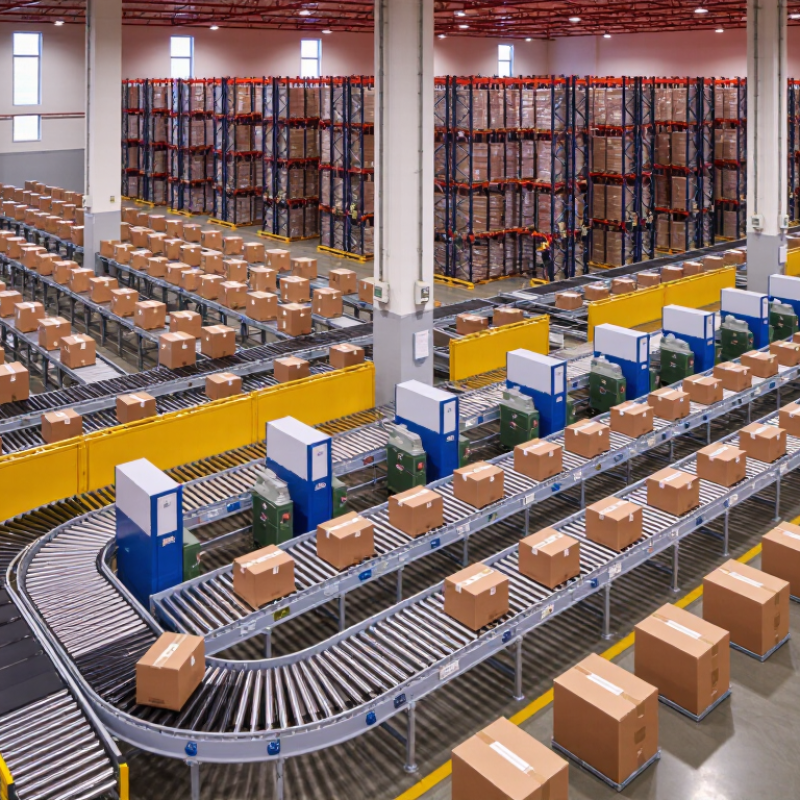
Carton flow storage uses inclined roller lanes to move cartons toward the picking face. Workers load stock from the rear and pick from the front. Gravity keeps each carton in position. It suits fast-moving products, especially items with regular dimensions and frequent order demand. The U.S. Census Bureau reported that American e-commerce sales reached $1.19 trillion in 2024, representing 16.1% of total retail sales. That growth increases pressure on warehouses to shorten picking travel and replenish locations quickly. Carton flow can support both goals. It is not magic.
Choose the system by studying order frequency, carton weight, dimensions, and replenishment patterns. A grocery operation may place small cartons in narrow lanes, while a parts warehouse may need deeper channels and stronger rollers. Keep the picking height between the worker’s waist and shoulders. This reduces awkward reaching during repetitive work. The 2024 MHI Annual Industry Report found that 91% of supply chain leaders expected to increase technology and innovation investment within two years. Carton flow is a practical step, but it still requires accurate slotting. A poorly sized lane creates jams, empty space, or unsafe overloading. Measure the work. Test one aisle with real cartons, observe replenishment during peak hours, and revise the layout before expanding.
Carton flow storage should match your inventory, not simply fill an empty wall. Review each SKU’s dimensions, weight, daily demand, and replenishment pattern. Fast-moving cartons need accessible lanes near the packing area. Slow-moving items can use deeper positions. Measure real cartons, including damaged packaging and irregular shapes. Small details matter.
Space planning requires more than counting available floor area. Check ceiling height, aisle width, emergency access, and replenishment routes. A practical layout should let operators remove cartons without twisting or reaching across busy lanes. Use gravity rollers or wheels suited to carton weight. Heavy cartons may require stronger components and lower storage levels. My first layout placed popular items too high. It looked efficient, but pickers lost time and comfort.
Order-picking data should guide the final arrangement. Track picks per hour, common order combinations, and the distance between storage and dispatch. Test one section with actual workers before expanding it. Their feedback often reveals problems that drawings miss. Perfect plans rarely survive contact with daily work.
Tips: Keep fast movers between waist and shoulder height. Label every lane clearly. Leave space for safe replenishment. Review performance after several weeks, then adjust positions. A small pilot may expose an expensive assumption.
Carton flow rack designs differ mainly in movement, access, and replenishment speed. Gravity roller lanes suit heavier cartons and steady picking activity. Wheel-bed lanes reduce friction for lighter cartons and smaller packages. They can also create less noise during operation. However, wheel beds may struggle with soft cartons or uneven bottoms. Test representative cartons before choosing a lane type.
Single-lane racks offer simple control and clear stock rotation. Multi-lane designs increase picking density but require accurate labeling and lane assignment. A sloped FIFO layout helps older cartons move forward first. Adjustable dividers keep products aligned and prevent cartons from drifting sideways. Useful features include entry guides, lane brakes, rear stops, and adjustable pitch. The frame must support the expected load, not just today’s inventory. A common mistake is choosing maximum density before checking replenishment access. That decision can slow workers later.
Tips: Measure carton width, weight, and bottom quality. Observe peak-hour picking, not quiet periods. Keep the pick face between comfortable waist and shoulder height. Leave enough space for replenishment equipment. Inspect rollers, wheels, and dividers regularly. No design is perfect. Floor level, carton variation, and worker habits can change performance. Pilot one rack section first, then adjust slope and lane spacing using real picking data.
Choosing carton flow storage requires more than counting shelf positions. Capacity must match carton dimensions, replenishment frequency, and product weight. Measure the largest cartons, not the average ones. A narrow lane can improve space use, but it may create jams and awkward replenishment.
Accessibility should support safe picking without excessive reaching or bending. Place fast-moving cartons between knee and shoulder height. Use inclined rollers, clear lane labels, and a front stop that workers can release easily. The MHI 2024 Annual Industry Report found that 55% of surveyed supply chain leaders planned to increase technology investment within two years. Better storage design should accompany that investment, not merely add equipment. A scanner cannot fix poor slotting.
Safety and durability deserve equal attention. The U.S. Bureau of Labor Statistics recorded 2,607,900 nonfatal injuries and illnesses in private industry during 2023. That figure is not specific to carton flow systems, but it shows why handling details matter. Check rated loads, frame anchoring, roller condition, and aisle clearance during routine inspections. Protect exposed corners from lift equipment. Test the system with real cartons. Empty demonstrations can hide unstable loads and damaged packaging. I would also question overly optimistic capacity claims; heavier cartons may slow rollers, distort lanes, or increase impact at the pick face. A durable system needs replaceable components, corrosion-resistant finishes, and documented inspection records. Small failures become expensive when every picker meets them repeatedly.
Selecting the right carton flow storage system starts with order data, not catalog photos. Measure SKU dimensions, daily lines, case weights, replenishment frequency, and pick-face depth. Separate fast movers from seasonal items. A lane designed for 40 picks per hour may fail during a promotion. MHI’s 2024 Annual Industry Report surveyed more than 1,300 supply-chain professionals. It reported that 55% increased technology investment in 2023, while 90% expected investment to rise within two years. That pressure favors measurable designs, not fashionable equipment.
During implementation, test a live aisle with representative cartons. Check roller pitch, carton stability, label visibility, replenishment access, and ergonomic reach. Keep reserve stock outside the picking face when possible. Gravity lanes need controlled replenishment, clear load limits, and end stops that prevent carton spillback. WERC’s 2024 DC Measures report provides percentile benchmarks for order-picking accuracy, receiving cycle time, and space utilization. Record each baseline before installation. Otherwise, improvement becomes a guess.
Do not size every lane for peak demand. That choice can consume valuable cube and create dead space. Yet undersizing causes empty pick faces and emergency replenishment. A simple pilot exposes both problems. Review two weeks of actual movement, then adjust lane width and divider positions. The first layout may be wrong. That is useful evidence. After launch, inspect damaged cartons, replenishment minutes, pick errors, and worker reach complaints weekly. Reconfigure slow movers instead of accepting permanent inefficiency.
| Carton Flow System Type | Typical Carton Weight | Typical Lane Width | Recommended Lane Length | Typical Pitch / Slope | Best-Fit Warehouse Use | Key Advantages | Selection Considerations |
|---|---|---|---|---|---|---|---|
|
Gravity Roller Carton Flow
FIFO
Medium Duty
|
10–75 kg Suitable for stable cartons with rigid bases. |
300–1,200 mm Select width according to carton dimensions and clearance. |
1,500–3,600 mm Longer lanes may require additional braking or speed control. |
Usually 3°–6° The required slope depends on carton base friction and load. |
High-volume case picking, replenishment zones, and pallet-rack carton flow. | Low manual pushing effort, good carton visibility, and reliable front picking. | Test carton movement under both full and nearly empty lane conditions. Add lane brakes for heavy or fast-moving cartons. |
|
Wheel-Track Carton Flow
Light Duty
Flexible
|
1–25 kg Most effective with clean, flat carton bottoms. |
200–900 mm Multiple wheel tracks can be adjusted to suit carton width. |
900–2,700 mm Commonly used in compact shelving or small-parts areas. |
Usually 4°–8° A steeper pitch may be needed for lightweight cartons. |
Small-parts picking, e-commerce order preparation, and low-to-medium carton throughput. | Lower initial weight, easy lane adjustment, and good suitability for mixed carton sizes. | Dust, damaged carton bases, and uneven loads can reduce rolling performance. Confirm wheel spacing before installation. |
|
Brake-Roller Carton Flow
Controlled Flow
Heavy Duty
|
20–100 kg Designed for heavier cartons or high-density lanes. |
400–1,500 mm Wider lanes may require increased roller capacity. |
1,800–4,500 mm Suitable for deeper storage positions. |
Usually 3°–6° Brake rollers regulate speed on longer or heavier lanes. |
Beverage, industrial component, maintenance supply, and dense case-picking operations. | Better speed control, reduced carton impact, and improved operator safety at the pick face. | Brake settings must match carton weight. Inspect rollers and braking components regularly for wear or contamination. |
|
FIFO Carton Flow Rack
Stock Rotation
Batch Picking
|
5–60 kg Suitable where product age or lot sequence matters. |
300–1,200 mm Lane width should allow safe access without carton binding. |
1,200–3,600 mm Use lane dividers to maintain product alignment. |
Usually 3°–7° Adjust after testing actual cartons and packaging surfaces. |
Food, medical supplies, cosmetics, and any inventory requiring first-in-first-out rotation. | Separates replenishment and picking faces while supporting visible stock rotation. | Confirm that replenishment staff can safely access the loading side. Use labels and lane separators to prevent SKU mixing. |
|
LIFO Carton Flow Rack
Deep Storage
Low Rotation
|
5–75 kg Appropriate when strict stock rotation is not required. |
300–1,200 mm Choose width based on carton footprint and access requirements. |
1,500–4,500 mm Deeper lanes increase storage density but may reduce selectivity. |
Usually 3°–6° Product movement should be verified at the intended loading depth. |
Reserve stock, seasonal products, promotional inventory, and low-frequency SKUs. | High storage density, simple replenishment, and reduced aisle space per stored carton. | Not suitable when oldest stock must be picked first. Consider access frequency and replenishment travel distance. |
|
Carton Flow Pick Module
High Throughput
Order Picking
|
1–50 kg Commonly configured for piece-pick or case-pick operations. |
250–1,000 mm Narrower lanes improve SKU density; wider lanes support larger cartons. |
900–3,000 mm Ergonomic reach limits should guide the picking depth. |
Usually 3°–8° Use front stops and separators to maintain an accessible pick face. |
Fast-moving e-commerce, retail replenishment, spare parts, and multi-SKU order fulfillment. | Shortens picker travel, supports SKU zoning, and separates picking from replenishment activity. | Plan for ergonomic pick heights, replenishment routes, carton presentation, labels, and congestion at the pick face. |
Sloped lanes use gravity to move cartons toward the picking face. Older cartons usually move forward first. It supports organized stock rotation.
Gravity rollers suit heavier cartons and steady picking activity. Wheel beds reduce friction for lighter packages. Test real cartons. Soft or uneven bottoms may move poorly.
Measure carton width, weight, bottom quality, and depth. Review daily order lines and replenishment frequency. Catalog photos cannot replace operating data.
Single lanes simplify control and stock rotation. Multi-lane racks increase picking density. They need accurate labels and clear lane assignments. More density is not always better.
Adjustable dividers keep cartons aligned. Entry guides reduce loading errors. Lane brakes control movement. Rear stops help prevent cartons from spilling backward.
Keep the pick face between waist and shoulder height. Leave space for replenishment equipment. Adjust slope using real carton movement. A perfect setting may not exist.
Pilot one live rack section with representative cartons. Observe peak-hour picking, not quiet periods. Check stability, label visibility, access, and worker reach. Measure actual movement for two weeks.
Choosing maximum density too early can block replenishment access. Undersizing creates empty pick faces. Oversizing creates dead space. The first layout may be wrong. That is useful evidence.
Review damaged cartons, replenishment minutes, pick errors, and reach complaints weekly. Inspect rollers, wheels, dividers, and stops. Reconfigure slow movers when needed. Small problems grow quietly.
Choosing the right Carton Flow Storage system begins with understanding how it supports organized, high-density warehouse operations and efficient order picking. These systems use inclined lanes and gravity-fed movement to keep cartons accessible, improve stock rotation, and reduce unnecessary travel. Before selecting a solution, evaluate inventory types, carton dimensions, product turnover, available floor and vertical space, replenishment methods, and daily picking volumes. These factors help determine the appropriate lane arrangement, rack depth, and overall configuration.
It is also important to compare different rack designs and features, including adjustable components, roller or wheel systems, dividers, replenishment access, and compatibility with existing workflows. A suitable system should provide sufficient capacity while maintaining clear product visibility, safe access, smooth carton movement, and long-term durability. After selecting the design, plan installation carefully, train employees on loading and picking procedures, and establish regular inspections. A well-matched Carton Flow Storage solution can improve organization, picking speed, inventory control, and operational safety.
Shibang Rack