What Are the Best Vertical Racks in 2026? The answer depends on what you need to store, how much floor space you have, and how often you access each item. Vertical Racks can make a crowded garage, workshop, or storage room easier to use by lifting long or bulky items off the floor. But a rack that suits garden tools may not safely support lumber, sports equipment, or heavy materials. There is no universal winner.
A useful comparison starts with capacity, dimensions, construction, and installation requirements. Check the manufacturer’s stated load limits, then consider how weight will be distributed across the rack. Measure your wall or floor area, including clearance for handles, doors, and walkways. A narrow footprint looks appealing; stability matters more. Materials and finishes also deserve attention, especially in damp garages or busy workshops. Look for clear instructions, accessible replacement parts, and a warranty with understandable terms. Small details count.
This guide explores the best vertical rack options for 2026 by matching common storage needs with practical features. It considers adjustable layouts, space-saving designs, durability, and ease of access rather than relying on appearance alone. Product specifications can change, and advertised capacity does not guarantee a good fit for every space. A rack may look perfect online and still block a light switch. Measure twice. The recommendations should help you compare options carefully, but your items, mounting surface, and room layout should make the final call.
What Are the Best Vertical Racks in 2026?
What Vertical Racks Are and How They Organize Space
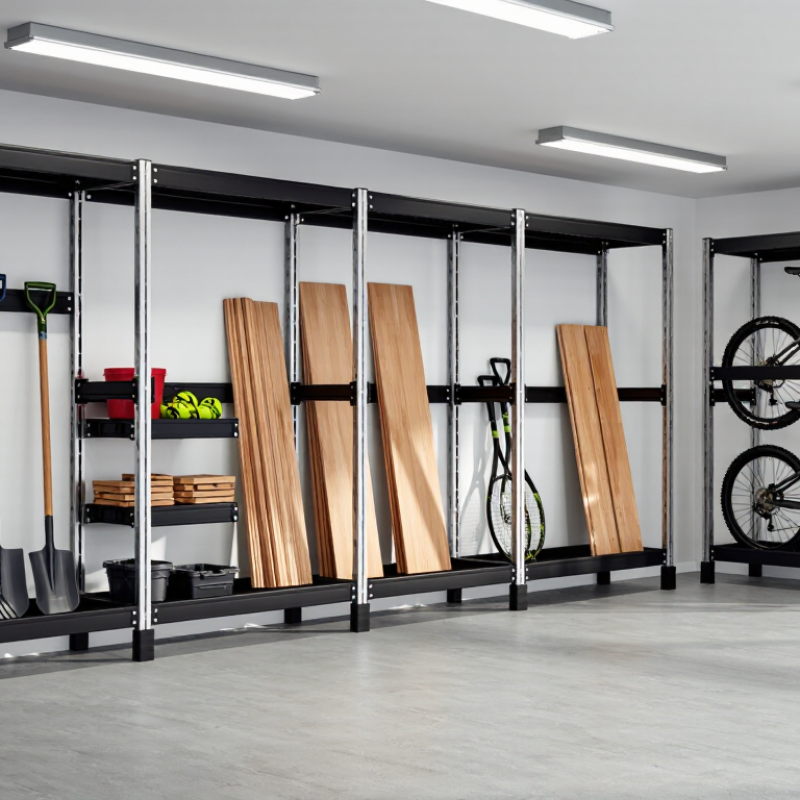
Vertical racks use upright frames, shelves, hooks, or bins to store items above the floor. They can make narrow rooms easier to use, especially when wall or floor space is limited. A rack beside a workbench might hold labeled bins at eye level, while its lower shelves keep heavier supplies within easy reach. Less floor clutter. The right layout depends on what you store and how often you need it.
In practical use, adjustable shelves help accommodate changing loads, but check the rack’s stated capacity before placing heavy items. Keep frequently used objects between waist and eye height, and avoid putting weight high above your head. Measure the room, including door swings and walking paths, before choosing a rack. I’ve found that small spaces can look organized in a sketch yet feel cramped once bins are loaded. That part is easy to misjudge. A rack also needs stable, level placement; uneven floors may require careful adjustment.
Tips: Group similar items in clear or labeled containers. Leave space to reach handles and remove bins without shifting everything nearby. Review the setup after a week; the most convenient arrangement may not be the safest or most practical one.
It uses upright frames, shelves, hooks, or bins to store items above the floor. Less floor clutter.
It can help in narrow rooms with limited floor or wall space. A rack beside a workbench can hold labeled bins and supplies.
Keep frequently used items between waist and eye height. Place heavier items on lower shelves and distribute weight evenly.
Measure the room, door swings, and walking paths. Loaded bins may make a layout feel tighter than it looked in a sketch.
Check its rated capacity and the wall or floor material. Use specified fasteners and anchor into suitable structural support. Ask a qualified installer if instructions are unclear.
Gently test for movement before loading it. Inspect fasteners and joints regularly for loose bolts, cracks, or rust. Small details matter.
Wipe it with a soft cloth and mild cleaner, then dry the surfaces. Harsh chemicals may damage protective finishes.
Unload it and fix the problem before using it again. I might be tempted to add one more item, but that deserves a second look.
Vertical Racks are space-saving storage systems that use height to keep items organized, accessible, and off the floor. They come in several forms, including shelving units, hanging systems, and racks designed for specific items or environments. The right choice depends on what will be stored, how often it needs to be reached, the available floor and wall space, the rack’s capacity, and the conditions of the room. A home workspace, retail area, garage, or warehouse may each call for a different style and level of durability.
When comparing Vertical Racks in 2026, consider how well each option fits its setting and everyday use, rather than choosing by appearance alone. Check that the rack is stable, appropriately rated for its load, and compatible with the space where it will be installed. Follow the installation instructions, secure the unit as recommended, distribute weight evenly, and inspect fasteners and components regularly. Routine cleaning and prompt attention to wear can help maintain safe, reliable storage over time.

 Shibang Rack