What Are the Best Steel Platforms for Global Buyers in 2026?

Time:2026-10-19 Author:Amelia
0%

Global steel buying is entering 2026 with tighter demands for price clarity, verified quality, and dependable delivery. Steel Platforms now connect mills, distributors, fabricators, and project buyers across multiple regions. Yet not every platform offers the same protection.

The World Steel Association reported global crude steel production at approximately 1.89 billion tonnes in 2023. Its World Steel in Figures 2025 publication also highlights the scale and geographic concentration of modern steel supply. This scale creates opportunity, but it also complicates supplier comparison. Buyers must examine mill identity, production origin, grade documentation, and export experience.

Carbon data matters more each year. The International Energy Agency’s iron and steel analysis identifies the sector as a major industrial emissions source. The OECD’s steel market studies also emphasize persistent overcapacity risks and changing trade conditions. Therefore, the best Steel Platforms should display more than product photos and low quotations. They should support traceable certificates, clear Incoterms, realistic lead times, inspection options, and responsive dispute procedures.

Look beyond the headline price.

A practical review should compare platform verification, payment security, delivery records, technical support, and data transparency. Screenshots can mislead. A polished interface does not prove reliable steel. Buyers should request recent mill certificates and confirm whether quoted material is actually available. They should also check whether the platform distinguishes manufacturers from trading intermediaries.

No universal winner exists. Regional freight costs, project specifications, and regulatory requirements change the answer. Some platforms may provide broader inventory, while others offer stronger engineering assistance. This guide evaluates those differences for global buyers in 2026, while acknowledging one uncomfortable truth: published platform data is often incomplete and deserves independent verification.
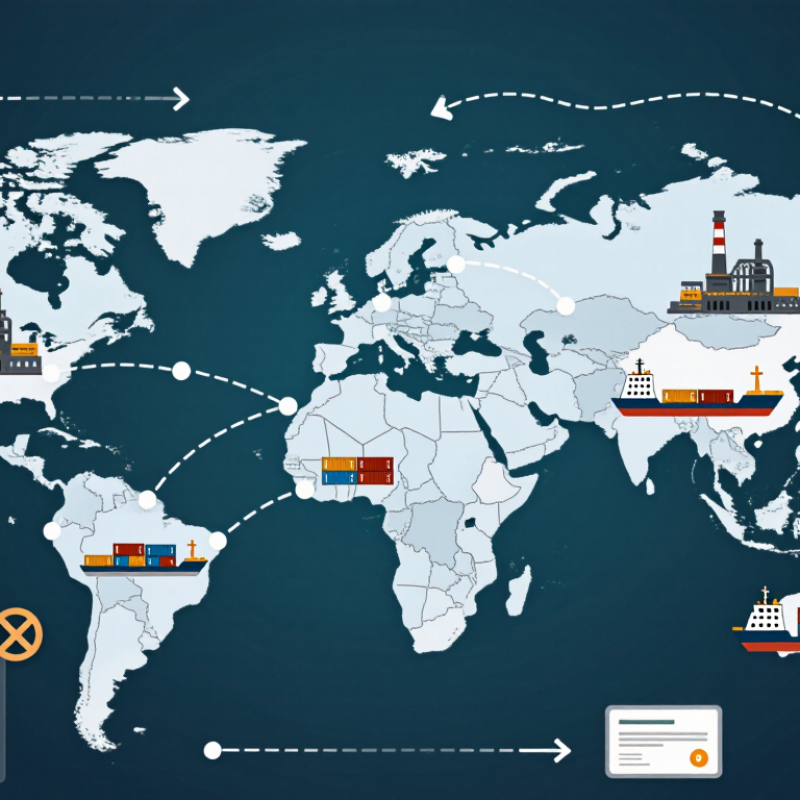
What Are the Best Steel Platforms for Global Buyers in 2026?

Define Steel Platforms: Marketplaces, Mill Portals, and Procurement Networks

For global buyers in 2026, a steel platform is more than a website listing products. It can be a marketplace, a mill portal, or a procurement network. Each model serves a different purchasing need. A marketplace connects buyers with multiple sellers and supports price comparison. It works well for standard coils, sheets, bars, and structural sections. However, a low price may hide unclear specifications, limited stock, or uncertain delivery terms.

A mill portal usually provides direct access to production data, available grades, technical documents, and order updates. Buyers can often review dimensions, tolerances, heat numbers, and mill certificates before shipment. This direct channel may improve traceability. It may also require stronger technical knowledge. A buyer must understand steel grades, testing standards, packaging details, and shipping conditions. Small misunderstandings can become expensive.

Procurement networks combine suppliers, inspectors, logistics providers, and payment controls in one workflow. They are useful for repeat orders, custom specifications, and multi-country sourcing. Reliable networks show clear supplier qualifications and preserve communication records. They should also explain how disputes and quality claims are handled. No platform is perfect. Automated data can be incomplete, and supplier ratings can become outdated. A careful evaluation should compare documentation quality, response speed, inspection access, and delivery performance—not only the displayed price.

Size the Market: 1,892.2 Mt of 2023 Steel Output (worldsteel)

What Are the Best Steel Platforms for Global Buyers in 2026?

The scale is enormous: global crude steel output reached 1,892.2 million tonnes in 2023, according to World Steel Association’s World Steel in Figures 2024. This figure measures production, not available export inventory. That distinction matters. A platform showing only headline volumes can mislead buyers comparing mills, traders, and regional supply.

Serious purchasing platforms should connect product specifications with verifiable production data. Buyers need grade, thickness, width, coating, monthly capacity, mill location, and inspection records. World Steel Association statistics provide a useful market baseline, while the OECD Steel Committee’s capacity reports help reveal structural oversupply risks. Freight distance also changes the real price. A coil may look inexpensive until port handling, insurance, duties, and inland transport are added.

Traceability is becoming harder, not easier. The International Energy Agency identifies steel as a difficult sector to decarbonize, making emissions data increasingly relevant to procurement. Platforms should therefore display certificates, heat numbers, delivery history, and credible carbon information. Small details matter. A missing test report can delay production for weeks.

I have seen buyers overvalue low quotations. That is a costly habit. Digital platforms still depend on imperfect supplier data, outdated listings, and inconsistent terminology. Human verification remains necessary, especially for large contracts. In 2026, the strongest platforms will be those that make uncertainty visible instead of hiding it behind polished dashboards.

Compare Platforms by ISO 9001, Traceability, MOQ, Incoterms, and Fees

For global steel buyers in 2026, the strongest platforms show more than product photos and factory claims. ISO’s latest Survey records over one million ISO 9001 certificates worldwide, yet certification alone does not prove consistent steel quality. Ask for the certificate number, issuing body, scope, and renewal date. Then request heat numbers, mill test certificates, and chemical analysis linked to each bundle. Traceability should survive from furnace to loading bay.

MOQ changes the practical ranking. A platform offering 25 tonnes may suit a stockist, but it can burden a small fabricator with slow-moving inventory. World Steel Association data placed global crude steel production near 1.9 billion tonnes in 2024, so supply is broad, but specifications remain uneven. Compare tolerance, grade, surface finish, packing, and production lead time—not only the quoted tonne price. Short sentences matter here. Details prevent disputes.

Incoterms deserve equal attention. Under FOB, the buyer usually controls main carriage; under CIF, the seller arranges freight and insurance, but destination charges can remain unclear. Request separate lines for steel, inland transport, documentation, insurance, customs handling, and platform fees. UNCTAD’s maritime transport reporting has highlighted continuing freight volatility, making old shipping quotes unreliable. A low commission may hide payment fees or inspection costs. My own purchasing reviews often find this gap. I still question marketplace ratings; they rarely explain rejected coils, delayed certificates, or partial shipments.

Verify Suppliers Using Mill Certificates and 2023 Trade Data

What Are the Best Steel Platforms for Global Buyers in 2026?

The best steel platforms are not judged by search filters alone. Reliable sourcing begins with supplier verification. Ask for a mill certificate linked to the exact production batch. Check the heat number, steel grade, dimensions, chemical composition, and mechanical test results. The certificate should identify the producing mill, inspection date, and applicable standard. Small details matter.

Use 2023 trade data as a practical comparison point. Review shipment volumes, product categories, destination markets, and declared quantities. A supplier claiming extensive export experience should show activity that broadly matches those records. However, historical data is not current proof. A supplier may have changed facilities, ownership, or quality controls since 2023. That is easy to overlook.

Request recent samples and independent inspection when the order is significant. Compare the certificate with the physical markings on bundles, including heat numbers and plate thickness. A polished document can still hide weak traceability. I have found that platforms offering document review, supplier history, and inspection coordination deserve more trust than platforms showing only low prices. Still, no platform removes buyer responsibility. Certificates may contain errors, and trade databases can have reporting delays. That uncomfortable gap deserves attention. Verify twice.

What Are the Best Steel Platforms for Global Buyers in 2026? — Verify Suppliers Using Mill Certificates and 2023 Trade Data
Comparison framework for evaluating supplier-discovery channels, certificate quality, product scope, and 2023 customs-trade signals without relying on company or brand rankings.
Platform Type Best Buyer Use Case Relevant Steel Product Scope 2023 Trade Data Dimension Mill Certificate Evidence Supplier Verification Checks Typical Risk Level Recommended Buyer Action
Producer-Direct Procurement Portal Large-volume buyers seeking recurring contracts, technical consistency, and direct mill communication. HS 7208 HS 7209 HS 7210 Hot-rolled, cold-rolled, and metallic-coated flat steel. Compare the supplier’s declared export market with the 2023 export value and net weight reported by the exporting country under the relevant HS code. EN 10204 Type 3.1 certificate; heat number; chemical composition; mechanical properties; product dimensions; applicable standard and grade. Match the heat number on the certificate with coil, plate, or bundle markings. Confirm issuing mill, test date, standard edition, and authorized signature. Low to medium Request a certificate sample before quotation and require the original certificate before final payment.
Industrial B2B Marketplace Comparing multiple suppliers, specifications, minimum order quantities, and indicative prices. HS 7213 HS 7214 HS 7216 Wire rod, bars, and structural sections. Use 2023 import value, import quantity, and calculated unit value for the buyer’s reporting country. Compare offers against the country-level customs range rather than a single quotation. EN 10204 Type 3.1; grade designation; tensile and yield strength; elongation; dimensional tolerance; heat-treatment condition where applicable. Verify whether the seller is the actual producer, an authorized distributor, or a trading intermediary. Obtain production origin and loading port. Medium Use the platform for supplier discovery, but complete technical, legal, and payment checks independently.
International Trading Exchange Spot purchases, mixed-origin sourcing, price discovery, and flexible shipment sizes. HS 7208 HS 7210 HS 7225 Carbon steel, coated flat products, and alloy steel flat products. Track 2023 monthly import unit values, customs quantity, and partner-country share. Large unit-value deviations may indicate different grades, coating masses, widths, or delivery terms. EN 10204 Type 3.1 or 3.2 when third-party inspection is contractually required; coating mass, surface class, oiling, and dimensional tolerances for coated products. Confirm whether the certificate covers the exact shipment. Check that the certificate is not a generic product brochure or a certificate for a different heat. Medium Use independent pre-shipment inspection for first orders and for transactions involving mixed lots.
Government or Institutional Tender Portal Public infrastructure, construction, transport, energy, and long-term framework contracts. HS 7216 HS 7308 HS 7304 Structural sections, fabricated structures, and seamless tubes. Compare 2023 import quantities by product code, country of origin, and customs value. Use tender specifications to separate finished structures from raw steel products. EN 10204 Type 3.1 or 3.2; welding procedure documentation where relevant; dimensional inspection; chemical and mechanical test results; traceability records. Validate tender eligibility, country-of-origin rules, conformity declarations, inspection requirements, and delivery history for comparable product classes. Low to medium Make certificate traceability and inspection release a contractual condition, not an informal request.
Specialized Tube and Pipe Sourcing Platform Oil and gas, water, mechanical engineering, pressure service, and industrial piping procurement. HS 7304 HS 7305 HS 7306 Seamless, large-diameter, welded, and other iron or steel tubes and pipes. Review 2023 imports by HS code, pipe type, diameter range, origin, net weight, and average customs unit value. HS data alone may not distinguish all technical specifications. EN 10204 Type 3.1; pipe specification; heat number; hydrostatic or nondestructive test results; wall thickness; outside diameter; end finish; applicable project standard. Verify test method, inspection body, pressure rating, weld procedure where applicable, and consistency between pipe markings and documentation. Medium Require a product-data sheet plus a shipment-specific certificate and inspection plan before production.
Stainless and Alloy Steel Specialist Channel Buyers requiring corrosion resistance, high-temperature performance, or controlled alloy chemistry. HS 7218 HS 7219 HS 7222 Stainless flat products, stainless bars, and related alloy products. Compare 2023 trade values and kilograms by grade family where available. Calculate USD per tonne, but do not compare products with materially different nickel, chromium, thickness, or finish specifications. EN 10204 Type 3.1; full alloy chemistry; corrosion or heat-treatment information where specified; surface finish; hardness; tensile and yield properties. Confirm grade equivalence, chemistry limits, surface condition, and whether the certificate reports actual test results or only nominal specification limits. Medium Use laboratory verification for high-value or safety-critical lots, especially when the price is materially below the 2023 trade benchmark.
Recycled Steel and Secondary-Material Channel Electric-arc-furnace feedstock, recycling programs, and buyers with verified recycled-content targets. HS 7204 Ferrous waste and scrap, subject to grade, contamination, and import-control requirements. Review 2023 import and export quantities, average unit value, origin, destination, and monthly volatility. Customs values are not a substitute for scrap-grade inspection. A conventional mill certificate may not apply. Require a material specification, radiation and contamination declarations, weight tickets, origin documentation, and composition or inspection reports where contractually required. Confirm scrap classification, prohibited materials, moisture and contamination controls, weighbridge records, export permissions, and destination-country regulations. High Use an independent surveyor at loading and discharge, with payment linked to verified weight and grade.
Regional Distributor and Stock-List Platform Urgent delivery, small quantities, cut-to-length material, and local inventory replenishment. HS 7208 HS 7214 HS 7306 Common flat, long, and tubular steel products held in regional stock. Compare the buyer country’s 2023 import unit values with local delivered prices, while separating freight, duties, storage, cutting, and handling charges. Original mill certificate where available; distributor certificate of conformity; batch or heat traceability; dimensions; grade; country of origin; storage condition. Check whether stock has been relabeled, processed, cut, or blended. Preserve the original certificate and link each cut piece to the parent heat or batch. Medium Prefer traceable stock and request photographs of markings, labels, and certificates before dispatch.
2023 trade-data reference: Use the United Nations Comtrade Database for reporter-level imports and exports by HS code, partner country, trade flow, customs value in USD, and net weight in kilograms: https://comtradeplus.un.org/. For technical compliance, request shipment-specific EN 10204 documentation and verify the heat or batch number against the physical material. Customs HS data is useful for market comparison, but it does not replace product testing, inspection, or certificate authentication.

Choose by Total Cost, Lead Time, and 2026 EU CBAM Compliance

For global steel buyers in 2026, the best platform is not simply the one showing the lowest ton price. Total cost includes freight, inspection, financing, inland delivery, and carbon exposure. The International Energy Agency estimates that steel production creates about 2.6 gigatonnes of direct CO2 emissions annually. That figure makes emissions data commercially important, not decorative.

Choose platforms that display mill location, product codes, origin, and verified emissions records. Under the European Union’s Carbon Border Adjustment Mechanism, importers must manage embedded emissions and certificate obligations during the definitive period beginning in 2026. The European Commission’s CBAM guidance also makes correct customs classification essential. One wrong code can distort both compliance and landed cost. Check the annual 50-tonne threshold carefully. It may not fit every product category or shipment pattern.

Lead time needs evidence. Ask for production slots, inspection dates, port routing, and a written delay procedure. A platform promising seven days is less useful than one showing the actual furnace schedule. The World Steel Association reported global crude steel production of roughly 1.9 billion tonnes in 2023, so capacity and congestion can change quickly. I would also compare emissions factors against supplier-specific data, because default values may produce a higher CBAM bill. This is where many buying models remain incomplete. A polished dashboard cannot replace auditable documents, responsive technical staff, and a realistic landed-cost calculation.

FAQS

What is a steel platform for global buyers?

It may be a marketplace, mill portal, or procurement network. Each model supports different purchasing tasks.

When is a marketplace useful?

It helps compare several sellers for standard coils, sheets, bars, and structural sections. Low prices still require careful checking.

What information can a mill portal provide?

It may show grades, dimensions, tolerances, heat numbers, certificates, and order updates. Buyers need solid technical knowledge.

Why are procurement networks helpful?

They connect suppliers, inspectors, logistics providers, and payment controls. This suits repeat orders and custom specifications.

How should buyers verify a steel supplier?

Request a mill certificate for the exact production batch. Check the heat number, grade, thickness, chemistry, and mechanical results.

What details should appear on a mill certificate?

It should identify the producing mill, inspection date, applicable standard, heat number, and test results. Small details matter.

How can 2023 trade data support supplier checks?

Compare shipment volumes, product types, destinations, and declared quantities. The records should broadly match the supplier’s export claims.

Is historical trade data current proof?

No. Facilities, ownership, and quality controls may have changed since 2023. That gap is easy to miss.

When should buyers request samples or independent inspection?

Use them for significant orders or uncertain suppliers. Compare physical bundle markings with certificates and stated thickness.

What should buyers compare beyond price?

Review document quality, response speed, inspection access, supplier history, and delivery performance. No platform removes buyer responsibility.

Conclusion

Steel Platforms are digital marketplaces, steel mill portals, and procurement networks that help global buyers compare producers, products, documentation, and logistics in one process. This guide explains how to assess these channels against practical criteria, including ISO 9001 certification, material traceability, minimum order quantities, Incoterms, payment terms, and transaction fees. With global crude steel output reaching 1,892.2 million tonnes in 2023, buyers need a structured method to identify dependable suppliers and manage cross-border purchasing risks.

Supplier verification should include reviewing mill certificates, production specifications, inspection records, and relevant 2023 trade data. The best platform is not always the one offering the lowest quoted price; buyers should calculate total cost by including freight, duties, financing, inspection, insurance, and possible quality-related expenses. Lead time, communication, documentation accuracy, and readiness for 2026 EU CBAM reporting are also essential. A balanced evaluation enables companies to select compliant, traceable, and cost-effective steel supply options.

Amelia

Amelia

Amelia is a seasoned marketing professional with a wealth of expertise in our company’s core offerings. With an unwavering passion for driving growth and innovation, she plays a pivotal role in shaping our marketing strategies and enhancing brand visibility. A key aspect of her responsibilities......