Choosing the best Steel Containers from China requires more than comparing prices on a supplier website. The right choice depends on cargo type, route conditions, loading frequency, and expected service life. A container for machinery needs different protection from one used for packaged food-grade materials. Wall thickness, corner casting quality, door seals, welding consistency, and paint adhesion deserve close attention.
John Fossey, a container equipment specialist at Drewry, has observed that China “has dominated the manufacture of dry freight containers for many years.” His view reflects China’s deep production experience, broad steel supply chain, and established export infrastructure. However, manufacturing scale does not guarantee identical quality from every factory. Buyers should request production drawings, steel specifications, coating details, and inspection records before placing an order.
Look closely.
A practical evaluation should include independent pre-shipment inspection, dimensional checks, door-operation tests, and leak testing. Photographs of the roof, floor, hinges, and locking bars can reveal careless finishing. For repeated international transport, buyers should also confirm applicable container certification and safety requirements with qualified authorities or logistics professionals. These details may appear small, yet they affect handling safety and long-term costs.
Price alone misleads.
Some low-cost units use thinner materials or inconsistent welds. They may perform adequately in mild conditions, but disappoint under heavy loading, salt air, or frequent transfers. Even experienced buyers can miss hidden weaknesses. A thoughtful comparison should balance purchase price, repair access, customization, delivery reliability, and lifecycle value. The best Steel Containers are not simply the cheapest products from China. They are well-documented, properly inspected, and matched carefully to their intended work.
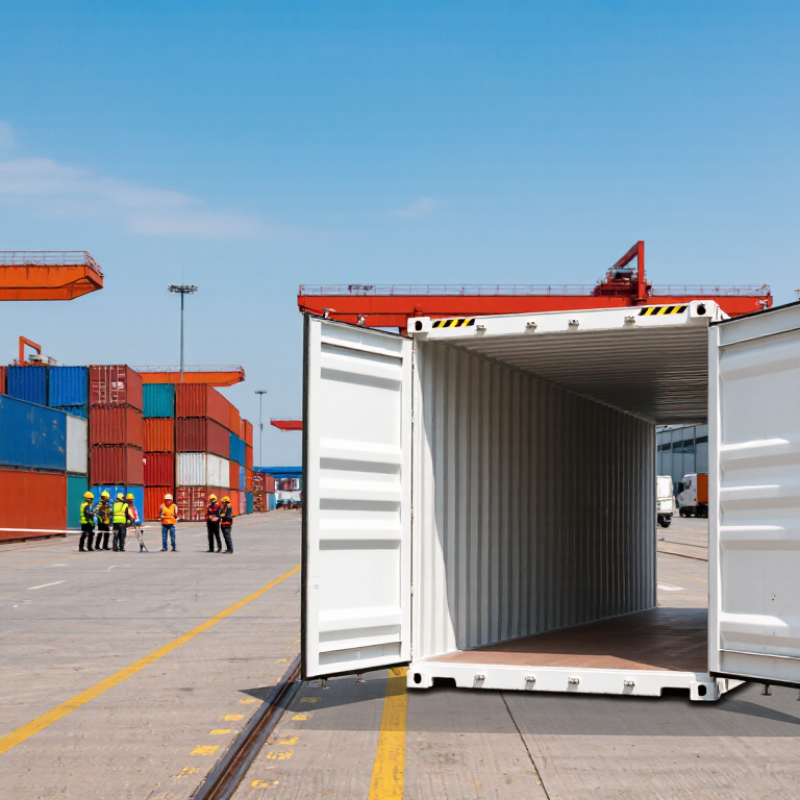
Types of Steel Containers Manufactured in China
China manufactures a broad range of steel containers, with dry freight units forming the largest category. A 2024 Container xChange market analysis estimates that Chinese factories produce more than 95% of the world’s new shipping containers. These standard units usually use weathering steel, corrugated side panels, double doors, and a plywood floor. Common lengths are 20 and 40 feet, while high-cube models add extra internal height.
Open-top containers serve tall or heavy cargo loaded by crane. Their removable roof makes loading easier, but the cover needs careful inspection after rain. Flat-rack containers have collapsible end walls and reinforced floors. They suit machinery, pipes, and oversized industrial parts. Refrigerated containers add insulated walls, a cooling unit, and temperature monitoring. They demand tighter testing because a small seal failure can spoil the cargo. Tank containers use a steel frame around a pressure-rated vessel and must meet applicable transport rules.
China also produces specialized units, including side-opening, double-door, and offshore service containers. Buyers should verify weld quality, corner-casting dimensions, door alignment, floor load ratings, and coating thickness. ISO 668 defines key external dimensions, while the International Convention for Safe Containers supports structural safety requirements. The World Steel Association reported China produced about 1.02 billion tonnes of crude steel in 2023, showing the depth of its steel supply base. Still, production scale does not guarantee equal quality. I would request factory inspection records, batch photographs, and independent load-test evidence before ordering. 亚洲精品
Key Materials and Construction Features to Compare
What Are the Best Steel Containers from China?
Key Materials and Construction Features to Compare
Material choice shapes a steel container’s service life, weight, and maintenance needs. Carbon steel offers strong structural performance at a practical cost. Weathering steel can resist surface corrosion in suitable outdoor conditions. However, it still needs careful inspection near saltwater or heavy humidity. Stainless steel suits demanding environments, especially where cleaning and corrosion resistance matter. It costs more and may add unnecessary weight for ordinary storage.
During factory inspections, I check the steel grade, plate thickness, and coating system together. A thick plate cannot correct poor welding. Look closely at corner posts, roof joints, door frames, and floor supports. These areas receive repeated stress during lifting and transport. Continuous welds should appear even, without visible cracks, pinholes, or excessive grinding marks. Galvanized surfaces need consistent coverage, while painted surfaces require proper preparation beneath the coating.
Small details matter.
Ask for dimensional tolerances, load testing records, and coating inspection results. A reliable supplier should explain its steel sources and production controls clearly. I also compare drainage design, ventilation openings, locking hardware, and replaceable floor panels. Some containers look solid but use weak door hinges or thin corner fittings. I have overlooked this before, and repairs became inconvenient. Independent inspection remains worthwhile, especially when the container will face frequent loading, rain, or coastal air.
How to Evaluate Chinese Steel Container Suppliers
The best steel containers from China are not selected by price alone. Supplier evaluation should begin with documented manufacturing control. The World Steel Association’s World Steel in Figures 2025 reports China produced about 1.005 billion tonnes of crude steel in 2024. This scale supports broad material availability, but it does not guarantee consistent container quality.
Ask for heat numbers, mill certificates, and material grades before ordering. Match these records with the container’s frame, panels, doors, and corner fittings. ISO 668 defines key freight-container dimensions, while ISO 1496-1 specifies strength and testing requirements. A reliable supplier should provide recent test results, welding procedures, coating specifications, and calibration records. Review weld penetration around corner posts. Check door alignment with a simple feeler gauge. Small gaps often reveal poor assembly control.
Factory audits matter more than polished online photographs. Inspect steel storage, cutting accuracy, welding stations, drainage holes, and paint thickness. Request production samples from the same batch, not a specially prepared unit. The International Maritime Organization’s container safety framework also makes traceability and structural inspection essential for transport use. A supplier may have excellent equipment but weak final inspection. That happens. Leave room for corrective action, and record every defect with photographs, measurements, and deadlines. Delivery history, packaging methods, spare-part access, and transparent contract terms should influence the final decision. A low quotation can become expensive after repainting, repairs, or delayed replacement parts.
Best Steel Container Options for Different Applications
What Are the Best Steel Containers from China?
The best steel container depends on the application, not just the lowest quotation. For shipping and outdoor storage, weather-resistant cargo containers with reinforced corner posts offer dependable protection. Check steel thickness, door alignment, weld quality, and floor strength before ordering. A small gap around the door can admit rain and dust. That detail is easy to miss.
For workshops, construction sites, and equipment storage, open-top or side-opening designs provide faster access. Food-related applications require smooth internal surfaces, suitable coatings, and documented hygiene controls. Chemical storage needs compatible steel, sealed fittings, clear labeling, and professional safety review. Stainless steel may perform better in humid or corrosive environments, although its higher cost is not always justified. I have seen buyers choose heavy steel for every project, then discover unnecessary transport expenses. That choice deserves reconsideration.
Tips:
Ask for material certificates, coating specifications, weld inspection records, and dimensional drawings. Request sample photographs from several angles. Confirm load ratings and stacking limits in writing. Inspect one production unit before shipment when possible. Do not rely on attractive photos alone. A container may look strong while using thinner panels than expected. Local climate, handling equipment, ventilation, and delivery routes should guide the final design. Also check whether replacement doors, seals, and fittings can be sourced conveniently after installation.
Quality Standards, Customization, and Shipping Considerations
When evaluating steel containers from China, quality begins with traceable material, not a polished catalog image. Ask for steel grade records, weld inspection reports, dimensional tolerances, and coating data. For outdoor storage, confirm corrosion protection through paint thickness readings and salt-spray results. Independent pre-shipment inspection can verify doors, hinges, locks, floor strength, and water resistance. Certificates help, but they do not replace physical checks. Details matter.
Customization should follow the operating site. A container near the coast may need stronger anti-corrosion treatment than one inside a dry warehouse. Buyers can request shelving, forklift pockets, ventilation, cable openings, ramps, insulation, or reinforced lifting points. Each change affects weight, drainage, safety, or delivery cost. Clear drawings should show weld locations, panel thickness, tolerances, and allowable loads. I once underestimated access clearance; the container passed production checks but was awkward to position. That mistake was preventable. Flexible design still needs disciplined review.
Shipping planning should begin before fabrication. Confirm packed dimensions, gross weight, container loading, port handling, export documents, and Incoterms in writing. Request moisture protection inside the cargo and photograph sealing before departure. Compare sea freight quotations carefully; a low rate may exclude destination charges, inspection fees, or inland delivery. Build time for customs clearance and possible port delays. Delivery dates are estimates. Keep a buffer. Use a written defect process covering evidence, response times, replacement parts, and responsibility. Regular factory updates are useful, although they can hide problems if no independent inspection follows.
FAQS
Carbon steel offers strong structure and practical cost. It fits ordinary storage needs. Maintenance still matters.
Weathering steel can resist surface corrosion outdoors. Inspect it carefully near saltwater or heavy humidity. It is not maintenance-free.
No. Stainless steel suits demanding, clean, corrosion-sensitive environments. It costs more and may add unnecessary weight.
Check corner posts, roof joints, door frames, and floor supports. These parts face repeated lifting and transport stress. Look closely.
Welds should appear even and continuous. Avoid visible cracks, pinholes, and heavy grinding marks. Poor welding weakens thick steel.
Request material grades, heat numbers, mill certificates, and load-testing records. Coating results and calibration records also matter. Documents should match the actual container.
Review steel storage, cutting accuracy, welding stations, drainage holes, and paint thickness. Inspect a normal production sample. Do not rely only on polished photographs.
Check door alignment with a feeler gauge. Small gaps may reveal poor assembly. Also inspect hinges, locking hardware, ventilation openings, and drainage design.
Independent inspection can find weak fittings, thin panels, or coating problems. Record each defect with photographs, measurements, and deadlines. I once overlooked small details, and repairs became inconvenient.
Conclusion
China manufactures a wide range of Steel Containers, including storage boxes, shipping containers, tool chests, waste containers, liquid tanks, and specialized units for industrial use. The best option depends on the application, required capacity, stacking needs, mobility, and exposure to weather or chemicals. Buyers should compare materials such as carbon steel, galvanized steel, and stainless steel, along with wall thickness, welding quality, corrosion protection, doors, locks, ventilation, and structural reinforcement.
Evaluating suppliers requires checking production experience, quality-control procedures, factory capabilities, certifications, inspection records, and communication standards. Different applications may require insulated, watertight, fire-resistant, or highly durable designs. Buyers should also confirm customization options, including dimensions, coatings, colors, fittings, and internal layouts. Finally, quality standards, product testing, packaging, loading methods, shipping schedules, documentation, and import requirements should be reviewed carefully to ensure the containers arrive safely, comply with applicable regulations, and provide reliable long-term performance.

 Shibang Rack